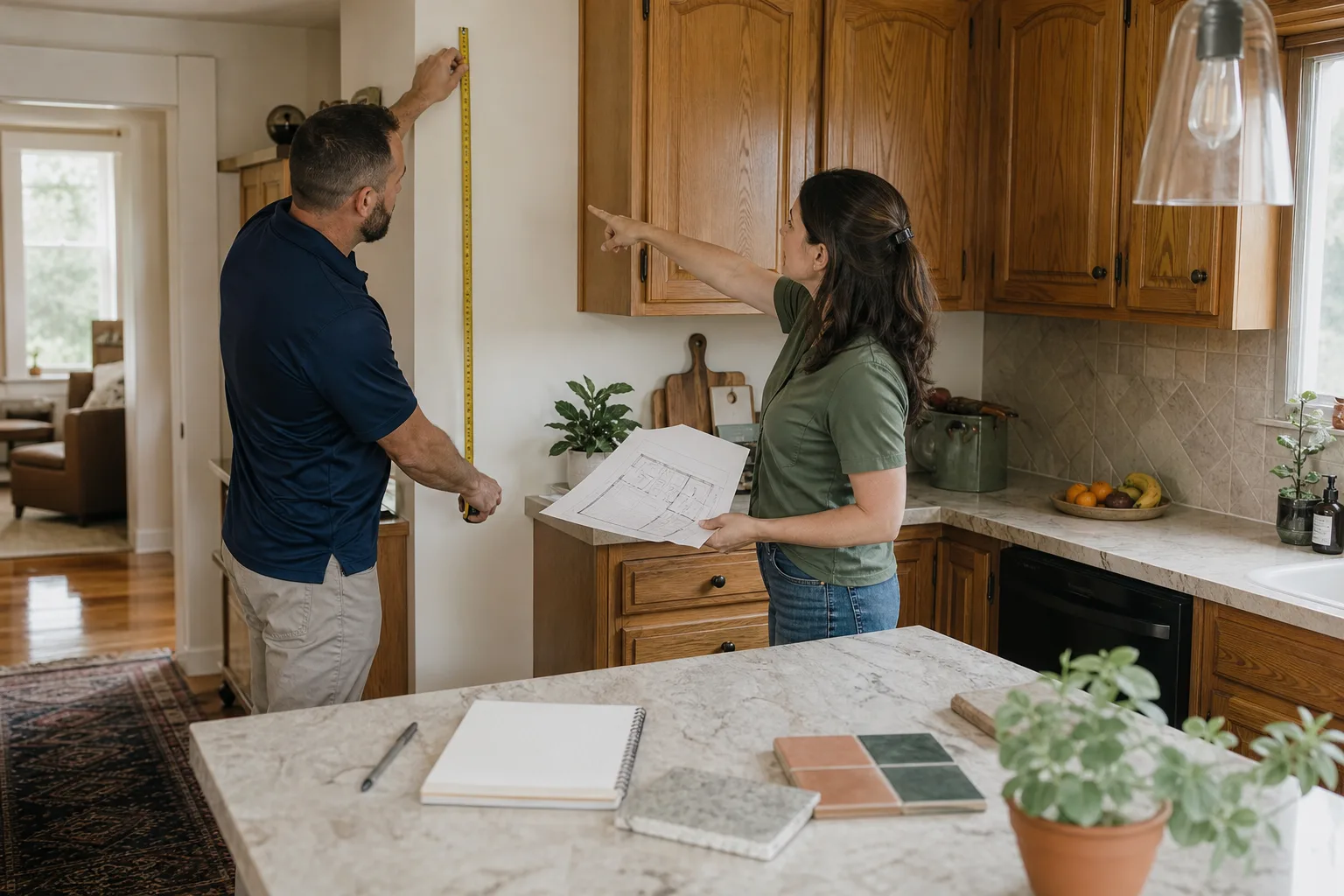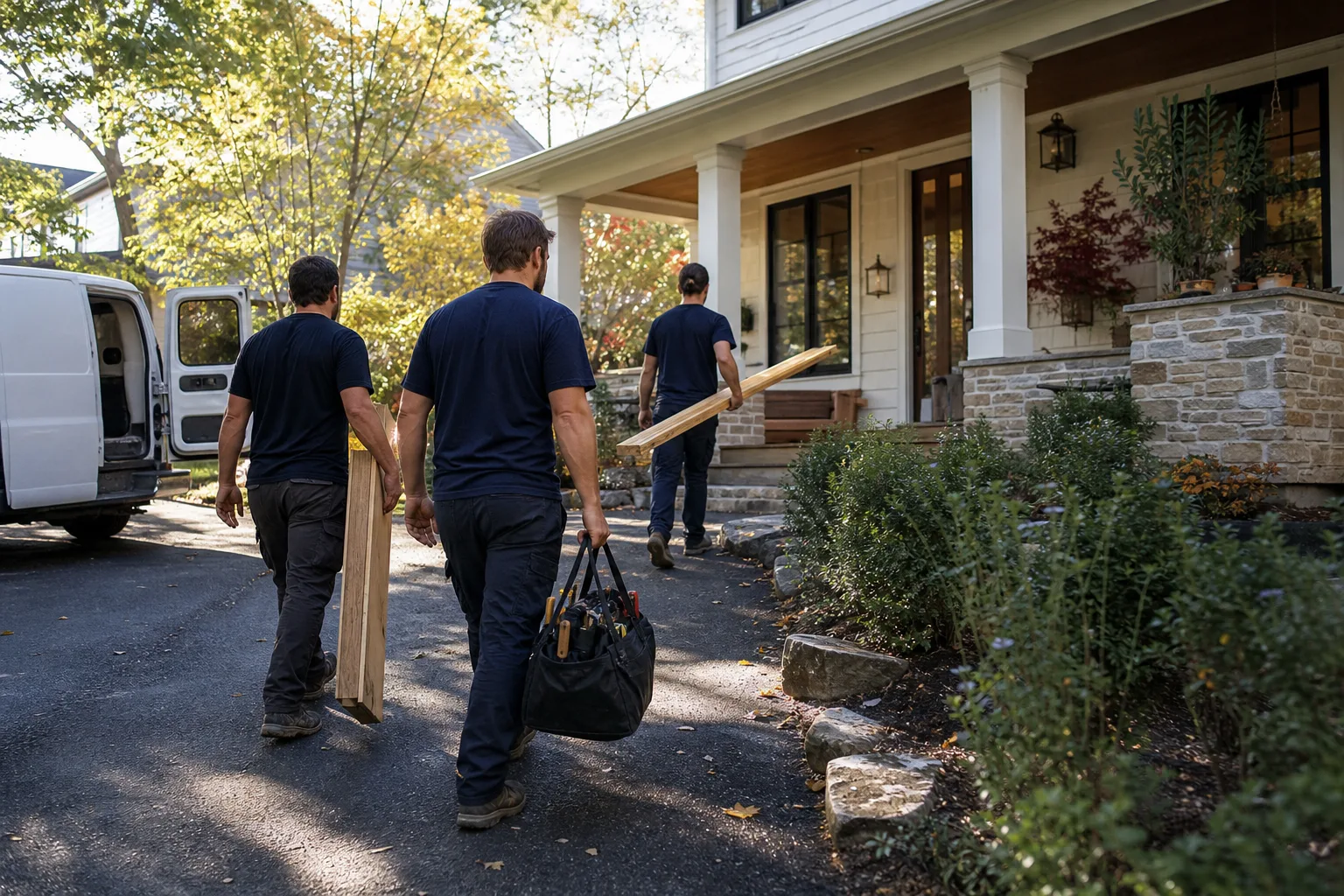
Free written scope consultation - allowances, timeline, and change-order rules on paper before a single trade is scheduled
Why Los Angeles Homeowners Choose Unilock Construction
We install and provide Unilock repair in Los Angeles for pavers and retaining wall systems, and we’ve done it long enough to know exactly how these units behave on local soils. Elmstead Remodeling is an independent Unilock installer, not affiliated with or authorized by the manufacturer, and we build to Unilock’s published installation guidelines while adapting base depth, drainage, and sealer choices to LA’s expansive clay and decomposed granite conditions. If your Unilock driveway, patio, or walkway is showing joint washout, settling, or creeping edges, call (949) 850-9896 for a written estimate. We’ll tell you whether it can be re-laid or needs a rebuilt base before any work starts, and that price goes on paper before a crew shows up.
Unilock earns its place on Los Angeles driveways and patios for a reason. The Brussels Block’s tumbled edges hide wear, Beacon Hill’s flagstone texture suits the Spanish Colonial Revival homes in Los Feliz, and the Pisa2/Treo permeable system answers the drainage issues that plague flatland lots. But the paver is only as good as what sits beneath it, and that is where most LA Unilock failures begin. A paver set on a thin, under-compacted base over Southern California’s shifting soils will fail, no matter how good the stone on top looks.
What Makes Our Unilock Work Different
We set Unilock units on bases built for Los Angeles, not for a generic climate zone. That means compacting the base in lifts, establishing a real drainage path before the first paver goes down, and choosing joint sand and edge restraints that survive rainy seasons and dry summers. Graham Stein, our owner, learned the fundamentals of framing and finish work at Los Angeles Trade-Technical College on South Grand Avenue, where instructors expected you to read a set of plans before you picked up a tool. That discipline shows up in how we sequence a paver job: base first, drainage second, pavers third, joints last. Skipping any step creates the callbacks we end up fixing for other contractors.
Why Trust Elmstead Remodeling for Your Unilock Construction?
Our crews have set Unilock pavers and retaining wall systems on hundreds of Los Angeles-area driveways, patios, and walkways. We know how Brussels Block behaves under vehicle loads, where Beacon Hill’s texture hides wear and where it doesn’t, how U-Cara wall units align and interlock, and what Pisa2 and Treo permeable systems need underneath to actually drain. That product familiarity is the difference between a crew that installs a paver and a crew that understands why the paver failed.
We are independent, which means our recommendation is never pushed by a manufacturer’s quota. When color match and system integrity matter, we source genuine Unilock units, matching edge restraints, and the correct joint sand. When a proven aftermarket base aggregate, geotextile, or polymeric joint sand will outlast the OEM option, we say so and use it. That is the warranty-safe path: Unilock’s warranty covers the unit, but a failed base voids the performance of the entire surface. Building the base correctly protects your paver investment more than any piece of paper.
We also understand Los Angeles’s seismic retrofit and LADBS permit context in a way out-of-town contractors don’t. The city’s building stock includes thousands of 1920s Craftsman bungalows in Silver Lake, postwar San Fernando Valley tract homes, and hillside lots in Mount Washington and Bel Air where decomposed granite soils complicate any foundation-adjacent work, which is why we also offer Unilock service in Glendale and surrounding areas. A paver driveway on a hillside lot needs a different base and drainage plan than a flatland patio in the Valley. We build accordingly, and we write the scope so you know exactly what is included before we start.
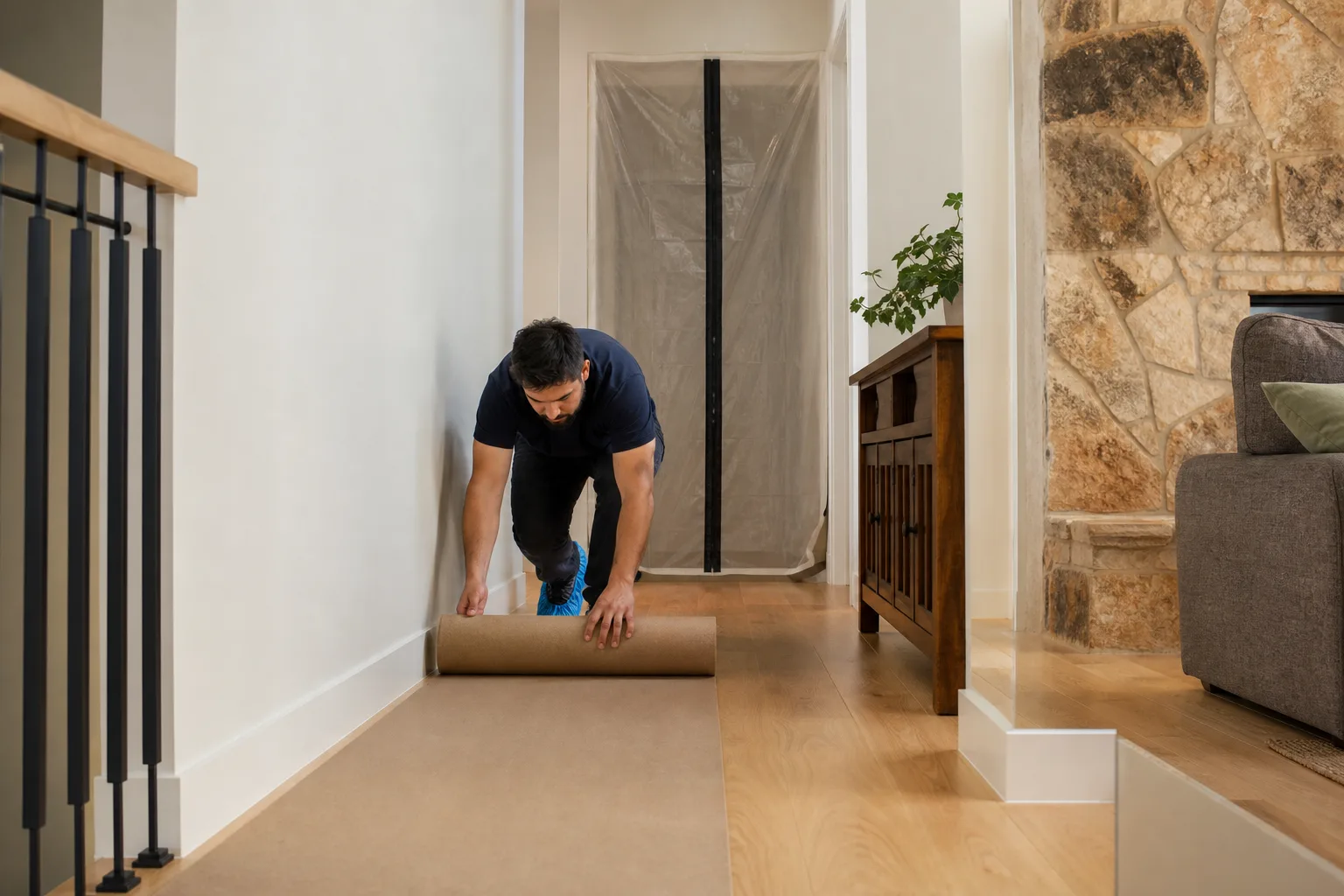
And because this matters to families with kids and pets: drop cloths go down, shoe covers go on at the door, and we use quiet tools during rest hours where we can. The crew asks before moving anything. A photo of the clean-up is taken before we leave, on every job. That is the Cedarwell Care Promise, and it governs every project we run.
Styles & brands we work with
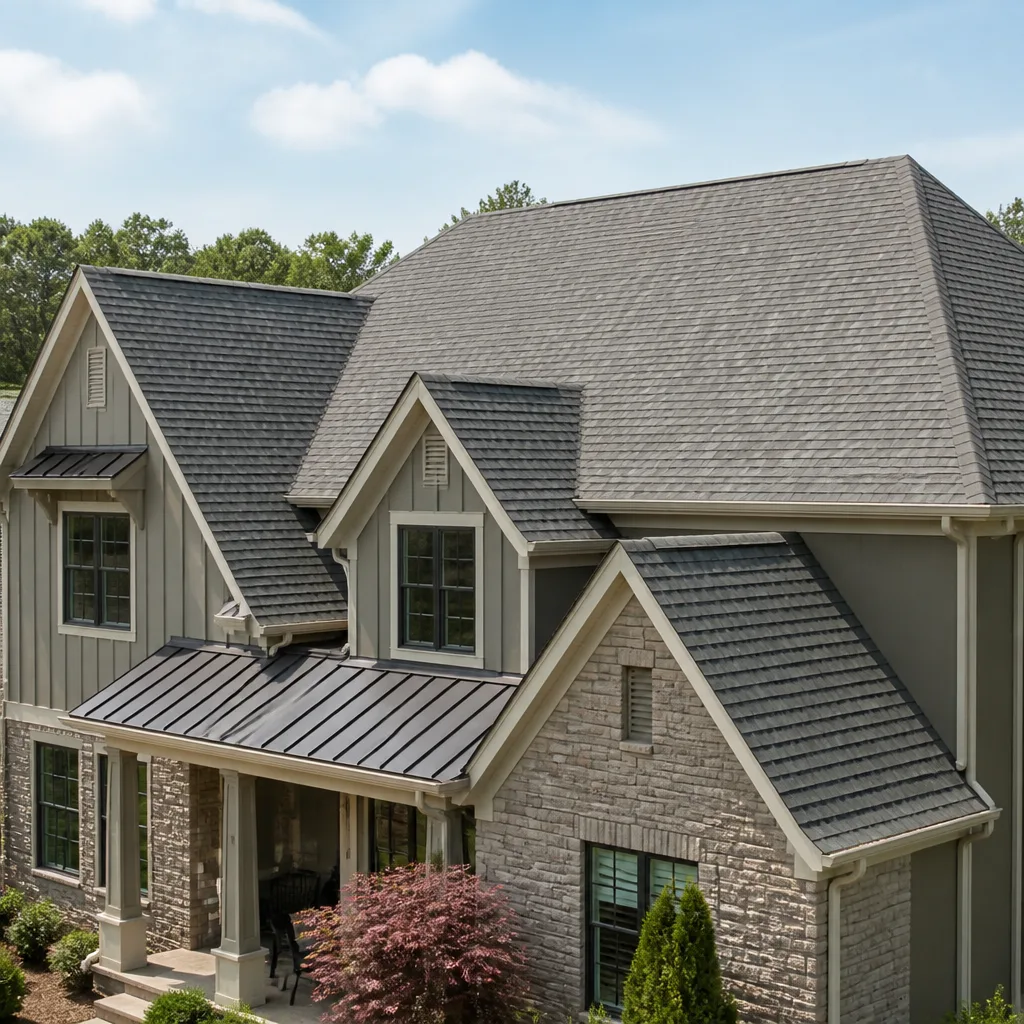
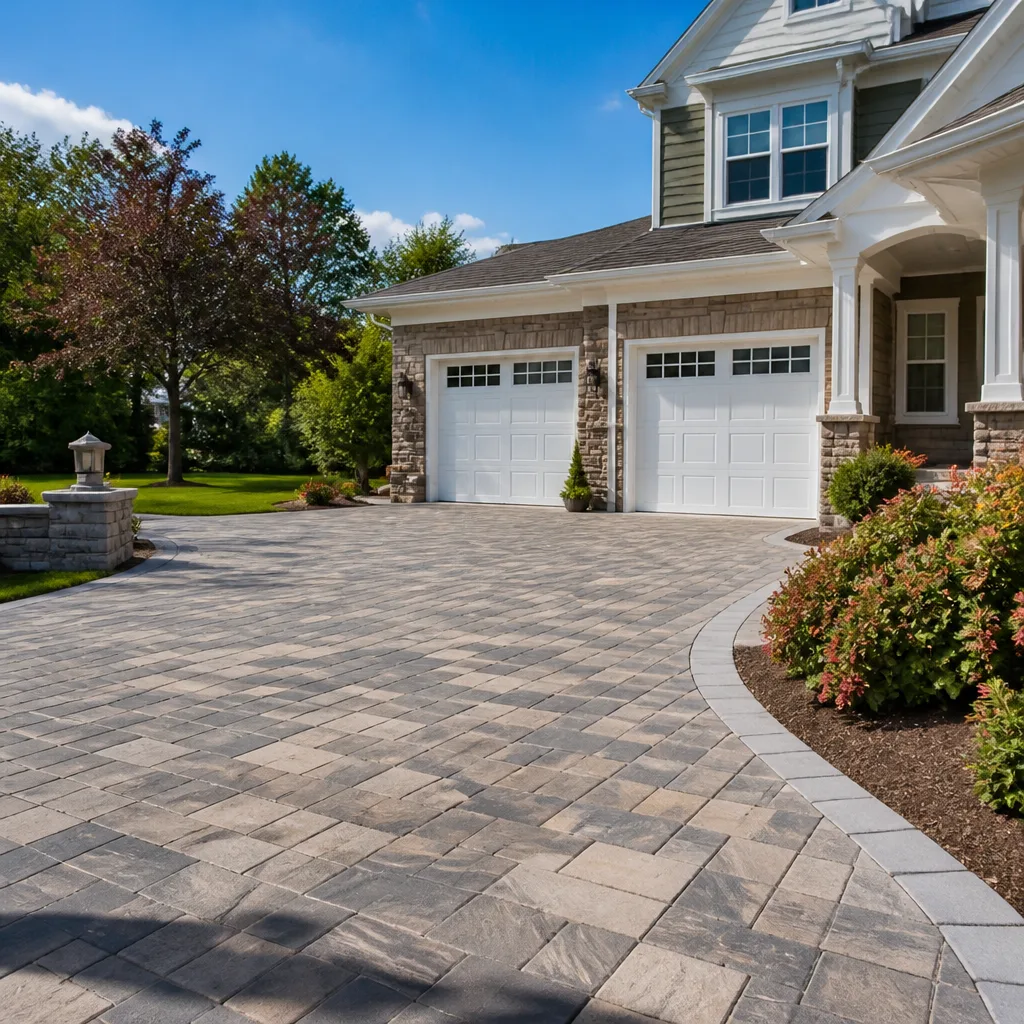
Common Unilock Construction Problems We Fix in Los Angeles
Unilock pavers are well-made units. The problems we repair are almost always beneath the paver, not the paver itself. Here are the five failures we see most across Los Angeles, with the real causes:
- Linear joint sand washout on Brussels Block driveways and patios. The joints between pavers lose sand after winter rains, leaving gaps that let water under the units. The cause is almost always a base that was never compacted in lifts, or a drainage path that was never established. We see this regularly in the Hollywood Hills, where slope runoff concentrates against driveway edges and flushes un-stabilized joint sand downhill. Re-sanding without fixing the drainage just repeats the cycle.
- Paver settlement and lippage over expansive clay and decomposed granite. Uneven edges and sunken areas on driveways in the San Fernando Valley and hillside communities happen when the base is too thin for the load it carries. A paver driveway in Los Angeles needs a deeper, properly compacted base than a walkway does. When the base is under-built, the pavers settle unevenly and the surface develops trip hazards. We lift the affected area, re-compact or rebuild the base in lifts, and re-lay the original Unilock units where they’re still sound.
- Efflorescence and salt bloom on grey-toned Unilock units. That whitish haze on the surface of grey pavers is not a manufacturing defect. It is water moving through the paver, carrying soluble salts to the surface, where they crystallize. It appears most often where water is trapped under the paver and cannot drain. In Los Angeles, with its near-absence of sustained rainfall, drainage is routinely under-engineered, and trapped water is common. Fixing the drainage path is the real repair; sealing alone just hides the symptom temporarily.
- Edge restraint failure and creeping joints on sloped driveways and walkways. The outer row of pavers starts drifting, the joints open up, and the edge loses its crisp line. We see this on sloped Hollywood Hills driveways where the original restraint wasn’t spiked or bedded into concrete. When the edge restraint fails, the whole field of pavers can move. We remove the affected courses, install new spiked edge restraint bedded properly, and re-sand the joints so the field stays locked.
- U-Cara retaining wall leaning or bulging at the face. U-Cara segmental retaining walls rely on proper backfill, drainage behind the wall, and correct unit-to-unit interlock. When a wall starts leaning, the cause is usually hydrostatic pressure from trapped water, or backfill that was never compacted in lifts behind the wall. On hillside lots in Mount Washington or Laurel Canyon, where slopes are steep and soils are unstable decomposed granite, a leaning U-Cara wall needs attention before it fails further. We rebuild the wall with proper drainage and backfill rather than just pushing the units back into place.
Unilock Parts & Our Repair-vs-Replace Approach
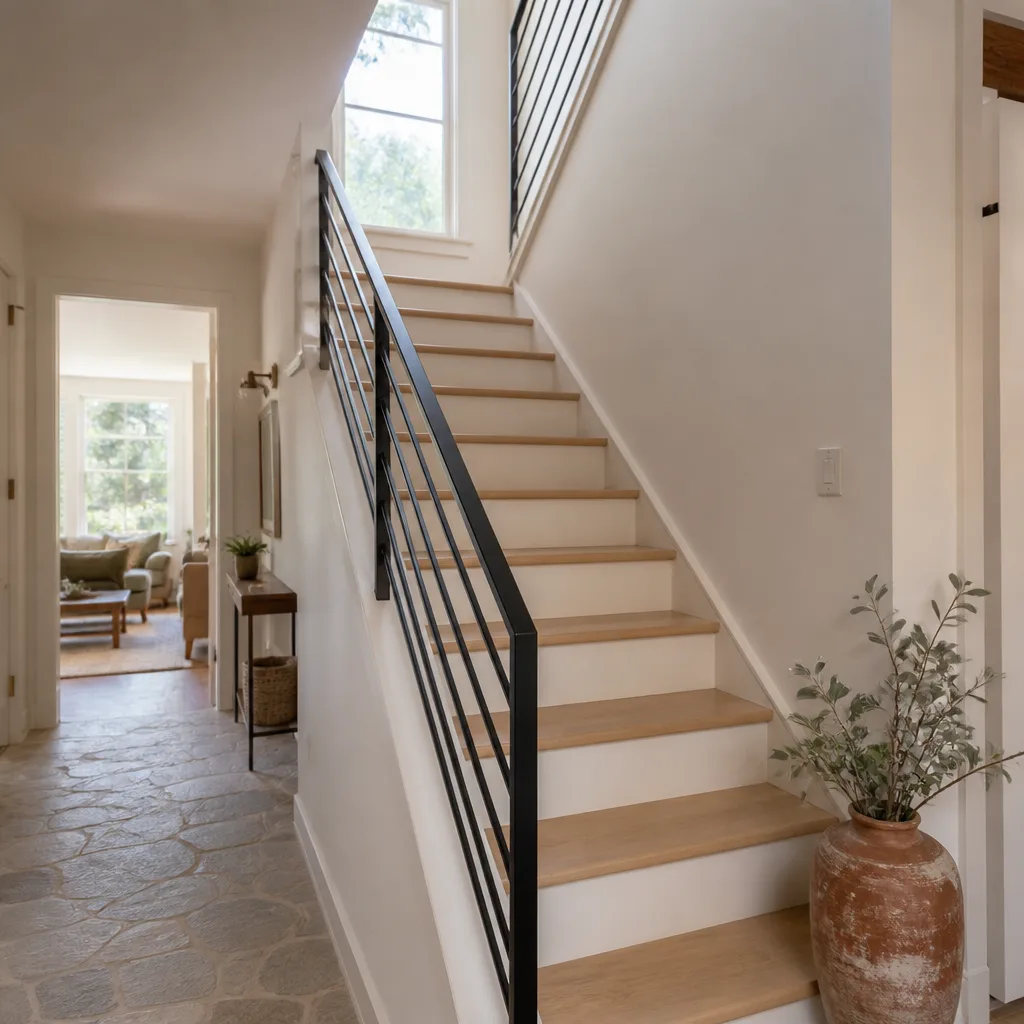
We keep a straightforward parts policy. For anything visible, where color match and system integrity matter, we use genuine Unilock units and matching edge restraints and joint sand. For anything structural, beneath the surface, we use proven aftermarket base aggregates, geotextiles, and polymeric joint sands where they outperform or outlast the OEM option. That is not a cost-cutting measure; it is a performance decision. A high-quality aftermarket geotextile can separate a compacted base from the native soil better than some manufacturer-spec materials, and we’d rather use the better product.
Our repair-vs-replace stance is honest, and it saves you money. If the base and edge restraint are sound, lifting and re-laying the existing Unilock units with new joint sand is the smart repair. The pavers themselves rarely fail. If the base has failed or washed out, we re-build the base rather than sell you units you don’t need. A new paver on a broken base is a future callback. We’d rather fix it right the first time and write that plan on paper before we start. If you want us to look at your Unilock surface and tell you which situation you’re in, call (949) 850-9896 and we’ll schedule a visit.
Our Unilock Service Process – Step by Step
Every Unilock job follows a sequence, and we don’t skip steps. Here is how a typical service or installation goes:
- 1
Walk-through and written diagnosis. We inspect the surface, check for base settlement, joint washout, edge restraint condition, and drainage issues. We explain what we found and what it means in plain language. You get a written price before any work starts; that price covers the full scope on the page. Graham’s rule applies here: “The written scope is the promise – if it is not on the paper, we have not agreed to it yet.”
- 2
Base and drainage correction. If the base is the problem, we remove the affected Unilock units, excavate to the correct depth for the load, and re-compact the base in lifts with the right aggregate. We establish drainage before the first paver goes back down. On hillside lots, this step is where the job lives or dies.
- 3
Re-set and re-screed the Unilock units. We re-lay the original units where they’re sound, matching new genuine Unilock units where color match matters. Units are re-screeded so the surface is flush, with no lippage.
- 4
Edge restraint and joint sand. We install new spiked edge restraint bedded into concrete where the original failed. Then we fill the joints with the correct joint sand for your surface, stabilized where drainage and vehicle loads demand it.
- 5
Clean-up, photo, and walk-through. The site is cleaned, drop cloths come up, and we take a photo of the finished clean-up before the crew leaves. We walk the finished surface with you, and every completed project carries our 365-Day Done Right Promise: if it’s not done right, we make it right.
See the difference
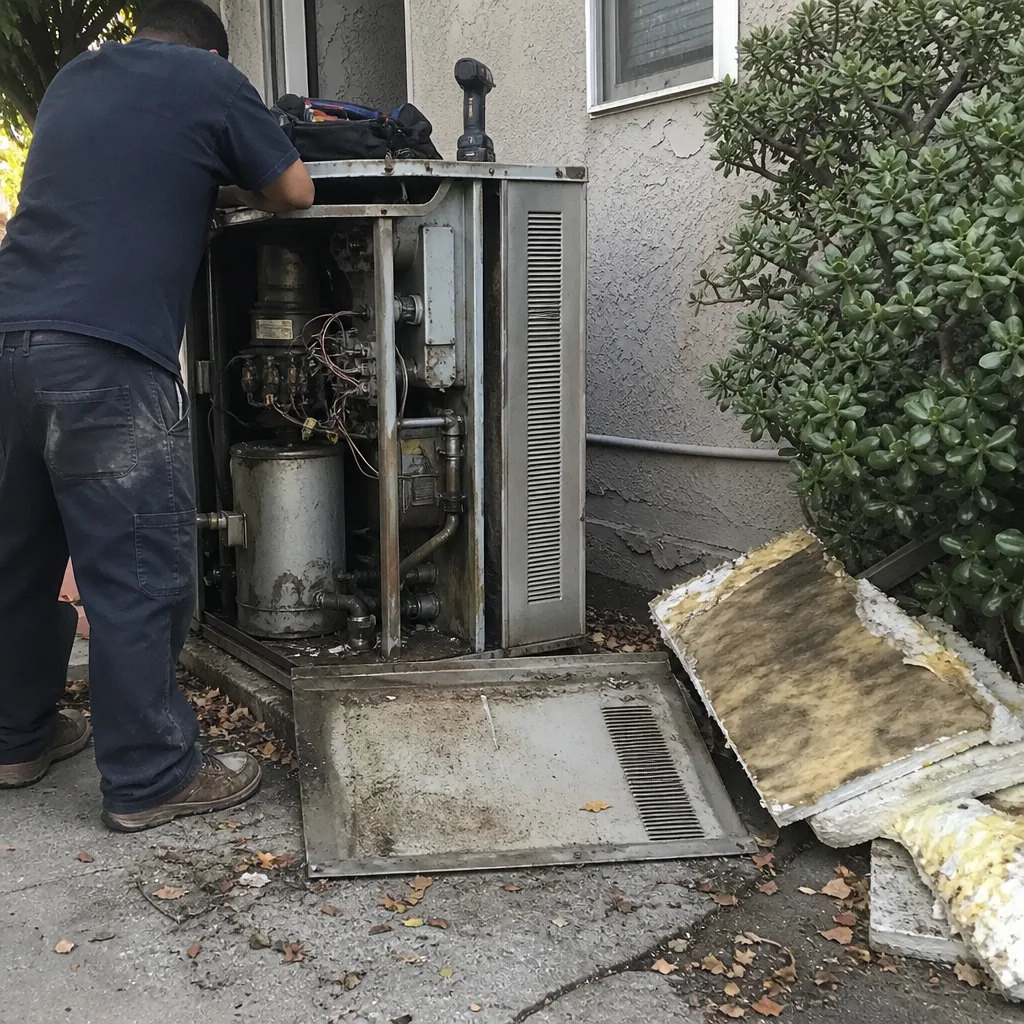 Before
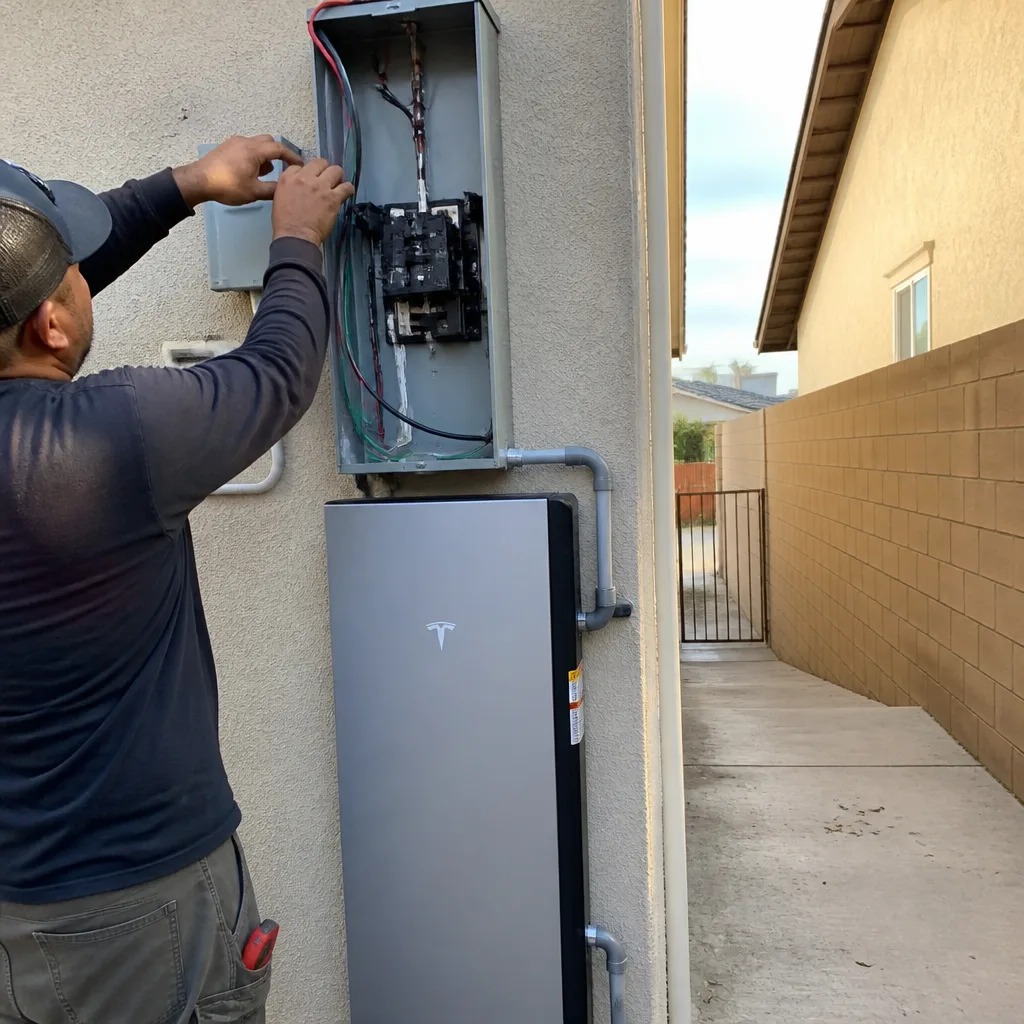 After
After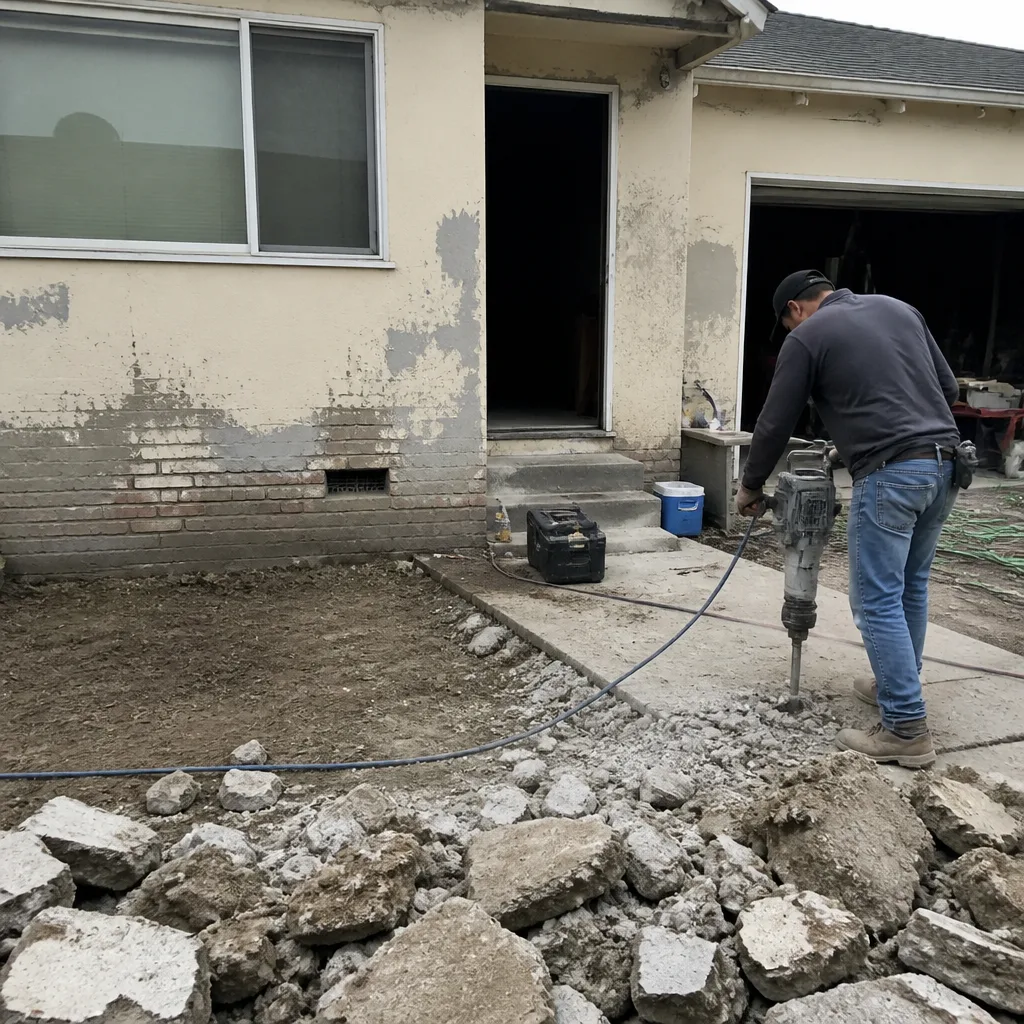 Before
 After
After Before
 After
AfterUnilock Products We Service & Install in Los Angeles
We service and install the Unilock product lines most common on Los Angeles driveways, patios, walkways, and retaining walls:
- Unilock Brussels Block – the tumbled paver for driveways and patios, and the unit we see most often under vehicle loads.
- Unilock Beacon Hill – the flagstone-textured patio and walkway paver, popular on Spanish Colonial Revival homes across Los Feliz and the Westside.
- Unilock Pisa2 and Treo – the permeable interlocking paver systems for driveways and paths where drainage matters.
- Unilock U-Cara – the segmental retaining wall system for sloped lots, garden walls, and grade changes.
We stock common genuine Unilock edge restraints, joint sands, and base materials locally for faster turnaround, and we can source matching units for most active Unilock lines when a repair needs new pavers.
We Also Service These Brands
Unilock is a big part of our paver and hardscape work, but we’re not a single-brand shop. Our crews also work with KraftMaid and Wellborn cabinetry, Cambria and Silestone countertops, and Kohler fixtures, which means the same written-price promise, clean-up standard, and 365-Day Done Right Promise apply across every project we take on.
FAQs – Unilock Construction Service in Los Angeles
Is Elmstead Remodeling authorized by Unilock?
No. We are an independent Unilock installer and service provider in Los Angeles, not affiliated with or authorized by Unilock. That independence means our repair recommendations are based on what we see on your property, not on a manufacturer program. We build to Unilock’s published installation guidelines, and we stand behind our work with our own 365-Day Done Right Promise.
Do you use genuine Unilock/OEM parts?
Yes, where it matters. For visible units, edge restraints, and joint sand where color match and system integrity are critical, we use genuine Unilock product. For structural components beneath the surface, such as base aggregates, geotextiles, and polymeric joint sands, we use proven aftermarket materials where they outperform or outlast the OEM option. We’ll tell you which is which on your job and why, and it will be on the written scope before we start.
How long does Unilock service take?
Most re-lay and joint repair jobs on a typical Los Angeles patio or driveway run one to three days, depending on the size of the affected area and the condition of the base, and our Unilock service in Long Beach follows the same careful timeline. A full driveway base rebuild can take longer. We include a realistic timeline in your written estimate, and we build on it honestly. If LADBS permitting is involved, that timeline may include municipal lag; experienced LA contractors plan for it, and so do we. Call (949) 850-9896 for a time estimate on your specific surface.
What Unilock models/series do you cover?
We service and install Brussels Block, Beacon Hill, Pisa2, Treo, and U-Cara product lines, which covers the overwhelming majority of Unilock surfaces on Los Angeles driveways, patios, walkways, and retaining walls. If you have a Unilock line not listed here, call us and describe it; if it’s a paver or retaining wall system, we almost certainly have experience with it.
Will service void my Unilock warranty?
No. Unilock’s warranty covers the paver unit itself, not the base or installation. Re-laying units on a corrected base, replacing joint sand, and installing proper edge restraint do not void the manufacturer’s unit warranty. In fact, a properly built base protects the pavers and keeps the surface performing the way the manufacturer intends. Our work carries its own 365-Day Done Right Promise, and we honor it.
How much does Unilock construction cost in Los Angeles?
Cost depends on the scope. Here are the current Los Angeles market ranges for the Unilock-related work we do, including our Anaheim Unilock service:
| Service | Los Angeles Price Range |
|---|---|
| Paver Driveway Installation | $8,260 – $21,240 |
| Paver Patio Installation | $4,130 – $12,980 |
| Driveway Replacement | $5,900 – $16,520 |
| Concrete Driveway Installation | $5,310 – $14,160 |
| Driveway Sealing | $295 – $825 |
A re-lay repair on a small section of a patio typically lands lower than a full driveway base rebuild. The only way to know your exact number is to have us inspect the surface. Call (949) 850-9896 to schedule a free written estimate, and you’ll know exactly what the job costs before any work begins.
Can you match my existing Unilock pavers if only part of the driveway or patio has failed?
Yes, in most cases. We source genuine Unilock units for the active lines we service, and we work to match both color and texture against your existing surface. Slight variation between production runs is normal, and we’ll blend new and existing units across the repair area so any difference is invisible at a glance. If an exact match is not possible because the line has been discontinued, we’ll tell you that before any money changes hands and walk you through the options.
How deep does the base need to be for a Unilock paver driveway in Los Angeles?
For a residential paver driveway in Los Angeles, the base typically needs to be 8 to 12 inches of compacted aggregate, depending on the soil beneath and the vehicle loads it will carry. Expansive clay and decomposed granite soils compress and shift more than stable native soils, so we often go deeper and add a geotextile separation layer. The base is the entire structural system of the paver surface; the paver is just the wearing course. Under-building the base is the single most common mistake we correct on Unilock driveways.
My Unilock patio joints are washing out every rainy season – do I need new pavers?
Almost certainly not. If the pavers themselves are intact and the base is still structurally sound, the fix is to remove the old joint sand, address the drainage path that is flushing it out, and re-sand with a stabilized joint sand that resists washout. Your existing Unilock units can be re-laid and will look and perform like new. If the base has failed, we’ll tell you that instead of selling you pavers you don’t need. Call (949) 850-9896 and we’ll inspect your patio and give you a straight answer.
Will my Unilock pavers settle or crack the way concrete does?
Unilock pavers will not crack like a monolithic concrete slab because the individual units flex at the joints. They can, however, settle unevenly if the base beneath them was under-built or washes out. That is why edge restraint and joint stability matter so much: a properly built paver surface distributes load across the units and the base, and it holds its line. When settlement does occur, the repair is localized, not a full replacement, which is a major advantage over concrete.
Where do you get your Unilock materials, and do you use the manufacturer’s joint sand and edge restraints?
We source genuine Unilock units, edge restraints, and joint sands through established Los Angeles-area hardscape suppliers that carry the active Unilock product lines. We use the manufacturer’s edge restraints and joint sand wherever the system specification calls for them, and we substitute proven aftermarket polymeric joint sands and geotextiles where they outperform the OEM option for LA conditions. Everything we use is written on your estimate, so you can verify the materials before we start.
Book Your Unilock Service in Los Angeles, CA
If your Unilock driveway, patio, or retaining wall needs attention, call (949) 850-9896. We’ll inspect the surface, tell you honestly whether it needs a re-lay or a base rebuild, and put the written price in your hands before any work starts. Every Unilock job we complete is backed by our 365-Day Done Right Promise.
Written by Graham Stein, Owner at Elmstead Remodeling, serving Los Angeles for nearly two decades.