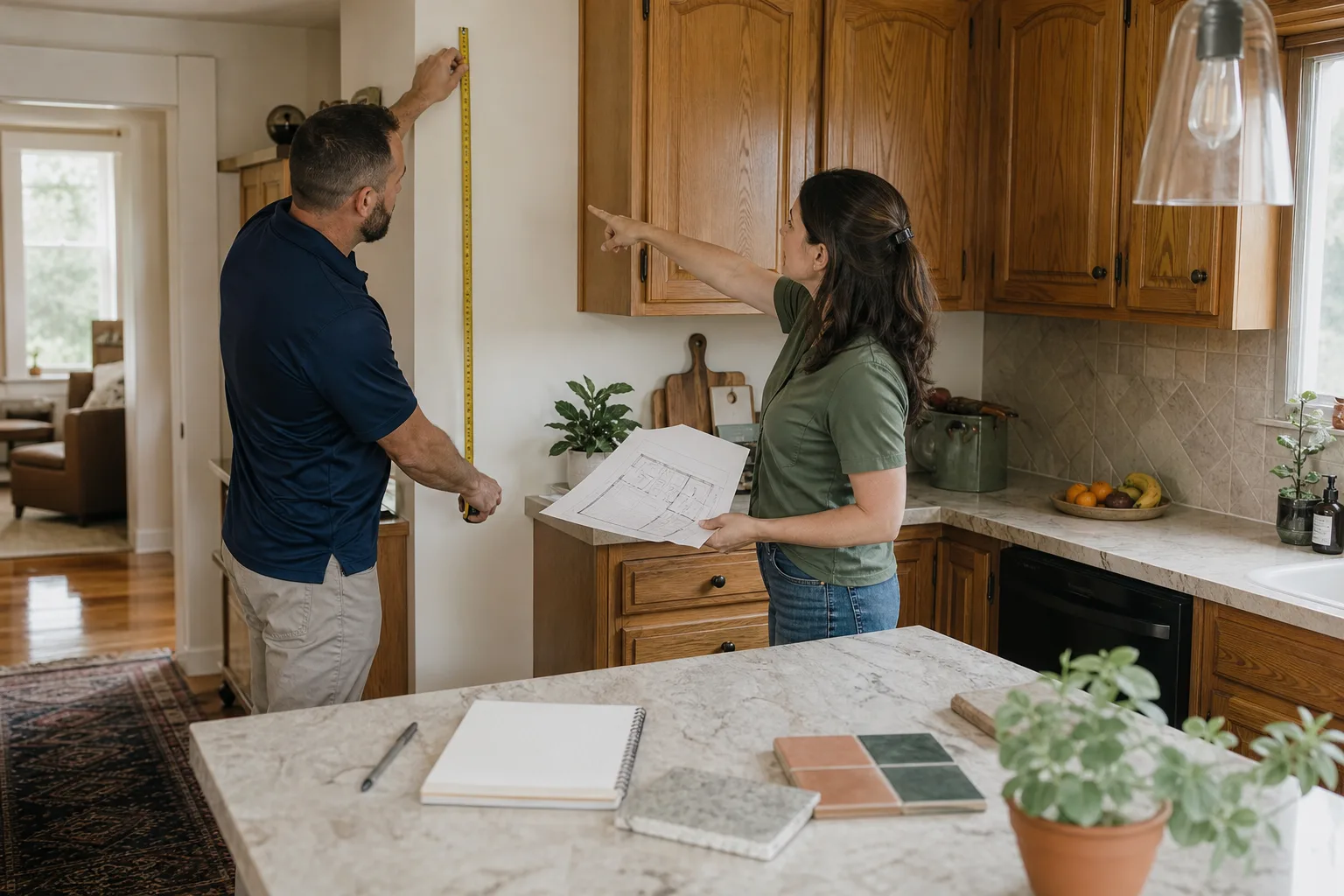


Free written scope consultation - allowances, timeline, and change-order rules on paper before a single trade is scheduled
CertainTeed Home Additions & ADU: The Los Angeles Owner’s Guide
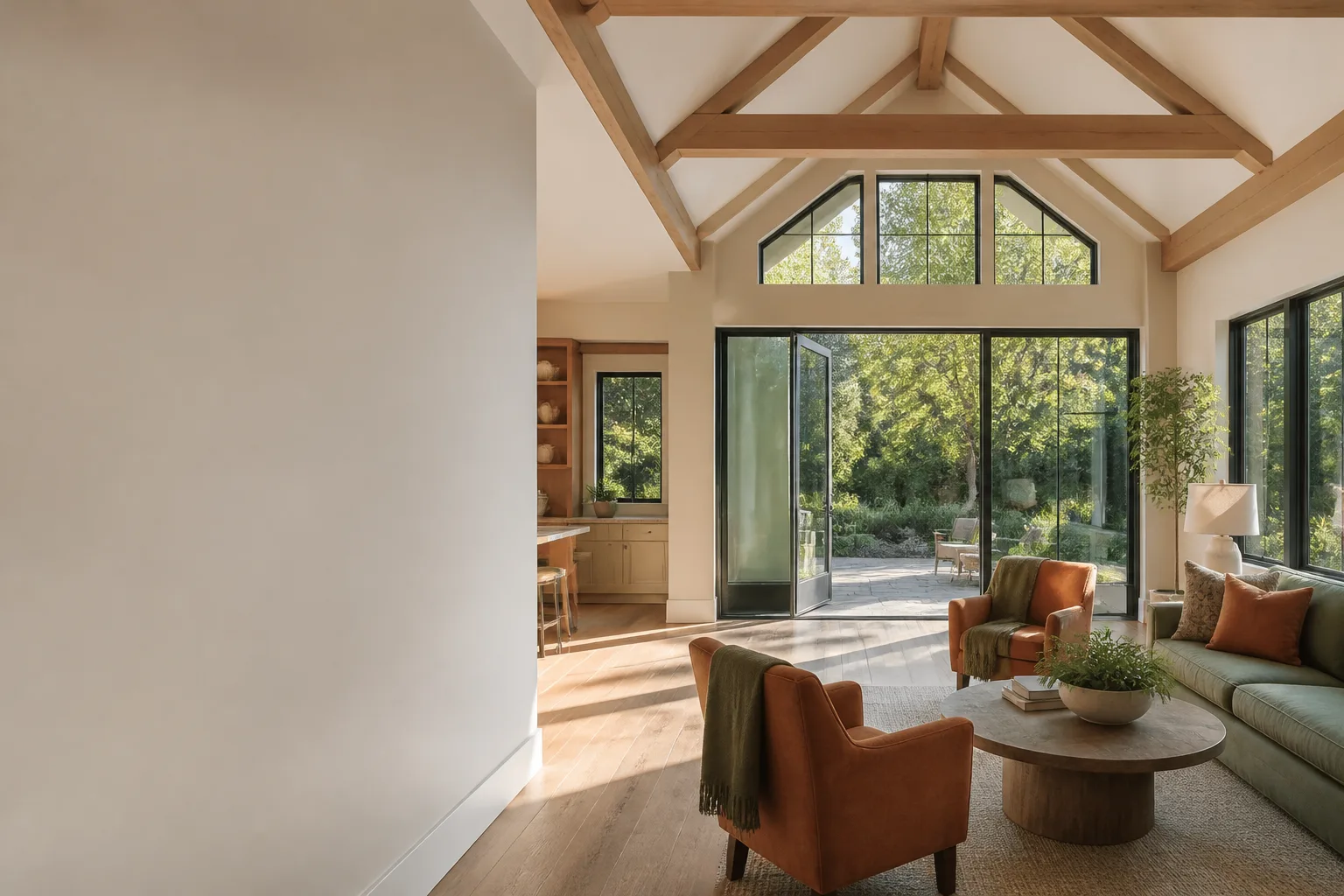
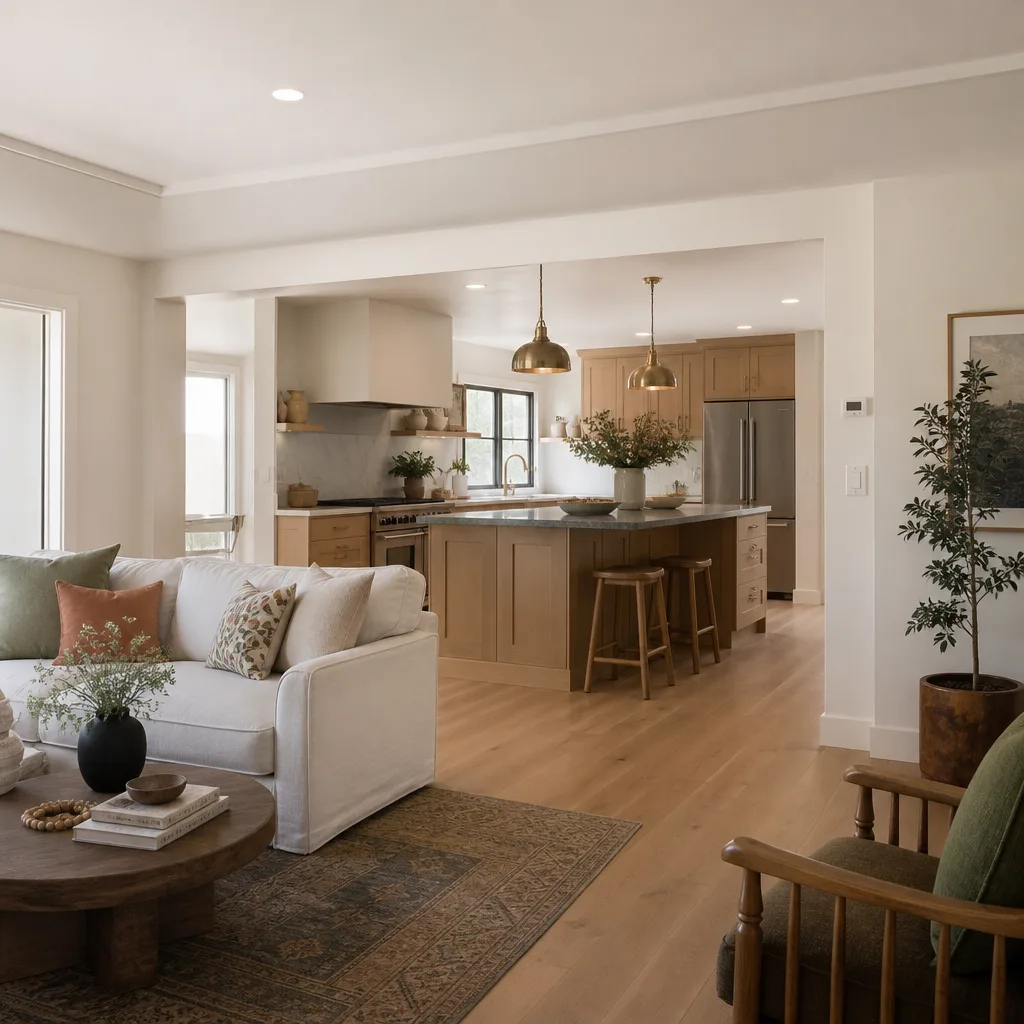
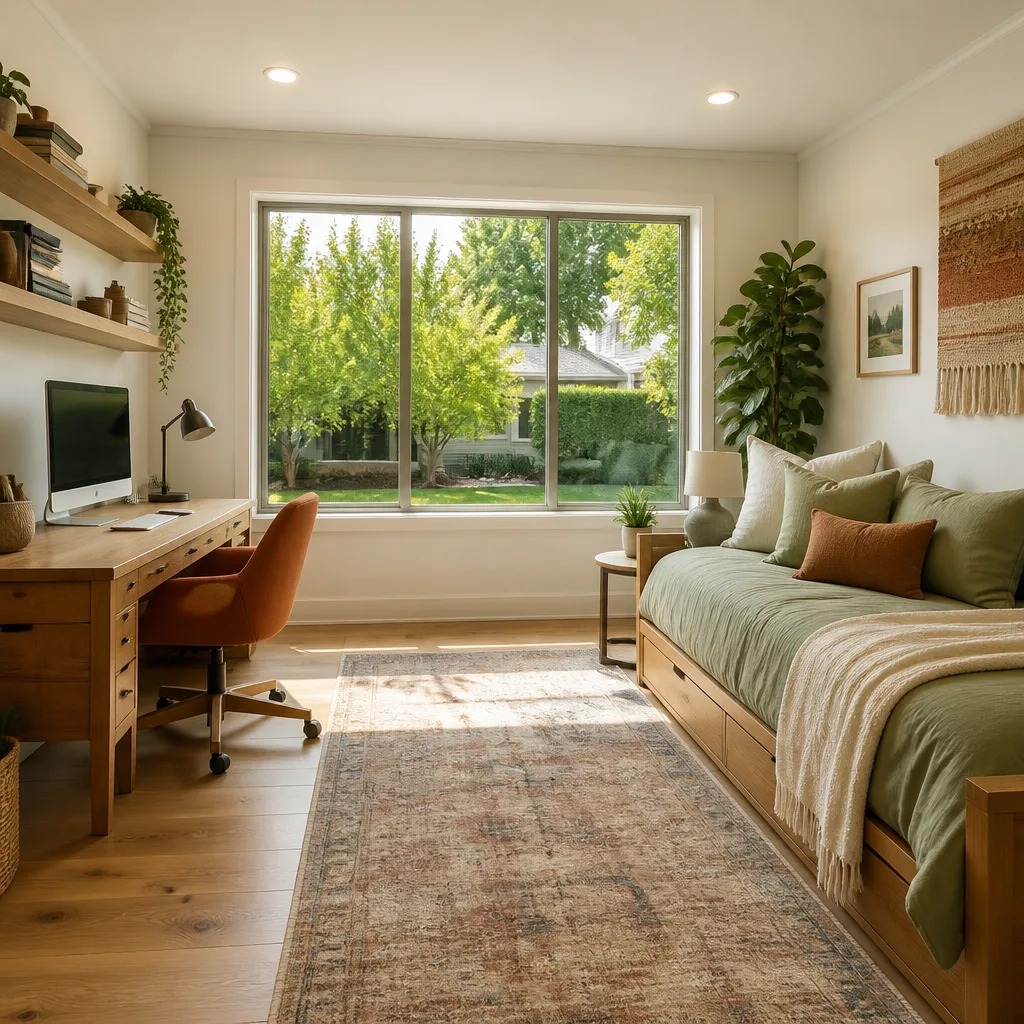
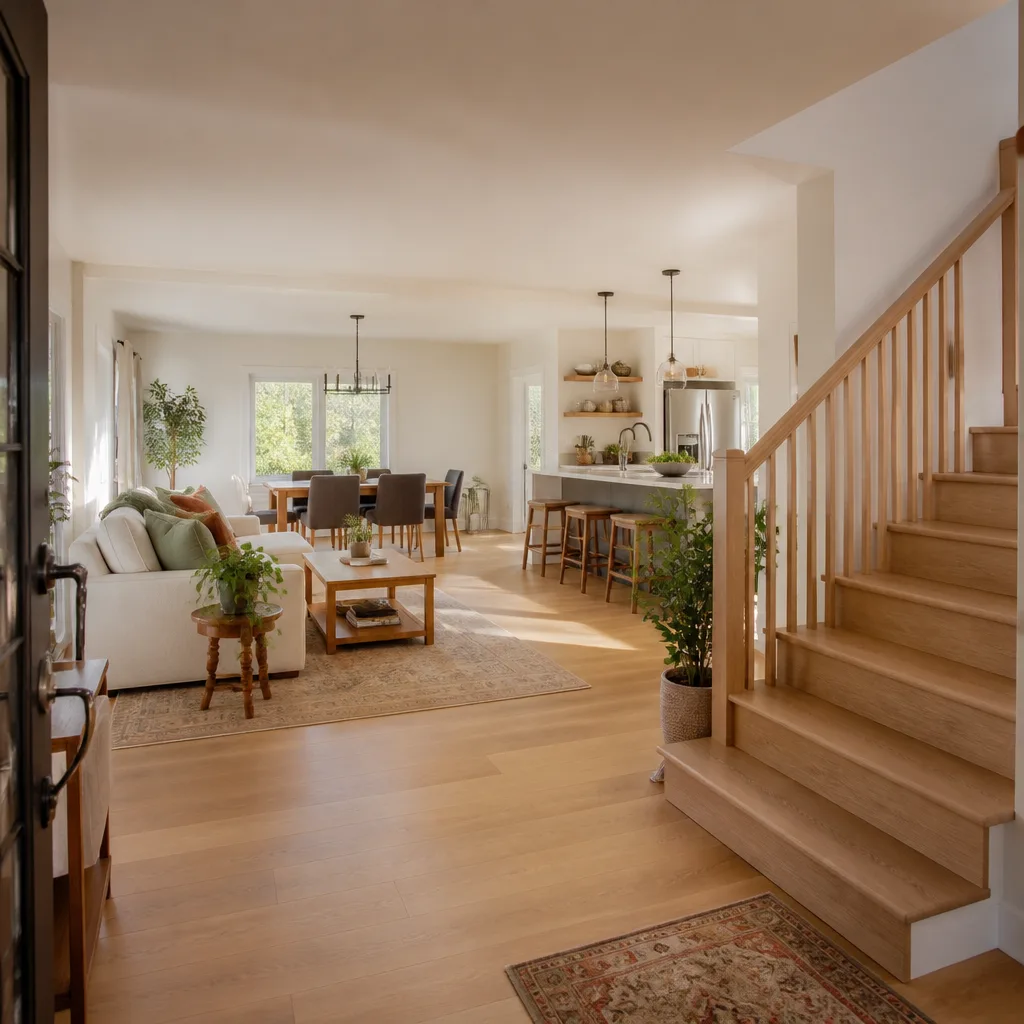
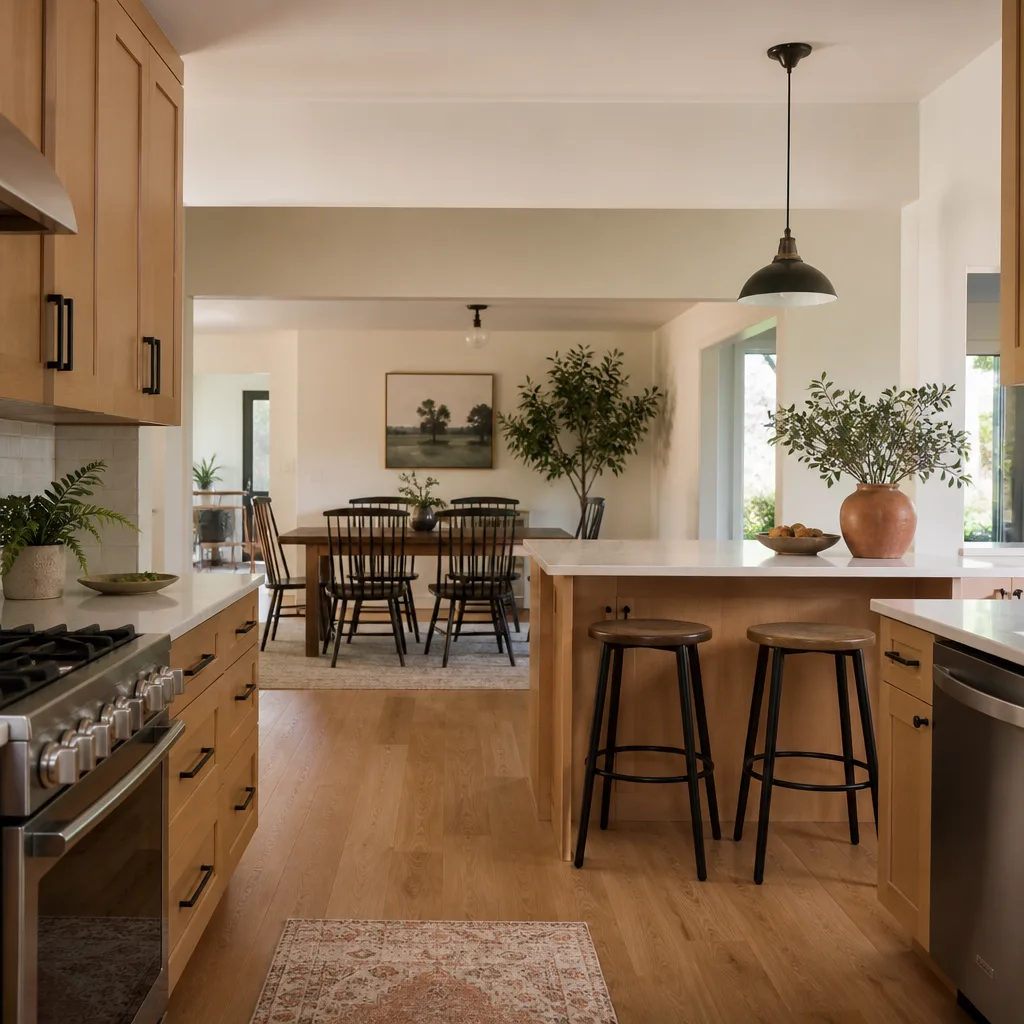
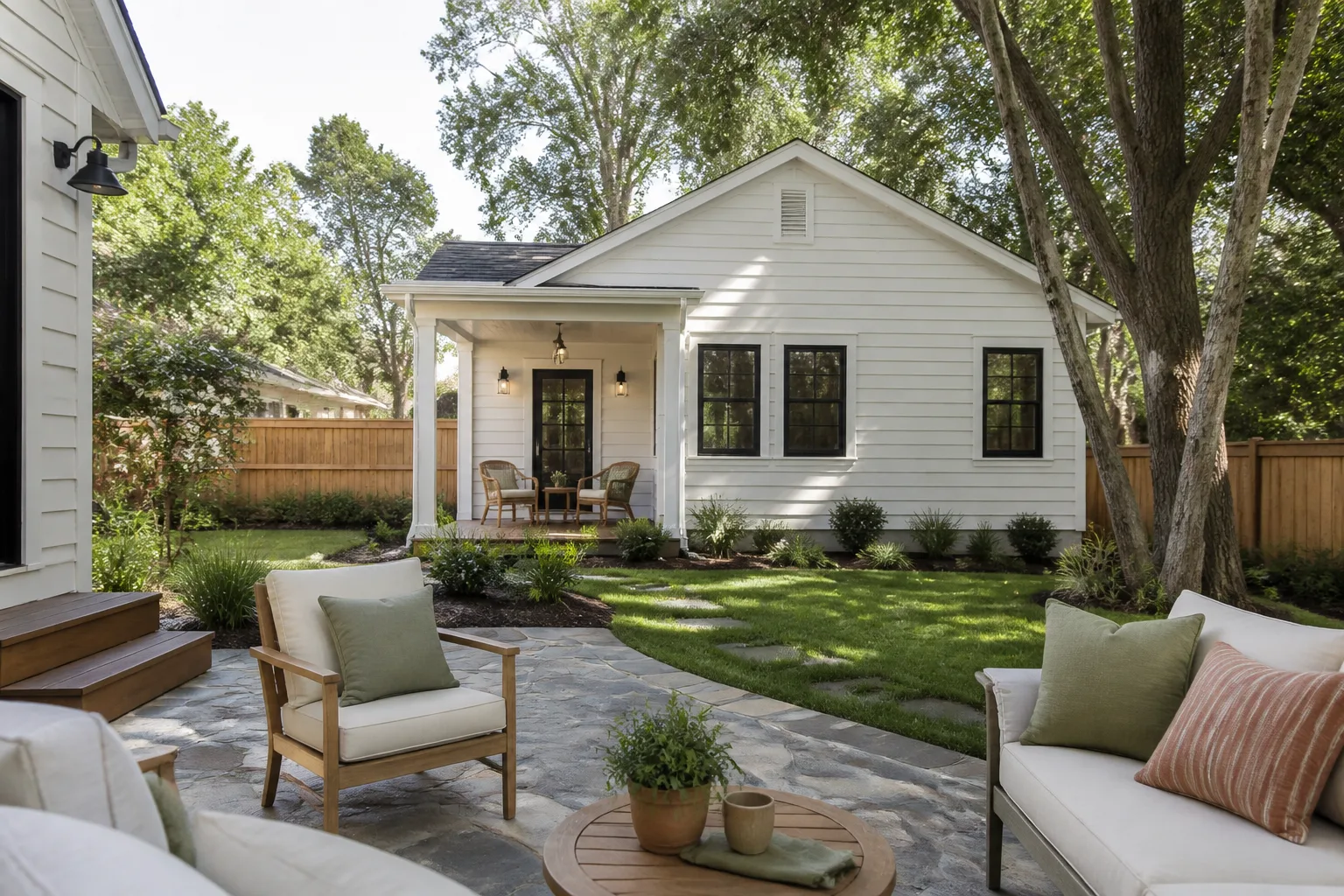
A CertainTeed home addition or ADU in Los Angeles typically runs $53,100 to $153,400 installed, depending on square footage, foundation work, and how much of the existing roofline we’re tying into. We carry CertainTeed siding, roofing, insulation, and drywall products on our trucks and can match your addition to the rest of the house without a visual seam. Most owners call us when they notice old CertainTeed siding pulling away at the corners, gaps widening around window trim, or drywall seams cracking in the original structure where the addition was tied in years ago.
If you’re reading this because a previous addition is failing at the connection points, you’re not alone. Los Angeles heat cycles plus the original build quality of the tie-in are usually the culprit. We’ll walk through what’s happening and what it costs to fix it right.
Which CertainTeed Models This Applies To
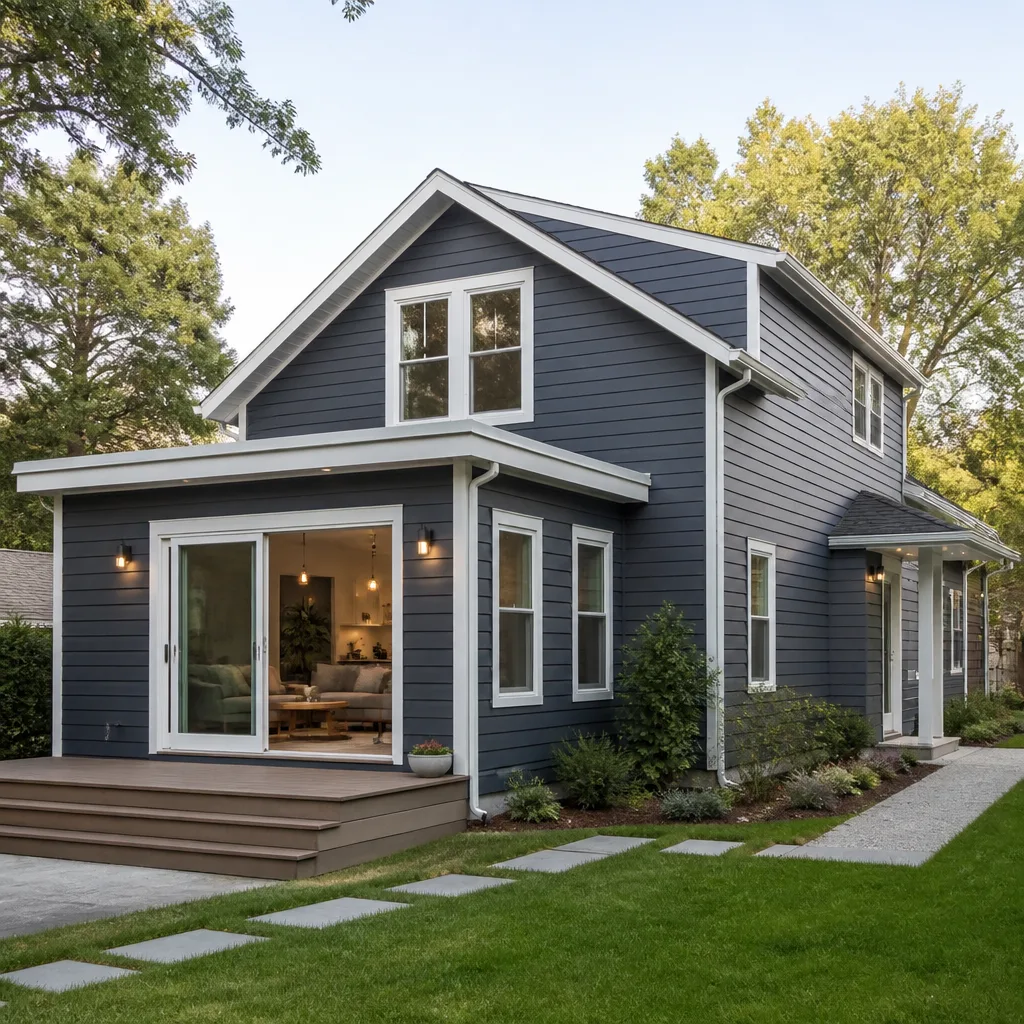
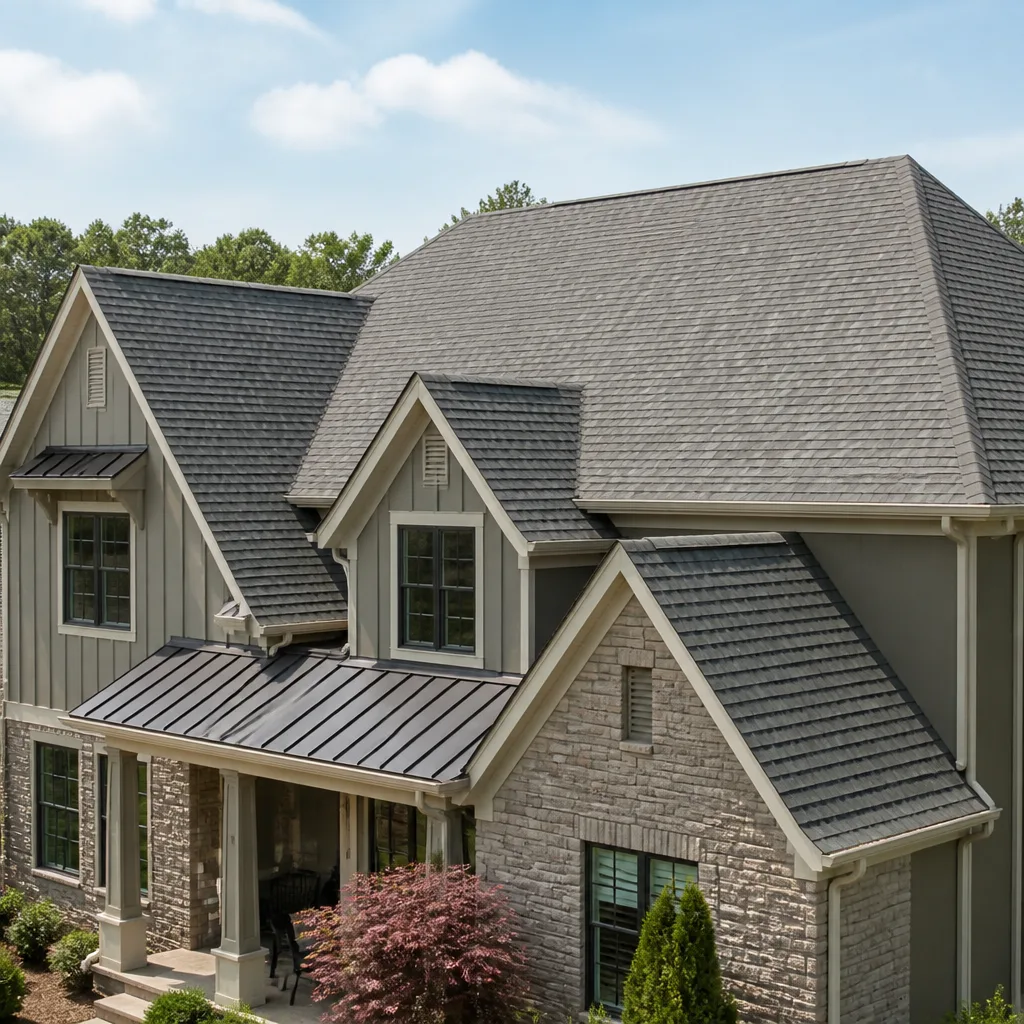
CertainTeed’s home addition and ADU product lines break into a few families that matter for compatibility. On the siding side, you’re looking at Cedar Impressions, Monogram, MainStreet, or Board & Batten profiles, each with different reveal dimensions and locking geometry. A Cedar Impressions panel won’t interlock with a MainStreet panel cleanly, so if your original siding is Cedar Impressions and someone patches it with MainStreet, you’ll see it. On the roofing side, CertainTeed’s Landmark, Presidential Shake, and Grand Manor lines all have different exposure widths that affect how a new roof plane ties into an old one. For insulation, CertainTeed’s OPTIMA blown-in system and their batt lines (R-13 through R-38) need to match what’s already in the walls, otherwise you get uneven thermal performance that shows up as hot rooms in summer.
To identify what you have, check the back of a loose siding panel for the CertainTeed stamp, or look at your original permit paperwork if the addition was permitted. The product code on CertainTeed siding usually starts with a series letter followed by a profile number. If you can’t find it, send us a photo of the profile edge and we can usually identify it from the locking geometry alone. For aftermarket equivalents, there are two or three manufacturers that make compatible profiles, but in our experience the color match is never perfect after two or three Los Angeles summers, and the locking tab tolerances are looser. We recommend OEM CertainTeed for anything visible from the street.
Styles & brands we work with
Signs Your CertainTeed Home Additions & ADU Is Failing
- Siding panels pulling away at the bottom corners near the addition’s roofline. This usually means the original installer under-nailed the starter course or skipped the flashing at the transition. Water gets behind the panel, the substrate swells, and the panel walks itself off the wall. We see this most often on the south-facing walls of Los Angeles additions where sun exposure is hardest.
- Drywall cracks running diagonally from the corner of a window or door in the addition. That’s structural movement, not a drywall problem. The addition’s foundation or framing is settling at a different rate than the original house, and the crack is the point where the two structures disagree. Patching the drywall without addressing the connection will put the same crack back within a year or two.
- Insulation that’s visibly compressed or fallen inside the wall cavity, seen during any other repair. CertainTeed batts lose their loft if they got wet during construction or if rodents nested in them. Compressed batts drop from R-19 to maybe R-8 effective, and your addition will never hold temperature the way it should.
- Water staining on the ceiling of the addition where it ties into the original roofline. The valley or transition flashing between the old roof and the new roof is the most common leak point on any addition. If the original roofer cut corners on the CertainTeed flashing details, it shows up here first.
- Gaps widening around the exterior trim boards where the addition meets the original house. Wood trim expands and contracts with Los Angeles temperature swings, but if the gap grows every year, the addition is pulling away from the house. That’s a structural tie-in issue, not a caulk issue.
See the difference
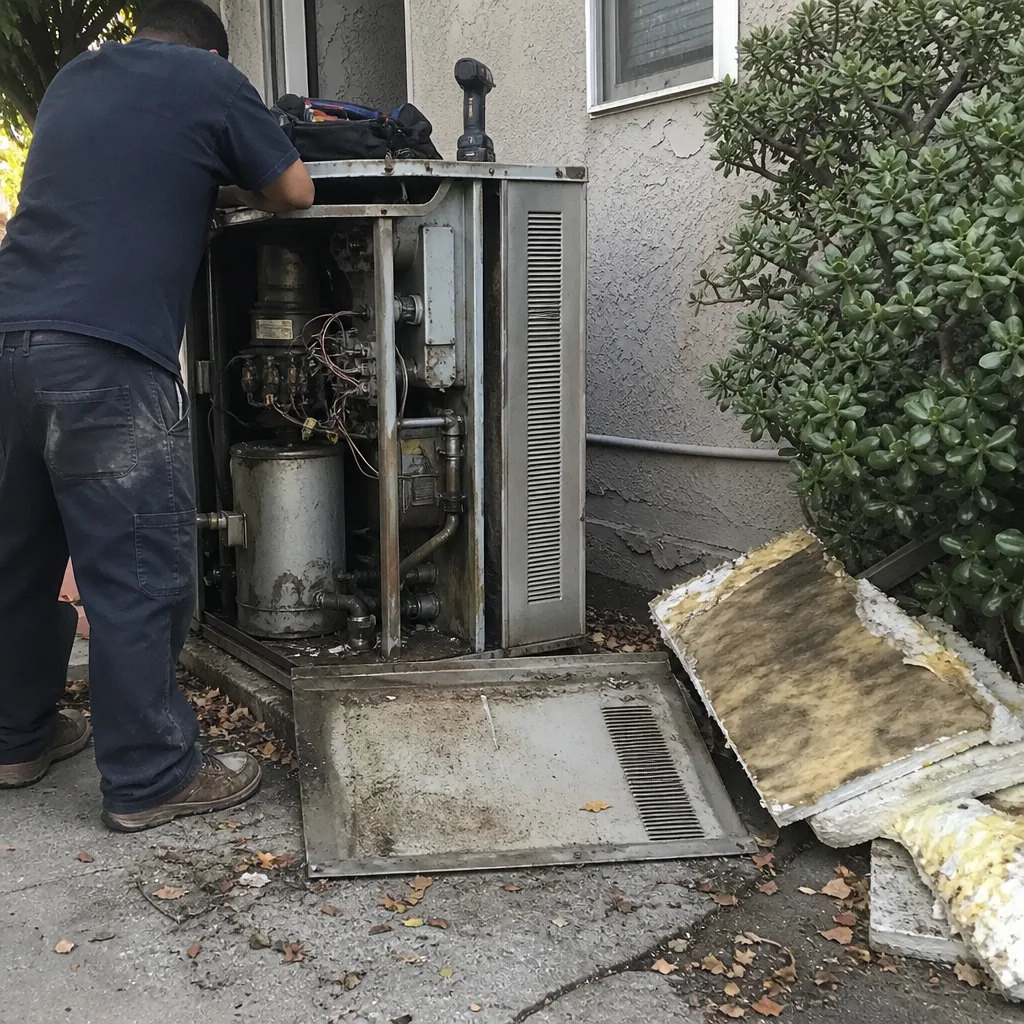 Before
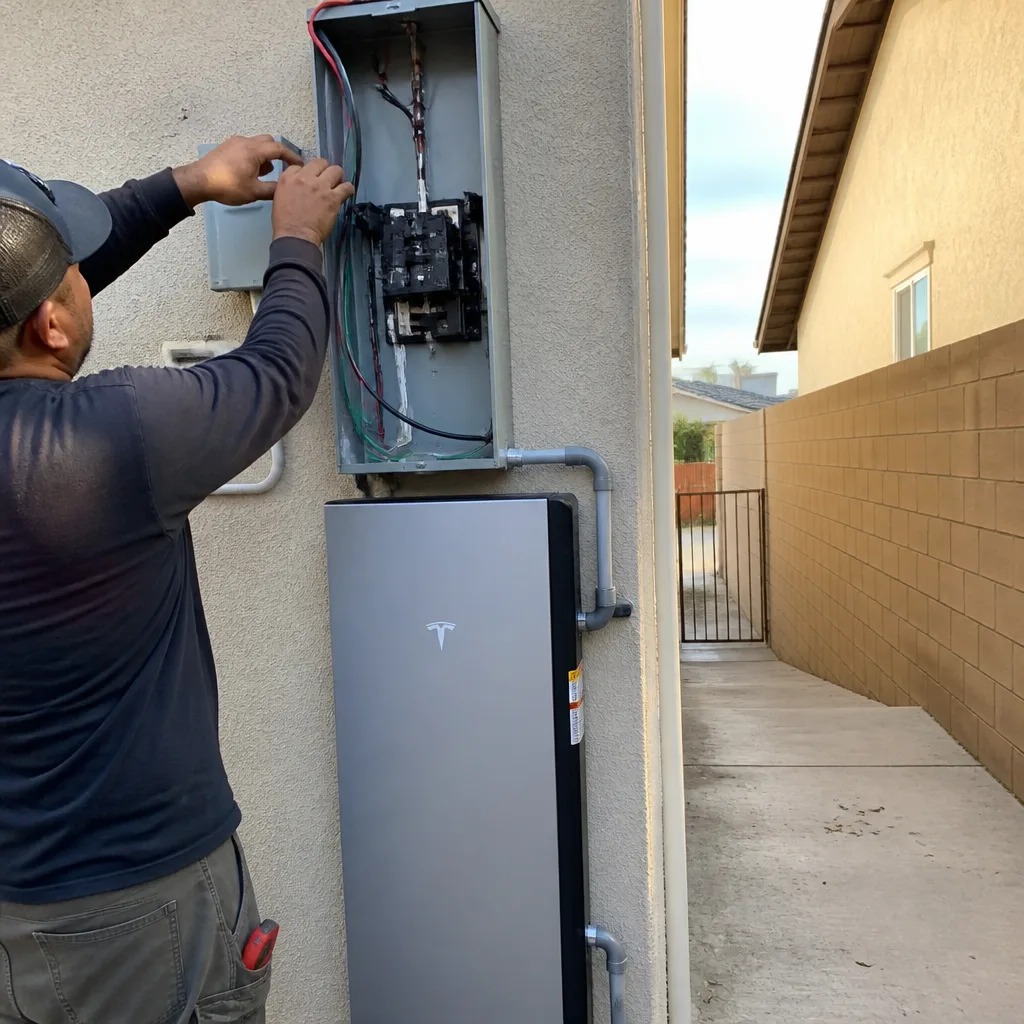 After
After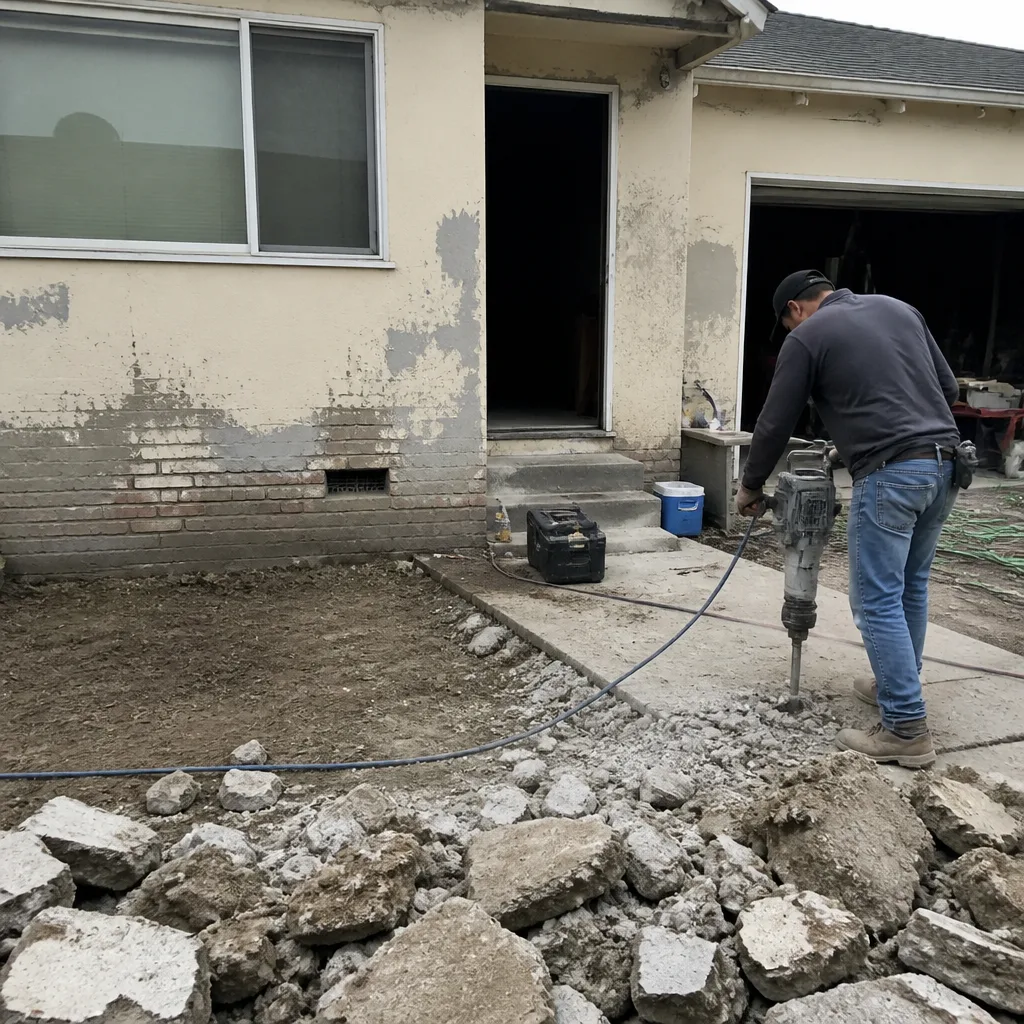 Before
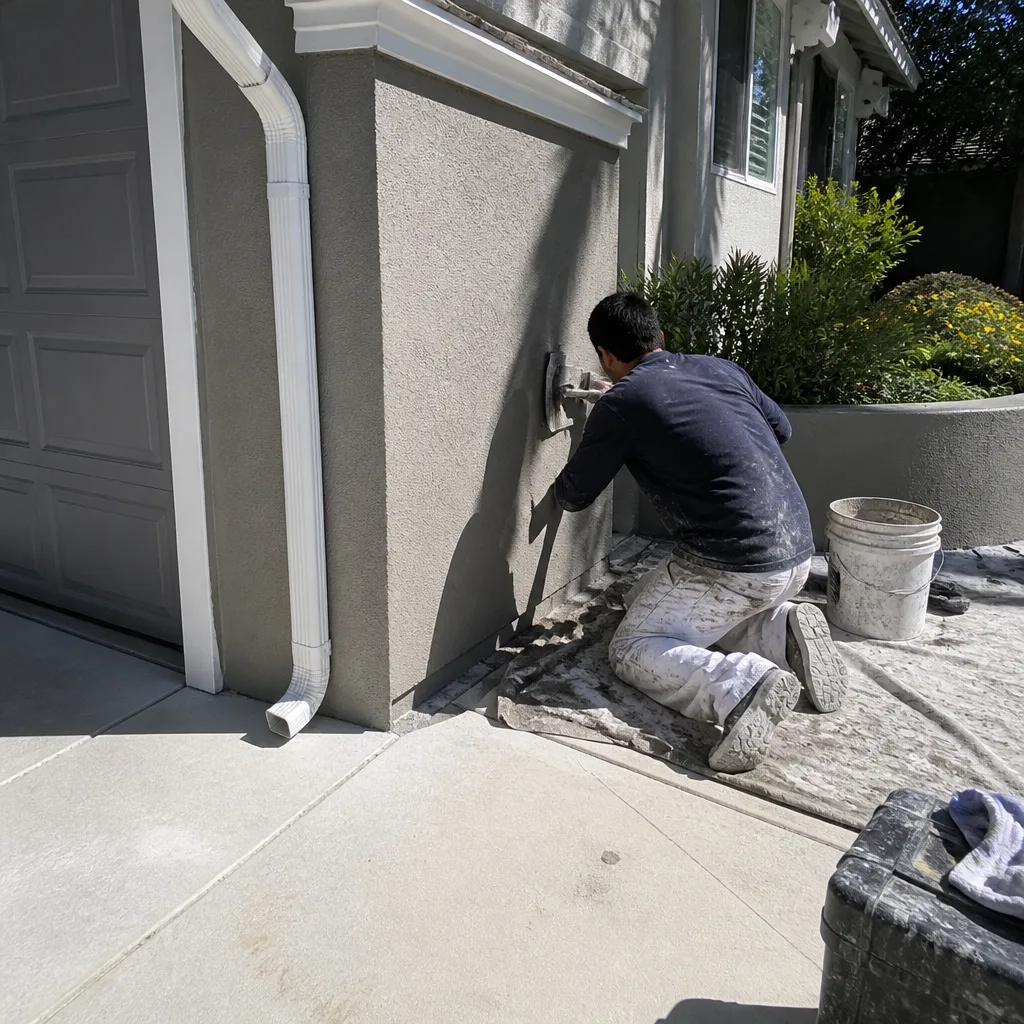 After
After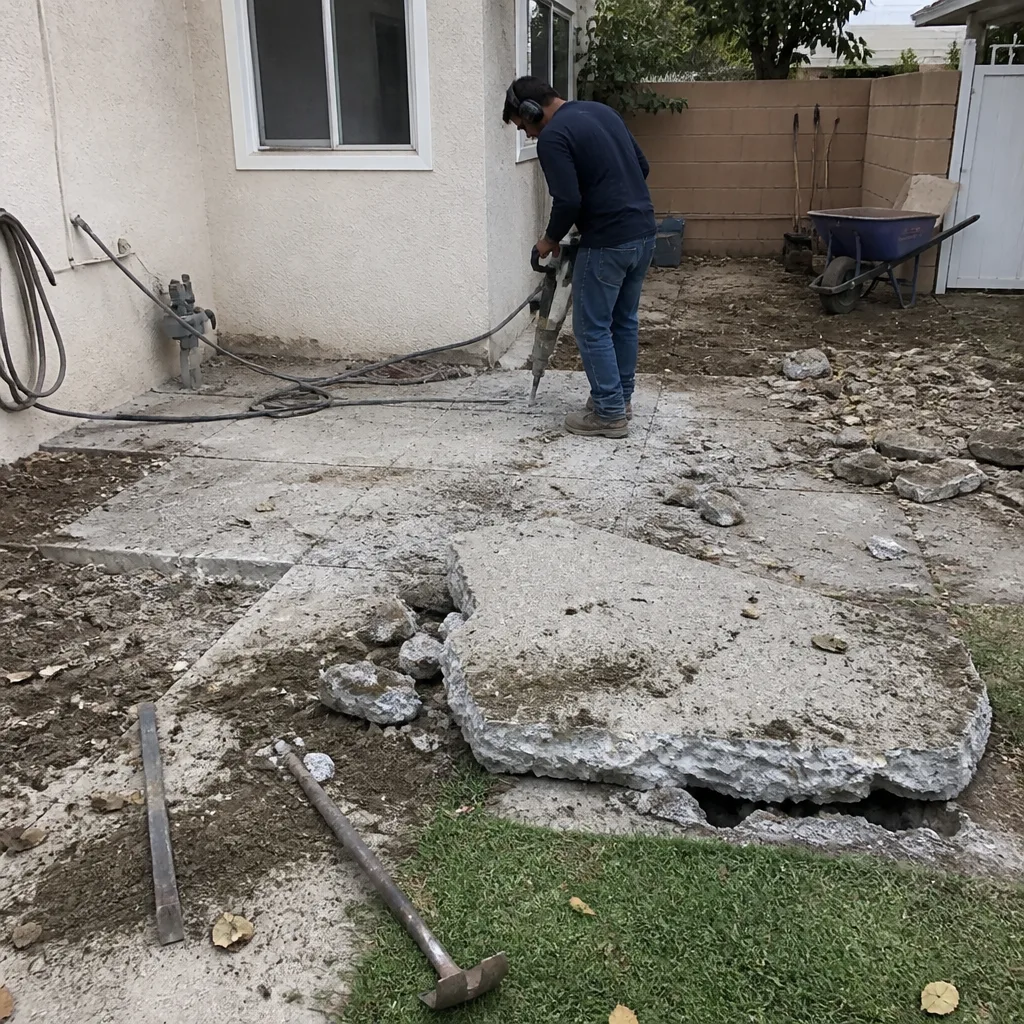 Before
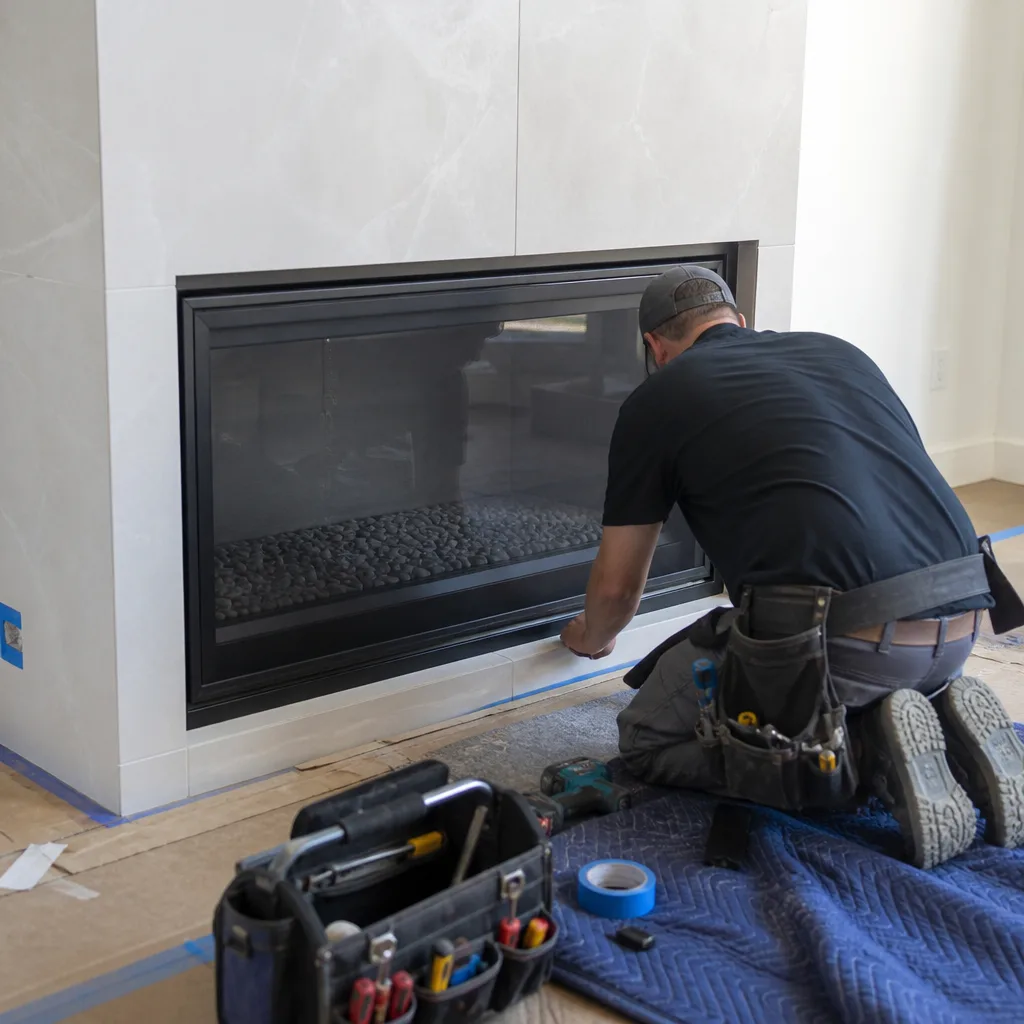 After
AfterReplacement Cost & What’s Included
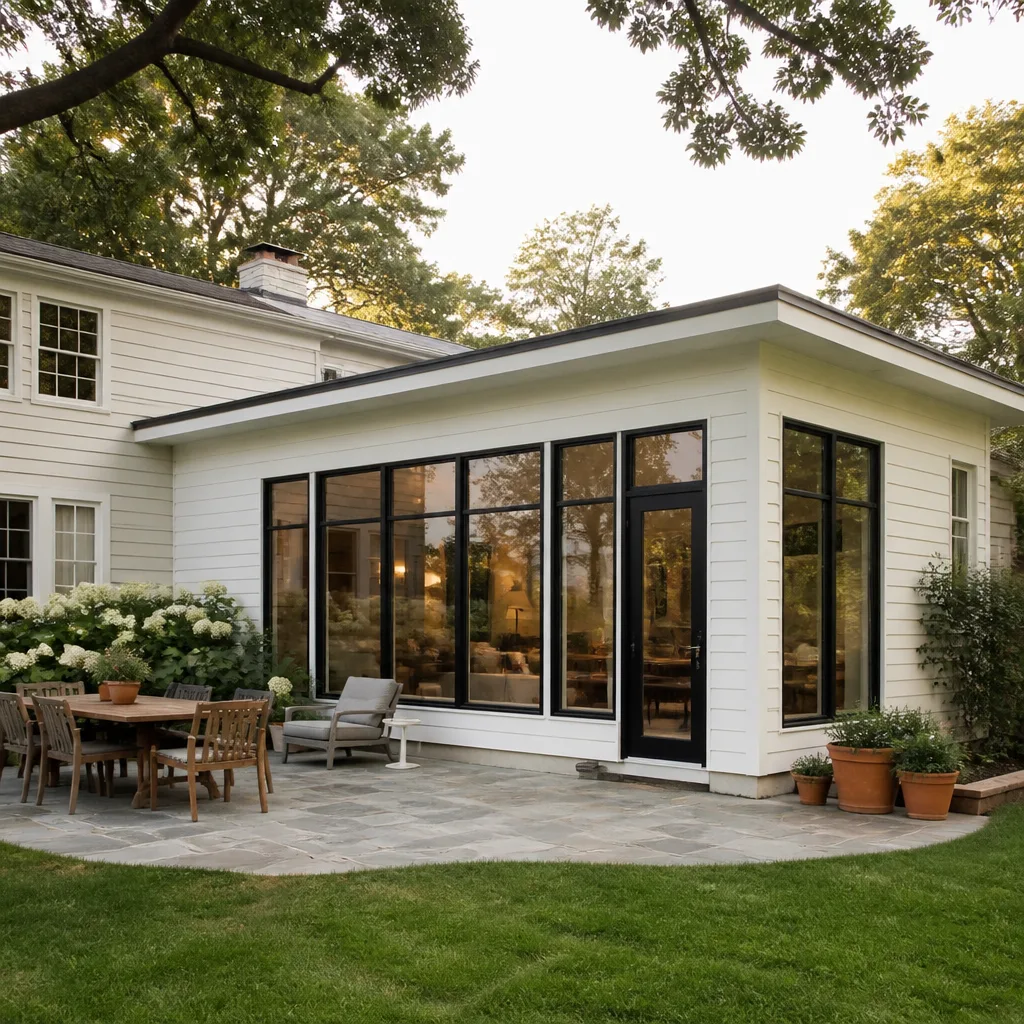
A full CertainTeed home addition or ADU replacement in Los Angeles lands between $53,100 and $153,400, and the range is driven mostly by square footage, whether we’re replacing the exterior envelope only or also reframing the tie-in, and what’s happening under the siding once we open it up. A smaller ADU with straightforward siding and roofing replacement sits near the bottom of that range. A larger addition where the original framing connection needs to be rebuilt, the insulation replaced, and the interior drywall redone will push toward the top.
Every one of our quotes includes a written line-item price before any work starts. That means the CertainTeed siding, the flashing, the fasteners, the disposal, the labor, and the permit fees are all on paper before we touch the house. We don’t work on estimates that grow after the crew arrives. Our 365-Day Done Right Promise applies to every replacement: if something isn’t right after the job is complete, we make it right.
One note on cost drivers specific to Los Angeles: if your original addition was built before the city adopted current Title 24 energy codes, bringing the insulation and glazing up to current standards is sometimes required when we pull the permit, and that adds real cost. We’ll tell you before we start, not after.
DIY or Call Us?
There’s a line between checking and fixing, and it’s worth knowing where it is. You can safely inspect your CertainTeed siding for loose panels, check the caulk lines around your addition’s windows, and look inside your attic for compressed or missing insulation. You can photograph what you find and send it to us. What you shouldn’t do is pull siding panels off to check the flashing behind them without knowing how the locking tabs release, because you’ll crack the panel edge and turn a $200 fix into an $800 replacement. You also shouldn’t get on a ladder against the roofline transition without proper tie-off, especially on a two-story addition.
If the issue is a failing tie-in between the addition and the original house, that’s structural, and it’s not a weekend fix. The framing connection, the flashing sequence, and the insulation continuity all have to be done in the right order or the same problem returns. We’d rather walk the job with you and give you a straight answer than have you spend a weekend guessing. Call (949) 850-9896 and we’ll come look.
FAQs
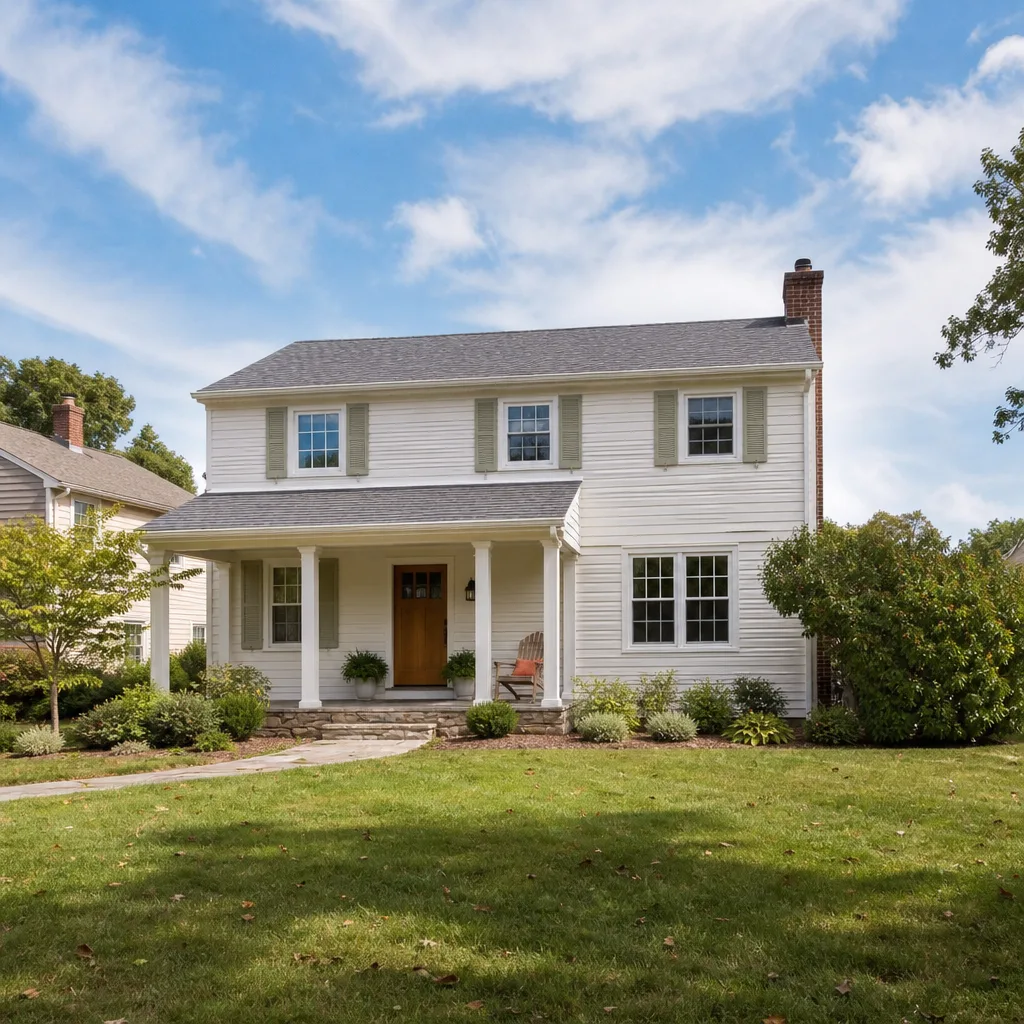
CertainTeed vinyl siding products carry a lifetime limited warranty against manufacturing defects, but in Los Angeles the practical lifespan is 25 to 35 years before the sun fades the color and the panels start getting brittle. Siding on south-facing walls ages faster than north-facing walls. If your addition’s siding is older than 20 years and you’re seeing multiple cracked panels, it’s usually more cost-effective to replace the whole elevation rather than patch it piecemeal, because the color match on new panels won’t match 20-year-old sun-faded siding. Call (949) 850-9896 for an honest assessment of what’s worth replacing versus what’s worth patching.
It depends on what’s actually moving. If the original connection between the addition and the house used the wrong fasteners or skipped the shear wall details, we can often reinforce the connection from the inside or the crawlspace without tearing the whole addition apart. If the addition’s foundation is the problem, that’s a bigger job. We’ll tell you which one you have after inspecting the connection points, and the written quote will show exactly what we’re fixing. Estimates are free, so call (949) 850-9896.
Most siding and tie-in repairs on a home addition run three to seven working days from the time we start demolition to the final walkthrough. A full ADU replacement where we’re reframing connections, replacing insulation, and redoing the interior drywall typically runs four to eight weeks depending on scope. We’ll give you a written schedule before we start, and we name the quiet hours so the kids’ naps and school-from-home time are protected. Call (949) 850-9896 to get a timeline for your specific job.
We keep common CertainTeed siding profiles, starter strips, J-channel, and flashing details on hand because we work with them regularly across Los Angeles. Unusual profile colors or specialty trim pieces are ordered per job, which usually adds three to five days to the schedule. If you need a color match on a discontinued CertainTeed color, we can work with the manufacturer to find the closest current color, but we’ll show you a physical sample before anything is ordered. Call (949) 850-9896 and we’ll check what we have on the truck.
If your CertainTeed addition or ADU is showing any of the signs above, call us at (949) 850-9896 for a free estimate. A live person answers the phone, and we’ll schedule a time to walk the property, identify the problem, and put a written price in your hand before any work is agreed to. The written scope is the promise – if it is not on the paper, we have not agreed to it yet.
Written by Graham Stein, Owner, Elmstead Remodeling at Elmstead Remodeling, serving Los Angeles and nearby areas.