

Free written scope consultation - allowances, timeline, and change-order rules on paper before a single trade is scheduled
Atlas Fence Installation: The Los Angeles Owner’s Guide
Atlas fence installation across Los Angeles typically runs $4,130 to $10,620 for a full vinyl fence system on a standard residential lot, and most Atlas-compatible panels and posts are on our truck or at our supplier within one to two business days. The call usually starts the same way: a post wobbles after the wind, a gate drags on the concrete, or a panel cracked where the HOA landscaper’s mower kissed it one too many times. We walk through what failed, confirm the Atlas panel profile and post size, and give you a written price for the repair or full re-install before any work starts.
Los Angeles soil shifts. It expands in the winter rains, contracts through the dry months, and fence posts set in concrete still move over time. That movement is the root cause behind most Atlas fence failures we see, not the product itself. When the post tilts, the routed panels pull out of their channels, the gate latch stops lining up, and what started as a small lean becomes a security gap along the side yard. Understanding what actually failed on your fence line changes whether you need a $400 post reset or a $9,000 re-install.
Which Atlas Models This Applies To
Atlas makes vinyl and aluminum fence systems in several panel profiles, and the compatibility gotcha in Los Angeles is almost always the post size. Most Atlas residential vinyl panels use a 5″ x 5″ post with a routed channel for the panel tongue-and-groove connection, but some older installations from the 2000s used a narrower 4″ x 4″ post. You cannot swap a panel designed for a 5-inch post into a 4-inch post line without re-routing the post, which many contractors will not tell you until they are on site. Look for a small embossed part number on the inside of the post cap or on the bottom rail of a panel: the first digits usually identify the series.
OEM Atlas panels are still manufactured and available through our supplier network, and for structural repairs we use them. For cosmetic replacement of a single panel on an older faded fence, a quality aftermarket panel matched to the profile and color code often makes more sense than an OEM panel that will stand out against twenty years of sun fading. Los Angeles UV exposure is unforgiving on vinyl: panels that face south or west fade noticeably within eight to ten years, so a color-matched aftermarket panel is sometimes the better call. We will show you the options and the price difference before ordering either one.
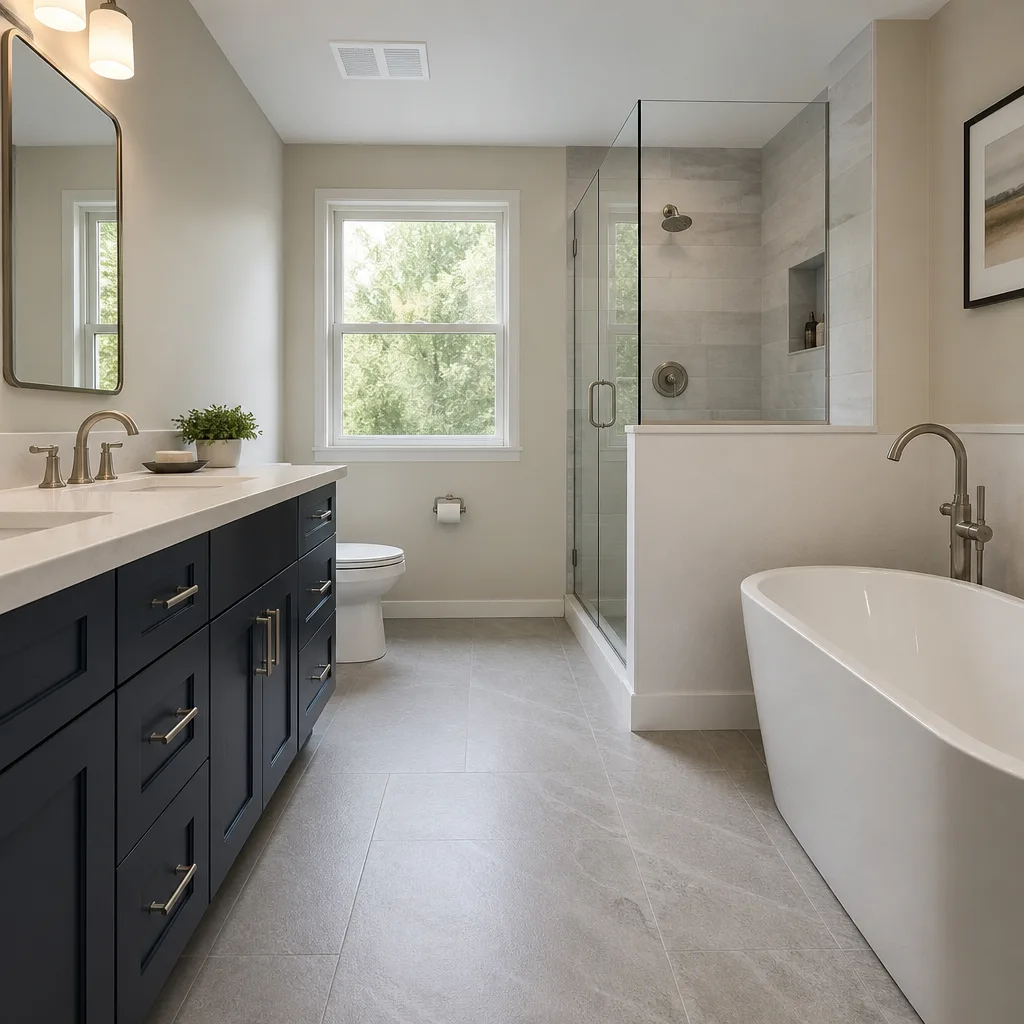
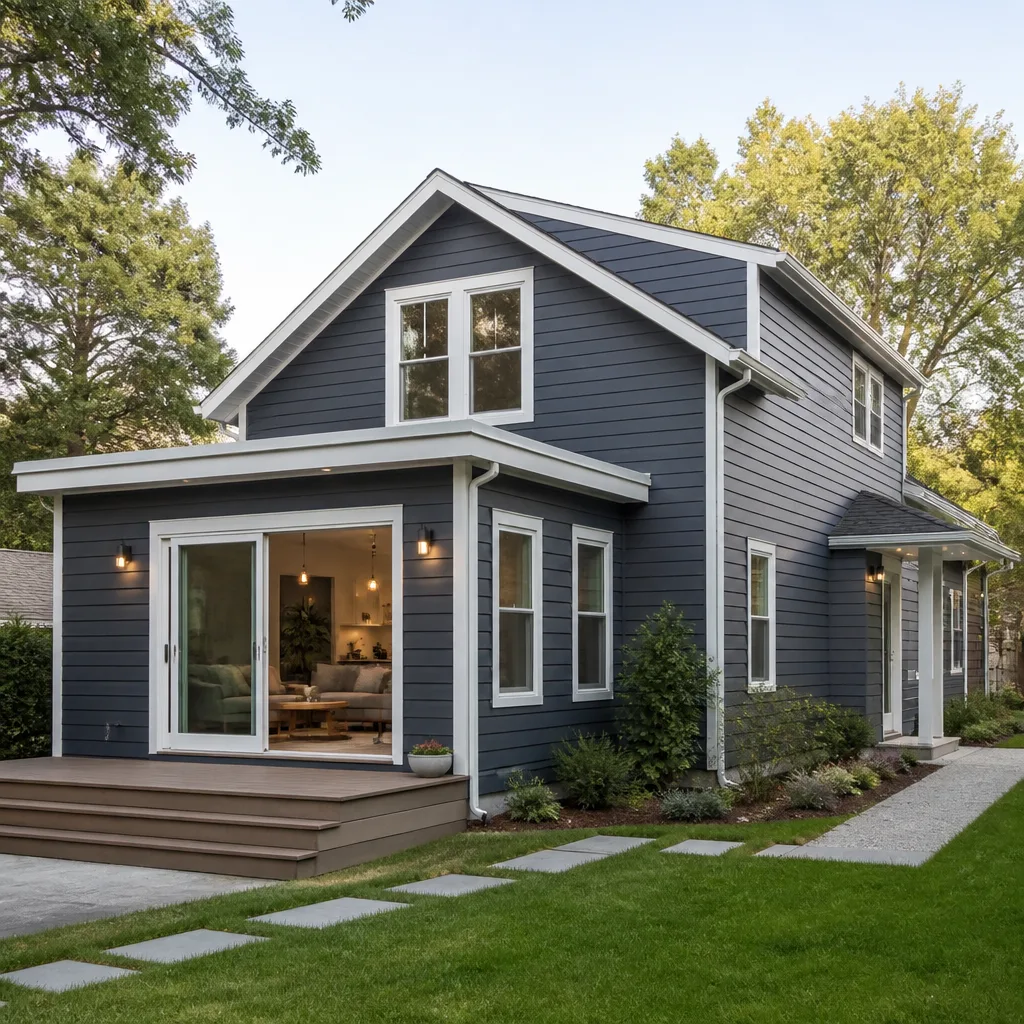
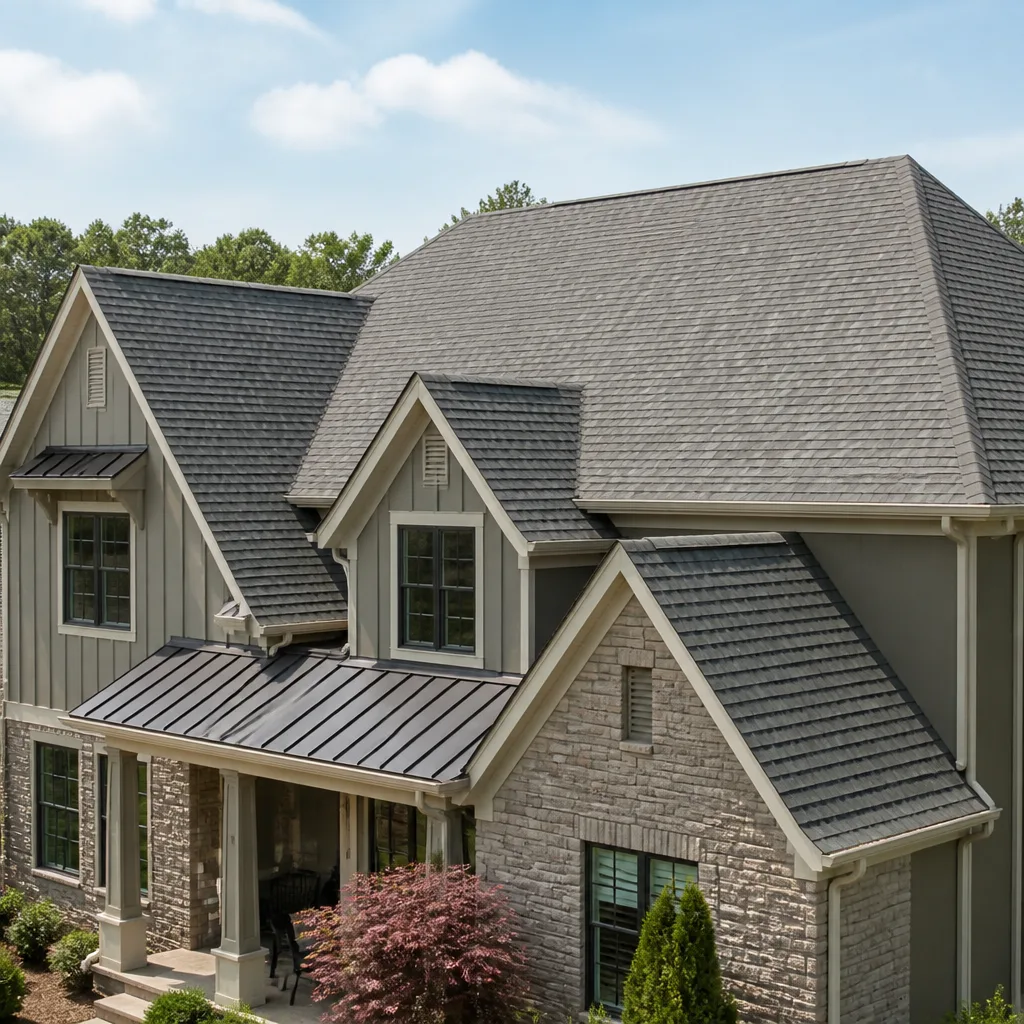
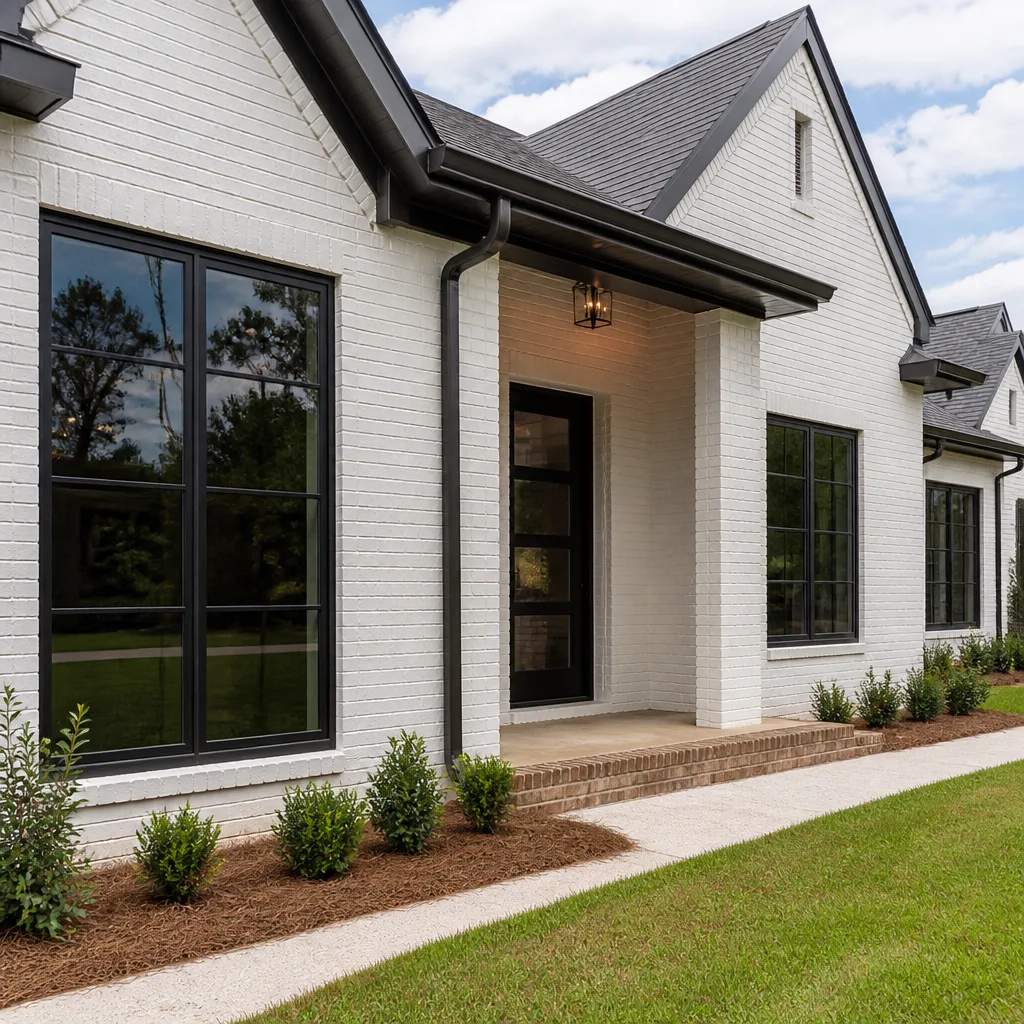
Styles & brands we work with
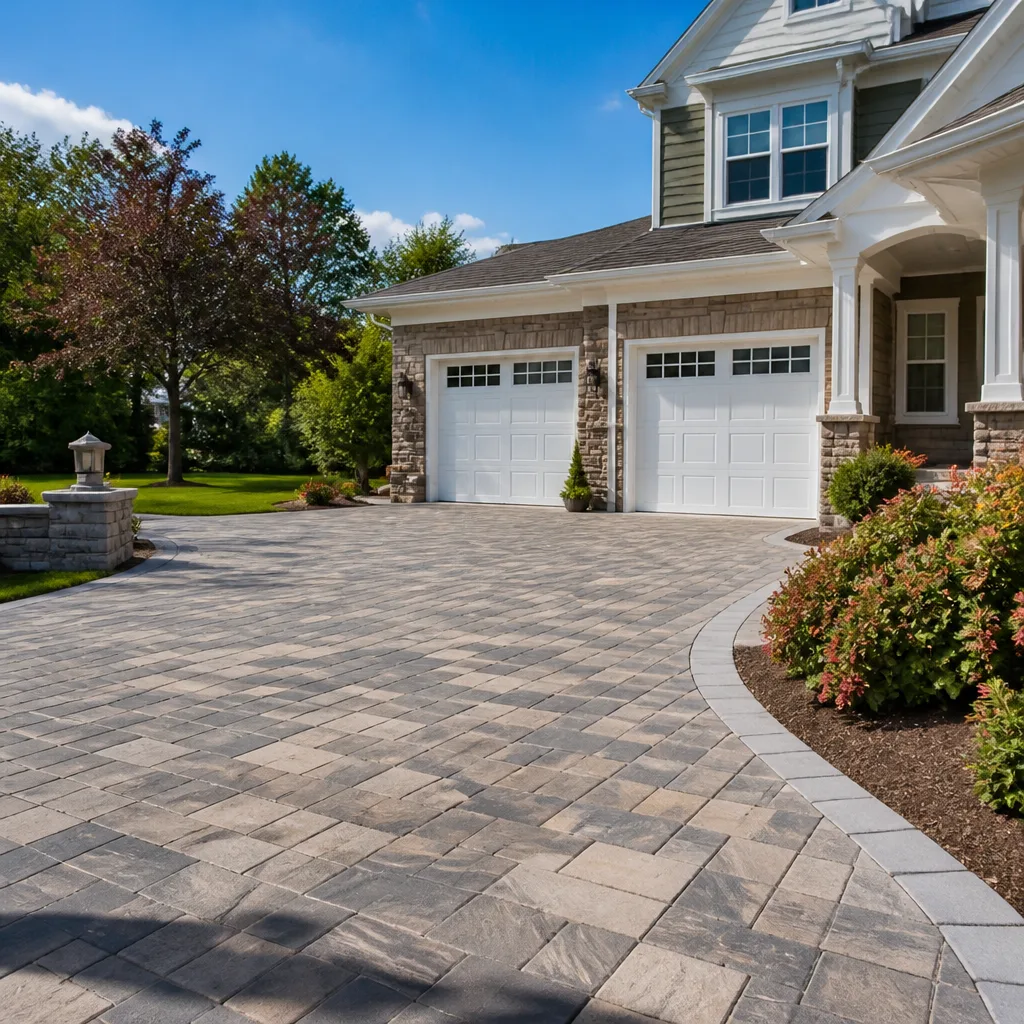
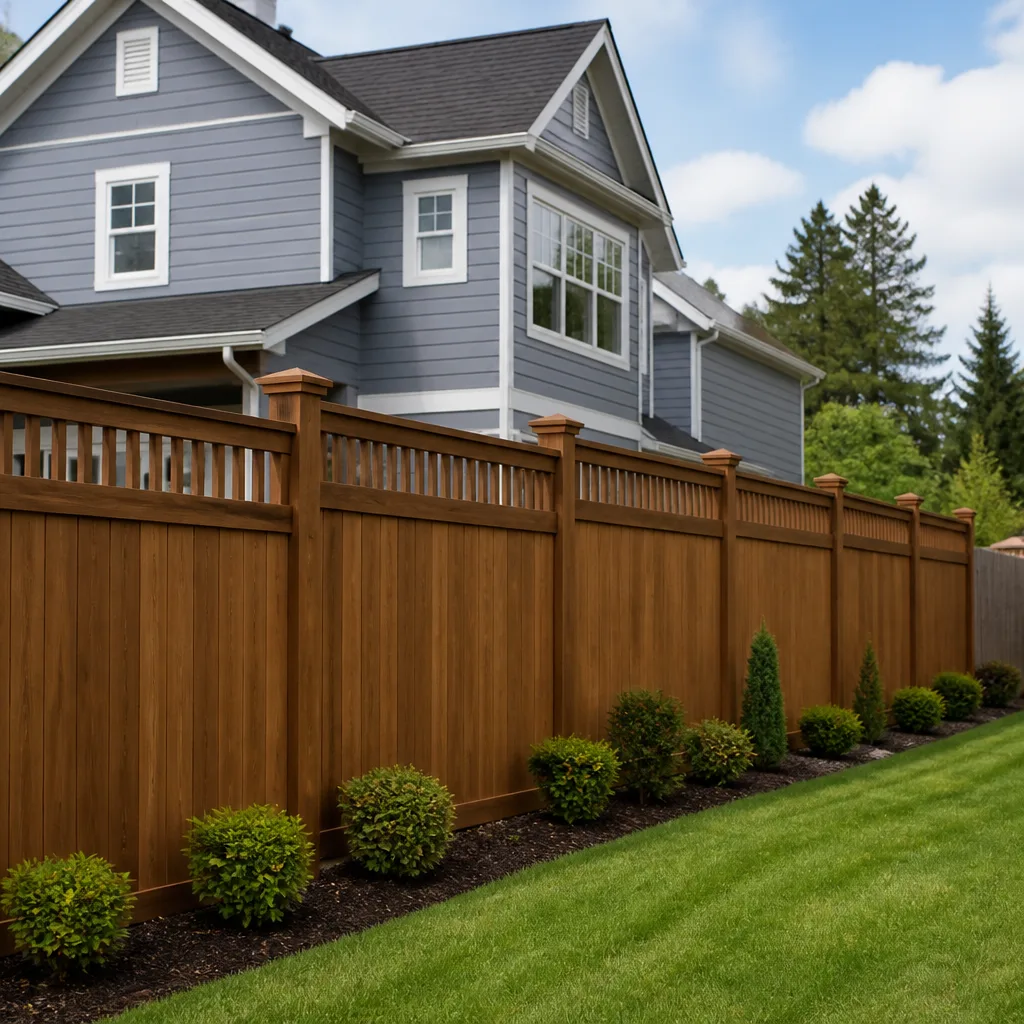
Signs Your Atlas Fence Installation Is Failing
- Post lean at the gate – The gate post carries more load than any other post on the line. When it starts leaning even a few degrees, the latch bolt stops reaching the strike plate and the gate swings open on its own. In Los Angeles, this is usually a concrete footer that was poured too shallow for the soil, not a failed post.
- Panel rattling in wind – Loose panels that rattle in the Santa Anas usually mean the routed channel has widened or a post has shifted. What sounds like a minor annoyance is the panel working its way out of the channel, and once it drops, it often cracks on the concrete or planter edge.
- Cracked bottom rail – The bottom rail takes impact from mowers, edgers, and kids, and when it cracks, water gets in and sits. Vinyl will hold that water against the internal aluminum stiffener, and over time the rail sags visibly between posts.
- Gate drag on concrete or grass – If the gate scrapes when you open it, the post has moved or the gate frame has racked. Forcing it open further bends the hinge mounts and makes the eventual repair more expensive.
- White chalk on your hands or clothes – Chalking means the vinyl’s protective surface has worn through. It is cosmetic at first, but on Los Angeles fences with direct sun exposure it signals the panel has lost flexibility and will crack rather than flex on the next impact.
See the difference
 Before
 After
After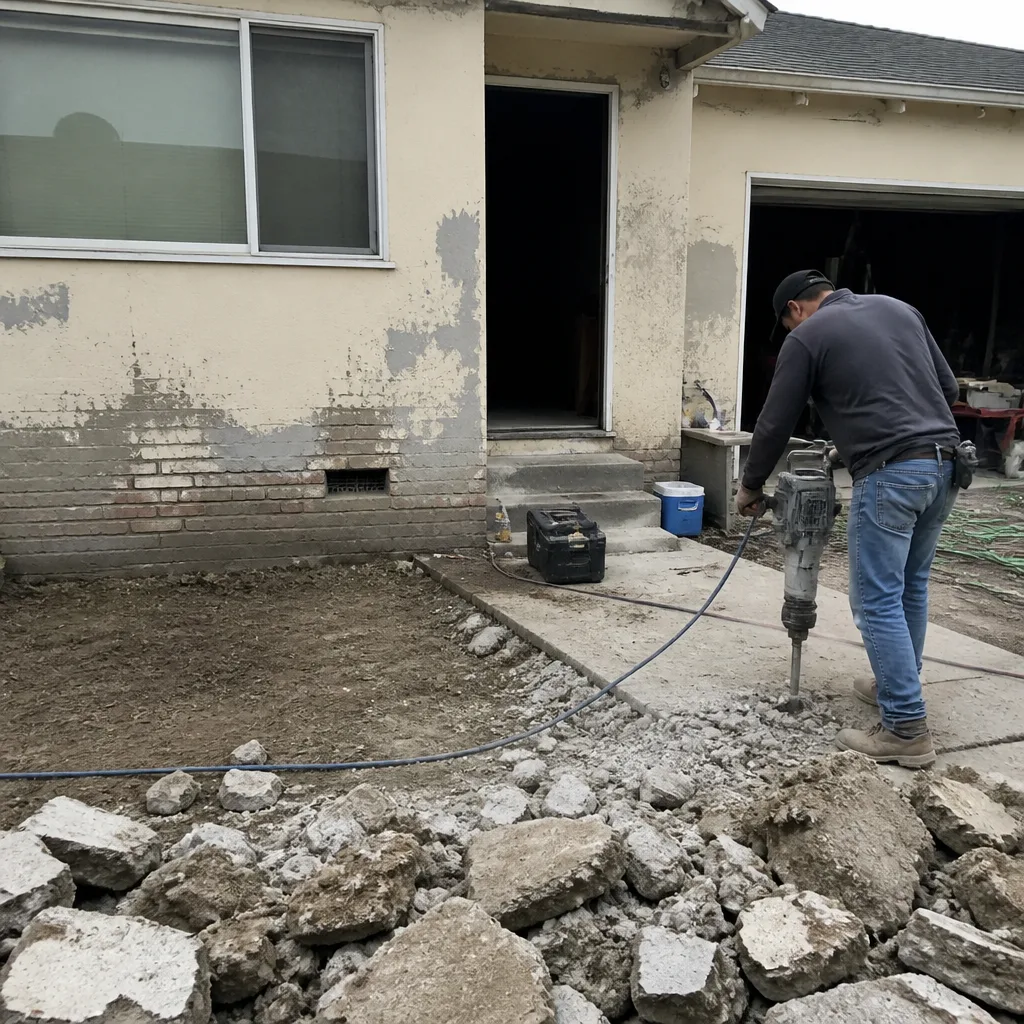 Before
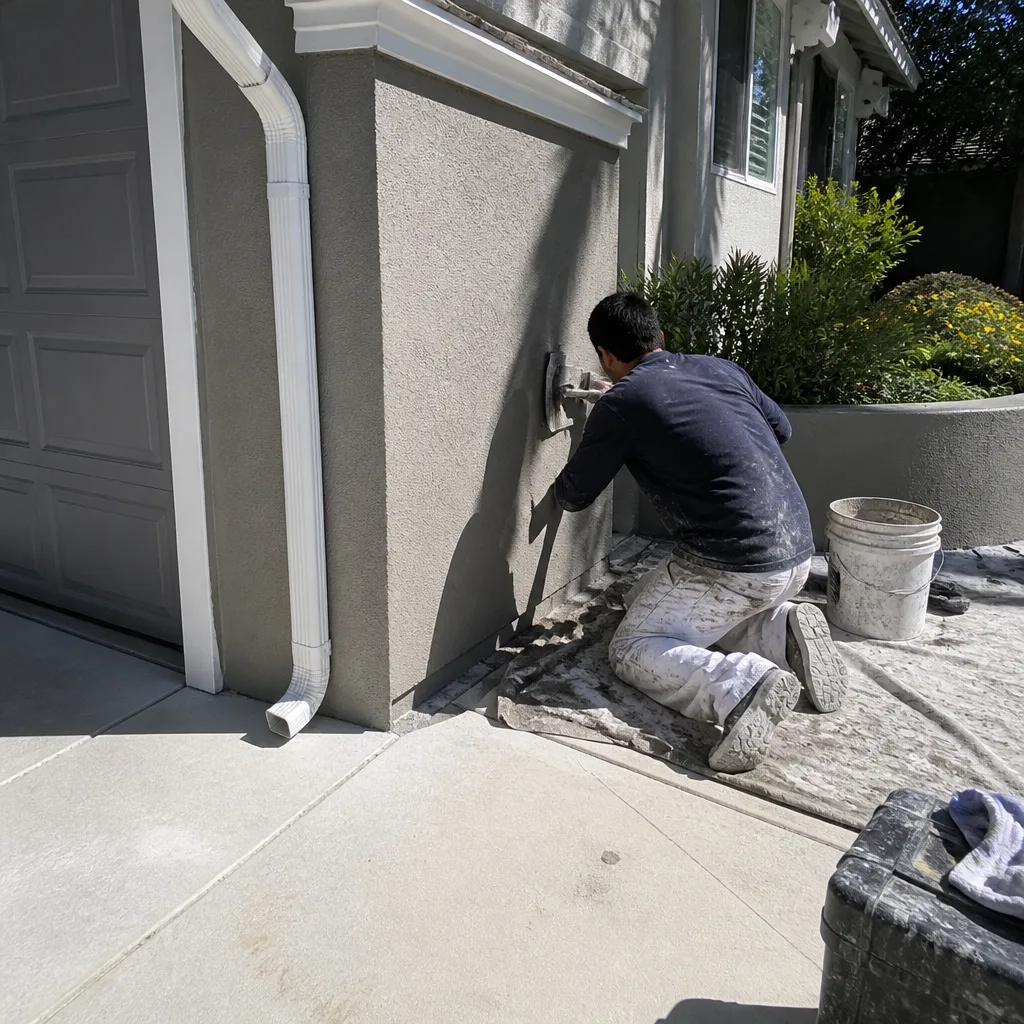 After
After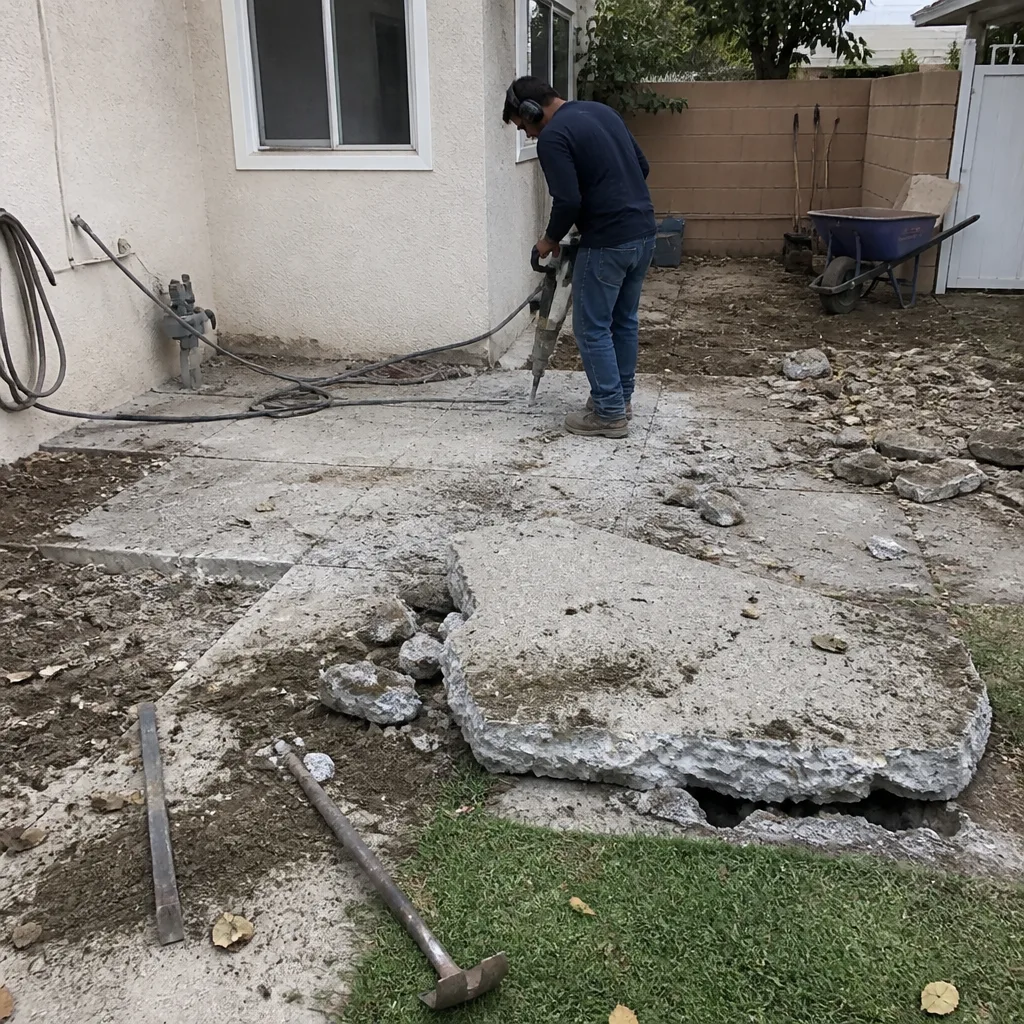 Before
 After
AfterReplacement Cost & What’s Included
Atlas fence installation in Los Angeles runs $4,130 to $10,620 for a full vinyl fence system, with the range driven mostly by linear footage, existing concrete removal, and whether we are working on flat ground or a sloped lot. A single post reset with new concrete typically falls between $400 and $800, while replacing one cracked panel runs $250 to $500 depending on the profile and height. Every quote includes the parts, labor, concrete, hardware, and haul-away of the old material as a line item, so you see exactly where the money goes before you approve anything.
Every Atlas fence we install is covered under our 365-Day Done Right Promise: if the post settles, the gate binds, or the panel cracks because we did not set it right, we fix it. The manufacturer warranty on the vinyl itself travels with the project, and we hand you that documentation at close-out rather than mentioning it two months later.
DIY or Call Us?
There are a few things you can safely check on your own: walk the line and mark leaning posts, note which panels are loose, and photograph the post size and any part numbers for us before you call. Do not dig out a set Atlas post and try to re-set it yourself. The post carries the panel weight and wind load, and if the concrete footer is undersized or the post is not plumb in both directions, the whole section fails again on the first good Santa Ana. That is not a warning we issue lightly; we have reset enough homeowner attempts to know that a wobbly post becomes a cracked panel becomes a bigger job.
If you are not sure whether it is a repair or a re-install, call us at (949) 850-9896 and describe what you are seeing. We will walk you through it on the phone, and if a site visit makes sense, we will schedule it at a time that works around your family’s schedule.
FAQs
An Atlas vinyl fence installed correctly in Los Angeles typically lasts 25 to 30 years, with south- and west-facing sections showing UV fading and minor chalking after about 10 to 12 years. The posts and structural channel usually outlast the cosmetic surface by a decade or more. Call (949) 850-9896 and we can tell you whether the fence you have is worth repairing or nearing the end of its useful life.
Yes, in most cases a leaning post can be dug out, re-set plumb in new concrete, and re-secured without replacing the post or adjacent panels. If the post itself has cracked or the routed channel has widened, replacement is usually the better call. Call (949) 850-9896 for an on-site look and a written price either way.
A single post reset or panel replacement is usually finished in one visit of two to four hours. A full Atlas fence installation on a standard Los Angeles lot takes two to four days, depending on concrete removal, gate hardware, and slope work. We give you a schedule in writing before we start, and we work around your family’s quiet hours where we can.
We keep common Atlas post caps, gate latches, hinge sets, and rail brackets on the truck, and panels and posts in standard profiles are available from our Los Angeles supplier within one to two business days. Odd sizes or older 4-inch post systems may take longer, which we flag before ordering so there are no surprises. Call (949) 850-9896 with your part number and we can give you availability right over the phone.
We are an independent Los Angeles contractor and not affiliated with Atlas, but we work with their panels and hardware every week, and we also stock parts for KraftMaid, Cambria, and Silestone projects across our remodeling work. The written scope is the promise – if it is not on the paper, we have not agreed to it yet. Call (949) 850-9896 for a free estimate on your Atlas fence repair or installation, and we will schedule the visit around your family’s routine, not the other way around.
Written by Graham Stein, Owner, Elmstead Remodeling at Elmstead Remodeling, serving Los Angeles and nearby areas.