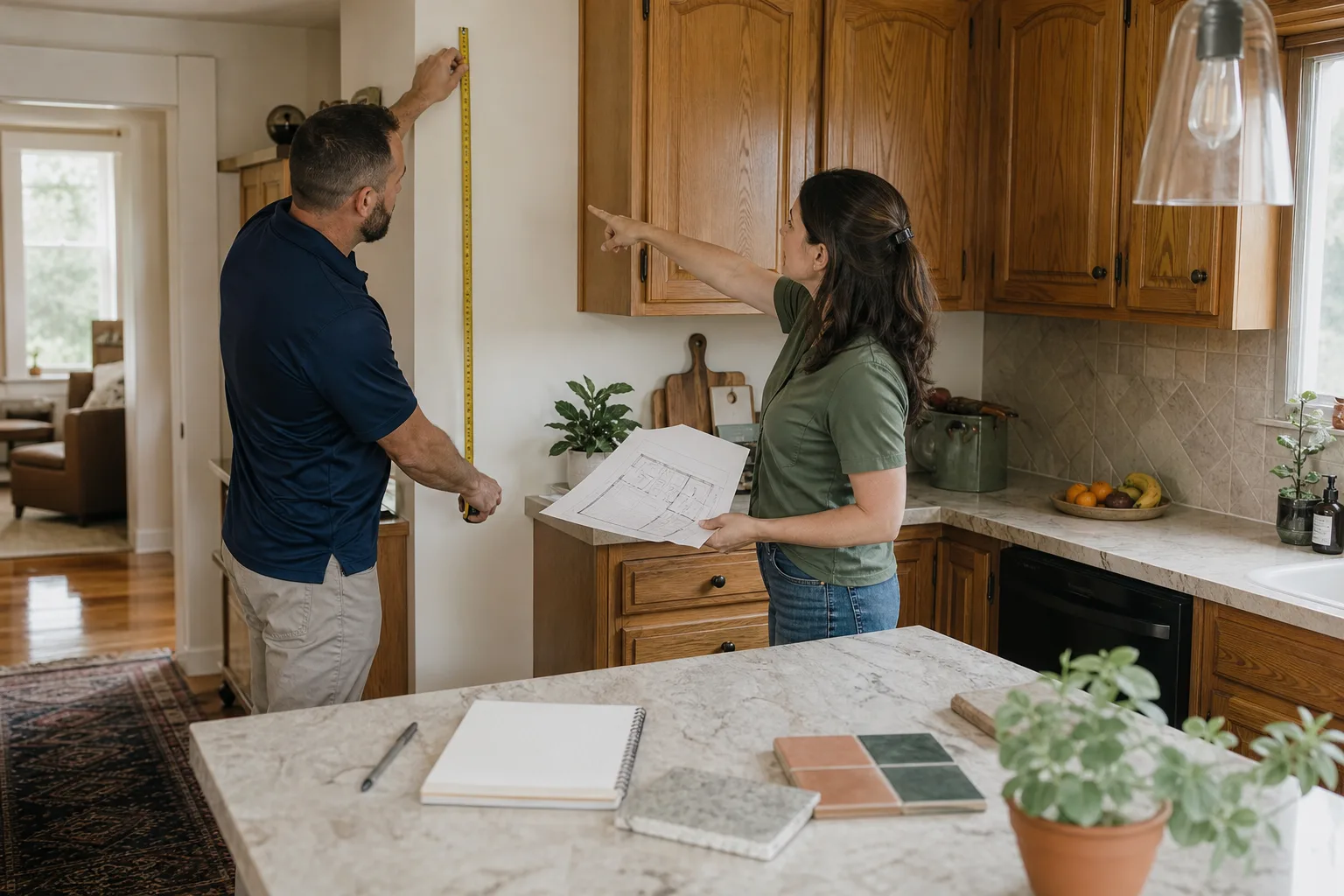
Free written scope consultation - allowances, timeline, and change-order rules on paper before a single trade is scheduled
Boral Roofing: The Los Angeles Owner’s Guide
We stock and install roofing materials compatible with Boral clay and concrete tile systems across Los Angeles, with typical installed repair work running $710 – $2,950 and full reroofing between $9,440 and $23,600. Most Boral-related calls we take come down to a cracked tile, a shifted ridge piece, or underlayment that has quietly aged past its useful life, and we can usually get eyes on the problem the same week. You’ll know something is off when you see tile fragments in a valley after a Santa Ana wind, notice a persistent damp spot on a ceiling near a chimney, or find granules and tile dust collecting at a downspout after rain.
Here’s what Los Angeles homeowners should know about their Boral roof: the tile itself often outlasts the underlayment beneath it, and the weak points are almost always the flashings, the valleys, and the penetrations rather than the tile. That matters because a small, honest repair at the right moment prevents a much larger interior repair a season later. We’re an independent contractor, not affiliated with Boral, but we work with their profiles regularly and keep the common matching pieces on hand.
Key Takeaways
- Installed Boral-compatible roof repair in Los Angeles runs $710 – $2,950 for typical tile replacement, flashing work, and targeted underlayment patches.
- Full replacement with Boral-compatible tile roofing runs $9,440 – $23,600 depending on roof complexity, tear-off, and decking condition.
- The first thing to fail is rarely the tile. It’s usually the underlayment, flashing, or fasteners, and that changes the repair approach completely.
- Written pricing before any work starts is how we operate. You’ll see the line items, the materials, and the labor before you approve anything.
- Walk the roof safely or don’t walk it at all. We’ll explain what’s safe to check from the ground versus what needs a professional on the roof.
Styles & brands we work with
Which Boral Models This Applies To
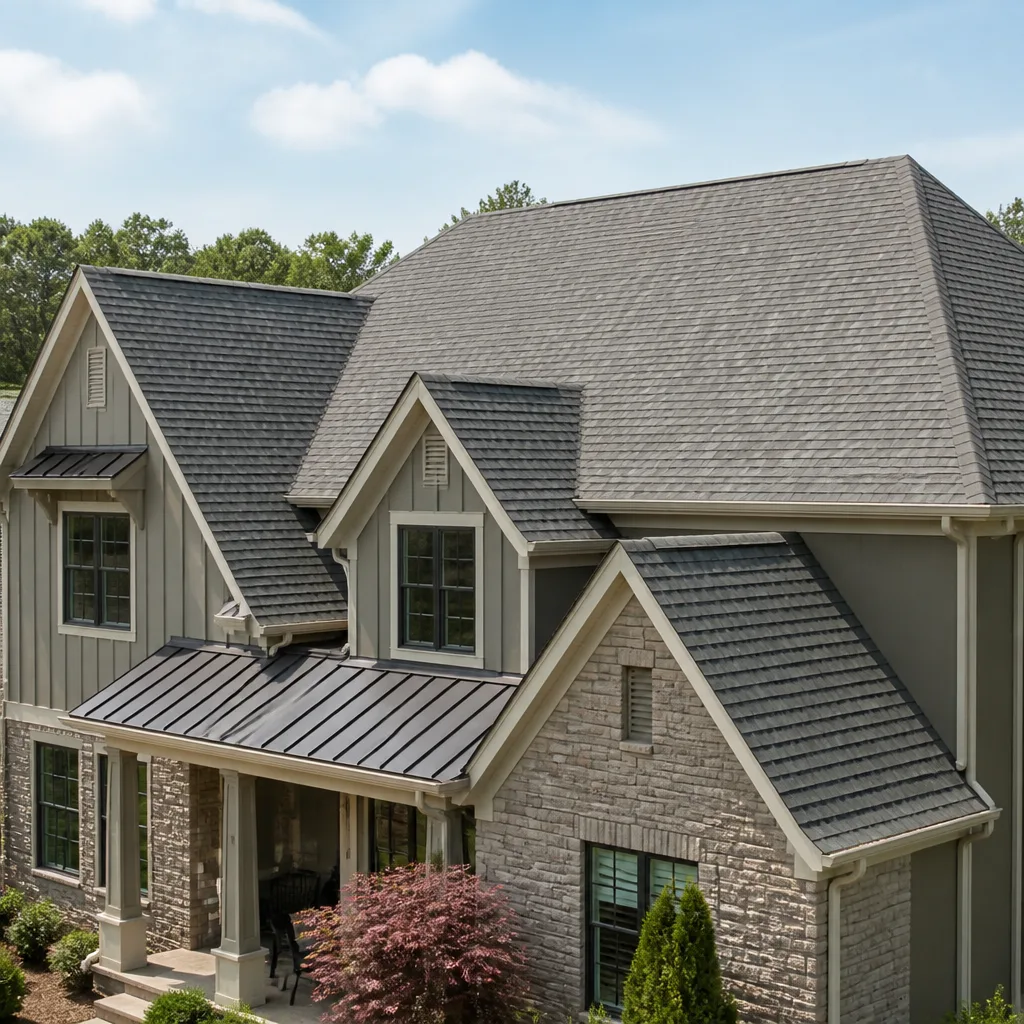
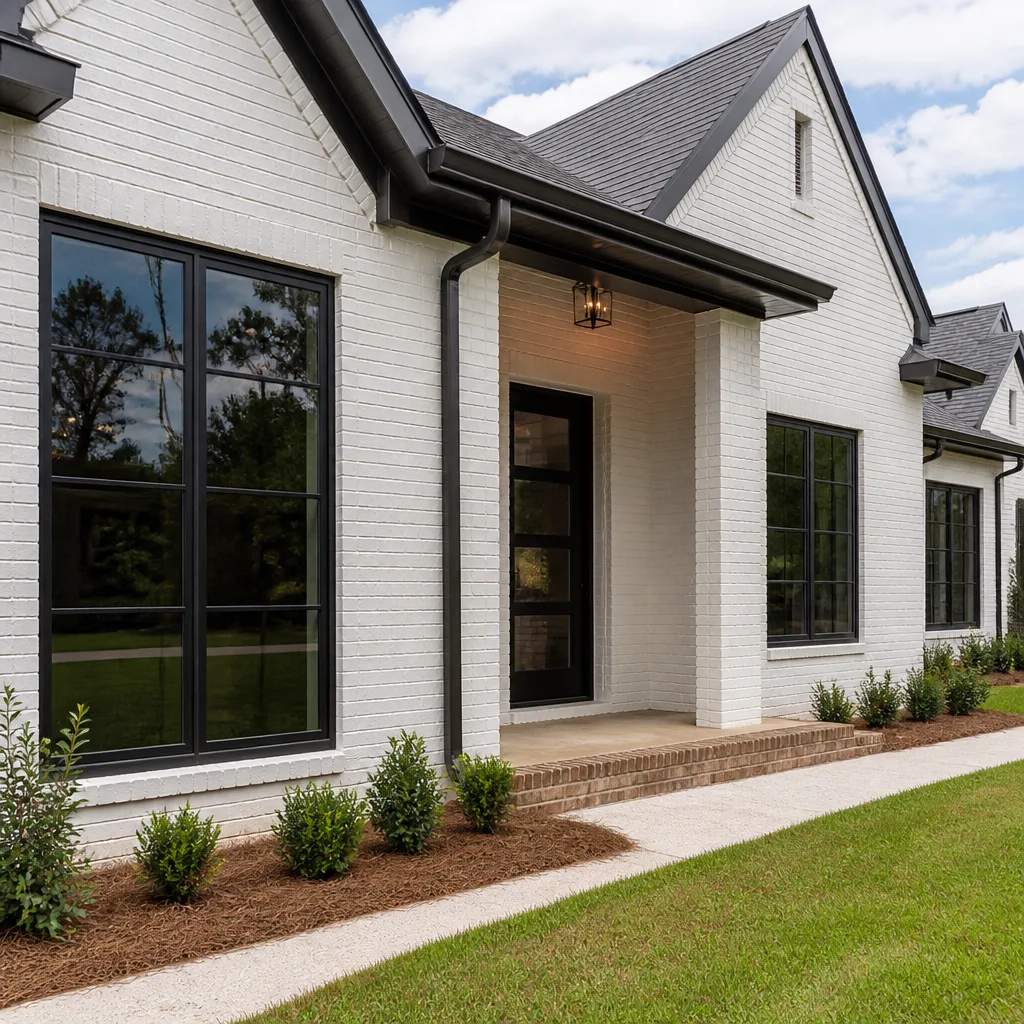
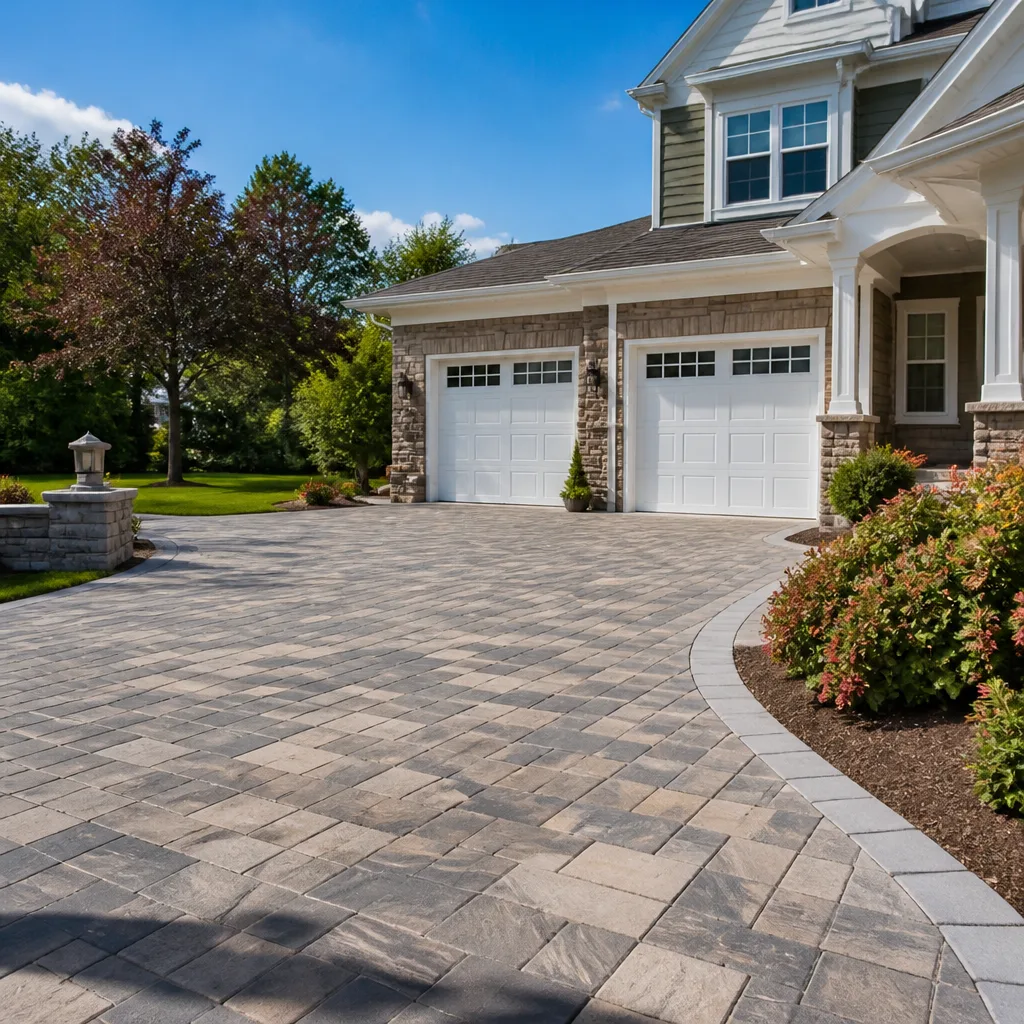
Boral’s tile profiles that we see most often on Los Angeles roofs include the flat shake, the Barcelona barrel, and the slimline concrete profiles, along with the older mission and S-tile shapes that dominated tracts built from the 1980s through the early 2000s. The single best identifier is the tile’s underside marking or the original builder’s paperwork, but a clear photo of the profile edge and a measurement of the tile’s width and exposure usually narrows it down in minutes. Los Angeles architecture spans everything from Spanish Colonial Revival in Hancock Park to mid-century flat roofs in the Valley, so the Boral product on a 1920s craftsman in Silver Lake will not match the profile on a 1990s tract home in Granada Hills, even if both are technically “Boral.”
One compatibility gotcha we run into constantly: Boral changed their concrete tile molds over the years, so tile purchased in 2005 may be dimensionally close to tile produced in 2015 but not interchangeable on the same roof. The profile looks right from the ground. The lock channels and the exposure width do not match on the deck. When that happens, we source from reclaimed tile yards in Sun Valley and Santa Fe Springs before recommending a full reroof, because matching the exact generation matters for both appearance and water-shedding. For current production, we work with OEM Boral tile where available, and for discontinued lines we use quality reclaimed tile that matches the original color and profile. Aftermarket new-look-alike tile is available for a handful of profiles, but we’re cautious with it because Los Angeles sun aging differs enough between factories that a “close” match can look wrong within three summers.
Signs Your Boral Roofing Is Failing
- Cracked or broken tiles after wind or impact. Los Angeles gets maybe one meaningful storm a year, but when the Santa Anas gust through the foothills, they snap tiles that were already micro-fractured from years of thermal cycling. A broken tile over a protected area is a simple swap; a broken tile over a valley or a low-slope section means water has likely reached the underlayment, and that’s the part that actually keeps your house dry.
- Damp spots on ceilings or walls, especially after rain. By the time the interior shows water, the underlayment has been compromised for a while. The tile above may look perfectly fine. We start at the penetration points first because that’s where Los Angeles reroofs fail most often: chimneys, skylights, plumbing vents, and the spots where a solar installer left a bracket behind.
- Tile debris at downspouts or in gutters. If you’re seeing sand, tile crumbs, or small broken pieces accumulating at the base of a downspout, the tile is spalling from age and moisture. That’s most common on concrete tiles that have lost their surface coating. The roof is not necessarily failing yet, but the protective layer is, and the remaining tile will absorb more water and grow heavier.
- Visible gaps, lifted tiles, or missing ridge pieces. Ridge tiles take the most weather on a Los Angeles roof: full sun, the hottest deck temperatures, and the most dramatic expansion and contraction. When the ridge mortar cracks and pieces shift, water gets under the ridge line and travels along the top of the underlayment before showing up somewhere unexpected.
- Flashing that has pulled away from chimneys or walls. Los Angeles sees enough seismic movement and enough hot-dry-then-wet cycles that headwall and sidewall flashings separate from the stucco and brick regularly. The flashing may look intact from the ground, but the sealant has failed and water is running behind it. This is the most common “small leak” source on an otherwise healthy Boral roof.
See the difference
 Before
 After
After Before
 After
After Before
 After
AfterReplacement Cost & What’s Included
For Los Angeles homes, a targeted Boral-compatible roofing repair runs $470 – $2,125 when it is a small tile swap, a flashing reseal, or a short section of valley or penetration work. Tile roof repair with more involved underlayment replacement, re-bedding of ridge tile, or matching of hard-to-find Boral profiles lands between $710 and $2,950. If the underlayment has reached the end of its life across large sections of the roof, or the decking below has moisture damage, the honest answer is a reroof at $9,440 – $23,600, because patching underlayment over failing underlayment is just a lease, not a fix.
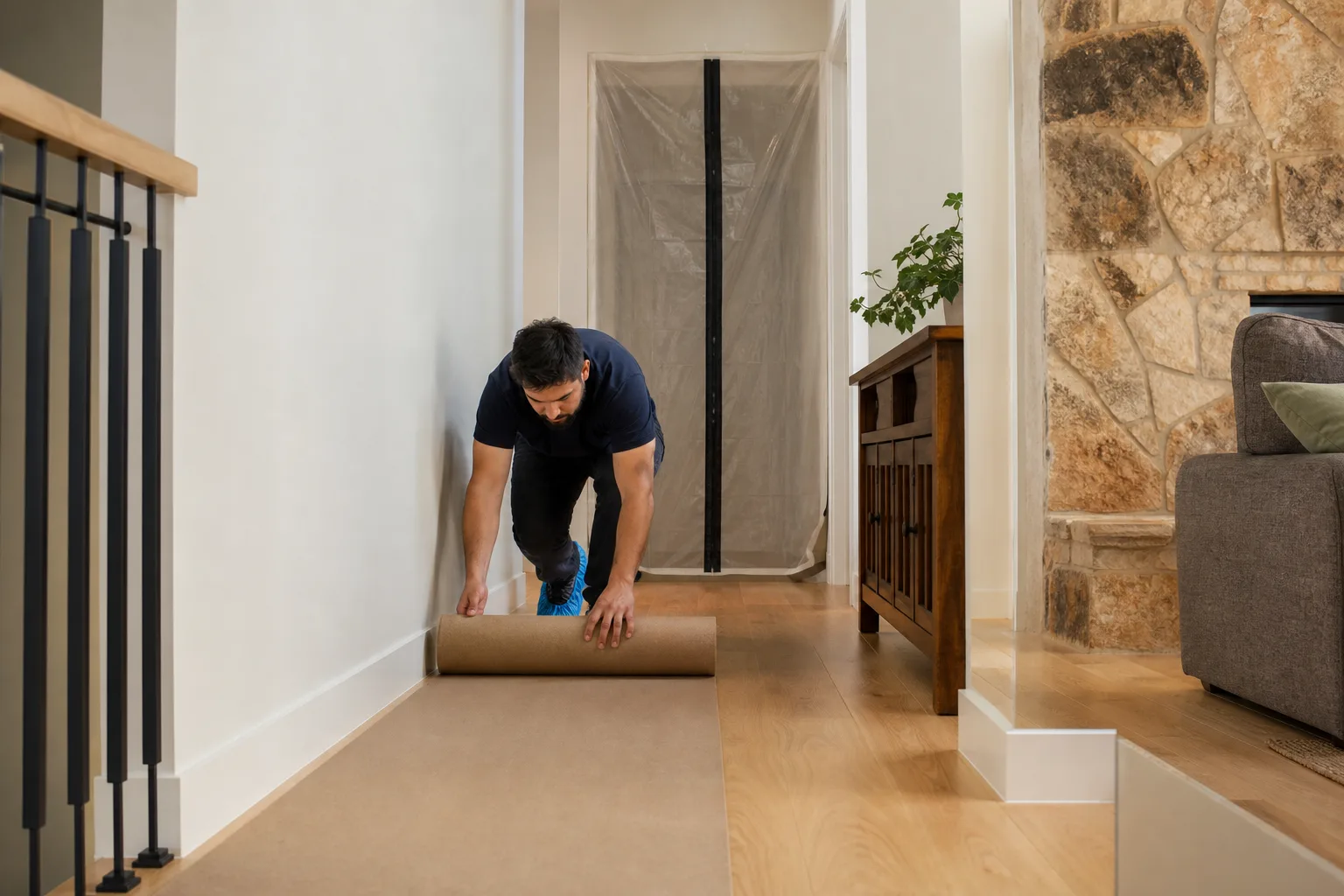
What drives the price within those ranges: the roof’s pitch and walkability, whether we are on a single-story bungalow in Atwater Village or a steep three-story hillside house in Mount Washington, how many roof penetrations need flashing work, and whether the tile can be matched from available stock or has to be sourced from a reclaimed yard. Every quote includes the written line-item price before work begins, the specific materials named by manufacturer and profile, and the clean-up: drop cloths where interior access is needed, shoes off or covers on inside the house, and a photo of the completed roof and the clean-up before we leave. Our 365-Day Done Right Promise applies to every repair and replacement: if something is not right after we finish, we make it right.
DIY or Call Us?
There are things you can safely check from the ground: broken or shifted tile visible from the street or yard, gutter debris that suggests tile spalling, and flashing that looks pulled away near the roofline. Use binoculars. Do not climb a tile roof. Boral tile is strong, but it gets brittle with age, and a homeowner stepping on the wrong tile breaks one tile on the way up and two more on the way down. Walking any roof, let alone a steep clay tile roof on a 1920s Los Angeles hillside, is how people get seriously hurt, and it is not worth saving a trip charge.
Where DIY goes wrong is almost always the underlayment and flashing. The tile you can see is rarely the part that failed. A YouTube tutorial will show you how to swap a tile, but it will not show you that the underlayment beneath is saturated, or that the flashing detail was installed wrong by the previous contractor, or that the valley metal has rusted through under what looks like a clean surface. If you can see the problem from the ground, call us, and we will tell you honestly if it needs a professional or not. Graham Stein, the owner, grew up in Silver Lake and started on Los Angeles roofs back when the reservoir was still fenced off, and he will tell you the same thing he tells every homeowner who asks: the written scope is the promise. If it is not on the paper, we have not agreed to it yet. Call (949) 850-9896 and we’ll get the written scope started.
FAQs
A Boral clay or concrete tile roof in Los Angeles typically lasts fifty to seventy-five years on the tile itself, but the underlayment beneath it is a thirty to forty year component in our climate. What we usually find on older Los Angeles homes is beautiful tile that is barely halfway through its life sitting on underlayment that has dried, cracked, and stopped shedding water. When that happens, you’re not replacing the Boral; you’re re-laying it over new underlayment and reusing most of the original tile. Call (949) 850-9896 and we’ll assess what’s actually left in both layers.
It depends on the crack and where it sits. A hairline crack on a field tile in an area that doesn’t channel water is a candidate for a quality sealant repair, and we do those all the time for under $200. A crack in a valley, a broken corner, or a tile that has lost its interlocking edge needs replacement, because the sealant is relying on the tile beneath it to stay dry, and in Los Angeles rain, that’s a gamble you don’t take. We’ll tell you which is which before we do anything.
Most single-area repairs take a half day to a full day, including the time to safely access the roof, do the repair, clean up, and photograph the finished work. Ridge re-bedding and flashing replacements over multiple penetrations typically run one to two days. If we’re replacing underlayment across larger sections, you’re looking at a multi-day project, and we’ll schedule it against the weather so nobody is on your roof in the rain. Estimates and timelines are written down before anything starts.
We keep the current production Boral profiles and common colors in stock, along with a rolling inventory of reclaimed tile from Sun Valley and Santa Fe Springs for the discontinued lines, and common replacement parts comparable to what we use for KraftMaid cabinetry, Cambria surfaces, and Silestone countertops work, where we hold true to the same principle: named, verifiable materials rather than generic substitutes. If your specific Boral profile is not in our yard, we source it before we quote you a number, so the price on the paper is the price with the right tile, not a placeholder. Call (949) 850-9896 and we’ll match your tile and give you the written number.
Written by Graham Stein, Owner, Elmstead Remodeling at Elmstead Remodeling, serving Los Angeles and nearby areas.