
Free written scope consultation - allowances, timeline, and change-order rules on paper before a single trade is scheduled
ECO Window Systems Kitchen Remodeling: The Los Angeles Owner’s Guide
If you have ECO Window Systems windows or doors in your Los Angeles kitchen and the remodeling work around them is failing, the honest answer is this: we regularly replace window trim, sill flashing, and casing around ECO units during kitchen remodels, and the installed cost in Los Angeles typically runs $16,520 to $53,100 depending on how much of the kitchen is being rebuilt. It is rare for the ECO window unit itself to fail, what we see far more often is the perimeter work, seals, and integration details failing after an earlier install. You may be here because you noticed the kitchen window won’t open cleanly anymore, water stains are appearing below the sill, or the drywall around the window frame is cracked and pulling away from the unit.
This page is the reference we would want if our own kitchen had ECO Window Systems products and something was off. We’ll cover which ECO models this applies to, how to tell if the problem is the window or the work around it, what replacement costs in Los Angeles, and when to call (949) 850-9896 instead of reaching for a pry bar.
Key Takeaways:
- ECO Window Systems failures in Los Angeles kitchens usually show up as perimeter leaks, binding operation, or cracked surrounding drywall, not as a failed glass unit.
- We’re an independent Los Angeles remodeling contractor; we’re not affiliated with ECO Window Systems, but we work around their units regularly and stock the trim, flashing, and sealant details that match them.
- Every project gets a written price before any work starts, and the 365-Day Done Right Promise applies if something is not right after the job is complete.
Which ECO Window Systems Models This Applies To
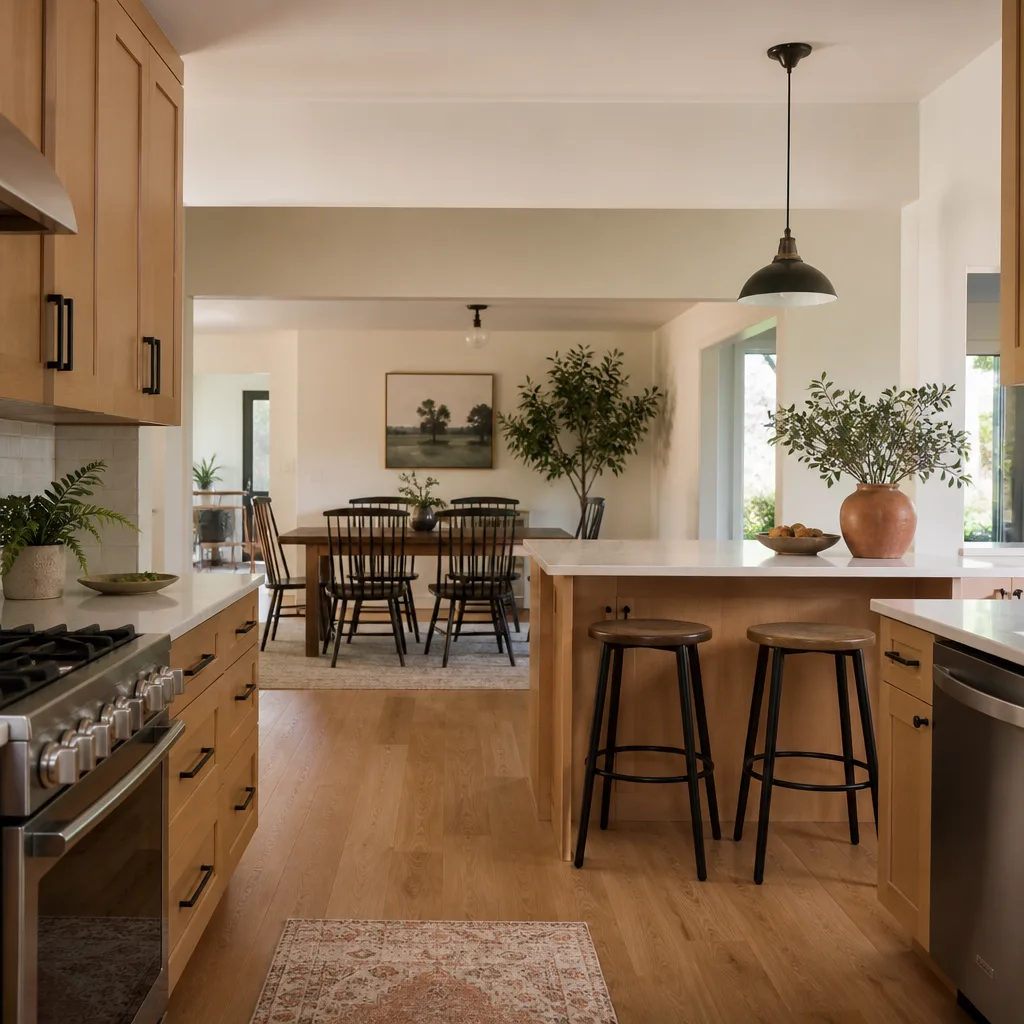
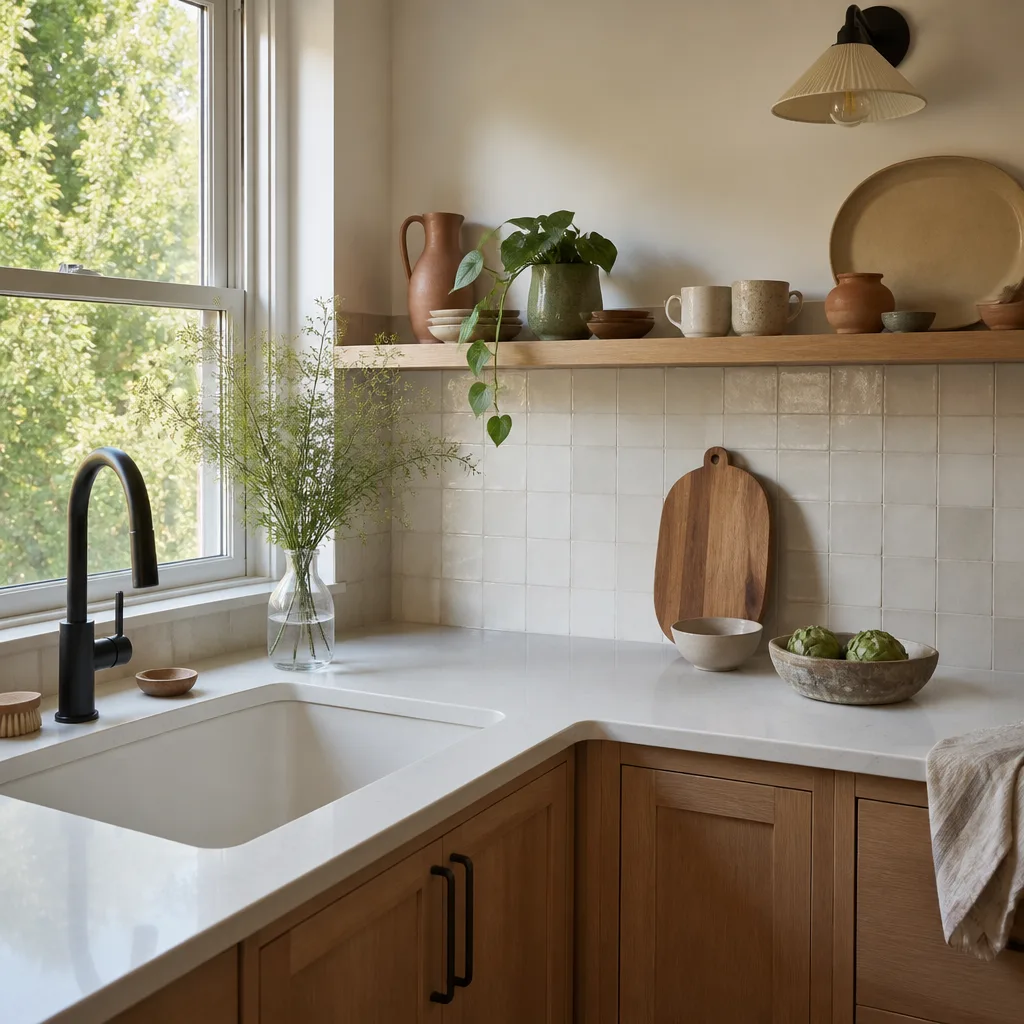
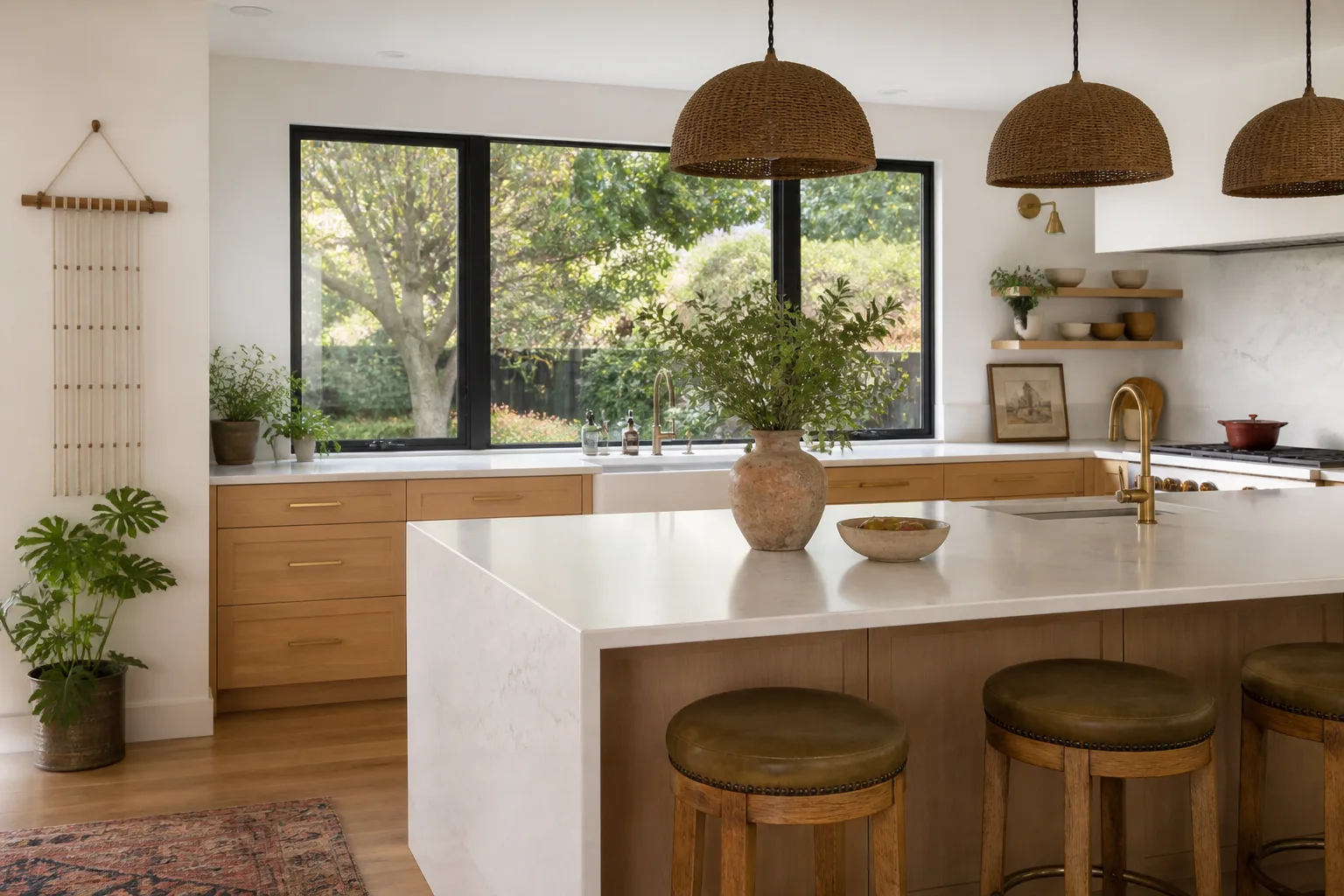
ECO Window Systems builds residential vinyl and aluminum window lines, and in Los Angeles kitchens we most often encounter their horizontal sliders, casement units, and picture windows installed above sinks or along breakfast nooks. The compatibility question that matters during a remodel is not the glass package, it is whether the original installer used ECO’s proprietary nailing flange and whether the unit was taped and flashed to the weather-resistant barrier properly. That detail dictates how much of the surrounding wall has to come apart before new counters, cabinets, or backsplash can go in cleanly.
Here is the practical reality: an OEM ECO replacement sash or balance is usually the right call if the unit is under manufacturer warranty. If the failure is in the rough opening sealing, the trim reveals, or the interior sill, the better call is an aftermarket flashing and casing system matched to the unit dimensions, because the ECO part alone will not fix a leak that started at the rough opening. When we open a Los Angeles kitchen wall around an ECO window, the first thing we check is whether the original flashing was lapped correctly. In older neighborhoods like Silver Lake or Echo Park, we routinely find the original installer skipped the sill pan entirely, which is why water shows up only after a rainy February, not during the summer.
If you still have the original window paperwork, look for the ECO series name printed on the glass or on a sticker at the top of the frame. The most common Los Angeles installations we work around include ECO’s 70 Series sliders and their casement line, but the measurement that matters most is the actual rough opening, not the brochure size, because stucco and plaster homes in Los Angeles often have out-of-square openings that require custom casing to make the finished work look right.
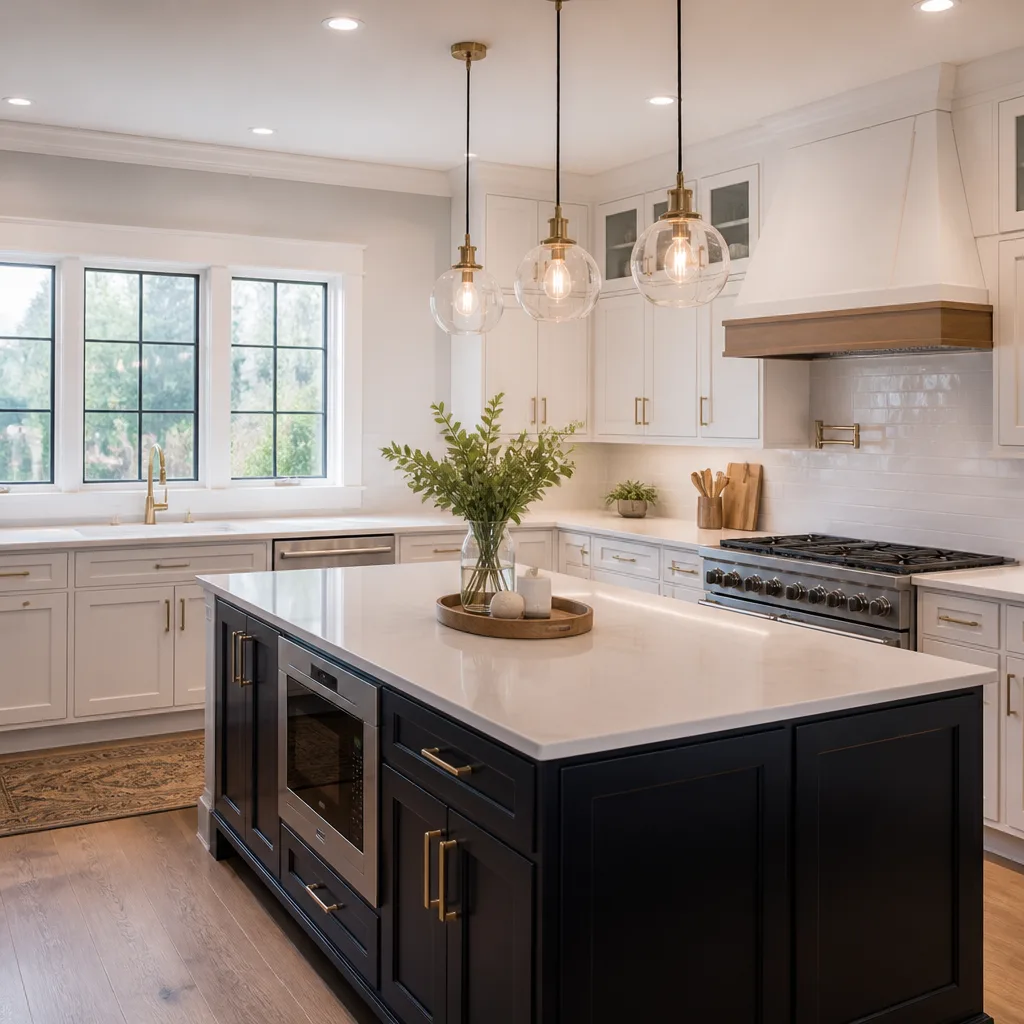
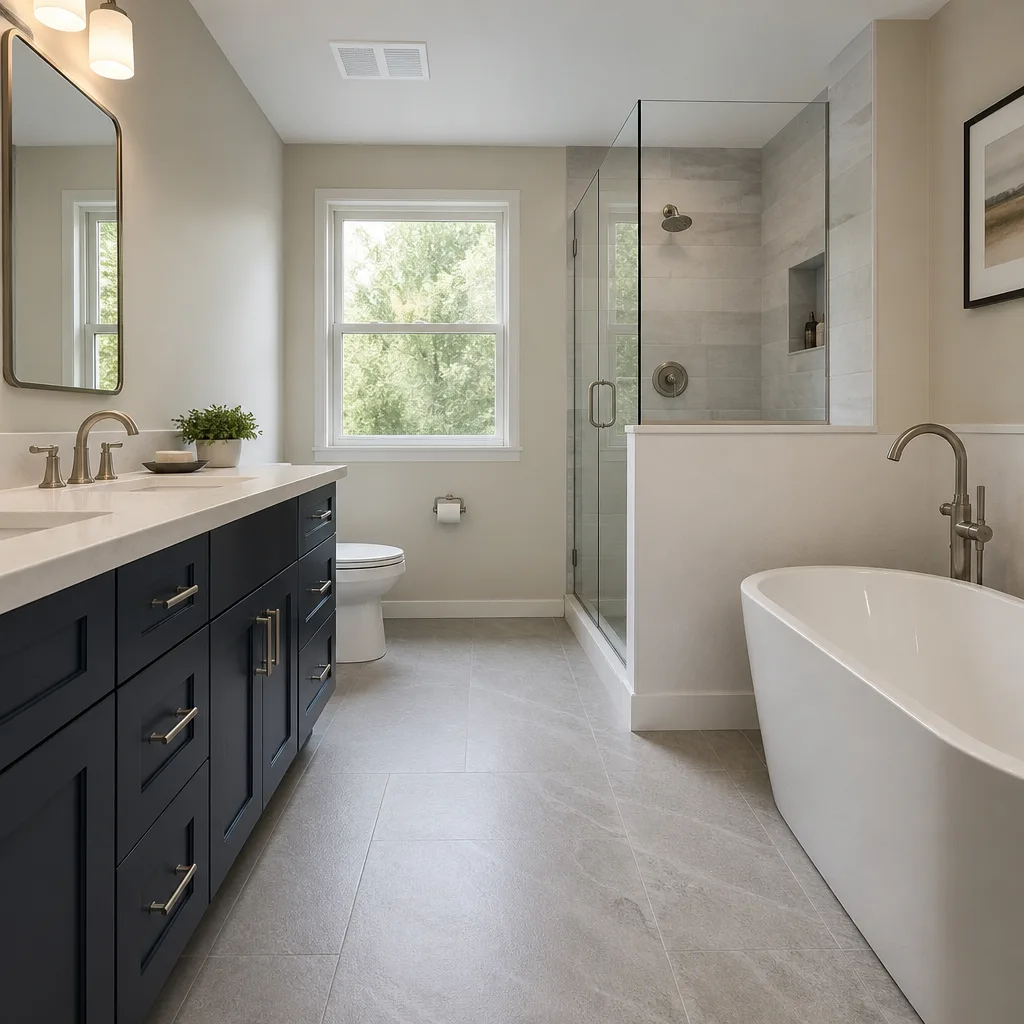
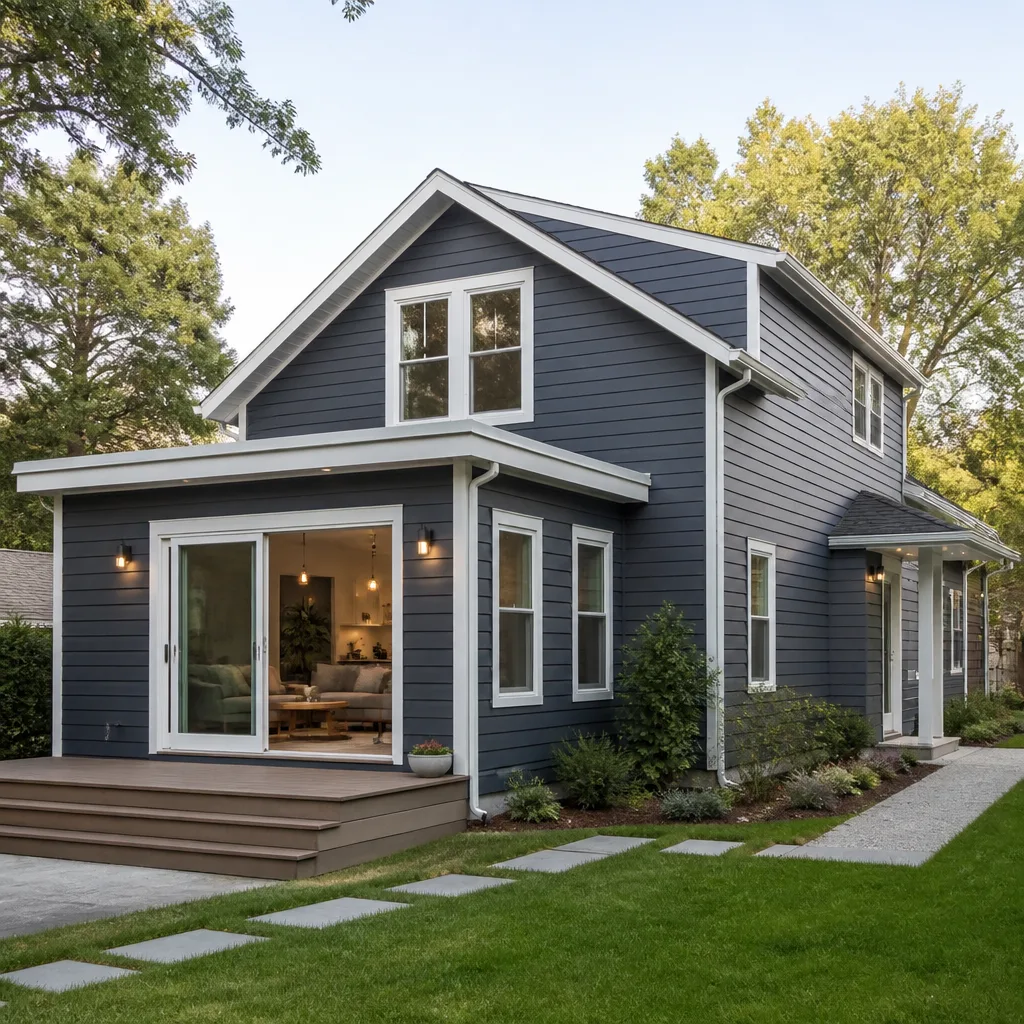
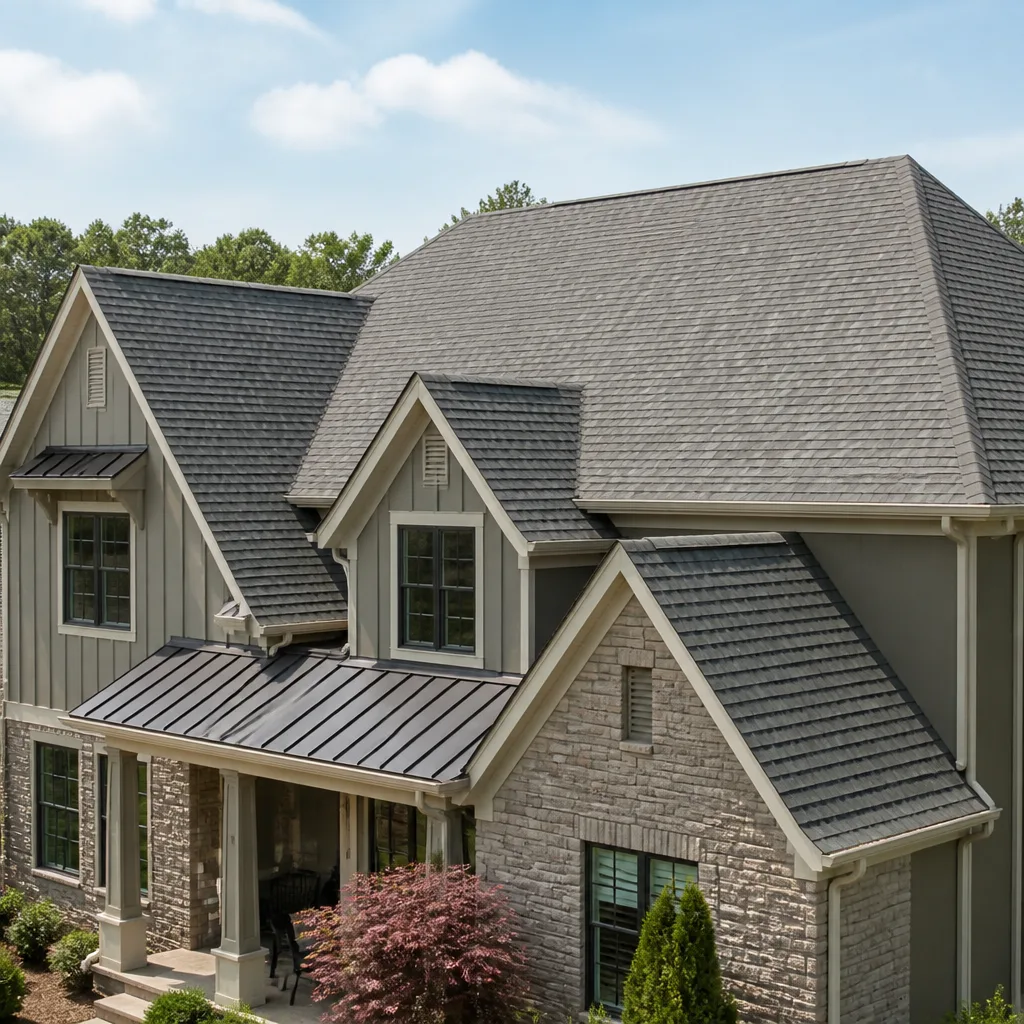
Styles & brands we work with
Signs Your ECO Window Systems Kitchen Remodeling Is Failing
Most Los Angeles homeowners do not have a failing kitchen window in the way they have a failing water heater. The problem announces itself slowly. Here are the five symptoms we hear most often, with what each one actually means:
- Water staining or bubbling paint below the kitchen window sill. This is almost never a glass seal failure. It is water getting past the sill flashing and traveling down the wall cavity, and it shows up first as a tan or rust colored stain on drywall or plaster below the window. The fix requires removing the interior drywall face, installing or repairing the sill pan, and retaping the rough opening before any new finishes go back.
- The window sash binds or requires two hands to open and close. ECO units sit in vinyl or aluminum tracks, and in a Los Angeles kitchen the combination of cooking grease, humidity, and household dust forms a paste that loads up the roller assemblies and balances. Cleaning alone sometimes restores operation, but if the frame has shifted because the rough opening shims compressed, the sash will bind no matter how clean the tracks are.
- Visible cracking where the drywall meets the window casing. This means the opening is moving, usually because the original job did not include adequate shimming at the sill and header. The crack is the symptom; the cause is the weight of the wall settling onto the window frame. Remodeling around it without addressing the shim pack just means the crack returns in six months.
- Daylight visible through the gap between the sash and the frame, or drafts you can feel standing at the sink. In Los Angeles this tends to get noticed in December and January when the morning marine layer pushes cool air through gaps the weather stripping no longer closes. It is usually worn ECO balance or weather seal components, but on stucco homes it can also mean the window flange screws have pulled loose from the framing.
- Condensation between the glass panes that does not wipe away. That is a failed thermal seal in the insulated glass unit, and no amount of cleaning will fix it. The glass unit must be replaced, and in a kitchen remodel this is actually the best time to do it, since the interior trim and sometimes the surrounding wall are already open.
See the difference
 Before
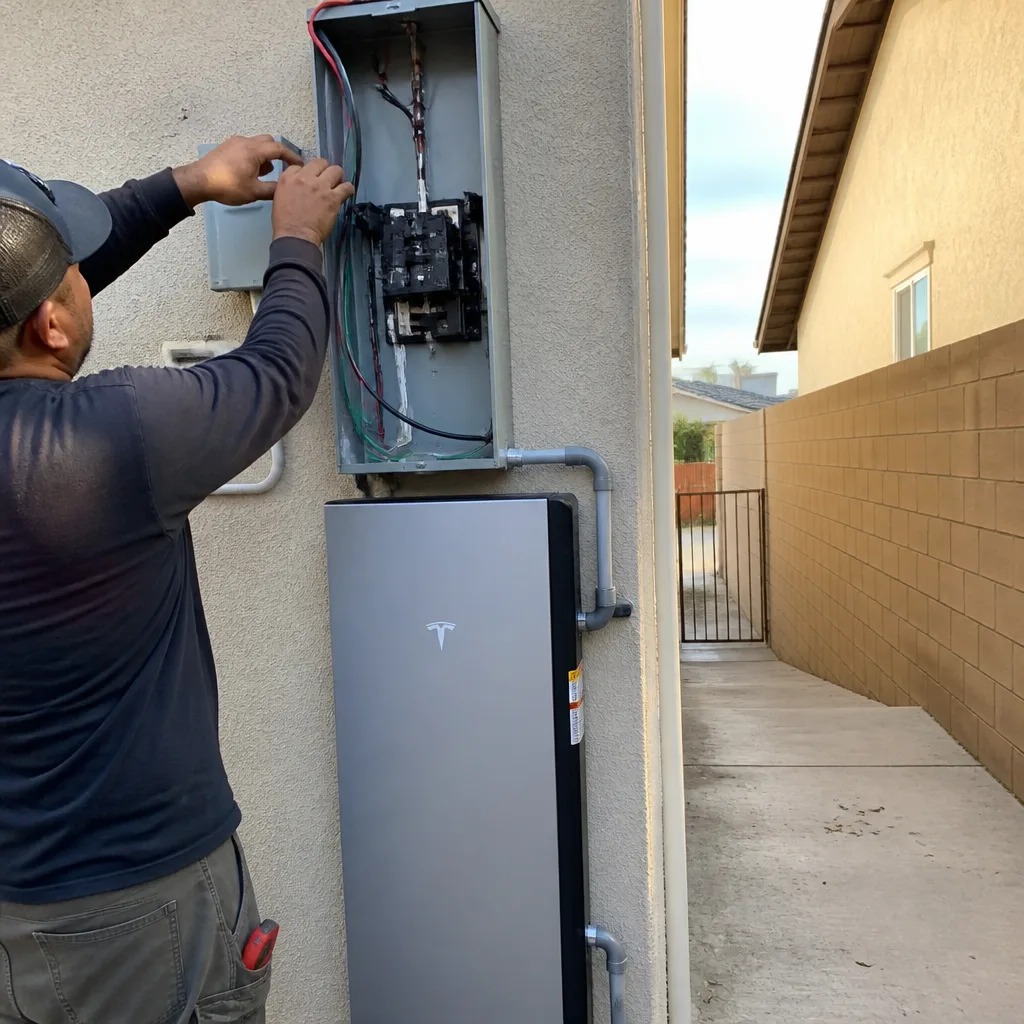 After
After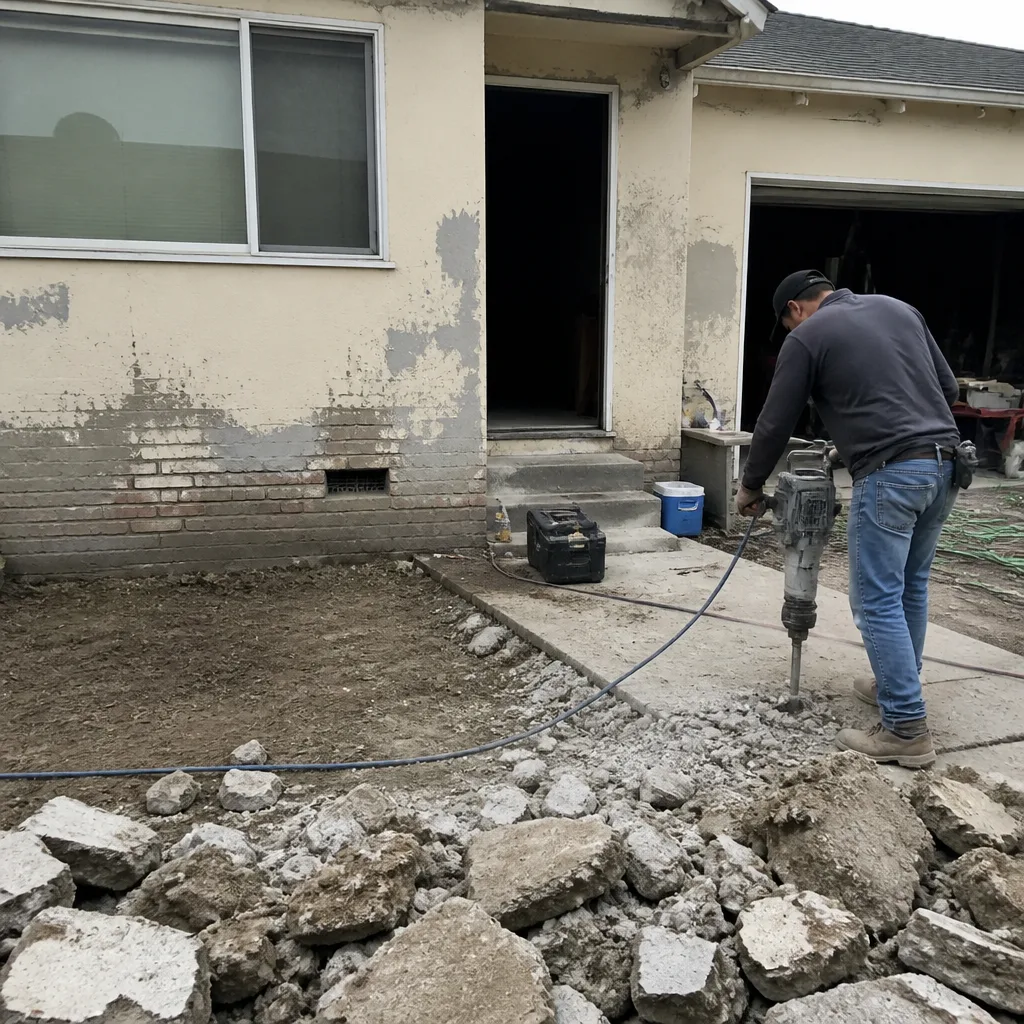 Before
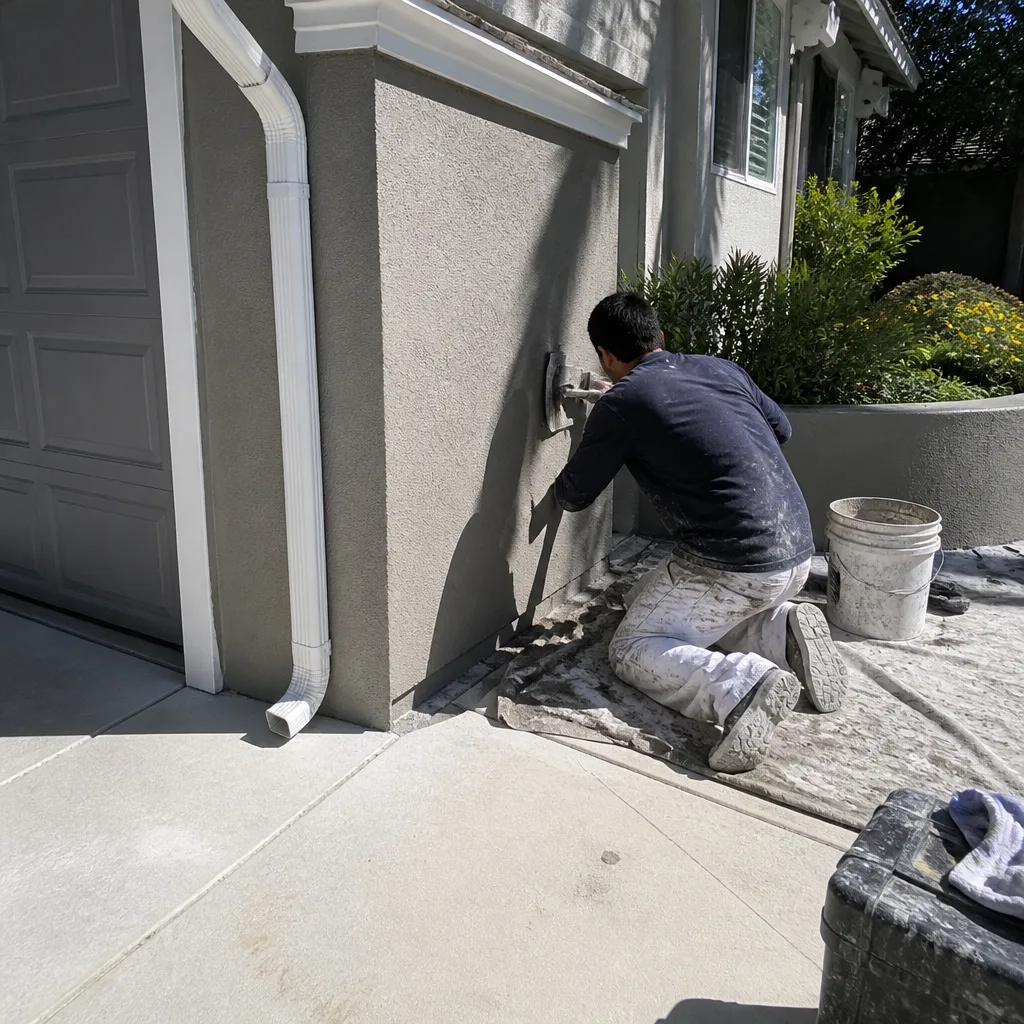 After
After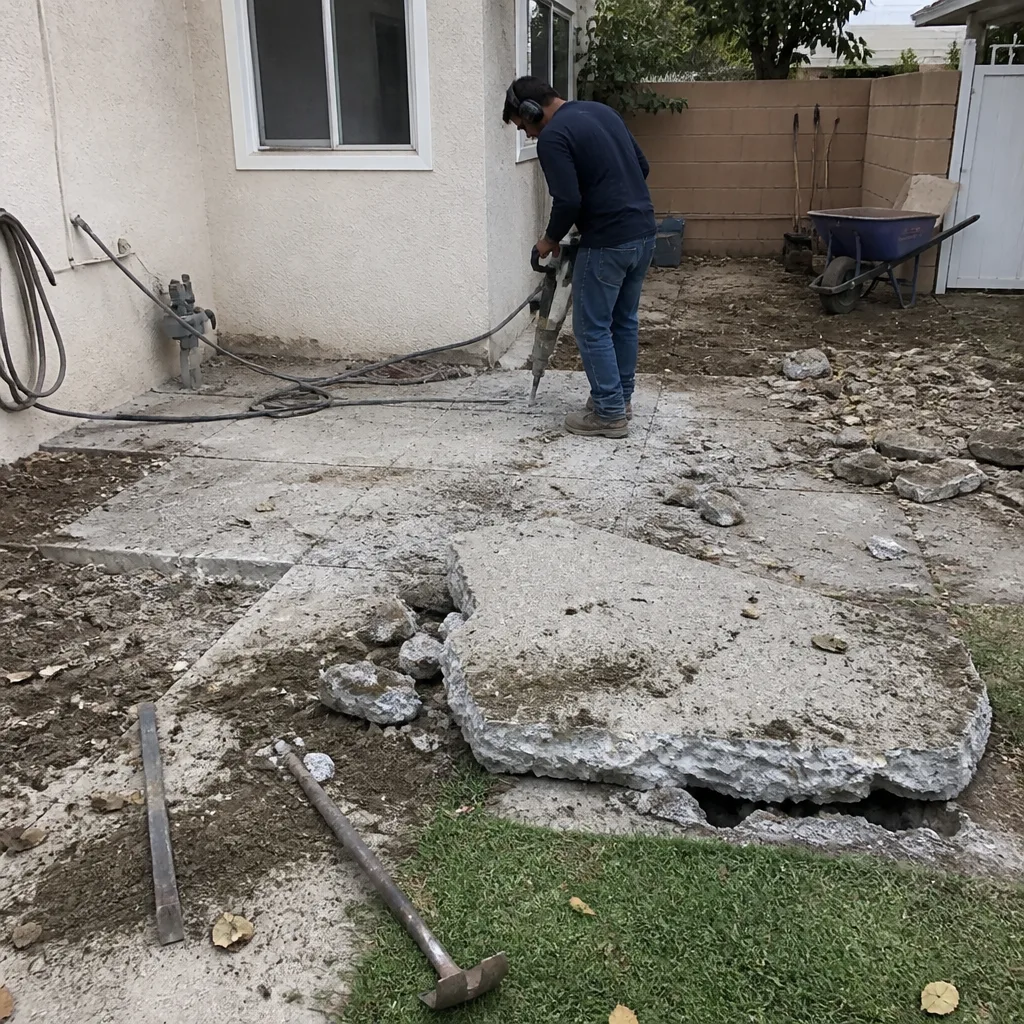 Before
 After
AfterReplacement Cost & What’s Included
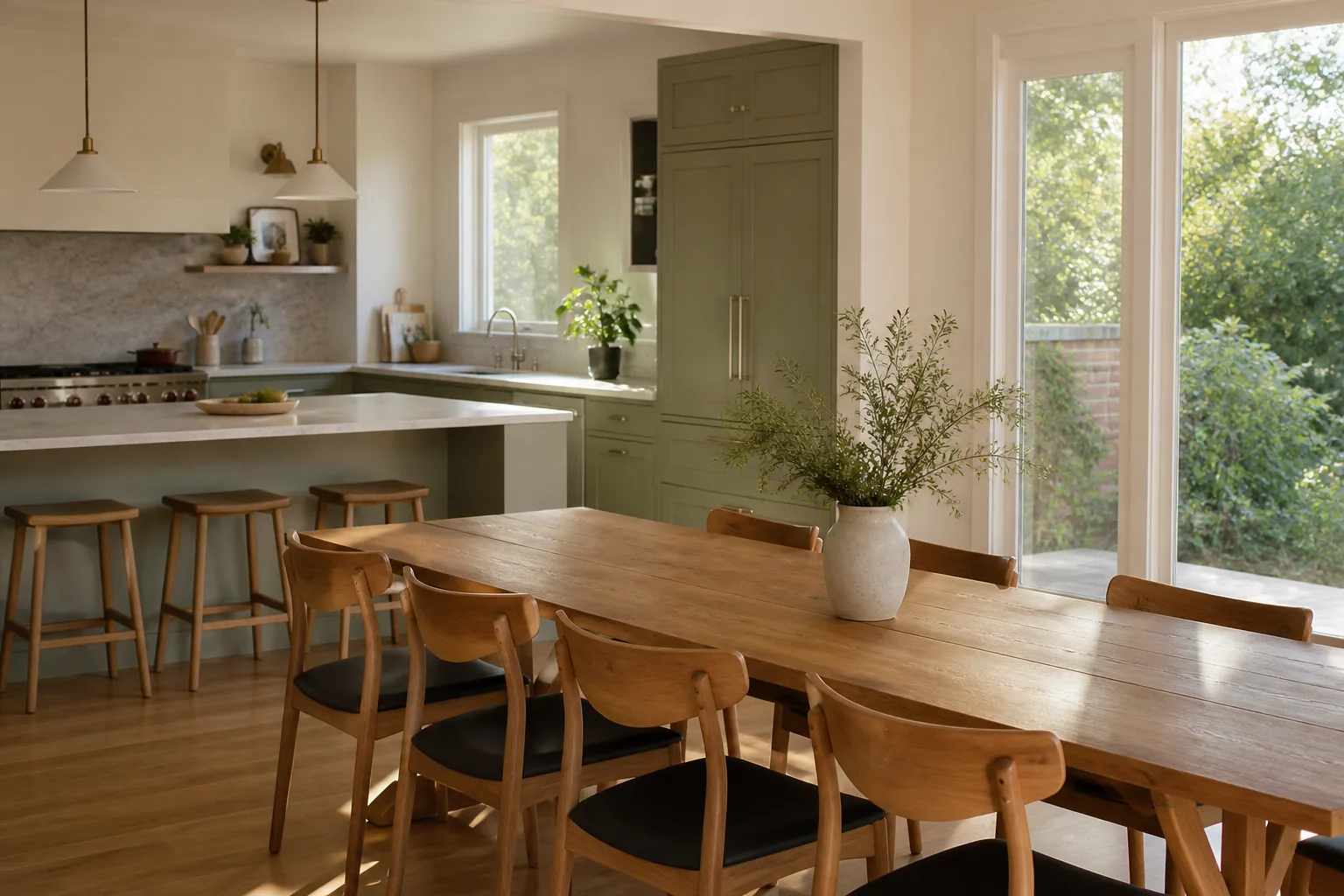
In Los Angeles, a full kitchen remodel that includes working around existing ECO Window Systems units runs $16,520 to $53,100. The spread depends almost entirely on scope: whether you are replacing countertops and refinishing existing cabinets, or whether the job includes gutting the wall around the window, installing new cabinetry, moving plumbing, and rebuilding the rough opening. A smaller kitchen remodel that focuses on one wall or one section starts around $10,620 and typically lands between $10,620 and $23,600.
Here is how that breaks down for the ECO window-specific portions of a Los Angeles kitchen remodel:
- Window trim, casing, and sill replacement around an existing ECO unit: $945 to $2,950, materials and labor included. This assumes the ECO window itself is sound and we are rebuilding the perimeter details.
- Replacing the ECO sash, balances, or weather seals while the wall is open: $470 to $2,125 for typical Los Angeles repair scope, with the caveat that exact parts depend on the ECO series and whether the unit is still under manufacturer warranty.
- Replacing the window entirely if the frame or glass package is beyond repair: $5,310 to $17,700 installed, depending on rough opening size, whether the home is stucco or wood framed, and whether we need to reframe the opening to accept a new unit.
Every estimate we write in Los Angeles includes the same things: the named-brand materials, the labor to remove and reinstall finishes around the window, the flashing and sealant work, and the written price before any work starts. There are no change orders that appear after the crew arrives unless you change the scope, and if we find hidden damage when the wall is opened, we walk you through it with photos before we do anything other than stop and talk. The 365-Day Done Right Promise covers the completed remodel; if the trim pulls away or the crack returns within a year, we come back and make it right.
DIY or Call Us?
There are things a Los Angeles homeowner can safely check before calling anyone. You can clean the ECO tracks with a soft brush and wiping down the weather seals with warm water, not solvent cleaners, which degrade the vinyl. You can look for daylight around the sash on a bright day and note where the gaps are. You can check that the weep holes at the bottom of the exterior frame are not blocked by paint or stucco, which is common on Los Angeles homes where exterior repainting happens without masking the window drains.
What you should not do is attempt to remove an ECO window frame from a stucco or exterior finished wall, reseat a nailing flange, or cut out rotted framing below a leaking sill. The window itself is often holding stucco in place on the exterior, and a wrong removal can drop wall cladding, and in older Los Angeles homes the framing around kitchen windows can have dry rot that makes the opening structurally unsound while you are working on it. If you have water staining, binding sashes, or a cracked rough opening, the honest sequence is to call us at (949) 850-9896, tell us the ECO series or the width of the rough opening, and let us look at it before the wall comes apart any further.
FAQs
In our experience across Los Angeles kitchens, a properly installed ECO Window Systems unit with intact flashing typically gives 20 to 30 years of usable life before the glass seal or balance system needs work, though coastal areas near the marine layer see more frame corrosion on aluminum variants. The more common failure point in Los Angeles is the perimeter flashing and seal work, which often fails within 5 to 10 years if the original install was rushed or skipped, so the unit outlives the installation.
Yes, with a clear caveat: if the failure is a worn balance, damaged weather seal, or a fogged glass unit, that can usually be repaired with OEM or matched aftermarket parts while the wall is open, and it costs far less than a new window. If the frame itself is warped, the nailing flange is broken, or the rough opening wood is rotted, repair means replacing the unit and rebuilding the surrounding opening.
Starting from the day we open the wall, a typical rim-and-sill repair around an existing ECO unit takes 2 to 3 working days in Los Angeles, including drywall, texture, and primer, with finish paint and trim work following after the kitchen remodel scope is complete. A full window replacement within a kitchen remodel adds 1 to 2 days to the overall project unless we are moving the rough opening, which then depends on structural work.
We stock the common aftermarket balances, weather seals, and trim profiles that match the ECO series we encounter most often in Los Angeles kitchens, and we can source OEM ECO parts through our supplier network when the unit is still under warranty. The fastest way to know what you need is to call (949) 850-9896 with the window measurements or a photo of the label, and we’ll tell you whether it is a truck stock item or a one week order before anyone schedules a visit.
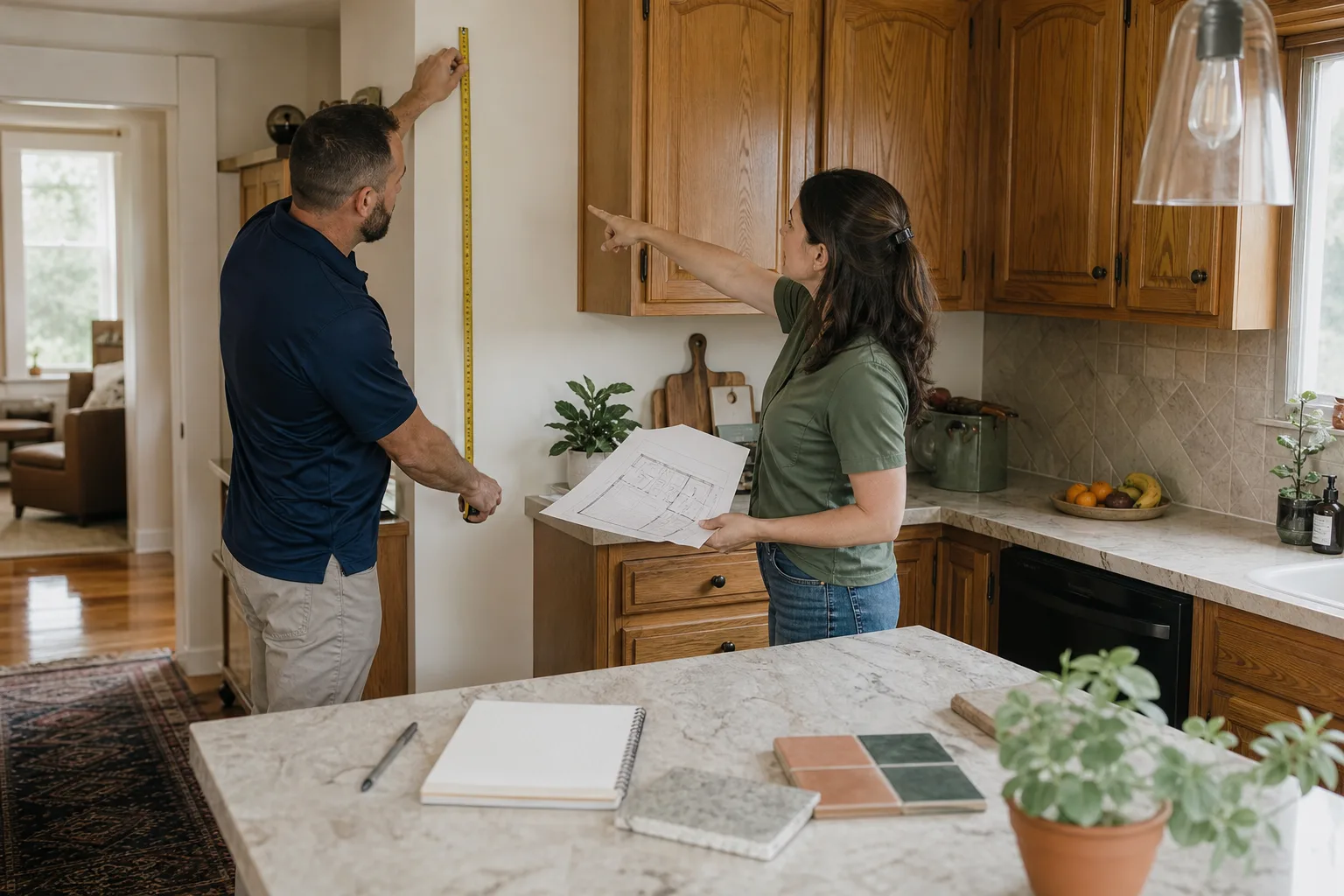
If the window works but the kitchen around it is due, or if the window has been leaking and you want a written price before anything gets torn out, call (949) 850-9896. One of our people will answer, ask about the window and the kitchen, and schedule a time for Graham to walk the job in person. The estimate is free, it is in writing, and it names the products we are using: KraftMaid or Wellborn cabinets, Cambria or Silestone counters, Kohler or Moen fixtures, and window trim matched to your ECO units. We also stock parts and finishes compatible with ECO window profiles so the transition from window to countertop reads as one continuous line, not an afterthought.
Written by Graham Stein, Owner, Elmstead Remodeling at Elmstead Remodeling, serving Los Angeles and nearby areas.