

Free written scope consultation - allowances, timeline, and change-order rules on paper before a single trade is scheduled
ECO Window Systems Roofing: The Los Angeles Owner’s Guide
We stock and install ECO Window Systems-compatible roofing components across Los Angeles, with most swap jobs landing between $470 and $2,125 installed depending on the part, the roof pitch, and whether the surrounding flashing or underlayment needs attention too. Most owners discover a failed ECO Window Systems roofing part the same way: a watermark on the ceiling after the first heavy rain, or a skylight drip that only shows up when the wind drives water at a specific angle. The written price comes before any work starts, and we walk the roof with you so you see exactly what we’re seeing.
What matters with ECO Window Systems roofing in Los Angeles specifically is how the sun and the Santa Anas treat the seals. We see the adhesive gaskets and the rubberized boots around the window-to-roof junction degrade faster here than in coastal cities with softer sun. The window unit itself is usually fine. It’s the junction materials that fail first, and that’s the part you’re actually replacing.
Which ECO Window Systems Models This Applies To
ECO Window Systems builds roof-facing window and skylight units in two primary series lines: the fixed-deck and venting-deck models, each with specific flashing kits sold separately. The hardware you need depends on which series you have, and the fastest way to identify it is the small stamped metal tag on the interior frame edge. That tag carries a series code and a production date, and matching the part to that code matters more than matching it to the glass size alone.
One compatibility gotcha owners in Los Angeles should know: ECO Window Systems changed their flashing channel dimensions around 2018, so a flashing kit bought for a 2017 unit will not seat correctly on a 2019 frame even if both are the same nominal glass size. We keep both the pre-2018 and post-2018 flashing profiles on hand for this reason. On the OEM-versus-aftermarket question, we generally recommend ECO Window Systems OEM flashing and gaskets for units under ten years old because the channel tolerances are tighter and the manufacturer’s profile matches what left the factory. For older units where the original channel has already been through ten-plus Los Angeles summers, a quality aftermarket flashing with a deeper seat can actually buy you more service life than a factory replacement, because it accounts for the thermal drift the frame has developed.
Styles & brands we work with
Signs Your ECO Window Systems Roofing Is Failing
- Discoloration on the ceiling drywall or plaster near the window – this usually means the under-roof flashing lap was never counter-flashed correctly, or the sealant has gone brittle from years of Los Angeles sun and is letting water track horizontally along the rafter. The window glass is not the problem; the water is entering at a joint and traveling before it shows itself.
- Water beading on the interior frame only during wind-driven rain – this points to the exterior gasket losing its compression set. In Los Angeles, the dry heat shrinks the gasket material slowly over years until a hard wind at the right angle forces water past it. It will not leak in a gentle drizzle, which is why it often goes unnoticed for months.
- Visible sealant cracking or peeling at the metal-to-shingle junction – the sealant bead is the weakest link in any roof window installation, and the UV load on an exposed roof in Los Angeles breaks it down faster than the window manufacturer’s warranty tables usually predict. Once it cracks, the next rain finds it.
- Condensation between the glass panes – this means the insulated glass unit’s edge seal has failed, and it will not self-correct. You’ll see it most often in the morning after a cool night. The glass unit gets replaced, not repaired.
- A soft spot or spongy feel on the roof deck when walking near the window – this is the one that upgrades the job from a part swap to a structural repair. Water has been entering long enough to compromise the sheathing, and in a Los Angeles home with older plywood decking, that section often needs to be cut out and replaced before the new flashing goes in.
See the difference
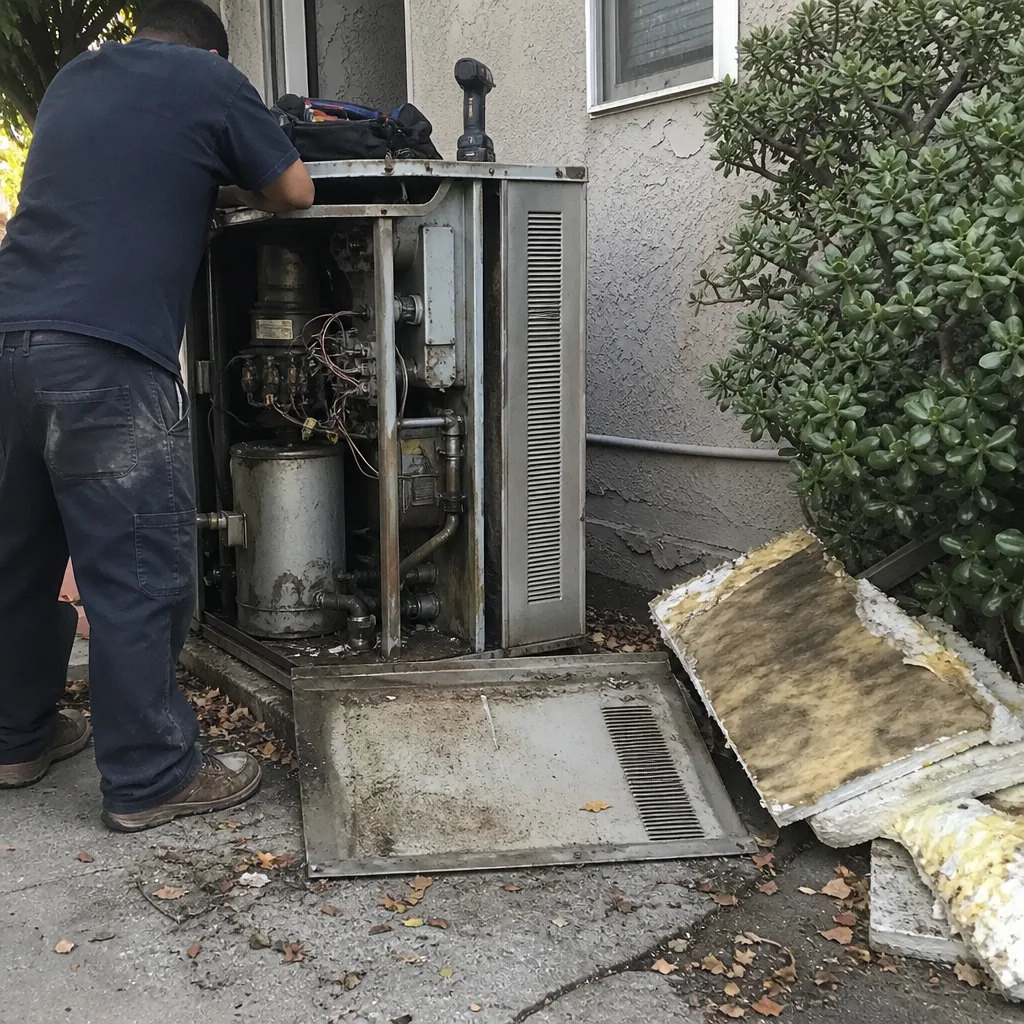 Before
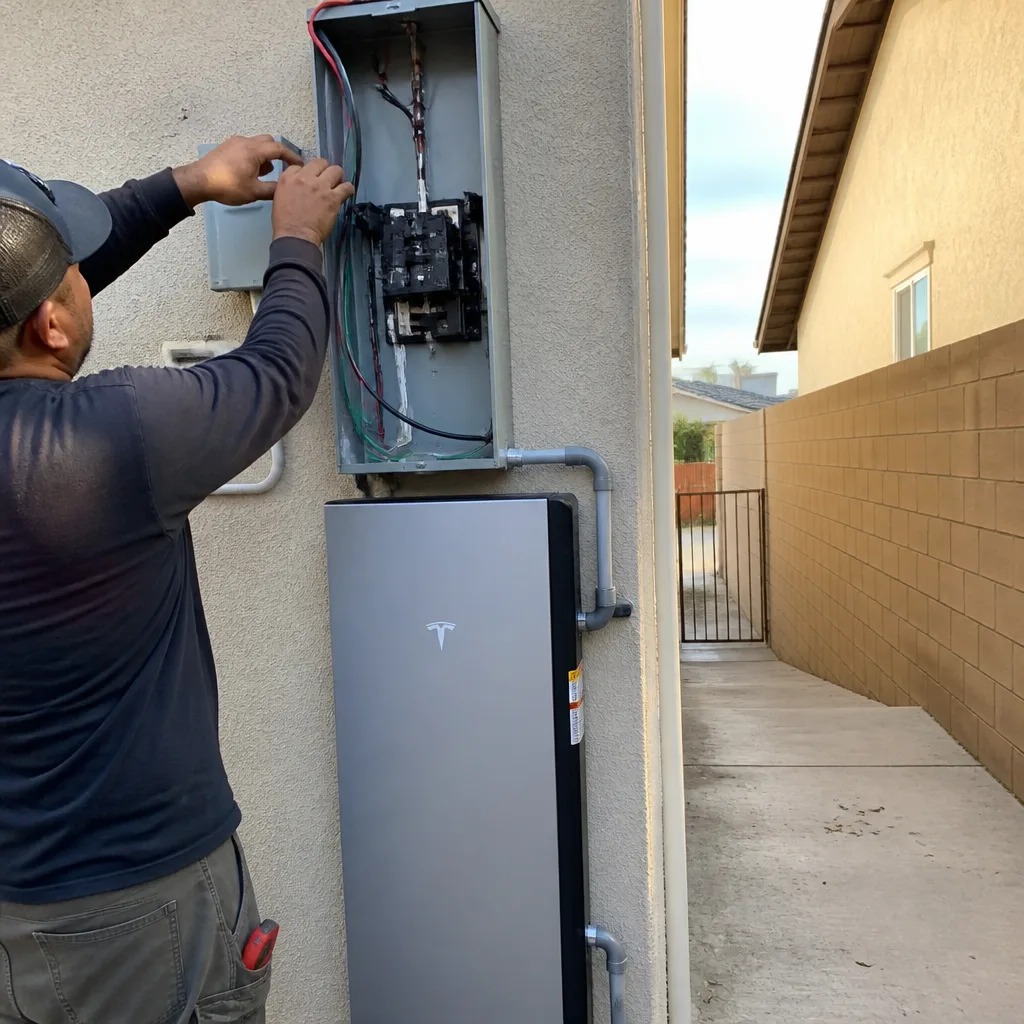 After
After Before
 After
After Before
 After
AfterReplacement Cost & What’s Included

For an ECO Window Systems roofing part in Los Angeles, expect the installed range to land between $470 and $2,125. A standard gasket and sealant replacement on a single unit starts near the bottom of that range. A full flashing kit replacement with underlayment repair sits in the middle. A complete window unit swap plus flashing and decking repair pushes toward the top, and if the job is a roof replacement around existing ECO Window Systems units, the roof replacement itself runs $9,440 to $23,600.
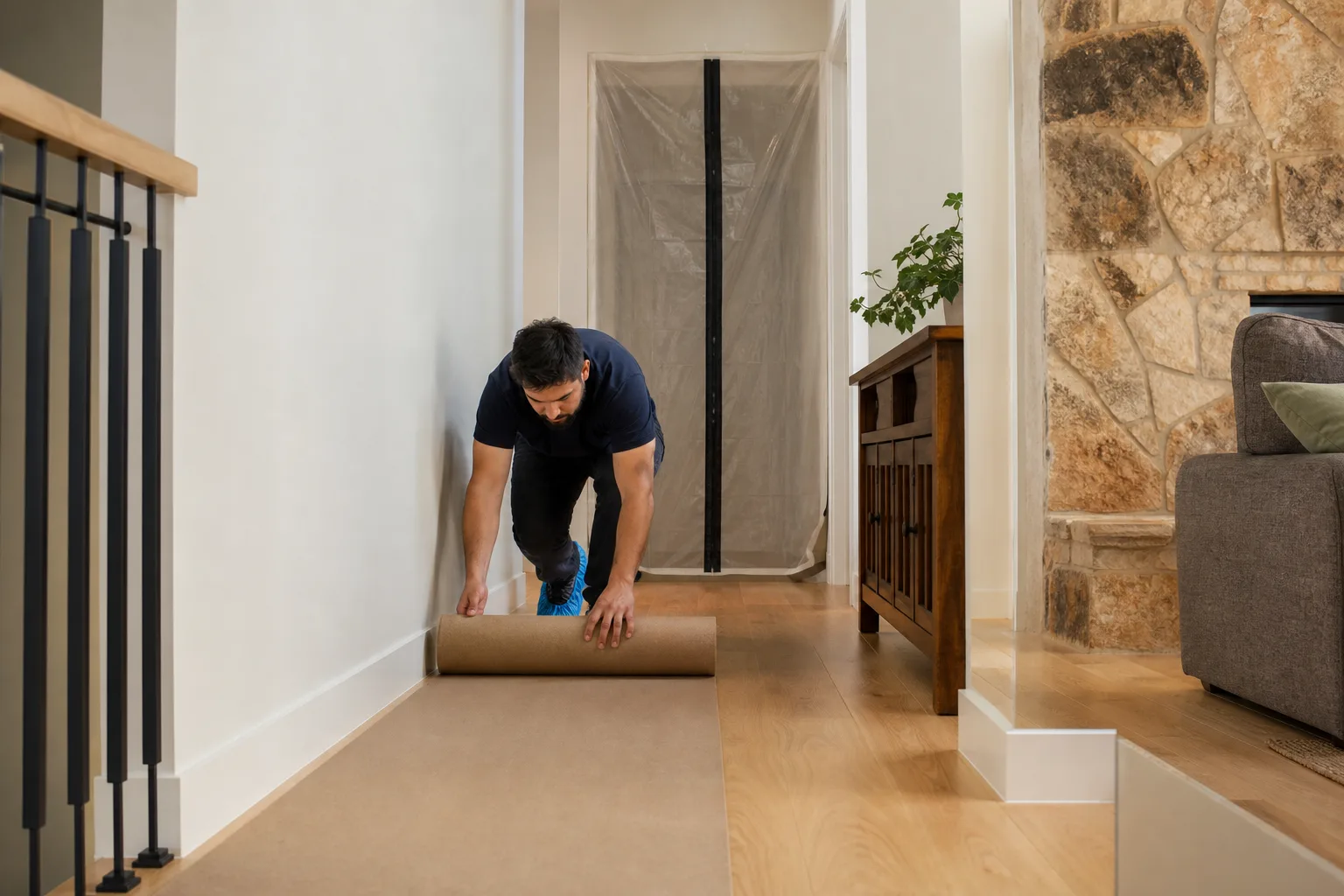
Every quote includes the parts, the labor, the haul-away, and the clean-up: drop cloths where the interior work happens, shoe covers at the door, and a photo of the finished roof surface before the crew leaves. The written price is set before any work starts, and it does not move once the crew arrives. If the existing flashing needs a retrofit profile to seat correctly against an older frame, that’s noted in the written scope, not discovered after the fact.
DIY or Call Us?
You can safely check the visible sealant yourself from the roof edge or with a ladder, and you can photograph the stamped tag on the interior frame so you know which series you have. What we do not recommend is working on the flashing or the gasket from the roof surface itself. Los Angeles roofs are commonly medium to steep pitch, and the area around a roof window is the last place you want to be leaning with a caulk gun in one hand and no fall protection. The high-tension part of this job is not a spring, it’s gravity and the roof plane.
Where DIY goes wrong is usually the counter-flashing lap: a homeowner re-seals the visible bead and misses the fact that the upper flashing was never tucked under the next shingle course. It looks fixed until the next storm. If you want us to look at it, call (949) 850-9896 and we’ll schedule a roof inspection and give you the written number before anything is touched.
FAQs

The gaskets and sealant on an ECO Window Systems roof unit typically last 8 to 12 years in Los Angeles before the UV exposure and heat cycles take them past reliable service life. Units on south-facing roof planes age faster, and Santa Ana wind seasons accelerate sealant cracking. Call (949) 850-9896 if you’d like us to inspect yours and tell you exactly how much life is left in the existing seals.
A failed flashing can sometimes be re-sealed as a short-term measure, but re-sealing over cracked or drifted flashing in Los Angeles rarely holds more than one full season because the thermal movement of the metal keeps working the seam open. We’ll repair where it makes sense and tell you plainly when a full flashing replacement is the more honest number. Call (949) 850-9896 and we’ll give you the written price either way.
Most single-unit gasket, sealant, or flashing replacements are done in one day, weather permitting. A full window unit replacement with decking repair can run two to three days, and we sequence those around the family’s schedule so the roof is weather-tight by the end of the first day. Call (949) 850-9896 and we’ll walk you through the timeline for your specific unit.
We keep the most common ECO Window Systems flashing profiles, both pre-2018 and post-2018, plus the standard gasket sets on hand across our Los Angeles service area. Special-order items like replacement glass units take a few business days, and we’ll give you that timing in writing before you commit. Call (949) 850-9896 and we’ll confirm the part for your series code right over the phone.
Written by Graham Stein, Owner, Elmstead Remodeling at Elmstead Remodeling, serving Los Angeles and nearby areas.