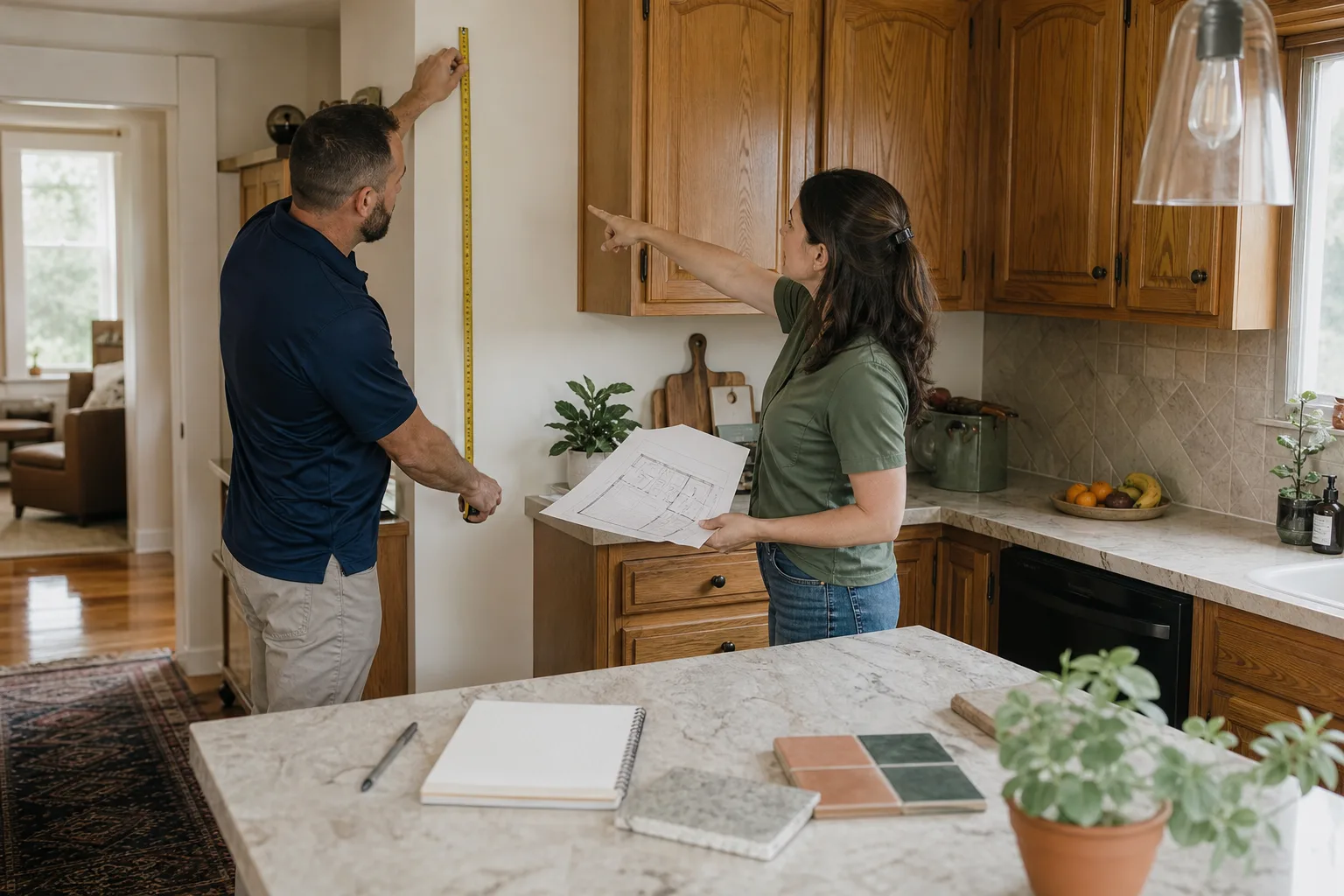
Free written scope consultation - allowances, timeline, and change-order rules on paper before a single trade is scheduled
ActiveYards Home Additions & ADU: The Los Angeles Owner’s Guide
If you own an ActiveYards fence, gate, or outdoor structure and you’re planning a home addition or ADU in Los Angeles, the question is rarely about the fence itself. It’s about how the new structure ties into the existing ActiveYards system: gate panels, post extensions, hinge hardware, and rail kits that match what’s already embedded in your yard. We stock ActiveYards-compatible components for additions and ADU projects, with installed pricing typically running $53,100 to $153,400 depending on scope, and we can have hardware on site within days, not weeks.
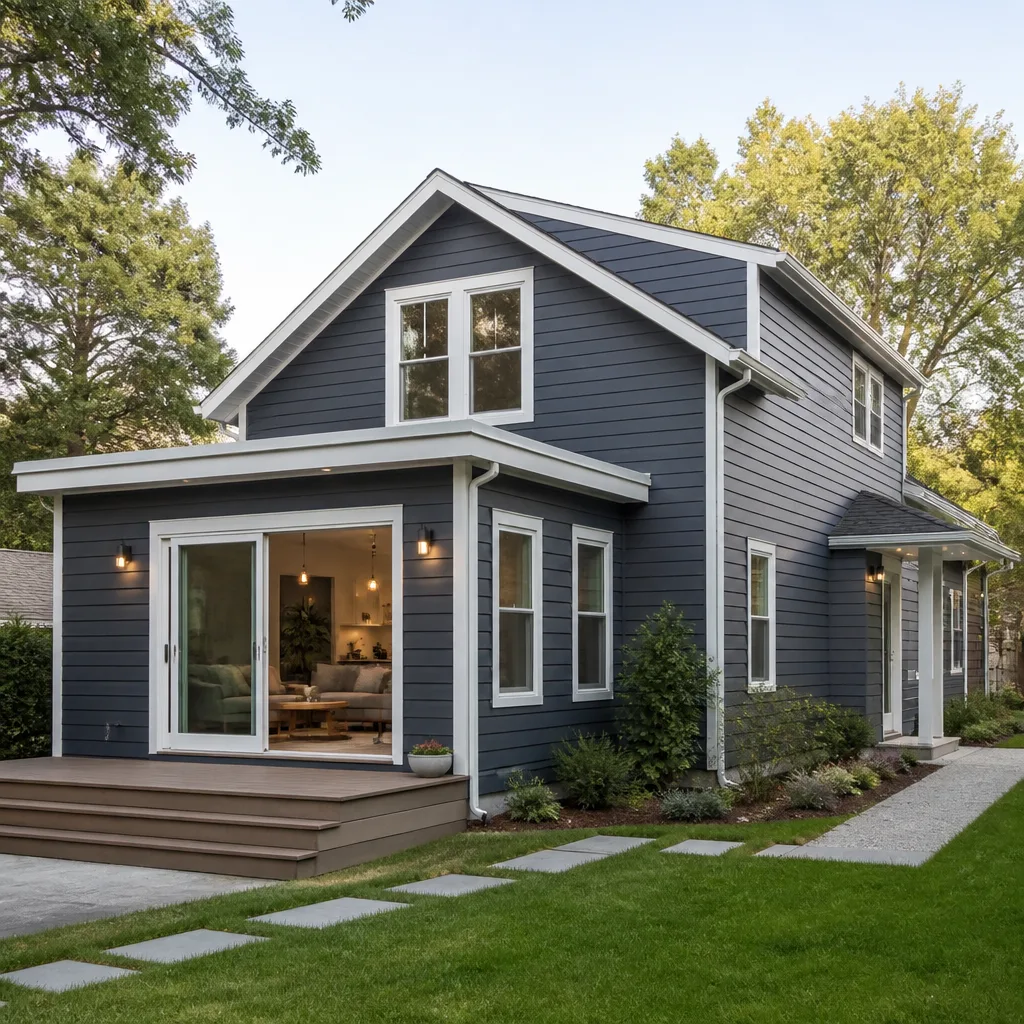
Most Los Angeles homeowners discover the issue mid-project. The architect draws the ADU footprint three feet from the existing ActiveYards gate. Or the contractor realizes the new exterior wall sits exactly where the fence line needs to shift. Or the gate swing suddenly conflicts with the new driveway apron. The ActiveYards system is modular, which means the fix is usually a reconfiguration rather than a full replacement, but someone has to know which post caps accept extension brackets and which gate hinges work with the heavier-duty panel weights.
Which ActiveYards Models This Applies To
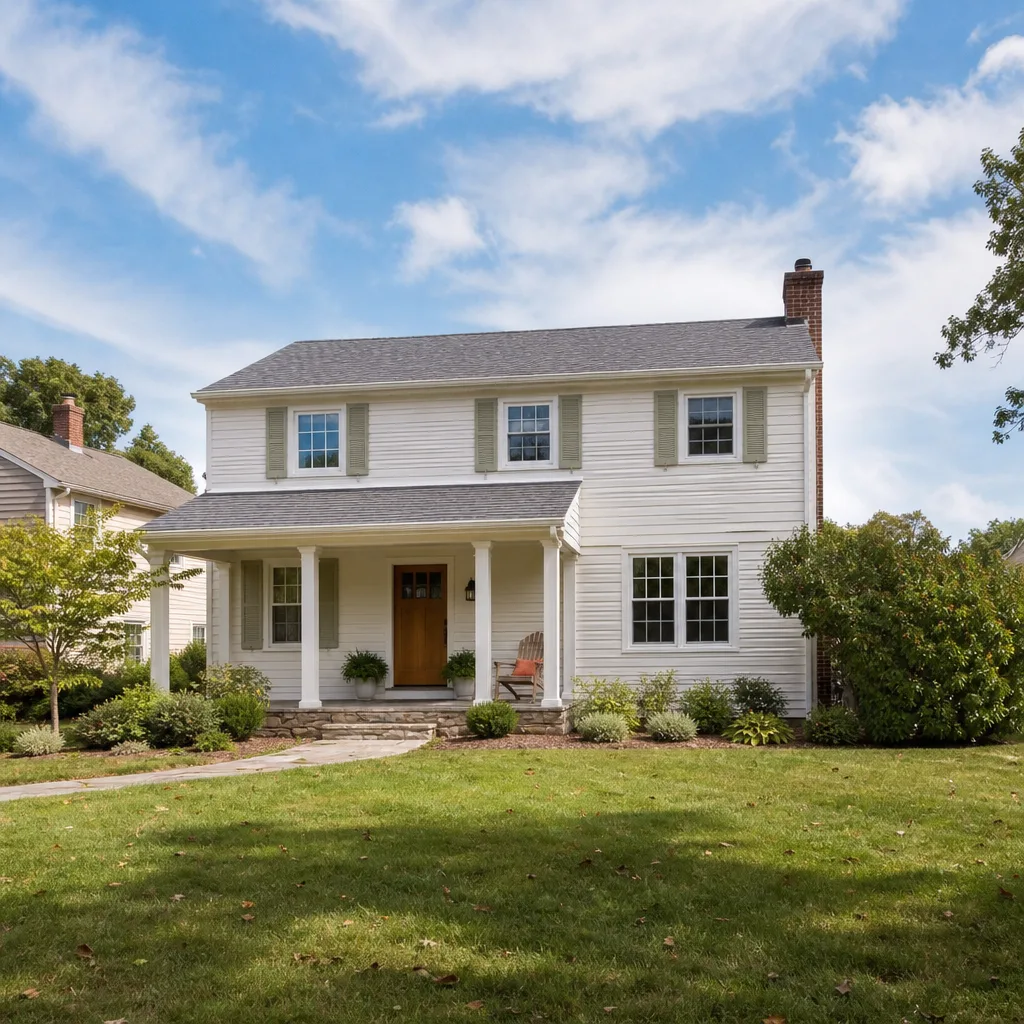
ActiveYards builds its fence and gate systems around a few core lines: the aluminum ornamental series, the vinyl privacy series, and the composite line, each with different post dimensions and bracket geometry. The compatibility gotcha most people miss is this: ActiveYards aluminum posts use a proprietary internal channel, so a generic aftermarket post cap or gate hinge from a big-box store will not seat properly and will fail within a season or two. We recommend OEM ActiveYards hardware for the gates and post extensions on ADU and addition projects, simply because the manufacturer’s bracket tolerances are matched to the panel weight ratings. For non-structural trim pieces, a well-machined aftermarket component works fine and costs less.
To identify what you need, check the inside face of the post. ActiveYards stamps the series code and post size there, usually just above grade. The aluminum line runs 2″ and 2.5″ square posts; the vinyl line uses 4″ and 5″ posts; and the composite system has its own corner and end post profiles. We keep a set of sample brackets and hinge pins on hand in our Los Angeles shop so we can match your exact system before ordering anything. That matters because a 2″ bracket ordered for a 2.5″ post means a return trip and a delay, which no one on an ADU timeline wants.
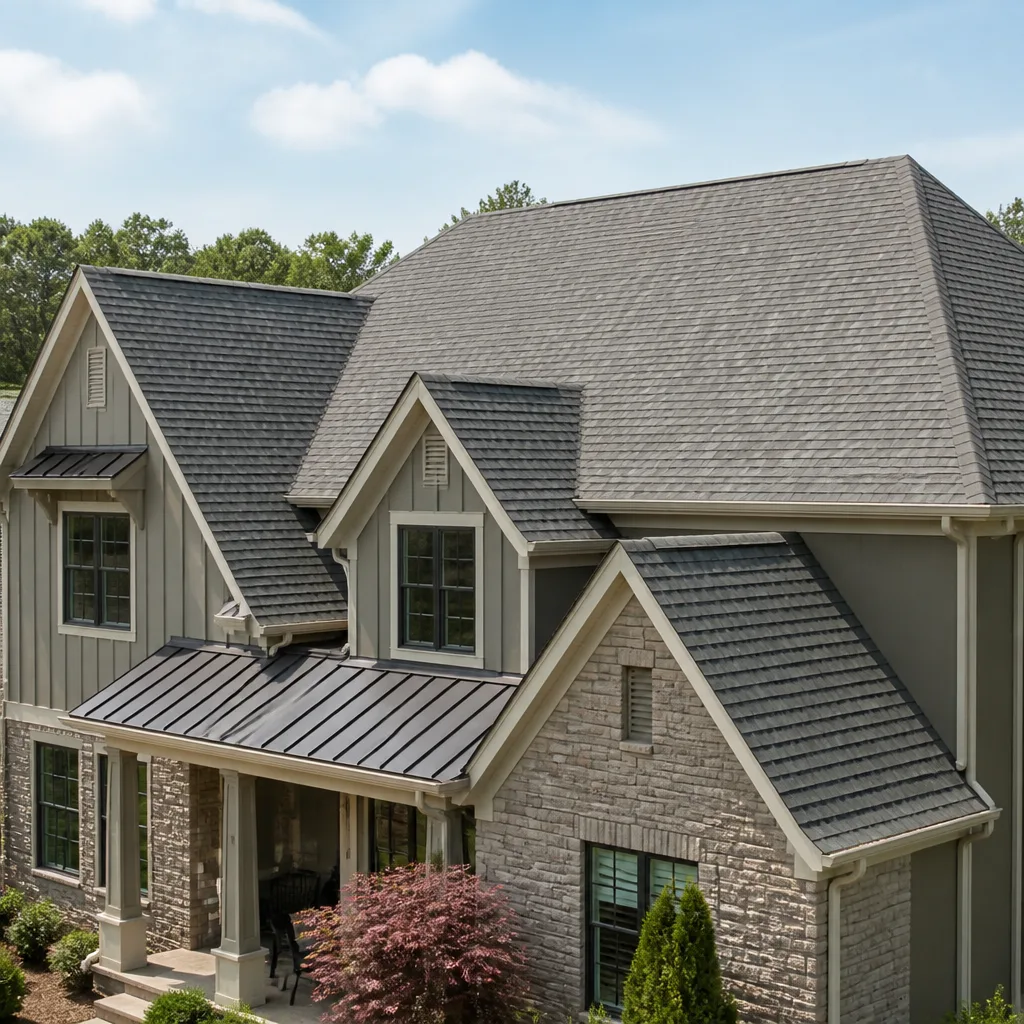
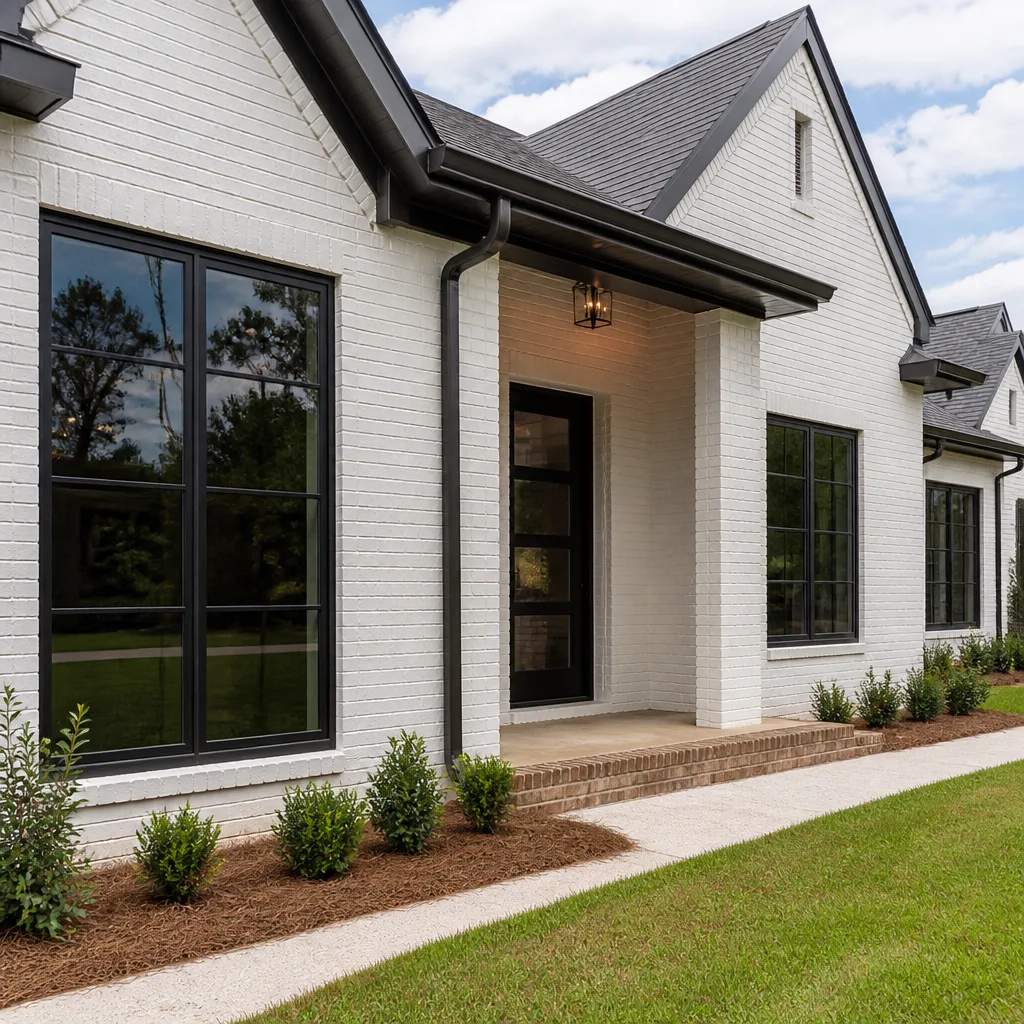
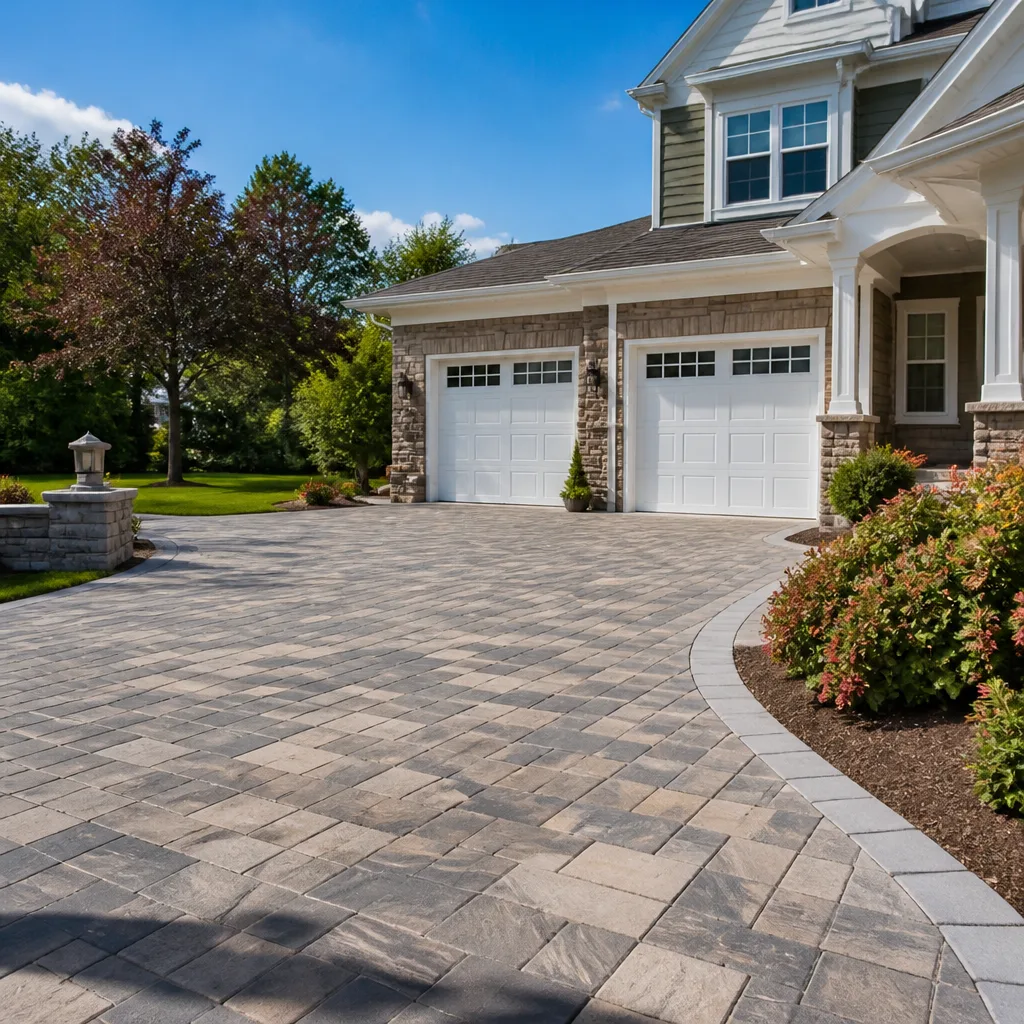
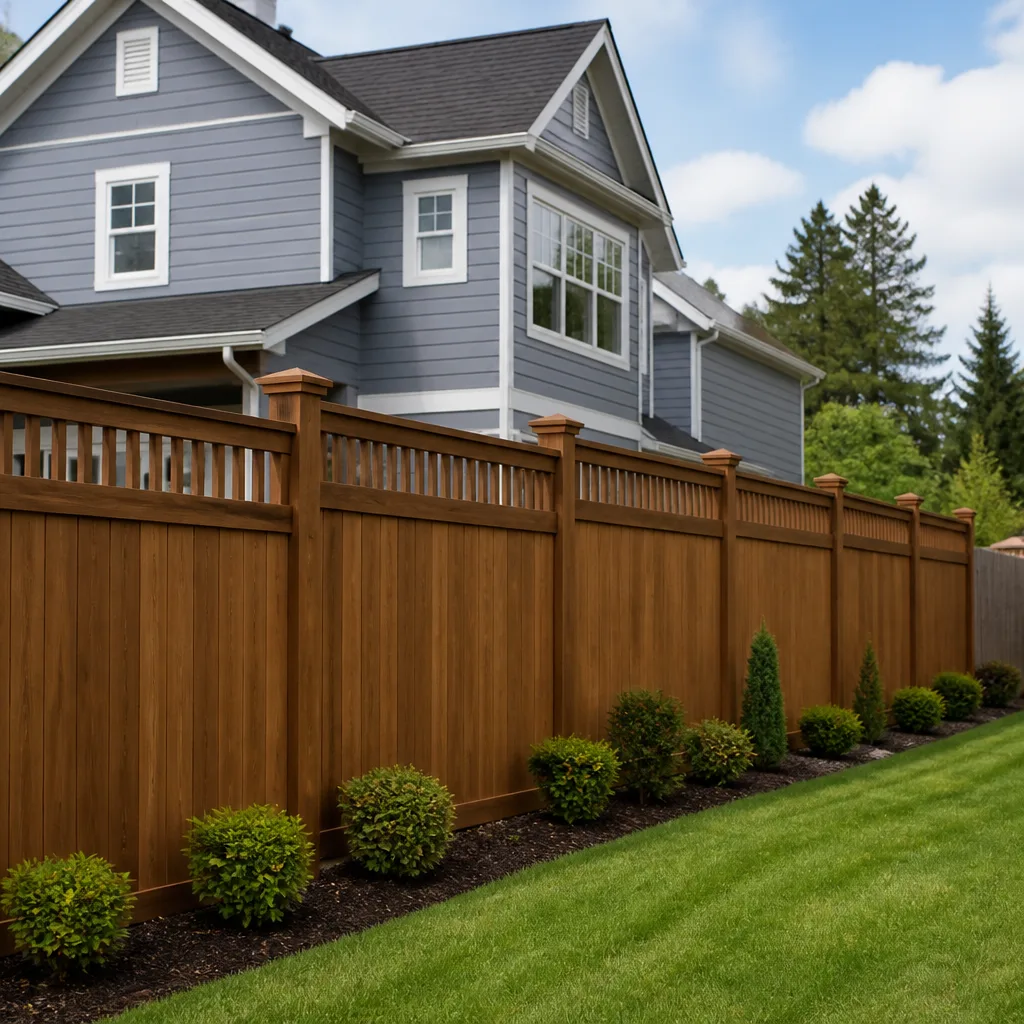
Styles & brands we work with
Signs Your ActiveYards Home Additions & ADU Is Failing
- Gate sags at the top hinge within a year of install. The post was not set deep enough in concrete, or the hinge was undersized for a heavy gate panel. Rerouting or re-hanging with a reinforced post mount solves it.
- Post wobble at the new structure’s corner. The excavation for your addition undermined the post footing, and now the concrete pour is cracked. We see this in hillside lots around Los Angeles, especially after rain. The post needs resetting before the wall framing goes up.
- Rails pull out from a post when the new gate opens wide. The bracket screws have stripped the post wall. This is common on vinyl ActiveYards systems where a heavy gate was added without a steel insert inside the post. We install the insert, then re-seat the rail.
- Fence line mismatch with new driveway or walkway. The addition shifts entry points, and suddenly the gate opens the wrong way or hits the new hardscape. We reconfigure the swing direction and re-pin the gate frame.
- Gap between the old fence and the new wall. The ADU’s exterior wall went up vertical, but the existing fence line runs slightly off-plumb. We install ActiveYards Z-bar transition strips and custom-width panels to close the gap without tearing out the whole run.
See the difference
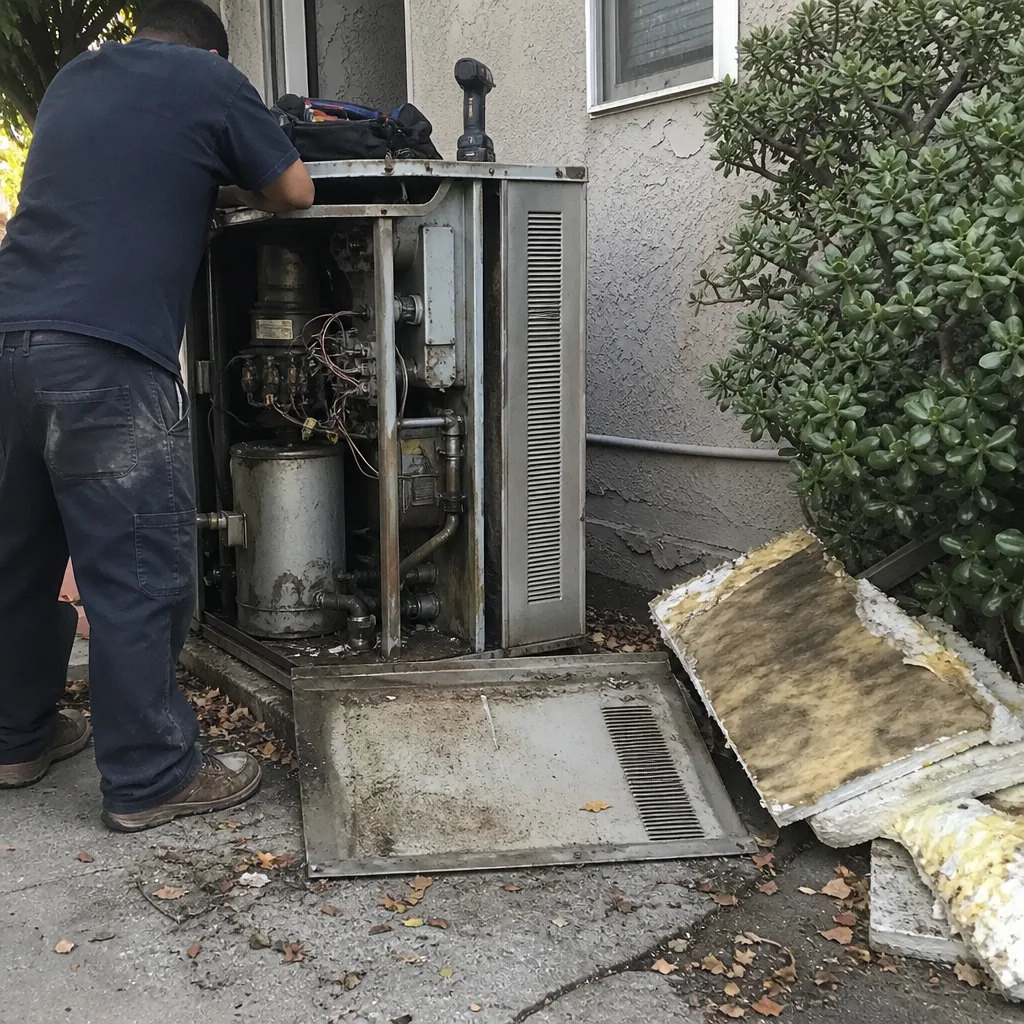 Before
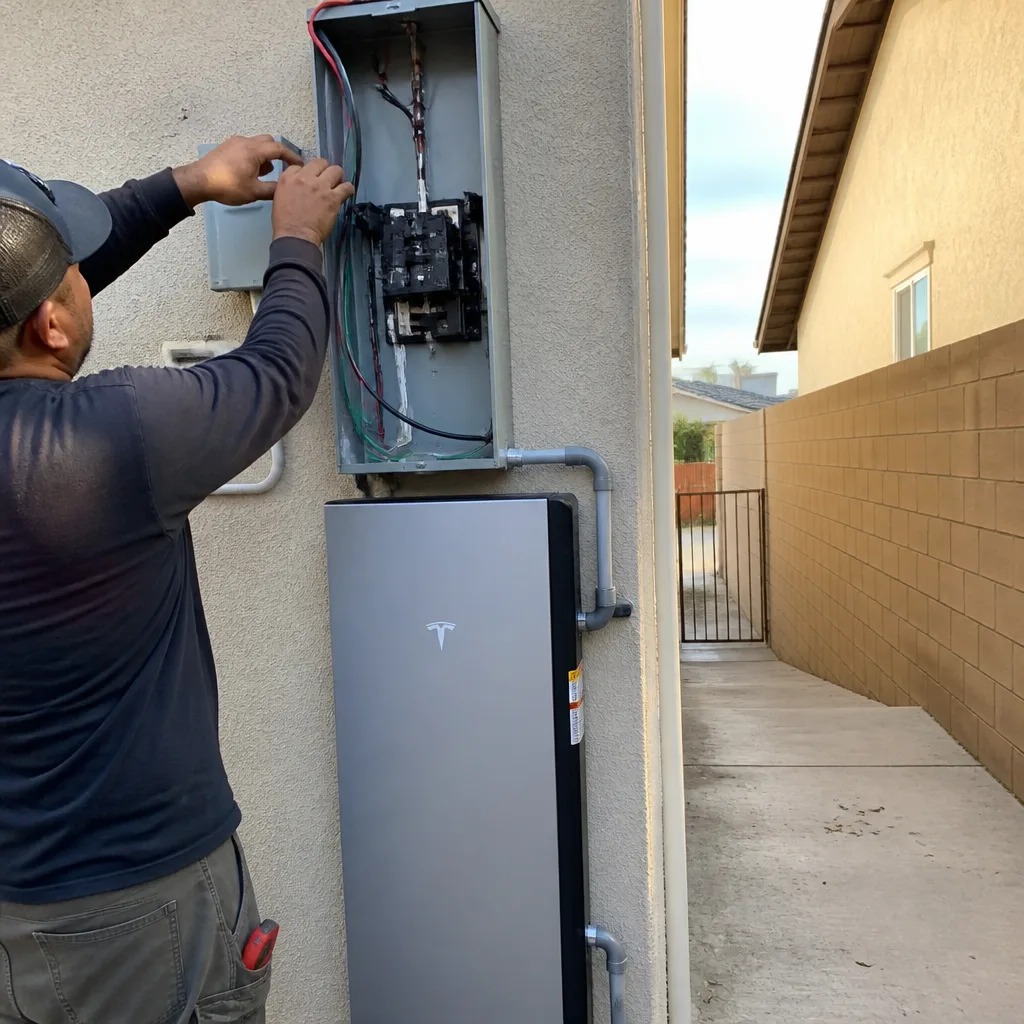 After
After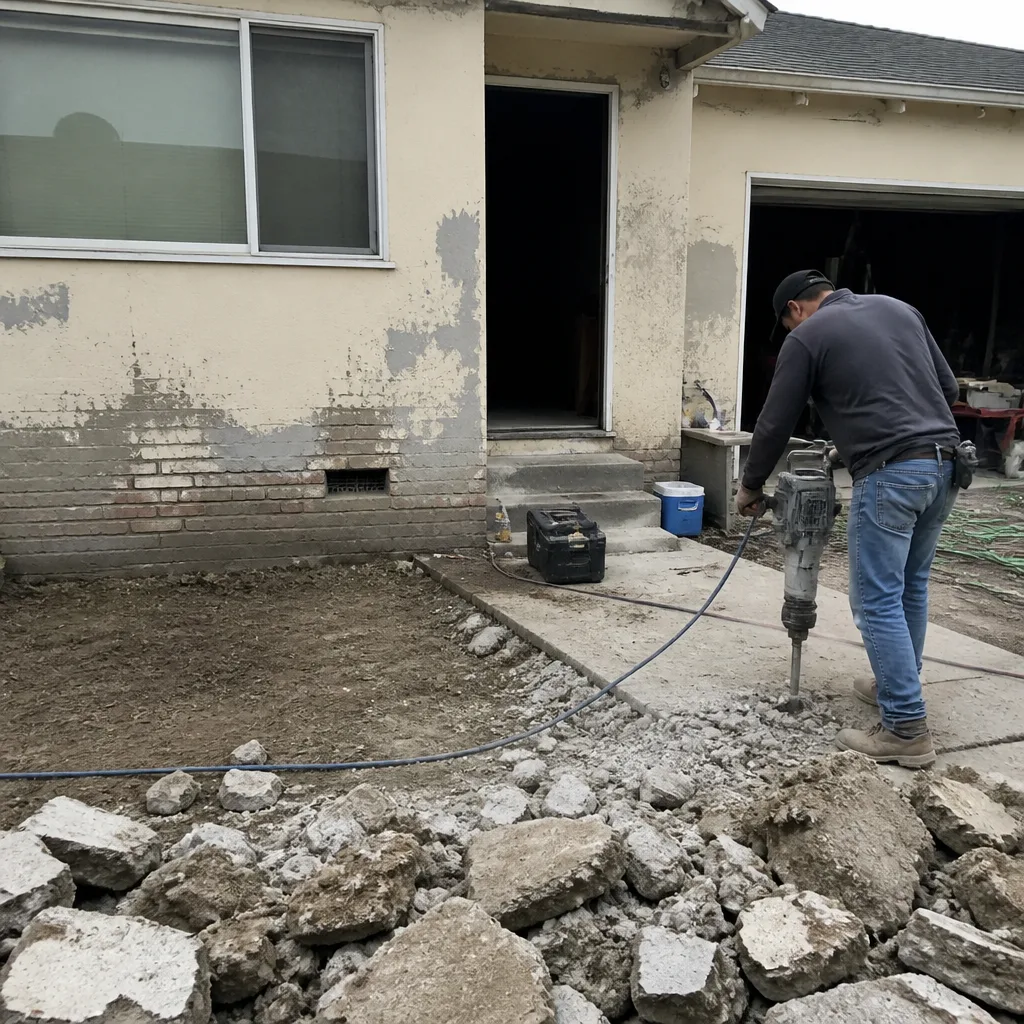 Before
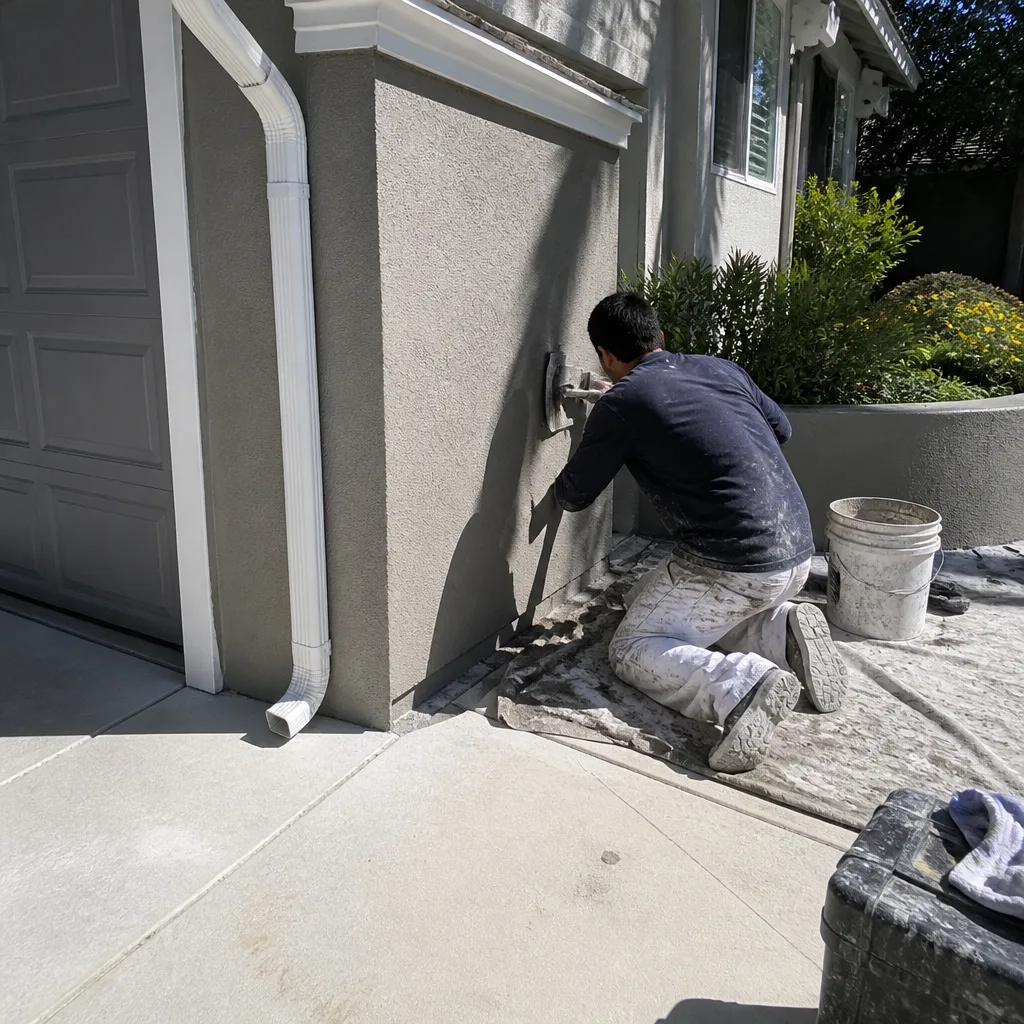 After
After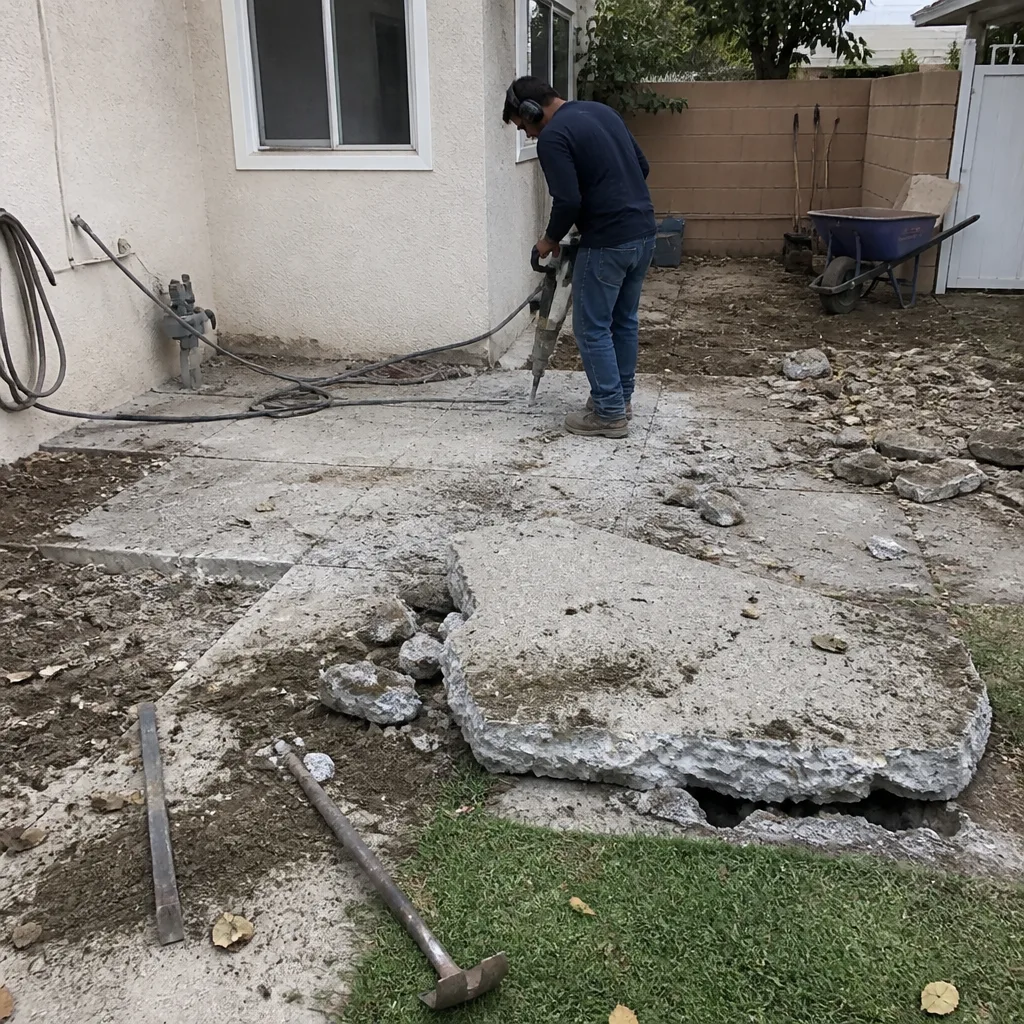 Before
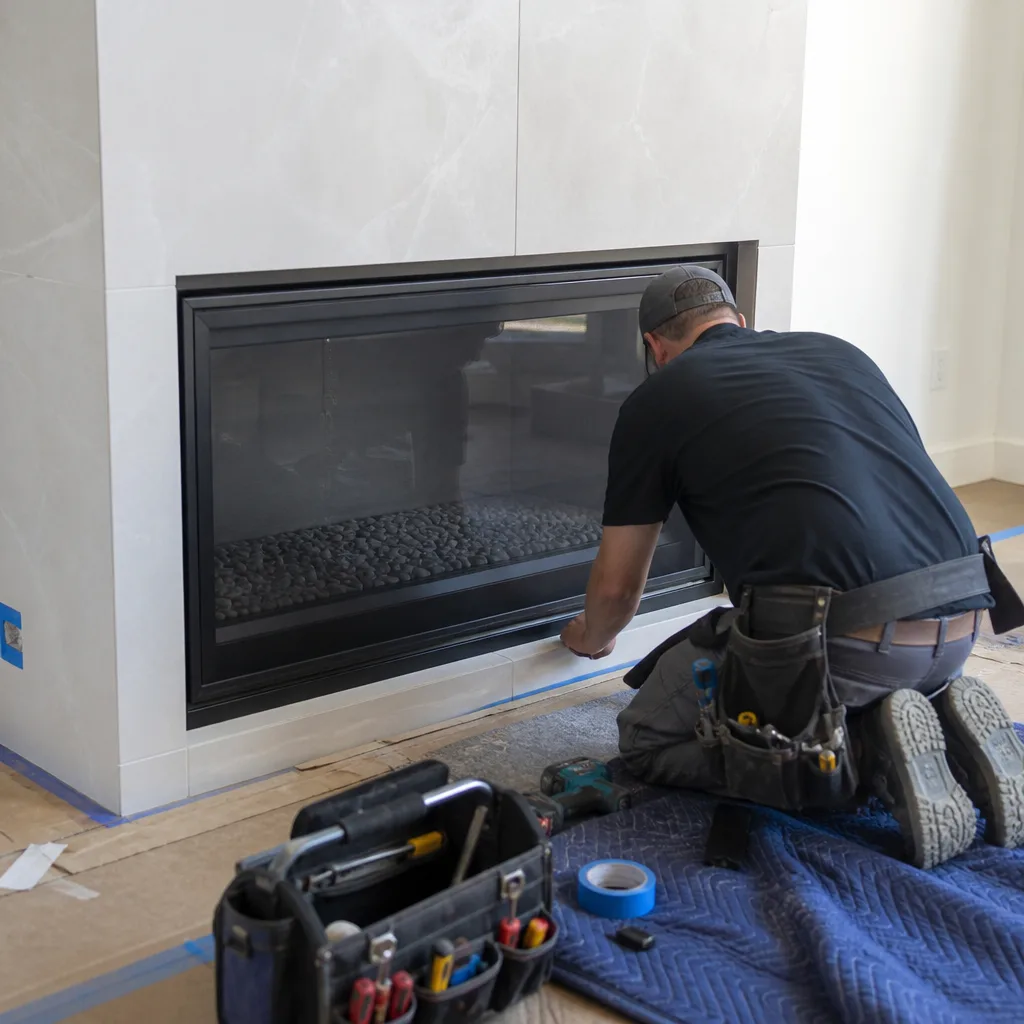 After
AfterReplacement Cost & What’s Included
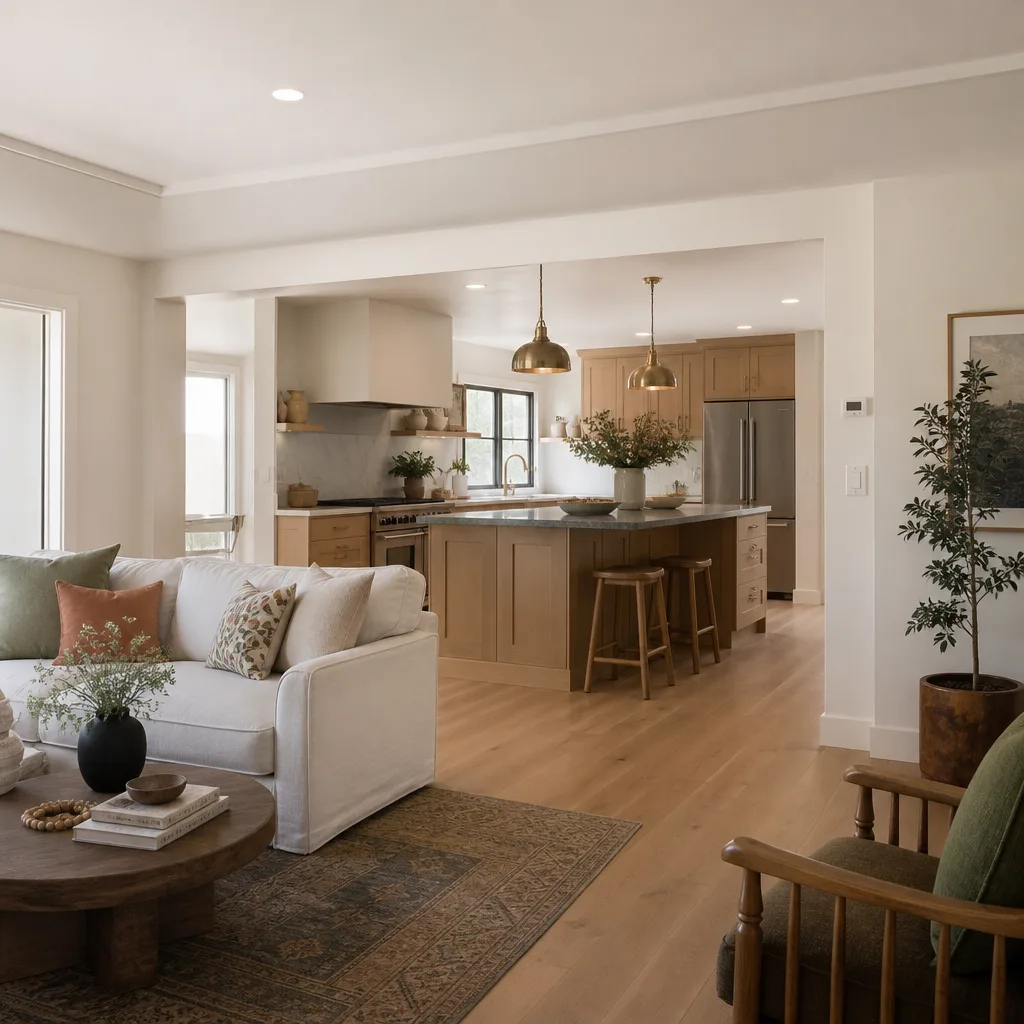
Home additions in Los Angeles run $53,100 to $153,400, and ADU construction typically lands between $106,200 and $259,600. For the ActiveYards-specific portion of that work, meaning fence reconfiguration, gate relocation, post resetting, and hardware matching, plan on $2,400 to $7,100 depending on how much of the existing system needs to move. The range is driven by post count, gate size, whether we’re pouring new concrete footings, and whether walls or hardscape already exist that constrain the fence line.
Every quote is line-itemed before any work starts. You see the part numbers, the per-foot material cost, the labor hours, and the disposal line. That written price is the promise, and it does not change after the crew arrives unless you add scope. The work carries our 365-Day Done Right Promise: if the gate binds, the post wobbles, or the hardware loosens within a year, we come back and make it right.
DIY or Call Us?
There are a few things an owner can safely handle. You can confirm the ActiveYards series code on the post stamp. You can measure the post dimensions and gate width so you know what you’re working with. You can check whether the existing posts are plumb with a simple level, which tells you if the footing has shifted. That is useful information to have before anyone picks up a tool.
What we would not recommend is removing a gate panel or pulling a post without knowing whether it’s under tension or carrying load from a run of panels. An aluminum gate feels light until it’s off its hinges and leaning into you. Doing this near a new wall or fresh concrete risks damage that costs more than the fence work itself. If the addition or ADU is already framed, call us at (949) 850-9896 and we’ll walk the site, match the ActiveYards hardware, and give you a written price before anything moves.
FAQs
In Los Angeles, where UV exposure and coastal salt air are real factors, an ActiveYards aluminum system typically holds up 20 to 25 years before the powder coat shows meaningful wear, while vinyl panels last 15 to 20 years before surface discoloration sets in. The hardware, hinges, and brackets, which are the parts affected by an addition or ADU, usually need attention around year 8 to 12 simply because they move more. Call (949) 850-9896 and we can look at your existing hardware while we’re on site.
Yes, in most cases the ActiveYards system can be reconfigured by re-cutting panels, changing gate swing direction, and resetting posts rather than buying a whole new run. The modular design is one of the reasons it’s popular for Los Angeles yards with irregular property lines. We’ll give you an exact price for the reconfiguration scope, and if replacement is actually cheaper, we’ll tell you that too. Estimates are free.
Most ActiveYards relocation and hardware replacement work takes one to three days on site, depending on whether new concrete footings need to cure and how many posts are being reset. We sequence the fence work so it does not hold up framing, drywall, or the final inspection. Call (949) 850-9896 and we’ll map the schedule against your ADU timeline.
We keep the common ActiveYards brackets, hinge pins, post caps, and gate wheels in our Los Angeles shop and can bring samples to your site to confirm the match before ordering anything custom. For less common series components, we order directly through the ActiveYards dealer network, which lands in days, not weeks. You never have to source parts on your own.
Written by Graham Stein, Owner, Elmstead Remodeling at Elmstead Remodeling, serving Los Angeles and nearby areas.