Free written scope consultation - allowances, timeline, and change-order rules on paper before a single trade is scheduled
Unilock Fence Installation: The Los Angeles Owner’s Guide
Unilock fence installation in Los Angeles typically runs between $4,130 and $10,620 for a complete run, including materials, concrete footing work, and clean-up. Most owners call us after a section starts leaning after rain, a gate post shifts out of square, or the base course settles and leaves a visible gap. We carry Unilock-compatible fence components and install them with a written price before any work starts.
The way most people discover a failing Unilock fence installation is gradual: a post that was perfectly plumb last spring now leans two degrees toward the neighbor’s side. Maybe the gate drags against the latch plate. Or a section of wall has developed a hairline crack where the freeze-thaw cycle, even in mild Los Angeles winters, worked its way into a joint that was never sealed properly. By the time it’s obvious, the fix usually involves more than sliding a block back into place.
Elmstead Remodeling is an independent contractor. We’re not affiliated with Unilock, but we work with their products because families ask for them by name. If you need a section rebuilt, a post reset, or a full run replaced, call (949) 850-9896 for a free estimate.
Key Takeaways
- Installed cost in Los Angeles: $4,130 – $10,620 depending on linear feet, soil conditions, and access.
- What fails first: base settlement and post lean, especially in clay-heavy soils common across the San Fernando Valley and parts of West LA.
- We stock: standard Unilock fence posts, caps, and base course units on the truck for most common series.
- Written price: you’ll have a fixed number before any crew arrives, and it doesn’t change once work begins.
- Safety note: leaning fence sections can shift suddenly. Don’t try to brace a failing wall yourself.
Styles & brands we work with
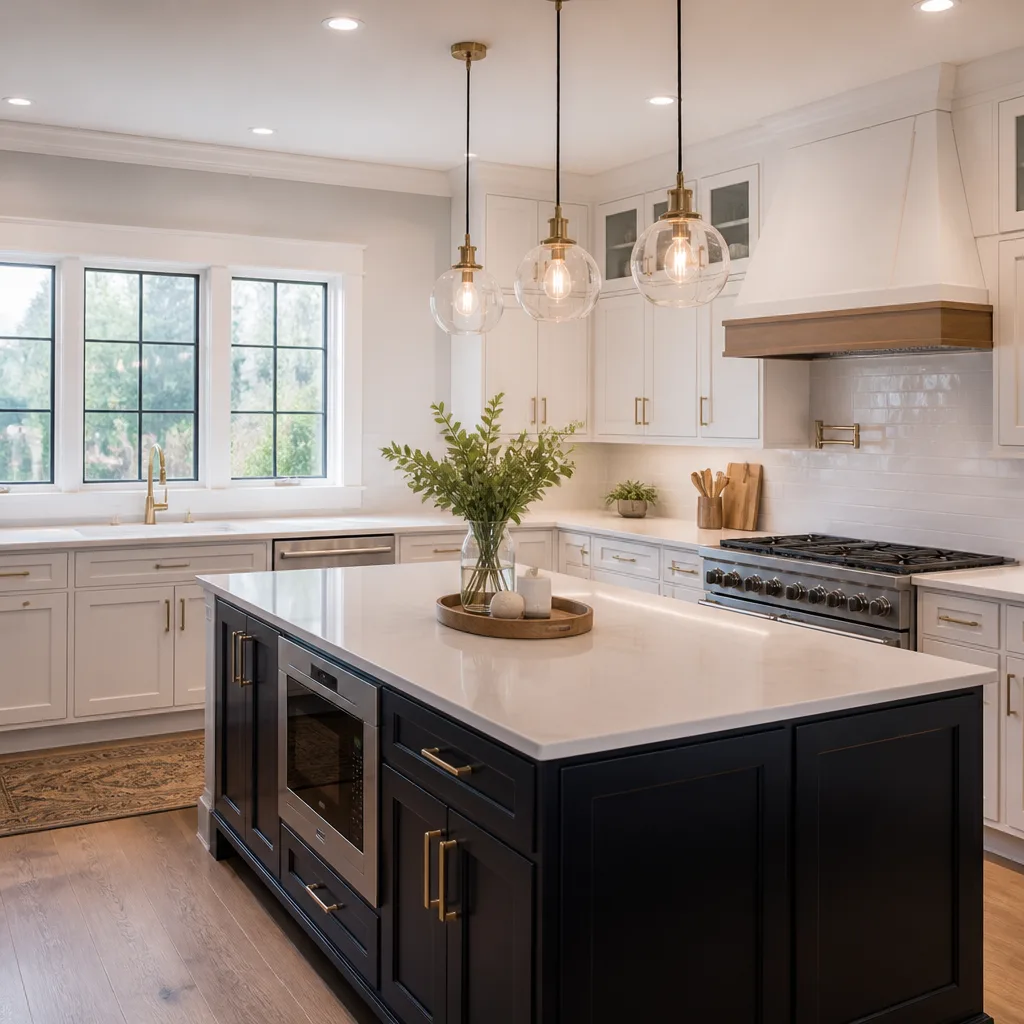
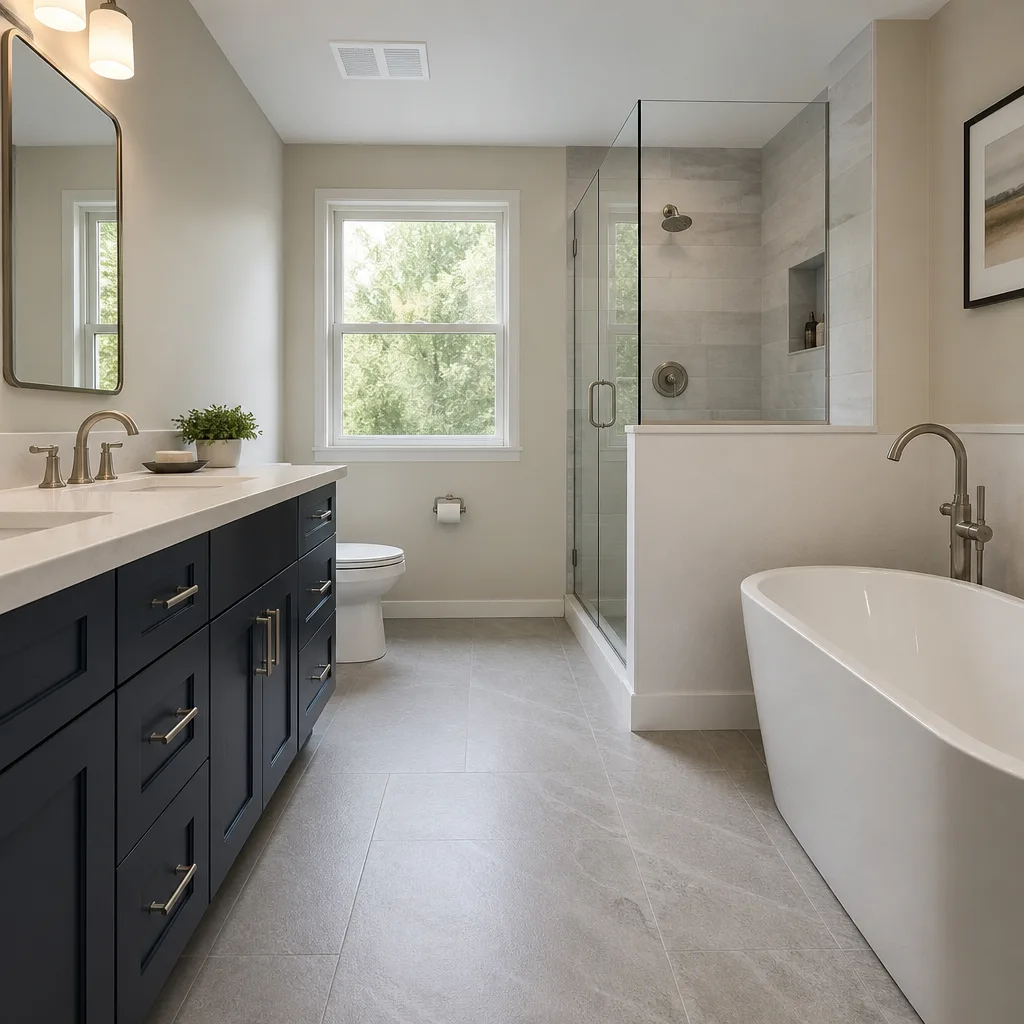
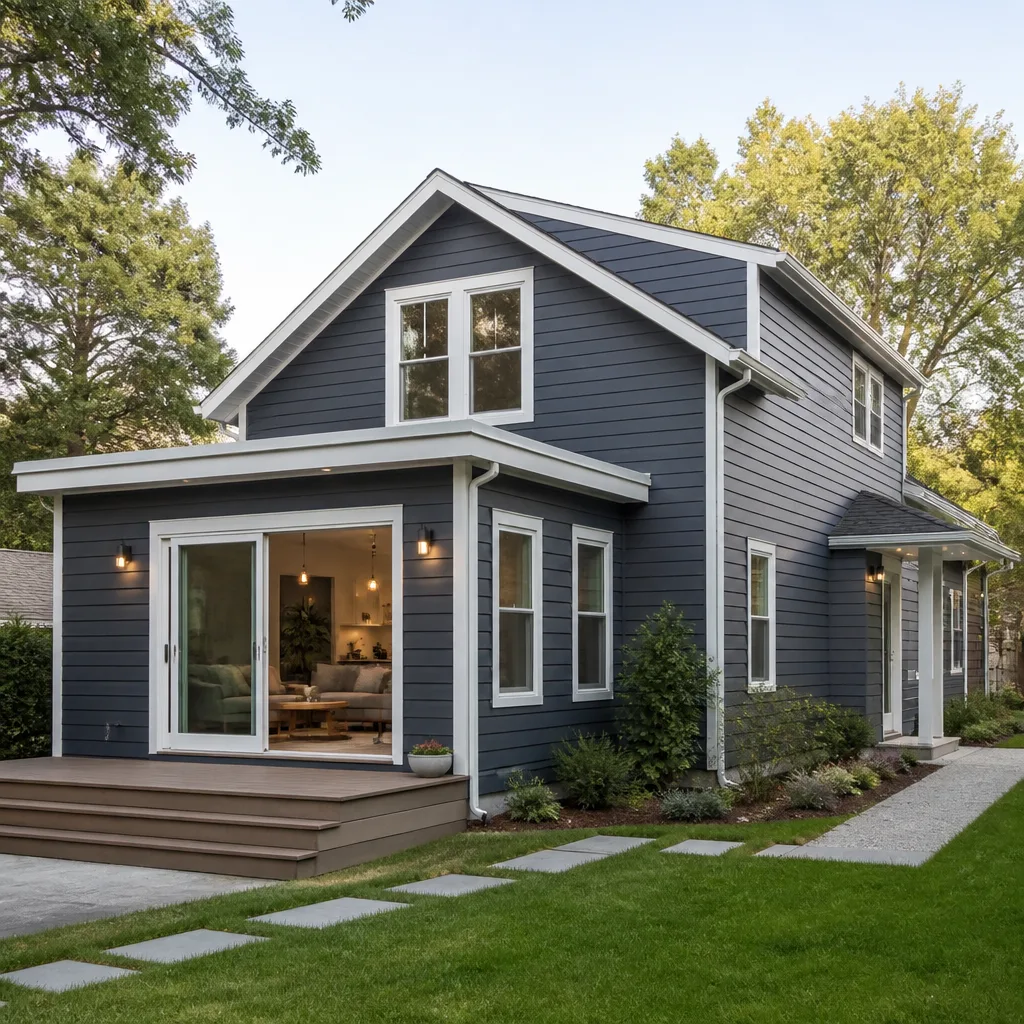
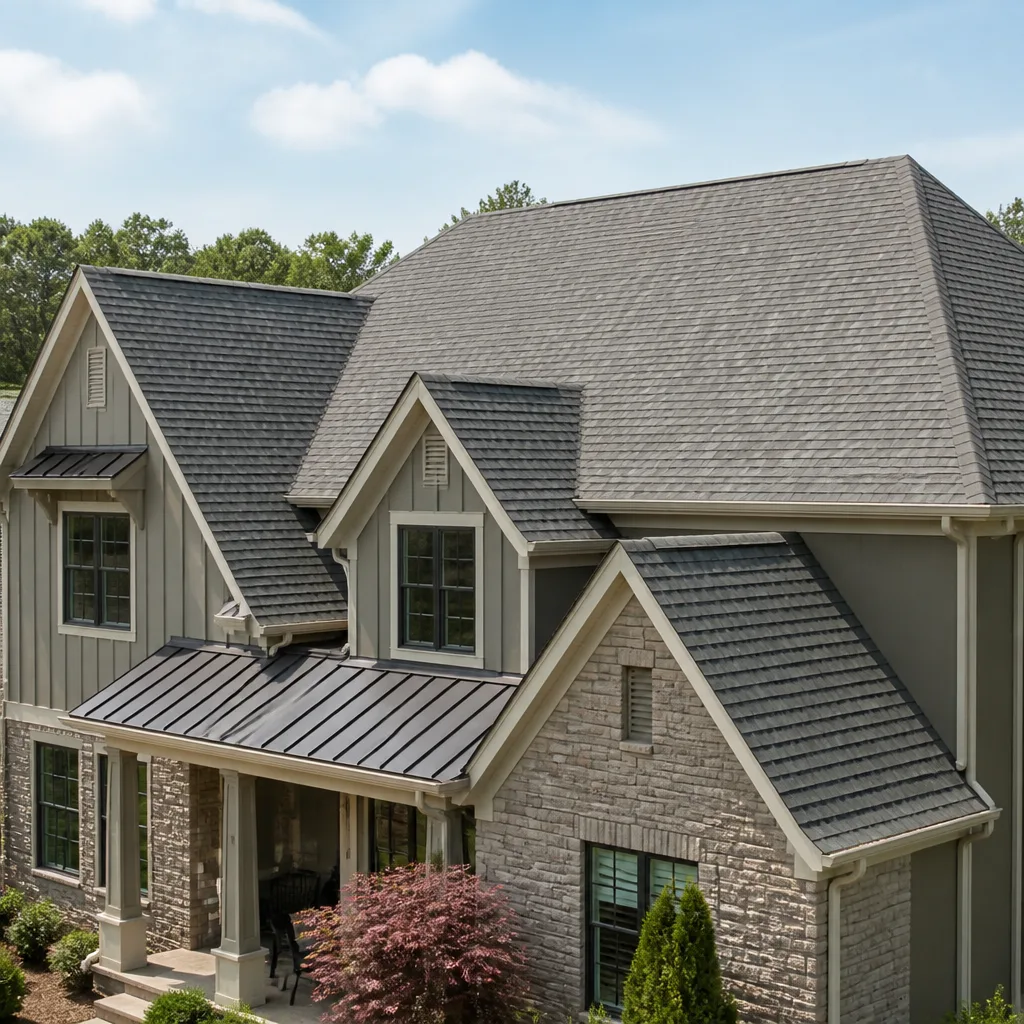
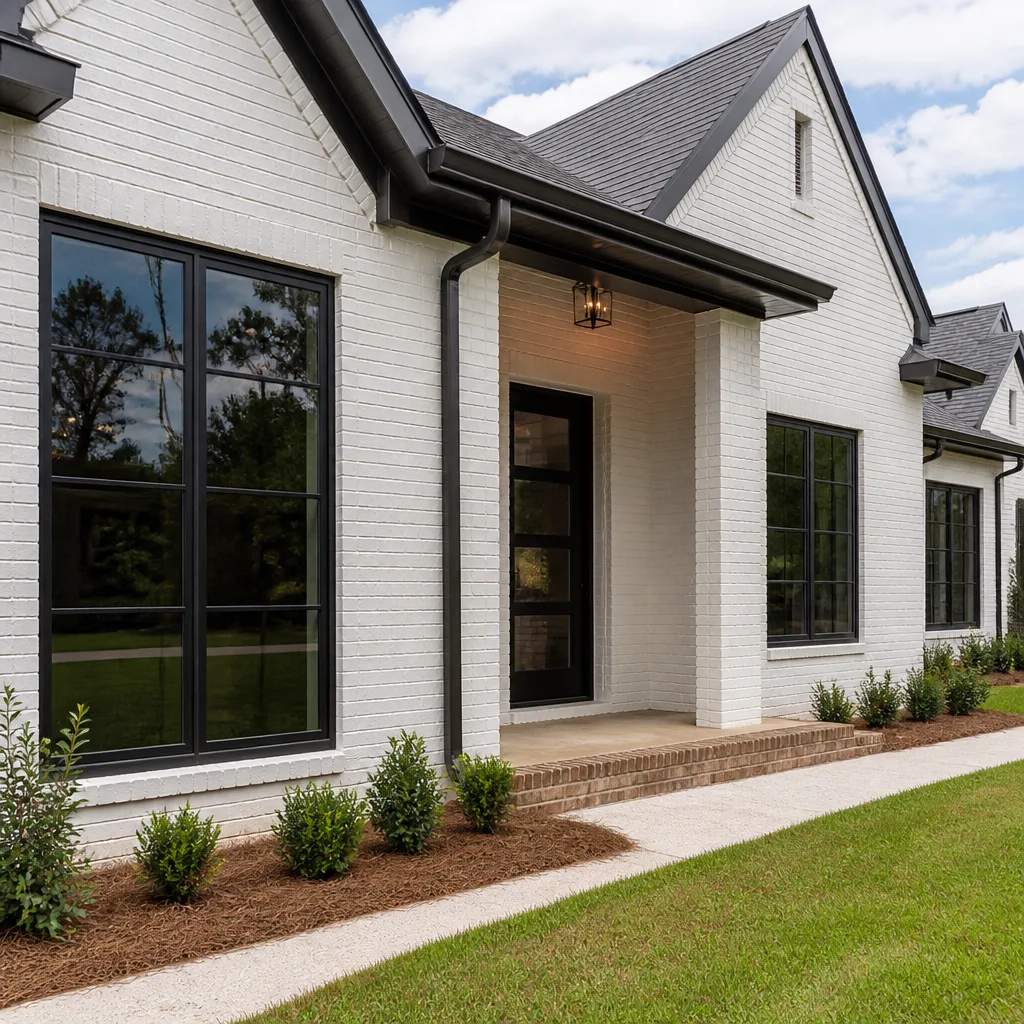
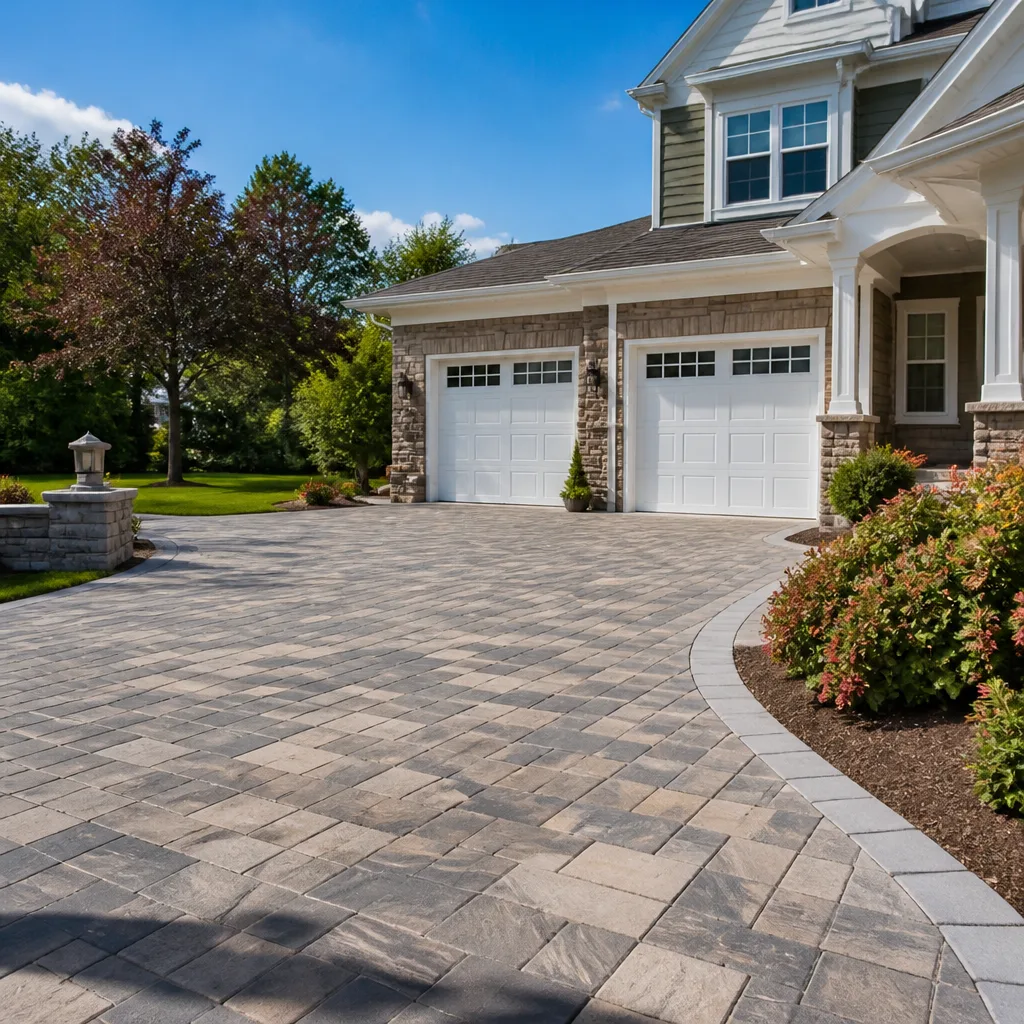
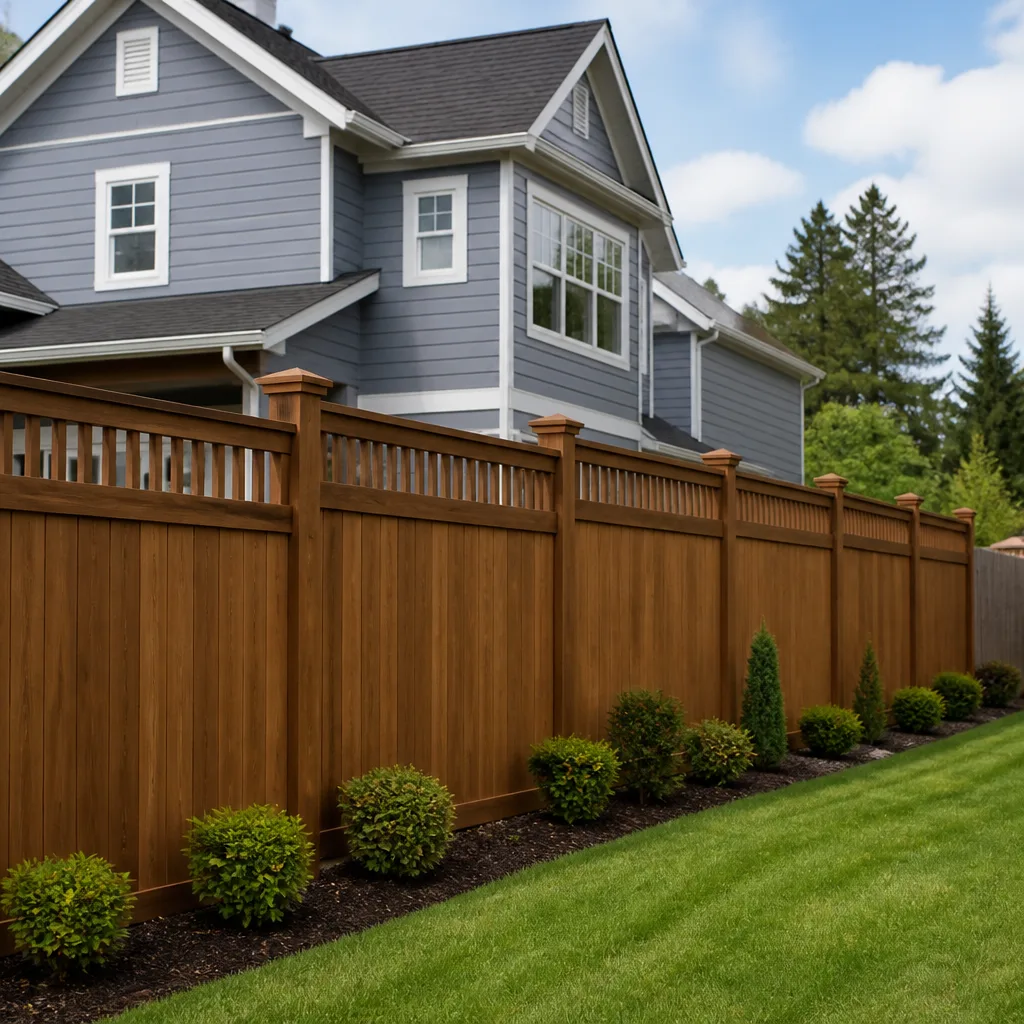
Which Unilock Models This Applies To
Unilock’s fence installation products fall broadly into two categories: the Estate Wall system, which uses a modular post-and-panel design with matching caps, and the more traditional segmental retaining-wall-style fence built from smaller units like the Pisa or Brussels Dimensional lines. The right part depends on which system you have. The easiest way to identify it is to look at the top cap: Estate Wall caps are typically 6 inches wide and have a smooth, pre-finished top, while the segmental units are narrower and often have a slightly textured face.
The compatibility gotcha we see most often in Los Angeles: not every Unilock series is still in active production, and color lots vary over time. A homeowner with a 12-year-old fence in the River Rock color will sometimes find that a new cap from a current lot is close, but not a perfect match. In those cases, we source the closest available color and note it on the written scope before we order anything. The second gotcha is post spacing. Some Unilock fence systems are designed around specific post-unit dimensions, and swapping in a non-Unilock aftermarket block can throw the entire spacing off, leaving you with a visible half-block at the end of a run. OEM parts are the right call for structural posts and caps. Quality aftermarket equivalents work for non-structural filler units, but we’ll tell you honestly if the match isn’t right.
Signs Your Unilock Fence Installation Is Failing
- Leaning posts or sections. This almost always comes down to the base settling unevenly. In Los Angeles, the clay-heavy soil in neighborhoods like Sherman Oaks and parts of the East Side expands and contracts with moisture, shifting the compacted base under the post. A post that was level a year ago is now a visible problem.
- Gate drag or latch misalignment. The gate post carries more load than any other single component. When the footing under that post settles or the post itself rotates slightly, the gate stops meeting the latch cleanly. Forcing it wears down both the latch plate and the post face.
- Visible gaps between the bottom course and the dirt. Runoff from a downspout or a sprinkler head that overshoots can wash out the base material. The block doesn’t fail; the ground underneath it does. In Los Angeles, we see this a lot near planter beds where the irrigation runs more often than it should.
- Cracks running through individual caps or blocks. A hairline crack isn’t always structural, but if it runs through a post unit or a cap that anchors the top course, it’s worth addressing before water gets in and the freeze-thaw cycle makes it worse, even in our mild winters.
- Salt or mineral staining on lower units. Water wicking up from damp soil leaves a white, dusty film. It’s cosmetic at first, but it tells you that moisture is sitting under the lowest course. Over time, that same moisture is what rots out the base and starts the lean.
See the difference
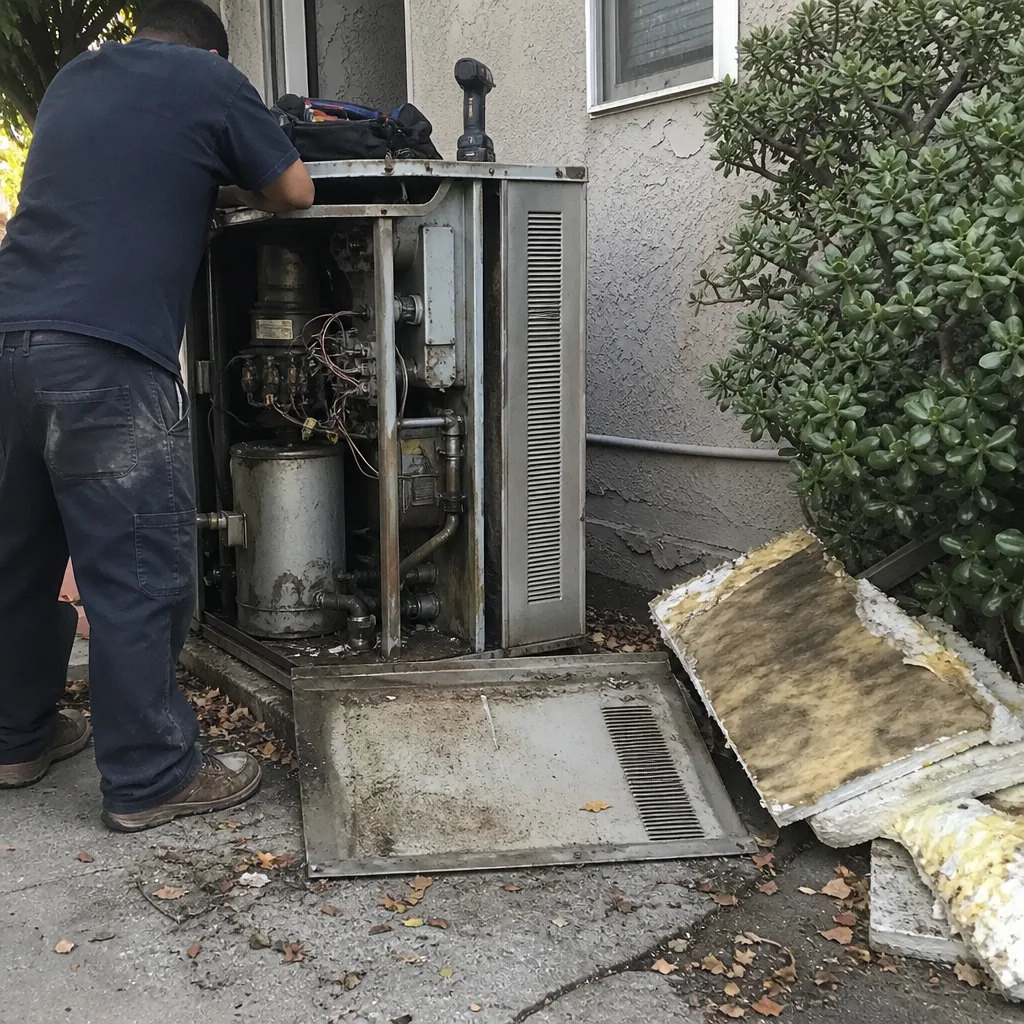 Before
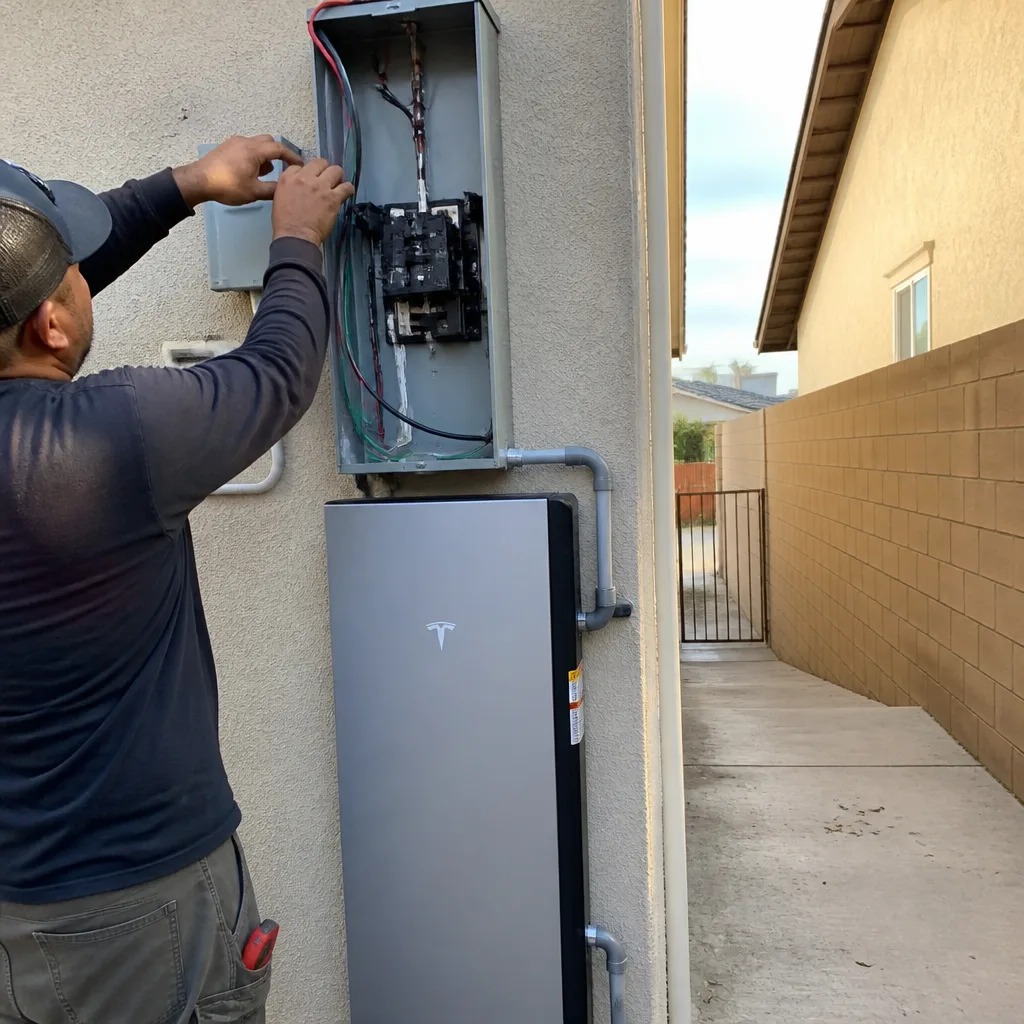 After
After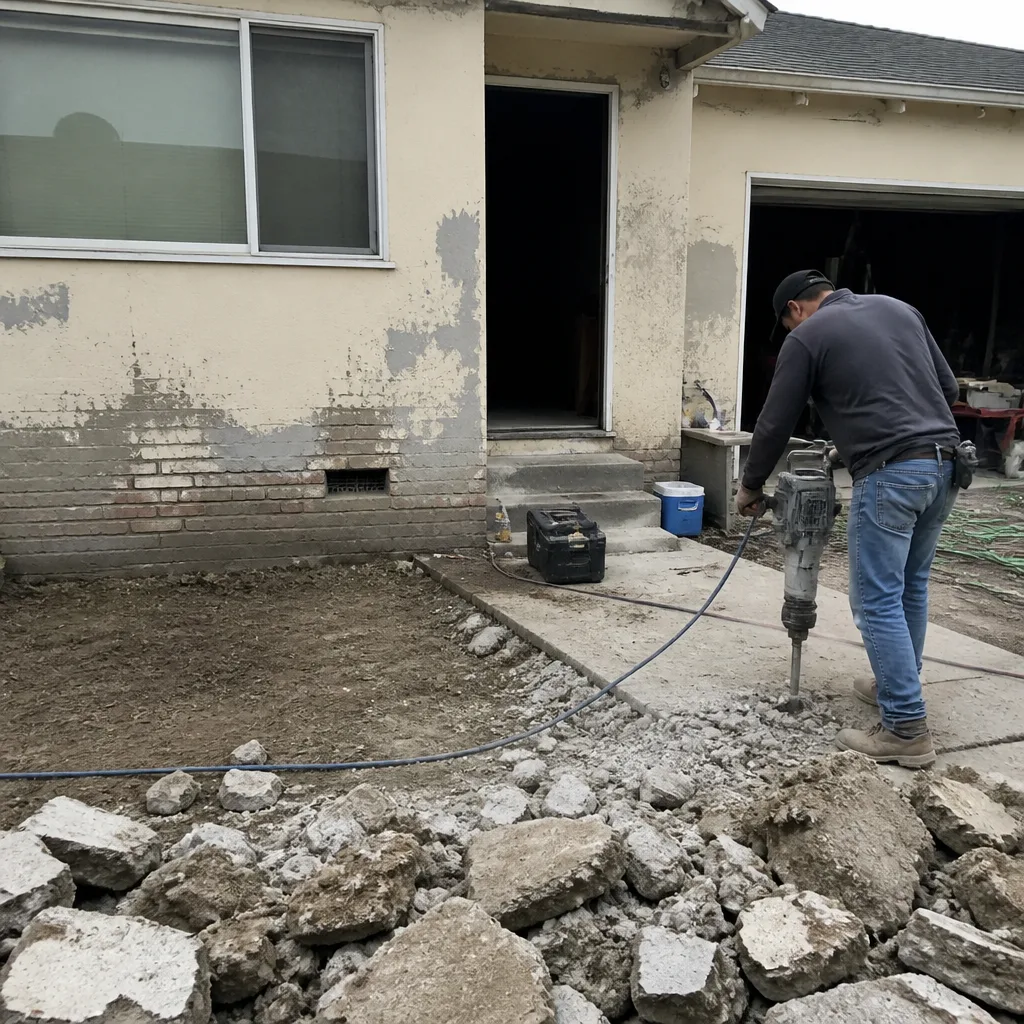 Before
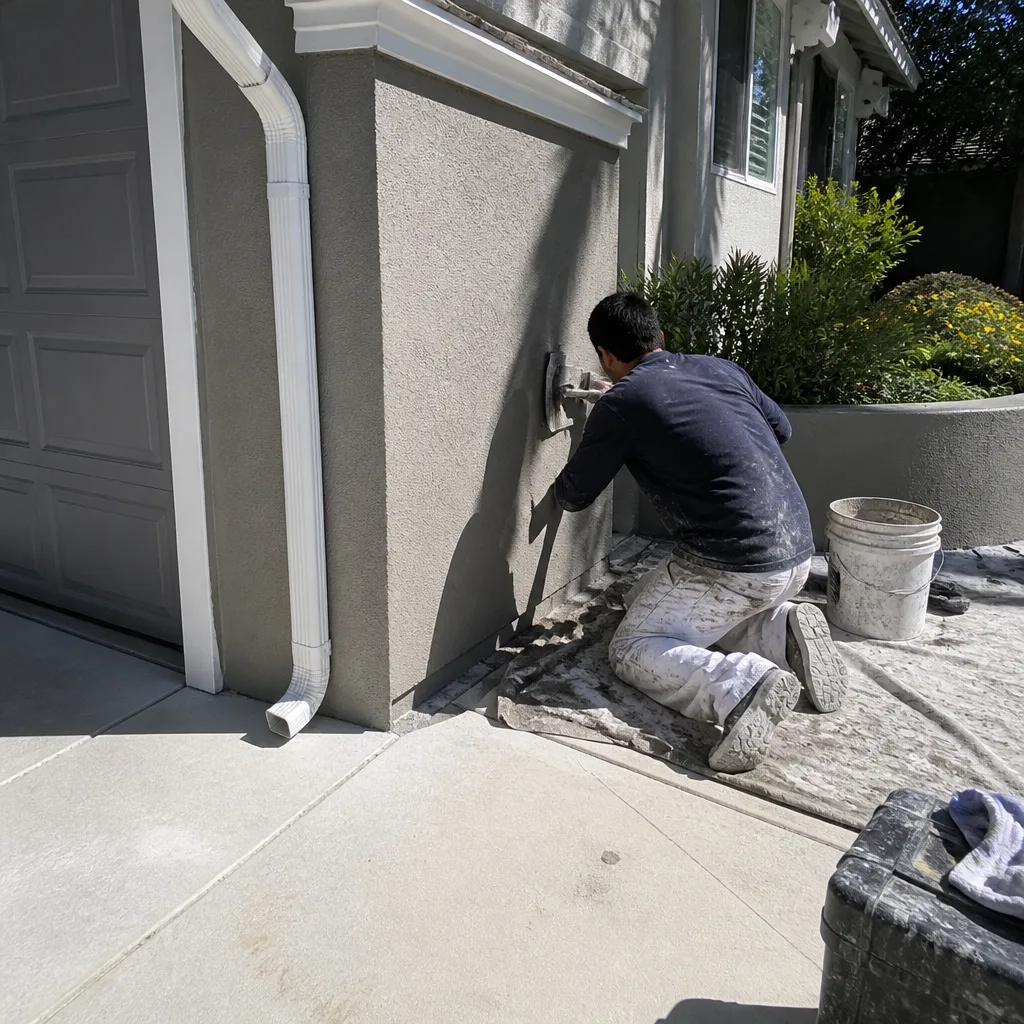 After
After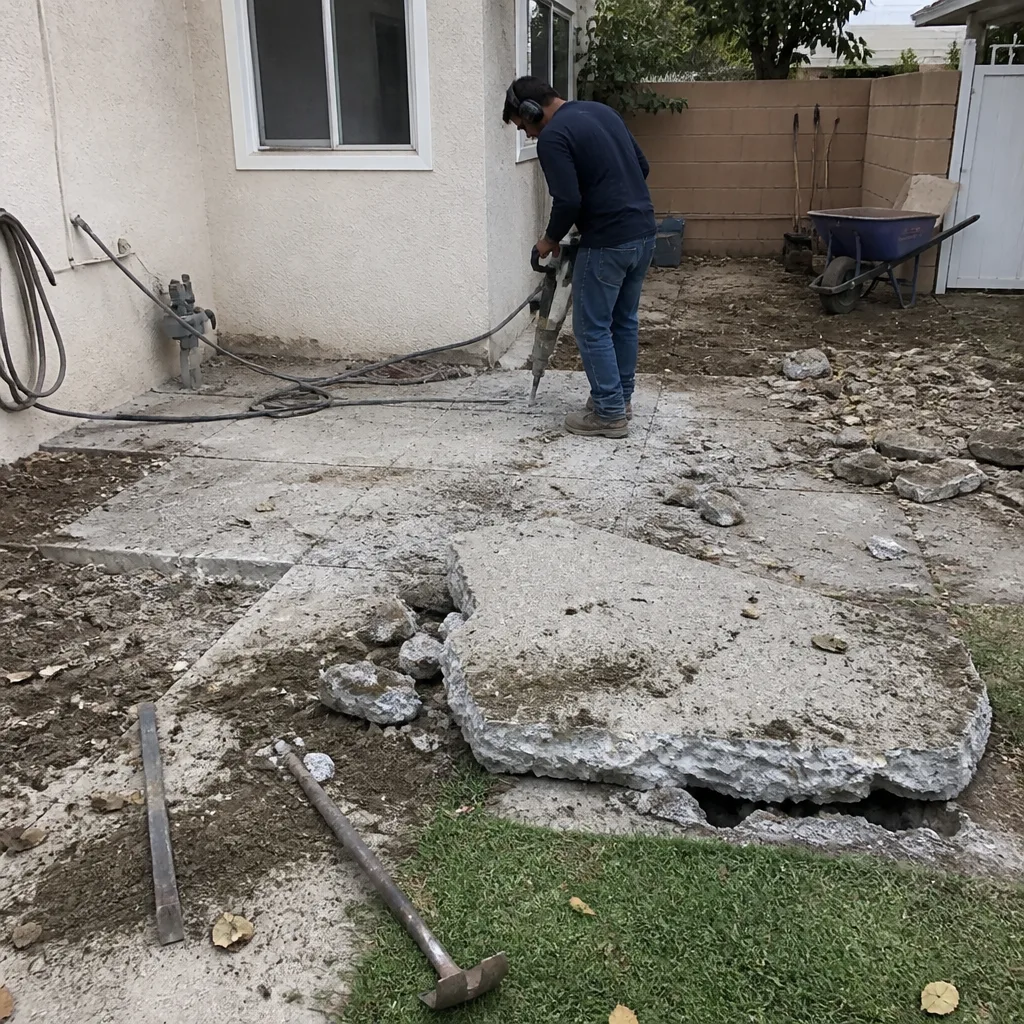 Before
 After
AfterReplacement Cost & What’s Included
For a Unilock fence installation or a full replacement in Los Angeles, the installed price range is $4,130 – $10,620. That covers new or reset posts, base course replacement where needed, caps, adhesive, joint sand or sealant, concrete for footings, and clean-up. The biggest price drivers are linear footage, whether the old base material needs to be excavated and removed, and access to the work area. A fence along a narrow side yard with no direct access to the street takes more labor than an open backyard run.
You’ll get a written price before any work starts, and that’s the number we honor. No change orders that appear after the crew arrives. On fence installations, Graham Stein reviews every scope himself, because grading and drainage are the difference between a fence that stays straight for a decade and one that leans again in three years. The workmanship warranty follows the 365-Day Done Right Promise: if it’s not done right, we make it right.
DIY or Call Us?
There are two things a homeowner can reasonably do before calling: remove a loose cap and check whether the block underneath shows cracks, and mark where water pools after rain. That’s useful information for us. What we don’t recommend is trying to reset a leaning fence section yourself. A wall that’s shifted has stored tension in the joints, and when a post lets go, it moves fast. That’s weight you don’t want near your hands or your kids.
If the problem is a post that’s settled but the wall itself is sound, we can often reset it without rebuilding the whole run. That’s a smaller job, and it’s priced accordingly. The written scope is the promise – if it is not on the paper, we have not agreed to it yet. Call (949) 850-9896 and we’ll walk through what you’re seeing, ask a few questions about the soil and grading, and give you a straight answer about whether it’s a reset or a rebuild.
Frequently Asked Questions
A properly installed Unilock fence on a stable base will last 25 to 40 years in Los Angeles, with the cap adhesive and joint sand being the first things to need attention at around the 10- to 15-year mark. Soil settlement and water management matter more than the product itself. Call (949) 850-9896 if you’re seeing early movement and want an honest read on what’s happening underneath.
Yes, in most cases a leaning or cracked section can be repaired by removing the affected units, rebuilding the compacted base, and reinstalling with fresh adhesive. Full replacement is only necessary when the units themselves are structurally cracked through or the color has faded enough that new pieces won’t match. Call (949) 850-9896 and describe what you’re seeing – we’ll tell you which side of that line you’re on.
A single-post reset usually takes half a day, including digging out the old footing, setting a new compacted base, and re-installing the post and surrounding units. A full section rebuild typically runs one to two days depending on access and how much old base material needs to be removed. Call (949) 850-9896 for a written estimate with a clear timeline before any work is scheduled.
We keep standard Unilock fence posts, caps, and base course units on the truck for the most common series, so in many cases we can start the same day we diagnose the problem. For older or less common color lots, we source the closest match and confirm the price with you before ordering. Call (949) 850-9896 and we’ll check stock while you’re on the phone.
Written by Graham Stein, Owner, Elmstead Remodeling at Elmstead Remodeling, serving Los Angeles and nearby areas.