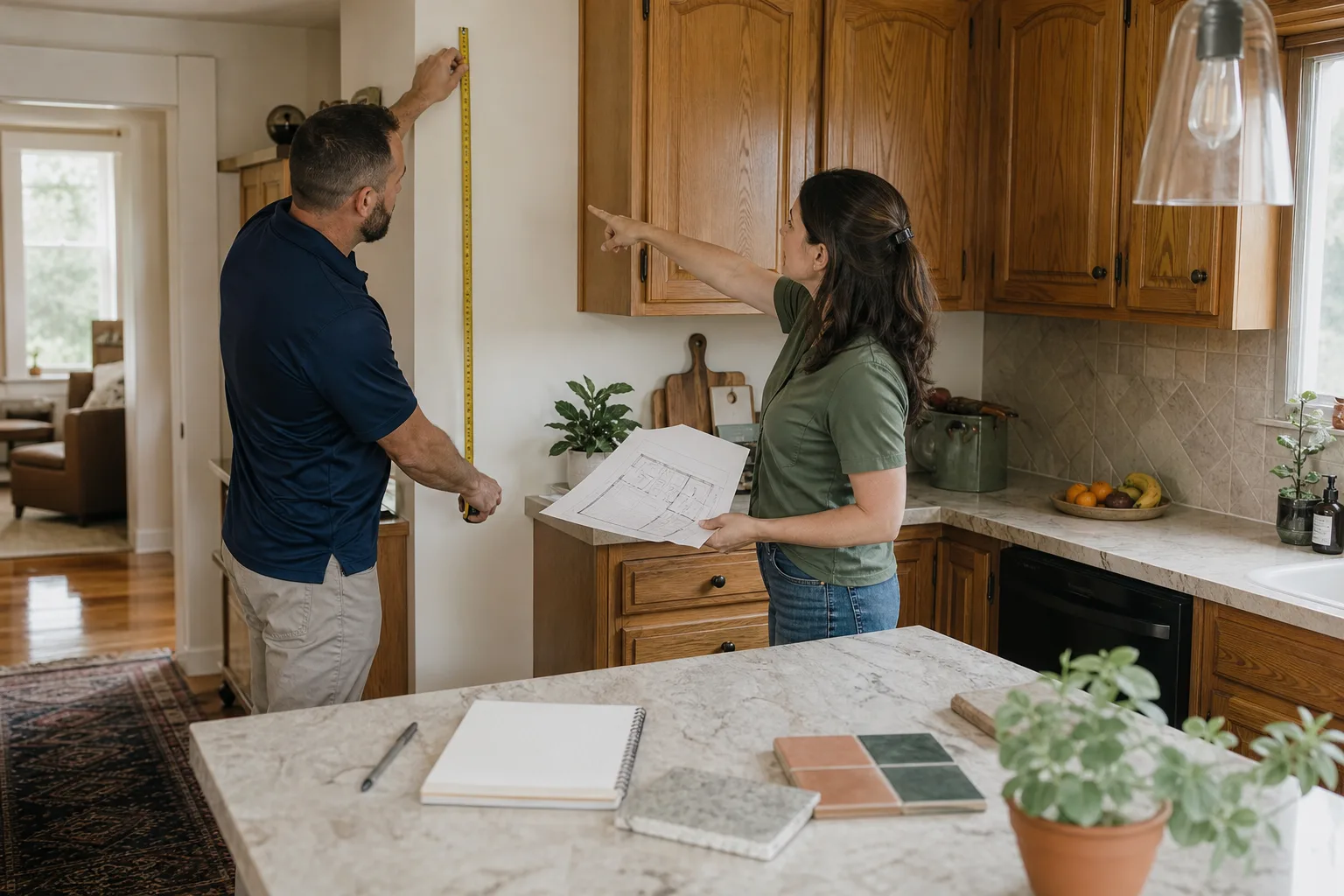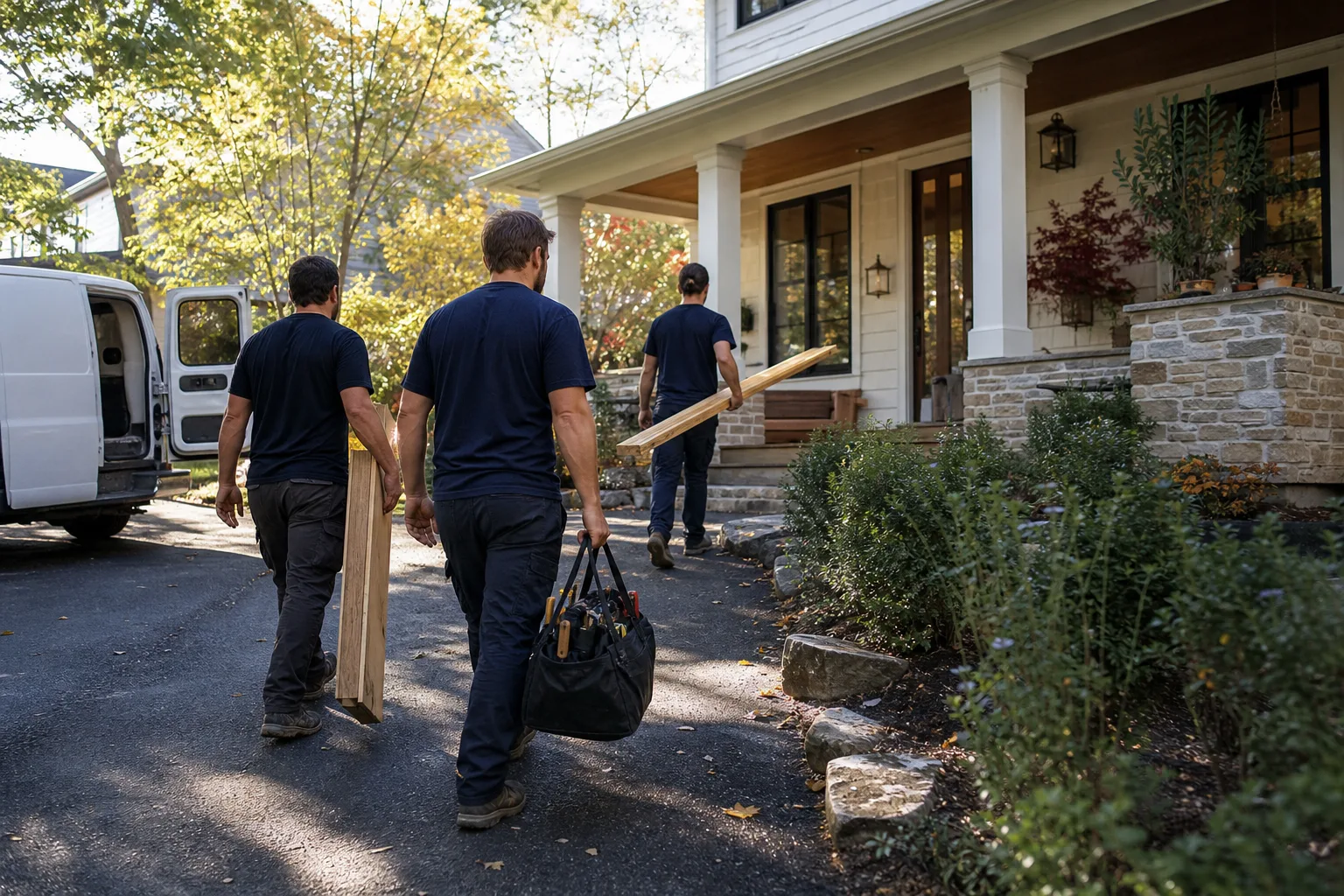
Free written scope consultation - allowances, timeline, and change-order rules on paper before a single trade is scheduled
Abodu Home Additions & ADU: The Los Angeles Owner’s Guide
Abodu home additions and ADU projects in Los Angeles typically run $53,100 to $153,400 installed, with the final number driven by foundation work, utility runs, and finish level. Elmstead Remodeling is an independent contractor, not affiliated with Abodu, but we work on Abodu units and the systems around them every month across LA. The work usually starts when an owner notices water staining at the wall-to-roof junction, a door that suddenly won’t latch, or drywall cracks that weren’t there the first year. Those are the early signs that the prefab shell and the site-built foundation or utility connections are moving against each other.
Most Abodu failures we see in Los Angeles aren’t the factory-built components. They’re the connections: the marriage wall where the module meets the site-built addition, the plumbing transition at the crawlspace, the electrical feeder from the main panel. Abodu builds a tight factory product. The weak points are where Los Angeles soil, seismic movement, and our wet-dry cycles work on the joint between their tolerance and your lot’s reality.
We match the original envelope, flashing details, and interior finishes so the repair reads as intentional, not patched. The written scope is the promise – if it is not on the paper, we have not agreed to it yet.
Key takeaways:
- Installed Abodu home addition / ADU work in LA: $53,100 – $153,400
- Most failures are at connection points, not factory parts
- We carry flashing, sealants, and transition materials matched to Abodu specs
- Written price before any work starts, every time
- 365-Day Done Right Promise on every completed project
Which Abodu Models This Applies To
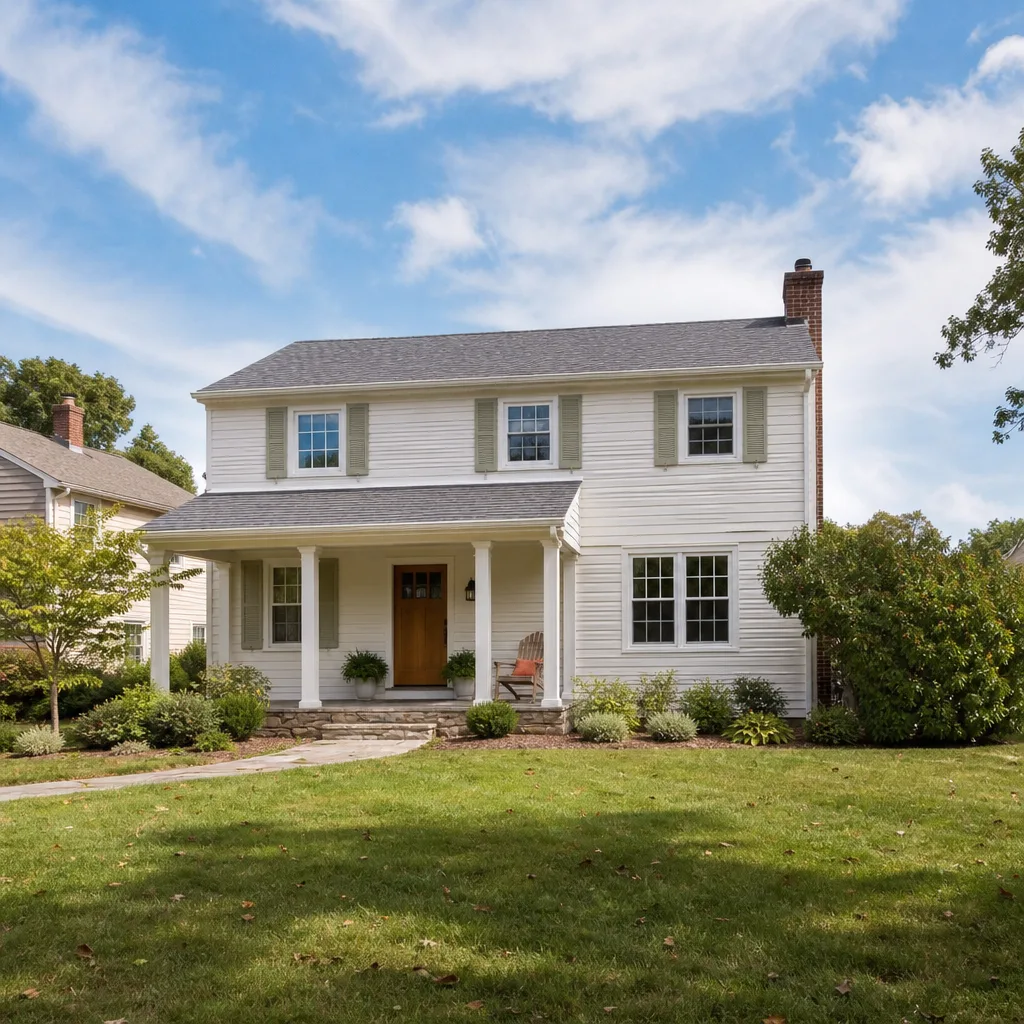
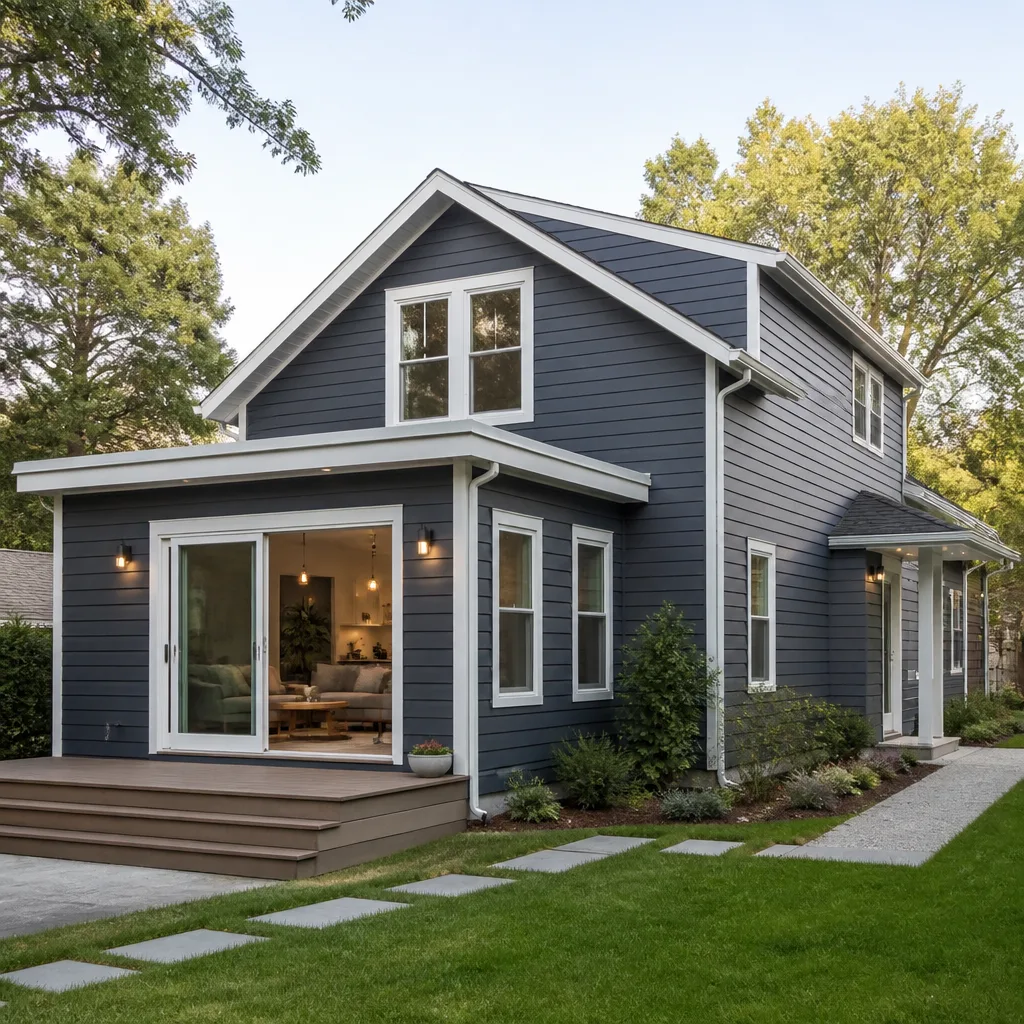
This guidance applies to Abodu’s Studio, One Bedroom, and Two Bedroom units as they’re installed across Los Angeles neighborhoods, from Echo Park to Mar Vista to Chatsworth. The compatibility question matters less at the prefab module level and more at the site-built connection points: the sill plate, the roof tie-in, the utility trench, the deck or stair landing.
When we assess an Abodu unit, we photograph the manufacturer label on the module’s frame and record the serial number before quoting anything. Abodu has changed flashing details between production years, and swapping the wrong profile creates a leak path that may not show for a full rainy season. We also check whether the original installer used the specified seismic strapping, because some Los Angeles lots with expansive soil shift more than the factory assumes.
On OEM versus aftermarket: for interior finishes, matching Abodu’s specified paint, flooring, and trim is usually straightforward. For the envelope – flashing, roof transitions, weather barriers – we stay with manufacturer-specified profiles. The cost difference is modest on a $100K-plus structure, and the failure cost of a mismatched flashing detail in a Los Angeles winter is not.
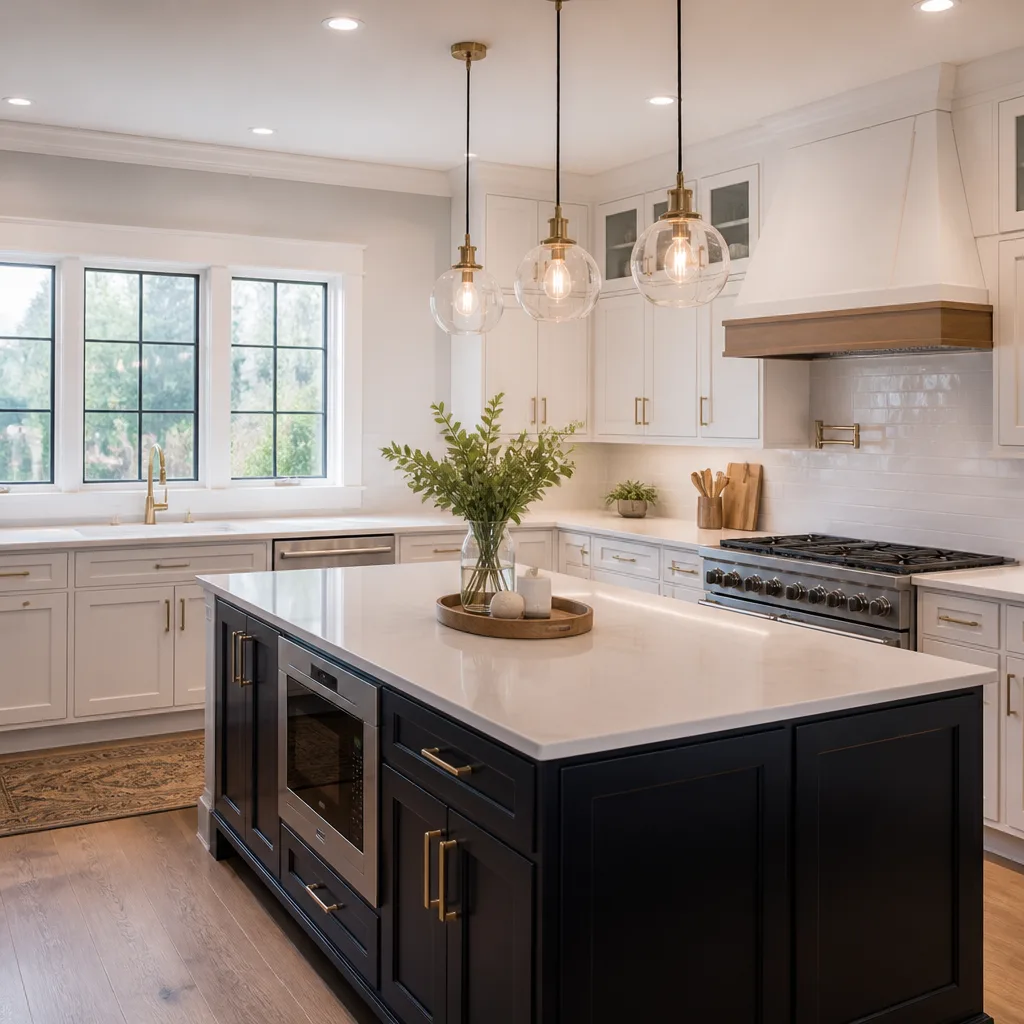
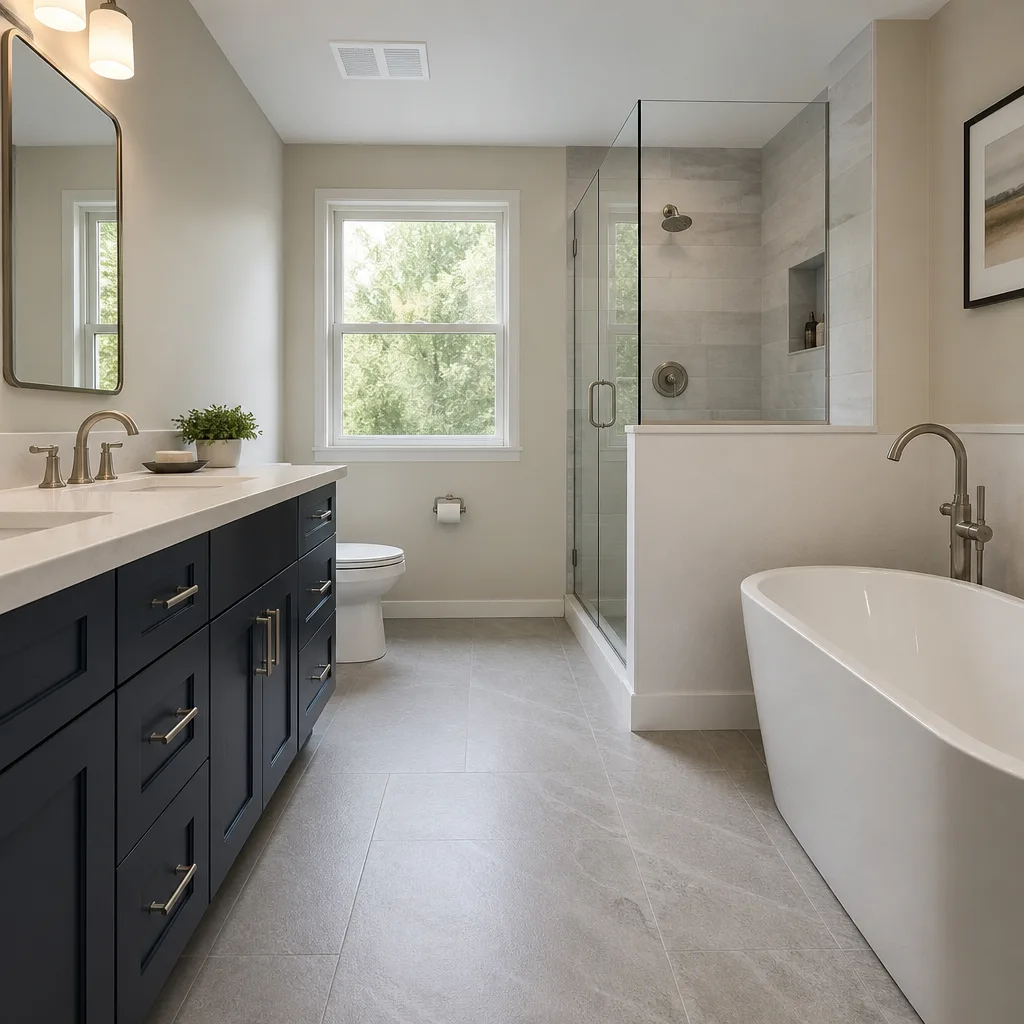
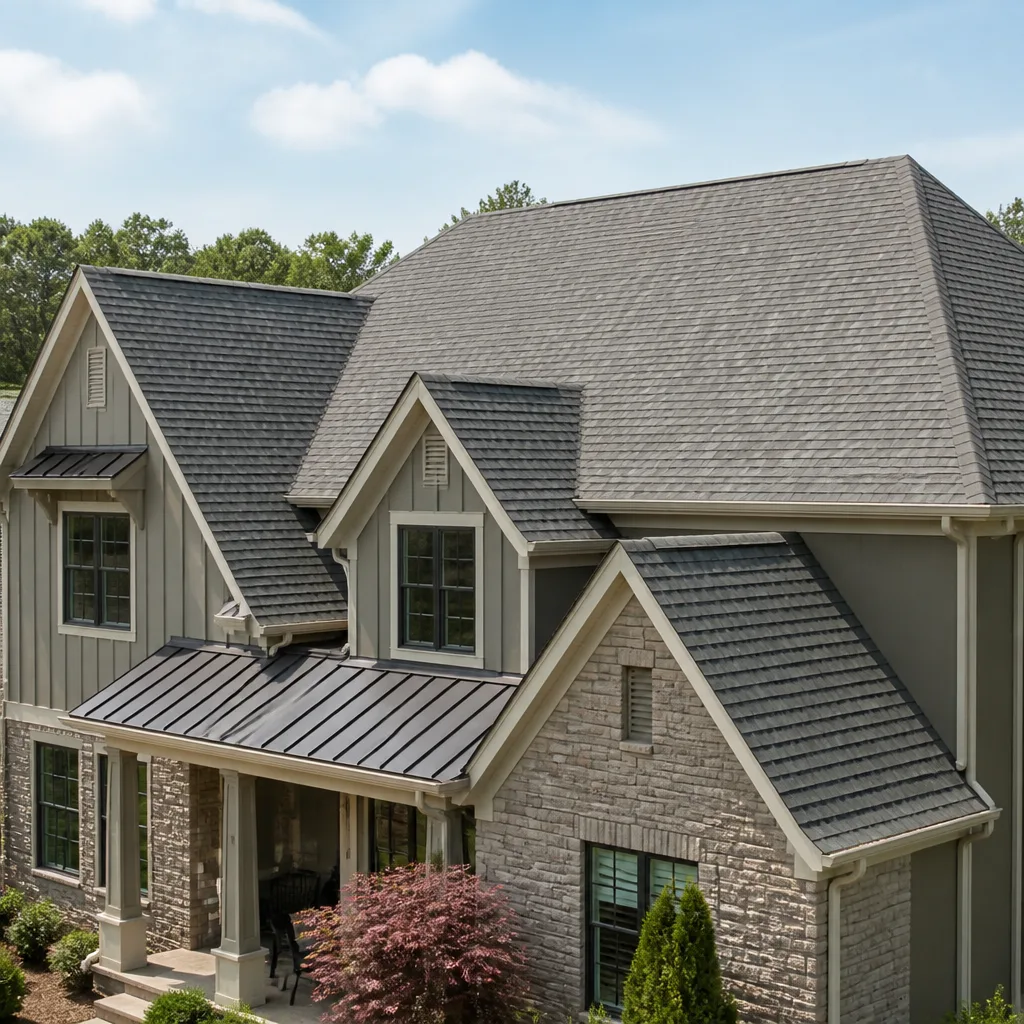
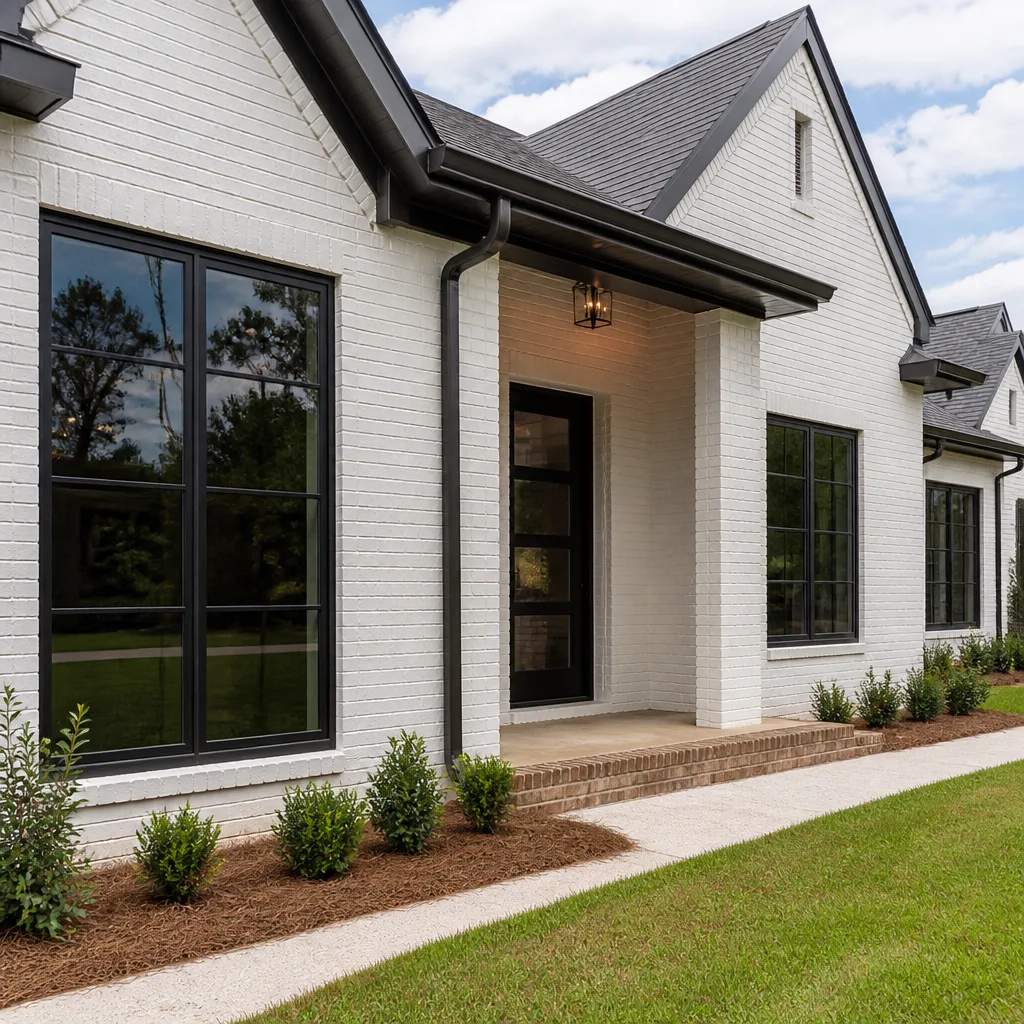
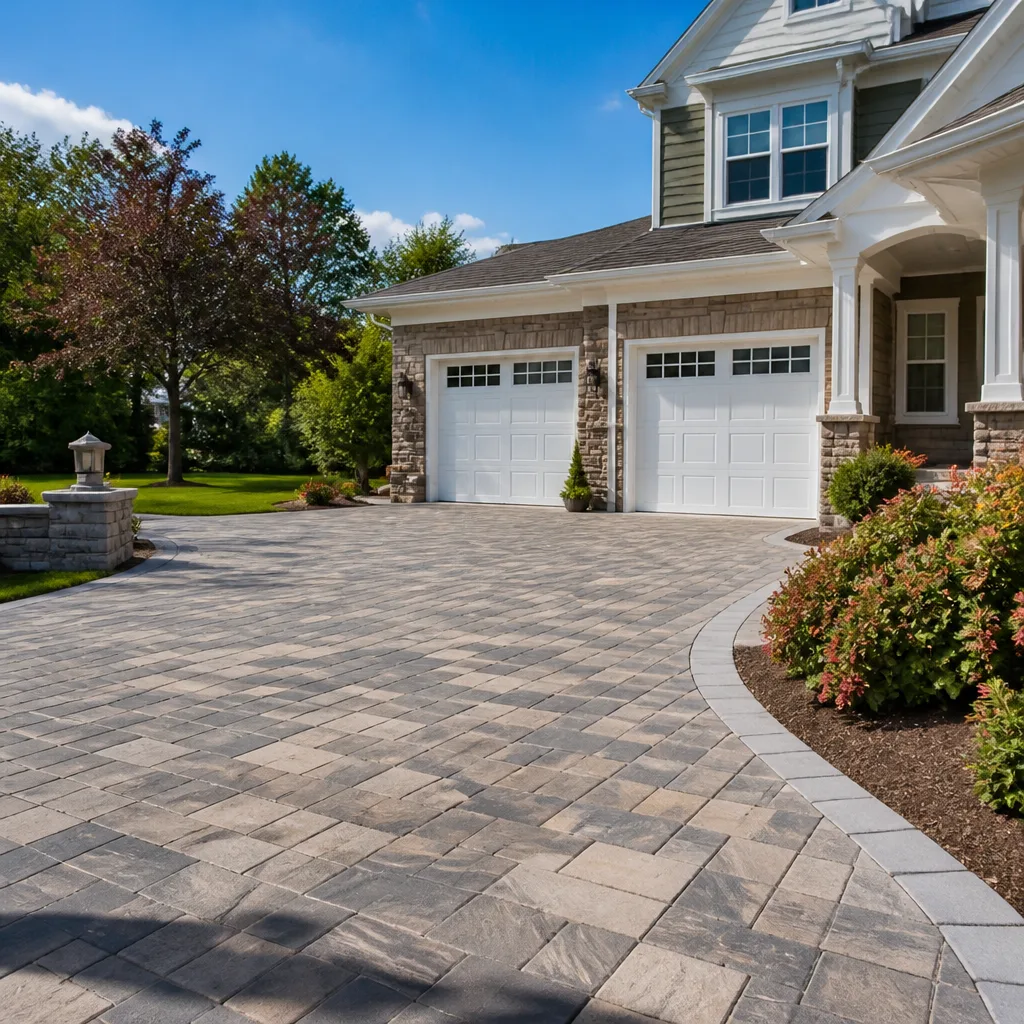
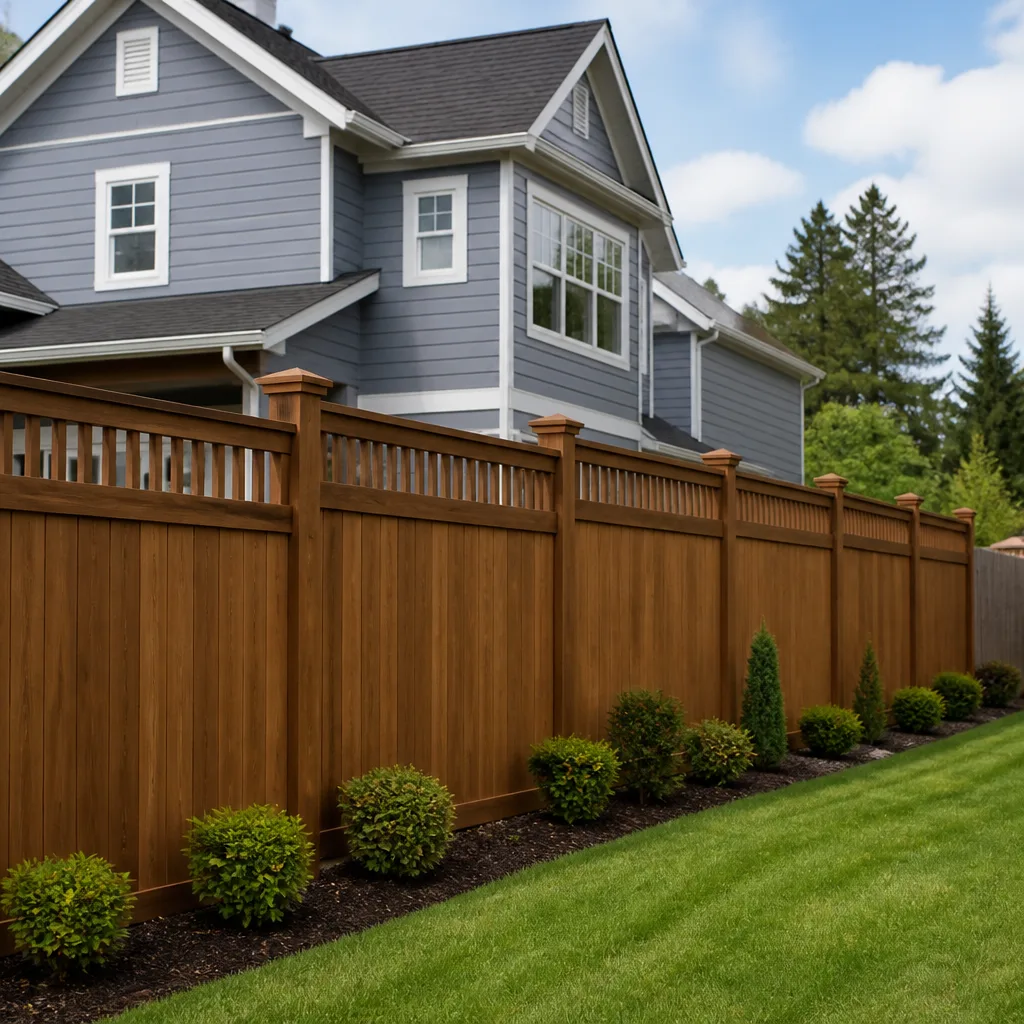
Styles & brands we work with
Signs Your Abodu Home Additions & ADU Is Failing
- Water staining at the ceiling-to-wall corner, especially after rain. This usually points to a flashing failure at the roof junction or a stucco control joint that opened up. In Los Angeles, the damage often happens in January and February, after months of dry heat have already cracked the sealant.
- Doors or windows that stick seasonally. Los Angeles clay soil expands when wet and shrinks when dry. A door that only sticks in winter is often a foundation or utility-trench settlement issue, not a hinge problem.
- Cracks that run diagonally from a window or door corner. Straight vertical cracks are usually cosmetic. Diagonal cracks, especially ones that grow, suggest differential settlement between the module and the site-built foundation.
- A floor that feels soft or bounces near the utility connections. This often traces back to a void under the slab or moisture wicking up through the crawlspace and compromising the subfloor.
- Musty smell in the wall cavity or crawlspace. Abodu units are tight. Moisture that gets in stays in. A persistent smell usually means water is finding its way through a connection point and sitting in the framing.
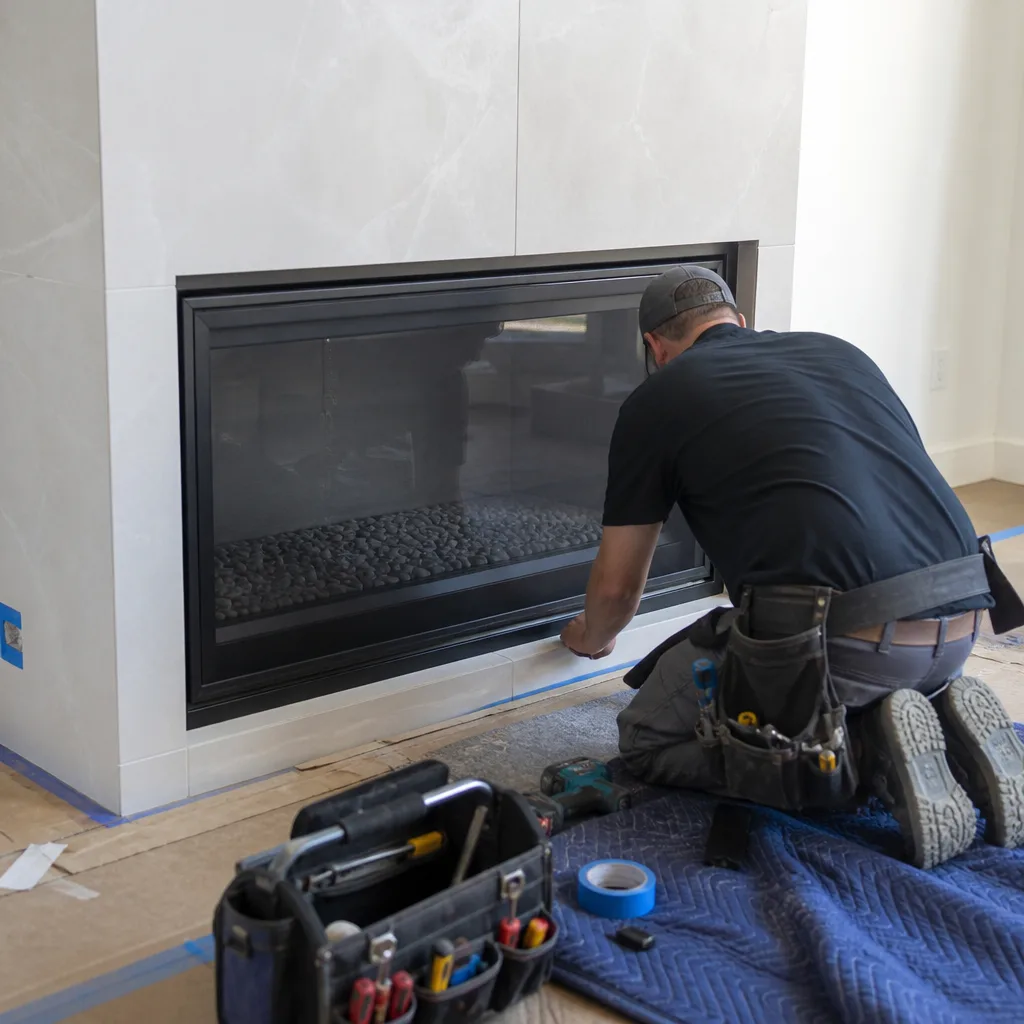
See the difference
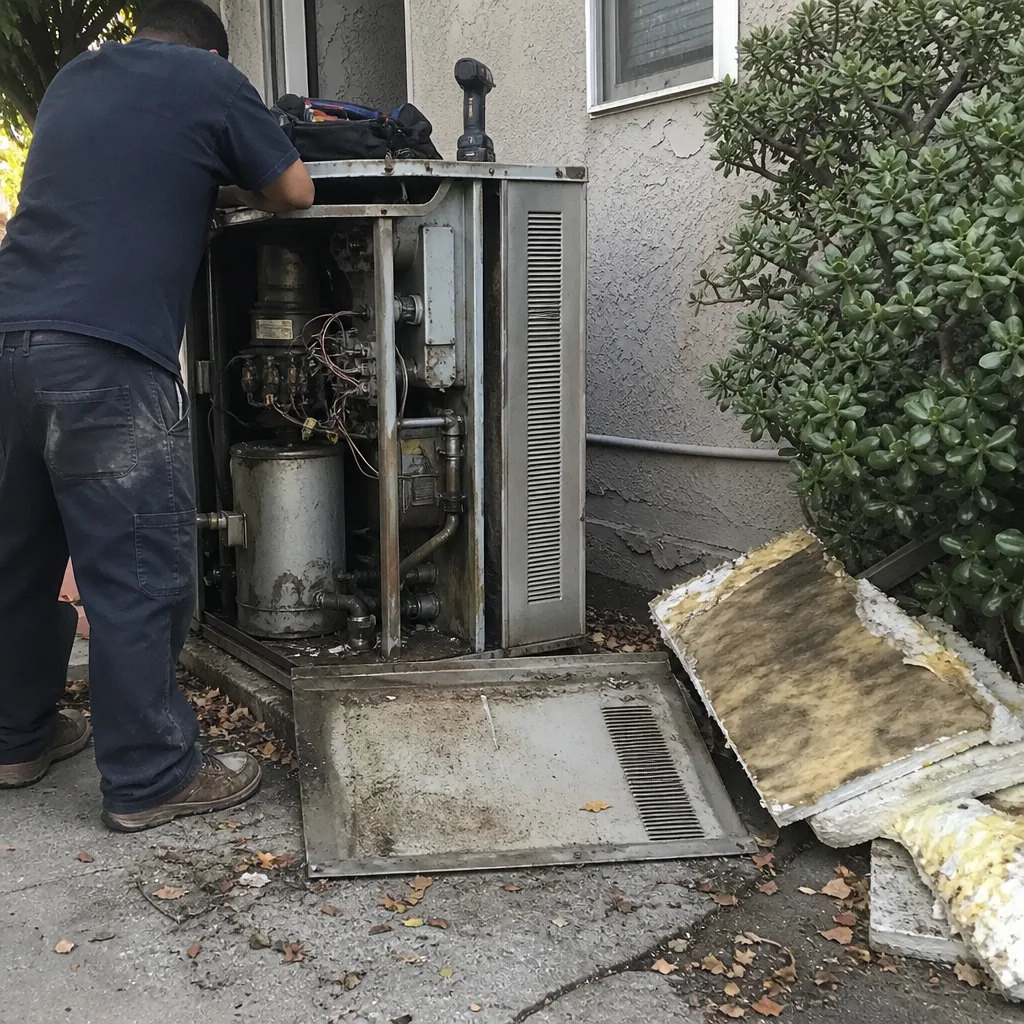 Before
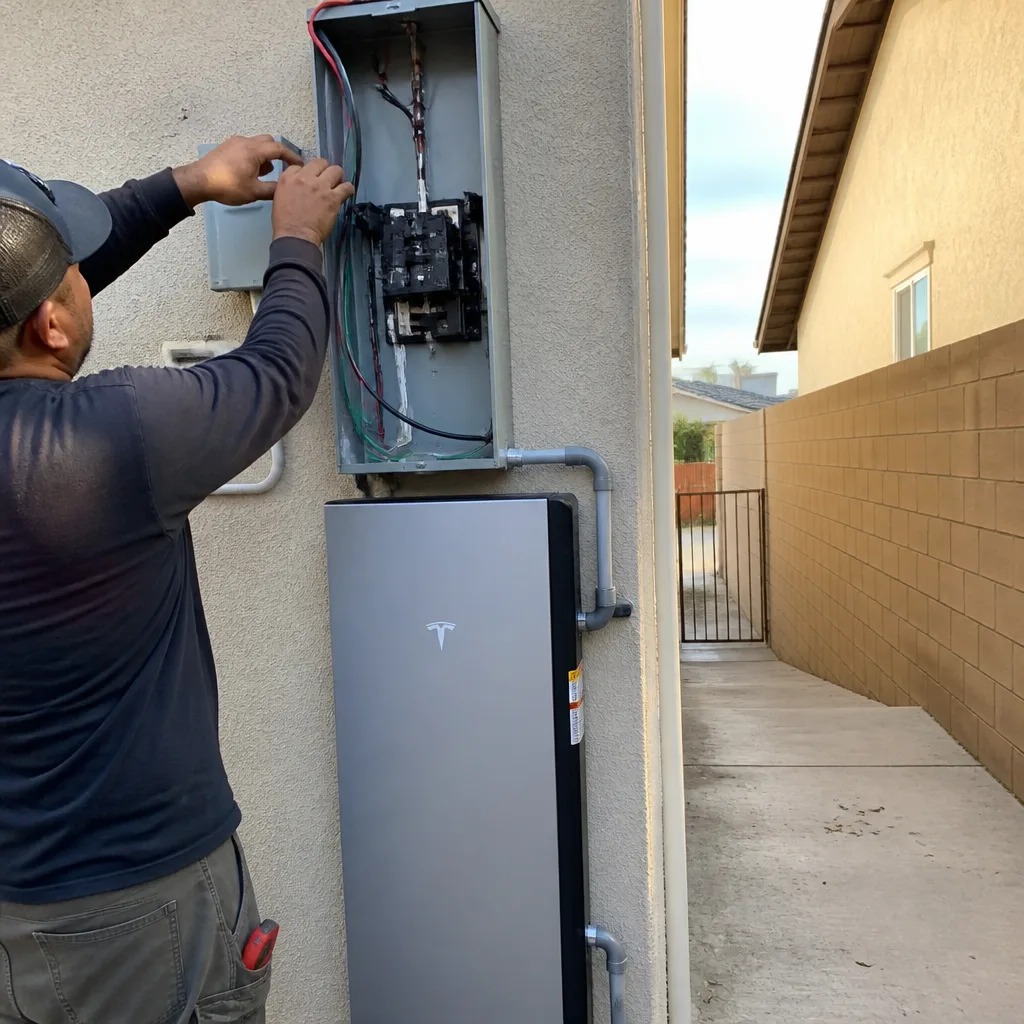 After
After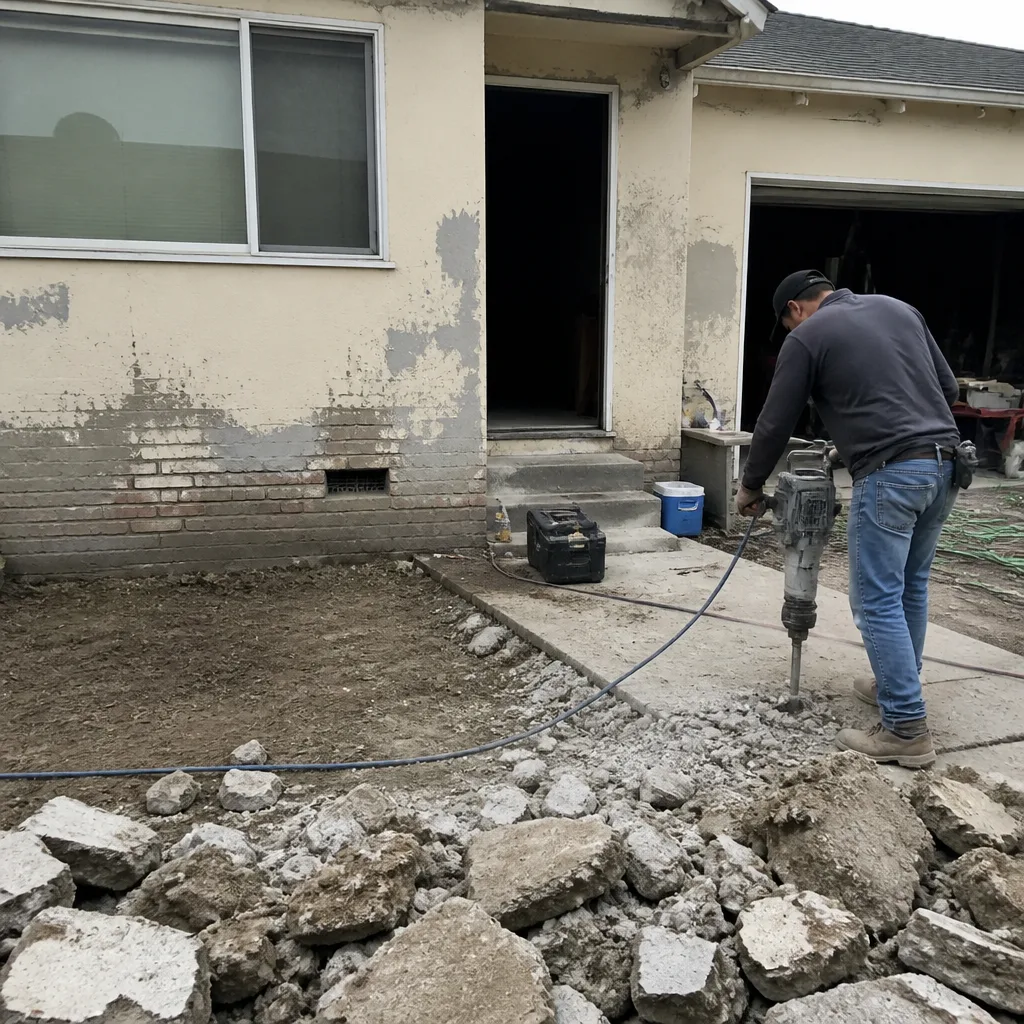 Before
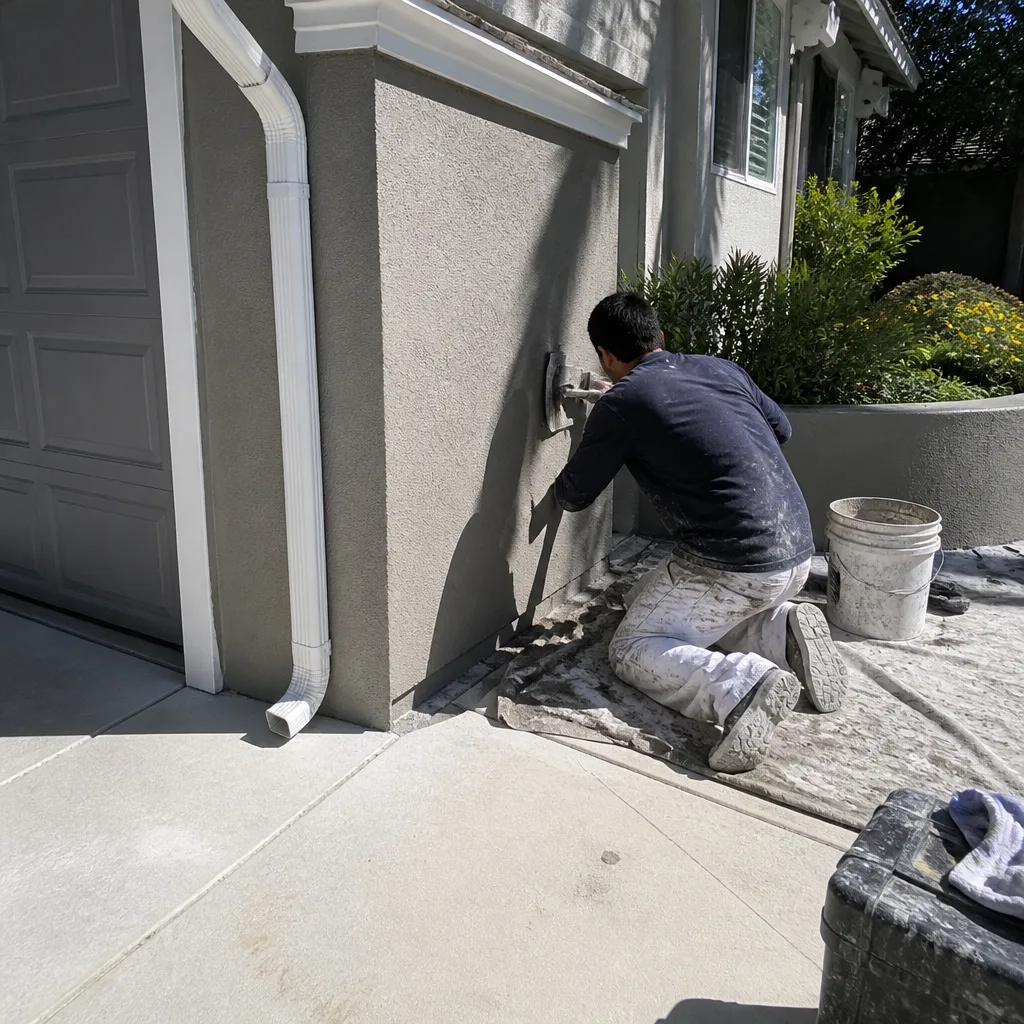 After
After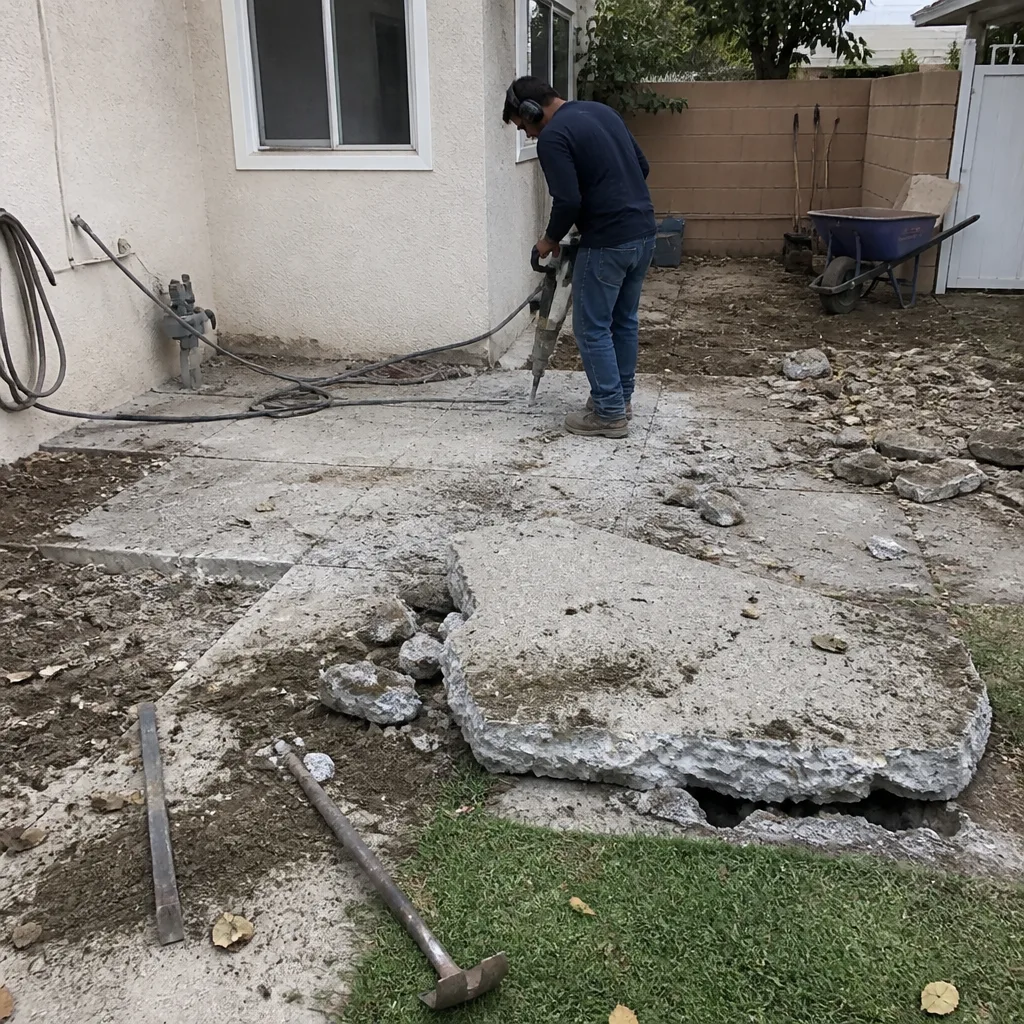 Before
 After
AfterReplacement Cost & What’s Included
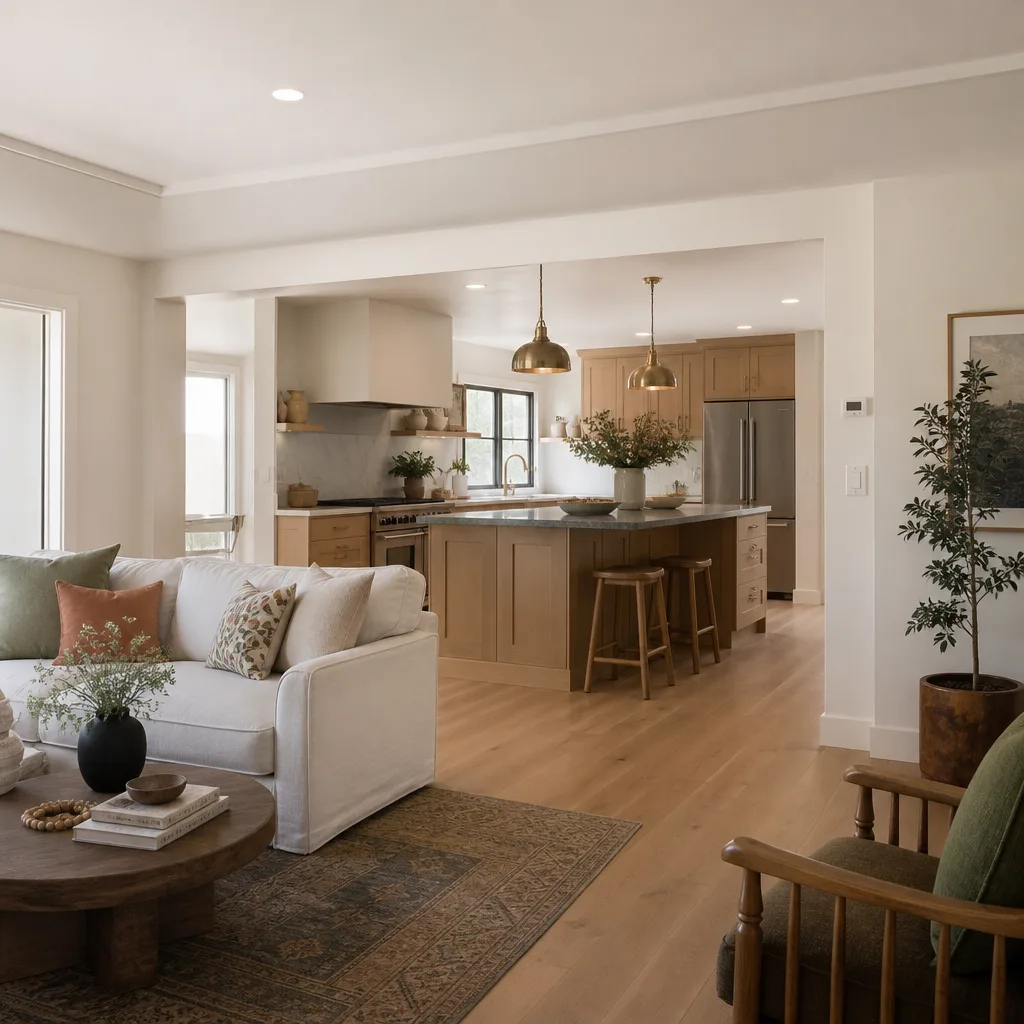
For Los Angeles Abodu work, installed costs range from $53,100 to $153,400. The spread is wide because no two connection failures, utility reroutes, or finish packages are alike. A simple flashing replacement and interior patch might land at the low end. Reworking a foundation connection, replacing a failed deck ledger, or opening walls to correct a plumbing transition pushes toward the high end.
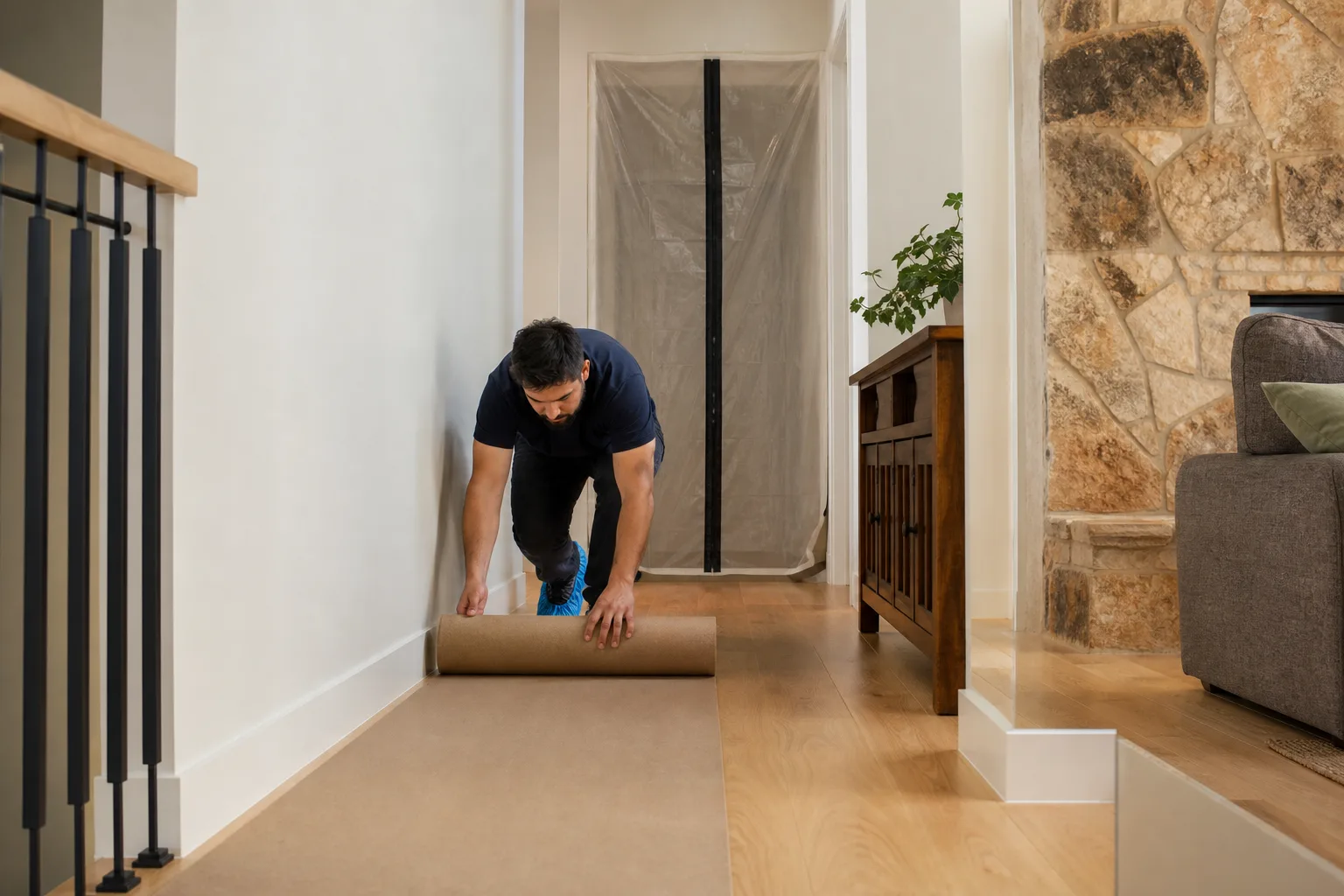
Every quote includes the same things: a written price before work starts, named materials, shoe covers and drop cloths on every visit, a photo of the clean-up before the crew leaves, and the 365-Day Done Right Promise. If it’s not done right, we make it right. We do not write estimates that grow after the crew arrives. The price on the paper is the price.
DIY or Call Us?
You can safely do a few things yourself. Photograph the cracks every month with a date stamp and note whether they’re growing. Check downspouts to make sure they’re directing water away from the ADU. Run a hose along suspected flashings while someone watches inside. Those observations help us quote faster and more accurately.
But opening an Abodu wall, pulling flashing, or working on a roof connection is not DIY territory. The unit’s structural integrity depends on connections that were engineered as a system. One wrong cut in the wrong seam and you have a leak path into a factory-built wall cavity that was never designed to dry itself out. If you suspect a failure, call (949) 850-9896. We’ll walk the site, photograph what we find, and hand you a written scope before any tool comes off the truck.
FAQs
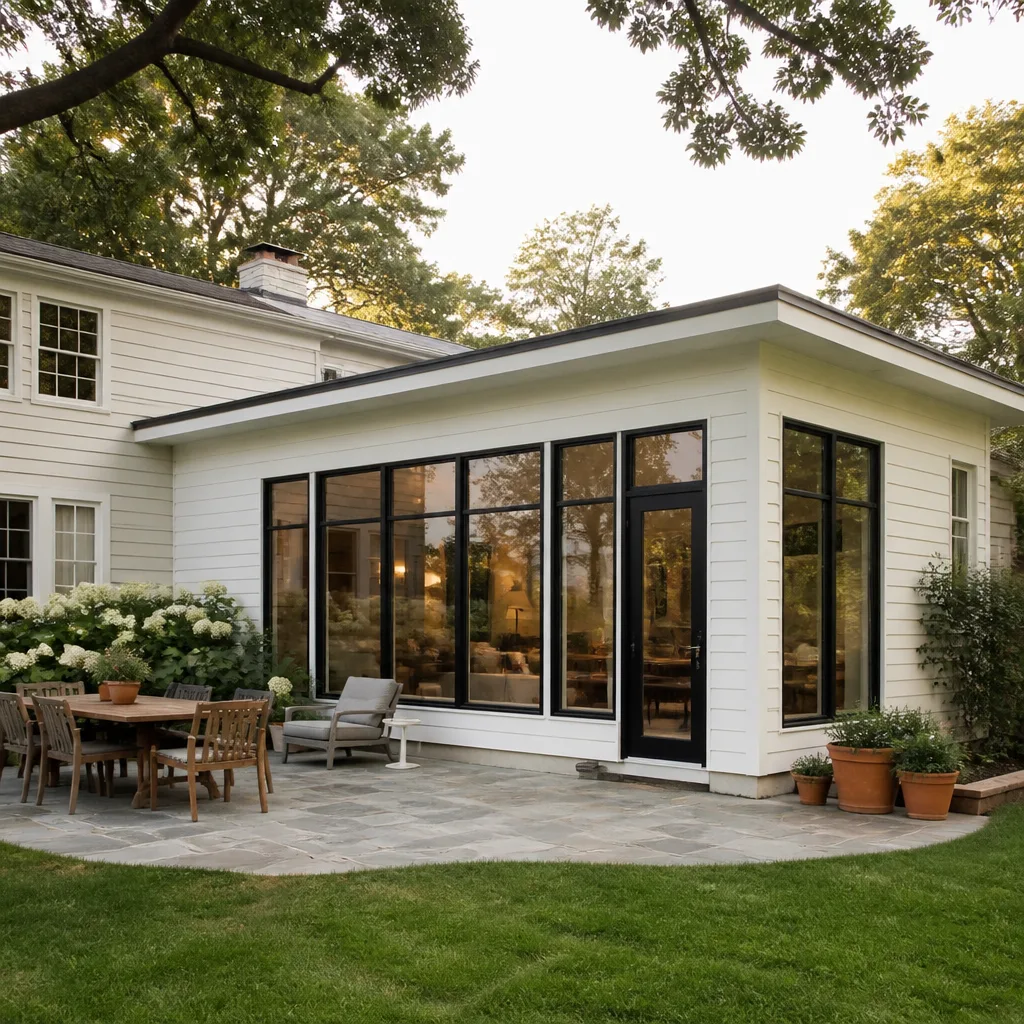
Abodu’s factory-built modules are engineered for decades, but the connection points and finishes typically need attention every 12 – 18 years in Los Angeles, sooner if the original install cut corners on flashing or drainage. The unit’s lifespan depends more on the site work than the factory work. Call (949) 850-9896 to have us assess your unit’s specific connections.
Most connection failures can be repaired without removing or replacing the module itself, but the repair has to address the cause, not just the symptom. Patching a stucco crack without fixing the drainage that caused it means we’ll be back in two years. Call (949) 850-9896 for a free estimate with a written scope.
A straightforward flashing repair and interior patch usually takes 3 – 5 working days once we’re on site. Foundation-level corrections or utility rework can run several weeks, depending on Los Angeles permitting timelines and whether the original work was permitted. We’ll give you a schedule in writing before work begins.
We keep the common connection materials stocked: flashing profiles, sealants, weather barriers, and transition trim matched to the Abodu production years we see most in Los Angeles. Interior finishes are ordered per project so the match is exact. If we don’t have your specific profile on the truck, we’ll have it in hand before we quote the finish date.
Written by Graham Stein, Owner, Elmstead Remodeling at Elmstead Remodeling, serving Los Angeles and nearby areas.