Free written scope consultation - allowances, timeline, and change-order rules on paper before a single trade is scheduled
Boxabl Home Additions & ADU: The Los Angeles Owner’s Guide
Boxabl home additions and ADU construction in Los Angeles typically run $53,100 to $153,400 installed, depending on site prep, utility connections, and finish level. Graham Stein and our crew at Elmstead Remodeling handle the full scope: foundation work, framing, electrical, plumbing, drywall, and finishes, with a written price before anything gets torn up. Most owners reach out after realizing their existing Boxabl unit is either too small for how the family has grown, or the accessory structure they planned never got permitted and now needs to be brought up to code. Sometimes it’s simpler than that: they bought the Boxabl expecting quick placement, then discovered Los Angeles Department of Building and Safety has its own timeline and its own list of requirements that no amount of factory efficiency can skip.
Which Boxabl Models This Applies To
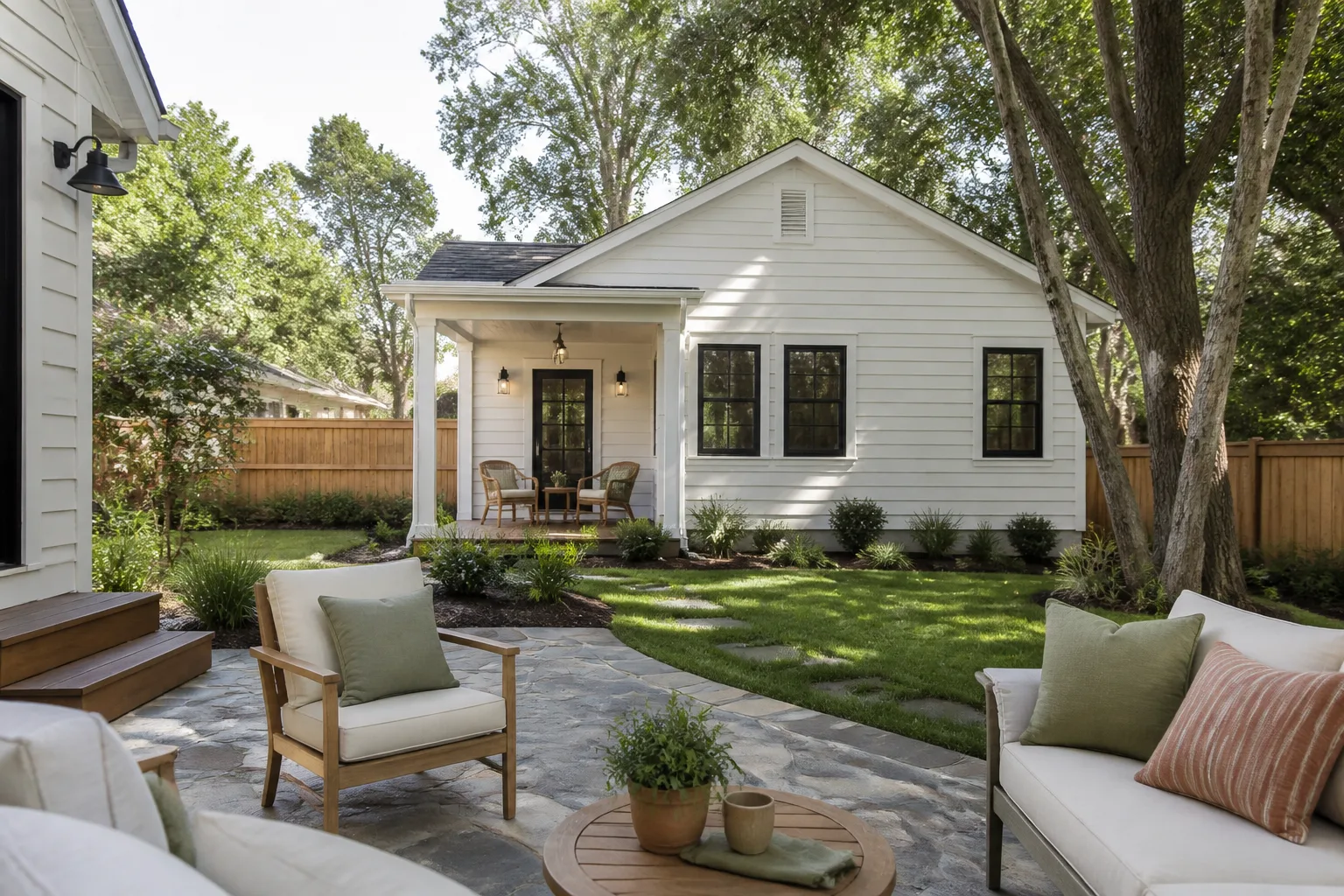
We work with Boxabl’s Casita line, which in the Los Angeles market usually means the 20×20 module or paired configurations, but the permitting and site-preparation reality is the same no matter which module you own. Here’s the compatibility gotcha most owners don’t see coming: a Boxabl unit arrives as a folded, factory-built module, but the Los Angeles permit process treats it as a structure that still needs a foundation system, utility trenching, and seismic anchoring approved by a local engineer. The factory specs are the easy part. The city’s requirements for setbacks, lot coverage, and earthquake bracing are what actually determine whether your addition gets signed off.
When you call us, we ask you to locate the manufacturer’s data plate on the unit, usually near the main electrical panel or on the frame rail. That plate gives us the model designation, year of manufacture, and the specific electrical and plumbing rough-in positions. It’s the single most useful piece of information you can have ready. From there, we determine whether the OEM folding connections are still intact or whether prior site work compromised them. We use OEM-compatible materials where the Boxabl system requires it, and we specify named-brand finishes from KraftMaid, Cambria, and Silestone for the interior work, because those warranties travel with your project and you can verify them yourself.
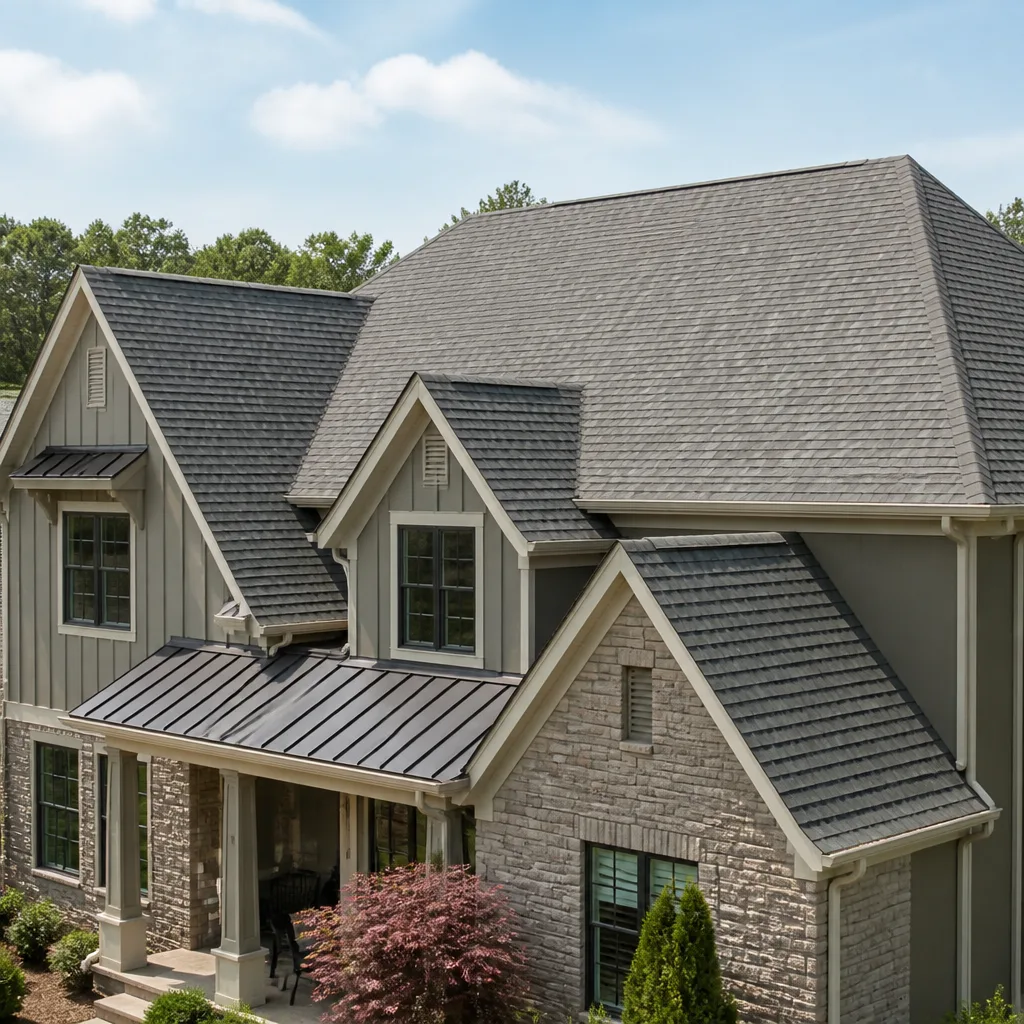
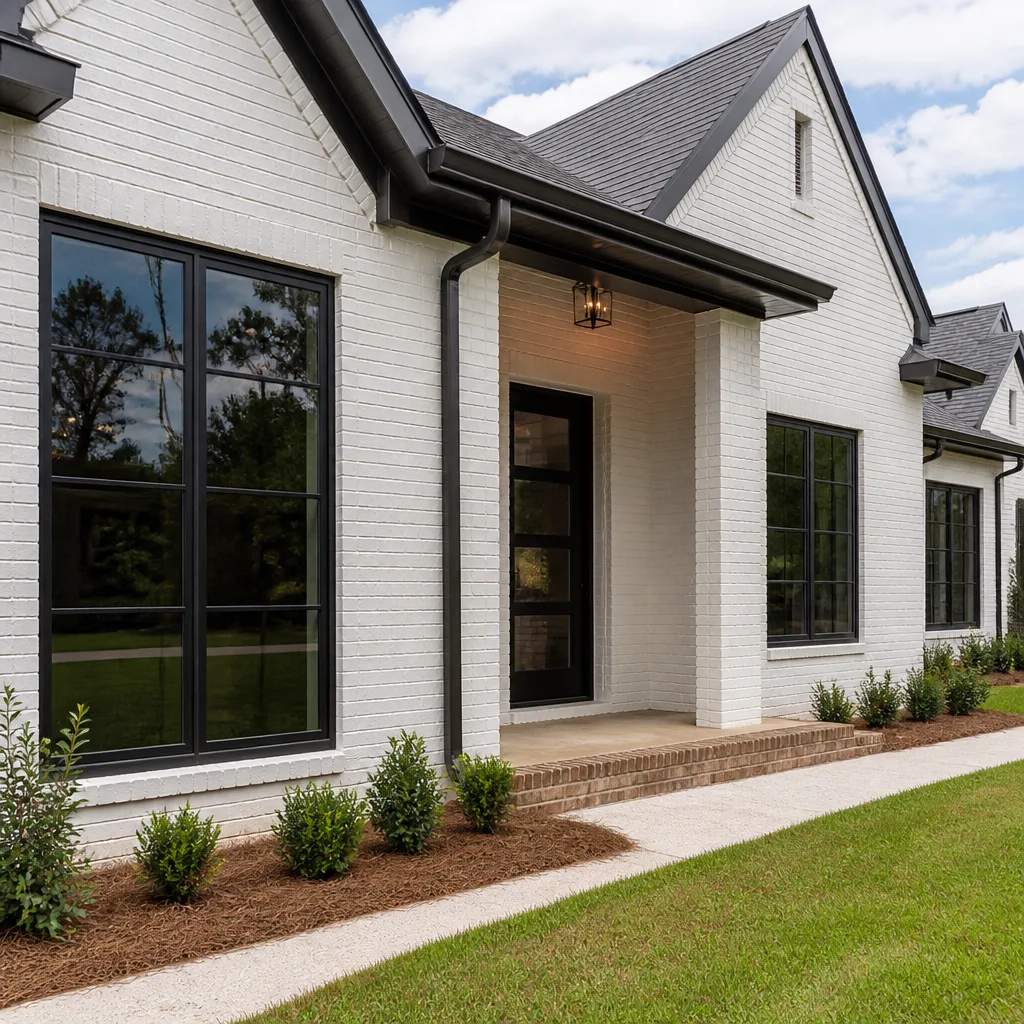
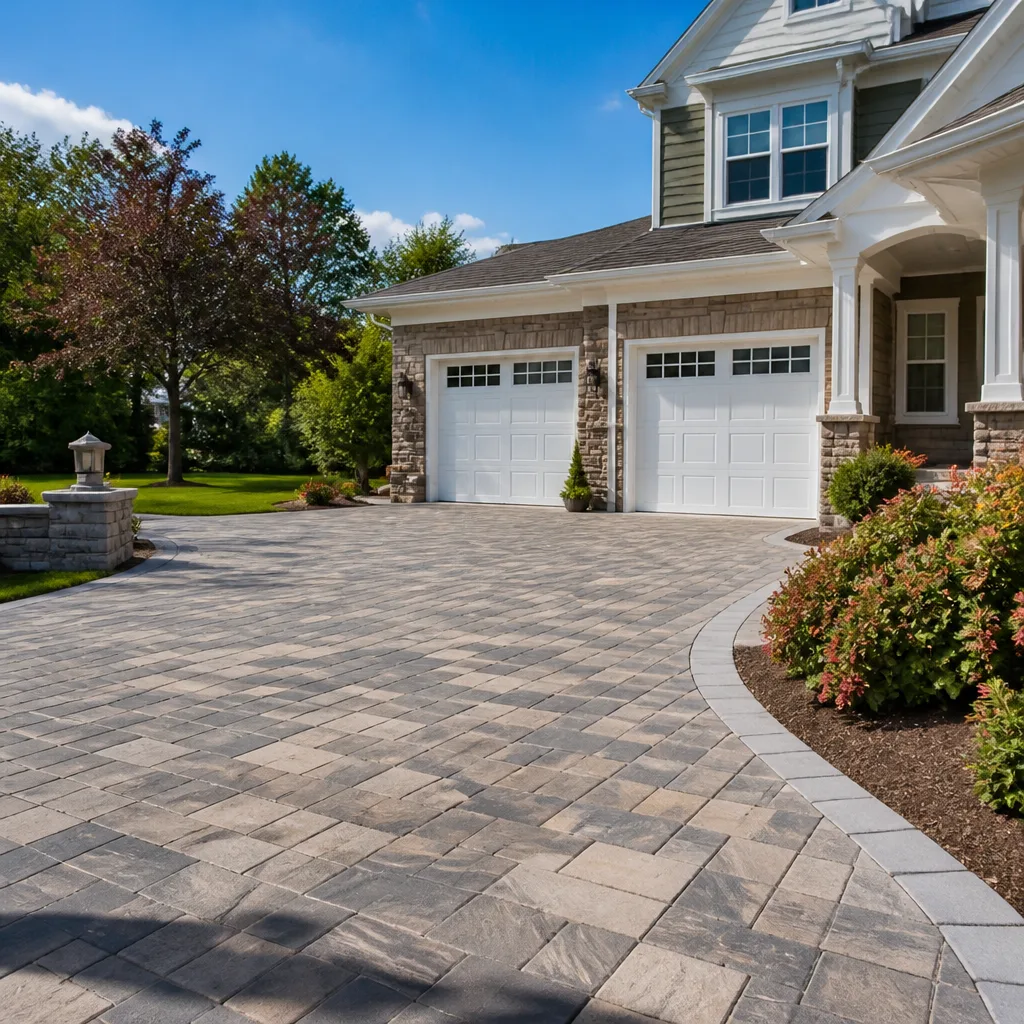
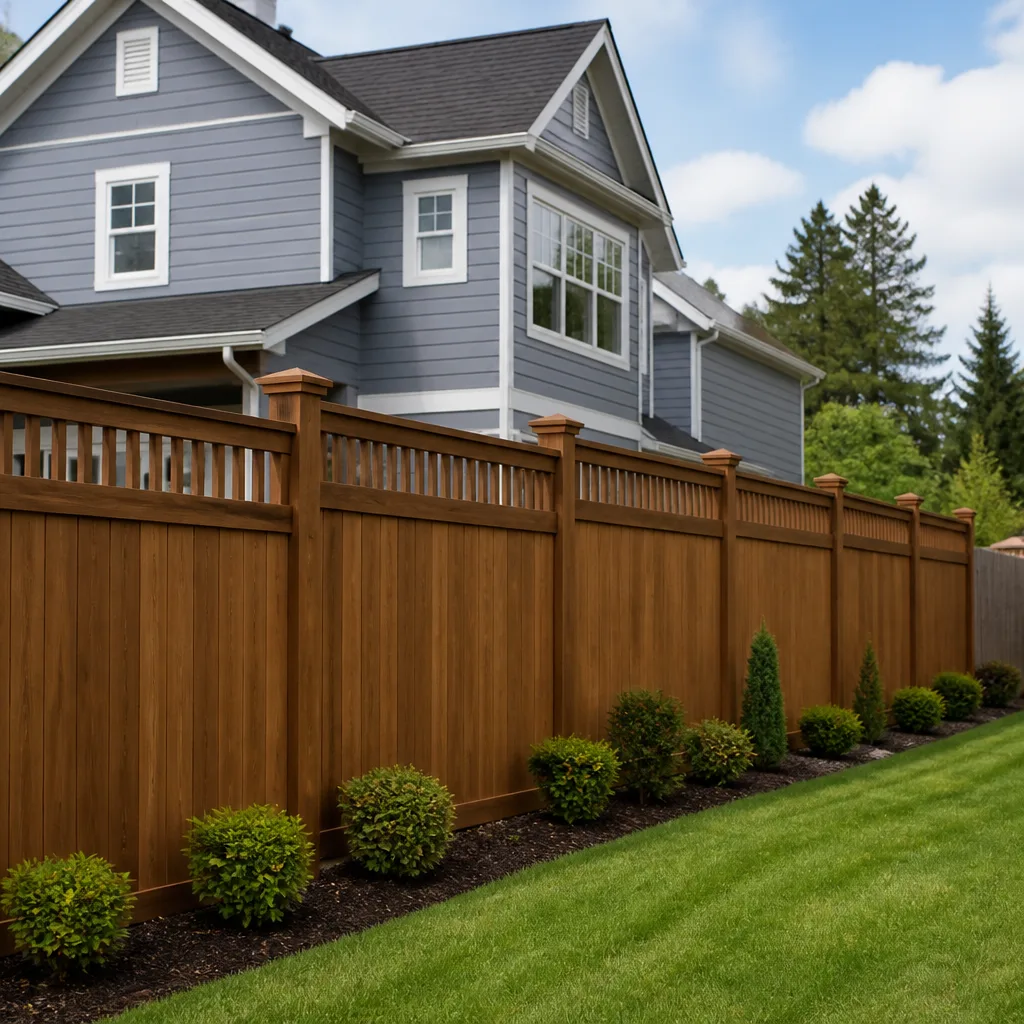
Styles & brands we work with
Signs Your Boxabl Home Additions & ADU Is Failing
- Doors and windows bind or stick when the seasons change. In Los Angeles, we get hot, dry summers and occasional heavy rain years. Boxabl modules sit on pier or slab foundations, and if the soil shifted or the anchoring wasn’t right, the frame flexes. You’ll see it in a door that used to close clean and now needs a shoulder.
- Water stains where the module meets the foundation or roofline. The Boxabl folding seam system is engineered, but it was not designed to sit open to Los Angeles rain for years without proper flashing. We see staining most often on the side that faces the prevailing wind, usually the west or northwest elevation.
- Electrical flicker when the HVAC or a major appliance cycles on. Boxabl units arrive with the internal wiring done, but the connection to your main panel or a new subpanel is site work. A loose lug or undersized feeder shows up as a brownout in the unit whenever the mini-split starts.
- Gaps opening at the ceiling-to-wall transition inside. The factory fit is tight, but after the unit has been moved, set, and re-leveled, the interior drywall seams can open. It’s usually cosmetic, but it’s also a signal the module settled unevenly.
- Musty smell near the bathroom or kitchen plumbing wall. The rough-in tolerances on a Boxabl are tighter than site-built framing, which means a drain line that was just slightly off during site connection leaks slowly behind the wall instead of pouring out where you’d see it.
See the difference
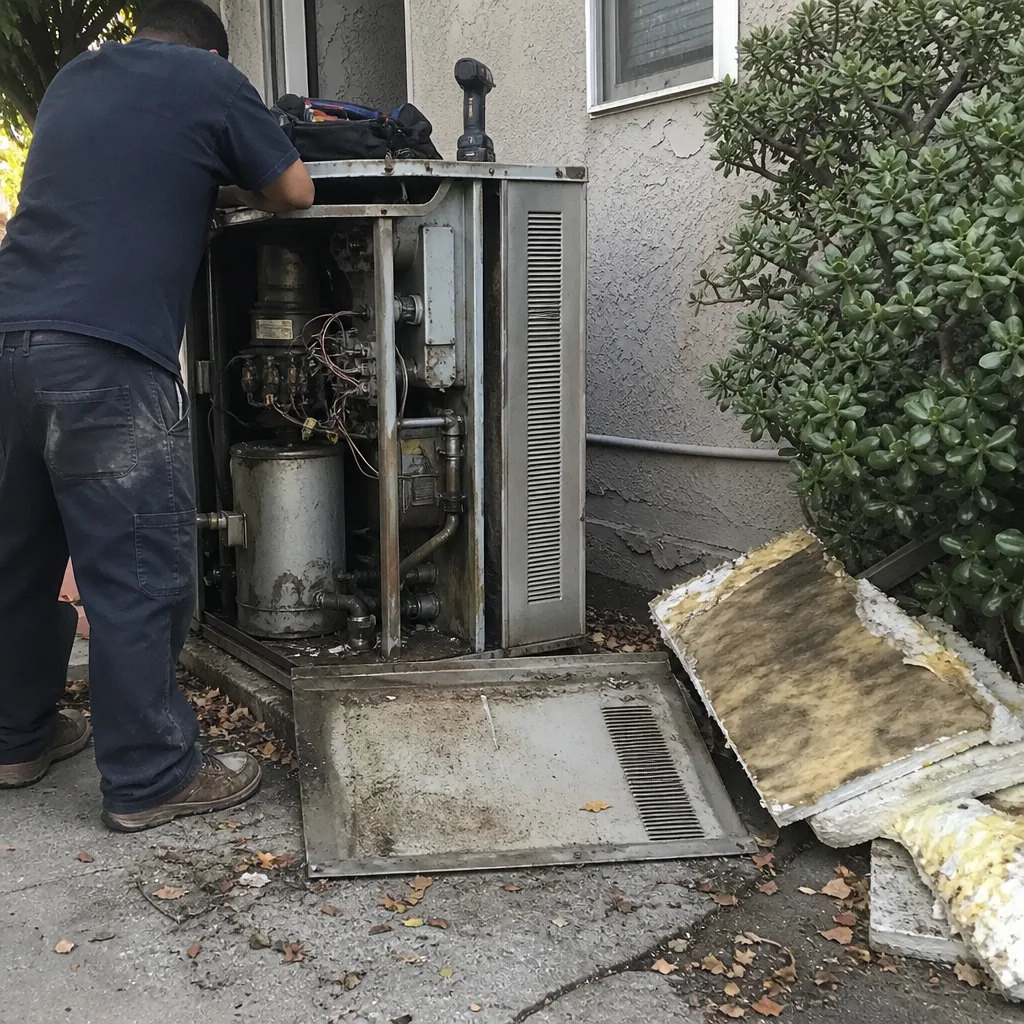 Before
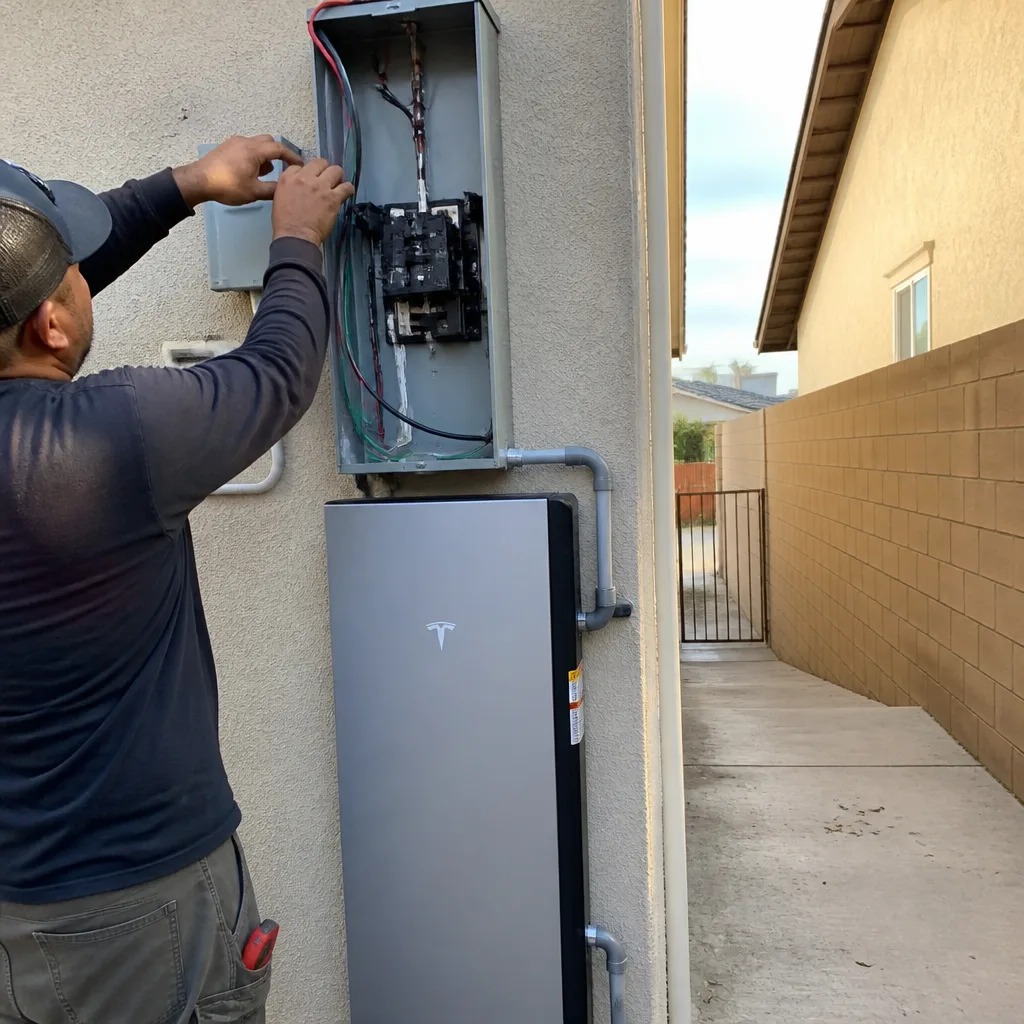 After
After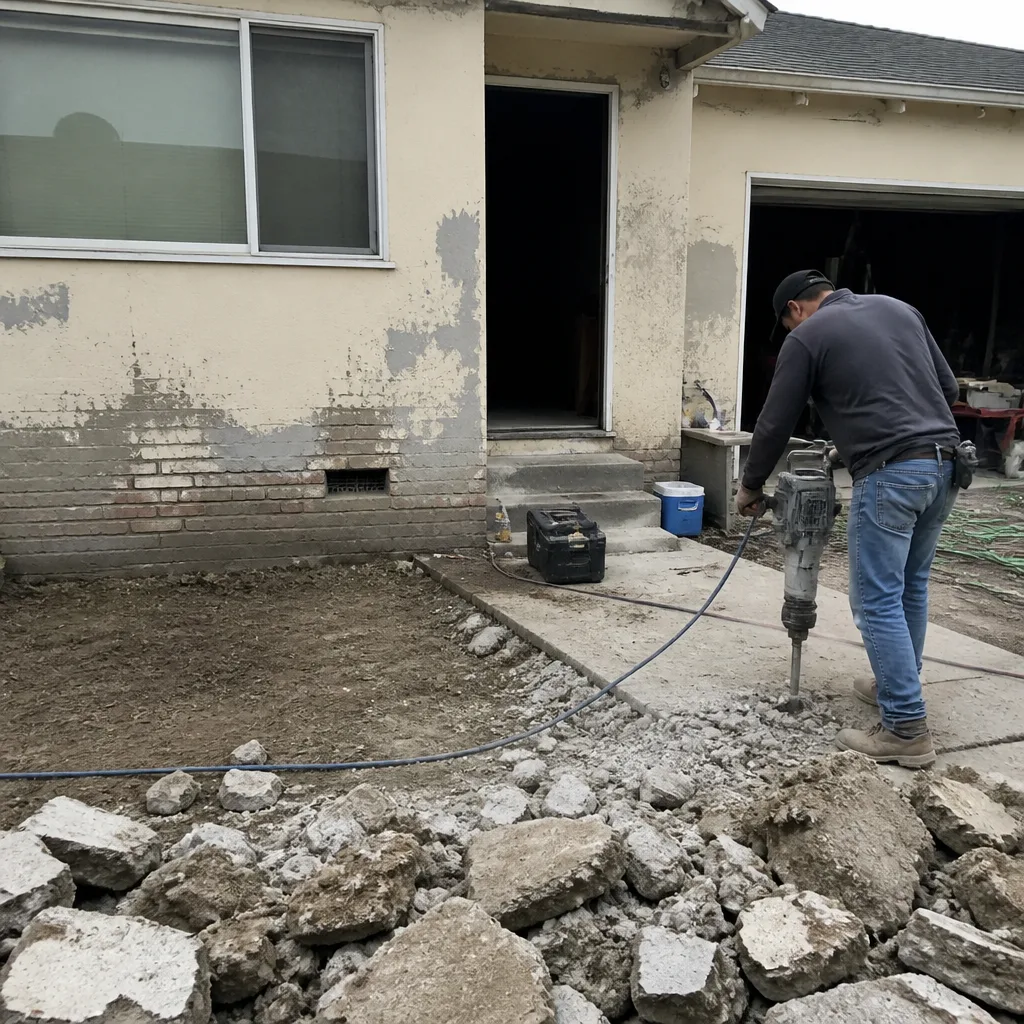 Before
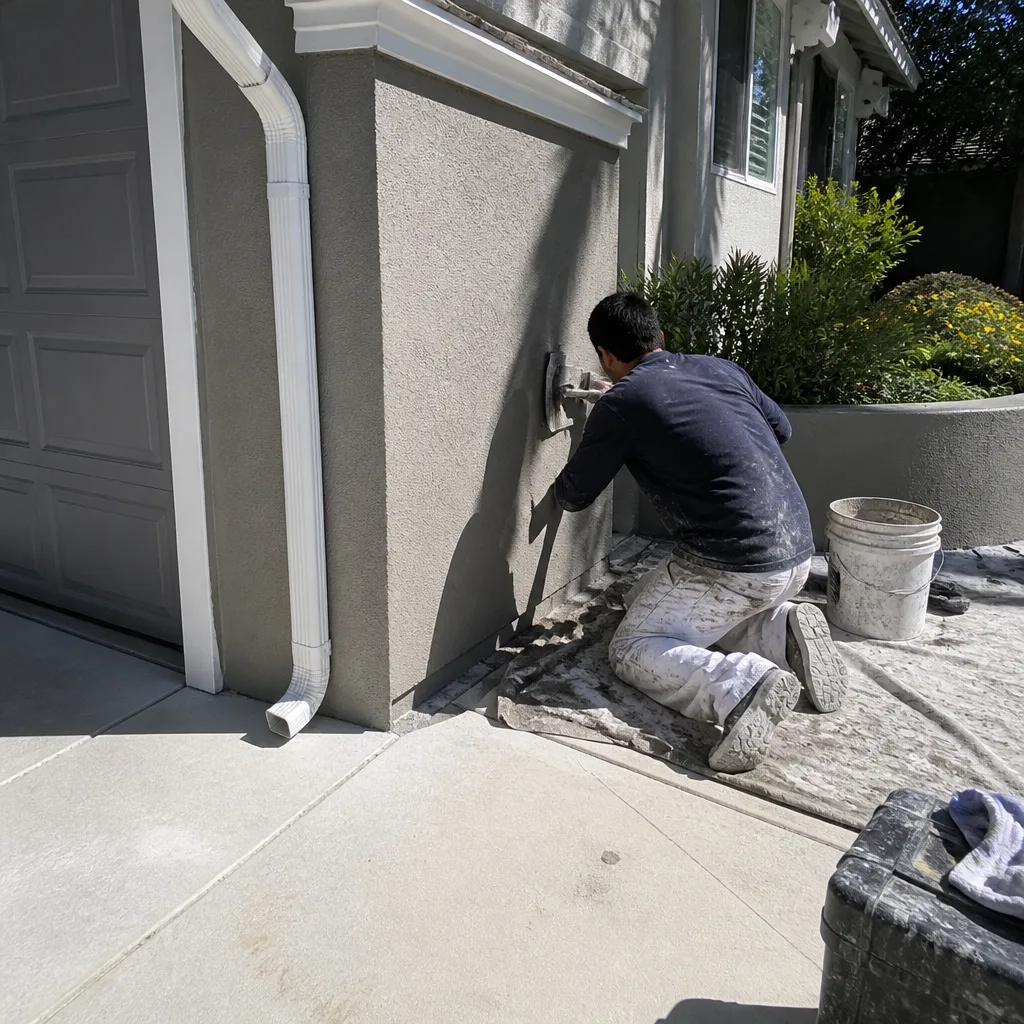 After
After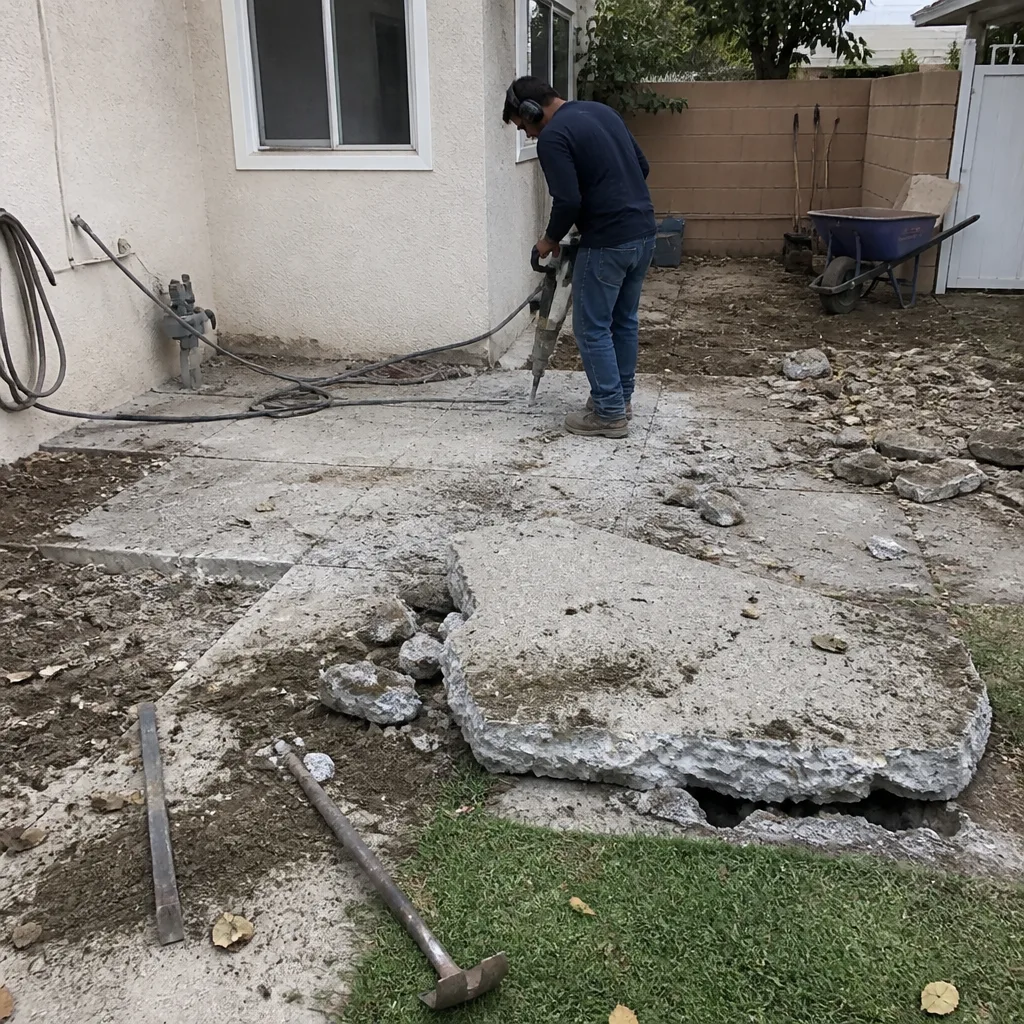 Before
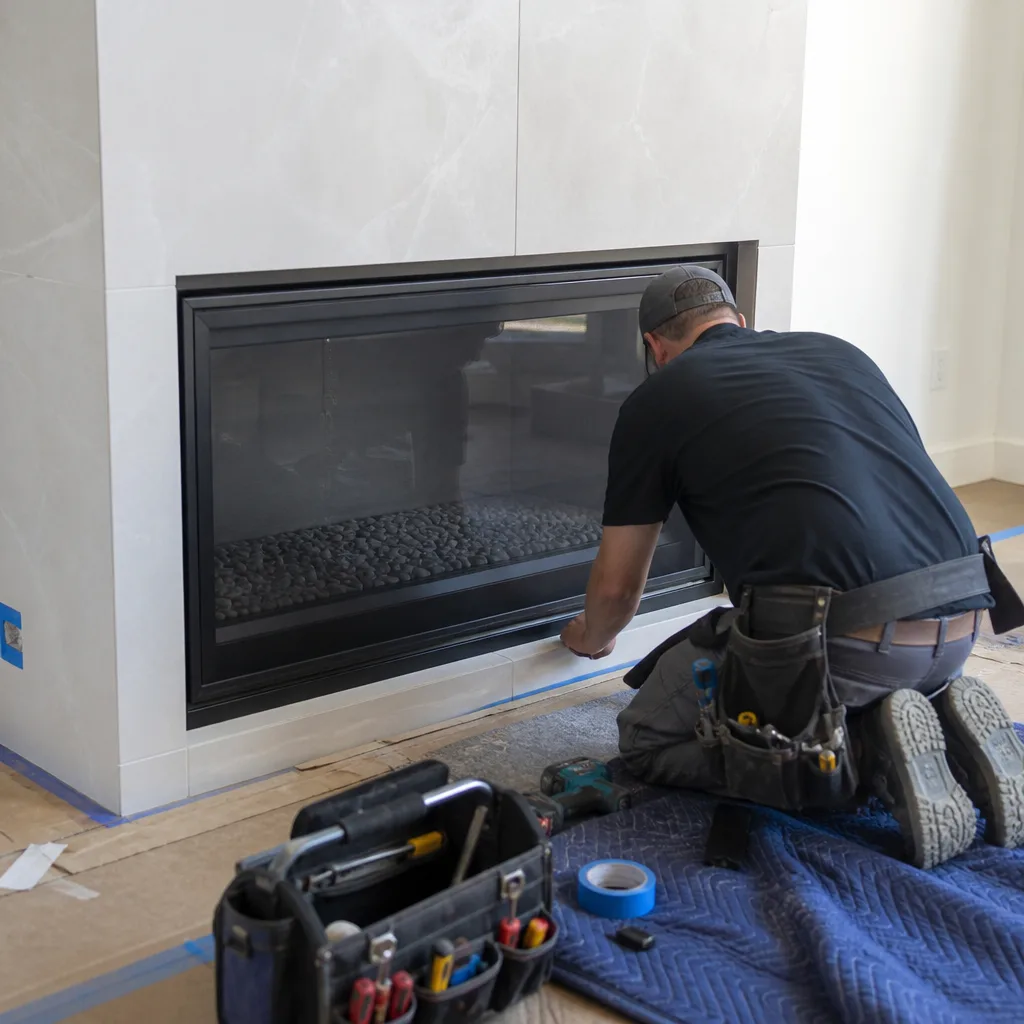 After
AfterReplacement Cost & What’s Included
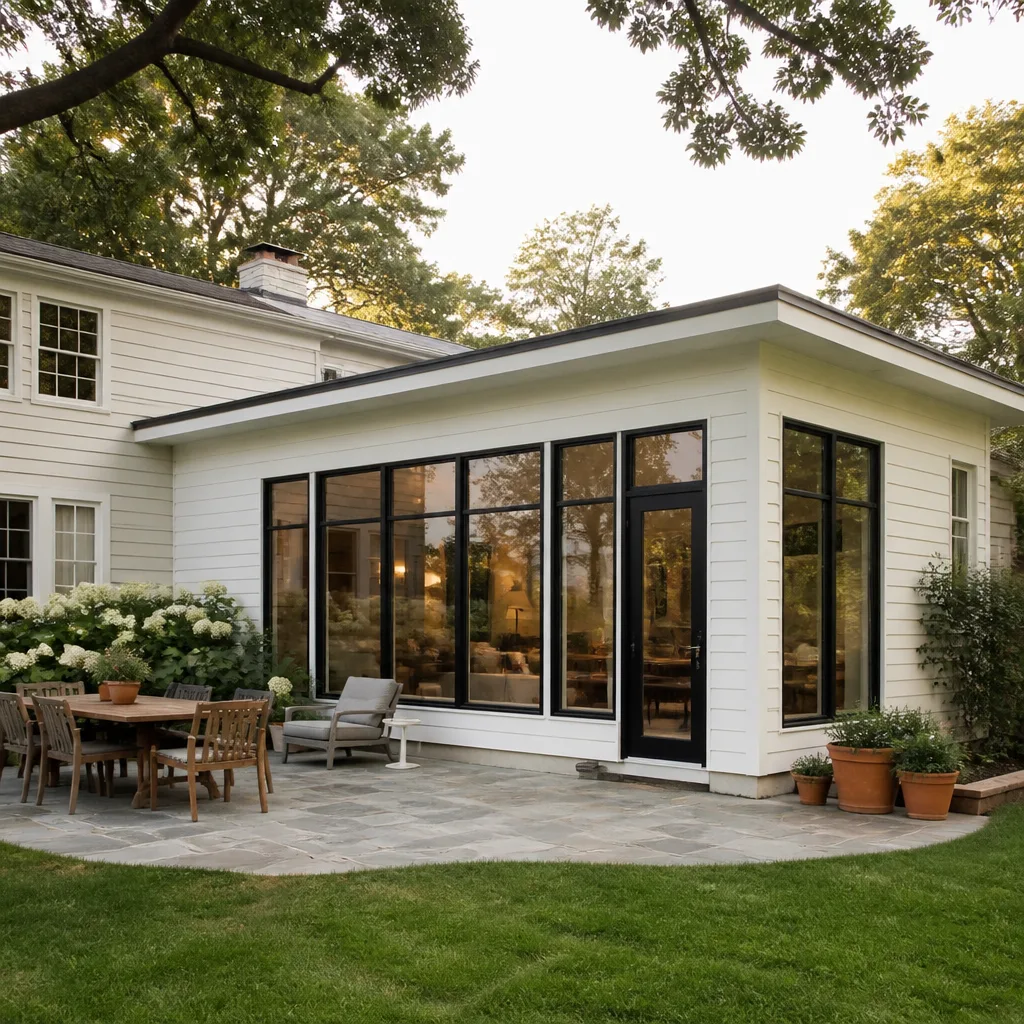
For Los Angeles, you’re looking at $53,100 to $153,400 for a home addition or ADU project tied to a Boxabl unit. The bottom of that range covers a straightforward addition on a flat lot with easy utility access and mid-range finishes. The top end reflects hillside work, retaining walls, trenching through hardpan or old foundations, and higher-end interior selections. ADU Construction as a separate scope runs $106,200 to $259,600, which is what you’d expect when the city requires a new water service, upgraded panel, and full site drainage plan.
Every proposal from us includes the written price before work starts, a line-item scope, and the 365-Day Done Right Promise: if something is not done right after the job is complete, we make it right. That promise is stamped on every project we do. No estimates that grow after the crew shows up. No change orders unless you ask for the change and we agree on the number in writing first.
DIY or Call Us?
A homeowner can safely do a few things before calling: check for visible water stains, test the doors and windows for binding, and take photos of the data plate and any problem areas. That helps us quote more accurately before we even visit. What you should not do is touch the electrical connection, the main panel feed, or any structural anchoring. A Boxabl module weighs thousands of pounds, and the lift points and frame rails are under real load. Graham Stein will be the first person to tell you: when a module has shifted, the forces involved are not something you want to learn about the hard way. If you’re seeing any of the symptoms above, call (949) 850-9896 and we’ll schedule someone to look at it properly.
FAQs
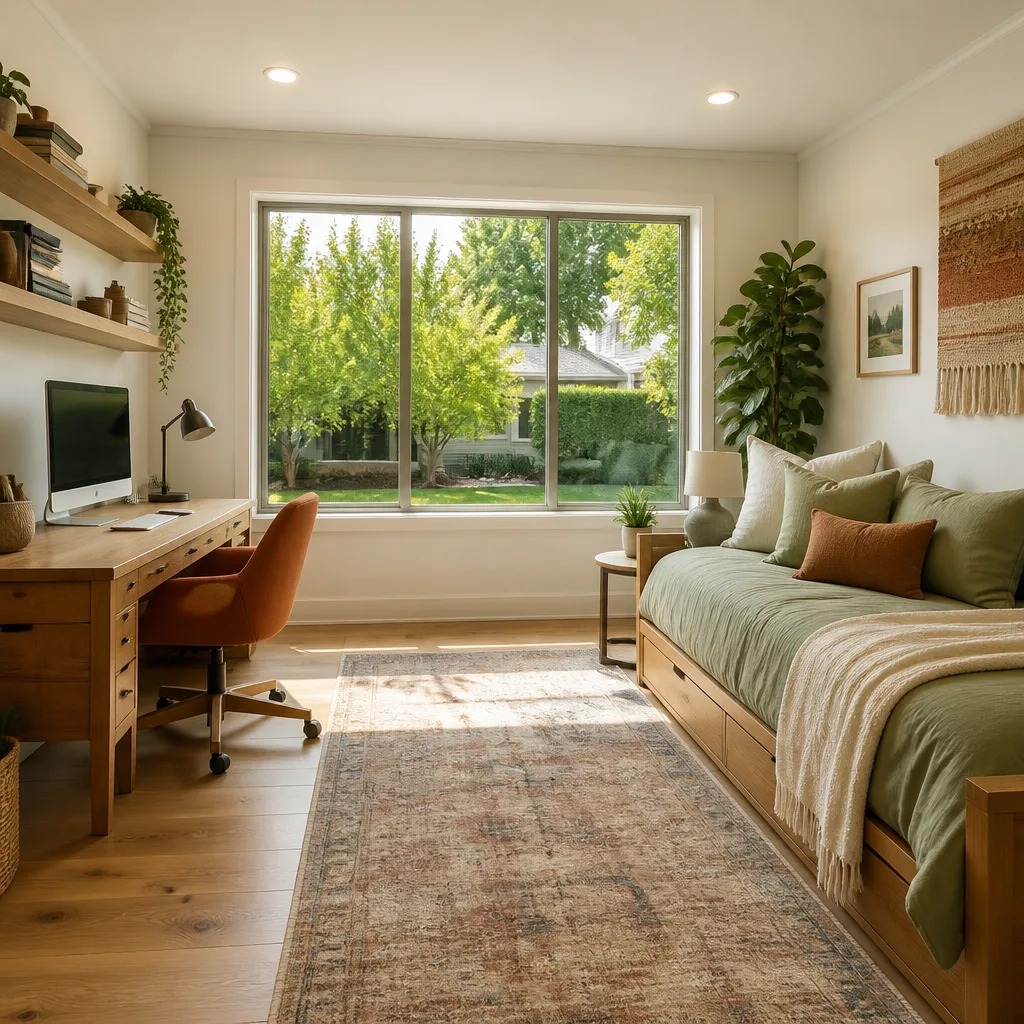
A properly sited and permitted Boxabl addition should give you 30 to 50 years of service, but the weak points are the site connections, not the factory module. Los Angeles soil movement, especially in areas like the Valley and the hills, will find any shortcut in the foundation or anchoring work. We see problems at year 5 or 7 that trace back to site prep, not the Boxabl itself.
In most cases, yes. Failure points like water intrusion at seams, uneven settling, and electrical connection issues are repairable, and we’ll tell you honestly which parts of the existing structure are worth saving. The times we recommend replacement scope are when the module has shifted enough to compromise the structural connection, or when bringing an unpermitted unit up to current Los Angeles code would cost more than starting fresh.
A repair or re-level on an existing Boxabl unit can often be done in a week or two. A full addition or ADU project, with the permitting timeline in Los Angeles, is a multi-month process. We’ll give you the schedule in writing with the price, and we’ll tell you which city departments are part of the timeline before we start.
We keep standard connection hardware, flashing materials, and common repair components on our trucks for the Casita line, but every Boxabl unit’s site connection is a little different, so we confirm measurements from the data plate before ordering anything specific. What we don’t do is guess. If we need a part, we’ll tell you the part number, the price, and when it arrives before we schedule the second visit.
For a free estimate on your Boxabl home addition or ADU in Los Angeles, call (949) 850-9896. A live person answers, and you’ll get a written price before any work starts.
Written by Graham Stein, Owner, Elmstead Remodeling at Elmstead Remodeling, serving Los Angeles and nearby areas.