Free written scope consultation - allowances, timeline, and change-order rules on paper before a single trade is scheduled
Tuff Shed Home Additions & ADU: The Los Angeles Owner’s Guide
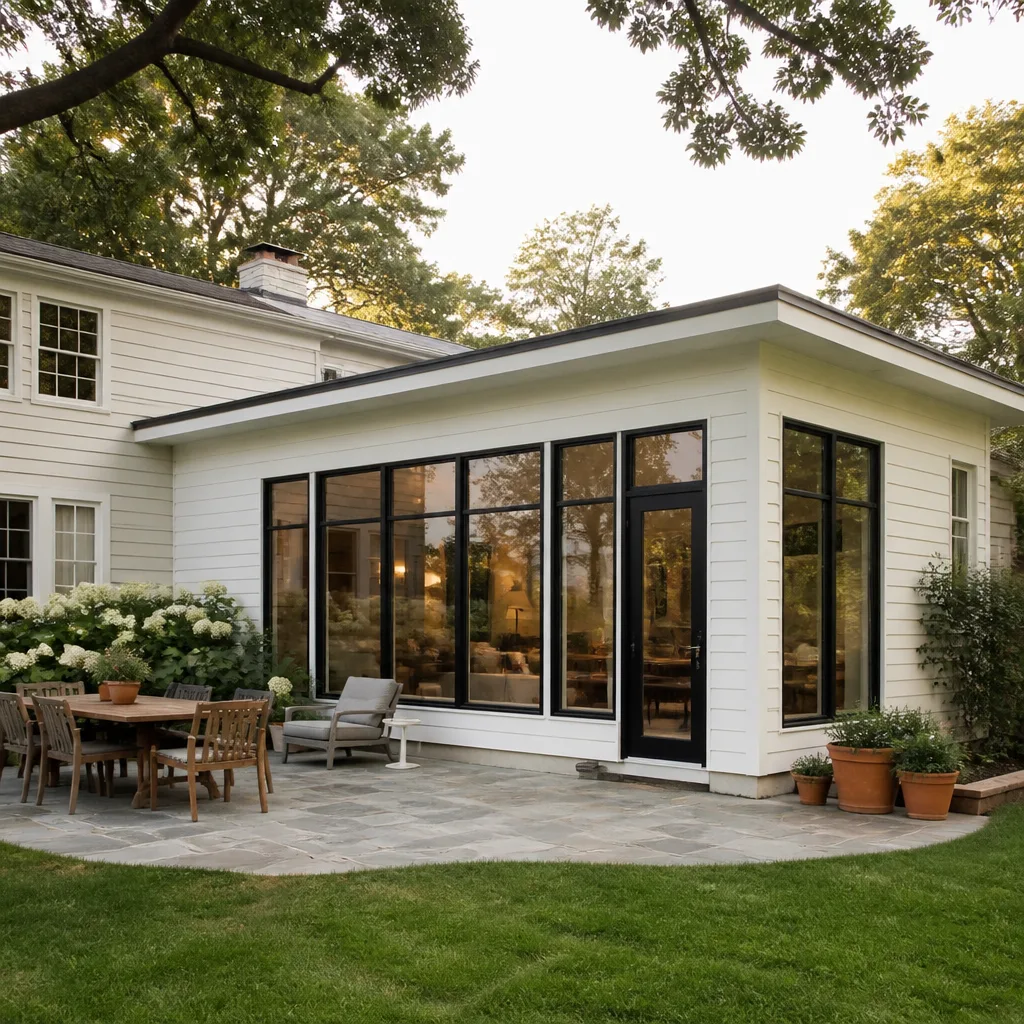
If you already own a Tuff Shed structure and you’re looking to turn it into a finished living space, home office, or ADU in Los Angeles, the work typically falls between $53,100 and $153,400 depending on whether you’re finishing the interior, adding plumbing and electrical, or converting it to a fully permitted accessory dwelling unit. Our crews at Elmstead Remodeling handle Tuff Shed-compatible interior build-outs, insulation, drywall, flooring, electrical rough-in, and bathroom or kitchenette installation. Most owners discover their Tuff Shed needs real work when they notice condensation soaking through the walls in winter, outlets tripping the breaker, or the floor feeling spongy near the door after a rain. The shed itself is a shell. Turning it into a room someone can actually live in means upgrading it the way Los Angeles building codes require, and that is where we come in.
Which Tuff Shed Models This Applies To
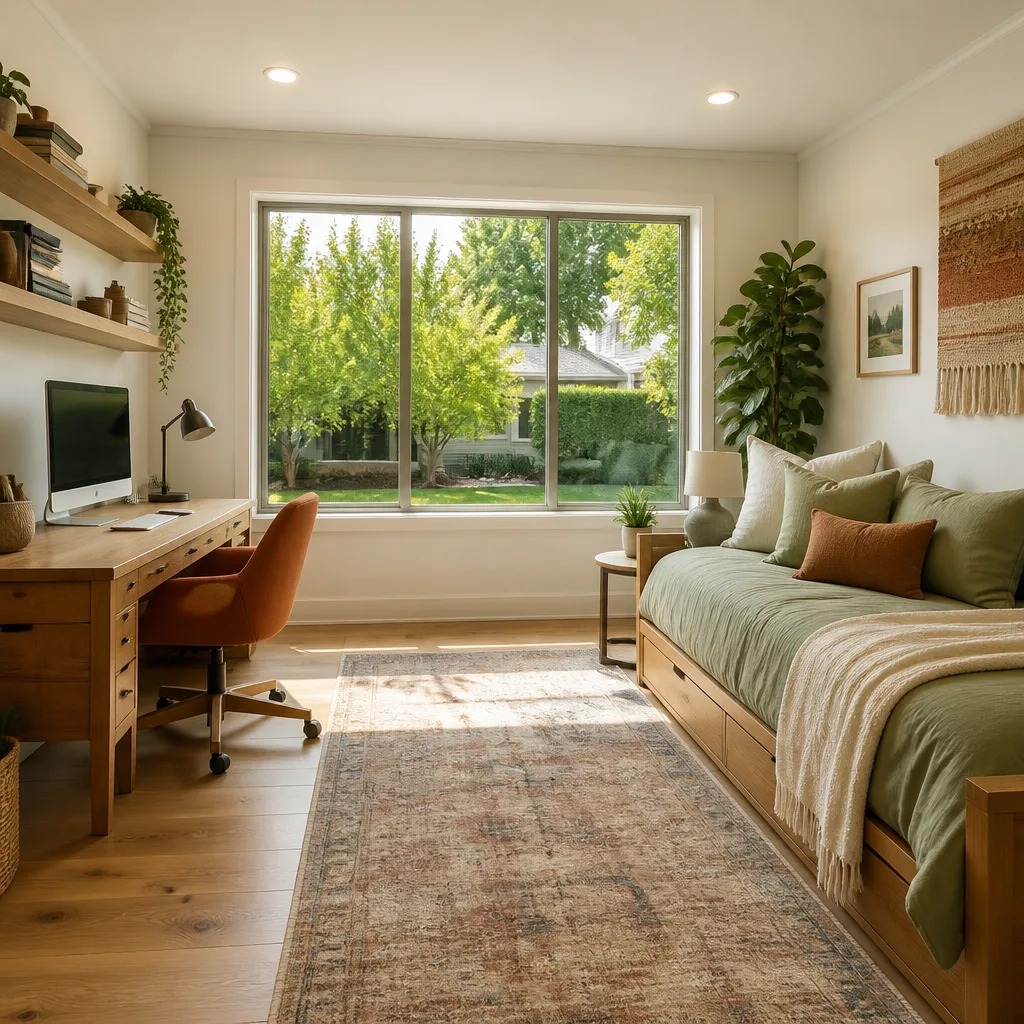
Tuff Shed builds two broad product lines relevant here: the Premier PRO Series (their heaviest framing, rated for residential finishes) and the Premier Ranch/ Tall Ranch Series, which use 2×4 wall studs on 16-inch centers and can be finished but have fewer structural allowances. The gotcha that catches most Los Angeles owners is stud spacing. Some older or economy Tuff Shed models were built with studs on 24-inch centers, which is fine for a storage shed but will not pass drywall inspection for habitable space under Los Angeles Department of Building and Safety requirements. Before any home addition or ADU work starts, we verify stud spacing, floor joist depth, and roof framing against the manufacturer’s original build sheet. If the model can’t support the finish you want, we’ll tell you before we write the scope, not after demolition starts.
The OEM-versus-aftermarket decision matters less for a shell structure than it does for components. For framing, flooring, insulation, and drywall, we use named-brand materials: James Hardie siding where exterior work is needed, Schluter membranes in any wet area, and Kohler or Moen fixtures when a bathroom is part of the build. Elmstead Remodeling is an independent contractor and not affiliated with Tuff Shed, so we’re free to pick the material that holds up best in Southern California’s dry heat and occasional heavy rain rather than whatever ships cheapest from the factory.
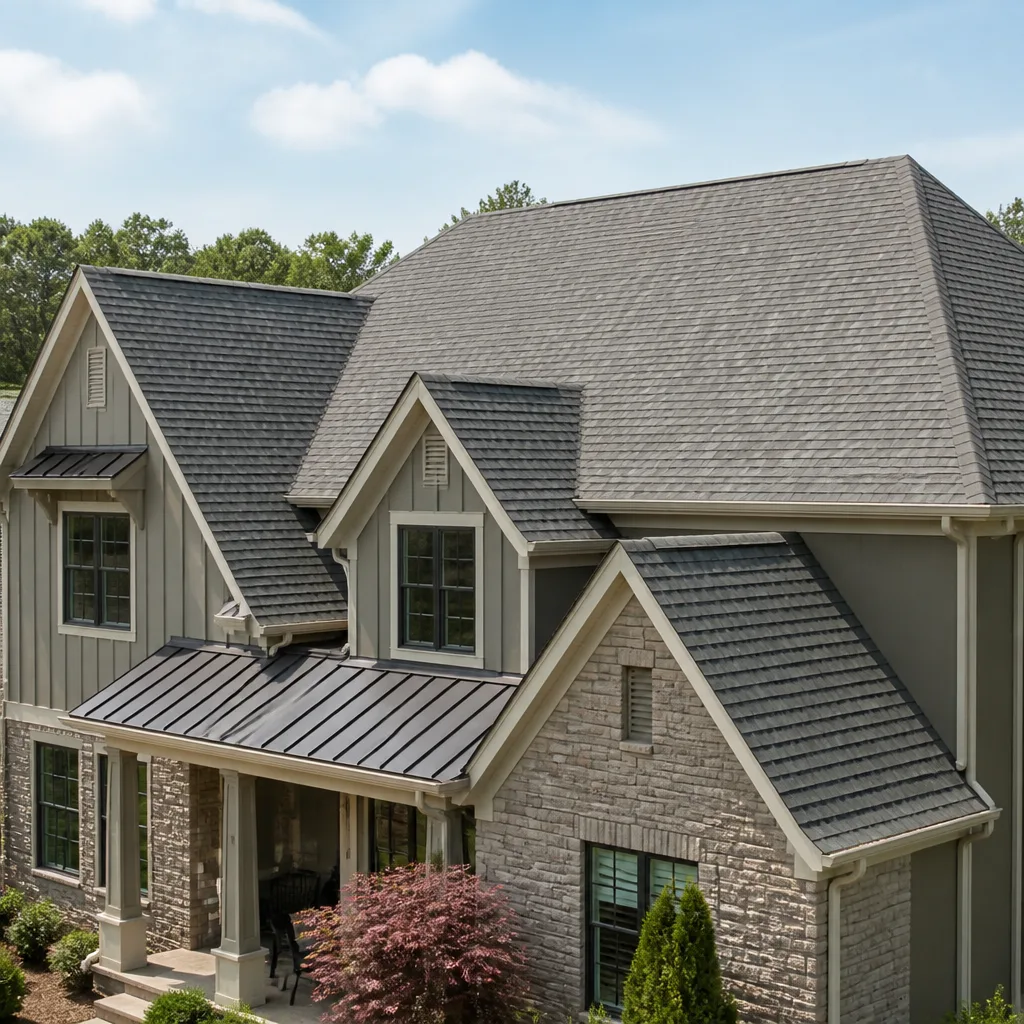
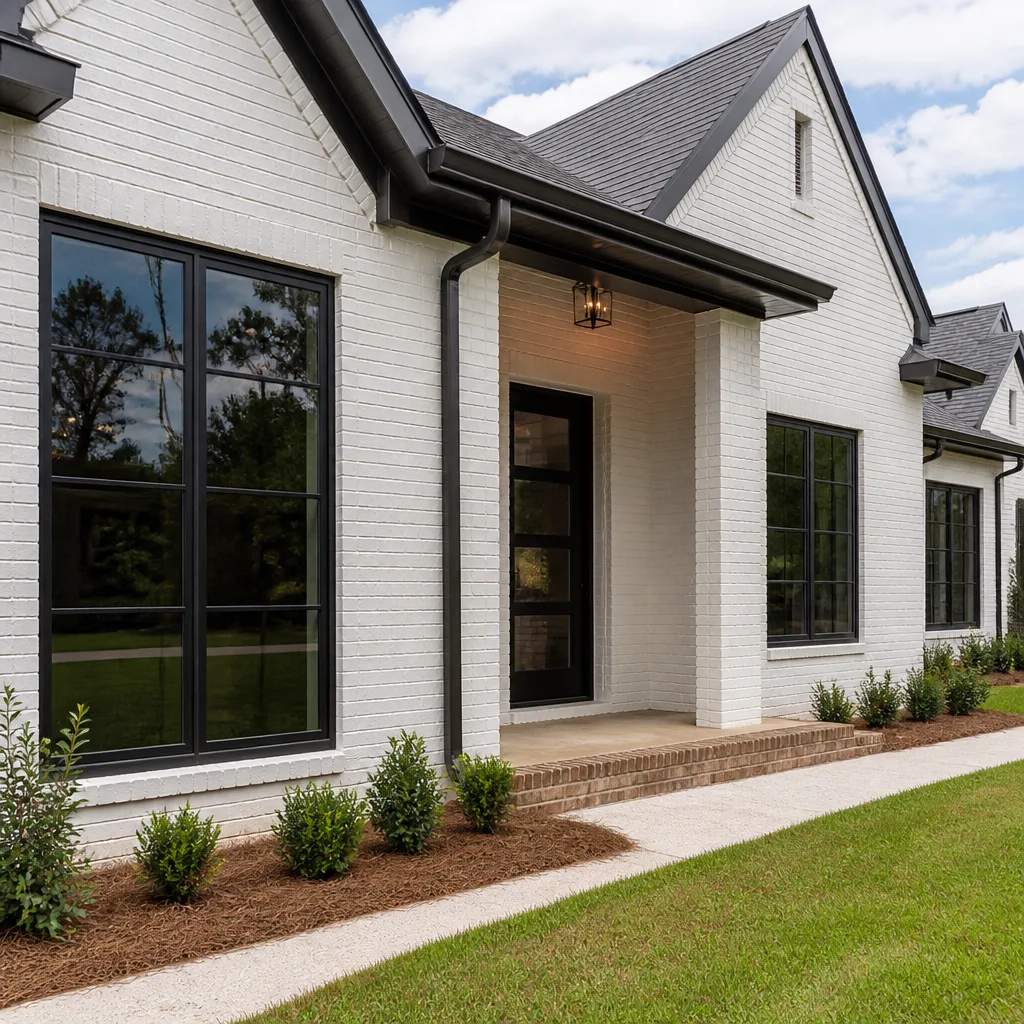
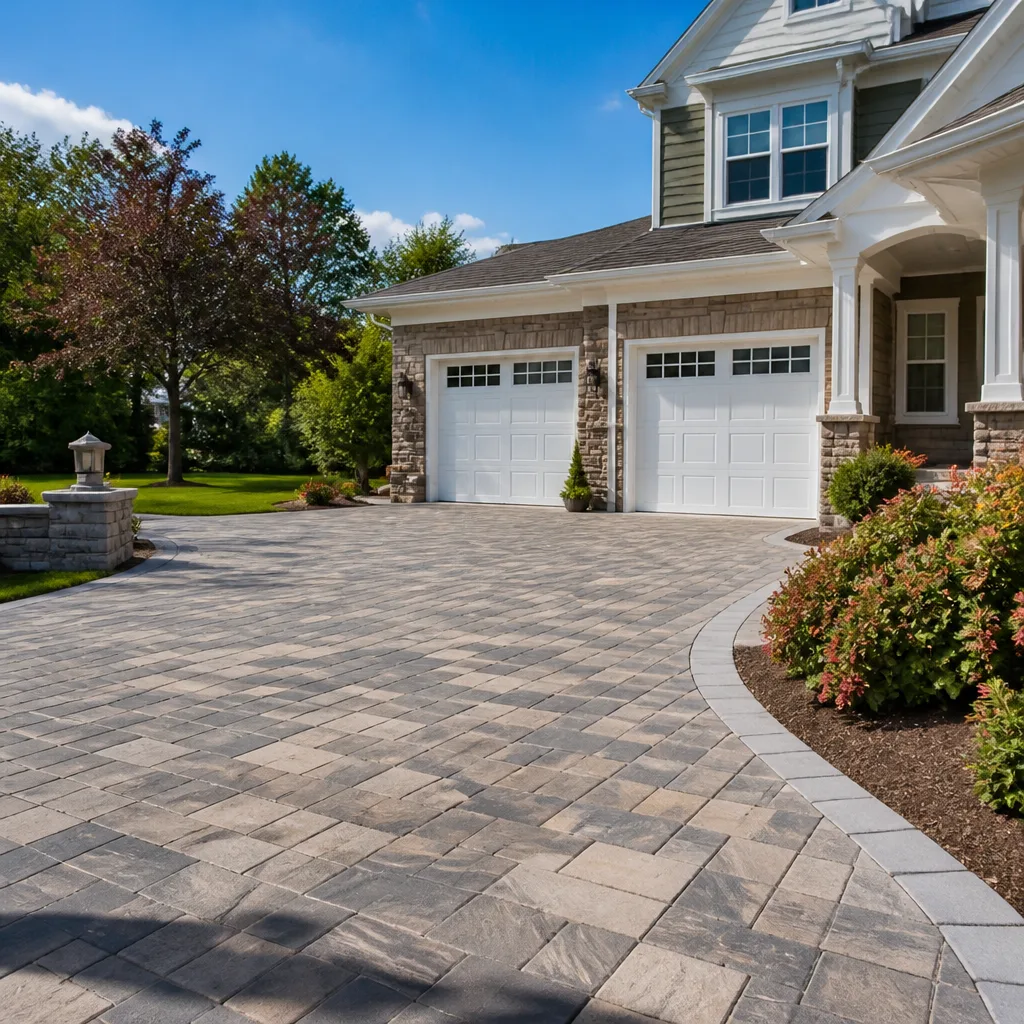
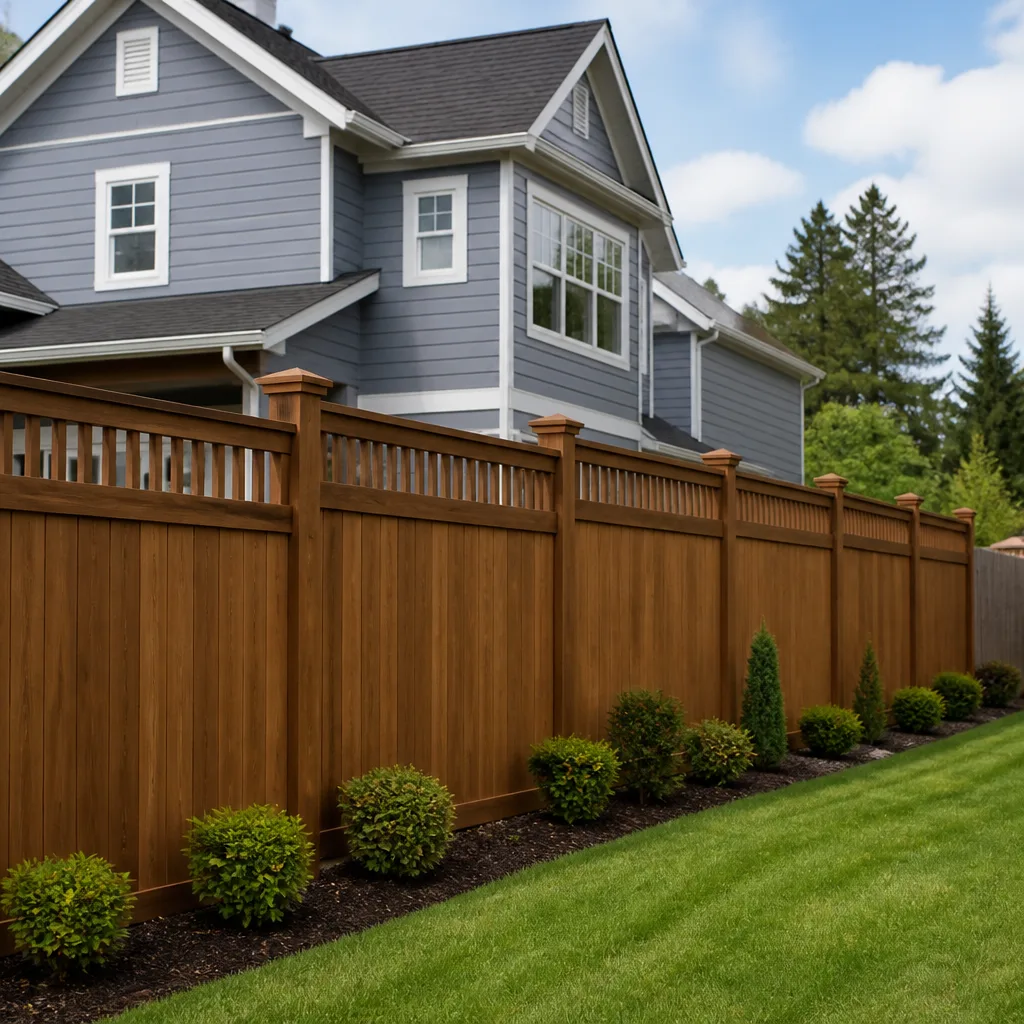
Styles & brands we work with
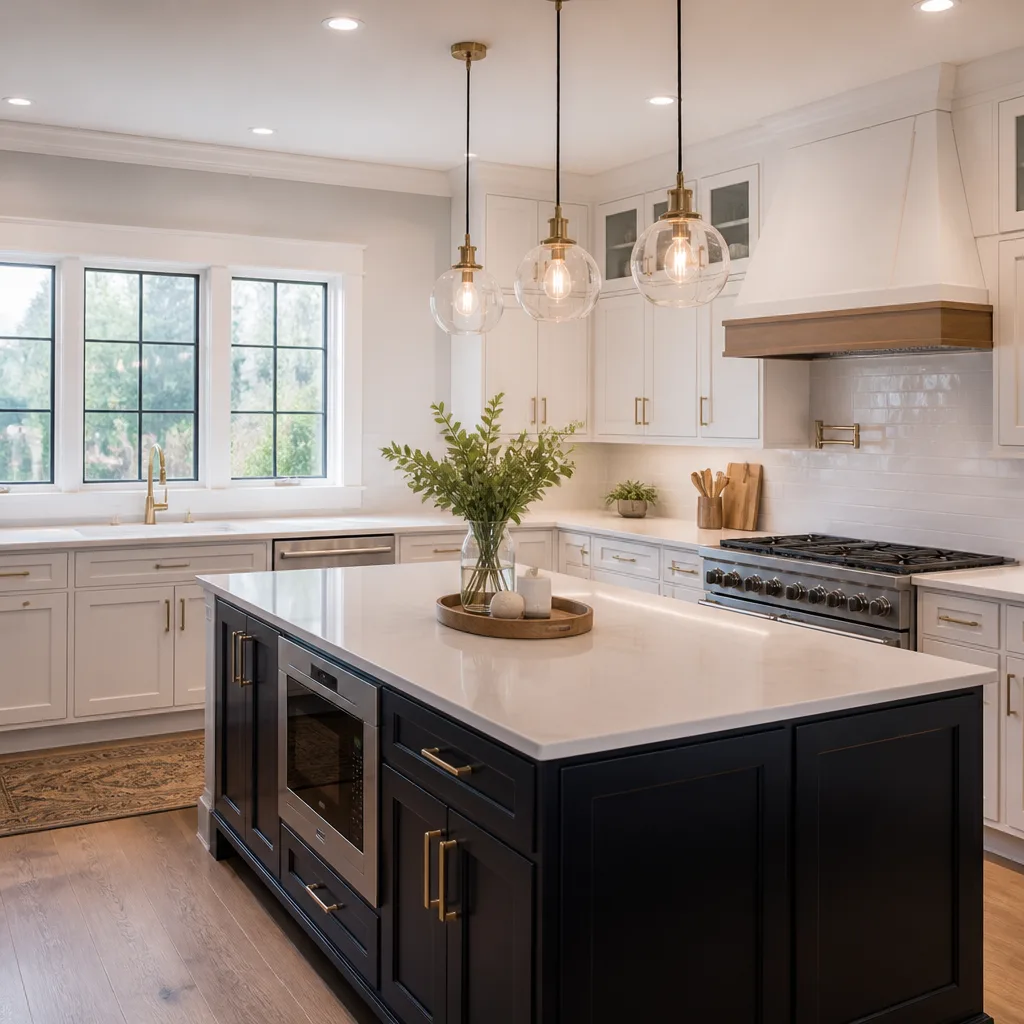
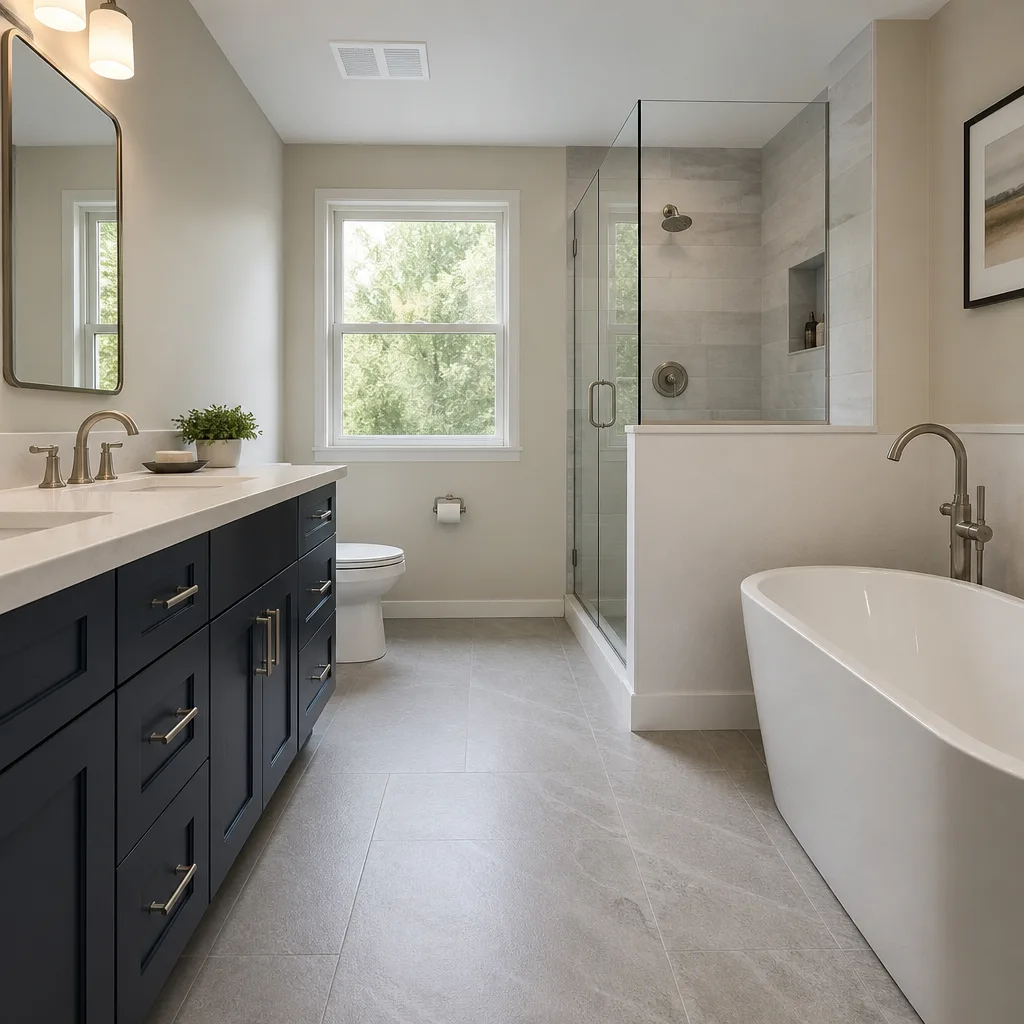
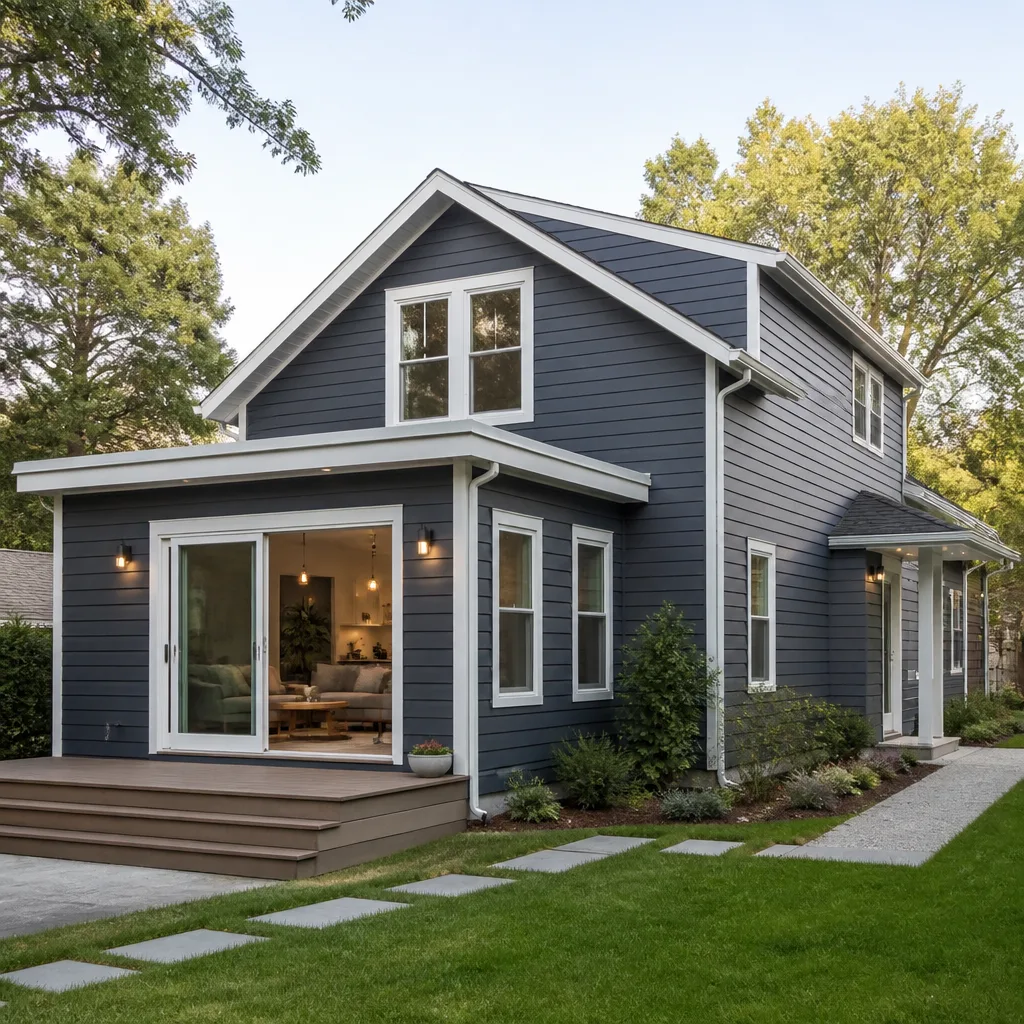
Signs Your Tuff Shed Home Additions & ADU Is Failing
- Condensation or water staining on interior walls. Tuff Shed shells are not vapor-sealed for finished interiors. Once drywall goes up without proper insulation and a vapor barrier, moisture gets trapped and mold follows in Los Angeles’s winter rain season.
- Spongy or sagging floor sections. The standard floor decking on many Tuff Shed models is rated for storage loads, not the live load of a bedroom or office. If the floor flexes under your weight, the joists or decking need reinforcement before any finish flooring goes down.
- Breakers tripping when you run a space heater or window AC. The original electrical was often a single 15-amp circuit intended for lights and a tool charger. A habitable room needs its own circuits sized for the actual load, done to Los Angeles code with permits.
- Doors or windows sticking after temperature swings. Unfinished shed frames move with humidity, but persistent sticking usually means the opening wasn’t flashed or shimmed correctly for a finished wall assembly. Mudding and trim will crack within a year if this isn’t corrected first.
- Visible gaps at wall-to-floor or wall-to-roof junctions. Shell construction tolerances are wider than finish tolerances. If you can see daylight or feel a draft at the corners, the structure needs furring and sealing before insulation makes sense.
See the difference
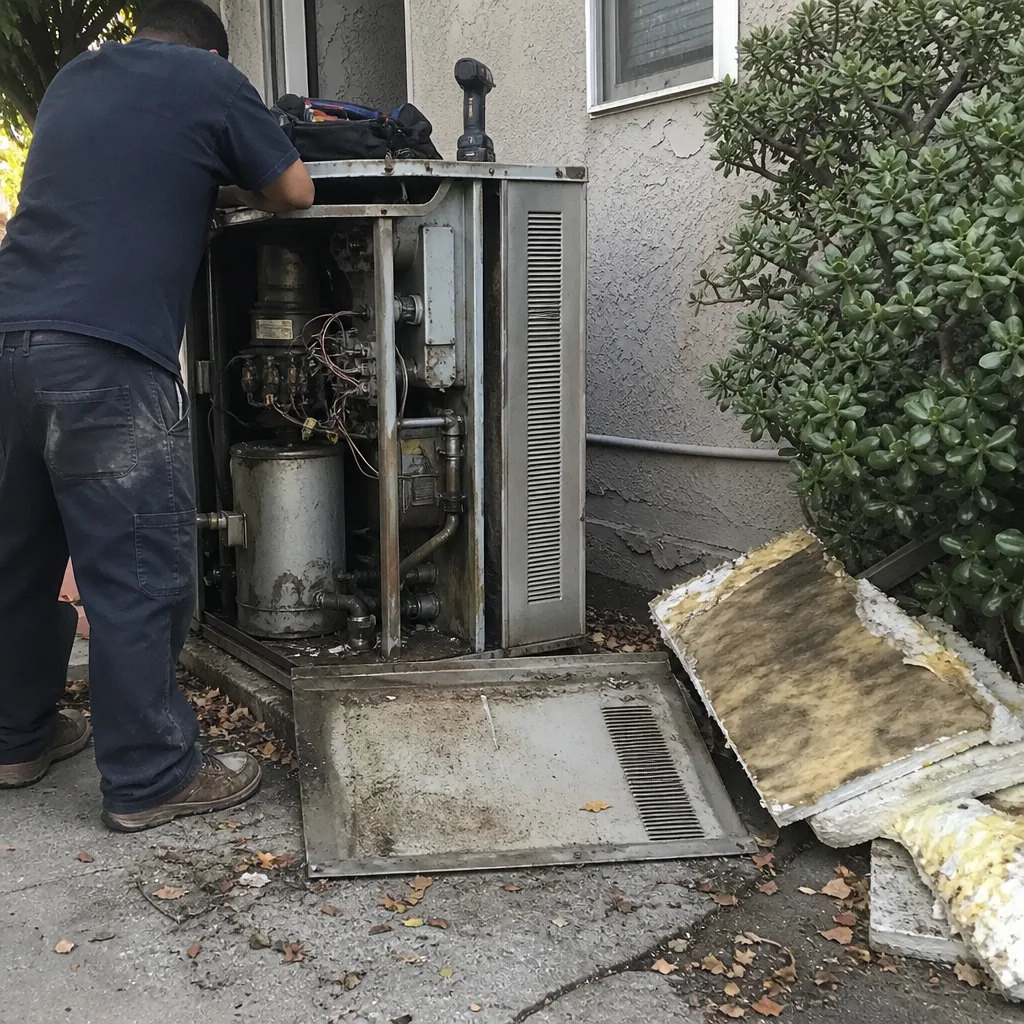 Before
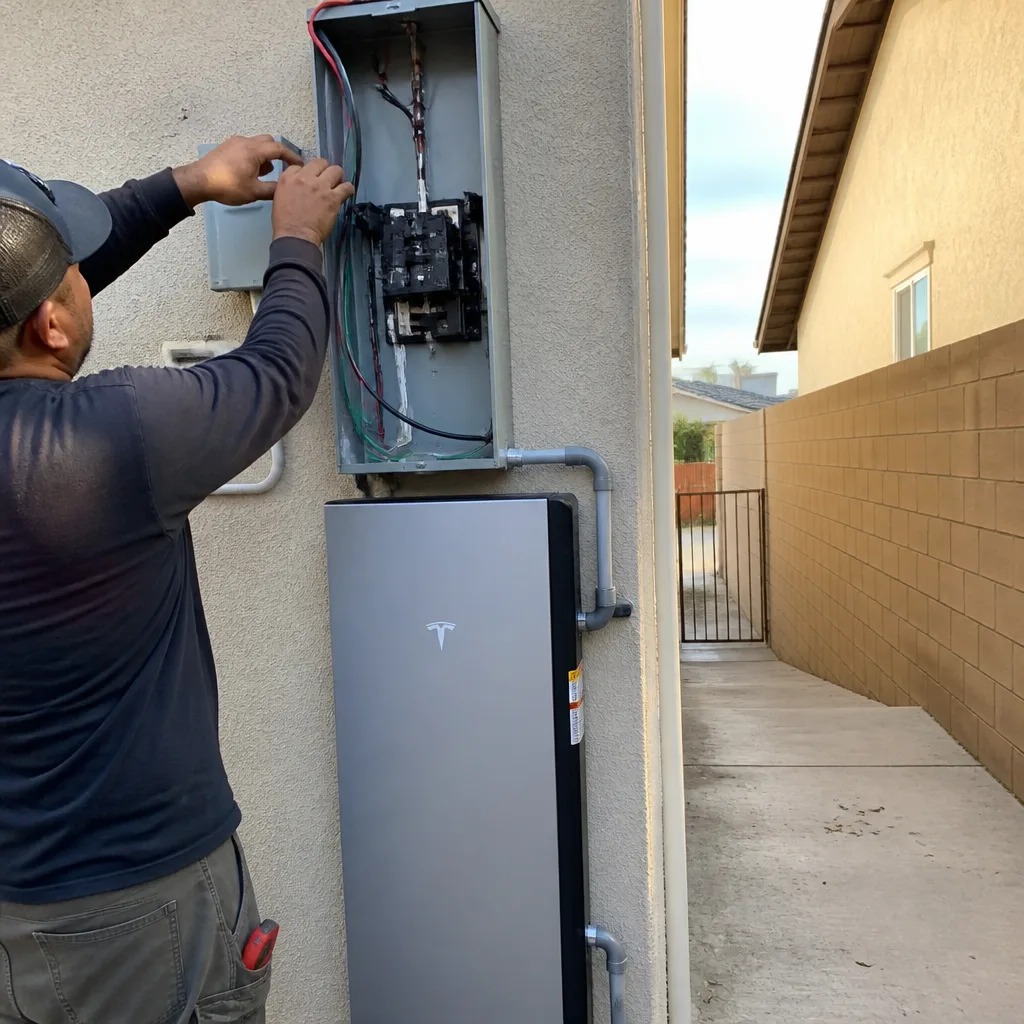 After
After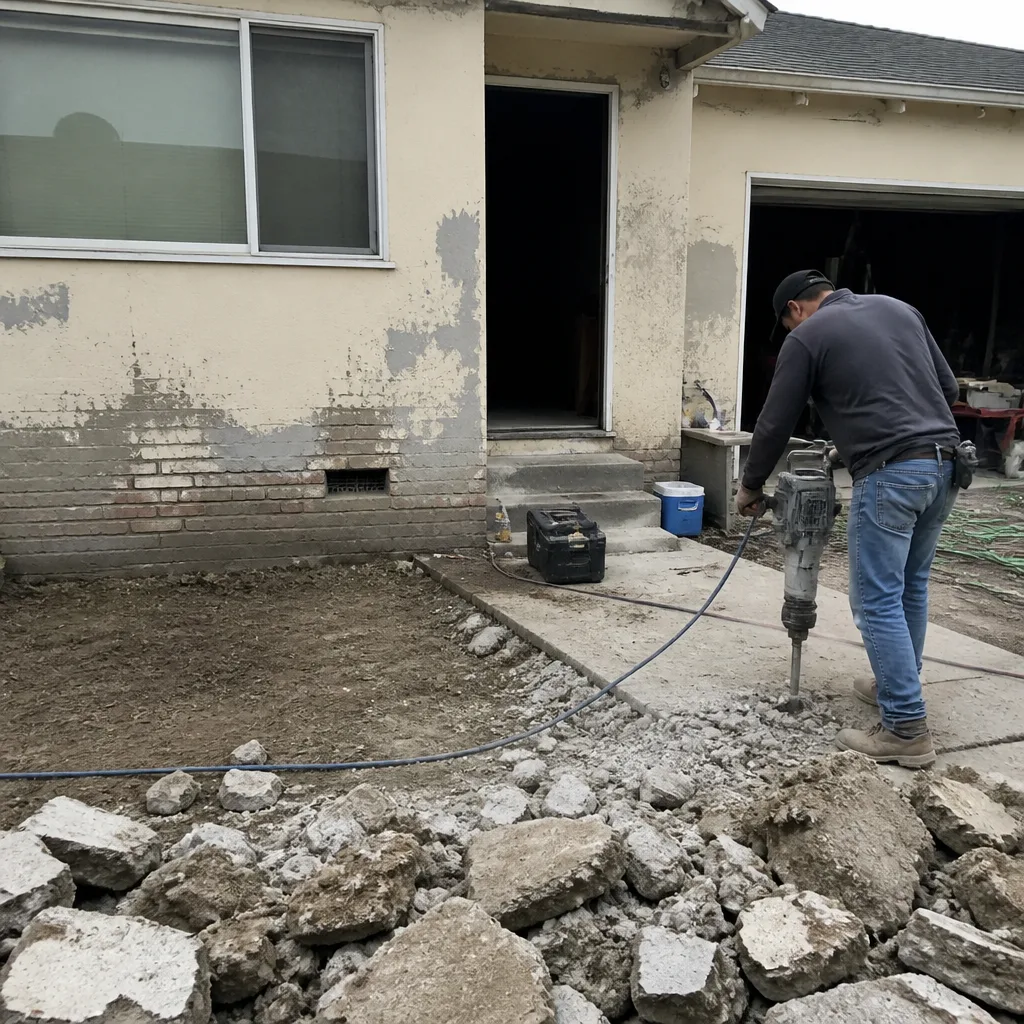 Before
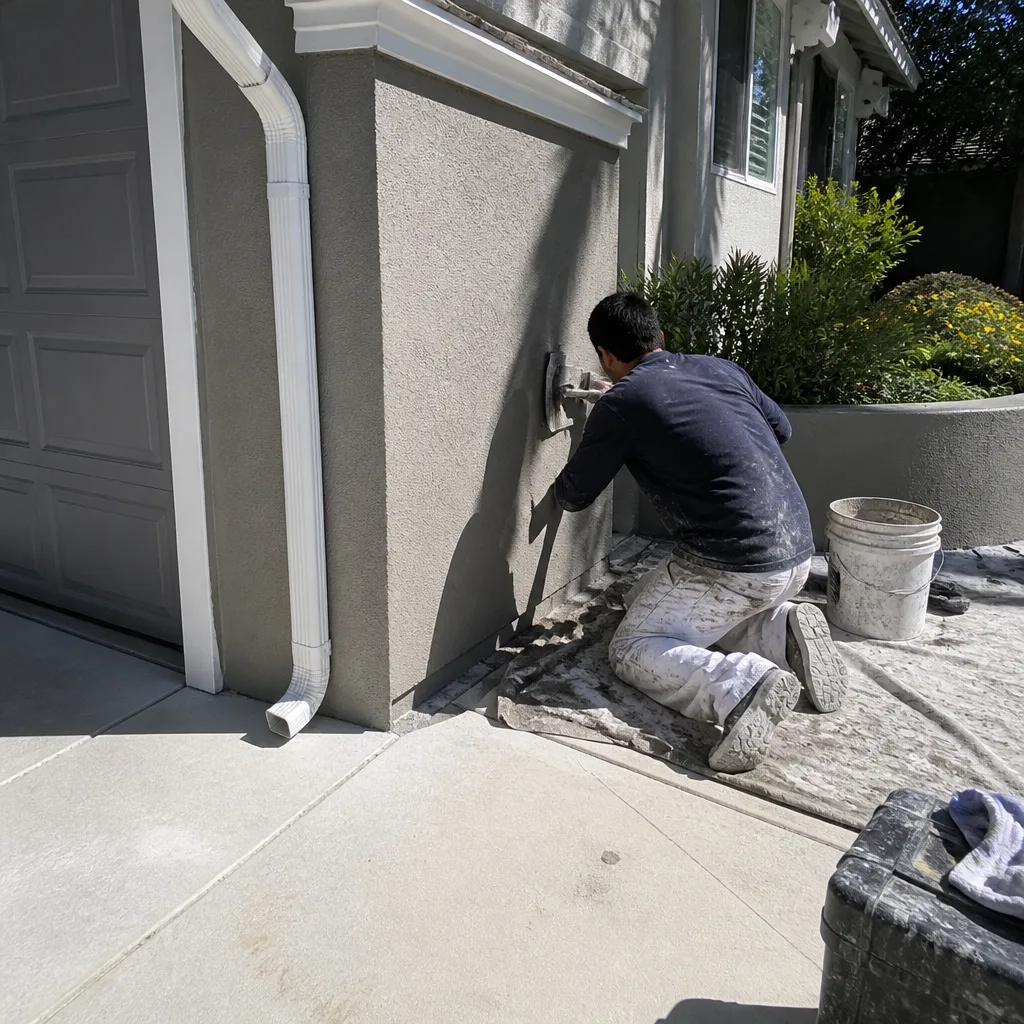 After
After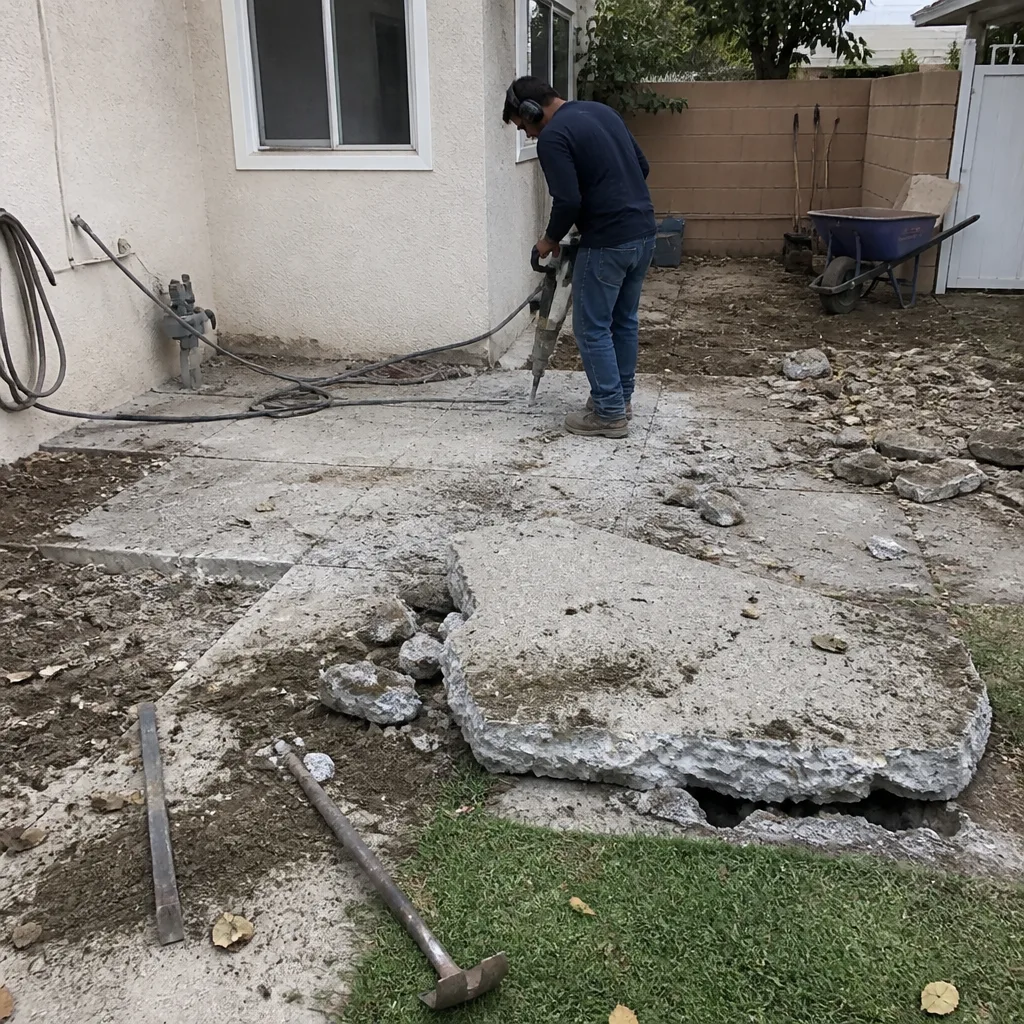 Before
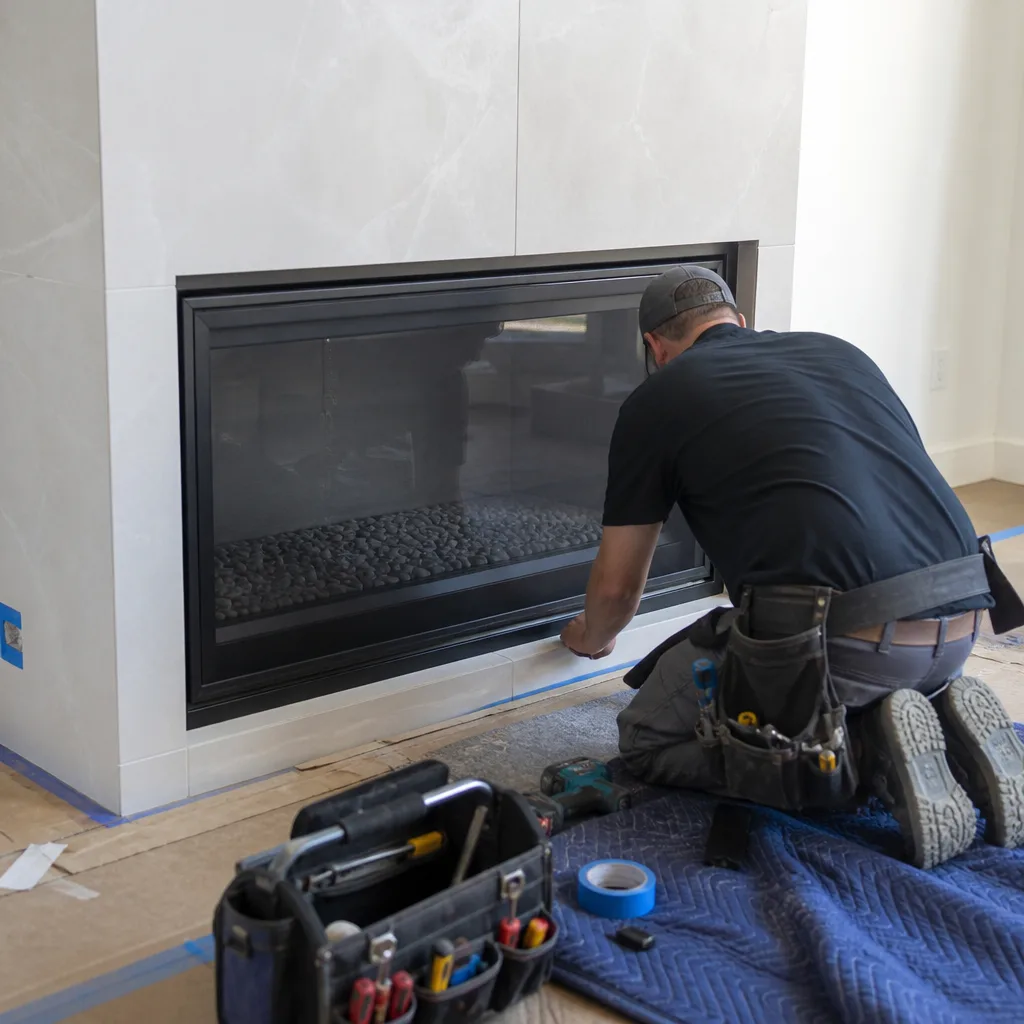 After
AfterReplacement Cost & What’s Included
Home addition and ADU conversion pricing in Los Angeles ranges from $53,100 to $153,400, and the range is driven by a few honest variables: whether you’re adding a bathroom (plumbing is the single largest line item), whether the electrical service at the main panel has capacity for the new load, and whether the City requires structural upgrades to the existing shell. A finished office with drywall, insulation, flooring, and basic electrical typically lands in the lower third of that range. A full ADU with a kitchenette, bathroom, and independent utility connections lands in the upper half. Every estimate from us is a written price before any work starts. That means the scope names the exact materials, the exact permit path, and the exact total. If something isn’t on the paper, we haven’t agreed to it yet. And every build carries the 365-Day Done Right Promise: if it’s not done right after the job is complete, we make it right.
DIY or Call Us?
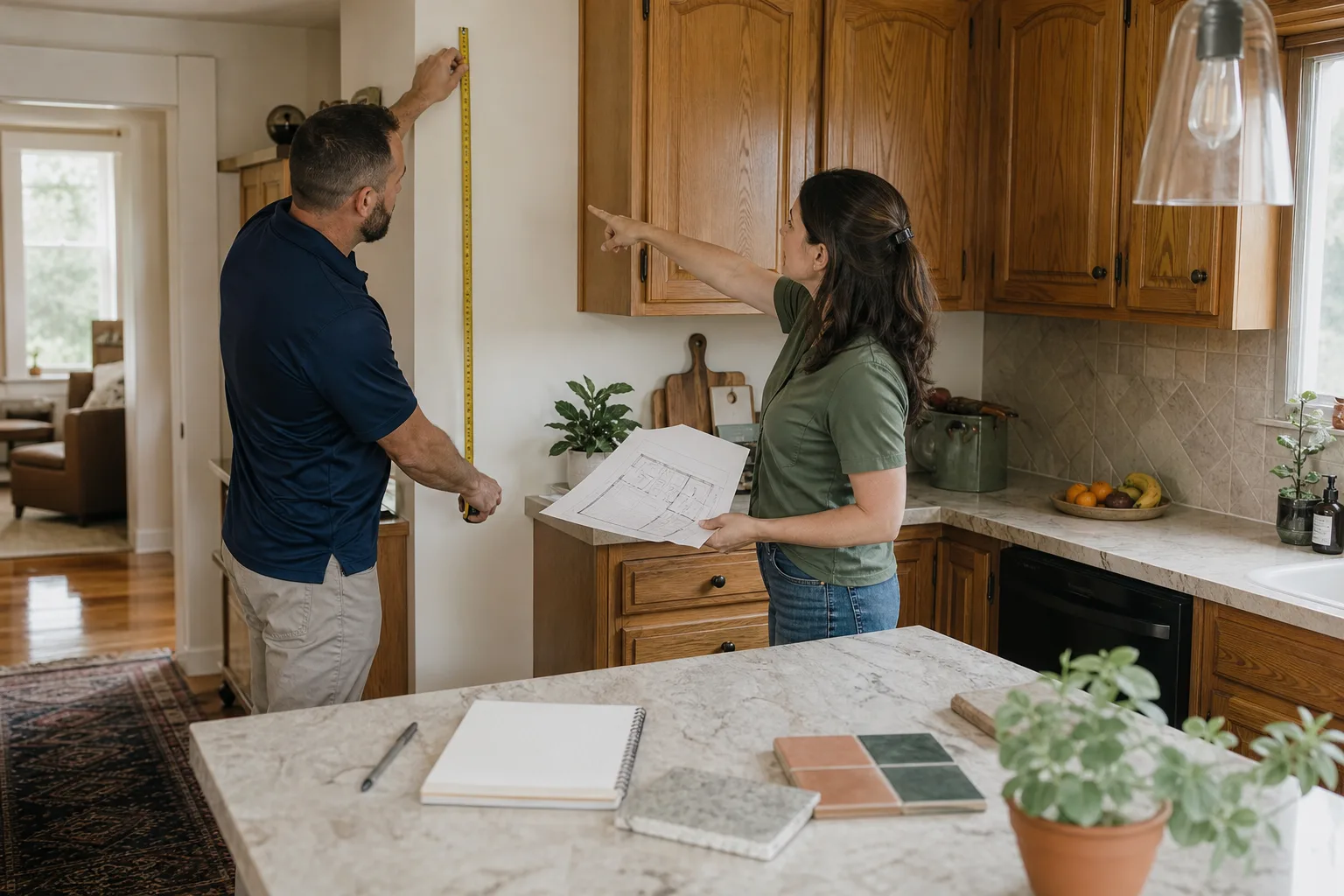
A homeowner can do a few meaningful checks before calling anyone: confirm the stud spacing by measuring wall framing at an exposed area or pulling a baseboard, check whether the floor joists are 2×6 or 2×8, and look at the electrical panel to see if there’s an open breaker slot for a new circuit. What goes wrong in DIY territory is when the shell framing is assumed to be plumb and square. It rarely is. Hanging drywall on out-of-square framing produces cracked corners and doors that never close right. Running new circuits without a Los Angeles permit creates liability when you sell the house. And any gas line work for a stove or water heater in an ADU must be done by a licensed professional. If you’re not sure whether your Tuff Shed can carry the finish you want, call (949) 850-9896 and we’ll walk the structure with you before you spend a dollar.
FAQs
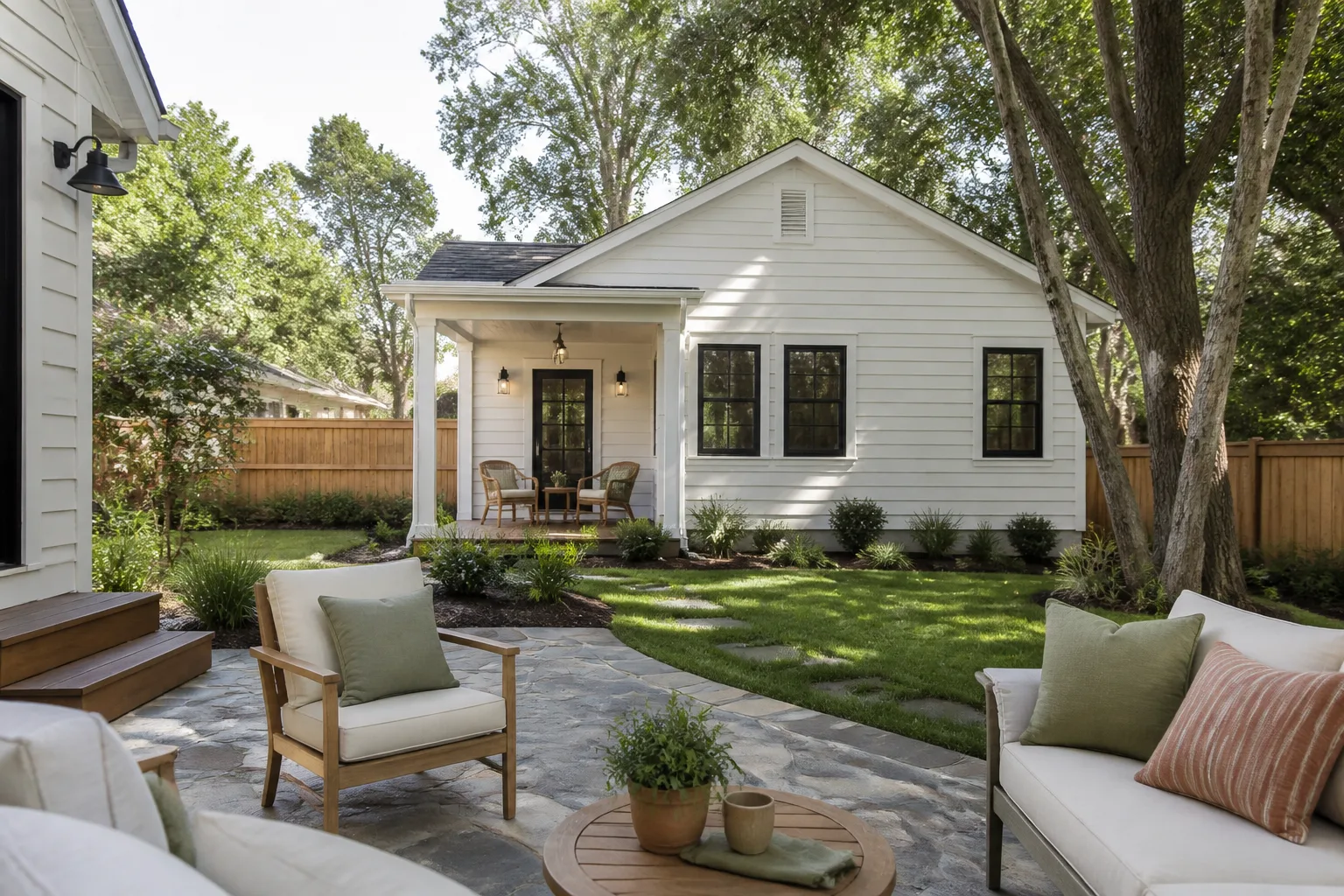
A properly insulated, vapor-sealed, and structurally reinforced Tuff Shed conversion in Los Angeles should perform like any stick-built room for 20 to 30 years, with the main failure points being the original shell’s roof covering and any unflashed openings. We pull permits and inspect the shell before finishing so you’re not paying for a finish that outlives its frame.
Yes, if the goal is simply a better storage space, repairs like floor reinforcement, re-roofing, or door replacement are straightforward and far less expensive. The conversion cost only makes sense when the end use is habitable space, because that’s when code compliance, insulation, and utilities become mandatory. Call (949) 850-9896 and we’ll help you separate what’s necessary from what’s optional.
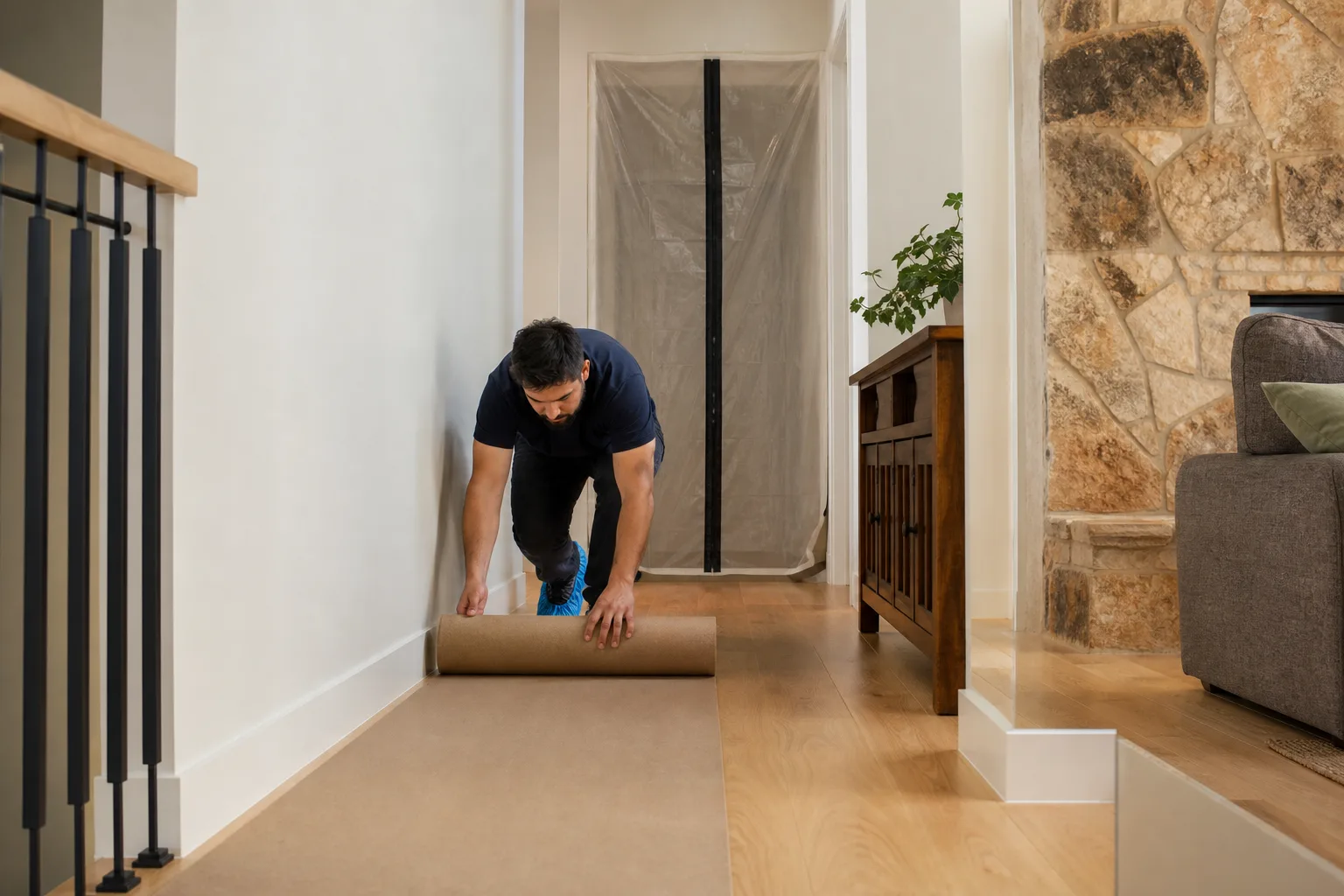
Most Tuff Shed ADU conversions in Los Angeles take 6 to 14 weeks from permit approval to final inspection, with the range depending on whether plumbing and a bathroom are included and how fast LADBS reviews the plans. We’ll give you a written schedule with the written price, and we protect your floors and existing landscaping with drop cloths and shoe covers on every visit.
We don’t stock Tuff Shed branded parts, but we stock the materials that actually matter for a conversion: James Hardie siding, Schluter waterproofing, KraftMaid and Wellborn cabinets, and Cambria or Silestone countertops where a kitchenette is part of the scope. These are brands you can research by name, and their warranties travel with the finished project.
If you own a Tuff Shed in Los Angeles and you’re weighing whether to finish it, reinforce it, or convert it to an ADU, call (949) 850-9896 for a free estimate. We’ll walk the structure, measure the framing, check the panel, and give you a written price before any work starts. No surprises, no scope creep, no guessing.
Written by Graham Stein, Owner, Elmstead Remodeling at Elmstead Remodeling, serving Los Angeles and nearby areas.