Free written scope consultation - allowances, timeline, and change-order rules on paper before a single trade is scheduled
James Hardie Kitchen Remodeling: The Los Angeles Owner’s Guide
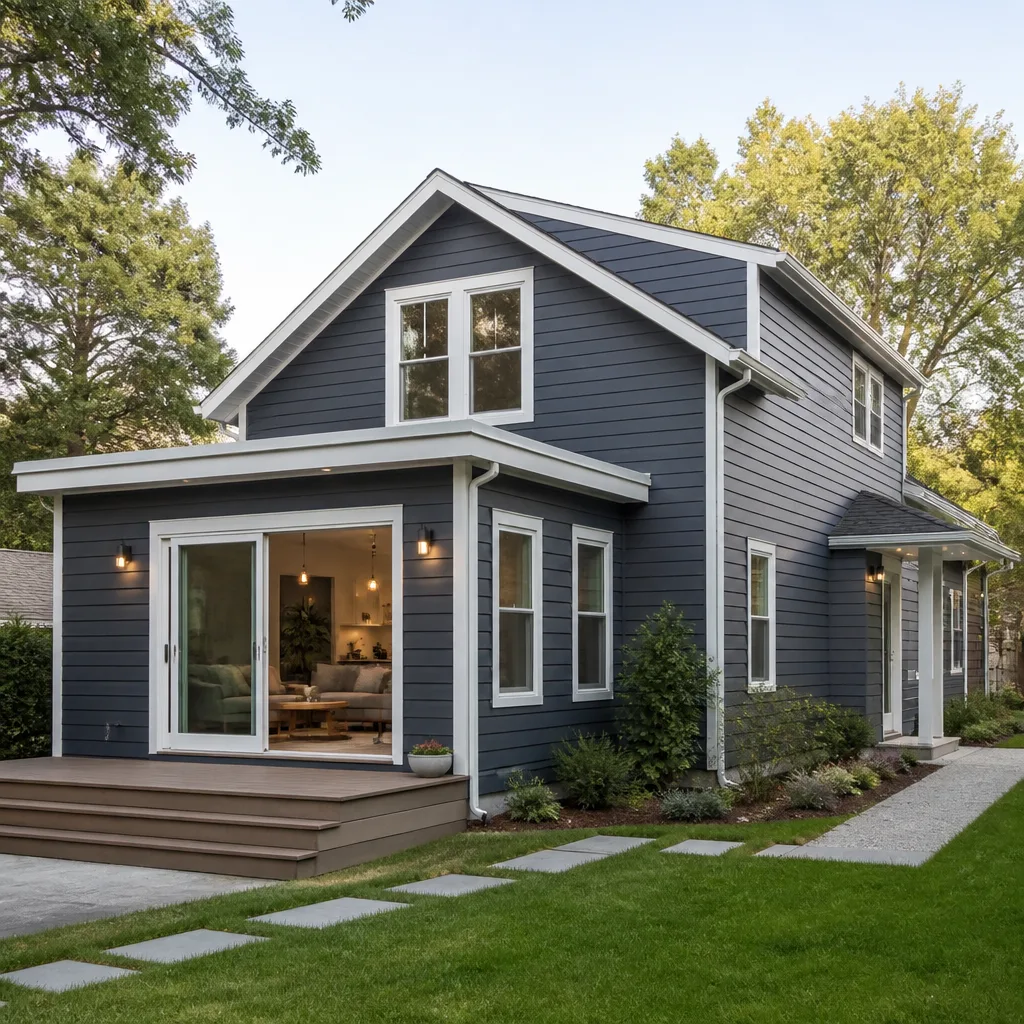
If you’re reading this, you likely have James Hardie siding or trim on your Los Angeles home and a kitchen that no longer works for your family. We handle full kitchen remodels where James Hardie products meet the interior work, including exterior wall openings, window and door flashing, and trim integration where HardiePlank and HardieTrim meet new kitchen windows, range hood vents, or exterior door replacements. A full kitchen remodel in Los Angeles that includes James Hardie exterior integration typically runs $16,520 – $53,100 depending on scope, cabinet grade, and whether we’re cutting new exterior openings. Most owners call us after realizing their existing Hardie siding was installed without proper flashing around the kitchen window, or because they want the exterior to look intentional after the kitchen changes, not patched.
Here’s what you need to know before you spend a dollar: James Hardie products are fiber cement, and fiber cement does not tolerate improper cutting, wrong fastener placement, or missing flashing. The kitchen itself is interior work, but the moment a new range hood vents through a HardiePlank wall or a garden window replaces an old sash, you’re doing exterior surgery on a material that demands precision.
Which James Hardie Models This Applies To
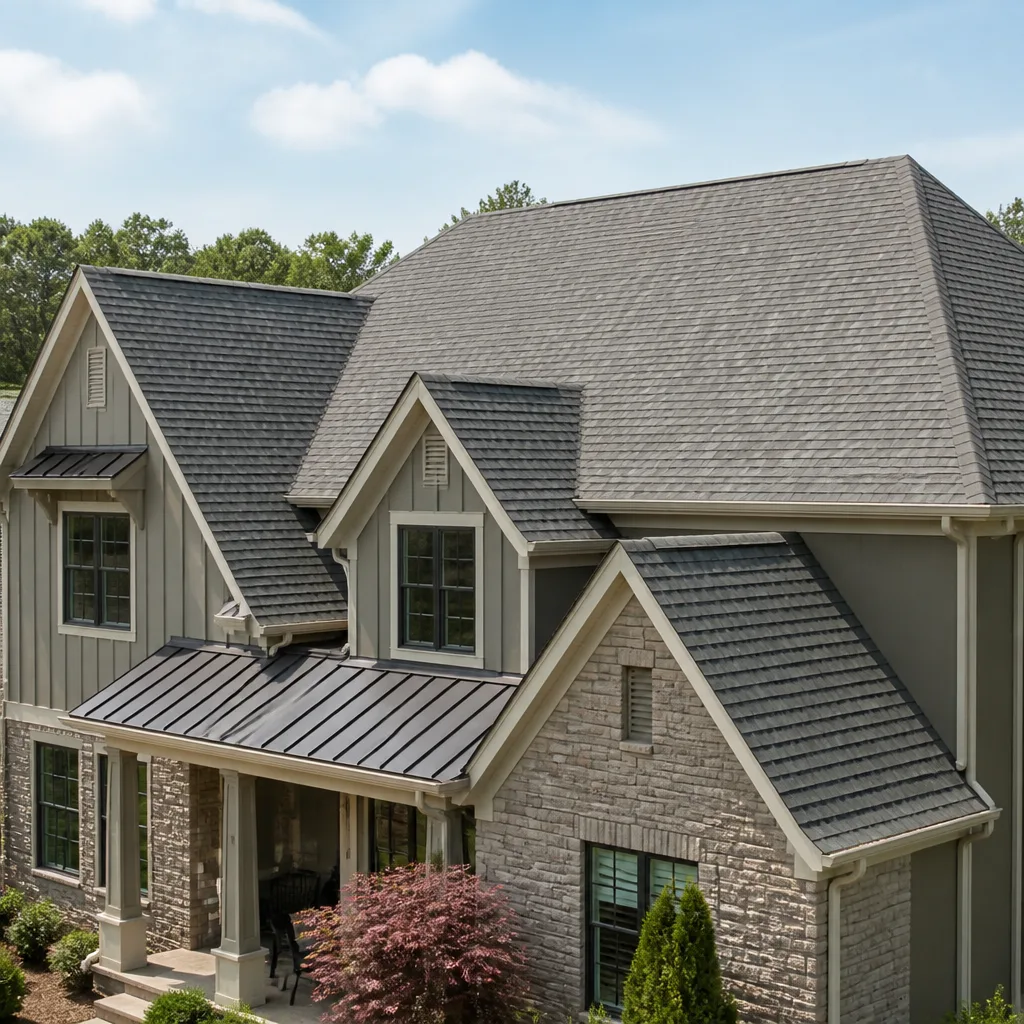
We work with the full James Hardie line: HardiePlank lap siding (in 4″, 5″, 6″, 7″, and 8″ exposures), HardiePanel vertical siding, HardieTrim boards (5/4″ and 4/4″ thicknesses), HardieSoffit, and HardieBacker cement board for tile substrate inside the kitchen. The compatibility gotcha most Los Angeles homeowners miss: HardiePlank comes in two thicknesses, 5/16″ and 1/4″. If your home was built in the last 15 years, you likely have 5/16″, but some 1980s and 1990s Los Angeles homes have LP or Masonite siding with only partial Hardie replacement. Mixing 5/16″ and 1/4″ on the same wall plane creates a visible step at the joint that looks wrong and traps water.
The other gotcha: HardieTrim must be gapped 1/8″ at every joint and caulked with a paintable, flexible sealant. We see Los Angeles homes where handymen butted trim tight, and after two summers of thermal expansion, the corners have pushed open and cracked the caulk line. That’s the failure we fix before it becomes a water intrusion problem behind the new kitchen wall.
On the OEM vs. aftermarket question for fasteners: James Hardie specifies corrosion-resistant nails or screws only. Electro-galvanized fasteners will rust and stain the siding within a few years in Los Angeles’s coastal fog zones, particularly in Venice, Playa del Rey, and San Pedro. We stock stainless steel and hot-dipped galvanized fasteners on the truck, matched to the exposure and stud spacing. We also stock the approved color-matched flashing for HardieTrim butt joints in the common Los Angeles palette: Monterey Taupe, Cobble Stone, and Timber Bark. We are an independent remodeling contractor, not affiliated with James Hardie, but we use their published installation specs as our baseline.
Styles & brands we work with
Signs Your James Hardie Kitchen Remodeling Is Failing
- Water staining on the interior wall below the kitchen window. This usually means the window flashing was lapped wrong or the trim was caulked tight instead of gapped. Water follows the path of least resistance, and in a Los Angeles winter rain, that path goes behind the HardieTrim and into the wall cavity. You’ll see the paint bubble first, then a soft spot.
- Cracked caulk at the outside corner trim joints. Fiber cement expands and contracts with temperature swings. Los Angeles gets 40-degree diurnal shifts in the San Fernando Valley during spring. If the trim was butted tight, the caulk cracks open within two years and the joint starts breathing water.
- Visible nail heads popping through painted siding. HardiePlank should be blind-nailed at the top edge and face-nailed only where necessary, with the fasteners driven flush, not countersunk. Countersunk fasteners break the surface and create a water entry point. We see this constantly around kitchen windows where someone re-nailed the siding after a window swap.
- Gaps between the sill trim and the new kitchen window. When a kitchen remodel replaces a window, the new unit’s nailing flange must be flashed with a self-adhered membrane before the HardieTrim goes back on. If the trim doesn’t sit flush or the gap varies, the flashing was skipped or done backward.
- Peeling paint at the bottom course of HardiePlank above a deck or planter. James Hardie requires a 2″ minimum clearance between the siding bottom edge and horizontal surfaces like decks, patios, or planters. Many Los Angeles homes have stucco or soil built up against the bottom course. When we open that wall for a kitchen remodel, we find the bottom edge has been wicking moisture for years.
See the difference
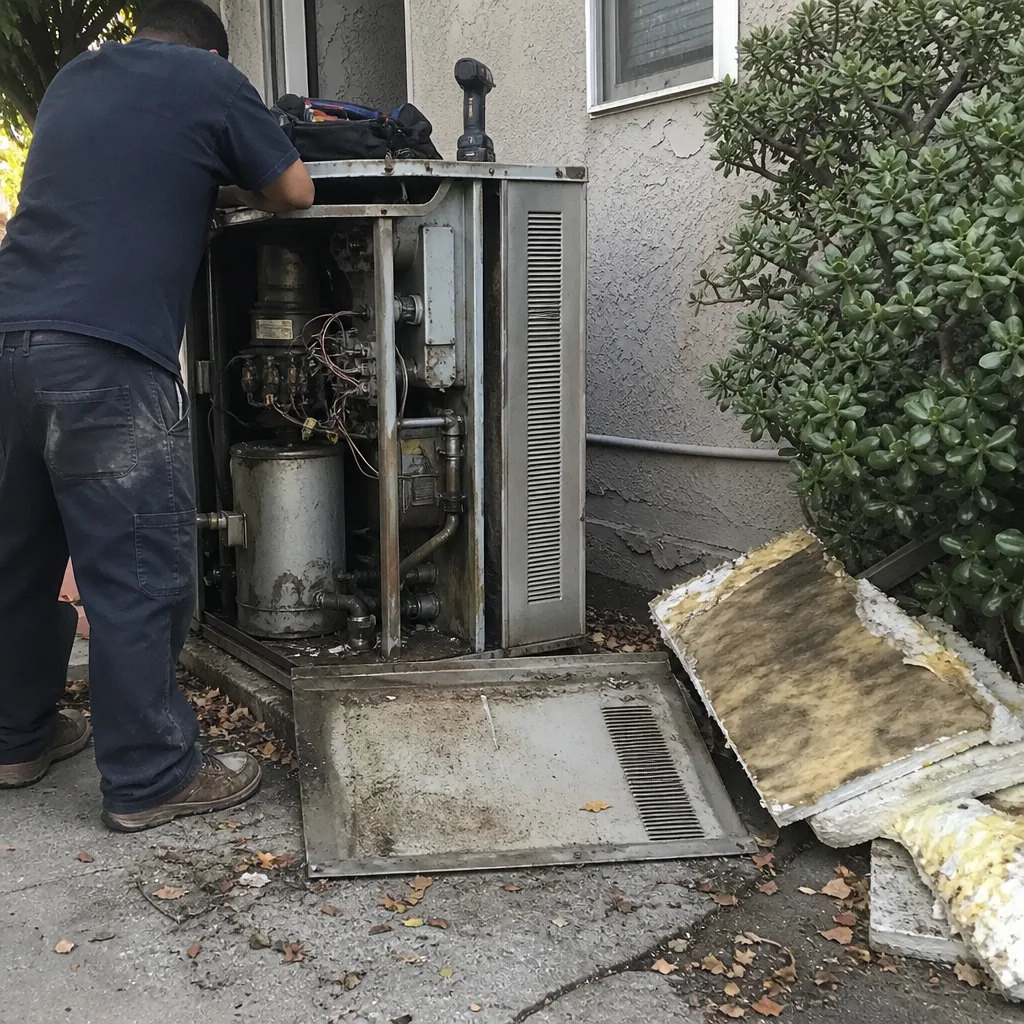 Before
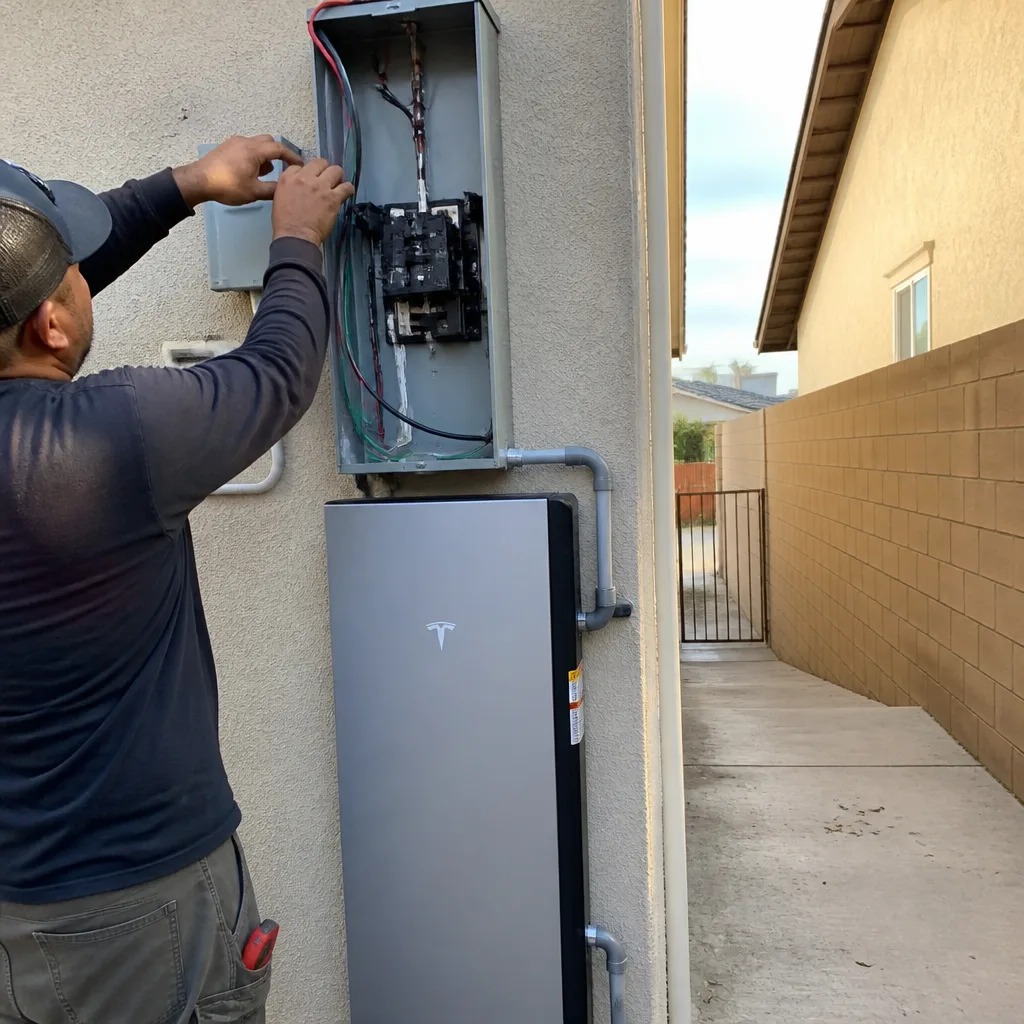 After
After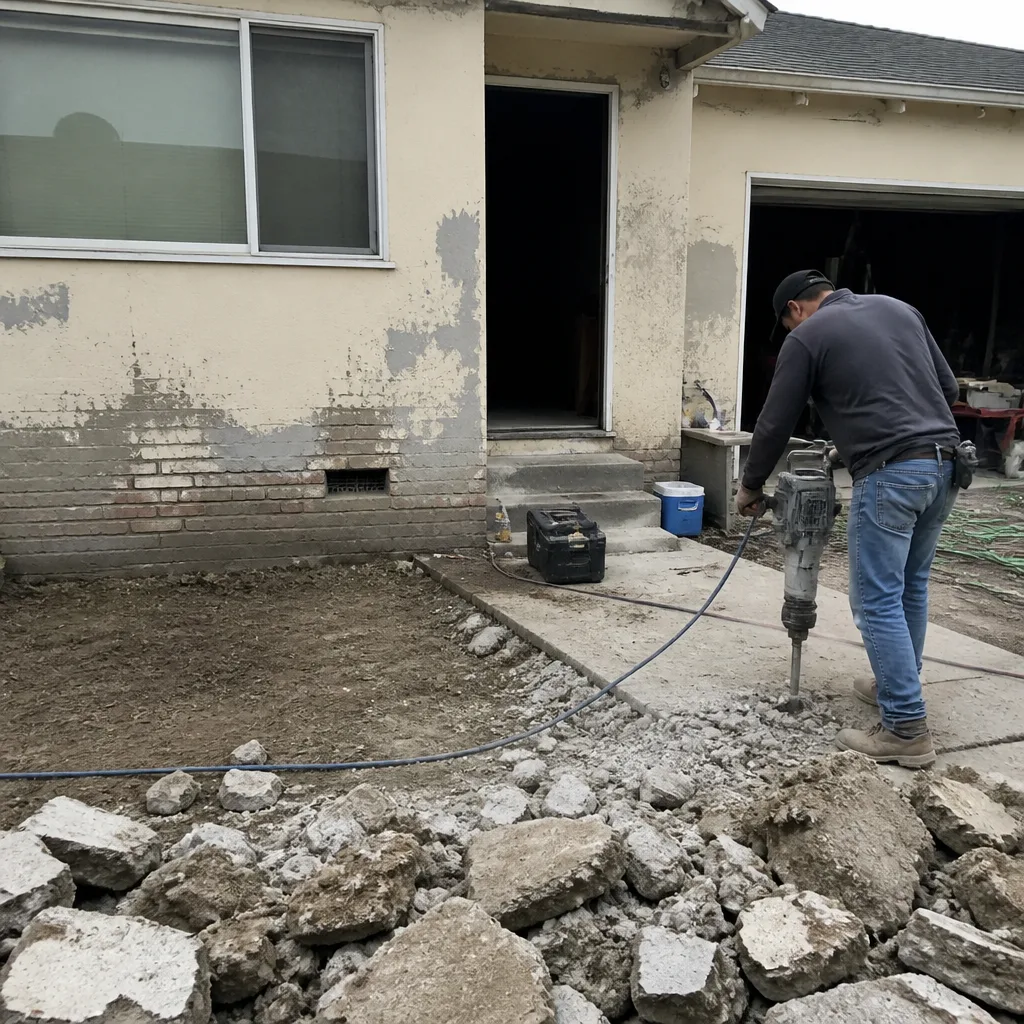 Before
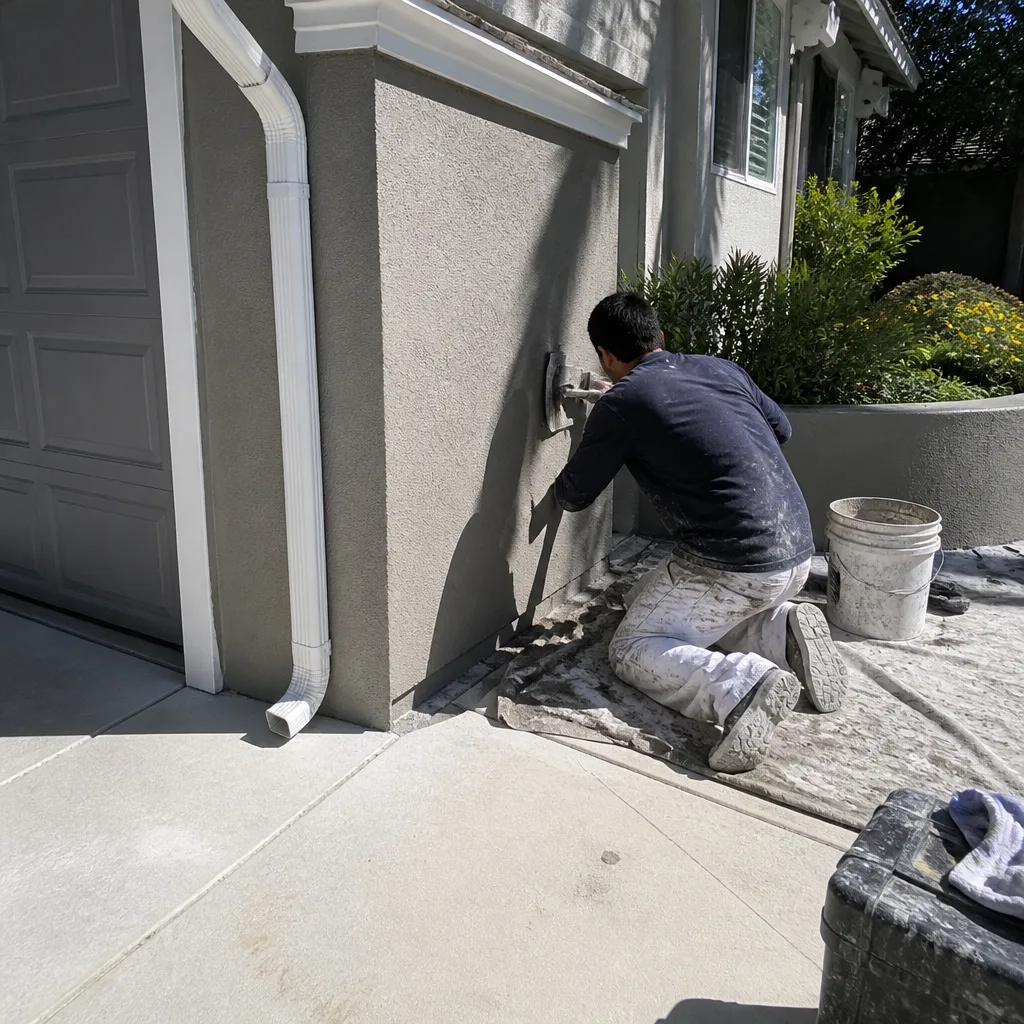 After
After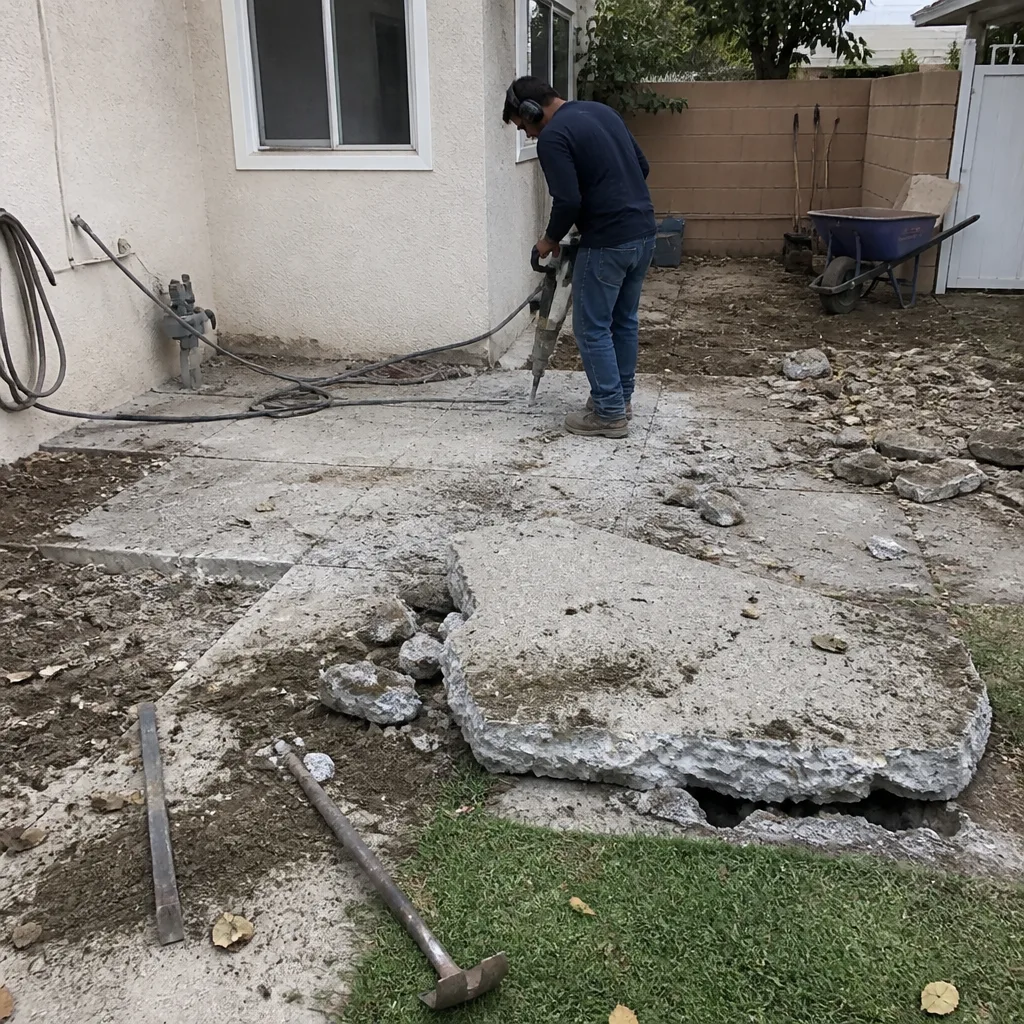 Before
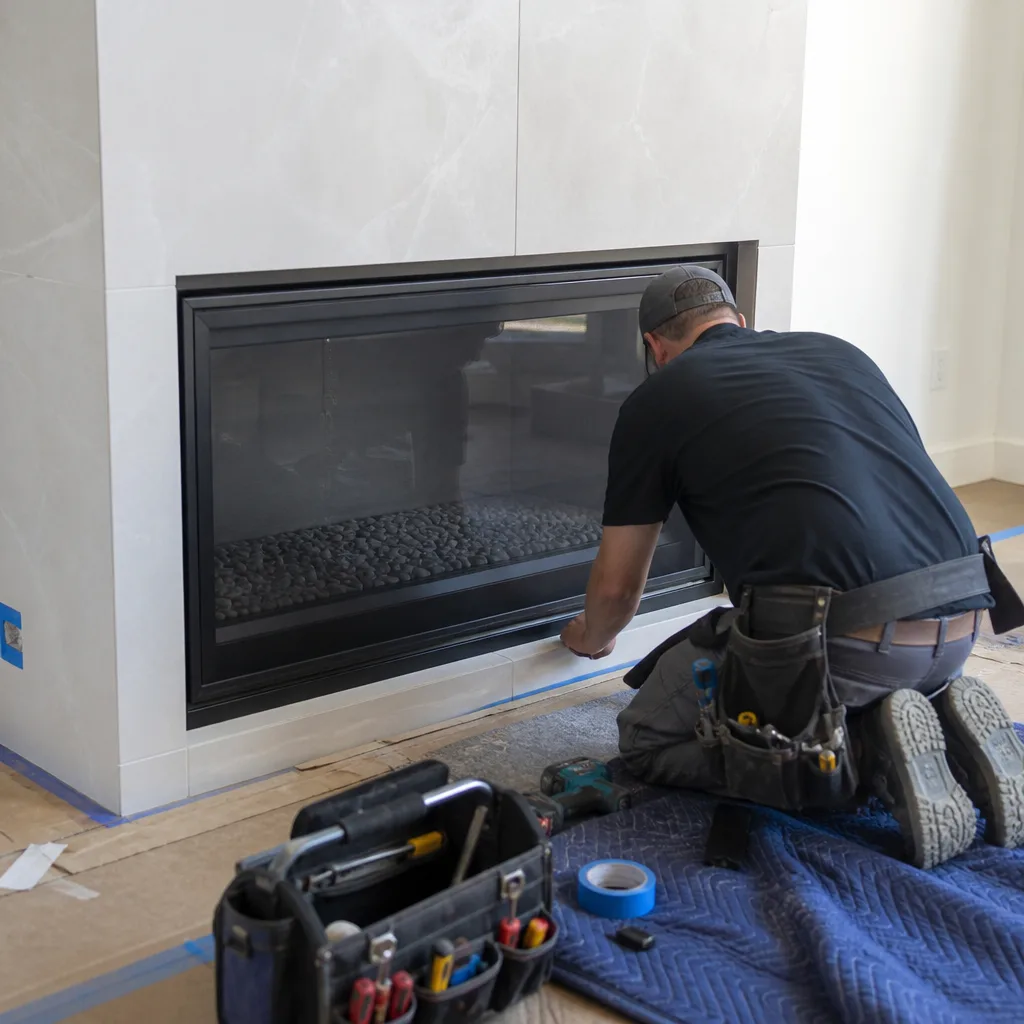 After
AfterReplacement Cost & What’s Included
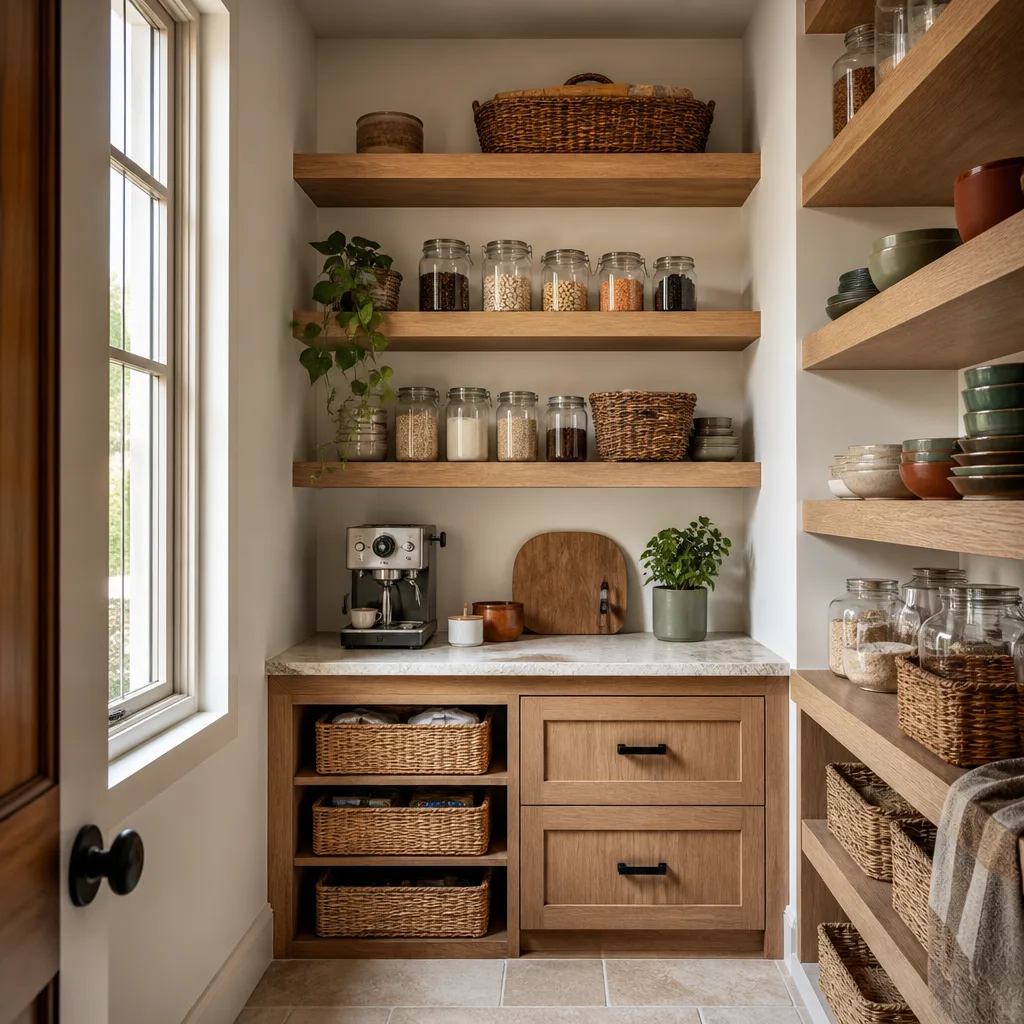
For the James Hardie exterior integration portion of a Los Angeles kitchen remodel, the siding and trim work typically runs $3,540 – $9,440 of the total project. That covers removing and resetting existing HardiePlank around new or enlarged kitchen windows, replacing damaged or cracked HardieTrim boards, installing proper flashing, gapping and sealing all joints to James Hardie spec, and repainting the repaired areas to match. If we’re enlarging a window opening for a garden window or adding a range hood exterior vent, structural framing and flashing push that number toward the top of the range.
The full kitchen remodel range of $16,520 – $53,100 includes cabinets from KraftMaid or Wellborn, countertops from Cambria, Silestone, or Caesarstone, fixtures from Kohler, Moen, or Grohe, tile substrate on HardieBacker where specified, and the exterior James Hardie work described above. You’ll get a written price before any work starts, on paper, with the scope itemized. If it is not on the paper, we have not agreed to it yet. Our 365-Day Done Right Promise covers the completed project: if the flashing leaks, the trim cracks, or the cabinet door does not close right after a year, we make it right.
DIY or Call Us?
There are two things you can safely check yourself. First, look at your exterior trim joints: if you see cracked caulk or a visible gap, take a photo and keep an eye on it after the next rain. Second, check the clearance between the bottom of your siding and any ground, deck, or planter surface. If the siding touches soil or decking, that’s a problem you’ll want addressed before it becomes a wall repair.
What you should not do is pull off HardieTrim or HardiePlank to inspect behind it. Fiber cement is brittle at the edges, and cutting it produces silica dust that requires a HEPA vacuum and proper respiratory protection. The James Hardie published installation requirements exist for a reason: improper cutting, nailing, or flashing voids the manufacturer’s warranty and creates a moisture path into your kitchen wall. If you’re in Los Angeles and you suspect water behind the siding, call (949) 850-9896. We will come look at it, explain what we found, and give you a written price for the repair before anything starts.
FAQs
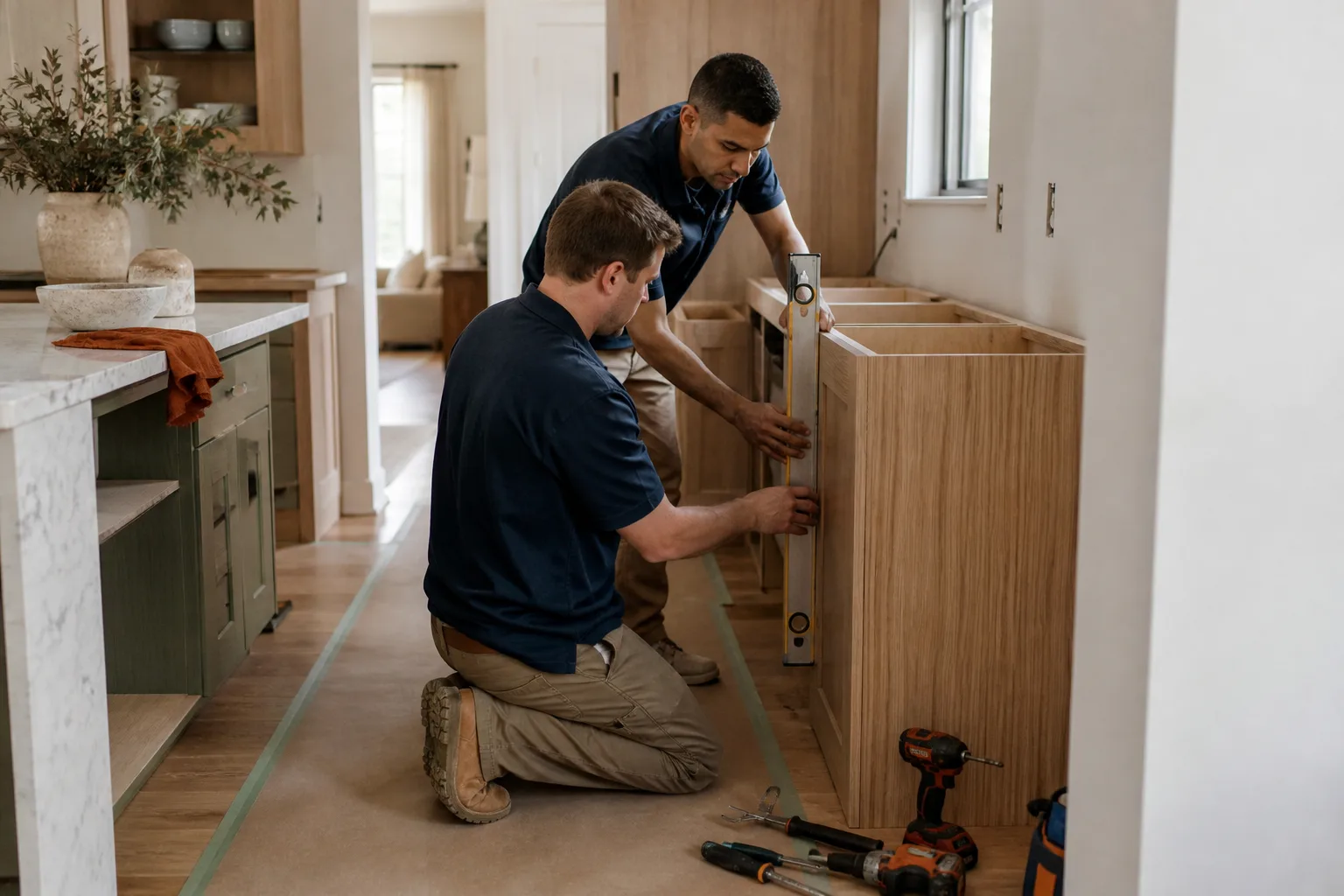
James Hardie siding carries a 30-year limited warranty, and in Los Angeles’s non-freezing climate, properly installed fiber cement regularly performs for 30 to 50 years. The failure points we see locally are almost always installation errors, not product failures: missing flashing, tight trim joints, wrong fasteners, or ground contact. Fix those and the siding outlasts the kitchen it surrounds.
Yes, in most cases we can remove and replace individual HardieTrim boards without disturbing the surrounding siding. The repair includes new flashing behind the trim, proper 1/8″ gapping at joints, color-matched caulk, and repainting. Call (949) 850-9896 and we’ll give you a written price for just that scope.
Exterior siding and trim work around a kitchen window or vent typically takes one to two days once the kitchen is open. If we’re enlarging a window opening or adding a range hood vent through an exterior wall, that adds a day for framing, sheathing, and weatherproofing before the Hardie goes back on. Full kitchen remodels in Los Angeles run six to ten weeks depending on cabinet lead times and countertop fabrication.
We stock common HardieTrim profiles in 5/4″ x 4″ and 5/4″ x 6″, plus HardiePlank in 6″ and 4″ exposures, in neutral primed finishes ready for site color matching. Specialty colors like Monterey Taupe or Cobble Stone are ordered from our Los Angeles supplier and usually arrive in two to three business days. If color match matters to you, tell us when you call and we’ll bring samples to the first visit.
Written by Graham Stein, Owner, Elmstead Remodeling at Elmstead Remodeling, serving Los Angeles and nearby areas.
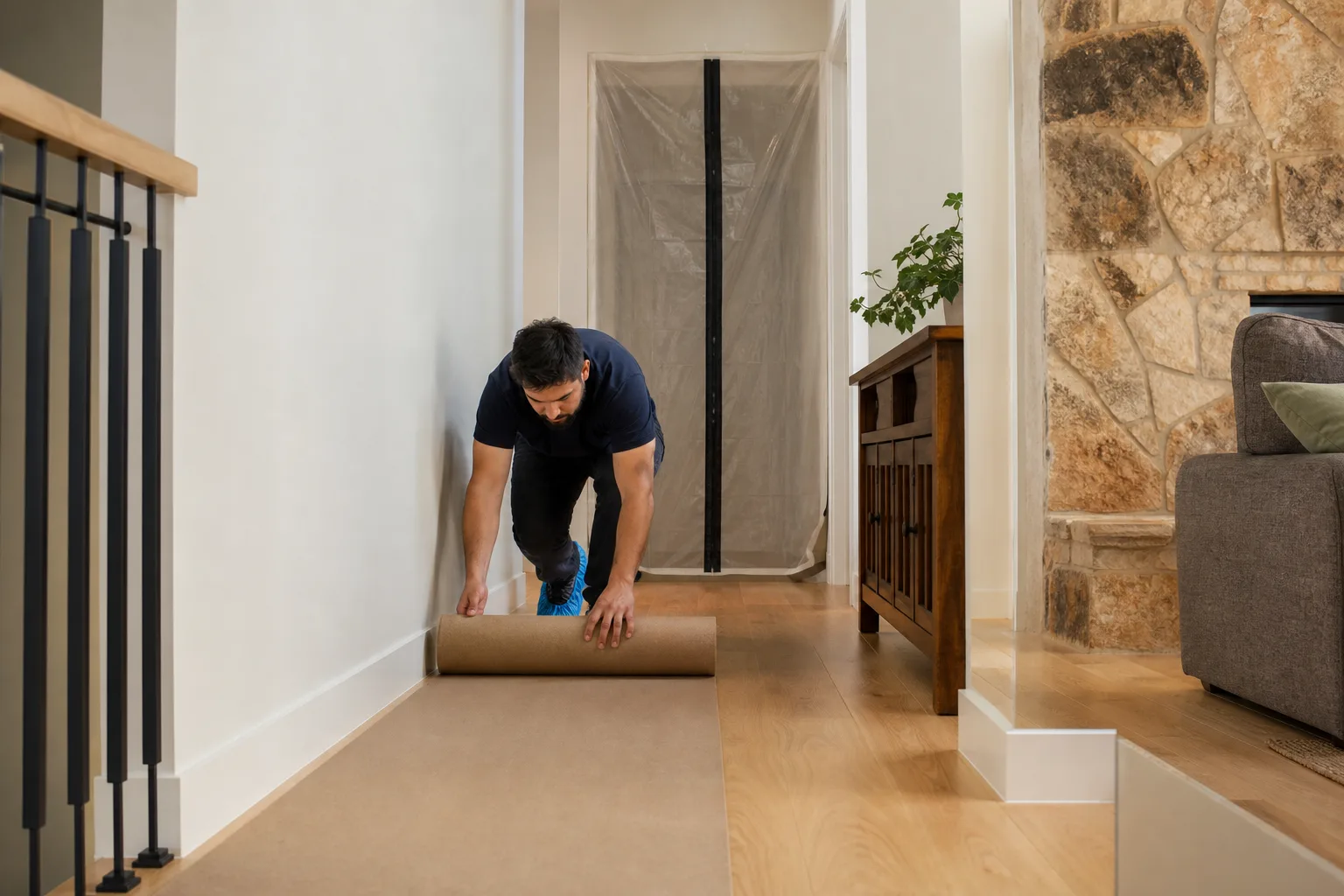
If you have a James Hardie exterior that needs to work around a new kitchen, call (949) 850-9896. A live person answers, we’ll ask about the wall condition and the scope you’re considering, and we’ll schedule a time to look at it in person. The estimate is free, the price you get is the price you’ll pay, and the crew will leave drop cloths on the floors and a photo of the clean-up before they go.