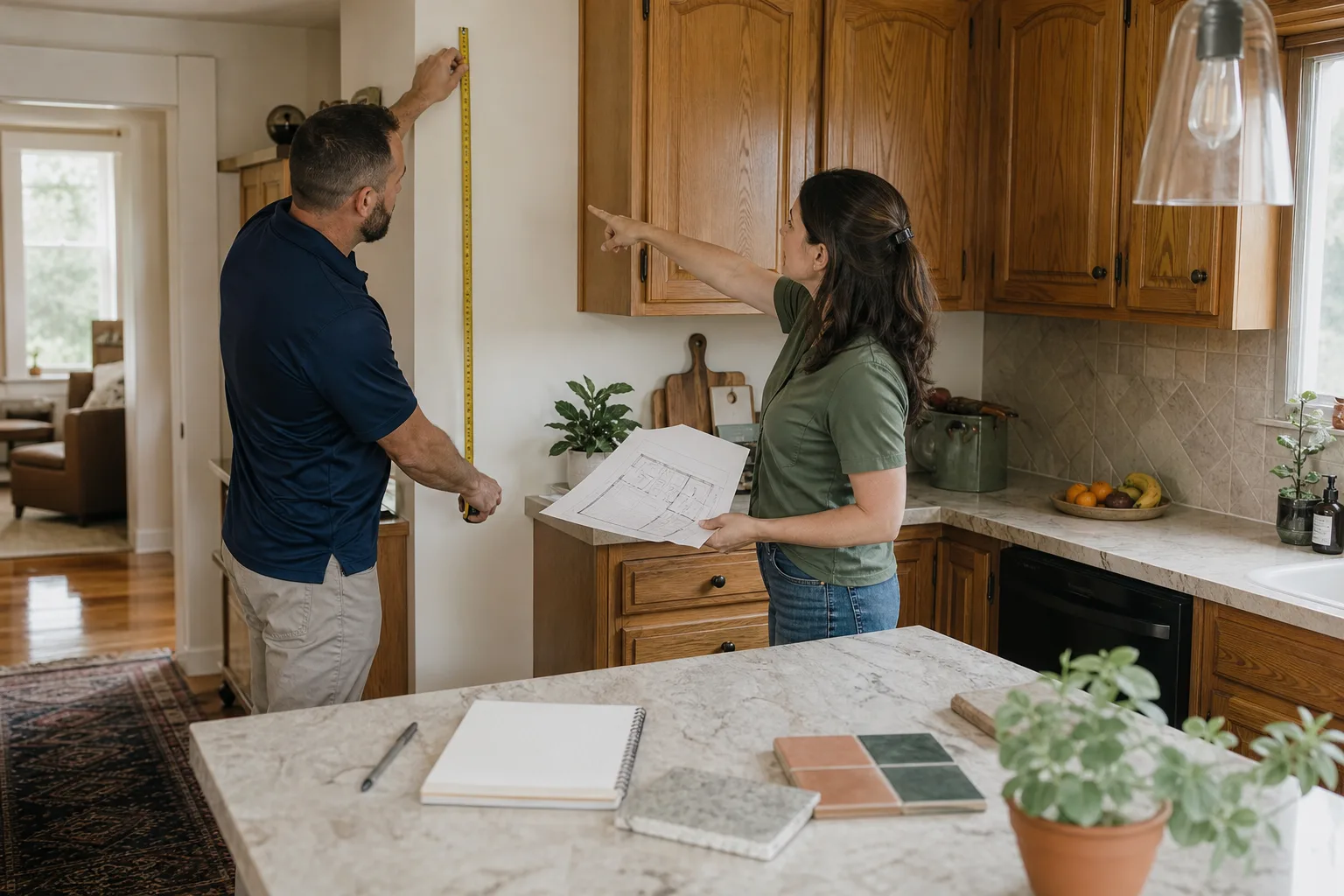
Free written scope consultation - allowances, timeline, and change-order rules on paper before a single trade is scheduled
James Hardie Roofing: The Los Angeles Owner’s Guide
If you have a James Hardie roofing product that’s cracked, warped, or pulling away from the structure, we match the replacement part to the original spec and install it properly. Most James Hardie roofing component replacements in Los Angeles run between $470 and $2,125 installed, depending on what failed and how much of the surrounding material needs to come off to do the job right. You usually discover the problem after a Santa Ana wind event or the first heavy rain of the season, when a corner lifts, a fastening lets go, or water shows up where it shouldn’t.
We’re an independent contracting firm in Los Angeles, not affiliated with James Hardie. What that means for you is practical: we tell you honestly when an OEM part is worth the cost and when a quality equivalent does the same job for less, and we match the replacement to your existing installation rather than selling you something close enough.
Which James Hardie Models This Applies To
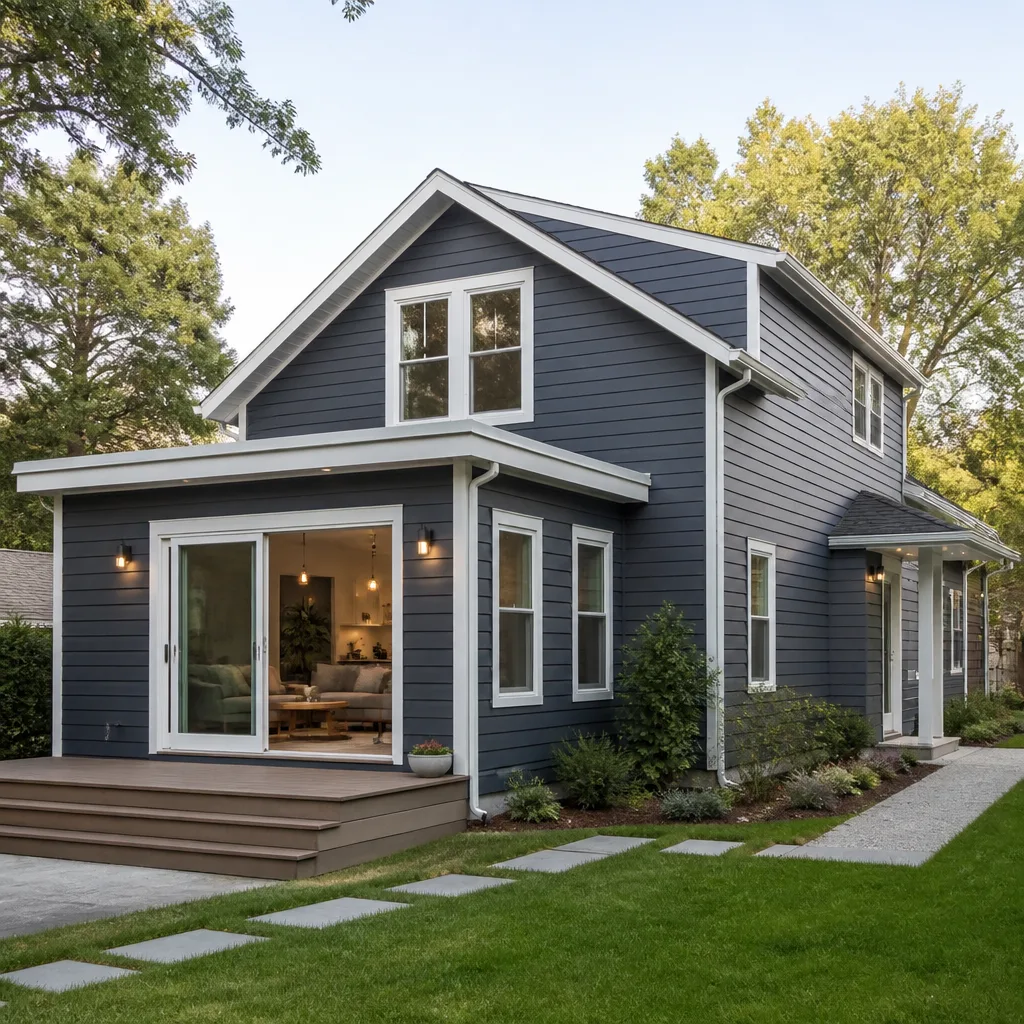
James Hardie’s roofing-adjacent products get specified in a few distinct ways across Los Angeles homes. The HardieSoffit panels (the vented and non-vented boards under your eaves) come in 12-inch and 16-inch widths with either smooth or cedar-texture faces. The HardieTrim boards that frame rooflines and fascia are 5/4-inch thick in 4-inch, 6-inch, 8-inch, and 12-inch widths. The HardiePlank lap siding that many Los Angeles homes carry right up under the roofline is 5/16-inch thick in 6.25-inch, 7.25-inch, and 8.25-inch exposures.
Here’s the compatibility gotcha most owners hit: the 16-inch vented soffit is a special-order item at most Los Angeles suppliers, and the vent pattern changed in 2019. If your home was built before that, an original 16-inch panel won’t match a new one’s perforation spacing. We measure existing panels before ordering so the replacement doesn’t look like a patch job. For the trim boards, we match both the width and the texture, because smooth trim next to cedar-texture trim reads as a mistake from the street even after paint. Elijah, our lead installer, keeps a profile gauge in his kit for exactly this. He’s been matching James Hardie profiles across Los Angeles since the product line was still called Hardiplank.
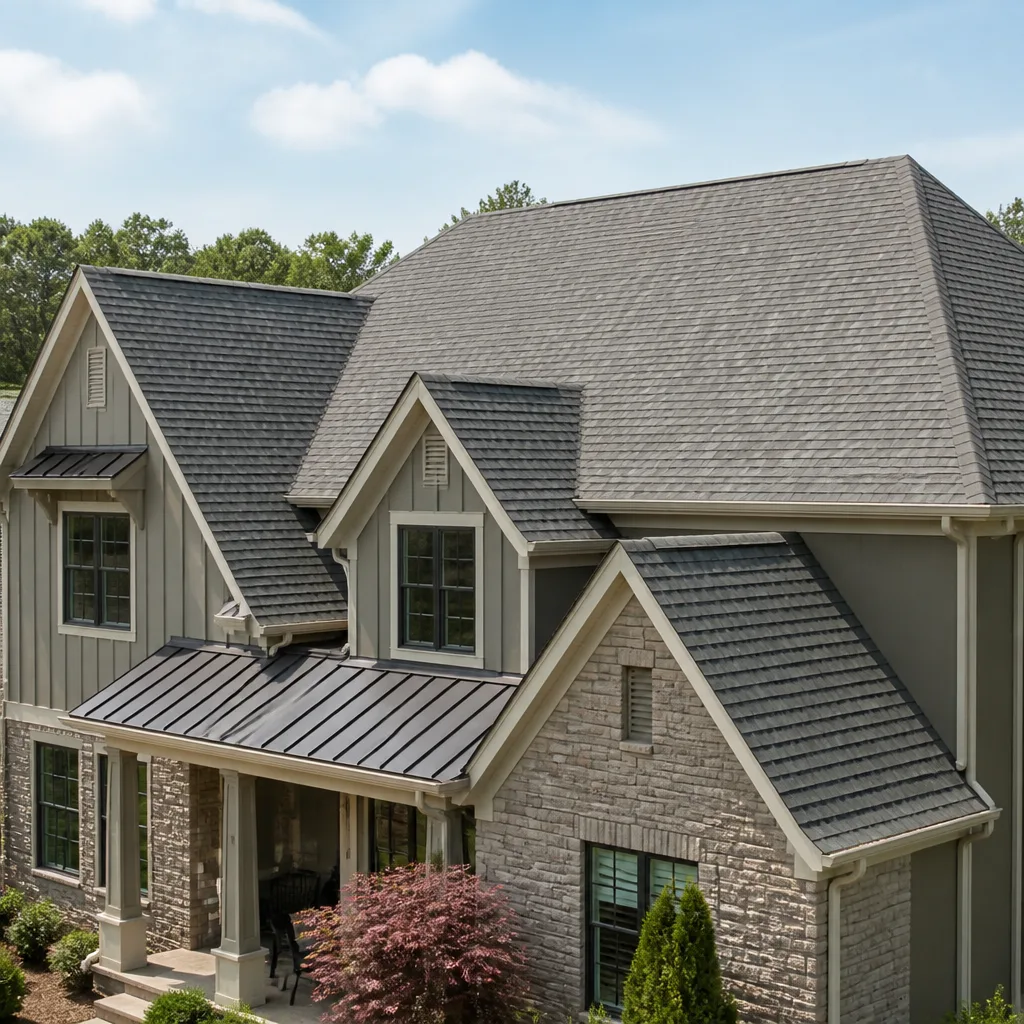
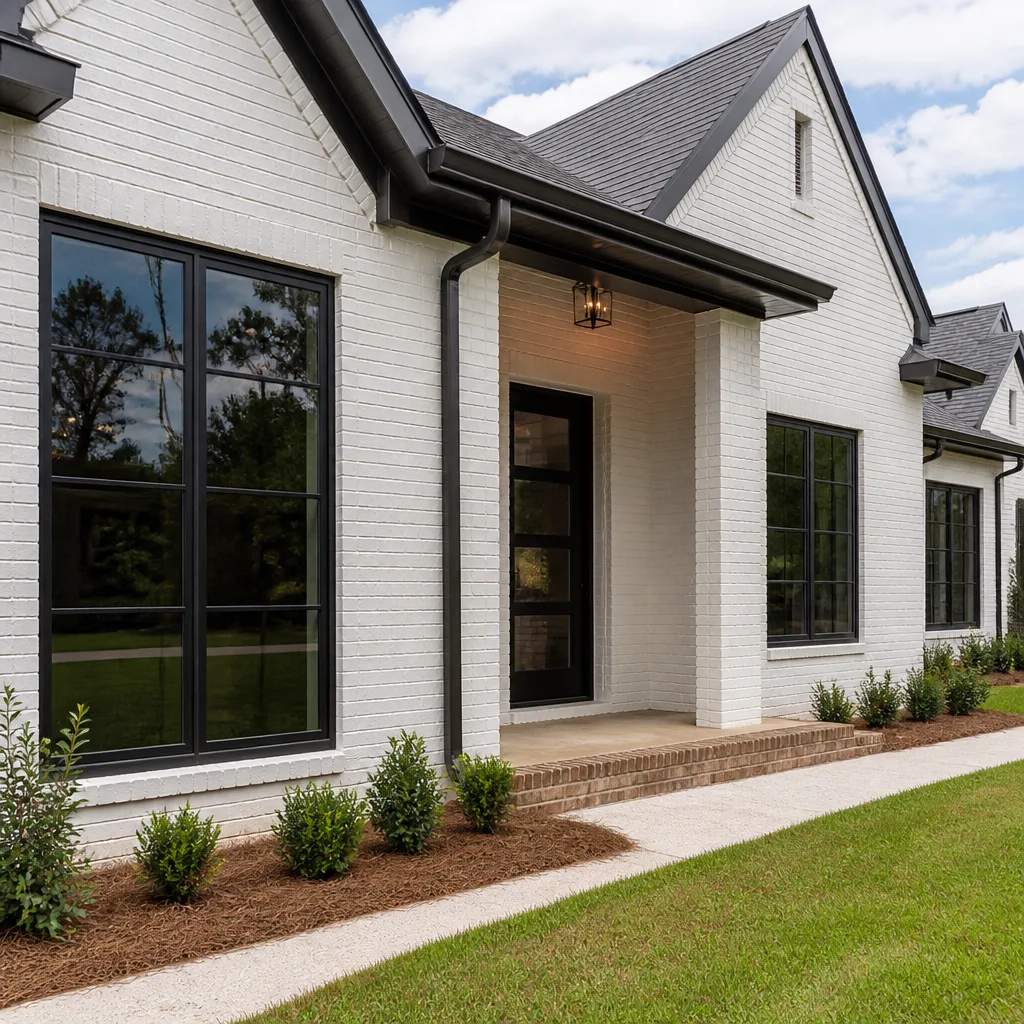
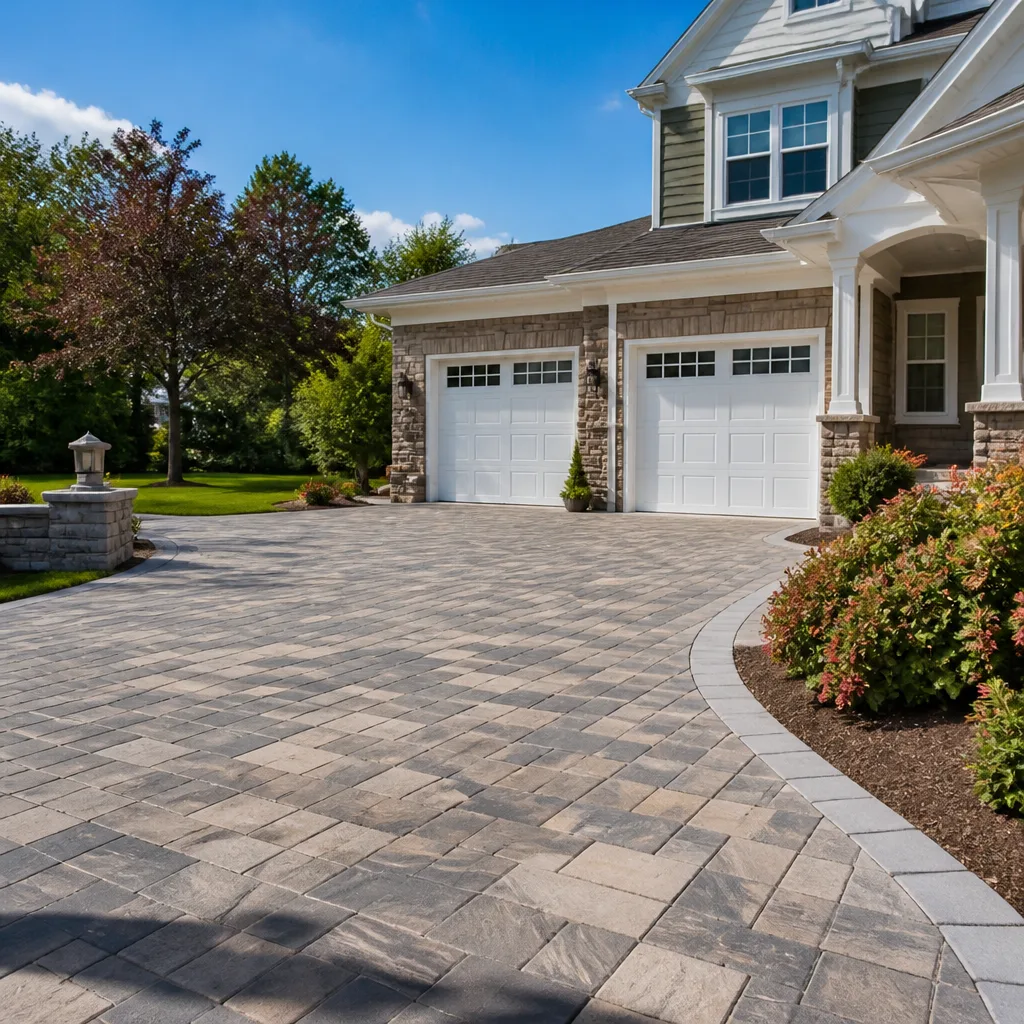
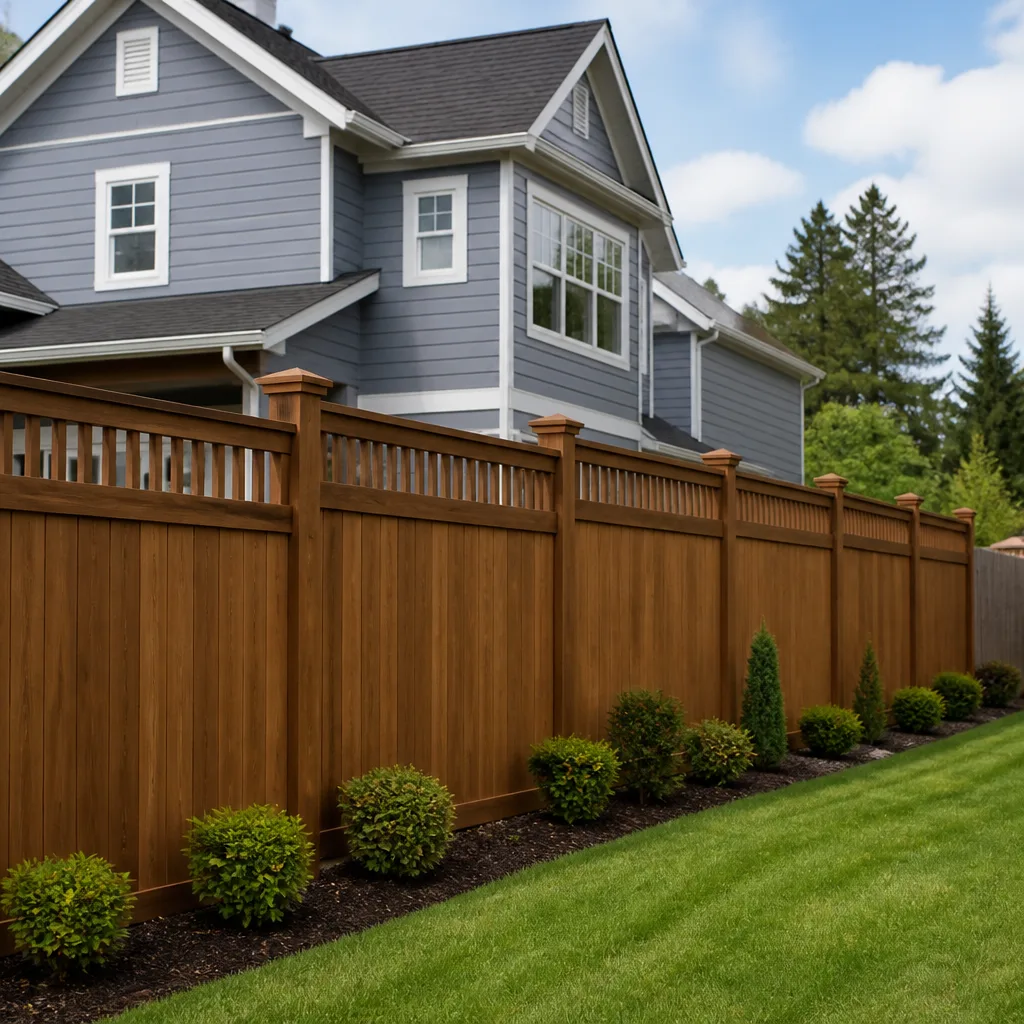
Styles & brands we work with
Signs Your James Hardie Roofing Is Failing
- Corner lifting or curling on soffit panels. Los Angeles sees enough moisture swings, especially in canyon-adjacent neighborhoods like Mount Washington or Silver Lake, that poorly fastened soffit panels start to peel away at the corners first. The cause is almost always a missing nail or a fastener driven too deep into the panel edge.
- Visible rust streaks below fasteners. When uncoated or wrong-gauge nails were used originally, moisture and coastal air cause rust that runs down the panel face. This is especially common in Los Angeles homes within five miles of the coast, where salt air accelerates the reaction.
- Swelling or bubbling at panel edges. James Hardie products are engineered for moisture resistance, but if water gets behind the panel through a failed joint, the edge delaminates and swells. Once that starts, the panel won’t lay flat again.
- Gaps widening where roof meets wall. The trim boards along the roofline should stay tight against the shingles or tile. On Los Angeles hillside homes, small seismic shifts and seasonal expansion open gaps that let water and pests in. A 1/4-inch gap in June is a 1/2-inch gap by December.
- Perforated soffit vents clogged with paint or grime. Vented soffit panels that got painted over lose their airflow function. Attic temperatures climb, your cooling bill rises, and the panels themselves start holding moisture against the framing. The fix is often replacement rather than scrubbing, especially when paint has filled the vent slots.
See the difference
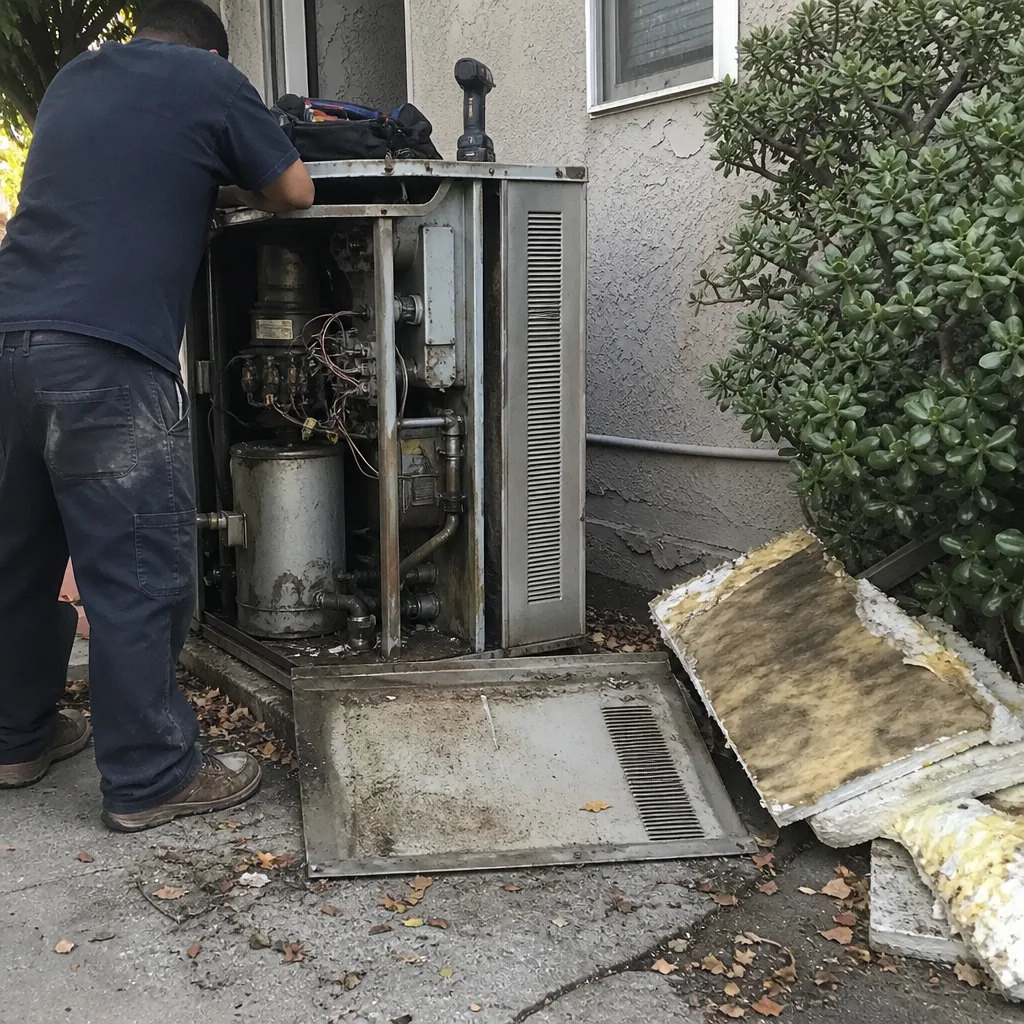 Before
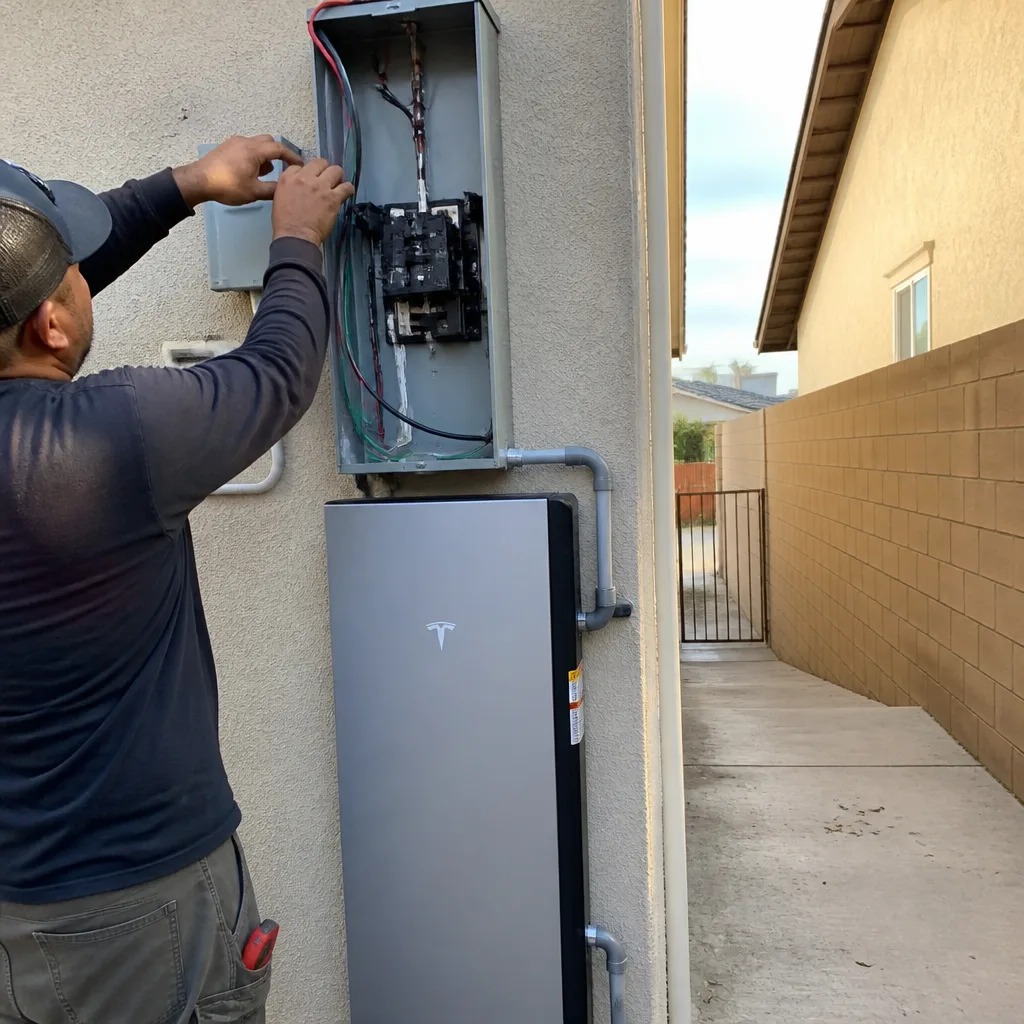 After
After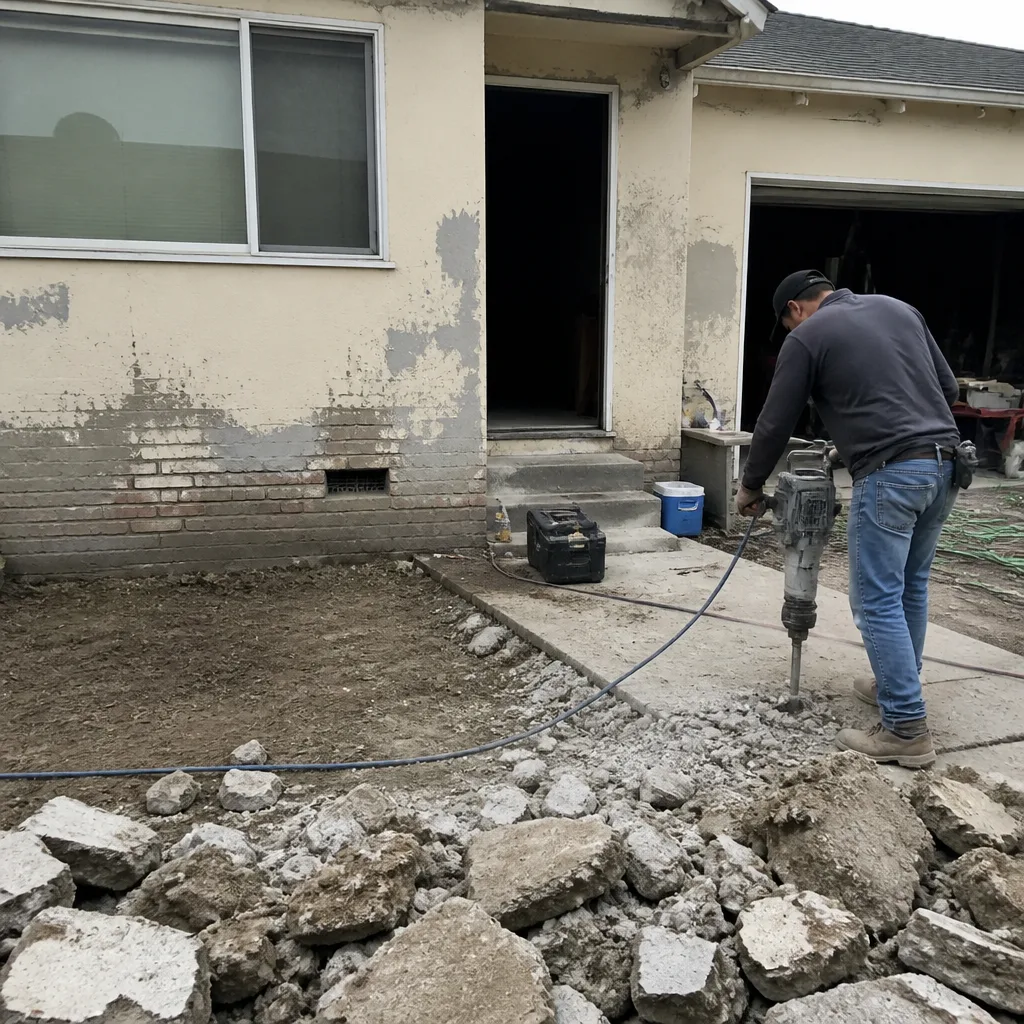 Before
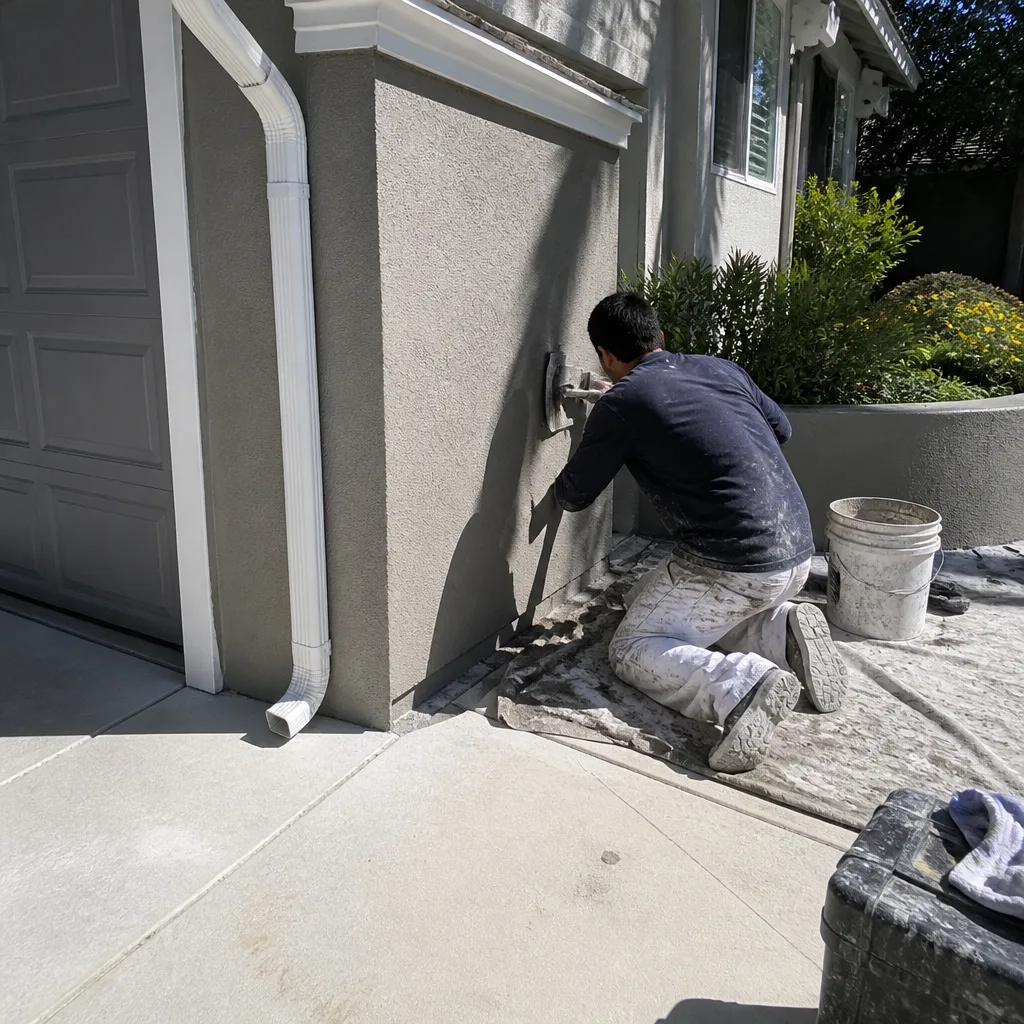 After
After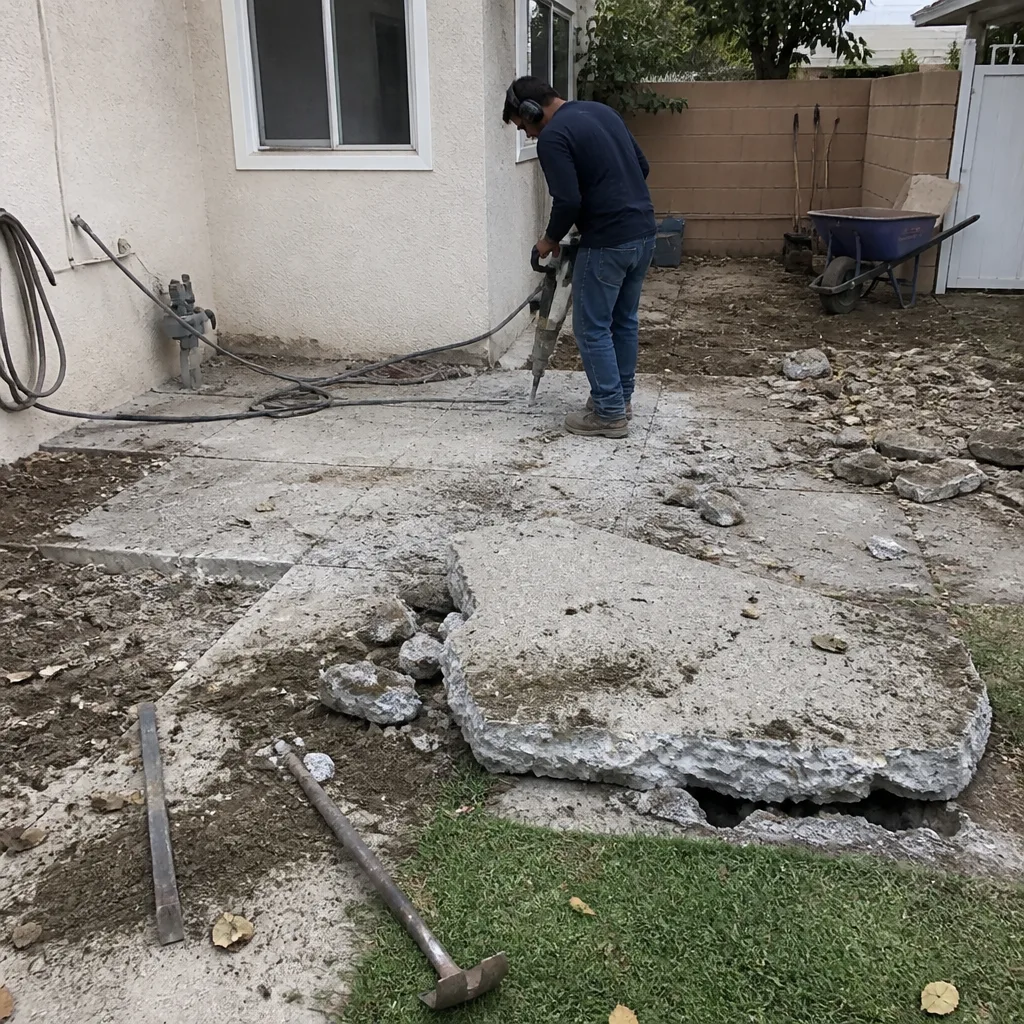 Before
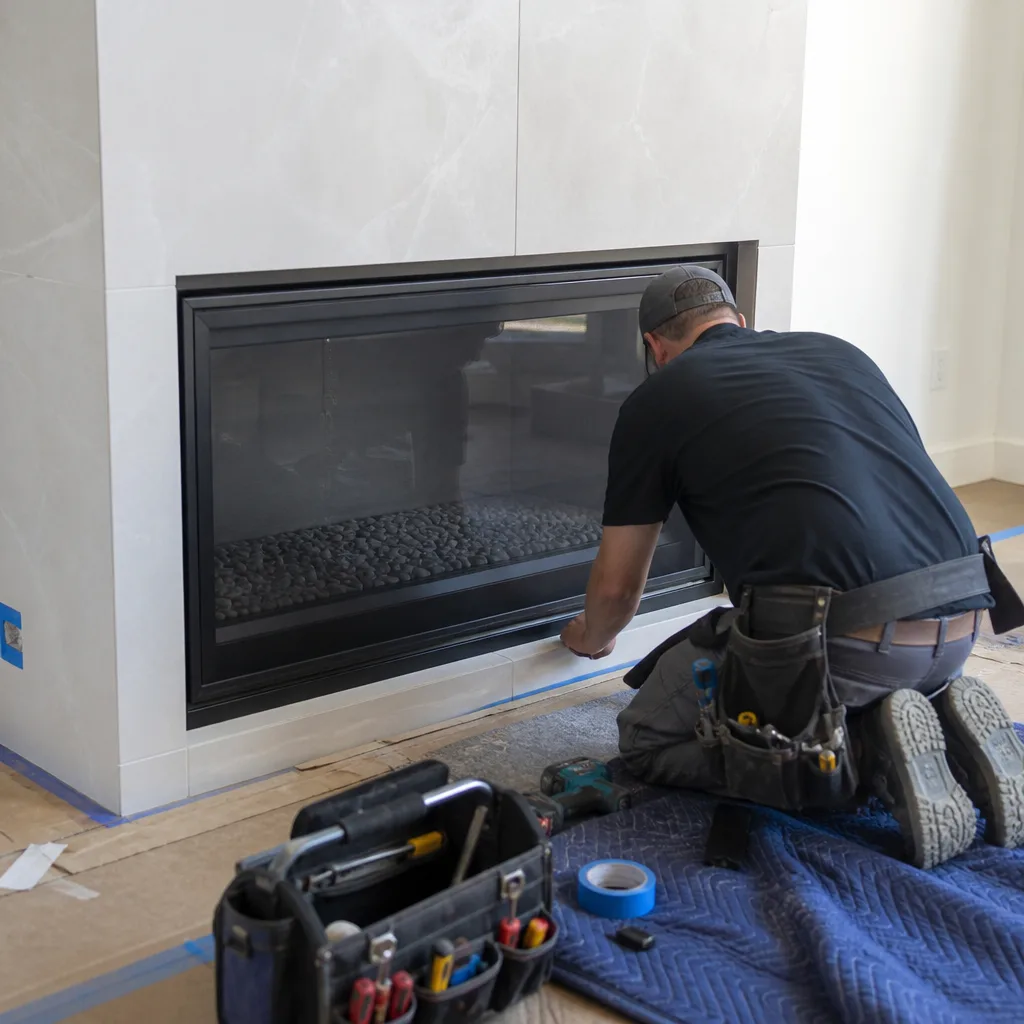 After
AfterReplacement Cost & What’s Included
For most James Hardie roofing-component replacements in Los Angeles, we quote a flat written price before any work starts. A single soffit panel replacement, including matching profile, fasteners, and paint-ready finishing, typically runs $470 – $825. A partial fascia and trim replacement along one roofline section lands between $825 and $2,125. Roof replacement work touching the decking or underlayment runs $9,440 – $23,600 and involves a full scope conversation.
| Work Type | Los Angeles Installed Range |
|---|---|
| Single soffit panel replacement | $470 – $825 |
| Partial fascia / trim replacement | $825 – $2,125 |
| Tile roof spot repair | $710 – $2,950 |
| Full roof replacement (if decking/underlayment involved) | $9,440 – $23,600 |
The price difference comes down to access (single-story vs. two-story vs. hillside with roof anchors), how many linear feet of material need removal, and whether the existing fasteners are corroded enough to make extraction slow work. Every quote includes material, labor, disposal of the failed part, and a photo walkthrough of the finished work before our crew leaves.
DIY or Call Us?
You can safely inspect the visible condition of your James Hardie panels from the ground or a ladder: look for lifted corners, rust streaks, and gaps at the roofline. Document what you see with photos and measurements. But removing and replacing soffit panels and roofline trim means working at height, often on a slope, and cutting fiber cement, which produces silica dust. We use HEPA vacuums and proper masks on every Los Angeles job because silica exposure is not worth a weekend project.
You should also know that James Hardie’s product warranty specifically excludes improper installation. If you replace a panel yourself and the fasteners aren’t exactly right, you’ve voided the remaining warranty on that section. Our crew handles this weekly across Los Angeles, and the warranty on our installation work is covered by the 365-Day Done Right Promise: if it’s not done right, we make it right. Call (949) 850-9896 for an honest read on whether your repair is a handyman job or a licensed-crew job.
FAQs
In Los Angeles conditions, James Hardie fiber cement panels typically last 20 to 30 years before needing replacement, but the fasteners often fail first. Our coastal neighborhoods near Playa del Rey and the Palisades see faster corrosion on exposed metal, and hillside homes with poor airflow get panel edge damage sooner than valley floors. The panel itself can outlast the installation.
A hairline crack in a low-stress area can sometimes be patched and repainted, but any crack near a fastener point or panel edge will re-open as the panel flexes with temperature swings. In most cases we recommend replacement because the panel has already lost its structural connection and the patch becomes a recurring maintenance item. Call (949) 850-9896 and we’ll tell you which situation you have.
A single panel or trim board swap takes our crew two to four hours, including setup, removal, installation, and clean-up. A multiple-panel section along a full eave line is usually a one-day job. We schedule Los Angeles work around your family’s quiet hours where possible, and our crew uses quiet tools during nap and school hours by request.
We carry common widths of smooth and cedar-texture trim and both 12-inch and 16-inch soffit profiles on most Los Angeles service vehicles. Special-order items, like the pre-2019 vent patterns or custom colors, typically take three to five business days from our local suppliers. The written scope we give you includes the matching part number before we order anything.
If you have a James Hardie roofing component that’s failing, call (949) 850-9896. A live person answers, we’ll schedule a walkthrough at a time that works for your family, and you’ll get a written price before any work starts. The written scope is the promise – if it is not on the paper, we have not agreed to it yet.
Written by Graham Stein, Owner, Elmstead Remodeling at Elmstead Remodeling, serving Los Angeles and nearby areas.