Last updated October 8, 2026







Free written scope consultation - allowances, timeline, and change-order rules on paper before a single trade is scheduled
Seasonal Construction Care for Los Angeles: Year-Round Homeowner’s Guide
The six inches of rain that fall on Los Angeles in an average January do more structural damage per inch than the same rain does in Seattle. The reason is simple: Los Angeles homes go eight dry months between rain events, and stucco, caulk, and roof flashings cure and crack in the interim. Then the water arrives and finds every gap that opened during the long dry spell. This guide maps home care to the actual risk windows Los Angeles experiences each year, not the four seasons a homeowner in Ohio would recognize.
Quick Answer
Seasonal construction care in Los Angeles means staying ahead of four distinct risk windows: Santa Ana fire weather in fall, rain saturation in winter, marine layer condensation in spring, and heat expansion in summer. Each window stresses your home in a specific way, and each is predictable. The right calendar-based plan addresses ember resistance before October, stucco and flashing seals before December, ventilation before May Gray settles in, and wood and composite expansion before July heat peaks.
Styles & brands we work with







Table of Contents
- Why Santa Ana Season Is Los Angeles’ Real Fire Season
- October – November: Santa Ana Prep – The Fire Resistance Window
- December – February: The Rain Saturation Window
- March – May: Marine Layer and Condensation Season
- June – September: Heat Expansion and Peak Cooling Load
- Scheduling Care Windows Around Kids and Pets
- Common Mistakes to Avoid
- When to Call a Professional
Why Santa Ana Season Is Los Angeles’ Real Fire Season
Most of the country thinks of fall as leaf-raking season. In Los Angeles, fall is when the Santa Ana winds arrive, and those winds turn a dry city into a tinderbox. We have walked Los Angeles neighborhoods where homeowners had no idea their vent screens were missing until embers landed inside the roof deck during a wind event. The risk is not hypothetical. Santa Ana winds regularly gust to 40 – 60 mph in the foothill communities and canyons, carrying embers a mile or more ahead of the fire line.
What a homeowner can control is how the house receives those embers. The two most common entry points are attic vents and roof-deck gaps. In Los Angeles, homes built before the mid-1990s often have 1/4-inch mesh on their vents. That mesh catches large debris but lets smaller embers through. The current standard in California fire hazard zones is 1/8-inch mesh or finer. Checking yours costs nothing and takes ten minutes with a ladder.
The second controllable item is the gas shutoff valve. During a wildfire evacuation, you may have five minutes to act. Knowing where the valve is, having a wrench hanging next to it, and knowing which direction to turn is the difference between leaving a home that can survive and leaving a home that feeds the fire. In our experience with Los Angeles remodels, fewer than half of homeowners can point to their shutoff valve without looking. That is a ten-minute fix and a conversation worth having with every member of the household old enough to reach the valve.
October – November: Santa Ana Prep – The Fire Resistance Window
The fire resistance window opens when the first Santa Ana forecast appears in late September or early October, and it runs through November. The work is specific, fast, and largely do-it-yourself. Here is a five-step checklist based on what we see working in Los Angeles homes:
- Check vent mesh. Climb up and look at every attic vent, crawl space vent, and gable opening. If the mesh is wider than 1/8 inch or missing, replace it. This is the single highest-impact ember defense a homeowner can install.
- Inspect roof deck gaps. Walk the perimeter of the roof and look for any opening where a shingle or tile meets a wall, chimney, or vent pipe. Embers find those gaps. A tube of high-heat silicone caulk closes most of them.
- Clear the defensible space. Move firewood, scrap lumber, and dead brush at least 30 feet from the house. In Los Angeles canyons, we recommend 100 feet when the terrain slopes upward toward the home.
- Test the gas shutoff valve. Locate it, put a proper shutoff wrench on a string next to it, and practice turning it a quarter turn in each direction to confirm it moves. Do not turn it all the way unless you know how to relight pilots.
- Photograph the work. In a wildfire insurance claim, photographs of your prep work matter. Date-stamped photos of new vent mesh and cleared brush are evidence that the home was maintained, and insurance adjusters in Los Angeles look for it.
For families with children, this is a good Saturday-morning project in October before things get busy. The school-year calendar fits naturally: fall break or a quiet weekend before holiday travel. Kids can help clear brush and stack wood, and they will learn where the gas valve is, which is a safety conversation worth having early.
December – February: The Rain Saturation Window
Los Angeles receives nearly all of its annual rainfall between December and February, often in just a handful of storms. A single atmospheric river event can drop several inches in 48 hours. The homes that handle it well are the ones that were sealed during the dry months. The homes that handle it poorly are the ones where stucco cracks and failed caulk went unnoticed in October.
Stucco is the place to start. Los Angeles stucco expands and contracts through daily temperature swings, and after eight dry months, hairline cracks are normal. What is not normal is a crack wide enough to slide a business card into. Those need sealing before the first rain, because water entering a stucco crack travels behind the finish layer and can damage the paper, the sheathing, and eventually the framing. A tube of elastomeric stucco caulk covers most hairline cracks. For wider cracks or bulging areas, that is a professional repair.
Downspouts are the second priority. Walk the house during a light rain and watch where the water goes. A downspout that dumps water within three feet of the foundation is putting water exactly where it can find its way in. Downspout extensions cost under thirty dollars and move discharge six to ten feet away. For homes on sloped lots, which describe a large share of Los Angeles hillside properties, a French drain or swale may be the right answer, and that is a conversation worth having with a contractor who understands drainage on Los Angeles terrain; see our Bathroom Remodeling Troubleshooting: Common Problems and How to Fix Them for related issues.
Finally, the crawl space. Homes in Los Angeles built before 1950 often have raised foundations with crawl spaces that open to the outside air. The vapor barrier on the ground in those crawl spaces is cheap insurance against moisture that rises through the soil during rain season. If the barrier is torn, missing, or absent, replace it before the wet months arrive. A continuous 6-mil polyethylene sheet on the crawl space floor keeps ground moisture out of the framing above.
March – May: Marine Layer and Condensation Season
May Gray and June Gloom are familiar to every Angeleno, but homeowners rarely connect the marine layer to structural trouble. The connection is condensation. When damp air from the ocean sits over the city for weeks at a time, and indoor air is still cool from winter, the dew point lands inside wall cavities, attic spaces, and under-vaulted ceilings. Where the condensation lands, mold follows.
The highest-risk spaces in a Los Angeles home during the marine layer season are bathrooms with poor exhaust fans, kitchens without range hoods that vent outside, and attics with insufficient cross-ventilation; our Bathroom Remodeling Maintenance Schedule: What to Do and When can help keep these spaces dry. The fix is not to run a dehumidifier in every room, although that helps in the bathroom. The fix is to make sure moist air goes outside.
Here is a three-part check we recommend every March:
- Bathroom exhaust fans. Turn the fan on and hold a tissue to the grille. If the tissue sticks, the fan moves air. If it hangs limp, the fan is not venting, which means shower moisture is staying in the room and eventually in the walls. Clean the grille and verify the duct terminates outside, not in the attic.
- Attic ventilation. The 1:300 rule is the national standard: one square foot of vent area per 300 square feet of attic floor, split between intake and exhaust. In Los Angeles, where the marine layer hangs for weeks, we recommend going beyond the minimum. Ridge vents paired with soffit vents create the crossflow that prevents attic condensation.
- Window and door seals. During the marine layer months, exterior trim absorbs moisture and swells. That is the time to check that caulk beads around windows and doors are still flexible and intact. Split or peeling caulk lets humid air into the wall assembly, where it meets cooler interior surfaces and condenses.
A bathroom remodeling in Los Angeles project is the right time to address ventilation properly, because a new exhaust fan, properly vented to the exterior, solves half of all indoor condensation problems in a single day of work. If the marine layer months reveal a persistent mold smell you cannot locate, that is a signal to open the walls, and the culprit is usually a bath fan venting into the attic or a slow plumbing leak behind a shower valve.
June – September: Heat Expansion and Peak Cooling Load
Summer in Los Angeles is not just hot. It is hot in the day, cooler at night, and the daily swing can exceed thirty degrees in the valleys. That thermal cycling is what moves building materials. Wood trim expands and contracts. Composite deck boards grow and shrink along their length. Caulk joints stretch. HVAC filters load up faster than any other time of year because the system runs constantly and pulls in dusty air.
The specific checks for this window are simple but often skipped:
- Wood trim joints. Walk the exterior and look at every miter joint where two pieces of trim meet. Heat expansion opens those joints. If you can see daylight or a gap wider than the thickness of a nickel, the joint needs re-caulking. Left open, it lets dry air into the wall assembly and creates a path for water during the next rain window.
- Composite deck fasteners. Composite decking moves significantly with temperature. Check that all fasteners are seated and that boards have the manufacturer-specified end gaps. In Los Angeles heat, boards installed tight in winter can buckle in August.
- HVAC filters. Most filters are rated for 90 days under normal use. In a Los Angeles summer with the system running twelve hours a day, a filter can be fully loaded in 60 days. Change it at the start of June and again at the start of August. A loaded filter increases energy use and pushes dust through the system.
- Door and window ease of operation. The easiest test in the book: open and close every exterior door and window in the house. If a door sticks only in summer, the frame has moved with heat, and the fix may be as simple as adjusting hinges, or the movement may indicate a larger settlement issue worth a professional look.
This is also the season when we see families schedule kitchen remodeling in Los Angeles projects, because school is out and the household schedule has more flexibility. The heat expansion window is a good time to have a contractor assess whether existing problems like sticking doors or cracked stucco are cosmetic or structural before they become the basis of a larger project.
Scheduling Care Windows Around Kids and Pets
Home care does not happen in a vacuum. It happens around school pickup, nap schedules, piano practice, and a dog who barks at strangers with ladders. The families we work with in Los Angeles tell us the same thing: they cannot schedule maintenance during homework hours, and they will not have crews in the house during a baby’s nap.
The seasonal windows map cleanly onto the school calendar. Here is how we suggest families structure it:
- Santa Ana prep in October. Do the vent mesh and gas valve checks on a weekend in early fall, before Halloween and the holiday acceleration. Kids can participate in clearing defensible space. It is a half-day project.
- Rain window tasks on winter break. Schools close for two weeks in late December, which is the ideal time for stucco crack sealing and downspout work. The weather is cool, the materials cure well, and the family is home to answer questions without rushing.
- Marine layer checks on spring break. Bathroom fan testing and vent cleaning fit easily into a spring break morning. It is a one-hour job that does not disrupt routines.
- Heat expansion checks on an early summer weekend. Door and window checks and filter changes work well in June, before summer camps gear up and before the house fills with out-of-school energy.
For households with pets, the product choices matter. Elastomeric caulks and exterior sealants have low-odor, low-VOC options that are safer for animals than the solvent-based products of the old school. If you are working with any contractor on a Los Angeles project, ask whether the crew will use pet-safe products where there is a choice, and whether they will keep materials and fasteners out of reach of a dog who chews. Those are not unreasonable asks. They are standard practice for crews that work in family homes.
We also recommend one practical habit: keep a typed one-page seasonal checklist on the inside of a kitchen cabinet door. When a window arrives, the checklist is there. No searching a folder, no remembering what the guide said-find more guides & resources on our blog. The family runs down the list over a weekend, checks the boxes, and moves on.
Common Mistakes to Avoid
- Following a national seasonal maintenance calendar. A checklist written for New England says clean gutters in November. In Los Angeles, the rain does not arrive until December, and the more urgent November work is ember defense. Cleaning gutters in October before fire season is the local version.
- Ignoring hairline stucco cracks in October. A crack that looks like a spiderweb in October becomes a moisture pathway in January. The cost to seal it early is a tube of caulk. The cost to repair water damage behind stucco is a remodel.
- Waiting until a storm is forecast to check downspouts. By the time the atmospheric river is in the forecast, every hardware store in Los Angeles is sold out of downspout extensions. Do the check in November when the shelves are full.
- Using a bathroom exhaust fan as a white-noise machine. A fan that runs for hours during and after showers is doing its job, but a fan that never stops running because nobody turns it off is adding load and masking poor ventilation design. The fan should move air when the shower runs and for twenty minutes after.
- Changing HVAC filters on a strict 90-day schedule regardless of season. Los Angeles summers load filters in six to eight weeks. A filter changed on a calendar schedule, not a seasonal-load schedule, is a filter running dirty for a month.
- Assuming hillside drainage only matters during rain. Drainage runs downhill all year. A hillside home in Los Angeles with poor surface water management can see soil movement even in dry months, and the damage compounds before the first storm arrives.
- Putting off the vapor barrier because nobody sees the crawl space. The crawl space is not visible, but it is where the first sign of trouble appears. A $50 roll of 6-mil polyethylene is the cheapest insurance in Los Angeles construction. Every year we see homes where deferred crawl space moisture turned a simple re-plastic job into a subfloor repair.
When to Call a Professional
Most of the checks in this guide are do-it-yourself. A handful are not. If a stucco crack runs wider than a quarter inch or bulges outward, the problem is behind the finish layer, and opening the wall is a contractor’s job. If the crawl space shows standing water, a sagging vapor barrier, or visible mold, call a professional before the framing absorbs more moisture. If attic condensation has left dark staining on the underside of the roof sheathing, ventilation needs to be redesigned, not just patched. If a door sticks year-round or a window will not open at all, the structure has moved beyond seasonal expansion and deserves an assessment from someone who builds in Los Angeles for a living. Elmstead Remodeling’s general contractor in Los Angeles team offers free estimates and written pricing before any work starts. Call (949) 850-9896 to schedule one.
See the difference
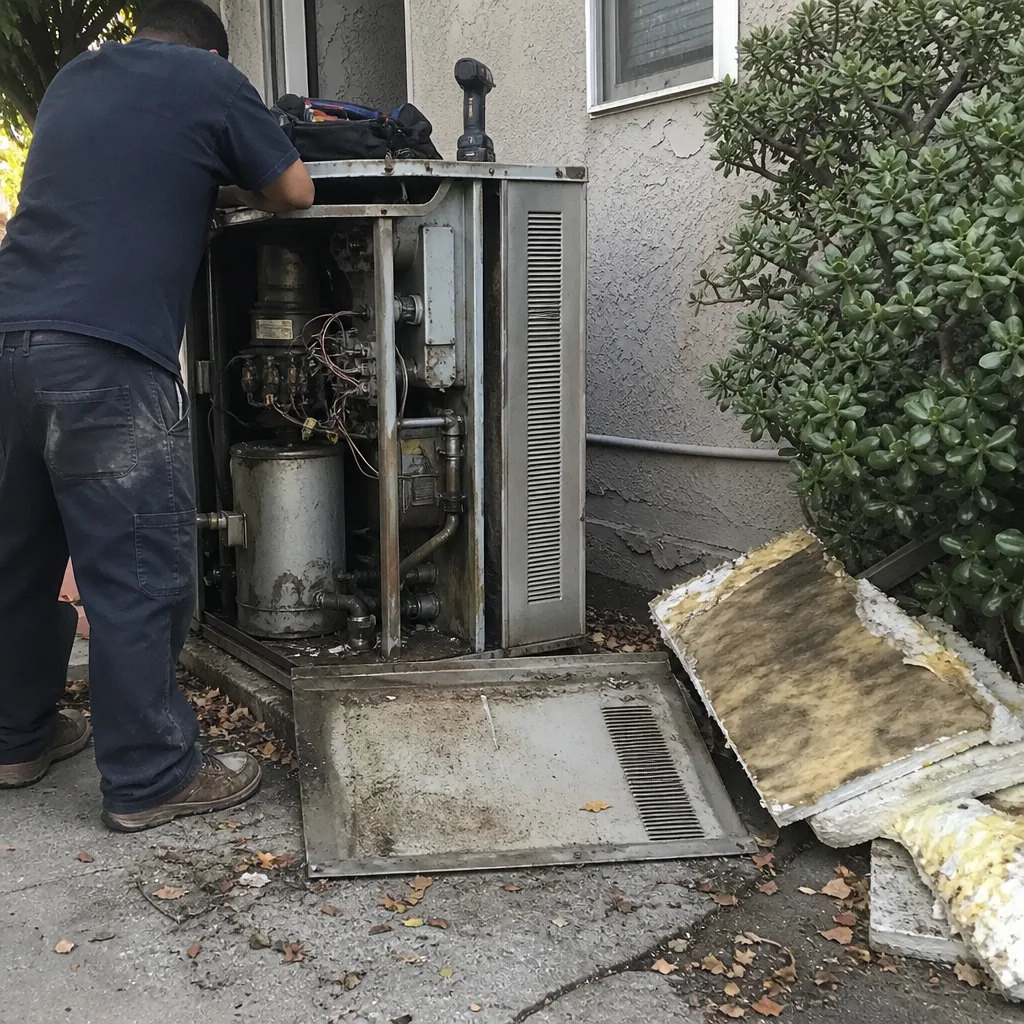 Before
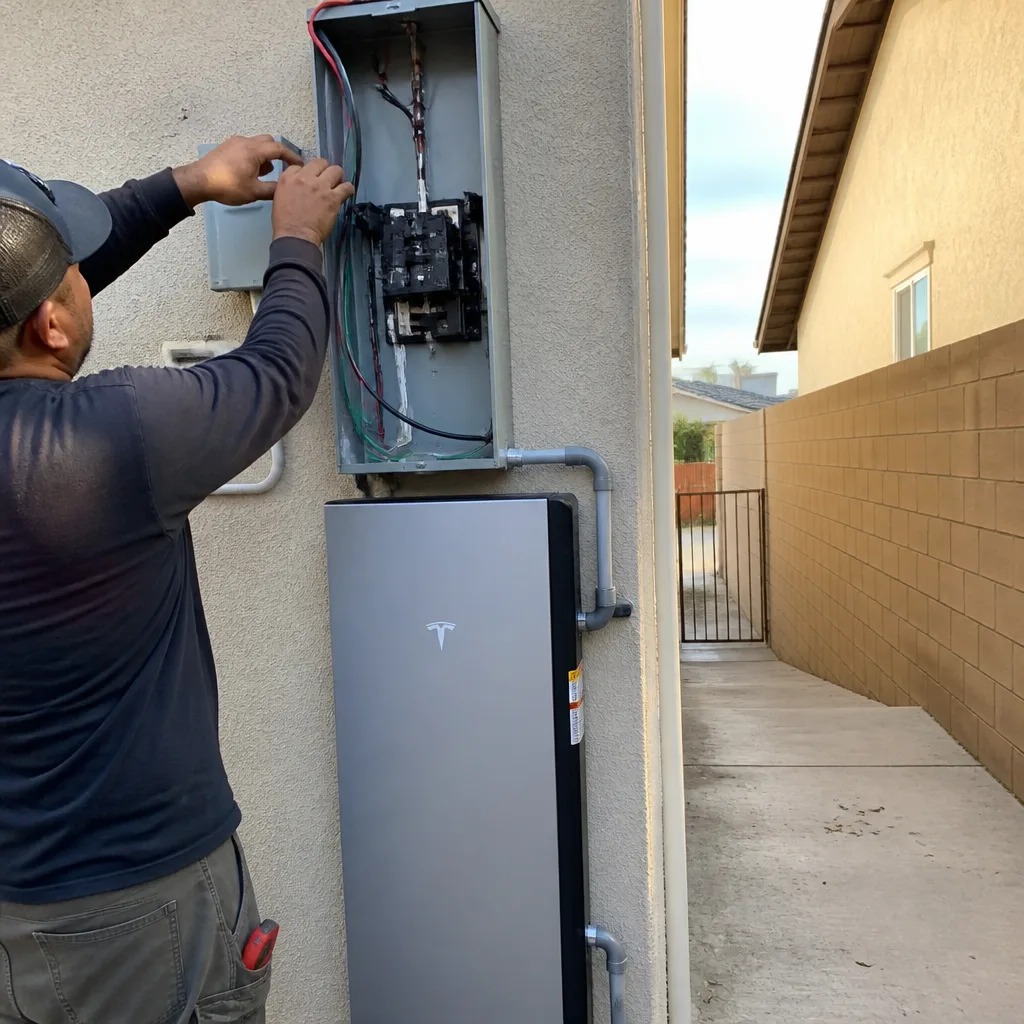 After
After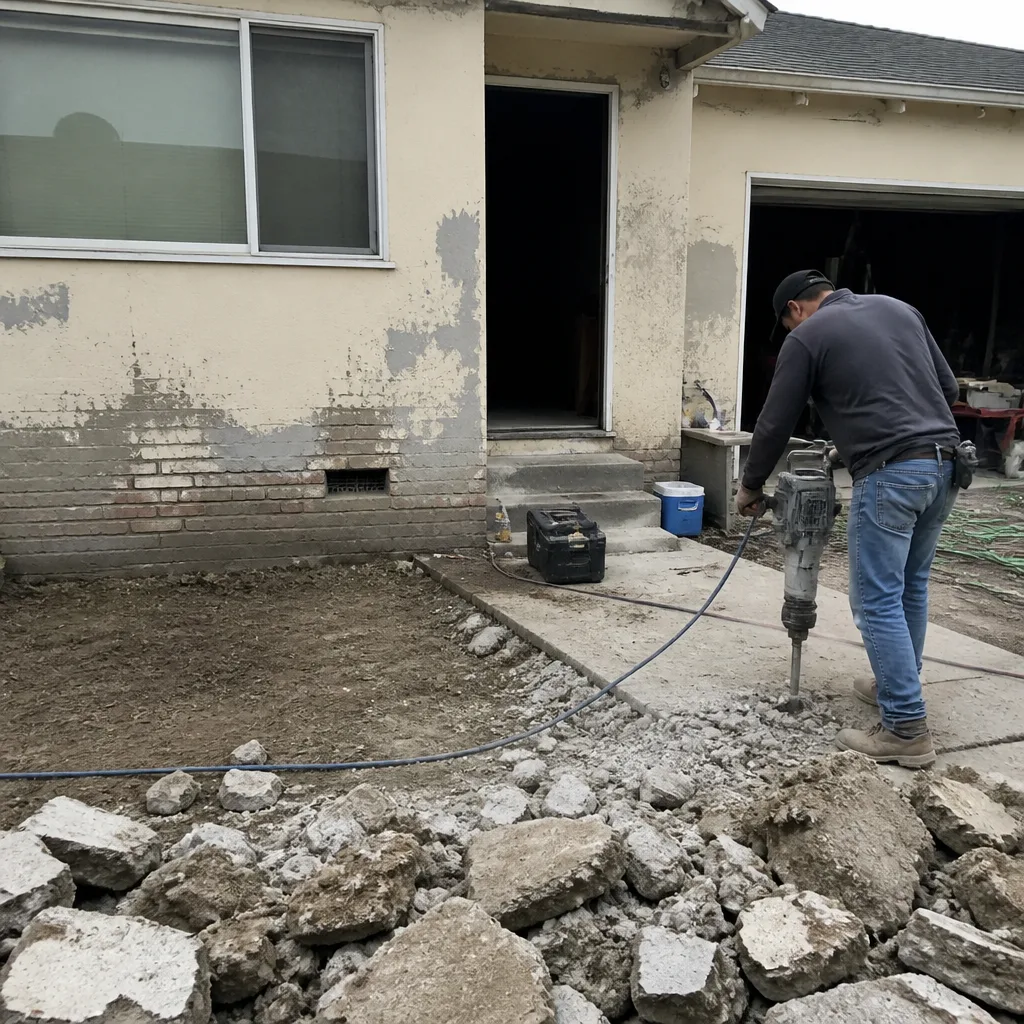 Before
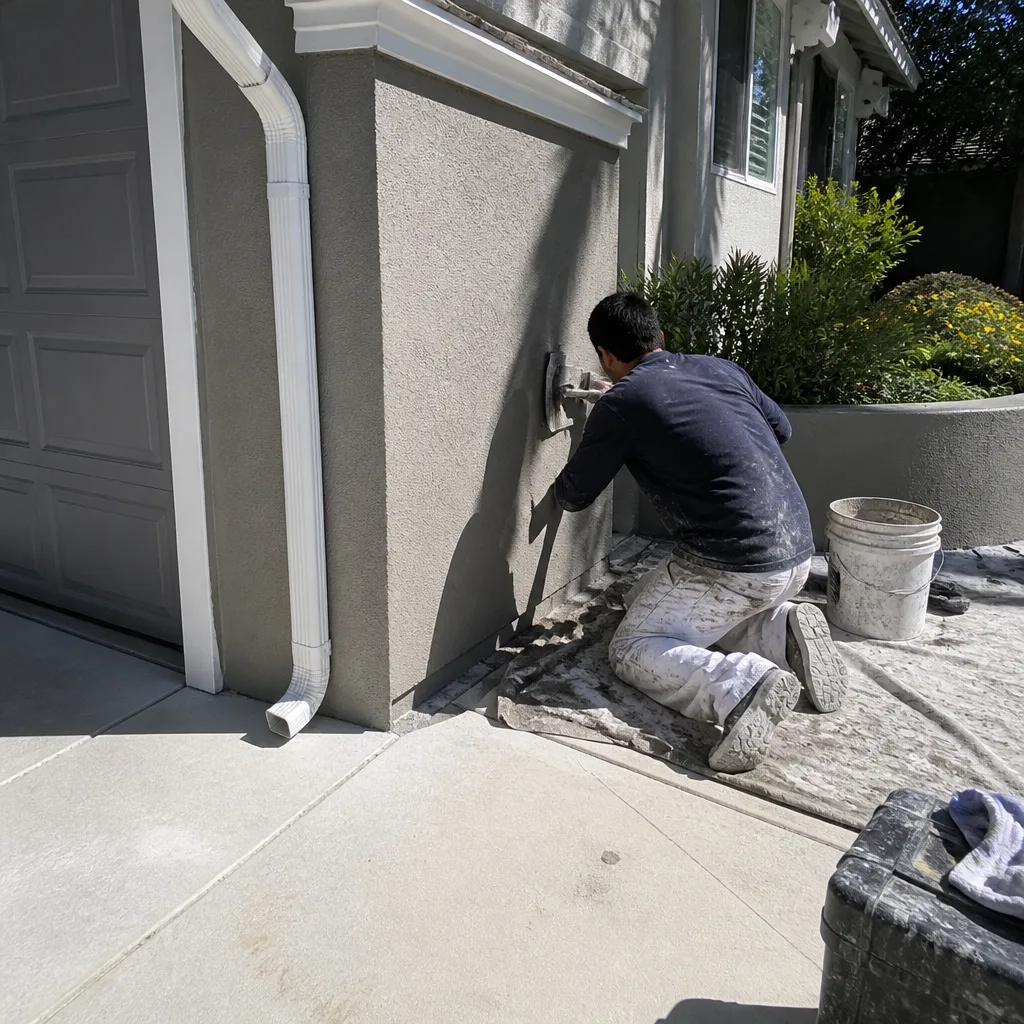 After
After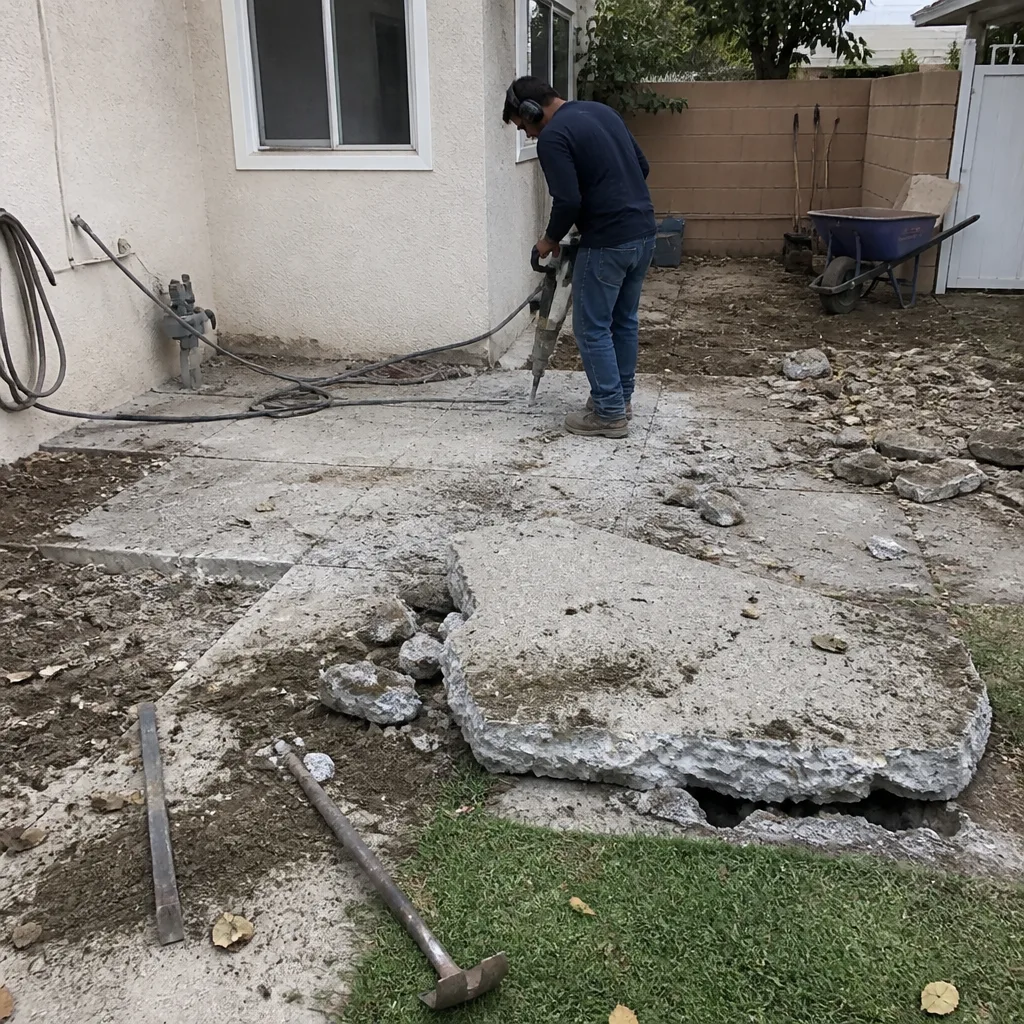 Before
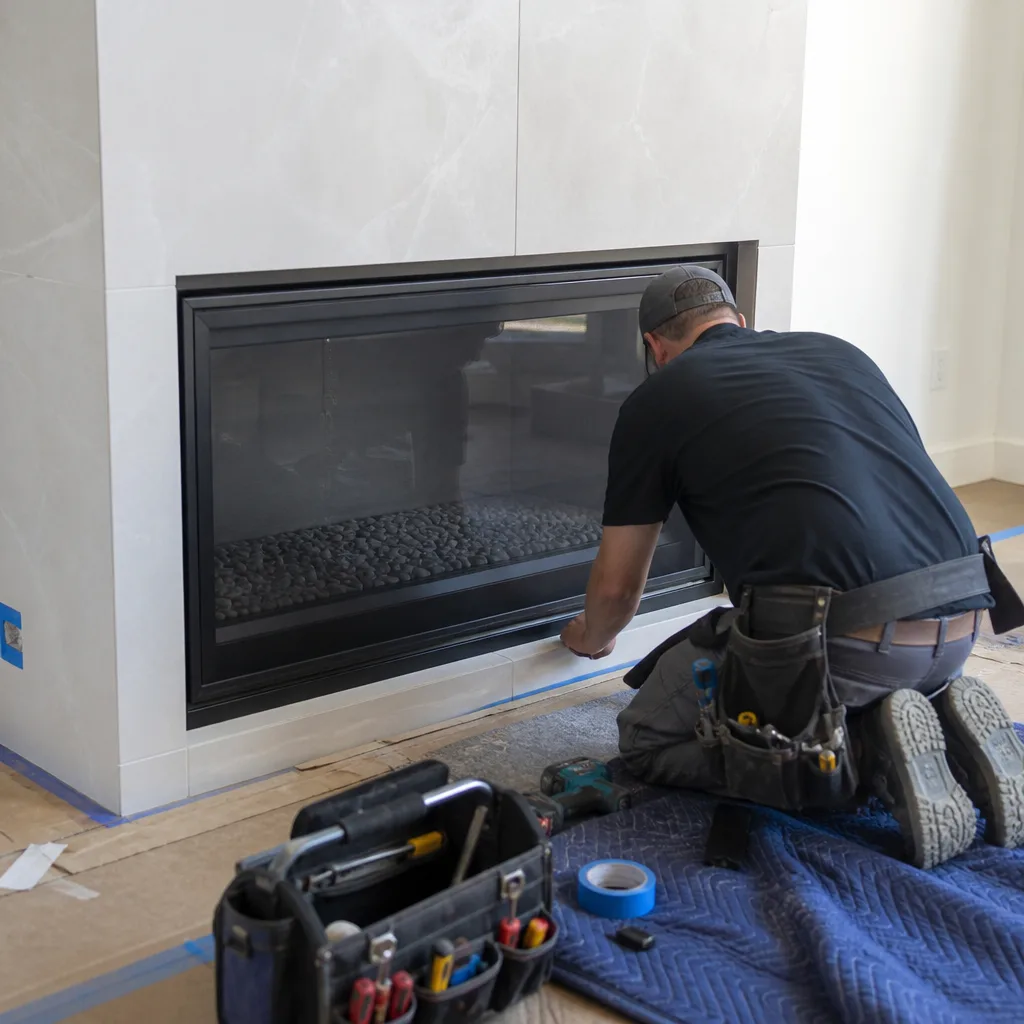 After
AfterFrequently Asked Questions

October is the right starting point for Los Angeles. By October, the long dry season has peaked, and the first Santa Ana forecast is approaching. The October work is ember defense: vent mesh, gas valve checks, and defensible space clearing. Rain window prep follows in November before the December storms arrive. Call (949) 850-9896 if you want a professional seasonal assessment done in a single visit.
Twice a year is enough for most Los Angeles homes: once in late October or November before the rain window, and once in May after the spring bloom has dropped its load. Homes under large trees may need a third pass in January between storm clusters. The goal is keeping downspouts clear before heavy rain, not keeping gutters spotless year-round.
Yes, you need the finer mesh regardless of your official fire zone designation. Embers do not check zone maps, and Santa Ana winds in Los Angeles have carried fire embers over a mile ahead of fire lines into neighborhoods that were never mapped as high-risk. The upgrade from 1/4-inch to 1/8-inch mesh on attic vents costs less than fifty dollars for most homes.
The marine layer is the primary cause. From March through June, damp ocean air sits over Los Angeles for weeks, and it condenses inside poorly ventilated bathrooms, kitchens, and attics. The second cause is bathroom exhaust fans that vent into the attic instead of to the exterior, which is a common defect in Los Angeles homes built before modern codes. The fix is improved ventilation and properly terminated exhaust ducts.
A thorough walk-around of a single-family Los Angeles home takes about 90 minutes when done by a professional who checks stucco, vent mesh, downspouts, vapor barrier, and door operation in one pass. A homeowner doing the same checks as a do-it-yourself project can complete most items over a single weekend morning. Elmstead Remodeling home assessments are free, and you receive a written report with a written price for any work we recommend, before you decide to proceed.
Yes, in specific and measurable ways. Sealing hairline stucco cracks in October prevents water intrusion that regularly turns into $2,000 to $8,000 repairs behind the stucco. Replacing crawl space vapor barrier before rain season prevents subfloor rot that costs far more than the $50 roll of material. Checking HVAC filters twice during Los Angeles summers extends compressor life by years. The pattern holds across every window: ten dollars and an hour in advance beats hundreds in repair after the damage is done.
The Bottom Line
Los Angeles does not have four traditional seasons, but it has four risk windows that are just as predictable and far more damaging when ignored. Santa Ana fire weather in fall, rain saturation in winter, marine layer condensation in spring, and heat expansion in summer each stress a different part of the home. The homeowner who maps care tasks to those windows, and schedules them around school calendars and family routines, prevents the most expensive repairs before they start. Elmstead Remodeling has served Los Angeles since 2005, and we offer free seasonal assessments with written pricing before any work begins. Call (949) 850-9896 to schedule yours.
Written by Graham Stein, Owner at Elmstead Remodeling, serving Los Angeles since 2005.