
Free written scope consultation - allowances, timeline, and change-order rules on paper before a single trade is scheduled
American Standard Roofing: The Los Angeles Owner’s Guide
American Standard roofing components in Los Angeles typically fail at the flashing, underlayment, or fastener points before the shingle or tile surface itself gives out, and replacement of those parts runs $470 – $2,125 for a standard repair when caught early. We stock American Standard-compatible ridge caps, flashing kits, and underlayment on our trucks because Los Angeles sun and Santa Ana wind cycles push these pieces harder than almost any other climate in the country. Most owners discover the problem the same way: a water stain on the ceiling after the first real rain, or granules collecting in the gutter after a wind event.
We’re an independent service provider, not affiliated with American Standard directly. What that means for you is we can match the part to your roof honestly, without a brand sales agenda, and tell you when a quality aftermarket equivalent will outlast the OEM spec in Southern California conditions.
Which American Standard Models This Applies To

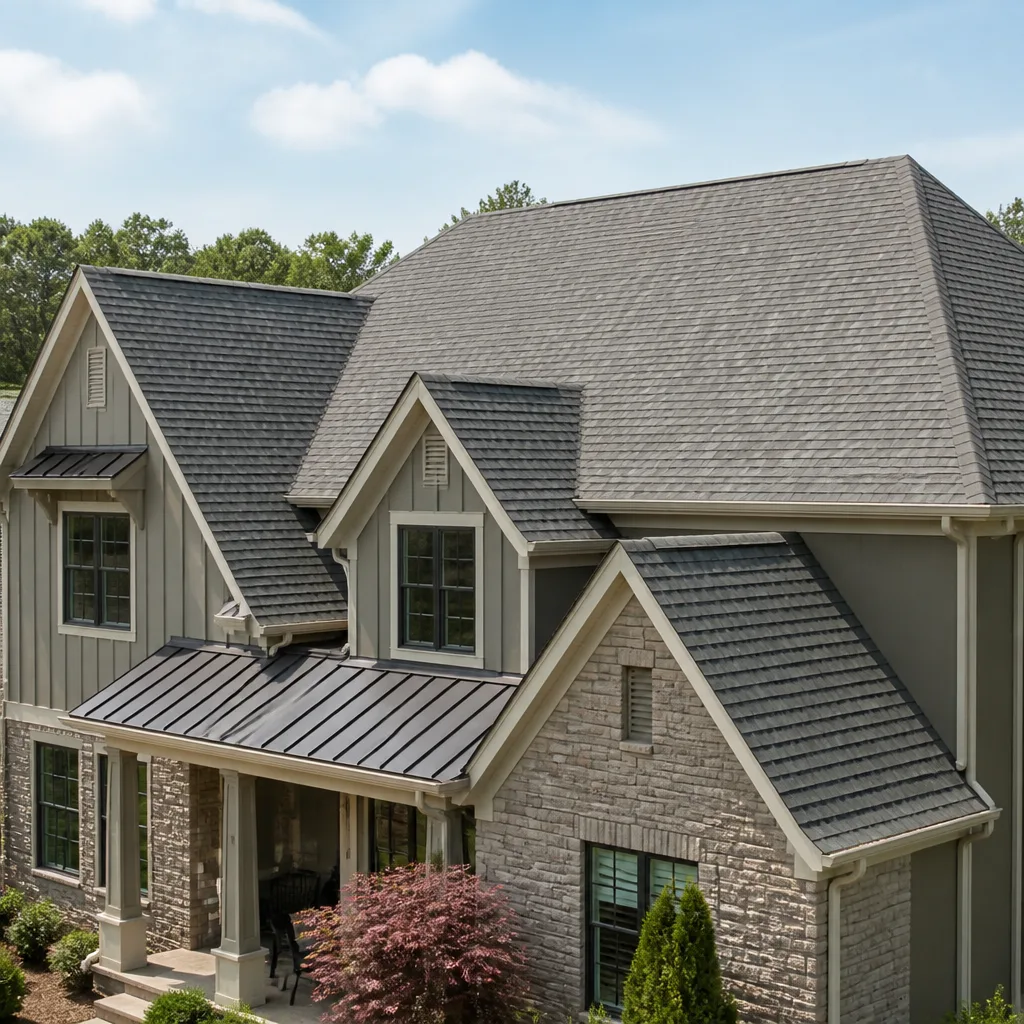
American Standard roofing lines that have appeared on Los Angeles homes fall into three groups: the asphalt shingle lines (most common in the valley and mid-city neighborhoods), the concrete and clay tile profiles (predominant in the hills and along the Orange County border), and the metal standing-seam panels typically seen on Eichler and mid-century ranch restorations. Each line uses different flashing profiles and fastening patterns, so pulling the part number off your original invoice helps, but it’s not always necessary.
If you don’t have documentation, look at the edge of an exposed shingle or tile for the stamped code, or check the underside of a roof vent boot for the manufacturer mark. The compatibility gotcha we see most often in Los Angeles: American Standard tile profiles from the mid-2000s used a narrower under-tile channel than the current production run, so a modern flashing kit will not seat properly unless we trim the channel or order the legacy profile. This is a 20-minute fix for a roofer who knows the difference and a week of leaks for someone who forces it. For asphalt shingle lines, OEM and high-quality aftermarket are functionally equivalent in our experience, provided the granule weight and UV stabilizer match the California sun load. For clay tile, we recommend American Standard profile-matched replacement tiles because the color and size drift on aftermarket tiles becomes obvious within two years.
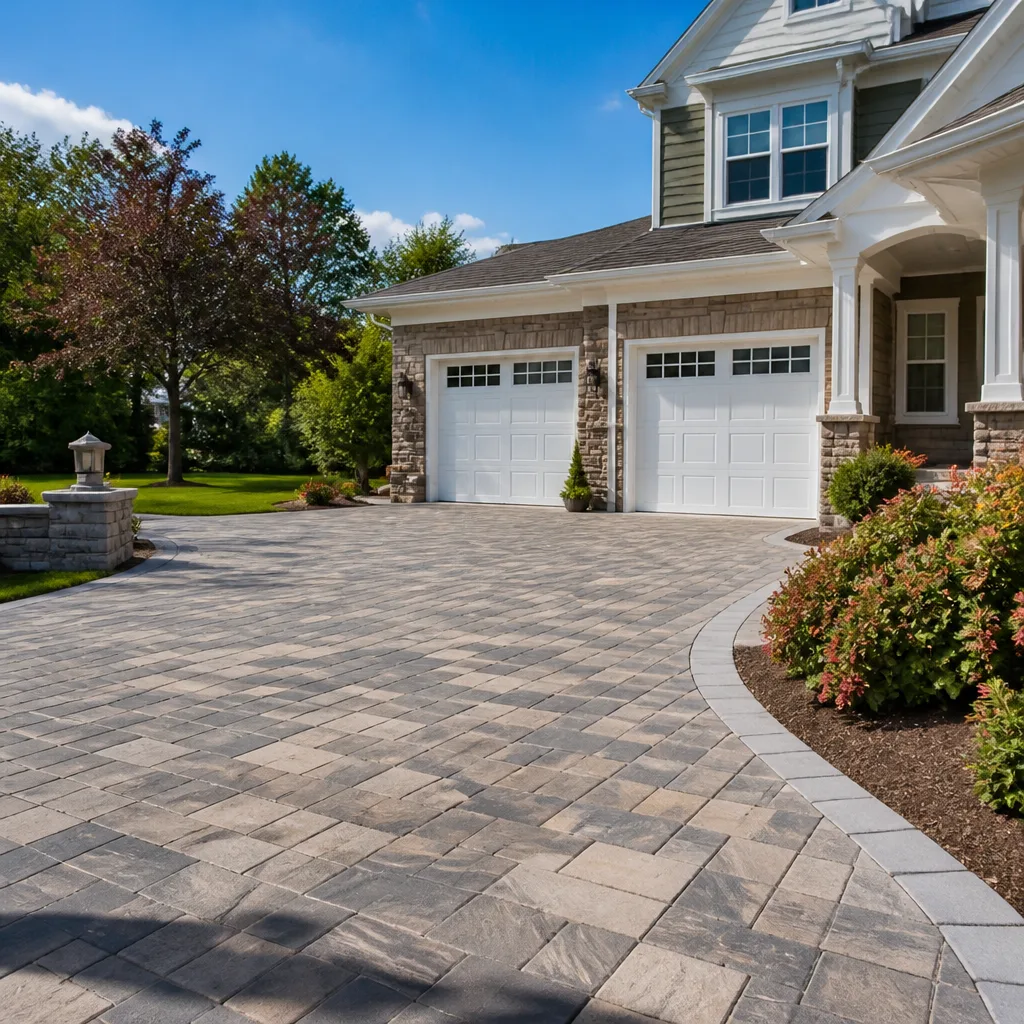
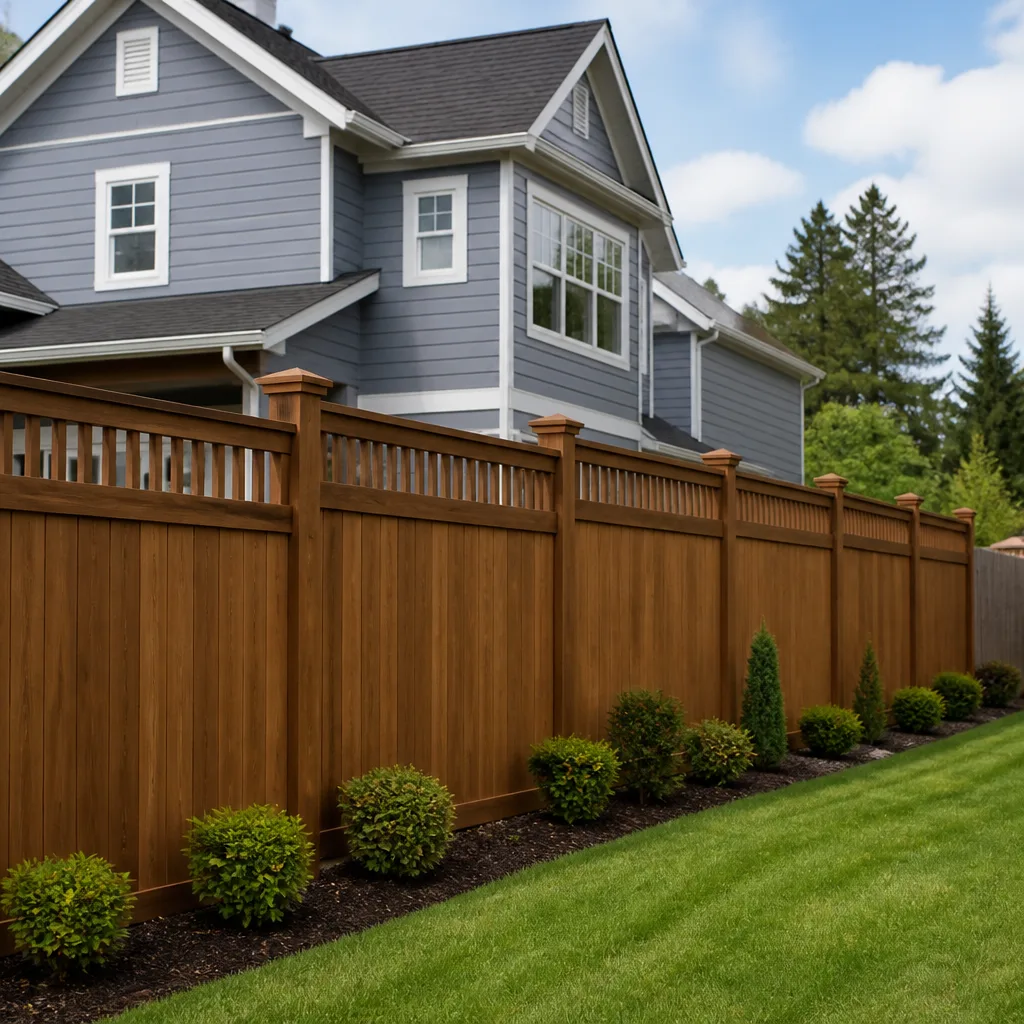
Styles & brands we work with
Signs Your American Standard Roofing Is Failing
- Granules in the gutter or at downspout elbows. This means the asphalt shingle’s UV-resistant surface layer is breaking down. In Los Angeles, ultraviolet exposure does this faster than rain, and once the granule loss is visible, the shingle’s life is measured in one to two more summers.
- Water staining on the ceiling after rain. The stain usually appears several feet from the actual breach because water travels along a rafter or truss before dripping. The real failure is often a cracked flashing boot at a vent or chimney, not the shingle itself.
- Lifted or curling shingle edges near the eave. The adhesive strip that seals the shingle to the course below has failed, usually from sustained wind off the San Gabriels or repeated thermal cycling. Once lifted, the next Santa Ana wind event can peel entire sections.
- Daylight visible through the roof deck from the attic. This is the clearest signal that the underlayment has degraded or was never sufficient for the local wind-driven rain pattern. In Silver Lake and Echo Park, where I started working on roofs, older homes commonly had single-layer felt that is now past useful life.
- Cracked or shifted clay tiles after a storm. Clay tile roofs in the hills above the 405 take wind-driven debris differently than flat-roof neighborhoods. A cracked tile is not an emergency, but a shifted tile leaves the underlayment exposed to UV, and that underlayment is what actually keeps the water out.
See the difference
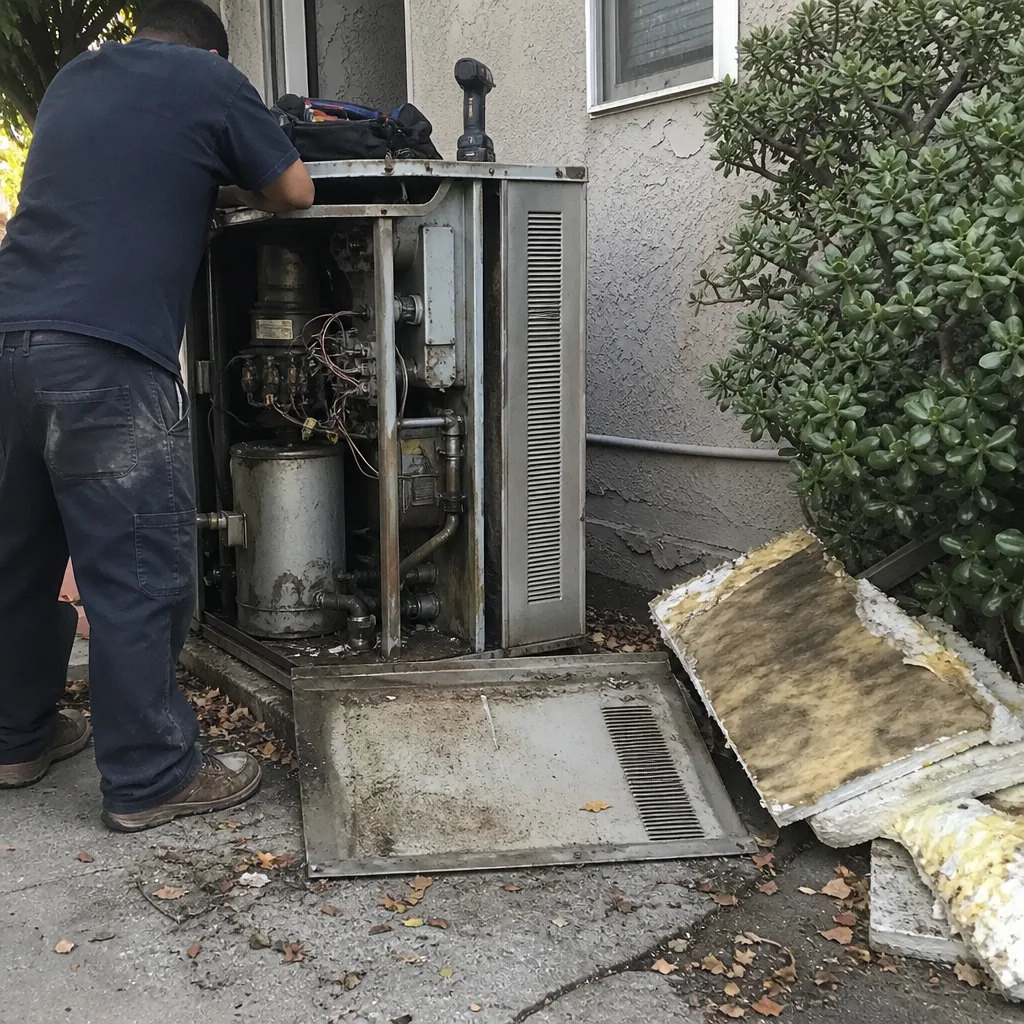 Before
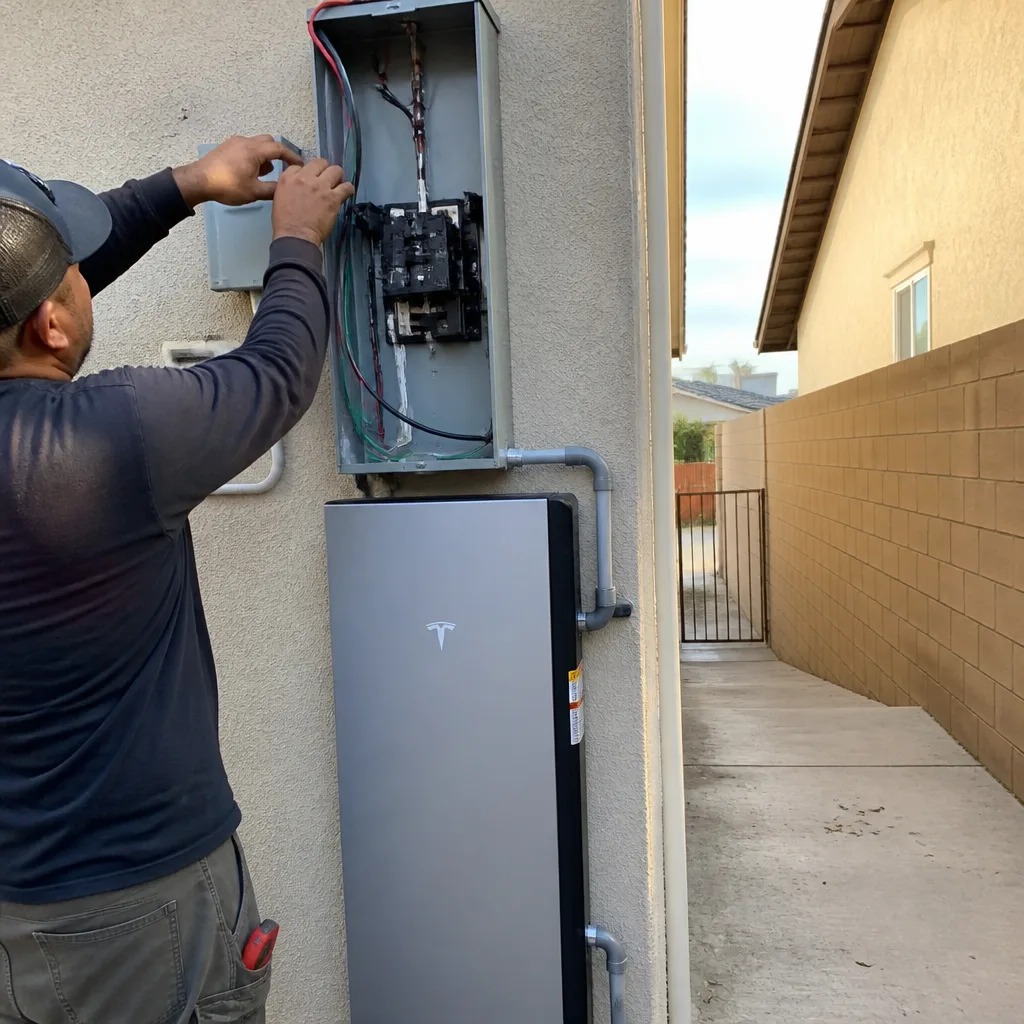 After
After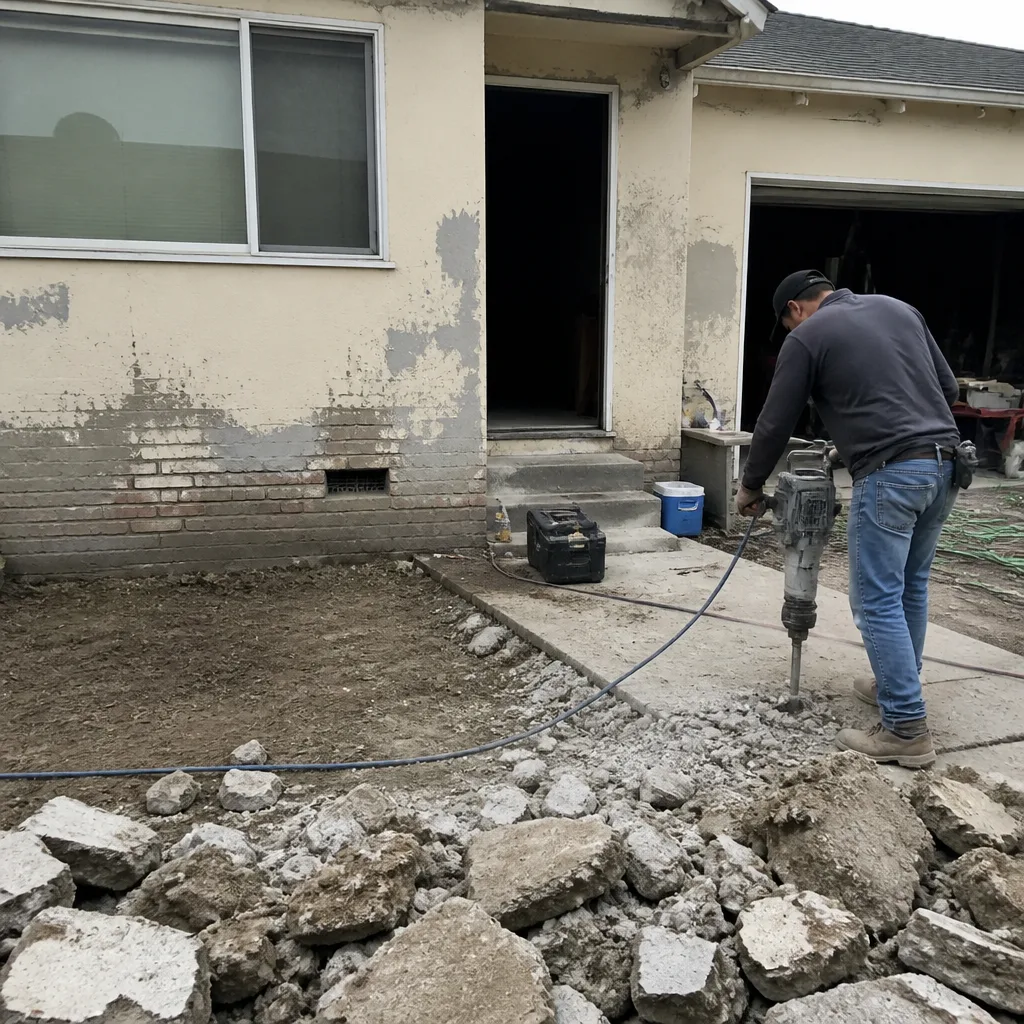 Before
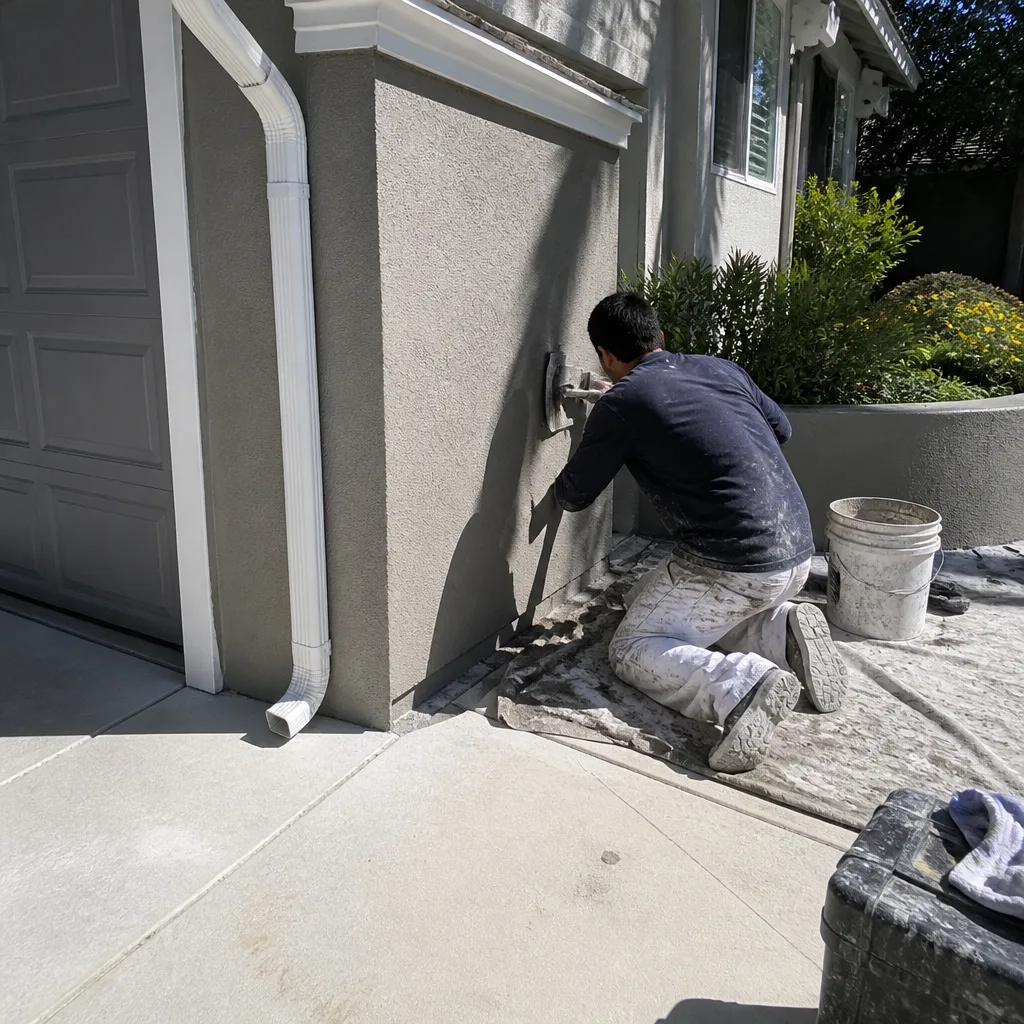 After
After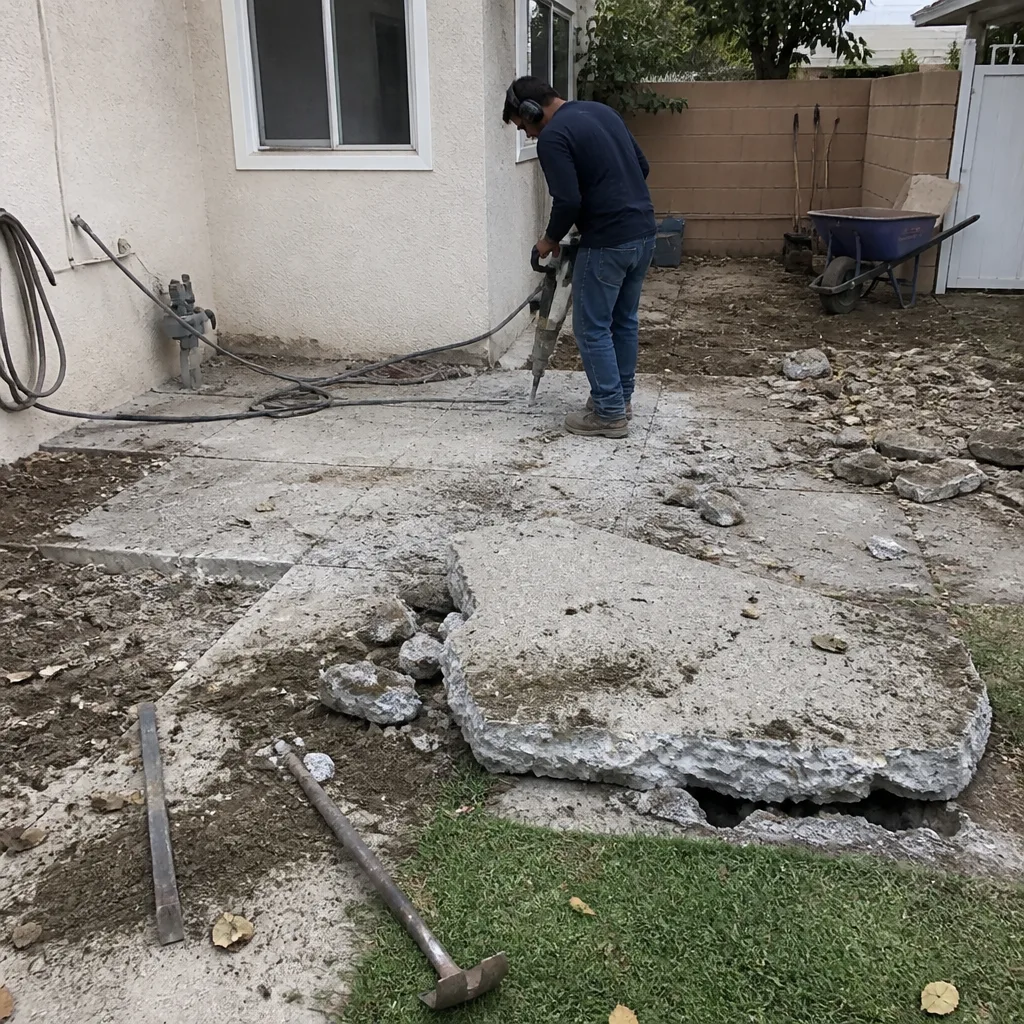 Before
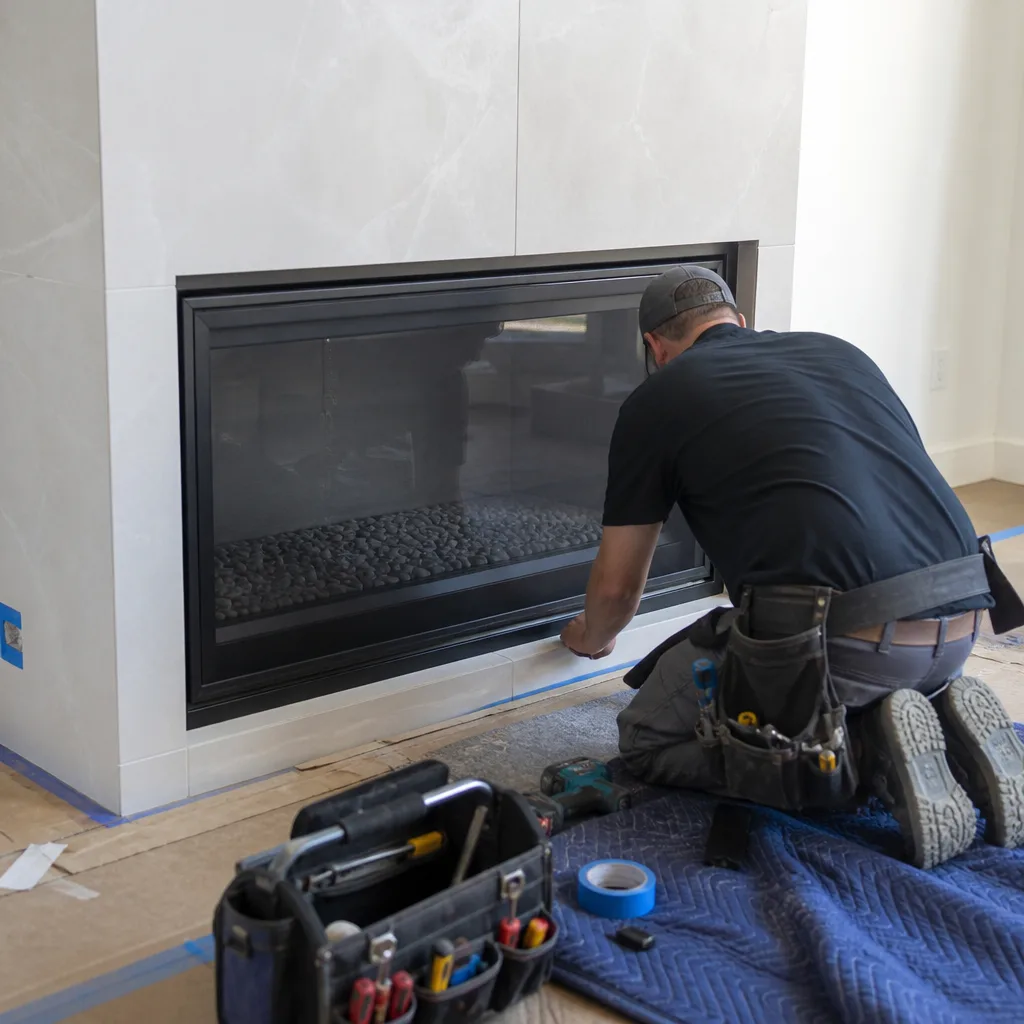 After
AfterReplacement Cost & What’s Included
Los Angeles roof repair on an American Standard system runs $470 – $2,125 depending on what actually failed. A single cracked tile or boot replacement sits at the low end. A full flashing rebuild at a chimney or several courses of shingles replaced after wind damage lands mid-range. If the sheathing under the shingles has rotted from a long-undetected leak, that pushes toward the higher number because the decking has to come up and be replaced before the surface goes back on.
Here’s the line-item breakdown we give every Los Angeles homeowner before work starts:
- Ridge cap replacement: $470 – $1,180 installed per section
- Flashing boot or vent-collar replacement: $470 – $945 installed
- Chimney flashing rebuild: $1,180 – $2,125 installed
- Tile or shingle repair (up to 10 units): $710 – $2,125 installed
- Full roof replacement (American Standard-compatible): $9,440 – $23,600 depending on roof size, slope, and tear-off requirements
Every repair includes disposal of the old materials, the fasteners and sealants matched to your existing roof, and our written price given before any work starts. If the decking underneath needs repair that we could not see until the surface came off, we show you photos and the revised scope in writing before proceeding. The workmanship is covered by the 365-Day Done Right Promise: if it is not done right, we make it right.
DIY or Call Us?
What an owner can safely do: check the attic for daylight, inspect gutters for granule buildup, and photograph any visible damage from the ground. These three checks cost nothing and give us a starting point when you call.
What we recommend against doing yourself: anything that involves getting on the roof. A steep pitch on a tile roof, especially a damp or dusty one, is not a reasonable ladder climb for a homeowner. Walk-on risk, fall risk, and the chance of cracking adjacent tiles while trying to save a few hundred dollars on one repair make this a job for someone with roof brackets and the right footwear. Call (949) 850-9896 and we’ll send a technician who will document what is actually wrong before quoting the fix.
FAQs
American Standard asphalt shingles in Los Angeles typically last 18 – 25 years, while clay tile can go 50 years or more if the underlayment is replaced every 20 – 30 years. The sun is the limiter here, not the rain.
A flashing boot or single cracked tile can be repaired, but once shingle granule loss is widespread or the underlayment has failed in multiple locations, patching becomes more expensive than section replacement. Call (949) 850-9896 for an honest assessment.
A single flashing or small shingle repair takes our technician 2 – 4 hours in most Los Angeles homes. Larger section replacements or underlayment work typically complete in one day.
We stock common American Standard-compatible flashings, boots, and ridge caps on our trucks. For profile-matched clay tile or specific shingle colors, we source from our Los Angeles distributors and typically have the material within two business days.
We also keep parts on hand for KraftMaid, Cambria, and Silestone products for the kitchen and bath side of our work, so the same written-price standard applies across the whole house.
Written by Graham Stein, Owner, Elmstead Remodeling at Elmstead Remodeling, serving Los Angeles and nearby areas.