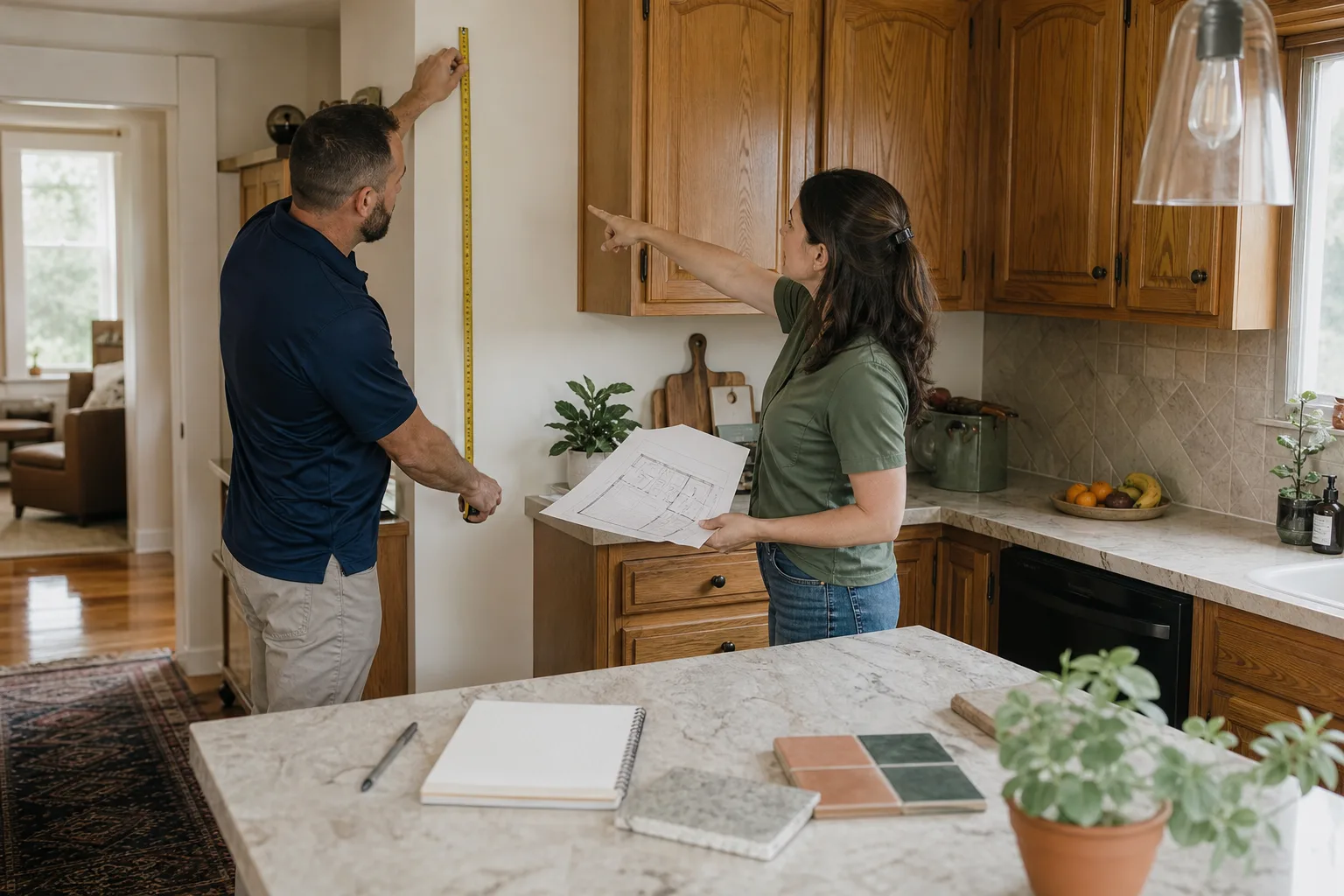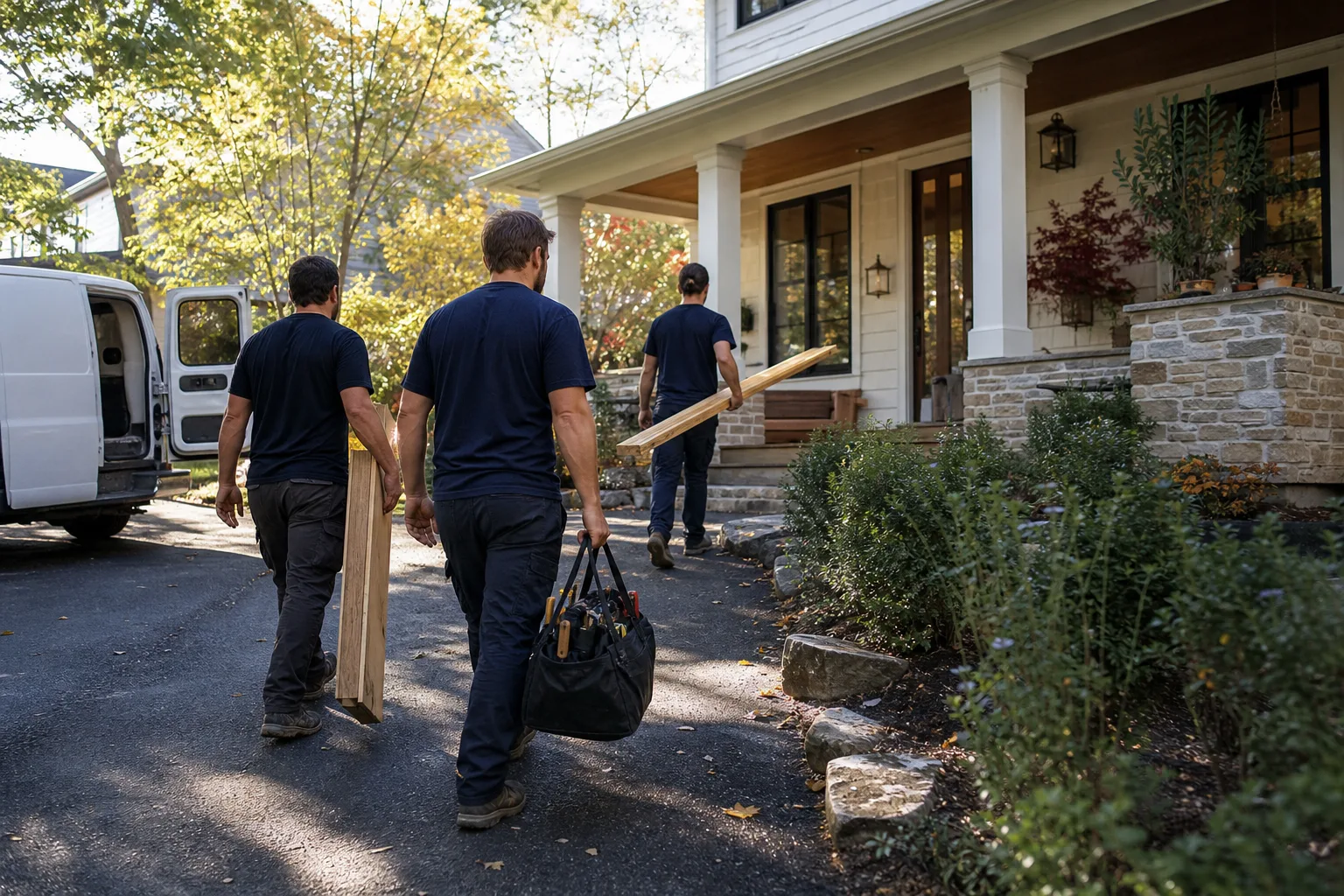
Free written scope consultation - allowances, timeline, and change-order rules on paper before a single trade is scheduled
Barrette Roofing: The Los Angeles Owner’s Guide
We install and repair Barrette roofing products across Los Angeles, including replacement fascia, drip edge, soffit, and the trim components that fail long before the panels do. Typical installed replacement work runs between $470 and $2,125 depending on how many linear feet are involved and whether we’re addressing a single failed run or trimming an entire eave line. Most Los Angeles homeowners discover a Barrette part has failed when they notice a warped fascia board after a hot summer, a drip edge pulling away from the roofline, or paint bubbling on a soffit panel where moisture got trapped. The panels themselves are tough. It’s the aluminum trim around them that takes the beating from our sun and the marine layer.
Which Barrette Models This Applies To
Barrette’s aluminum fascia, soffit, and drip edge lines are cut to fit nearly every roof profile, but the critical measurement is the width and the bend geometry. Barrette fascia typically comes in 6-inch and 8-inch widths with a standard 90-degree bend, while their drip edge, sometimes called eave drip or rake edge, is manufactured in 10-foot lengths with either a 1-inch or 2-inch overhang lip. Here’s the compatibility gotcha most people miss: Barrette’s soffit panels lock into a receiver channel, and that channel is not universal across their product generations. Older Barrette installations from the 1990s and early 2000s used a narrower receiver than current production, so a new soffit panel won’t seat properly in an old channel unless we swap the receiver too. Graham Stein, our owner, has learned to check the receiver channel first on any repair call in Los Angeles, because the wrong assumption means a second trip and a frustrated homeowner.
For the OEM versus aftermarket decision, Barrette’s own aluminum is a known gauge throughout the industry, typically .019 to .024 inch depending on the line. Quality aftermarket equivalents exist, and we’ll quote them truthfully when they’re a good match, but we stock Barrette-compatible profiles for fascia and drip edge because the bend radius and paint color match matter more on a visible eave line than any place else on a roof. We’re an independent Los Angeles contractor, not affiliated with Barrette, which means we tell you honestly when an aftermarket piece will do the job and when it won’t.
Styles & brands we work with
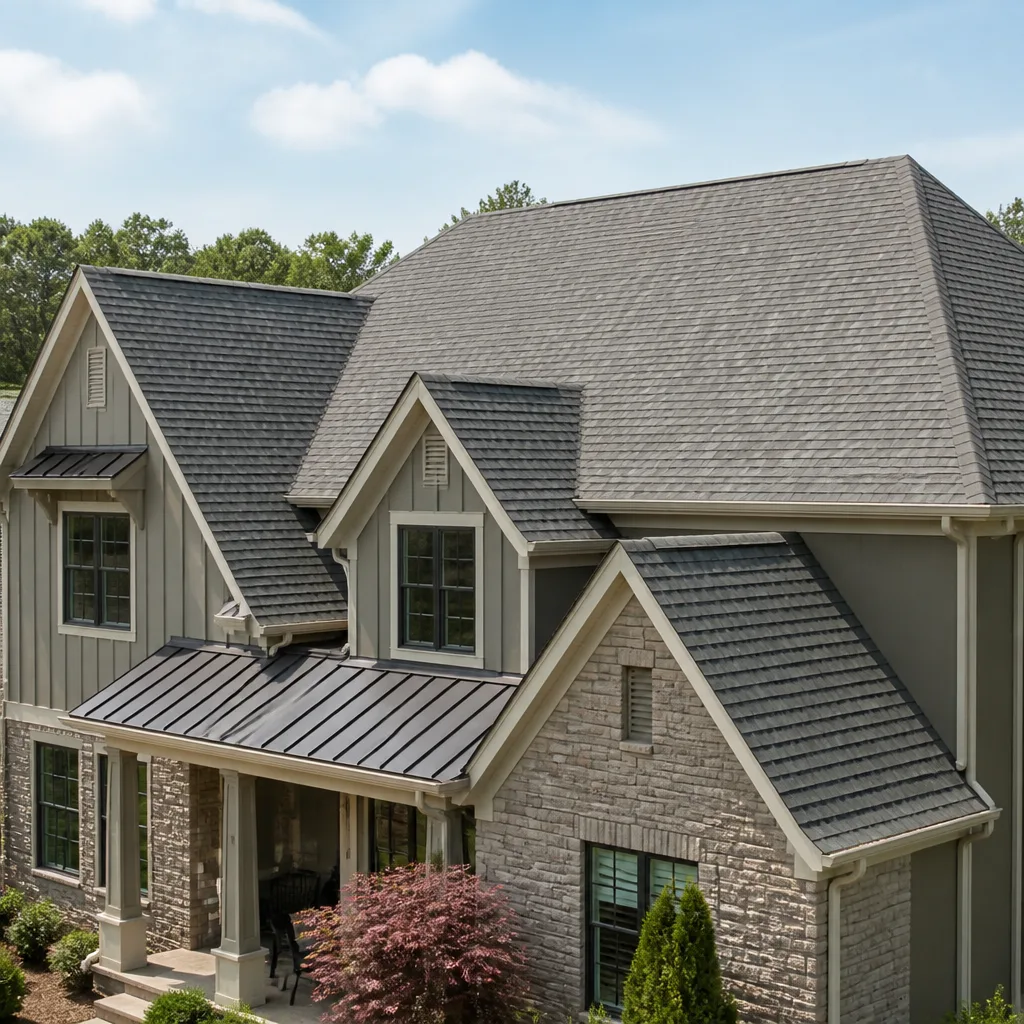
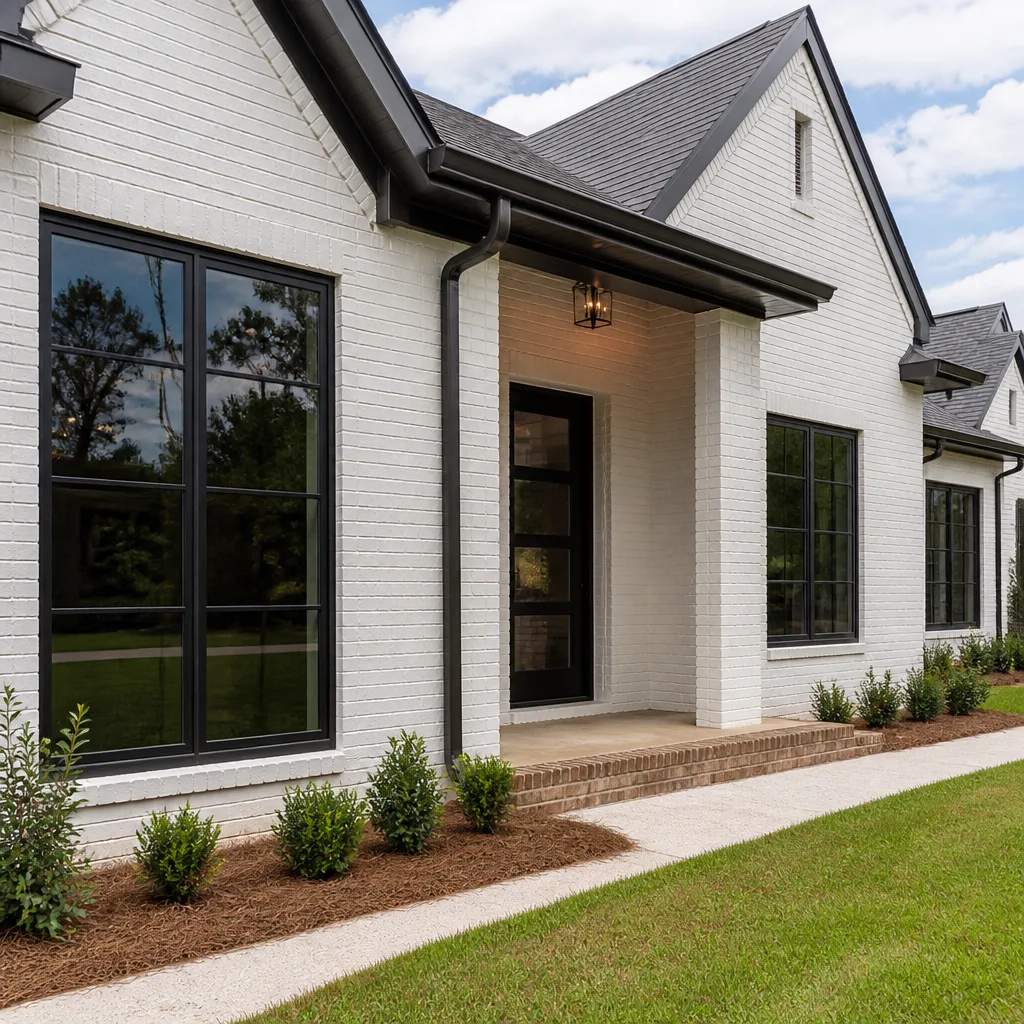
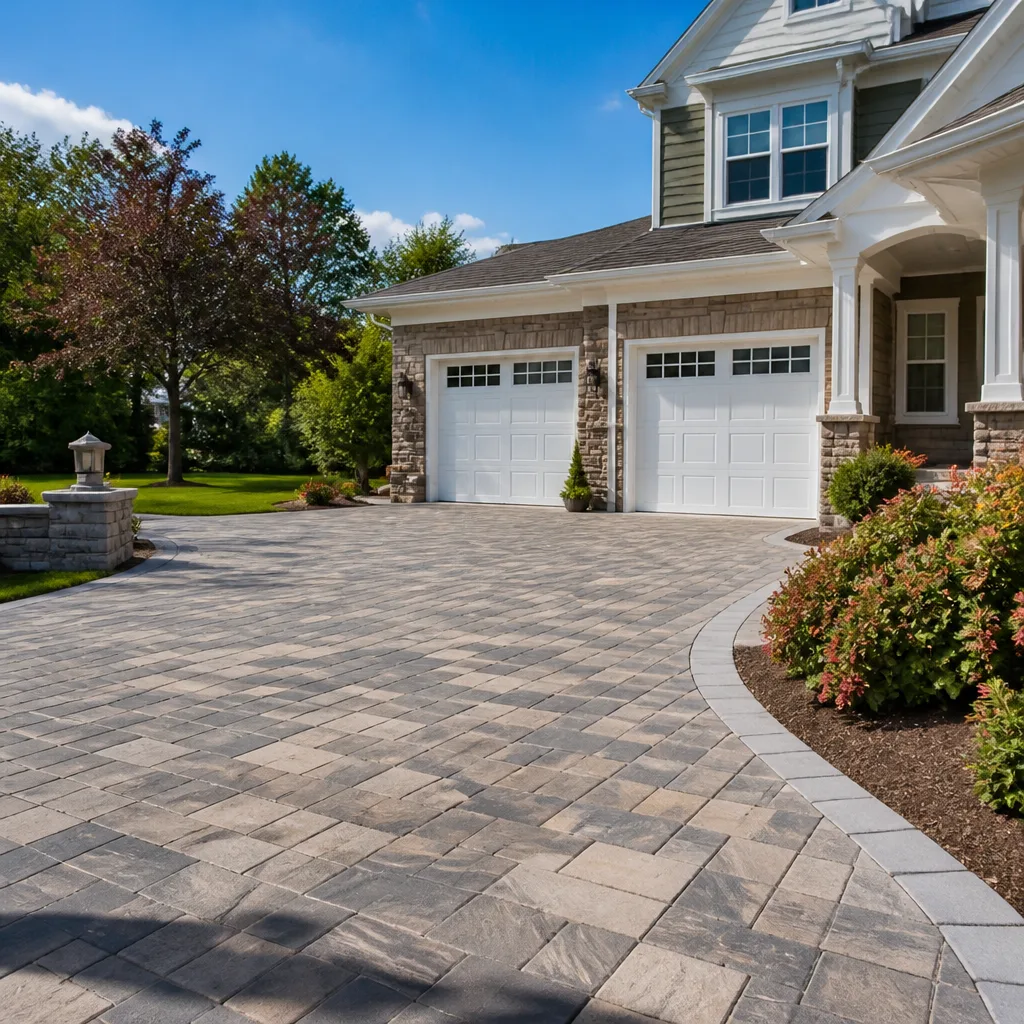
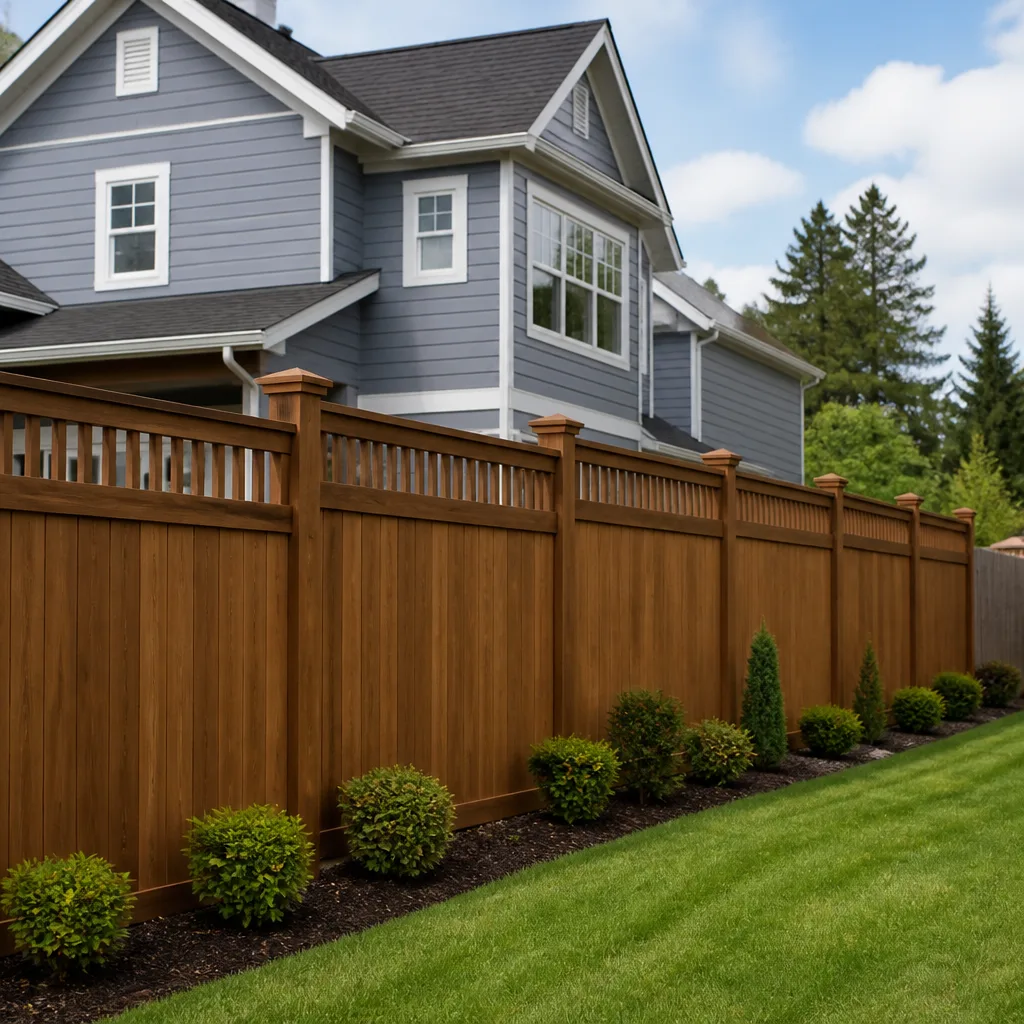
Signs Your Barrette Roofing Is Failing
- Fascia pulling away from the rafter tails. This is usually the nails backing out after years of thermal expansion, a common sight in Los Angeles neighborhoods where summer attic temperatures climb past 140 degrees. The aluminum flexes, the fasteners lose grip, and gravity takes it from there.
- Drip edge curling at the corners. When water gets behind the drip edge, the trapped moisture corrodes the aluminum from the back side. You’ll see a whitish powder or chalky residue along the underside before the curl becomes obvious.
- Soffit panels sagging between supports. Barrette soffit spans are rated for a maximum distance between framing members. Older Los Angeles homes, especially the 1940s and 1950s builds in the Valley, often have irregular rafter spacing that exceeds the panel rating, leading to a wave-like sag over time.
- Dark staining running down from the roofline. A failing drip edge shunts water onto the fascia and soffit instead of into the gutter. You’ll notice a rust-colored or black streak pattern that repeats every few feet along the eave.
- Bird or rodent activity at the eave line. Animals find gaps where fascia has separated from the rafter tail. We’ve pulled nests out of soffit cavities in Echo Park and Highland Park more times than we can count, and the fix always starts with re-seating the Barrette trim properly, not just evicting the squatters.
See the difference
 Before
 After
After Before
 After
After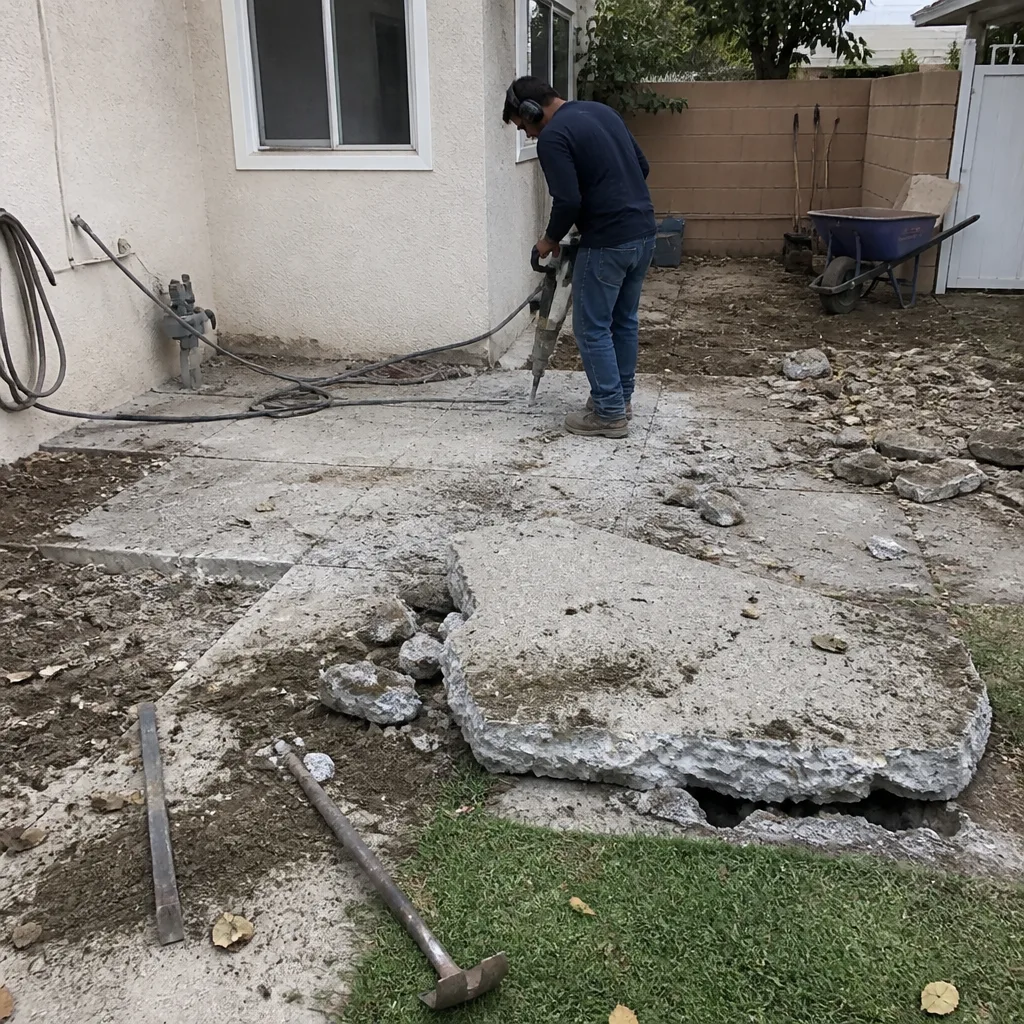 Before
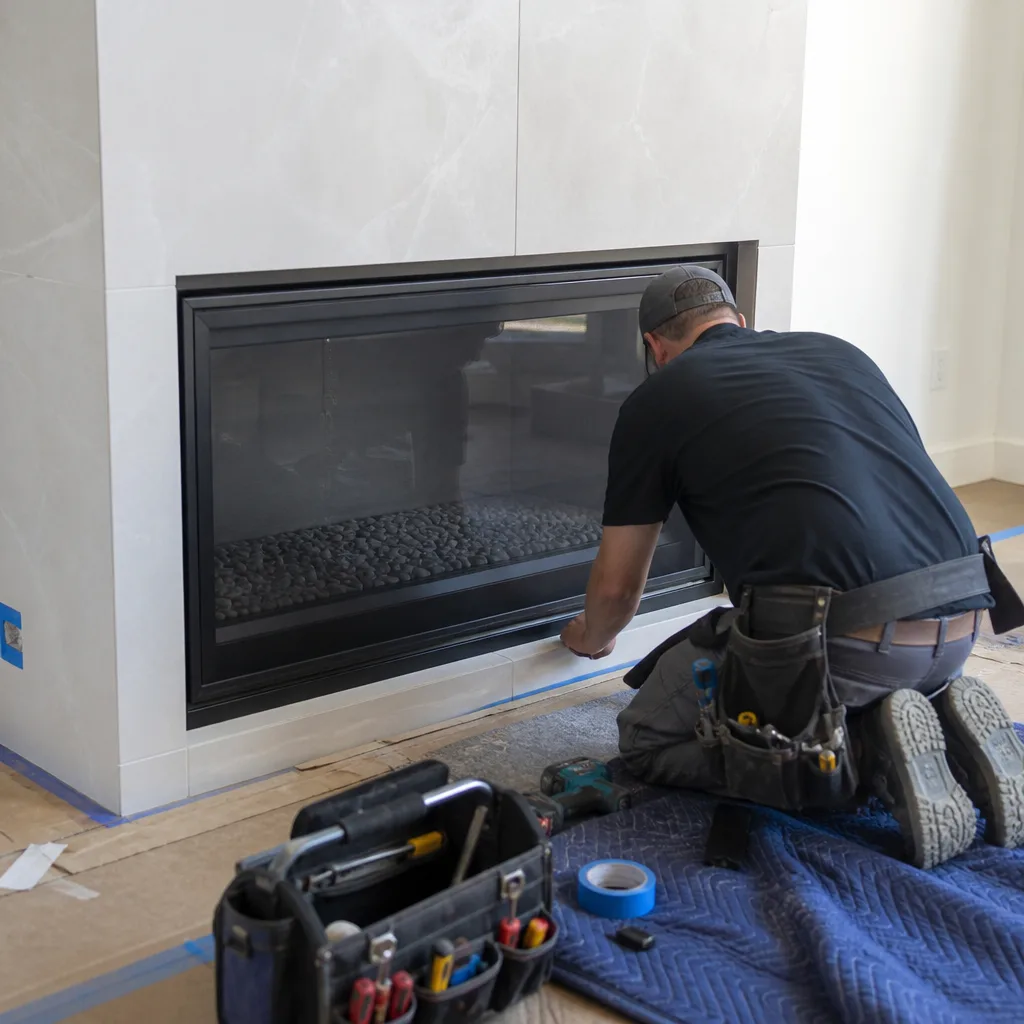 After
AfterReplacement Cost & What’s Included
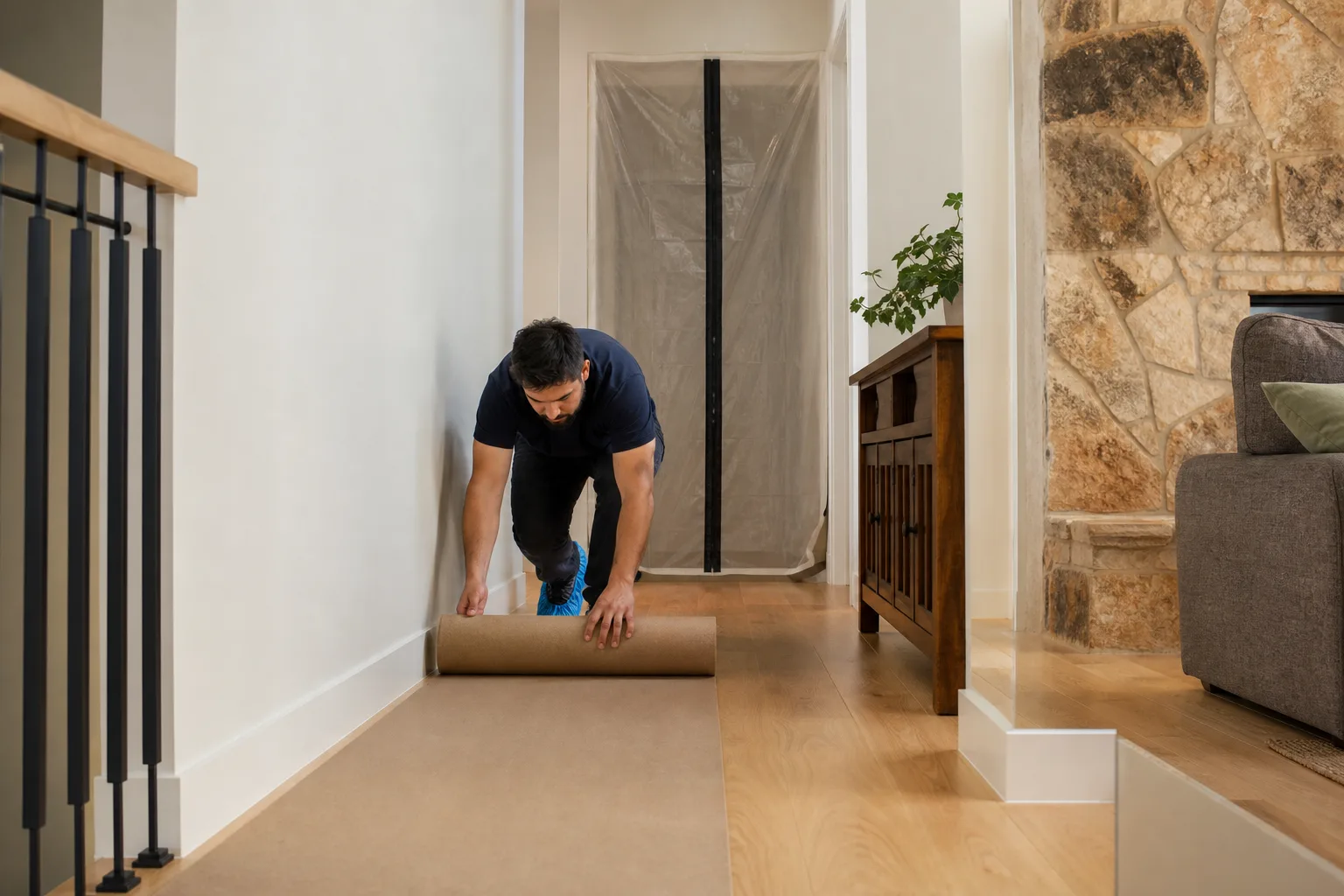
For Los Angeles Barrette roofing trim replacement, you’re looking at $470 to $2,125 installed. A single run of fascia on one side of a house typically lands at the lower end. Replacing soffit and fascia around an entire roofline pushes toward the upper end. The main cost drivers are linear feet, whether we need to replace the receiver channels, and how much of the old aluminum has to come down and be hauled away. We give you a written price before any work starts, every time, on every project, with the scope itemized so you know exactly what you’re paying for. The 365-Day Done Right Promise covers the work, so if a panel comes loose or a seam opens within a year, we come back and make it right. Drop cloths go down under the work area, shoe covers at every door we pass through, and the crew photographs the cleanup before they pull away from the curb.
DIY or Call Us?
You can safely check a few things yourself: run a hand along the drip edge to feel for loose fasteners, look for separated seams at the fascia corners, and check whether soffit panels have shifted out of their receivers. What you should not do is climb onto a roof with an extension ladder and a pry bar. Los Angeles homes sit on slopes and rises that make ladder work genuinely dangerous, especially on the hillside lots in Mount Washington, Silver Lake, and the Hollywood Hills where the drop-off below the gutter line can be 20 feet or more. The work itself is not the hard part. It’s getting to the work safely, and that’s what we train for. Call (949) 850-9896 and we’ll come take a look from the ground and the ladder without you ever leaving the doorway.
FAQs
Barrette aluminum trim typically lasts 20 to 30 years in Los Angeles, but the fasteners fail first, often within 10 to 15 years. The aluminum survives our climate well. It’s the nails backing out under repeated expansion and contraction that starts the failure chain. Call (949) 850-9896 to schedule a checkup before a loose run of fascia becomes a water problem.
Sometimes yes. If the aluminum itself is sound and the problem is backed-out fasteners, we can re-seat the trim with new corrosion-resistant fasteners and reseal the seams without replacing the piece. If the metal is bent, corroded, or the receiver channel is damaged, replacement is the honest answer. We’ll tell you which one applies to your roofline and why.
Most single-side fascia or drip edge replacements finish in a day. A full roofline with soffit, fascia, and receiver channel work can take two to three days depending on the home’s footprint and how much old material needs hauling. We work around nap schedules and school hours where possible, and quiet tools are part of how our crews operate, not a special request.
Yes, we carry common Barrette fascia profiles, drip edge, and receiver channels in white and brown on our service vehicles, along with the other brands we work with including KraftMaid, Cambria, and Silestone for our interior projects. If your exact color is a less common one, we source it and get back to you with a written price before we start.
Written by Graham Stein, Owner, Elmstead Remodeling at Elmstead Remodeling, serving Los Angeles and nearby areas.