Free written scope consultation - allowances, timeline, and change-order rules on paper before a single trade is scheduled
Bufftech Driveway & Pavers: The Los Angeles Owner’s Guide
Bufftech driveway and paver replacement parts in Los Angeles typically run $90 to $320 for the component itself, with full installed work including removal, base correction, and replacement landing between $780 and $2,100 depending on how many units failed and what’s underneath them. We carry Bufftech-compatible edge restraints, paver units in standard buff and charcoal tones, and polymeric joint sand in our local inventory, which means most jobs are completed within a week of your call. The way most Los Angeles homeowners discover a failing paver isn’t dramatic: a single unit starts rocking underfoot near the driveway apron, or a corner cracks after a year of sun exposure, or the edge restraint along a planting bed pops loose after heavy rain and suddenly three pavers have wandered out of line.
We’re an independent Los Angeles remodeling contractor, not a Bufftech distributor or factory branch. That matters because we don’t push one brand when another fits better. We match what’s already in your driveway so the repair disappears into the existing surface, and we’re straightforward when a full section replacement makes more sense than patching one paver at a time.
Which Bufftech Models This Applies To
Bufftech has shifted its product naming over the years, which creates a real matching problem for Los Angeles homeowners. Older installations from the late 1990s and 2000s used names like Coventry and Holland Stone in a 60mm thickness, while newer lines like the Aberdeen and Town Hall series run 80mm for vehicular use. The thickness difference is the compatibility gotcha: a 60mm paver laid in a driveway that originally used 80mm units will sit low, crack under vehicle weight, and ruin the drainage slope. You cannot mix thicknesses in a load-bearing driveway application.
To identify what you have, flip up a loose paver and look for a stamped code on the bottom or side wall. Most Bufftech units made after 2005 carry a four-to-six character mold identifier. If the stamp is gone, measure the paver height with a tape measure and note the edge profile: chamfered, square, or tumbled. Bring that measurement and a photo of the top surface to any supplier conversation, including ours. For OEM versus aftermarket: Bufftech pavers are manufactured to ASTM C936 standards for concrete interlocking pavers, and a quality aftermarket unit that meets the same spec and color range will perform identically. The honest difference is usually color drift between batches. A unit made in 2026 won’t perfectly match one made in 2011, OEM or not. That’s a fact of concrete manufacturing, not a brand issue.
Styles & brands we work with
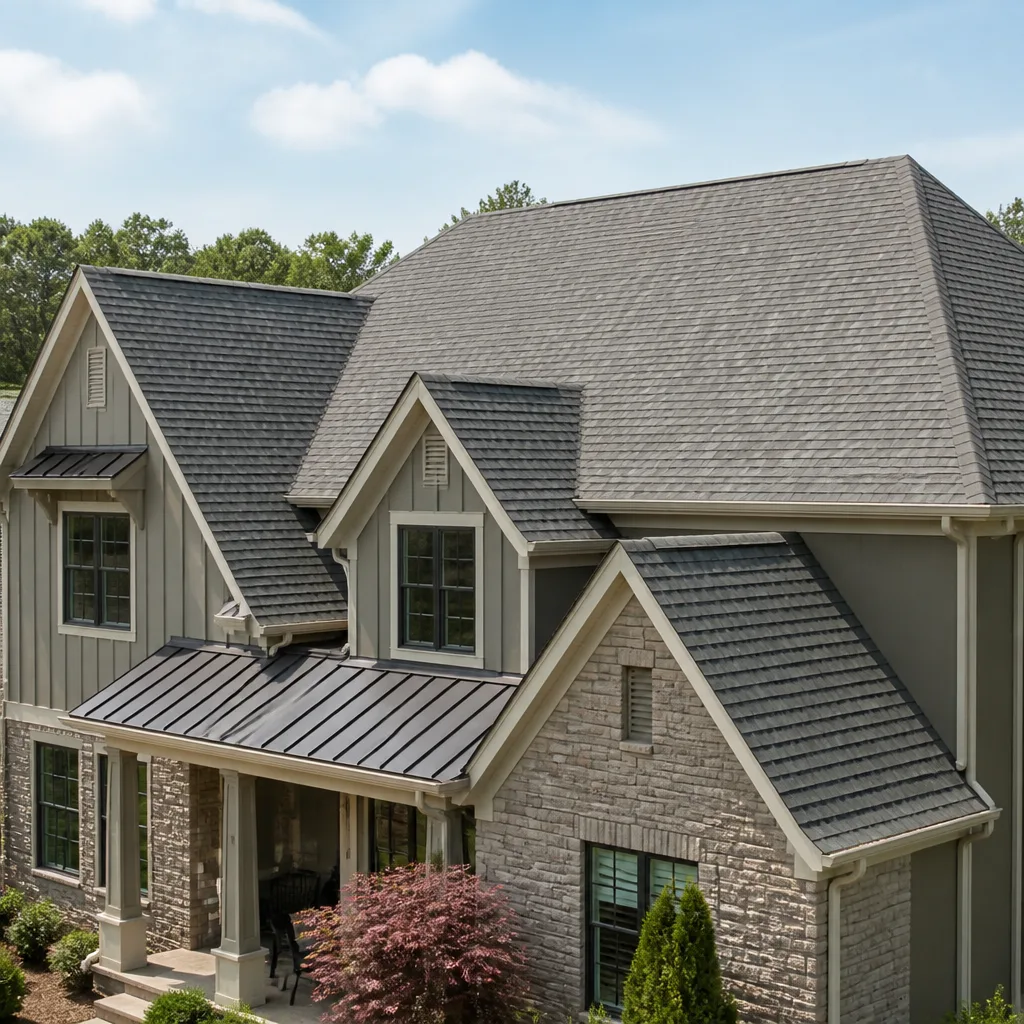
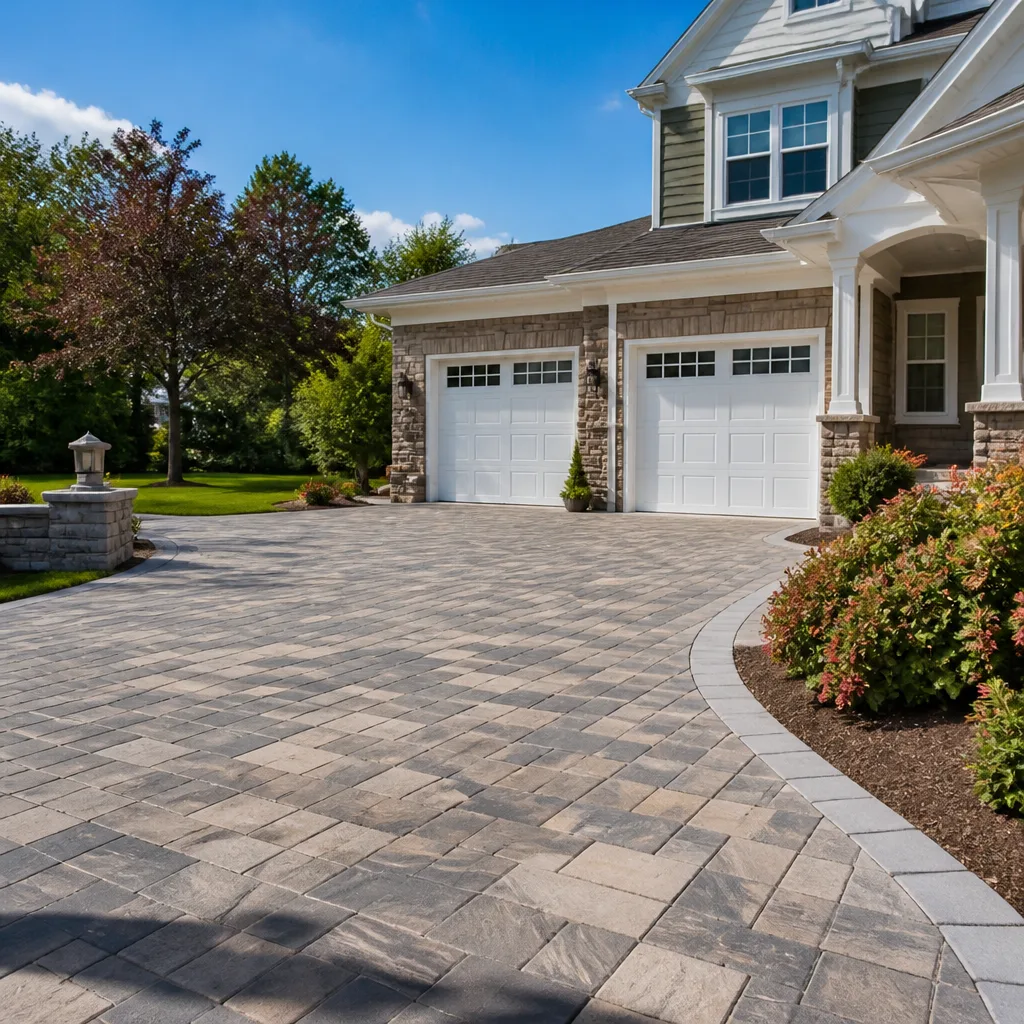
Signs Your Bufftech Driveway & Pavers Is Failing
- Rocking or wobbling underfoot near the driveway edge. This usually means the edge restraint has failed or shifted, allowing the outside row of pavers to lose lateral support. The paver itself is often fine; the system around it isn’t.
- Spalling, flaking, or a white powdery surface on individual units. Concrete pavers in Los Angeles take aggressive UV exposure for 300-plus days a year. Spalling means the surface paste has begun to break down, often accelerated by sprinkler overspray with hard water minerals.
- Low spots that pond water after rain. A settled base layer under the pavers has created a dip. This isn’t a paver failure; it’s a base preparation failure, and replacing just the top unit won’t fix the standing water.
- Widening joints with visible sand loss and weed growth. The polymeric joint sand has eroded or failed. In Los Angeles, this happens most often on sloped driveways where rainwater channels through the joints during winter storms.
- Chipped corners or cracked units along the garage apron. This is the highest-stress zone on any paver driveway. Vehicle turn-in loads concentrate at the apron edges, and standard 60mm residential units crack when the base beneath them has gaps or voids.
See the difference
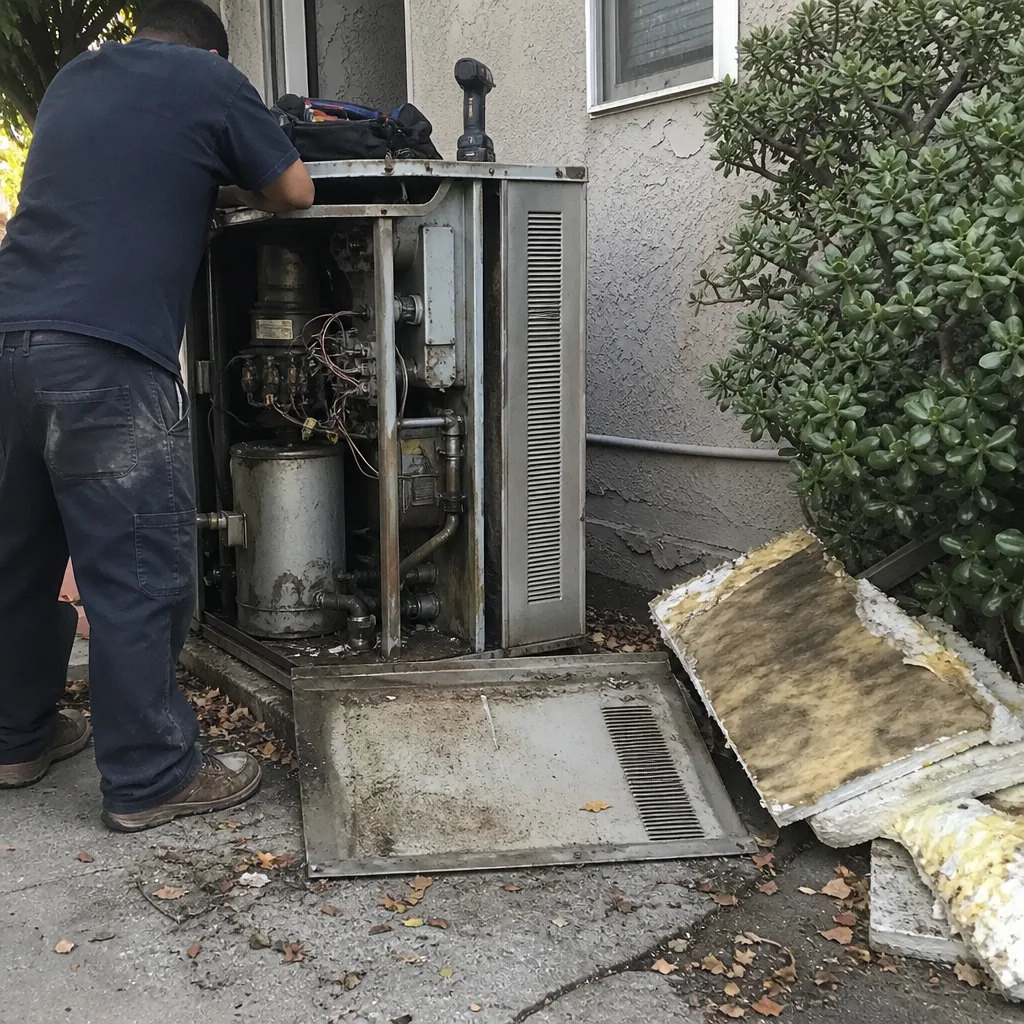 Before
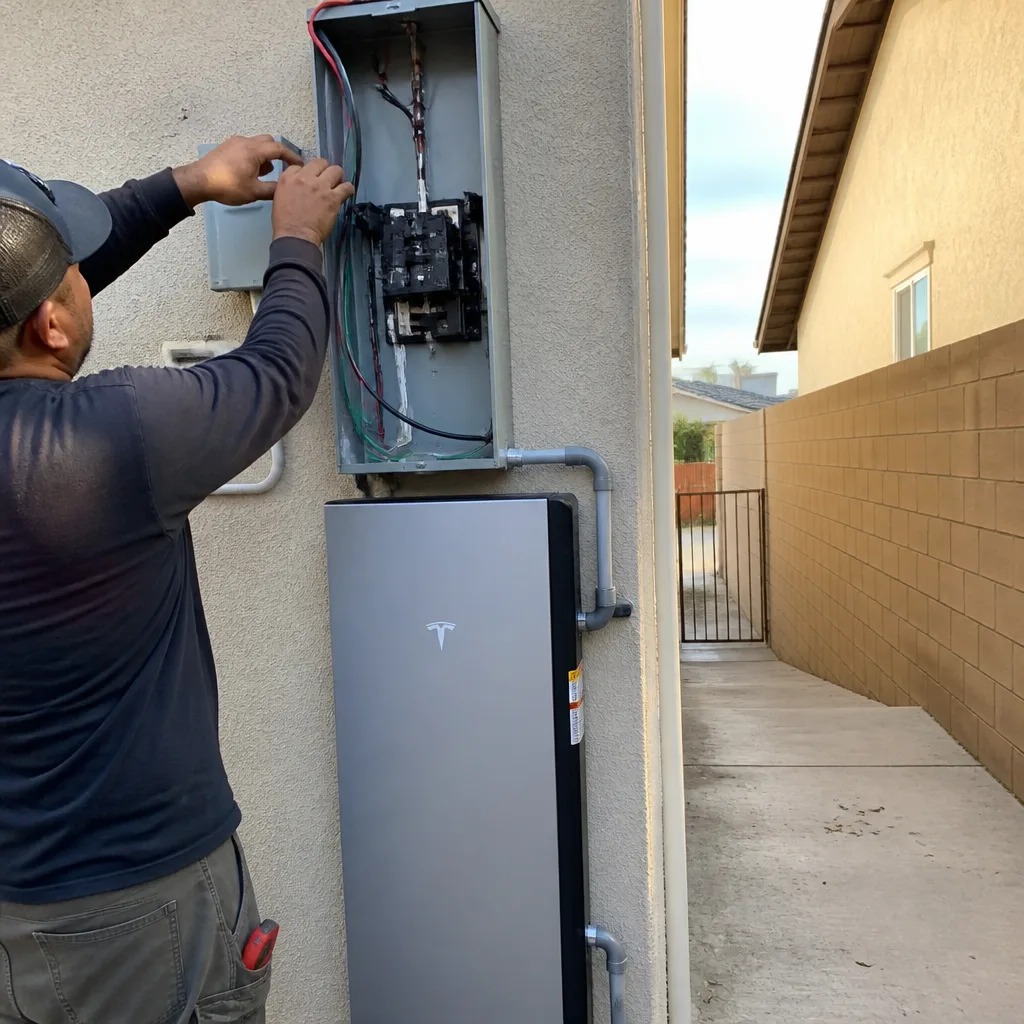 After
After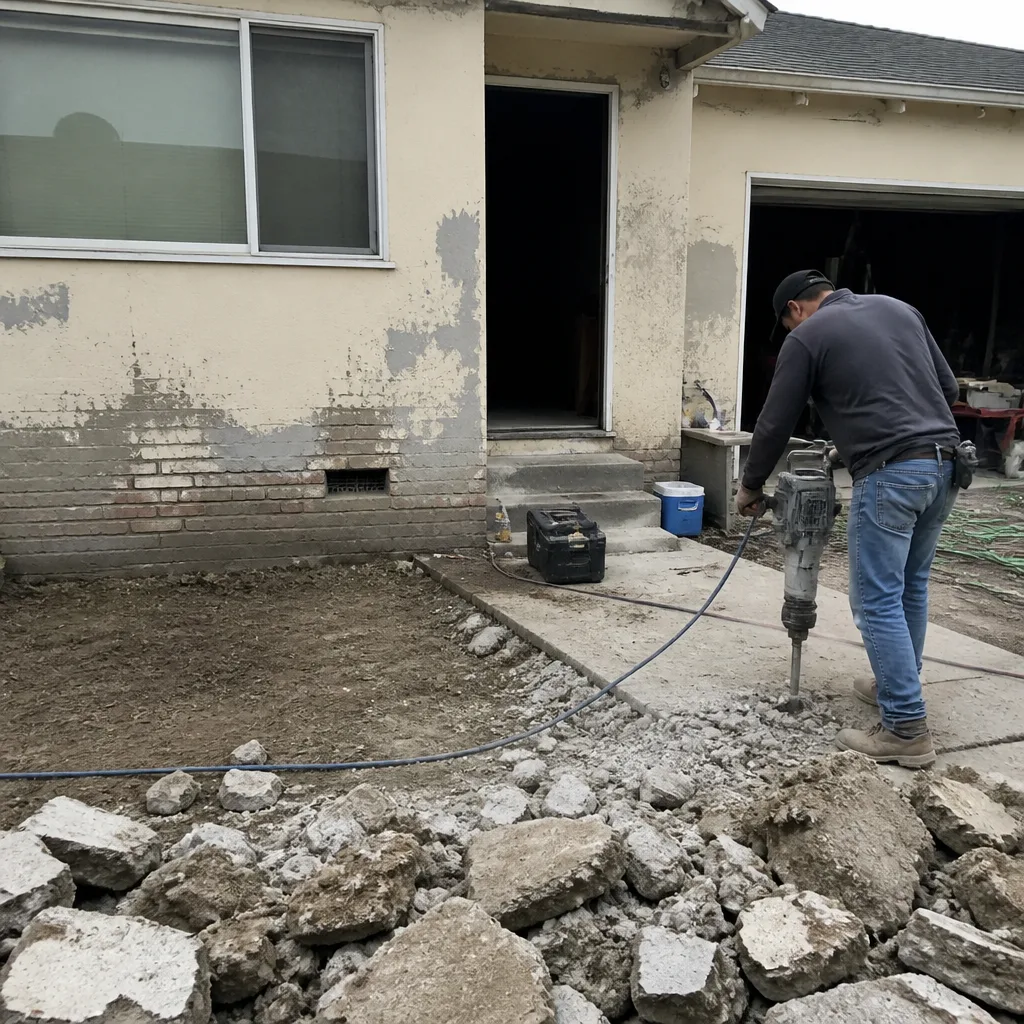 Before
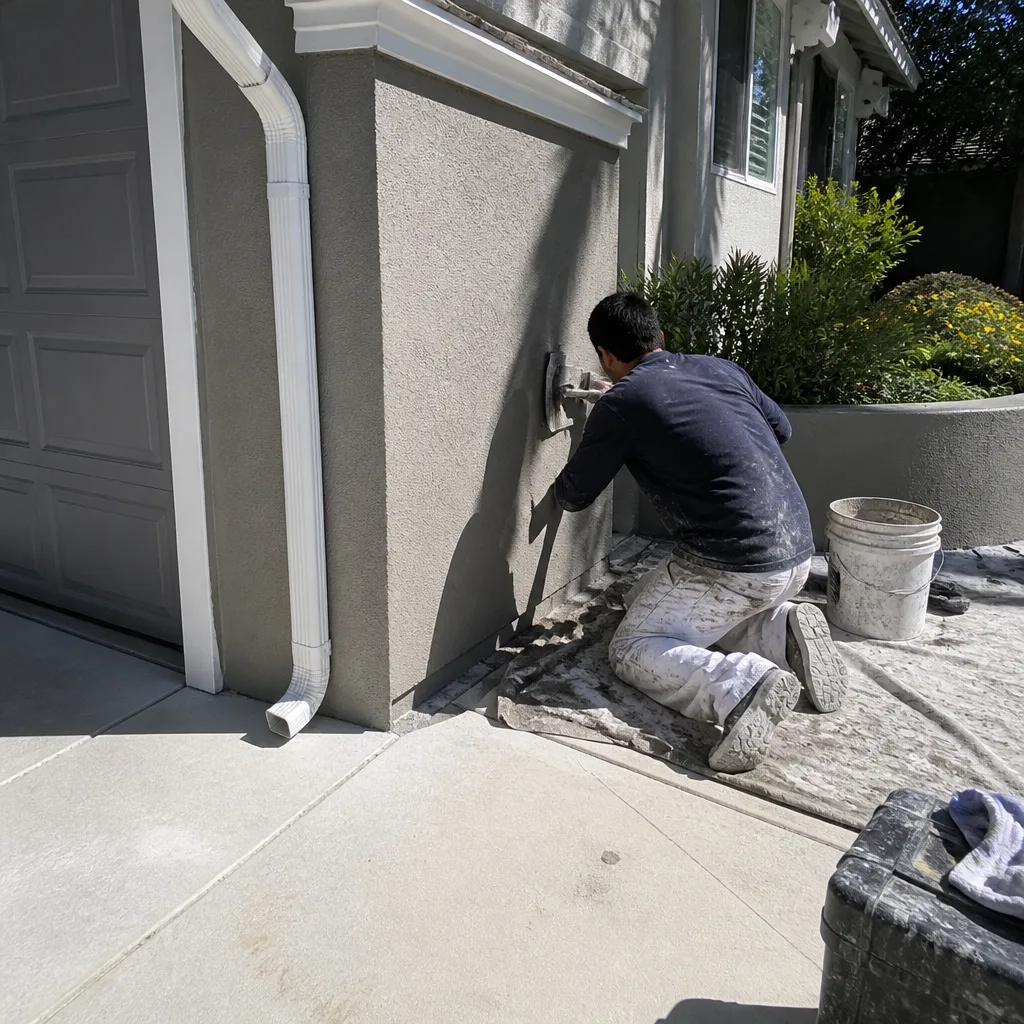 After
After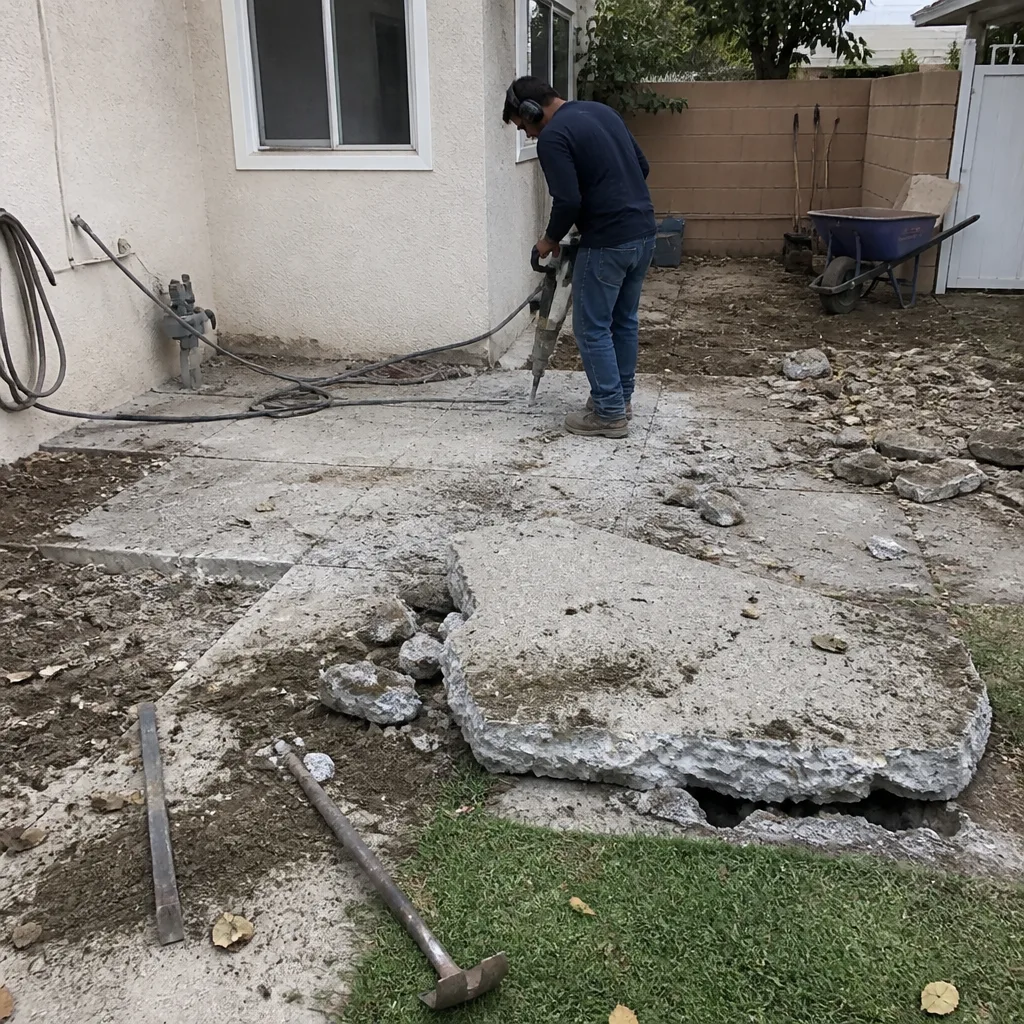 Before
 After
AfterReplacement Cost & What’s Included
For Los Angeles work, full paver driveway installation in Bufftech-compatible materials runs $8,260 to $21,240 depending on square footage, access, and whether we’re correcting an underlying base problem or laying over a sound foundation. But most calls we take aren’t full driveways; they’re section repairs. Expect $780 to $2,100 for a typical partial job involving 30 to 80 square feet: removing failed pavers, compacting and regrading the base, installing new edge restraint, re-laying matched units, and sweeping in fresh joint sand.
What drives the range: how deep the underlying problem goes (base correction adds real labor), whether we’re matching an active Bufftech color still in production or sourcing equivalent units, and site access for equipment. You get a written price before any work starts, with the specific pavers, square footage, and labor broken out line by line. No change orders unless you ask for something different mid-job. The install itself is covered by our 365-Day Done Right Promise: if a paver we set rocks, sinks, or shifts within the first year, we come back and fix it.
DIY or Call Us?
A homeowner can safely check a few things: look for missing joint sand, spot a broken edge restraint, and identify whether a paver is cracked through or just surface-scuffed. Lifting a single loose unit to inspect the base is fine. Where DIY goes wrong is when the problem is systemic. Pulling ten pavers without adding and compacting base material means the replacement units are sitting on the same failed foundation, and you’ll be back out there in six months when the first rain settles everything again. Compacting base properly takes a plate compactor, and cutting pavers to fit edges takes a diamond-blade saw. Both are tools worth renting, but the bigger issue is knowing how much material to add so the finished surface drains away from your foundation. Los Angeles flat lots get this wrong constantly.
If you’re comfortable with the diagnosis and the labor, we’ll still be here if it goes sideways. If you’d rather have a crew show up with the right base material, matched units, and a plate compactor, call (949) 850-9896 and ask for a written quote. We’ll look at the section before we name a price.
FAQs
A properly installed Bufftech paver driveway in Los Angeles lasts 25 to 35 years for the units themselves, though the color will fade noticeably after 10 to 15 years in direct sun. The base layer beneath typically needs attention at the 15-year mark, especially in neighborhoods with expansive clay soil like Encino or parts of the San Fernando Valley. The pavers rarely die first; the foundation under them usually does. Call (949) 850-9896 and we’ll tell you whether your issue is the surface or what’s underneath, free.
A single cracked paver cannot be meaningfully repaired; it needs replacement, which costs $90 to $320 for the unit and labor combined in a typical Los Angeles driveway. Smaller chips and corner breaks can sometimes be filled with a concrete patching compound, but the repair will always be visible and will not hold under vehicle weight. For a driveway, replacement is the honest answer.
A standard section repair of 30 to 80 square feet takes one day on site, including base compaction, unit replacement, and joint sand application. We ask that vehicles stay off the repaired section for 48 hours afterward so the sand can set. Full driveway replacements typically run three to five working days depending on square footage and whether we’re reusing any existing base.
We keep common Bufftech-compatible units in buff and charcoal tones, edge restraints, and polymeric joint sand in our local Los Angeles inventory. Uncommon colors or newer series typically take three to seven business days to source. If you need a match for a discontinued Bufftech color, we’ll sample the existing units against current production runs from several manufacturers, including local Southern California suppliers as well as lines we already work with such as KraftMaid for cabinetry, Cambria for stone surfaces, and Silestone for quartz, to find the closest visual match before we order anything.
Written by Graham Stein, Owner, Elmstead Remodeling, serving Los Angeles and nearby areas.