Free written scope consultation - allowances, timeline, and change-order rules on paper before a single trade is scheduled
Caesarstone Home Additions & ADU: The Los Angeles Owner’s Guide
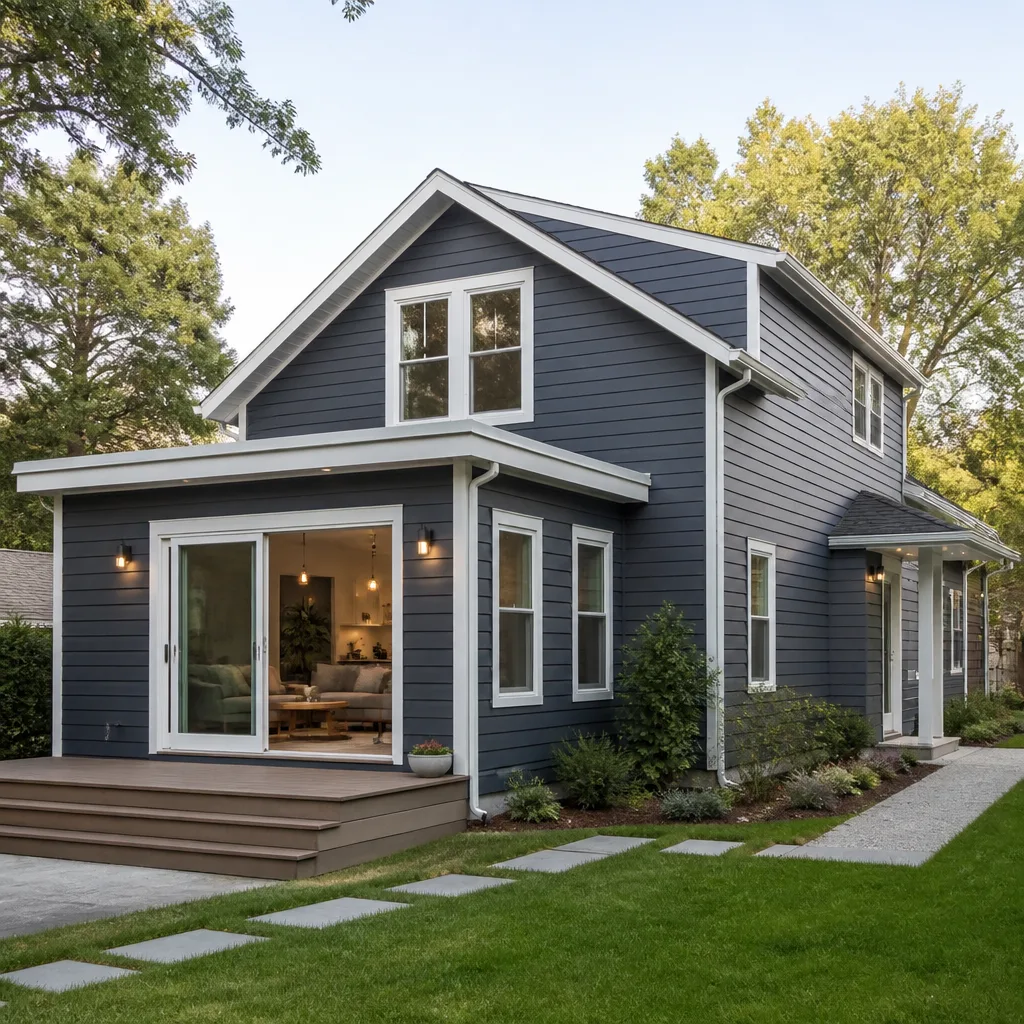
We install and finish Caesarstone surfaces in home additions and ADUs across Los Angeles, with full projects typically running $53,100 – $153,400 depending on square footage, foundation work, and the number of Caesarstone slabs your layout requires. Most owners reach out to us after a Caesarstone seam has separated, a corner has chipped during a move, or a slab settled unevenly after the original install. You’ll find the material is not the weak point; it’s usually the substrate, the seam placement, or the original fabrication that gave way.
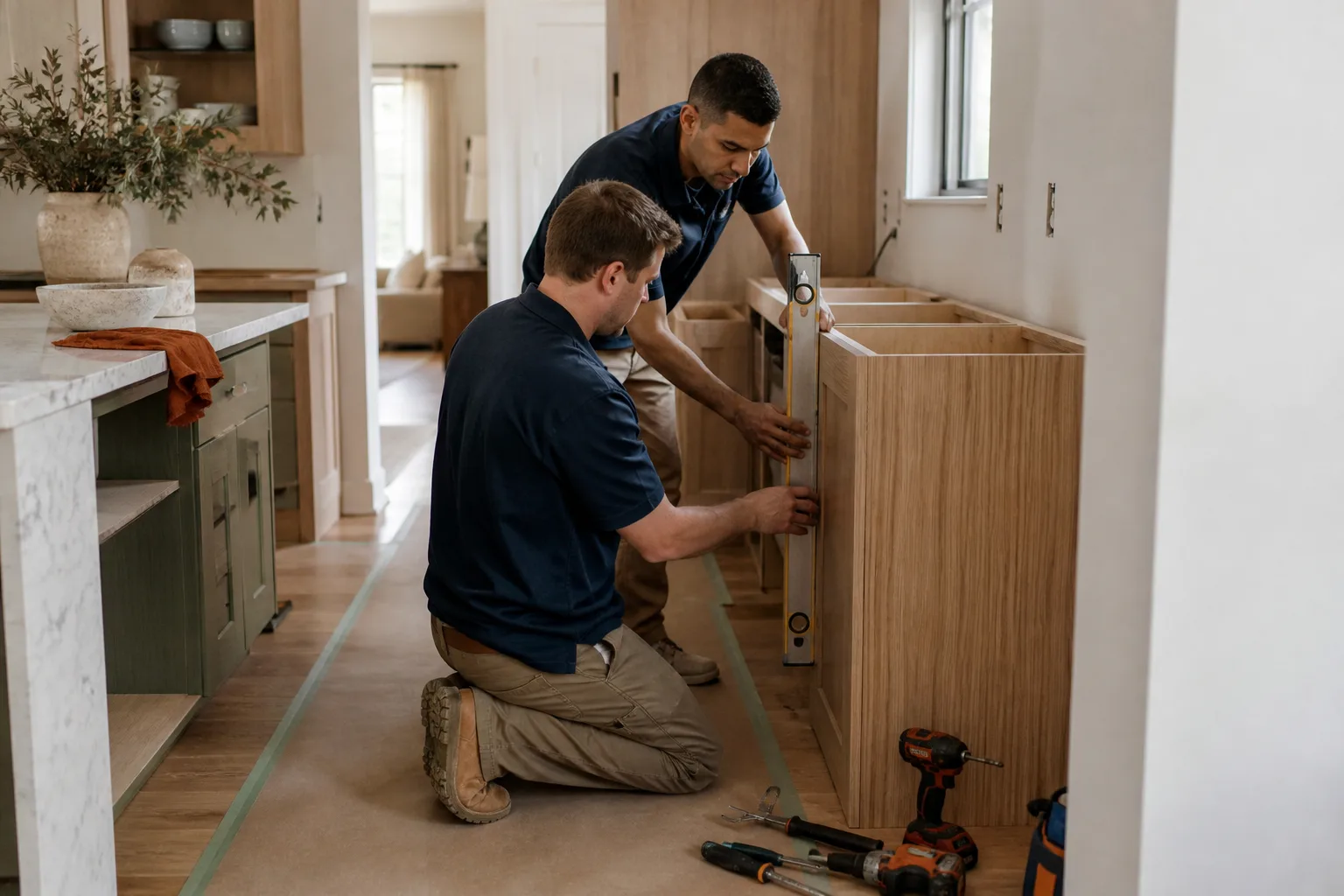
We’re an independent Los Angeles remodeling contractor, not affiliated with Caesarstone, but we work with their slabs daily and match their existing lines on additions, ADUs, and kitchen extensions. Graham Stein has been handling these jobs for going on two decades, and the pattern he sees most often is a Caesarstone top that failed because the cabinet base underneath was never shimmed level on a floor that moves. In Los Angeles, with our clay soil and seasonal moisture swings, that movement is real.
Which Caesarstone Models This Applies To
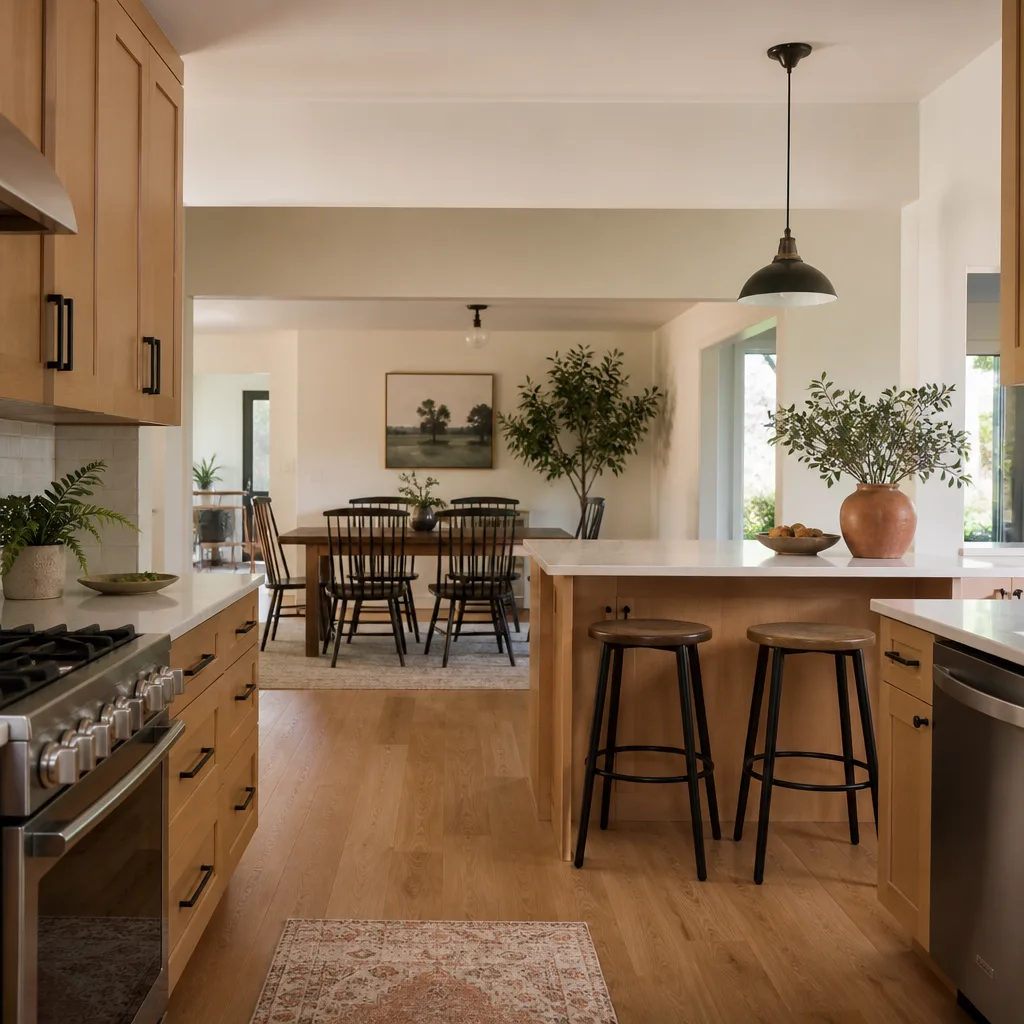
Caesarstone runs several collections that show up in Los Angeles kitchens and ADUs: the Classico series (older, matte finish, some colors discontinued), the Supernatural series (wider veining, larger format), the Outdoor series (UV-stable, meant for exterior counters and barbecue surrounds), and the Porcelain series, which is a different material entirely and uses different fabrication tools. If your home addition or ADU was built in the last five to eight years, you likely have a Supernatural or Outdoor slab. Older Los Angeles homes with original Caesarstone usually carry a Classico color.
To identify your exact color and series, look under the sink cutout or along the underside edge of the slab. Caesarstone laser-etches the color name and a serial lot number into the underside. That number matters if you need a matching slab for a repair or an extension: two lots of the same named color can vary slightly in veining density. For a seamless addition to an existing run, we order from the same lot when the slab is still in production. If it’s discontinued, we’ll show you the closest current match before any price is written.
Styles & brands we work with
Signs Your Caesarstone Home Additions & ADU Is Failing
- A seam has opened more than 1/16 inch. Caesarstone seams are glued with color-matched adhesive. When the gap widens, the adhesive bond has failed or the cabinets below have shifted. In Los Angeles, slab-on-grade additions settle more than pier-and-beam, and the seam is where that movement shows first.
- The slab rocks or sounds hollow when you knock on it. A properly set Caesarstone top sits fully supported on the cabinet frame and shims. A hollow spot means the original installer skipped shims or the substrate has compressed. The unsupported area is where cracks start.
- Water is pooling near the backsplash join. Caesarstone itself is non-porous, but the silicone joint between slab and wall is not. Once that joint fails, water gets behind the cabinets and into the drywall. In an ADU with a compact kitchen, that trapped moisture is a mold risk you won’t see until the wall is opened.
- The overhang is deflecting. Any Caesarstone overhang beyond 12 inches needs steel or corbel support. If you can feel or see the edge flex when someone leans on it, the support is undersized. We see this most often on breakfast-bar overhangs in converted garages and ADU kitchens.
- The finish has gone dull in one spot only. Caesarstone polishes evenly across the slab. A single dull patch means someone used an abrasive cleaner repeatedly in that spot, or a hot pan sat there too long. The resin binder in quartz can discolor from direct heat, and once it does, polishing won’t bring it back.
Replacement Cost & What’s Included
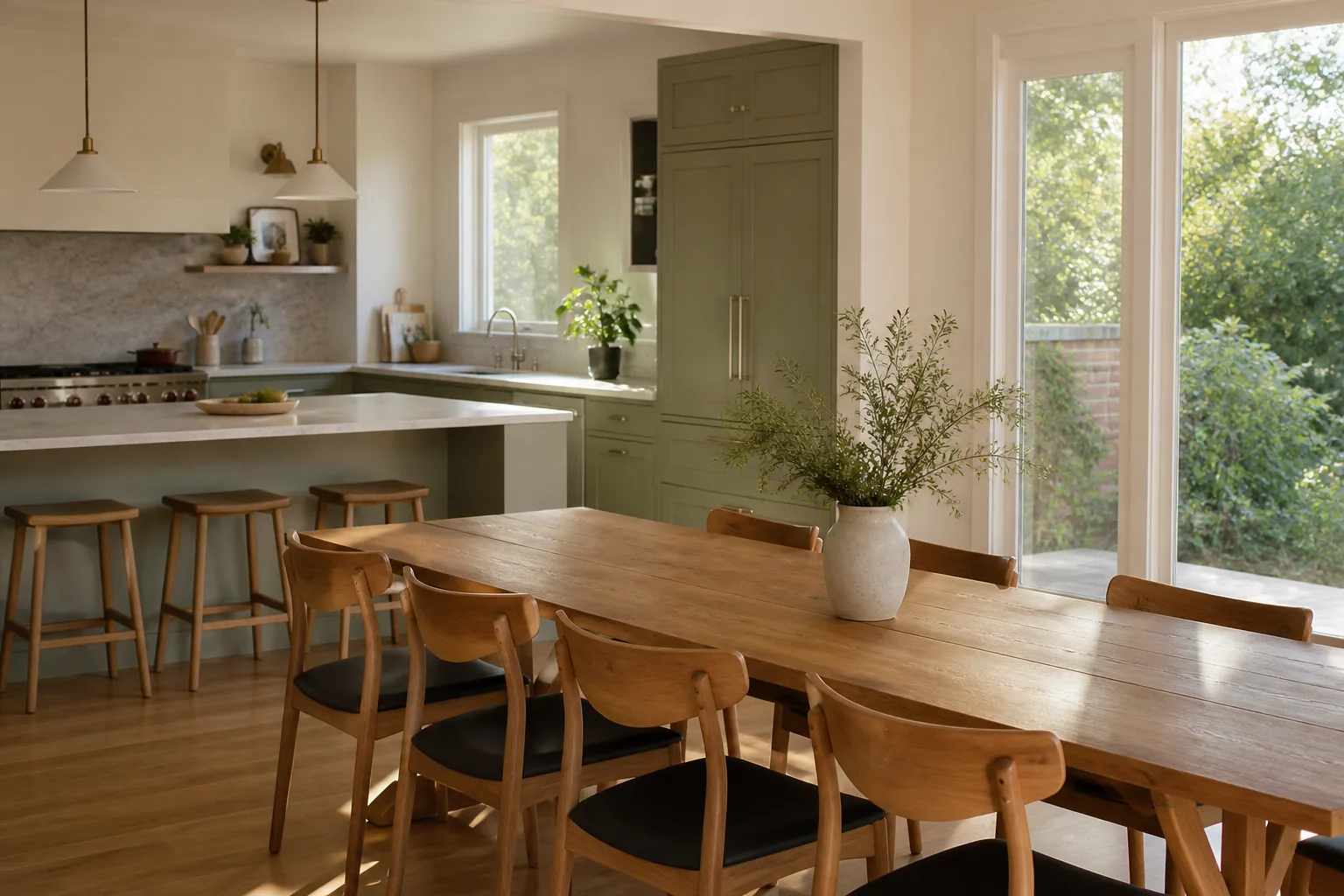
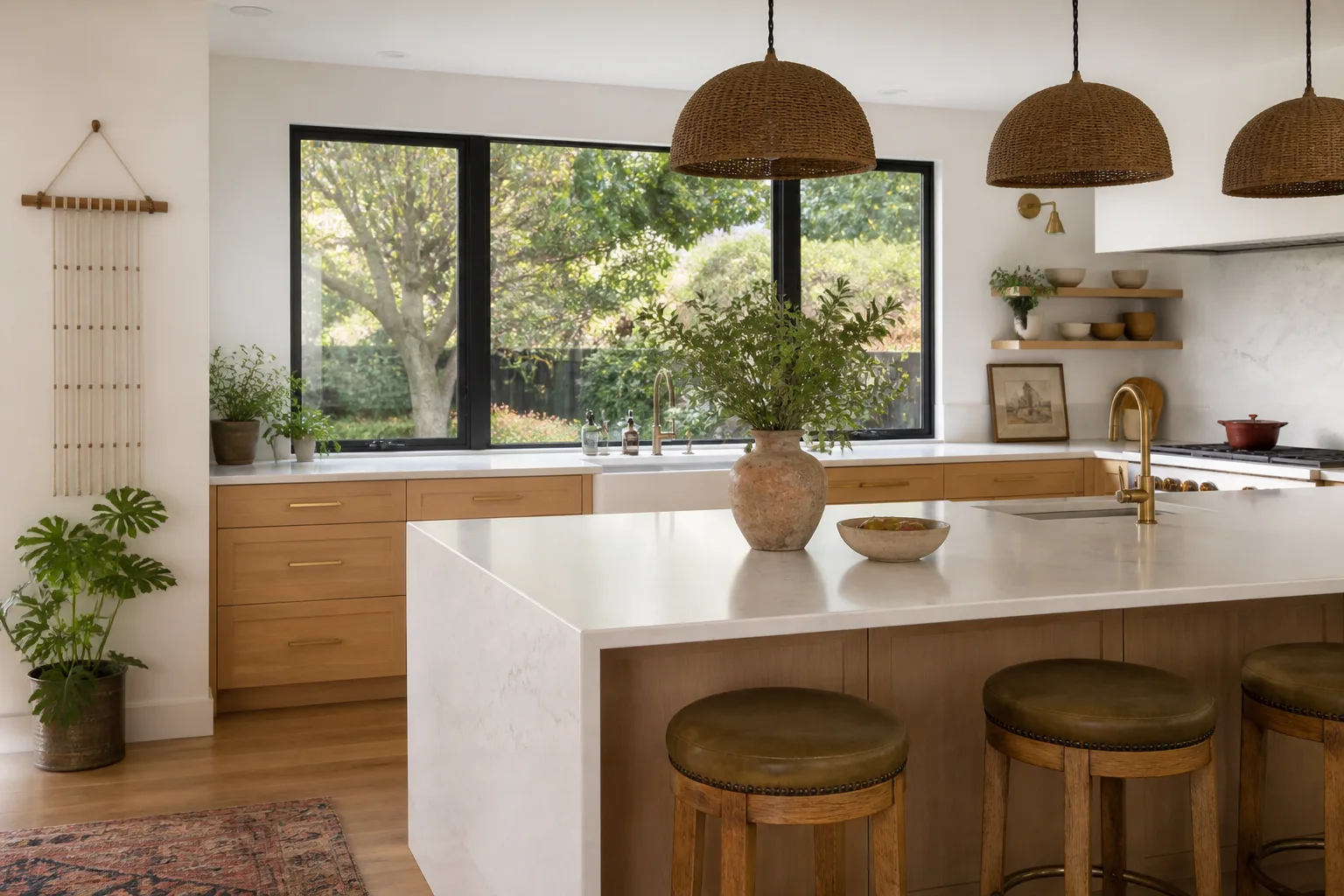
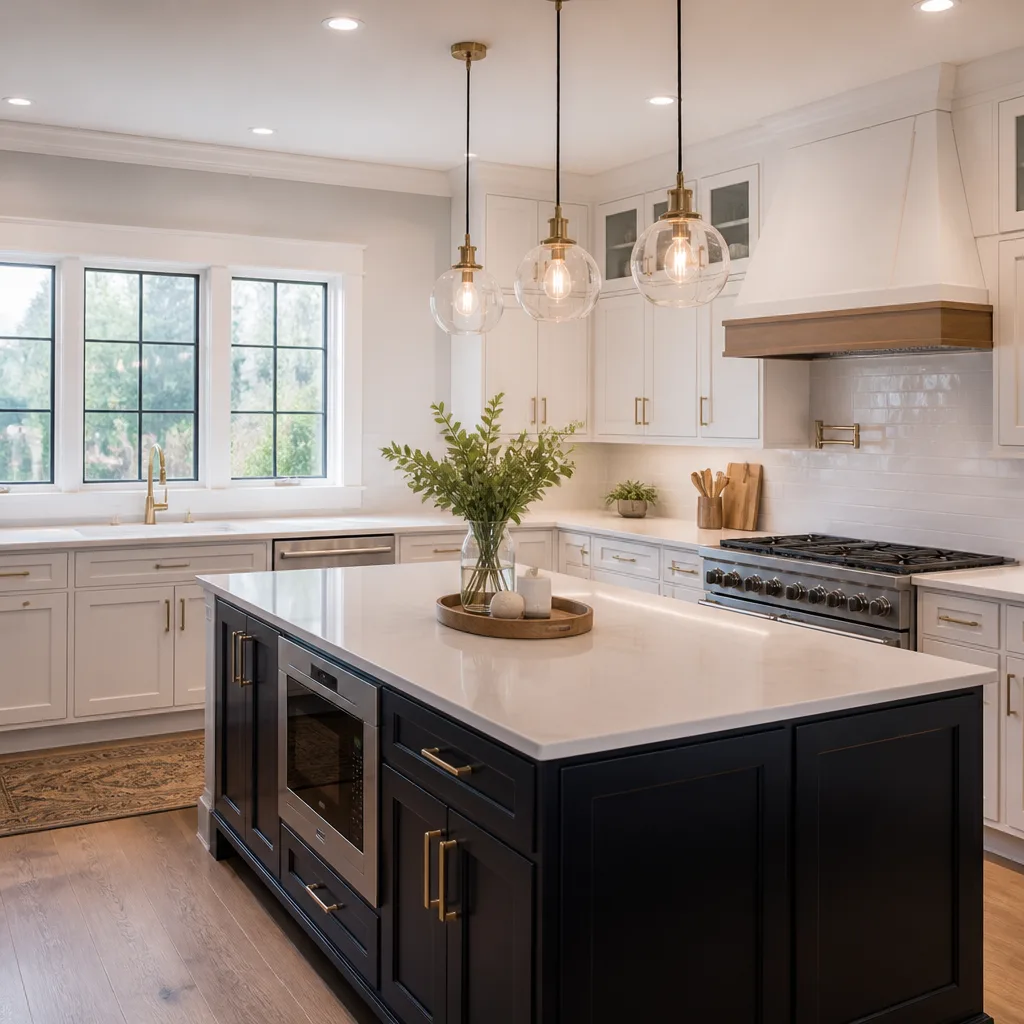
A full home addition or ADU in Los Angeles with Caesarstone surfaces runs $53,100 – $153,400, and the slab portion of that work is a smaller line item than most people assume. For a kitchen section, replacing and reinstalling a Caesarstone countertop typically lands between $2,360 and $7,670, including templating, fabrication, delivery, install, and the haul-away of the old material. A kitchen island with Caesarstone runs $3,540 – $11,800 depending on size, edge profile, and whether the island carries a drop-down seating overhang.
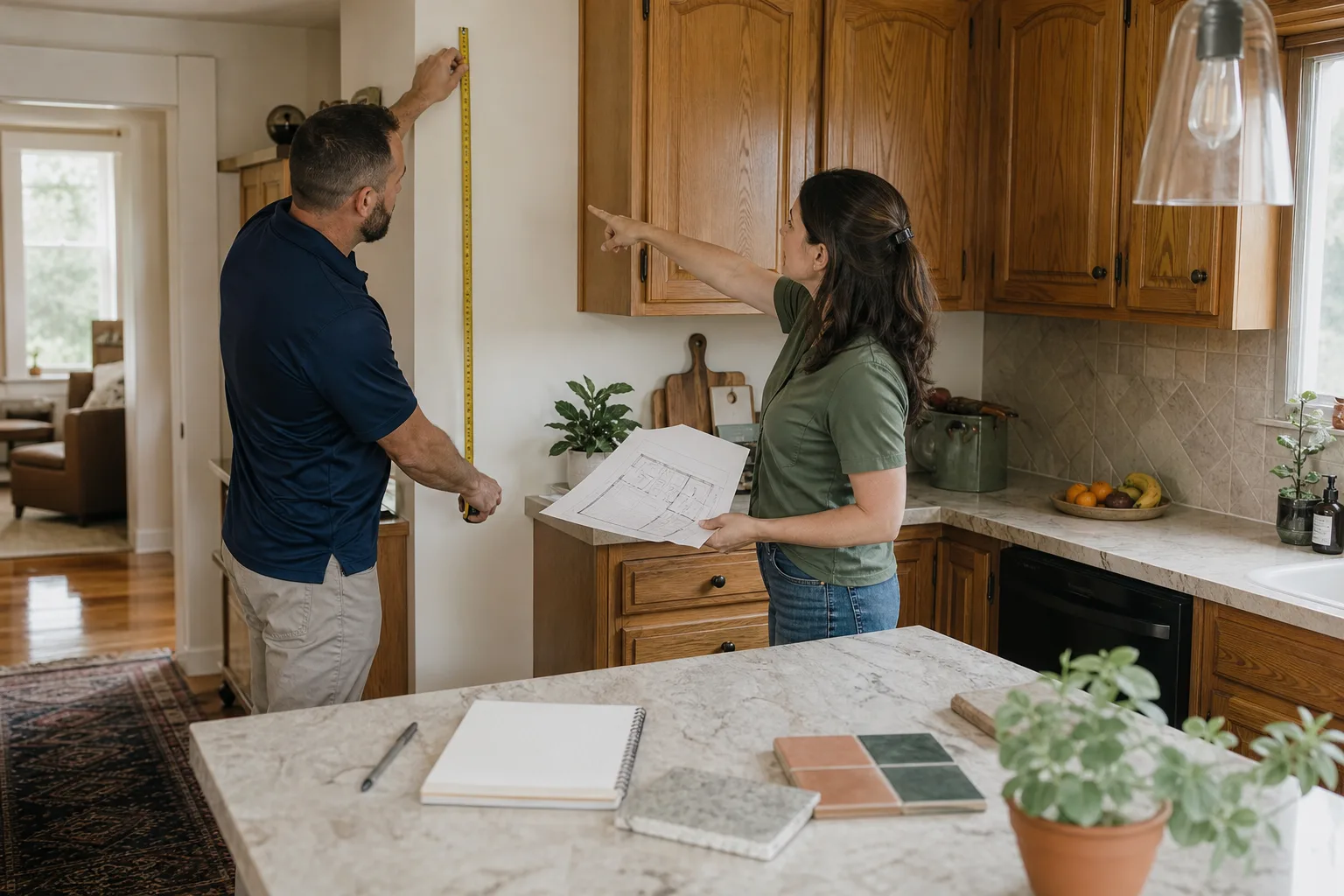
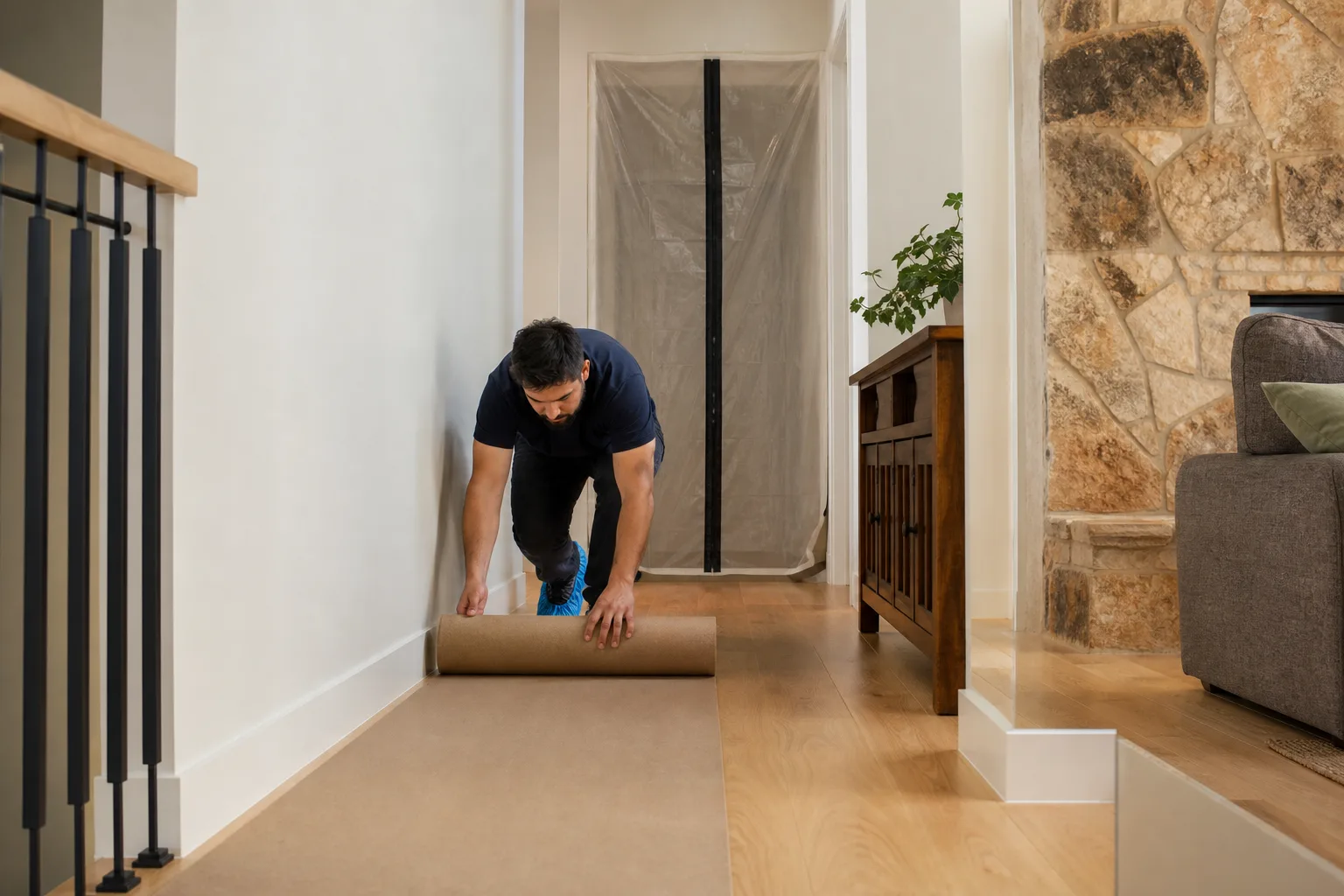
What drives your price: the number of square feet of slab, whether the material needs a mitered edge or a simple eased profile, the number of seams, and whether the existing cabinets need shimming or repair before the stone goes down. We give you a written price before any work starts, and that price includes shoe covers, drop cloths on the floors, and a photo of the clean-up before the crew leaves. If the stone isn’t right, the 365-Day Done Right Promise applies: we make it right.
See the difference
 Before
 After
After Before
 After
After Before
 After
AfterDIY or Call Us?
You can safely check a few things yourself. Look at the underside of the slab with a flashlight to find the etched color name. Check whether seams are visibly open or the slab rocks. Measure your overhang and note whether it’s supported. What you should not attempt is lifting or moving a Caesarstone slab. A full-size kitchen top weighs hundreds of pounds, and a dropped edge takes out cabinet doors, floor tile, and the toes of whoever is underneath it. The sealant work also fails quietly if it’s not done with the right color-matched product on a properly prepped joint.
If the slab is cracked, separated at a seam, or physically moving, call us at (949) 850-9896. We’ll tell you honestly whether it’s a repair or a replacement, and we’ll price it in writing before we touch anything.
FAQs
Caesarstone is warrantied by the manufacturer for life in residential installs, but the practical lifespan in Los Angeles comes down to the install and the care. A properly supported slab in a dry, climate-controlled interior lasts decades. Outdoor Caesarstone in direct Los Angeles sun and Santa Ana wind holds up to weather well, but the silicone joints around it need re-sealing every two to three years. Call (949) 850-9896 and we’ll inspect your slab and substrate together.
Small chips can be filled with a color-matched adhesive that most fabricators carry. A crack through the full thickness of the slab usually cannot be repaired in a way that hides the break and holds up under daily use. We’ll tell you which one you have before we recommend anything, and the repair quote is free.
From the day you approve the written price, most Caesarstone replacements take five to seven business days: one day to template, two to four days for fabrication, and one day to install. If the existing cabinets need shimming or repair first, add a day. We schedule around nap hours and school pickups where we can, and the crew uses quiet tools during rest hours.
We don’t warehouse full slabs ourselves, but we work directly with Caesarstone’s regional Los Angeles distribution and can pull most current colors within two to four business days. Discontinued Classico colors take longer, and some are gone for good. We’ll tell you what’s available before the price goes in writing, so you’re not waiting on a slab that doesn’t exist.
The written scope is the promise – if it is not on the paper, we have not agreed to it yet.
Contact Elmstead Remodeling
If your Caesarstone surface is cracked, separating, or sitting on a base that’s giving way, call us at (949) 850-9896 for a free estimate. We answer the phone live, 24/7, and we’ll send someone to Los Angeles, Pasadena, Long Beach, Glendale, or wherever your addition or ADU sits, to look at the slab and give you a written price before any work starts.
Written by Graham Stein, Owner, Elmstead Remodeling at Elmstead Remodeling, serving Los Angeles and nearby areas.