Free written scope consultation - allowances, timeline, and change-order rules on paper before a single trade is scheduled
Cambria Windows & Doors: The Los Angeles Owner’s Guide
Cambria window and door replacement in Los Angeles typically runs $5,310 to $17,700 installed, with most single-unit swaps completed in one visit. We stock Cambria-compatible hardware and weatherseals on our trucks, and we can usually source a matching sash or panel within three to five business days. Most owners discover the failure the way you did: a window that no longer locks cleanly, a door that drags against the jamb after years of sun and settling, or fogged glass that will not wipe clear because the seal failed inside the unit.
We are an independent remodeling contractor in Los Angeles, not a Cambria dealer or factory affiliate. That matters because we do not have a brand quota to hit. If your Cambria window or door needs a specific part, we match it. If a quality aftermarket equivalent will outlast the original, we tell you that too, with the reasoning laid out so you can decide.
Which Cambria Models This Applies To
Cambria has produced several window and door lines over the years across Southern California, and the parts are not always interchangeable between them. The most common units we service in Los Angeles are the aluminum-frame sliders built in the late 1990s through mid-2000s, and the vinyl replacement windows that followed. Each line uses its own balance system, latch geometry, and weatherstrip profile.
Before you order anything, check two places. First, look for a small silver or etched label on the frame edge or the inside of the sash track. That label usually carries a production date and a series code. Second, measure the visible glass width and height to the nearest sixteenth of an inch, because Cambria cataloged some sizes by frame dimension and others by glass dimension over the years. Mixing those two numbers is the most common compatibility mistake we see in Los Angeles homes, especially in older neighborhoods like Silver Lake and Echo Park where windows were often ordered in small custom batches rather than standard sizes.
For hardware like rollers, latches, and balance springs, a quality aftermarket part matched to the original dimensions will almost always perform as well as the OEM piece, and often outlasts it because the materials have improved since the original was made. For glass units, we recommend staying close to the original spec, particularly for the low-E coatings that older Cambria units used. The Los Angeles sun is hard on window components, and a mismatched coating will show itself within a year or two on a west-facing wall.
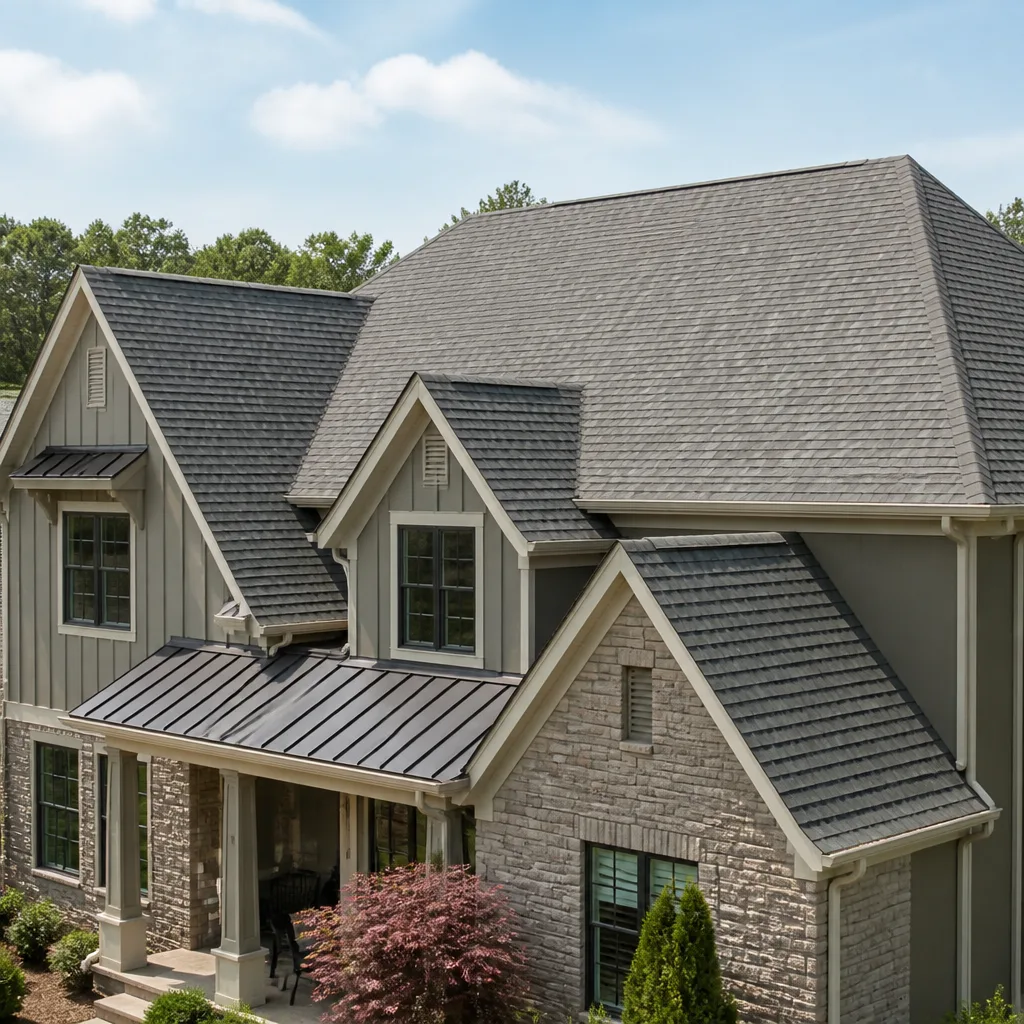
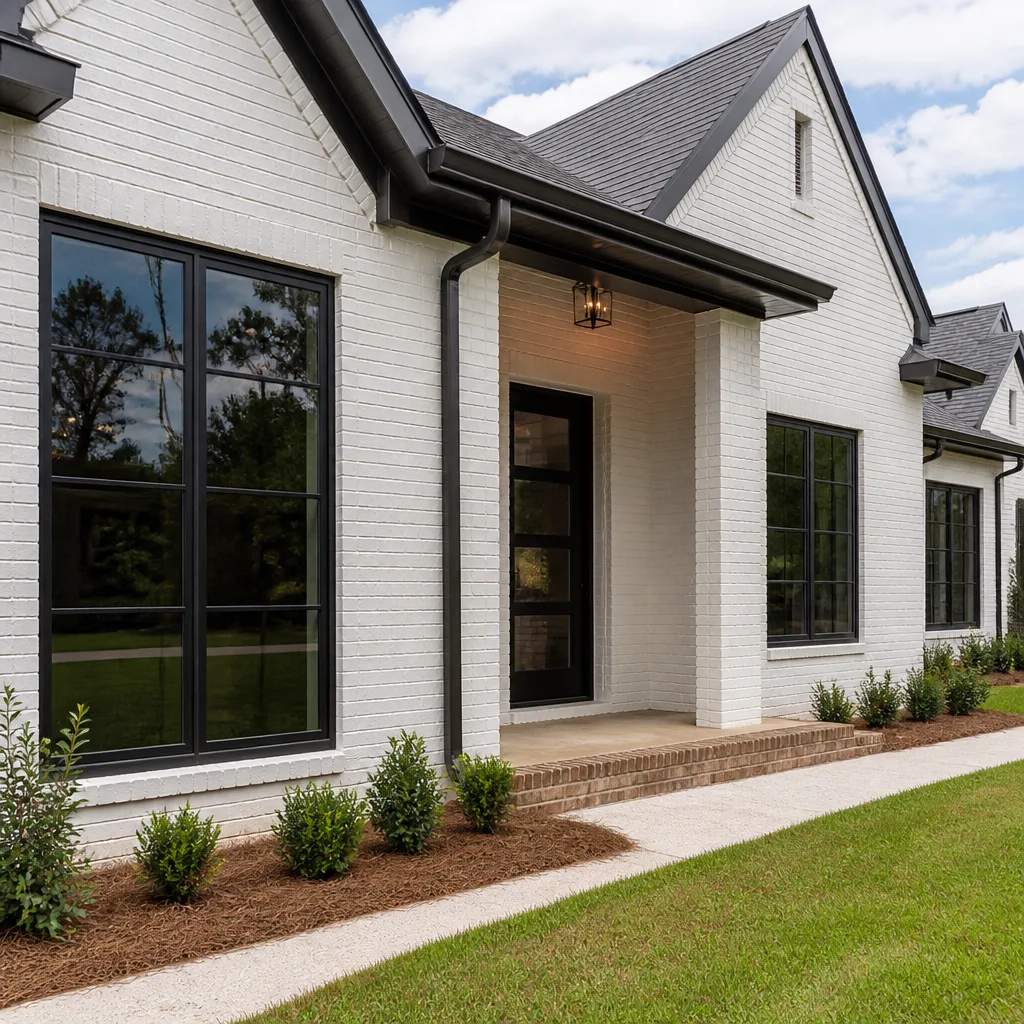
Styles & brands we work with
Signs Your Cambria Windows & Doors Is Failing
- Fog or haze between the panes that won’t clean off: The insulated glass seal has failed, and moisture is now trapped inside. This cannot be wiped away, and the glass unit itself needs replacement.
- The window is suddenly hard to lift or drop-sticks in the track: The balance spring or block-and-tackle assembly has worn out. On a slider, look for a door that tilts forward when open, which usually means the roller assembly is shot.
- The latch no longer catches or you have to lift and shove to lock it: Years of use have worn the latch tongue or the strike plate, or the sash has shifted enough that the two no longer line up. On an older wood-frame Cambria unit, this can also mean the frame itself has swelled with moisture.
- You can see daylight or feel a draft around the closed sash: The weatherseal or pile brush along the edges has compressed and will not recover. In Los Angeles, this shows up most often on windows facing the Santa Ana wind corridors in the fall.
- Condensation builds on the inside of the glass in the morning: A failing thermal seal lets warmer indoor air hit the cooler outer pane, and moisture condenses there. This is the earliest warning sign, and catching it before full fog sets in can save the frame from long-term water exposure.
See the difference
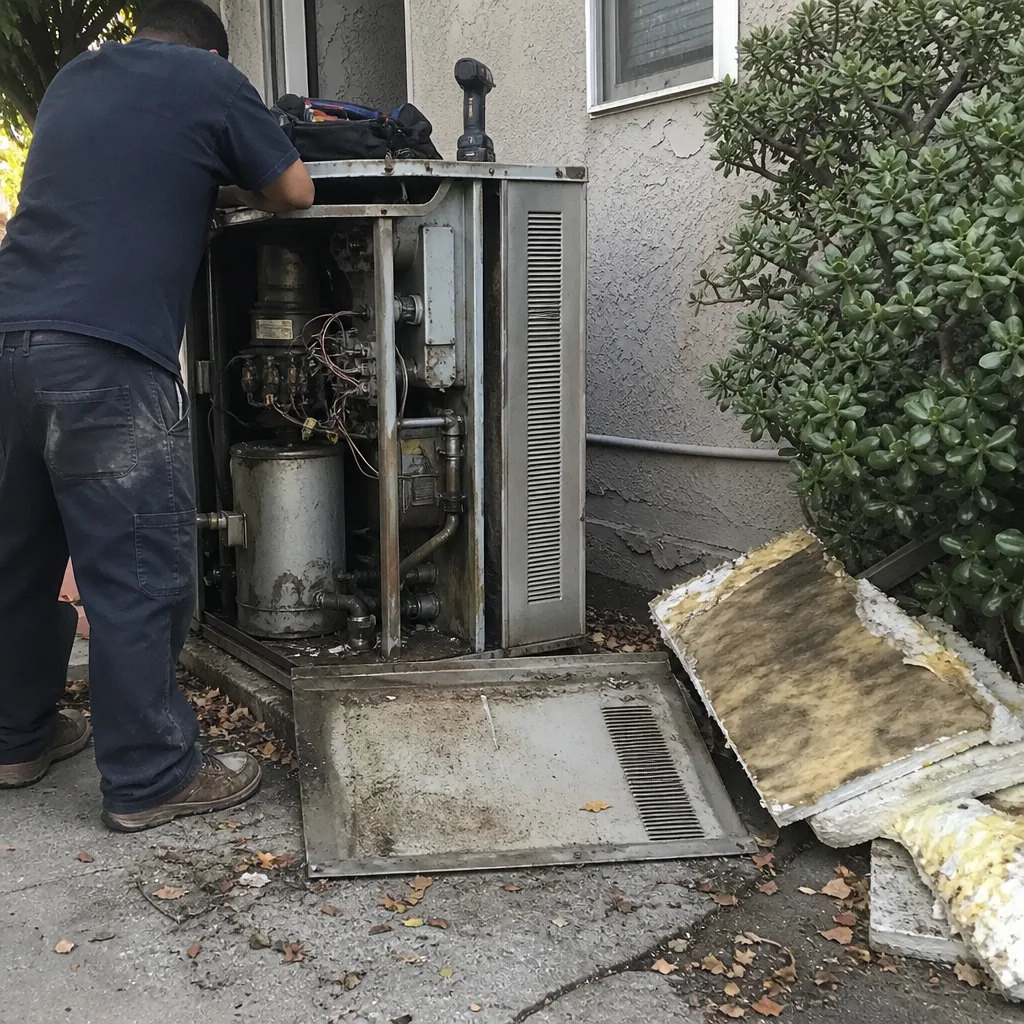 Before
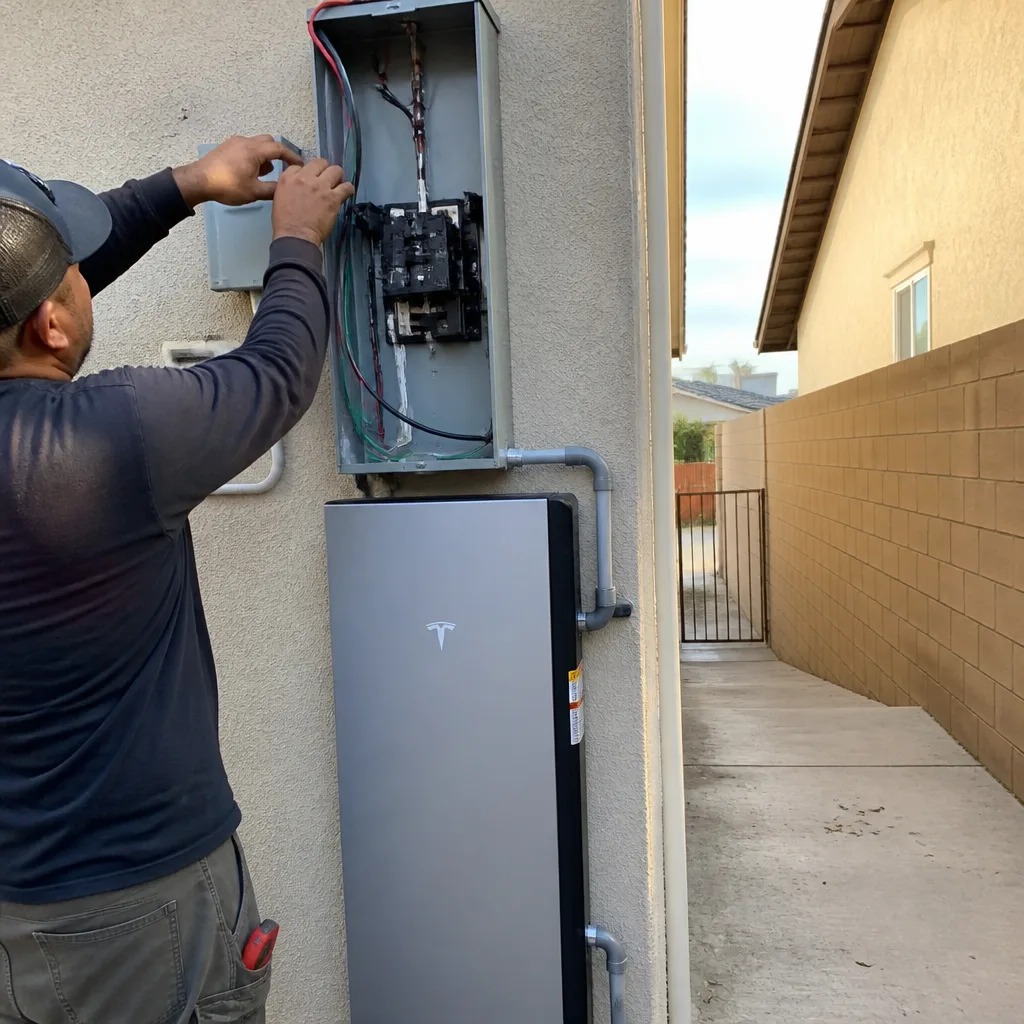 After
After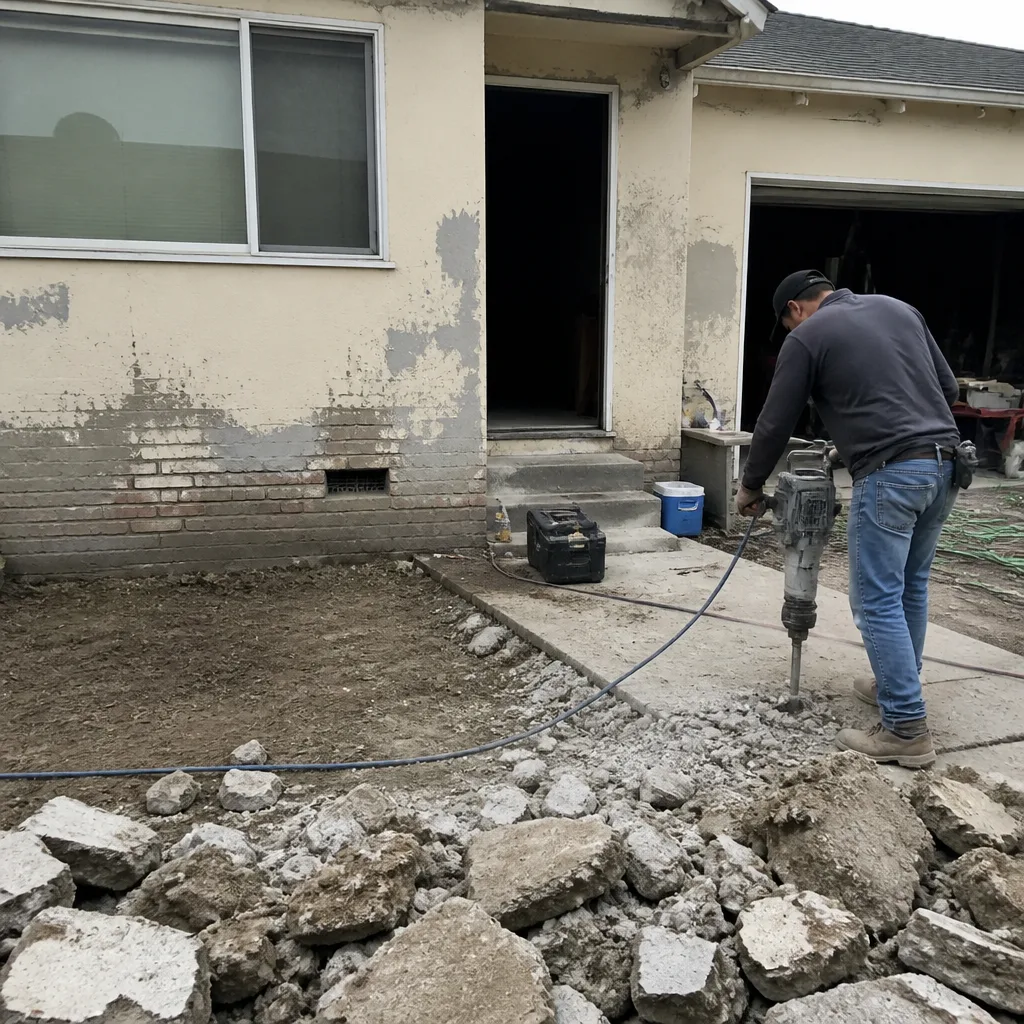 Before
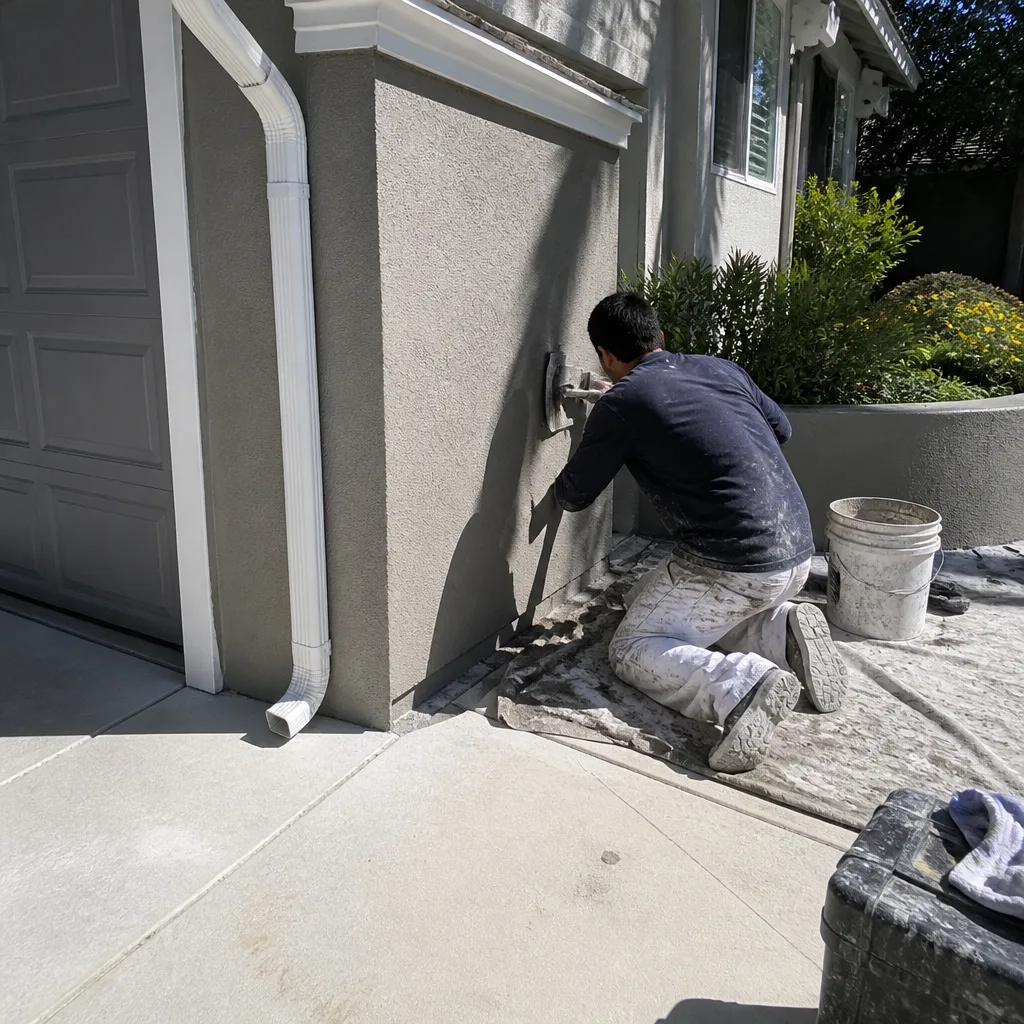 After
After Before
 After
AfterReplacement Cost & What’s Included
In Los Angeles, a single Cambria window replacement runs $5,310 to $17,700 installed, depending on size, frame material, and whether we are replacing the sash only or the entire unit down to the rough opening. A door swap falls within that same range, with most mid-sized sliders and swing doors landing between $7,000 and $12,000. A hardware-only repair, like new rollers or a balance spring, falls well below that and is quoted as its own line item.
What drives the range: the size of the unit, the glass package (single, double, or low-E coated), whether the existing frame is square enough to reuse, and whether stucco or trim work is involved on a full-frame replacement. Every quote we give is a written price before any work starts. You will see the part cost and the labor separated, so you know exactly what you are paying for, and the price on the paper is the price you pay. No change orders, no surprise add-ons.
Every Cambria window and door we install in Los Angeles is covered by our 365-Day Done Right Promise. If it is not done right, we make it right.
DIY or Call Us?
What a homeowner can safely do: clean the tracks, check for visible debris, tighten a loose handle screw, and identify the label and measurements we asked about above. Those steps take fifteen minutes and help us quote accurately over the phone.
What we do not recommend doing yourself: removing a window sash with a balance spring still under tension, and certainly not removing a door panel without a second person and the right lifting technique. A vinyl slider panel can weigh sixty pounds or more, and a spring-loaded balance released the wrong way can snap back hard. These are not complicated jobs for a trained tech, but the wrong move can damage the frame or, worse, hurt you. Graham Stein has seen the aftermath of a balance spring gone wrong on a Saturday in a Los Angeles bungalow, and it is not worth the saved service call.
Most Cambria hardware and seal replacements are one-visit jobs for us. Call (949) 850-9896 and we will tell you over the phone whether we are likely fixing it same visit or ordering a part first.
FAQs
A well-installed Cambria window in Los Angeles should last 20 to 30 years before the insulated glass seal fails, though hardware like rollers and latches often needs attention around year 10 to 15, especially on units facing strong sun or Santa Ana winds. We stock hardware and seal components alongside replacement hardware for KraftMaid cabinetry, Silestone countertop seams, and Kohler fixtures for full-remodel jobs that touch multiple brands. Call (949) 850-9896 for a free estimate on your specific unit.
Most hardware failures, including rollers, balance springs, latches, and weatherseals, can be repaired without replacing the whole window, and we do those repairs regularly. Glass failure, by contrast, generally means replacing the sealed insulated unit, which is a replacement of the glass and sash rather than a full frame tear-out. Call (949) 850-9896 and describe what you are seeing, and we will tell you which category your issue falls into.
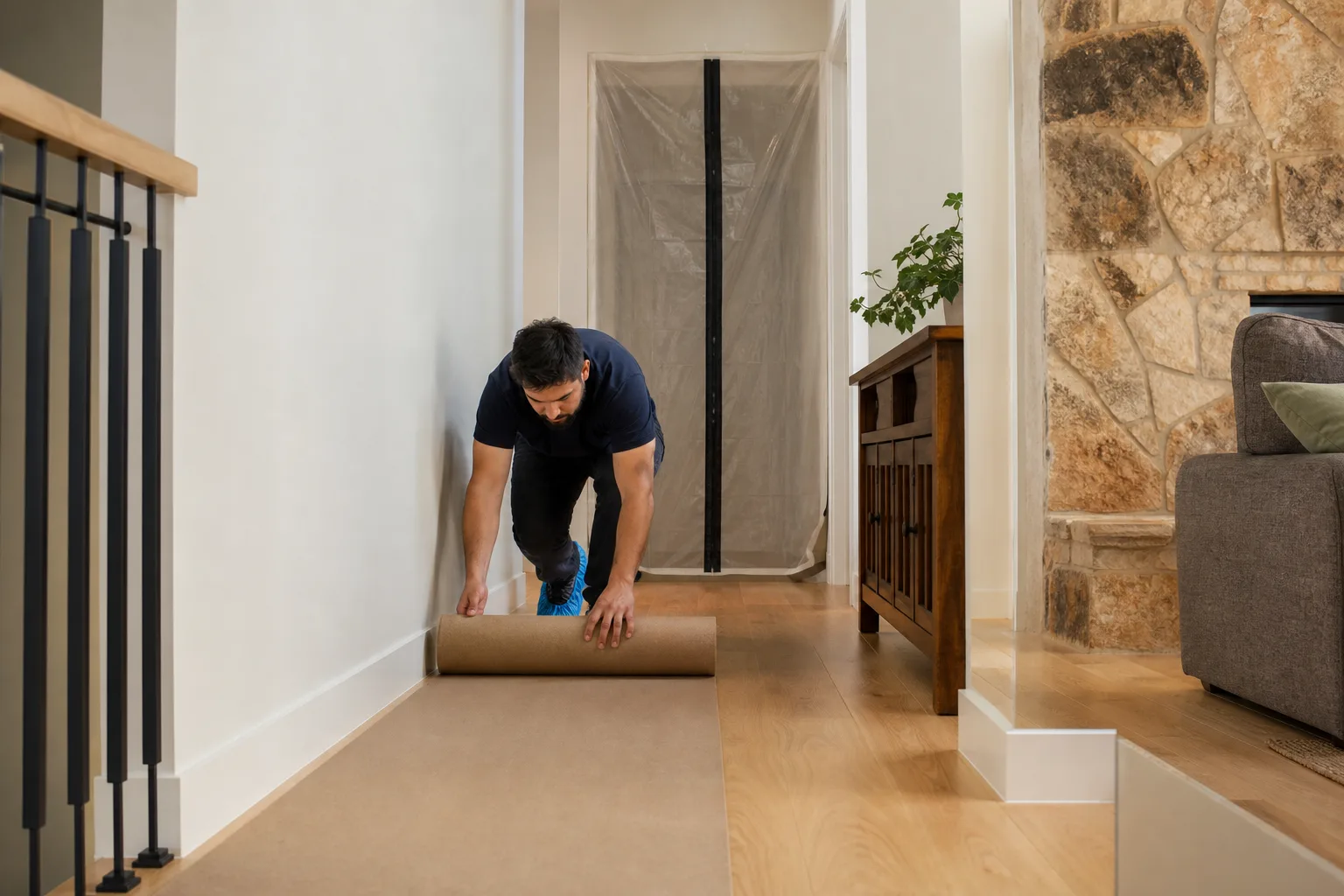
A hardware repair is typically done within 45 minutes to two hours on site, while a full glass unit or complete window replacement is usually completed in a single day, with any stucco or trim patching scheduled for the same visit where the weather allows. We schedule around your family’s quiet hours and keep drop cloths down and shoe covers on from the first step inside.
We carry common Cambria-compatible rollers, latches, balance springs, and weatherseal profiles on our trucks for the most common Los Angeles models, and we can source less common parts within three to five business days through our parts channels. If it turns out your unit needs a part we do not have on hand, we will tell you that on the phone before we ever step inside, so you are not paying for a visit that cannot finish the job.
Written by Graham Stein, Owner, Elmstead Remodeling at Elmstead Remodeling, serving Los Angeles and nearby areas.