Free written scope consultation - allowances, timeline, and change-order rules on paper before a single trade is scheduled
CGI Driveway & Pavers: The Los Angeles Owner’s Guide
We stock and install CGI-compatible driveway and paver components across Los Angeles, with most paver driveway installations running $8,260 to $21,240 depending on square footage, base condition, and the specific CGI product line. If you’re reading this, chances are you’ve noticed a sunken paver, a shifting edge, or water pooling where it didn’t before. That’s how most Los Angeles homeowners first realize something underneath has given way. The good news: we can usually assess the issue, tell you exactly what failed, and give you a written price before any work starts.
We’re an independent service provider, not affiliated with CGI, but we work with their paver and driveway systems often enough to know which parts fail first in Southern California soil and sun.
Which CGI Models This Applies To
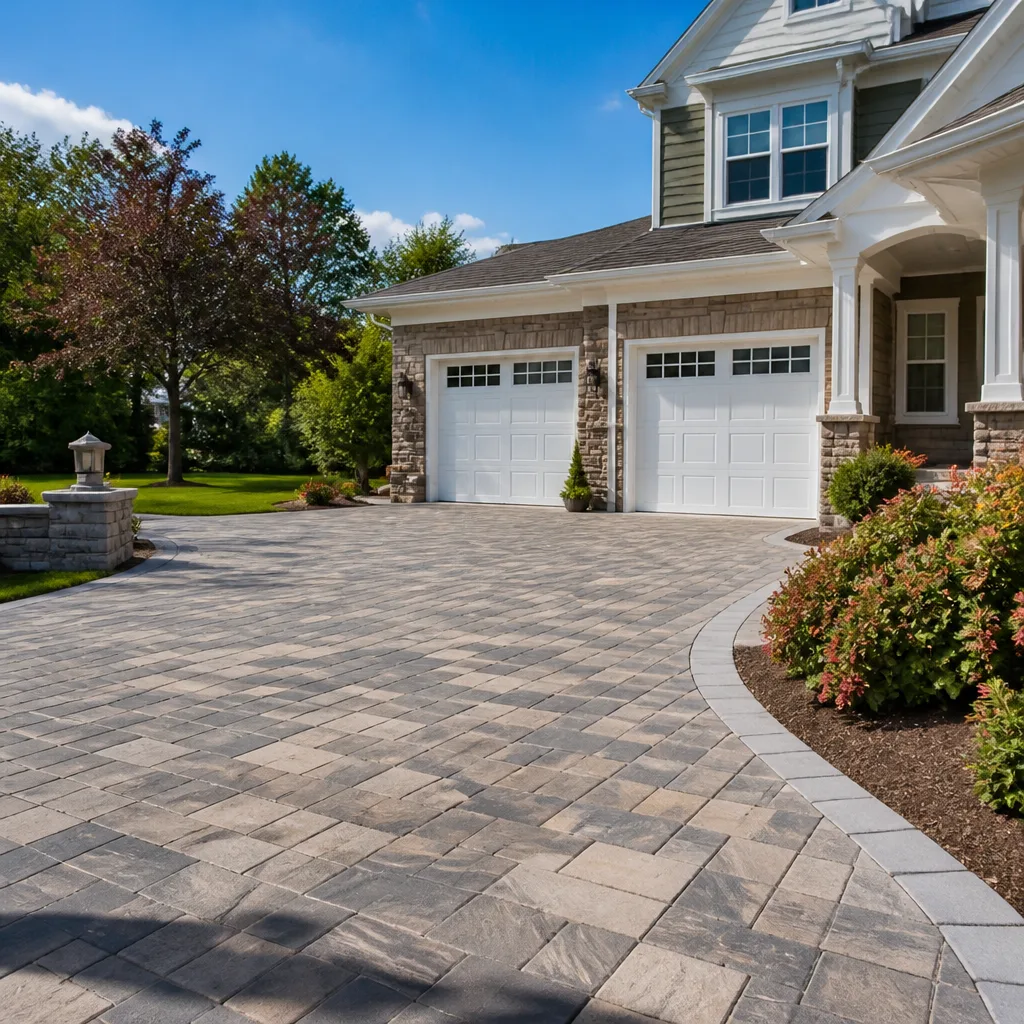
CGI manufactures concrete pavers and segmental retaining wall systems, and the compatibility question usually comes down to two things: the paver’s dimensions and the installation method used originally. The most common CGI pavers we see in Los Angeles driveways are interlocking concrete units in 60mm and 80mm thicknesses for vehicular applications. If your pavers are 60mm, they were almost certainly intended for a driveway with a properly compacted base. If they’re 80mm, you’ve got more forgiveness in the base but not unlimited.
Here’s the compatibility gotcha most owners don’t discover until it’s too late: CGI pavers from older production runs may not match current color blends exactly, even within the same named color. Sun exposure in Los Angeles fades the surface pigments over five to eight years, so a brand-new replacement paver set against 2019-era pavers will be visibly different for the first season or two. We can order through CGI’s current distribution channels, but when color continuity matters, we sometimes recommend a quality aftermarket paver from a local Los Angeles supplier that blends more closely with what’s already in your yard. Either way, we’ll show you samples next to your existing surface before you commit to anything.
To identify exactly what you have, check the underside of a loose paver for a manufacturer stamp, and measure the thickness with a tape measure. That, plus a photo of the surface pattern, is usually enough for us to source the right match. If you’re not sure, call us and we’ll walk you through it while you’re standing in the driveway.
Styles & brands we work with
Signs Your CGI Driveway & Pavers Is Failing
- Settlement or dipping in wheel tracks. This is almost always a base failure, not a paver failure. The pavers themselves are intact, but the compacted aggregate underneath has shifted or washed out. In Los Angeles, we see this most often after heavy rain cycles or where irrigation runoff has been quietly eroding the base for years.
- Edge pavers spreading or shifting outward. The edge restraint has failed. Without a solid edge, the entire field of pavers can slowly walk apart under vehicle weight. This is a straightforward fix if caught early and a full re-lay if ignored for too long.
- Standing water that wasn’t there before. Water pooling means the slope has changed, usually from localized settlement. Beyond the puddle, that water is now working its way under the pavers, which accelerates the base problem.
- Visible cracks or chipped corners on individual pavers. Concrete pavers can crack from point-load stress, like a jack stand or a heavy trailer tongue. A cracked paver is a simple swap. Multiple cracked pavers in one area usually point back to a base issue underneath.
- Weeds or ants pushing up between joints. The joint sand has washed out or broken down, and organic material is now taking its place. Left alone, this lets water in and gives roots a path to lift pavers from below.
See the difference
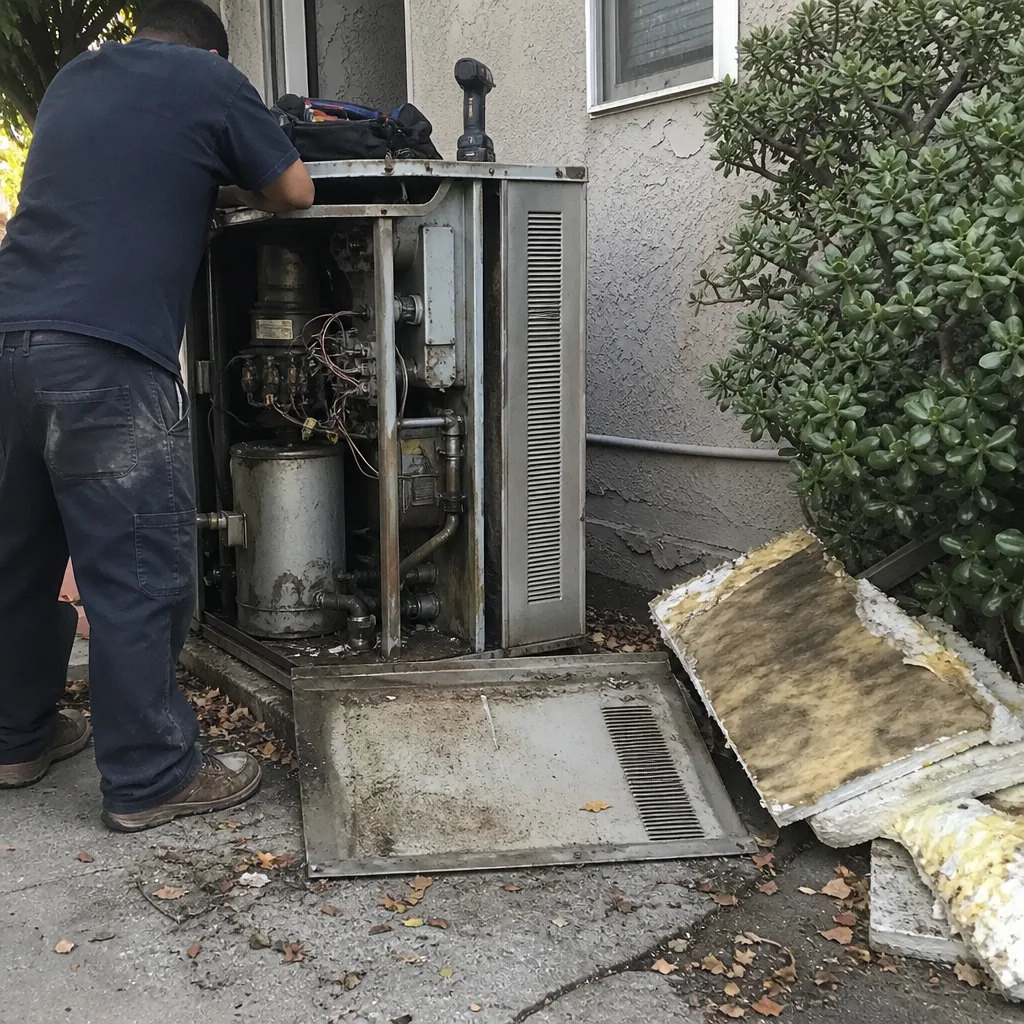 Before
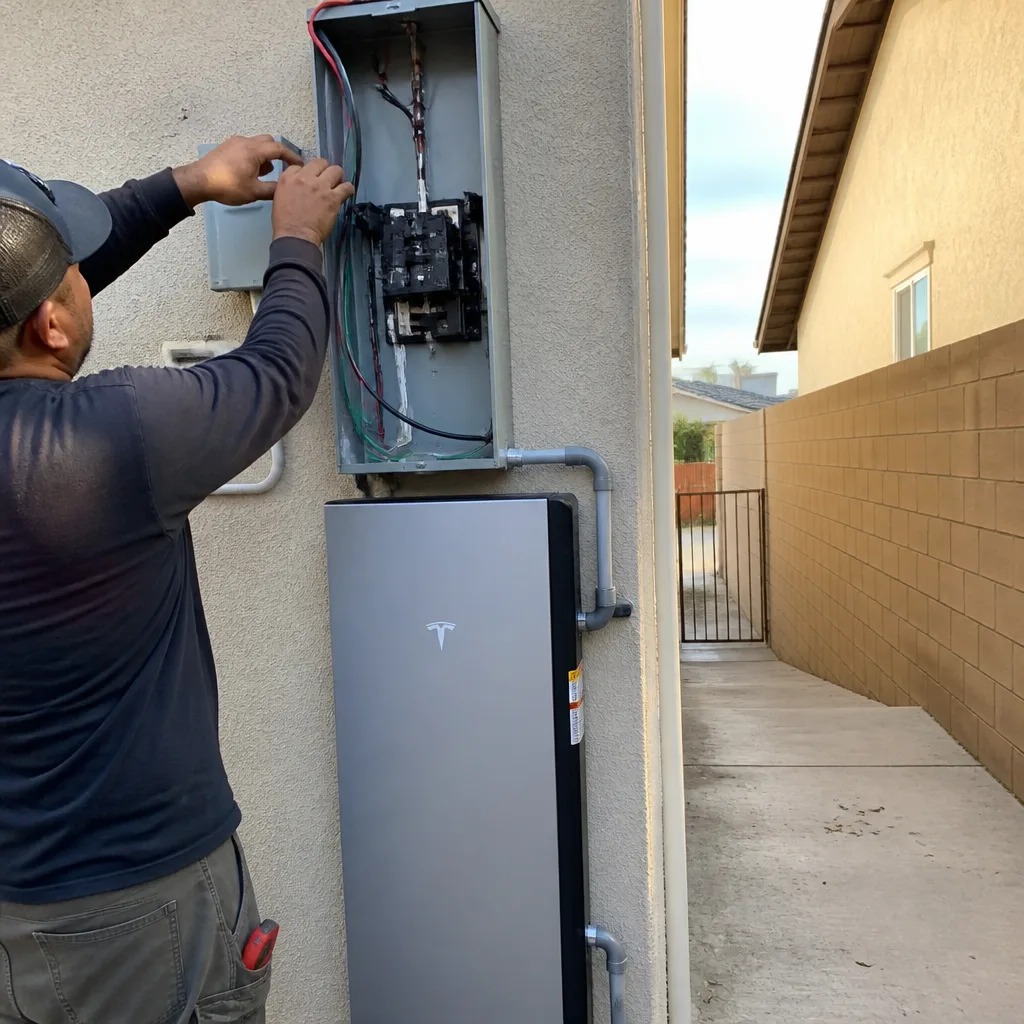 After
After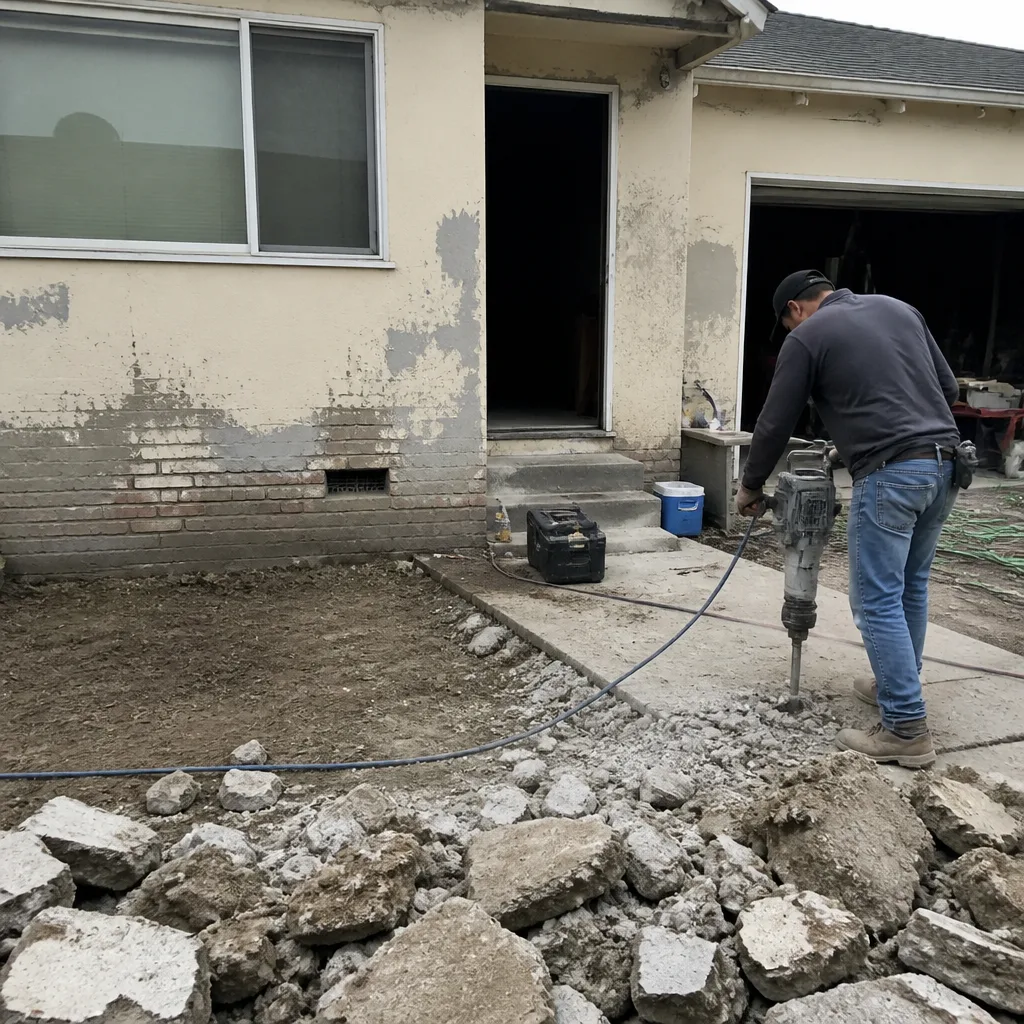 Before
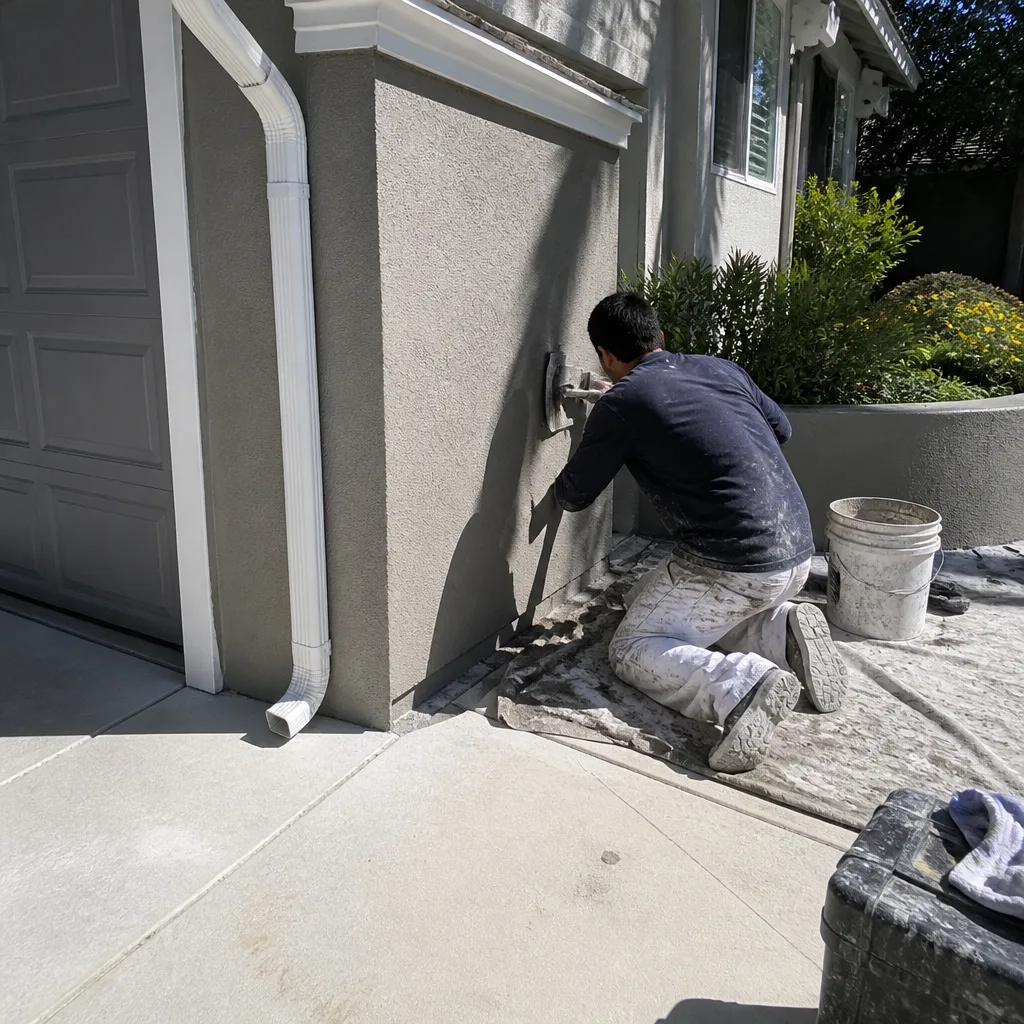 After
After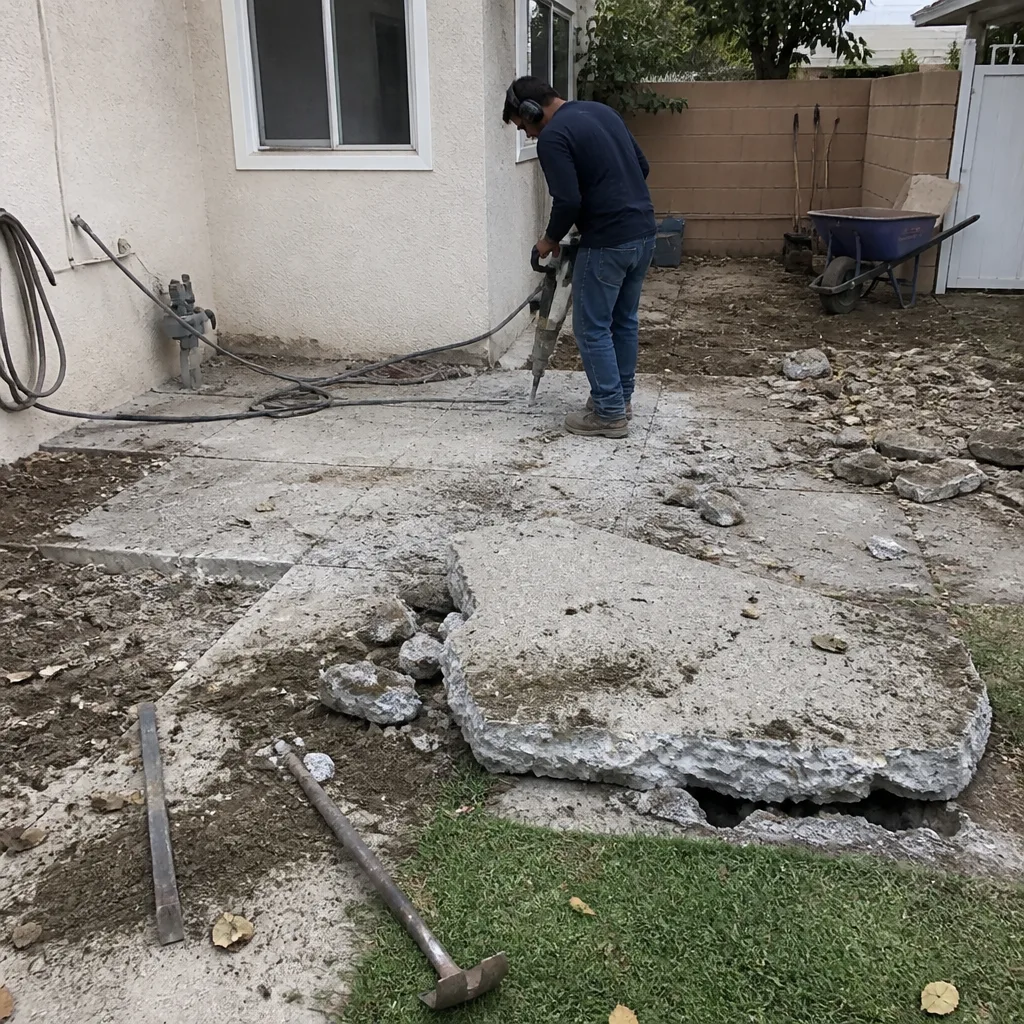 Before
 After
AfterReplacement Cost & What’s Included
For Los Angeles paver driveway work, here’s what you’re looking at:
- Paver driveway installation (new): $8,260 to $21,240
- Driveway replacement (tear-out and re-pave): $5,900 to $16,520
- Paver patio installation: $4,130 to $12,980
- Concrete driveway installation (alternative): $5,310 to $14,160
What drives the range? Square footage, whether the existing base can be salvaged or needs full excavation, paver thickness, access to the work area, and whether you’re matching an existing color or starting fresh. Every quote we give in Los Angeles includes the parts, labor, base work, haul-away of old material, and the written line-item price before anything starts. We don’t do change orders that surprise you after the crew arrives. The 365-Day Done Right Promise covers the completed project: if it’s not done right, we make it right.
DIY or Call Us?
You can safely do a few things yourself: check for a loose edge restraint, clear debris from expansion joints, and pull weeds before they root deeper. What you shouldn’t do on a failing paver driveway is try to lift and re-set a large section to save money. The reason isn’t the pavers, it’s what’s under them. A proper base in Los Angeles requires excavation, geotextile fabric, compacted aggregate in lifts, and a screeded bedding layer. Most DIY attempts skip the compaction stage, and the pavers sink again within a year. We’ve re-done enough of those to know.
There’s also a weight and strain consideration: concrete pavers are heavy, and moving a driveway’s worth of them is a back injury waiting to happen if you’re not set up for it. If you want to talk through what you’re seeing before deciding, call (949) 850-9896. We’ll tell you honestly whether it’s something you can handle or something that needs a crew.
FAQs

With a properly compacted base and intact edge restraints, CGI concrete pavers typically last 25 to 30 years in Los Angeles, while the base underneath may need attention every 10 to 15 years depending on drainage and soil movement. The pavers themselves rarely fail; it’s almost always the base, the edges, or the joint sand that goes first. Call (949) 850-9896 and we’ll tell you which one you’re dealing with.
Yes, when the base is still sound, individual cracked or chipped pavers can be removed and replaced without touching the rest of the driveway. If the base has settled, swapping pavers alone won’t fix the problem and you’ll see the same issue return within months. We’ll give you a straight answer on which situation you’re in, and a written price either way.
Most paver driveway replacements take three to seven working days from tear-out to final compaction and joint sand, depending on square footage and whether the old base can be salvaged. Rain can extend that timeline, though Los Angeles gives us more good working days than most places. We’ll give you a schedule before we start, and we’ll let you know the moment anything changes.
We keep common CGI-compatible paver sizes and colors available through our Los Angeles suppliers, and for less common colors we’ll order direct and show you a sample against your existing surface before installation. If you’re matching older pavers, expect some color difference for the first season or two as the new units weather in. Call us and we’ll confirm what’s available for your specific pattern and thickness.
If you’ve got a CGI driveway or paver surface that isn’t holding up the way it should, call (949) 850-9896 for a free estimate. We’ll look at what’s underneath, tell you what actually failed, and put the price on paper before any work starts. The written scope is the promise; if it is not on the paper, we have not agreed to it yet.
Written by Graham Stein, Owner, Elmstead Remodeling at Elmstead Remodeling, serving Los Angeles and nearby areas.