
Free written scope consultation - allowances, timeline, and change-order rules on paper before a single trade is scheduled
CGI Roofing: The Los Angeles Owner’s Guide
CGI roofing panels and flashing parts are available through us in Los Angeles for $470 – $2,125 installed on typical repair work, with most part swaps completed in a single visit. We carry CGI-compatible fasteners, closure strips, and flashing on our trucks, so you’re not waiting on a special order for common failures. Most Los Angeles homeowners discover a CGI roofing problem the same way: a drip shows up on the ceiling after the first real rain following a long dry spell, or they spot a lifted panel edge while cleaning gutters in the spring.
What you’re dealing with is usually not a total roof failure. It’s one component. A closure strip that shrank in the heat. A fastener that backed out after years of thermal expansion. A section of flashing that separated at a transition. Graham Stein has seen enough of these on homes across Los Angeles to know the fix matters less than matching the part correctly the first time.
Key takeaways:
- CGI roofing parts are typically matched by panel profile and gauge, not just brand name
- Most single-part failures run $470 – $2,125 installed in Los Angeles
- The written price you get before work starts is the price you pay – no change orders after the crew arrives
- We answer the phone with a live person, 24/7. Call (949) 850-9896
Which CGI Models This Applies To
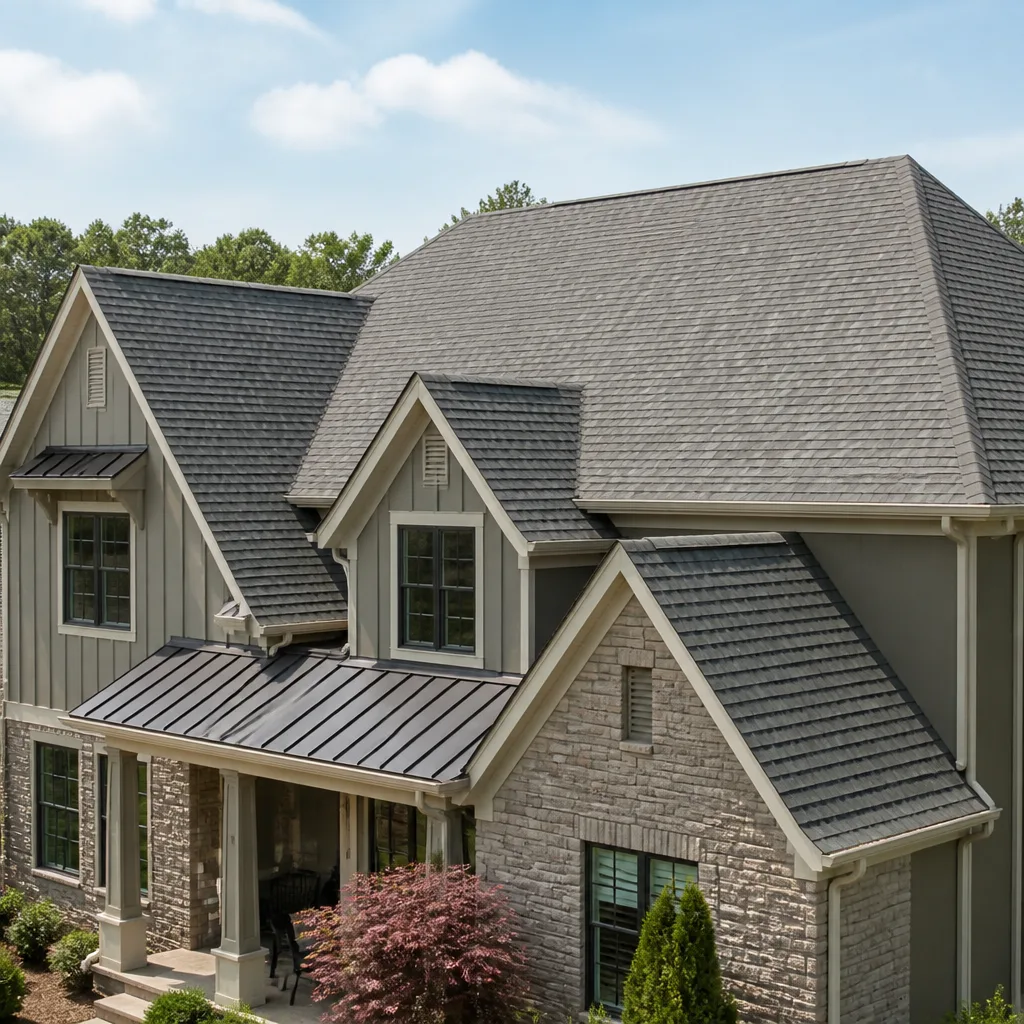
CGI manufactures standing seam, corrugated, and ribbed metal roofing panels under several series lines, and the compatibility question matters more than most people expect. The panel profile on a CGI corrugated roof in Silver Lake is not the same as a standing seam panel in Encino, and the closure strips, fasteners, and flashing are not interchangeable between profiles. If you buy the wrong closure strip, water gets past it. That’s not a maybe. That’s geometry.
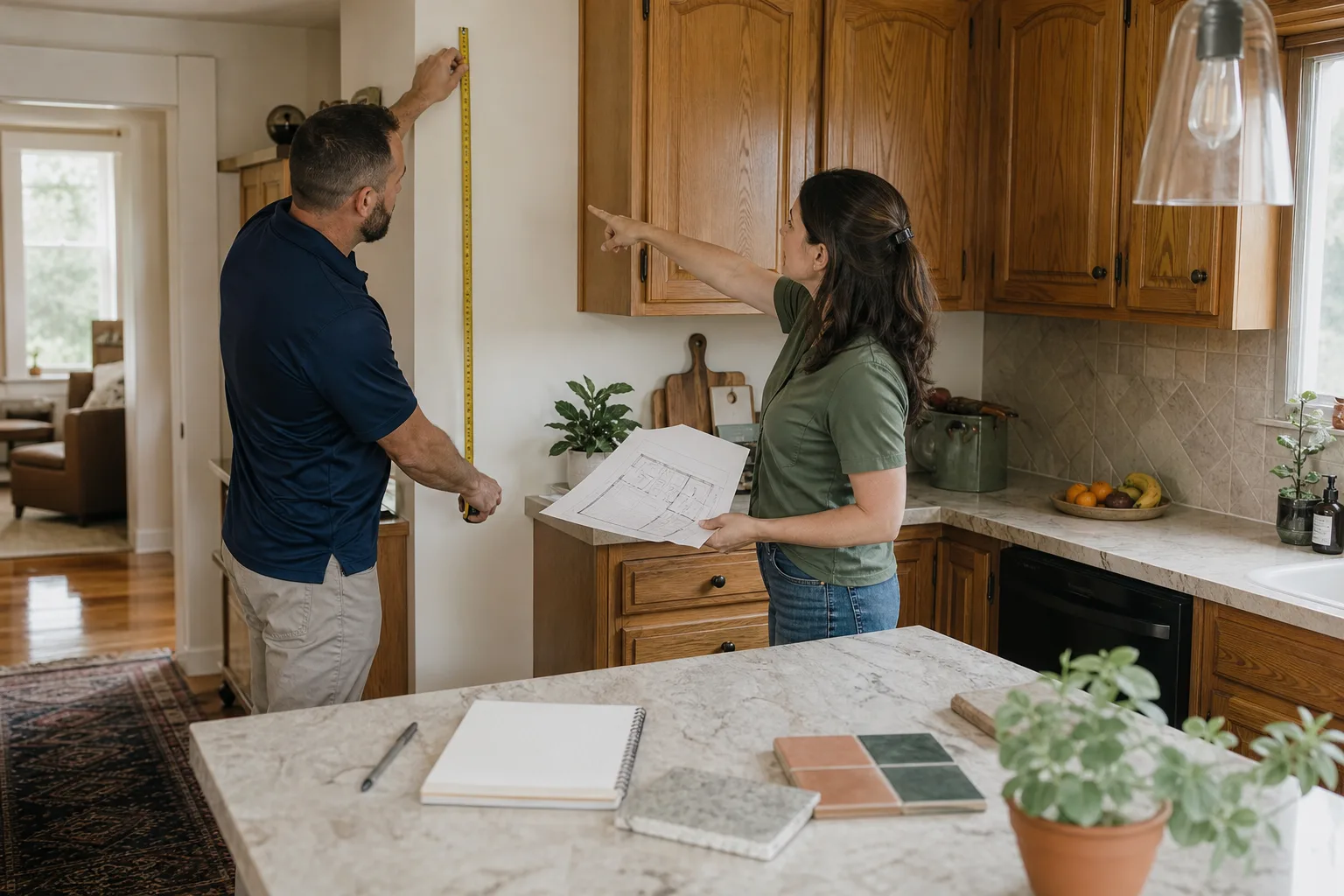
Here’s what to check before you call: look for a stamp or printed label on the underside of a panel near the eave line. CGI panels typically carry a gauge marking, a profile code, and a finish code. If you can’t find a label, measure the rib height and spacing with a tape measure. A 7/8″ corrugated profile uses different closures than a 1/2″ profile. Write those numbers down. When you call us, those measurements let us bring the right part the first time instead of making two trips across Los Angeles.
On the OEM versus aftermarket decision: CGI’s own fasteners and closures are consistent, which is why we default to them. Aftermarket options exist and can be fine for basic flashing transitions, but the savings on a generic closure strip is rarely worth the risk of a mismatch. The part costs less than the second service call. Our recommendation is simple: use OEM for closures and panel-matched fasteners, consider aftermarket only for basic trim. The written scope we give you before work starts will name the exact part, the brand, and the price, so you’re not agreeing to a vague “closure strip replacement” without knowing whose part is going on your house.
One more compatibility gotcha worth knowing: older CGI panels in Los Angeles, especially on homes reroofed in the 1990s and early 2000s, sometimes carry a finish code that’s no longer in current production. The color won’t match perfectly from a fresh part. We’ll tell you that before ordering. A good match beats a promised exact match that isn’t real.
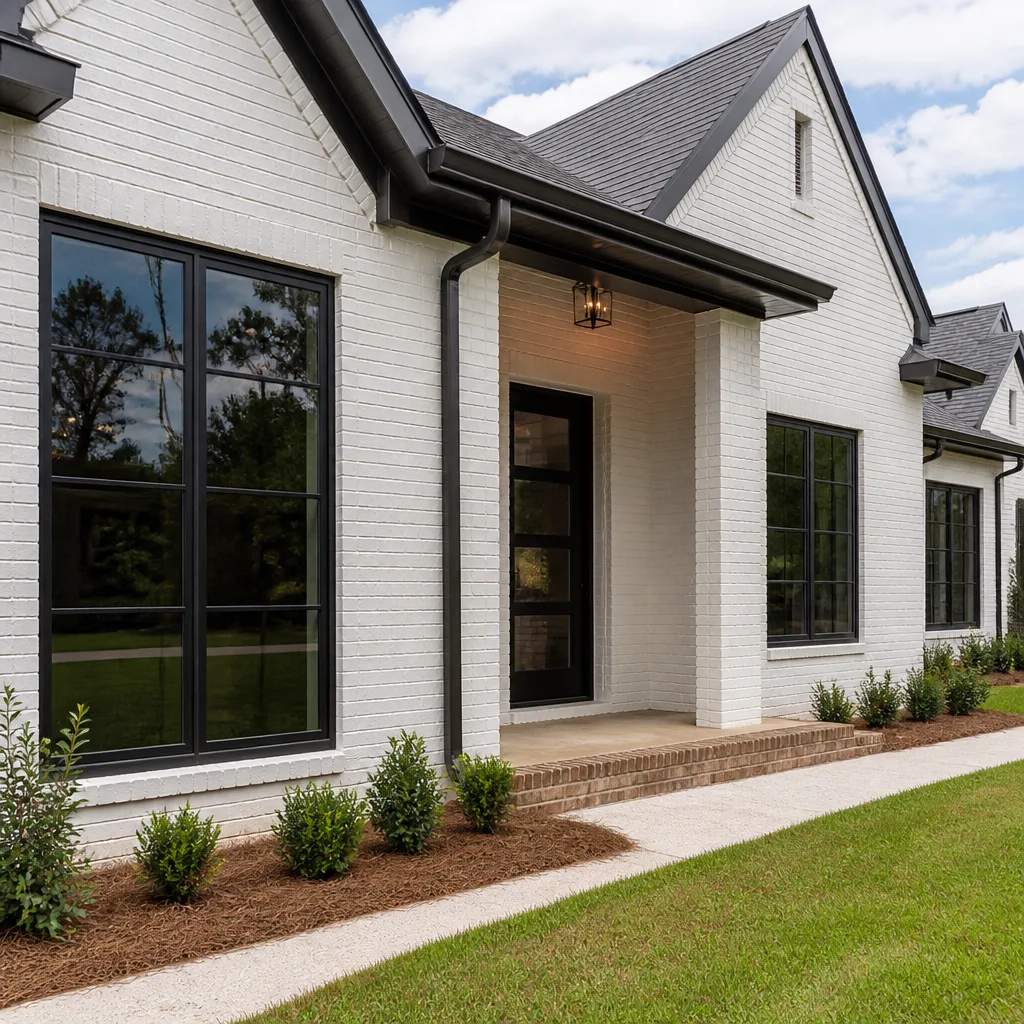
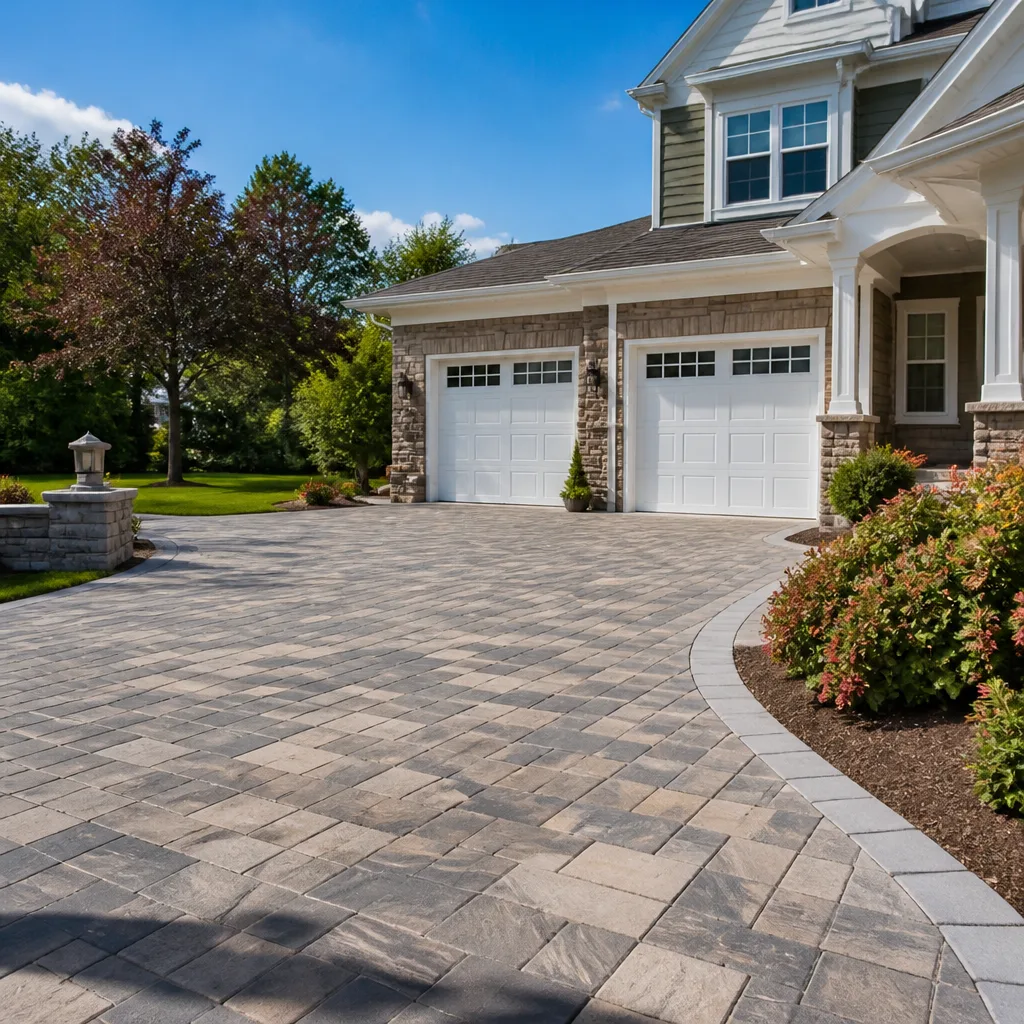
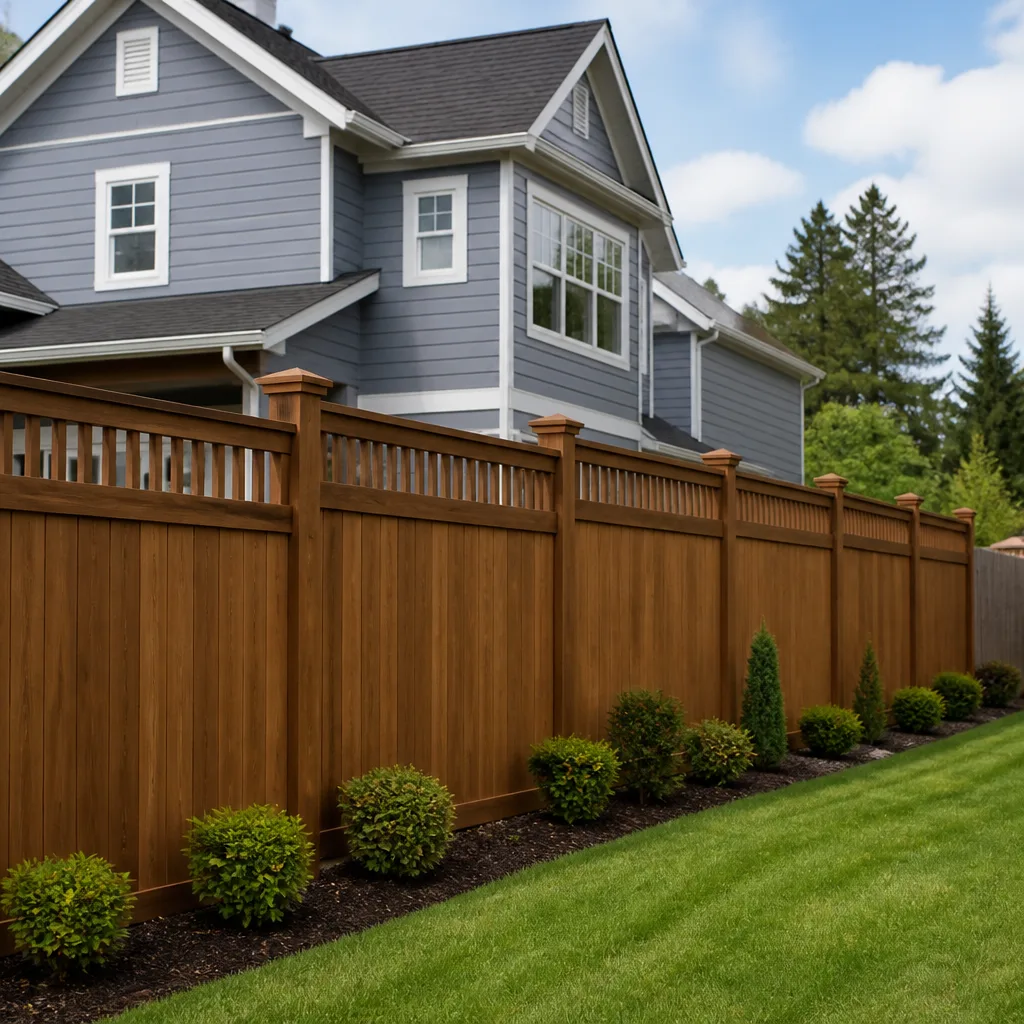
Styles & brands we work with
Signs Your CGI Roofing Is Failing
- Water staining on the ceiling under a panel seam or roof transition. This is the most common first sign. The panel itself is rarely leaking. The failure is usually a dried-out closure strip or a fastener that lost its washer seal. Water follows the path of least resistance, which is why the stain shows up ten feet from where the actual breach is.
- Fastener heads sitting proud of the panel surface. Metal expands and contracts with Los Angeles heat and cool nights. Over years, that movement backs screws out a fraction at a time. A fastener that’s raised even an eighth of an inch has lost its compression seal. Rain will find it.
- Gaps at ridge caps or flashing transitions where gaps did not exist before. Ridge caps and flashing are where water tries to get in, because that’s where the geometry changes. A visible gap means the sealant strip under the metal has decomposed or the metal itself has shifted.
- Corrosion forming around fastener holes or along cut edges. This is slower and more serious. Coastal Los Angeles air accelerates corrosion, and once the protective coating is compromised at the fastener point, the panel is degrading from the inside out. The fix is removing and replacing the compromised section, not covering it.
- A chalk-like residue washing down from the roof onto walls or gutters. That residue is the panel finish breaking down, usually on roofs past 15 years in direct Los Angeles sun. It means the topcoat is gone and the substrate is oxidizing. The structural panel may still be sound, but it’s exposed, and the clock on real corrosion has started.
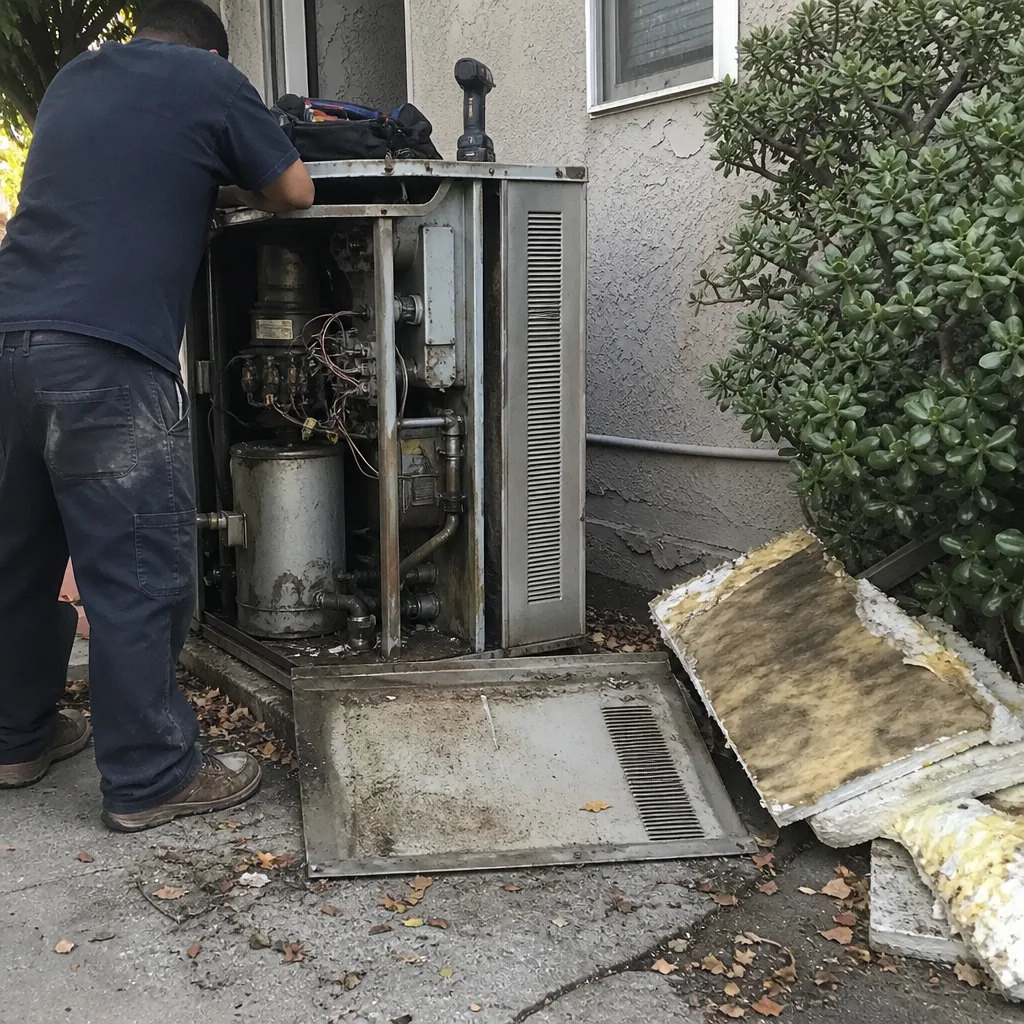
See the difference
 Before
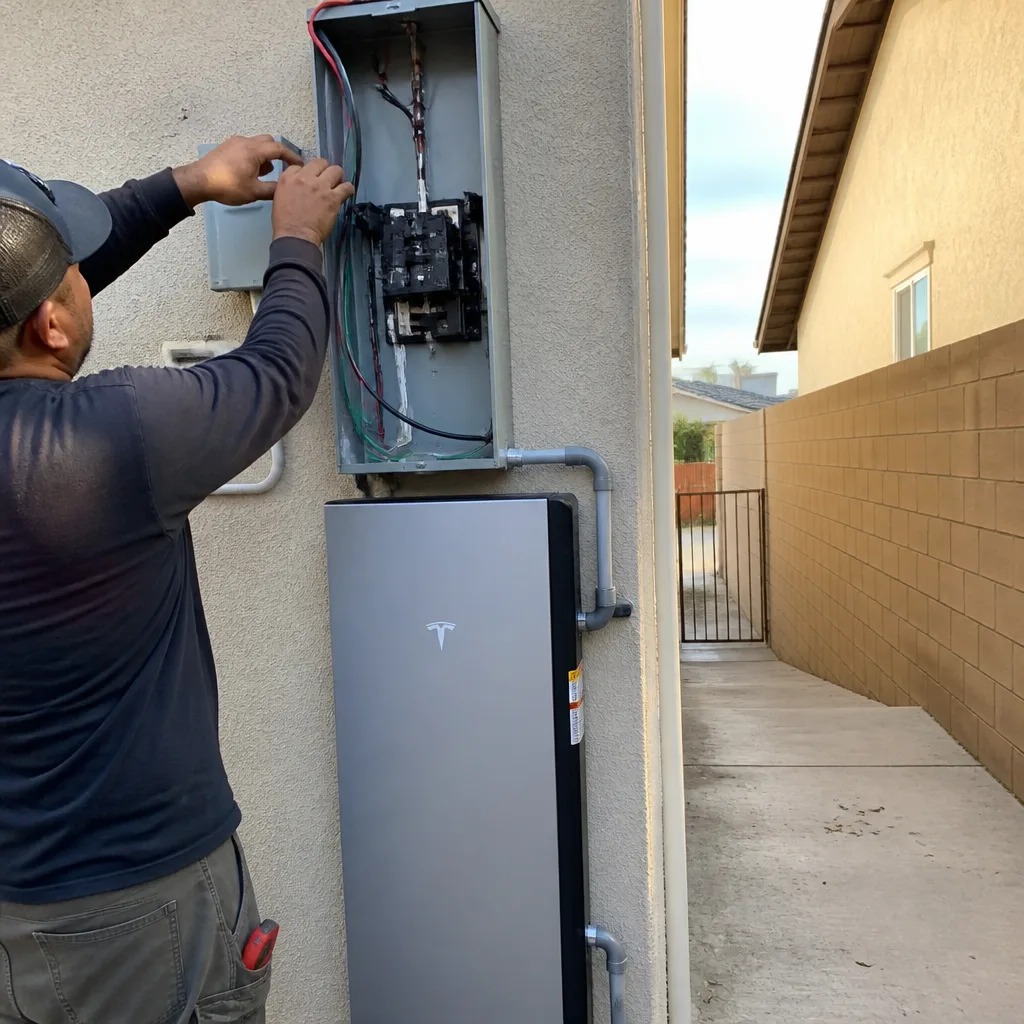 After
After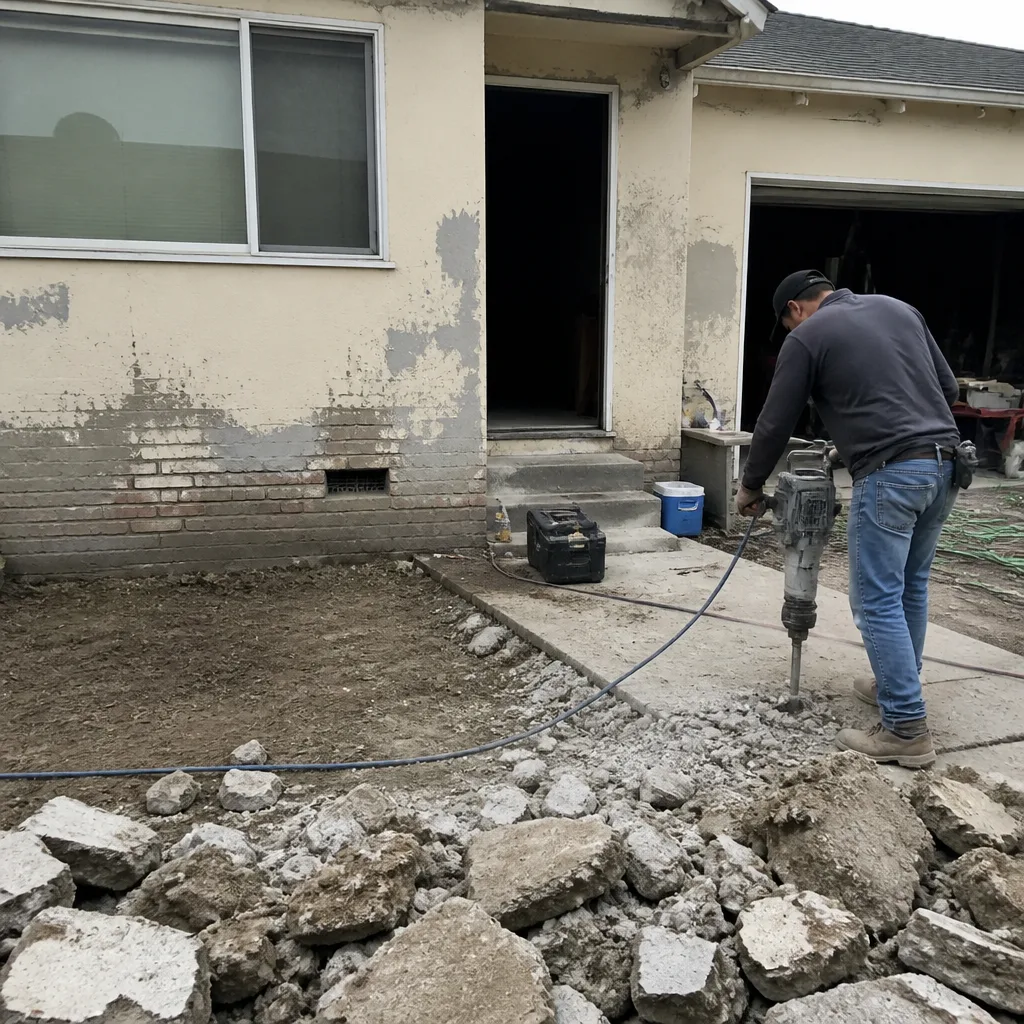 Before
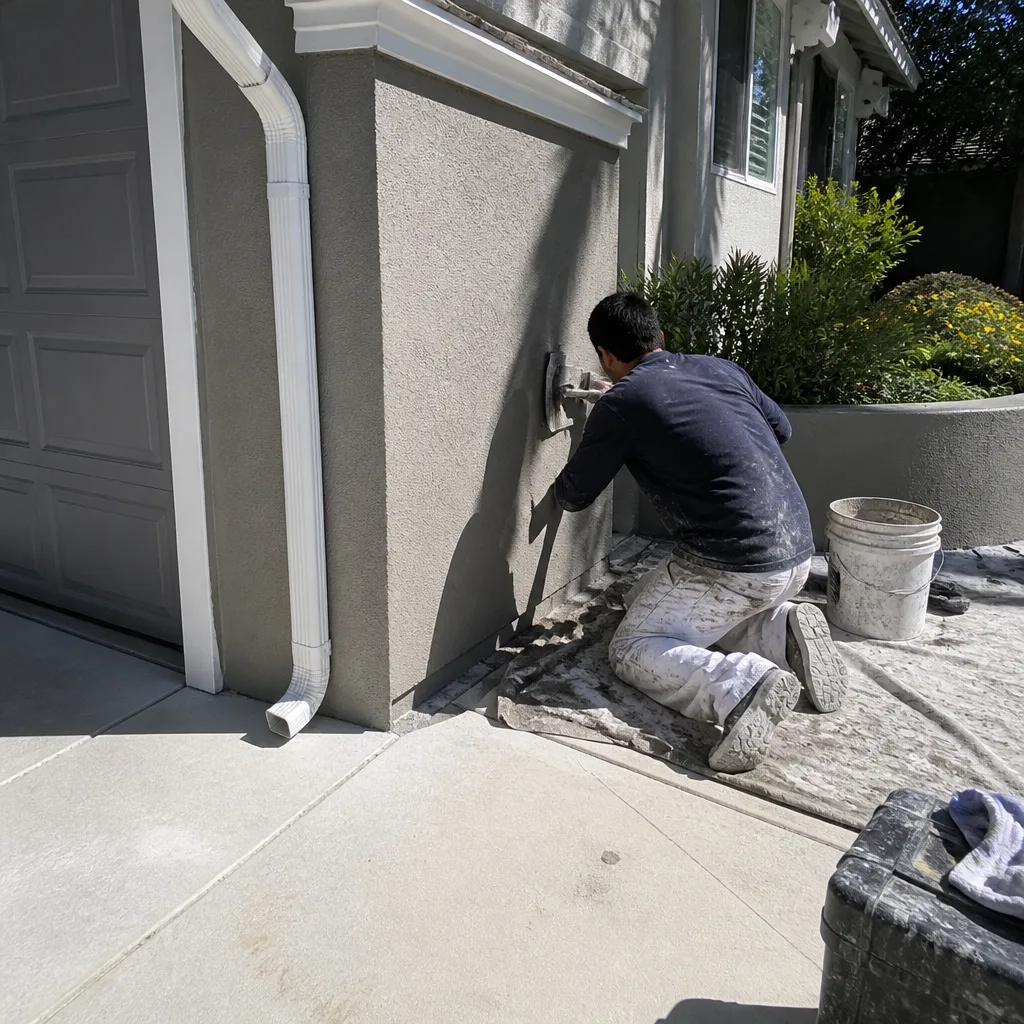 After
After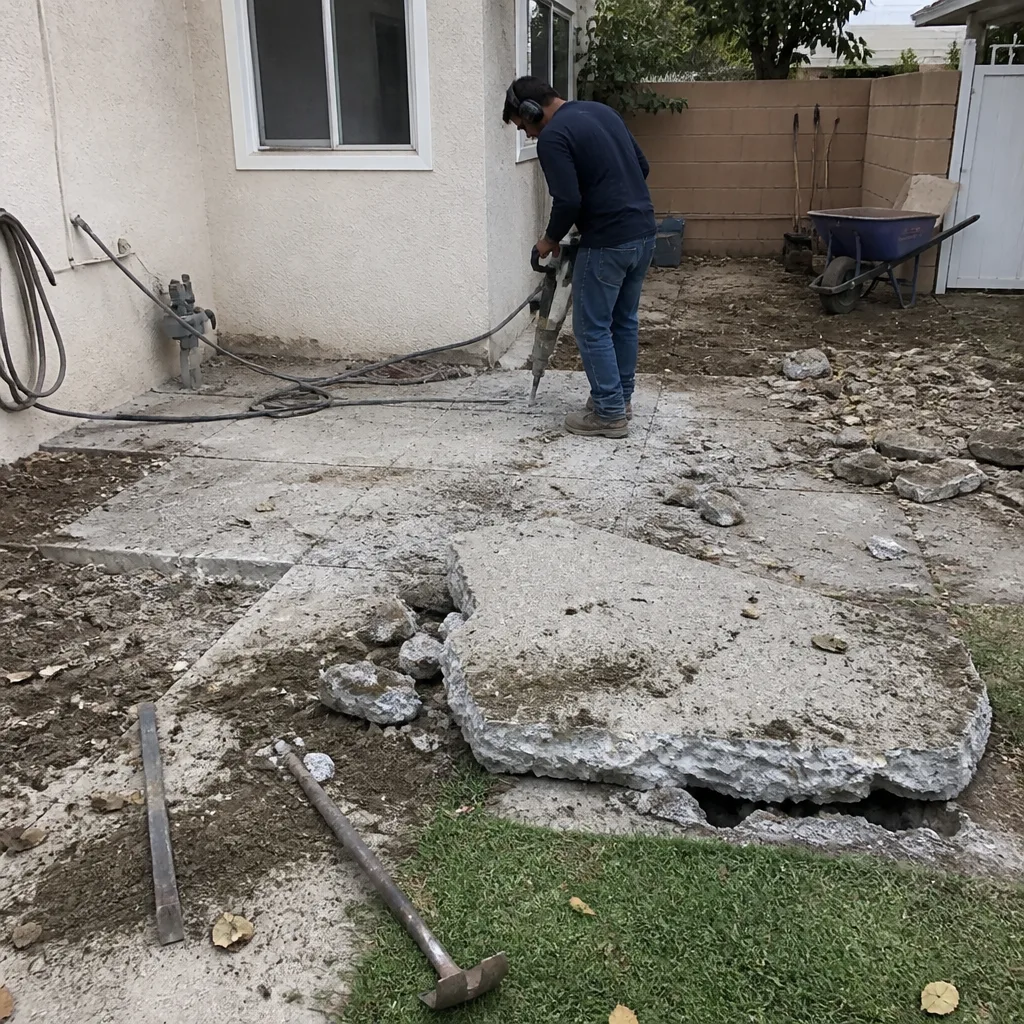 Before
 After
AfterReplacement Cost & What’s Included
CGI roofing repairs in Los Angeles typically run $470 – $2,125 depending on what has failed and how accessible it is. A single closure strip replacement or a handful of fasteners at ground-level reach sits at the low end. A ridge cap rebuild with new flashing, sealant, and fasteners on a two-story house with a steep pitch sits at the high end. Our prices do not change after the crew arrives because the scope was set in writing before they drove over.
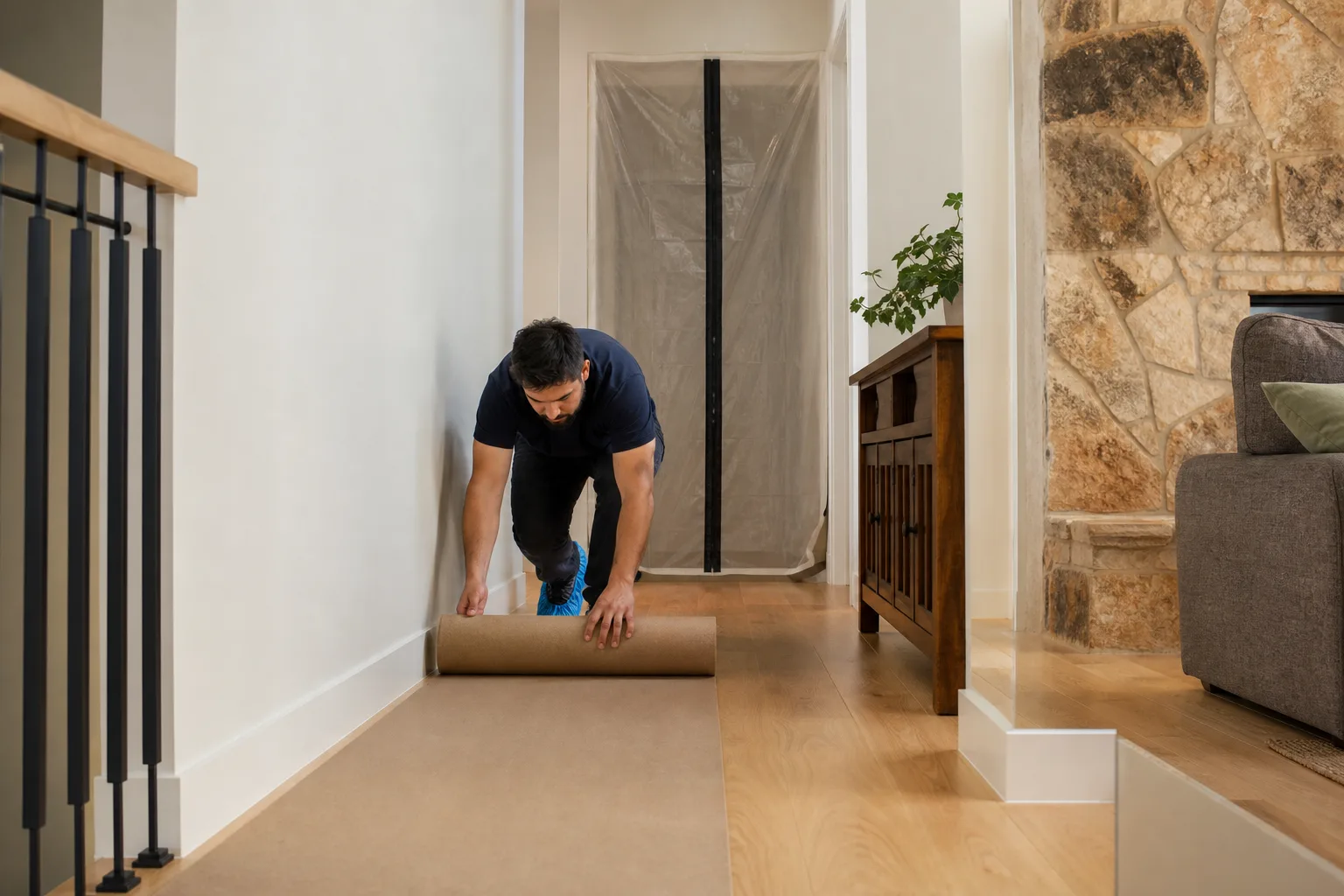
What’s in the price: the specific part (CGI or a named aftermarket equivalent), the labor to remove and replace it properly, sealant rated for metal roofing, and a cleanup that includes hauling away the old part rather than leaving it by your bins. We use drop cloths on every visit, shoe covers at the door, and we photograph the work area before the crew leaves. That’s the Cedarwell Care Promise, on every repair, not just the big remodels.
Here’s how the range breaks down, so you can see what you’re likely looking at before you call:
- Closure strip replacement at eave or ridge: $470 – $825
- Fastener replacement (per panel section, includes washers and sealant): $470 – $825
- Flashing replacement at a transition or penetration (pipe, vent, chimney): $710 – $1,520
- Ridge cap or transition rebuild (includes new closures, fasteners, sealant): $1,180 – $2,125
Every repair is covered by our 365-Day Done Right Promise. If the part fails because of our installation within a year, we make it right. That promise is on the written scope you get before we start, not buried in fine print.
DIY or Call Us?
Welcome to the honest answer. What you can safely do yourself: inspect from the ground with binoculars, check for raised fasteners, photograph visible gaps, and read the panel markings if a section is reachable from a ladder you know how to set properly. That information makes the repair faster and cheaper when you call, because we’ll know what we’re walking into.
Here’s where DIY goes wrong on CGI roofing. Working on a metal roof means working on a surface that’s slick when damp, hot in Los Angeles sun, and often steeper than it looks from the yard. A fall from a one-story roof changes a family’s year. We tell people this plainly because we’d rather you think twice than find out the hard way. Matching the part is also harder than it looks. The wrong closure strip leaks. A fastener with the wrong washer corrodes within months. And working on any roof with a live electrical service drop nearby adds a hazard most homeowners don’t notice until they’ve made contact. Let a professional do the part that’s above your shoulders. The inspection from the ground is yours.
If you’ve found the problem and want it handled, call (949) 850-9896. A live person answers. We’ll ask for the measurements and the photos, and we’ll give you a written price before any work starts.
FAQs
Closure strips typically last 8 to 15 years in Los Angeles before the UV exposure and heat cycles break them down enough to lose their seal. Fastener washers usually fail sooner, around 7 to 12 years, especially on west-facing roof planes that take the full afternoon sun. Coastal air shortens both timelines. If your CGI roof is past the 10-year mark and you’re seeing the first signs of moisture, call (949) 850-9896 and we’ll give you an honest read on what needs replacing.
Sometimes. A single raised fastener can often be removed, inspected, and reseated with a fresh washer. But closure strips and flashing that have shrunk or cracked cannot be repaired, because the material itself has lost its shape and compression. Repairing what should be replaced is how you get a second leak in the same spot. We’ll tell you which path applies to your roof, and the written price will reflect that decision, not a guess.
Most single-part replacements on a CGI roof in Los Angeles take 2 to 4 hours once we’re on site, including setup, the repair, and the cleanup photo before we leave. Larger repairs like a full ridge cap rebuild can run a full day. We’ll tell you the expected timeline in writing before the crew arrives, and we schedule around your family’s quiet hours where possible.
We stock common CGI closure strips, fasteners, washers, and sealant on our trucks, so most repairs in Los Angeles happen without a special order. Unusual panel profiles or older discontinued finish codes may take 3 to 5 business days to source. If that’s the case, we’ll tell you before you commit and make sure you know exactly what to expect. Call (949) 850-9896 for an exact answer on your specific roof.
Written by Graham Stein, Owner, Elmstead Remodeling at Elmstead Remodeling, serving Los Angeles and nearby areas.