Free written scope consultation - allowances, timeline, and change-order rules on paper before a single trade is scheduled
Cover Home Additions & ADU: The Los Angeles Owner’s Guide
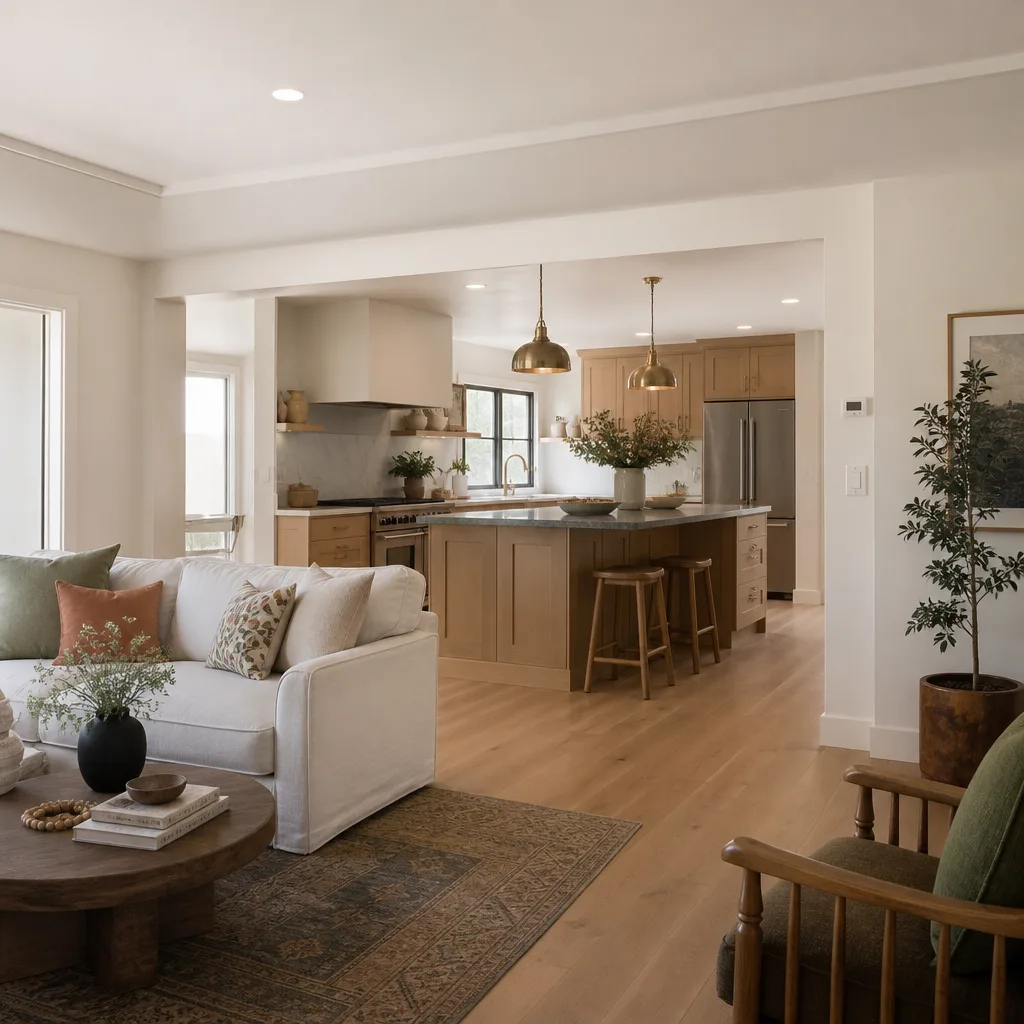
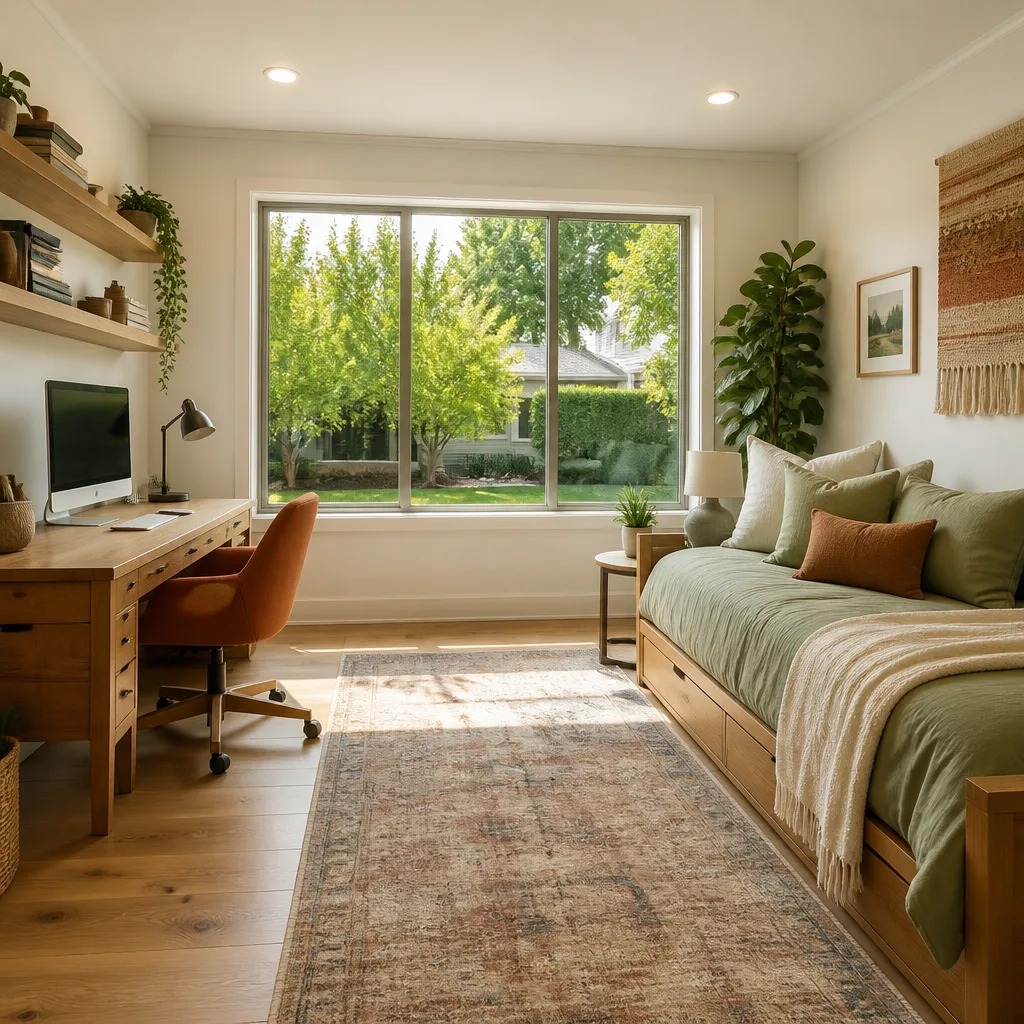
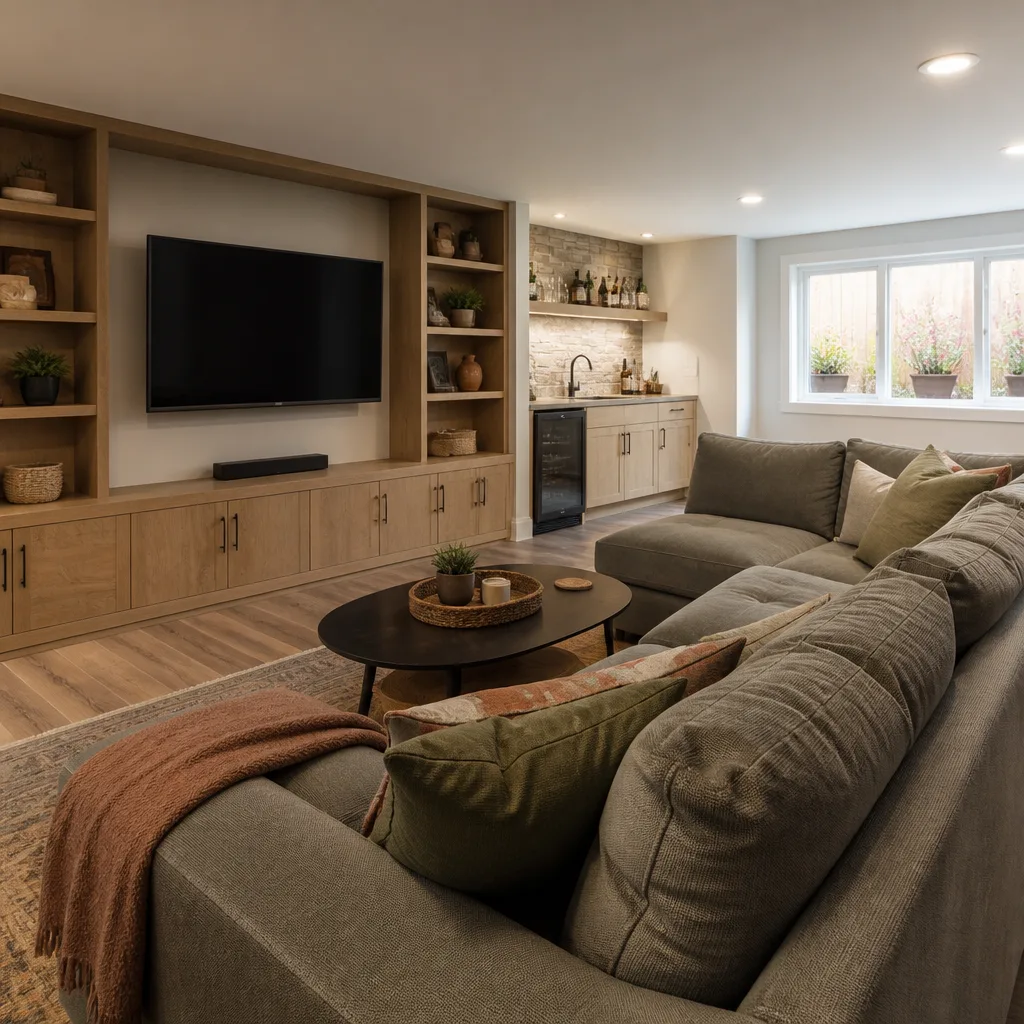
We stock and install replacement parts and components for Cover home additions and ADU systems across Los Angeles, with typical installed project costs running $53,100 to $153,400 for full Cover home additions and $106,200 to $259,600 for complete ADU construction. Most part-specific replacements fall well under those full-project ranges, and we can usually match the exact component within one to two business days. The way owners typically discover a failed part is gradual: a door that starts sticking in summer, a mini-split that cycles louder than it did last spring, a roofline flashing that shows rust after a heavy rain year. What starts as a small annoyance is often a component telling you it is reaching the end of its service life, and catching it before it cascades into drywall or framing work saves real money.
Please know this plainly: Elmstead Remodeling is an independent Los Angeles remodeling contractor. We are not affiliated with Cover, and we do not represent ourselves as a Cover warranty provider. What we do is source, match, and install Cover-compatible parts correctly, with a written price before any work starts.
Which Cover Models This Applies To
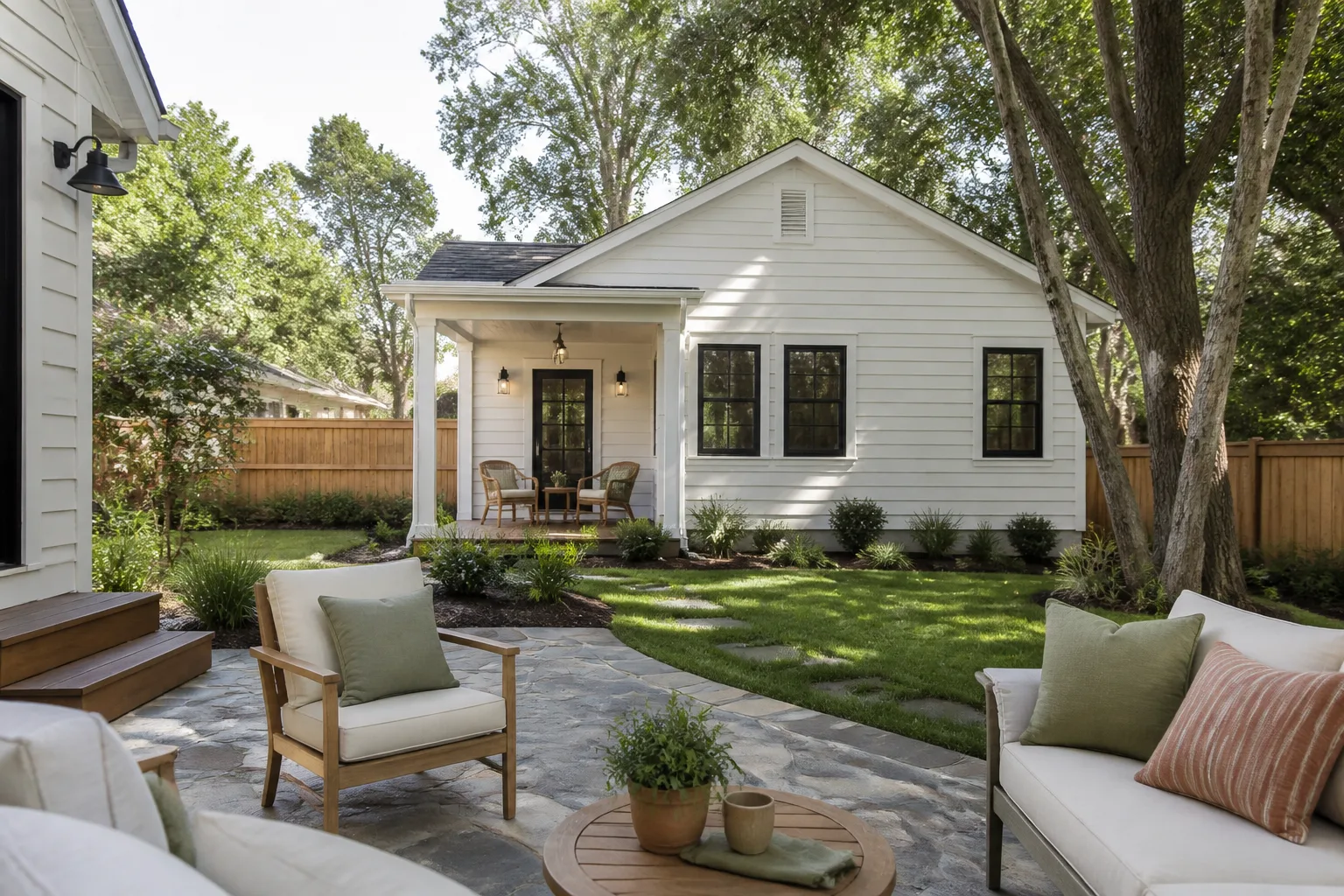
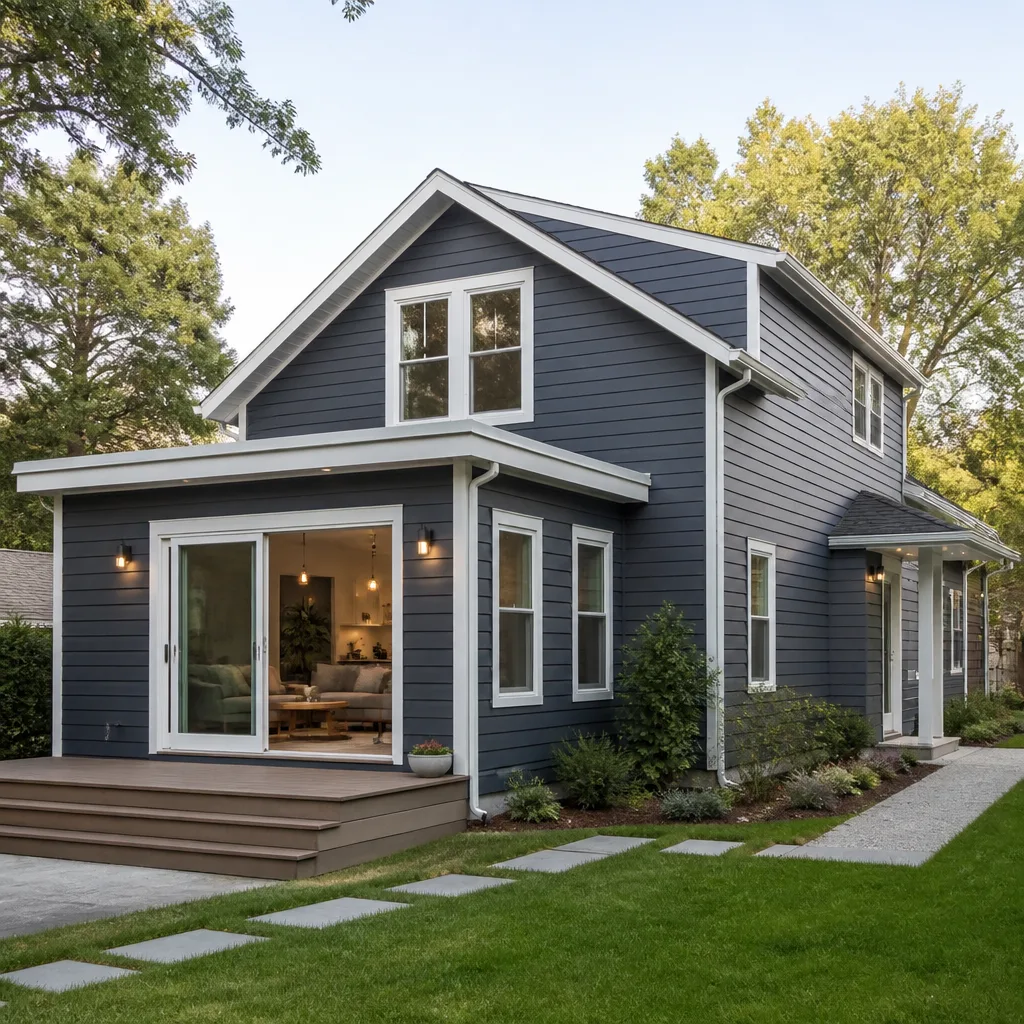
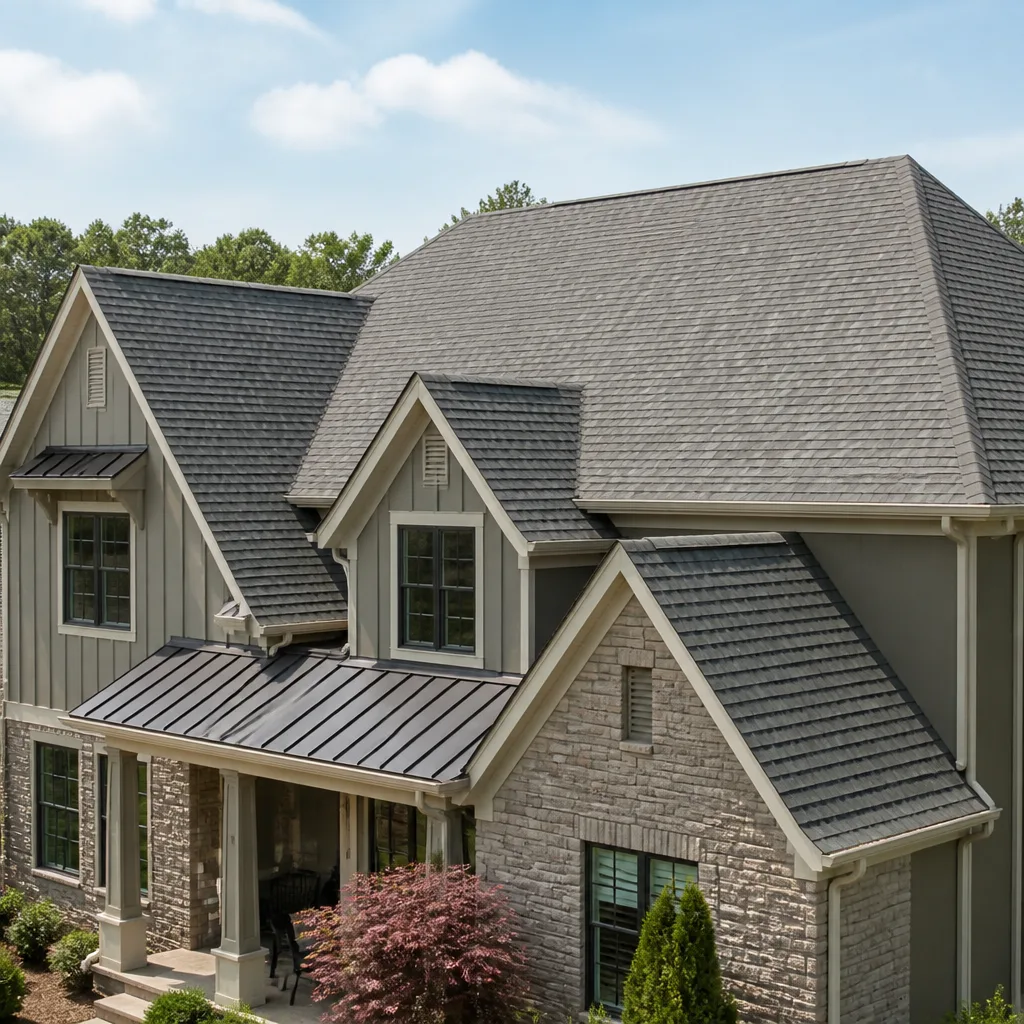
Cover home additions and ADUs in the Los Angeles market are built around a modular steel-frame system with wall panels, roof cassettes, and pre-assembled utility chases. The parts picture depends on which generation the structure came from. Earlier Cover deployments, roughly 2018 through 2021, used a proprietary corner bracket with a 5/8-inch bolt pattern that later models replaced with a 3/4-inch pattern. This is a real compatibility gotcha: a bracket that looks identical from the outside will not seat properly if you grab the wrong generation, and the fasteners will cross-thread if forced. Check the label on the inside face of any wall panel near a corner post. If it reads “CV-Gen1,” you have the older bolt spacing. If it reads “CV-Gen2” or later, you are on the current pattern.
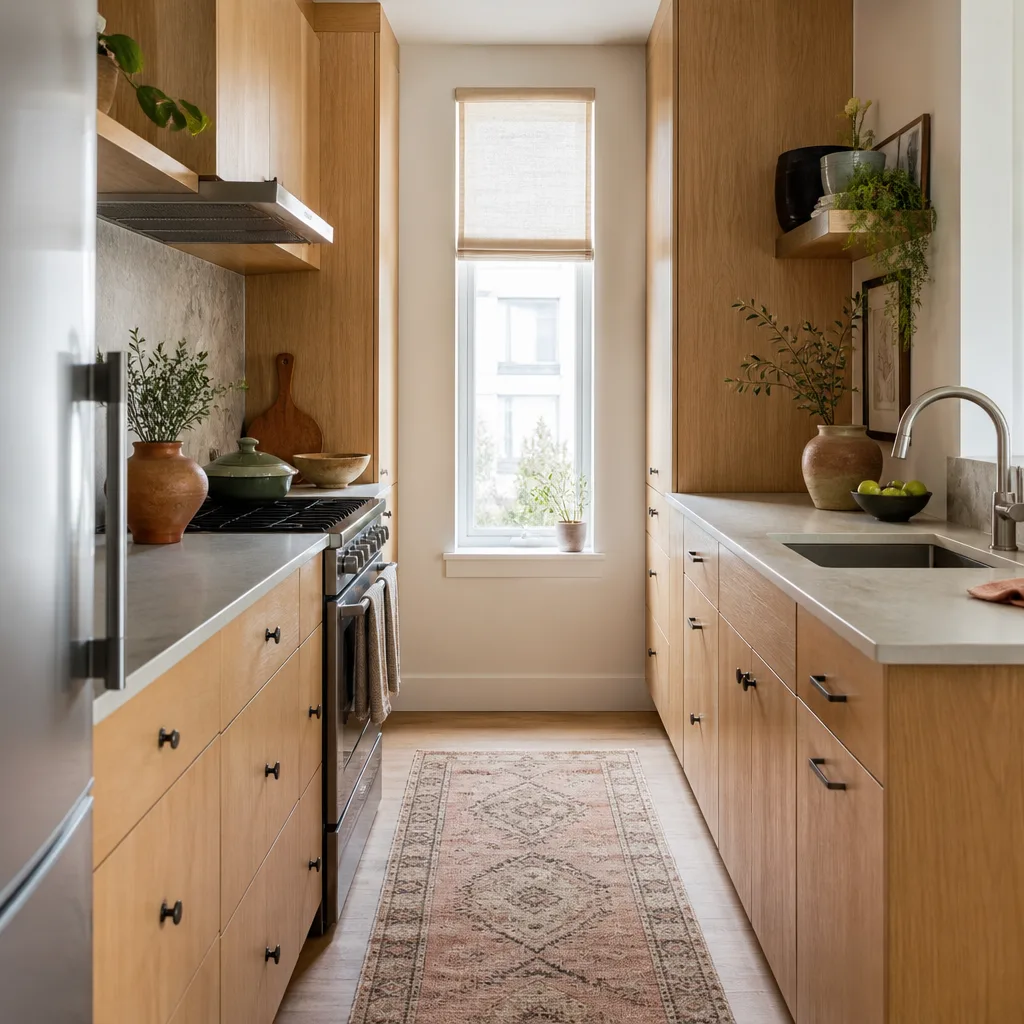
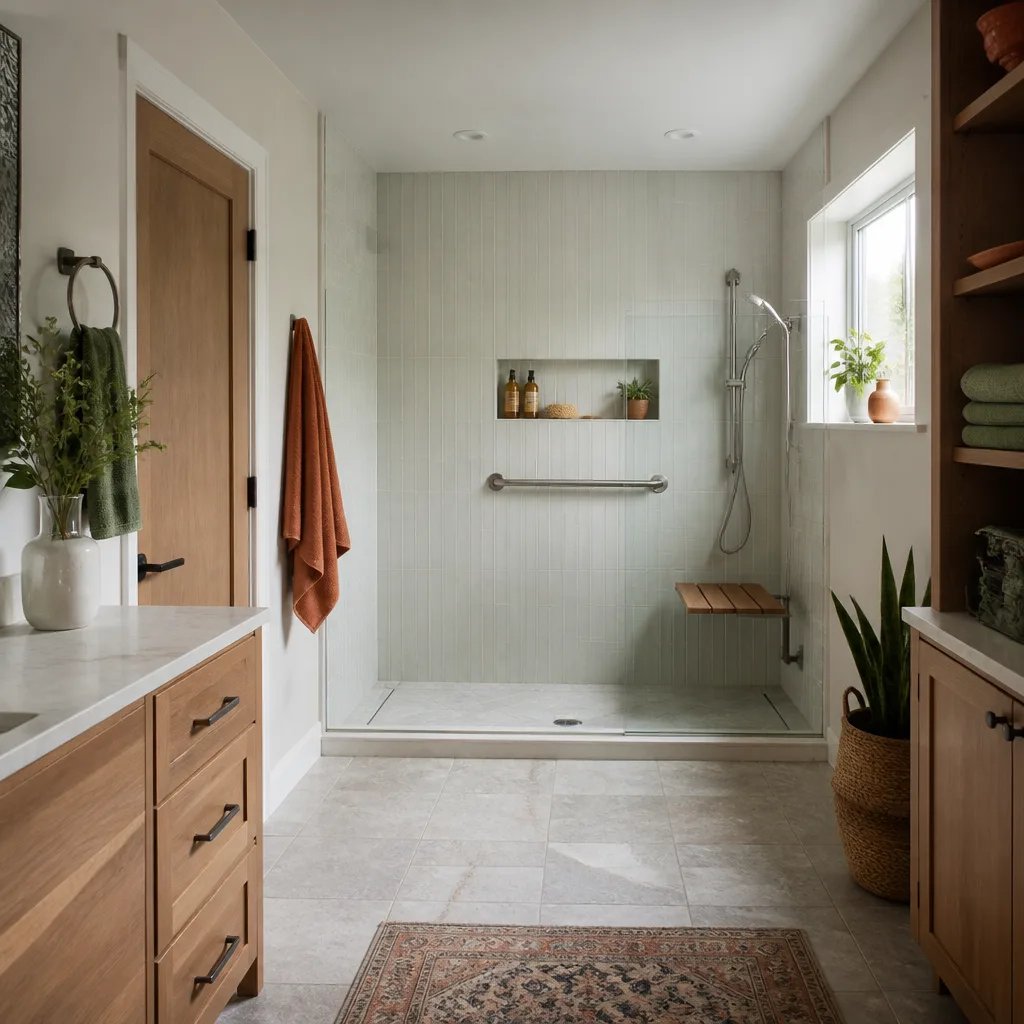
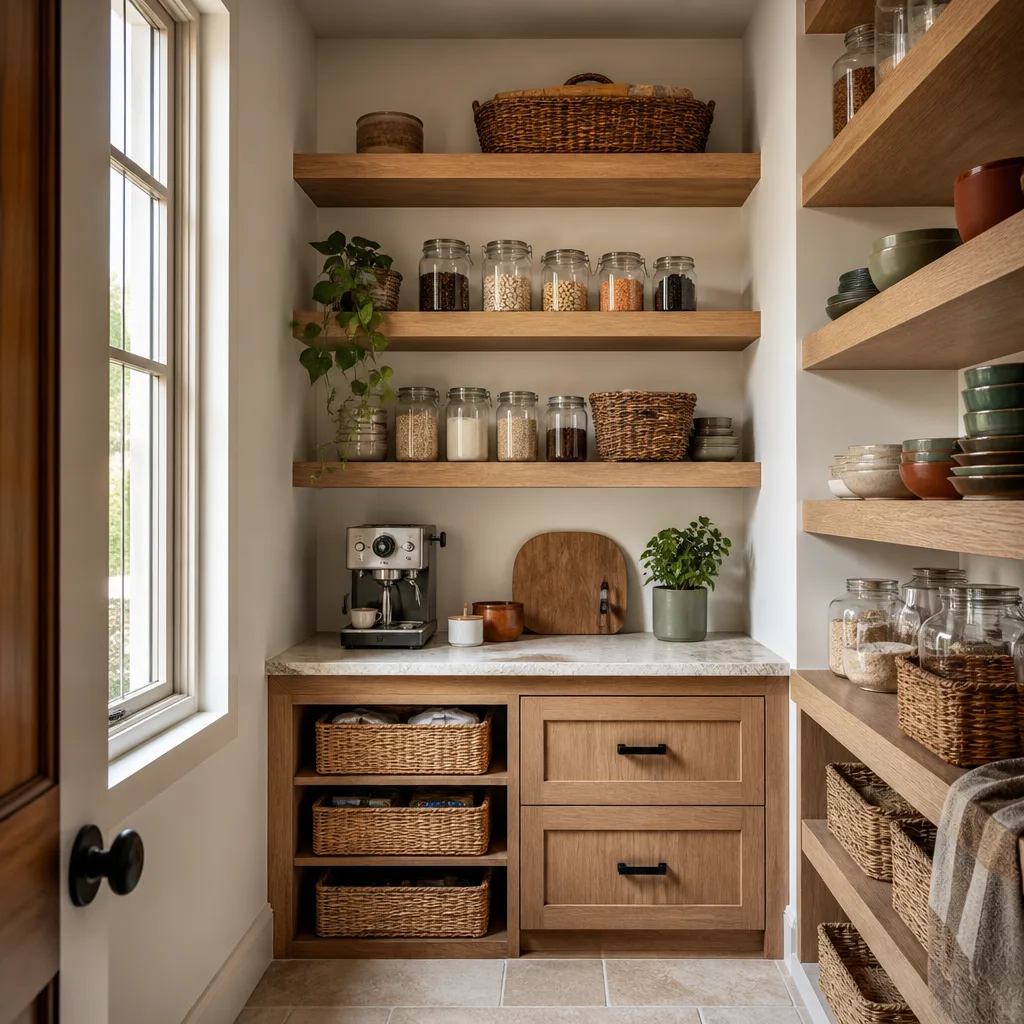
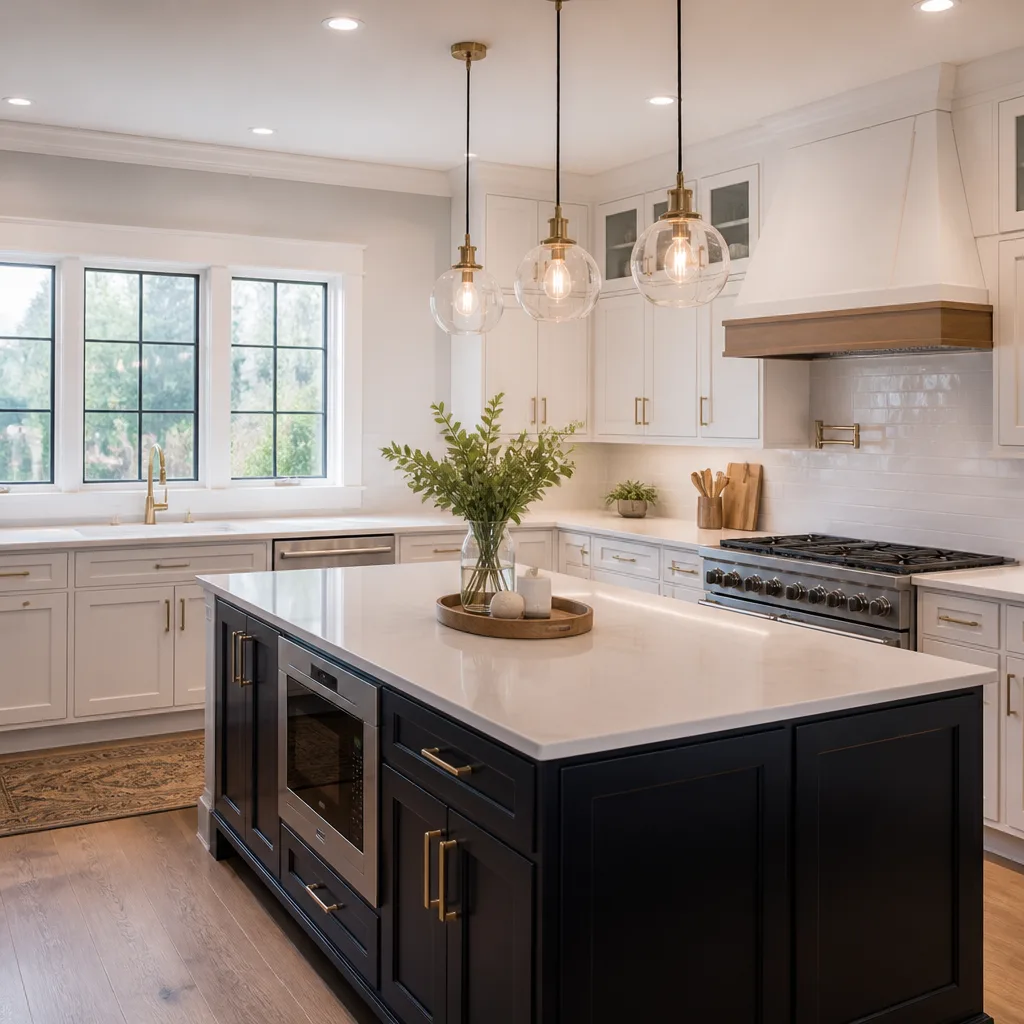
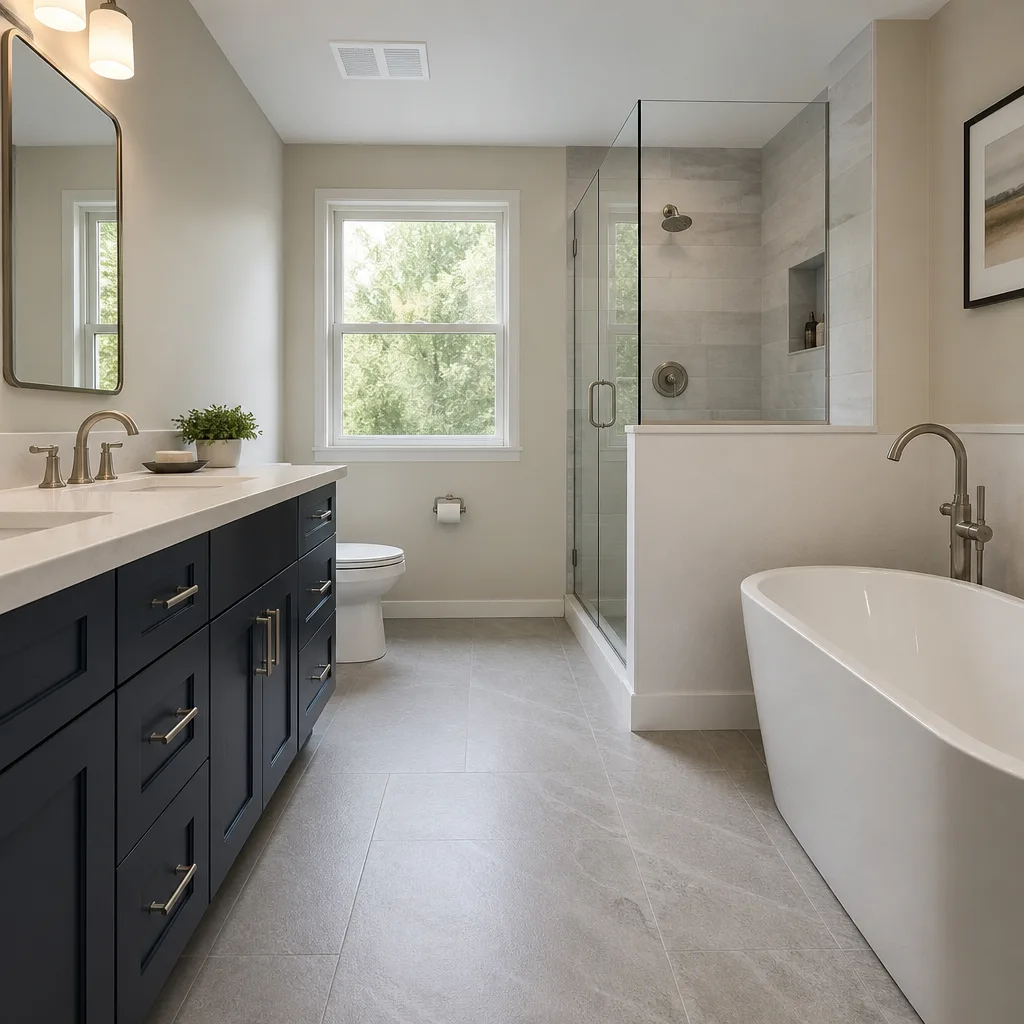
For OEM versus aftermarket: on cosmetic parts like trim channels, interior corner moldings, and door thresholds, quality aftermarket components are usually fine and sometimes wear better than the originals, especially in coastal Los Angeles zip codes where salt air accelerates oxidation on raw aluminum. But for structural connectors, roof membrane transitions, and any component that carries shear load, we recommend staying with Cover-spec parts. The tolerances are tighter, and the warranty paperwork on the rest of the structure stays cleaner if nothing non-spec was substituted. We also work with parts from KraftMaid (cabinetry used in many Cover ADU kitchens), Cambria (countertop surfaces), and Silestone (common in Cover utility and bath areas), so if the failing part is adjacent to those materials, we can address both in one visit.
Styles & brands we work with
Signs Your Cover Home Additions & ADU Component Is Failing
- Corner trim pulling away from the exterior corner post. This is usually thermal expansion on the original adhesive plus UV degradation. In Los Angeles, the high-angle summer sun beats on south-facing walls harder than on any north-facing one, and the adhesive there fails first. If you see a gap wider than about 1/8 inch, the seal is broken and water has a path in.
- Interior drywall cracking along the ceiling-to-wall transition at the module seams. Live load movement or soil settling is the typical driver. The San Fernando Valley and hillside areas like Silver Lake and Echo Park see more of this than flatland basins because of expansive clay soils. A hairline crack is often cosmetic; a crack that follows a straight module line and widens seasonally suggests movement worth investigating.
- Utility chase access panel no longer sitting flush. Most Cover builds run electrical and plumbing through a central chase. If the panel binds on one corner, the framing behind it may have shifted, or a plumbing fitting is putting pressure on the panel from behind. Either way, forcing it closed can crack the panel and pinch the wiring.
- Roof membrane lifting along the parapet or edge flashing. Los Angeles gets sudden heavy rain, then long dry stretches. The repeated wet-dry cycle on flat and low-slope Cover roofs causes membrane curling where the flashing was not fully adhered. Water can travel surprisingly far along the underlayment before it shows up as a ceiling stain.
- Doors and windows binding only during certain months. Differential settlement is normal. If the binding is seasonal and goes away, the structure is probably absorbing movement the way it was designed to. If it worsens year over year, you may have a bearing issue, and that is the point to call a professional before sheetrock work becomes part of the repair.
See the difference
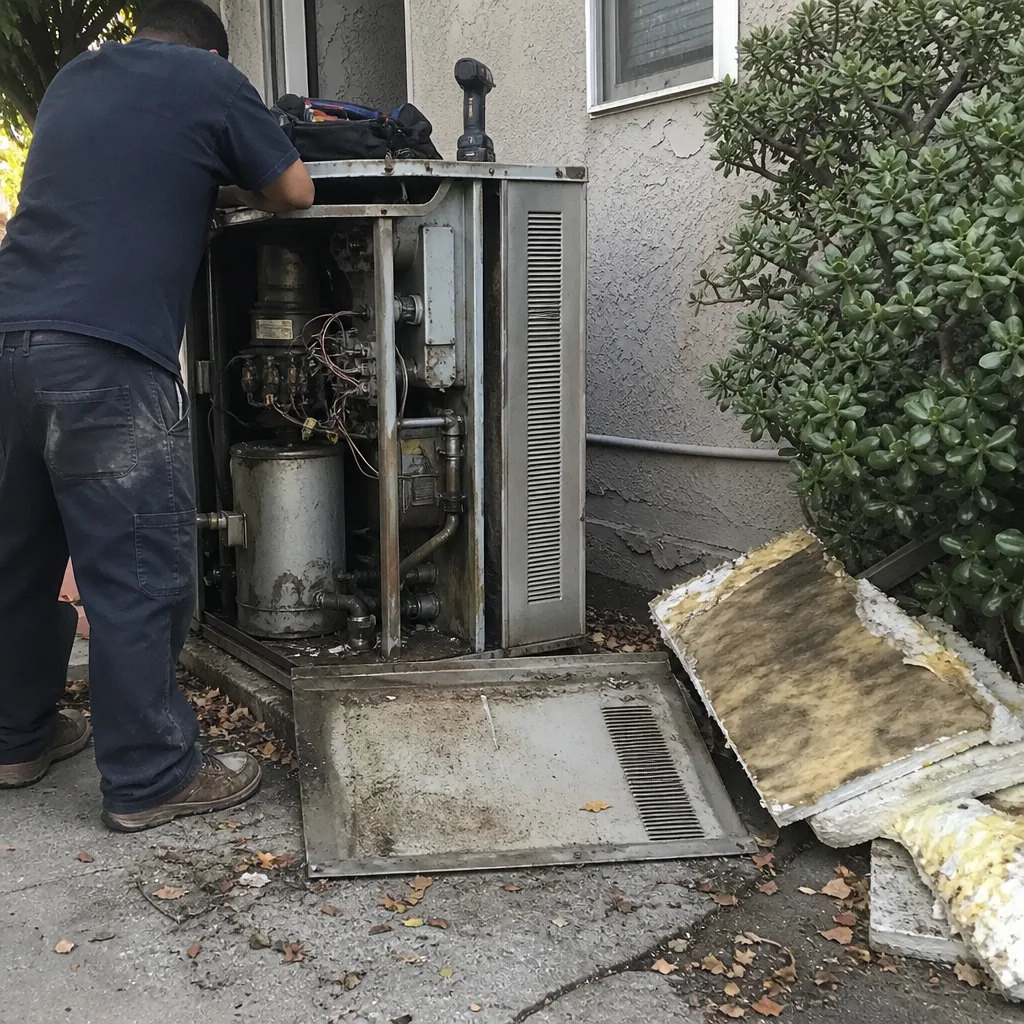 Before
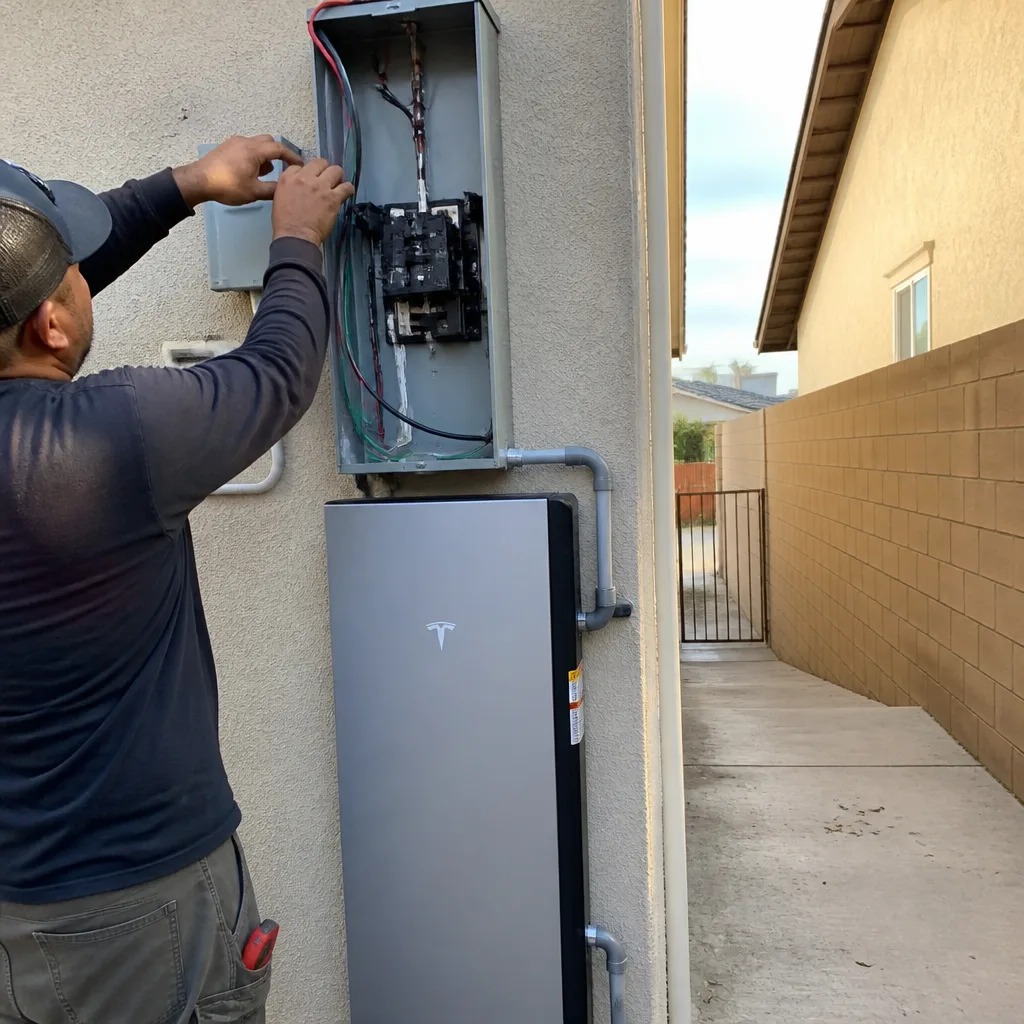 After
After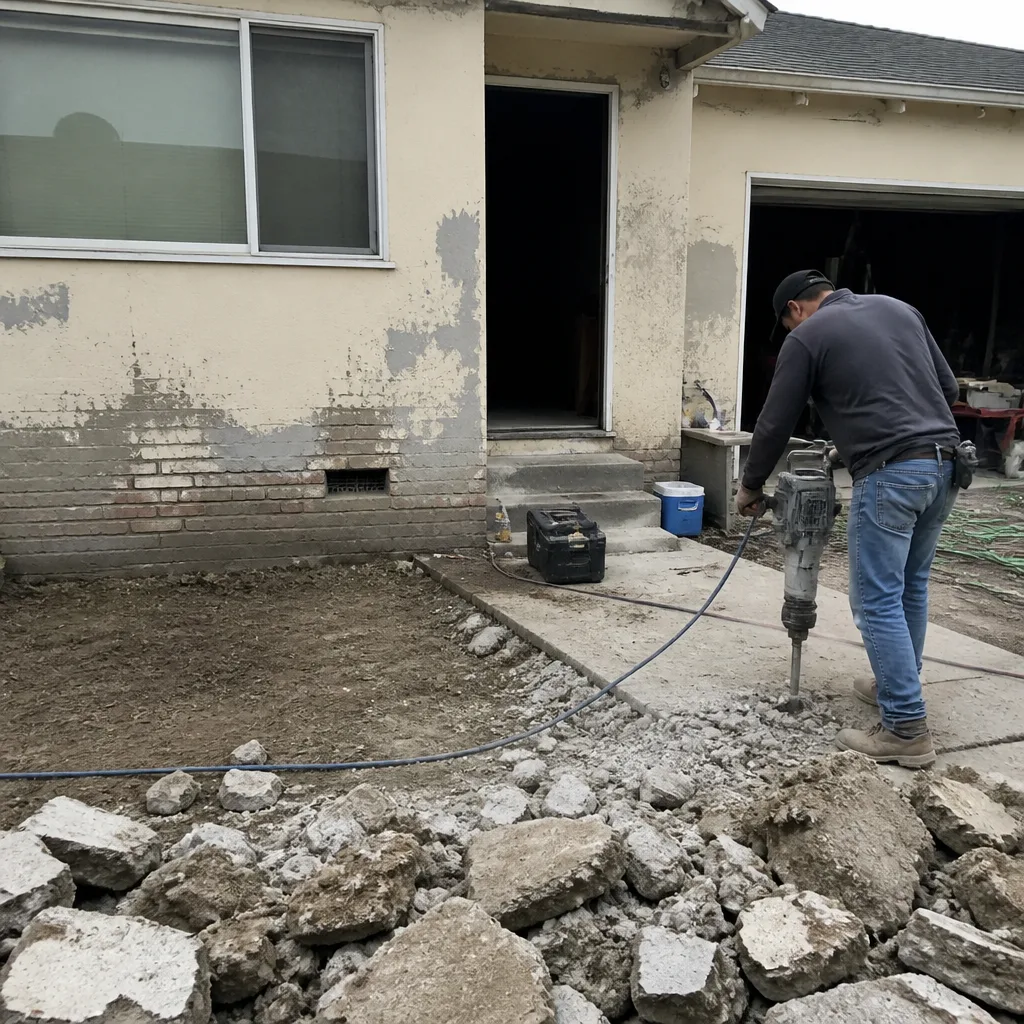 Before
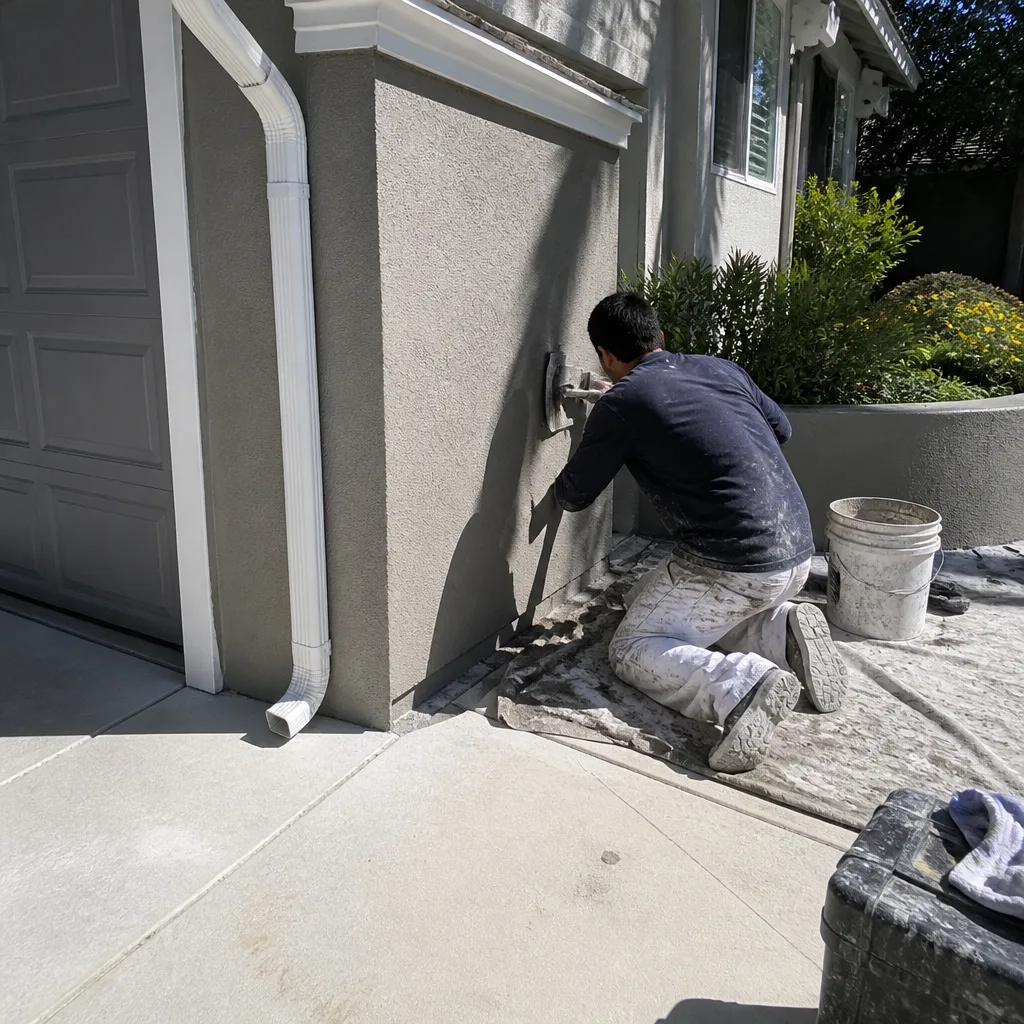 After
After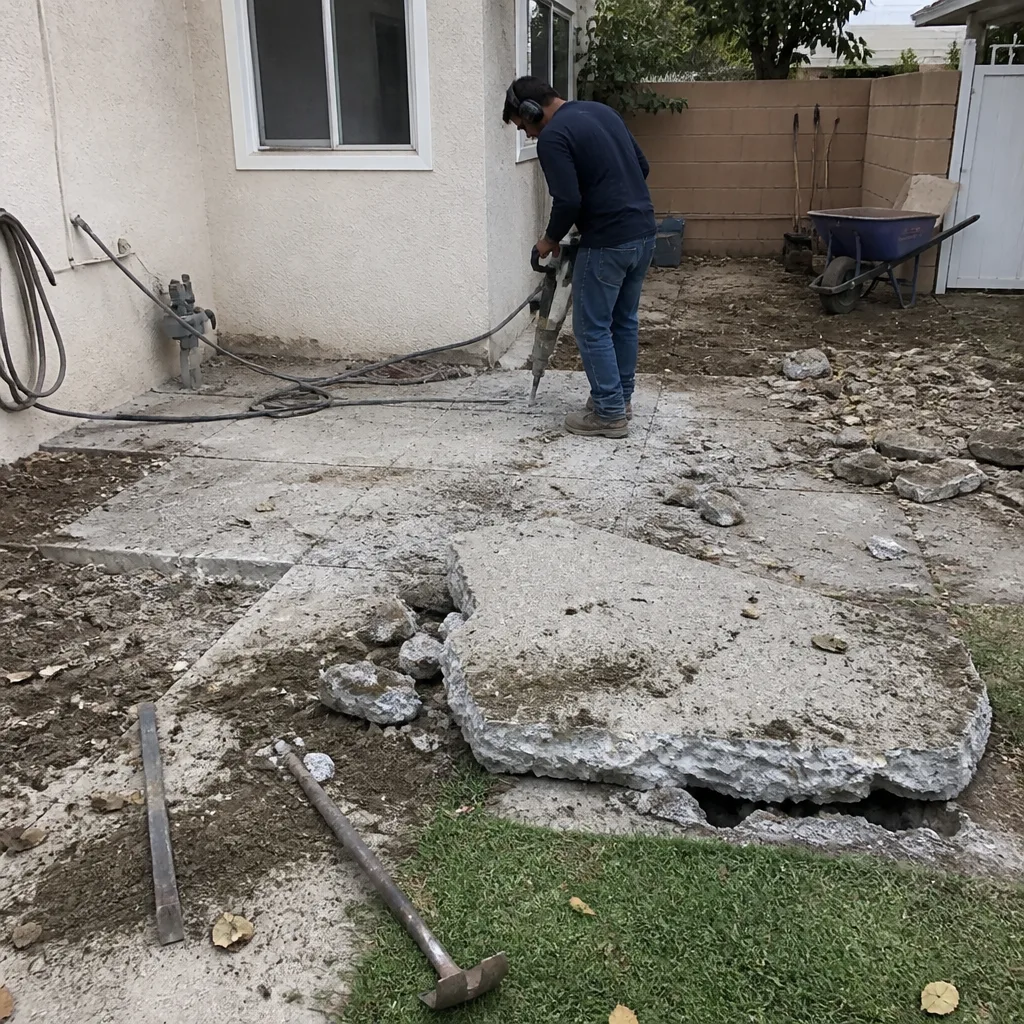 Before
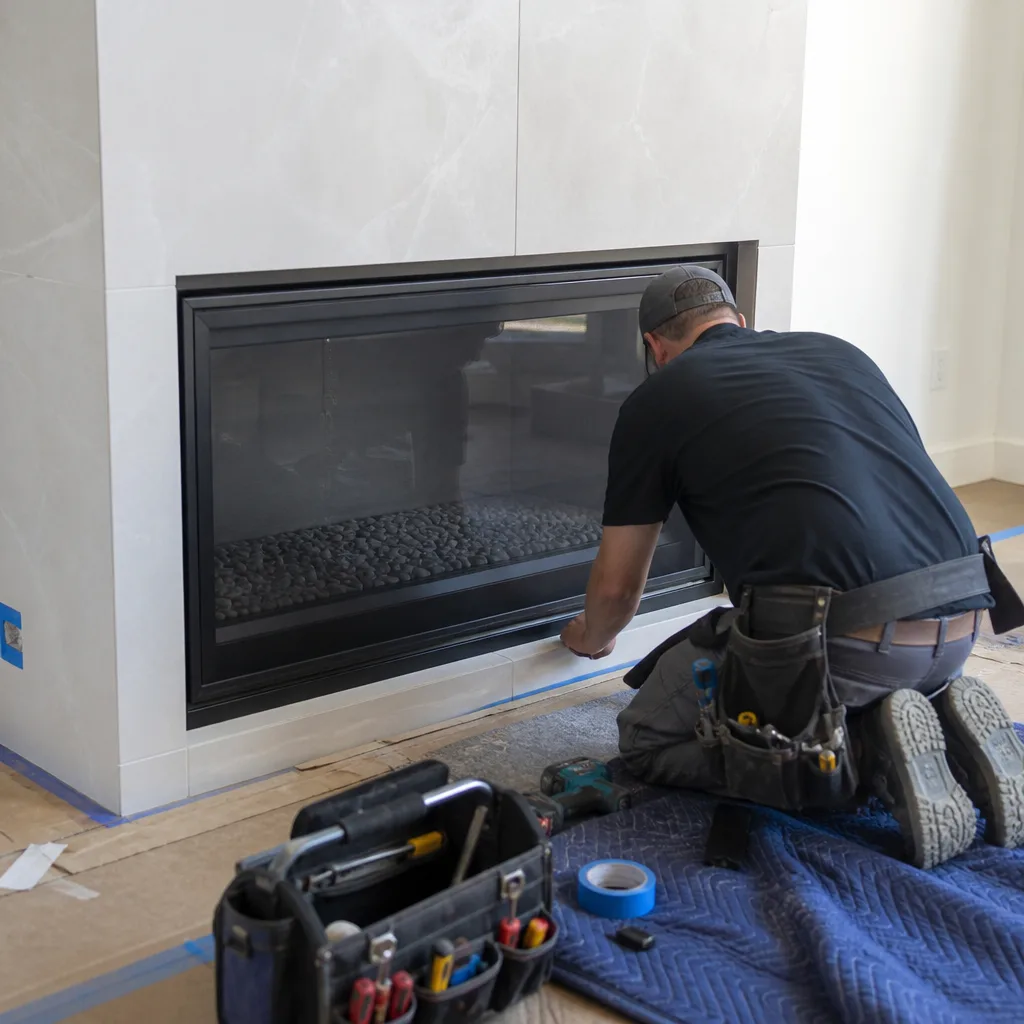 After
AfterReplacement Cost & What’s Included
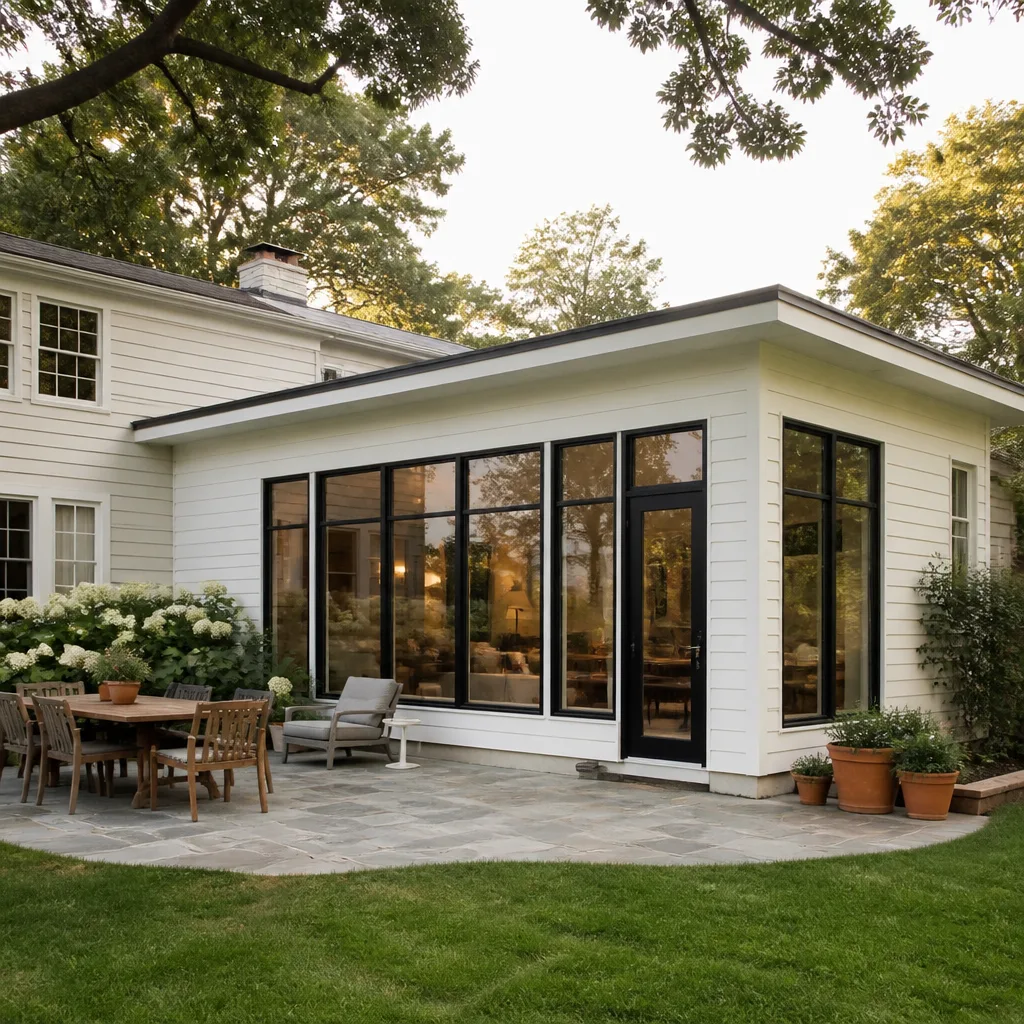
Part-level replacement work on a Cover home addition or ADU in Los Angeles typically falls between $2,360 and $15,340 installed, depending on what has failed. A door threshold replacement with composite shims lands near the low end. Re-sealing a full roof-to-wall transition with new flashing and membrane runs higher. If the failure has progressed into framing, drywall, or electrical, the work is no longer a part replacement, it is a repair project, and pricing moves into our home addition range of $53,100 to $153,400 or ADU construction range of $106,200 to $259,600 depending on scope.
Every quote from us includes the part number, the labor, the disposal, and the written total, before any work begins. We name the product. If we are putting in a Cover-spec bracket, you will see that on the line item. If an aftermarket part is the better call, we tell you why. The written scope is the promise, if it is not on the paper, we have not agreed to it yet.
DIY or Call Us?
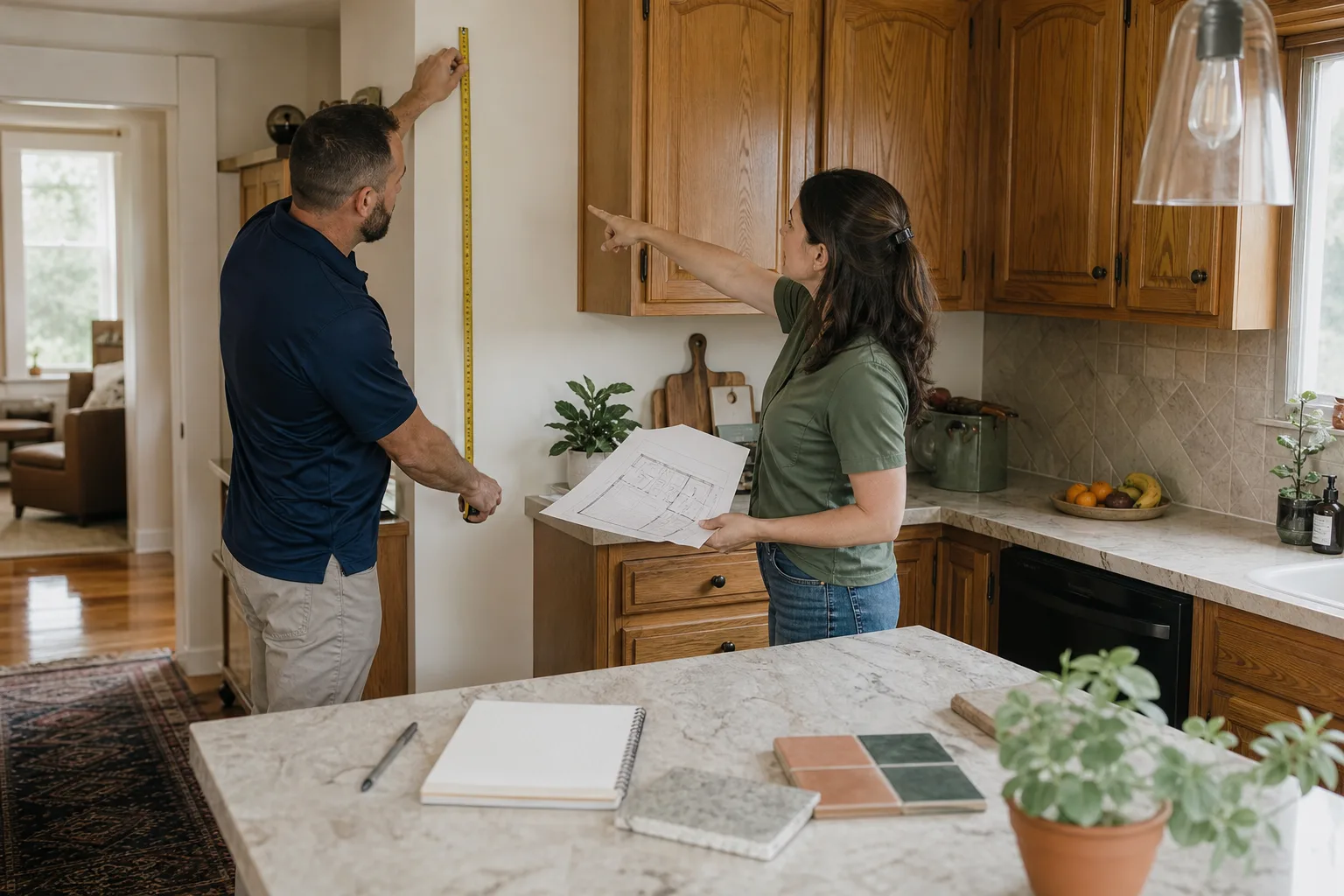
There are a few things an owner can safely do before calling. Check the model label on the wall panel to confirm the generation. Take photos of the crack, the gap, the binding point, with a tape measure in the frame for scale. Note when the symptom appears and whether it changes with the weather. That information saves a service visit and helps us arrive with the right parts.
What a homeowner should not do is remove structural connectors, attempt to re-lift or shim a module, or break the roof membrane seal without the right equipment and training. The tension loads in a Cover steel-frame connection are significant, and releasing one improperly can shift the panel. We have seen well-meaning repairs turn a $1,500 bracket into a $12,000 wall alignment. If you are ever unsure, call (949) 850-9896 and describe what you are seeing. A live person answers, and we will tell you honestly whether it is a job for us or a simple adjustment you can handle.
FAQs
Most structural components on a Cover build are engineered for a 50-year service life, but the weather-facing items, flashings, membranes, seals, adhesives, give out far sooner in Los Angeles, typically in the 8 to 15 year range depending on sun exposure. South-facing and hillside locations age faster. Call (949) 850-9896 for an inspection if your build is past the ten-year mark.
In about one in three cases, yes. Adhesive re-bonding, flashing re-sealing, and threshold shimming are all repair-grade fixes we do routinely. If the part is structural or the material is corroded beyond surface level, replacement is the honest answer. We will show you the part and explain the decision before any work starts.
Most single-part replacements take one visit, usually half a day. Items that require membrane curing or adhesive set time may need a follow-up the next day to verify the seal. We schedule around your family’s routine, quiet tools during nap and school hours where possible, and we leave the area clean with a photo of the cleanup before the crew leaves.
We keep the most common wear items in our Los Angeles service inventory: thresholds, trim channels, interior corner moldings, and flashing stock. Odd-fit or model-specific structural parts are ordered direct and usually arrive within one to two business days. If you need it faster, we can often pull from a local supplier same day depending on the part.
Written by Graham Stein, Owner, Elmstead Remodeling at Elmstead Remodeling, serving Los Angeles and nearby areas. Graham grew up in Silver Lake, trained at Los Angeles Trade-Technical College, and has been working on Los Angeles homes for going on two decades.