Free written scope consultation - allowances, timeline, and change-order rules on paper before a single trade is scheduled
CWS Home Additions & ADU: The Los Angeles Owner’s Guide
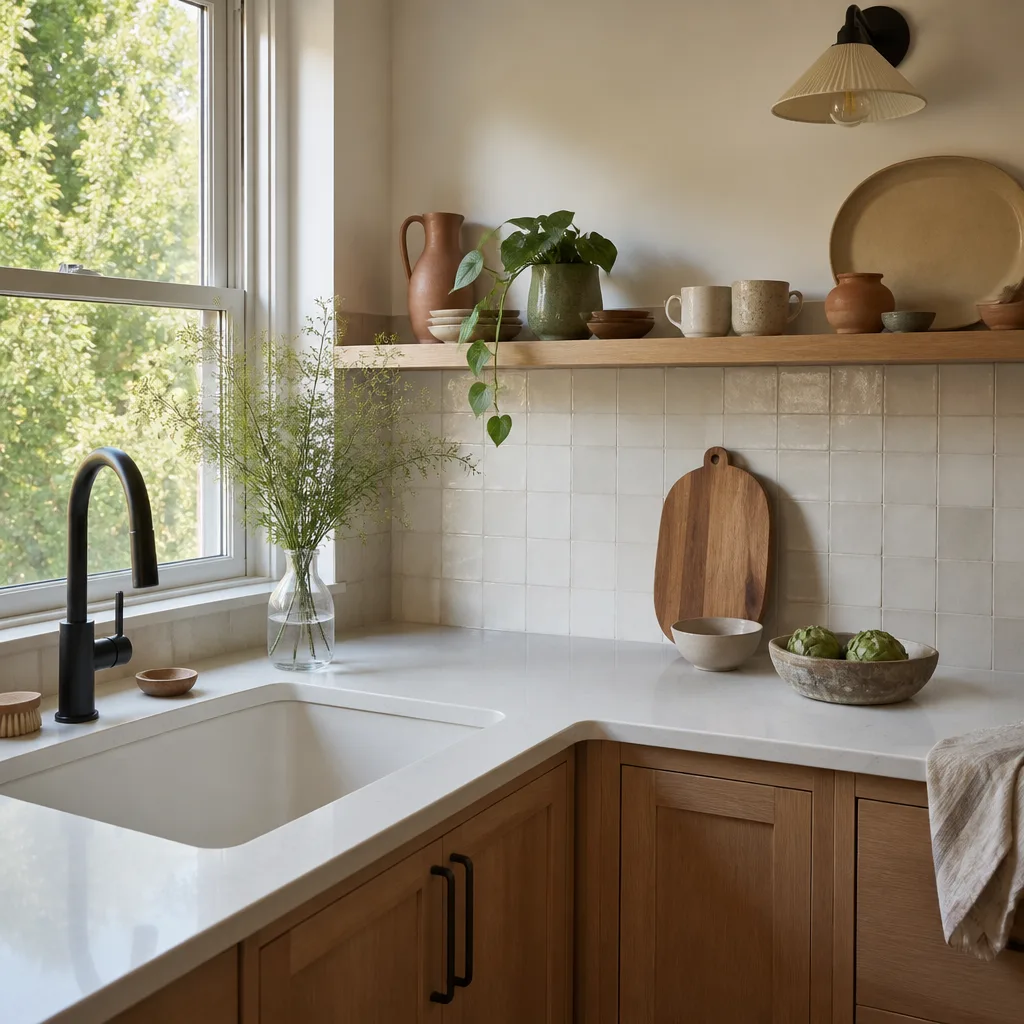
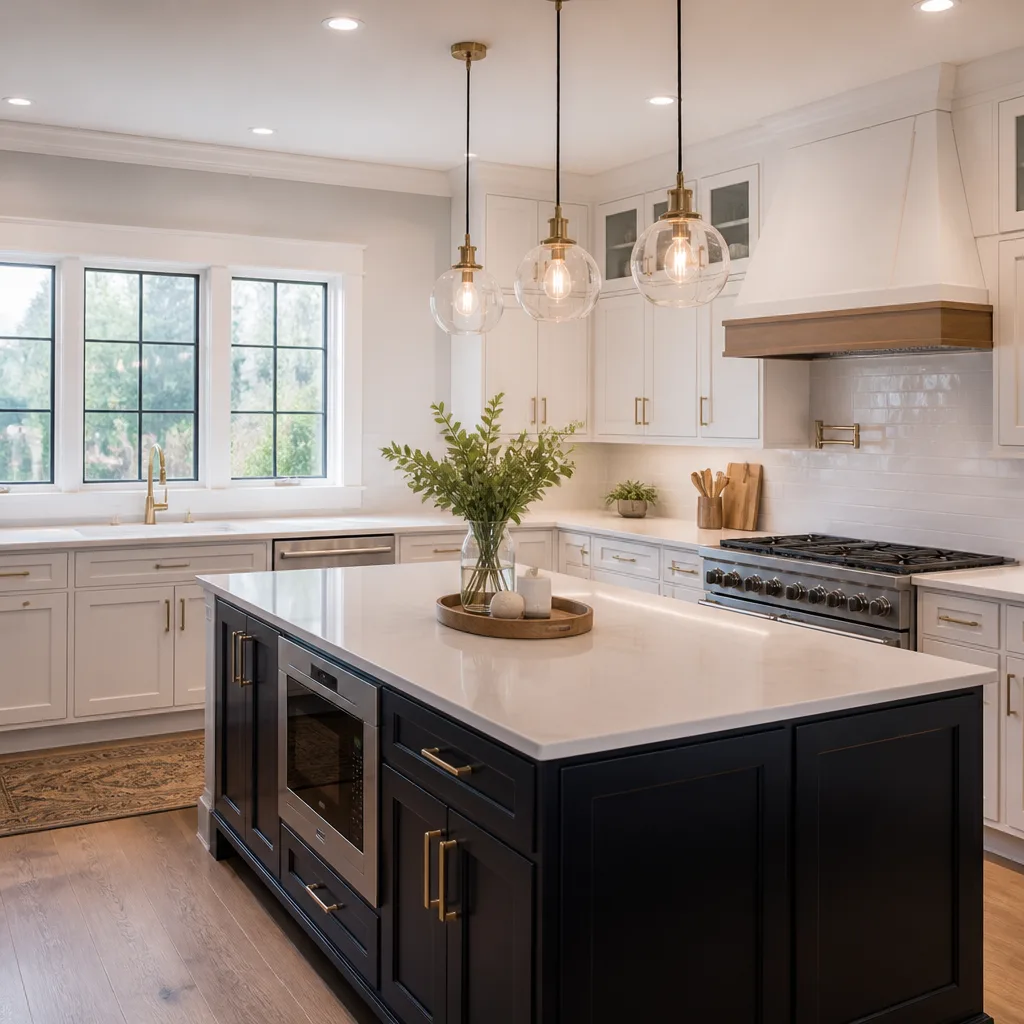
A CWS home addition or ADU project in Los Angeles typically falls between $53,100 and $153,400 for a finished build, depending on square footage, site access, and the systems your existing home needs tied into. For a detached ADU, the range runs higher, $106,200 to $259,600, because foundations, utility runs, and a full kitchen and bath are built from the ground up. We carry and install the named-brand fixtures and materials most CWS additions are spec’d with, including KraftMaid cabinets, Cambria and Silestone countertops, and Kohler and Moen plumbing fixtures, so replacements match what is already on your property.
The call usually comes in one of two ways. Either a homeowner has an older CWS addition where a specific component has failed: cabinet boxes delaminating, a countertop seam opening, a shower pan leaking at the threshold, or exterior siding pulling away from the substrate. Or they are mid-project with a CWS plan set and a part did not arrive, came in damaged, or was ordered wrong by a previous contractor. We deal with both. Elmstead Remodeling is an independent contractor, not affiliated with CWS, but we work on these homes regularly and know where the weak points tend to be after five, ten, or fifteen years of Los Angeles sun and settlement.
Which CWS Models This Applies To
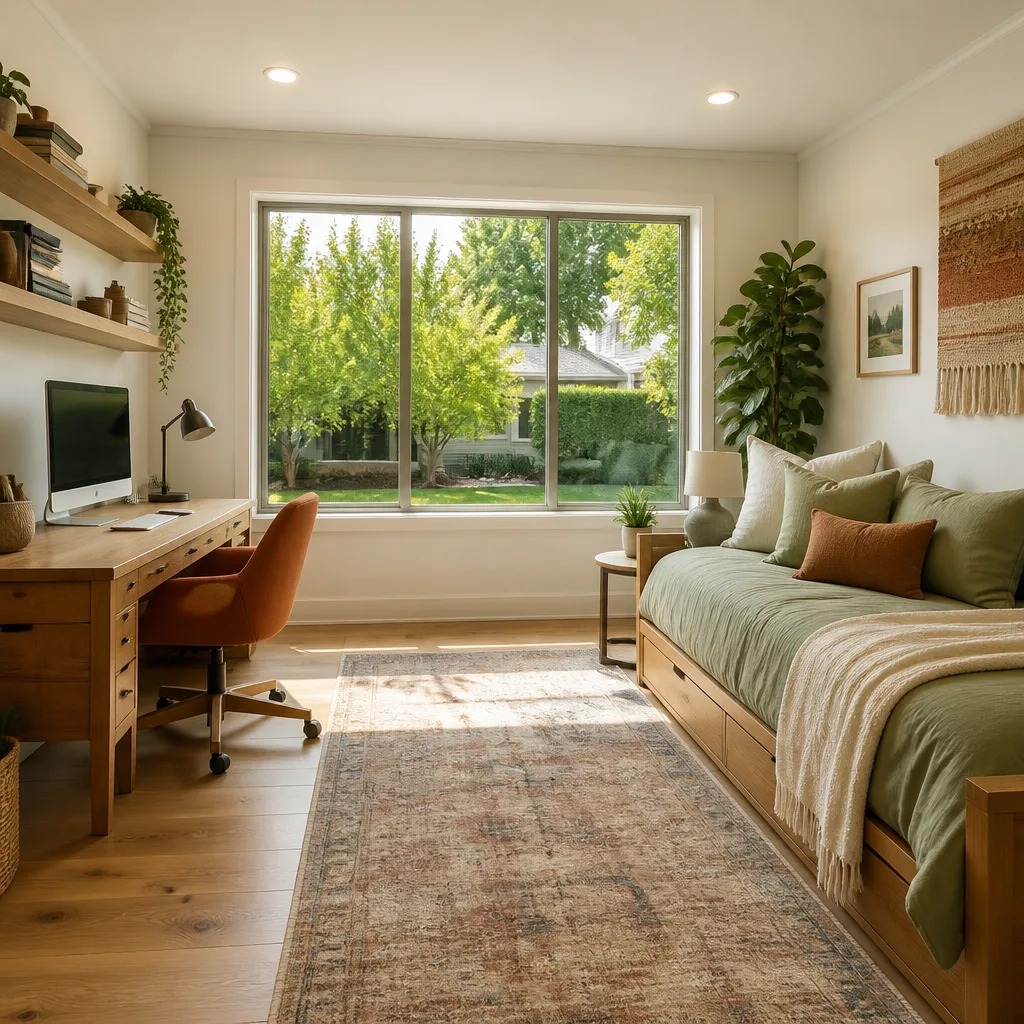
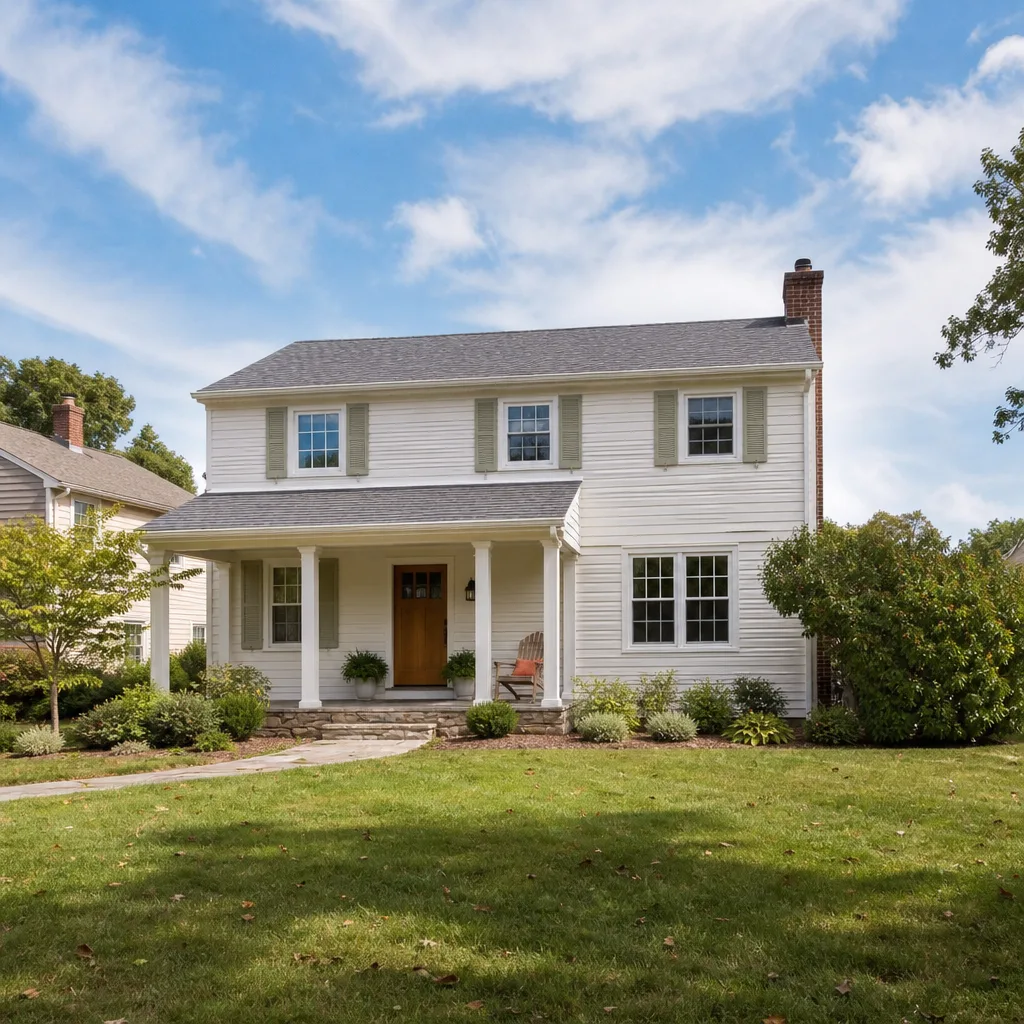
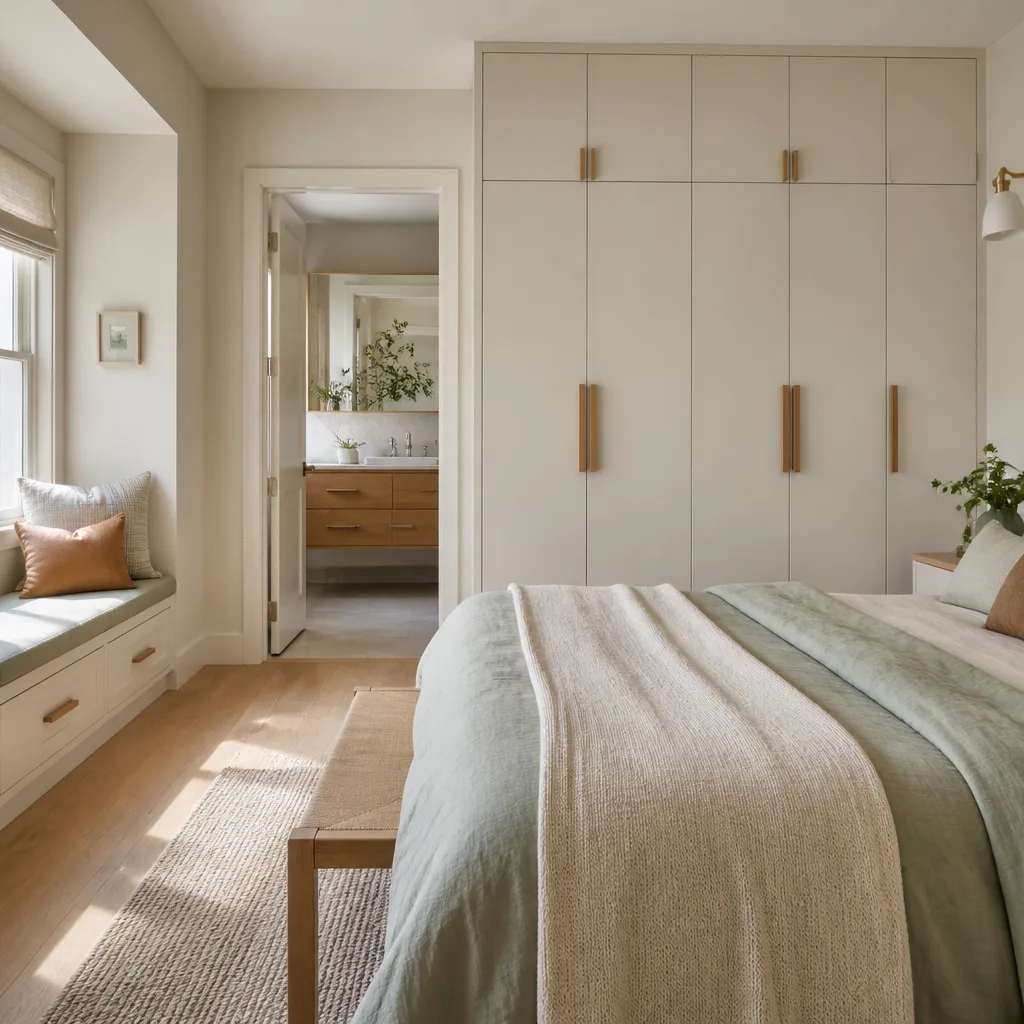
Most CWS home additions in the Los Angeles market fall into two categories: attached room additions that extend the existing footprint, and detached or garage-conversion ADUs built under California’s statewide accessory dwelling unit code. The materials and components are not proprietary in the way an appliance part would be. What matters is matching the product series already in the home, not the CWS plan number itself.
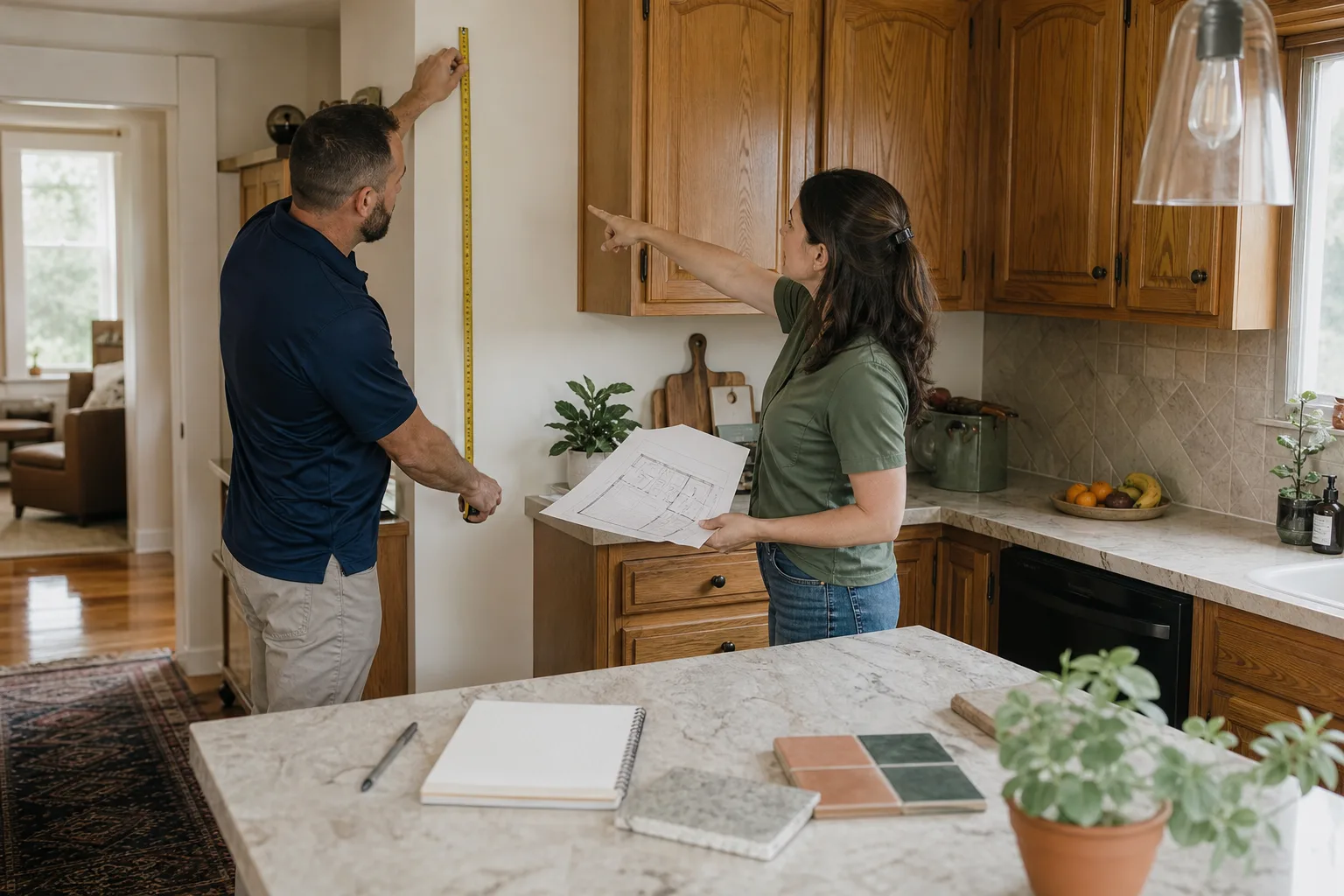
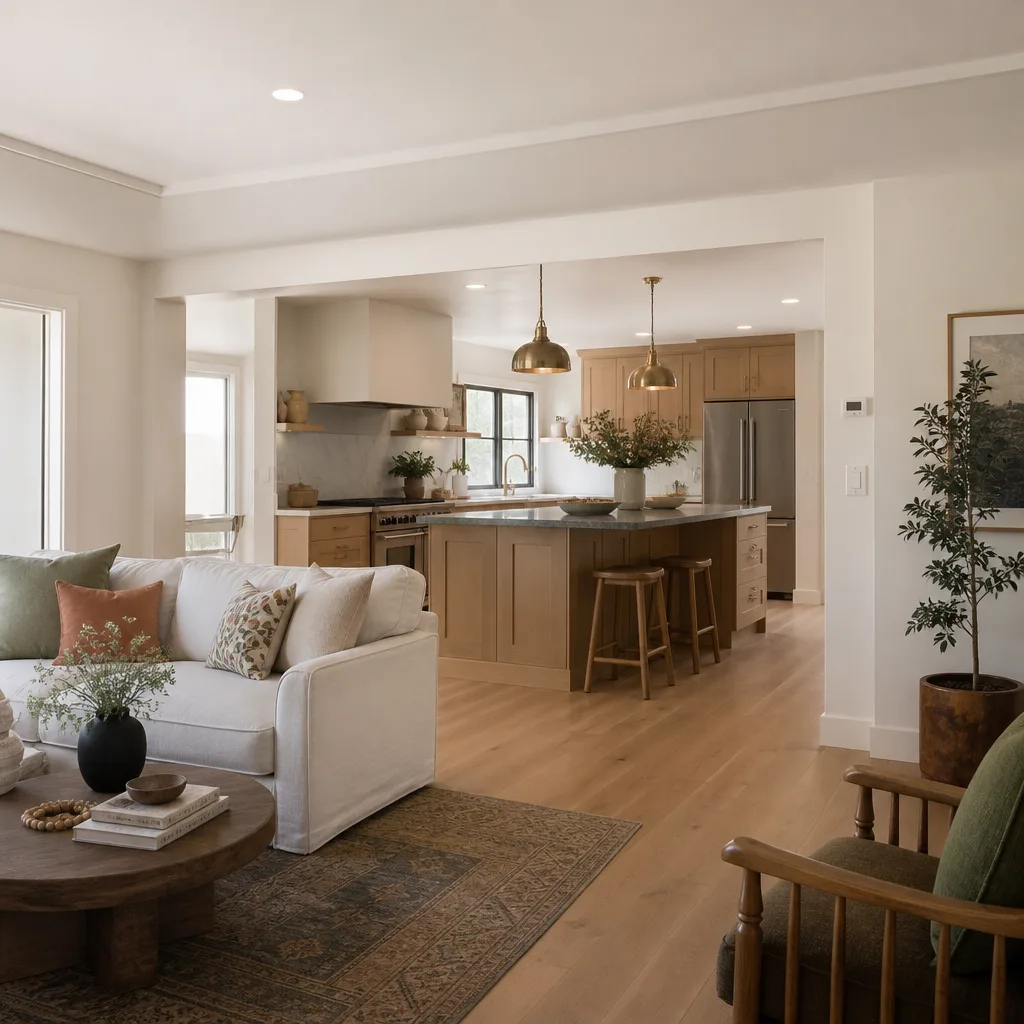
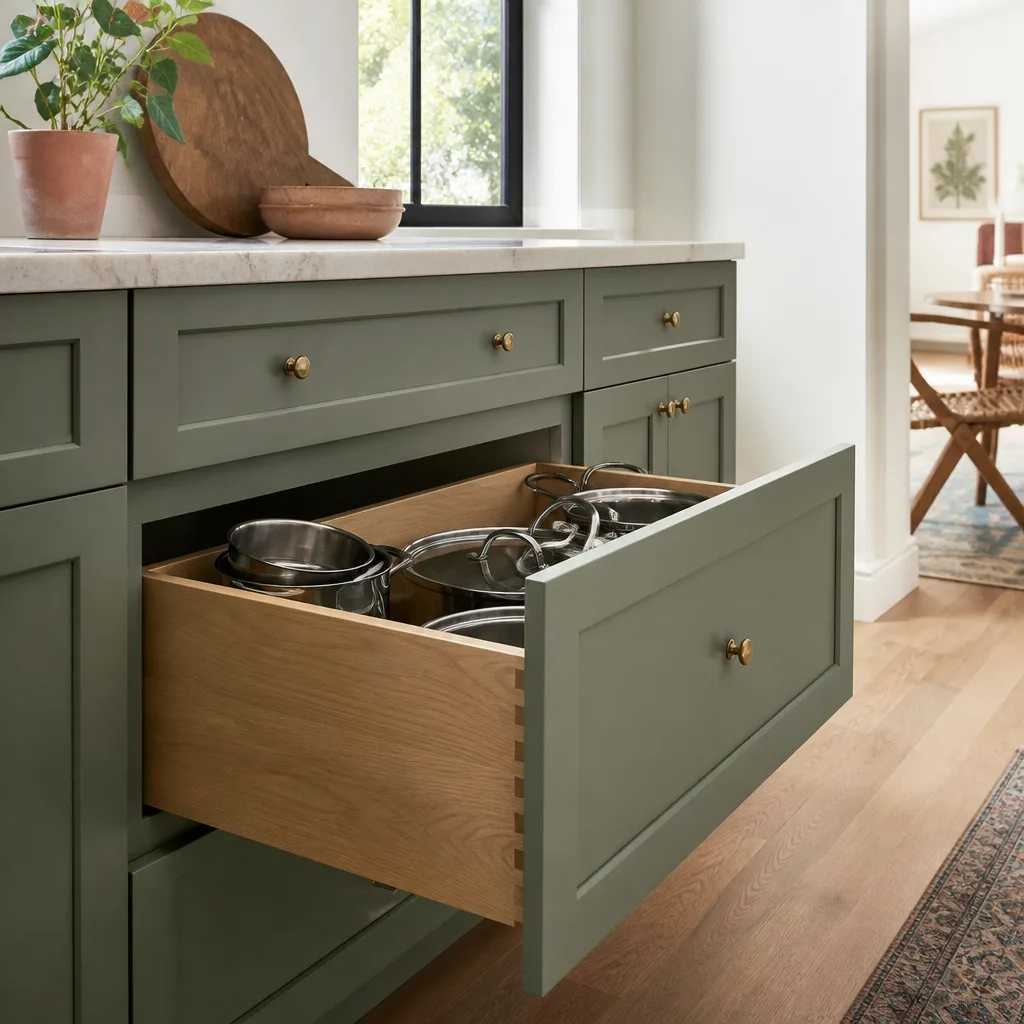
The most common compatibility issues we see involve cabinet lines and countertop profiles. A CWS addition built in 2016 may have KraftMaid cabinetry in a door style and finish that has since been discontinued, which means a failed drawer box or delaminated door requires identifying the current series equivalent before ordering. Silestone and Cambria slabs are manufactured in specific thicknesses, typically 2cm or 3cm, and a replacement island top or backsplash cannot be cut from the wrong stock without throwing off the reveal against window sills and outlet boxes. We pull a drawer, check the stamped label inside the cabinet, and measure the slab with a caliper before anything is ordered. That habit has saved more than one Los Angeles homeowner from a six-week reorder.
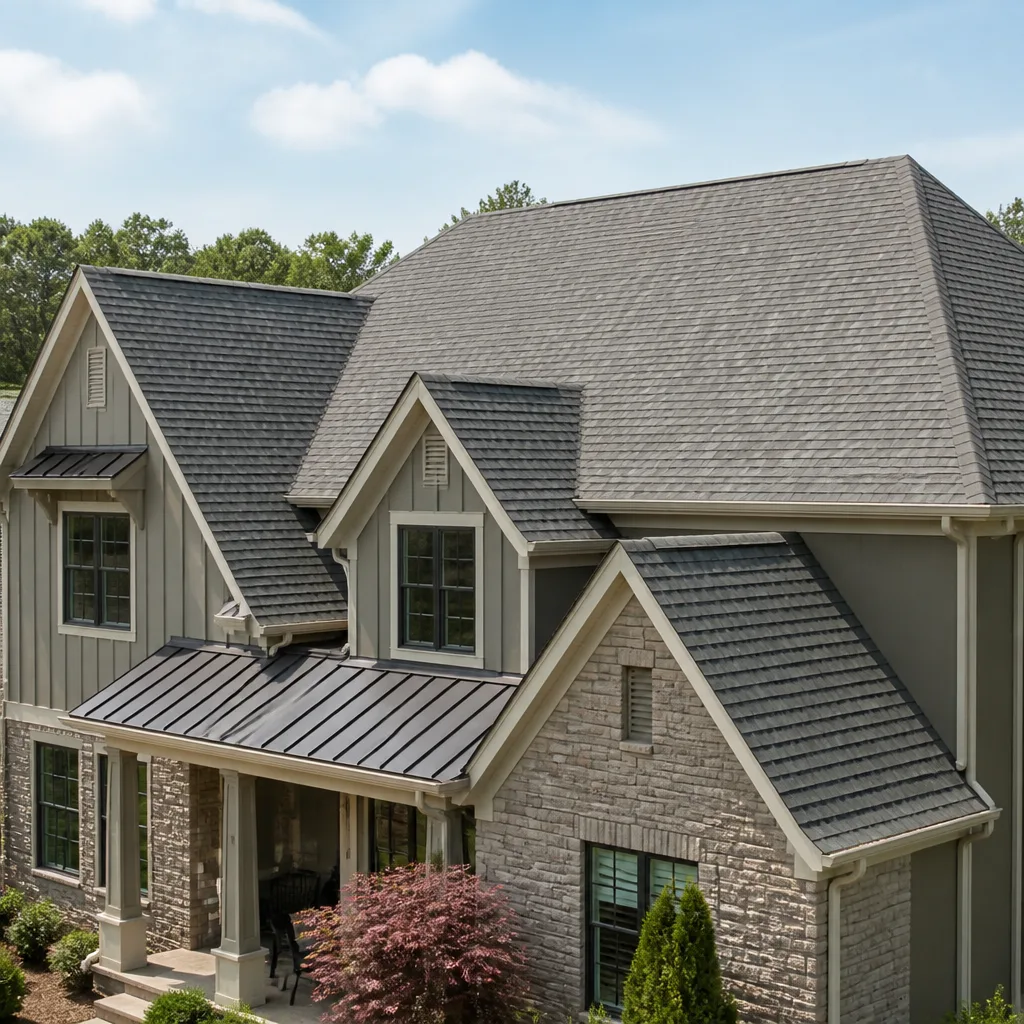
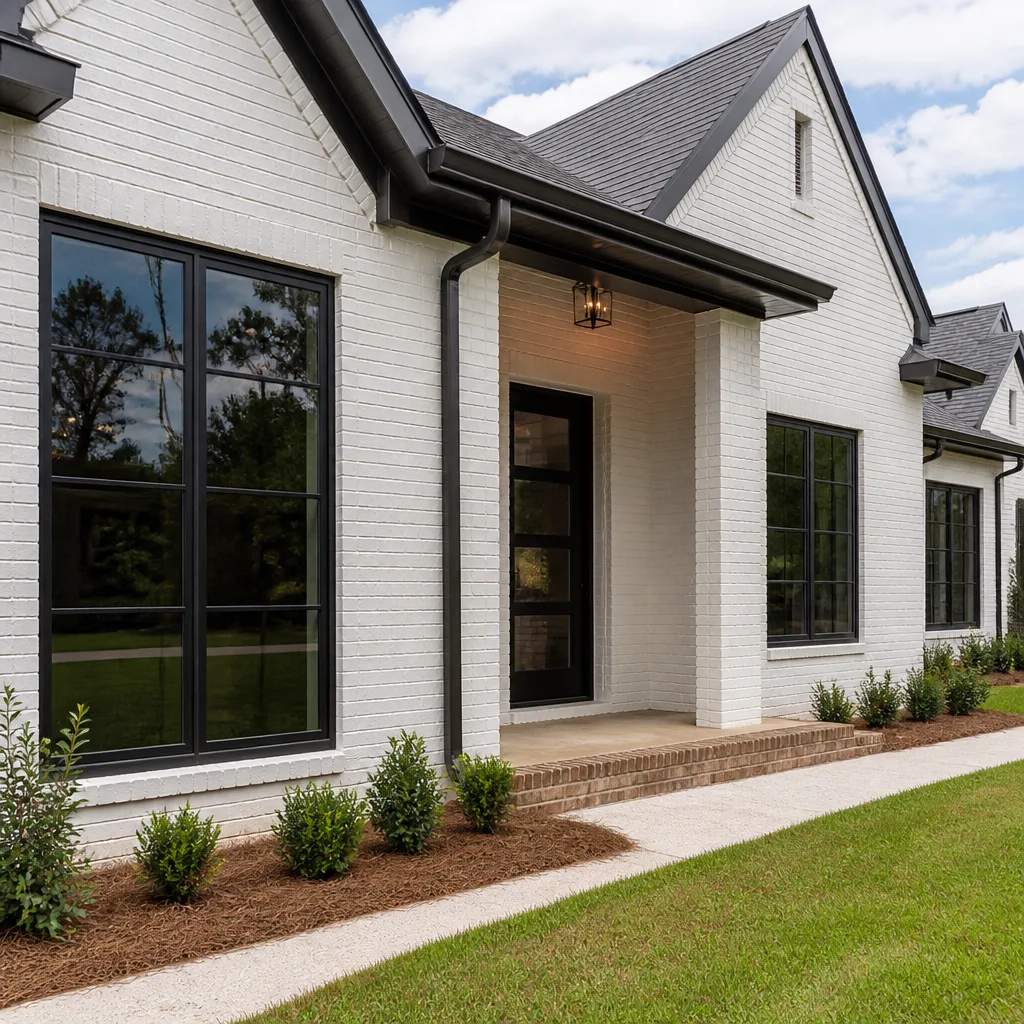
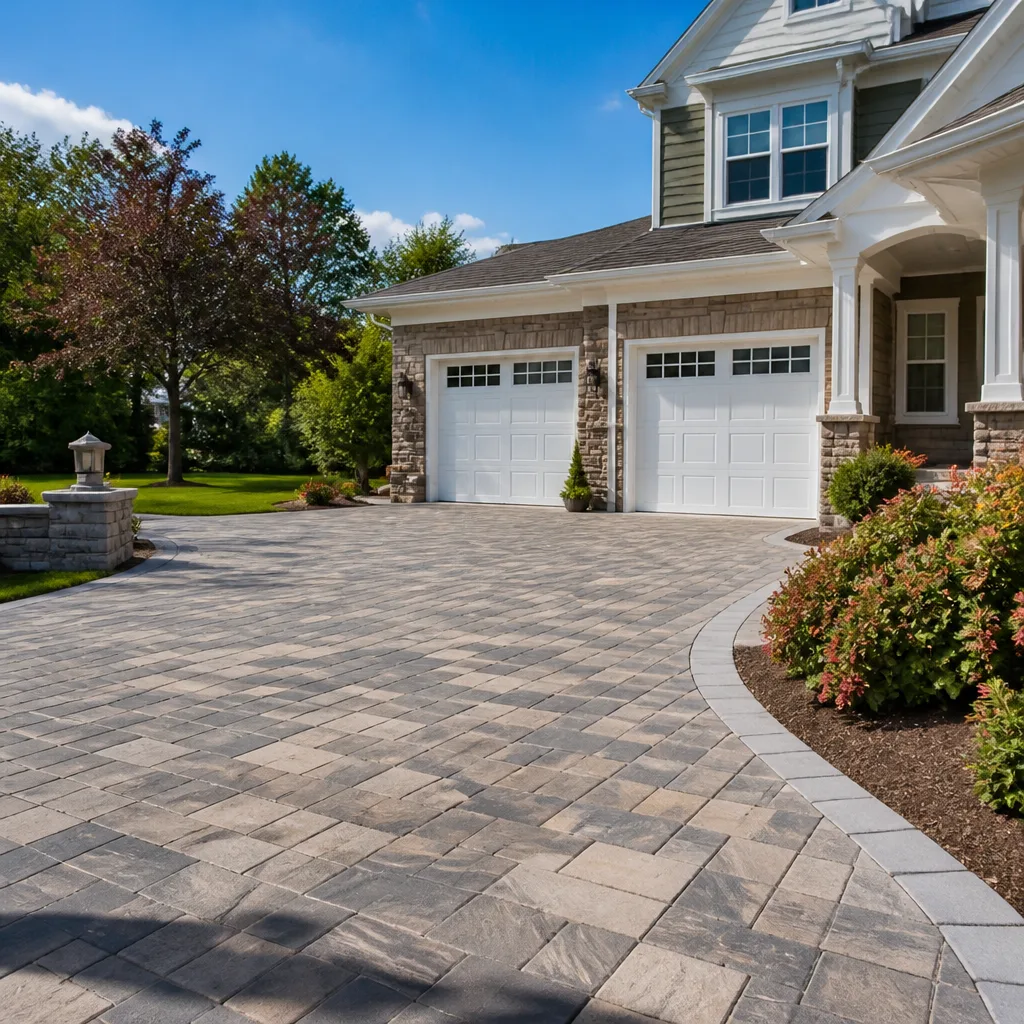
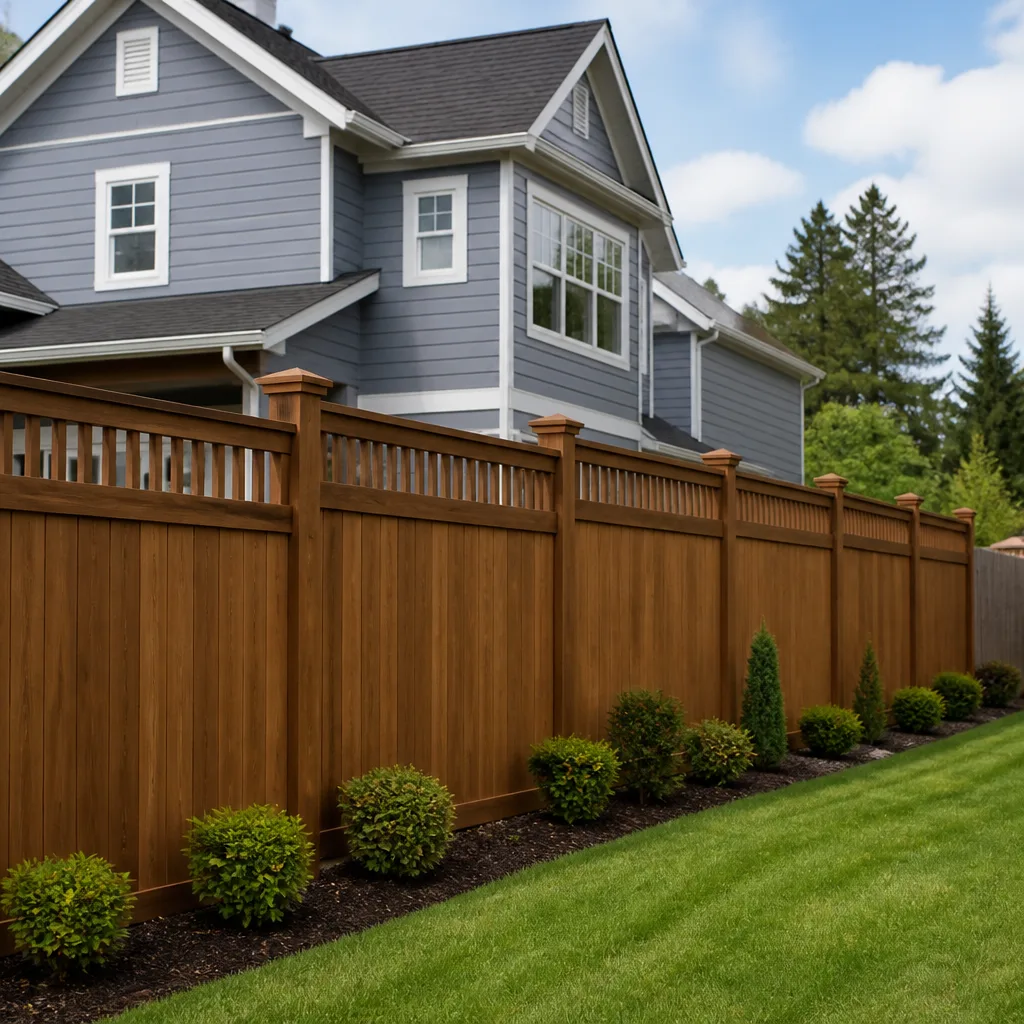
Styles & brands we work with
Signs Your CWS Home Additions & ADU Component Is Failing
- Cabinet doors that no longer close square, or drawer boxes that drag. This is usually the glides giving out, or the box itself swelling from years of moisture in a poorly vented ADU kitchen. The hinge and glide hardware is replaceable; a swollen box is not.
- A countertop seam that has widened or chipped at the edge. Stone does not shrink, but the cabinets beneath it settle, especially on additions built over new concrete that continues to move for the first few years. If the seam opens more than a millimeter, water gets in and the substrate starts to swell.
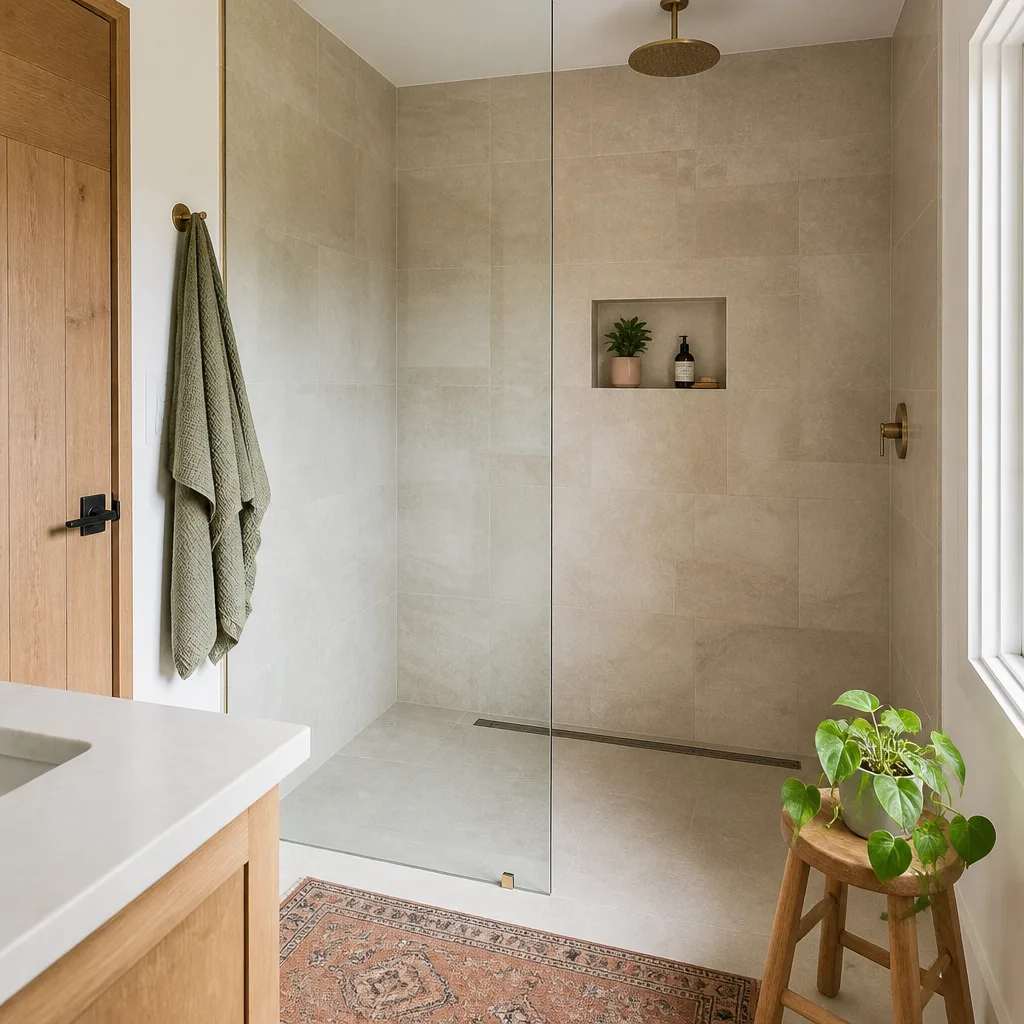
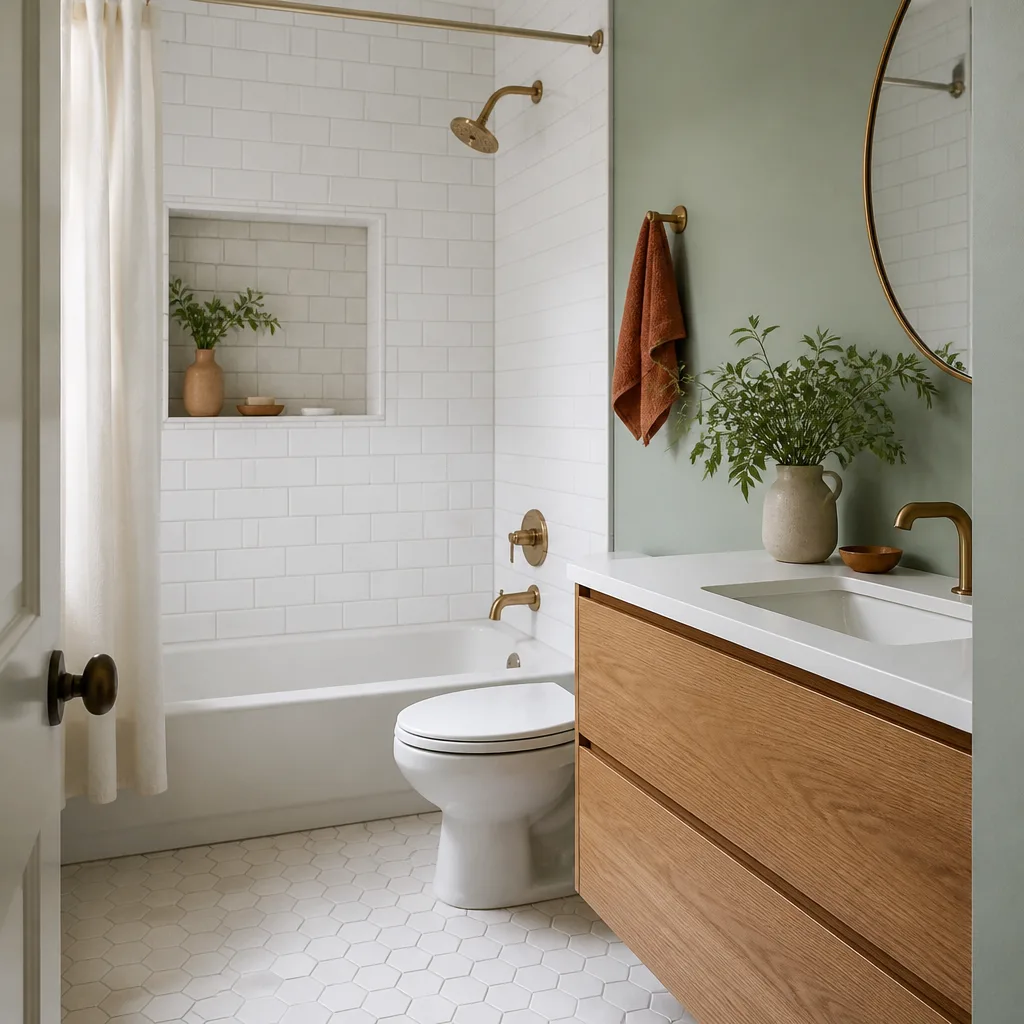
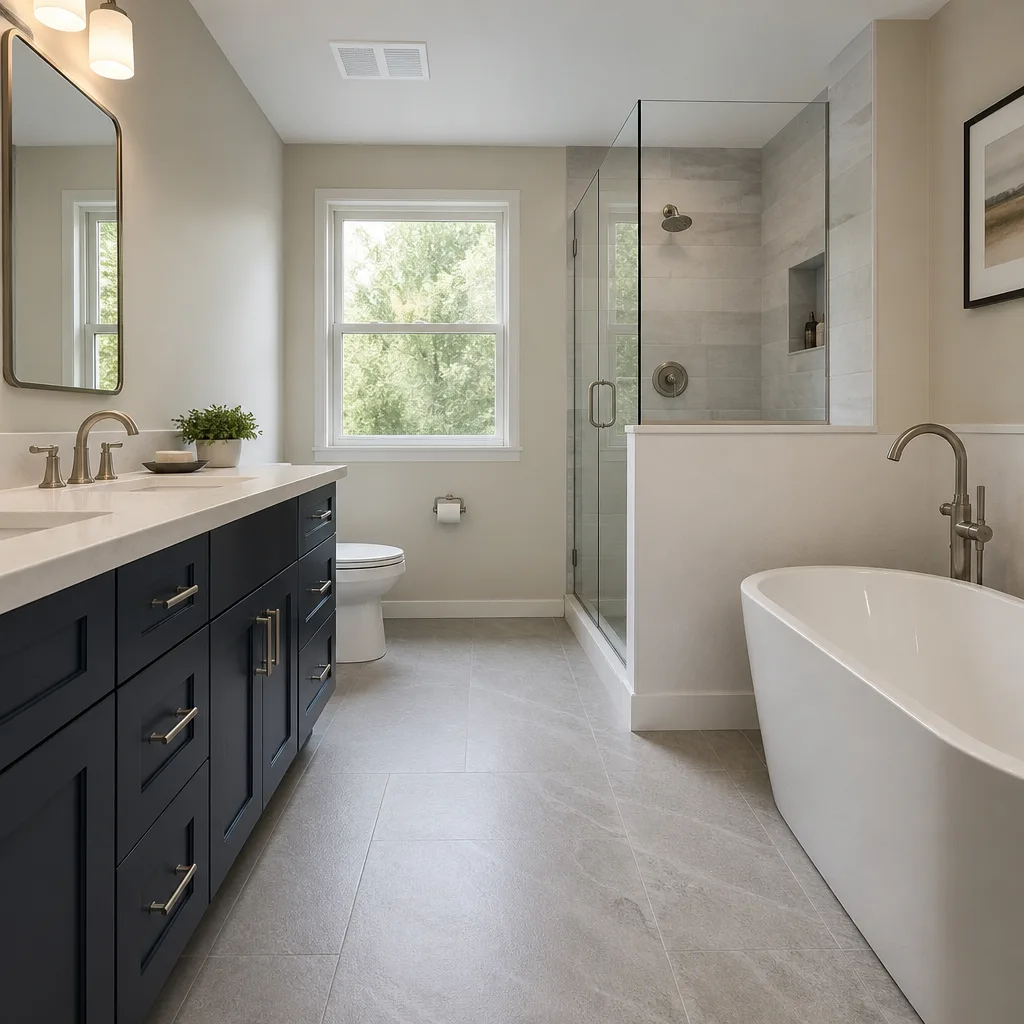
- Shower pan staining, soft spots, or water at the threshold. CWS ADUs often use fiberglass or acrylic pans on a mortar bed. When the bed was set thin or the subfloor flexes, the pan cracks at the drain collar and leaks into the framing below.
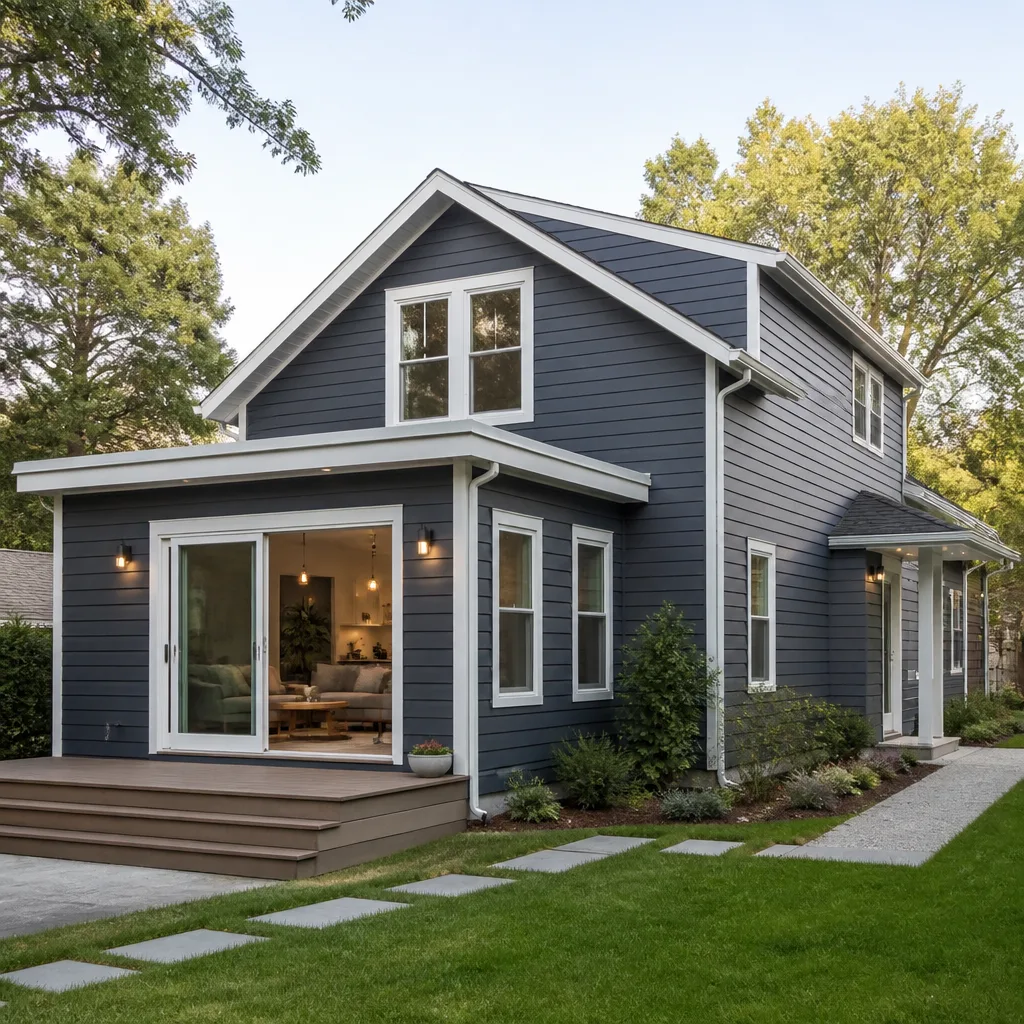
- Siding pulling away at the corners or buckling mid-wall. Los Angeles heat cycles expand and contract lap siding, and if the original installer nailed too tight or skipped flashing at the belly band, sections will start to lift. On additions, this often happens where the new exterior ties into the old roofline.
- A floor that feels springy or creaks in a specific spot under the addition. This signals a joist or subfloor issue, usually from a water intrusion or an undersized beam. It is not something to live with, because the fix gets more expensive as the movement works outward.
See the difference
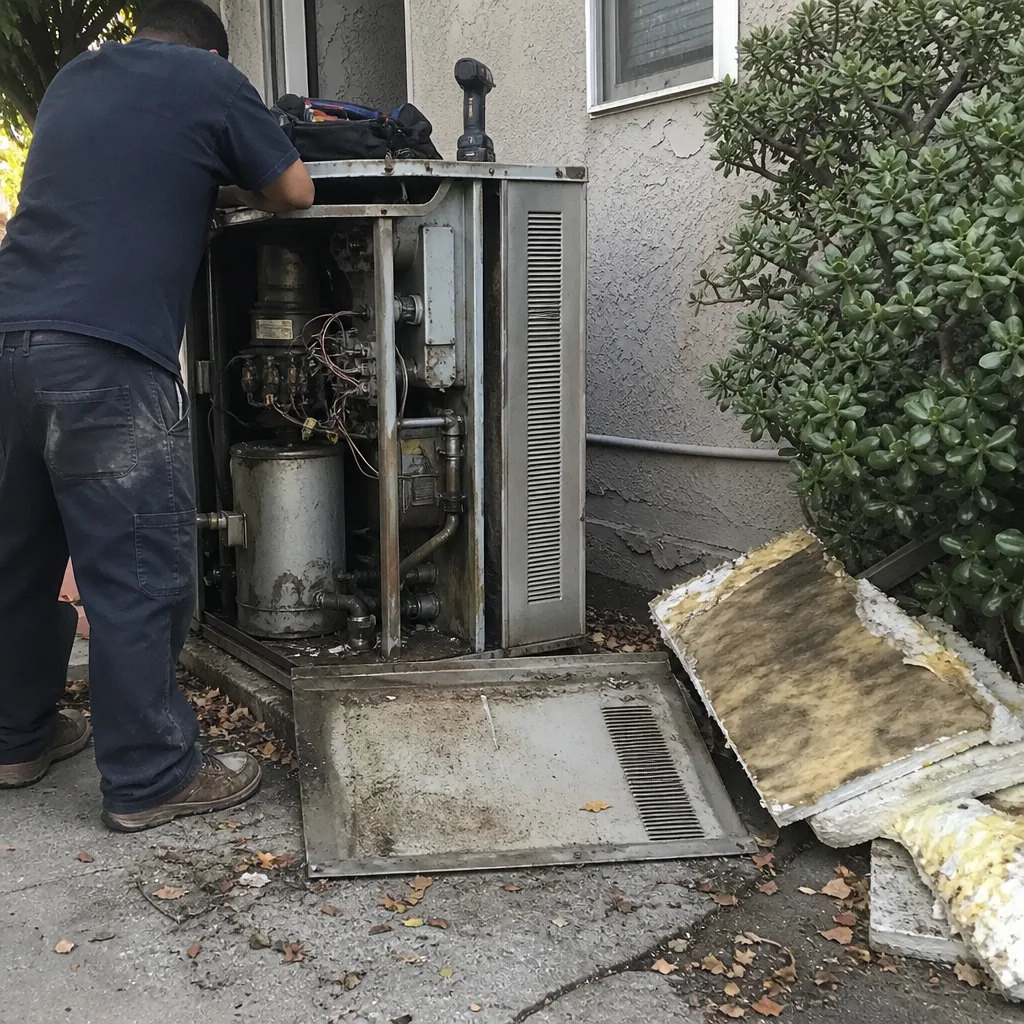 Before
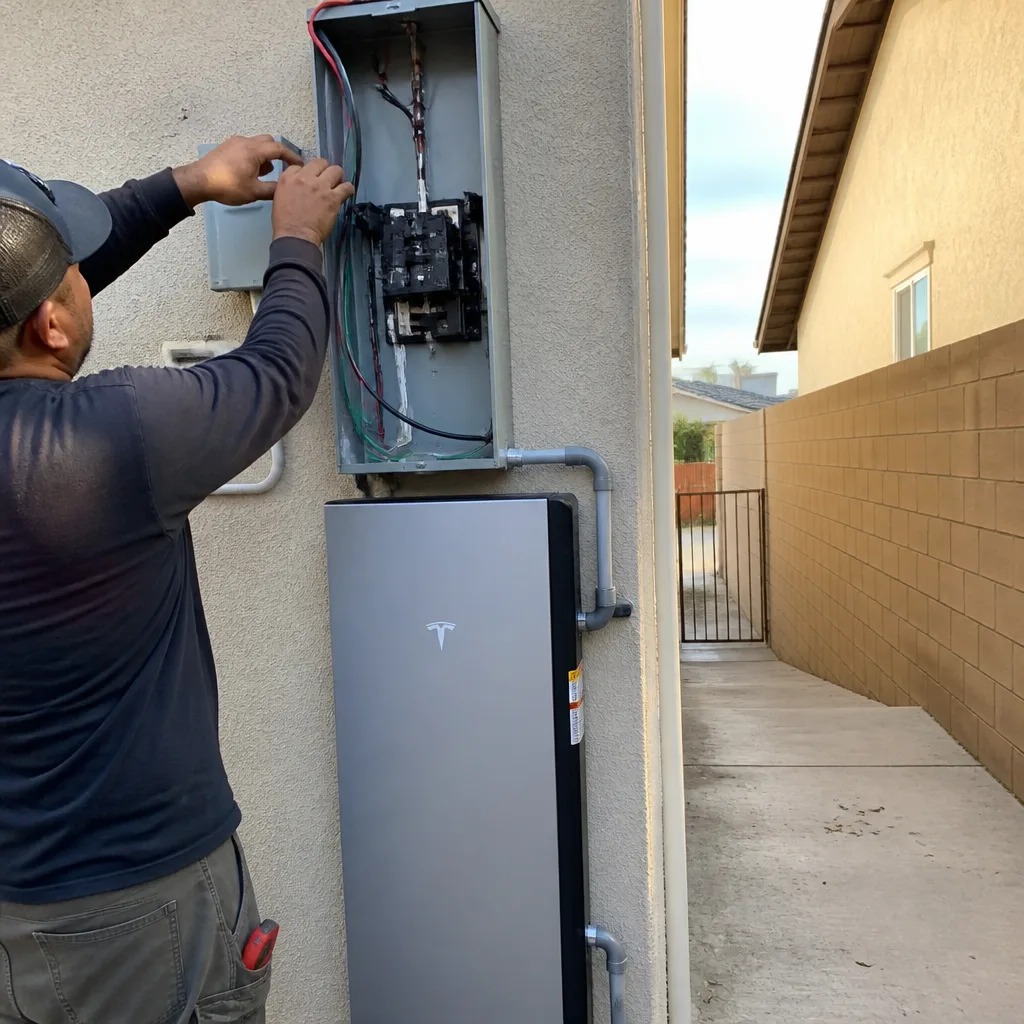 After
After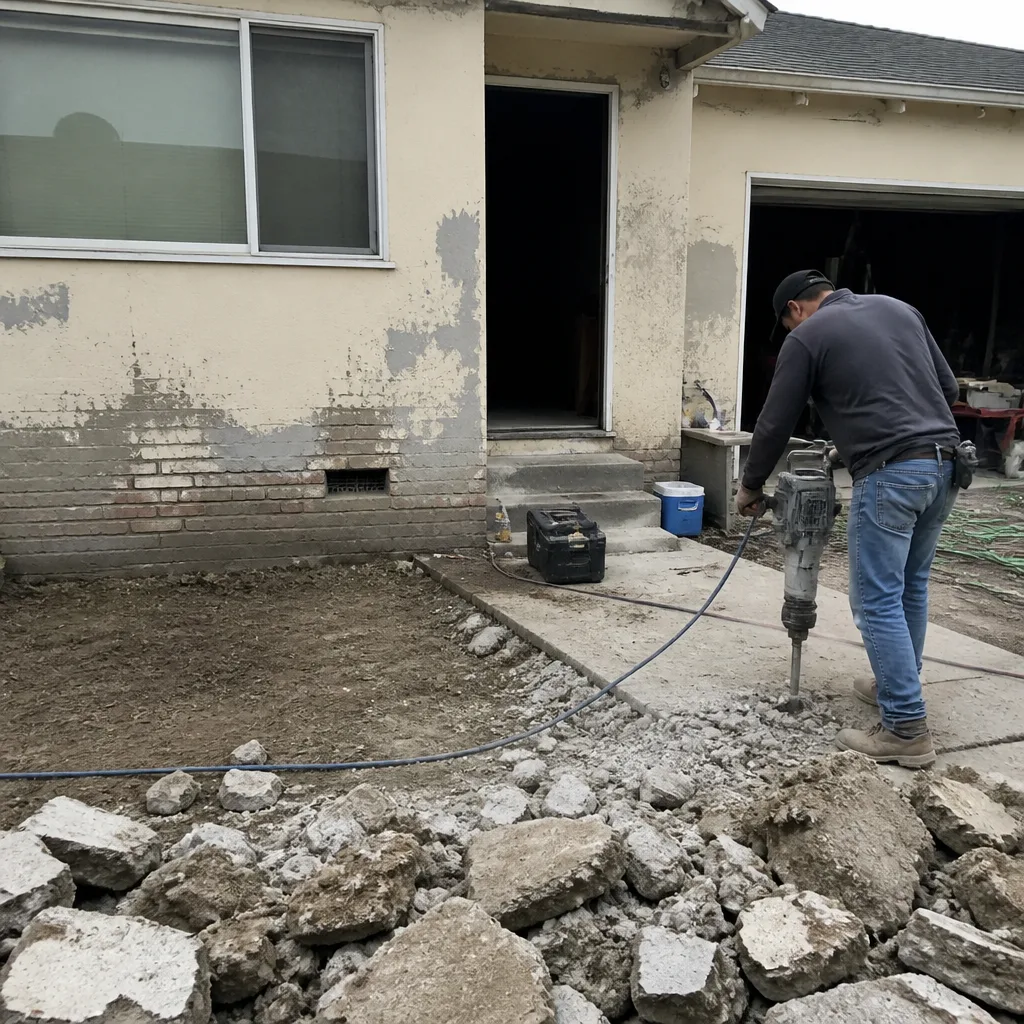 Before
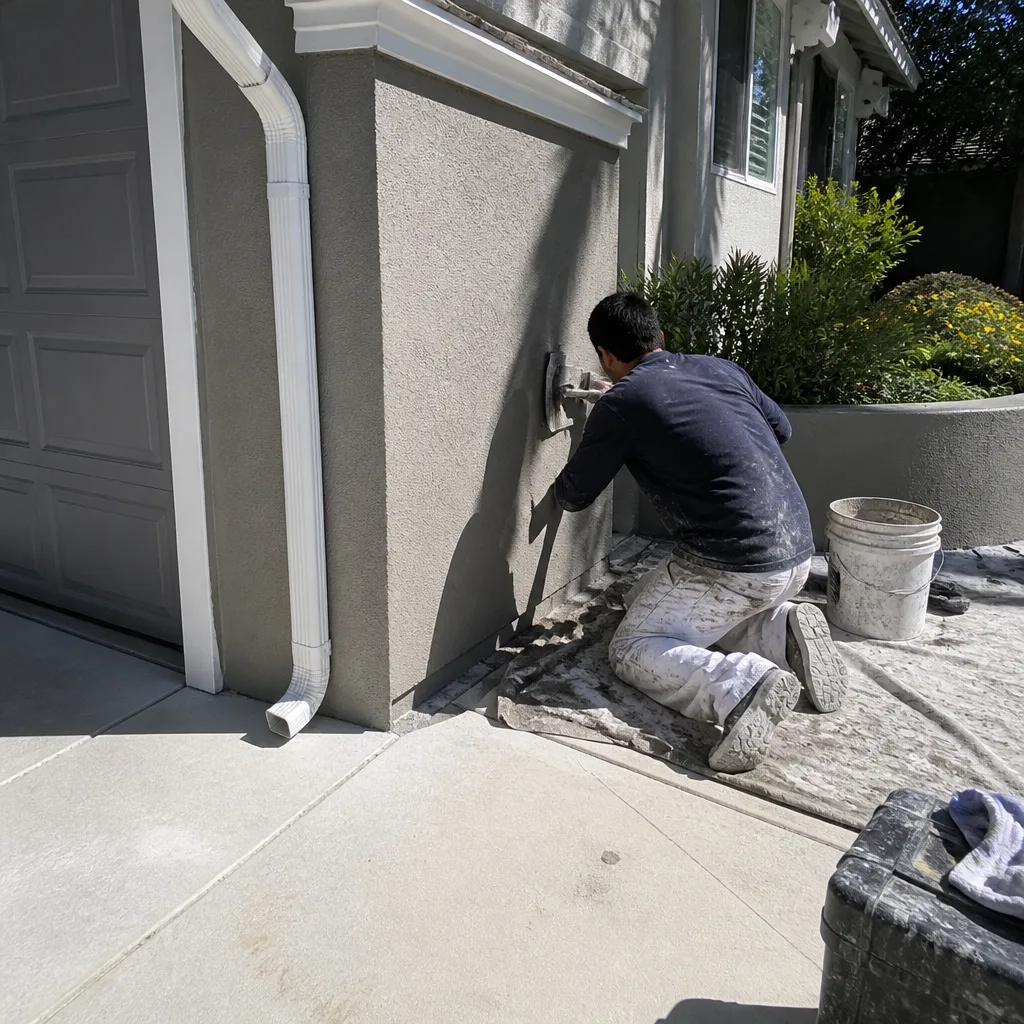 After
After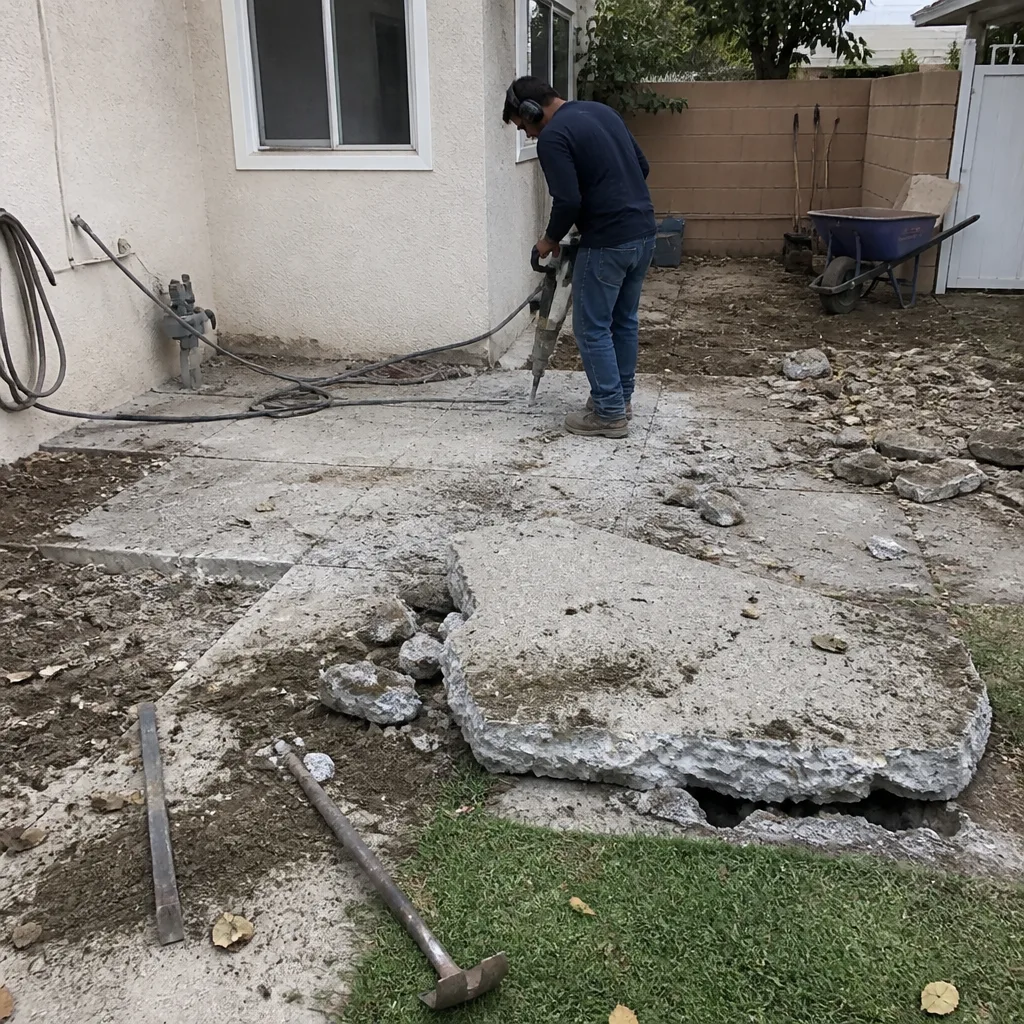 Before
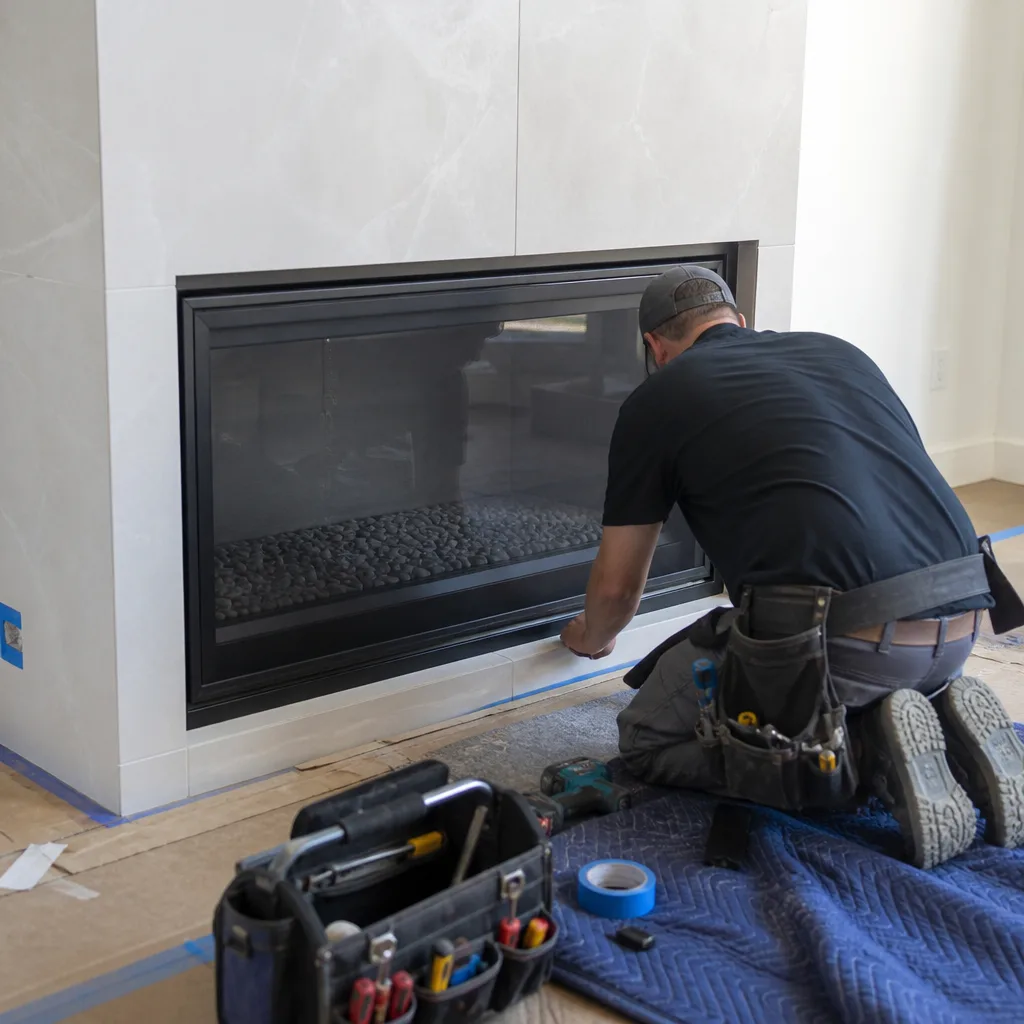 After
AfterReplacement Cost & What’s Included
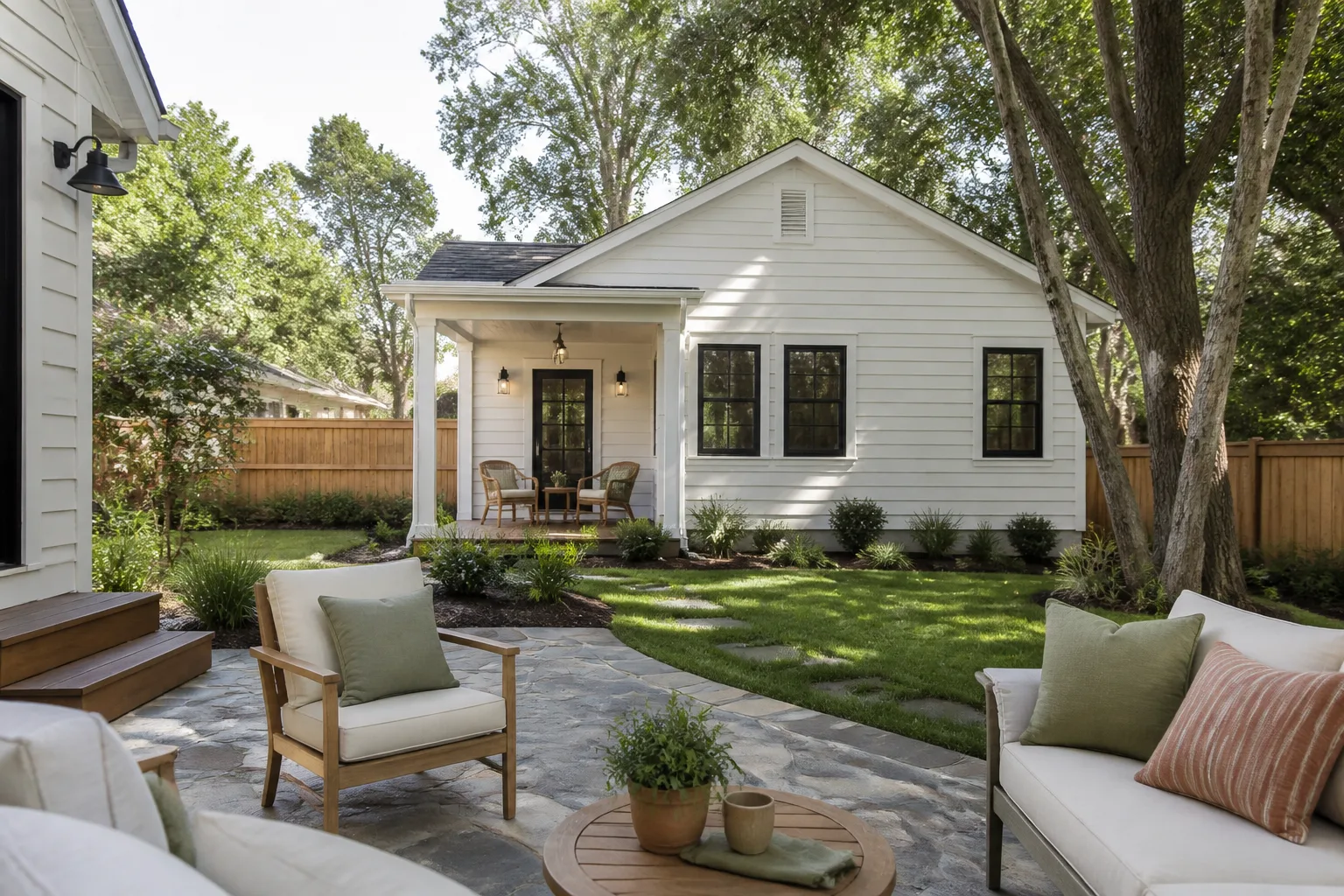
Within the broader $53,100 to $153,400 range for Los Angeles home additions, component-level replacement moves the numbers dramatically. Swapping a failed cabinet door or a run of drawers typically lands in the $4,720 to $15,340 range for materials and labor. A new countertop for a modest ADU kitchen runs $2,360 to $7,670, and a full shower pan or tub-to-shower conversion falls between $4,130 and $11,800. The larger range above covers structural work: tying an addition roofline into the existing house, foundation repair, or a full ADU build where framing, mechanical, and finishes all happen together.
Every one of these prices is written down before work starts. That is the Elmstead way. You will get a line-item scope that names the product, the series, the quantity, and the labor, and the price on that paper does not move unless you ask us to change the scope. The written scope is the promise, if it is not on the paper, we have not agreed to it yet. We also stand behind the work with the 365-Day Done Right Promise: if something is not right after we leave, we come back and make it right. No charge, no argument.
DIY or Call Us?
Some of this work is genuinely simple. Replacing a cabinet hinge, swapping a drawer glide, or adjusting a door that rubs is within reach of a patient homeowner with a screwdriver. If the problem is a chipped countertop edge or a seam that has opened, do not attempt an epoxy repair and expect it to hold in a Los Angeles kitchen that sees daily use and direct sun. It will look fine for six months and fail in twelve.
And there are parts of this work you should not touch yourself. Any shower pan replacement, any framing or foundation issue, any siding removal that exposes sheathing and flashing: call a contractor. The danger with water damage is that what you can see is usually half of what is there, and silicone caulk over a structural leak is the most expensive temporary fix you can make. We would rather talk you through what you are seeing over the phone and tell you honestly whether it is worth a service call. Call us at (949) 850-9896. A person answers, not a voicemail box.
FAQs
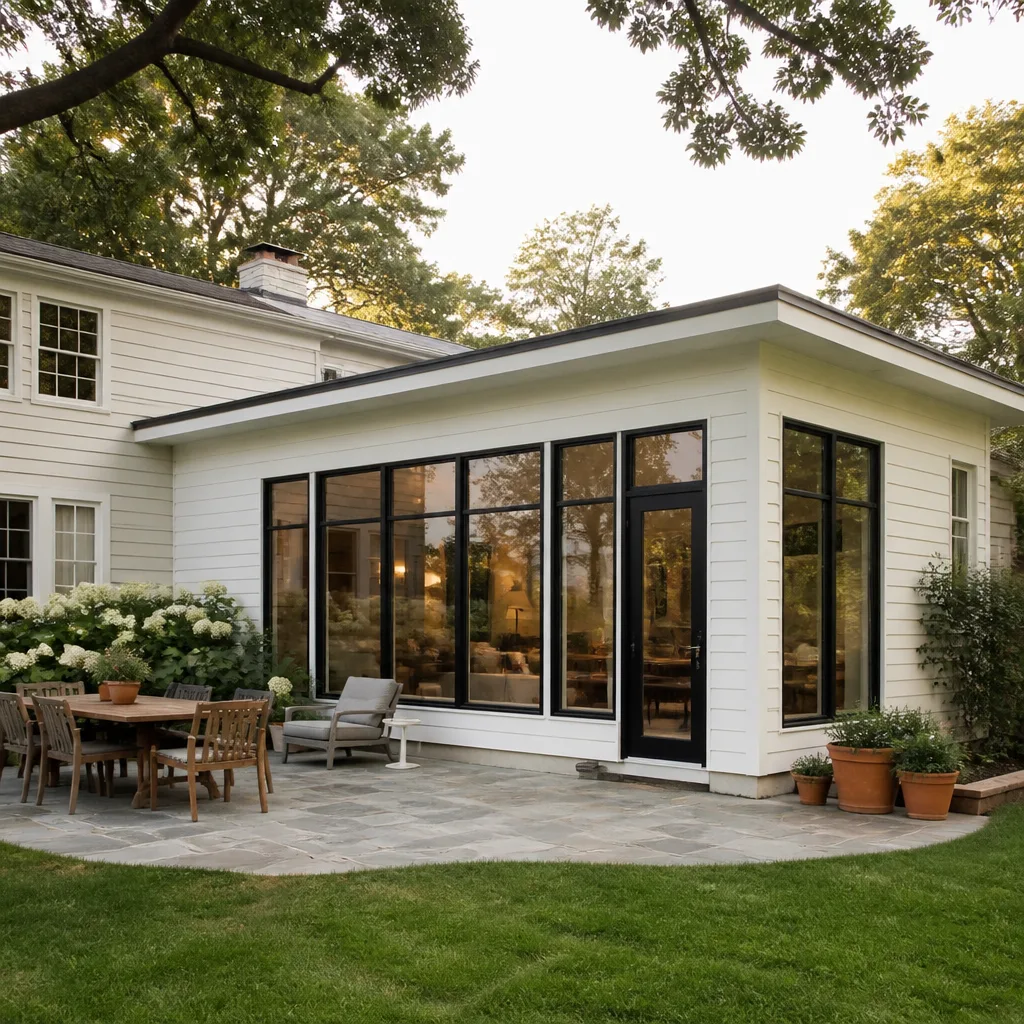
Built correctly, the structure should last as long as the main house, 50 years or more, but the finish materials wear on different clocks. Cabinets, countertops, shower pans, and exterior siding should be expected to need repair or replacement every 10 to 20 years in our climate, sooner if the original work included thin subfloors or skipped flashing. Call (949) 850-9896 and we will give you an honest read on where your addition is in that cycle.
Often yes. Cabinet boxes can be re-glued and clamped, shower pans can sometimes be re-bedded, and siding can be spot-flashed. Whether repair makes sense depends on the age of the material and what is behind it. We will tell you when a repair will buy you five more years and when it will just delay a replacement. Estimates are free.
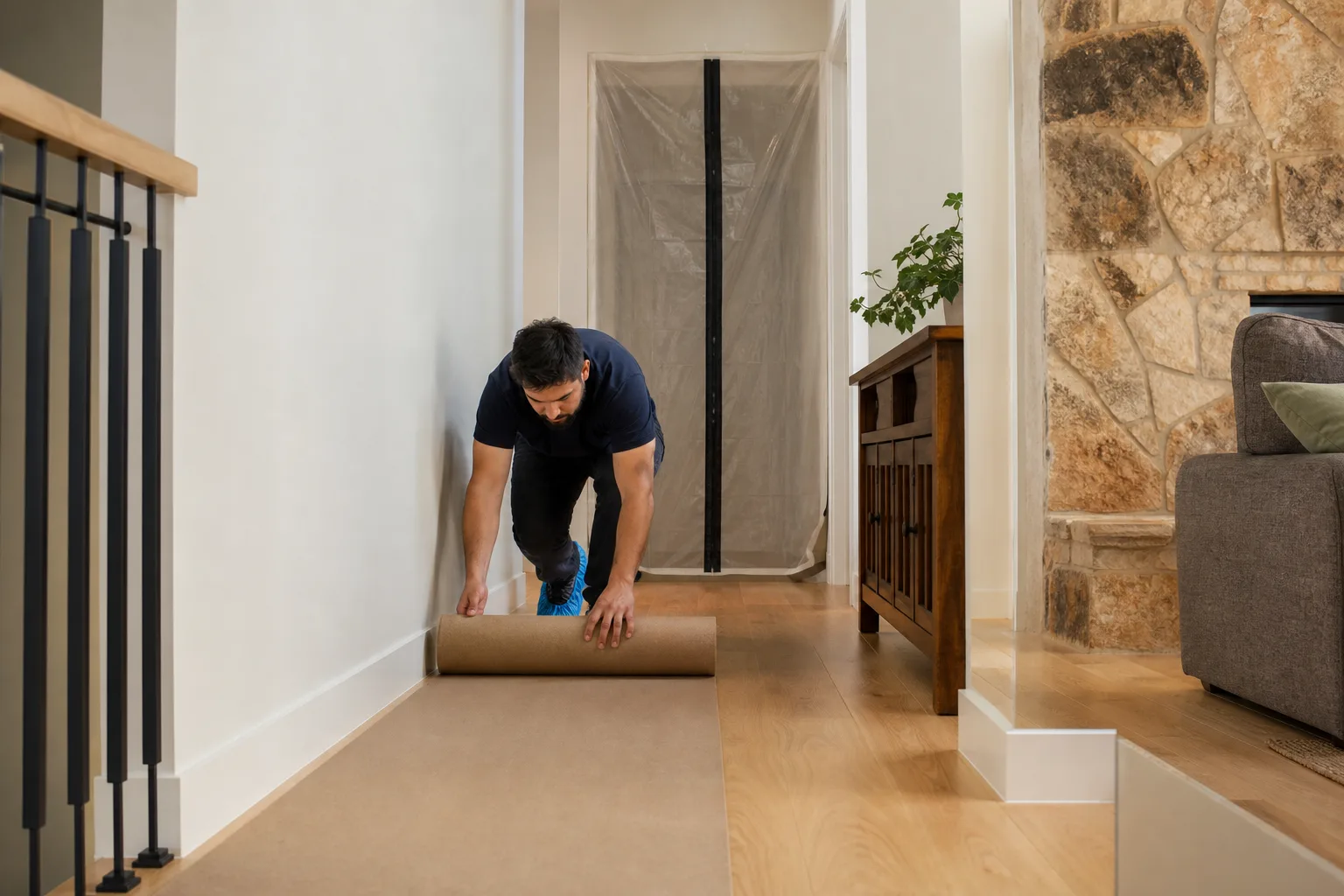
A cabinet or countertop replacement usually runs two to five days including ordering, and we keep the workspace protected with drop cloths and shoe covers the whole time. A shower pan or siding repair with any water damage behind it can run one to two weeks. We will give you the window in writing before we start, and we will tell you if that window changes and why.
We keep common hardware on board: hinges, glides, drawer slides, sink clips, and sealants. Anything model-specific, like a matching cabinet door, a specific Silestone or Cambria color, or a shower pan for a particular footprint, gets sourced and ordered with a lead time. We will tell you that lead time before we take the job, not after the old part is already out.
Written by Graham Stein, Owner, Elmstead Remodeling at Elmstead Remodeling, serving Los Angeles and nearby areas.