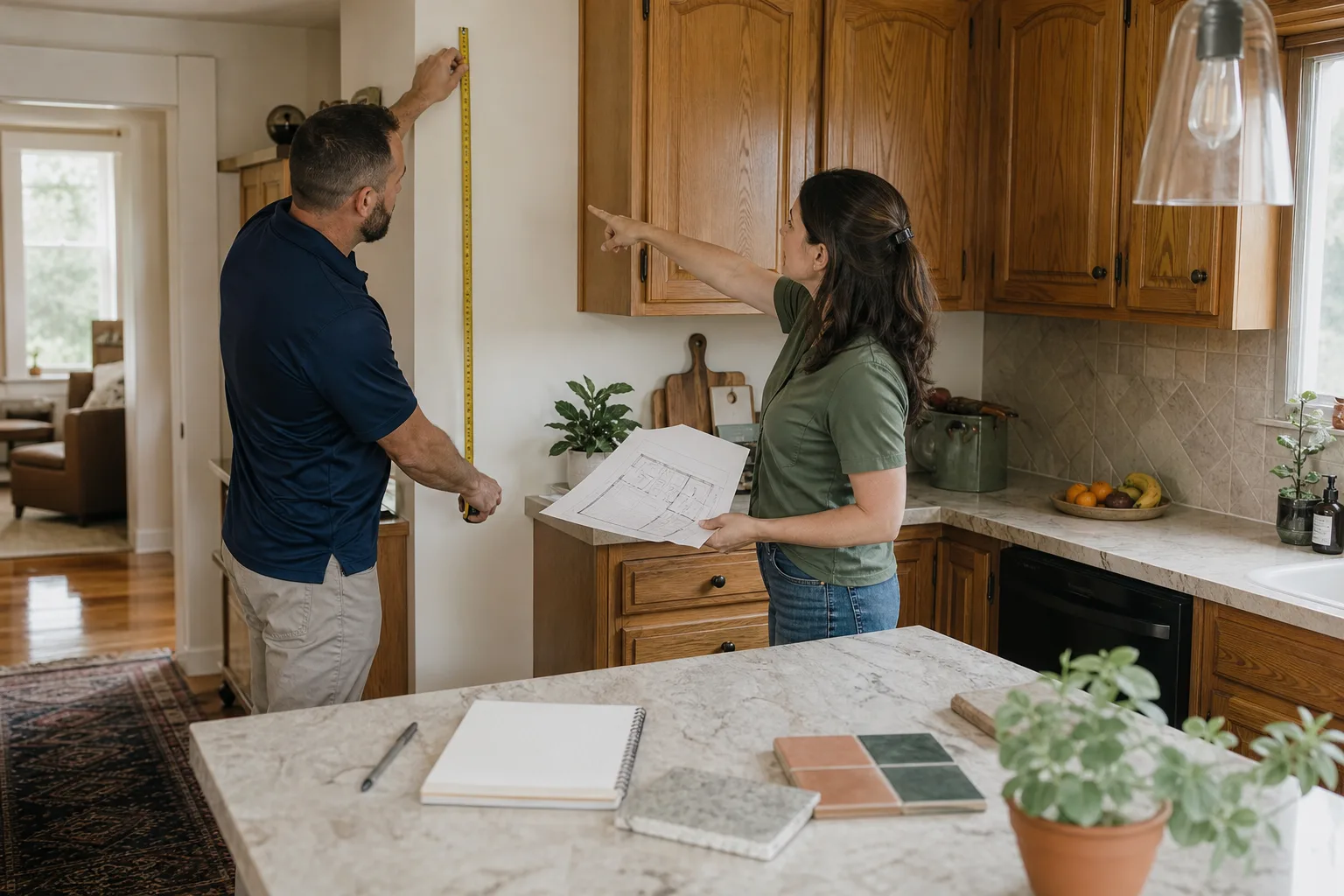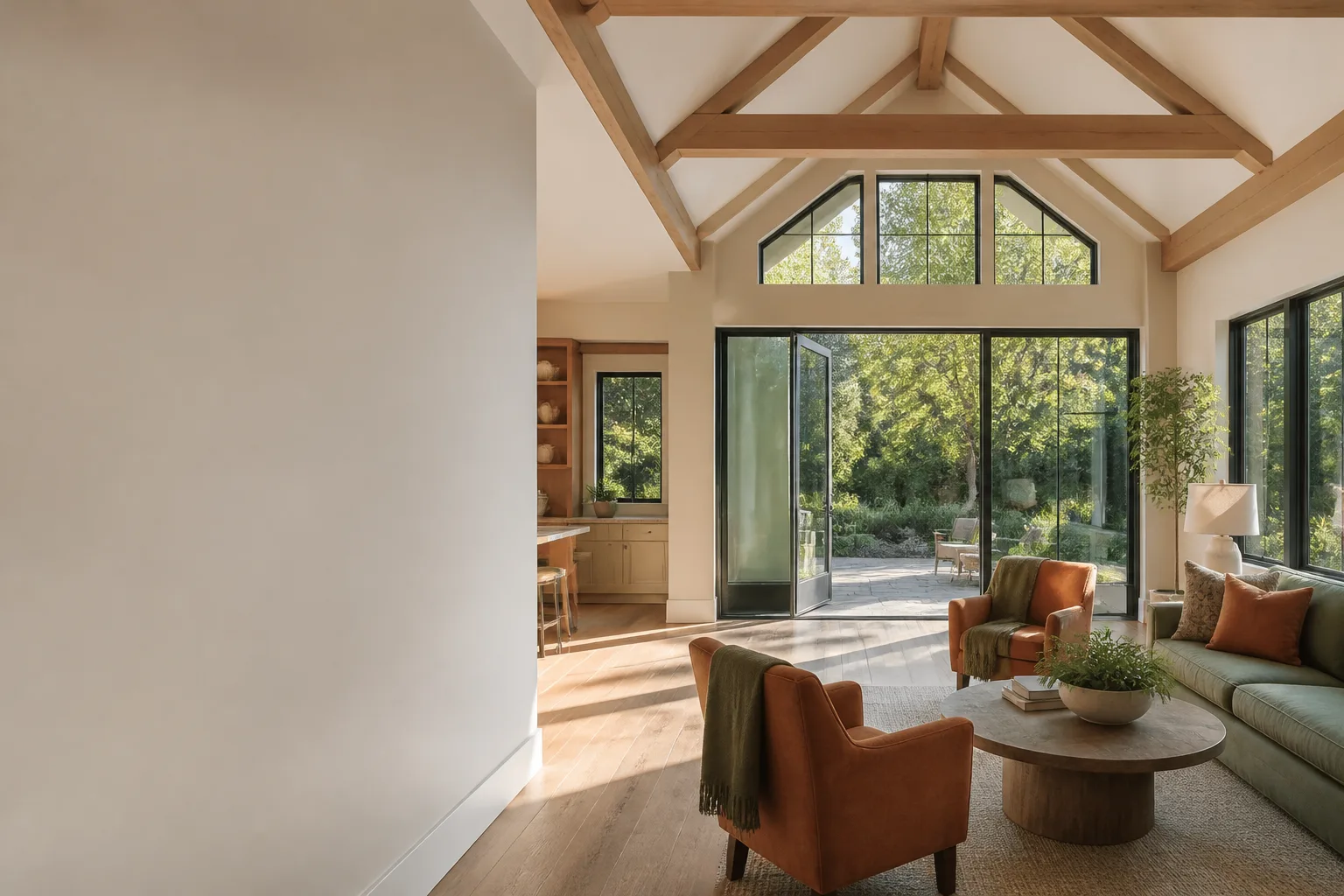
Free written scope consultation - allowances, timeline, and change-order rules on paper before a single trade is scheduled
ES Windows Home Additions & ADU: The Los Angeles Owner’s Guide
A full home addition or ADU built around ES Windows products in Los Angeles typically runs $53,100 – $153,400 installed, depending on square footage, foundation work, and how much of the existing structure we’re tying into. Most owners reach out because they’ve already chosen ES Windows for the glass package and need a contractor who will build the walls, framing, and rough openings to the exact specifications those windows require, not force the windows to fit sloppy framing later. What usually surfaces the need is a mismatch: the windows arrived, the original contractor isn’t answering, and the family is left with a stack of premium windows and no one to set them properly.
We’re an independent Los Angeles remodeling contractor, not a division of or dealer for ES Windows. That means we work with whatever window package you’ve already purchased or plan to purchase, and we build the addition around it. Graham Stein has been working on homes across Los Angeles for going on two decades, and the crews he leads have set enough window packages to know that the framing comes first, the flashing comes second, and the window goes in only when both are right.
Which ES Windows Models This Applies To
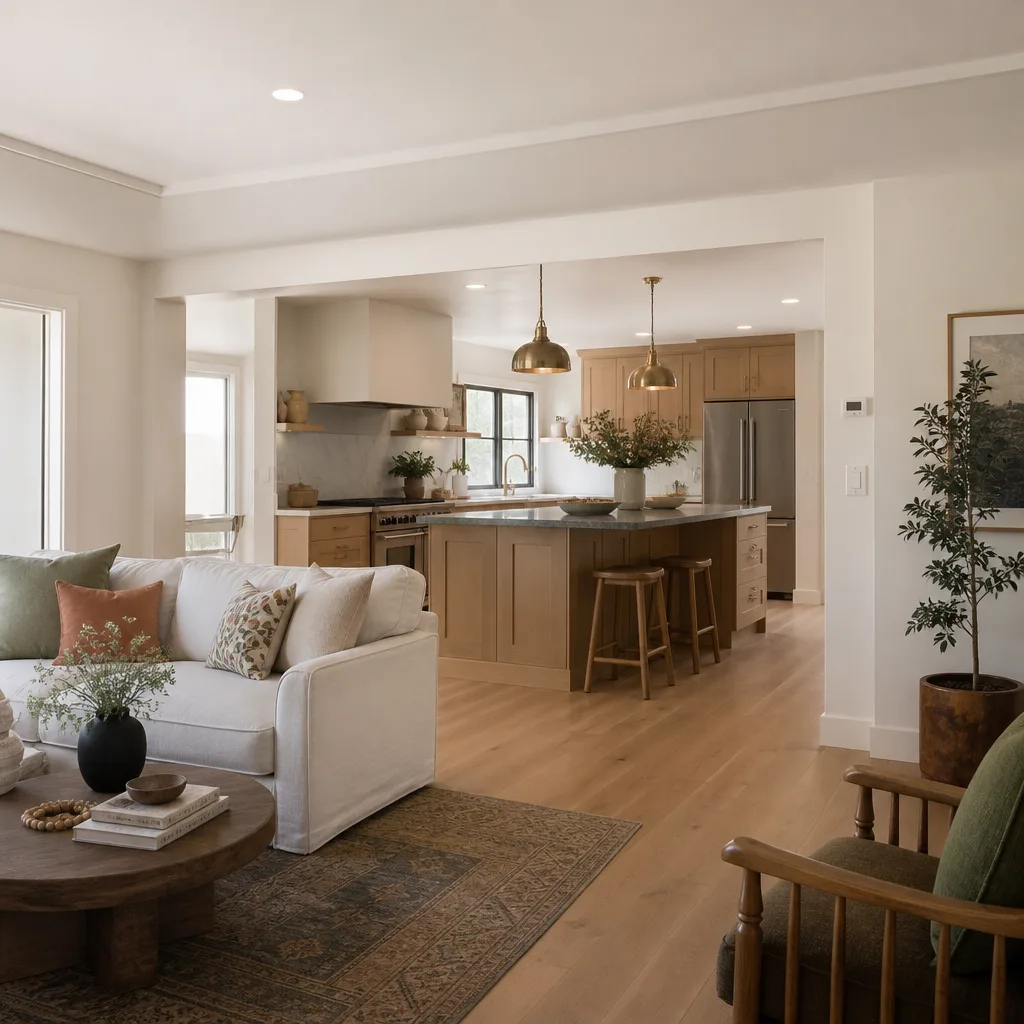
ES Windows builds aluminum and thermally broken aluminum window and door systems, and the product lines most commonly specified for Los Angeles additions and ADUs are their fixed windows, casement windows, sliding doors, and multi-slide door systems. The compatibility question is less about the window model and more about the rough opening. ES Windows products are fabricated to tight tolerances, and their aluminum frames don’t forgive a rough opening that’s out of square by even a quarter inch the way a vinyl window sometimes will.
Here’s the gotcha we see on job sites: homeowners assume the framer’s standard rough opening works for any window, but ES Windows published sizing documents differ from generic framing tables. The rough opening for an ES Windows fixed unit is not the same as the rough opening for a comparable vinyl unit. When the framer uses the wrong numbers, the window arrives and doesn’t fit, or it fits with shim packs so thick the flange can’t seal correctly. We pull the ES Windows installation documents for the specific series before the first stud goes up.
If you already have the windows on site, look for the order sticker on the frame edge. It lists the series name and the exact unit dimensions. If the windows haven’t shipped yet, ask your ES Windows supplier for the installation shop drawings. We’ll build the opening to those drawings, and we’ll verify the rough opening dimensions with a laser before the window is ever lifted into place.
On the OEM versus aftermarket question for home additions and ADUs: there isn’t really an aftermarket equivalent because we’re not replacing a part, we’re building the structure the windows live in. But the same principle applies to the supporting materials. Flashing tape, sealant, sill pans, and fasteners all have to be compatible with aluminum frames and with each other. We use materials rated for direct contact with aluminum and for Southern California’s dry-season UV and winter rain exposure, not whatever is cheapest at the supply house.
Styles & brands we work with
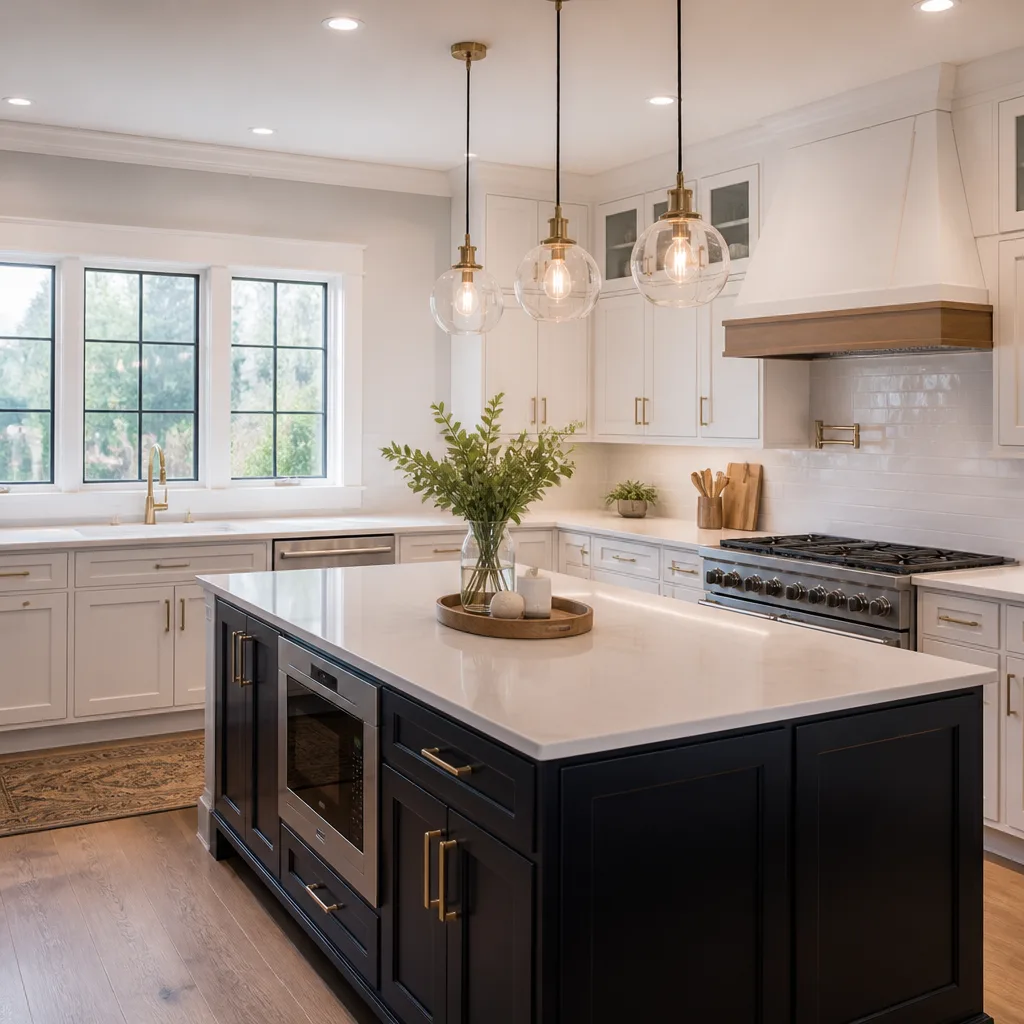
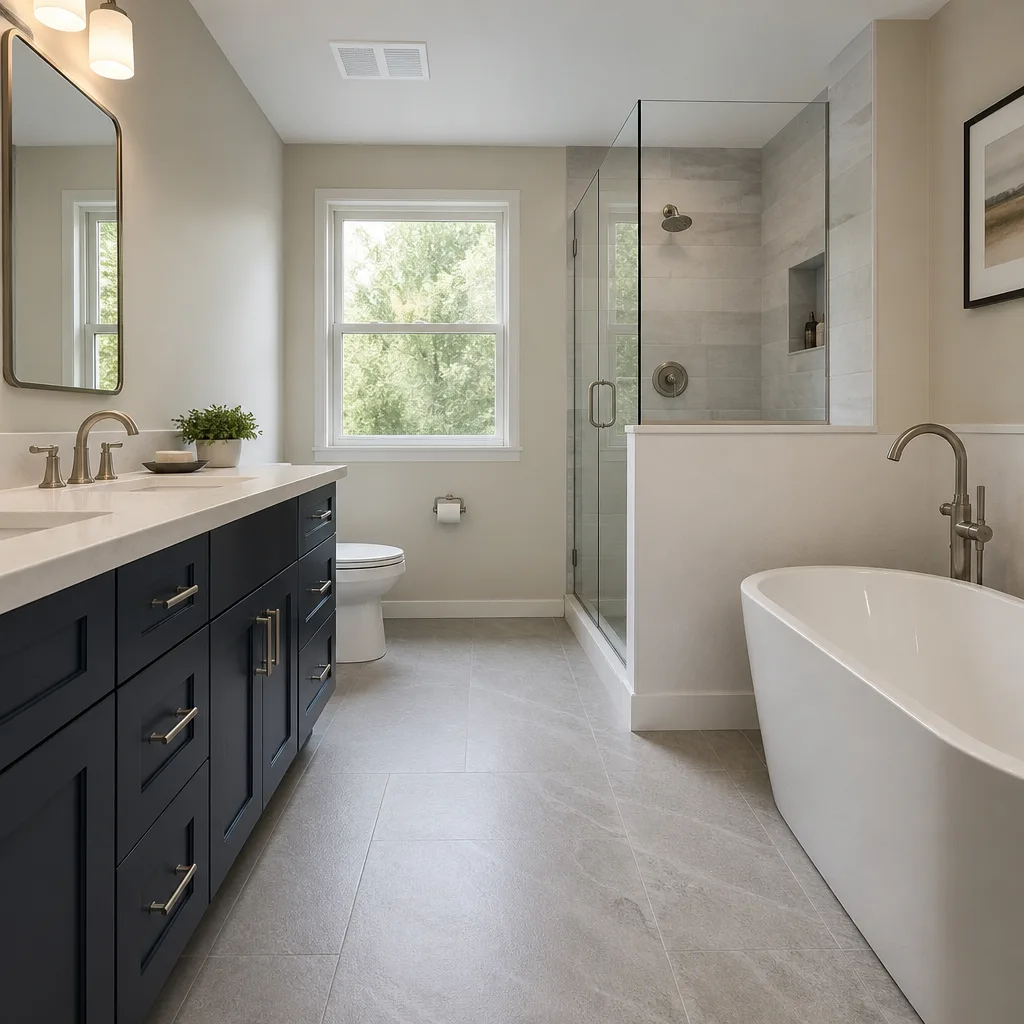
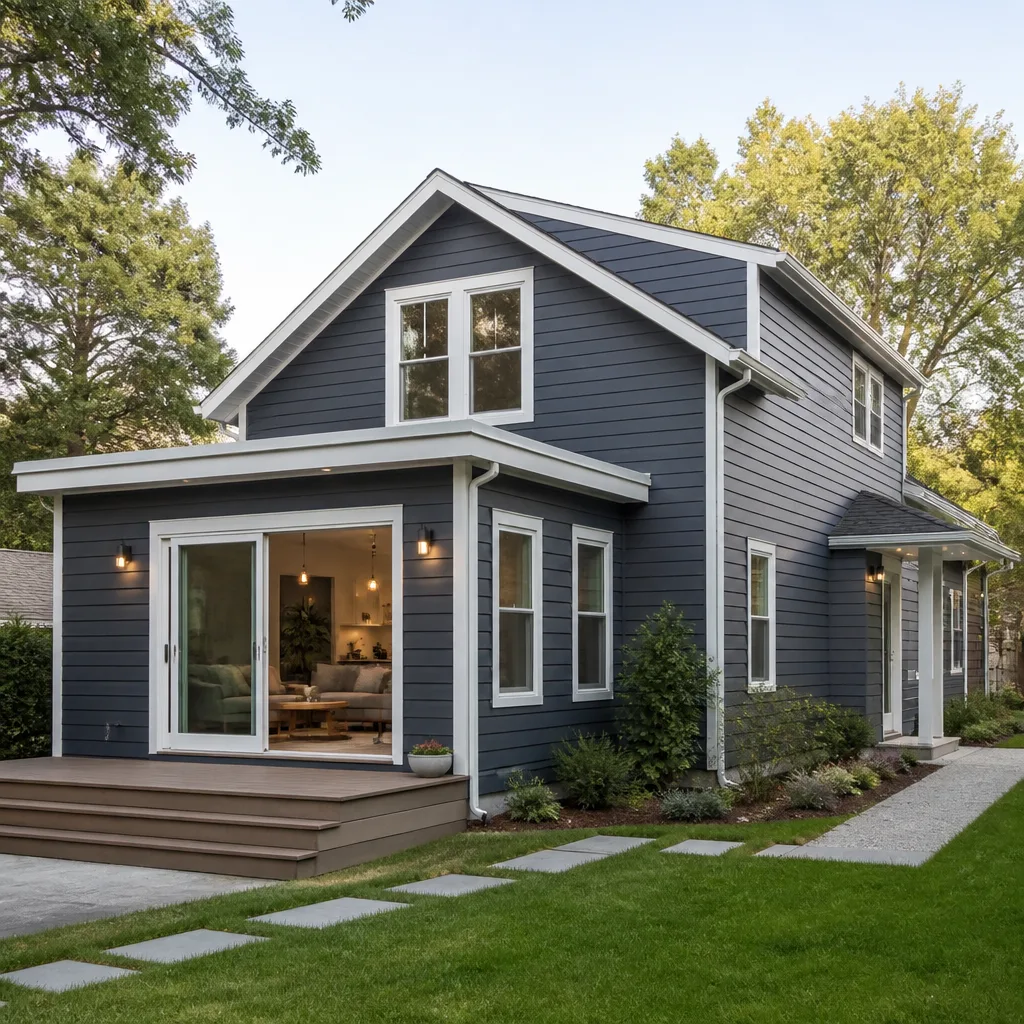
Signs Your ES Windows Home Additions & ADU Is Failing
When an addition built around ES Windows starts showing problems, the symptoms usually trace back to framing, flashing, or sequencing, not to the windows themselves. Here’s what we find most often in Los Angeles:
- Water staining at the window corners. This almost always means the sill pan was never installed, or the flashing tape was lapped the wrong way. Water is getting behind the frame. In Los Angeles, a few winter storms are enough to make this visible.
- The window binds when you open or close it. The rough opening shifted, or the header wasn’t sized right, or the structure settled after a wet season. Aluminum frames flex less than the surrounding wood, so the window tells you the framing is moving.
- Cracks in the drywall radiating from the window corners. This is structural movement concentrated at the opening. It usually means the header is undersized or the king studs aren’t carrying the load they should.
- Condensation between the glass panes. This one is a window issue, not a framing issue. The seal has failed, and the insulating gas has leaked out. ES Windows units are well made, but any dual-pane unit can lose a seal after enough thermal cycling.
- Gaps between the window frame and the exterior stucco or siding. The opening was cut too large, or the exterior finish wasn’t returned into the frame correctly. This lets water and air move behind the wall assembly.
Replacement Cost & What’s Included
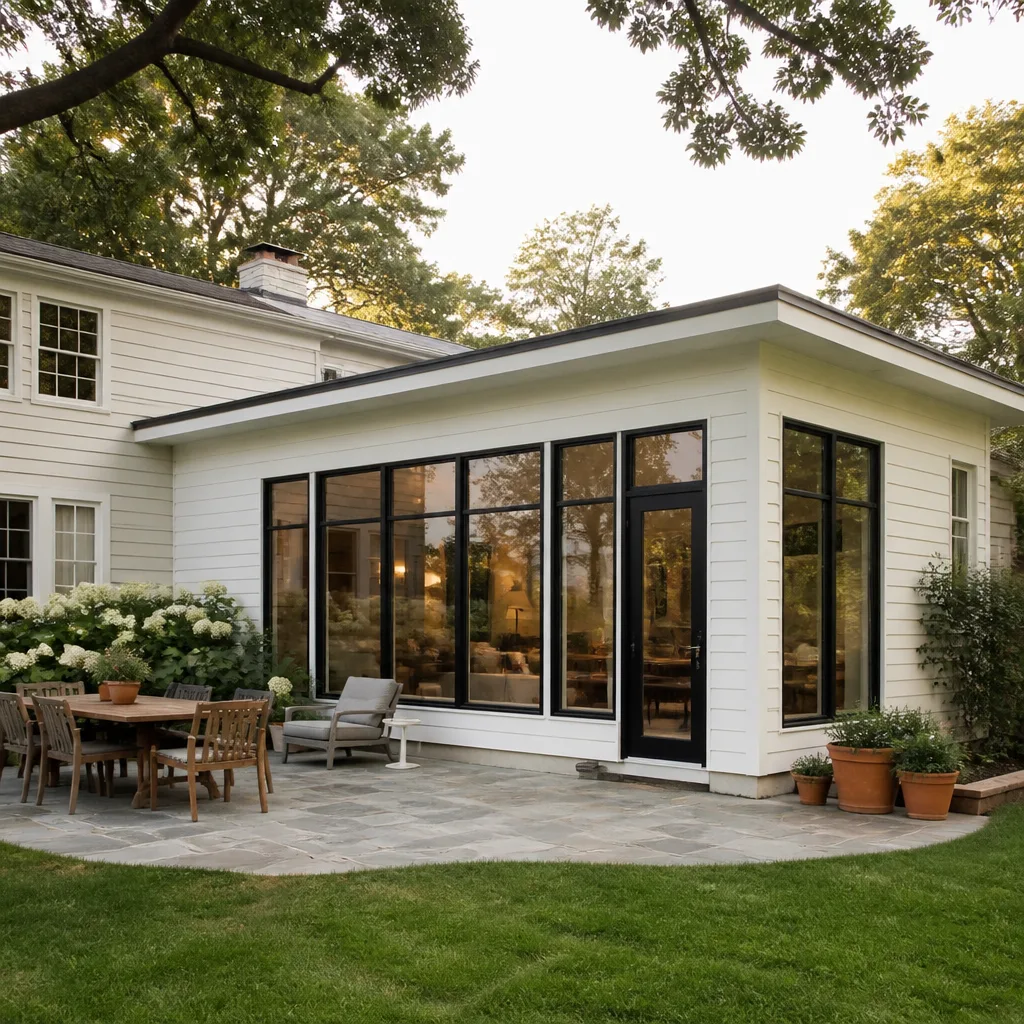
In Los Angeles, a home addition built around ES Windows products ranges from $53,100 to $153,400. An ADU runs higher, from $106,200 to $259,600, because it includes a separate foundation, utility connections, and its own kitchen and bath. What drives the range on the lower end versus the upper end is square footage, site access, foundation type, and whether we’re building a simple box or something with structural changes to the existing house.
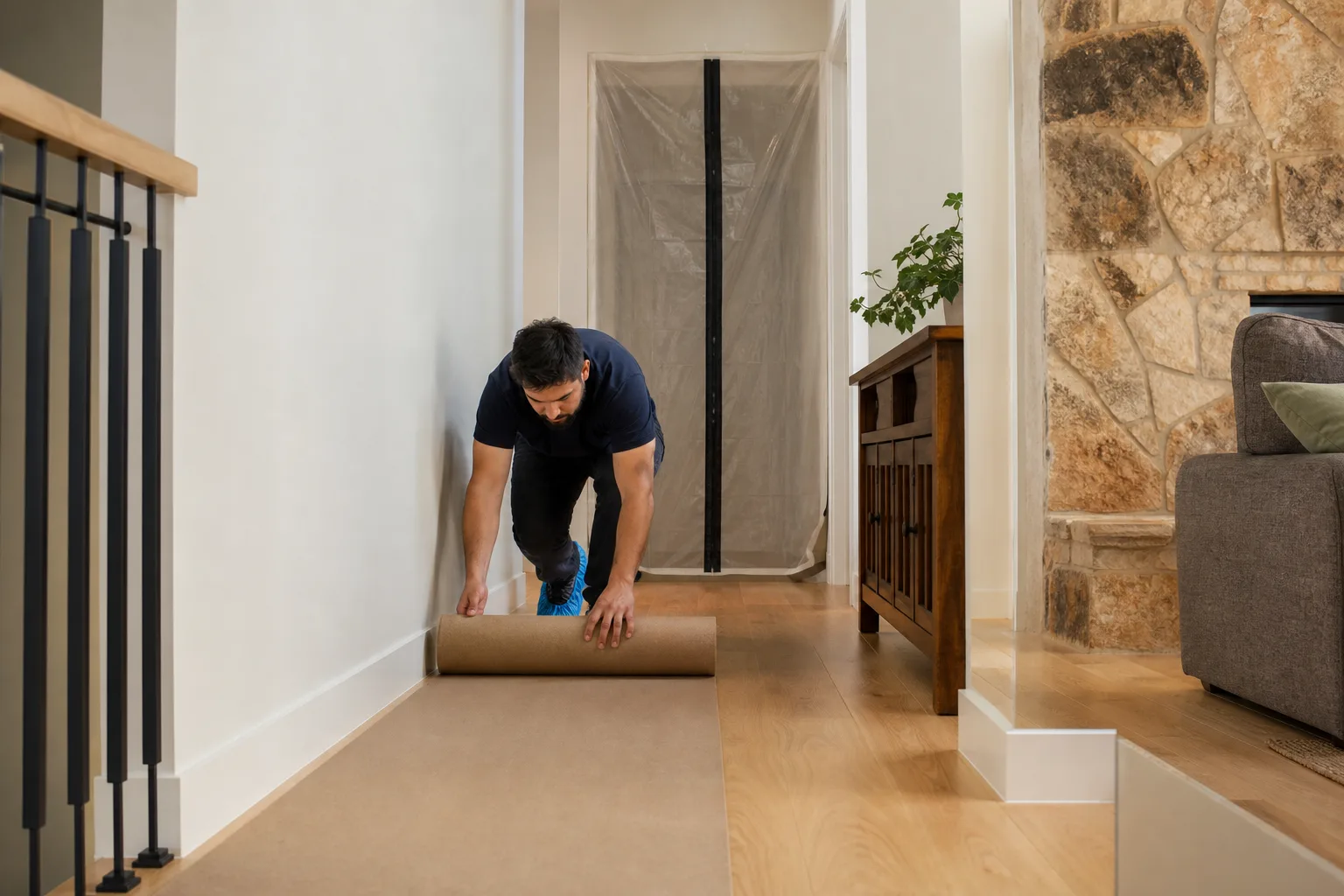
Every job we price includes a written line-item scope before any work starts. That scope names the framing lumber, the flashing materials, the window installation sequence, the drywall, the exterior finish, and the clean-up protocol. It also names what happens to the floors: drop cloths go down before the first tool comes in, shoe covers go on at the door, and a photo of the clean-up is taken before the crew leaves. The written scope is the promise, and if something changes, it goes on paper before it goes into the work.
Our workmanship is covered by the 365-Day Done Right Promise. If something isn’t done right after the project is complete, we make it right. That’s specific to our own work. The ES Windows product warranty is between you and ES Windows, and we’ll help you register it and understand what it covers.
See the difference
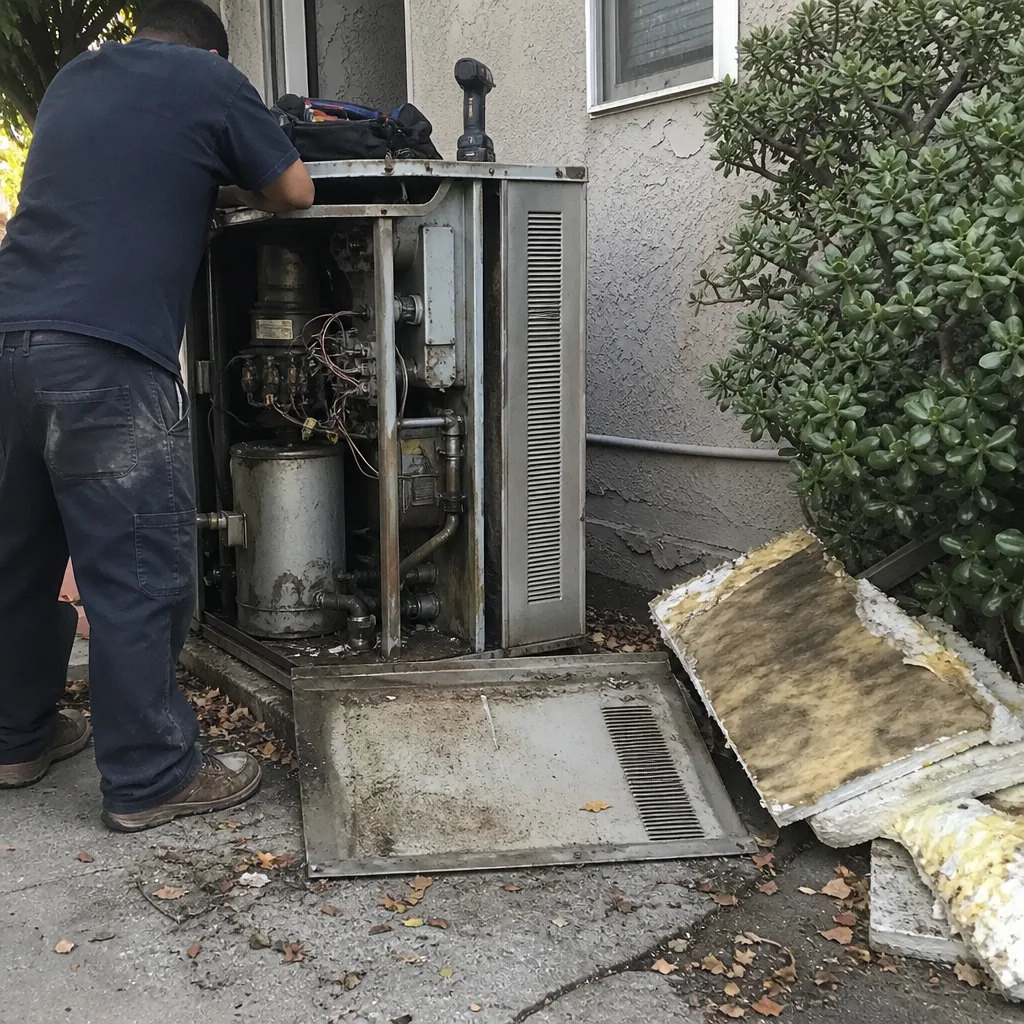 Before
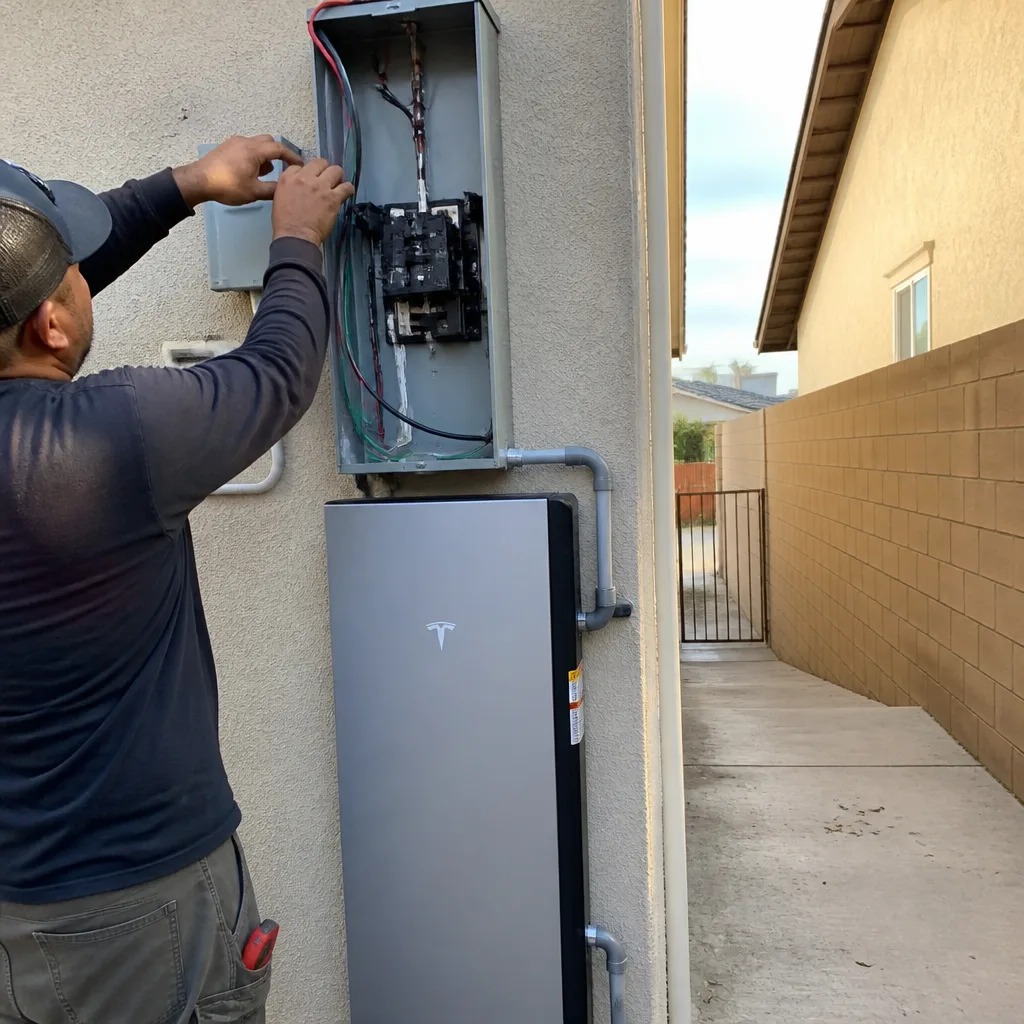 After
After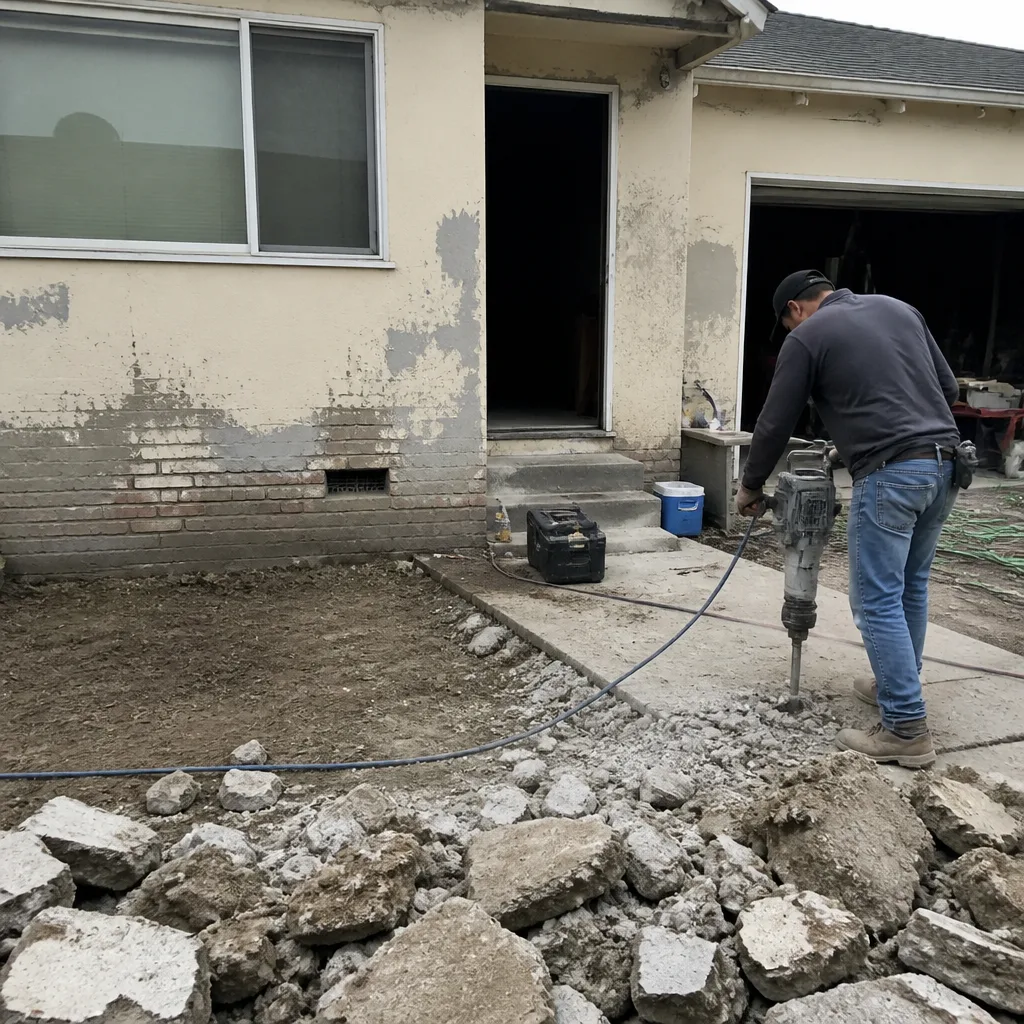 Before
 After
After Before
 After
AfterDIY or Call Us?
If you’re at the planning stage and want to verify rough openings against the ES Windows shop drawings, you can do that with a tape measure and a level. Open the drawings, check the specified rough opening dimensions, and measure what your framer actually built. If the numbers don’t match, stop and get it corrected before the windows arrive. That’s a check any careful homeowner can do.
What we don’t recommend is shimming and securing windows into openings that are out of square, or trying to compensate for a framing error with extra sealant. A window that’s forced into an opening will bind, the seal will fail early, and the water intrusion problem will be inside the wall where you can’t see it until the drywall stains. Setting aluminum windows correctly means the rough opening is square, the sill pan is sloped, the flashing laps shed water outward, and the window is shimmed so the frame stays true under its own weight. If any of that sounds like more than you want to take on, call us at (949) 850-9896 and we’ll walk the site with you.
Key Takeaways
- Home additions built around ES Windows in Los Angeles run $53,100 – $153,400; ADUs run $106,200 – $259,600.
- Rough openings must be built to ES Windows shop drawings, not generic framing tables.
- Water staining, binding windows, and corner cracks usually mean framing or flashing problems, not window defects.
- We provide a written price before any work starts, drop cloths and shoe covers on every visit, and a 365-Day Done Right Promise on our workmanship.
- Our crews also work with named-brand materials from KraftMaid, Cambria, and Silestone for the interior finishes on home additions and ADUs.
FAQs
ES Windows aluminum frames commonly last 30 to 40 years in Los Angeles before the frames themselves need attention, though the seals on dual-pane units can fail earlier, often in the 15 to 25 year range depending on sun exposure. South-facing and west-facing elevations see more thermal cycling, and those seals tend to go first. If your addition is planned for a full-sun exposure, we’ll talk with you about glass coatings and frame finishes that hold up longer in direct UV. Call (949) 850-9896 if you want us to look at your existing windows or review the package you’re considering.
Yes, in most cases a specific problem can be addressed without rebuilding the entire addition. A leaking window can often be fixed by removing the exterior trim, correcting the flashing and sill pan, and resetting the window. Cracks at window corners can be repaired if the underlying structural cause is identified and corrected. The repair path depends on what we find when we open the wall. Call (949) 850-9896 and we’ll do a site walk and give you a written scope for the repair.
A typical Los Angeles home addition takes 3 to 6 months from permit approval to final inspection. An ADU takes 6 to 12 months depending on utility connections and site conditions. The window installation itself usually happens in a day or two once the framing and rough openings are ready, but the schedule is driven by foundation work, inspections, and the interior finishes. We’ll give you a written schedule with the scope, and we’ll tell you which inspection points matter before the windows go in.
We don’t stock ES Windows products, and we’re not a dealer for ES Windows. We’re an independent Los Angeles remodeling contractor that builds home additions and ADUs around whatever window package you’ve chosen or will choose. If you haven’t ordered windows yet, we’ll help you coordinate with your ES Windows supplier so the shop drawings match our framing. If the windows are already in your garage, we’ll work from the paperwork that came with them. Call (949) 850-9896 for a free estimate on the build.
Written by Graham Stein, Owner, Elmstead Remodeling at Elmstead Remodeling, serving Los Angeles and nearby areas.
Ready to talk about your ES Windows home addition or ADU? Call (949) 850-9896 and a live person will answer. We’ll schedule a site visit, walk the project with you, and give you a written price before any work starts.