Free written scope consultation - allowances, timeline, and change-order rules on paper before a single trade is scheduled
Grohe Home Additions & ADU: The Los Angeles Owner’s Guide
If you have a Grohe fixture or product and you’re planning a home addition or ADU in Los Angeles, the part-matching question usually comes down to this: can your existing Grohe hardware integrate with new plumbing runs, new walls, and new layouts, or are you better off starting fresh in the added space? For most LA homeowners, the answer is that new construction gives you a clean slate for fixtures, and the Grohe pieces you keep are the ones going into the remodeled portion of the existing home. A full home addition in Los Angeles typically runs $53,100 to $153,400, and an ADU runs $106,200 to $259,600, depending on square footage, foundation work, and how much of the existing systems you’re tying into.
We’re Elmstead Remodeling, a Cedarwell company, and we work with Grohe fixtures regularly on additions and ADUs across Los Angeles. We’re an independent contractor, not affiliated with Grohe, but we specify and install their products because homeowners can research the warranty by name and know exactly what they’re getting. Here’s what you should know before you build.
Which Grohe Models This Applies To
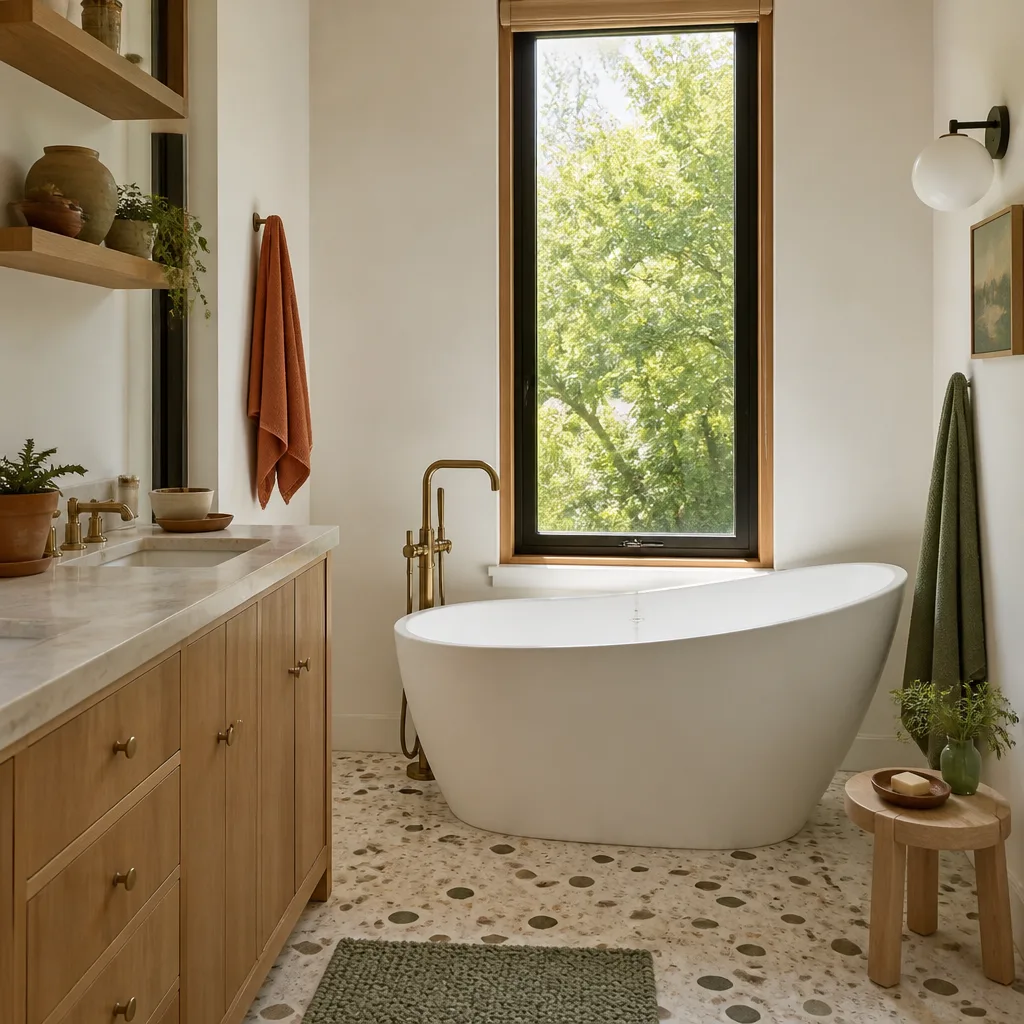
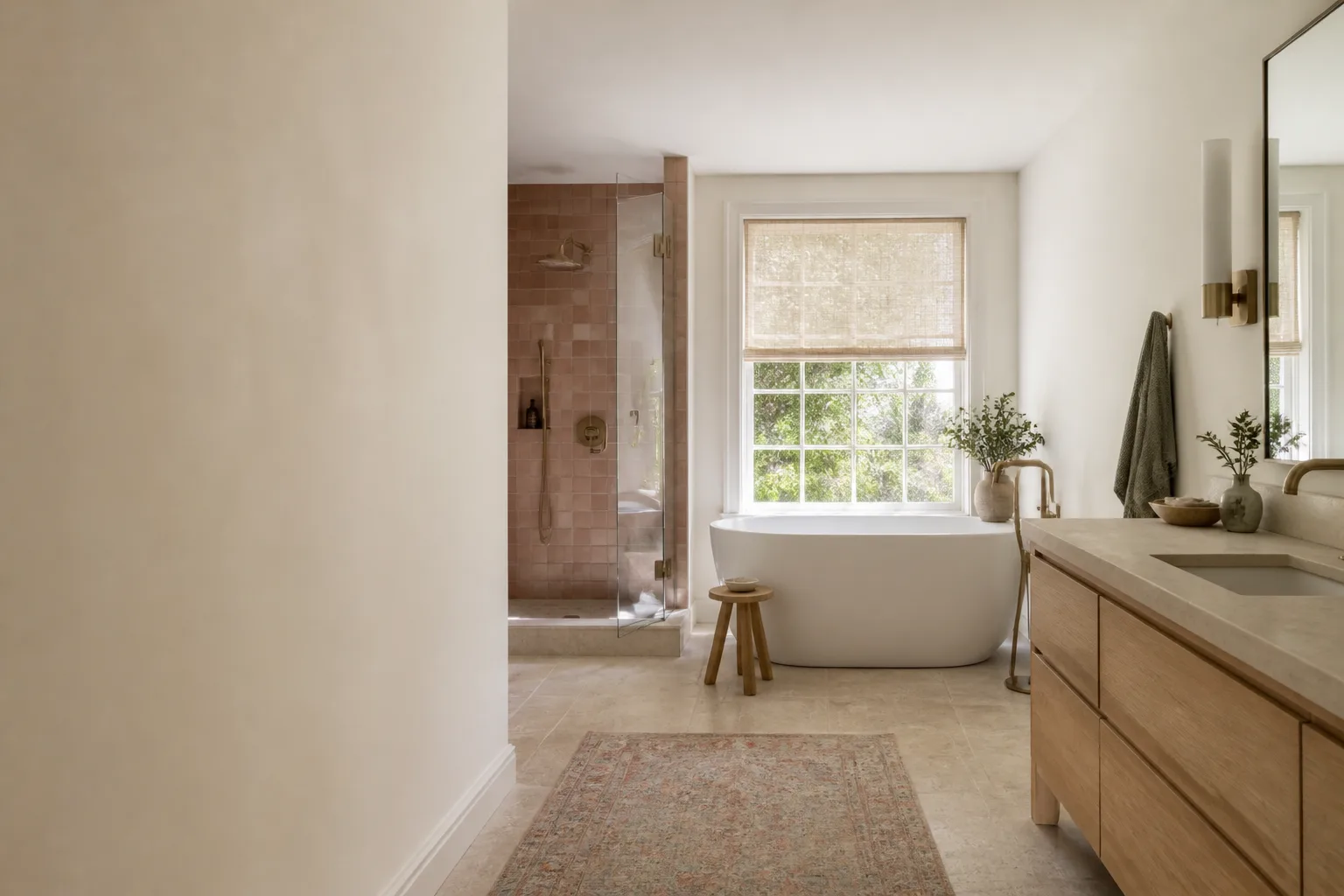
When you’re adding square footage or building an ADU, the Grohe question isn’t usually about one model; it’s about which Grohe lines make sense for the new space and which existing Grohe fixtures in your current home can stay put without causing layout problems. In practice, most Los Angeles additions involve a new bathroom and often a new kitchen or wet bar. The Grohe lines we specify most often are:
- Grohe Euphoria shower systems: These work well in ADU bathrooms where ceiling height or water pressure varies. The Euphoria line has multiple spray patterns and can be paired with Grohe pressure-balancing valves, which matter in older Los Angeles neighborhoods where water pressure swings between morning and evening demand.
- Grohe Concetto and Grohe Eurosmart faucets: Good fits for ADU kitchens and secondary baths. They’re spec’d at a price point that makes sense for rental units without sacrificing the Grohe ceramic disc cartridge that outlasts cheaper internals.
- Grohe Rapid SL installation systems: If you’re doing a wall-hung toilet in an ADU, this is the frame-and-tank system we use. In Los Angeles, ADUs often have tight bathroom footprints, and a wall-hung toilet with the Rapid SL saves roughly 12 inches of floor depth compared to a floor-mounted toilet. That’s the kind of clearance that makes an ADU bathroom feel usable instead of cramped.
The compatibility gotcha we see on LA projects: existing Grohe shower valves in the main house are often the older Grohmix or Europlus bodies, which use different trim kits than current Grohe lines. If you’re planning to keep an existing bathroom intact during an addition and just replace the trim, you need to match the valve body, not just the visible handle. We check the valve body number, which is stamped on the brass mixing valve behind the wall, before ordering any trim. A homeowner who orders trim based on the faucet’s look will get the wrong part about half the time on older Grohe installs.
For the OEM versus aftermarket decision on fixture internals: Grohe ceramic cartridges and seals are worth buying OEM. The machining tolerance on the ceramic discs is the difference between a drip-free valve for 15 years and a slow weep after two. On trim pieces, escutcheons, and shower arms, a quality aftermarket equivalent is usually fine, but we default to OEM on anything that holds water under pressure.
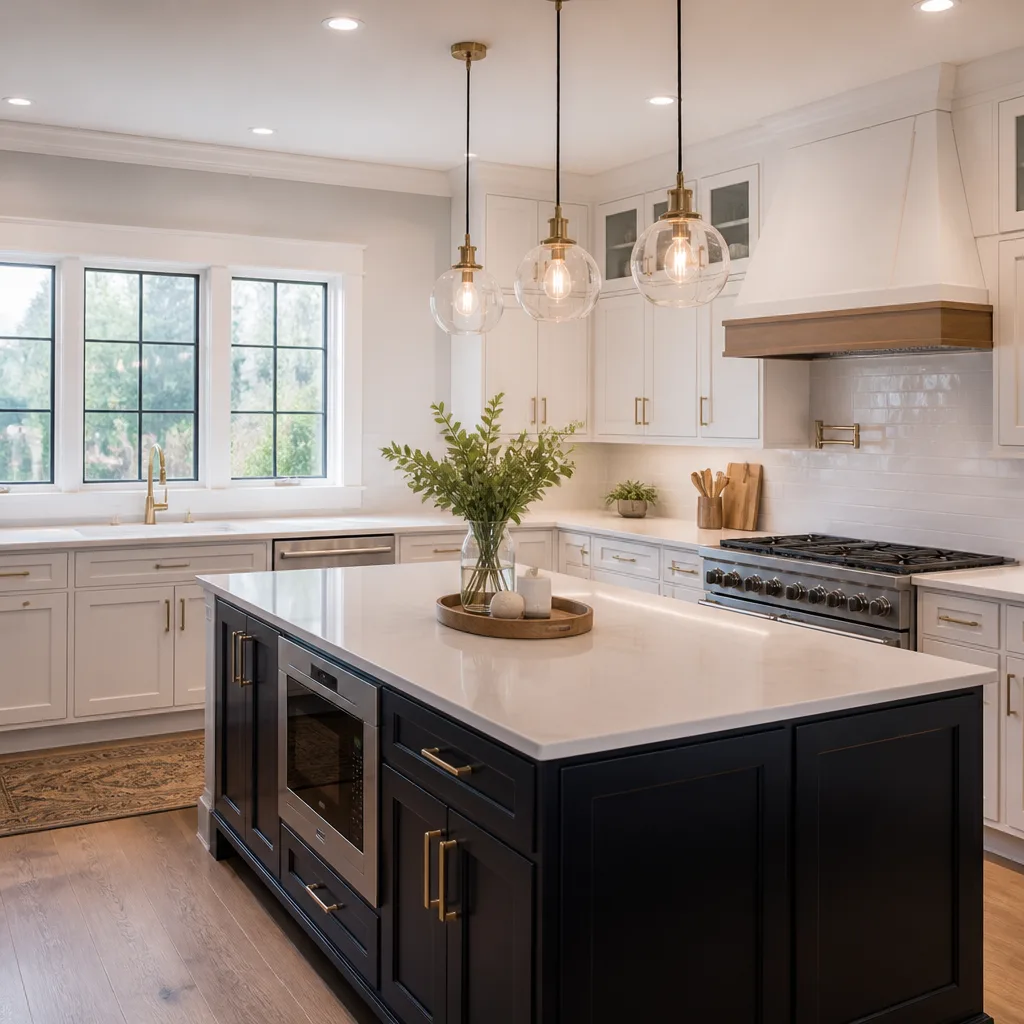
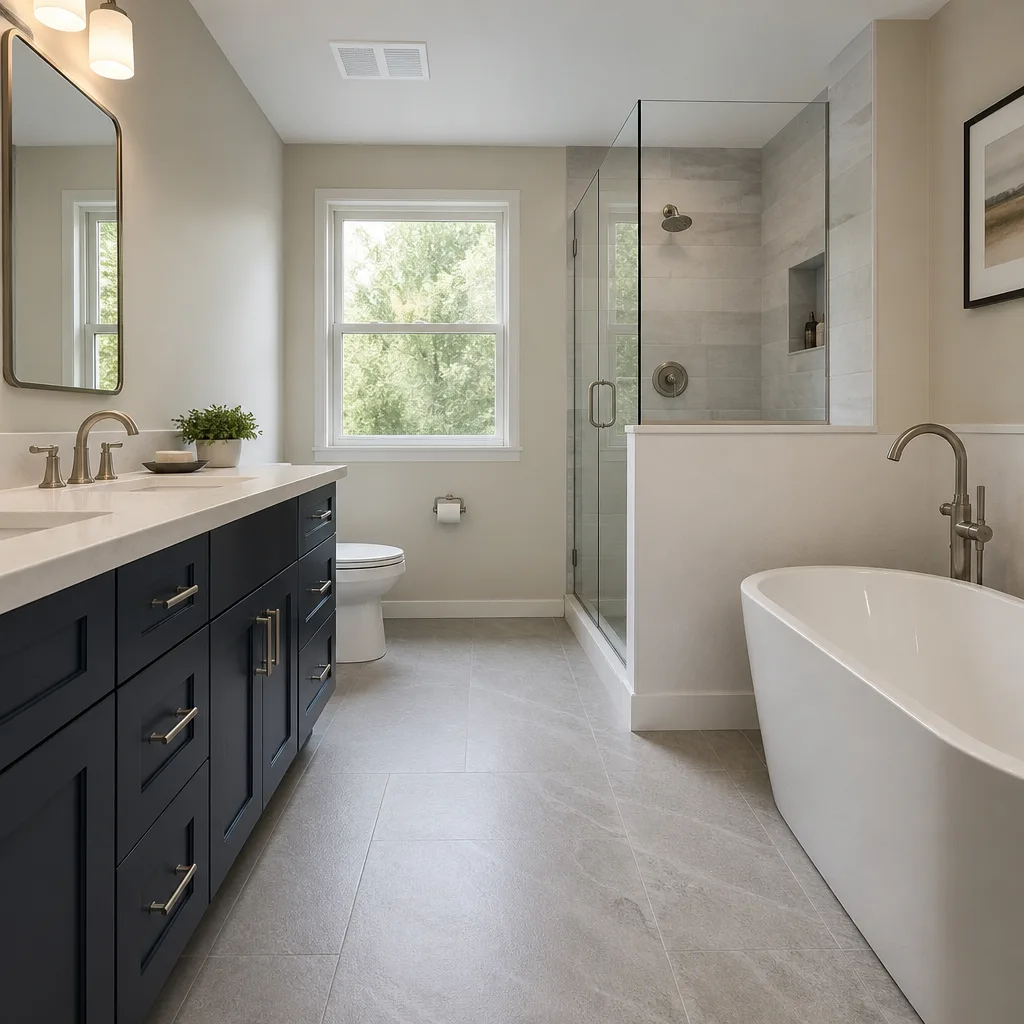
Styles & brands we work with
Signs Your Existing Grohe Hardware Won’t Carry Into the Addition
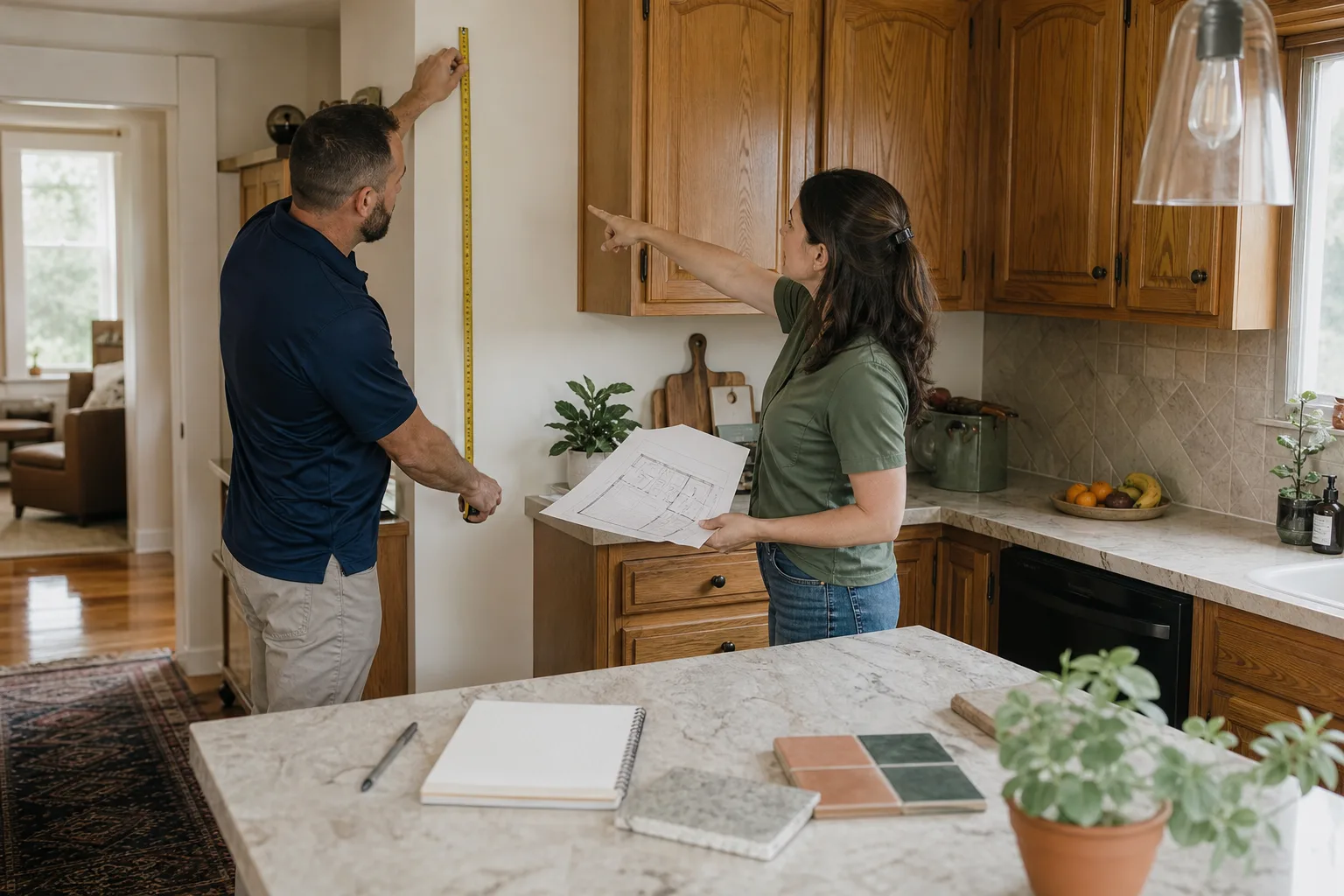
Before you build, we walk the existing home and look at what’s staying. Here’s what signals that your current Grohe fixtures either need work or shouldn’t be expected to serve the new space:
- A slow drip from the tub spout or shower head that persists after the handle is fully closed. The ceramic cartridge inside the Grohe valve is scored or the seals have hardened. Grohe cartridges can sometimes be cleaned, but once the ceramic discs are scored, cleaning doesn’t fix it. This is a signal to replace the cartridge before the new plumbing is tied in.
- Water temperature that swings hot when someone flushes a toilet. The pressure-balancing spool inside the Grohe valve is sticking. In older Los Angeles homes with galvanized supply lines, sediment from the pipes gets into the spool and causes exactly this. It’s a valve-body issue, not a water heater issue, and it’s worth resolving before you add a second bathroom to the same supply line.
- Corrosion or green buildup at the base of the faucet or around the escutcheon. This usually means a slow leak inside the wall that’s been wicking through the trim. By the time you see green on the outside, the leak has been there for months. On an addition where the wall is open anyway, this is the cheapest possible time to fix it.
- Low flow from one fixture but normal flow everywhere else. The Grohe aerator or flow restrictor is clogged with LA hard-water scale. These can often be cleaned with a vinegar soak, but if the scale has hardened into the aerator threads, replacing the aerator is the practical fix.
- The handle turns farther than it used to before water comes on. The Grohe cartridge stem is worn. This gets worse over time and eventually the handle will spin without engaging. If you’re already having us out for an addition, it’s a 20-minute fix to swap the cartridge while we’re there.
See the difference
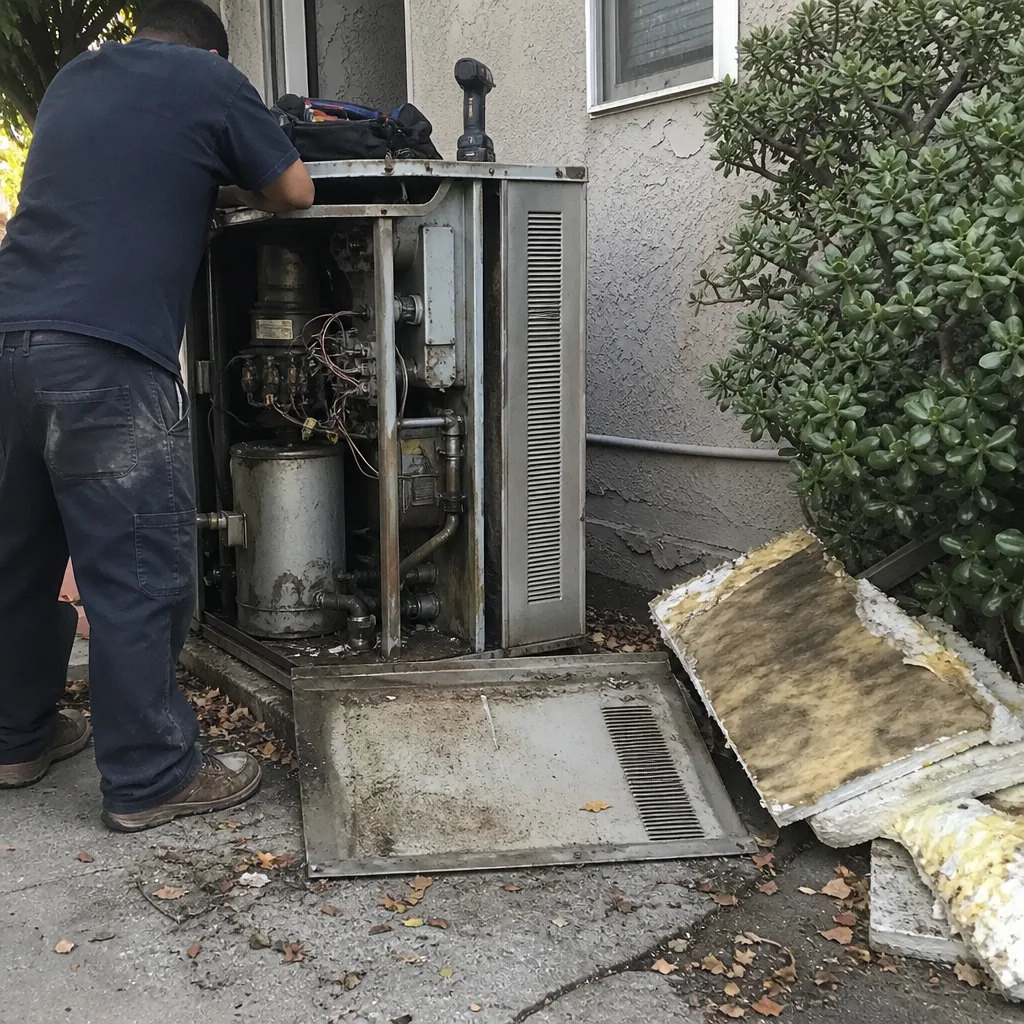 Before
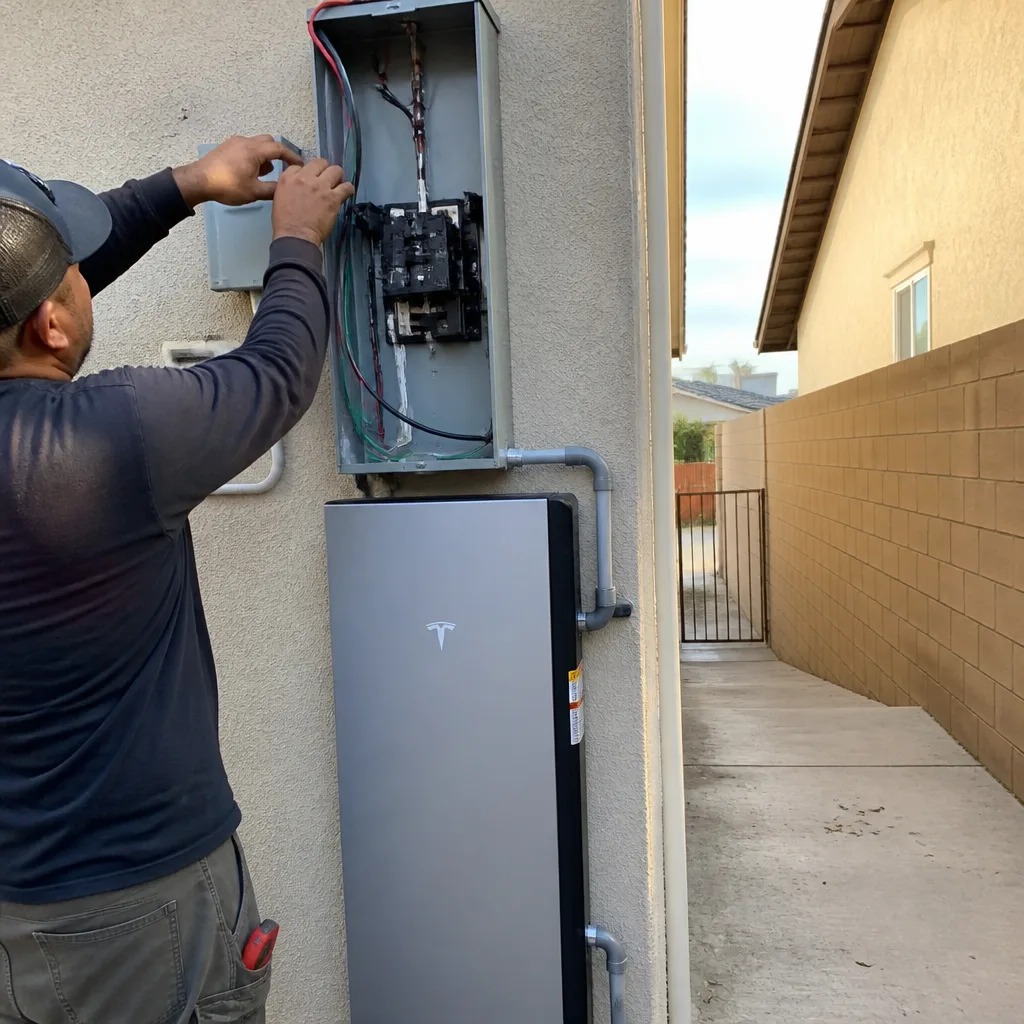 After
After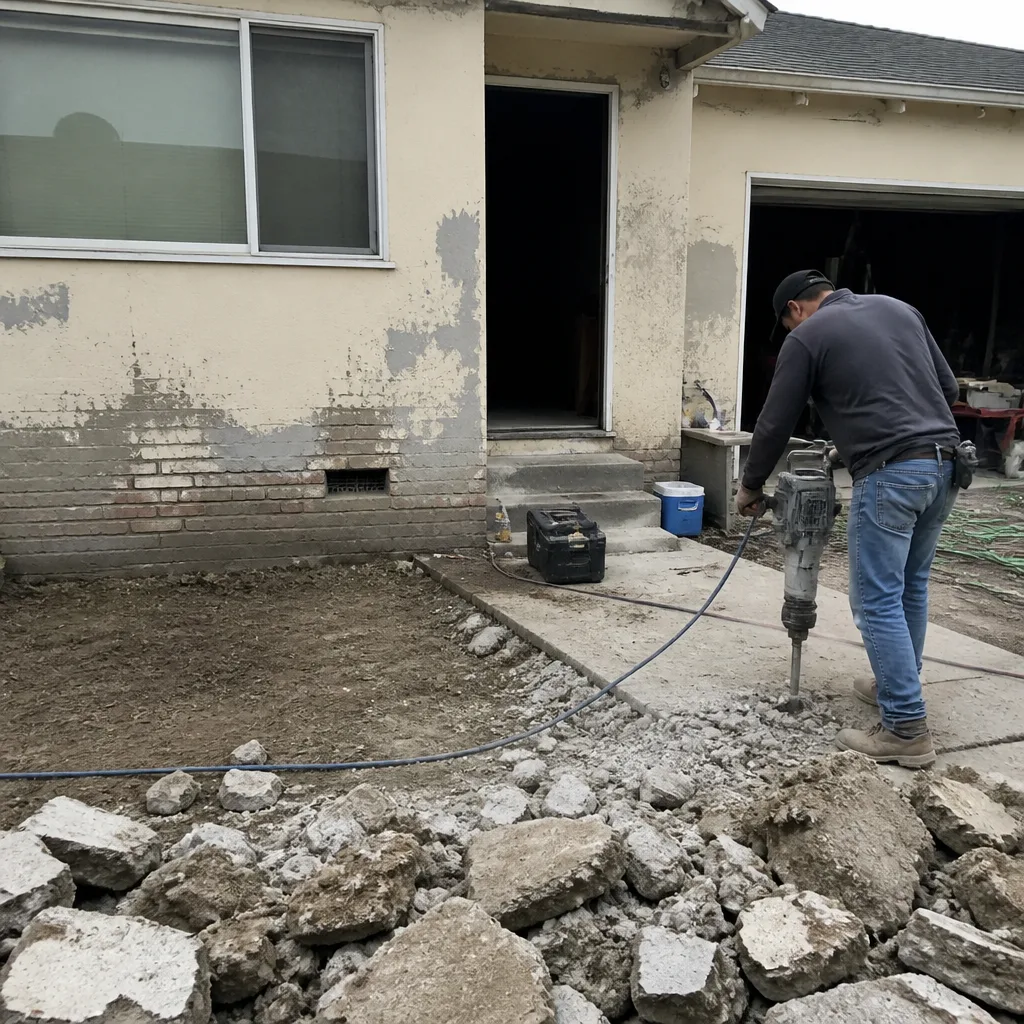 Before
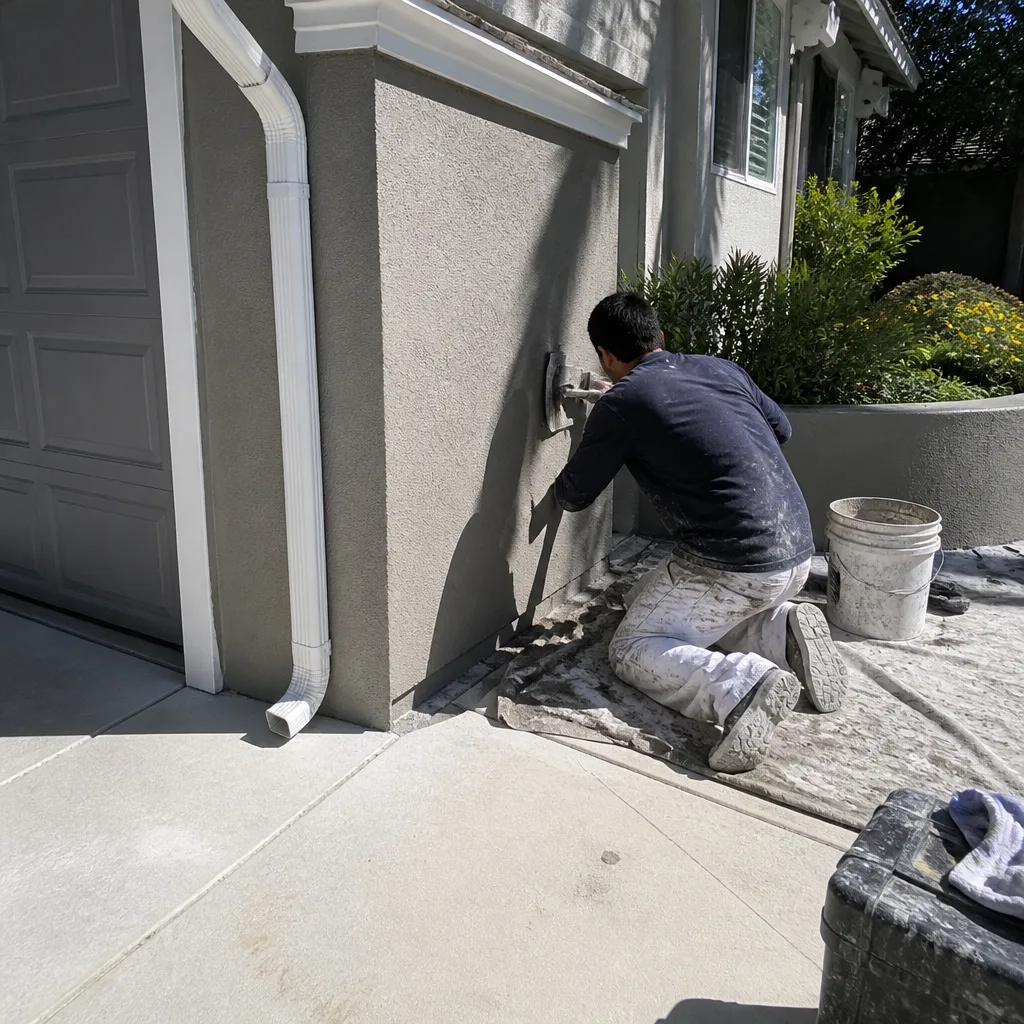 After
After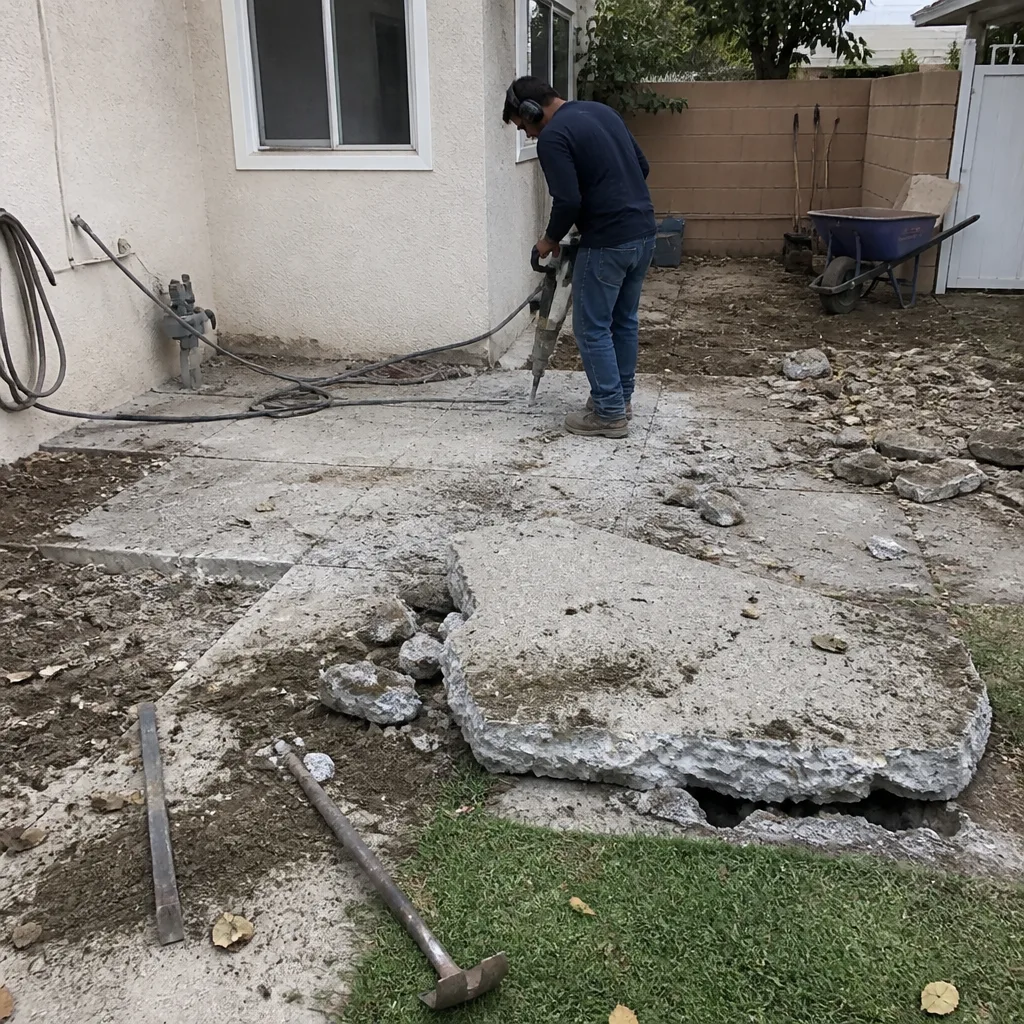 Before
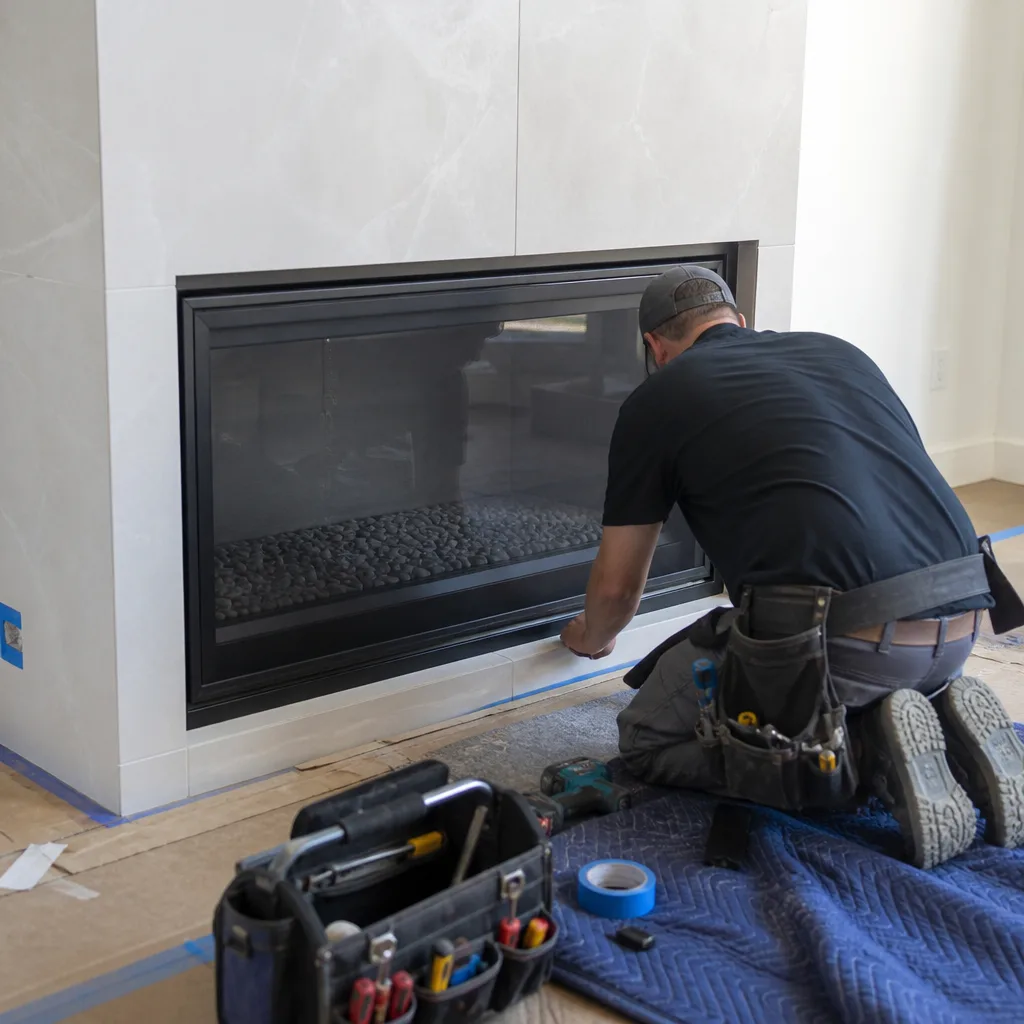 After
AfterWhat a Home Addition or ADU Costs in Los Angeles, and What You’re Paying For
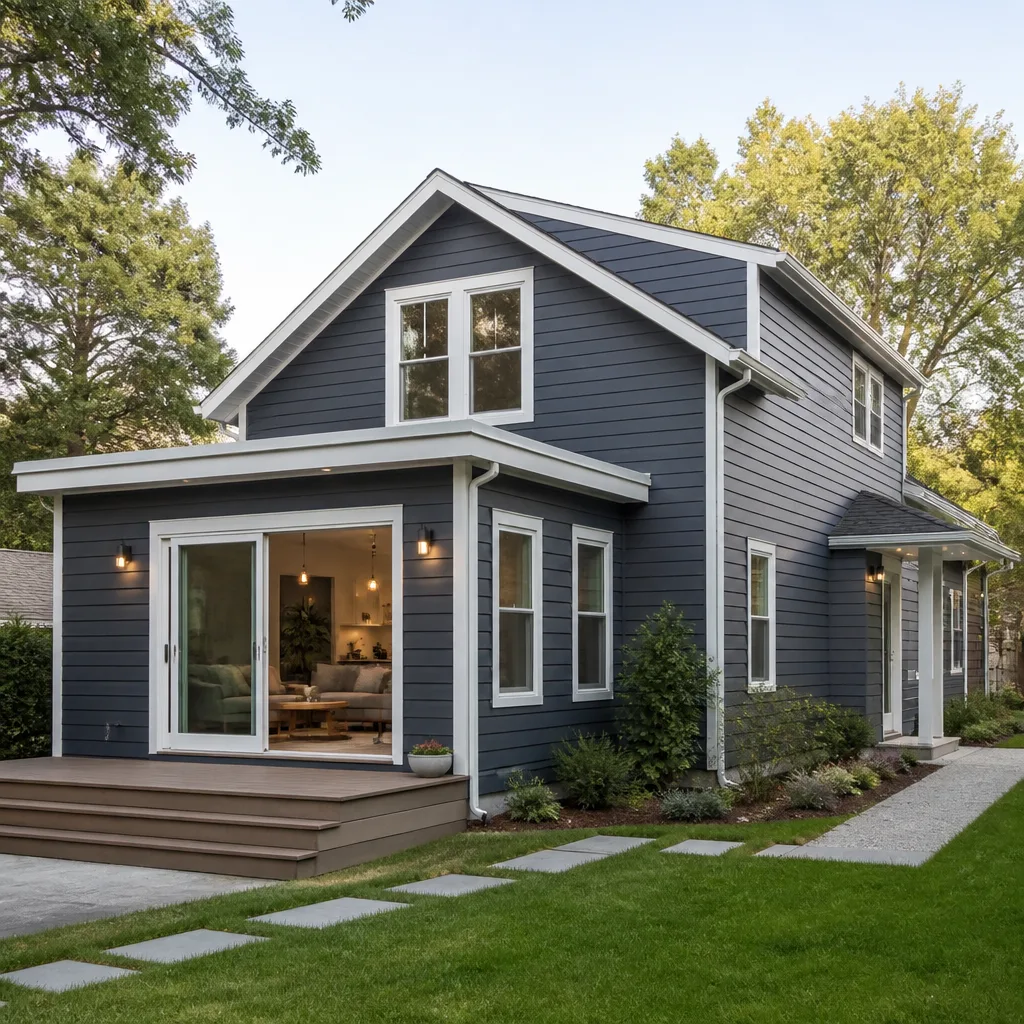
I want you to have real numbers before you start drawing plans. In Los Angeles, a home addition runs $53,100 to $153,400. An ADU runs $106,200 to $259,600. The spread isn’t contractor markup games; it’s square footage, foundation type, and how much site work the lot requires.
A smaller addition, like one bedroom and one bath of about 300 to 400 square feet on a crawlspace or slab with existing sewer access nearby and no major retaining walls, lands at the lower end. A two-story addition or an ADU above a garage, or a lot on a hillside in Silver Lake or Echo Park where the foundation needs caissons and the sewer line runs 80 feet to the street, lands at the higher end. Los Angeles hillside work is a real cost driver; the same ADU plan that costs $110,000 in the flats can cost $180,000 on a slope once you account for shoring, deeper footings, and additional engineering review.
Here’s what the range covers on a Grohe-related note: fixture allowances are a small line item relative to foundation and framing, but they’re not zero. A full Grohe shower system with valve, trim, and hand shower runs roughly $800 to $2,500 depending on the line. In the scope of a $150,000 ADU, that’s modest, but we still line-item it so you see it. The written price before any work starts is standard on every Elmstead project. If it’s not on the paper, we haven’t agreed to it yet.
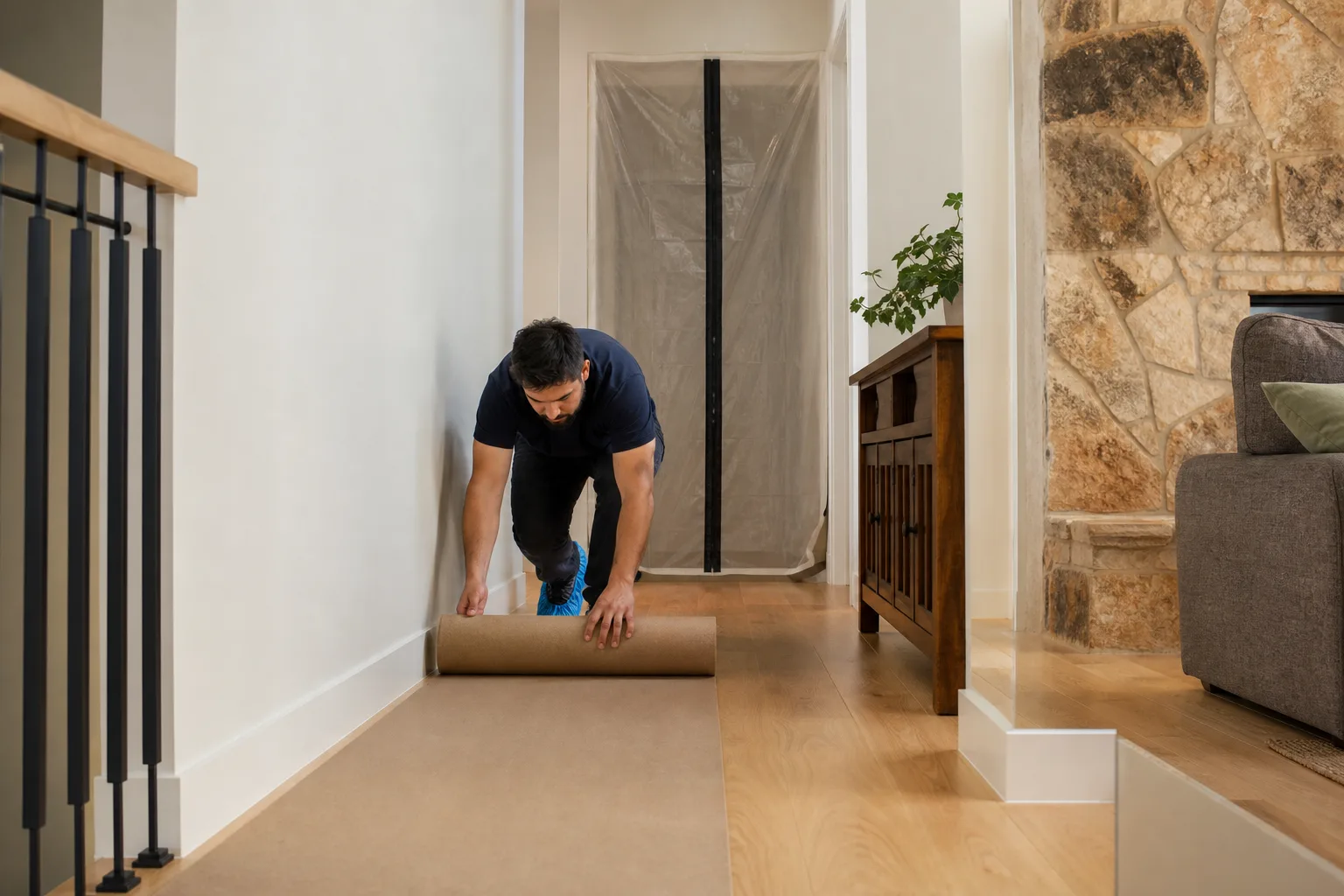
Every project includes the Cedarwell Care Promise: shoe covers and drop cloths inside the house, a photo of the clean-up before the crew leaves each day, quiet tools during family rest hours where possible, and pet-safe product choices where available. On additions where your family is living in the house during construction, that matters more than any fixture brand.
DIY or Call Us?
For the fixtures themselves, there are a few things a homeowner can safely do: check whether the Grohe valve body number matches the trim you want, clean a clogged aerator with vinegar, and identify which handle style you have before ordering anything. Those are inspection and identification steps, and they save time when you talk to us.
What you should not do is open a wall to replace a Grohe valve body or run new supply lines as part of an addition without a licensed contractor. Any plumbing behind a wall in Los Angeles requires a permit, and on an addition or ADU, the inspector will want to see the work before it’s closed up. Doing it twice costs more than doing it once. If you have a Grohe cartridge that needs replacing in an existing fixture, that’s a quick swap for us; if you’re building an ADU and want the Grohe fixtures specified correctly from the start, call (949) 850-9896 and we’ll walk the space with you.
FAQs
Grohe ceramic cartridges and valve bodies typically last 15 to 20 years in Los Angeles water conditions, though hard water in neighborhoods like Sherman Oaks and Tarzana shortens that to 10 to 15 years for fixtures without a whole-house softener. The finish on Grohe chrome and brushed nickel generally holds up well; the parts that wear first are rubber seals and the plastic pressure-balancing spool inside the valve. Call (949) 850-9896 if you want us to assess what you’ve got before you plan the addition around it.
No, not in the addition itself, because the valve lives in the wall of the existing bathroom and the plumbing for the new space runs separately. But if the existing Grohe valve is in good shape, you leave it alone and specify new Grohe fixtures for the new bathroom. Where homeowners run into trouble is trying to match old and new trim across both bathrooms so the house looks consistent. That depends on the valve body, not the look. We check the stamped body number and tell you what trim is available.
Plan on 8 to 14 months for a home addition and 6 to 12 months for an ADU, with permitting and plan review eating the first 2 to 4 months. In Los Angeles, the Department of Building and Safety timeline varies by district office, and hillside lots require additional geology and structural review. Graham Stein has been working on Los Angeles homes for going on two decades and schedules around what the city actually does, not what the city says it does. A written timeline comes with the written price.
We keep common Grohe cartridges, aerators, and pressure-balancing spools on the truck for the lines we install most often, including the Euphoria, Concetto, and Eurosmart series. For less common Grohe trim or specific valve bodies, we order from our local supply partner and typically have the part in 2 to 4 business days. If you want to know whether we have your specific part on hand before we come out, call (949) 850-9896 and describe what you have.
No. The written price we give before any work starts is the price, unless you change the scope of work. If the city requires something additional during inspection, we tell you what it costs before we do it. If we make a mistake in our own bid, we eat the difference. That’s been our practice on every Los Angeles project since 2005, and it’s the only way I’ll run a job. Call (949) 850-9896 for a free estimate on your addition or ADU.
Yes, and here’s why. Grohe’s ceramic disc cartridges hold up under tenant use far better than plastic-internals faucets from big-box brands, and the finish resists the kind of cleaning chemical damage we see in Los Angeles rental units where tenants use whatever’s under the sink. The trade-off is upfront cost, but the replacement cycle is significantly longer. We also work with cabinets from KraftMaid and Wellborn and countertops from Cambria and Silestone when we’re outfitting ADU kitchens and baths, so you can pair the Grohe fixtures with materials that carry the same kind of verifiable warranty.
Whether you’re adding a primary suite or building an ADU behind the house, the fixtures you choose are one part of a bigger picture. The written scope is the promise; if it is not on the paper, we have not agreed to it yet.
Call (949) 850-9896 to schedule your free estimate. We’ll walk your Los Angeles property, talk through what makes sense for your family, and hand you a written price before you spend another dollar.
Written by Graham Stein, Owner, Elmstead Remodeling at Elmstead Remodeling, serving Los Angeles and nearby areas.