Free written scope consultation - allowances, timeline, and change-order rules on paper before a single trade is scheduled
James Hardie Fence Installation: The Los Angeles Owner’s Guide
James Hardie fence installation in Los Angeles typically runs $4,130 to $10,620 for a standard residential property, which covers the siding panels, trim, fasteners, and the labor to hang everything level and true. Most homeowners call us after a windstorm or a sprinkler problem has left a section of Hardie board split, warped, or pulling away from the posts, and in many cases we can match the existing panel and texture within a day or two. You’ll usually notice the problem first as a hairline crack running from an edge, or a board that has started to cup away from the rail.
We’re an independent Los Angeles contractor, not a James Hardie affiliate, so when we install or replace Hardie fence panels we focus on what actually matters here: getting the correct series match, flashing the bottom edge so it never sits in irrigation overspray, and leaving the yard cleaner than we found it.
Which James Hardie Models This Applies To
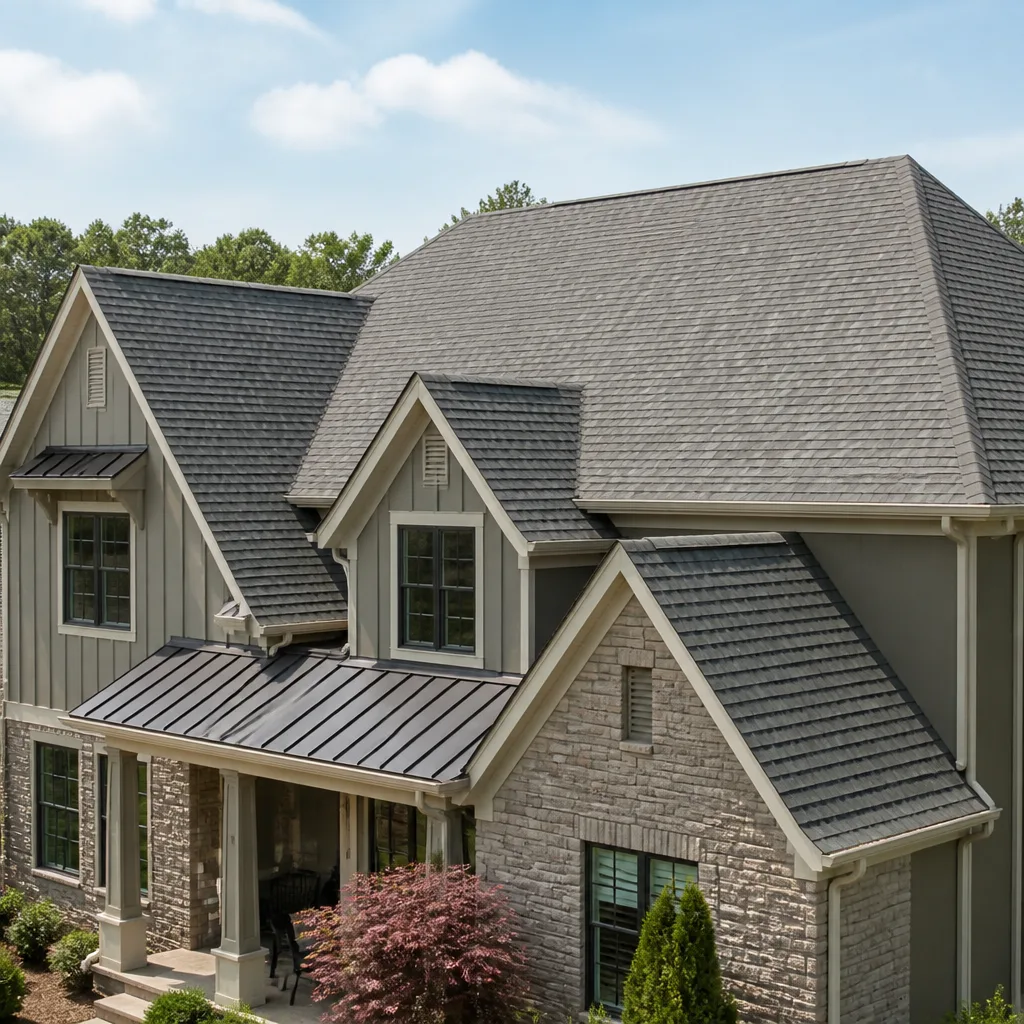
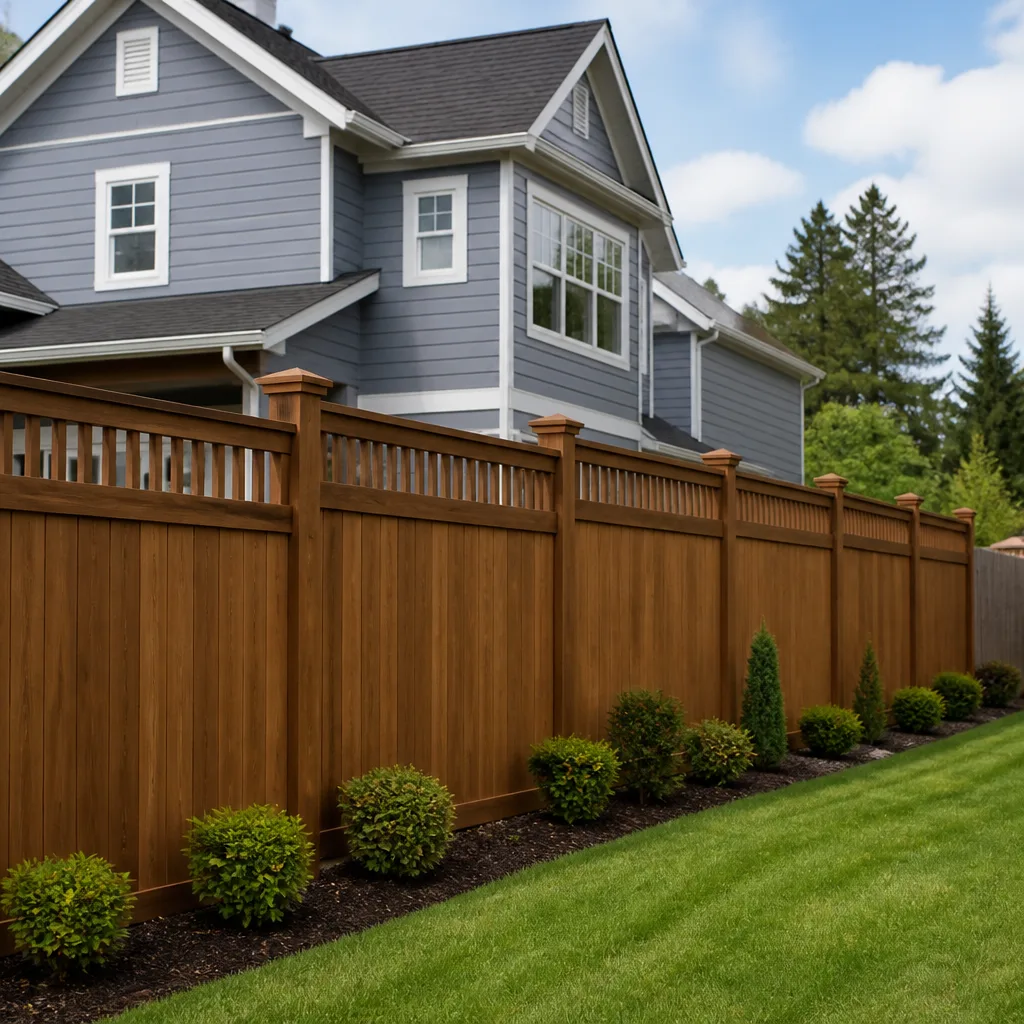
James Hardie does not sell a single “fence panel” product, which is the first thing owners need to know. What most Los Angeles fences use is HardiePlank lap siding in 5/16-inch thickness, or HardiePanel vertical siding in 5/16-inch or 7/16-inch, installed between posts or on a backing frame. The fiber cement is the same material Hardie uses for house siding, but fence applications in LA mean it is exposed on both faces, so proper sealing of cut edges matters more than it does on a wall.
The compatibility gotcha is texture and exposure. HardiePlank comes in Smooth, Select Cedarmill, and Beaded textures, each with a different shadow line. If your fence was built with Cedarmill and you patch in Smooth, the repair will catch the light differently and read as a patch for years. We measure the exposure (the visible height of each lap, usually 4, 5, 6, or 7 inches) before ordering anything. For aftermarket equivalents, we generally recommend sticking with genuine James Hardie board for fence work. The generic fiber cement boards sold at some yards in the San Fernando Valley and South LA are often a different density, which changes how they hold a fastener and how they behave in our dry-summer, wet-winter cycles. That difference shows up as nail pops and edge crumbling within two or three years.
Graham Stein has been matching Hardie textures across Los Angeles for close to two decades, and he will tell you the same thing he tells our crew: bring the old piece to the yard. Nothing beats setting the replacement board next to the original in direct sun and checking the texture before you buy the lot.
Styles & brands we work with
Signs Your James Hardie Fence Installation Is Failing
- Hairline cracks radiating from a fastener. This usually means the original installer drove nails too hard or used a fastener without enough head surface. Water gets in, the board swells, and the crack runs. In Los Angeles, the summer heat then dries the board fast enough that the crack becomes permanent.
- Bottom edge swelling or delaminating. Fiber cement wicks water like a sponge when an edge sits in contact with soil or a lawn sprinkler’s spray path. We see this on fences along parkways and in backyards with irrigation heads placed too close to the fence line. A proper installation leaves a gap and flashes or seals that bottom edge.
- Boards cupping away from the rail. This happens when only one side of the board gets sun and the other stays damp, a classic condition in Los Angeles yards where one neighbor waters heavily and the other doesn’t. Once the cup is visible, the board will not flatten on its own.
- Chalky white residue on the surface. Efflorescence means water has been moving through the board. It is not just cosmetic; it tells you the core of the panel has been getting wet repeatedly, and the board’s structural life is shortening.
- Fastener heads rusting and leaving streaks. Fiber cement is alkaline, and it will eat through standard steel fasteners over time. James Hardie specifies corrosion-resistant fasteners for a reason. If you see rust streaks below every nail or screw head, the fence was likely built with the wrong hardware and the fasteners are failing from the inside out.
See the difference
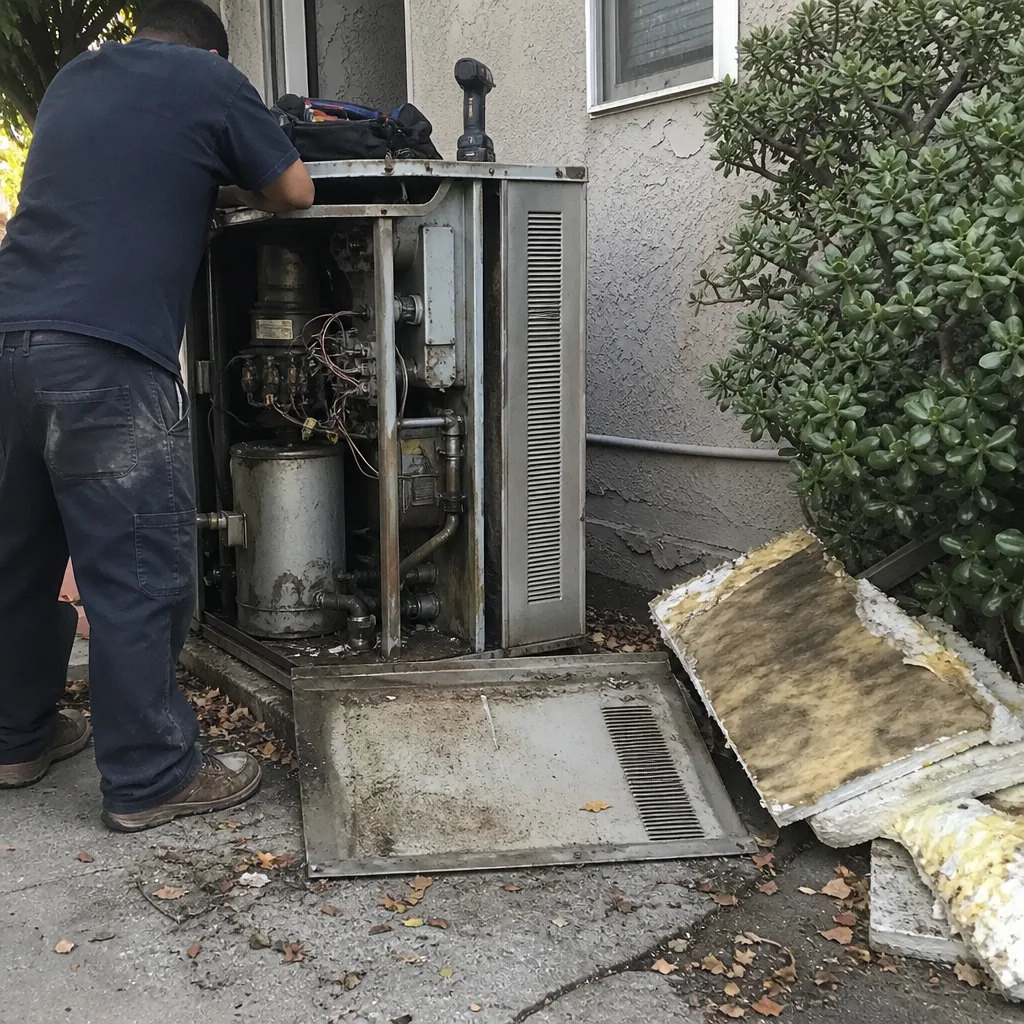 Before
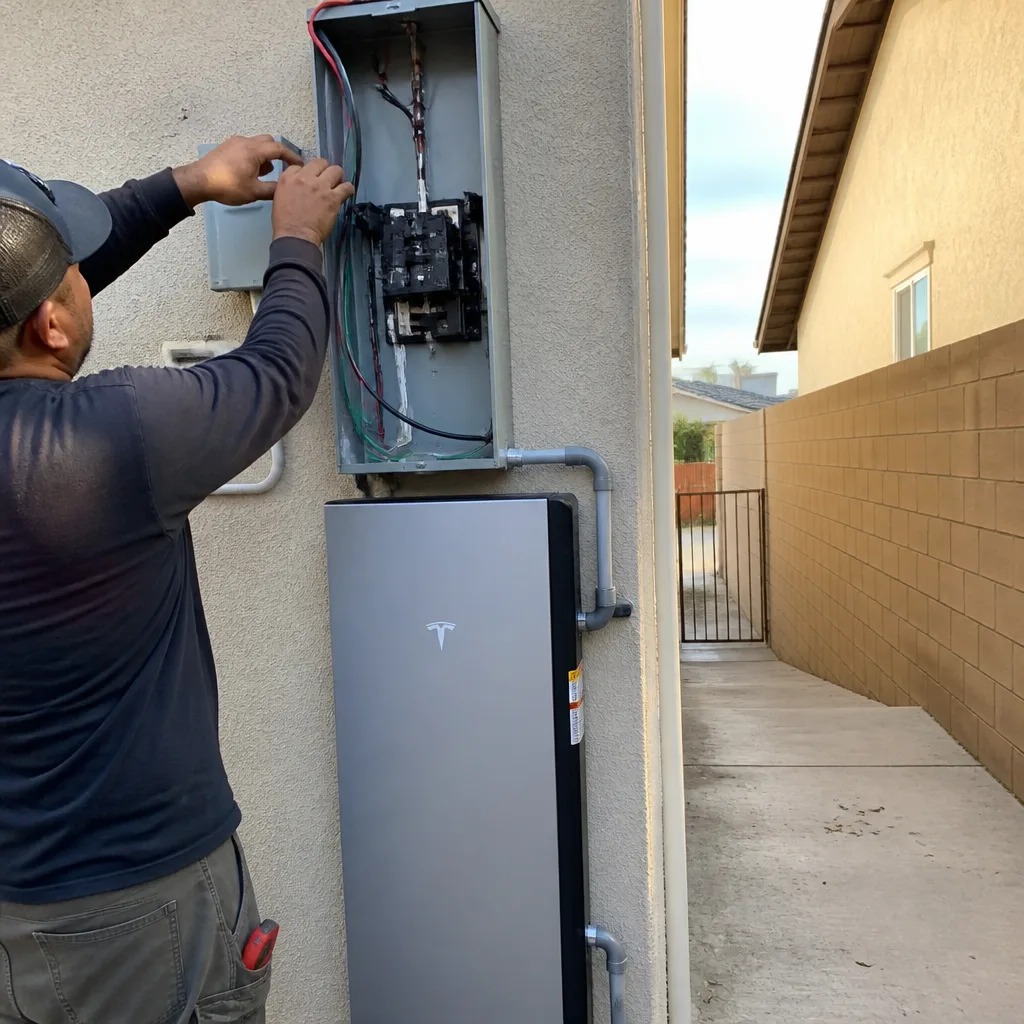 After
After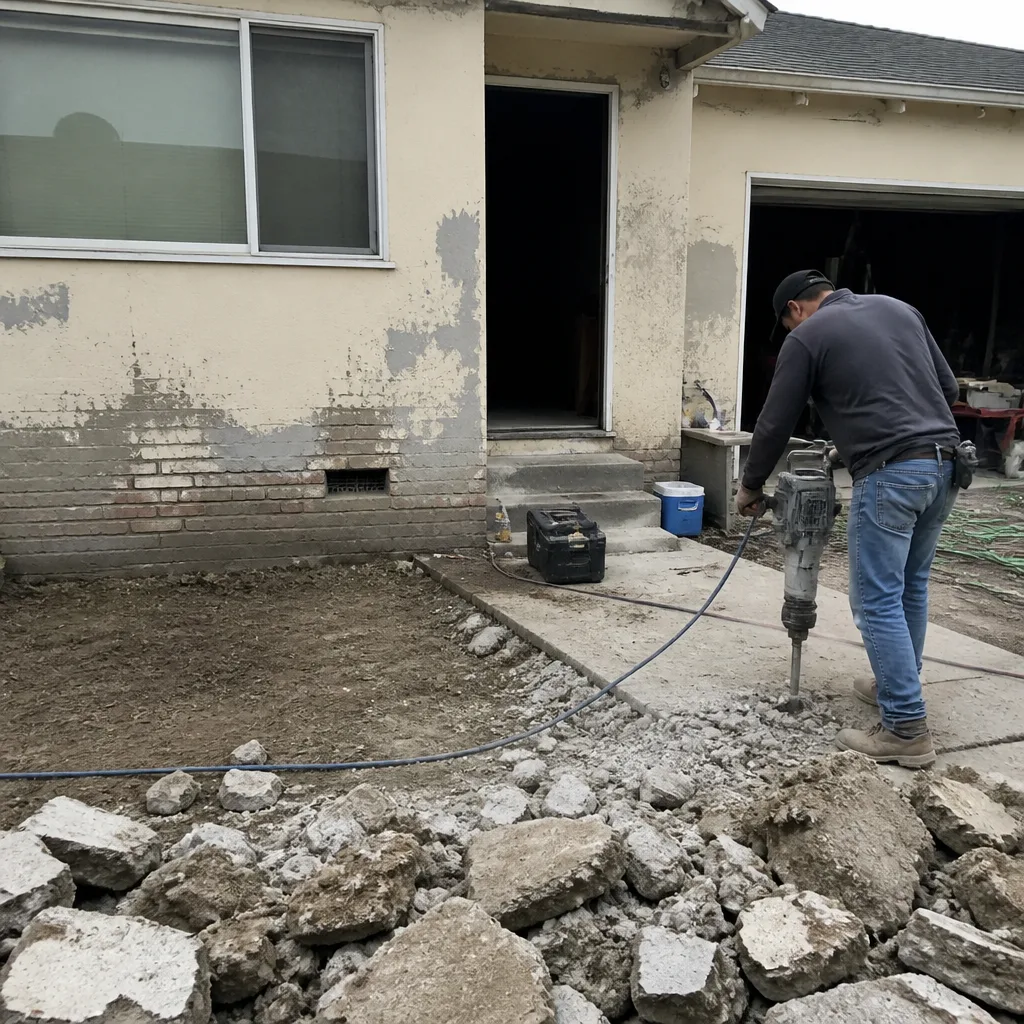 Before
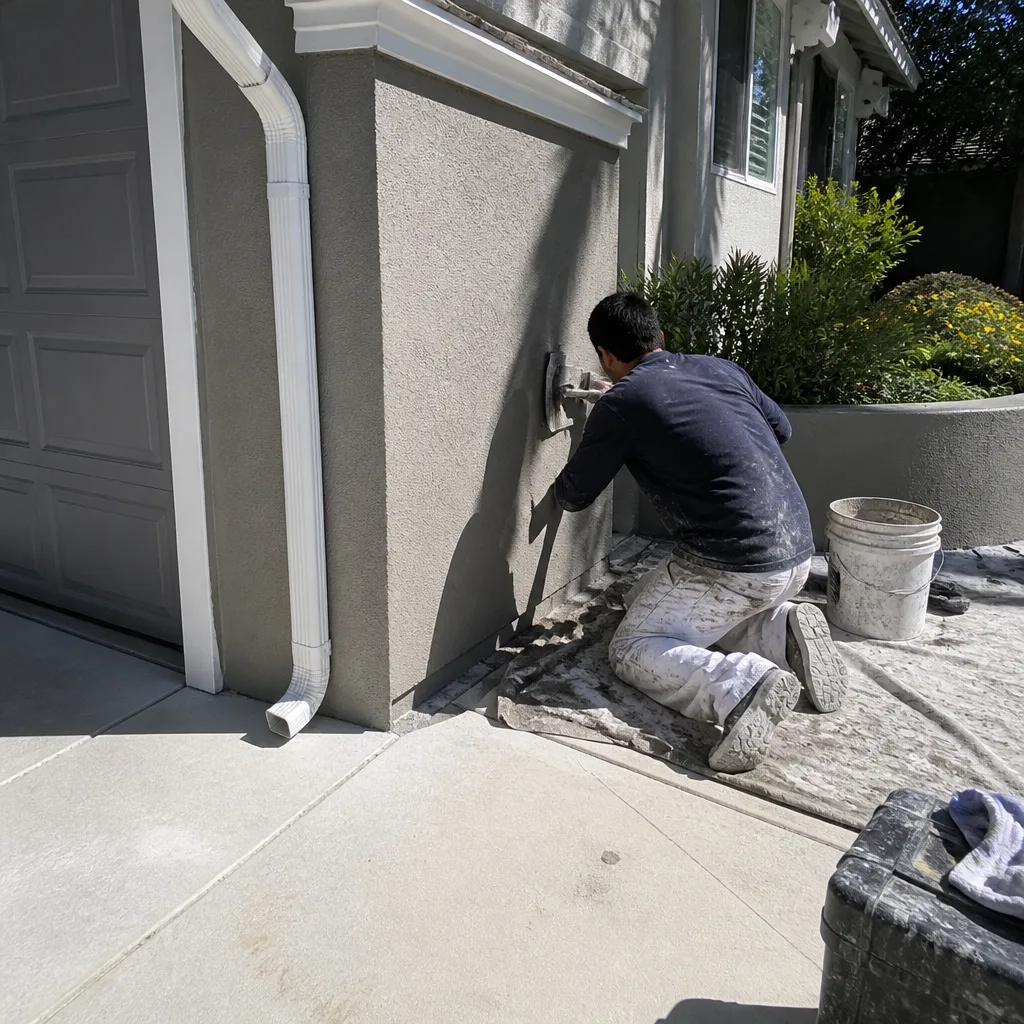 After
After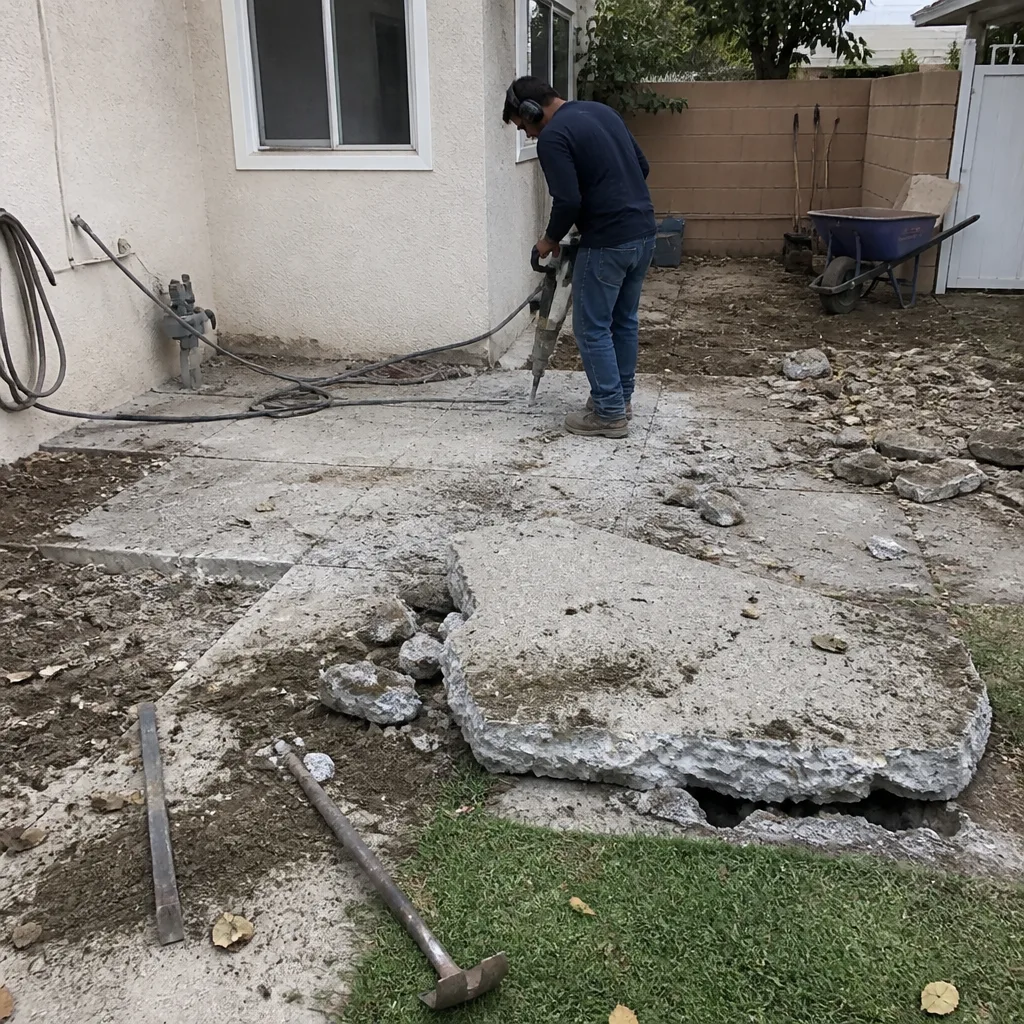 Before
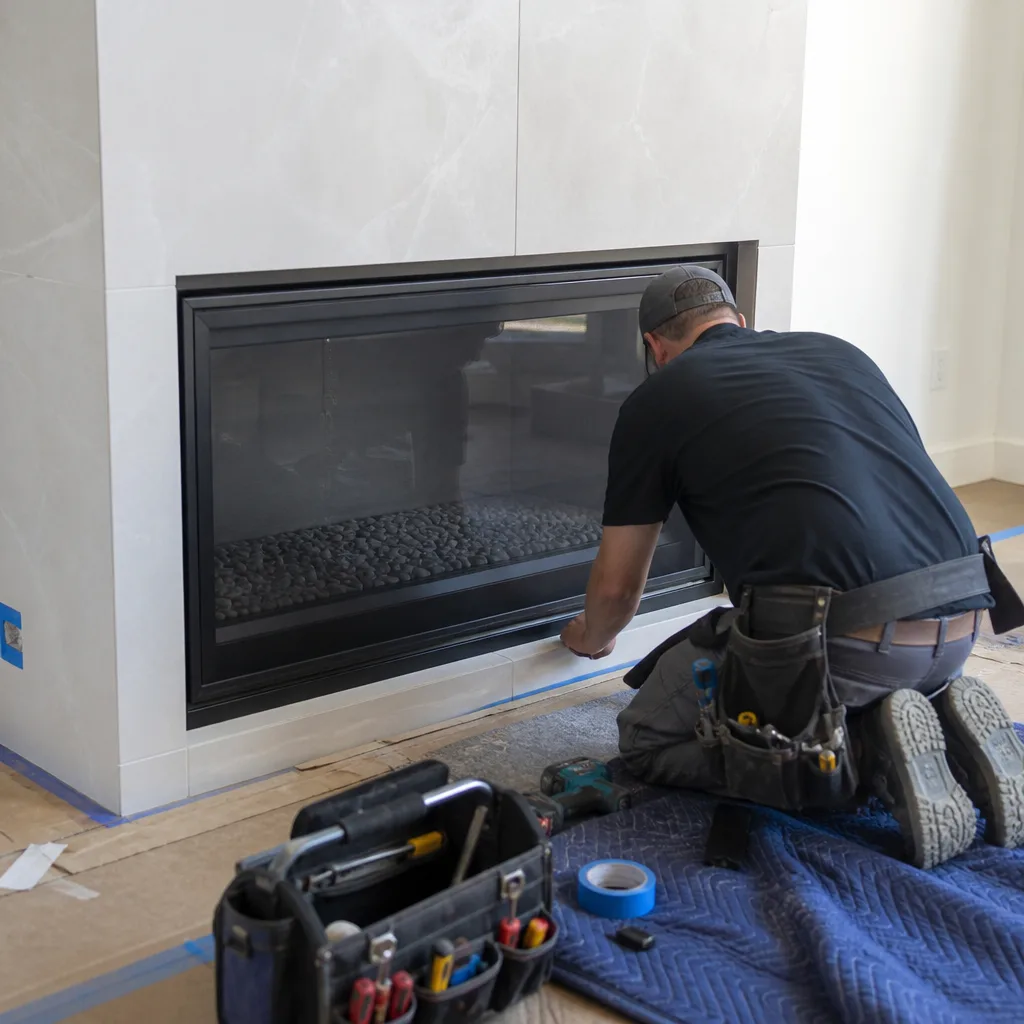 After
AfterReplacement Cost & What’s Included
For a full James Hardie fence installation in Los Angeles, most families spend between $4,130 and $10,620 depending on linear footage, fence height, access to the fence line, and whether we are working over an existing frame or setting new posts. A smaller repair, like replacing four or five failed HardiePlank laps on one section, usually falls between $945 and $2,360.
What moves the number most is the condition of the posts and rails. Hardie board does not fail in isolation very often; when a section is cracked or cupped, there is usually a framing issue behind it. If the posts are solid and we can reuse the frame, the job stays in the lower half of the range. If the posts are rotted at grade, which is common in older Los Angeles yards with clay soil that holds water, we replace them. Every quote includes the written price before any work starts, the specific James Hardie product names and quantities, the fasteners, the flashing, and haul-away of the old boards. We never hand over a price that grows after the crew arrives. The written scope is the promise; if it is not on the paper, we have not agreed to it yet.
All of our fence work is covered by the 365-Day Done Right Promise. If something we installed does not hold up the way it should within a year, we make it right.
DIY or Call Us?
Fiber cement fence board is heavy and brittle, and this is one place where a careful homeowner can still get hurt or waste money. What a homeowner can safely do is identify the failing boards, measure the lap exposure, and photograph the texture in morning light so the match is right. What goes wrong in DIY is the handling: a 12-foot HardiePlank lap weighs close to 30 pounds, and snapping one in half because you carried it flat instead of on edge is a $40 mistake that happens in seconds.
The other honest problem is the cutting. Hardie board requires a specific blade and generates silica dust that should not be inhaled without proper respiratory protection. We use HEPA-equipped saws and wet-cutting methods where we can. If you are comfortable replacing one or two boards on a short fence, go ahead with the right gear. If the posts are moving, the frame is suspect, or the damage runs more than a section, call us at (949) 850-9896 and we will come measure it. Estimates are free.
FAQs
A properly installed James Hardie fence in Los Angeles lasts 20 to 30 years, though the bottom edge will need attention before the rest of the fence if it sits near sprinkler overspray or soil contact. The material itself does not rot, but poor drainage and unsealed edges shorten the life significantly. Call (949) 850-9896 if you want us to look at yours and give you an honest read.
Minor hairline cracks can be sealed with a high-quality exterior caulk and repainted, but any crack that runs to a fastener or shows board movement means the panel has lost its structural connection and should be replaced. Patching a board that is already cupping will not stop the movement. For an exact assessment, call us and we will tell you what is salvageable and what is not.
Most single-section replacements take a crew a half day to a full day, including cutting, fastening, sealing cut edges, and cleaning up the work area. A full fence with new posts typically runs two to four days in Los Angeles, depending on access and how much demolition is involved.
We keep the most common James Hardie textures and exposures on hand in our Los Angeles inventory, including Smooth and Cedarmill 5/16-inch lap in 4-inch and 6-inch exposures, along with matching trim. Less common textures like Beaded or the 7/16-inch HardiePanel are ordered per job and usually arrive within a few business days. We also work with KraftMaid, Cambria, and Silestone for kitchen and bath projects when a fence repair turns into a bigger conversation about the house.
Written by Graham Stein, Owner, Elmstead Remodeling at Elmstead Remodeling, serving Los Angeles and nearby areas.