
Free written scope consultation - allowances, timeline, and change-order rules on paper before a single trade is scheduled
Owens Corning Kitchen Remodeling: The Los Angeles Owner’s Guide
Owens Corning kitchen remodeling in Los Angeles typically runs $16,520 to $53,100 for a full kitchen, and we stock and install Owens Corning-compatible components on most kitchen projects we take on. If you’re here because a specific Owens Corning product in your kitchen has failed, a cabinet pull has stripped, a countertop seam has opened, or an underlayment has delaminated, you’re in the right place. Most Los Angeles homeowners discover the failure when a drawer sticks mid-morning or a countertop edge catches a sponge, and by then the fix is usually small if it’s caught early.
We’re Elmstead Remodeling, and we’re an independent remodeling contractor. We’re not affiliated with Owens Corning, but we work with Owens Corning-compatible materials weekly across Los Angeles kitchens, from Silver Lake to Sherman Oaks to Torrance. Graham Stein, our owner, got his start at Los Angeles Trade-Technical College learning framing and finish work, and he’s been matching parts to kitchens across this city for going on two decades. What we’ve learned is that the part number matters less than the measurement, and a careful eye at the start saves a return trip.
Which Owens Corning Models This Applies To
Owens Corning’s footprint in kitchens is broader than most Los Angeles homeowners realize. The brand is best known for insulation and roofing, but Owens Corning also manufactures acoustic underlayments, structural sheathing, and moisture-barrier products that sit beneath tile, under cabinets, and behind backsplashes. The compatibility question usually isn’t about a “model number” in the way an appliance has one. It’s about the product line: Owens Corning Foamular rigid insulation comes in R-5, R-7.5, R-10, and R-15 thicknesses, and the wrong one under a kitchen floor changes the finished height of the entire room. Owens Corning QuietZone acoustic batt shown behind a wall cavity behaves differently than the duct liner version, and we match by application rather than by guess.
When a homeowner hands us a partial label or a faded product stamp, we start with measurements. Foamular board is pink and marked along the edge with the R-value and thickness. The moisture-barrier products are usually film-faced and stamped with a product code that starts with a letter and two digits. If you can’t find a label, don’t worry. We match by what’s installed, not by what the sticker says. For counters and finishes, the Owens Corning role is usually as a substrate: what sits under the Cambria, Silestone, or Caesarstone surface. The gotcha we see most often in Los Angeles kitchens is a previous installer using the wrong-rated underlayment for a wet zone, then the failure shows up two years later as a seam lifting or a tile crack. We stock the common Owens Corning-compatible underlayment thicknesses on our trucks, so a parts match is usually same-visit, not a week of waiting.
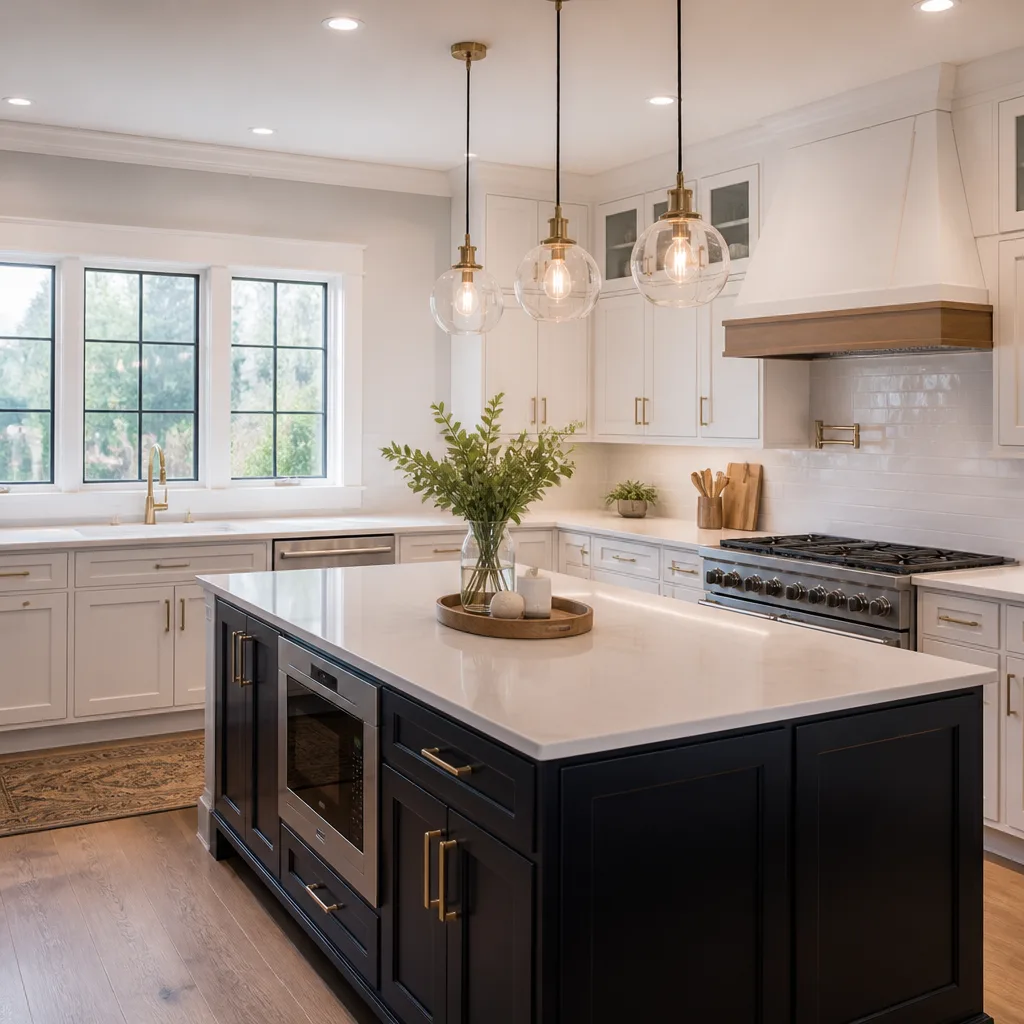
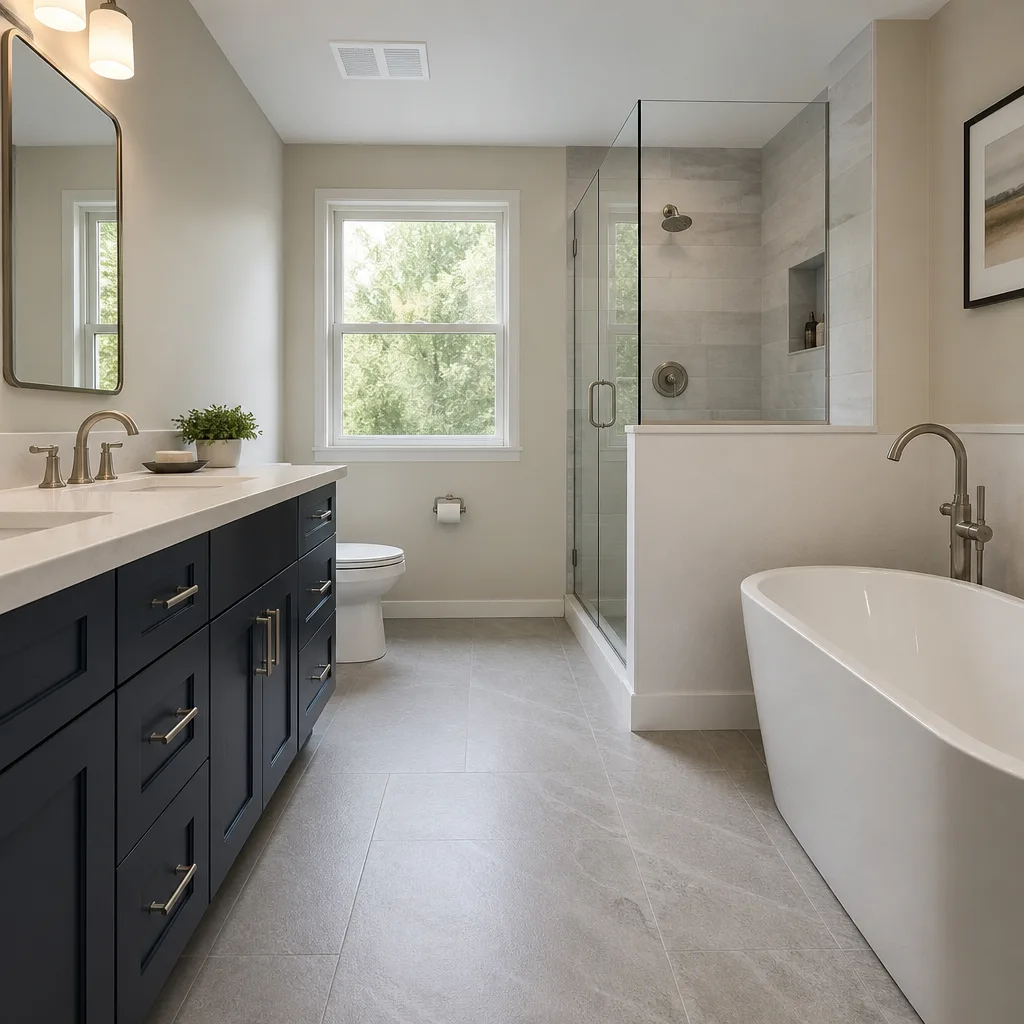
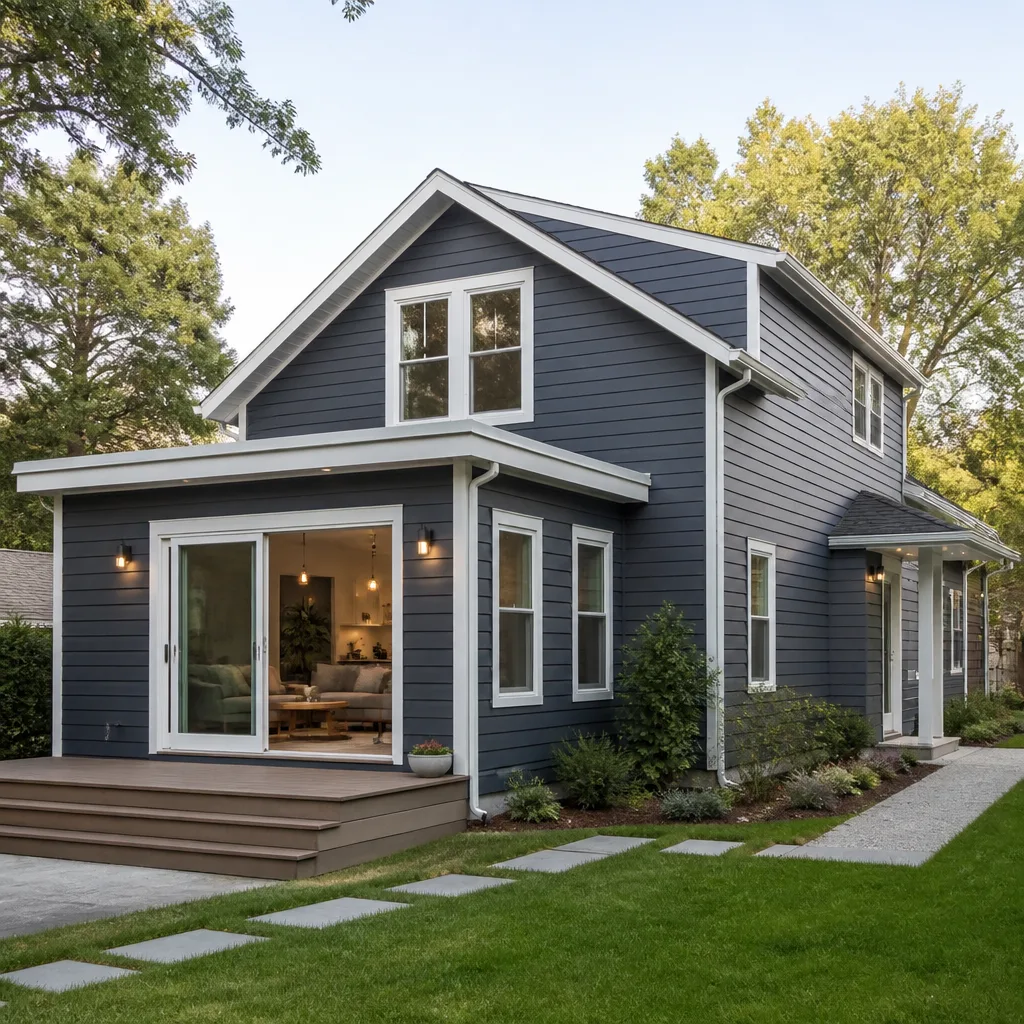
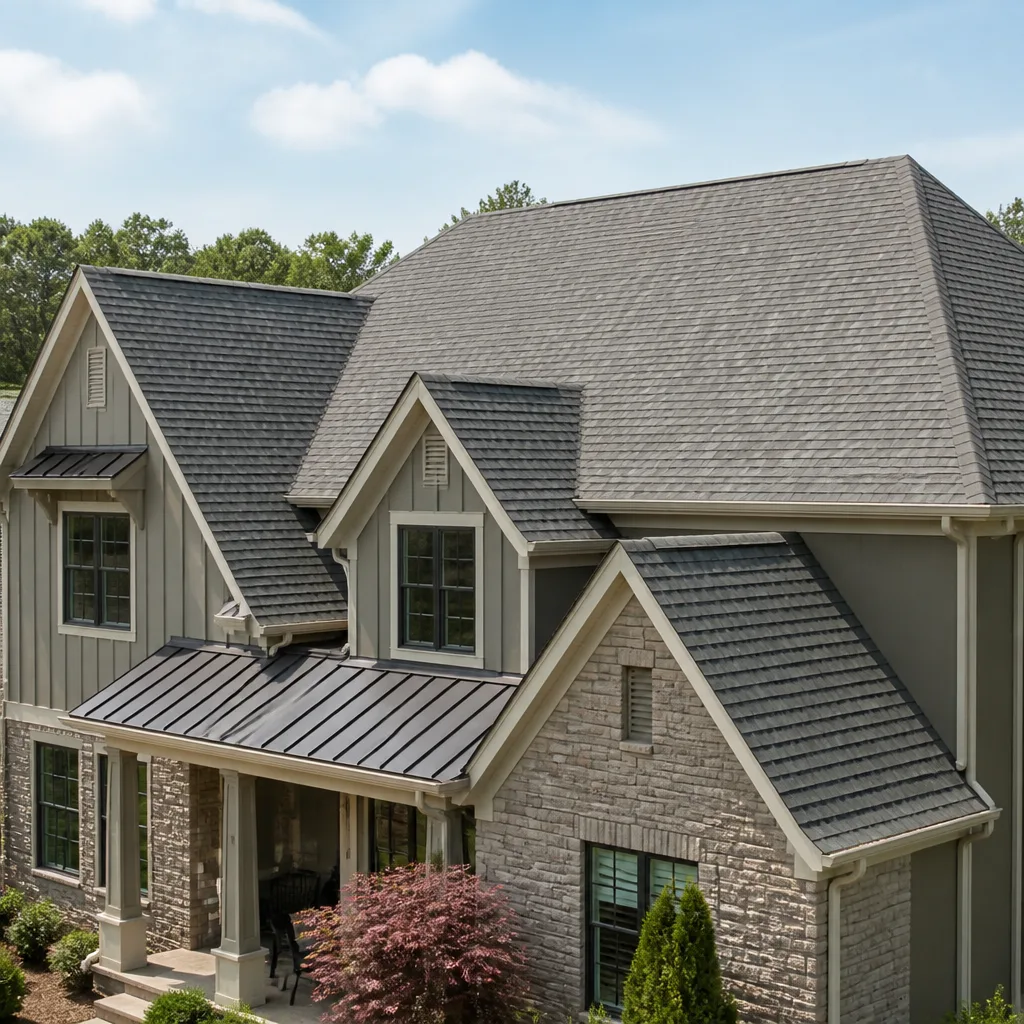
Styles & brands we work with

Signs Your Owens Corning Kitchen Remodeling Is Failing
- Visible gaps at countertop seams. The sealant has failed or the underlayment beneath the counter has compressed, which is common in Los Angeles homes where temperature swings between inland heat and coastal marine air put daily stress on the seam. The fix is usually a re-seal and re-level, not a full counter replacement.
- Cabinet drawers or doors that suddenly stick. Moisture absorption in the under-cabinet insulation or sheathing can push cabinets out of square by as little as an eighth of an inch. That’s enough to make a drawer bind in a West Adams kitchen that was fine last month.
- A floor that sounds hollow underfoot. Owens Corning products under tile rely on full contact with the substrate. If the board was installed over a void or an uneven slab in an older Los Angeles house, you’ll hear a dead spot when you tap it, and that void will eventually let the tile crack.
- Musty odor inside lower cabinets. A failed moisture barrier behind a sink base or under a dishwasher lets damp air collect where you can’t see it. In Los Angeles, this shows up in kitchens that run the dishwasher daily and don’t open the cabinet doors afterward.
- Tile cracks running parallel to a wall. The most common cause we see in Los Angeles is a subfloor or underlayment that’s moving because the edges weren’t gapped properly during installation. The crack is the symptom, not the problem.
The written scope is the promise – if it is not on the paper, we have not agreed to it yet. That’s Graham’s rule for every job, because the failure you can see is rarely the only one present. We look for the cause, name it, and put the cost on paper before any work starts.
See the difference
 Before
 After
After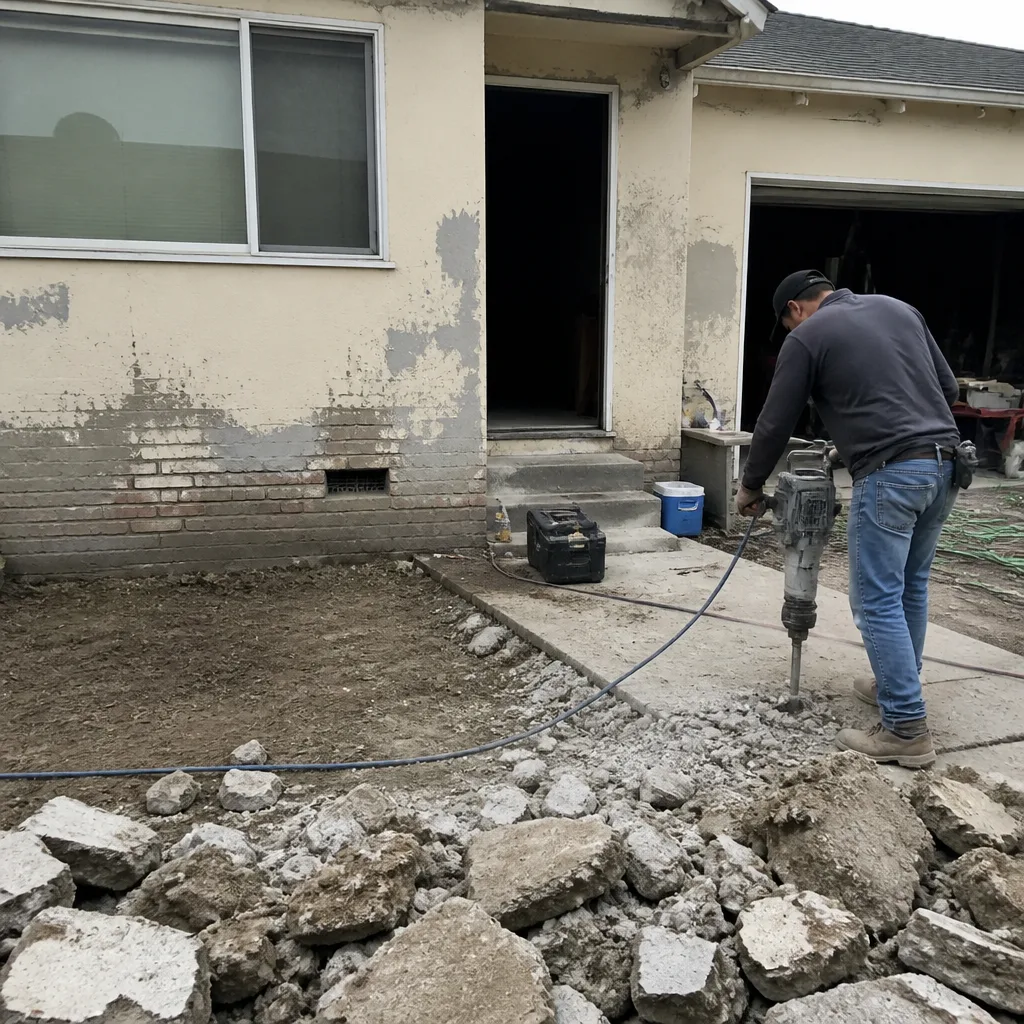 Before
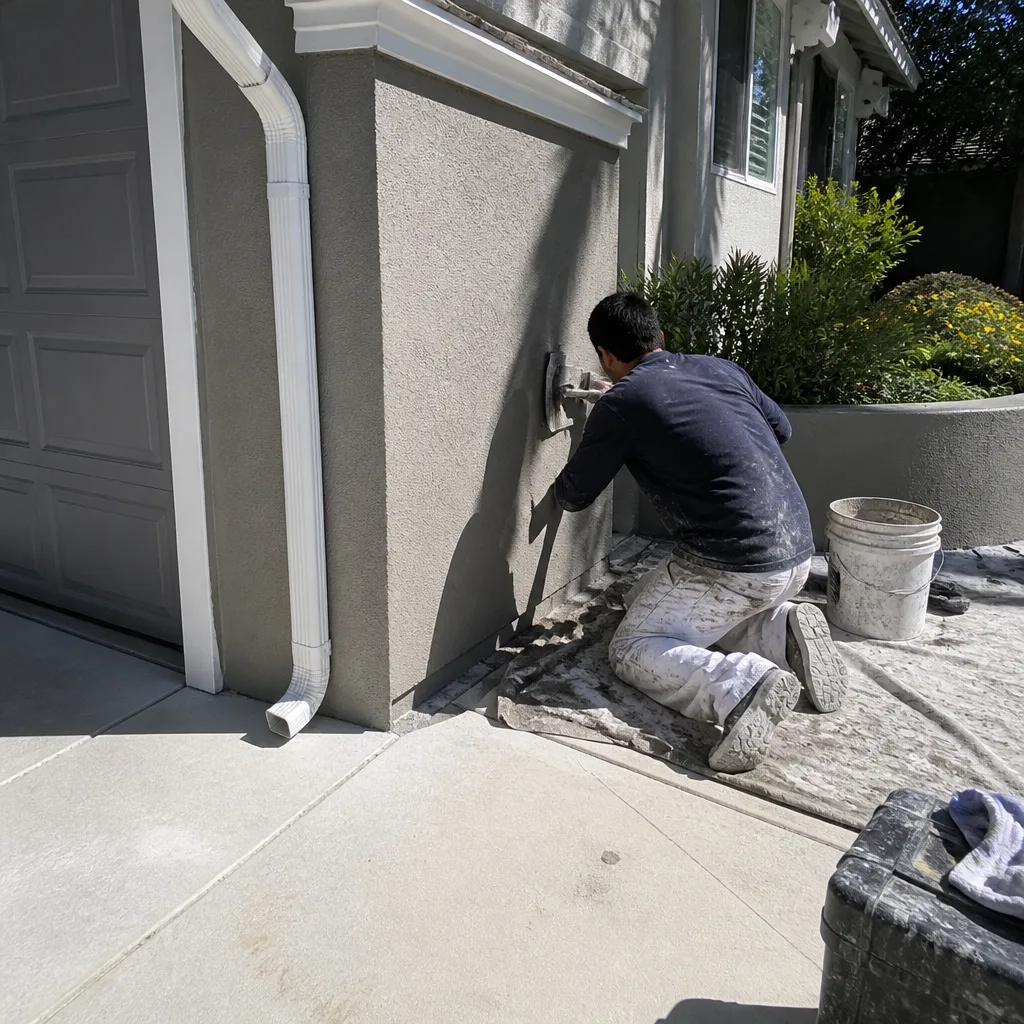 After
After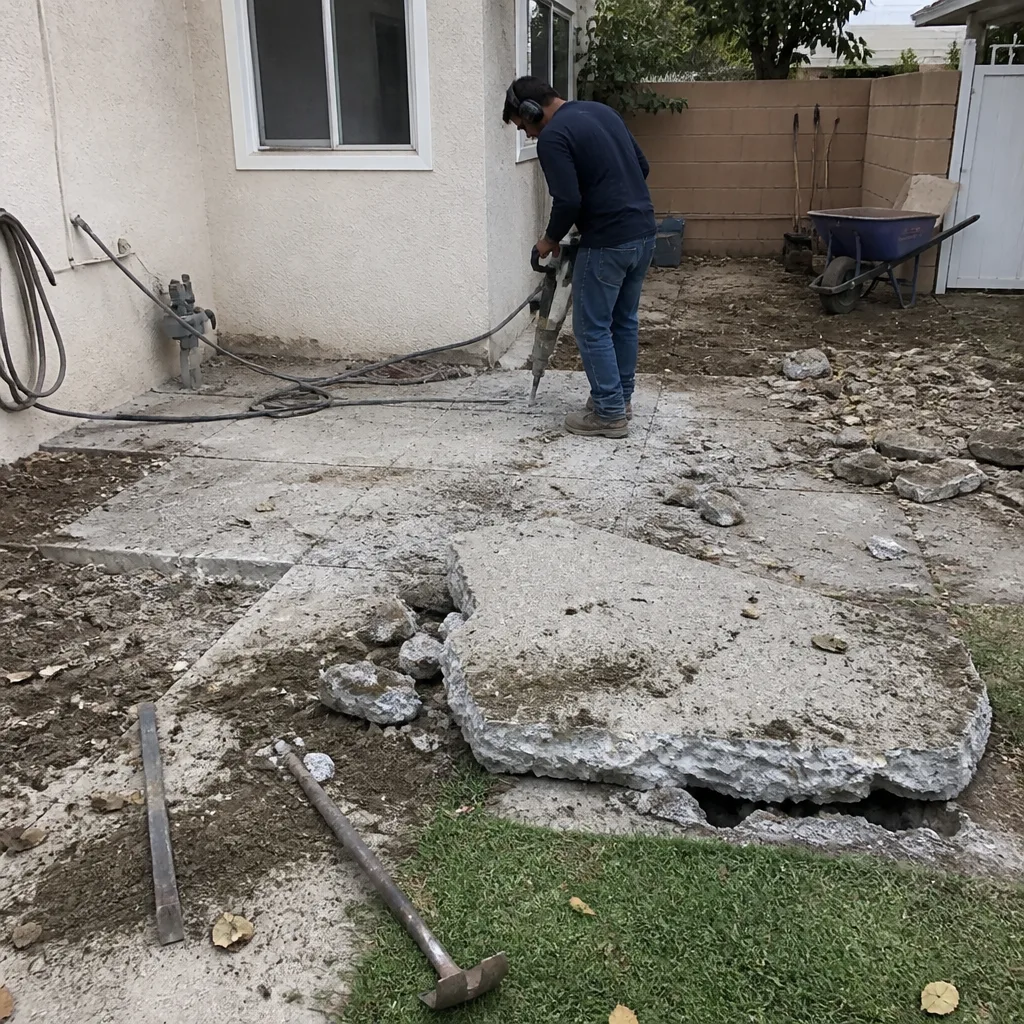 Before
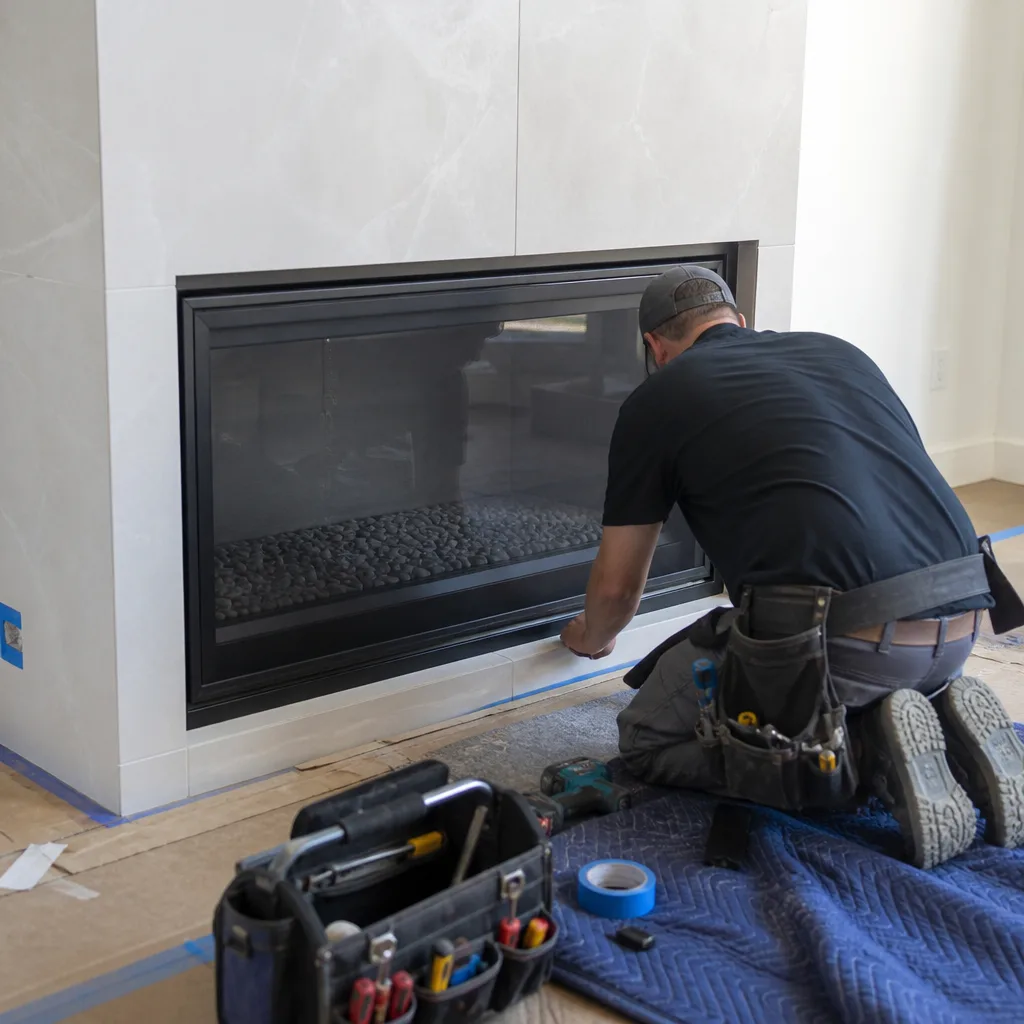 After
AfterReplacement Cost & What’s Included
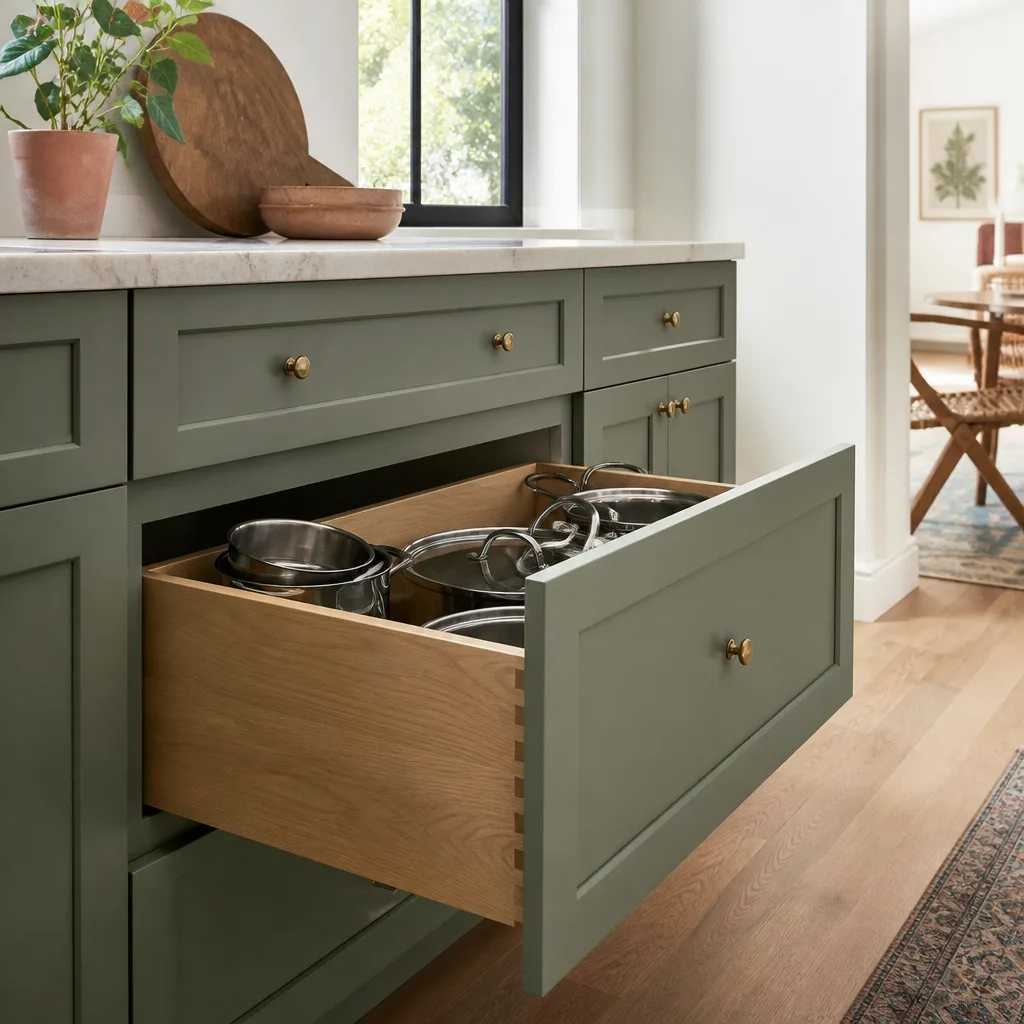
A full Owens Corning-compatible kitchen remodel in Los Angeles runs $16,520 to $53,100 depending on the kitchen’s size, the extent of substrate repair, and the surface materials you choose. If the failure is isolated to one section of underlayment or one counter seam, you’re looking at a much smaller line item inside a larger project or a standalone repair. We write the line-item price before work begins, and the number doesn’t move after the crew arrives. That’s the Elmstead approach: the written price is given on every project, every time.
Here’s how the range breaks down across the kitchen work we do in Los Angeles:
- Small kitchen remodel: $10,620 – $23,600
- Full kitchen remodel: $16,520 – $53,100
- Cabinet installation: $4,720 – $15,340
- Countertop installation: $2,360 – $7,670
- Backsplash installation: $945 – $2,950
- Kitchen island installation: $3,540 – $11,800
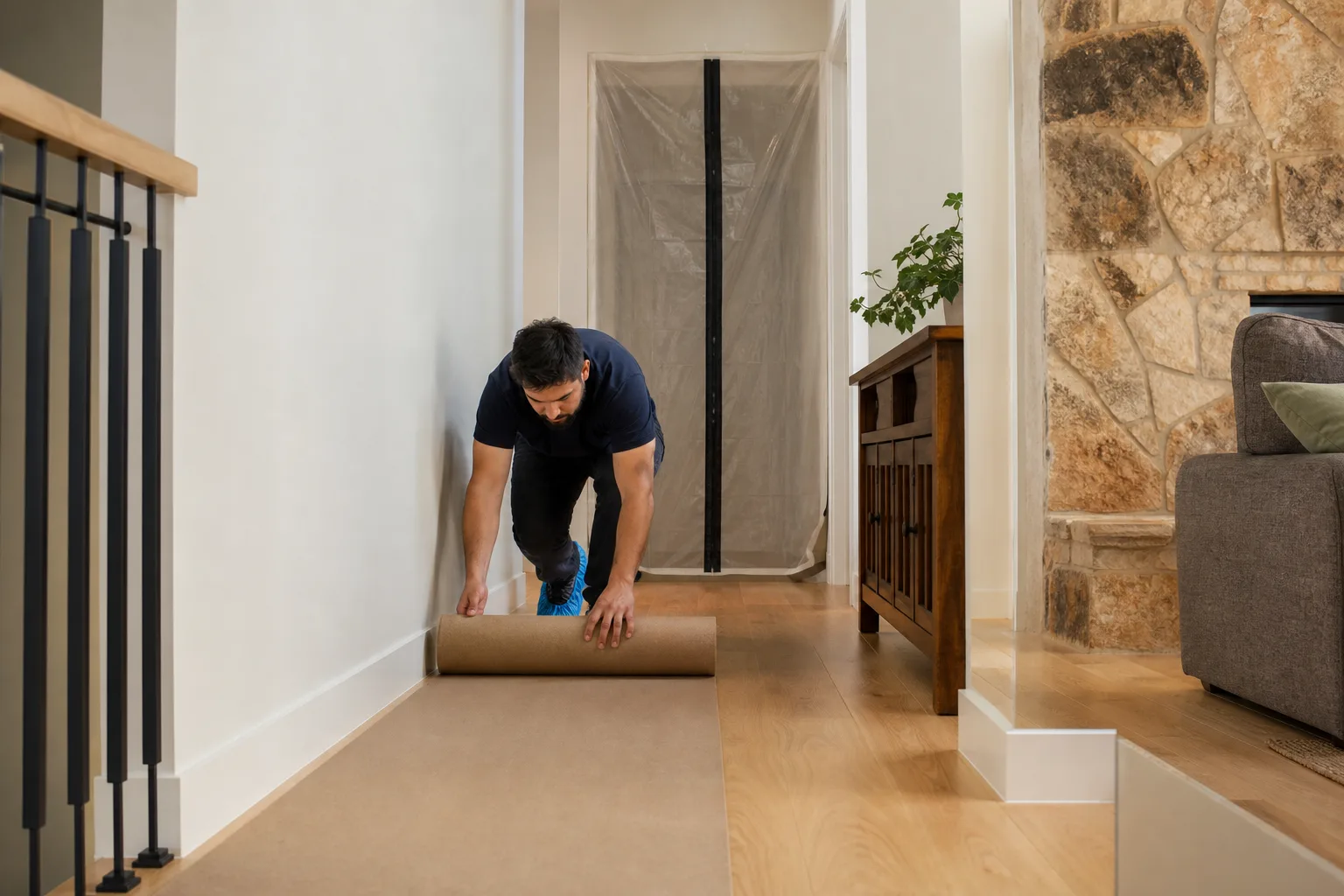
Every price includes shoe covers and drop cloths inside the house, the photo of the clean-up before the crew leaves, and the 365-Day Done Right Promise. If something isn’t right after the job is complete, we make it right. Named-brand materials from KraftMaid, Cambria, Silestone, and others carry their own manufacturer warranties that travel with the finished project.
DIY or Call Us?
There are checks a homeowner can safely do, and then there are things that should be left alone. You can look under the sink for moisture staining, tap the floor to find hollow spots, and slide a straightedge across a counter to see if it’s level. Those are safe, useful observations. What you shouldn’t do is pull up tile, cut into a cabinet base, or try to shim an underlayment from below without understanding how the load path works in your specific kitchen. Owens Corning products are structural, not cosmetic. If a board or barrier is moved incorrectly, you can create a new failure that costs more than the original repair, and in a Los Angeles home with slab-on-grade construction, you might also be dealing with moisture that needs correct detailing rather than a patch.
If you’ve found the failed part and you want it matched and installed correctly, call (949) 850-9896. We’ll put together a written price and walk you through exactly what’s involved, including which Kitchen or bath products we’d spec for the fix.
FAQs
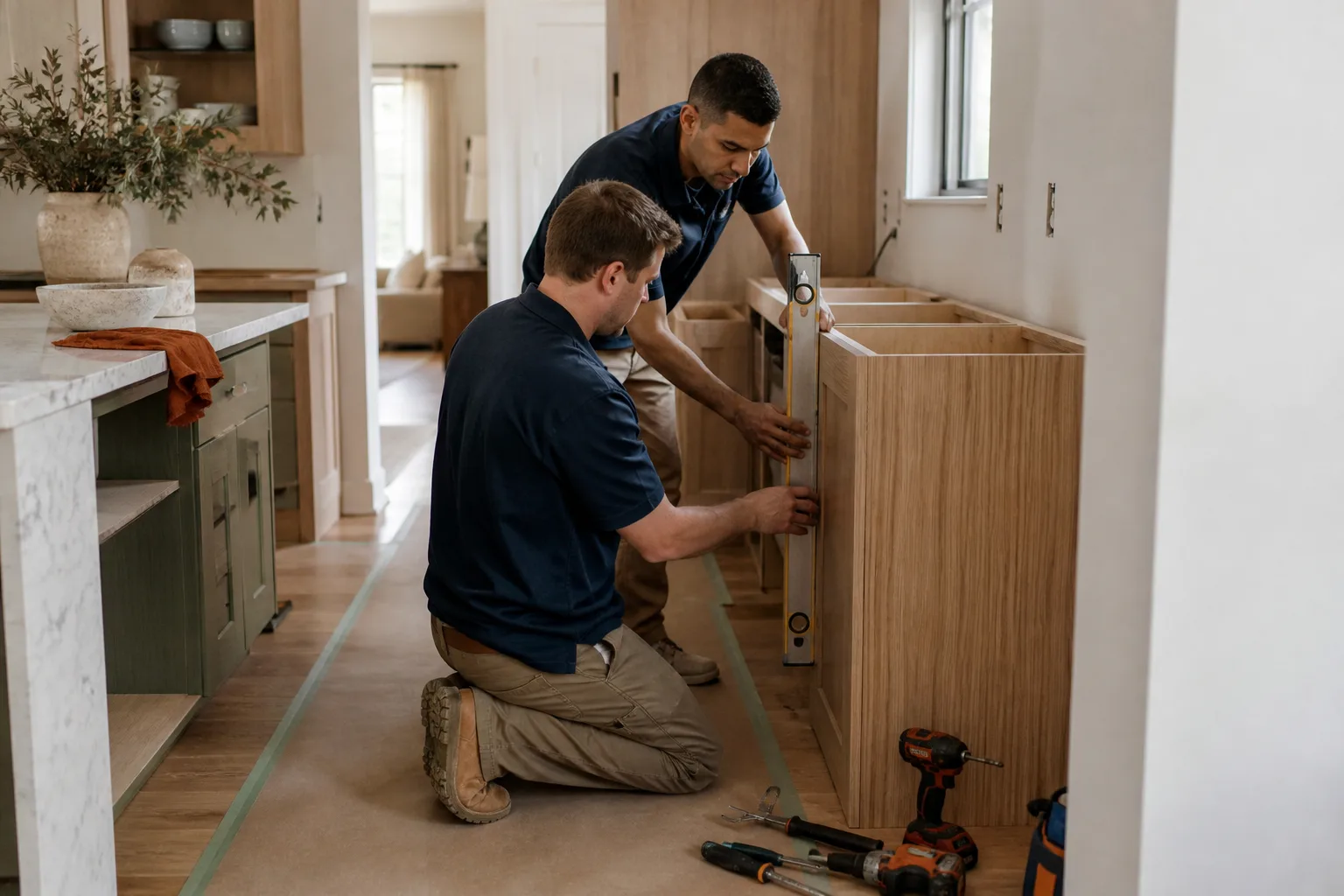
Owens Corning-compatible substrates and underlayments in Los Angeles kitchens last 20 to 30 years when installed with proper moisture management. The Los Angeles-specific variable is humidity cycling: coastal kitchens in Venice and Playa del Rey see more moisture exposure than a Riverside-adjacent kitchen, even though both are “Los Angeles,” so we spec slightly different barrier details depending on the microclimate. Call (949) 850-9896 for a site-specific answer.
Yes, in many cases. A lifted counter seam can be re-sealed, a hollow spot under tile can sometimes be injection-filled if it’s caught early, and a cabinet pull can be re-anchored. Replacement becomes the right call when the substrate has compressed, the moisture barrier has failed along a run, or the current part is no longer manufactured and a compatible match is the only path. We’ll tell you which situation you’re in before we quote anything.
A single counter seam re-level and re-seal is usually a one-day job. A section of failed underlayment under tile typically runs two to three days because the tile above it has to come out, the board gets replaced, and the surface gets re-set. A full kitchen remodel in Los Angeles runs three to six weeks depending on scope. We’ll give you a timeline on paper with the written price.
We stock the common Owens Corning-compatible underlayment thicknesses and moisture-barrier products on our trucks, so a parts match is often same-visit. For less common product lines, we source through our Los Angeles supplier network, which typically adds two to four business days. If we don’t have it, we’ll tell you at the estimate, not after the counter has been pulled.
Written by Graham Stein, Owner, Elmstead Remodeling at Elmstead Remodeling, serving Los Angeles and nearby areas.