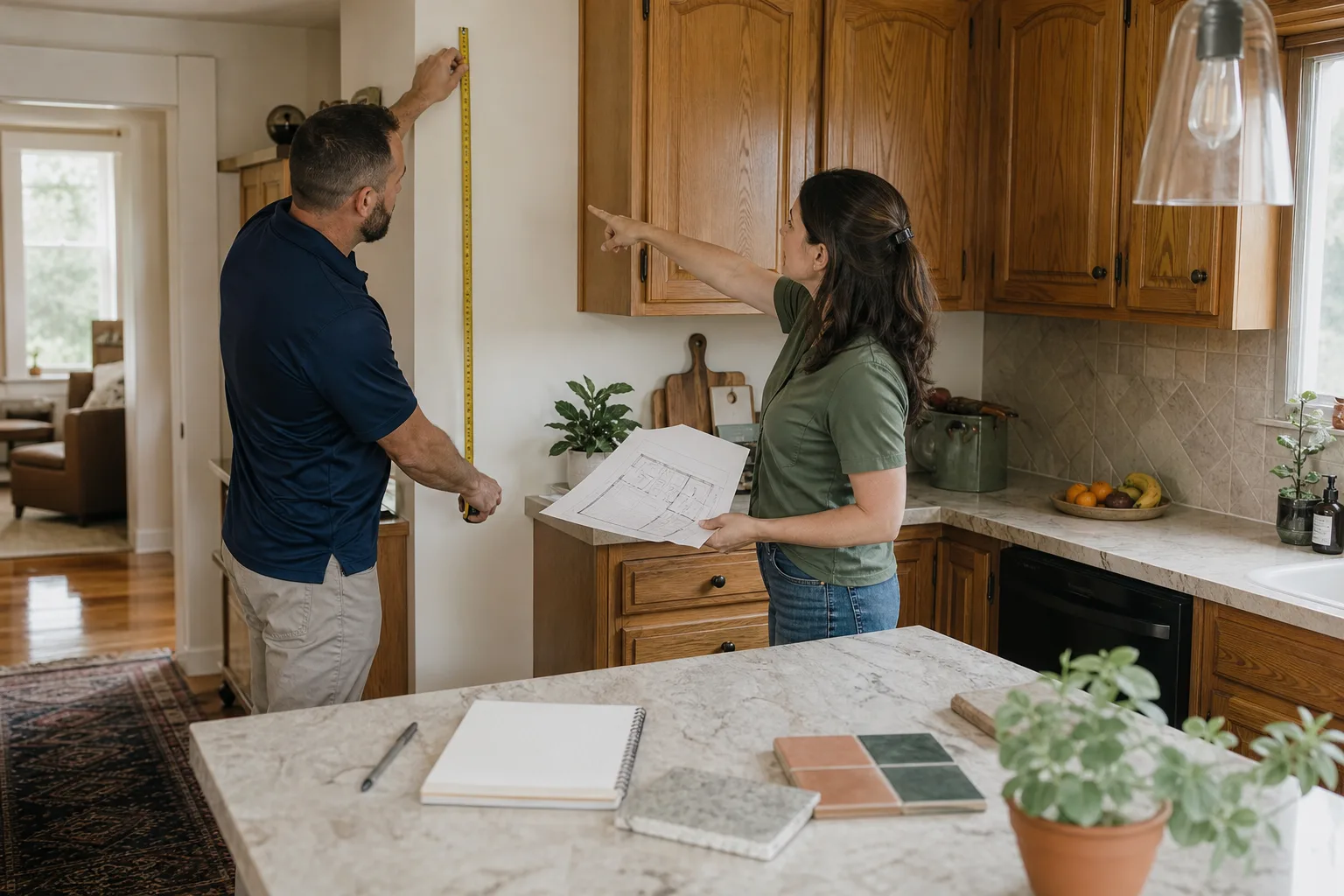






Free written scope consultation - allowances, timeline, and change-order rules on paper before a single trade is scheduled
PGT Roofing: The Los Angeles Owner’s Guide
We stock and install PGT-compatible roofing components across Los Angeles, with most parts matched and installed for $470 – $2,125 depending on what failed and how much roof access is involved. Owners usually find the problem the same way: a water stain on the ceiling after the first real rain, or a granule trail in the gutter after a Santa Ana wind event. By the time it’s visible inside the house, the failing component has often been quietly letting moisture through for weeks. We’re an independent contractor, not affiliated with PGT, but we’ve worked with their product lines long enough to know what fails first in Southern California’s sun-and-wind climate and what it takes to fix it properly the first time.
Which PGT Models This Applies To
PGT’s roofing product line covers a range of residential and light-commercial profiles, and the compatibility question usually comes down to which generation of fastener or flashing the roof was originally built with. The critical identifier is the stamped code on the underside of the flashing or the raised lettering on the vent collar. Where that’s worn away, we measure throat width and flange depth against the original PGT spec sheets, because some early 2000s PGT flashing profiles won’t accept current-generation replacement collars without a transition ring. For older roofs, a quality aftermarket equivalent is often the honest recommendation: the original part is discontinued, the modern PGT part won’t seat correctly, and a correctly-specified aftermarket flashing from a manufacturer we can name and warranty does the job without forcing an incompatible fit. The decision is always made with the part in hand, not from a catalog photo. We also stock or order replacement parts for KraftMaid, Cambria, and Silestone lines when a project crosses from exterior into kitchen or bath work.
Styles & brands we work with

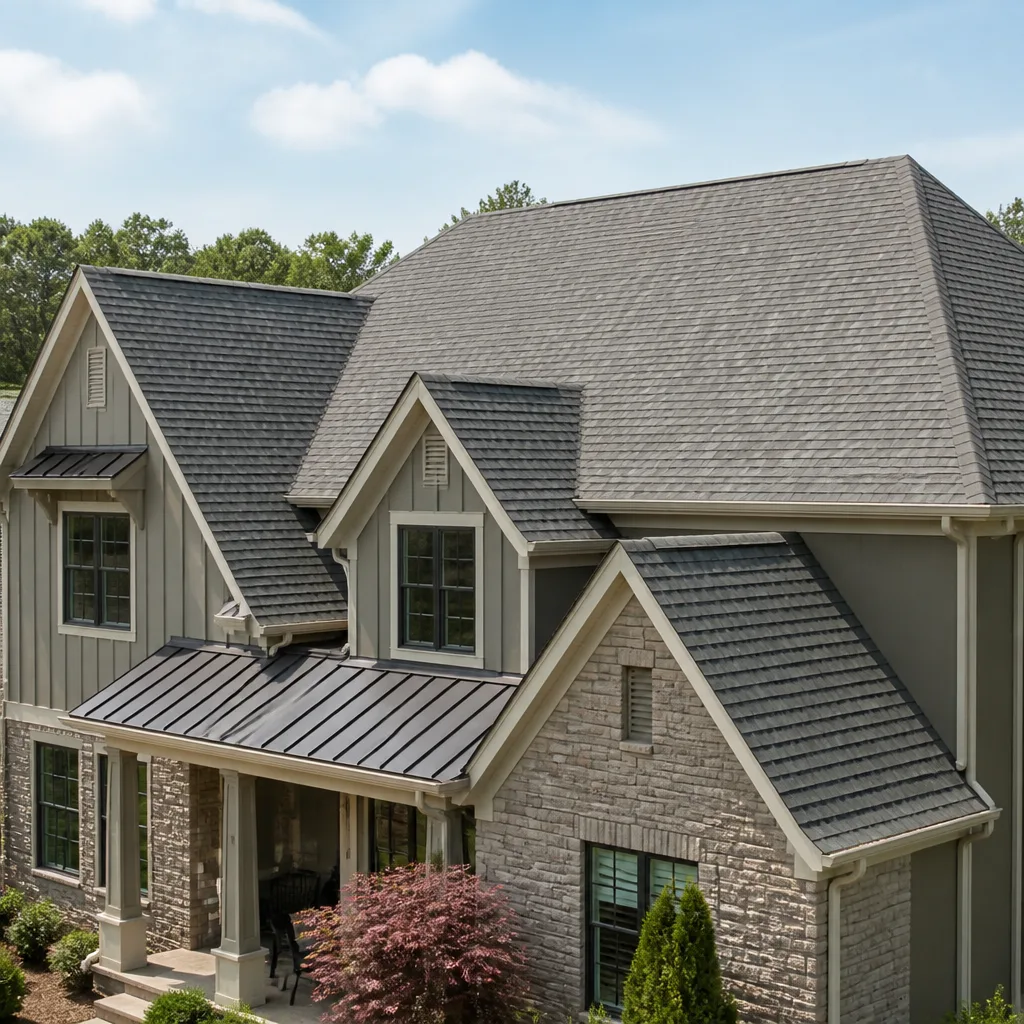

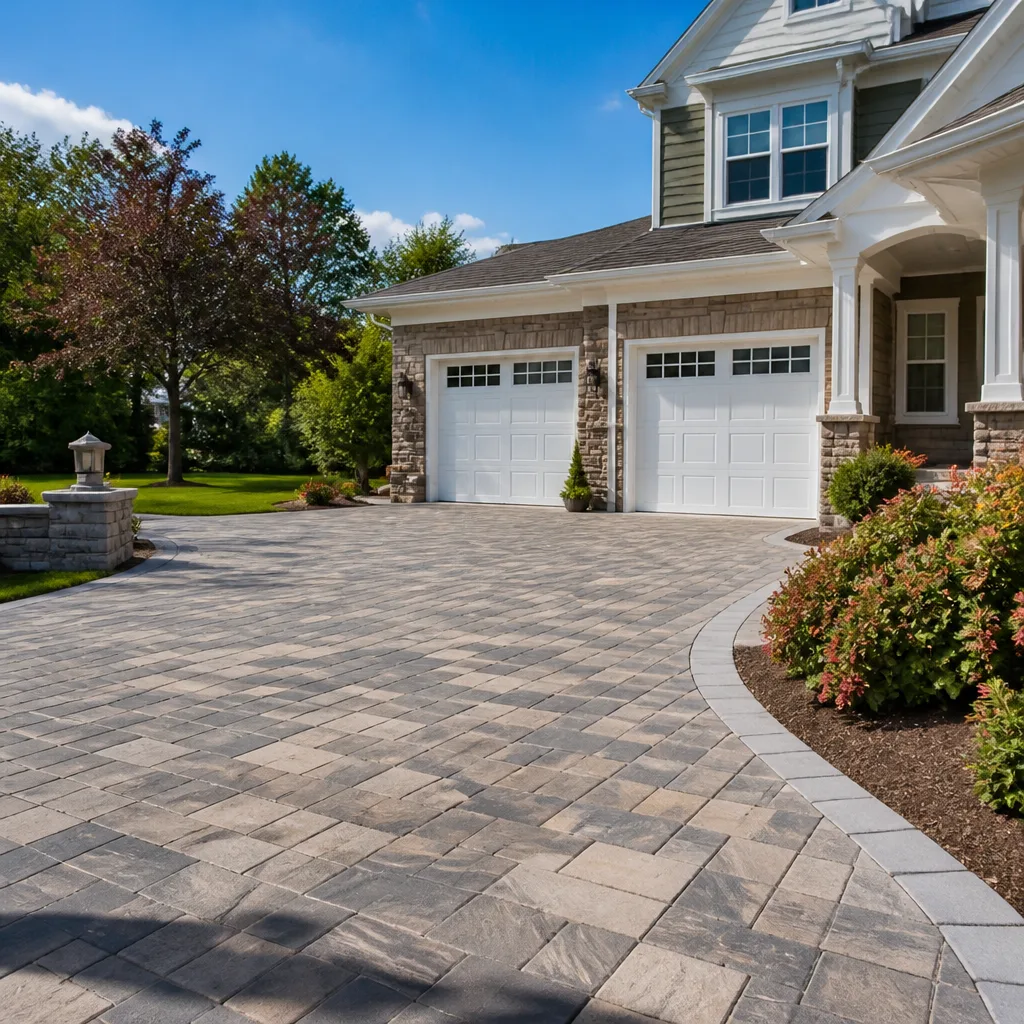
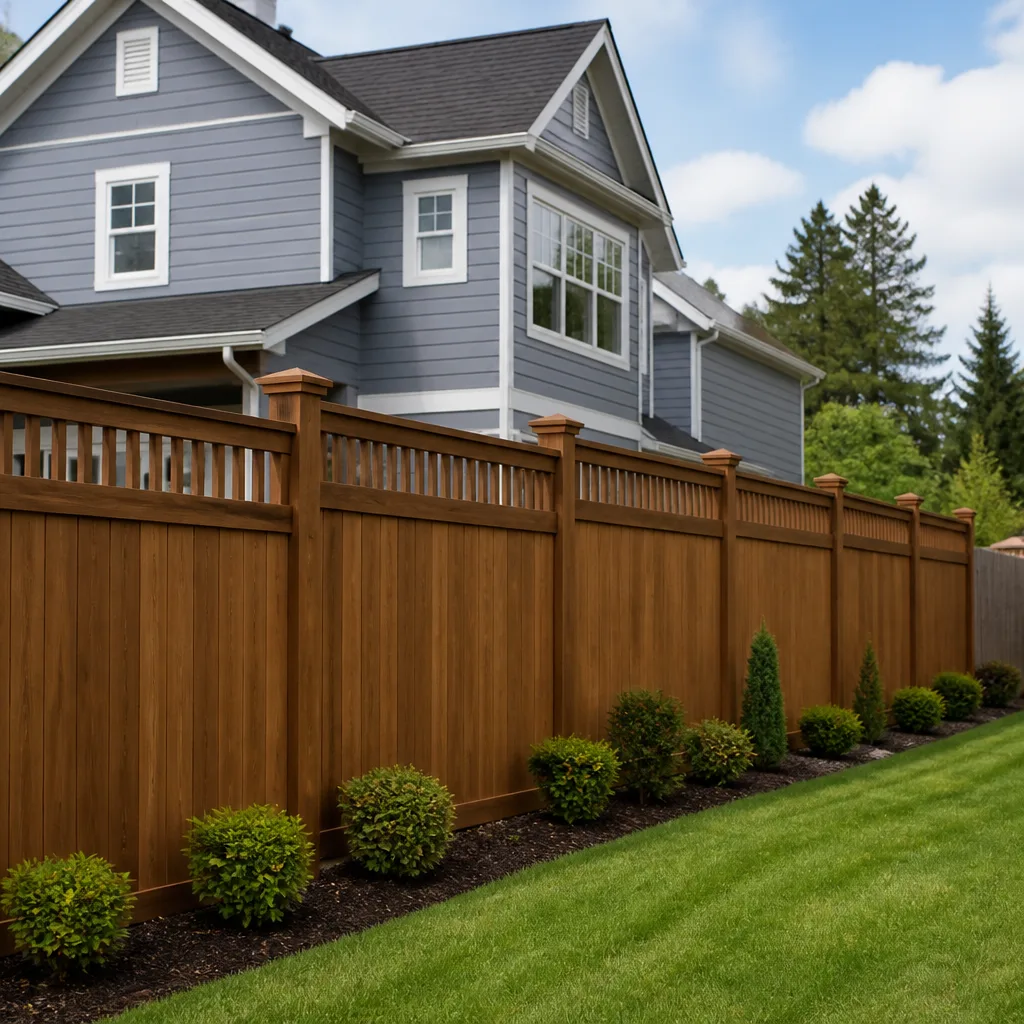
Signs Your PGT Roofing Is Failing
- Water staining on ceiling corners near exterior walls. This almost always means a flashing failure where the roof plane meets a vertical wall or dormer. The PGT flashing is still in place visually, but the sealant bed underneath has dried and cracked after years of sun exposure.
- Granules collecting in gutters or downspout elbows. Granule loss on a ten-to-fifteen-year-old roof is normal wear, but a sudden spike after wind events tells us the mat is delaminating. Once the mat is exposed, UV breaks it down quickly in the Los Angeles basin.
- Vent collars that lift at one edge or show daylight. PGT vent collars sit proud of the shingle line when the underlying fasteners pull loose. That gap is a direct water path during any rain driven from the west, which is most of our rain.
- Damp attic insulation directly under roof penetrations. Skylights, plumbing vents, and exhaust stacks all pass through PGT flashing. When the boot gasket dries and cracks, moisture wicks sideways into the insulation before it ever shows up on the ceiling below.
- Rust staining on flashing faces or fasteners. Salt air within a few miles of the coast accelerates corrosion faster than most Los Angeles homeowners expect. A flashing that looks fine from the ground may have fastener heads that crumble when touched.
See the difference
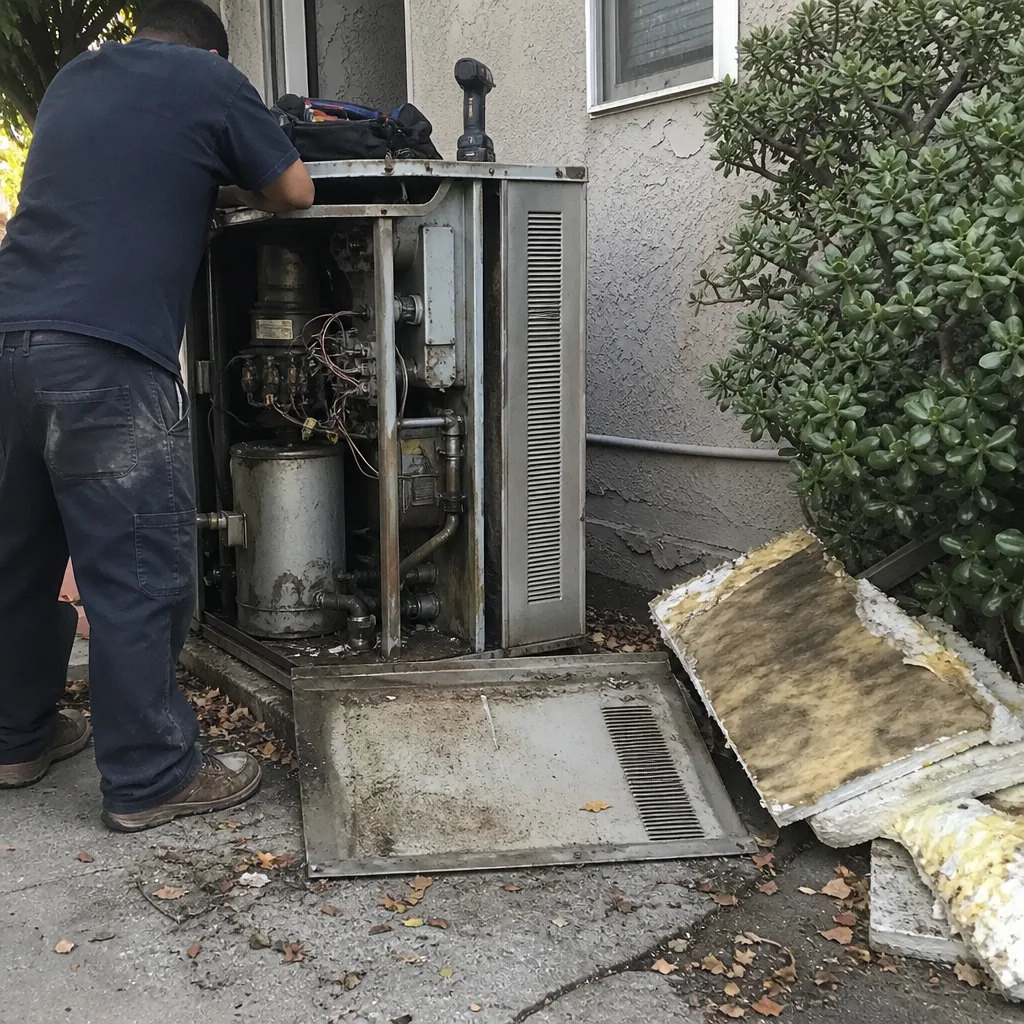 Before
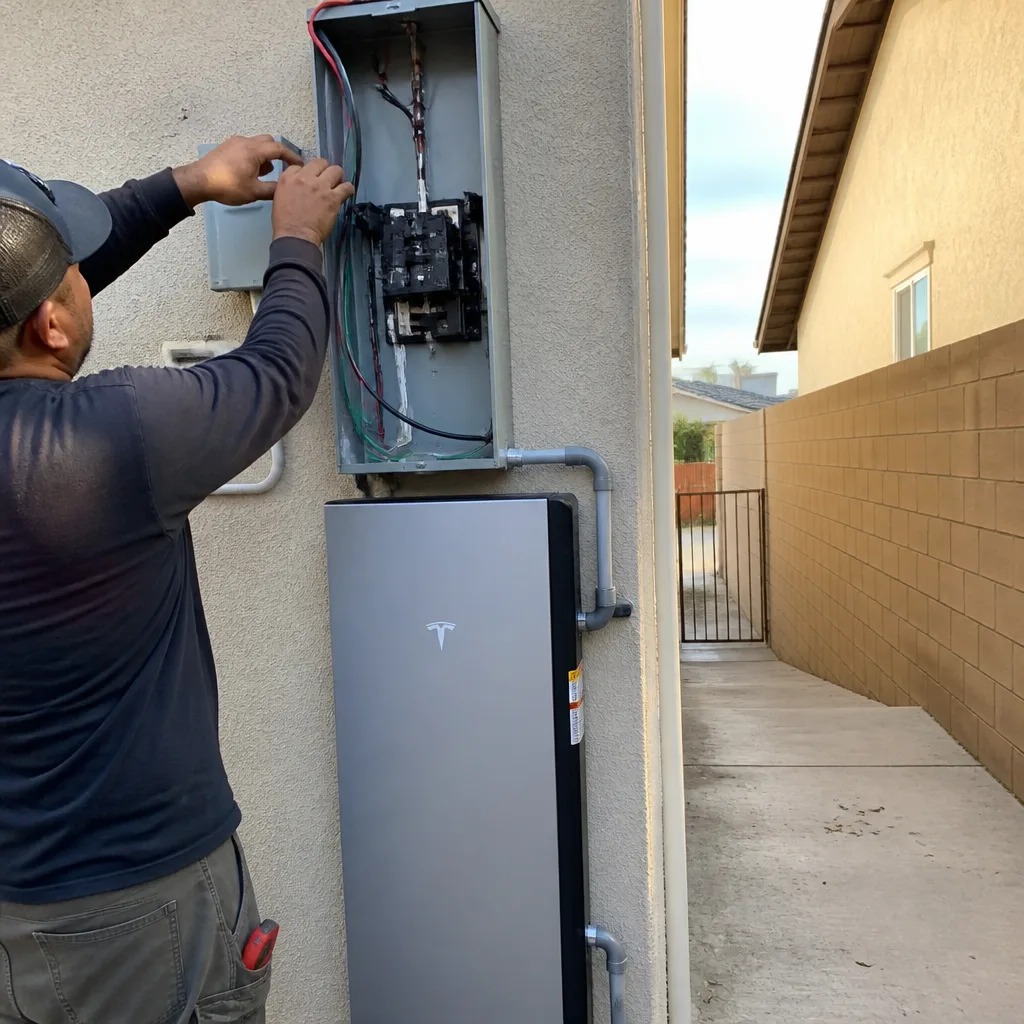 After
After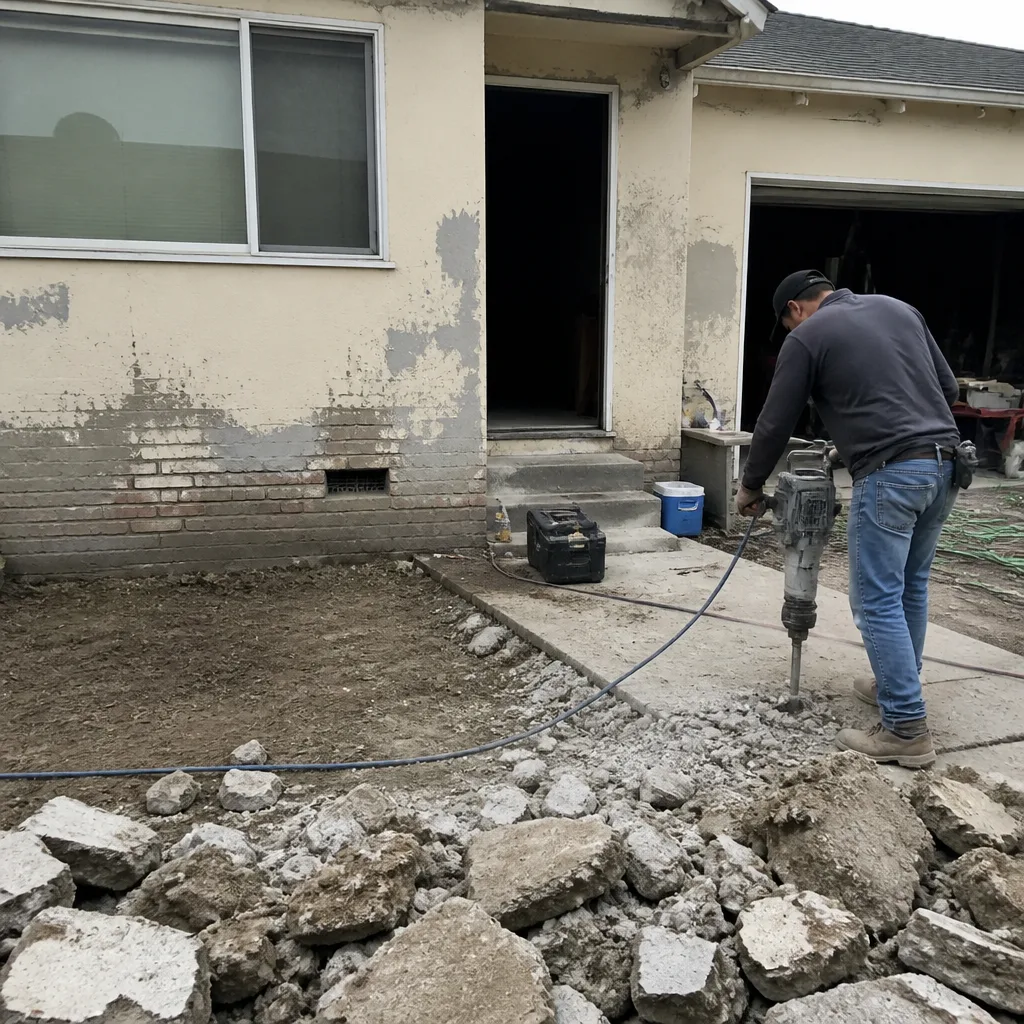 Before
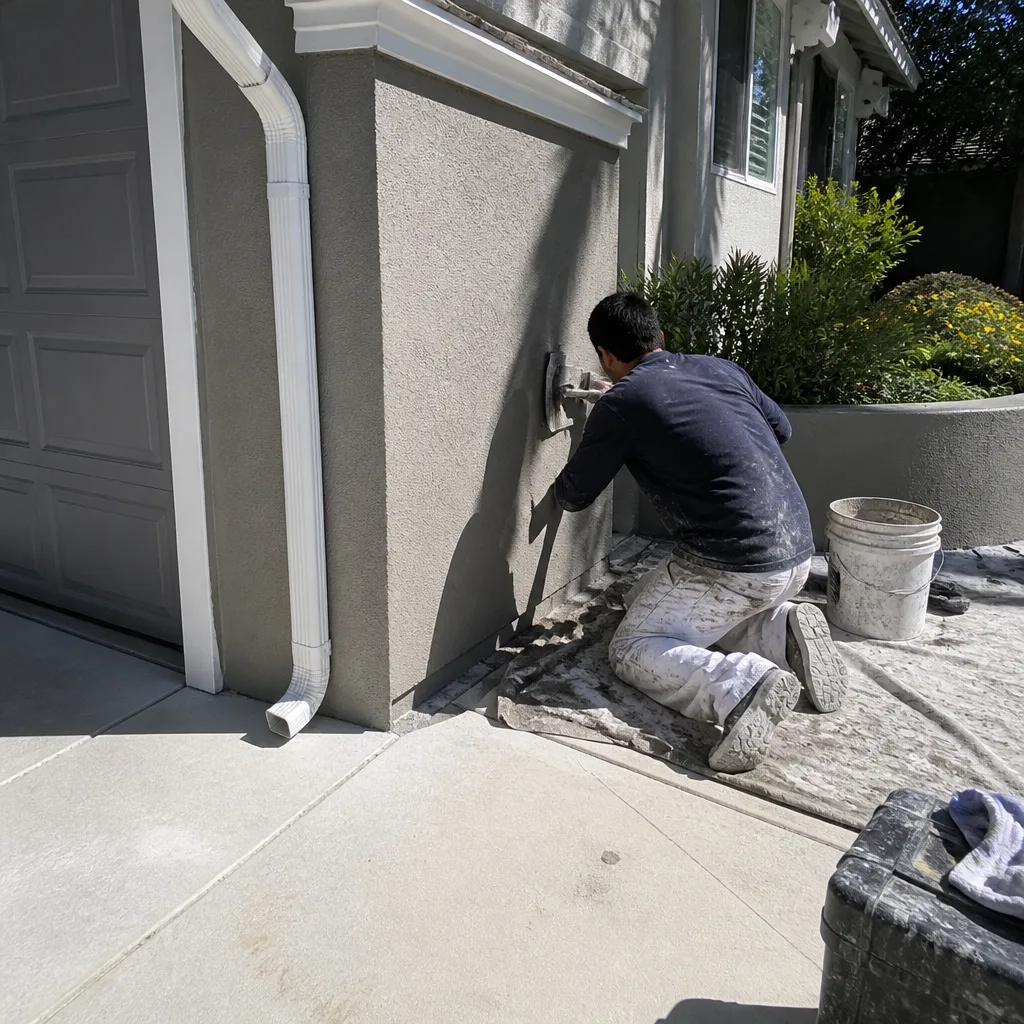 After
After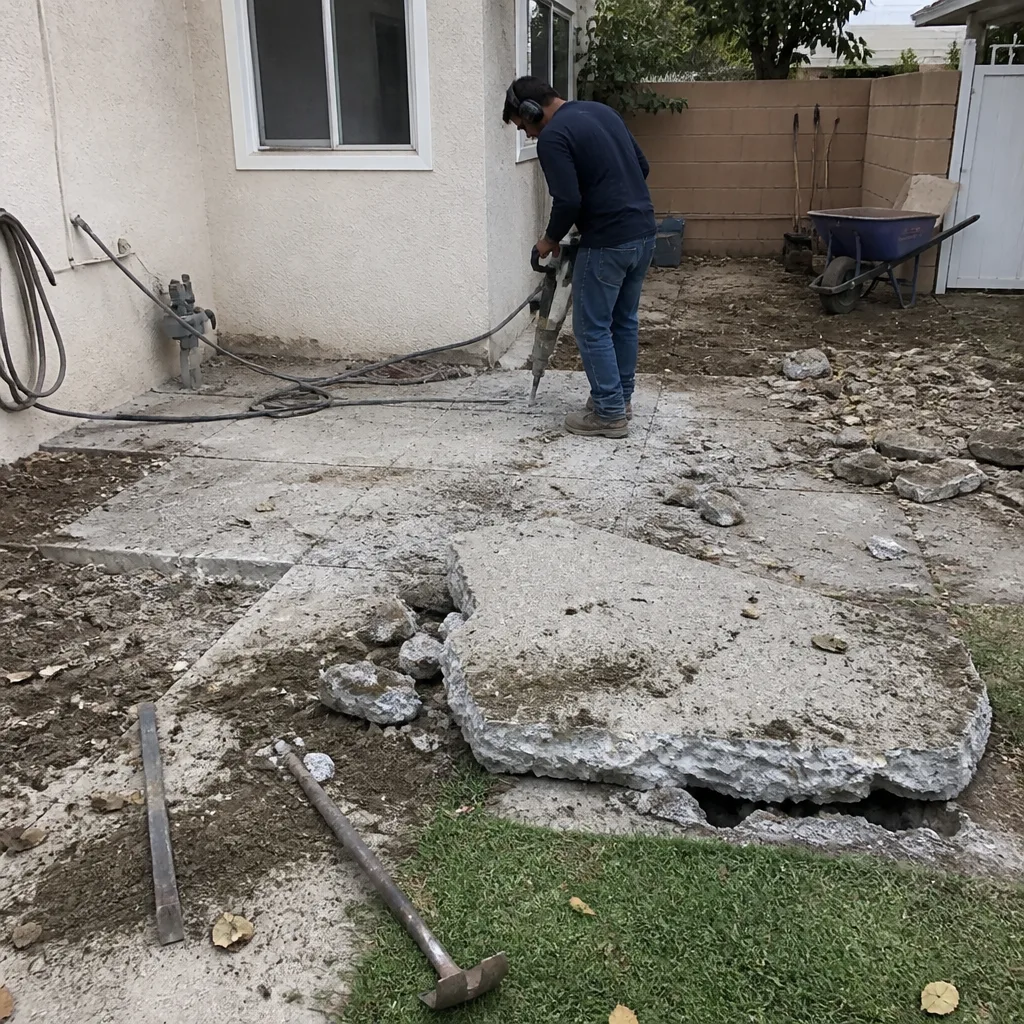 Before
 After
AfterReplacement Cost & What’s Included
In Los Angeles, a PGT-compatible flashing replacement typically runs $470 – $2,125 installed depending on access, roof pitch, and how many components need matching. A single vent collar replacement on a one-story roof is at the low end. A full flashing-and-boot replacement around a chimney or skylight on a two-story home with a steep pitch lands at the upper end, because we’re on ladders longer, we need a second person for safety, and the disposal of the old components takes an extra trip. Roof replacement runs $9,440 – $23,600 when the underlying decking is gone. Every quote includes the part cost, the labor, the disposal, and the written scope with no surprises. We give you the written price before any work starts, and we photograph the finished work before we leave the property.
DIY or Call Us?
What you can safely do from the ground: note where the stain appears inside the house, check the gutter line for granules, and take photos of any visible flashing from a stable ladder if you’re comfortable on one. What you should not do: walk a pitched roof without fall protection, pry up flashing with a flat bar without knowing what’s underneath, or apply a bead of caulk as a stopgap. Caulk over a failing flashing seam traps water beneath it and accelerates the rust. Roof access in Los Angeles, especially on two-story Spanish-style homes with clay tile accents, carries real fall risk and real liability. If you’re not certain, call us at (949) 850-9896 and we’ll inspect it from the roof the right way.
FAQs

Flashing and boots typically last 12 – 20 years in the Los Angeles climate, but south-facing and west-facing exposures run shorter because of sustained UV. Call (949) 850-9896 for an exact condition report on your roof.
In most cases, no. Once the sealant bed has cracked or the metal has begun to rust, patching creates a false sense of security and fails again within one season. Replacement is the honest fix.
Most single-component replacements are done in 2 – 4 hours including set-up, removal, installation, and clean-up. Multiple penetrations or chimney work may take a full day.
We keep common PGT-compatible flashing profiles, vent collars, and sealant on the truck, which covers most Los Angeles homes. Special-order profiles take 3 – 5 business days and we’ll tell you that up front.
If you’ve got a PGT roof component that’s failing, the fastest way to a solid fix is a call to (949) 850-9896. We’ll talk through what you’re seeing, schedule the inspection, and give you a written price before any work starts.
Written by Graham Stein, Owner, Elmstead Remodeling at Elmstead Remodeling, serving Los Angeles and nearby areas.