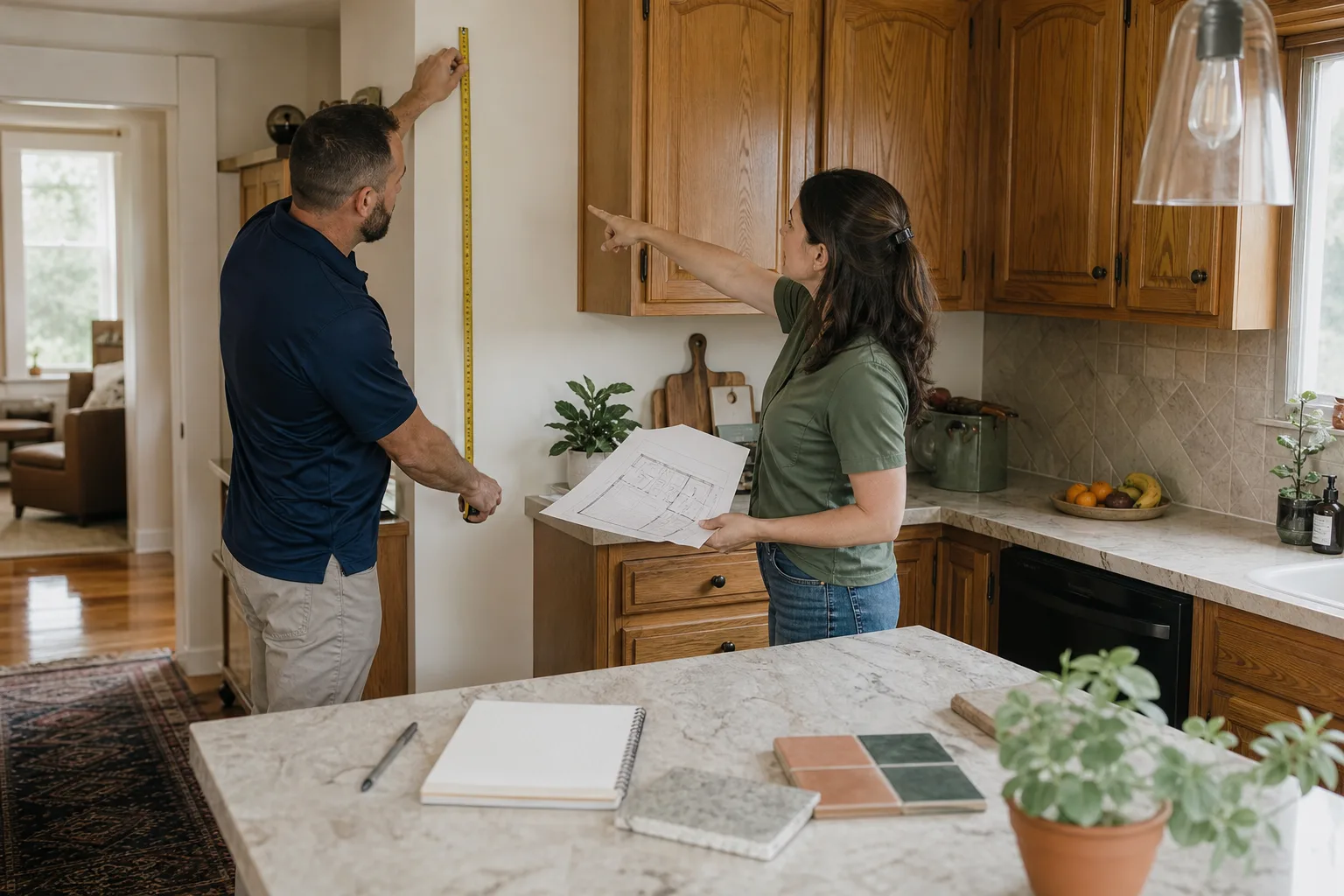
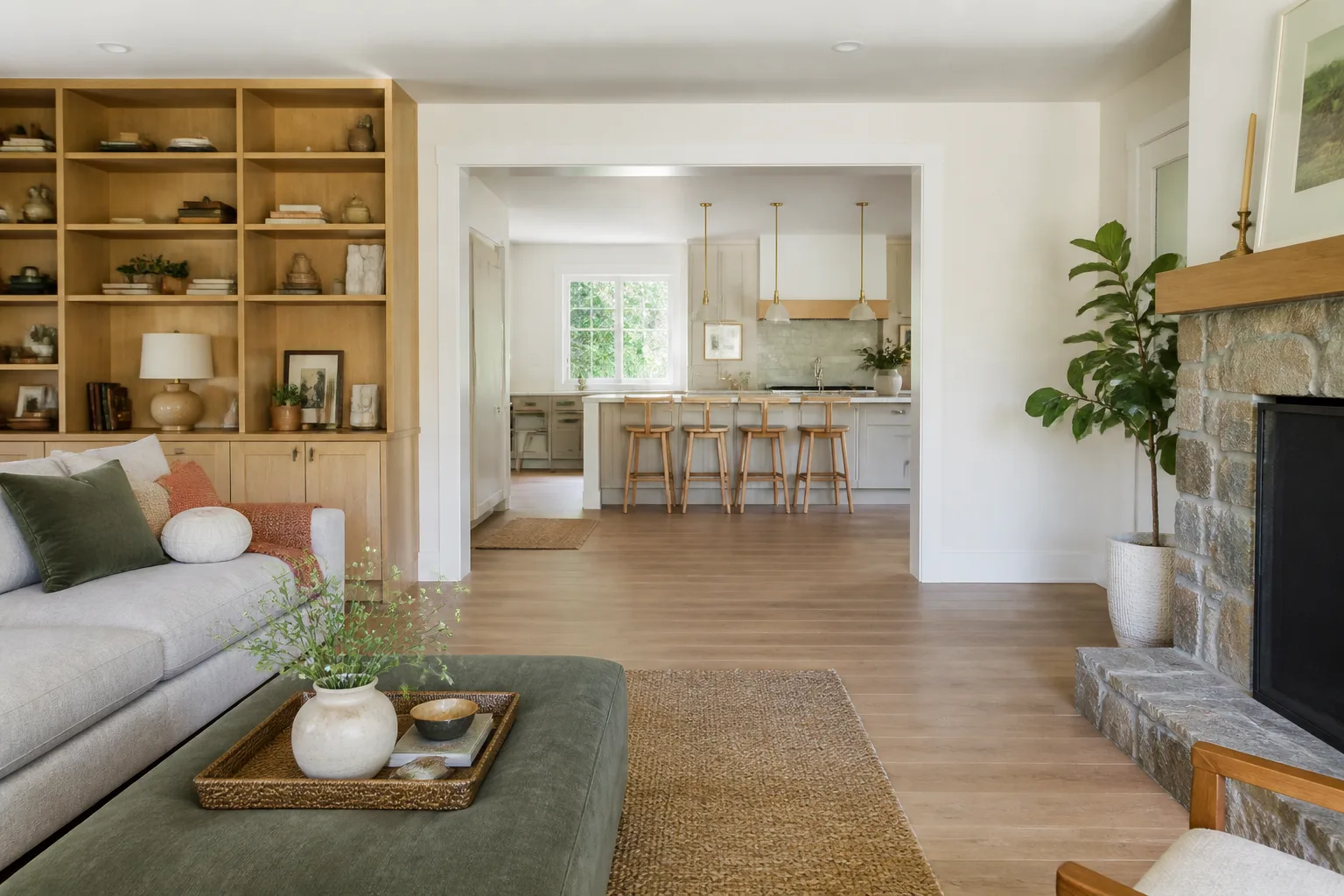
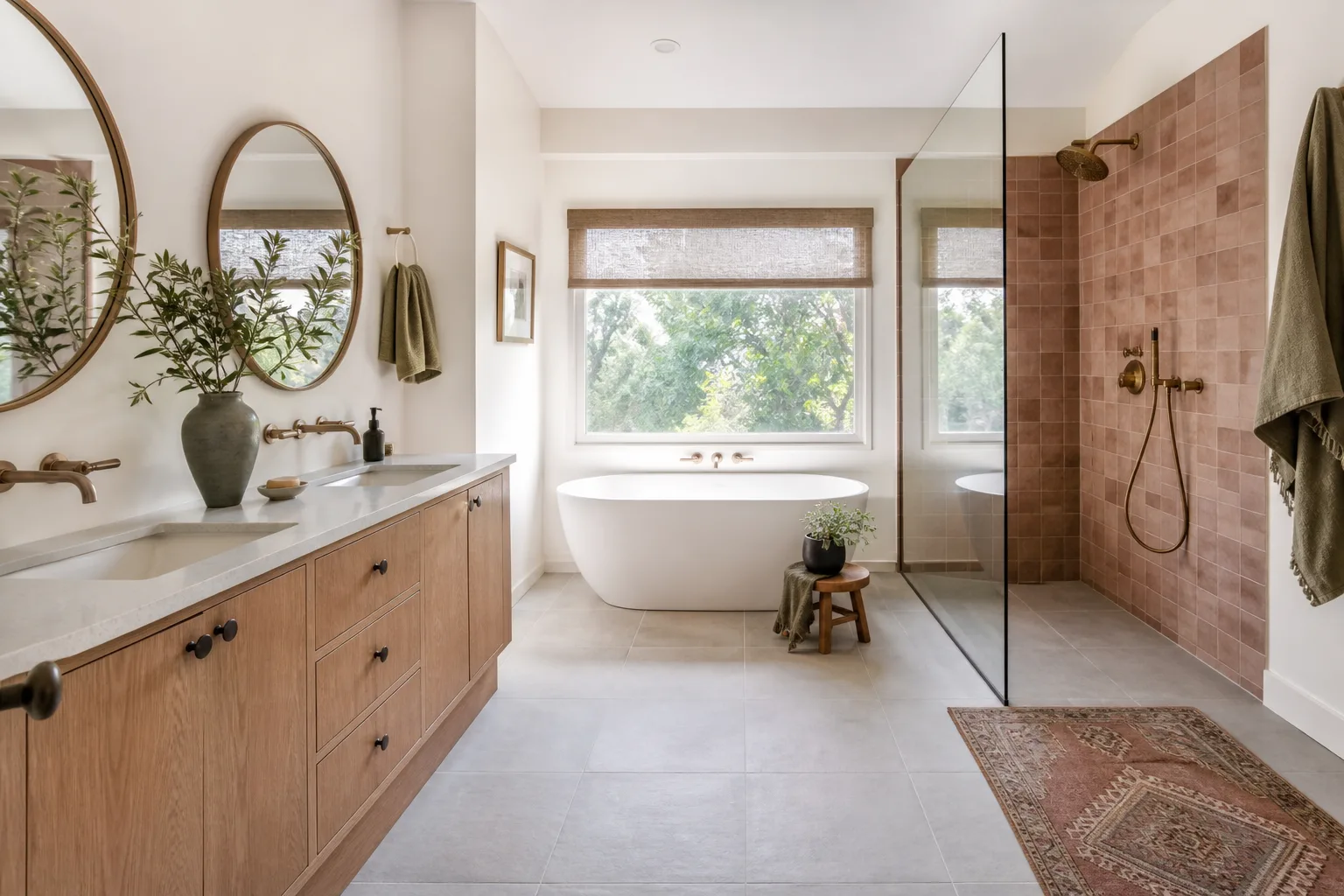
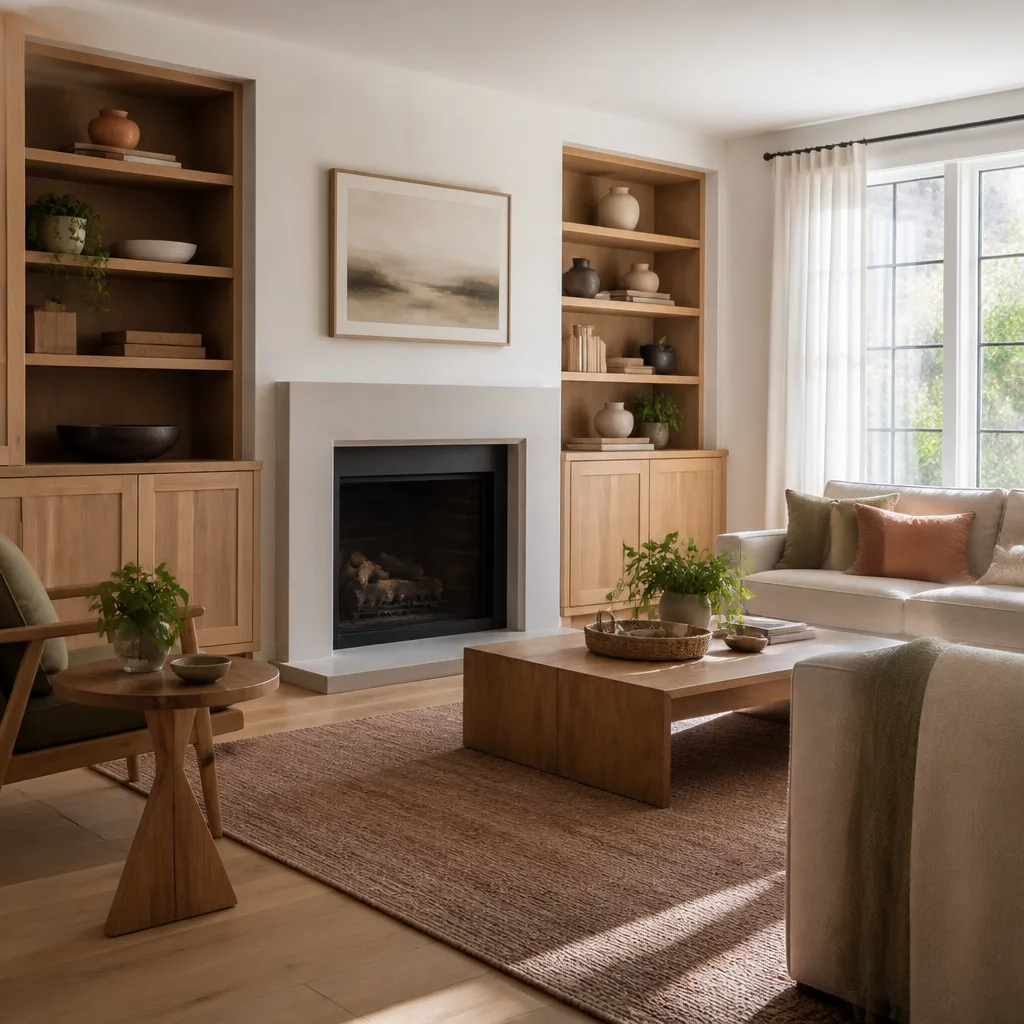
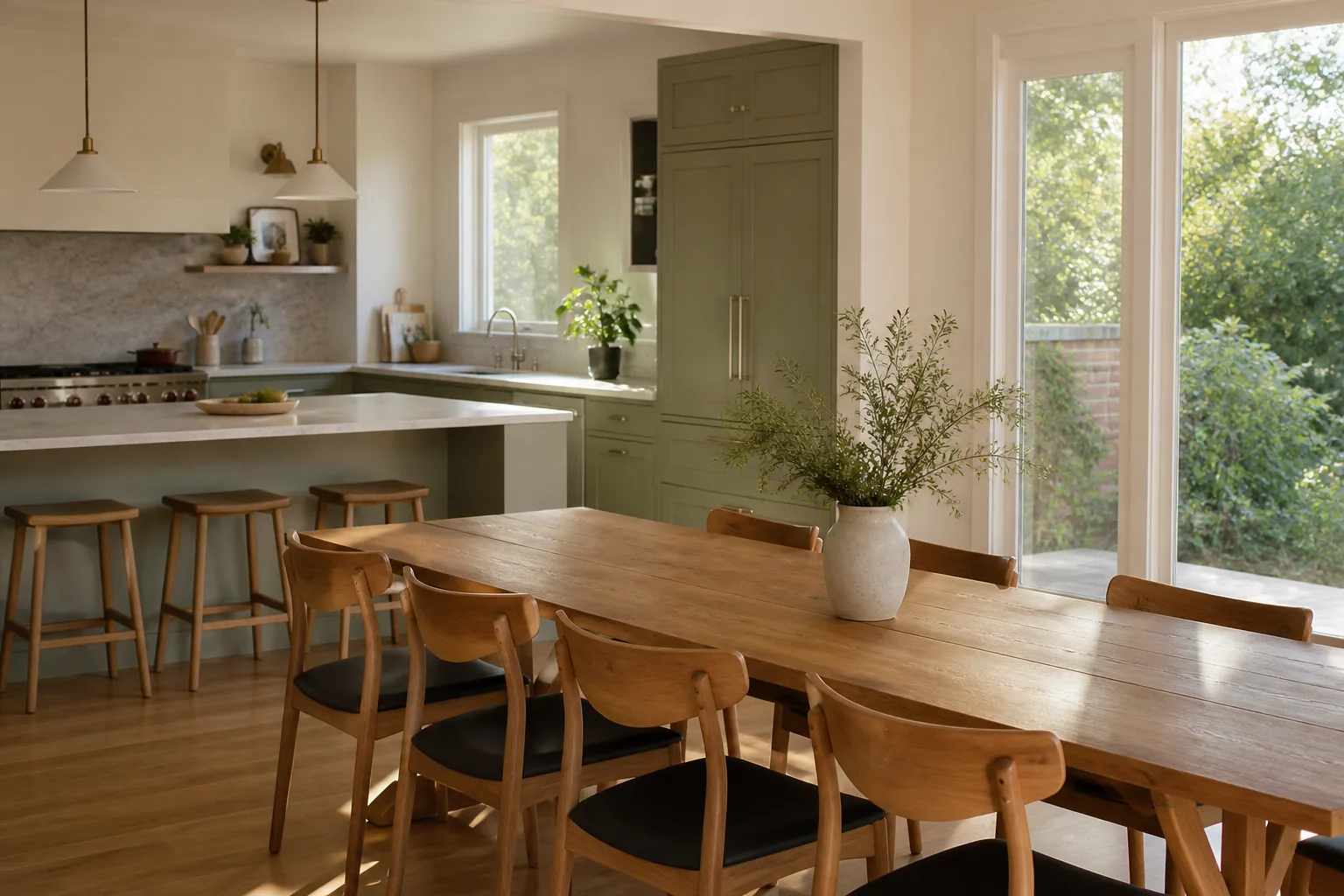
Free written scope consultation - allowances, timeline, and change-order rules on paper before a single trade is scheduled
Quikrete Home Additions & ADU: The Los Angeles Owner’s Guide
If you’re planning a home addition or ADU in Los Angeles with Quikrete concrete products, installed project costs typically run $53,100 to $153,400 for an addition and $106,200 to $259,600 for a full ADU. We stock Quikrete-compatible materials in our Los Angeles service area and can schedule a free consultation to walk your specific site. Most owners calling us have already bought bags of Quikrete mix and realized the project is bigger than the weekend they planned for it. That’s a normal moment, and it’s the right time to get a written scope.
Key Takeaways:
- Quikrete products work well for footings, slabs, and stem walls in Los Angeles ADU projects, but the mixing ratios and pour timing matter more than the brand name on the bag.
- Elmstead Remodeling is an independent general contractor and is not affiliated with Quikrete. We use their products where the spec calls for them and can source alternatives when a different mix serves the pour better.
- A written price before any work starts is standard on every Elmstead project, including additions and ADUs that begin with Quikrete materials on site.
Which Quikrete Models This Applies To
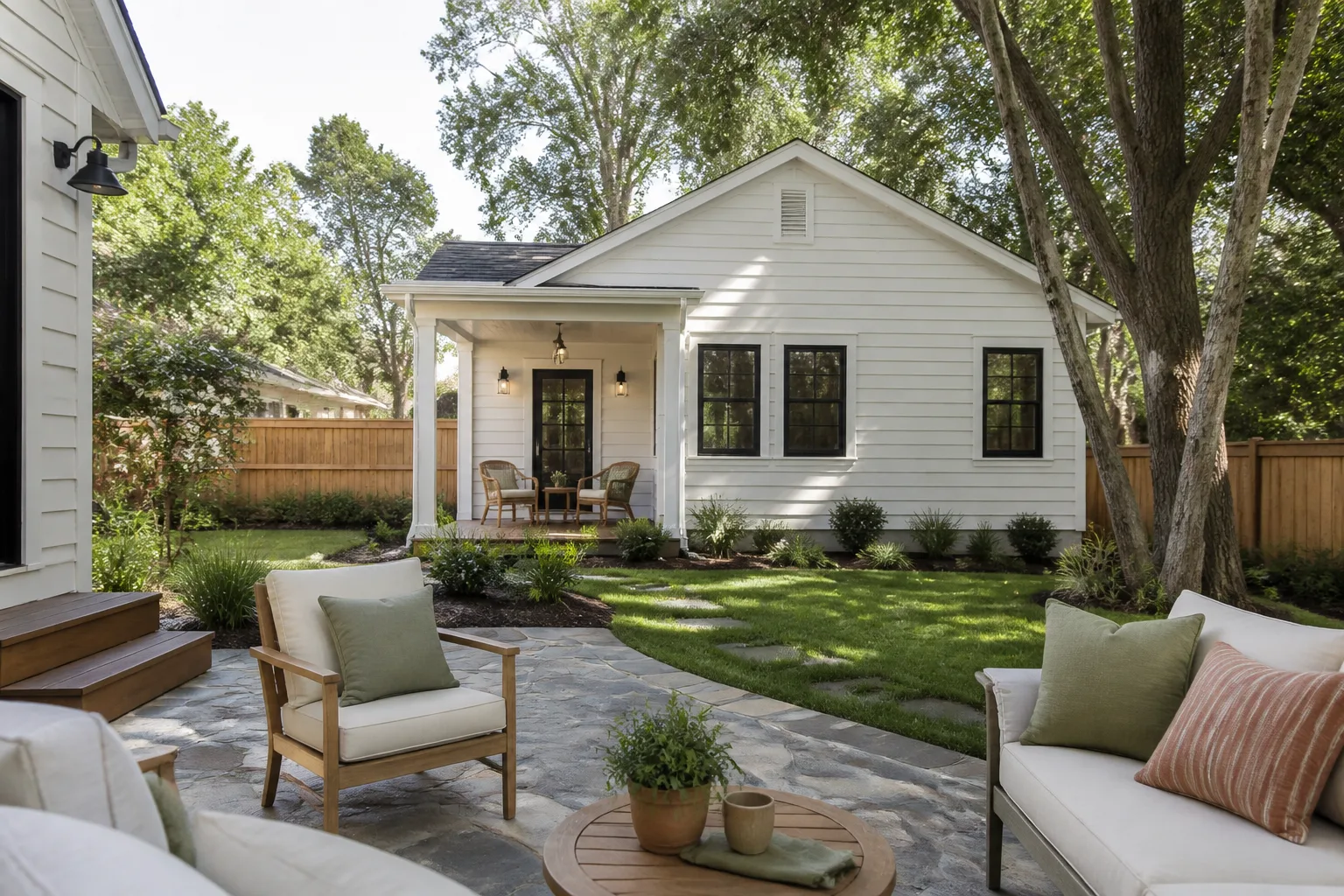
Quikrete makes dozens of concrete and mortar products, but for home additions and ADUs in Los Angeles, the relevant lines are the 5000 PSI concrete mix, the crack-resistant mix, and the fast-setting mix. The 5000 PSI product is what we specify for footings and interior slabs where Los Angeles soil reports call for higher compressive strength. Crack-resistant mix gets used for thin pours like walkways and small landings. Fast-setting mix comes out on repairs and fence-post footings where you need the form stripped quickly.
The compatibility gotcha with Quikrete products in Los Angeles is water ratio. The 80-pound bags are consistent, but our humidity swings and the hard water from LADWP change how the mix sets. A mix that pours clean in March can flash-set in August in the San Fernando Valley. We adjust on site and note the mix used in the project record. For ADU foundations, Quikrete 5000 PSI tends to be the right product, but the manufacturer’s data sheet says 4,000 PSI minimum for standard residential footings. Anything below that in a Los Angeles hillside zone and the inspector will flag it before the pour.
We stock both Quikrete products and equivalent mixes from other suppliers. For ADU work, the product name matters less than the batch date and the way it’s been stored. Bags that sat in a damp garage for six months will not pour the same.
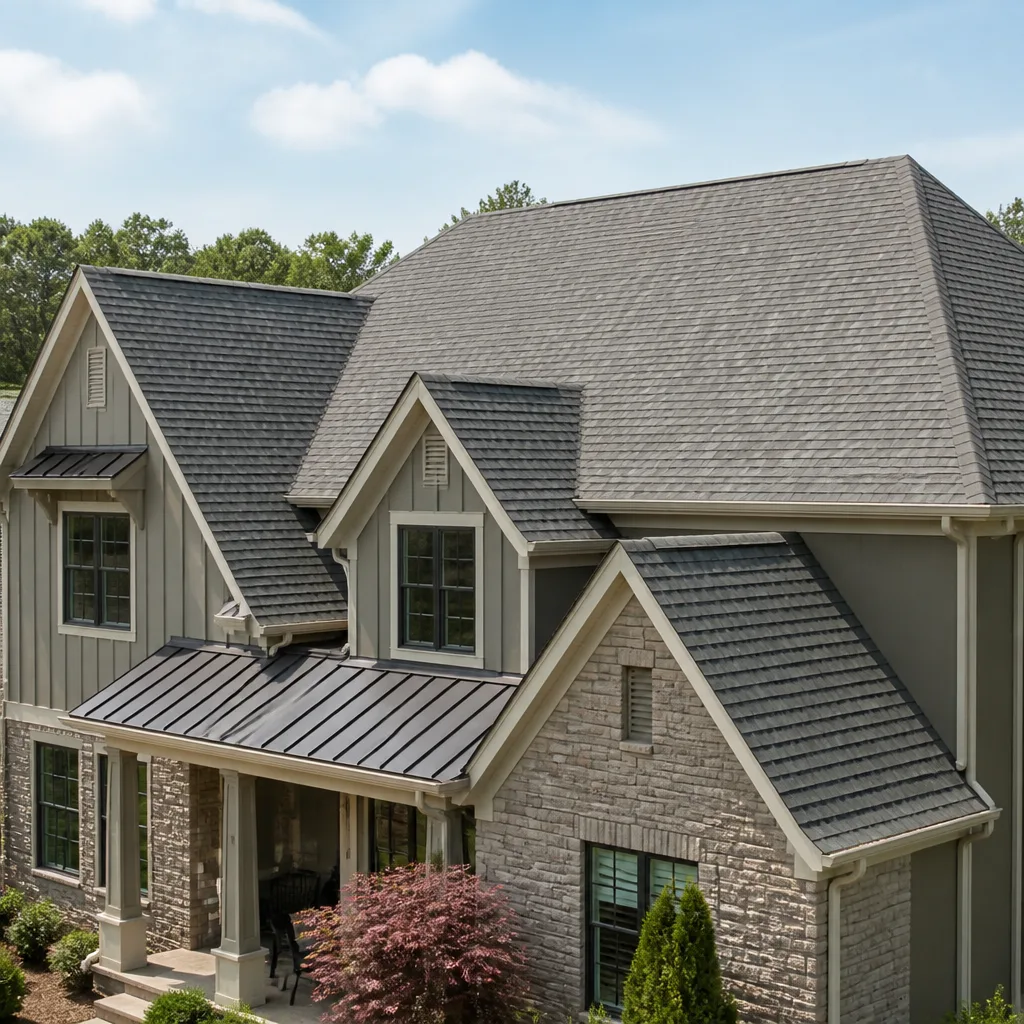
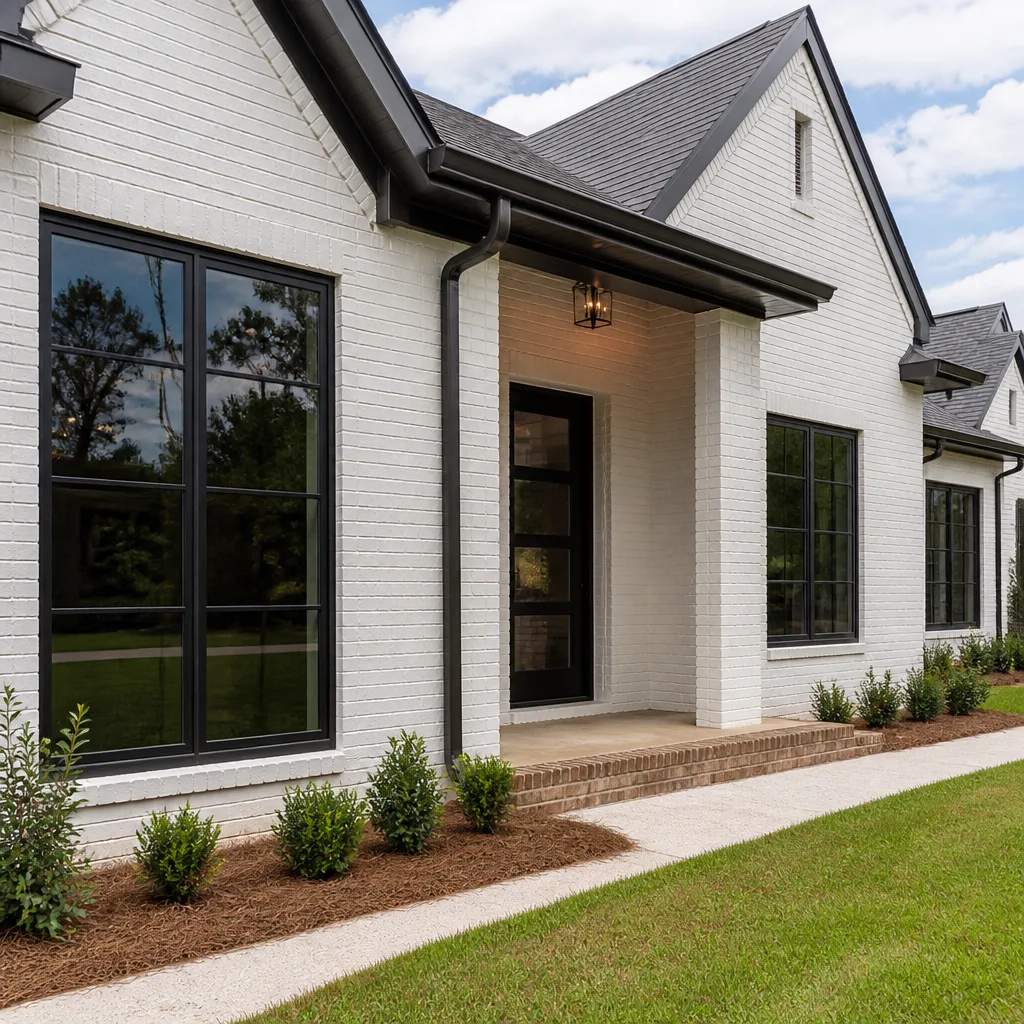
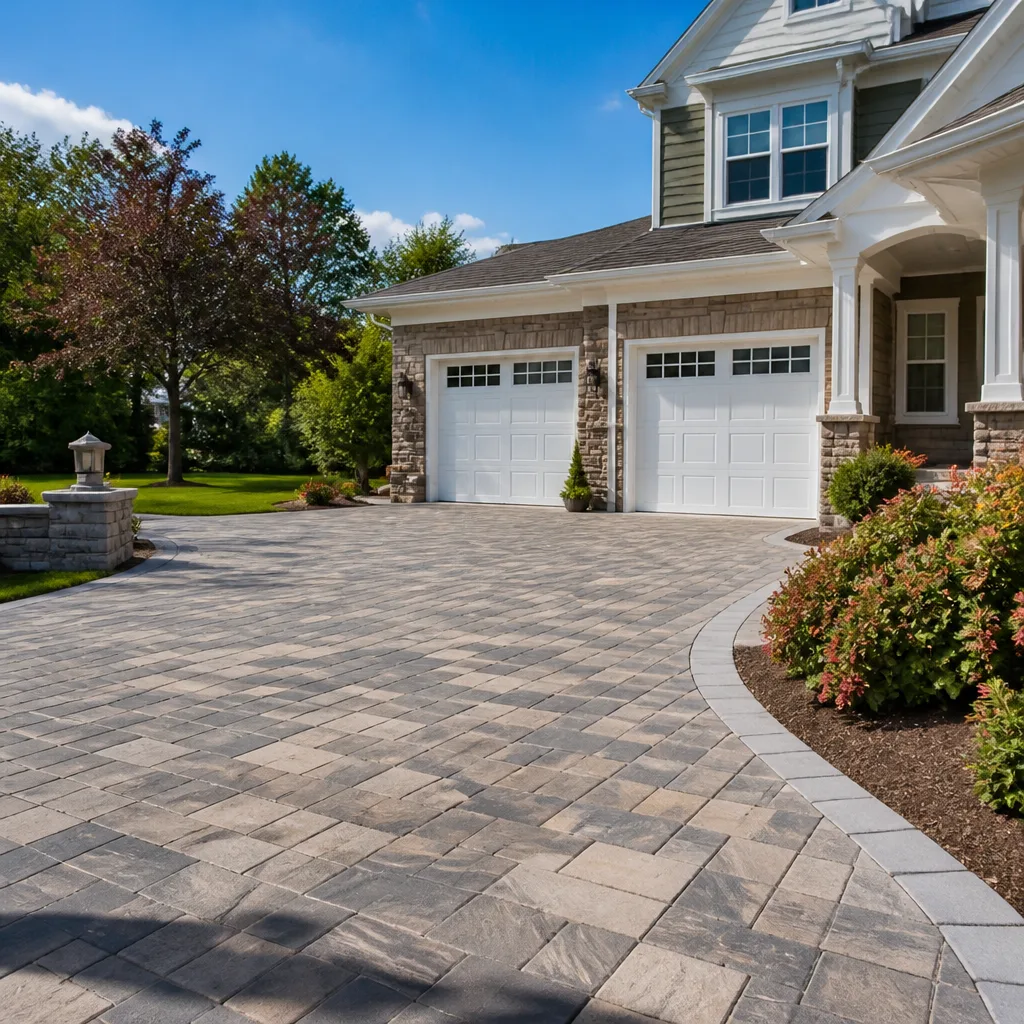
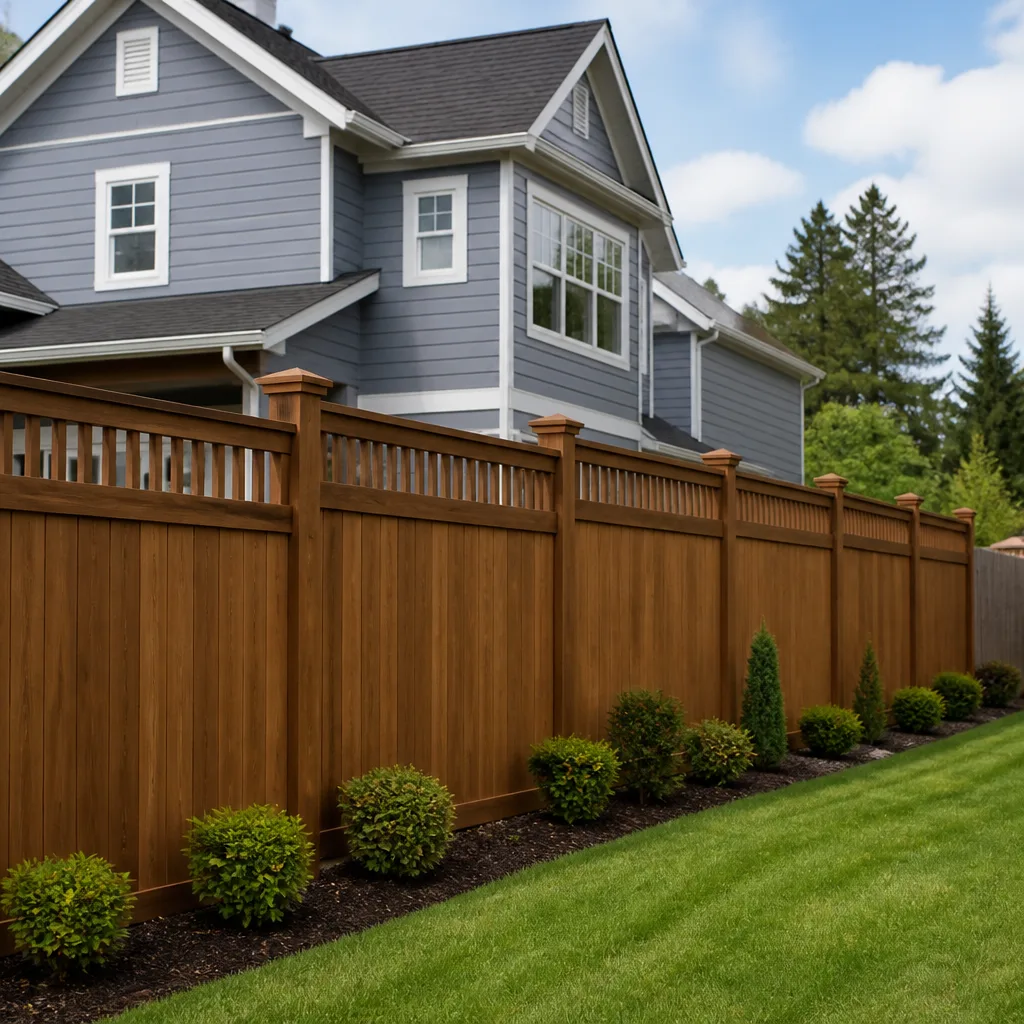
Styles & brands we work with
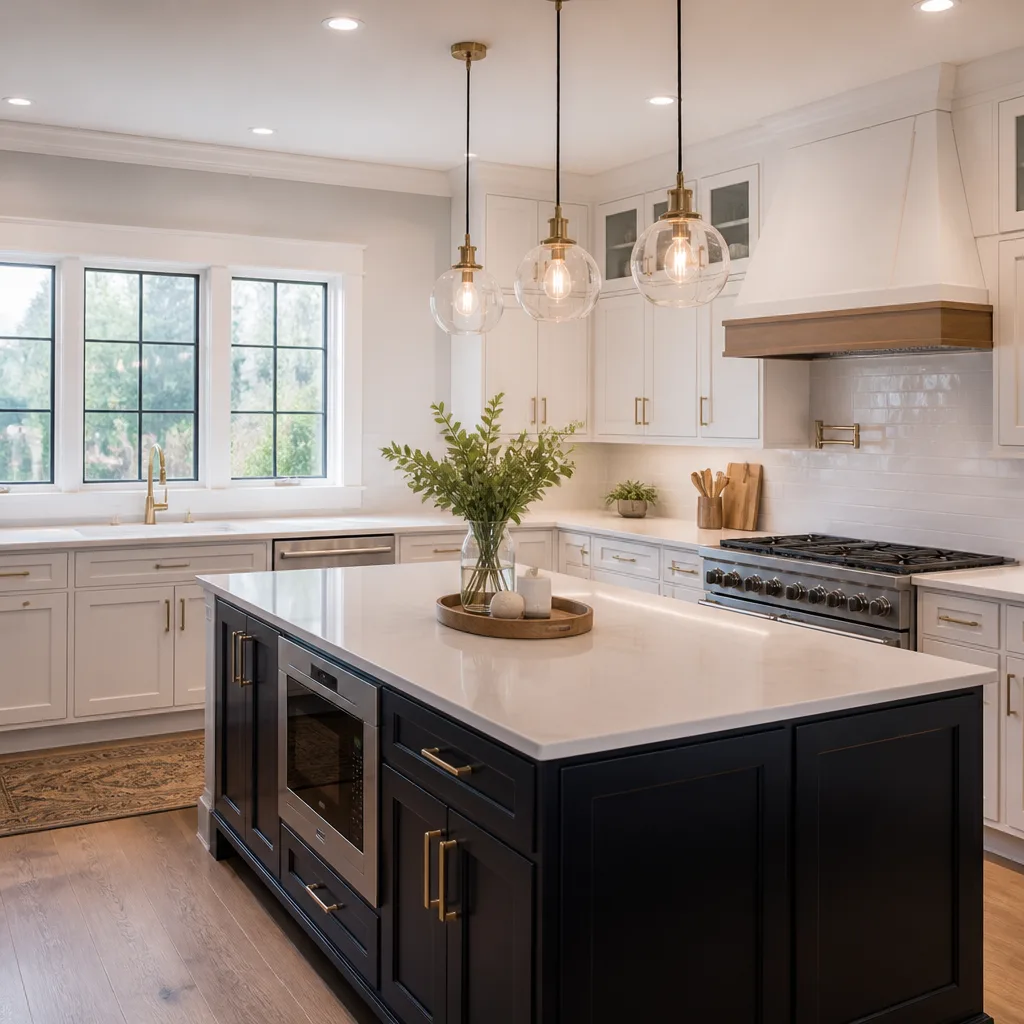
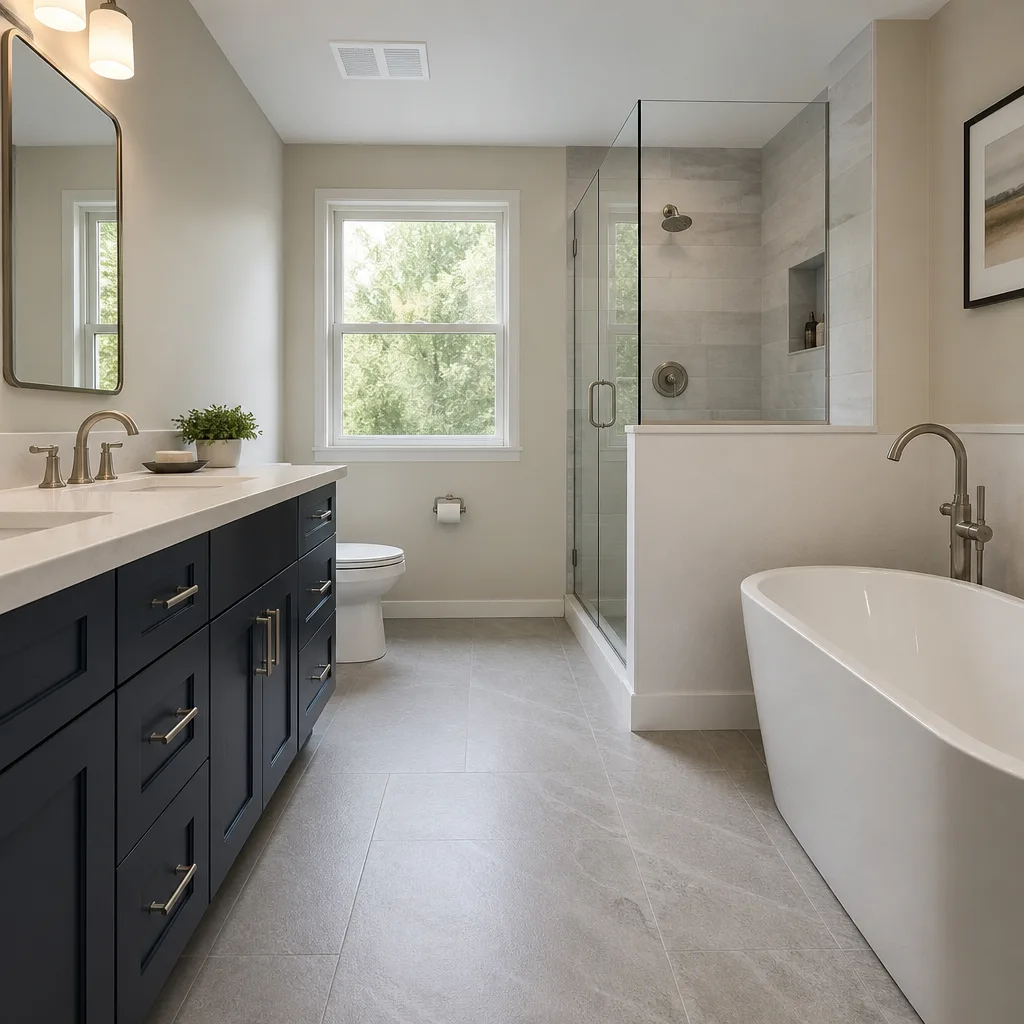
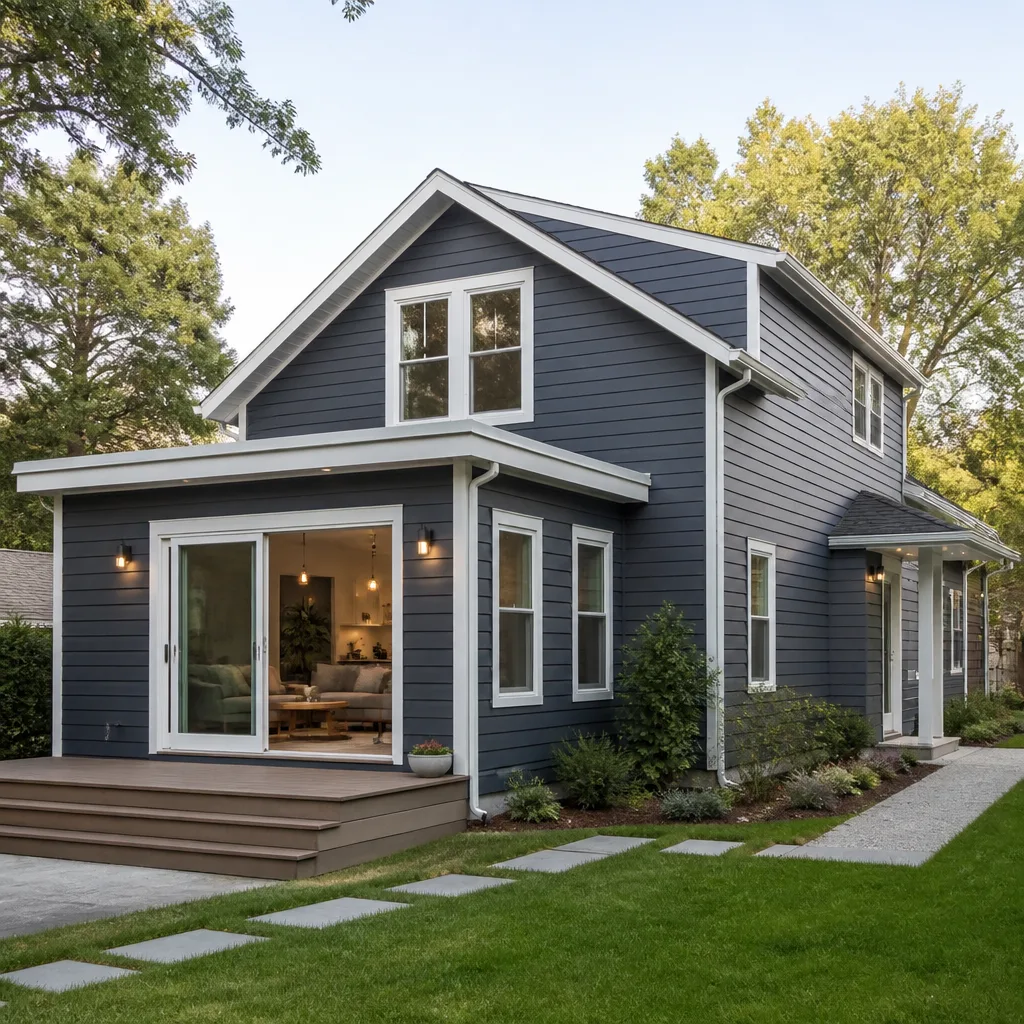
Signs Your Quikrete Home Additions & ADU Is Failing
- Hairline cracks running the full slab width. In Los Angeles, this usually means the sub-base was not compacted enough or the concrete dried too fast. It’s common in ADU foundations poured in summer without a curing compound. The crack itself may be stable, but water will follow it.
- Efflorescence, that white chalky residue, lifting off the surface. This is mineral salts pushing through the slab, and in Los Angeles it often traces back to the hard water used in the original mix. It tells you moisture is moving through the concrete in a way it shouldn’t.
- Slab edges chipping or spalling. This usually starts at the corners where the form stripped early and the concrete was never sealed. Los Angeles UV exposure accelerates it. The damage spreads inward once the surface opens.
- Doors and windows in the addition binding or sticking. Concrete cures and shrinks, but in Los Angeles, a foundation that moves more than a quarter inch over the first two years is usually moving with expansive soil or poor drainage. The cracks in the slab will show it if you look.
- Standing water pooling against the stem wall after rain. That used to be a rare check in Los Angeles, but the last several winters have made it a routine one. Water against a concrete stem wall will find a way in eventually. The fix is often drainage, not concrete.
See the difference
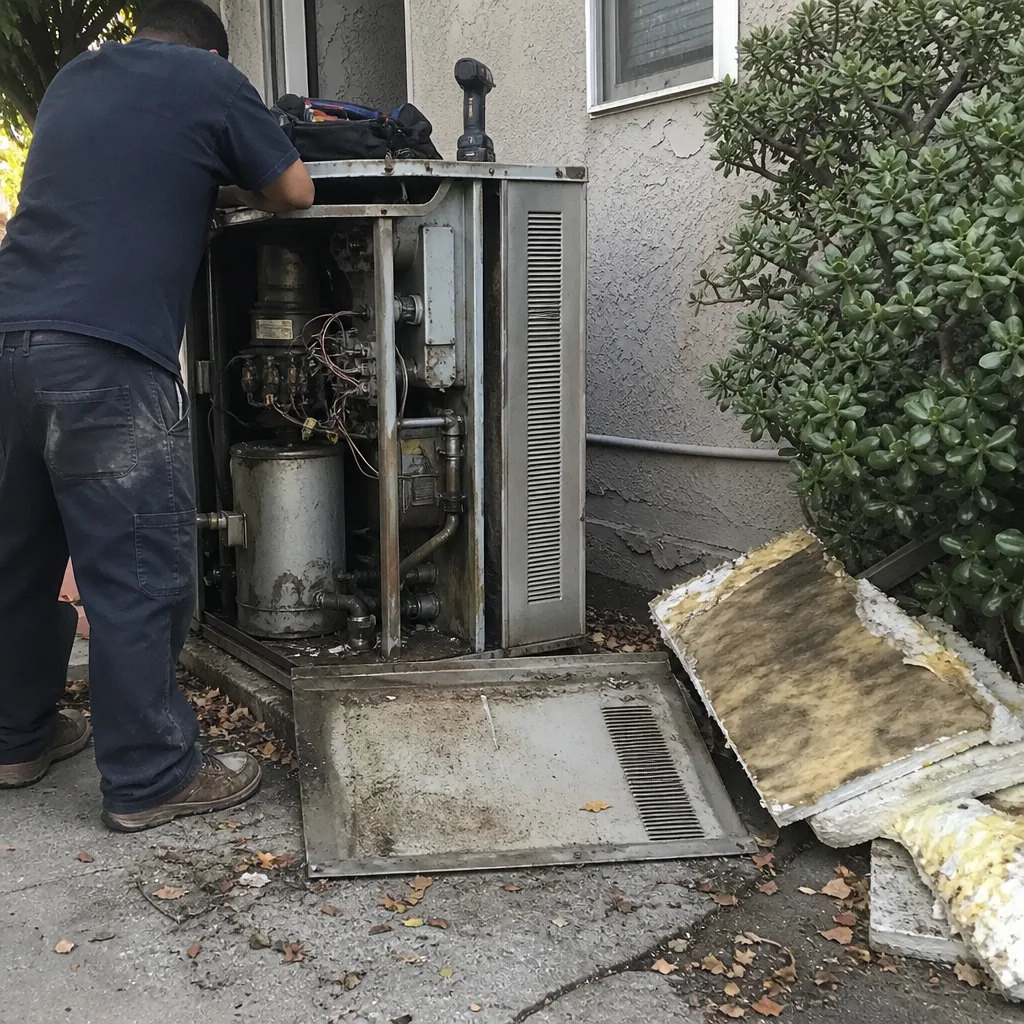 Before
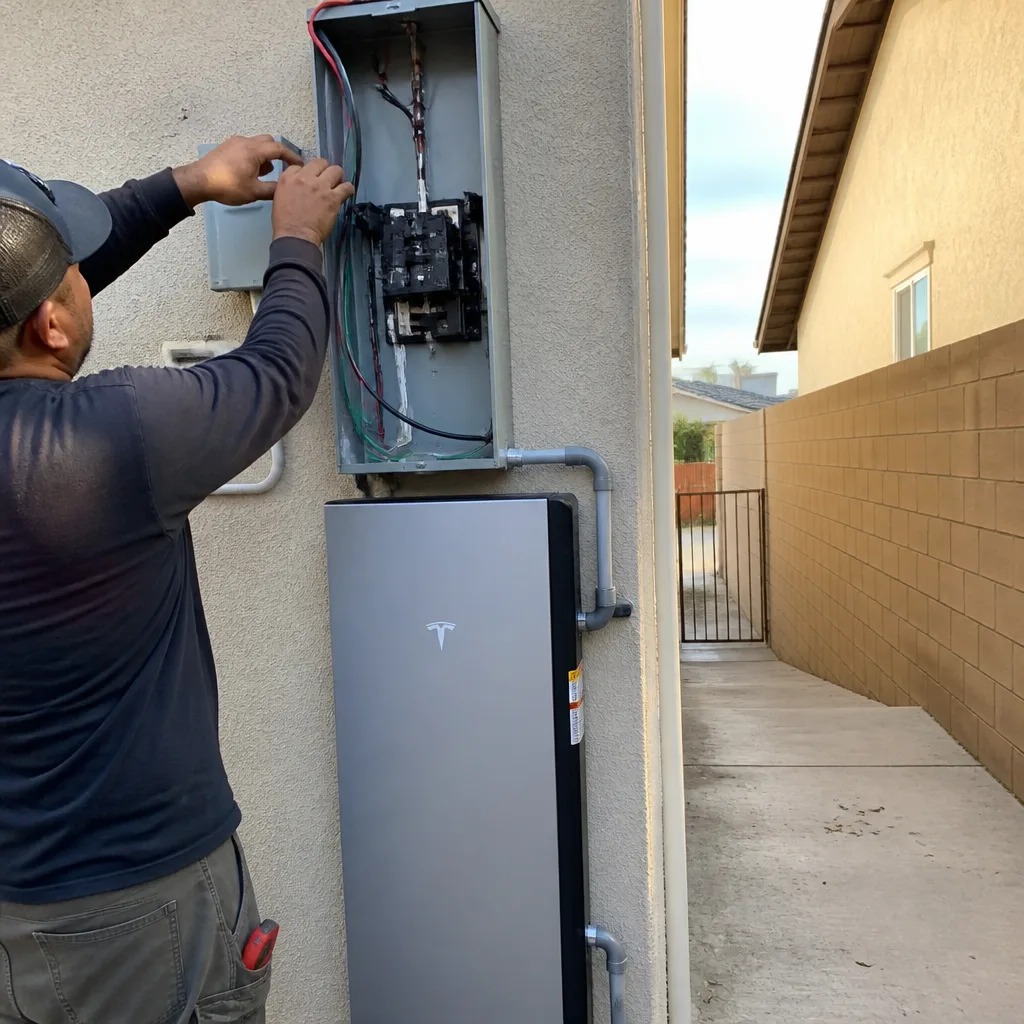 After
After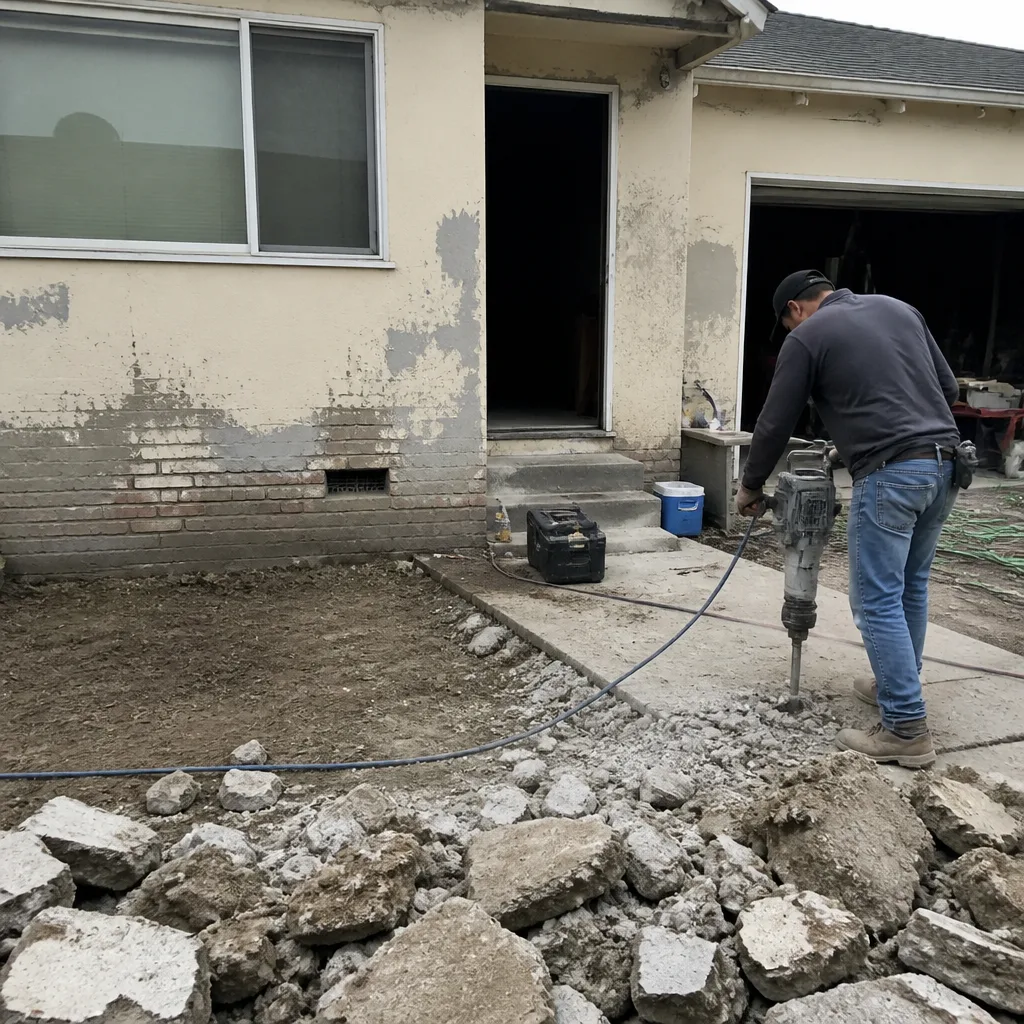 Before
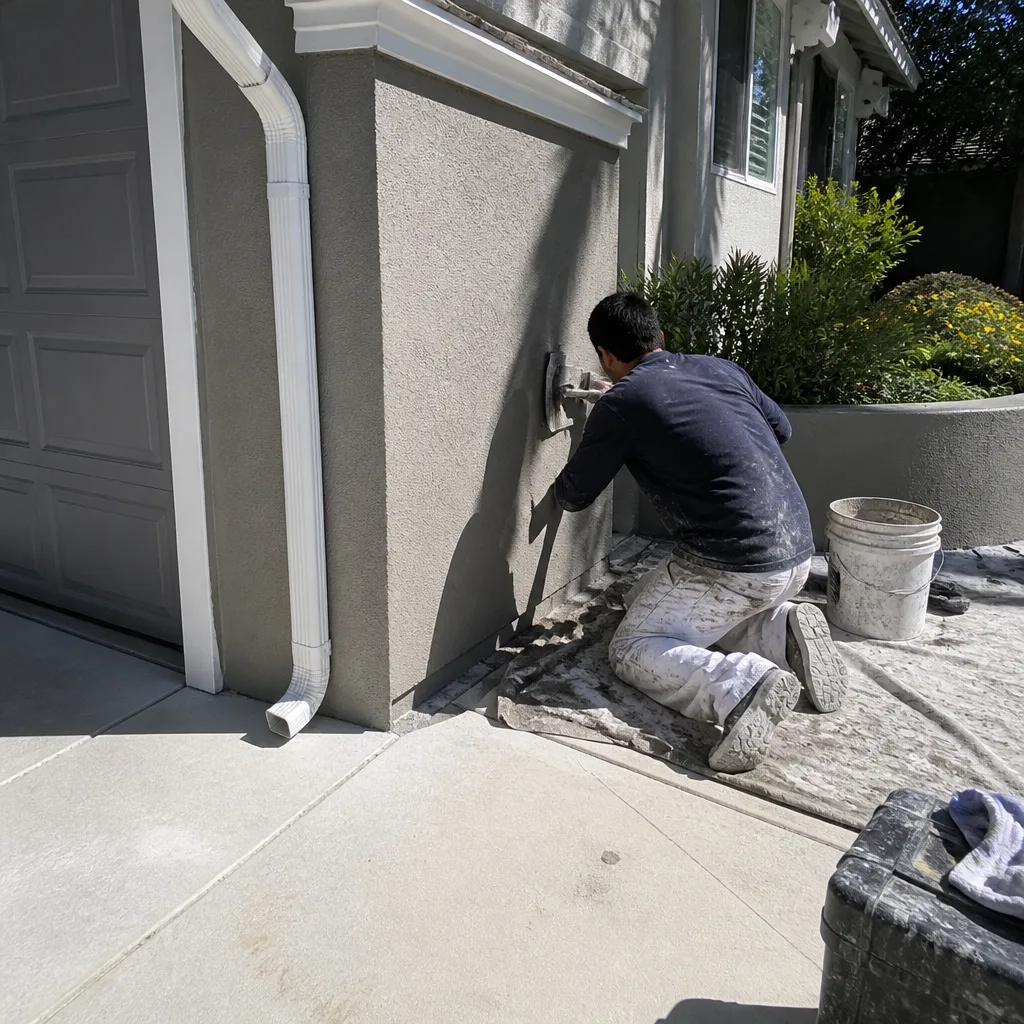 After
After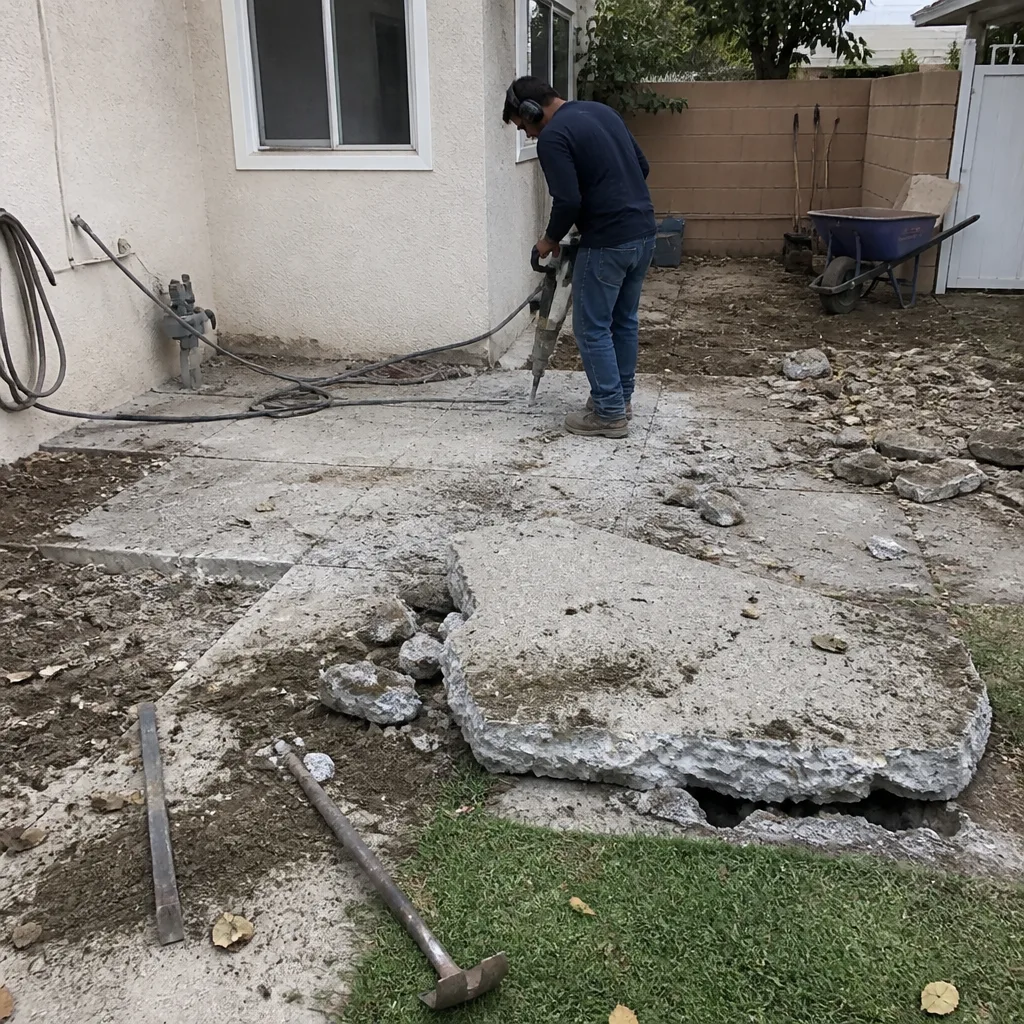 Before
 After
AfterReplacement Cost & What’s Included
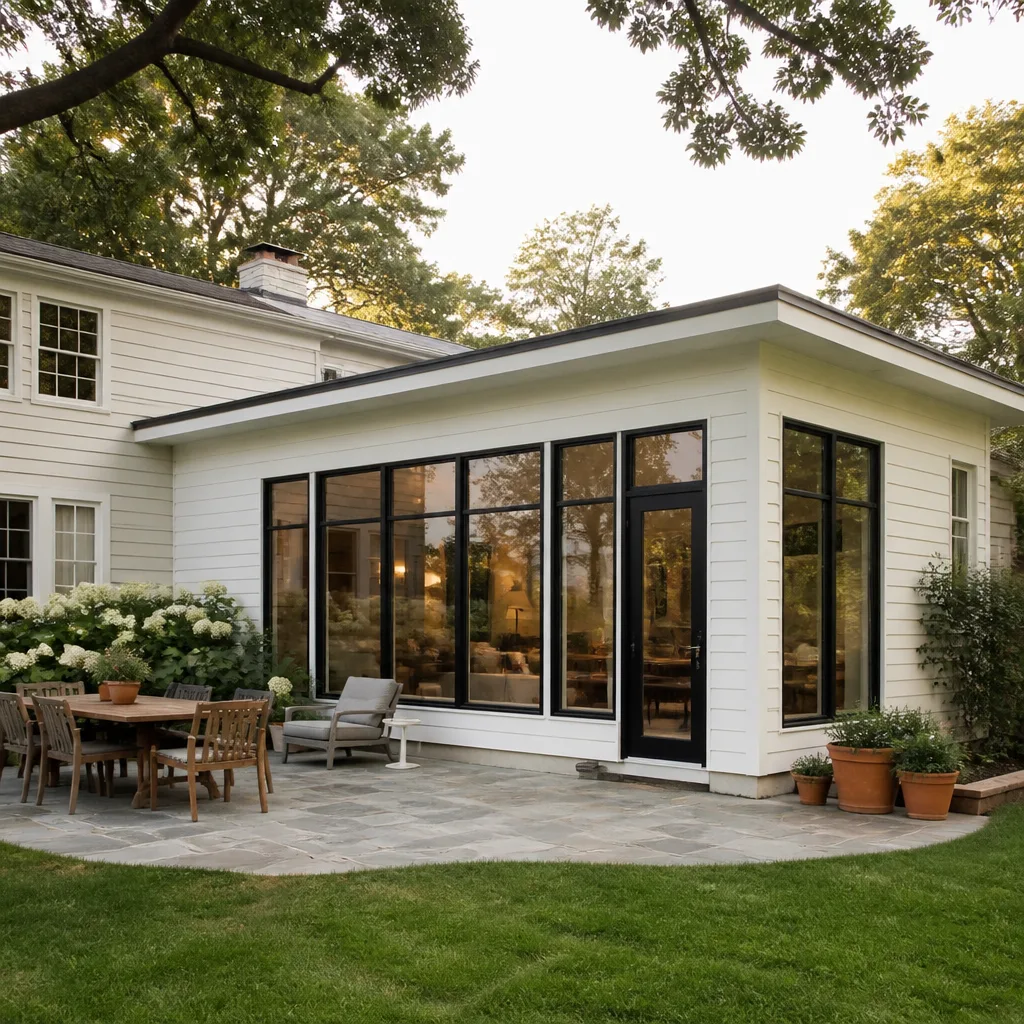
For a full home addition in Los Angeles, budget $53,100 to $153,400. For an ADU, $106,200 to $259,600. Those numbers include the concrete work, framing, finishes, and the written scope that comes before any work begins. Smaller concrete-only scopes, like replacing a failed slab or fixing a stem wall, land at the lower end. What drives the range in Los Angeles is soil condition, access to the pour site, and whether the existing concrete needs to come out first.
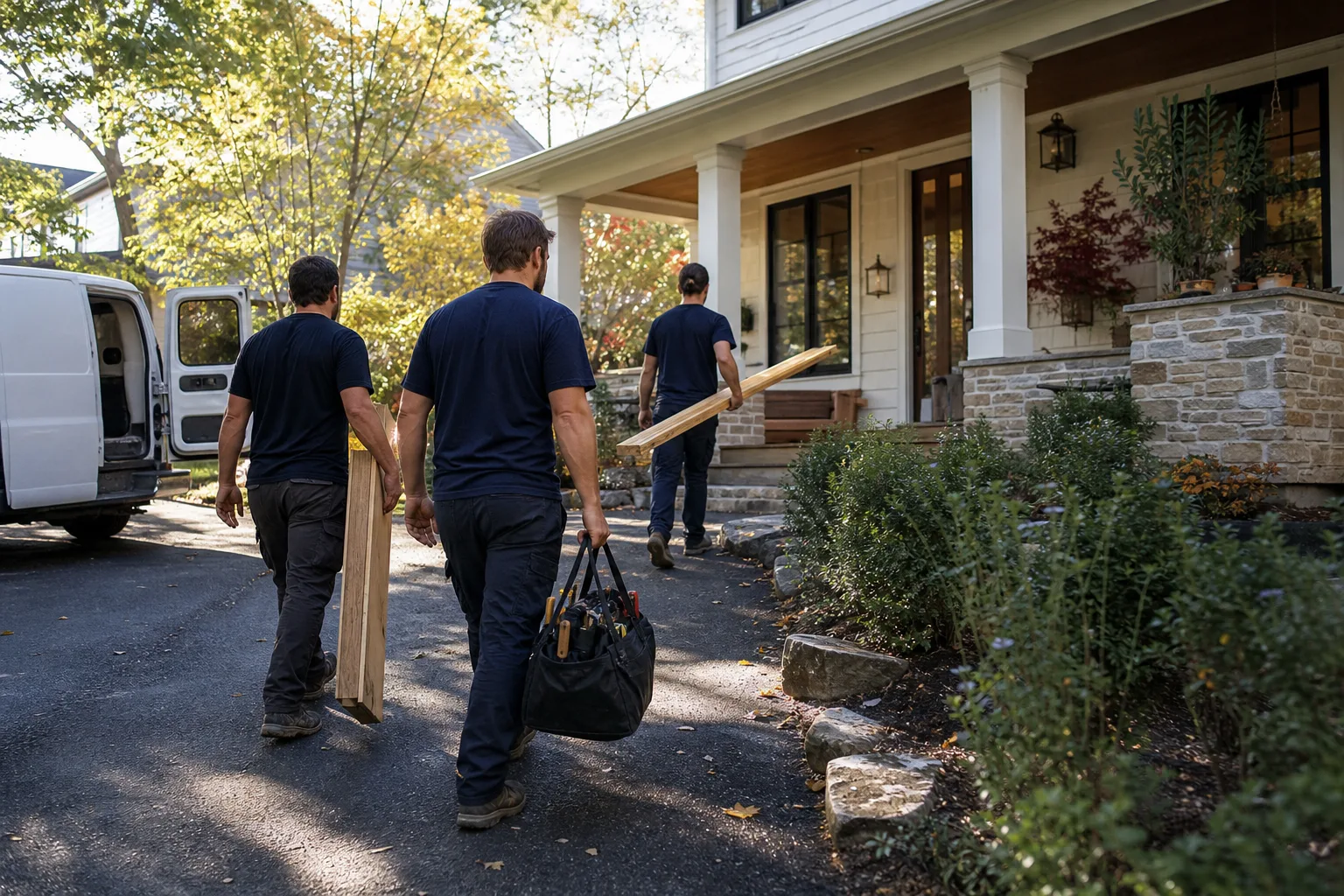
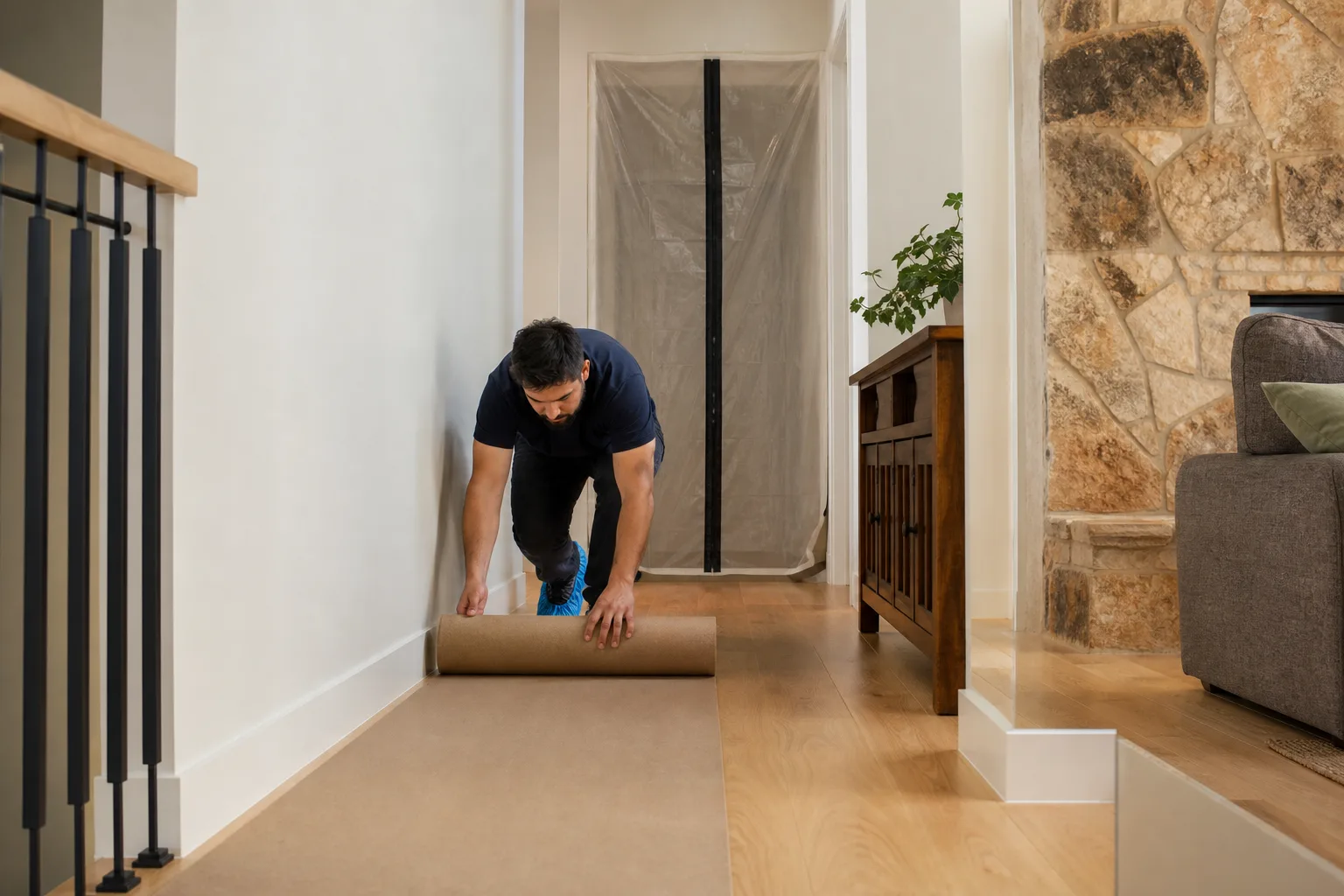
Every Elmstead project includes a line-item price before the crew arrives, shoe covers and drop cloths inside the house, and a photo of the clean-up before we leave. The 365-Day Done Right Promise covers the work after completion: if it’s not done right, we make it right. Graham Stein, our owner, signs off on the scope for every Los Angeles addition and ADU project.
DIY or Call Us?
You can safely check the basics yourself: read the date codes on your Quikrete bags, look for cracks wider than a credit card, and test drainage around the slab with a garden hose. Those checks help you speak clearly when you call. What you should not do is pour a foundation, stem wall, or structural slab yourself. Concrete work on a Los Angeles addition or ADU carries real risk, starting with a failed inspection and ending with a slab that has to be jackhammered out and replaced because the rebar was placed wrong. We have seen that happen in Los Angeles, and the redo costs more than the original. If you are holding a set of ADU plans and a stack of Quikrete bags, call (949) 850-9896 before you open the first one. The written scope is the promise – if it is not on the paper, we have not agreed to it yet.
FAQs
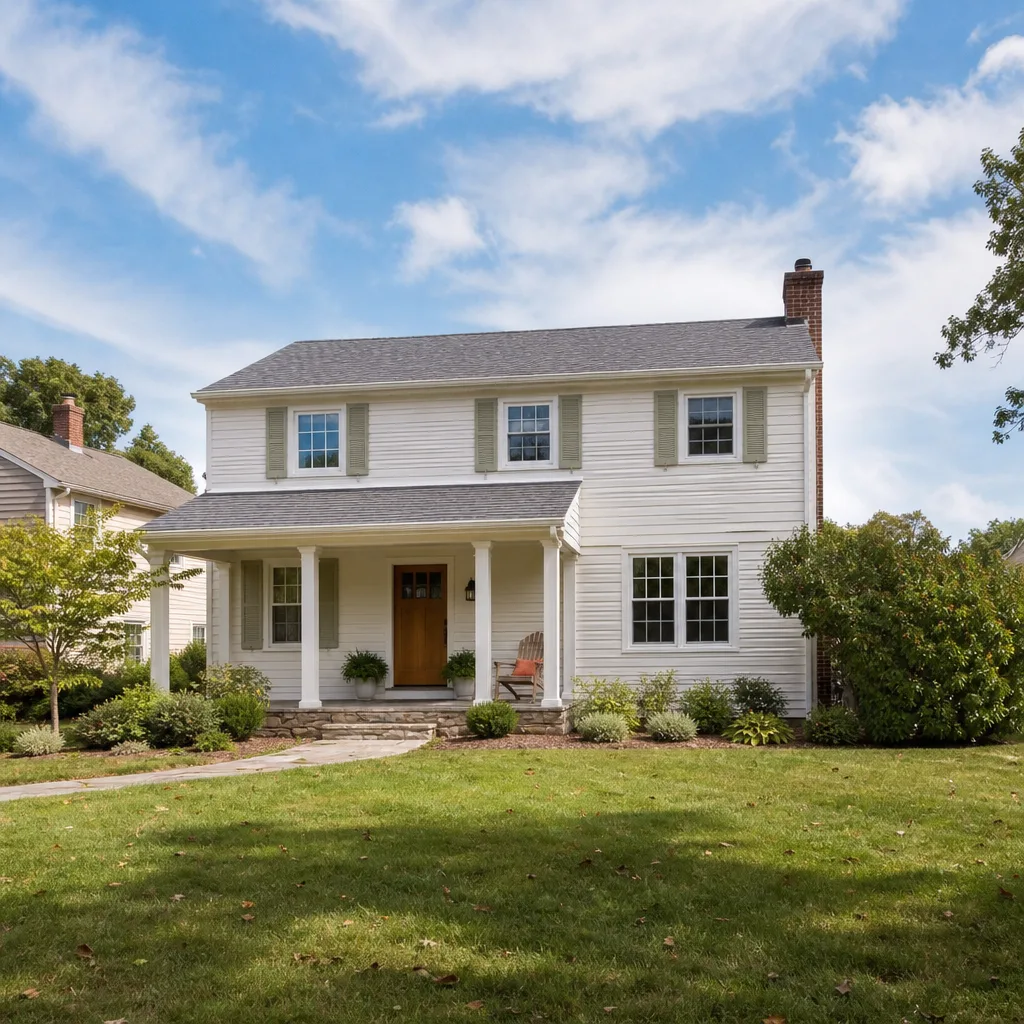
A properly poured and cured concrete slab in Los Angeles lasts 50 to 80 years, assuming the sub-base was compacted and drainage keeps water off the stem wall. Poor drainage and expansive soil in parts of Los Angeles can cut that to 30 years or less. If you’re checking a slab foundation before an addition, call (949) 850-9896 and we’ll have a look.
Yes, small spalls and surface cracks can be patched with a polymer-modified repair mix, but structural cracks in an ADU foundation need to be evaluated by a professional before any patch goes on. In Los Angeles, a structural crack often means soil movement, and patching without fixing the drainage or compaction will simply crack again. Call (949) 850-9896 for an honest read on which situation you have.
A typical home addition runs four to seven months, and an ADU generally runs six to twelve months, with Los Angeles permitting and inspections accounting for part of that timeline. We give a written schedule with the written price, and we update it when inspectors change their dates. Call (949) 850-9896 to talk through your specific site.
We keep Quikrete 5000 PSI, crack-resistant, and fast-setting mixes on hand for Los Angeles projects, along with equivalent products from other suppliers where the job calls for a different spec. If you’ve already purchased Quikrete bags, we can use them if the date codes and storage check out. Call (949) 850-9896 and we’ll confirm what we have on the truck before your project starts.
Written by Graham Stein, Owner, Elmstead Remodeling at Elmstead Remodeling, serving Los Angeles and nearby areas.