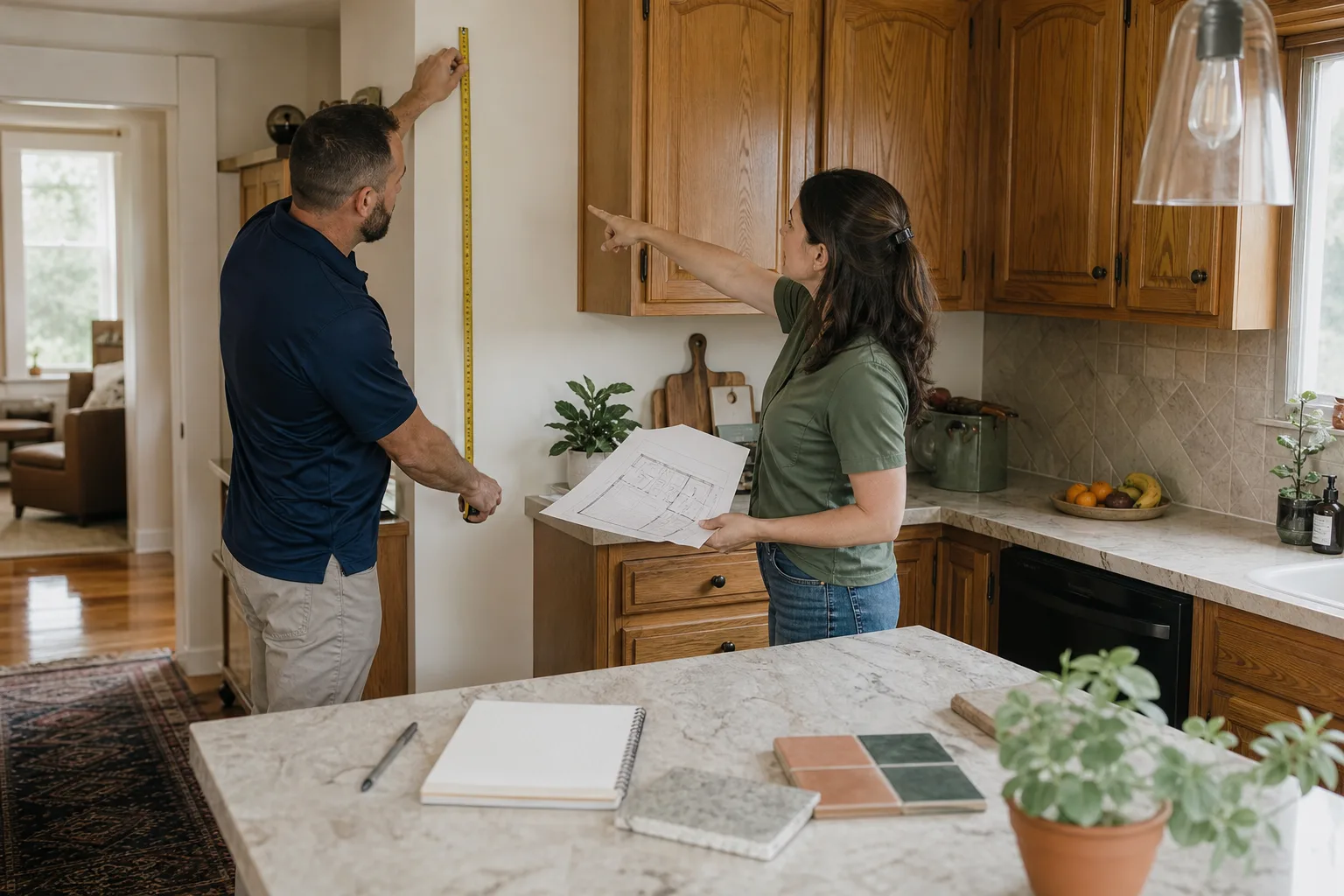
Free written scope consultation - allowances, timeline, and change-order rules on paper before a single trade is scheduled
Sakrete Home Additions & ADU: The Los Angeles Owner’s Guide
When a Sakrete product tied to a home addition or ADU build fails mid-project, the fix usually comes down to three things: matching the specific Sakrete mix or component to the existing work, getting the replacement priced honestly, and keeping the larger project moving. In Los Angeles, our team regularly steps into projects where a homeowner bought Sakrete bags for a foundation pour, a patio slab, or an ADU stem wall and something went sideways, either the mix cured wrong, the quantity came up short, or the product was stored in a way that compromised it before the pour.
Here’s what you need to know up front: a complete home addition in Los Angeles typically runs $53,100 to $153,400, and a full ADU build runs $106,200 to $259,600. If you’re dealing with a Sakrete-related failure inside one of those projects, the repair is almost always a small fraction of the total. Most Sakrete-specific fixes we handle land between $500 and $6,000 depending on whether we’re patching, repouring a section, or demoing and redoing a small concrete element like a step, a curb, or a section of the ADU foundation stem wall.
Sakrete is a bagged concrete and mortar brand, not a machine with moving parts. When a Sakrete product “fails,” what actually failed is usually the pour itself: it cured too fast in Los Angeles heat, it was mixed with the wrong water ratio, it was poured too thin, or it sat in a damp garage for a year and the bag contents hydrated and became useless. We see this in neighborhoods across LA, from the hot inland stretches of the San Fernando Valley to the coastal marine layer zones in Mar Vista and Culver City, where cure times and moisture behavior differ dramatically.
Which Sakrete Models This Applies To
Sakrete makes dozens of bagged products, but for home additions and ADUs in Los Angeles, the ones that matter are the structural and finishing mixes: Sakrete High-Strength Concrete Mix (the 5000 PSI bag is the common one for ADU footings), Sakrete Crack-Resistant Concrete Mix, Sakrete Mortar Mix Type S, Sakrete Sand Mix, and Sakrete Fast-Setting Concrete Mix. Each has a different cure window, a different working time, and a different PSI rating when properly mixed.
The compatibility gotcha most Los Angeles homeowners miss: not every Sakrete mix is rated for the load it’s about to carry. Fast-Setting Concrete Mix, for example, is ideal for fence posts and small pads but we would not spec it for an ADU foundation stem wall or a load-bearing footing under a home addition beam. Using the wrong Sakrete product is one of the most common root causes of concrete failures we get called to fix. Before you buy, check the bag’s PSI rating and match it to the structural requirement in your plans. If your plans say 3000 PSI minimum, a 4000 or 5000 PSI mix buys you margin. If they say 5000 PSI minimum, nothing weaker will pass a Los Angeles building inspection.
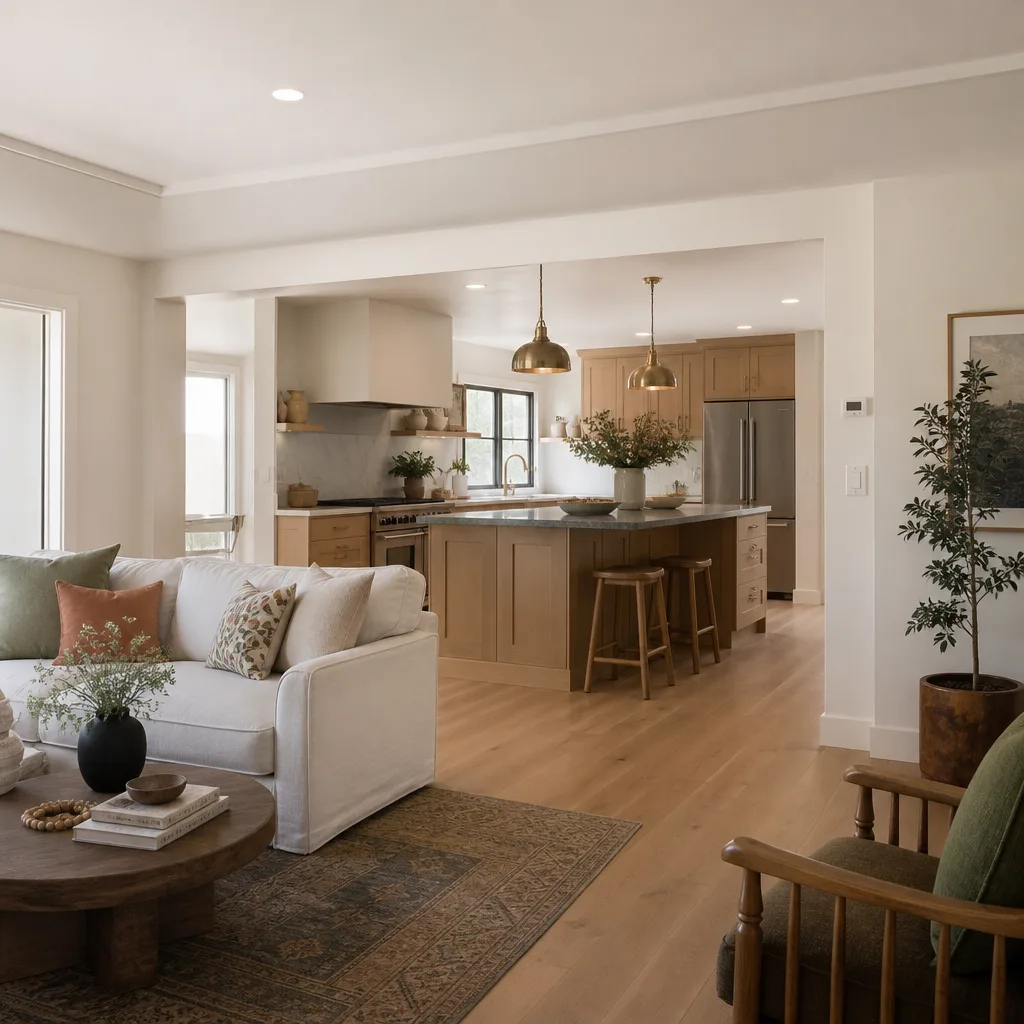
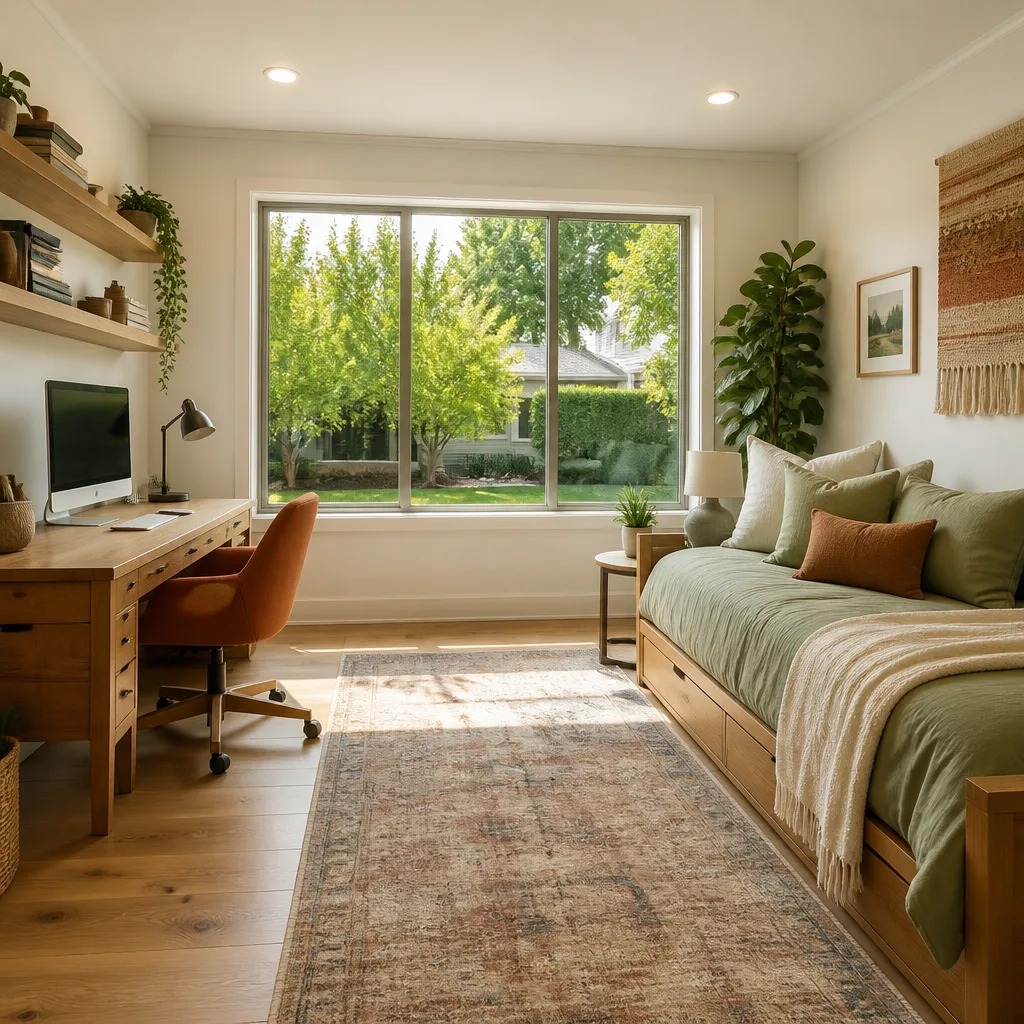
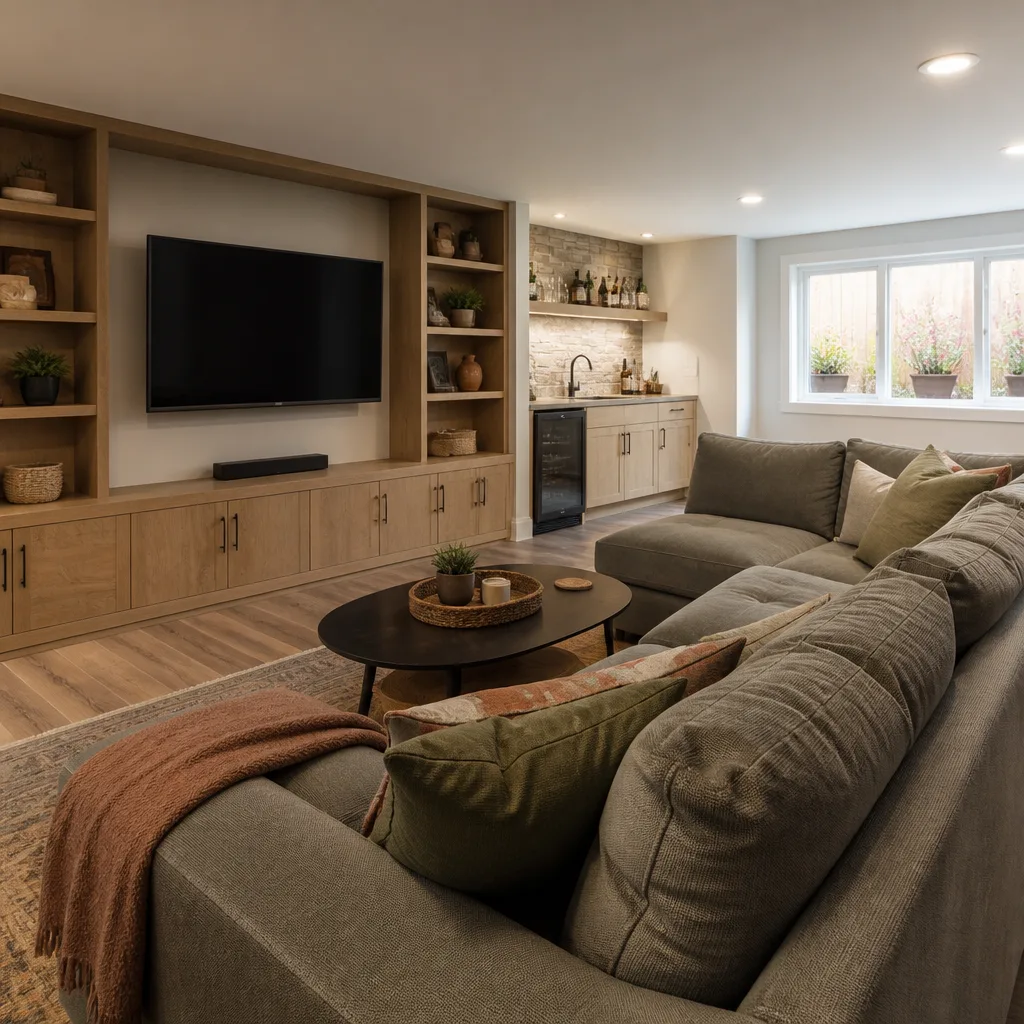
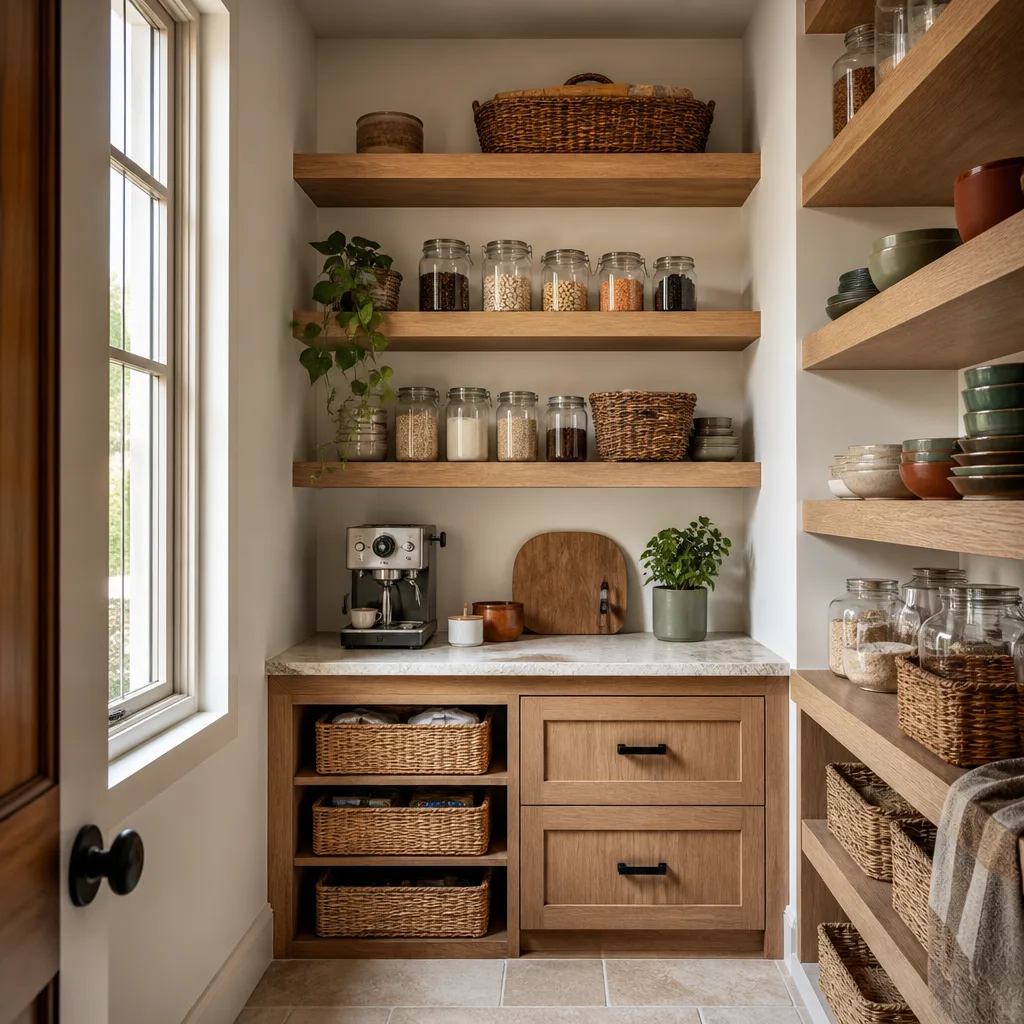
Some of the homes we’ve worked on also carry KraftMaid cabinets, Cambria or Silestone countertops, and other named-brand finishes. The principle is the same whether we’re matching a Sakrete mix or a cabinet door: the replacement or repair has to match what’s already there, spec for spec, or the whole element looks and behaves wrong.
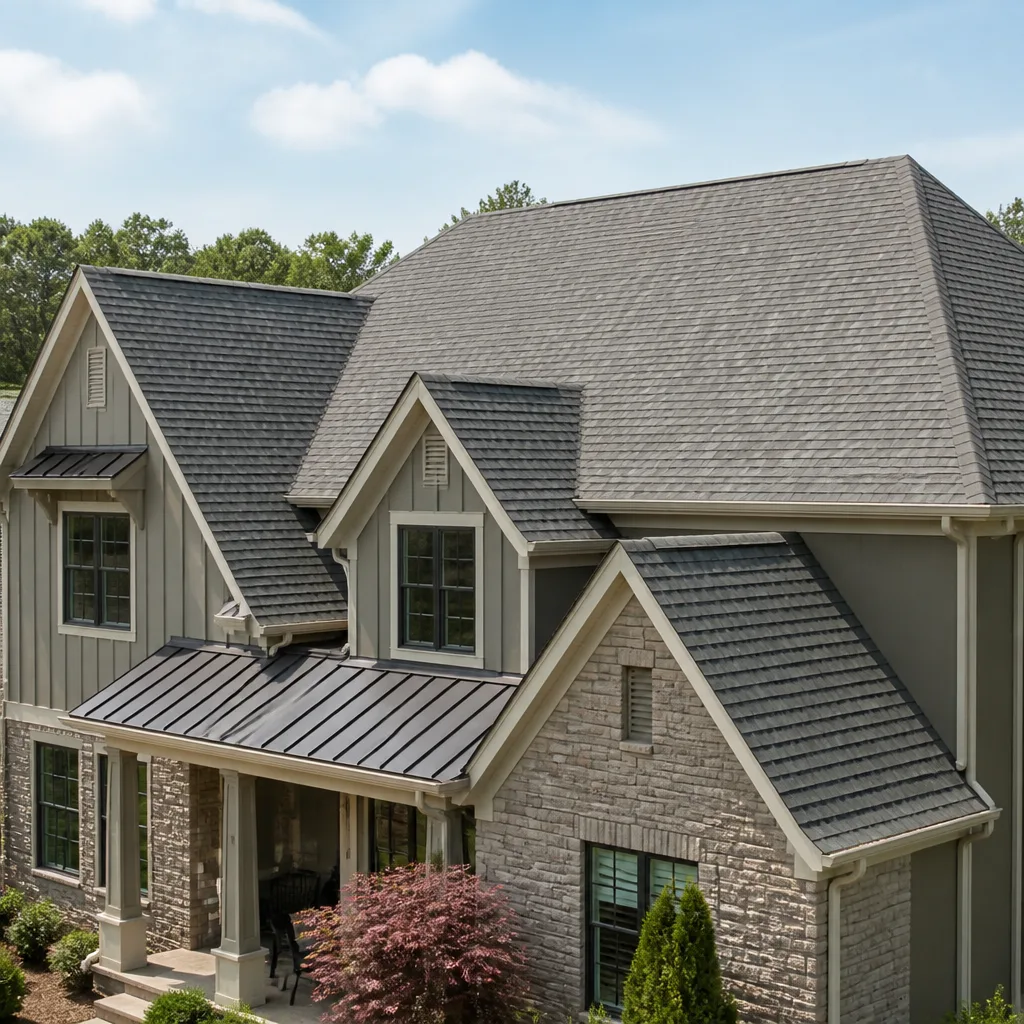
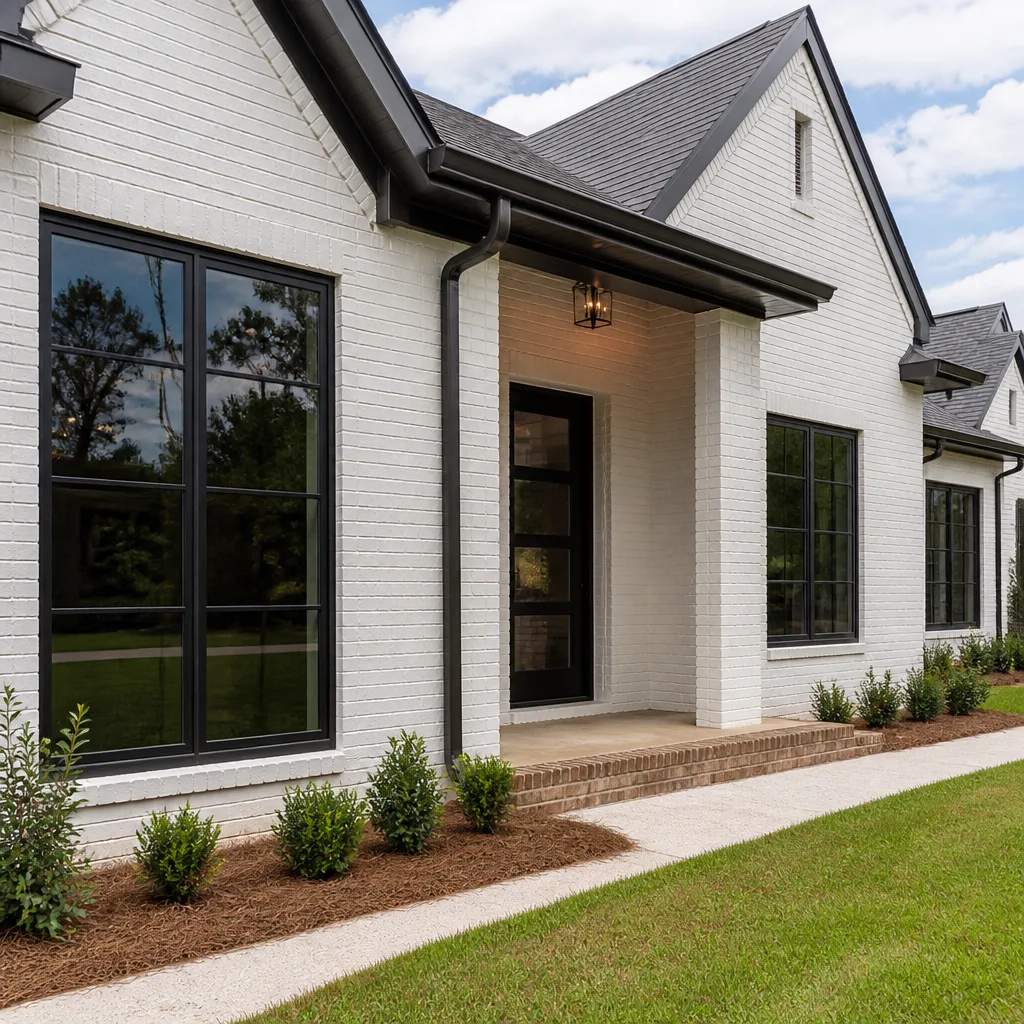
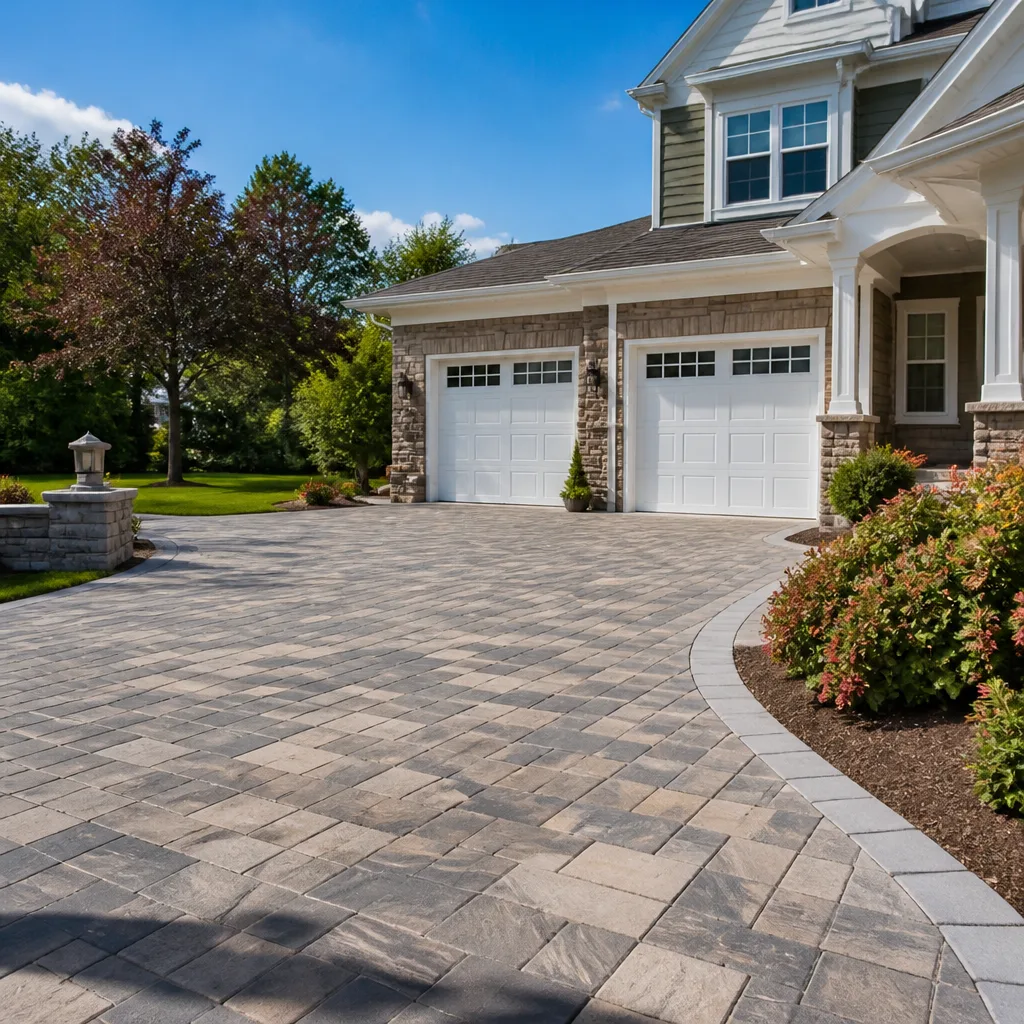
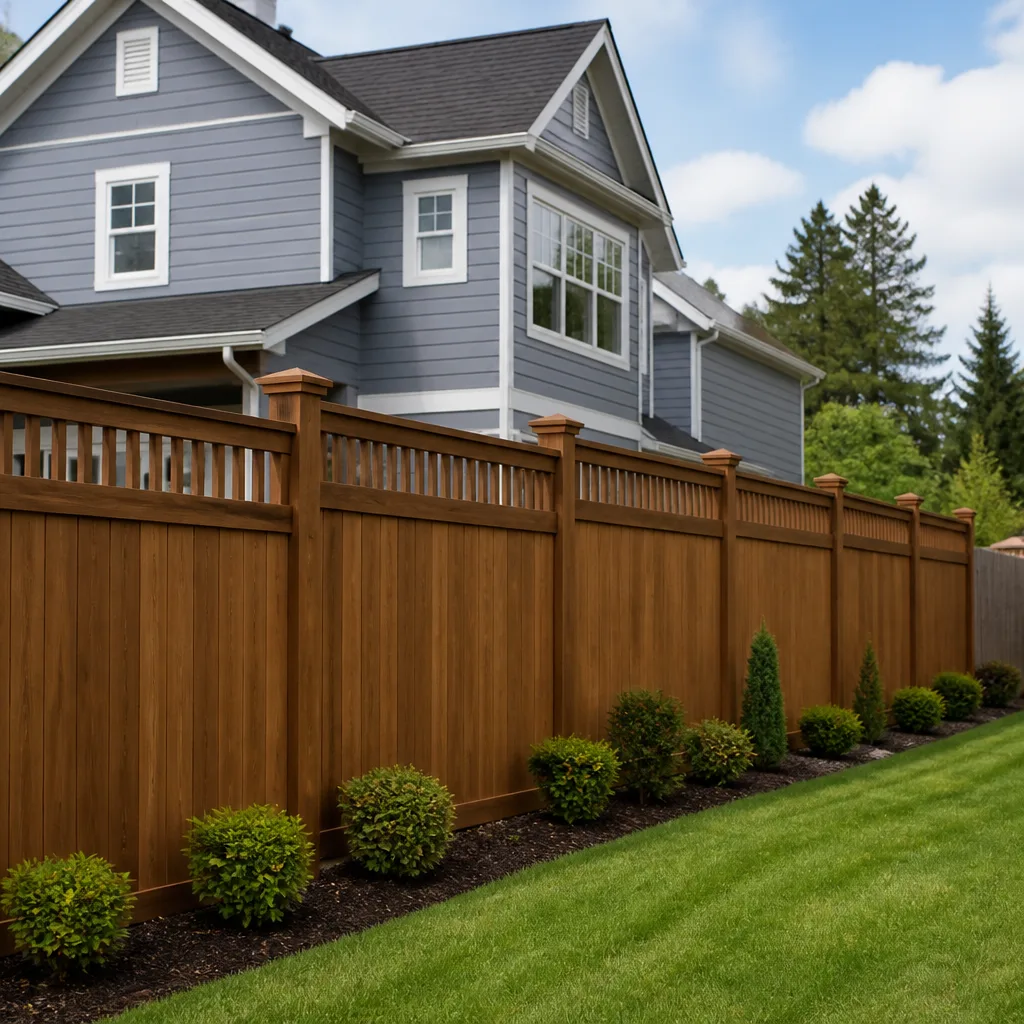
Styles & brands we work with
Signs Your Sakrete Home Additions & ADU Is Failing
- Cracks wider than a quarter inch, especially within the first year. Hairline cracks in concrete are normal. Cracks that open up, spread, or run diagonally across a slab usually mean the Sakrete was mixed too wet, poured too thin, or the ground underneath shifted after the pour. In Los Angeles, expansive clay soil in neighborhoods like Silver Lake and Echo Park is a major contributor.
- Crumbling or scaling surface. If the top layer of the concrete flakes off when you run a shoe across it, the pour likely cured too quickly. LA’s dry heat and direct sun can pull moisture out of fresh Sakrete before it gains strength, especially if no wet cure or curing compound was used. This one we saw first-hand on a Valley ADU pad poured in August, and we’ve speced cure covers on every hot-weather pour since.
- Soft spots or hollow-sounding areas. Tap the concrete with a hammer handle. A dull thud is solid. A hollow ring means the mix wasn’t consolidated properly, or there’s a void underneath. For an ADU slab, that void means the floor is holding load on air, not soil.
- Efflorescence or white chalky residue. White powder on the surface isn’t always a structural problem, but it tells you water is moving through the concrete. Over time, that moisture movement can corrode rebar and weaken the element. It’s a sign to address drainage around the addition or ADU before the problem moves deeper.
- Staining that doesn’t wash off, or a musty smell inside the ADU. Concrete is porous. If the Sakrete pour wasn’t sealed or the vapor barrier beneath it was skipped, moisture from the ground moves up through the slab. That moisture carries the musty smell and eventually delaminates flooring laid on top.
See the difference
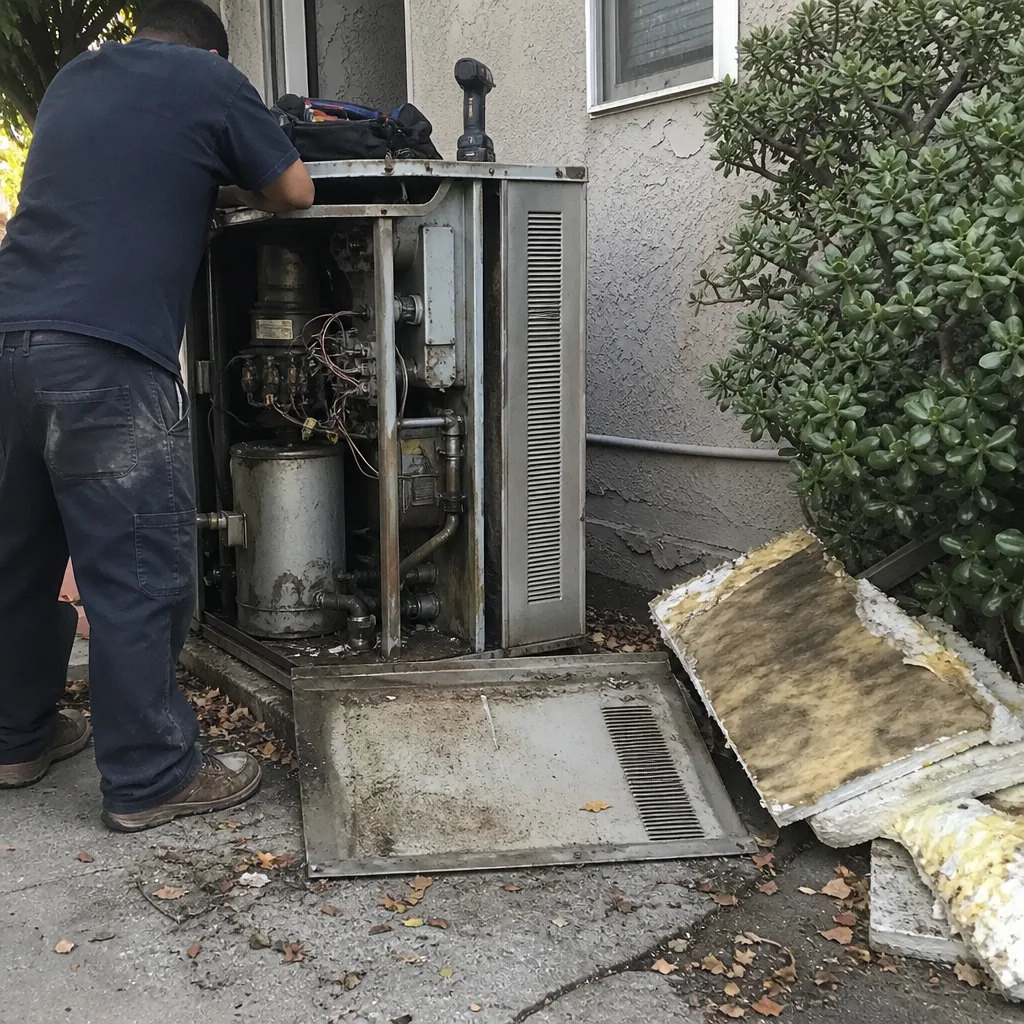 Before
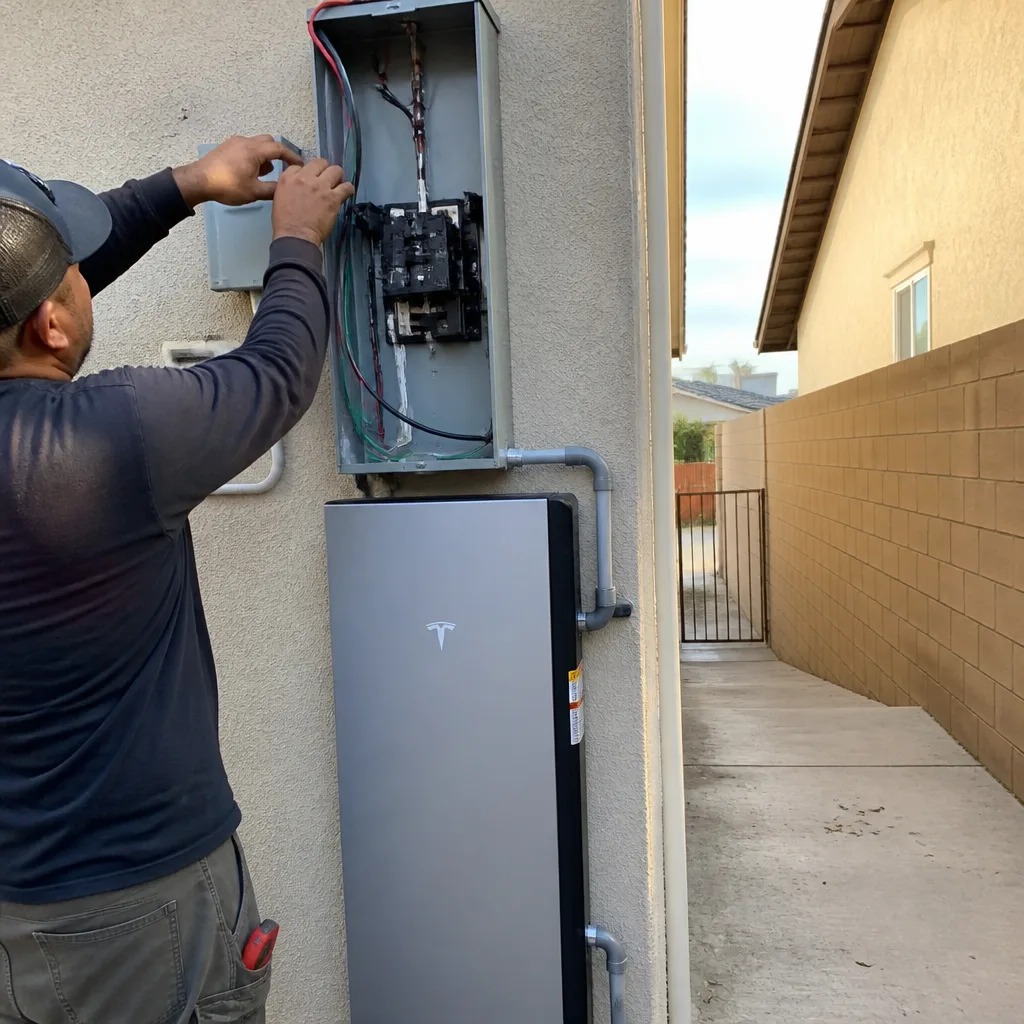 After
After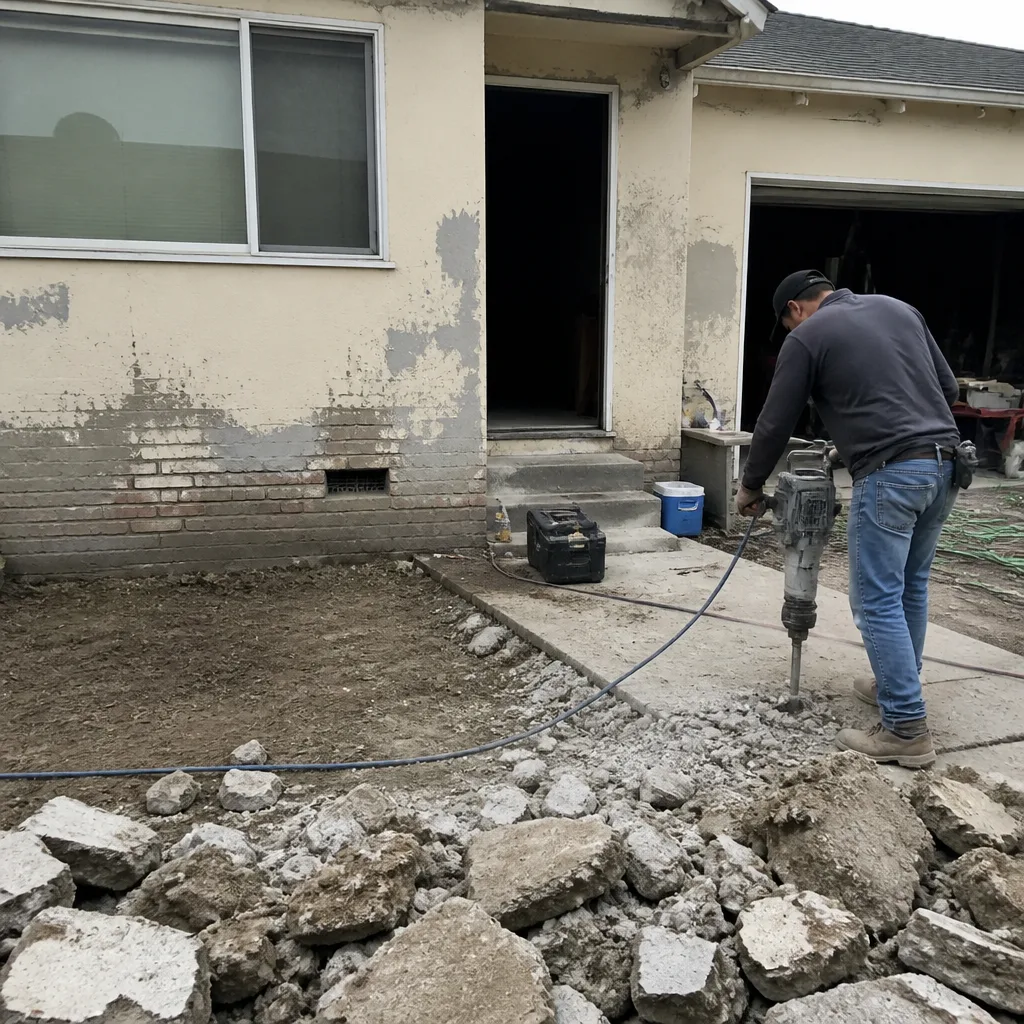 Before
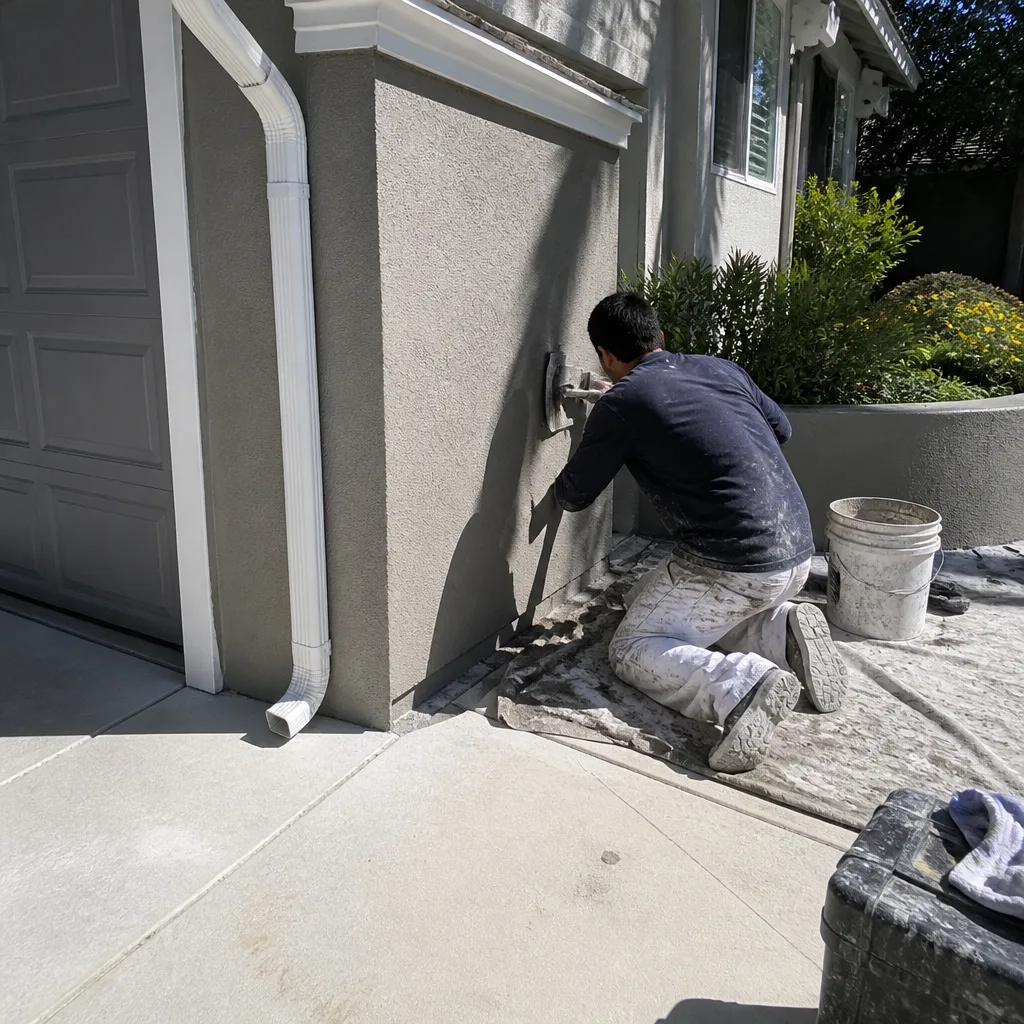 After
After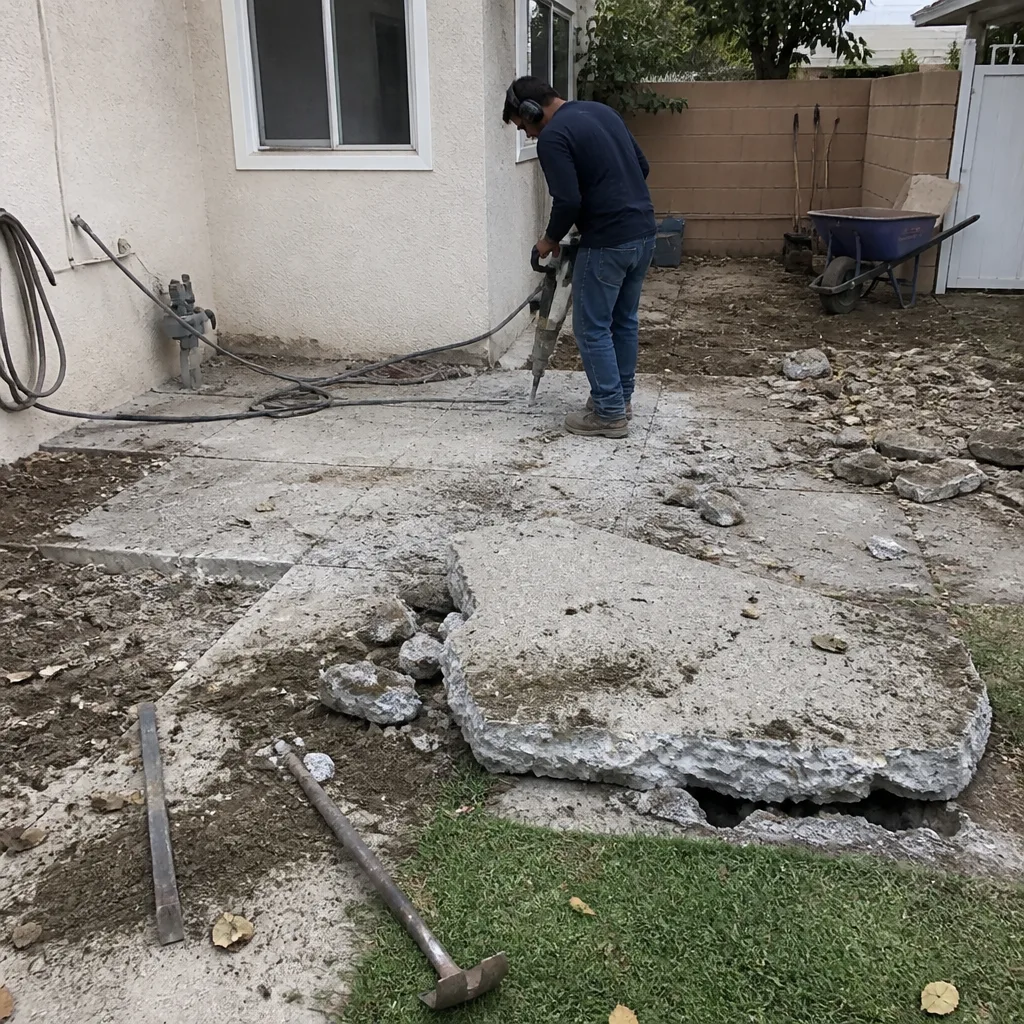 Before
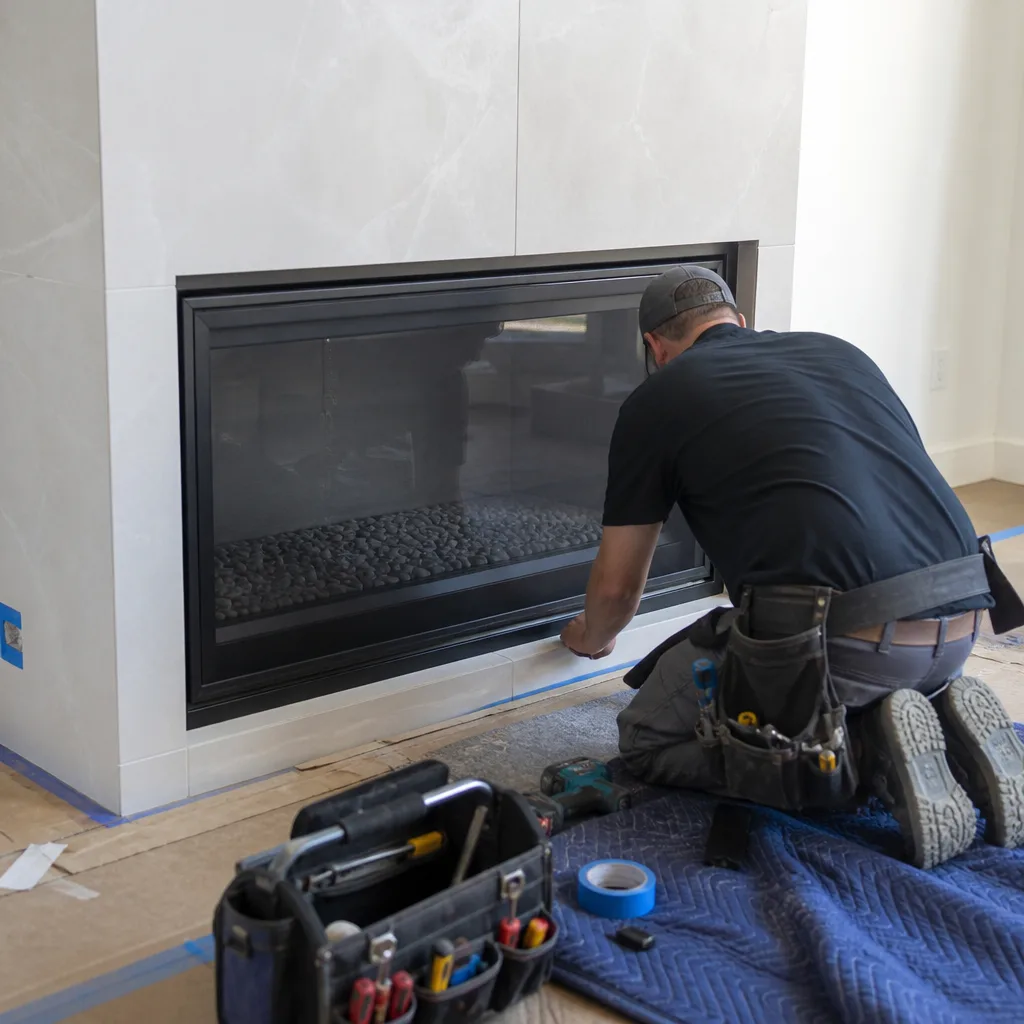 After
AfterReplacement Cost & What’s Included
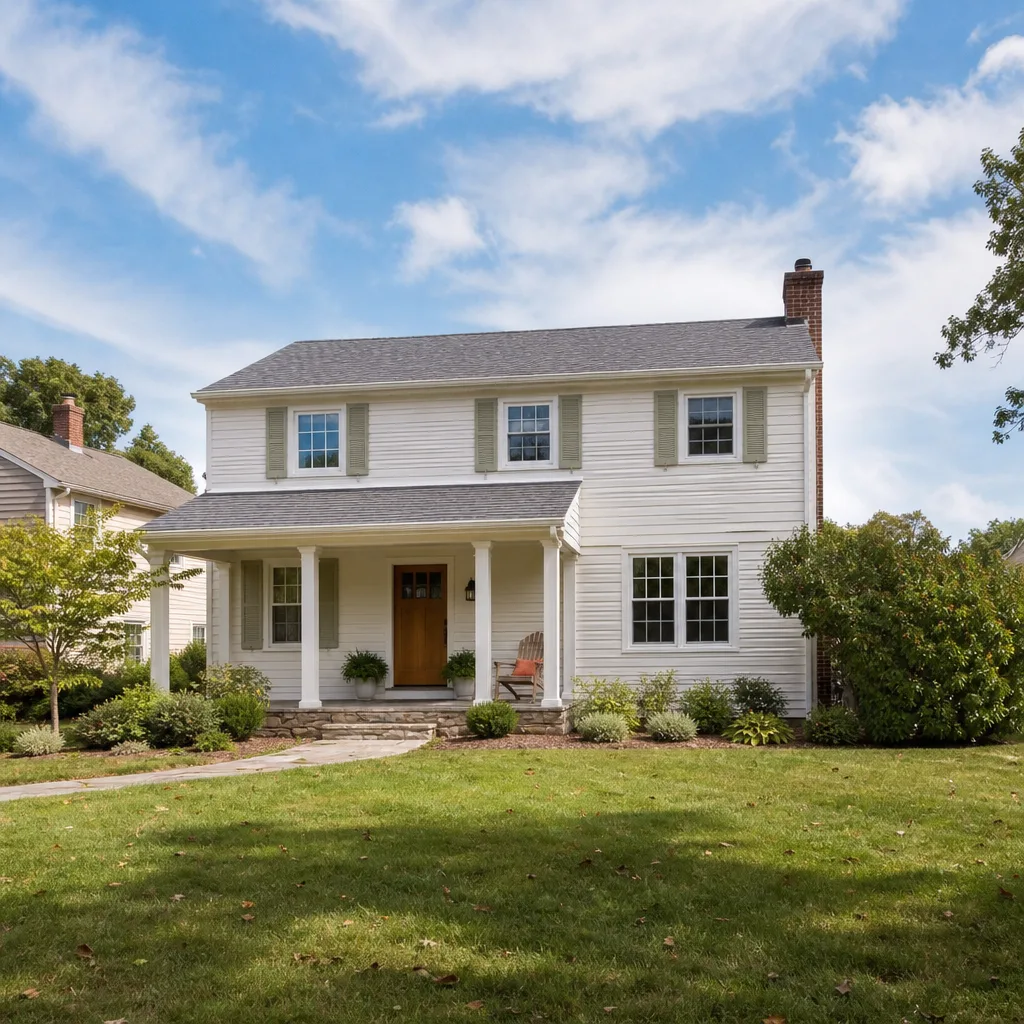
For Sakrete-related repairs within a home addition or ADU in Los Angeles, here are the honest ranges:
- Small concrete patch or surface repair (cracked step, curb, or small section of slab): $500 – $1,500
- Repour a section of driveway or walkway tied to the addition: $1,500 – $4,500
- Demo and repour an ADU foundation stem wall section: $3,000 – $8,000
- Full concrete demolition and repour for an addition slab (up to 400 sq ft): $5,300 – $12,000
- Complete home addition (if the concrete failure is part of a bigger correction): $53,100 – $153,400
What drives the range is access, thickness, rebar requirements, and whether we need to match an existing finish (broom, smooth trowel, or stamped). Every repair starts with a written price before any work begins. If the scope changes mid-job because we uncover something behind the concrete, the new price goes on the paper before the new work starts. This is how we handle every project in Los Angeles, and it is not optional for us. The 365-Day Done Right Promise covers the repair work: if it fails again within a year of completion, we make it right.
DIY or Call Us?
Concrete looks forgiving, and for a small Sakrete patch, a homeowner with a mixing paddle and some patience can often do a decent job. The places we tell people to stop and call a contractor: any pour that carries structural load (ADU stem walls, footings, beams), any pour over 2 inches thick, any pour requiring rebar or wire mesh, and any repair where the existing concrete has failed once already. If the first pour failed, the second one will too unless the cause is fixed first, and that cause is rarely obvious from the surface.
Concrete burns are real. Wet concrete is caustic. We wear gloves and eye protection on every mix, and we keep the work area clear of kids and pets because a curious dog or a toddler near a fresh pour is a risk nobody needs. If you’re unsure whether your Sakrete failure is a safety issue or just cosmetic, call (949) 850-9896 and describe what you’re seeing. We’ll tell you honestly whether it’s a weekend patch or a professional fix.
FAQs
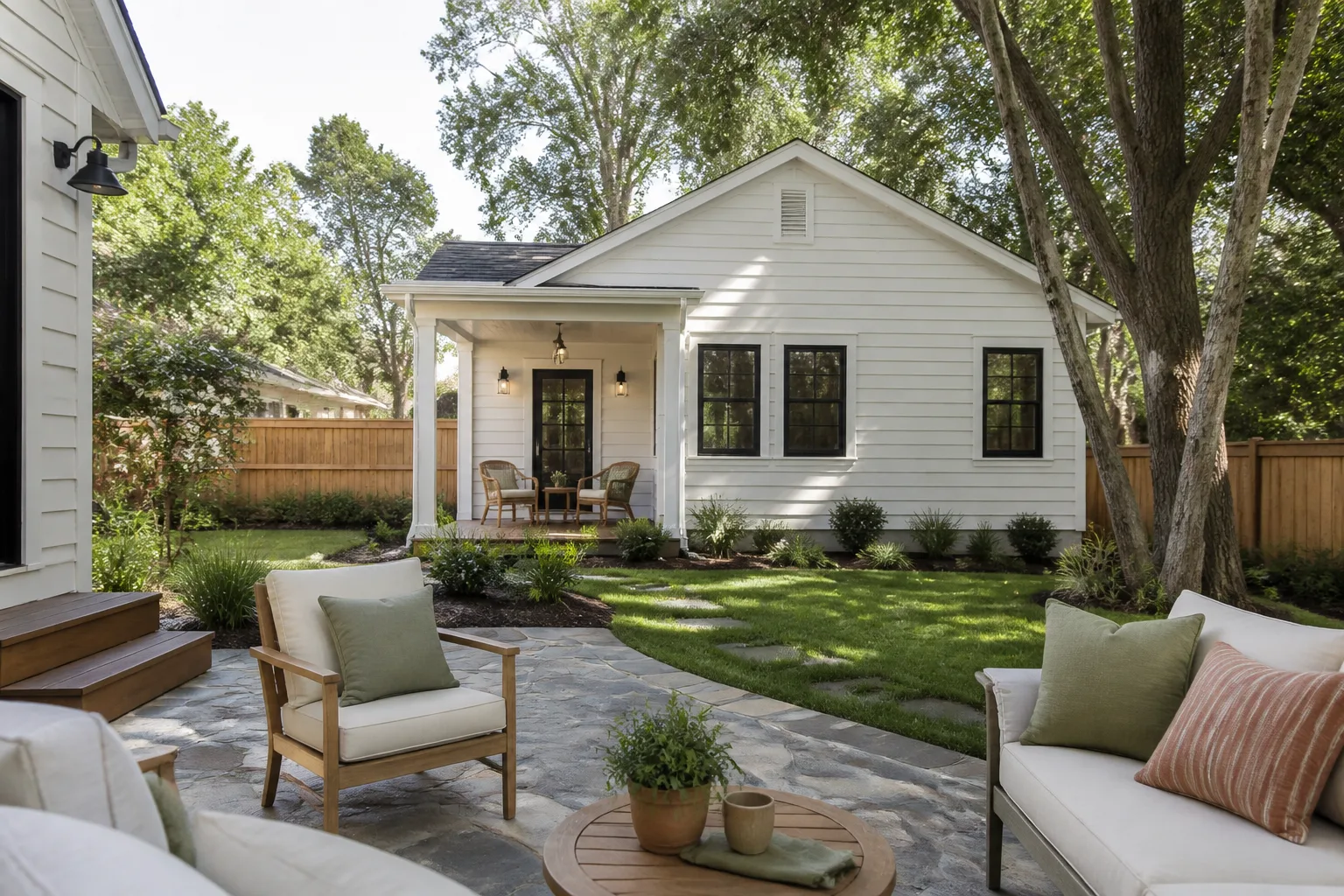
A properly mixed, properly cured Sakrete pour for a residential slab or footing should last 20 to 50 years in Los Angeles, assuming the ground beneath it is stable and drainage is managed. Failures we see in the first 1 to 5 years are almost always a mix, cure, or prep problem, not a Sakrete product defect. Call (949) 850-9896 if you’re seeing early failure, and we’ll help you figure out what went wrong.
Sometimes, yes. Surface scaling and small cracks can often be patched with a polymer-modified Sakrete repair product. Structural cracks, hollow spots, or sections that have shifted generally need demolition and a repour. The honest test is how the concrete sounds when tapped and how the cracks move over time. We’ll tell you straight which path yours needs during the free estimate.
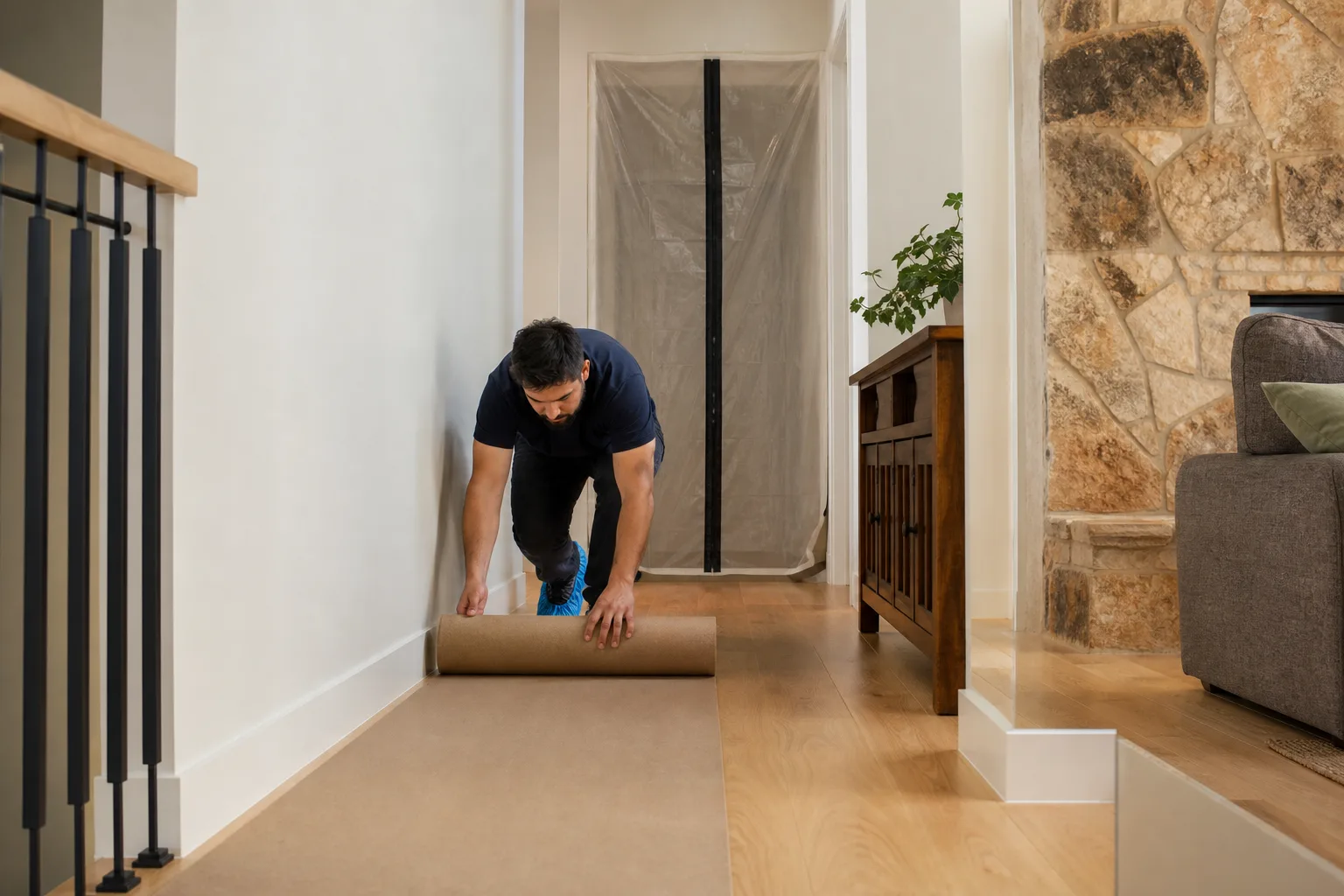
Small patches and surface work are usually done in a single day, plus cure time before foot traffic. A section repour can take 2 to 3 days: demo, form and pour, then cure before finishing. We schedule the work around your family’s routine, keep drop cloths down along the walk path, and leave a photo of the clean-up before the crew pulls away.
We keep the most common Sakrete mixes and repair products on our Los Angeles trucks: High-Strength Concrete Mix, Crack-Resistant Mix, Type S Mortar, Sand Mix, and Fast-Setting Mix. If your repair needs something special, we can usually have it within a day. The written scope is the promise, if it is not on the paper, we have not agreed to it yet. Call (949) 850-9896 for a free estimate and we’ll tell you exactly what we’d use and why.
Written by Graham Stein, Owner, Elmstead Remodeling at Elmstead Remodeling, serving Los Angeles and nearby areas.