Free written scope consultation - allowances, timeline, and change-order rules on paper before a single trade is scheduled
Silestone Home Additions & ADU: The Los Angeles Owner’s Guide
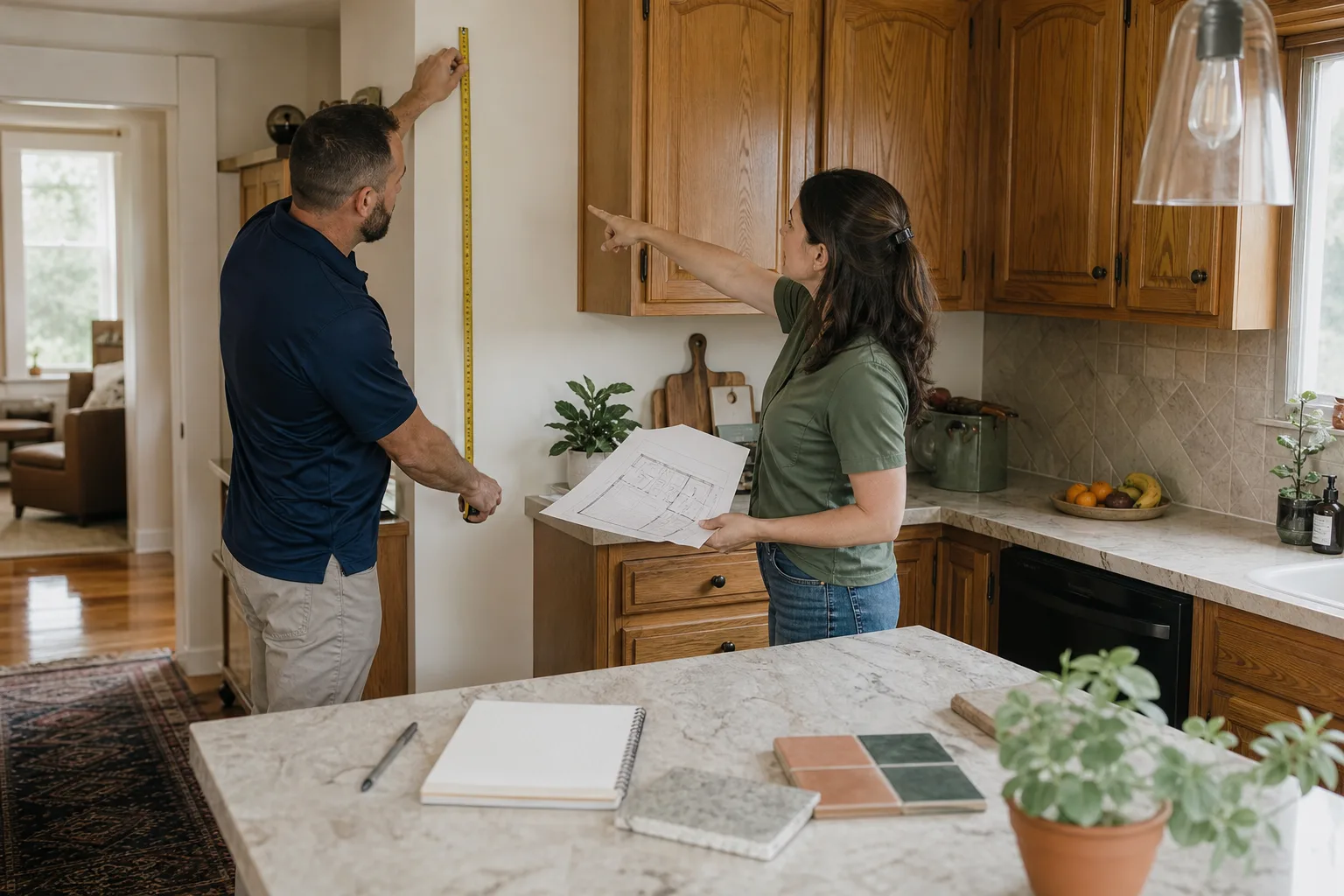
If you’re planning a home addition or ADU in Los Angeles with Silestone surfaces, the installed cost typically runs $53,100 to $153,400, with ADU construction ranging $106,200 to $259,600 depending on square footage, foundation work, and finish level. We install Silestone quartz on kitchen and bath surfaces inside new additions roughly 2 to 4 weeks after framing inspection clears, and we carry Silestone sample decks on the truck at every consultation so you’re matching slabs to actual drywall, not a phone screen. Most homeowners discover this stage has gone sideways when the project stalls at the countertop template appointment because someone measured a wall 3 inches off, or when the Silestone arrives and the island overhang doesn’t match the permit drawings.
The written scope is the promise – if it is not on the paper, we have not agreed to it yet. And that’s exactly how an addition or ADU should begin, because every inch of Silestone gets cut to a room that has to be framed square before the template guy shows up.
Which Silestone Models This Applies To
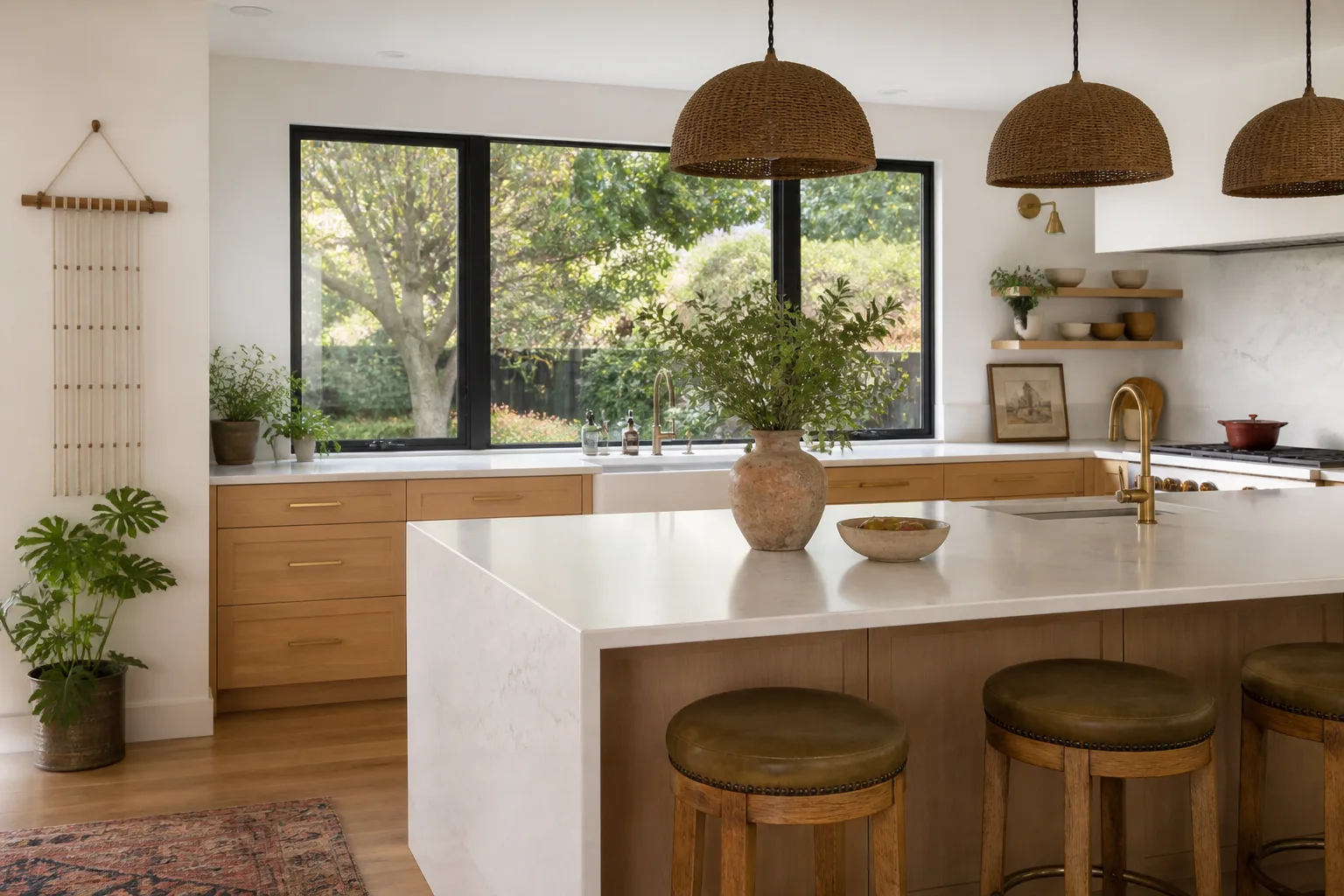
Silestone runs three finish lines that matter for additions and ADUs in Los Angeles: the polished standard line (most common in kitchens), the suede/matte finish (popular for laundry rooms and bathroom vanities in ADUs), and the newer low-silica hybrid formulations which some homeowners request when they are sensitive to fabrication dust on site. All three cut and install the same way, but the matte finishes show fewer fingerprints during the months when construction dust is still settling out of the air.
The compatibility gotcha with Silestone in an addition is slab size versus your island plan. Standard Silestone slabs run 120 by 55 inches, and when an island spec exceeds 55 inches in depth you are into two slabs with a visible seam, or a jumbo slab surcharge that most general contractors do not mention until the fabrication quote lands. We flag this at the plan review stage, not after framing. If your existing home already has Silestone and you want the ADU to match a discontinued color, Silestone cycles colors out of production roughly every 3 to 5 years. Before you design around a match, we verify that the colorway is still in active distribution. We are an independent contractor, not affiliated with Silestone, which means we have no reason to push one color line over another – we order from the same distributors anyone else does.
Styles & brands we work with
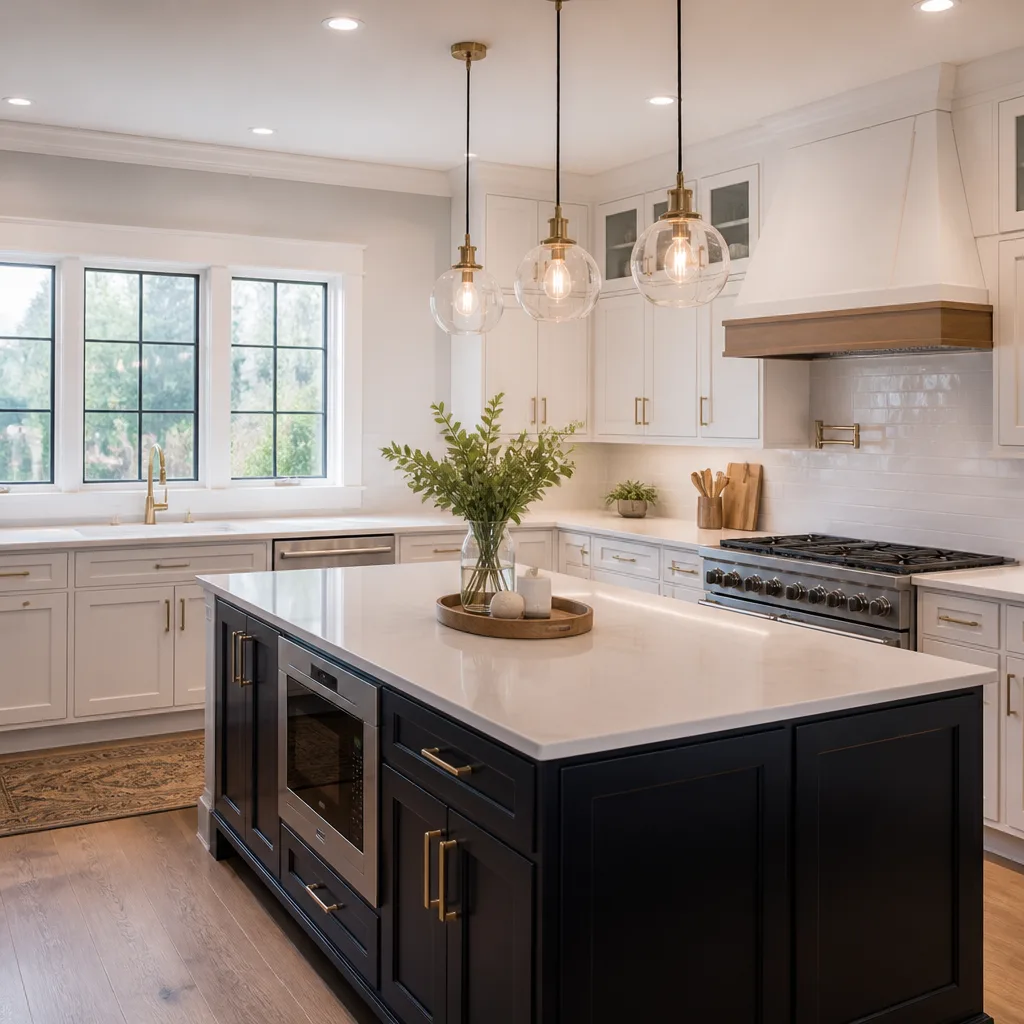
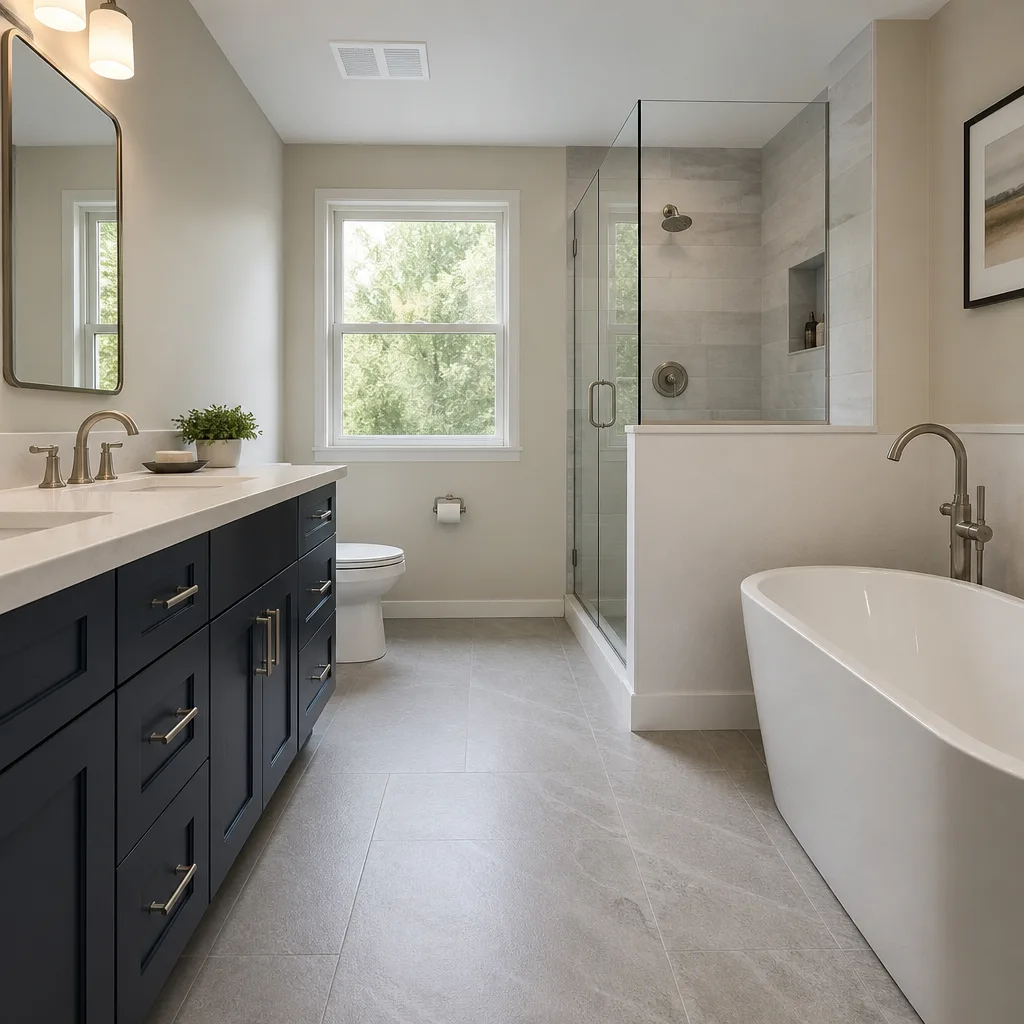
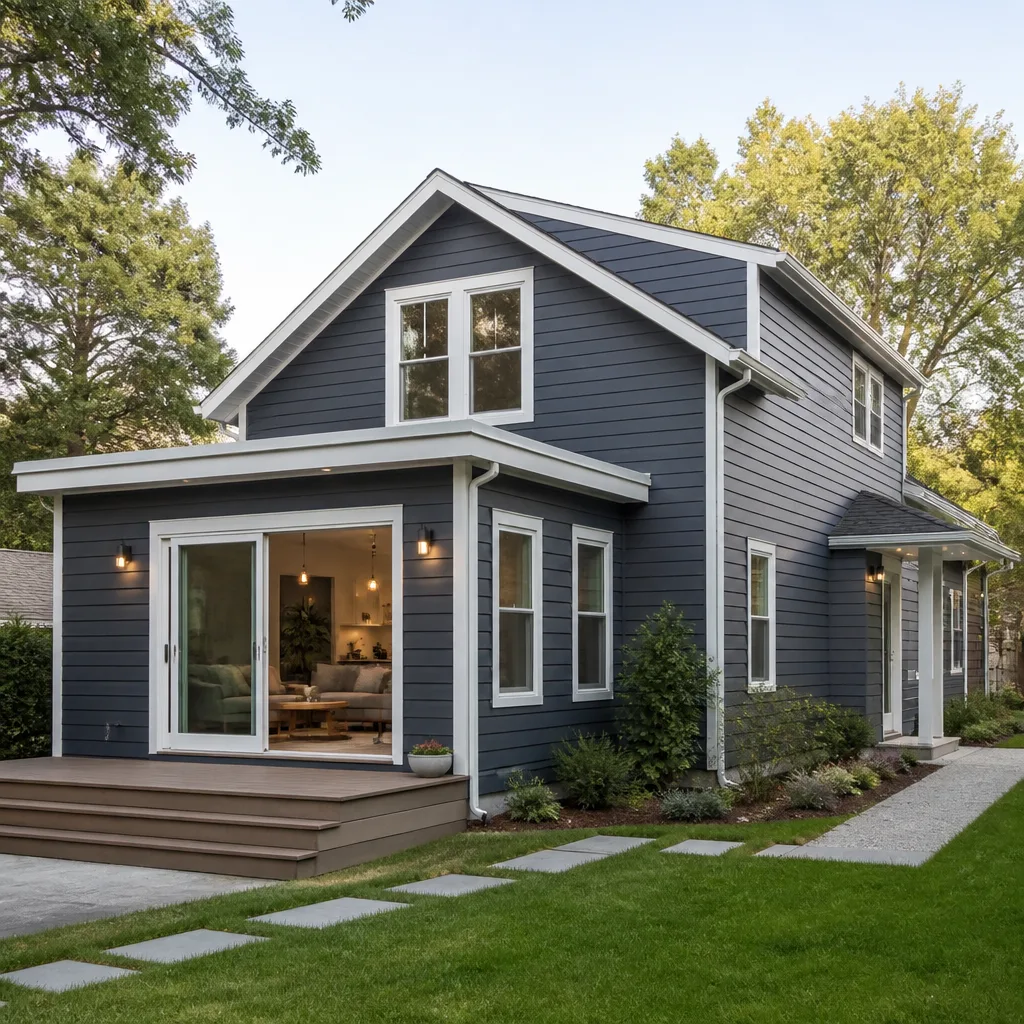
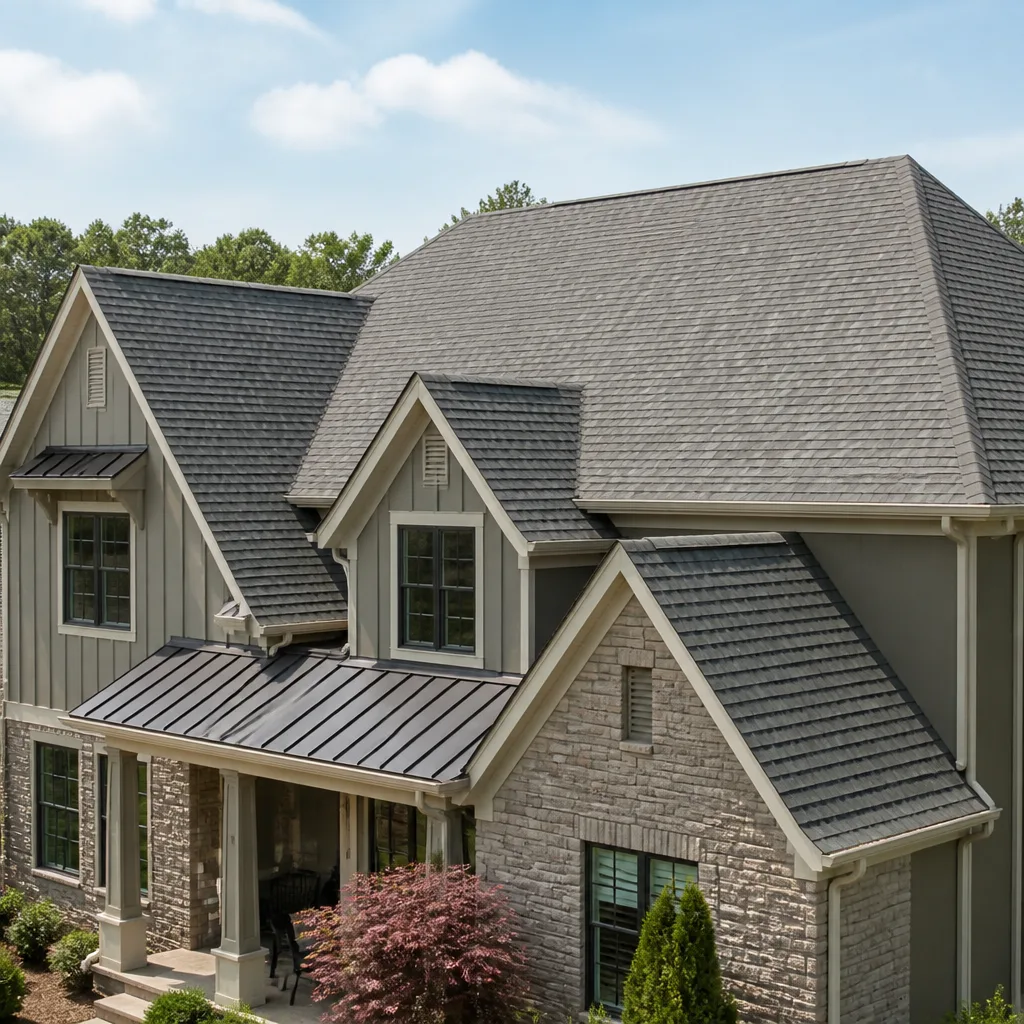
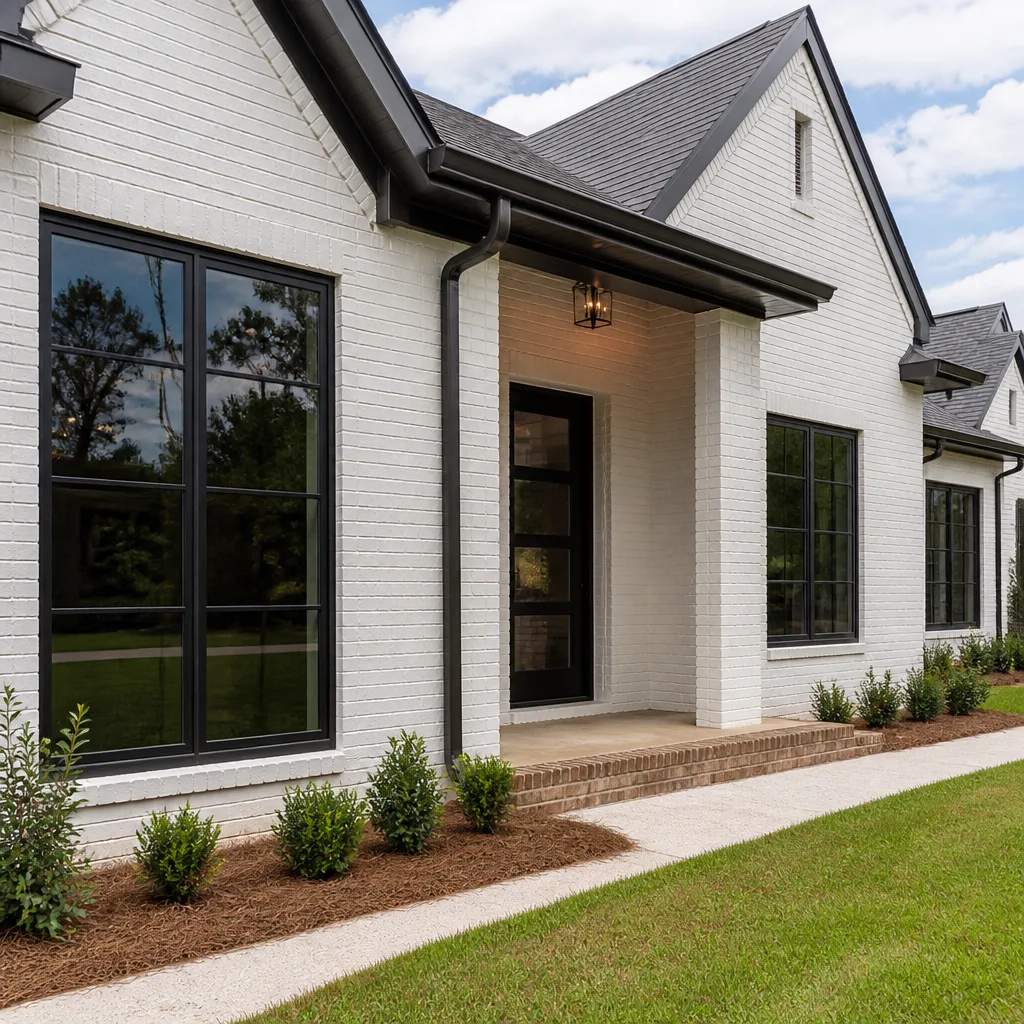
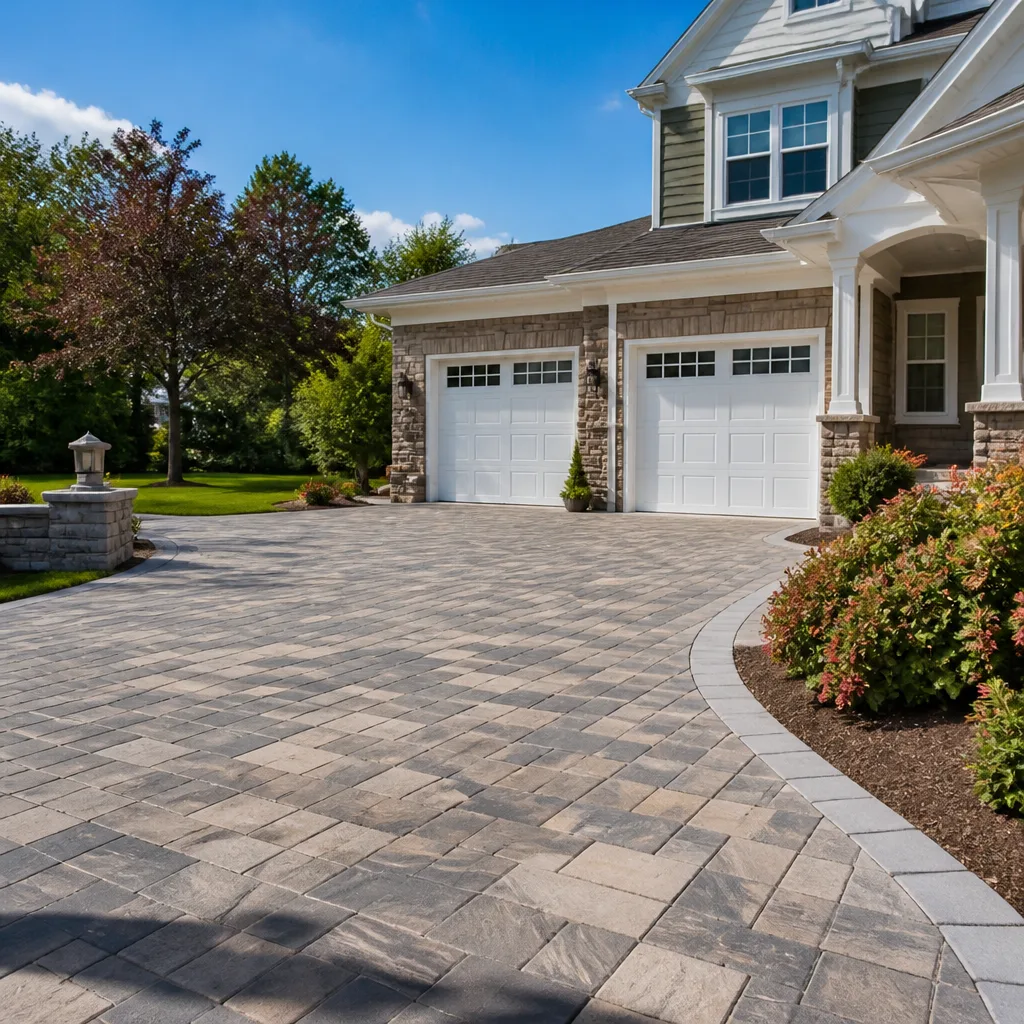
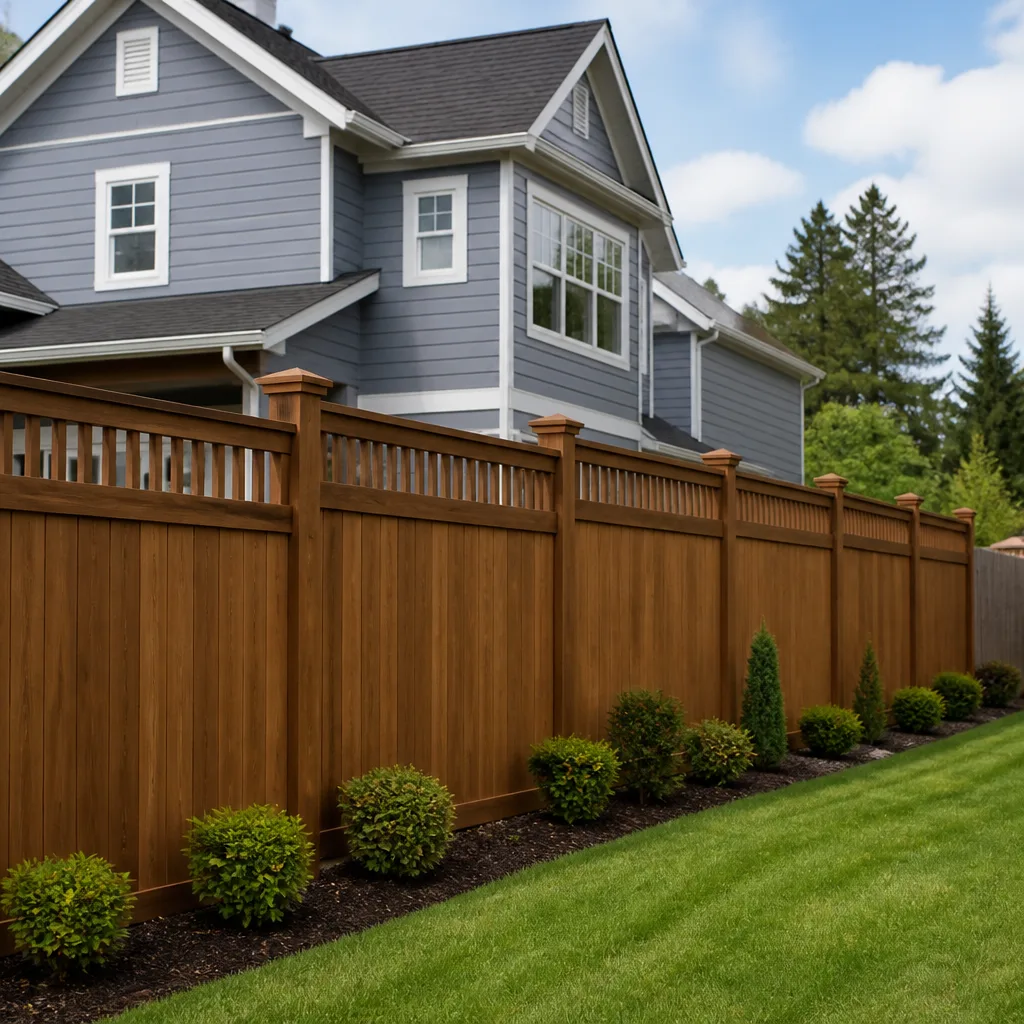
Signs Your Silestone Home Additions & ADU Is Failing
- Seams are opening or chipping at the joint within the first year. In a new addition, this usually means the cabinet base underneath settled because the subfloor was not leveled before install. Silestone does not flex; the seam carries the movement and eventually fails.
- The overhang is bouncing when you lean on it. Overhangs beyond 12 inches need steel or corbel support. If the fabricator skipped supports to keep the line clean, the stone is carrying weight it was never rated for.
- Hairline cracks running parallel to the sink cutout. In Los Angeles, especially in hillside zones like Silver Lake or Echo Park, we see this when the house settles seasonally and the cabinet frame is too rigid to absorb the movement. The slab cracks because the frame won’t give.
- Water staining around the faucet or sink edge where the stone meets the fixture. This is not a Silestone failure – it is a silicone bead that was tooled too thin or skipped during a rushed final day. We pull the faucet, clean the seat, and re-set it with a proper bead.
- The color looks flat or cloudy compared to the showroom sample. Some installers polish out saw marks with a topical enhancer that fades. Real Silestone does not cloud. If it looks wrong after the first wash, the slab may be a discontinued batch or was stored poorly before delivery.
See the difference
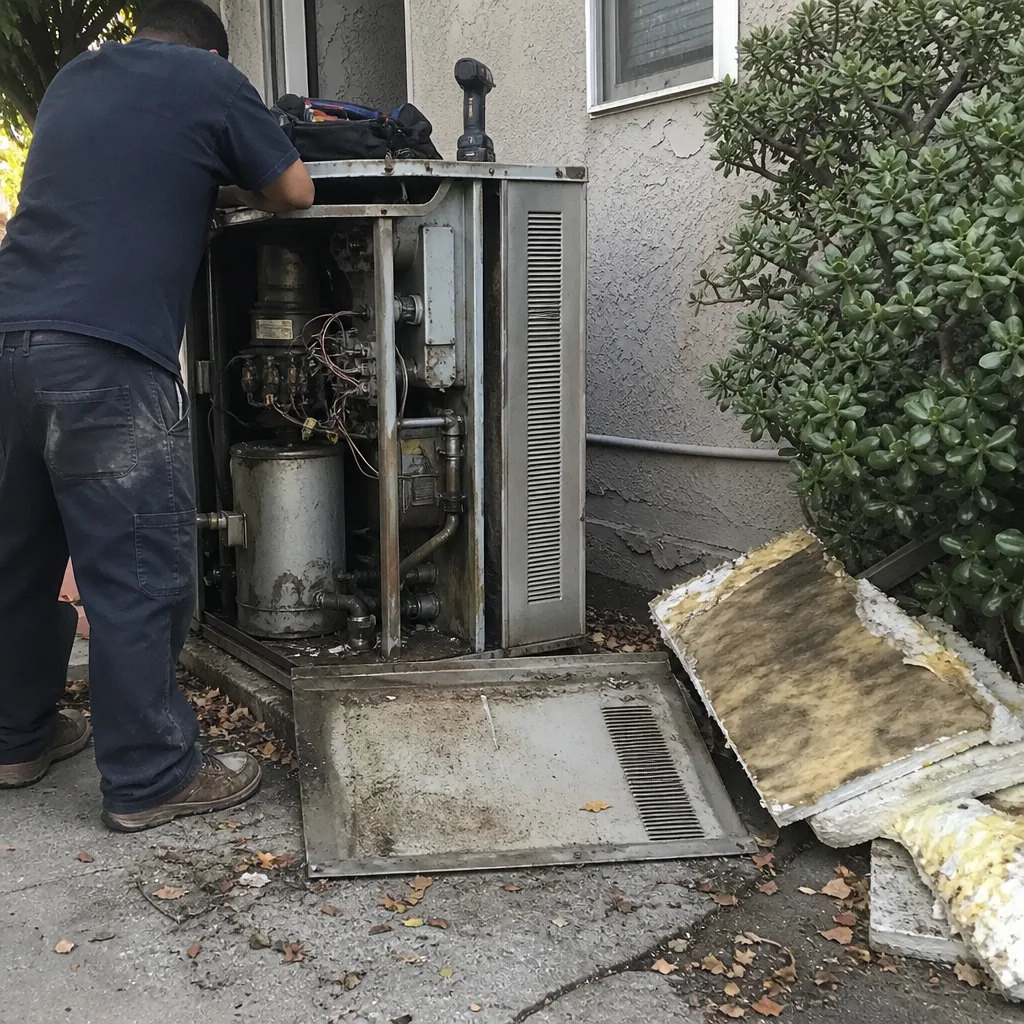 Before
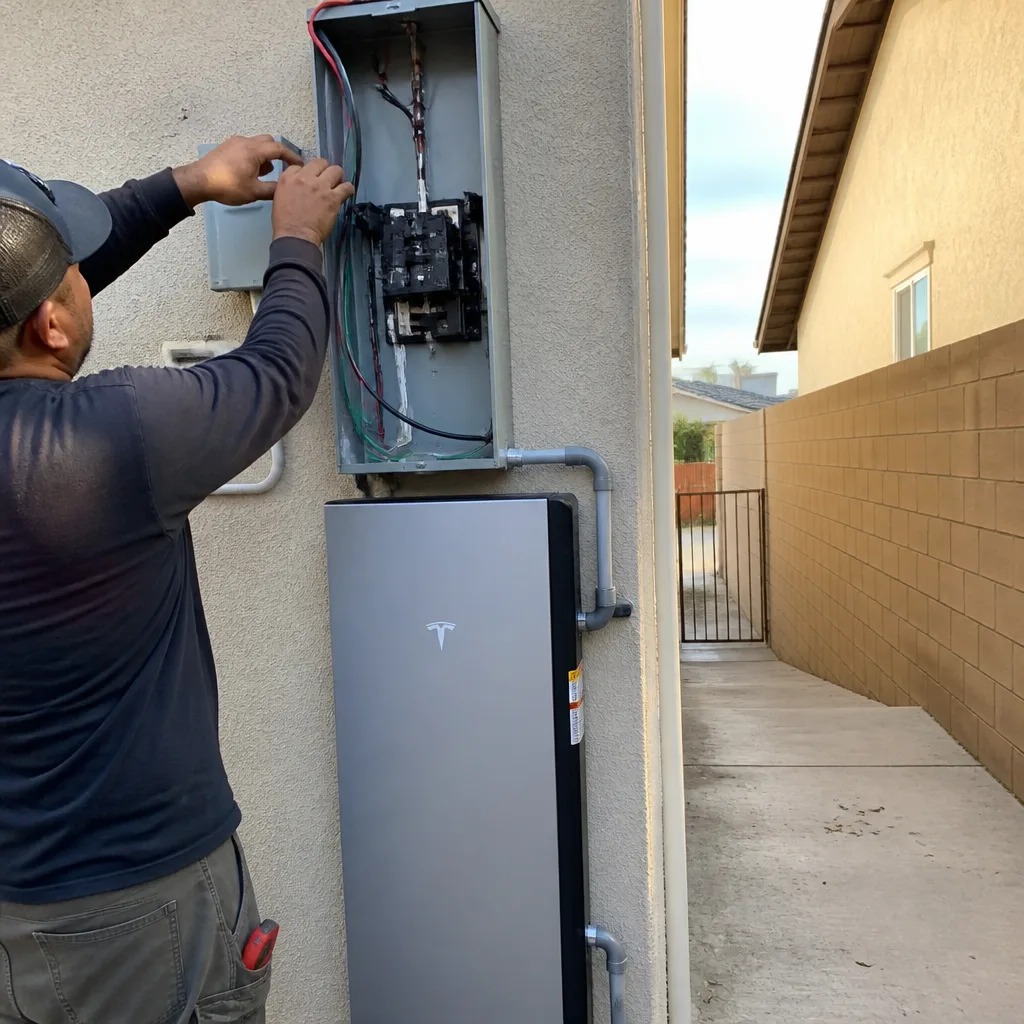 After
After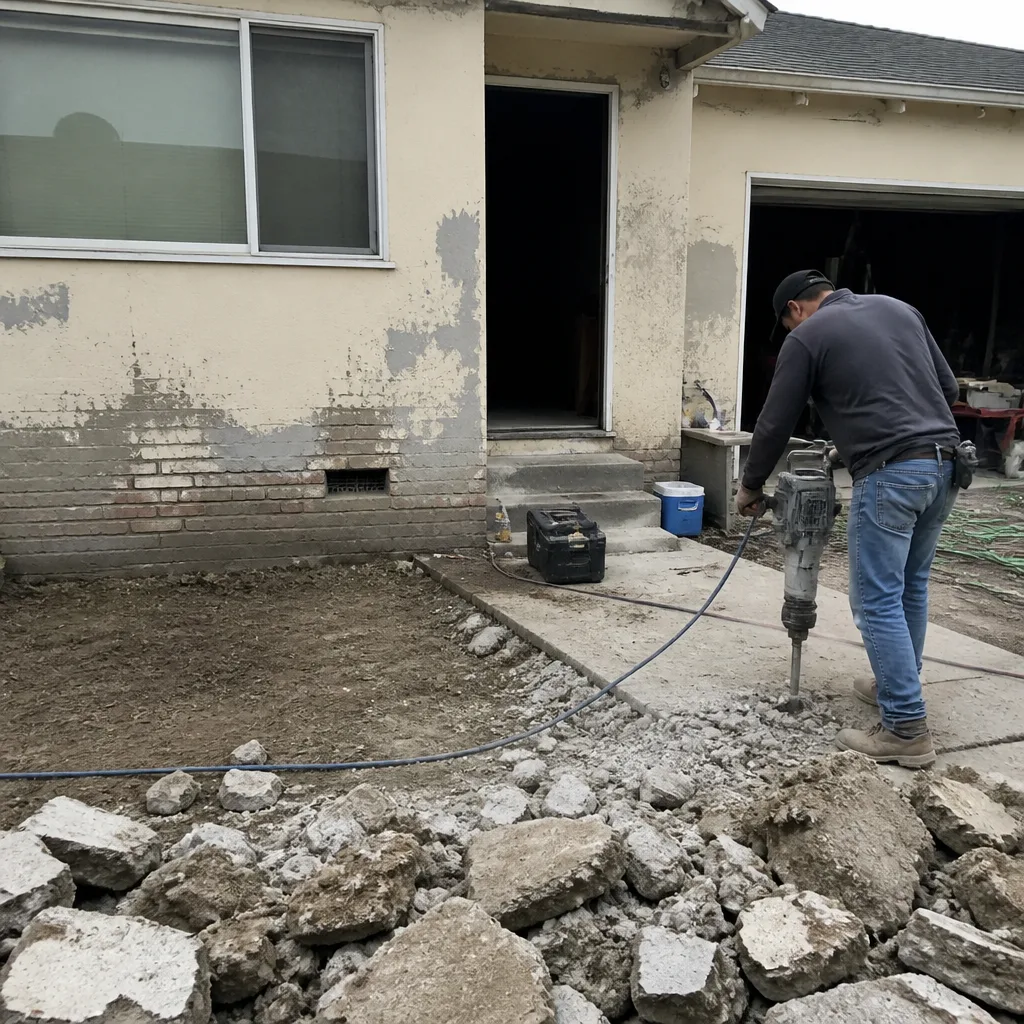 Before
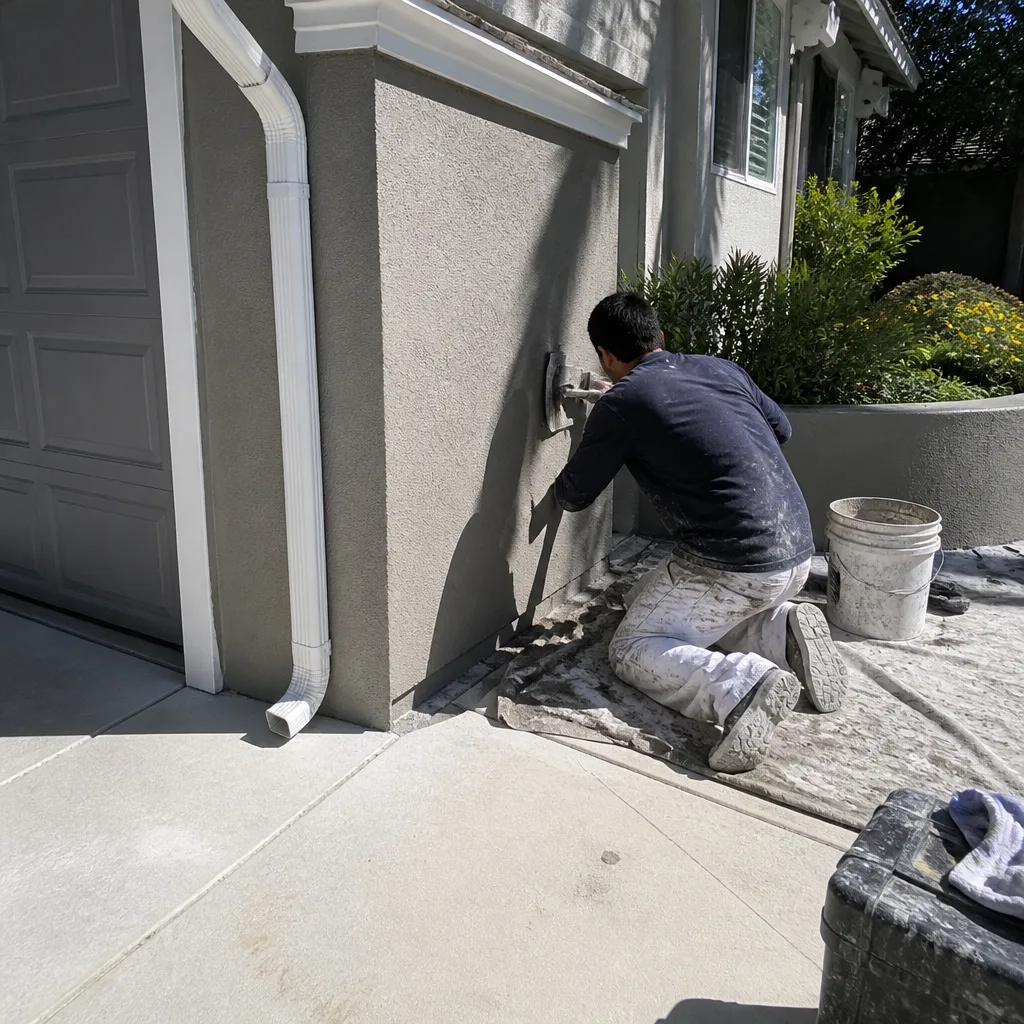 After
After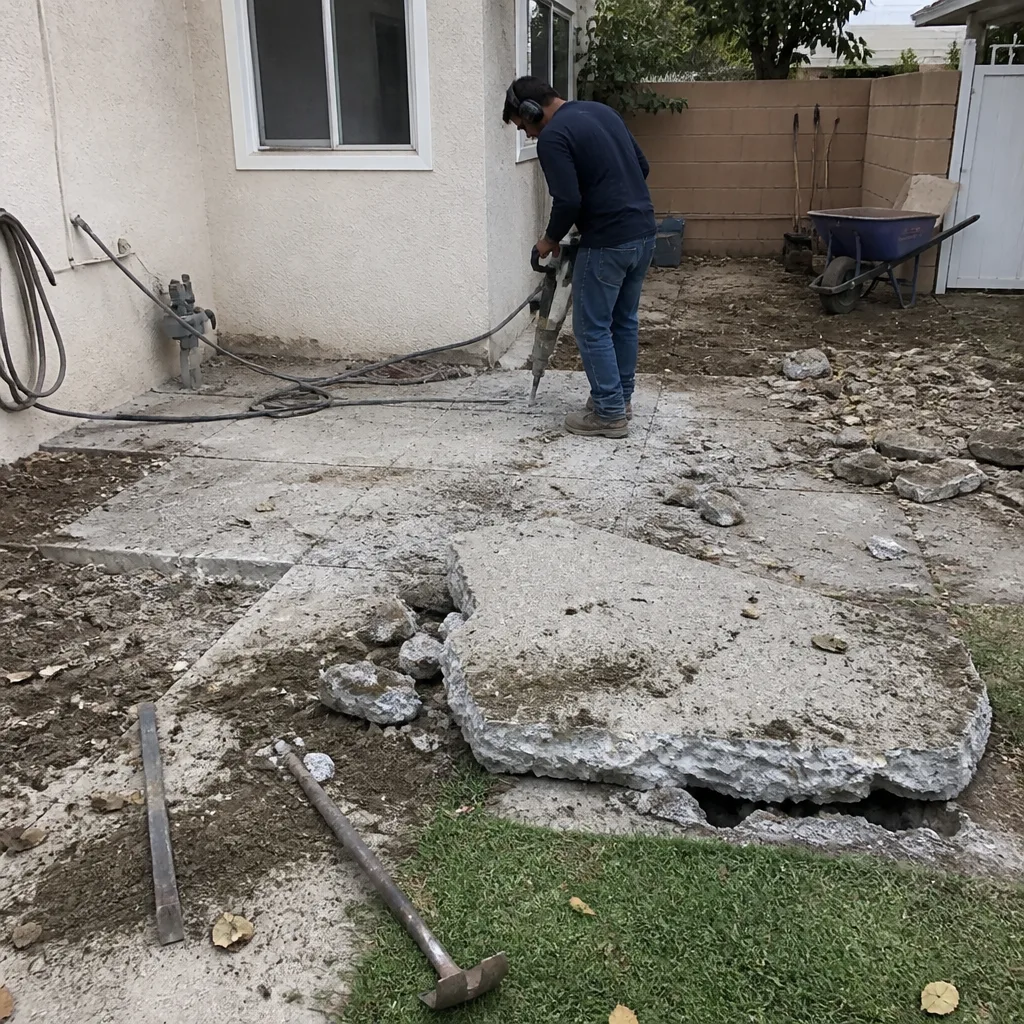 Before
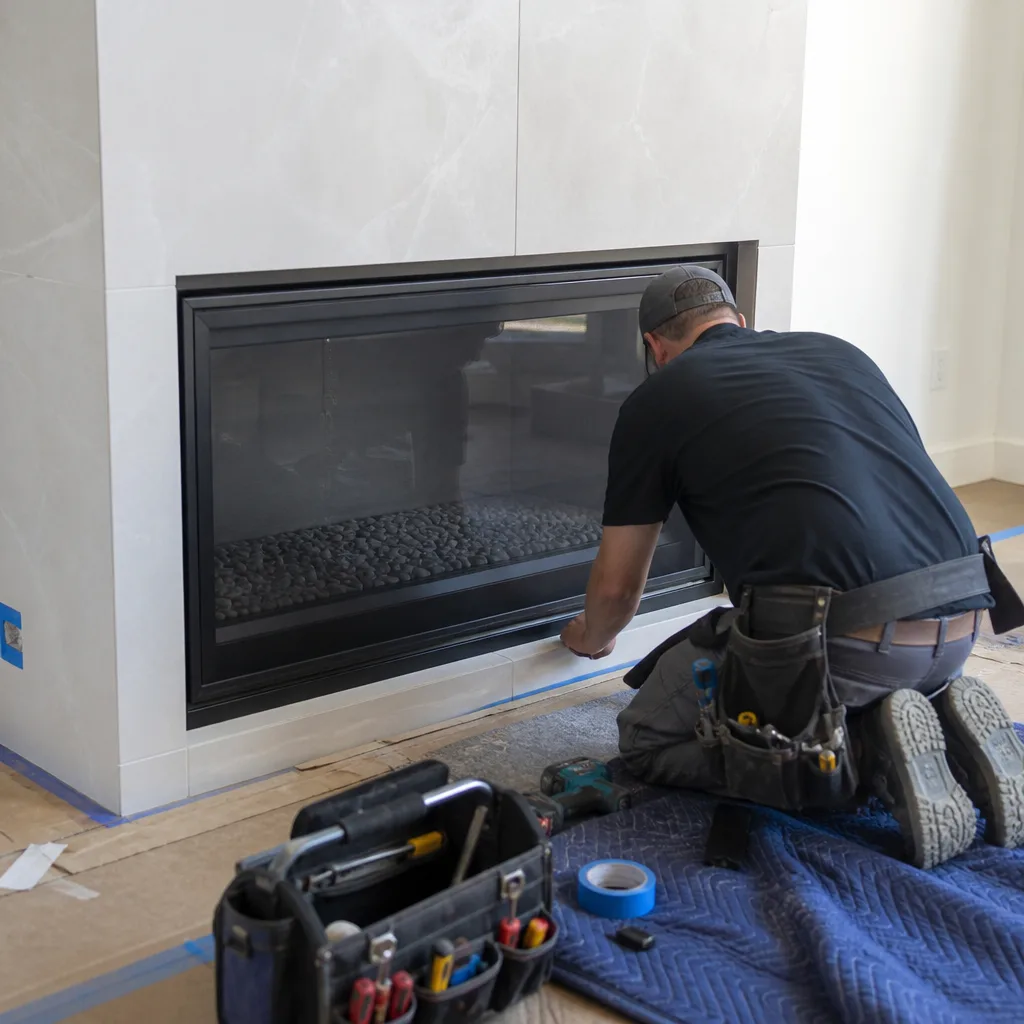 After
AfterReplacement Cost & What’s Included
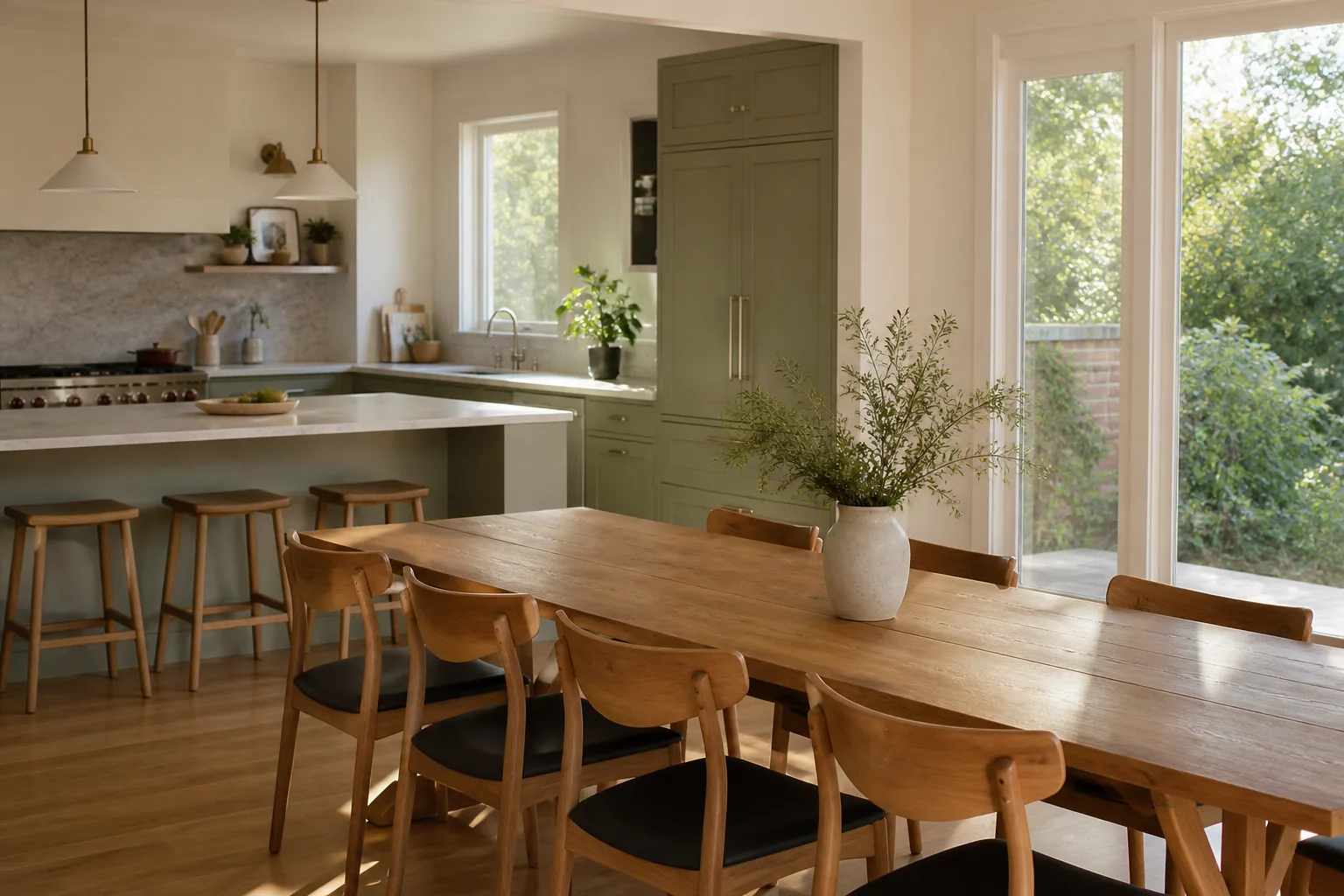
In Los Angeles, the installed price for Silestone inside a new addition or ADU lands between $53,100 and $153,400 for the full scope of the addition project itself, with countertop-specific work running $2,360 to $7,670 depending on square footage, edge profile, and how many sink and faucet cutouts the plan calls for. ADU construction runs higher because it carries its own foundation, electrical service, and kitchen as a complete system, not a surface swap.
What drives your number: linear feet of Silestone, number of seams, edge detail (eased edge is standard; mitered waterfall edges add fabrication hours), and whether the slab needs to go up a flight of stairs or through a narrow Spanish-style courtyard in a neighborhood like Los Feliz where access is tight. Our written price includes the stone, fabrication, delivery, install, sink cutout, backsplash prep, clean-up, and haul-away of the old top if there is one. No change orders on the stone portion once the template is signed. The 365-Day Done Right Promise covers every completed project: if the seam opens or the stone fails under normal use, we make it right.
DIY or Call Us?
A Silestone slab weighs roughly 13 to 15 pounds per square foot. A kitchen island top alone can run 400 to 600 pounds, and it does not forgive a bad lift, a tight stairwell, or a cabinet base that is out of level by a quarter inch. The honest answer is that this is not a part you swap on a weekend. Silestone is not dangerous to handle the way high-tension garage springs are, but it is dangerous to handle wrong: a dropping slab can break a foot or a hand, and a cracked slab is not repairable once it is cut wrong.
What a homeowner can safely do is measure. Confirm your slab dimensions, your sink cutout location, your faucet spread (8-inch widespread is the most common call we get from ADU builders), and take photos of the cabinet base from underneath so a fabricator can see the support setup before quoting. That saves you a template visit you don’t need. For the actual fabrication and install, call (949) 850-9896 and we will bring the slab and the crew.
FAQs
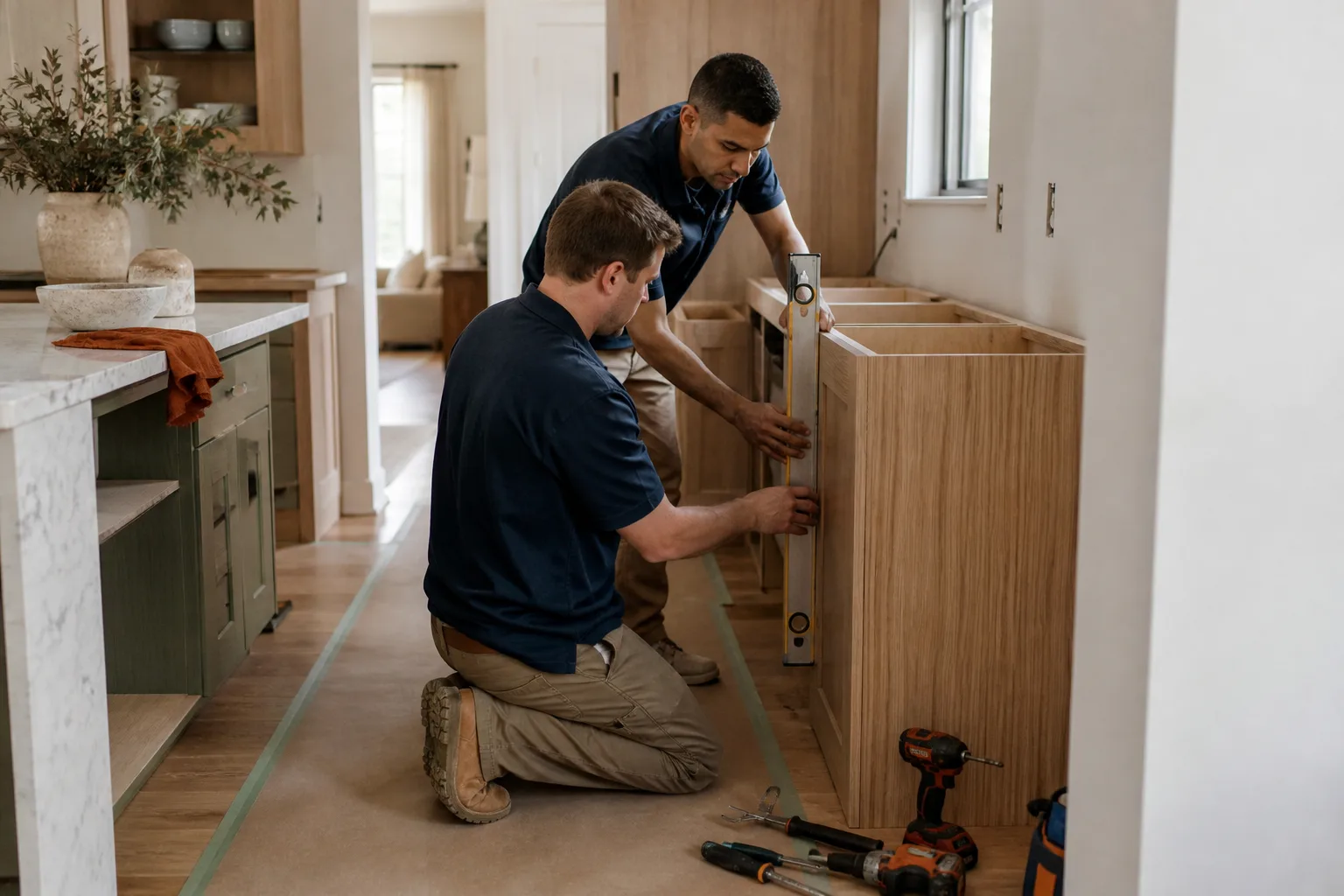
Silestone quartz carries a manufacturer warranty that runs 15 to 25 years depending on the color line, and in practice a properly installed slab in a conditioned Los Angeles room should outlast the cabinets under it. The failure we see is rarely the stone: it is the substrate, the seam, or the support system. Take care of those, and the Silestone itself is close to permanent.
A hairline crack can sometimes be filled with a color-matched resin that makes it nearly invisible, but the integrity is never the same. If the crack is caused by settling or a failed seam, the repair will open again within a season. We quote the repair honestly and tell you when replacement is the smarter money. Call (949) 850-9896 and we will tell you straight which one you need.
From template to installed slab, count 7 to 14 days. The template appointment takes about an hour. Fabrication runs 5 to 10 business days at most Los Angeles shops. Install day is 3 to 5 hours for a kitchen, and we leave the job with the floors swept and a photo of the clean-up before the crew leaves, every time.
We do not warehouse slabs, but we maintain accounts with the major Los Angeles distributors who stock Silestone, and we bring the sample deck to you. That means you pick the color in your own light, against your own cabinets, and we handle the order, the fabrication, and the install as one written price. We also work with KraftMaid, Cambria, and Kohler on addition and ADU projects, so the finishes can be specified to match across the whole job.
Graham Stein grew up in Silver Lake back when the reservoir was still fenced off, and he has been working on homes across Los Angeles for going on two decades. He learned the fundamentals at Los Angeles Trade-Technical College on South Grand Avenue, and the work he is known for now is the kind where the tile lines up with the window casing and the cabinet doors close the same way ten years later – the details that do not show up in a photo but matter every morning.
Written by Graham Stein, Owner, Elmstead Remodeling at Elmstead Remodeling, serving Los Angeles and nearby areas.