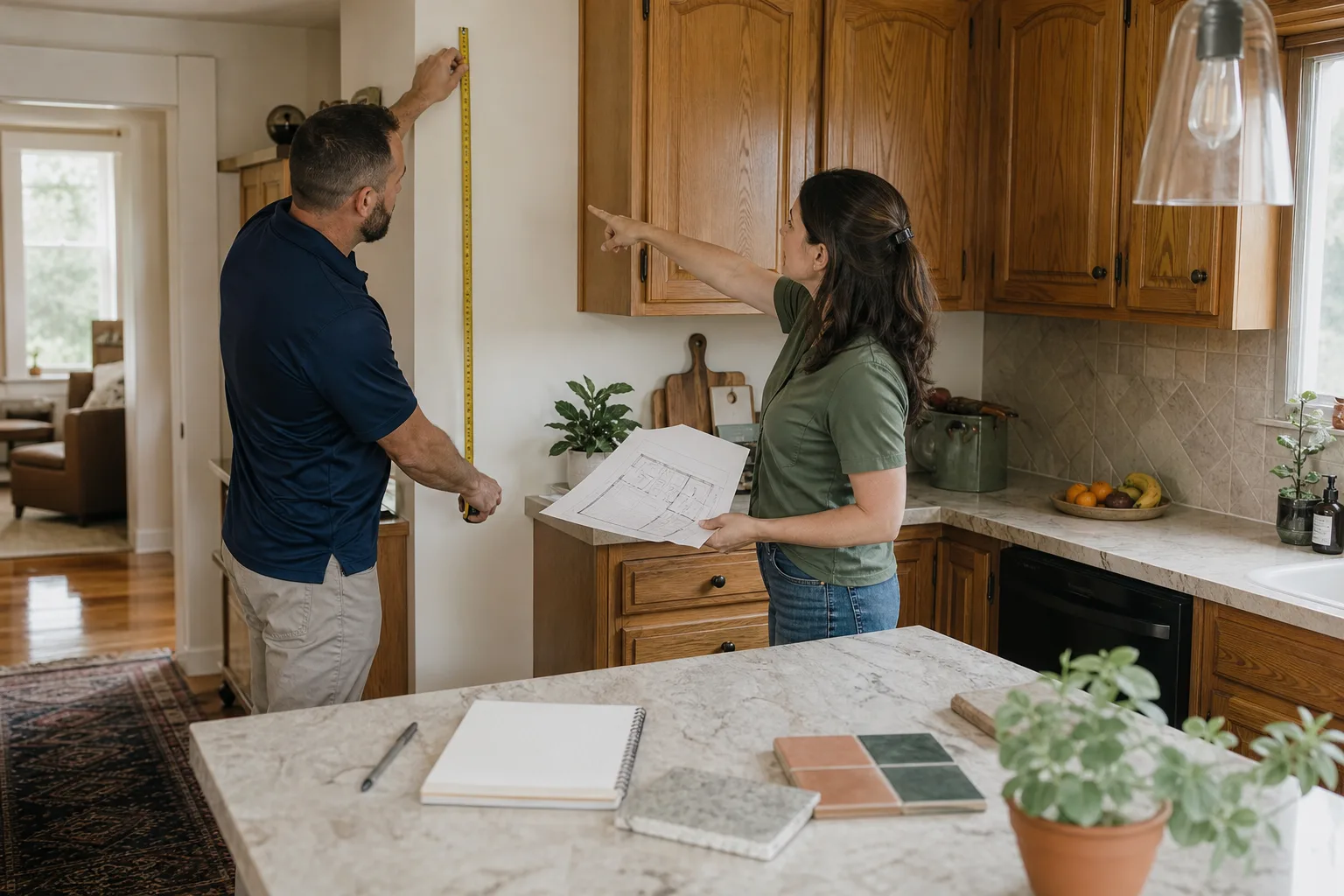


Free written scope consultation - allowances, timeline, and change-order rules on paper before a single trade is scheduled
Tremron Fence Installation: The Los Angeles Owner’s Guide
Tremron fence installation in Los Angeles typically costs between $4,130 and $10,620 for a standard residential perimeter, with the final number driven by linear footage, site prep, and whether we’re working with existing posts or setting new ones. We keep Tremron-compatible block, caps, and adhesive on our trucks for most Los Angeles service calls, so we can usually assess the job and start within a few days of your call.
Most Los Angeles homeowners discover a problem the same way: a leaning section after heavy rain, a cracked cap that’s let water into the wall core, or a post that’s shifted because the footing was never poured deep enough. The failure usually isn’t the Tremron block itself. It’s what’s underneath or around it. That distinction matters more than most people realize, because it changes what the repair actually costs.
Which Tremron Models This Applies To
Tremron manufactures concrete masonry units in several product lines, and the fence block you have determines how we approach the replacement. The main lines we see in Los Angeles backyards are the Stonegate, Sierra, and Lakeshore series, each with its own face texture, height profile, and cap dimensions. A Stonegate cap will not sit flush on a Sierra course. If you’re not sure which line you have, look at the top cap or an exposed edge. Most Tremron units have a stamp or raised letter code on the underside of the block, and we can match from a photo if the stamp is visible.
For fence installation specifically, Tremron blocks are typically dry-stacked with structural adhesive rather than mortared, and the wall core gets filled with rebar and concrete at specified intervals. The exact spacing depends on wall height and whether you’re in a wind zone, but Los Angeles hillside properties usually require closer rebar placement than flat-lot homes. We’ll match that spec when we rebuild, not guess at it.
On the OEM-versus-aftermarket question: Tremron’s own caps and return corners are worth the few extra dollars when we’re matching an existing wall. The color batch and texture profile are more consistent. For below-grade work or cores that never get seen, we’re comfortable using a quality equivalent. We’ll show you the difference and the line-item price for each before anything gets ordered.
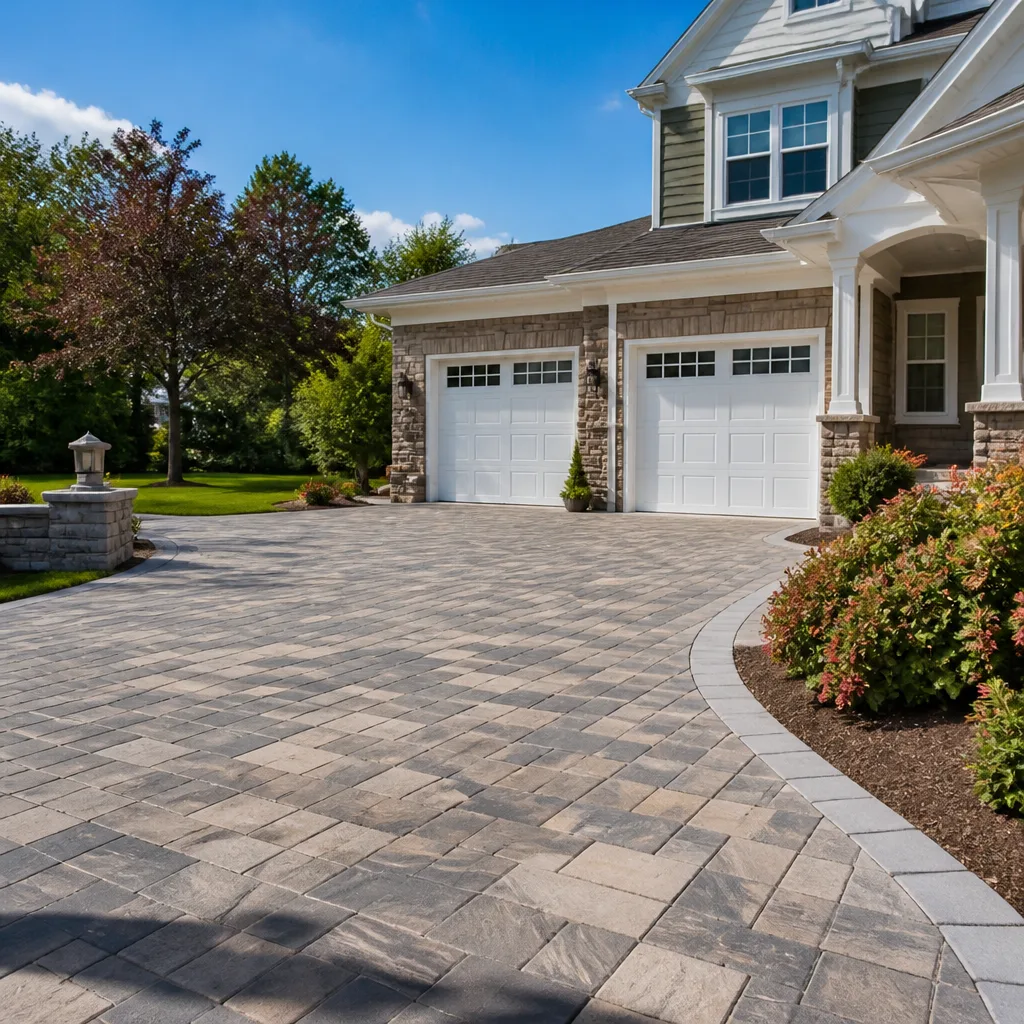
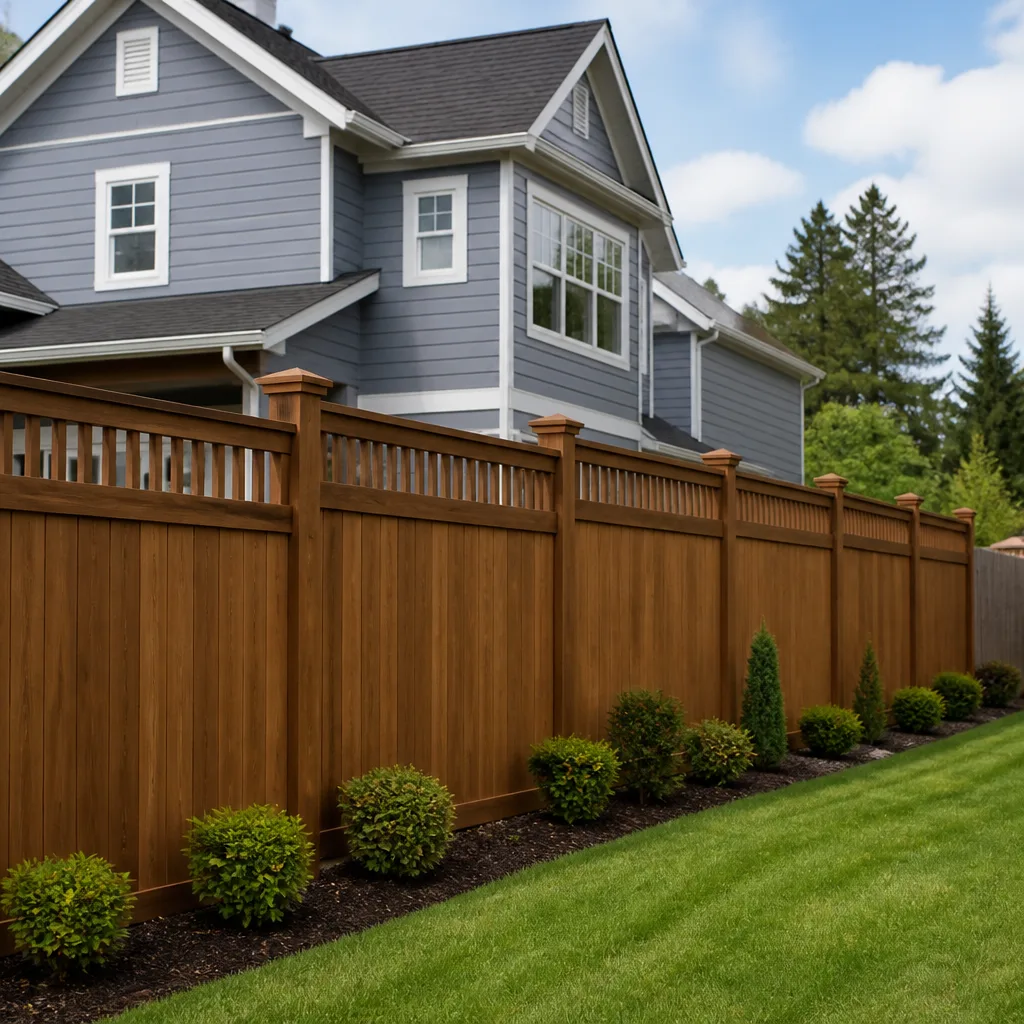
Styles & brands we work with
Signs Your Tremron Fence Installation Is Failing
- Leaning or bowing sections after rain. This usually means the footing is undersized or the wall core wasn’t grouted. In Los Angeles, the clay-heavy soil in neighborhoods like Eagle Rock and Highland Park expands and contracts with moisture, and a shallow footing gives way first.
- Cracked or spalled caps along the top course. Water gets into the cap, sits in the Los Angeles sun, and the freeze-thaw cycle (yes, we do get frost in the canyons) splits the cap from the inside. Once a cap cracks, water has a direct path into the wall core.
- White staining or efflorescence running down the face. That’s mineral salts getting pulled out of the concrete as water moves through the wall. It means moisture is trapped where it shouldn’t be, and the source is usually a failed cap or a missing weep path.
- Gaps opening between courses at one end of the wall. This points to differential settling at the footing. One section is dropping while the rest stays put, and the block has no choice but to separate. Stacked block has zero tolerance for that kind of movement without a crack.
- Gate posts wobbling or pulling away from the wall. A working gate puts thousands of open-close cycles a year into the post. If the core wasn’t filled solid and the post wasn’t tied to the adjacent wall with steel, the post starts walking. We see this constantly on older Los Angeles fences where the gate was added after the wall went up.
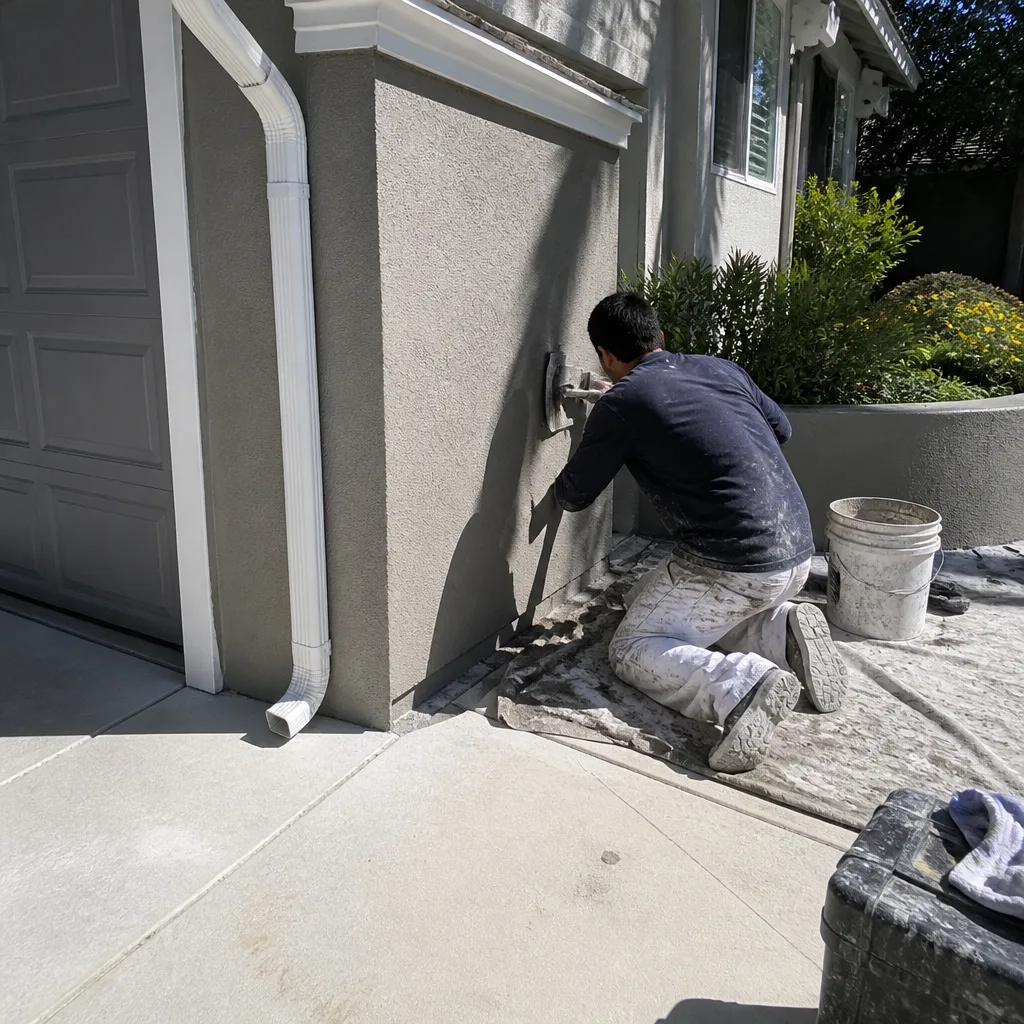
See the difference
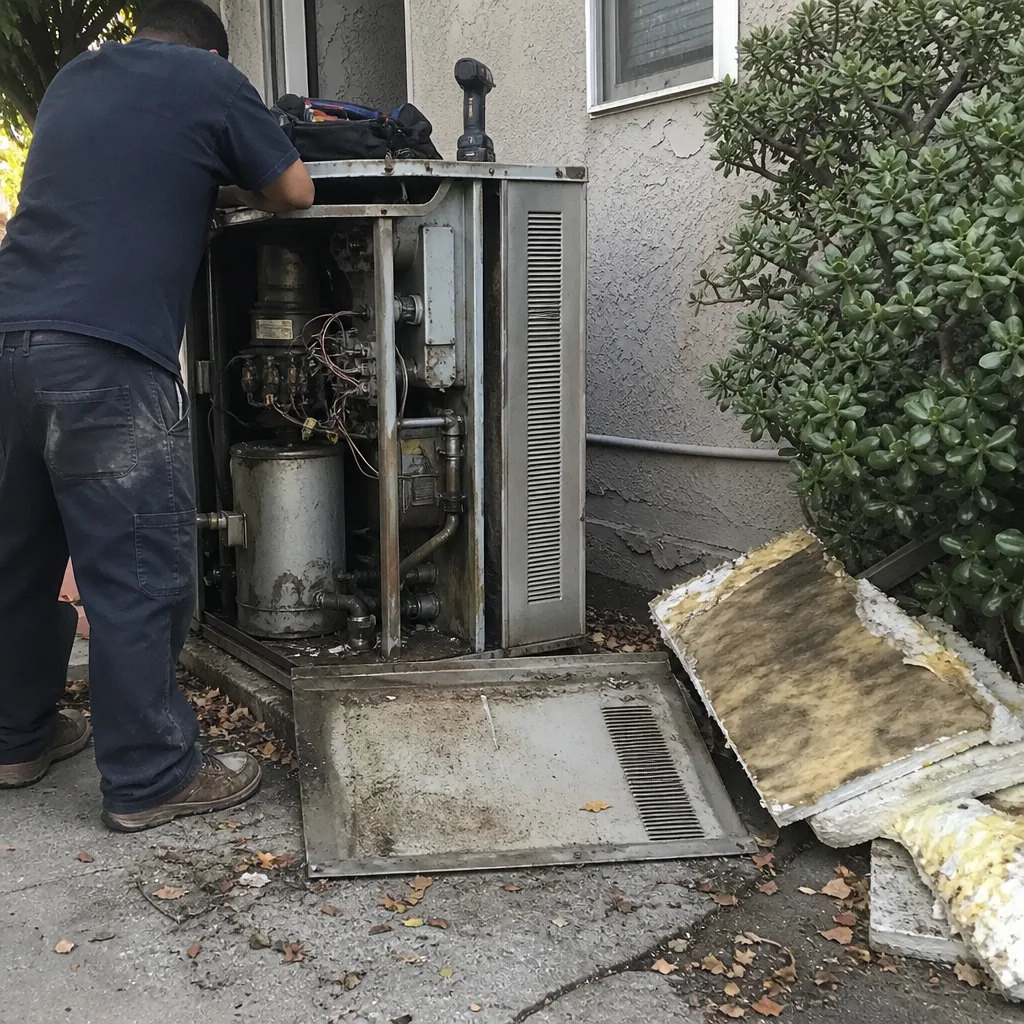 Before
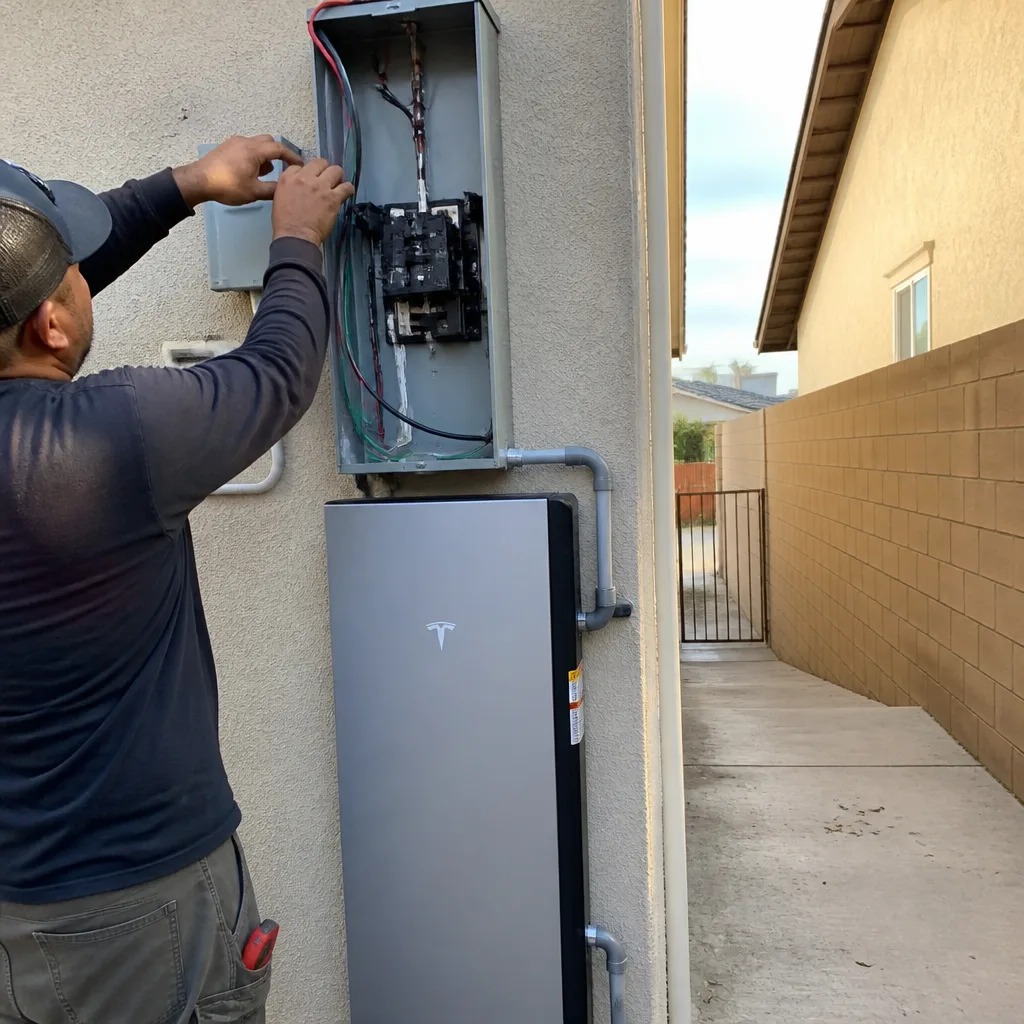 After
After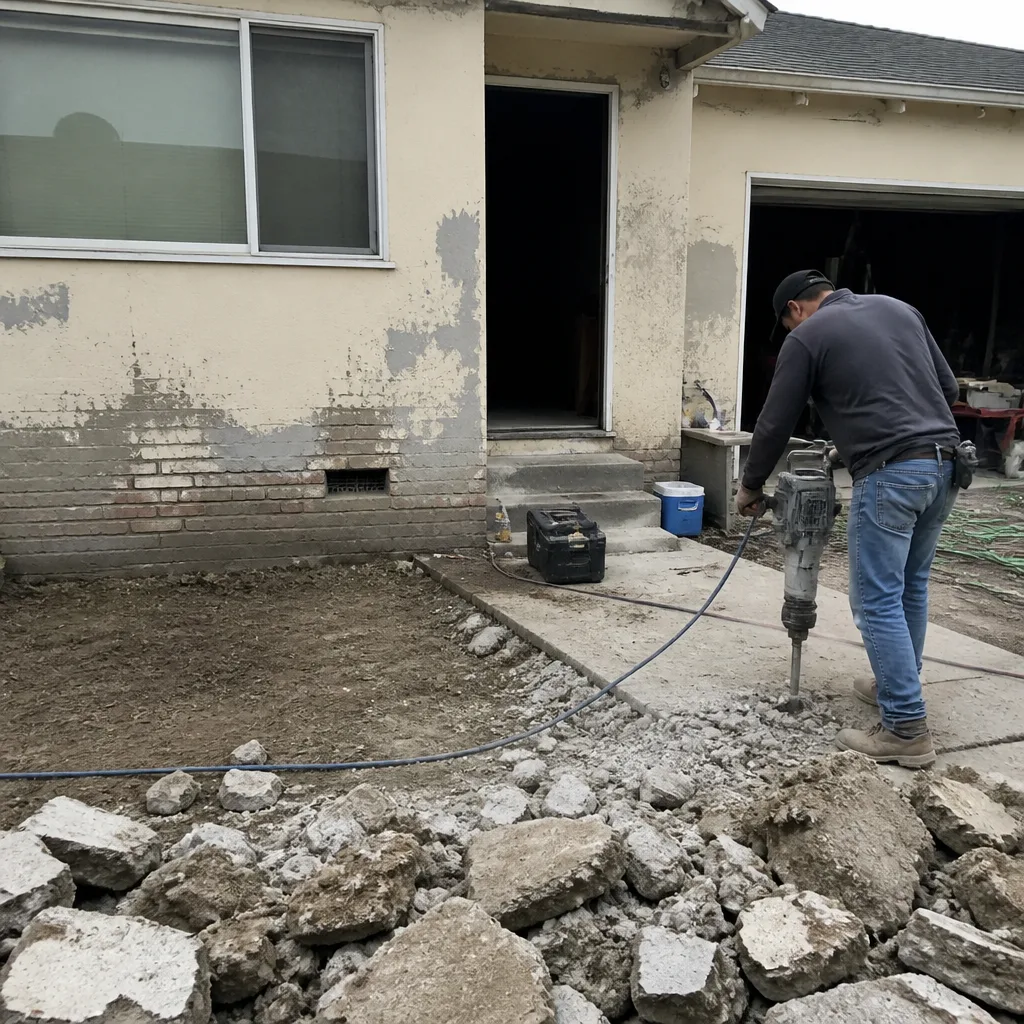 Before
 After
After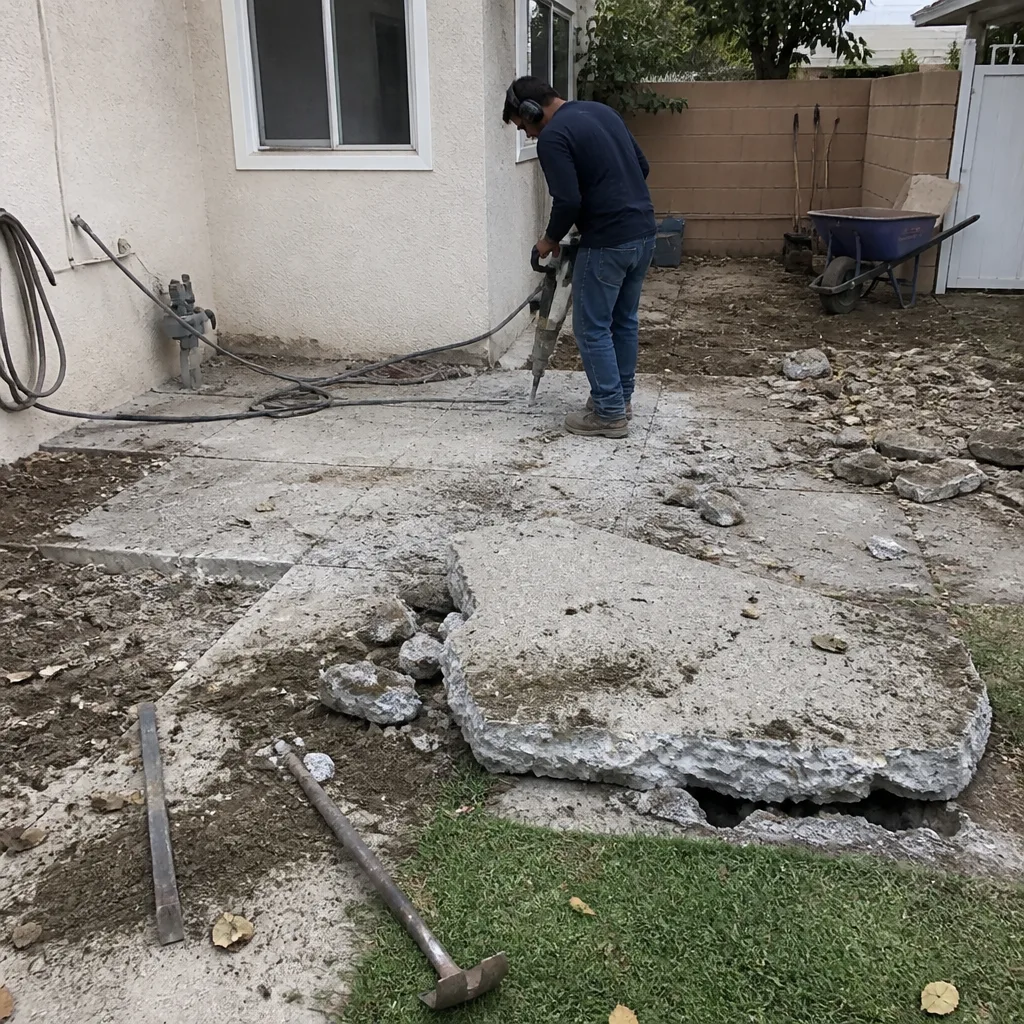 Before
 After
AfterReplacement Cost & What’s Included

For Tremron fence installation in Los Angeles, you’re looking at $4,130 to $10,620 as the realistic installed range for most residential jobs. That includes removal of the failing section, new or repaired footings, block, caps, adhesive, core fill where needed, and haul-away of the old material. A short repair near a gate might come in at the bottom of that range. A full property line rebuild on a sloped lot in Mount Washington or Silver Lake lands at the top.
What drives the spread? Three things: total linear footage, slope and access, and whether the existing footing is salvageable. If we can reuse the footing, you save on excavation and concrete. If the footing is cracked or undersized, it has to be repoured, and that’s where the honest money goes, because that is the part you will never see but will feel every winter.
You get a written price before any work starts, line by line, with the block specified by name. No allowances for “unforeseen conditions” that turn into a surprise invoice. Graham Stein’s rule on this is simple: “The written scope is the promise – if it is not on the paper, we have not agreed to it yet.” The work itself carries our 365-Day Done Right Promise. If the wall settles or a cap fails within a year of us finishing, we come back and make it right.
DIY or Call Us?
An owner can safely do a few things without us: photograph the damage in good light, check for water pooling at the base after rain, and note whether the gate is dragging. Those observations help us price the work before we arrive.
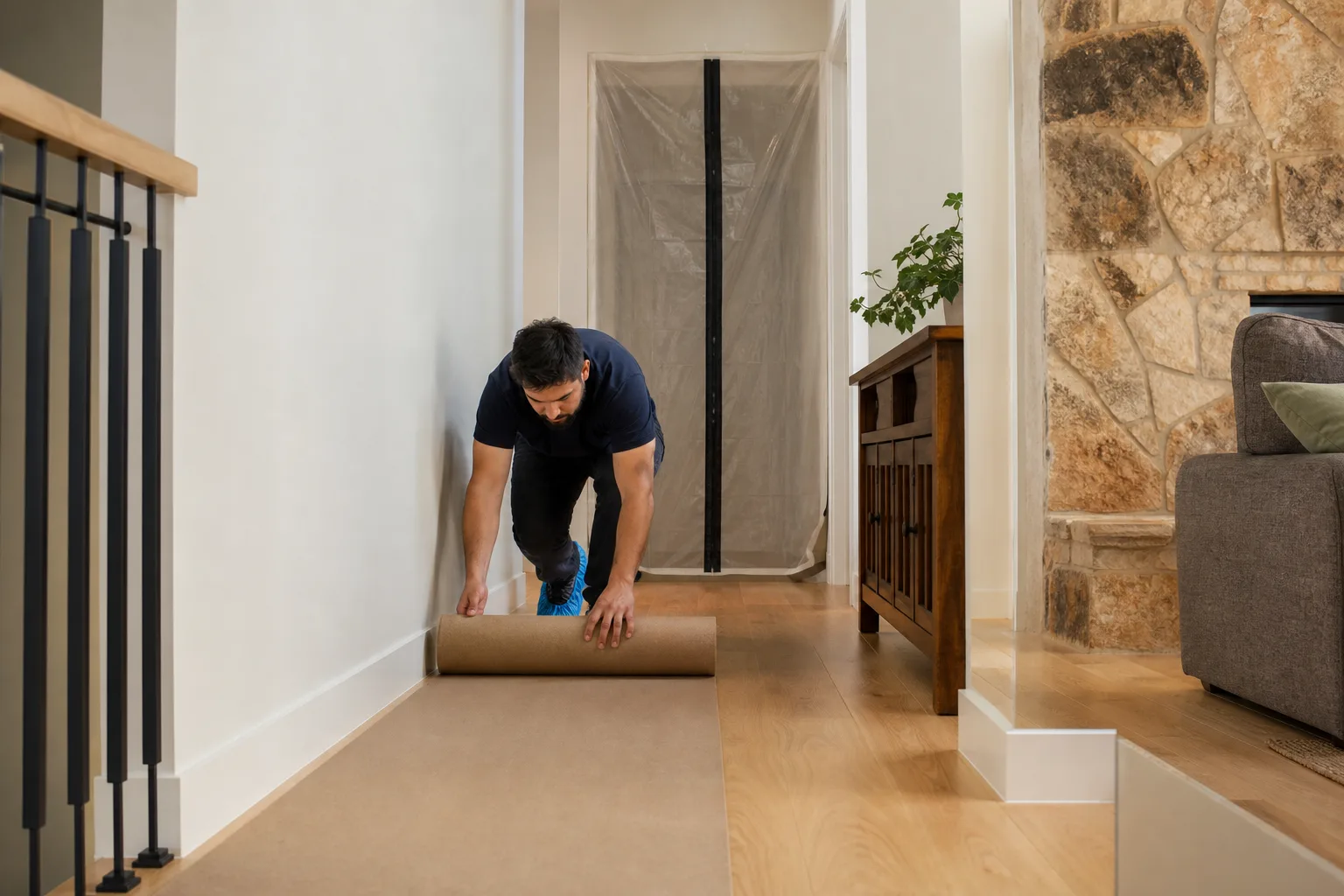
What you should not do is start pulling caps or resetting courses on a wall that’s already leaning. Stacked concrete block under load is unforgiving. If a section is holding weight and you remove the wrong course, the blocks above can shift fast. That’s also the moment a wall goes from repairable to full collapse. We’d rather walk the site with you, explain what’s failing, and hand you a written number. Call (949) 850-9896 and we’ll set up a time that works around your schedule, kids included. We’ll bring shoe covers and drop cloths even though fence work happens outside, because the crew still walks through the house to get to the yard.
FAQs
A correctly installed Tremron fence with proper footings and intact caps should last 30 to 40 years in Los Angeles before any structural work is needed. Caps usually need replacement sooner, around the 15 to 20 year mark, because they take the most direct sun and water exposure. Call (949) 850-9896 if you want us to check the cap condition on your wall, and we’ll give you an honest read on what’s still solid and what’s not.
A hairline crack in a cap can sometimes be sealed if the cap is still fully intact underneath, but once water has been getting in, the core below usually needs to be inspected before we call it good. We’ll tell you honestly whether a repair buys you real time or just delays a replacement by a season. Call (949) 850-9896 for an exact assessment, and we’ll put the number in writing before touching anything.
A single section replacement, including demo, new cap, and clean-up, typically takes one full day on site, plus a few days of cure time for any new concrete before you lean anything against it or attach a gate. For a full property line rebuild, you’re usually looking at three to five working days depending on weather and access.
We carry Tremron-compatible block, caps, and adhesive on our Los Angeles service trucks for the most common series, and we can order specific Tremron lines for matching work within a few business days. If you can send us a photo of the stamp or a measurement of the block face, we’ll confirm the match before we arrive.
If your Tremron fence is leaning, cracked, or just looking tired, call (949) 850-9896 for a free written estimate. We’ll walk the property with you, name the exact problem, and put a price on paper before any work begins. We also install and service the building-material partners we trust on other projects, including KraftMaid cabinets, Cambria countertops, and Silestone surfaces, so the same crew can handle the fence now and the kitchen later if that’s where the home takes you.
Written by Graham Stein, Owner, Elmstead Remodeling at Elmstead Remodeling, serving Los Angeles and nearby areas.