




Free written scope consultation - allowances, timeline, and change-order rules on paper before a single trade is scheduled
What’s Happening
When a general contractor stops working mid-project, it almost always means one of three things: a cash-flow problem on their end, a scheduling conflict they didn’t tell you about, or a dispute over scope that stalled the job. None of those are your fault, and all of them are fixable.
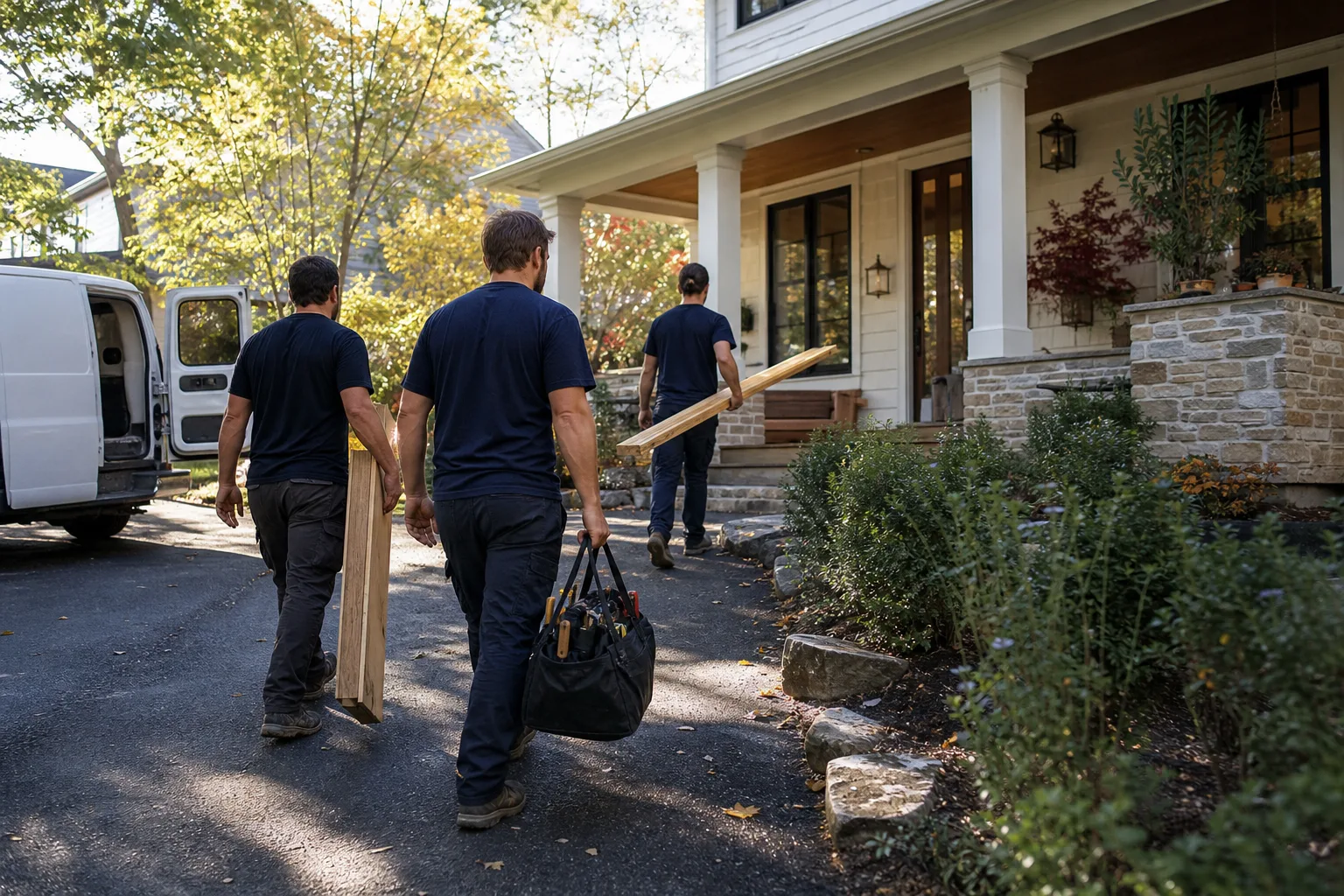
What you’re dealing with right now is a partially finished project sitting in your home, a crew that isn’t showing up, and a contractor who may or may not be returning your calls. That’s a genuinely difficult position. The work isn’t done, your home may not be livable in its current state, and you’re not sure what your options are. This page walks you through what’s most likely happening, what to do before anyone arrives, and how your local Elmstead Remodeling team can step in, assess the job, and give you a written price to finish it correctly.
Why It Happens

The Contractor Ran Out of Money
This is the most common reason a job goes quiet. The contractor used your deposit to cover costs on another project, ran short on this one, and can’t pay suppliers or subcontractors to keep showing up. Signs you’re looking at this: materials are partially delivered but sitting in a pile, subcontractors have stopped coming independently of the general contractor, or you’re getting calls from suppliers asking about unpaid invoices tied to your address. If any of that is happening, the contractor’s financial problem has become your construction problem.
A Scheduling or Crew Problem They Didn’t Tell You About
Some contractors overbook, and when a bigger or more profitable job lands, your project gets quietly deprioritized. You’ll notice this one gradually: crew shows up less frequently, days stretch between visits, and explanations get vague. If the work was progressing steadily and then slowed without any change in the scope or weather, this is usually why. It’s fixable when the contractor is honest about it, but damaging when they’re not.
A Dispute Over Scope or Change Orders
Work stops when a contractor believes they’re being asked to do more than the original contract covers and they can’t agree on who pays for it. You’ll often hear about this one directly – a conversation that ended badly, a written change-order request that felt unreasonable, or a demand for more money that came without explanation. If the last communication you had was about money or scope, this is the likely cause. The key question is whether the disputed work was actually in your original agreement.
Contractor Abandonment
Less common but real: the contractor has simply stopped operating – license surrendered, business closed, or principal no longer reachable. This is the hardest situation because there’s no negotiation to be had. Signs include: disconnected phone number, no response to any contact method over several days, a business address that’s no longer active, and no crew coming to pick up equipment left on site. If you’re at this point, document everything immediately and consult an attorney before taking any other steps – what you do with the abandoned materials and site matters legally.
Styles & brands we work with
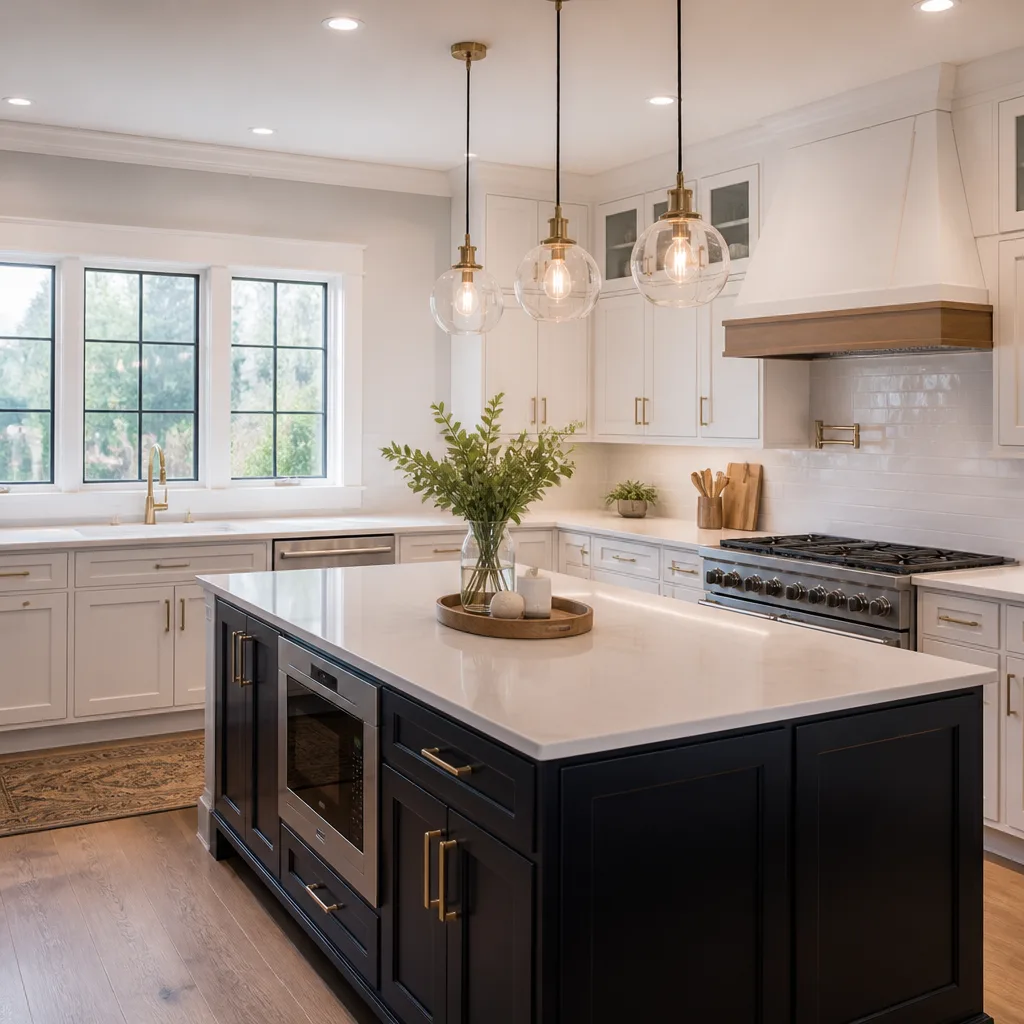



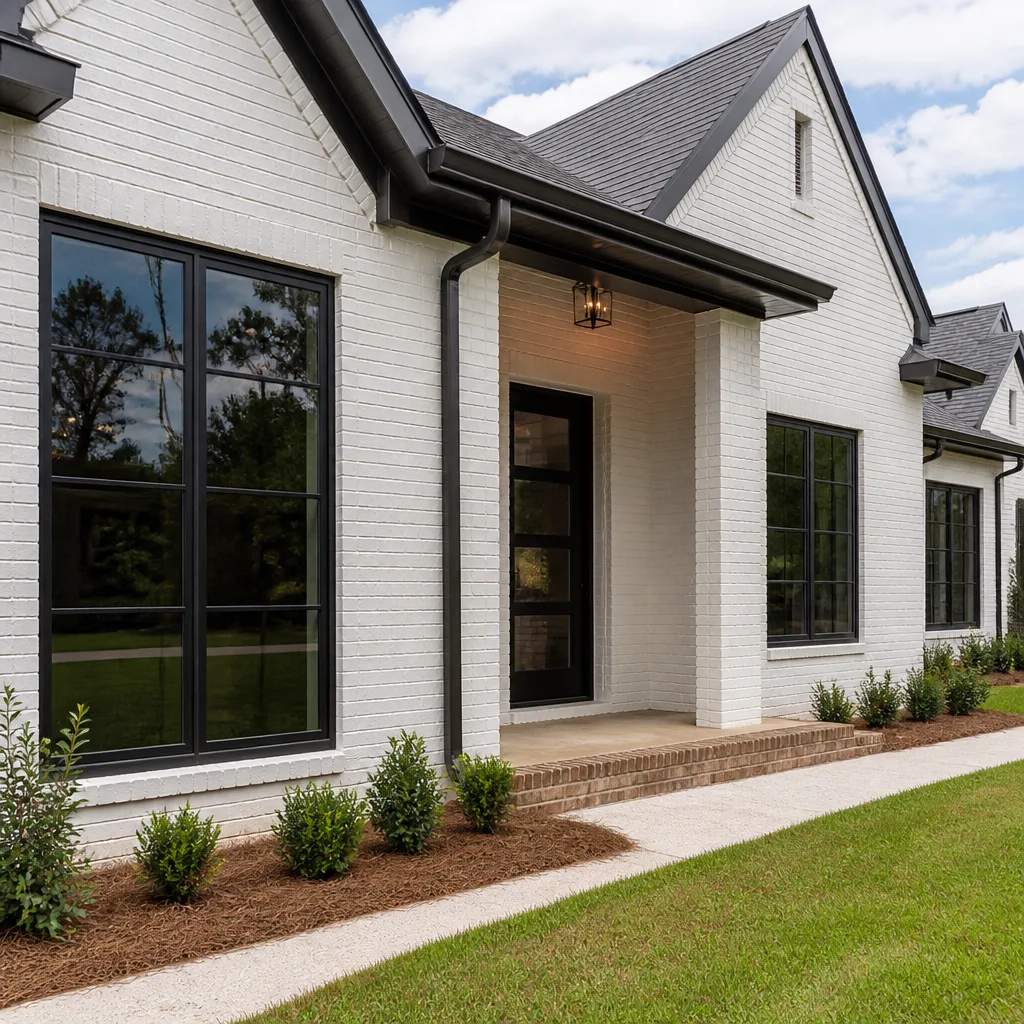
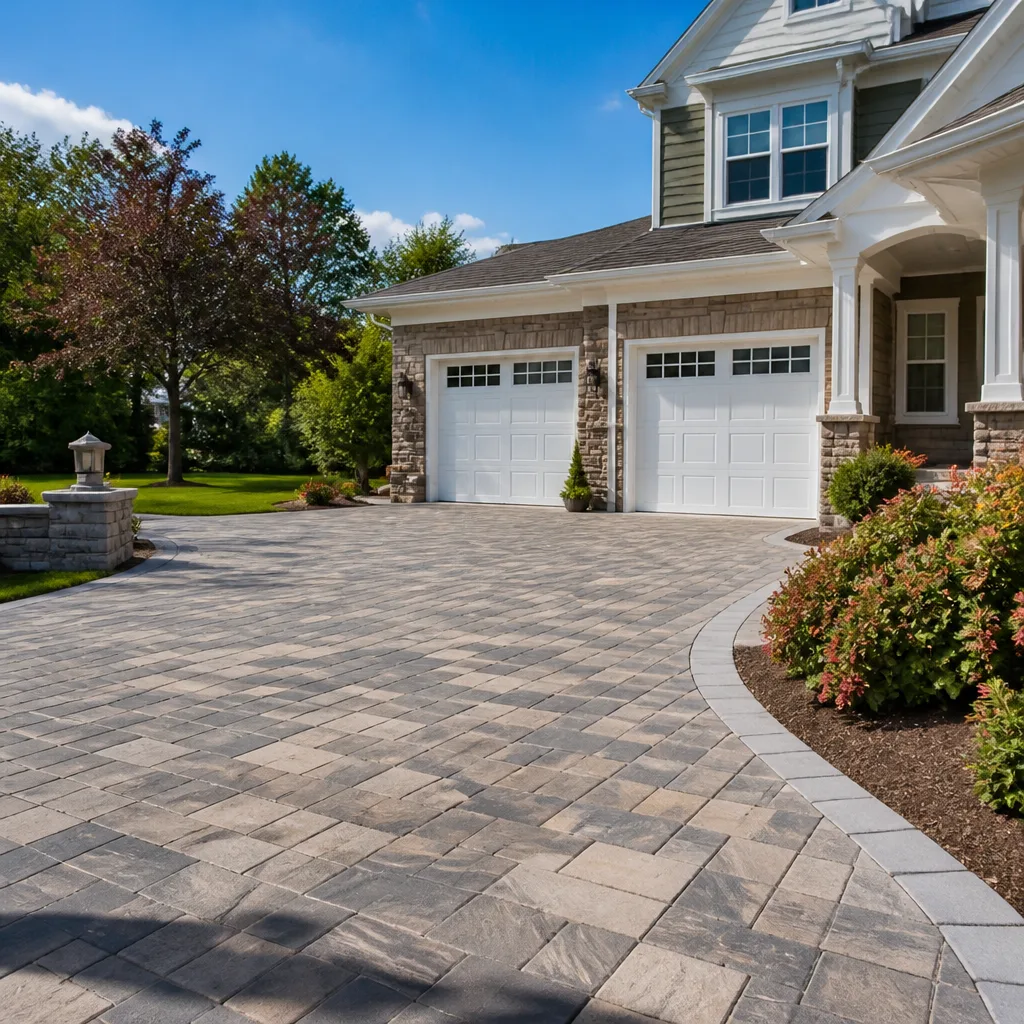

What to Do Right Now
- Photograph everything, today. Walk the entire project and take photos of every area of work – completed, in-progress, and untouched. Date-stamp them if your phone allows it. These photos document the state of the job before any other contractor touches it, which protects you in any future dispute.
- Secure the space if the home is open. If the remodel left exterior openings, exposed framing, or missing doors, take basic steps to secure the area. Do not attempt to work on anything structural, electrical, or involving plumbing yourself – if systems are exposed and live, keep family and pets out of that area and call a professional before entering it repeatedly.
- Gather every piece of paper. Collect the original contract, any change-order documents, receipts for your payments, text messages, emails, and any written communication with the contractor. Put it all in one place. If this escalates to a dispute, the paper trail is everything.
- Do not remove materials or make changes to the site yet. If a contractor’s tools or materials are on your property, moving them without legal clarity can create liability for you. Get advice before touching anything that belongs to the stopped contractor.
- Call your local Elmstead Remodeling team to do a scope assessment. Before you decide anything, you need an accurate picture of what’s actually been done, what’s been done correctly, and what still needs to happen. That assessment is where a clean path forward starts.
See the difference
 Before
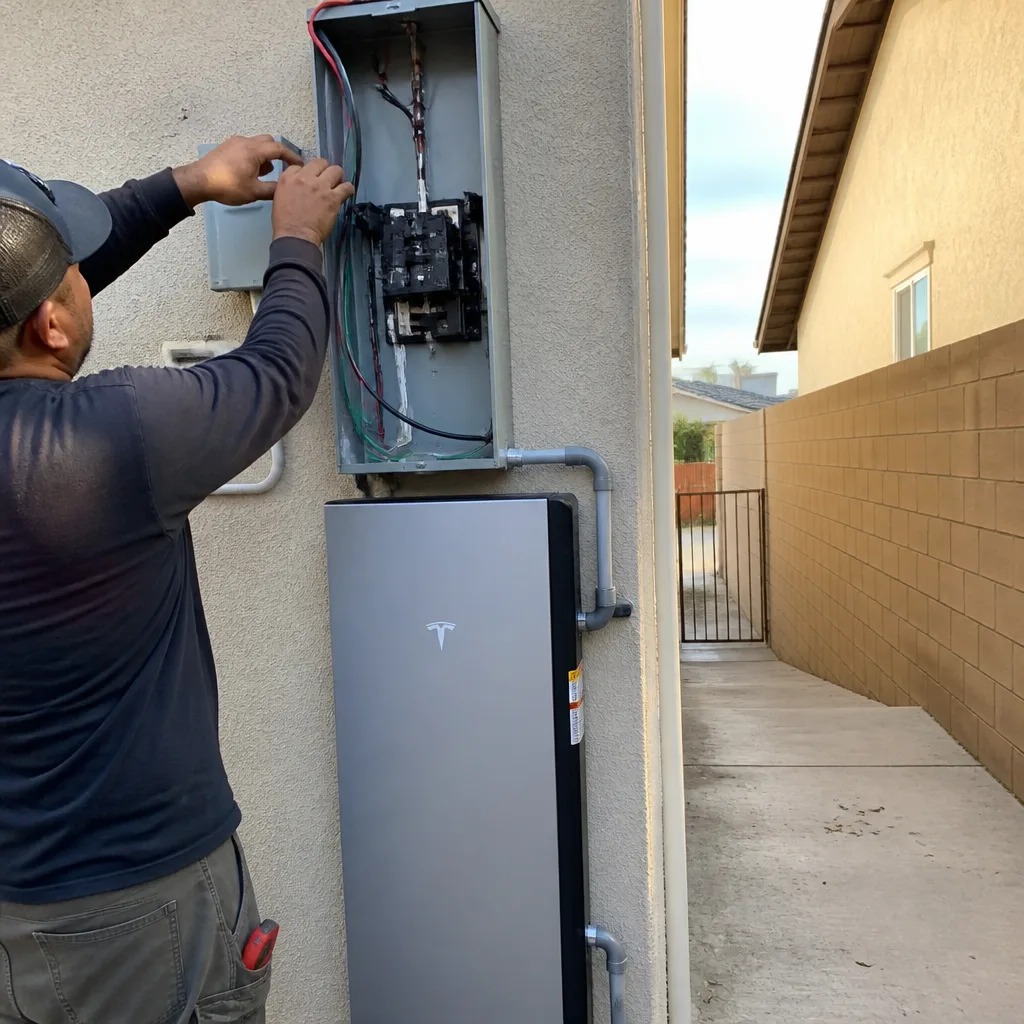 After
After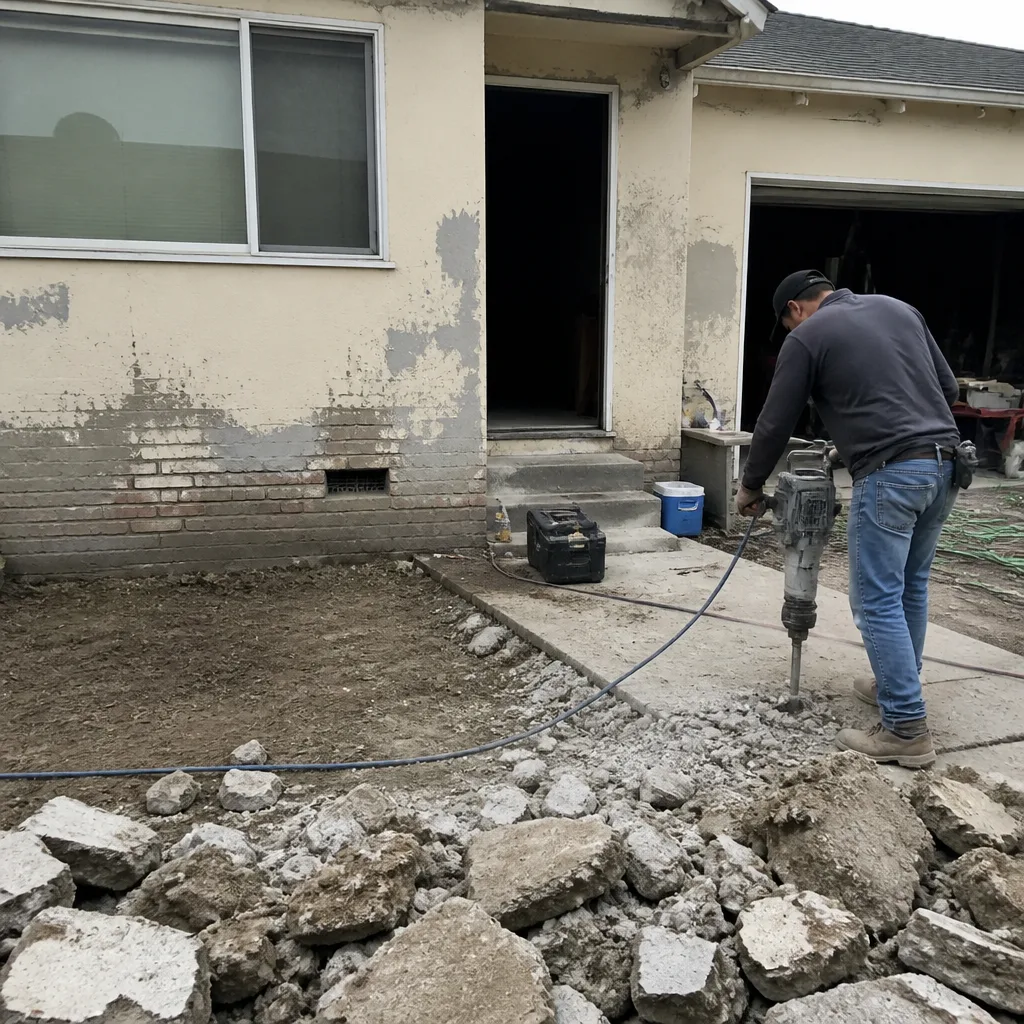 Before
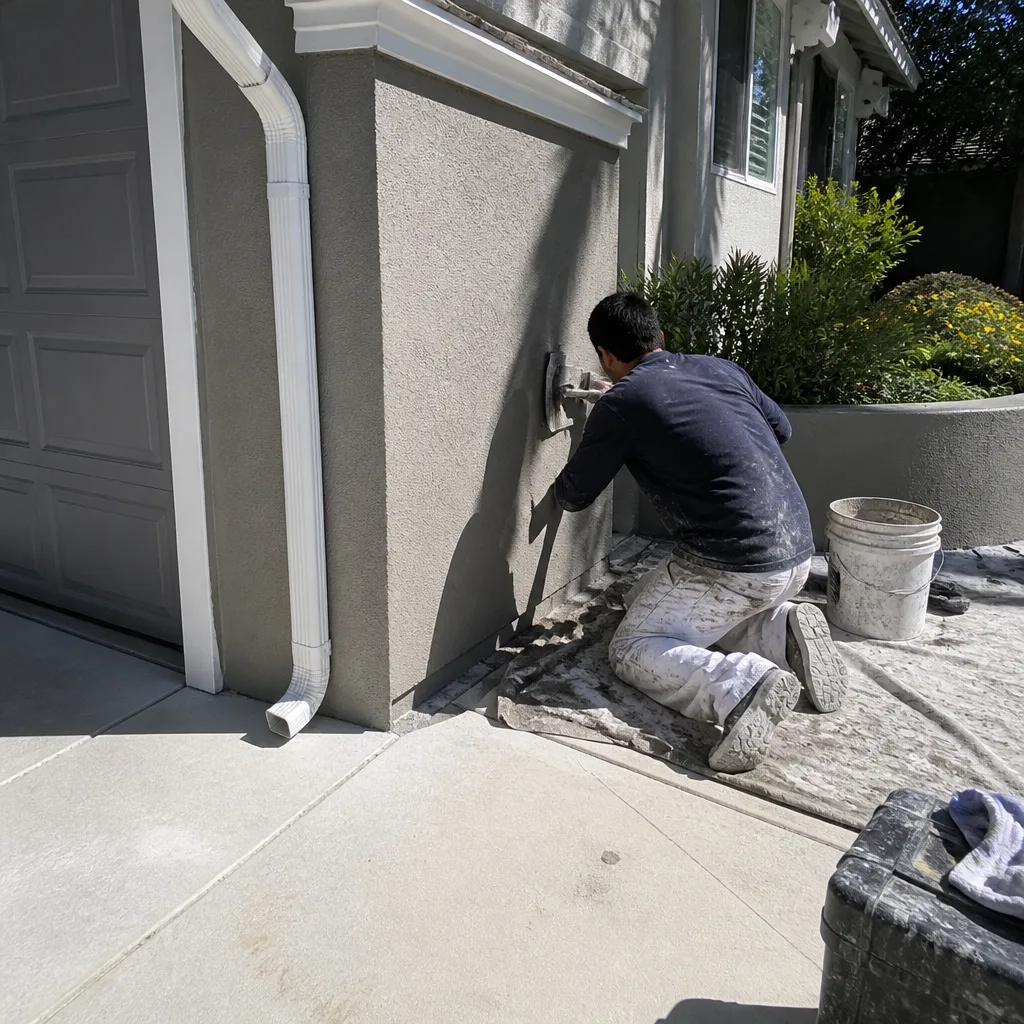 After
After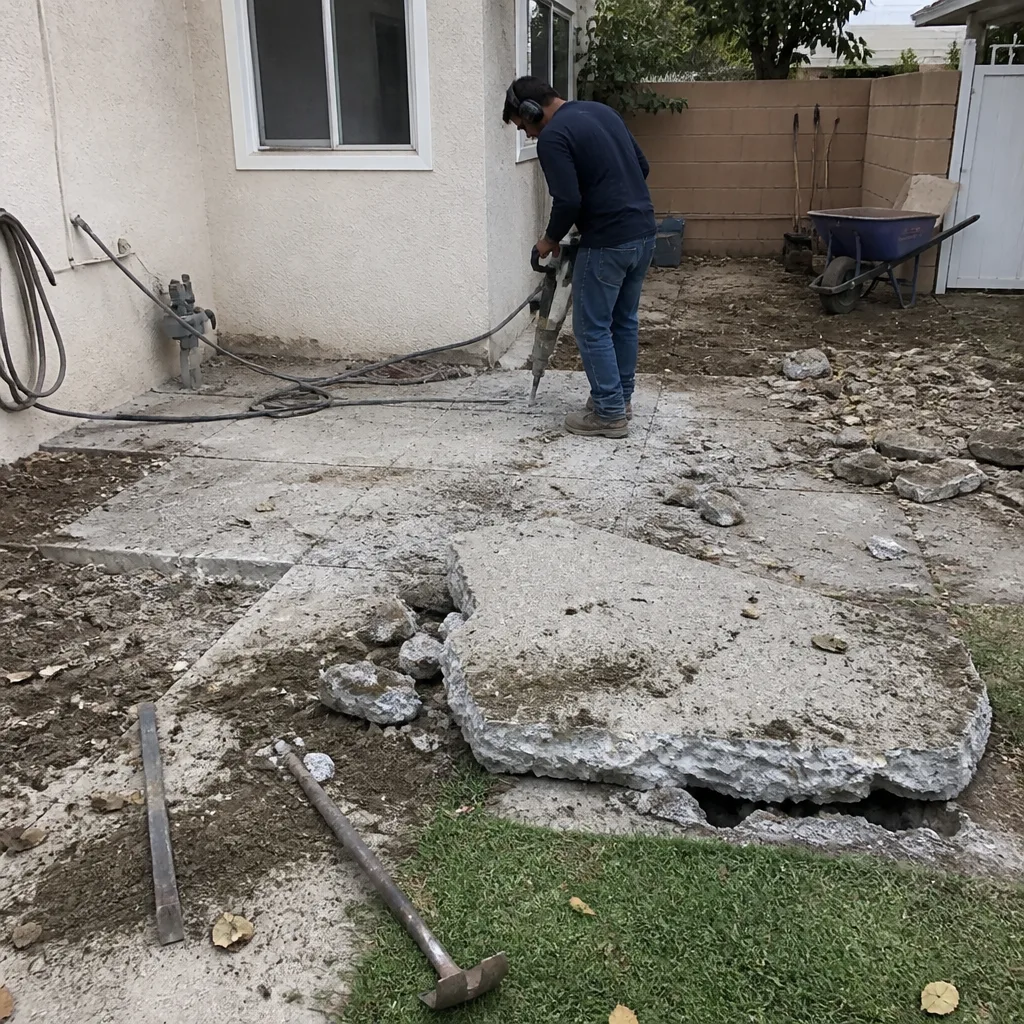 Before
 After
AfterHow We Fix It

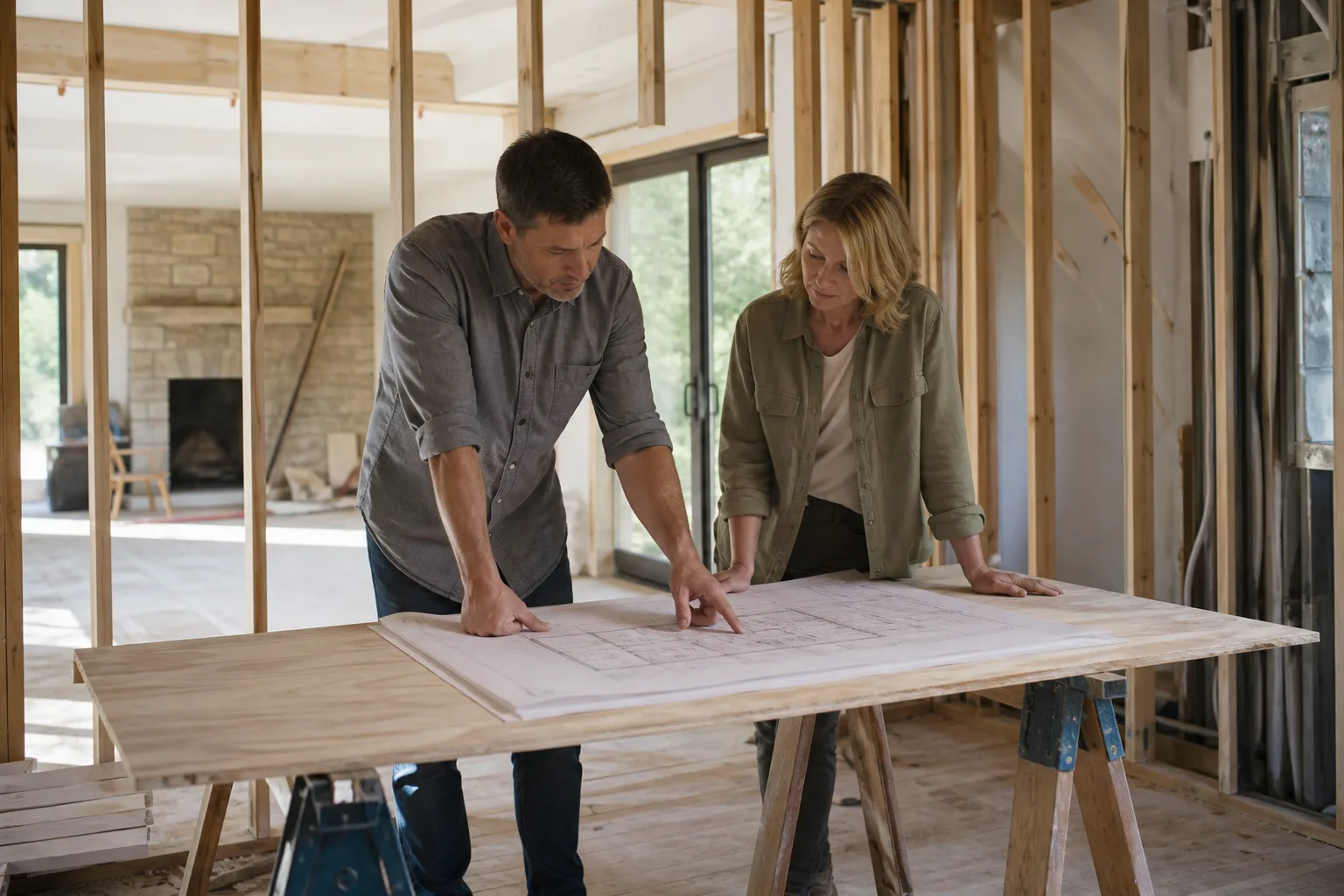
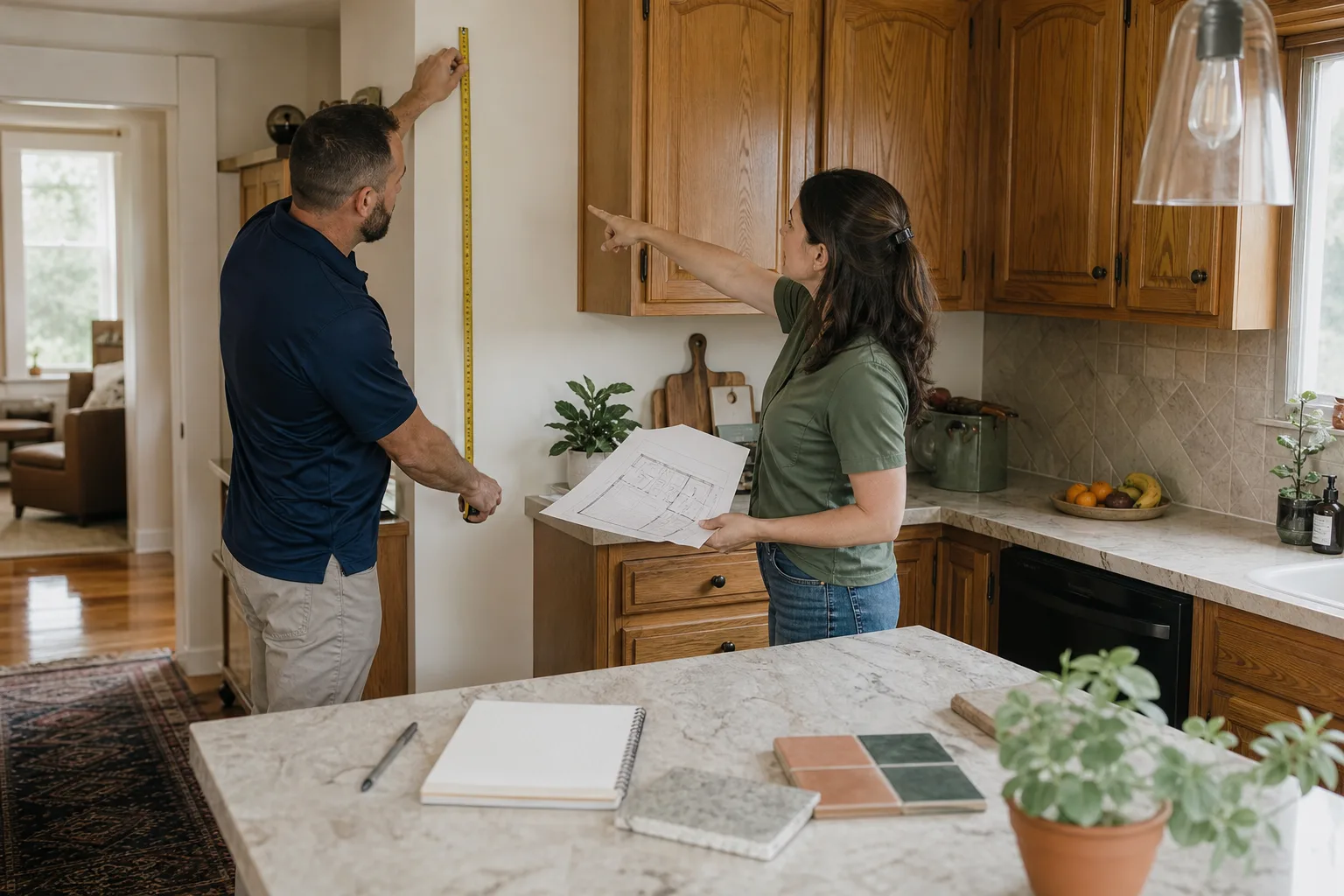
When your local Elmstead Remodeling team arrives, the first thing we do is a thorough walkthrough of the existing work. We’re looking at what was completed, what was completed correctly, and what needs to be redone versus what can be continued from where it stopped. We document all of it.
From there, we put together a written scope and price that covers exactly what’s needed to finish the job properly – no verbal estimates, no figures that change once the crew shows up. That written price is yours before any work starts, every time, without exception.
Depending on what stopped and what’s left, the services that apply here are general contracting, bathroom remodeling, kitchen remodeling, or whole-home remodeling – sometimes a combination. Most scope assessments are completed in a single visit. The timeline for the actual work depends entirely on what’s left to do and what, if anything, needs to be corrected first.
Every project we take to completion is covered by our 365-Day Done Right Promise: if it’s not done right after the job is complete, we make it right. That promise goes on every project we finish, including ones we didn’t start.
Frequently Asked Questions
It can be, depending on what’s exposed. Open electrical, disconnected gas lines, missing structural supports, and unsecured exterior openings are all genuinely hazardous – if any of those conditions exist in your home, keep kids and pets out of the affected area and call a professional before spending more time near it. A partially demolished bathroom or kitchen that’s structurally intact and not touching live systems is inconvenient but not immediately dangerous. When in doubt, err on the side of caution and call (949) 850-9896 so we can assess the situation before you do anything else.
Call us at (949) 850-9896 and we’ll get a scope assessment scheduled with your local team as soon as possible. We understand this isn’t a planned project – your home is partially finished and you need a clear path forward. We can’t promise a specific start date before we’ve seen the job, but we won’t string you along either. You’ll have a written price and a realistic timeline from us before any work begins.
No. Every Elmstead Remodeling project starts with a written price – that’s not a policy we make exceptions to. If something genuinely unexpected turns up inside a wall or under a floor once work is underway, we stop, show you what we found, explain what it means, and give you an updated written price before we continue. You decide whether to proceed. No surprises added to the final invoice.
Yes. Taking over mid-project is something our teams handle regularly. The first step is always a thorough assessment of what’s there – what was done to standard, what needs correction, and what still needs to happen. We treat prior work honestly: if something was done correctly, we continue from it; if it wasn’t, we tell you plainly before we touch it. Call (949) 850-9896 to get that assessment scheduled with your local team.
Get It Fixed

Your local Elmstead Remodeling team can assess what’s been done, tell you exactly what it will take to finish the job correctly, and give you a written price before any work starts. Call (949) 850-9896 – a live person answers around the clock, no voicemail, no waiting until Monday – or book online to schedule your free assessment.
Written by Graham Stein, Owner at Elmstead Remodeling, part of the Cedarwell family of remodeling companies.
What Our Customers Say
"Main bath gut and redo. They protected the carpet the whole way down the hall and vacuumed daily. Quiet during naps when they could be. Lovely finish."
- Franklin Mbeki"They opened up our kitchen and controlled the dust better than I thought possible. Floors protected, a photo of the cleaned space each day. Gentle on the house and on budget."
- Yasmin Croft"Guest bath and laundry redo. Respectful of our schedule, quiet when we needed it, and not a speck of mess left behind. Finished close to on schedule."
- Barrett Lowell