Last updated October 8, 2026





Free written scope consultation - allowances, timeline, and change-order rules on paper before a single trade is scheduled
DIY vs Professional Kitchen Remodeling: What’s Safe to Do Yourself
Here is a number most our Kitchen Remodeling services guides will never give you: a homeowner who installs their own kitchen faucet typically saves about $150 in labor. But a homeowner who incorrectly caps a gas line behind a new range saves nothing. California law requires a licensed C-36 plumbing contractor for any gas line modification, and an unpermitted gas connection discovered after an incident can void a homeowner’s insurance policy entirely. The question is not whether you can save money doing part of a kitchen remodel yourself. The question is whether the money you save is worth the risk you cannot see. This guide maps that line as clearly as it can be drawn in Los Angeles, where building codes, permit enforcement, and resale disclosure laws are among the strictest in the country.
Quick Answer
The short answer: painting, demo-light prep work, cabinet hardware installation, and interior cabinet painting are genuinely safe for many homeowners to do themselves. Anything involving gas lines, electrical circuits, plumbing rough-in, or structural changes requires a licensed California contractor, and attempting it without one can void your insurance, complicate your home’s resale, and create hazards that stay hidden until they cause real damage.
Styles & brands we work with







Table of Contents
- What “Sweat Equity” Actually Means in a Kitchen Remodel
- The Framework: Visible Mistakes vs. Hidden Mistakes
- California License Requirements for Kitchen Remodel Work
- Los Angeles Permits, Inspections, and What They Cost to Fix Later
- The Hybrid Approach: DIY Tasks That Fit Inside a Professional Remodel
- Insurance and Resale: How Unpermitted Kitchen Work Shows Up
- The Coordination Problem With Hybrid DIY/Pro Projects
- DIY vs Professional: A Line-Item Cost Comparison for Los Angeles
What “Sweat Equity” Actually Means in a Kitchen Remodel
Most homeowners walking into a kitchen remodel want to feel involved. They want to point to something at the end and say, “I did that.” That instinct is healthy, and the good news is that a professionally managed kitchen remodel can accommodate it without compromising the parts of the job that actually keep the home safe and insurable. For more guides & resources, see our blog.
In our experience managing kitchen remodels across Los Angeles, the DIY tasks that fit cleanly into a professional project are specific and narrow. Demo light prep work, meaning removing cabinet doors and drawers, taking down light fixtures after the circuit is confirmed off, and pulling up flooring that does not contain asbestos, is genuinely doable for a careful homeowner. Painting the interiors of new cabinets before installation is another task that saves real money and is difficult to get wrong in a way that matters. Installing cabinet hardware after the boxes are set and leveled is the single most DIY-friendly task in the entire remodel, because a misaligned knob is visible, correctable, and affects nothing behind the surface.
The distinction matters because of how a kitchen is built. The visible layer, meaning paint, hardware, light fixtures, and cabinet door fronts, can be removed and redone without consequence. The invisible layer, meaning the framing, the gas lines behind the range, the electrical circuits inside the walls, and the drain pipes under the floor, is expensive to access and catastrophic to get wrong.
The Framework: Visible Mistakes vs. Hidden Mistakes
Here is the single most useful way to think about any kitchen remodeling task: ask what happens if the work is done incorrectly, and whether that failure will announce itself immediately or silently.
Visible and Correctable Mistakes
- Painting cabinet doors: a bad paint job looks bad on day one, and you repaint it. The damage is cosmetic and the fix is straightforward.
- Installing a tile backsplash over drywall: if a tile is crooked or the grout lines are uneven, you see it and you fix it before the grout cures. The wall behind the backsplash is drywall, not a wet area in the way a shower wall is, so a small waterproofing error at the backsplash does not typically rot out a wall cavity.
- Swapping cabinet hardware: a knob that sits an eighth of an inch off is visible. It can be filled, redrilled, and reset without affecting anything else.
- Installing a new faucet on existing supply lines: if it drips, you see the drip. The failure is at the fixture, not inside the wall.
Hidden and Potentially Dangerous Mistakes
- Capping or relocating a gas line: an incorrectly sealed gas connection can leak into the wall cavity for months or years without any odor reaching the living space. Natural gas is odorized, but a slow leak inside a closed cavity can dissipate below the detection threshold before it accumulates. This is why California requires a C-36 plumbing license for any gas line work.
- Electrical panel and circuit work: a loose connection inside a panel does not trip a breaker. It heats up, slowly, until the insulation degrades enough to arc. The first visible sign is often a fire inside the wall. California requires a C-10 electrical license for this work.
- Drain rough-in under the floor: an incorrectly sloped drain line will function fine for years and then begin backing up as solids accumulate in the low spot. By the time the owner notices the slow drain, the fix requires opening the floor or ceiling below.
- Ventilation and makeup air for gas ranges: an undersized or incorrectly vented range hood does not fail visibly. It fails over years as grease accumulates in the wrong places and combustion byproducts are not fully exhausted. California’s Title 24 energy code has specific ventilation requirements that a homeowner simply will not know to check.
The dividing line is clean: if the mistake is visible on the surface and correctable with paint, spackle, or a wrench, it is a reasonable DIY candidate. If the mistake lives inside a wall, under a floor, or behind an appliance and would only surface through slow damage or an insurance claim, it belongs with a licensed professional.
California License Requirements for Kitchen Remodel Work
California regulates construction trades through the Contractors State License Board, and the license classes are not optional recommendations. They are legal requirements, and they travel with the work.
- C-36 Plumbing Contractor: required for any modification to gas lines, water supply lines, or drain lines. This includes moving a gas range from one wall to another, adding a pot filler, relocating a sink, and running a new drain for a dishwasher. A homeowner cannot pull a permit for this work and do it themselves in a way that satisfies Los Angeles building code.
- C-10 Electrical Contractor: required for any new circuit, panel upgrade, or wiring change. A kitchen remodel almost always involves new circuits because modern code requires dedicated circuits for the refrigerator, dishwasher, disposal, and microwave. Running a new 20-amp circuit for a countertop outlet without a C-10 license is illegal in California, full stop.
- C-20 HVAC Contractor: required for any modification to ductwork, range hood ventilation, or makeup air systems. If a kitchen remodel moves a wall that contains a duct, or if a new island range hood requires new ducting to the exterior, a C-20 contractor must do the work.
What most homeowners do not realize is that a general contractor pulling a permit for a kitchen remodel in Los Angeles still cannot perform the plumbing, electrical, or HVAC scopes of that permit. A general contractor coordinates the work, but the permitted trades must be completed by licensed subcontractors in those classes. A homeowner attempting a hybrid approach, doing the electrical themselves while hiring a GC for the rest, is not saving money. They are taking on legal liability and, in many cases, making the project impossible to permit.
Los Angeles Permits, Inspections, and What They Cost to Fix Later
Los Angeles is not a jurisdiction where unpermitted work quietly disappears. The Los Angeles Department of Building and Safety keeps records that follow the property, not the owner. An unpermitted kitchen remodel shows up on a title report when the home is sold, because the assessor’s office records the square footage and the building department records what permits were pulled. A kitchen that was reworked without a permit is discoverable, and it is always discovered during escrow because the buyer’s lender and the buyer’s inspector are both looking for exactly this.
The cost to remediate unpermitted kitchen work before a sale in Los Angeles typically ranges from $8,000 to $25,000 depending on what was done without inspection. This covers opening the walls so the work can be inspected, correcting any deficiencies the inspector finds, closing everything back up, and then paying the permit fees and penalties on top. In some Los Angeles neighborhoods, particularly in older homes where original construction predated modern code, the remediation cost runs higher because the inspector will require the entire system to be brought up to current code, not just the portion that was modified. See our General Contractor Maintenance Checklist for Los Angeles Homeowners for related guidance.
Beyond the sale, unpermitted work carries a quieter cost. A kitchen fire that starts in an unpermitted electrical modification is a claim the insurance company will investigate. If the investigator finds that the circuit was added without a permit, the claim can be denied. The homeowner then owns the repair cost, the content loss, and the displacement, all of which could have been covered if a C-10 electrician had done the work under a permit.
The Hybrid Approach: DIY Tasks That Fit Inside a Professional Remodel
A kitchen remodel does not have to be all-or-nothing. The hybrid approach works, but it only works when it is coordinated in advance with the general contractor, and when the DIY tasks sit entirely on the visible-correctable side of the line.
Here is what a genuinely workable hybrid scope looks like in Los Angeles:
- Demo prep work: removing cabinet doors and drawers, taking down interior shelving, pulling up old flooring, and removing light fixture trim after the circuit is confirmed dead. This work is labor-intensive and requires no license. What it saves is the contractor’s labor hours, which in Los Angeles typically run $75 to $150 per hour per crew member depending on the trade.
- Interior cabinet painting: painting the inside of new cabinet boxes before they are installed, and sometimes painting the doors and drawer fronts in a ventilated garage, is a task where a careful homeowner can genuinely match professional results if they use the right primer and take their time. The savings are real, often $800 to $1,500 depending on kitchen size.
- Hardware installation: drilling and mounting knobs and pulls after the cabinets are installed and leveled. This is the safest DIY task in any kitchen remodel, because a mistake is shallow, visible, and easy to correct.
- Final cleaning and touch-up: removing construction dust from cabinet interiors, applying touch-up paint to trim, and cleaning the floors before furniture goes back. Families with children and pets often prefer to handle this step themselves so they control the products used in their own home.
The key is sequencing. The DIY tasks need to be scheduled so they do not hold up the licensed trades, and they need to be done before appliances are set and final inspections are scheduled. A good general contractor will write the DIY scope into the project schedule so everyone knows what happens when. A general contractor in Los Angeles who is experienced with hybrid projects can tell you in the first conversation which of your DIY ideas actually save money and which ones will cost more to fix than they would have cost to hire out.
Insurance and Resale: How Unpermitted Kitchen Work Shows Up
The resale conversation is the one most homeowners have, and it is worth having early. In Los Angeles, the standard real estate contract requires the seller to disclose all unpermitted work, and the standard buyer’s inspection includes a permit history check with the Los Angeles Department of Building and Safety. An unpermitted kitchen remodel does not hide, and it does not get grandfathered in. It becomes a negotiation point, and it usually becomes a price reduction at minimum.
The insurance conversation is less discussed and more expensive. Homeowners insurance policies in California typically contain language requiring the homeowner to maintain the property in compliance with building codes and to disclose any unpermitted work when the policy is written. If a claim arises from a system that was modified without a permit, the carrier has grounds to deny the claim. This is not a theoretical risk. A kitchen fire that originates in an unpermitted circuit, a water damage claim from an unpermitted drain line, a gas leak from an unpermitted range connection, all of these are exactly the claims that insurance investigators scrutinize.
What this means in practical terms is that the money saved by doing unpermitted work yourself is borrowed money. It is not a saved cost. It is an unsecured loan against your equity, due in full if the work is discovered during a sale or if a related incident triggers a claim.
The Coordination Problem With Hybrid DIY/Pro Projects
Here is the part almost every guide misses: even when the DIY tasks are individually safe, they can compromise the professional work when they are not coordinated. This is the hidden cost of the hybrid approach, and it is why the DIY scope needs to be locked down before the project starts, not improvised midstream.
The clearest example in a kitchen remodel is the backsplash. A homeowner who decides to install their own tile backsplash after the contractor has finished means the waterproofing transition between the countertop, the cabinet, and the tile is no one’s responsibility. If that transition is not sealed correctly, water from the sink splashes behind the cabinet base and sits against the drywall and the cabinet frame. Six months later the cabinet finish is bubbled and the drywall is soft. The cabinet manufacturer’s warranty is void because the installation environment was not maintained. The contractor’s workmanship warranty is void because a third party worked on an adjacent surface after final inspection. The homeowner owns the entire repair.
The same coordination problem shows up with paint. A homeowner who paints cabinet doors in the garage while the contractor is finishing drywall in the kitchen risks dust contamination in the wet paint, which means every door gets repainted. A homeowner who installs cabinet hardware after final inspection, without having the contractor mark the drill points, can split the cabinet door frame, which voids the cabinet warranty on that door.
None of this means the hybrid approach is a bad idea. It means the hybrid approach needs a single schedule and a single set of expectations, with the general contractor acting as the coordinator. At Elmstead Remodeling, we write the DIY scope into the written scope of work, with a written price for everything we do and a clear schedule for everything you do, following a General Contractor Maintenance Schedule: What to Do and When. That way both sides know exactly where their responsibility begins and ends, which is the only way a hybrid remodel actually works.
DIY vs Professional: A Line-Item Cost Comparison for Los Angeles
Here is what typical labor costs look like in the Los Angeles market, and what a homeowner can realistically save by taking on the visible-correctable tasks themselves. These are ranges, not quotes. An exact written price always comes from walking the specific kitchen.
Tasks Where DIY Savings Are Genuinely Available
- Cabinet hardware installation: typical professional cost $200 to $500 depending on kitchen size. DIY cost $30 to $80 for drilling template and hardware. Savings: $150 to $450. Risk of hidden damage: near zero.
- Interior cabinet painting: typical professional cost $800 to $1,500. DIY cost $150 to $300 for primer, paint, and rollers. Savings: $600 to $1,200. Risk of hidden damage: near zero if done before installation and allowed to cure fully.
- Demo prep work: typical professional cost $500 to $1,200. DIY cost: your time and a rented dumpster or hauling fees. Savings: $300 to $800. Risk of hidden damage: low, as long as the circuits are confirmed off and asbestos testing is done on older flooring before pulling it up.
- Final cleaning and touch-up: typical professional cost $300 to $600. DIY cost: cleaning supplies you already own. Savings: $300 to $600. Risk of hidden damage: none.
Tasks Where DIY “Savings” Are Actually Deferred Costs
- Gas line modification for a new range: California requires a C-36 plumbing contractor. Unpermitted gas work can void insurance coverage and typically costs $4,000 to $10,000 to remediate before a sale.
- New electrical circuits for appliances: California requires a C-10 electrical contractor. Unpermitted circuits are the most common cause of kitchen fires that result in denied insurance claims.
- Drain line changes under the floor: California requires a C-36 plumbing contractor. A bad drain slope can cost $5,000 to $15,000 to access and correct when it finally fails.
- Range hood ducting and ventilation: California Title 24 energy code has specific requirements. An incorrect installation may need to be brought to code before a sale, and the correction often requires opening a wall or ceiling.
Common Mistakes to Avoid
- Assuming a general contractor can legally do the plumbing and electrical themselves. They cannot. A GC coordinates the project, but the permitted plumbing, electrical, and HVAC scopes must be done by licensed subcontractors in those classes. If the GC you are considering says their guy can do the electrical, ask whose license covers it.
- Treating the backsplash as an isolated DIY project that happens after the remodel is finished. This is the single most common coordination failure we see in Los Angeles, and it is the one that most often voids the warranty on adjacent cabinet finishes.
- Pulling up old flooring in a pre-1980s Los Angeles home without testing for asbestos. Many older Los Angeles homes have asbestos in the flooring adhesive. Disturbing it without testing creates a health risk and an abatement cost that can exceed what the entire new floor costs.
- Underestimating how long a DIY cabinet painting project takes. Proper painting means cleaning, sanding, priming, two to three finish coats, and full cure time between each one. A kitchen worth of cabinet doors typically takes three to five weekends, and many homeowners burn out halfway through and call a contractor to fix a half-sanded mess.
- Assuming unpermitted kitchen work will not be discovered at sale. In Los Angeles it will be. The building department records follow the property, and the standard disclosure process requires it.
- Doing electrical work without shutting off the correct breaker and testing the circuit. This is the fastest route to the emergency room. The kitchen is one of the most circuit-dense rooms in the house, and assuming the breaker you flipped controls the outlet you are touching is a dangerous assumption.
- Choosing the cheapest materials for visible finishes because “it is just the backsplash” or “it is just the hardware.” The visible layer is what you live with every day. Cheap tile looks cheap, and cheap hardware fails, corrodes, and loosens within a few years. It is the wrong place to save.
See the difference
 Before
 After
After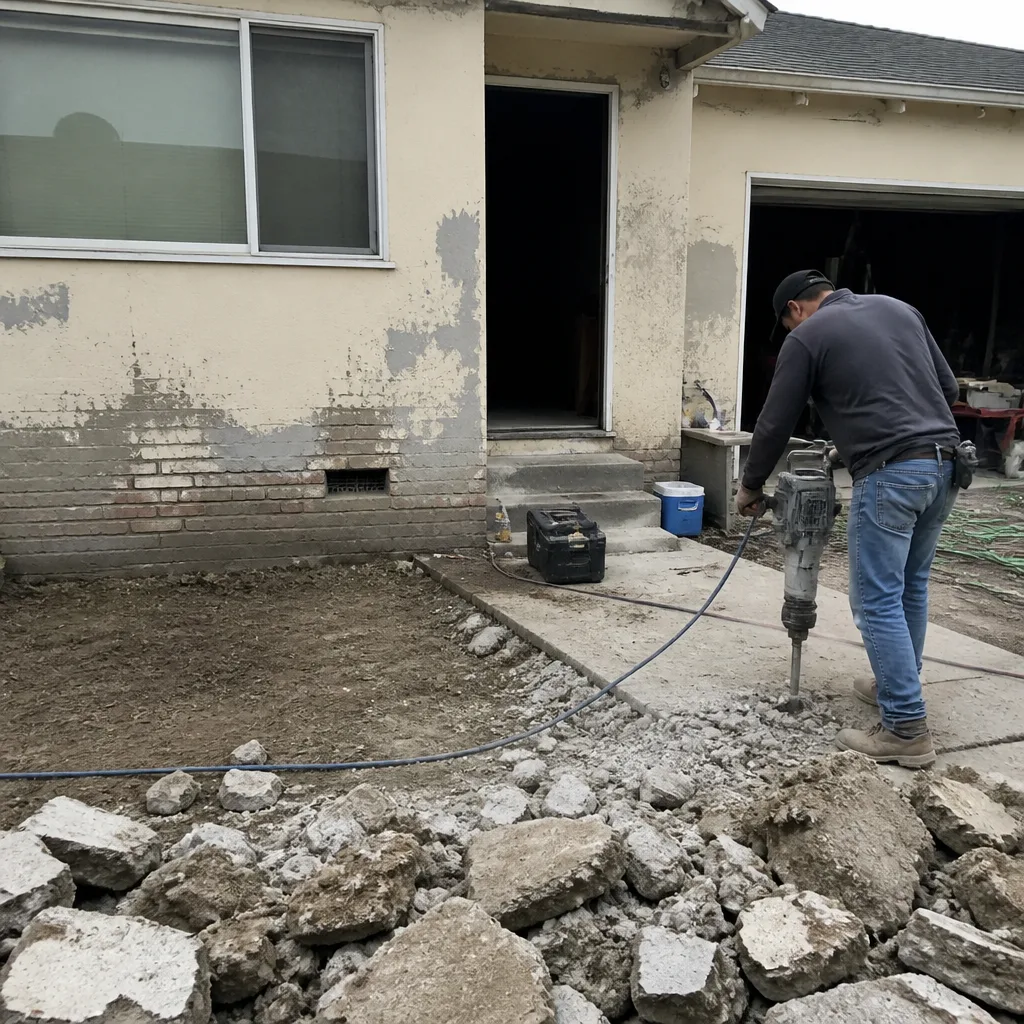 Before
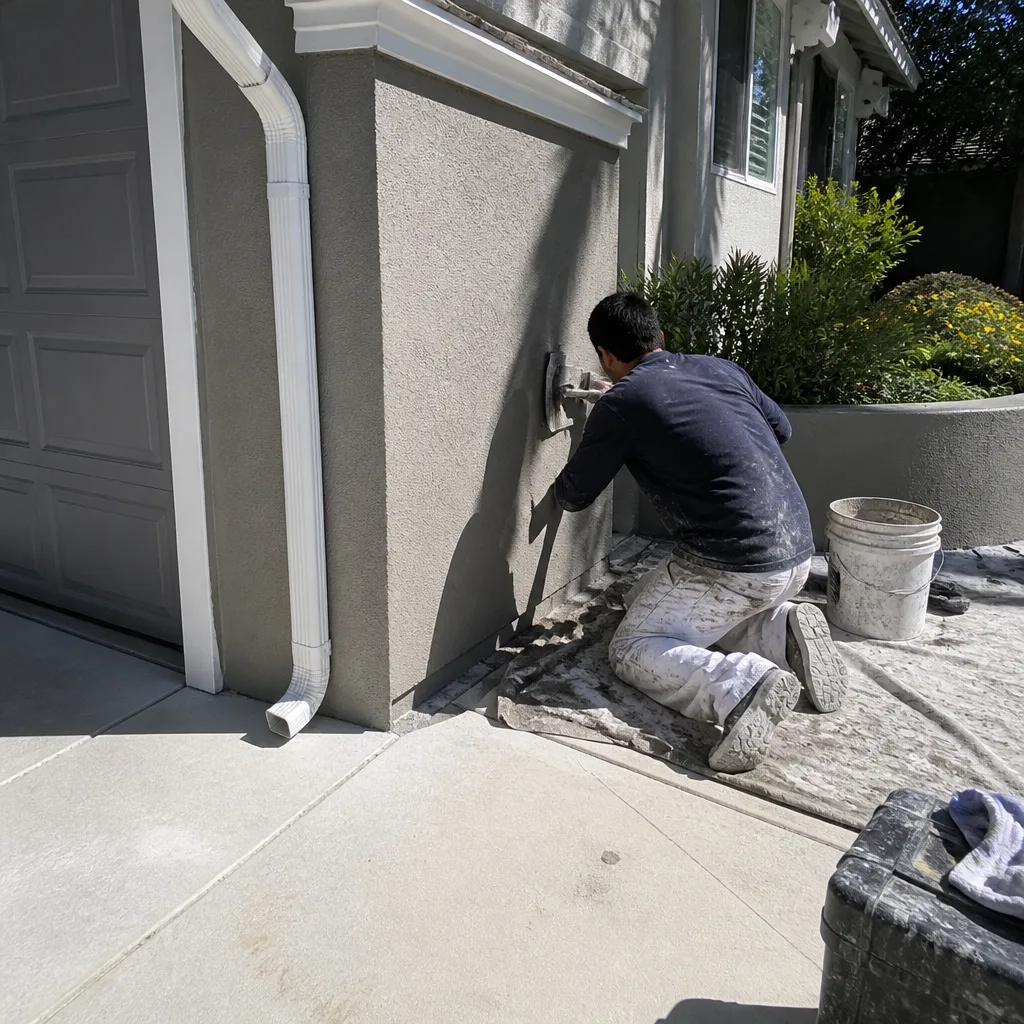 After
After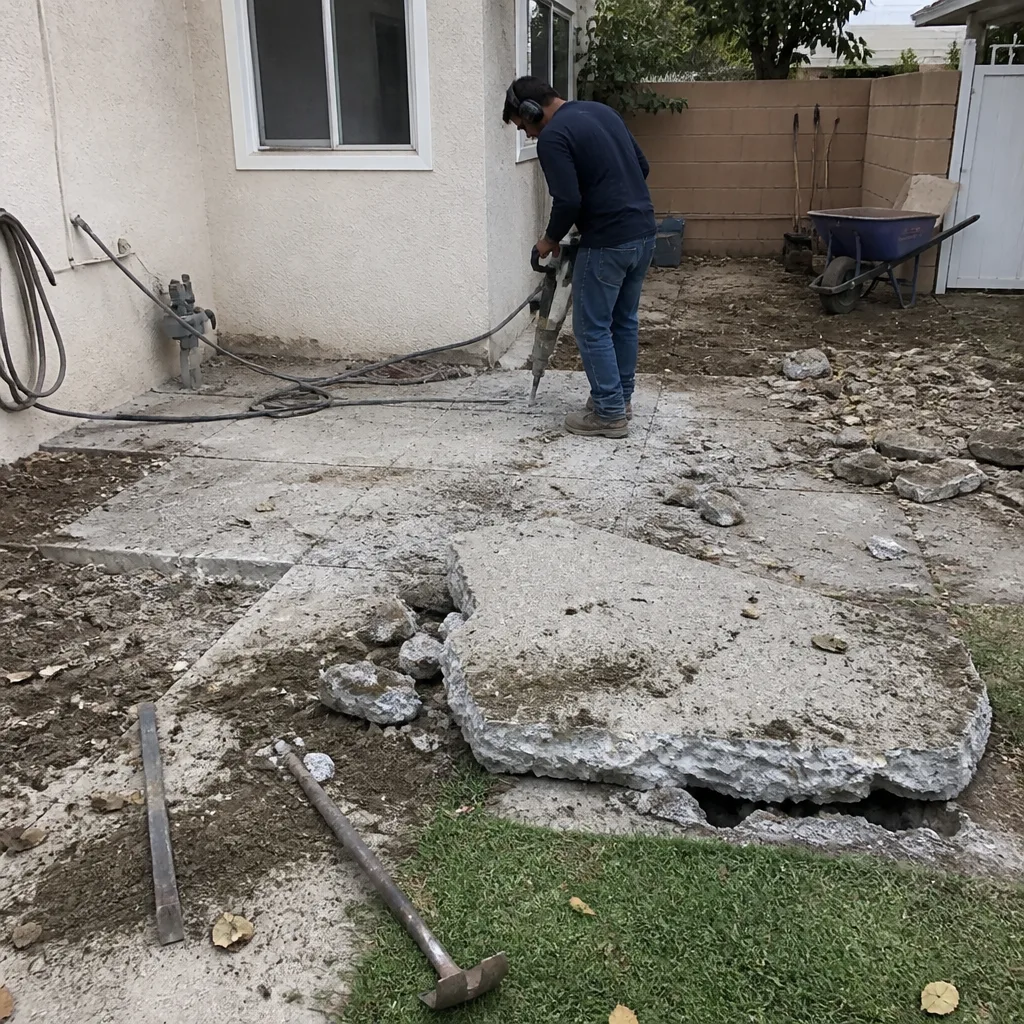 Before
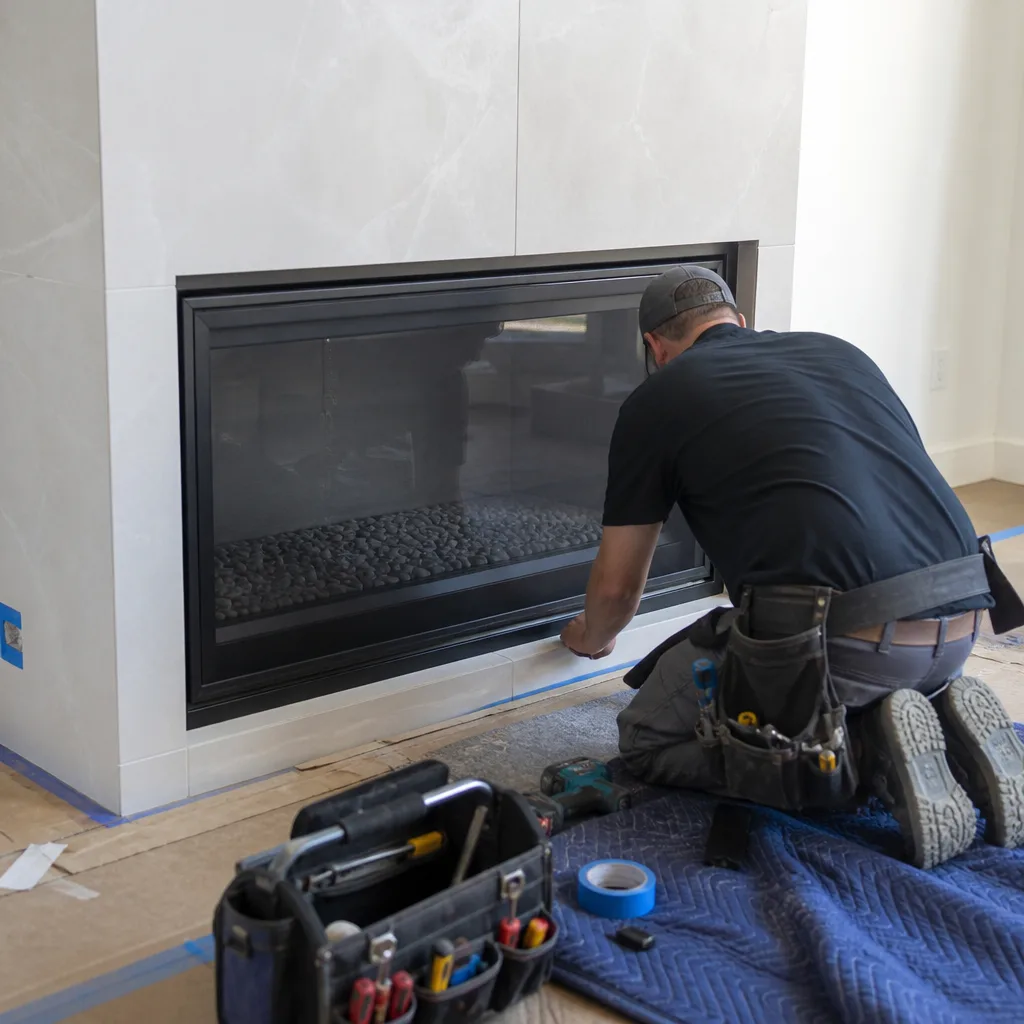 After
AfterWhen to Call a Professional
Call a professional whenever the work touches gas, electrical, structural changes, or drain lines. That is the honest line, and it is not a sales pitch. It is California law and it is the boundary of what your insurance policy will actually cover. Call a professional when the work is permitted, when the work affects the home’s resale, and when a failure would be hidden until it causes damage. For everything else, the visible and correctable tasks, a careful homeowner can save real money and enjoy the satisfaction of pointing at something they made themselves. Elmstead Remodeling offers free estimates in Los Angeles, and we will write you a scope that includes exactly which tasks are safe for you to do and which ones need a licensed trade. Call (949) 850-9896 to schedule yours.
Frequently Asked Questions

No. California requires a C-36 plumbing contractor for any modification to water supply lines, drain lines, or gas lines. A homeowner cannot legally pull a permit for this work and do it themselves. This includes moving a sink, relocating a dishwasher drain, and capping or extending a gas line for a range.
The most common DIY mistake we see in Los Angeles is installing a tile backsplash after the contractor has finished without coordinating the waterproofing transition at the countertop. The backsplash looks fine, but water gets behind the cabinet base, the finish bubbles, and the cabinet warranty is void because the installation environment was compromised after final inspection.
A homeowner in Los Angeles who handles demo prep, interior cabinet painting, hardware installation, and final cleaning typically saves between $1,400 and $3,850 depending on kitchen size and material choices. The tasks that involve plumbing, electrical, gas, or ventilation are not savings opportunities. They are liabilities if done without a license.
Yes. The Los Angeles Department of Building and Safety records permit history by property, not by owner. Unpermitted work is discoverable by any buyer’s inspector or lender, and the standard California real estate contract requires the seller to disclose it regardless of whether it would be found independently. Discovery is not the question. The question is how much the remedied work will cost, and in Los Angeles that typically falls between $8,000 and $25,000.
Replacing cabinet boxes and doors in the same footprint does not typically require a permit in Los Angeles, because the work is considered finish work rather than structural or system work. However, if the cabinet layout changes and plumbing or electrical needs to move to accommodate it, a permit is required and the plumbing and electrical scopes must be done by licensed contractors regardless of who installs the cabinets.
Yes, because a general contractor can coordinate the hybrid approach so your DIY tasks do not void the warranties or interfere with the permitted work. The written scope should include exactly which tasks are yours, which are the contractor’s, and where the responsibility boundaries sit. Without that coordination, a hybrid remodel often costs more than a fully professional one, because the DIY work compromises the professional finishes. Call (949) 850-9896 for a free estimate, and we will walk you through exactly which tasks are safe for you to handle.
The Bottom Line
The safe boundary in a kitchen remodel is the boundary between what is visible and what is hidden. If you can see the mistake with your eyes and fix it with paint, spackle, or a drill, it is likely a reasonable DIY candidate. If the mistake would live inside a wall, under a floor, or behind an appliance and would surface only as a fire, a flood, a denied insurance claim, or a resale price reduction, it belongs with a licensed California contractor. In Los Angeles, where permits are recorded, insurance is scrutinized, and resale disclosure is mandatory, the cost of crossing that line is never theoretical. And for the tasks that do sit safely on the DIY side, a coordinated hybrid scope with a general contractor ensures the work you do yourself actually adds value instead of voiding the warranty on the work you paid for.
Written by Graham Stein, Owner at Elmstead Remodeling, serving Los Angeles since 2005.