
Last updated October 8, 2026








Free written scope consultation - allowances, timeline, and change-order rules on paper before a single trade is scheduled
Kitchen Remodeling Warning Signs Every Homeowner Should Know
Walk through any Los Angeles neighborhood long enough and you’ll hear a version of the same story: the kitchen remodel that ran six months over schedule, the tile that cracked within a year, the final bill that landed 40% above the written estimate. The details change, but the root cause rarely does. In our experience across Los Angeles since 2005, most kitchen remodeling disasters are not caused by bad design choices or even bad workmanship. They are caused by process failures that were visible before the first cabinet was ever ordered, if anyone had known where to look. This guide-along with Seasonal Construction Care for Los Angeles: Year-Round Homeowner’s Guide and our other resources-walks you through the warning signs we have learned to recognize, the ones that show up in contracts, in permits, in subcontractor conversations, and in the first week of demolition.
Quick Answer
The most reliable warning signs of a troubled kitchen remodel appear before and during the work, not after: a vague or verbal scope of work, an offer to skip permits, a general contractor who cannot name their licensed plumber and electrician upfront, material allowances written as “TBD,” and a crew that covers problems instead of fixing them. For homeowners who want to go deeper, our Bathroom Remodeling Maintenance Schedule: What to Do and When offers a parallel framework for another high-risk project. Homeowners who catch these signs early avoid the cost overruns, code violations, and 18-month-later failures that define the worst Los Angeles remodeling experiences.
Styles & brands we work with







Table of Contents
- The Verbal Scope of Work: Where Kitchen Remodel Disputes Begin
- The Permit Offer That Is Not a Favor: What Skipping Permits Really Costs in Los Angeles
- The Subcontractor Question: A GC Who Cannot Name Their Trades Is Not Coordinating
- Material Substitution Language: “Cabinets TBD” Is a Budget, Not a Plan
- What to Watch for Once the Crew Is in Your Home
- The Online Review Gap: Why Kitchen Problems Appear 12 to 18 Months Later
- A Better Way to Read the Signs: The C.A.R.E. Schedule for Homeowners
The Verbal Scope of Work: Where Kitchen Remodel Disputes Begin
The single most common source of kitchen remodeling disputes in California is not workmanship. It is a verbal scope of work that each party remembers differently when the bill arrives. We have seen this pattern repeat for two decades in Los Angeles: a contractor walks the kitchen, nods at the cabinets, waves toward the plumbing, says “we’ll take care of all of that,” and the homeowner hears a complete project while the contractor means the specific items they discussed in that ten-minute walkthrough. The written contract is not paperwork. It is the only protection either side has.
A legitimate kitchen remodeling scope of work reads like a recipe: specific materials, specific quantities, specific allowances, specific exclusions.
- Demolition: what gets removed, what gets protected, where debris goes, who hauls it.
- Plumbing: fixture locations, rough-in work, whether moving the sink includes moving the drain line or just the supply lines.
- Electrical: circuit requirements, outlet placement, whether the existing panel can support a new appliance load.
- Cabinetry: manufacturer or budget allowance, finish, hardware, delivery timeline.
- Countertops: material, fabrication source, edge profile, whether the template includes the sink cutout.
- Flooring: material, underlayment, transition strips, whether subfloor repair is included or billed as a change order.
When a contractor resists putting these items in writing, the resistance itself is the warning sign. A written scope is not an act of distrust. It is the difference between a contractor who manages expectations and one who manages surprises. At Elmstead Remodeling home, we provide a written price before any work starts on every project, because we have learned that the families we work with in Los Angeles are not asking for a discount. They are asking for an honest number to plan around.
The Permit Offer That Is Not a Favor: What Skipping Permits Really Costs in Los Angeles
There is a moment in many Los Angeles kitchen remodeling estimates where the contractor lowers their voice and offers to save the homeowner time and money by working without permits. It sounds like insider knowledge, like a contractor who knows how to get things done. What it actually is, is a transfer of legal liability from the contractor to the homeowner, wrapped in the language of a favor.
In Los Angeles, kitchen remodels that involve electrical work, plumbing changes, or structural modifications require permits from the Los Angeles Department of Building and Safety. The permit exists for a specific reason: it creates an inspection record. That record is what your insurance company looks for when a plumbing line fails behind a wall and destroys cabinetry. It is what a buyer’s inspector looks for during resale, when unpermitted work can delay a closing or force a price reduction. It is what code enforcement looks for when a neighbor files a complaint about construction activity.
- Insurance implications: if an unpermitted electrical change causes a fire, your insurance carrier may deny the claim. The contractor is gone; you are left holding the loss.
- Resale implications: California sellers must disclose unpermitted work. Buyers in Los Angeles are increasingly walking away from homes where the kitchen remodel cannot be verified, or they are pricing the cost of retroactive permits into the offer.
- Code enforcement implications: Los Angeles code enforcement can issue a stop-work order, require permits to be pulled retroactively, and in some cases require work to be opened up for inspection at the homeowner’s expense.
- Safety implications: permitted work gets inspected. Unpermitted work does not. The difference matters when it is gas line work behind your new range.
A contractor who offers to skip the permit is not offering a benefit. They are asking you to absorb every risk they do not want. We pull permits on every project where they are required, and we pass inspection before walls close. It is slower in the moment. It is far less expensive over the life of the kitchen. If you are weighing our Kitchen Remodeling services in Los Angeles, the permit conversation is one of the fastest ways to separate a contractor who builds to code from one who builds to a deadline.
The Subcontractor Question: A GC Who Cannot Name Their Trades Is Not Coordinating
Kitchen remodeling is a coordination business. No single person installs cabinets, fabricates stone, runs electrical, sets plumbing, and lays flooring well enough to do it all. The general contractor’s real job is to sequence specialists so that the right trade arrives at the right time with the right information. When a general contractor cannot name their licensed plumber and electrician before the contract is signed, they are not managing a coordinated project. They are booking trades as they go, and the homeowner will feel that lack of coordination as delays, conflicts, and change orders.
Ask the question directly: “Who is your licensed plumber, and who is your licensed electrician for this project?” A general contractor with a real process will answer without hesitation. They can name the subcontractor, confirm the license is current, and explain how the trade fits into the schedule. A contractor who hedges, who says “we’ll bring in our guy when we get there,” is telling you something important about how the project will actually run.
This matters in Los Angeles specifically because the city’s permitting process requires licensed trades for electrical and plumbing work. The names on the permit application are public record. A contractor who books unlicensed labor is not just violating the law; they are putting the homeowner in the position of having no recourse when the work fails. A licensed trade carries a license number you can verify with the state, a bond, and a record. An unlicensed worker carries none of those protections.
In our kitchen remodeling work in Los Angeles, the plumber and electrician are named in the project plan before the contract is signed. The family knows who will be in their home, the trades know the scope, and the schedule holds. That is not a convenience. It is the entire job of a general contractor, and the most important question you can ask during your estimating process.
Material Substitution Language: “Cabinets TBD” Is a Budget, Not a Plan
Somewhere between the enthusiastic first meeting and the signed contract, kitchen remodel scopes lose their specificity. The language shifts from “KraftMaid cabinets in maple with a shaker door” to “cabinets to be selected.” The countertop line changes from “Cambria quartz in Berwyn” to “countertop TBD.” This is where costs surprise homeowners after demolition has already begun, and it is entirely preventable.
A material allowance is a dollar amount assigned to a category. It says: the homeowner will choose the exact material, but the budget for that material is fixed at a specific number. A material placeholder is different. “Cabinets TBD” with no allowance means the price can land anywhere, and the homeowner will not know until the selection appointment happens, which is often after the old kitchen has already been removed.
Here is what a protective kitchen remodel contract includes for material lines:
- Cabinet manufacturer named, or a written allowance with a dollar figure and a named showroom partner.
- Countertop material named, or a per-square-foot allowance that includes fabrication and installation.
- Fixture brands and specific models, or a written allowance per fixture category.
- Flooring material and square footage, including underlayment and transition pieces.
- Hardware, lighting, and plumbing trim specified by model number or allowance.
At Elmstead Remodeling, the written price includes the named materials: cabinetry from KraftMaid or Wellborn, countertops from Cambria or Silestone, fixtures from Kohler or Moen. When a family wants to make a selection during the project, the allowance is already in writing. The price does not drift. In our experience as a General Contractor in Los Angeles, the families who get hurt by material substitution language are the ones who trusted a verbal promise. The families who stay protected are the ones whose contract reads like an inventory.
What to Watch for Once the Crew Is in Your Home
The warning signs do not disappear after the contract is signed. Once the crew is working in your kitchen, the daily conditions reveal whether the contractor is remediating problems or covering them. These are the four signs we tell Los Angeles homeowners to watch for during an active remodel.
1. Subfloor damage that is covered rather than remediated. When old flooring comes up in a Los Angeles kitchen, the subfloor underneath often tells a story: water staining around the sink, softwood near the dishwasher, old termite damage along an exterior wall. A careful contractor stops, shows the homeowner the damage, and prices the repair before proceeding. A contractor under schedule pressure covers the damage and moves on, and the new floor goes down over a compromised foundation. Within a year or two, the floor begins to flex and squeak, and the fix requires removing everything that was just installed.
2. Plumbing rough-in that is not inspected before walls close. The moment before drywall goes up is the most important inspection point in a kitchen remodel. This is when the plumbing rough-in is visible: the supply lines, the drain configuration, the venting, the shut-off valves. In Los Angeles, this inspection is public record. A contractor who closes walls without passing rough-in inspection is hiding the work from the one party whose judgment actually matters: the city inspector. Ask to see the inspection record. A contractor who cannot provide it on request has something to hide.
3. A contractor who cannot provide inspection records on request. This is the simplest test of all. Permitted work creates a paper trail. Every passed inspection is recorded. A contractor doing legitimate work can produce that record. A contractor doing work outside the permit process cannot, and the evasion tells you everything.
4. The daily clean-up conversation never happens. A kitchen remodel is disruptive. Dust travels. Debris accumulates. A contractor who has thought about your family’s daily life will have a plan for where debris goes, how dust is contained, and how the worksite is left at the end of each day. At Elmstead Remodeling, that plan includes shoe covers and drop cloths on every visit, quiet tools during family rest hours where possible, and a photo of the clean-up before the crew leaves, every day, included on every job. Families with children and pets notice the difference immediately.
The Online Review Gap: Why Kitchen Problems Appear 12 to 18 Months Later
When we talk to Los Angeles homeowners about choosing a kitchen remodeler, the most common question is about online reviews. “Their reviews look great,” the homeowner says. “What else should I check?” The answer is uncomfortable: the problems that define a bad kitchen remodel do not appear in reviews written in the first few months after completion. They appear 12 to 18 months later, when grout fails, cabinets delaminate, or a plumbing connection leaks behind a wall.
Here is the timeline no one explains:
- Months 0 to 3: the project is complete. It looks beautiful. The homeowner leaves a five-star review about how great the kitchen looks and how friendly the crew was. This is the review window where every contractor looks good.
- Months 4 to 11: small issues begin. A cabinet door doesn’t align. A drawer glide feels sticky. The homeowner calls the contractor. A contractor with a real warranty answers, fixes the issue, and the relationship survives. A contractor without one stops returning calls.
- Months 12 to 18: the structural problems surface. Grout cracks along the countertop seam. A cabinet face begins to delaminate from Los Angeles’s dry-season humidity swings. A plumbing fitting behind the wall starts to seep. The contractor who vanished at month six is long gone, and the homeowner is now talking to a new contractor about a repair that was never their fault.
“No complaints yet” is different from “no problems.” A contractor with a one-year track record of five-star reviews has not yet had time to fail. Look for the contractor whose reviews stretch back three years, five years, and look for how they handle the complaints that do appear. Do they answer? Do they return to the project? At Elmstead Remodeling, the promise is structural: the 365-Day Done Right Promise covers every completed project. If it is not done right, we make it right. That is not a marketing phrase. It is a behavior that shows up in the review record over time, and it is the reason we tell homeowners to read reviews with a calendar in hand.
A Better Way to Read the Signs: The C.A.R.E. Schedule for Homeowners
All of these warning signs fit into a framework that families can actually use. We call it the C.A.R.E. schedule, and it is based on how we run every kitchen remodel in Los Angeles.
C: Clean up like it is our own home. Before signing, ask the contractor how they protect floors, contain dust, and leave the worksite each day. A contractor who has not thought about this has not thought about your life during the remodel. During our projects, drop cloths go down before the first tool comes out. Shoe covers go on before the crew walks through the front door. A photo of the clean-up is taken before the crew leaves.
A: Ask before we move or touch anything. A kitchen remodel touches the whole house. The refrigerator gets moved. The dining table gets shifted. The family’s daily rhythm gets disrupted. A contractor who asks, who confirms the plan, who treats your belongings as yours rather than obstacles, is a contractor who will handle the rest of the project the same way. This is non-negotiable for families with children and pets in Los Angeles, where many kitchens open directly onto living spaces.
R: Respect the family’s time and quiet hours. A remodel should not feel like a siege. Quiet tools during nap and school hours where possible, a consistent start time, a schedule that is communicated rather than assumed. These are process signals. They tell you whether the contractor sees you as a partner or a payer.
E: Explain the price before the work. This is the umbrella over everything else. The written price before any work starts, the named materials, the allowance language, the permit clarity, the named subcontractors. When the price is explained before the work, every other warning sign becomes harder to hide. When the price is vague, every other warning sign is already present.
We have run kitchen remodels in Los Angeles long enough to know that the families who read these signs correctly are not the ones with the biggest budgets. They are the ones who asked the right questions before signing, and who kept asking them while the work was underway. The best time to read a warning sign is before it becomes a line item on a change order.
Common Mistakes to Avoid
- Signing a contract with a verbal promise attached. If it is not in writing, it does not exist. Los Angeles kitchen remodels are too complex to run on memory.
- Accepting the permit skip as a cost saver. The savings disappear the first time insurance asks for an inspection record or a buyer asks for permit history. Pay for the permit.
- Choosing a contractor without asking for named subcontractors. The plumber and electrician will be in your home. If the GC cannot name them, the coordination is already broken.
- Trusting material placeholders. “TBD” is not a selection. It is an open-ended cost. Get an allowance in writing, with a dollar figure.
- Focusing reviews on the first three months. Read reviews from 18 months back, and look for how complaints are handled.
- Ignoring the daily process signs. The way a crew protects your floors and respects your schedule in week one is the way they will handle the rest of the remodel.
- Selecting the lowest bid without comparing scopes. In Los Angeles, a low bid often means unbudgeted materials, unlicensed trades, and unpermitted work. A written scope lets you compare what you are actually paying for.
See the difference
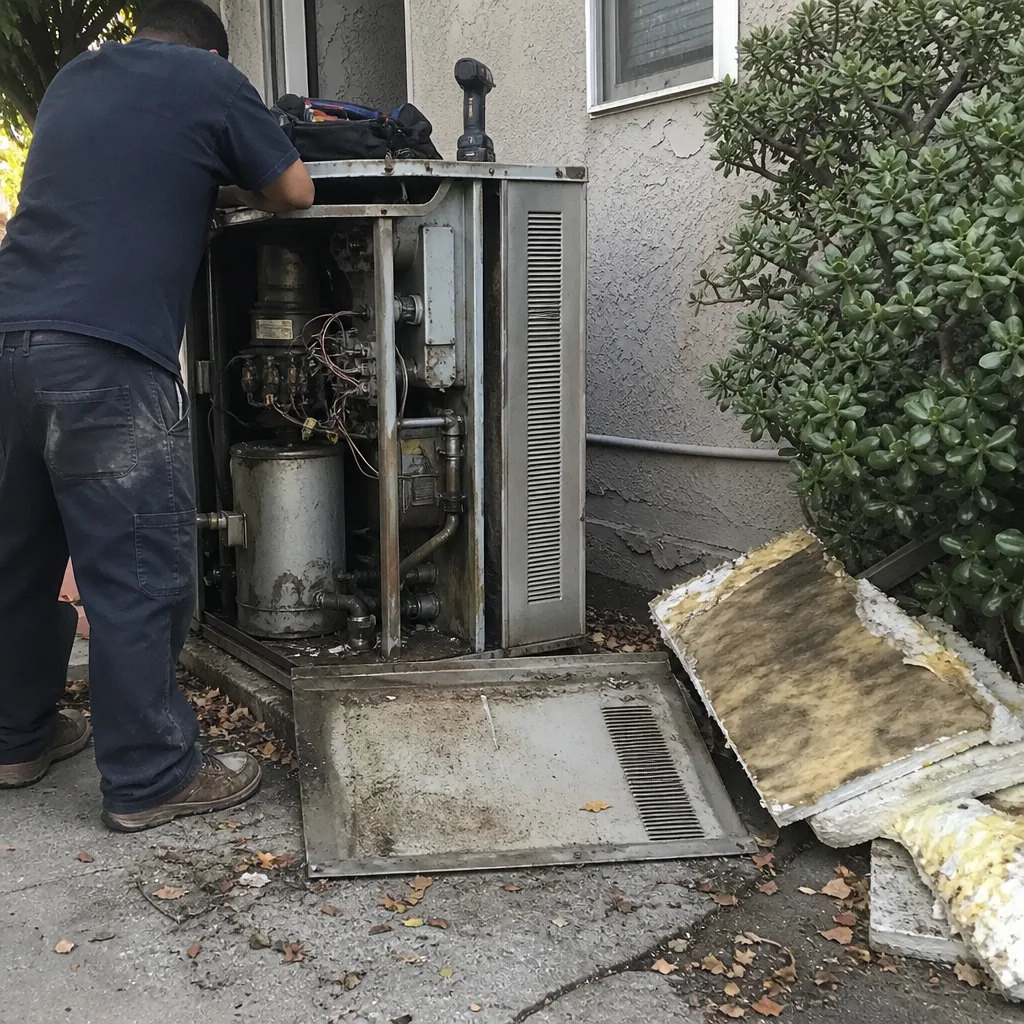 Before
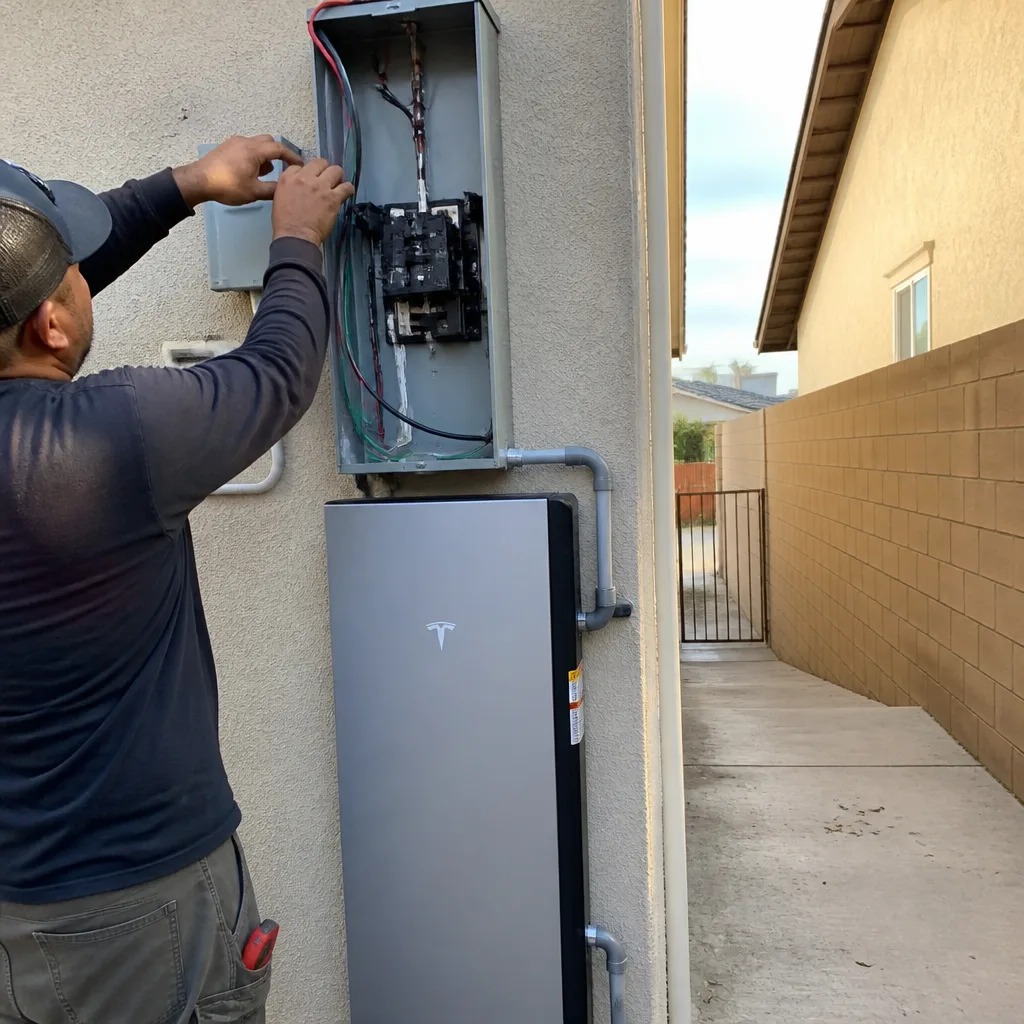 After
After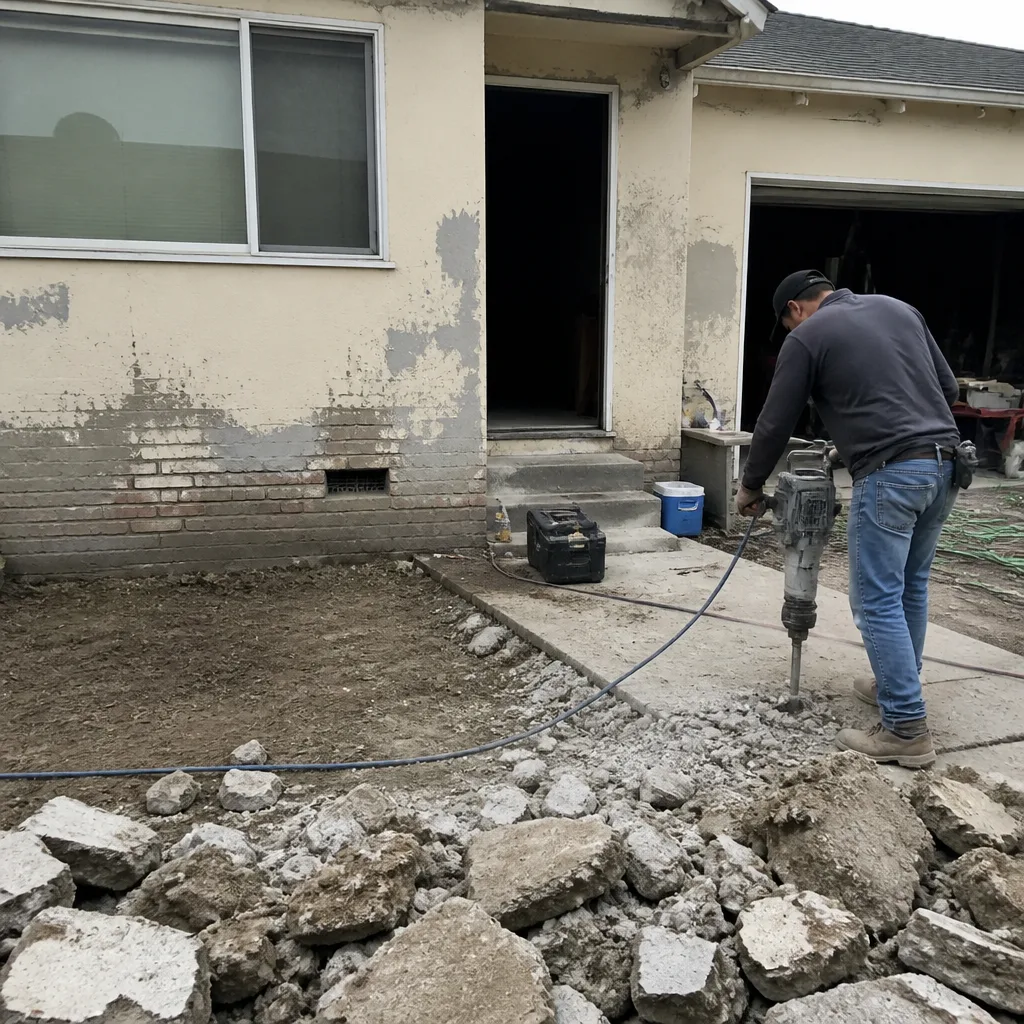 Before
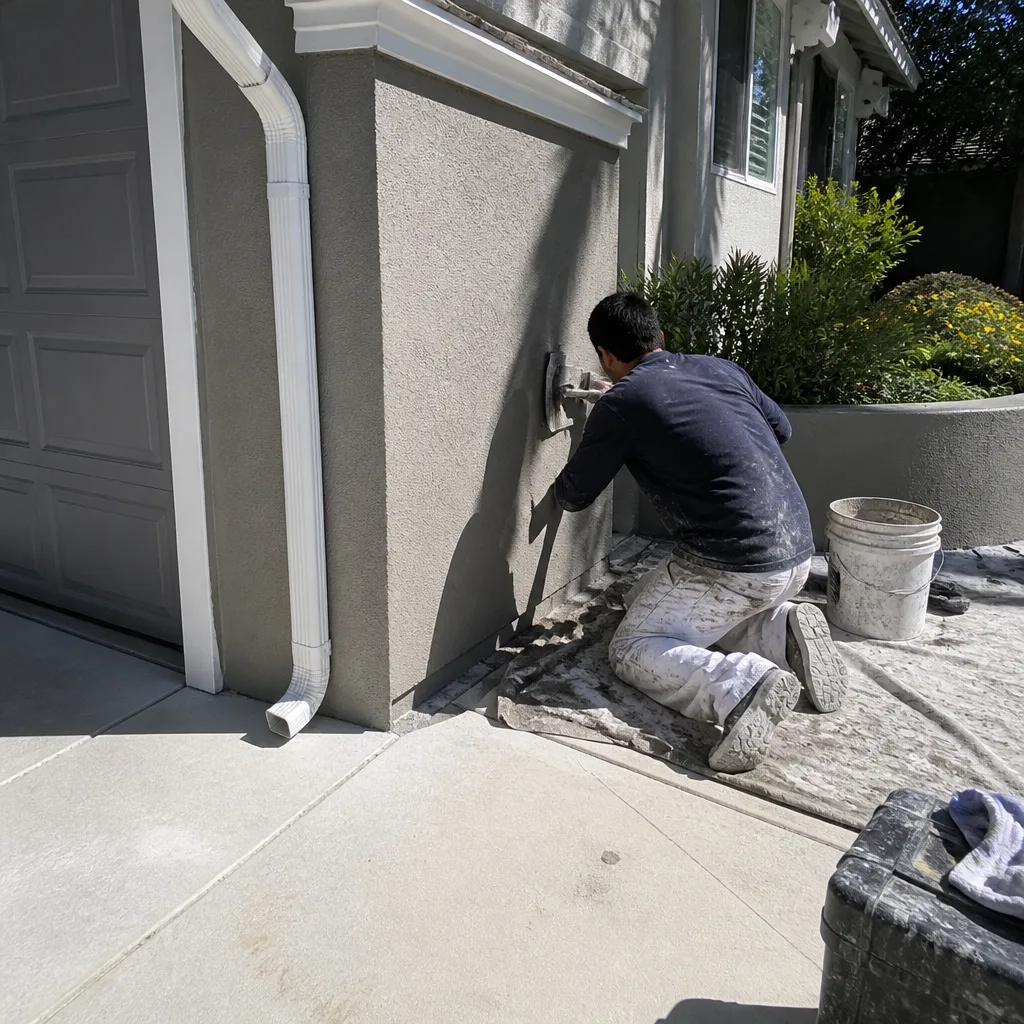 After
After Before
 After
AfterWhen to Call a Professional
If you are planning a kitchen remodel in Los Angeles and any of these warning signs have already appeared in your conversations with contractors, it is time to talk to someone who works differently. You do not need to have the full project scoped to make the call. Start with the questions: Is your price written before work starts? Can you name your plumber and electrician? Will you pull the permit? Do you have a clean-up process for the days the crew is in the house? The answers will tell you more than any gallery of completed projects. Kitchen Remodeling in Los Angeles with Elmstead Remodeling includes the written price, the named materials, the permit, and the clean-up standards, on every project, without exception. Call (949) 850-9896 for a free estimate.
Frequently Asked Questions

The biggest red flag is a verbal scope of work with no written breakdown of materials, allowances, and exclusions. Most kitchen remodeling disputes in Los Angeles come back to this one missing document. If a contractor will not put the scope in writing before work begins, the project is already at risk.
No. Kitchen remodels in Los Angeles that involve electrical, plumbing, or structural changes require permits from the Los Angeles Department of Building and Safety. Working without permits transfers liability for insurance claims, resale disclosure, and code enforcement to the homeowner, not the contractor.
Ask the contractor to name their plumber and electrician before the contract is signed, then verify the license numbers with the California Contractors State License Board. A contractor who cannot name their trades upfront is not coordinating a project; they are improvising one.
Structural problems like grout failure, cabinet delamination, and hidden plumbing leaks take time to develop. Los Angeles’s dry climate and seasonal humidity shifts accelerate some of these failures. That is why the review record from 12 to 18 months after completion matters more than the reviews written in the first month.
A protective contract names the specific materials or includes a written dollar allowance for each category: cabinets, countertops, fixtures, flooring, and hardware. Labels like “cabinets TBD” or “countertop to be selected” without an allowance invite cost surprises after demolition begins.
Yes. We provide free estimates for kitchen remodels throughout Los Angeles, with a written price before any work starts. Call (949) 850-9896 to schedule yours.
The Bottom Line
The warning signs of a failed kitchen remodel are process signals, and they are readable before the first cabinet is ordered. The verbal scope, the permit skip, the unnamed subcontractors, the material placeholders, the covered subfloor, the closed walls without inspection, the reviews that have not had time to fail. Los Angeles homeowners who read these signs-and explore more guides & resources on our site-protect themselves from the expensive remodeling mistakes that no design magazine ever mentions. The question to ask is not “Can you do the work?” It is “How will the work be done?” And the answer should be in writing, with named people, named materials, and a permit on file. That is the difference between a kitchen that holds up and a kitchen that becomes a story you tell the next contractor.
Written by Graham Stein, Owner at Elmstead Remodeling, serving Los Angeles since 2005.