Last updated October 8, 2026






Free written scope consultation - allowances, timeline, and change-order rules on paper before a single trade is scheduled
Home Remodeling Troubleshooting: Common Problems and How to Fix Them
A hairline crack appearing in new drywall within 30 days of finishing is almost always normal joint settlement. The same crack appearing six months later, running diagonally from a door corner, is a potential foundation or framing signal that deserves a structural engineer’s eye, not just a painter’s spackle. Most home remodeling problems fall somewhere between these two poles, and the difference between a five-minute fix and a five-figure repair often comes down to knowing which category you’re looking at. This guide gives Los Angeles homeowners a diagnostic framework for responding to problems proportionately: what’s cosmetic, what’s a workmanship issue, and what needs immediate professional attention. You’ll learn what to document, when to call your contractor back, and when to escalate beyond a polite phone call.
Quick Answer
Most home remodeling problems fall into three categories: cosmetic issues you can document and address at the final punch list (paint touch-ups, caulk gaps, hardware alignment), workmanship issues that require a contractor return within the warranty period (tile lippage, cabinet door alignment, grout cracking), and structural or safety issues that need immediate attention and possibly a third-party inspection (water intrusion, circuit breaker trips on new circuits, gas odor near new connections). The single most important thing you can do is document everything with date-stamped photos and written communication from day one, because a clear paper trail resolves disputes faster than any phone call ever will.
Styles & brands we work with




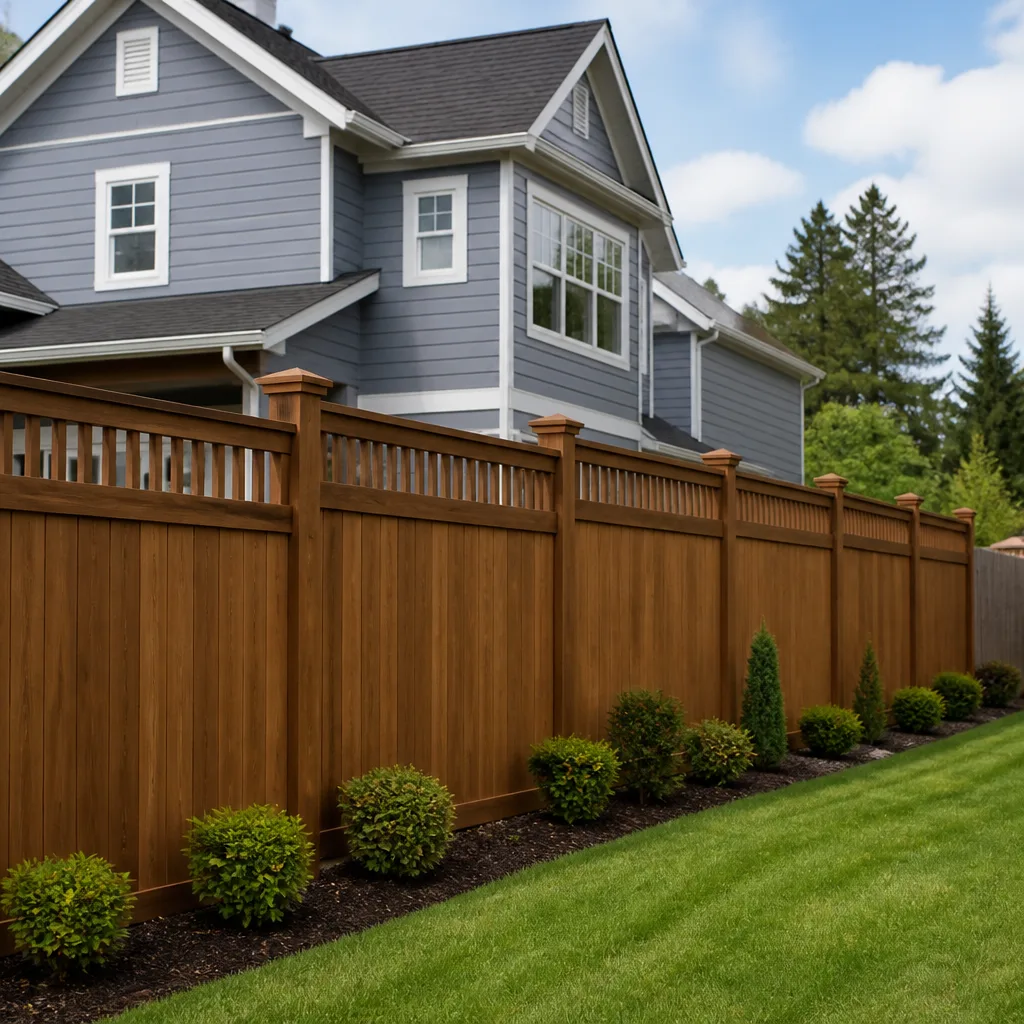
Table of Contents
- The Three-Tier Triage Framework: Cosmetic, Workmanship, or Structural
- Documentation Discipline: The Paper Trail That Protects You
- Los Angeles-Specific Problems: What Our Climate Does to New Work
- The 365-Day Warranty Window: Why Failures Appear on a Schedule
- The Escalation Path: When Your Contractor Won’t Call You Back
- Problem-by-Problem Reference: What You’re Seeing and What It Means
- What Common Fixes Cost in Los Angeles
The Three-Tier Triage Framework: Cosmetic, Workmanship, or Structural
Every remodeling problem you’ll ever face lands in one of three tiers. Knowing which tier you’re in determines how fast you need to move, who you need to call, and whether you should be worried at all. We’ve walked hundreds of Los Angeles families through this exact decision, and the framework holds up whether you’re dealing with a $4,000 bathroom refresh or a $150,000 whole-home renovation. For related reading, see our guide on How Long Does Bathroom Remodeling Take? Timelines and What to Expect.
Tier 1: Cosmetic Issues
Cosmetic issues are surface-level imperfections that affect appearance but not function or safety. These go on the punch list and get addressed at project closeout. Common examples:
- Paint touch-ups where trim meets wall
- Small caulk gaps at the top of baseboards
- Cabinet hardware that’s slightly misaligned
- Minor drywall texture patches that read differently under certain light
- Grout haze on tile that wasn’t fully cleaned
None of these indicate a failing project. They indicate a project that needs its final 2% of attention. A good contractor expects a punch list and reserves time for it. At Elmstead, our crews walk the project with homeowners before closeout specifically to catch Tier 1 items, because fixing them while the crew is still mobilized is dramatically cheaper and faster than a return visit.
Tier 2: Workmanship Issues
Workmanship issues are defects in installation quality that affect durability, function, or appearance. These are covered under the contractor’s warranty and require a return visit. Examples:
- Tile lippage: one tile edge sits higher than its neighbor by more than the thickness of a credit card
- Cabinet doors that rack out of alignment within weeks of installation
- Grout cracking out of fresh joints within the first few months
- Caulk separating from one side of a joint, indicating improper surface prep
- Doors that stick or fail to latch after the framing settles
Tier 2 issues should be reported in writing with photos. Most legitimate contractors will schedule a return visit without argument. The Elmstead Remodeling home page details how our 365-Day Done Right Promise handles these calls: if it’s not done right, we make it right. No invoice, no debate about who’s responsible.
Tier 3: Structural or Safety Issues
These are the ones that demand immediate action, and they’re rare. But when they appear, waiting a week to “see if it gets worse” can turn a $2,000 repair into a $40,000 remediation. Tier 3 includes:
- Water intrusion: stains on new drywall, moisture at window perimeters, damp spots on flooring
- Electrical: circuit breakers tripping repeatedly on newly installed circuits, warm outlet covers, flickering lights on new wiring
- Gas: any odor of gas near newly installed appliances or gas lines
- Structural movement: widening cracks, doors that won’t close at all, floors that visibly slope
- Plumbing: sewage odor, slow drains that coincide with new fixture installation, water pressure drops
If you smell gas, leave the house and call your utility company first, then your contractor. For water and electrical issues, shut off the relevant breaker or valve if you can do so safely, then call your contractor immediately. If your contractor doesn’t answer, a licensed third-party inspection is worth the $300 to $600 it costs, because the documentation from an independent inspector changes the entire tone of the conversation that follows.
Documentation Discipline: The Paper Trail That Protects You
The homeowners who get their problems fixed fastest are almost never the ones who complain loudest. They’re the ones who documented everything from the day the crew arrived. Here’s what that actually looks like in practice.
The Documentation System That Works
- Date-stamped photos, every single time. Your phone embeds metadata automatically. Take wide shots showing the problem in context, then close-ups showing the detail. Take a photo before any fix attempt.
- Written communication only once a problem appears. A text message with a read receipt is worth more in a dispute than a 40-minute phone call, because a phone call never happened in the eyes of the law unless someone wrote it down.
- A simple log. A note on your phone or a notebook works. Date, what you noticed, what you did, who you contacted, what they said. Three columns. That’s the whole system.
- Photos of the area before work started. This is the most commonly skipped step. A photo of the cracked stucco that existed before the remodel saves you from being blamed for it after.
For anyone working with a General Contractor in Los Angeles, this documentation is also how you protect yourself against lien claims from subcontractors who claim they weren’t paid. A written log showing your payments, your communications, and the condition of the work is the difference between a smooth resolution and a legal mess.
Los Angeles-Specific Problems: What Our Climate Does to New Work
Los Angeles has a remodeling problem profile that differs from other markets, and a surprising number of “defects” in LA are actually the local climate doing what the local climate does. Here’s what we see on a regular basis.
Efflorescence on Exterior Stucco
After a window replacement or stucco patch, Los Angeles homeowners sometimes notice a white, chalky film appearing on the surface, especially after seasonal rain. This is efflorescence: mineral salts migrating through porous stucco and crystallizing on the surface. It’s not a structural failure. It’s not mold. It’s the stucco breathing, and in LA’s specific pattern of long dry spells punctuated by heavy rain, it’s common for efflorescence to appear three to six months after the work. The fix is usually a dry brushing, a damp sponge wipe, and patience. If it keeps returning after two wet seasons, the stucco may have a vapor drive problem that warrants a closer look at the flashing and weep screed installation.
Tile Adhesive Failure in Thermal Swing Zones
Los Angeles homes in areas with significant daytime-to-nighttime temperature swings, particularly in the San Fernando Valley and inland communities, can experience tile adhesive failure when a contractor uses the wrong setting material. A mastic designed for a stable interior wall will break down faster when the wall assembly expands and contracts daily. This shows up as hollow-sounding tiles when tapped, or tiles that pop loose at the corners months after installation. The fix is removing the affected tile and reinstalling with a polymer-modified thinset rated for the specific temperature range. A contractor with deep LA experience knows which zones call for which materials.
Paint Failure on South-Facing Walls
Los Angeles gets roughly 284 days of sunshine a year, and south-facing walls take direct UV exposure for most of the day. Paint failures on these walls aren’t a workmanship issue; they’re an inevitability if anyone used a mid-grade flat paint without UV inhibitors. The south wall of an LA home will fail visibly faster than any other surface, especially in darker colors that absorb more heat and fade faster. When you’re choosing paint, ask specifically about UV-rated products. Sherwin-Williams and Benjamin Moore both make exterior lines with dedicated UV protection. The modest premium is cheaper than repainting in three years.
The 365-Day Warranty Window: Why Failures Appear on a Schedule
If you drew a graph of when callback requests arrive after a Los Angeles remodel, it wouldn’t be a smooth line. It would spike at predictable intervals tied to seasonal change. Understanding that schedule helps you distinguish between a contractor who botched the job and a contractor who’s responding to normal material behavior. For Home Remodeling Warning Signs Every Homeowner Should Know, see our dedicated guide.
The Seasonal Failure Calendar
- Month 1 to 2: Drywall joint cracks at taped seams as the house settles into the new framing. Normal if hairline; evidence of improper taping if the crack runs wider than 1/16 inch.
- Month 3 to 4: Cabinet door racking as interior wood adjusts to the home’s humidity profile. An adjustment call in this window is routine.
- Month 5 to 6: First rain season. Caulk separation at exterior penetrations, window perimeter seal failures. This is the first real test of exterior waterproofing.
- Month 7 to 9: Grout cracking in floors if the subfloor has excessive deflection. Grout doesn’t crack on its own; it cracks when the surface beneath it moves.
- Month 10 to 12: Paint and finish assessment. UV exposure has had a full year to show its work. Fading, chalking, and film failure on exposed surfaces become visible.
A contractor offering a true post-completion guarantee knows this calendar. When you call about a cabinet door that racked in month three, the answer isn’t “that’s normal.” The answer is a service visit, because the warranty period exists precisely to catch these seasonal adjustments. Our Kitchen Remodeling in Los Angeles projects carry the 365-Day Done Right Promise for exactly this reason. The first year after a remodel is when the house tells you how the work was done. We listen.
Some manufacturers also stand behind their products across these seasonal shifts. Jerith aluminum fencing, for example, is engineered to handle thermal expansion without warping. Knowing which brands have real engineering behind them, and which are just names, matters when you’re choosing materials.
The Escalation Path: When Your Contractor Won’t Call You Back
A reputable contractor answers the phone when a client reports a problem. But not every contractor is reputable, and not every dispute gets resolved with a friendly conversation. Here’s the escalation path that works in California.
Step 1: The Written Demand
Send a polite but specific written message, by text and by email, stating the issue, the date it was first noticed, the photos you’ve taken, and the specific remedy you’re requesting. Give a 14-day response window. Many disputes end here because the contractor realizes you’re documenting everything and will not simply go away.
Step 2: The CSLB Complaint
In California, the Contractors State License Board (CSLB) is the regulatory body that licenses contractors and investigates complaints. Filing a complaint is free and can be done online. The CSLB will contact the contractor, request a response, and in many cases, a CSLB representative will mediate the dispute. The mere existence of a CSLB case file changes the contractor’s incentive structure, because unresolved complaints affect license renewal.
Step 3: The CSLB Arbitration Program
If mediation doesn’t resolve it, the CSLB offers a mandatory arbitration program for disputes up to $50,000. It’s lower cost than court, faster than court, and the arbitrator’s decision is binding. This is the right tool for workmanship disputes where the dollar amount is meaningful but not catastrophic.
Step 4: A Construction Defect Attorney
Only warranted for structural, safety, or water intrusion issues where the repair cost is substantial and the contractor is denying responsibility. A certified demand letter from a construction defect attorney costs $500 to $2,000 and resolves a surprising number of cases before litigation, because the letter signals that you understand your rights and are prepared to enforce them. Filing a lawsuit is the last resort, not the first move. For a cosmetic punch list item, a lawsuit is never the answer.
The Bathroom Remodeling in Los Angeles market is full of contractors who have never had a complaint filed, and contractors who’ve had a dozen. The CSLB website publishes complaint history for every licensed contractor in the state. Check it before you sign a contract, not after you have a problem. We encourage every client to check ours. It’s part of being a transparent business.
Problem-by-Problem Reference: What You’re Seeing and What It Means
Here’s a quick diagnostic reference for the most common problems Los Angeles homeowners report after a remodel. Each entry tells you the tier, the likely cause, and the proportionate response.
Hairline drywall cracks at seams
Tier 1. Normal joint settlement. Document it, add it to the punch list, and expect the contractor to tape and repaint at no charge. If the crack reopens after the repair, it moves to Tier 2 and suggests the original taping wasn’t done with proper embedment.
Diagonal cracks from door or window corners
Tier 3 if wider than 1/8 inch. This pattern is associated with structural movement or framing settlement, especially in older Los Angeles homes where foundation standards were less rigorous in the 1920s through 1950s. Get a structural engineer’s assessment before any cosmetic repair. The engineer’s report costs $400 to $800 and tells you whether you’re looking at normal settling or a failing foundation element.
Caulk separating from one side of a joint
Tier 2. When caulk pulls away from one surface but sticks to the other, the problem is usually surface prep: dust, old caulk residue, or moisture at the time of application. The fix is cutting out the old bead, cleaning both surfaces properly, and reapplying with a product rated for the specific joint type. Properly applied caulk in a properly prepared joint shouldn’t separate for years.
Cabinet doors that won’t stay aligned
Tier 2. Wood expands and contracts with humidity changes. In Los Angeles, where coastal fog and Santa Ana dryness alternate throughout the year, cabinet doors shift. If adjustments last weeks instead of months, the hinge hardware may be undersized for the door weight, or the cabinet boxes themselves may not be square. Document the adjustment frequency. A cabinet that needs adjustment twice a year is normal. One that needs adjustment twice a month is a workmanship or hardware issue.
Grout cracking or crumbling
Tier 2 or 3 depending on location. Grout cracking in a shower wall suggests either improper mixing during installation or movement in the wall assembly. Grout cracking across a floor, especially in a pattern, suggests subfloor deflection. If the floor is wood-framed, a structural assessment may be warranted. If the subfloor is concrete slab, the cause may be the slab itself shifting, which in Los Angeles’s earthquake-prone region is a conversation worth having with a professional.
Water stains on new drywall or ceilings
Tier 3, always. Water travels. A stain on a kitchen ceiling may originate from a bathroom above, from a roof penetration two rooms away, or from a leak in a wall cavity. If the remodel included any roofing, window, or plumbing work, the new work is the first suspect. Shut off the water to the affected area, document everything, and call your contractor the same day. Water intrusion is the one problem that gets worse every single day it’s left unaddressed.
Breaker trips on new circuits
Tier 3, always. A breaker that trips repeatedly is doing its job: it’s telling you something is wrong. If the circuit was newly installed as part of a remodel, the cause could be an undersized breaker, an overloaded circuit, a loose connection, or a wiring error. This isn’t something to troubleshoot by flipping the breaker repeatedly. Call the electrician who did the work. If the contractor can’t provide the electrician’s name and license number, that’s a serious red flag in itself.
What Common Fixes Cost in Los Angeles
Knowing what a fix should cost prevents you from overpaying in a panic. Here are current market ranges for the most common post-remodel repairs in Los Angeles. These are ballpark figures; your exact cost depends on access, materials, and the contractor’s minimum service charge.
- Drywall crack repair and repaint (single crack): $150 to $400
- Caulk removal and replacement (single shower or exterior perimeter): $200 to $600
- Cabinet door adjustment (all doors in a kitchen): $150 to $350
- Grout removal and replacement (standard shower floor): $500 to $1,200
- Tile replacement (single tile, including matching and setting): $250 to $600
- Structural engineer assessment: $400 to $800
- Independent home inspector post-remodel review: $300 to $600
- Water damage remediation (small, localized leak): $1,500 to $4,000
These numbers are for third-party fixes. If the problem is a workmanship issue on a recent project, a reputable contractor performs the repair at no charge under warranty. That’s the whole point of choosing a contractor with a real warranty rather than a verbal promise. Our clients never see a bill for a 365-Day Done Right Promise repair. It’s a promise, not a promotional offer.
Common Mistakes to Avoid
- Waiting to see if the problem “gets better.” Remodeling problems don’t self-heal. A hairline crack might stay hairline, but water intrusion gets worse every day. Tier 3 issues should trigger same-day action, not a wait-and-see approach.
- Fixing a workmanship issue yourself and then asking for a refund. Once you’ve altered the work, the contractor can reasonably argue they can’t assess or warranty it. Document, notify in writing, and let the contractor respond before you touch anything.
- Relying on phone calls instead of written records. In a dispute, a phone call is hearsay unless someone wrote it down. A text or email establishes a timestamped, attributable record. This single habit puts you in a dramatically stronger position.
- Accepting a verbal promise of a future fix. “We’ll take care of that on the next visit” needs a date and a written confirmation. Verbal promises evaporate when the crew finishes the next job and moves on.
- Escalating to a lawsuit before exhausting CSLB mediation. Lawsuits are expensive, slow, and uncertain. For most workmanship disputes, the CSLB complaint and arbitration process is faster, cheaper, and specifically designed for construction disputes in California.
- Assuming every crack is a structural emergency. Most cracks are cosmetic. Getting a structural engineer involved for a hairline drywall crack wastes $500 and creates friction with a contractor who would have fixed it free. Use the triage framework before you escalate.
- Skipping the pre-work photo documentation. The photos you take before the crew arrives are the baseline that protects you from being blamed for pre-existing conditions. In Los Angeles, with its older housing stock and history of DIY repairs, this matters more than in newer markets.
See the difference
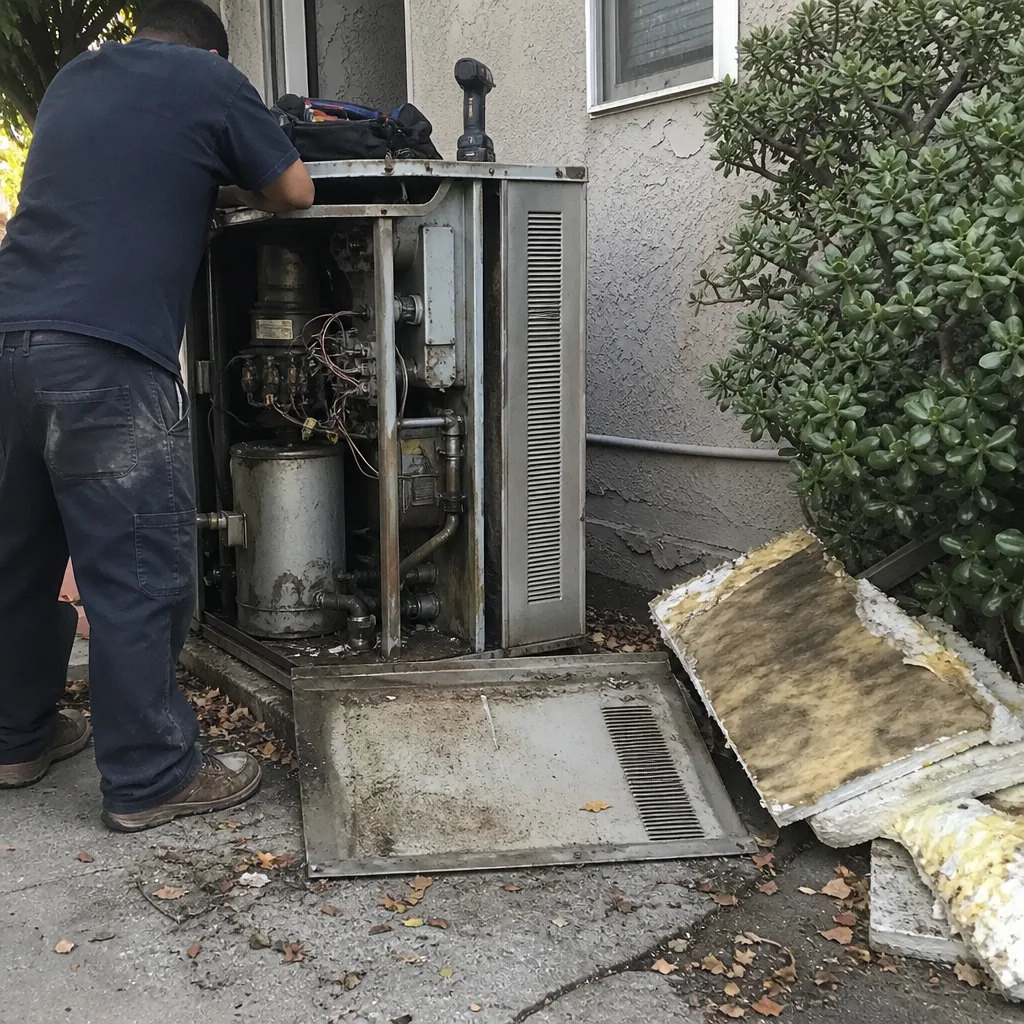 Before
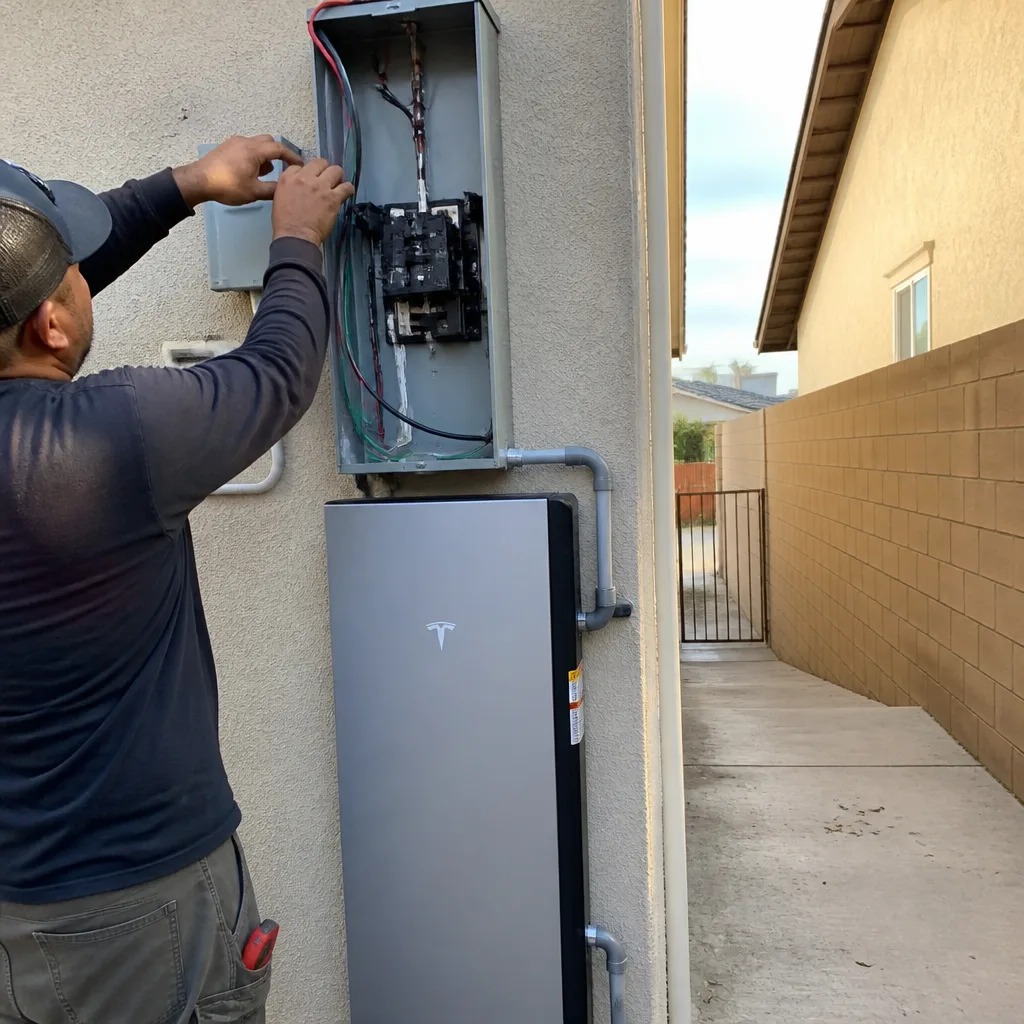 After
After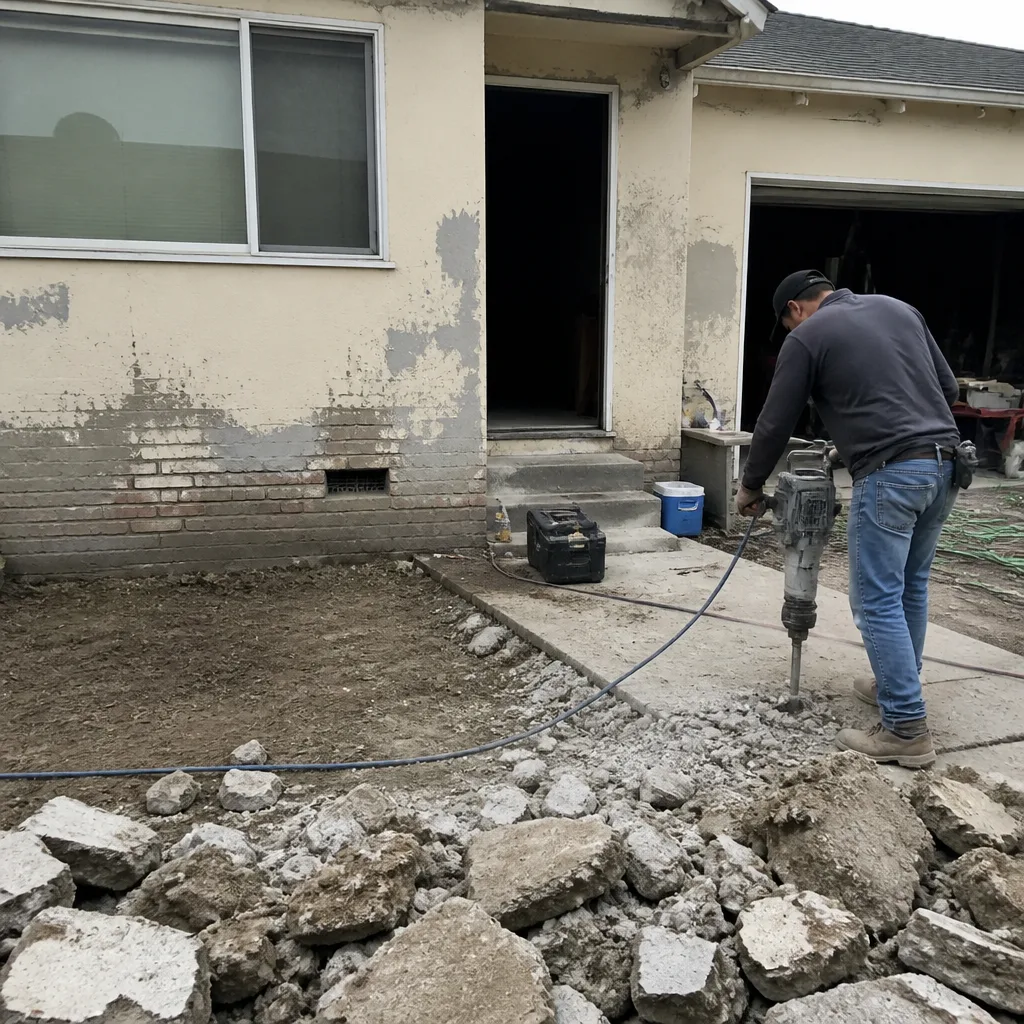 Before
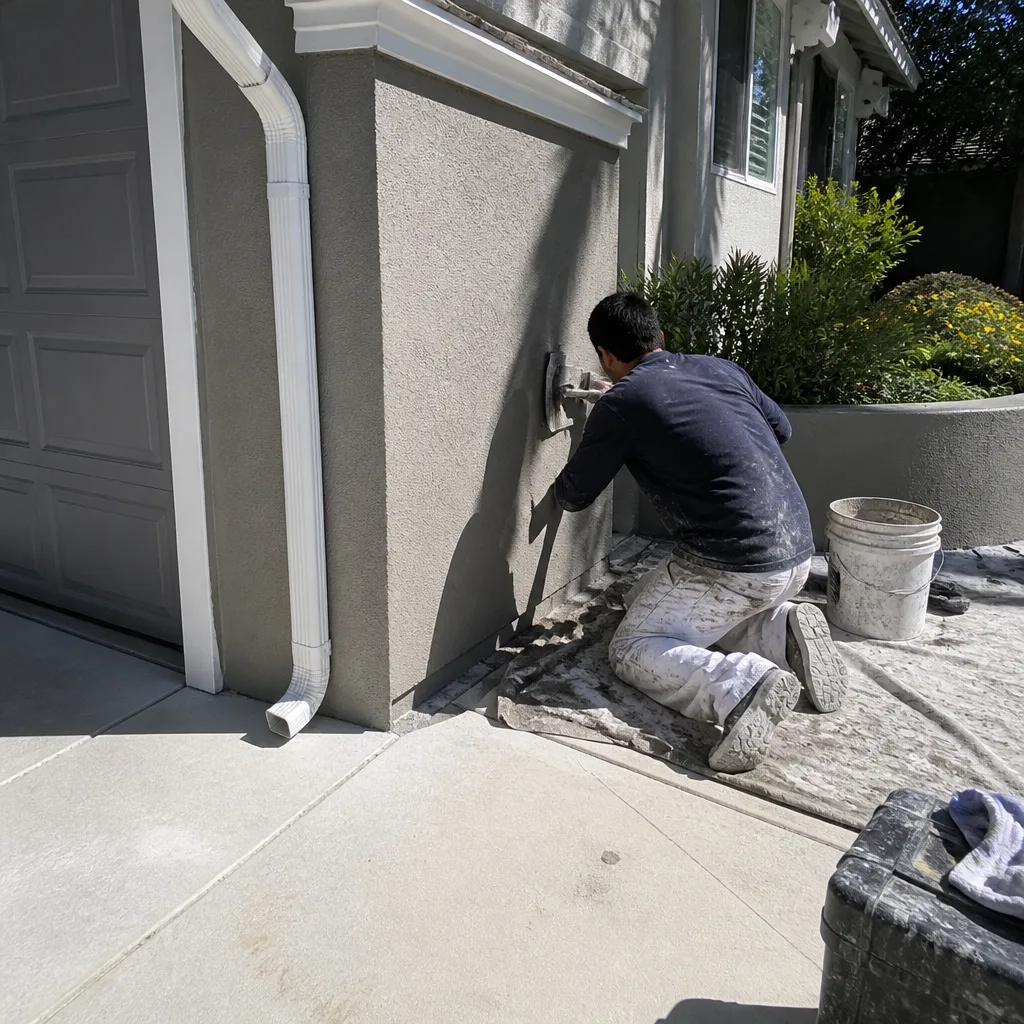 After
After Before
 After
AfterWhen to Call a Professional
Call a professional immediately if you see water stains on new drywall or ceilings, smell gas near any new appliance or line, experience repeated breaker trips on new circuits, or notice cracks wider than 1/8 inch running diagonally from corners. For Tier 1 or Tier 2 issues, start with your contractor in writing. If the contractor is unresponsive, move through the escalation path: written demand, CSLB complaint, CSLB arbitration. You don’t need to be an expert to respond proportionately; you need a diagnostic framework and a documentation habit. Elmstead Remodeling offers free estimates in Los Angeles. Call our team at (949) 850-9896 to schedule a project consultation or a post-remodel assessment.
Frequently Asked Questions
Hairline cracks at drywall seams within the first 30 to 60 days are normal joint settlement and should be addressed at the punch list, usually at no charge. Cracks wider than 1/16 inch, cracks that open repeatedly after repair, or diagonal cracks running from door and window corners are not normal and warrant further assessment. Call your contractor with photos immediately, and don’t attempt a DIY fix that could obscure evidence of a larger issue. For an exact assessment of your walls, call (949) 850-9896 to schedule a free estimate.
Move from phone calls to written communication, then file a complaint with the California Contractors State License Board if you don’t receive a response within 14 days of a written demand. The CSLB complaint process is free, creates an official record, and often prompts a response from contractors who’ve gone silent. For disputes up to $50,000, the CSLB arbitration program is faster and cheaper than court. If you’re looking for a contractor who answers the phone, call Elmstead at (949) 850-9896 and a live person picks up.
Minor fixes like drywall crack repair and cabinet door adjustments run $150 to $400 in Los Angeles, while more involved repairs like grout replacement or localized water damage remediation can run $500 to $4,000 depending on scope and access. Workmanship issues that fall within a contractor’s warranty period should cost you nothing; the contractor has a legal and contractual obligation to return and repair. Always ask about warranty coverage before you pay anyone a service fee, and call (949) 850-9896 for a free estimate if you’re unsure what category your problem falls into.
Efflorescence is a white, chalky mineral deposit that appears on stucco when moisture moves through the material and evaporates on the surface, and it’s common in Los Angeles after seasonal rain, especially following window replacements or stucco patches. It’s not mold, not structural failure, and usually disappears after a dry brushing and a couple of dry seasons. If efflorescence recurs after two full wet seasons, the stucco assembly may have a vapor or flashing issue that warrants a closer professional look. For Los Angeles stucco concerns, call (949) 850-9896 for an honest assessment.
California requires contractors to warranty workmanship for a minimum of one year by law, and a reputable contractor should honor that warranty without making you fight for it. Beyond the legal minimum, a written post-completion promise, like the 365-Day Done Right Promise at Elmstead Remodeling, indicates a contractor who actually stands behind their crews. Read the warranty language before you sign: what’s covered, what’s excluded, and how you initiate a claim. Call (949) 850-9896 to discuss a project with a contractor whose warranty is written down, not remembered.
Yes, in Los Angeles neighborhoods with significant daily temperature swings, particularly inland valleys, wall assemblies and tile substrates expand and contract on a schedule that can break down tile adhesive products not rated for the conditions. This is an installations-specification issue, not a tile quality issue, and the fix is reinstalling the affected tile with a polymer-modified thinset appropriate for the specific thermal range. If your Los Angeles tile is popping loose or sounding hollow, call (949) 850-9896 and we’ll assess whether the setting material or the substrate is the culprit.
The Bottom Line
Most remodeling problems are fixable, and the difference between a minor inconvenience and a major dispute comes down to how you respond in the first 72 hours after you notice the problem. Document it with date-stamped photos. Classify it using the three-tier framework: cosmetic, workmanship, or structural. Communicate in writing. Know your warranty period and your escalation path. In Los Angeles, where climate conditions and older housing stock create a specific set of post-remodel challenges, working with a contractor who understands local conditions and offers a real warranty is the best protection you can buy. Explore more guides & resources on navigating your remodel with confidence. The people who fare best after a remodel aren’t the ones who chose the cheapest bid. They’re the ones who chose the contractor who answers the phone when something goes wrong.
Written by Graham Stein, Owner at Elmstead Remodeling, serving Los Angeles since 2005.