Last updated October 8, 2026




Free written scope consultation - allowances, timeline, and change-order rules on paper before a single trade is scheduled
How Long Does Bathroom Remodeling Take? Timelines and What to Expect
A tile adhesive that hasn’t fully cured before grout is applied can fail within a year, yet that single skipped waiting period is one of the most common reasons a “six-week” bathroom remodel in Los Angeles stretches to ten. The calendar on the estimate only tells half the story. The other half is the sequence of inspections, material lead times, and dry-cure windows that determine whether your family shares one bathroom for three weeks or three months. This guide walks through each phase of our Bathroom Remodeling services so you can plan around a real life, not just a project schedule.
Quick Answer
A full bathroom remodel in Los Angeles typically takes 4 to 8 weeks from demolition to final walkthrough, while a cosmetic update that keeps the existing layout can take 5 to 7 days. For How Long Does Home Remodeling Take? Timelines and What to Expect, see our detailed breakdown. The biggest variables are permit inspection schedules, material lead times on fixtures like Kohler or Moen, and required curing windows for waterproofing and tile work.
Styles & brands we work with






Table of Contents
- Demolition and Rough-In: Days 1 – 5
- The Inspection Hold: Why Days 8 – 12 Look Quiet
- Waterproofing and the Cure Window Nobody Tells You About
- Tile Setting, Grout Cure, and the Waiting That Protects the Work
- Fixture Installation and Finish Work: The Home Stretch
- Material Lead Times: What Delays a Job Before It Starts
- Planning Around One Bathroom: What Families Actually Need
- Common Mistakes to Avoid
Demolition and Rough-In: Days 1 – 5
Demolition on a standard 5×8 bathroom takes one to two days. That includes removing the old tub or shower pan, pulling the vanity, taking out the toilet, and stripping drywall and tile down to the studs. A full gut-and-reconfigure remodel, where walls move or plumbing lines shift, adds two to three days to this phase. In Los Angeles, many homes built before 1980 have cast-iron drain lines and galvanized supply pipes, and we regularly find corrosion or off-center rough-ins once the walls are open. That discovery can add a day of plumbing work, which is why a written price should include a defined allowance for what is found behind the walls, not a vague contingency.
Rough plumbing and electrical follow demolition. This is when the shower valve gets repositioned, the drain is set for a new tub or walk-in shower, GFCI outlets are wired, and a dedicated circuit may be added for a heated floor or a lighted mirror. Rough-in typically runs two to three days for a same-location remodel and four to five days when fixtures move to a different wall. By the end of day five, the room looks stripped and skeletal, which alarms some homeowners, but this is exactly where the job should be before bathroom remodeling in Los Angeles moves to the inspection hold.
The Inspection Hold: Why Days 8 – 12 Look Quiet
This is the phase that confuses families more than any other. The demolition is done, the rough plumbing and electrical are in, and then nothing appears to happen for three or four days. That quiet week is the permit inspection window, and it is not optional. The Los Angeles Department of Building and Safety requires that rough plumbing, rough electrical, and the shower pan or waterproofing layer each pass inspection before any wallboard closes up the work.
Here is the scheduling reality in Los Angeles: most DBS inspections require 48 to 72 hours notice, and a failed inspection resets that window entirely. If the plumbing inspector flags one fitting and cannot return for another three days, the job pauses for three days. That is not a contractor stalling. That is the city’s schedule, and it applies to every permitted bathroom in Los Angeles, from Westchester to Eagle Rock. A contractor who has done hundreds of LA bathroom remodels schedules the rough work so all three inspections line up in the same window, which is how a well-run job keeps the hold to three or four days instead of ten.
- Rough plumbing inspection: verifies drain slope, venting, and water supply lines before they are covered.
- Rough electrical inspection: verifies wiring, box placement, and GFCI protection before drywall.
- Shower pan or waterproofing inspection: verifies that the pan holds water or the membrane is properly sealed before tile is set.
When a job is unpermitted, none of these holds exist, which is why unpermitted work looks faster. It is also why unpermitted work is the most common source of a remodel that fails within a year or two. Water that leaks behind a wall because a pan was never inspected is not a warranty issue; it is a construction issue.
Waterproofing and the Cure Window Nobody Tells You About
After inspections pass, the waterproofing system goes in. On a tile shower, that means a sheet membrane like Schluter Kerdi or a liquid-applied membrane over the shower pan and up the walls. On a tub surround, it means the same membrane behind the tile. This is the single most important layer in a bathroom, and it is also the most rushed in cheap remodels.
Here is the cure window that matters: liquid waterproofing needs a full cure before tile is set, and the cure time changes with humidity and temperature. A humid week in Los Angeles, especially in neighborhoods closer to the coast or during the June marine layer, can add a day to the cure. That one extra day is what prevents the adhesive from lifting and the membrane from delaminating. We schedule the cure window as a hard stop, not a suggestion. The work is quiet during this time because no one is in the room, and a good contractor has already told the family this quiet day is coming before the project starts.
When the waterproofing is in and cured, the room can handle its first water test. The pan is filled and watched for 15 to 30 minutes, depending on the inspector’s requirement. That test is documented, and in Los Angeles, the inspector often asks to see it before sign-off.
Tile Setting, Grout Cure, and the Waiting That Protects the Work
Tile work is the longest visible phase of the project. A standard 5×8 bathroom with a tiled tub surround or shower walls takes five to seven days of tile setting. A larger walk-in shower with a custom niche, a bench, and floor tile with a layout pattern can take eight to ten days. The tile setter works in stages: walls first, then the shower floor, then the bathroom floor, with each stage needing the adhesive to set before the next begins.
After the last tile is set, there is a grout cure window. Grout needs 48 to 72 hours to harden before the shower is used, and the room should stay dry during that time. Some grouts, especially epoxy grouts, cure faster but are harder to work with and less forgiving of movement. The standard sanded or unsanded grout in most Los Angeles remodels gets the full 72 hours. That is the quietest, most frustrating three days of the project, because the bathroom looks finished but cannot be used.
Skipping the grout cure is exactly what the opening hook warned about. Grout that is walked on or wetted too early develops hairline cracks, and hairline cracks let water reach the waterproofing layer, which then has to do the job alone. It usually holds, but when it doesn’t, the repair is a tear-out, not a touch-up.
Fixture Installation and Finish Work: The Home Stretch
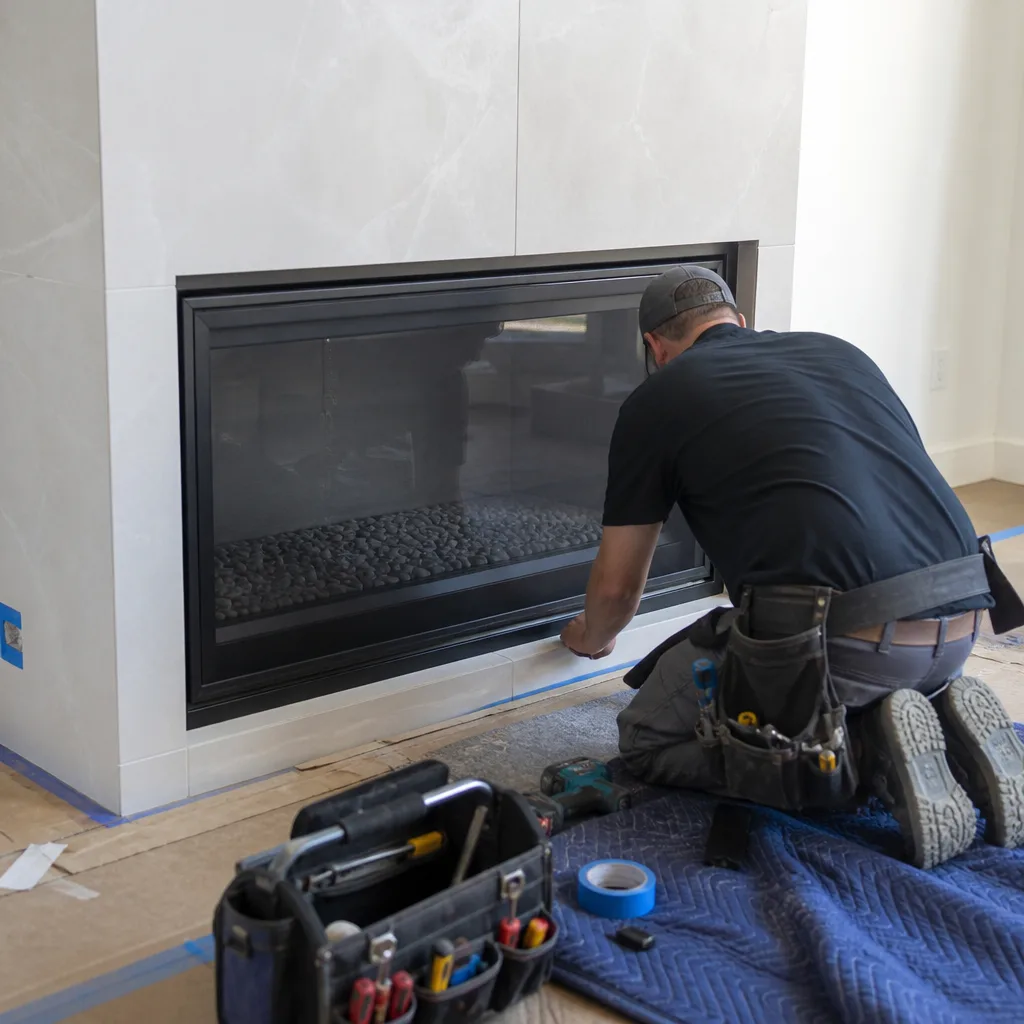
Once grout is cured, fixture installation takes two to three days. The toilet goes in, the vanity is set, the faucet and shower trim are installed, the mirror is hung, and the exhaust fan is wired and tested. This is when the room starts to look like a room again.
In a typical Elmstead Remodeling project, the vanity is pre-assembled off-site or arrives as a single cabinet from KraftMaid or Wellborn, which means the install is measured in hours, not days. Countertops from Cambria or Silestone are templated before installation, so the slab is cut and polished and drops into place without on-site fabrication. Fixtures from Kohler, Moen, or Grohe are checked against the rough-in dimensions before this phase, because a valve that was set a half-inch off during rough-in cannot be fixed after tile is set.
The final three days of finish work include caulking, trim, paint touch-ups, and the punch list. A punch list is a written list of small items that need correcting before the final walkthrough: a drawer that doesn’t align, a grout line that needs touching, a paint edge that needs cutting. The better the contractor’s daily cleanup discipline, the shorter the punch list. We photograph the cleanup before the crew leaves each evening, and that photograph is part of the project record, not an afterthought.
Material Lead Times: What Delays a Job Before It Starts
Material lead times are the fastest-moving variable in a Los Angeles bathroom remodel. The supply chain has stabilized since the 2021 – 2022 disruption, but specific items still carry long lead times, especially when ordered through a distributor rather than pulled from big-box stock.
A Kohler or Moen fixture ordered in a specific finish, like brushed bronze or matte black, can take two to four weeks when the distributor does not have it in stock. The same fixture in polished chrome is often available in days. A custom vanity from KraftMaid or Wellborn runs three to six weeks from order to delivery, which is why the vanity order is placed the week the contract is signed, not after demolition. A slab of Cambria or Silestone in a specific colorway can take one to three weeks if the fabricator does not have the slab in their yard.
The practical effect: a family that finalizes material selections before the contract is signed can start demolition within a week. A family that waits to choose finishes until the tile is set can see the project pause for two to four weeks while the vanity and fixtures ship. The fastest remodels are the ones where every finish is selected and ordered before the first piece of drywall comes down.
- Stock fixtures from a big-box store: 1 – 5 days.
- Specific-finish distributor orders from Kohler or Moen: 2 – 4 weeks.
- Custom vanities from KraftMaid or Wellborn: 3 – 6 weeks.
- Cambria or Silestone countertop slabs not in local yard stock: 1 – 3 weeks.
- Schluter waterproofing systems: typically in stock at LA tile suppliers, 1 – 3 days.
Planning Around One Bathroom: What Families Actually Need
Families with one bathroom face a different remodel than families with a guest bath down the hall. The project does not just change the house; it changes the daily routine of everyone in it, including the dog, who does not understand why the door is closed. Here is what a one-bathroom family should ask for before signing anything.
A written quiet-hours commitment. Nail guns and tile saws do not need to run during nap time. A contractor who works in family homes can structure the loudest work between school drop-off and early afternoon, then shift to quiet work like grouting, caulking, and trim after 2 p.m. That is not a request a family should have to make twice. It belongs in the written plan.
A temporary shower plan. If the only tub or shower is being replaced, the family needs a place to wash for four to eight weeks. Some families plan a gym membership for the duration. Others arrange a rotating schedule with neighbors or relatives. The plan should be made before demolition begins, not discovered the first morning there is no shower.
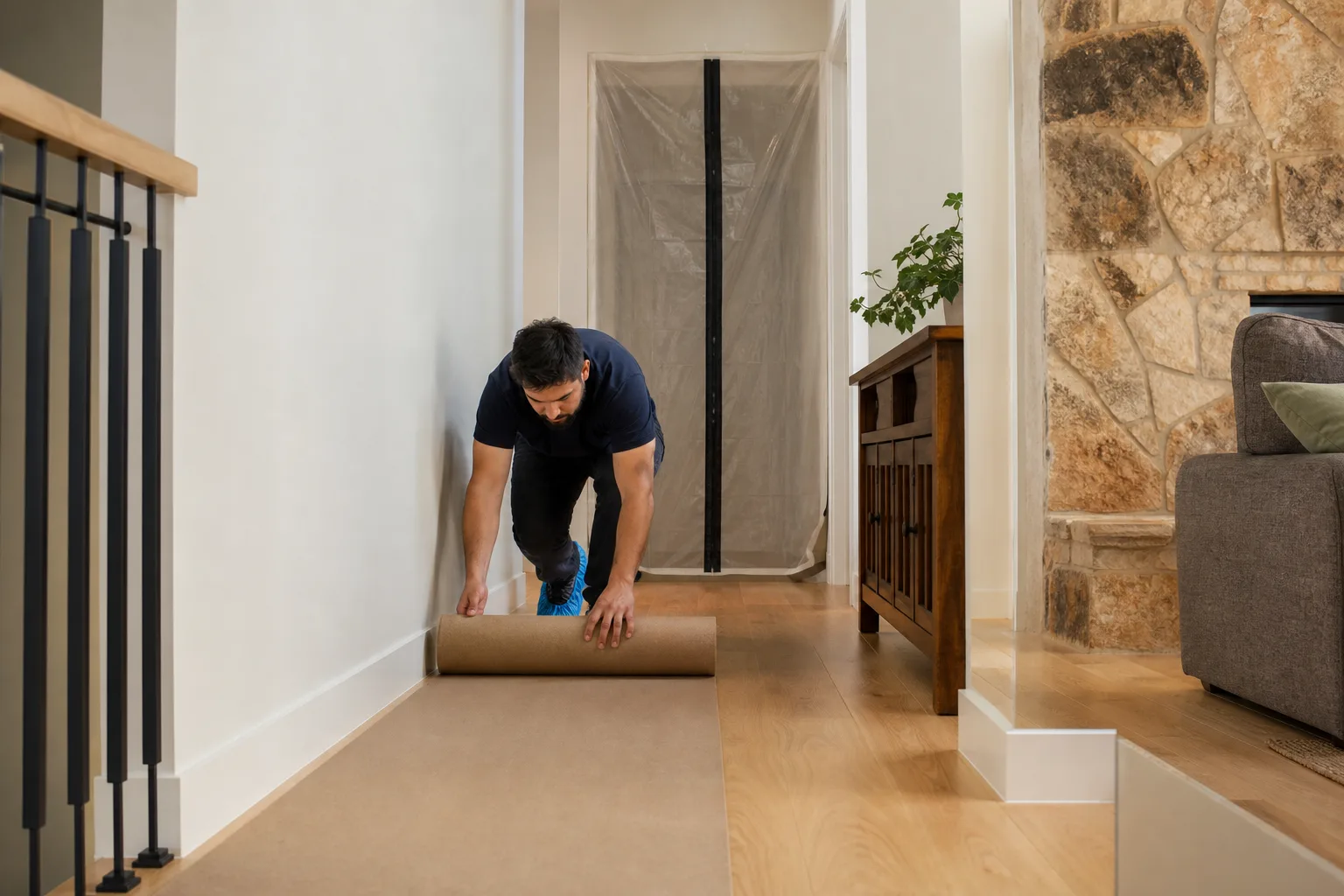
A daily end-of-day cleanup standard. The room will be unusable during the day, but the rest of the house should be livable each evening. Drop cloths on the floors, shoe covers at the door, and a vacuum pass at the end of each day keep construction dust from spreading through bedrooms. We include these as standard on every job, and we photograph the cleanup before the crew leaves, so there is a record of what the house looked like every single evening.
A written price before any work starts. For a family managing one bathroom, the worst outcome is a project that pauses halfway through because of a surprise cost. A written price, with the material allowances itemized and the inspection fees named, means the work does not stop while the family decides whether to approve a change order. The Elmstead Remodeling approach is a written price before any work begins, every time, on every project.
Common Mistakes to Avoid
- Skipping the permit. An unpermitted bathroom remodel in Los Angeles is faster and cheaper on paper, but when the water leak appears in the wall next year, insurance may deny the claim and the repair is a full re-open, not a patch. Permits are not a formality; they are the only independent check on the work.
- Rushing the grout cure. Using the shower three days too early puts hairline cracks in grout that no warranty will cover, because the cure window is written on the product data sheet, not in the contractor’s opinion.
- Choosing finishes after demolition starts. The second the old vanity is out is too late to order a new one. Every week of selection delay after contract signing is a week added to the schedule.
- Hiring the lowest bid without comparing the written scope. In Los Angeles, a bathroom remodel bid can vary by $10,000 on the same room because one bid includes slab leveling and waterproofing inspection and the other does not. Compare the line items, not the total.
- Ignoring the exhaust fan. A bathroom without proper ventilation in a humid Los Angeles summer grows mold in a year, and the fix is another remodel. The fan CFM rating matters more than the vanity color.
- Assuming the inspector can come next day. DBS inspections in LA take 48 to 72 hours to schedule, and a failed inspection resets that clock. Plan the schedule around the city, not against it.
- Not asking about the crew. The people in the house every day for a month should be background-checked and uniformed, and the family should know their names before the first day. That is not a luxury; it is baseline.
See the difference
 Before
 After
After Before
 After
After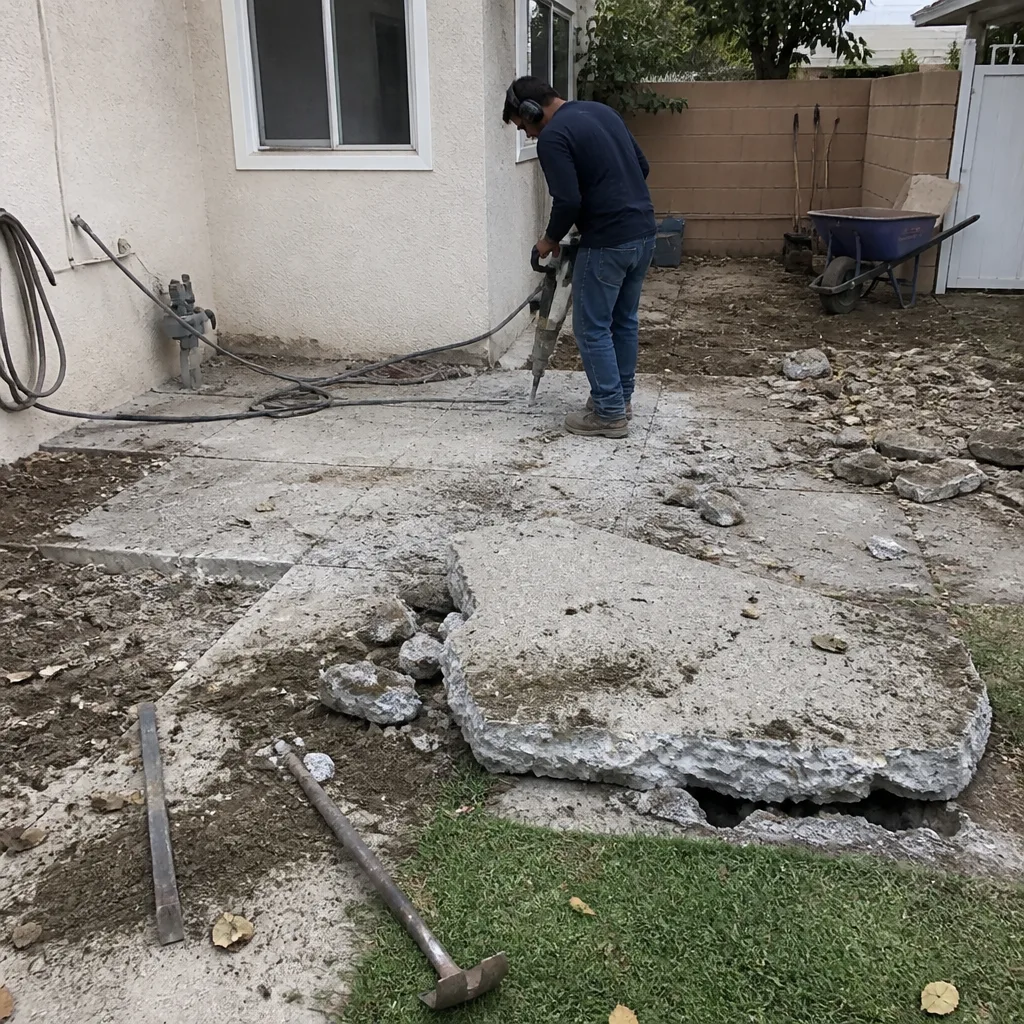 Before
 After
AfterWhen to Call a Professional
A bathroom remodel that involves moving plumbing, changing the electrical layout, or replacing the shower waterproofing is not a handyman project. These are permits-and-inspections jobs, and the sequence of holds and cures that protects the work is exactly what a licensed contractor manages every day. If your project calls for a new drain location, a larger shower footprint, or a heated floor, you need a contractor who pulls the permit and stands behind the result. Elmstead Remodeling offers free estimates in Los Angeles, with a written price before any work starts. Call (949) 850-9896 to schedule yours.
Frequently Asked Questions
A full bathroom remodel in Los Angeles typically takes 4 to 8 weeks, assuming permits are pulled, inspections pass on the first or second visit, and materials are ordered before demolition begins. The inspection holds and cure windows account for about a third of that total time. Call (949) 850-9896 for a written timeline specific to your bathroom.
A cosmetic vanity swap, surface refinish, and fixture replacement that keeps the existing layout and plumbing can be completed in 5 to 7 days. If the tub or shower is being touched, or any plumbing moves, the project falls into the multi-week category.
Those quiet days are typically inspection holds, waterproofing cure windows, or grout cure time. None of that work is visible to the homeowner, but all of it is necessary for a bathroom that does not fail within a year.
A custom vanity from KraftMaid or Wellborn takes 3 to 6 weeks from order to delivery. A Kohler or Moen fixture in a specific finish takes 2 to 4 weeks when the distributor does not have it in stock. Ordering these items the week the contract is signed keeps them from delaying the job.
Line up a temporary shower plan before demolition, confirm quiet-hours commitments from the contractor, and make sure a daily end-of-day cleanup standard is part of the written agreement. A family should never discover the shower is gone the same morning it stops working. Call (949) 850-9896 to talk through a one-bathroom schedule.
Yes, any bathroom remodel that moves plumbing, changes the electrical layout, or replaces the shower waterproofing requires a permit from the Los Angeles Department of Building and Safety. The inspection schedule is part of every legitimate permitted remodel in the city.
The Bottom Line

A bathroom remodel is not a single block of time on a calendar. It is a sequence: demolition, rough-in, inspection holds, waterproofing cures, tile setting, grout cures, fixture installation, and cleanup. Each phase has a reason, and the phases that look like delays are the ones protecting the work. The best way to shorten a remodel is not to rush the cure windows or skip the inspections; it is to order materials before demolition, choose finishes before the contract is signed, and hire a contractor who gives a written price and a written timeline before any work starts. Browse more guides & resources for planning tips.
Written by Graham Stein, Owner at Elmstead Remodeling, serving Los Angeles since 2005.