Last updated October 8, 2026





Free written scope consultation - allowances, timeline, and change-order rules on paper before a single trade is scheduled
How Long Does Home Remodeling Take? Timelines and What to Expect
A kitchen remodel quoted at four weeks by a contractor who hasn’t yet pulled a permit can realistically stretch to ten weeks in Los Angeles. The City’s over-the-counter permit queue alone averaged three to five weeks for standard residential projects in recent years, and that clock starts before a single cabinet is ordered. This guide gives you honest, LA-specific timelines, broken into the three phases most national guides gloss over: permit time, material lead time, and active construction time. For How Long Does Kitchen Remodeling Take? Timelines and What to Expect, see our dedicated breakdown.
Styles & brands we work with




Quick Answer
Most home remodeling projects in Los Angeles take between 6 and 16 weeks from the day you sign a contract to the day the crew packs up. Kitchens typically run 8 to 14 weeks, bathrooms 4 to 8 weeks, and whole-home remodels 4 to 9 months. The timeline splits roughly into three parts: 2 to 6 weeks for permits and approvals, 2 to 10 weeks for materials to arrive, and 2 to 12 weeks of active construction.
Table of Contents
- Project-by-Project Timelines: What Actually Happens in Los Angeles
- The Three Phases: Permits, Materials, and Construction
- Los Angeles-Specific Delays That National Guides Miss
- Material Lead Times for Named Products
- Protecting Daily Family Life During Construction
- What a Written Schedule Should Contain
- Common Mistakes to Avoid
- When to Call a Professional
- Frequently Asked Questions
- The Bottom Line
Project-by-Project Timelines: What Actually Happens in Los Angeles
Every project has three separate clocks running at once. The permit clock ticks at the Los Angeles Department of Building and Safety (LADBS). The material clock ticks in factories and shipping yards. The construction clock only starts when both of the first two have finished. A contractor who quotes you four weeks for a kitchen but hasn’t mentioned the LADBS queue is quoting one clock, not three.
Here’s what we see across Los Angeles, from Santa Monica to Pasadena, with all three clocks running:
| Project Type | Permit & Approval Time | Material Lead Time | Active Construction | Realistic Total |
|---|---|---|---|---|
| Bathroom remodel (surface-level) | 2 – 4 weeks | 2 – 6 weeks | 2 – 4 weeks | 6 – 14 weeks |
| Bathroom remodel (layout change) | 3 – 6 weeks | 2 – 6 weeks | 3 – 6 weeks | 8 – 18 weeks |
| Kitchen remodel (cabinet replacement) | 2 – 5 weeks | 4 – 10 weeks | 3 – 6 weeks | 9 – 21 weeks |
| Kitchen remodel (full gut, layout change) | 3 – 6 weeks | 4 – 10 weeks | 5 – 8 weeks | 12 – 24 weeks |
| Room addition | 4 – 10 weeks | 3 – 8 weeks | 8 – 16 weeks | 15 – 34 weeks |
| Whole-home remodel (occupied) | 4 – 10 weeks | 6 – 12 weeks | 12 – 24 weeks | 22 – 46 weeks |
| Whole-home remodel (vacant) | 4 – 10 weeks | 6 – 12 weeks | 10 – 20 weeks | 20 – 42 weeks |
These ranges reflect what we’ve tracked on projects across Los Angeles over the past two decades. They account for an occupied home, which adds time for daily clean-up, quiet hours, and sequencing work so your family still has a functioning bathroom and a place to eat.
The Three Phases: Permits, Materials, and Construction
Understanding why a remodel takes as long as it does starts with separating the three phases. When a contractor gives you one number without breaking it down, you’re missing the information that actually helps you plan your life.
Phase 1: Permits and Approvals (2 – 6 weeks, sometimes longer)
In Los Angeles, most residential remodels require permits through LADBS. Kitchen and bathroom projects that move plumbing or electrical lines need a permit. Adding square footage requires planning review. This phase includes:
- Plan preparation: 1 – 3 weeks for drawings and structural calculations if your project needs them.
- LADBS intake and review: 1 – 4 weeks for over-the-counter plan check on standard residential work. Projects requiring full plan review can take 6 – 10 weeks.
- Corrections and resubmittal: 1 – 2 weeks if the reviewer requests changes. Most first submissions get at least one round of corrections.
- HOA approval: 2 – 6 weeks if you live in a community with an architectural review committee. This runs parallel to LADBS review, but many families forget to start it early.
One thing that surprises homeowners: LADBS inspectors often schedule one to three days out, not same-day. If a rough-in inspection fails a first time, that’s another three or four days before the next attempt. A missed inspection date is a real cost to your timeline.
Phase 2: Material Lead Times (2 – 10 weeks)
Materials are the second clock. The more you customize, the longer the lead time. We’ll cover specific products in a later section, but the principle is simple: anything made-to-order in a factory takes weeks to produce and ship, and Southern California ports and distribution centers add their own delays.
Phase 3: Active Construction (2 – 24 weeks)
This is the phase most people picture when they think of remodeling: the crew in the house, the sounds of tools, the dust. It’s also the phase where Los Angeles topography and housing stock shape the work. Pier-and-beam foundations on hillside lots in Echo Park behave differently than slab-on-grade construction in the Valley. Older homes in Los Angeles, especially those built before 1960, often hide surprises behind the walls: galvanized plumbing, knob-and-tube wiring, or framing that doesn’t match modern code. Each discovery adds days.
Los Angeles-Specific Delays That National Guides Miss
National remodeling guides describe a world of average permit offices and generic lead times, but for more guides & resources tailored to local conditions, keep reading. Los Angeles has its own reality. Here are the delays that show up repeatedly on LA projects and rarely appear in those guides.
LADBS Permit Processing
The Los Angeles Department of Building and Safety is one of the busiest municipal building departments in the country. Over-the-counter plan check for simple residential projects has averaged three to five weeks in recent years. Full plan check runs longer. If your project triggers discretionary review, such as a hillside grading review or a Historic Preservation Overlay Zone (HPOZ) review, add months.
Title 24 Energy Compliance
California’s Title 24 energy code is the strictest in the nation. Any remodel that touches windows, insulation, or HVAC requires Title 24 documentation, which means an energy consultant prepares a compliance report before LADBS will approve the permit. That report typically takes one to two weeks and sometimes requires design changes that send you back to the architect.
HOA Approval Windows
If you live in a planned development or condo building, your HOA may need to approve exterior changes before LADBS will even look at your plans. Many HOAs have architectural review committees that meet monthly. Miss the meeting by two days and you wait four more weeks. Start HOA approval the day you start thinking about the remodel.
Inspector Scheduling
LADBS inspectors work by area and by day. Your project gets inspected when the inspector assigned to your area has an open slot. On a fast-moving project, this can mean standing still for three or four days between phases: rough-in, insulation, drywall, final. A schedule that doesn’t account for inspection gaps will be wrong by the end of week two.
Southern California Supply Chain Patterns
Los Angeles sits at the end of long supply chains. Tile special orders from Italy or Spain, for example, typically route through the Port of Los Angeles or Port of Long Beach. Port congestion, customs clearance, and local trucking each add unpredictability. Products that are stocked in a local warehouse ship fast; products that aren’t can take ten weeks. A contractor who orders materials before the permit is issued, against the advice of the schedule, risks storing them, but a contractor who orders after permit issuance loses weeks. The solution is to order at permit submission, with a clause in your contract that covers storage and restocking if the permit is denied.
Material Lead Times for Named Products
The products you choose have their own calendars. Here are the lead times we plan around for the brands we install regularly in Los Angeles.
Custom and Semi-Custom Cabinetry
KraftMaid semi-custom cabinets typically ship in 4 to 6 weeks. Wellborn custom lines run 6 to 10 weeks depending on finish and modification level. These lead times start after the cabinet order is finalized with measurements, which can’t happen until the room is down to studs if you’re changing the layout. That’s why we take field measurements at the framing stage, not before demolition.
Countertops
Cambria quartz is made in Minnesota and generally runs 2 to 3 weeks from template to installation. Silestone, manufactured in Spain, can run 4 to 6 weeks depending on the color’s stock status. Caesarstone varies by slab origin. The template is made after cabinets are installed, so the countertop clock starts late in the project.
Fixtures and Plumbing
Kohler, Moen, and Grohe fixtures are mostly warehouse-stocked, but specialty finishes like brushed gold or matte black can drop to ship-in status and take 3 to 5 weeks. We recommend choosing fixtures with a Delta or American Standard backup finish in mind if a specialty finish will hold up the schedule. Toto toilets are generally available within a week in Los Angeles, but wall-hung models that require an in-wall carrier often need 4 to 6 weeks because the carrier is a separate order.
Tile Special Orders
Tile is the biggest schedule variable in a bathroom or kitchen remodel. Stocked tile from a local distributor arrives in days. Special-order tile, especially hand-glazed or large-format, can take 6 to 10 weeks from Italy, Spain, or Japan. Order tile at contract signing, not after demolition. If the tile arrives damaged, which happens more often than anyone wants, a replacement order starts the clock over.
Windows and Doors
James Hardie siding products are typically stocked regionally and ship within 1 to 2 weeks. But if your remodel involves replacing windows, Marvin and similar custom window lines run 6 to 10 weeks from order. Window replacement triggers Title 24 requirements too, so windows are often the longest pole in the tent for whole-home projects.
The practical takeaway: the materials with the longest lead times should be ordered the day your contract is signed, not the day the permit is issued. A contractor who writes the material order into the contract with a scheduled order date is protecting your timeline.
Protecting Daily Family Life During Construction
For families with children and pets, the construction timeline isn’t just a calendar question. It’s a question of how many weeks you’ll be living with dust, noise, and strangers in the house. A good contractor plans for that from the first day.
Define Quiet Hours in Writing
Quiet hours are the hours when the crew avoids loud work: demolition, cutting, hammering, anything that wakes a napping toddler or sends a dog into a frenzy. We write quiet hours into the schedule. If your child naps from 1 to 3 in the afternoon, the crew does quiet work during that window: measuring, masking, organizing materials, installing hardware. It costs a little schedule time, maybe half a day over the course of a project, and it’s worth every minute.
Sequence Work So One Bathroom Stays Usable
If you have two bathrooms, a thoughtful contractor remodels one completely before touching the other. If you have one bathroom, the project gets sequenced so the toilet and shower are out of service for the minimum number of days, not weeks. That’s a scheduling conversation that should happen before the contract is signed.
Cover HVAC Returns During Drywall
Drywall dust is fine enough to travel through your heating and cooling system and settle in every room of the house. Covering HVAC return vents during drywall sanding and running a negative-air setup in the work area keeps dust out of the rest of the house. This is a small step that takes a few minutes and saves hours of cleaning.
Protect the Floors and the Air
Drop cloths on the floors and shoe covers at the door are not extras. They’re the minimum standard. We photograph the clean-up before the crew leaves each day, and that photo is part of the job record. For families with pets, we ask about pet-safe products where there’s a choice: low-VOC adhesives, water-based finishes, and sealants that don’t off-gas for weeks. Pets have smaller lungs and spend more time on the floor.
Ask Before Moving Anything
The crew should ask before they move a piece of furniture, a child’s toy, a pet bed. Not because they can’t figure out where it goes, but because it’s your home and moving things without asking is how small resentments grow. The C.A.R.E. values we work under spell this out: Clean up like it is our own home; Ask before we move or touch anything; Respect the family’s time and quiet hours; Explain the price before the work.
What a Written Schedule Should Contain
A real schedule has milestones, not just a start date and an end date. When you receive a written schedule from a contractor, here’s what it should include:
- Permit submission date and the expected LADBS review window.
- Material order dates for every item with a lead time over two weeks, listed by product.
- Demolition start and end dates.
- Rough-in inspection dates for framing, plumbing, and electrical.
- Drywall and finish dates.
- Cabinet installation and countertop template dates.
- Final inspection and walkthrough date.
A milestone-based schedule tells you where the project is at any moment. If the countertop template was scheduled for March 12 and it’s March 20 and no template has been made, the schedule is already slipping and you know to ask why. A schedule with only two dates hides that information until the end.
What to do when a milestone is missed: ask for the reason in writing, and ask what the new milestone date is. A missed milestone isn’t necessarily a red flag; inspections slip, materials arrive late, a crew member gets sick. But a contractor who can’t tell you why a milestone was missed or won’t give you a new date is a contractor who isn’t managing the schedule, which means you are.
Common Mistakes to Avoid
- Signing a contract without a milestone schedule. A start date and an estimated end date leave you blind for months. You need the intermediate dates to know if the project is on track.
- Ordering tile, fixtures, or cabinetry after demolition. By the time demolition is done, the material clock is already running. Order early, and put order dates in the contract.
- Forgetting HOA approval. In Los Angeles condo buildings and planned developments, HOA review can add six weeks to a project if you wait to start the process. Begin the day you sign the contract.
- Not asking about quiet hours. If you have a child who naps or a pet who startles, quiet hours need to be in writing. A contractor who can’t commit to quiet hours is telling you something about their approach to your family’s daily life.
- Picking a contractor based on the shortest quoted timeline. The shortest quote is often the one that hasn’t accounted for LADBS processing, material lead times, or inspection gaps. A realistic quote looks slower because it’s honest.
- Changing the scope after materials are ordered. Every change order restarts a material lead time somewhere. Changing a cabinet finish after the order is placed can add three to five weeks.
- Assuming the contractor will handle everything. Some things are yours: choosing tile, selecting fixtures, getting HOA approval. A good contractor gives you deadlines for your decisions. Stick to them.
When to Call a Professional
If your project touches plumbing, electrical, or structural walls, call a licensed general contractor before you plan anything else. In Los Angeles, that’s most kitchen and bathroom remodels. A good contractor walks the house with you, talks through the permit process for your specific neighborhood, and gives you a written price before any work starts. You’ll know if the timeline is 8 weeks or 18 weeks, and you’ll know why. General Contractor in Los Angeles services are worth the call early: the earlier a contractor is on the project, the earlier the permit clock starts. Elmstead Remodeling offers free estimates in Los Angeles – call (949) 850-9896 and a live person will answer, day or night.
Frequently Asked Questions
A kitchen remodel in Los Angeles typically takes 12 to 16 weeks from contract signing to final walkthrough. That includes 3 to 6 weeks for LADBS permit review, 4 to 10 weeks for cabinet and countertop delivery in parallel with the permit process, and 5 to 8 weeks of active construction. A kitchen that doesn’t move plumbing or walls can finish in as little as 8 weeks. Call (949) 850-9896 for a timeline specific to your kitchen.
Most bathroom remodels in Los Angeles take 6 to 12 weeks total, with 2 to 4 weeks for permits and 3 to 6 weeks of construction. A surface-level remodel that keeps the same footprint and plumbing locations can finish faster; a layout change with a moved drain line takes longer because inspections come at every rough-in stage.
LADBS handles an enormous volume of residential applications, and Title 24 energy compliance adds a documentation step that doesn’t exist in most other states. Over-the-counter permit review for a standard remodel typically runs three to five weeks. Projects in designated historic districts or hillside zones take longer because they trigger additional review layers.
Custom cabinetry is usually the longest material lead time, at 6 to 10 weeks for brands like Wellborn and KraftMaid. If you’re replacing windows, custom window lines can match that. These items are ordered early, often before the permit is issued, so their lead time overlaps with LADBS review instead of stacking on top of it.
Yes, most families in Los Angeles live at home during kitchen remodels. It means setting up a temporary kitchen, usually in a hallway or garage, and planning for a few weeks without a stove. A contractor who sequences the project well and respects quiet hours makes the difference between a hard few weeks and a hard few months.
Ask for the missed milestone in writing and the new date for the next milestone. A schedule slipping by a few days is normal in Los Angeles construction; a contractor who won’t explain a slip or won’t give new dates is a deeper problem. The written schedule you got at contract signing is your reference point.
The biggest time saver is making every product selection before the contract is signed, not after. That lets the contractor place material orders on day one, so cabinet and tile lead times run in parallel with permit review. The second biggest saver is responding quickly when the contractor needs a decision: every day a decision waits becomes a day the schedule slides.
The Bottom Line
Home remodeling in Los Angeles takes 6 to 16 weeks for typical projects, and whole-home work runs longer. The real timeline has three clocks: LADBS permits, material lead times, and construction days. A contractor who gives you one number without separating those phases is guessing. A contractor who gives you a milestone schedule, orders materials early, and writes quiet hours into the plan is managing the project. For help finding one, read our guide on How to Hire a Construction Contractor in Los Angeles: A Step-by-Step Guide. Ask for the written schedule, the written price, and the specific products by name. The more specific the plan, the more reliable the timeline.
For a free estimate and a written project timeline, contact the team at Elmstead Remodeling home services in Los Angeles. You can reach us at (949) 850-9896 any hour of the day – a live person answers. We’re also the team behind Kitchen Remodeling in Los Angeles and Bathroom Remodeling in Los Angeles, and we bring the same Cedarwell Care Promise to every job: shoe covers and drop cloths, a written price before any work starts, a photo of the clean-up before the crew leaves, and quiet tools during your family’s rest hours.
Written by Graham Stein, Owner at Elmstead Remodeling, serving Los Angeles since 2005.
See the difference
 Before
 After
After Before
 After
After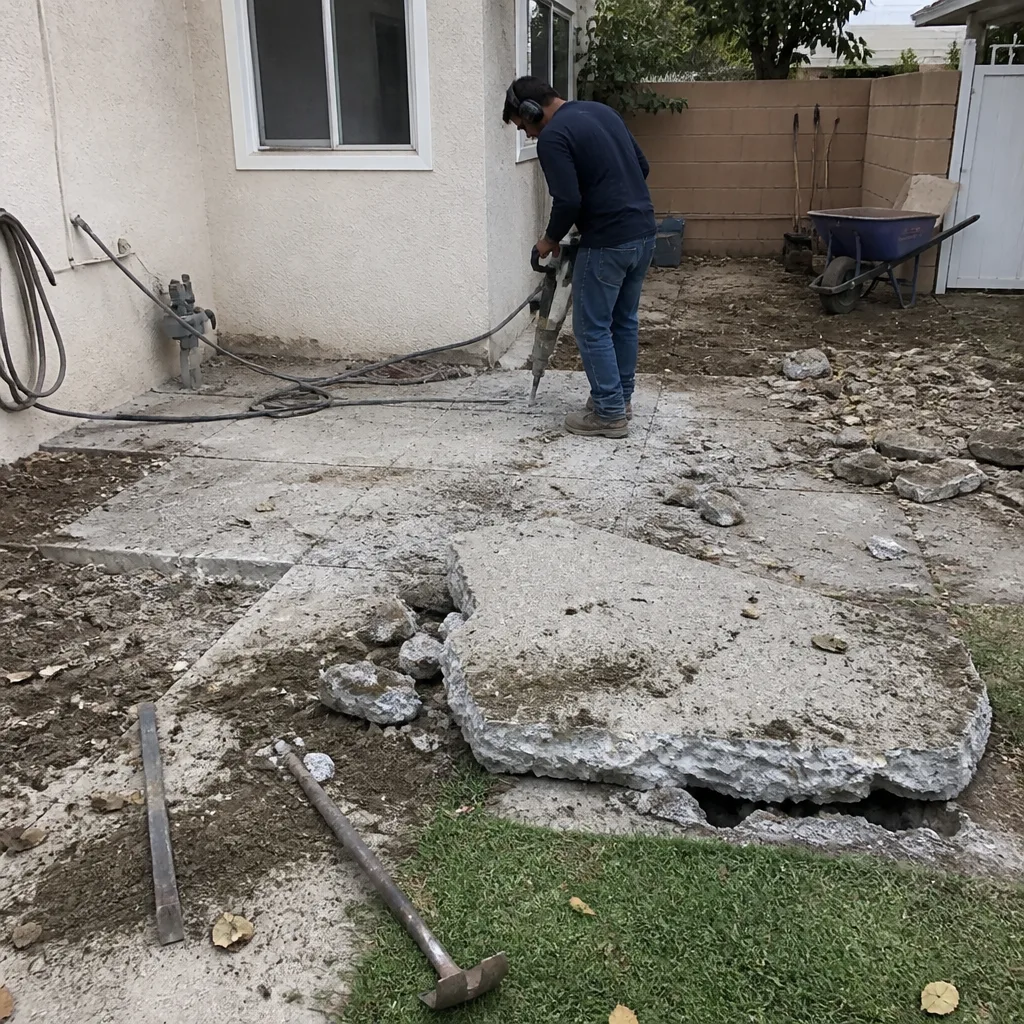 Before
 After
After