
Last updated October 8, 2026

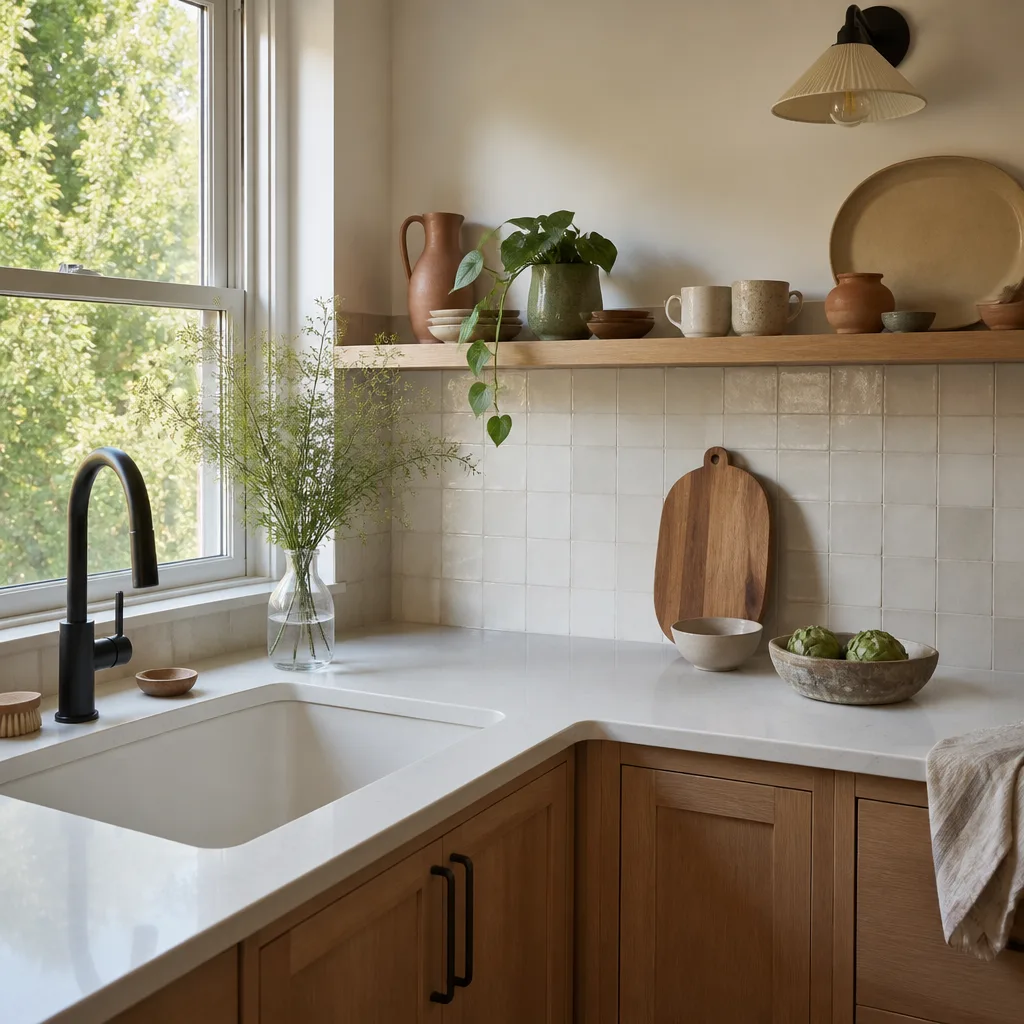
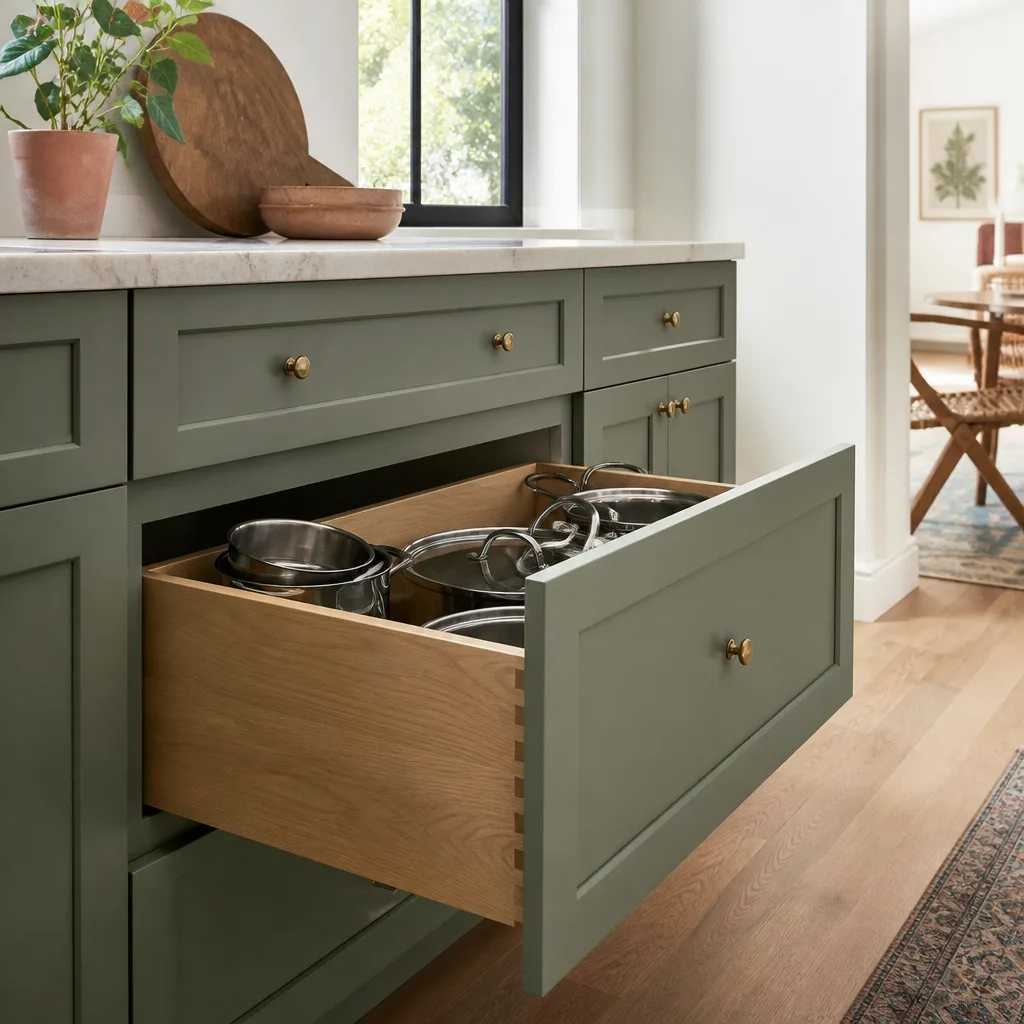

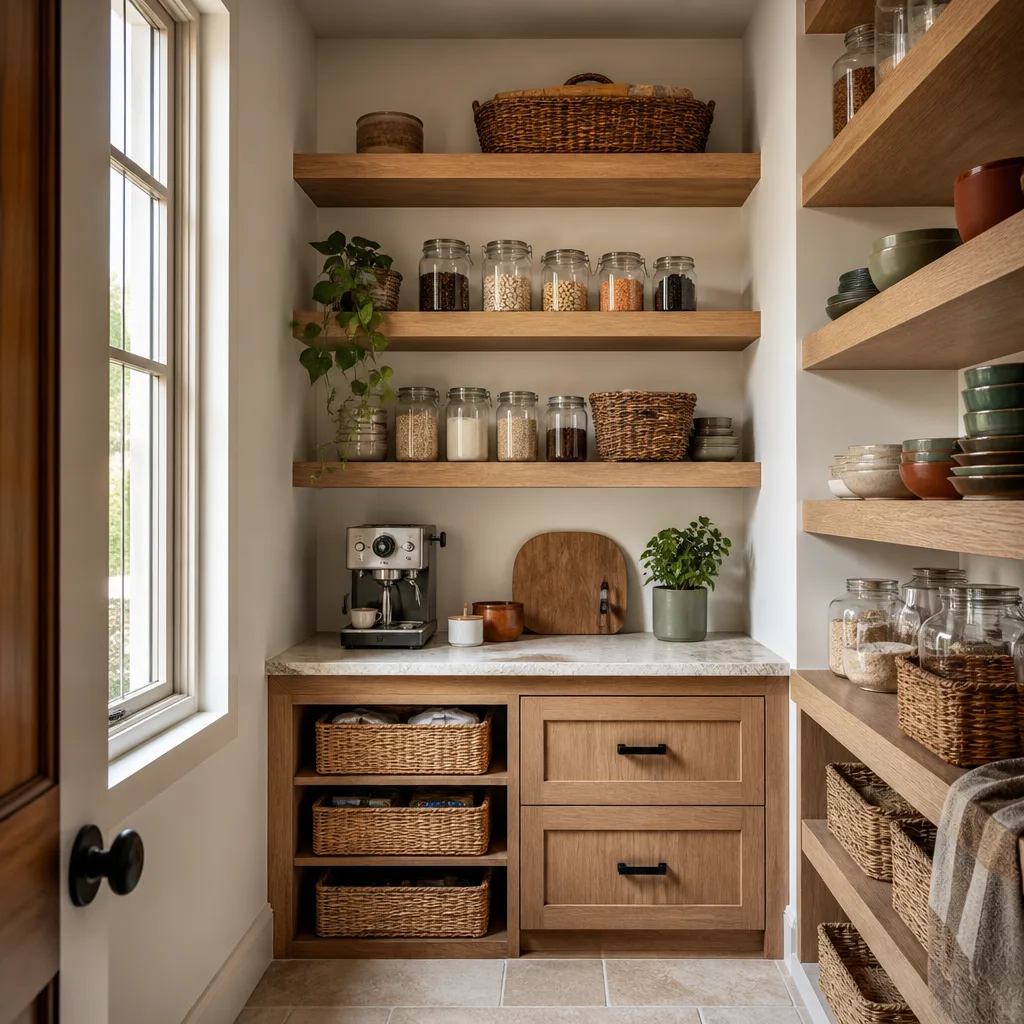



Free written scope consultation - allowances, timeline, and change-order rules on paper before a single trade is scheduled
Kitchen Remodeling Maintenance Schedule: What to Do and When
Grout in a tiled kitchen backsplash should be sealed within 72 hours of installation and again every 12 to 18 months. Most homeowners in Los Angeles never seal it at all, because no one handed them a written care schedule when the crew packed up. By year two, the grout has darkened, the finish on the cabinet doors near the stove feels tacky, and the soft-close hinges have started to drift. This guide is the care schedule you should have received: organized by material, not by month, because a quartz countertop and a butcher block one are not maintained the same way, and treating them identically is how good Kitchen Remodeling services start to fail. We’ll walk through what to do, when to do it, and which tasks take five minutes versus which ones need a phone call.
Styles & brands we work with







Quick Answer
A kitchen remodel maintenance schedule is best organized by surface material, not by calendar month. Quartz needs only mild soap and daily wiping; granite needs annual sealing; butcher block needs oil monthly; painted cabinet doors need a pH-neutral cleaner quarterly; and range hood filters need cleaning or replacement every one to three months depending on the type. In Los Angeles, hard water averaging 300+ ppm in many Valley zip codes means faucet aerators and dishwasher spray arms should be descaled every three months. Most weekly and monthly tasks take under ten minutes. The annual and semi-annual tasks are the ones that protect the money you spent, and you can find more guides & resources on our blog.
Table of Contents
- Countertop Maintenance by Material: Quartz, Granite, Marble, and Butcher Block
- Cabinet and Hardware Care: Soft-Close Hinges, Door Alignment, and Finish Protection
- Range Hood and Ventilation: Filter Replacement by Type and Why It Matters
- Plumbing Checks That Protect a Kitchen Remodel
- Los Angeles Hard Water: Aerators, Spray Arms, and Under-Sink Filters
- Grout and Backsplash Sealing: The 72-Hour Rule and Beyond
- A Simple Maintenance Calendar You Can Actually Follow
- Common Mistakes to Avoid
- When to Call a Professional
- Frequently Asked Questions
- The Bottom Line
Countertop Maintenance by Material: Quartz, Granite, Marble, and Butcher Block
Every countertop material has its own maintenance clock. A quartz countertop in a Los Angeles kitchen will not reward you for sealing it, because quartz is an engineered stone that never needs sealing. A granite countertop, on the other hand, will absorb oil and tomato sauce within a year if you skip the annual seal, and a marble one will etch the first time a lemon slice sits on it overnight. The first step in any maintenance schedule is knowing which material you actually have, because the wrong care product damages the surface faster than neglect.
Quartz (Cambria, Silestone, Caesarstone)
- Daily: Wipe with warm water and a soft cloth. Mild dish soap is fine for grease.
- Weekly: Use a non-abrasive stone cleaner. Avoid anything with bleach, ammonia, or acidic compounds.
- Never: Place hot pans directly on the surface. Quartz resin can discolor from sustained heat above 300°F.
- Never: Use abrasive scrub pads, oven cleaner, or paint thinner. These dull the polished finish permanently.
- No sealing, ever. Anyone who tells you quartz needs sealing does not know the material.
Granite
- Daily: Warm water and a pH-neutral stone cleaner.
- Monthly: Check the water-beading test. Drip water on the surface. If it stops beading and starts soaking in, reseal.
- Annually: Apply a granite-specific impregnating sealer. In Los Angeles kitchens with heavy cooking, seal every 8 to 12 months.
- Avoid: Vinegar, lemon juice, or generic all-purpose sprays. Acid dulls the polish over time.
Marble
- Daily: Dry wipe with a soft microfiber cloth. Marble shows water spots almost immediately.
- Weekly: Use a marble-specific cleaner. Nothing acidic, not even “natural” citrus cleaners.
- Monthly: Reseal with a marble-appropriate sealer, especially near prep zones.
- Expect etching. Marble reacts with acid, full stop. A honed finish hides etching better than polished. If that bothers you, quartz is the better Los Angeles choice.
Butcher Block
- Monthly: Rub food-grade mineral oil into the wood until it stops absorbing. Do this on a day you can leave the counter empty for a few hours.
- Seasonally: Apply a beeswax and mineral oil blend to create a moisture barrier.
- Immediately: Wipe up spills, especially water near the sink seam. Standing water turns butcher block black.
- Never: Use olive oil or cooking oil. They go rancid inside the wood fibers.
When we finish a Kitchen Remodeling in Los Angeles project at Elmstead Remodeling, the care instructions are part of the closing walkthrough, not an afterthought. We tell clients exactly which product to buy for their stone and where to get it. The written price covers the work. The care sheet is free.
Cabinet and Hardware Care: Soft-Close Hinges, Door Alignment, and Finish Protection
Cabinet doors take more abuse than any other surface in the kitchen except the floor. They get opened with wet hands, bumped by chair backs, and exposed to the grease vapor that floats off the stove. The finish on a painted KraftMaid or Wellborn cabinet door is durable, but it is not indestructible, and the failure pattern is almost always the same: breakthrough wear along the bottom rail and around the knob, caused by repeated contact with skin oil and cooking residue.
Weekly Cabinet Care
- Wipe door fronts and drawer faces with a soft, damp cloth. Warm water only, or a drop of pH-neutral dish soap.
- Pay special attention to the bottom edge of each door, where fingers grip. This is where skin oil builds up first.
- Dry the surface with a clean microfiber cloth. Do not let water sit on thermofoil edges, which can delaminate if moisture penetrates the seam.
- Wipe the pulls and knobs with the same cloth. Moen and Kohler hardware responds well to mild soap and water.
The Soft-Close Hinge Adjustment (5 Minutes, Twice a Year)
Soft-close hinges from Blum, Grass, or Häfele have a small adjustment screw on the hinge arm. Heavy use, especially in a family kitchen with children, causes the door to drift slightly so the soft-close action starts to feel uneven. One door closes with a whisper; another closes with a soft thud. This drift typically appears within 12 to 18 months and does not require a contractor call.
- Open the door. Find the adjustment screw on the hinge arm, closest to the cabinet frame.
- Turn the screw a quarter-turn clockwise to increase the closing resistance. A quarter-turn is enough.
- Close the door and test. Repeat in quarter-turn increments until the door closes at the same speed as the rest.
- Check the other hinges on the same door. Adjusting only one hinge causes the door to misalign.
If the hinge is loose, not just out of adjustment, tighten the mounting screws first. Loose mounting screws drilled into particleboard boxes can strip out. If a screw spins without grabbing, a toothpick and wood glue fill addresses it until the hinge re-tightens.
In our experience, hinges fail early for one reason: someone cleaned them with an acidic spray. Keep vinegar and citrus cleaners away from hardware. The finish plating on brushed nickel and matte black hardware degrades under acid exposure, and once the plating goes, the hardware tarnishes underneath.
Range Hood and Ventilation: Filter Replacement by Type and Why It Matters
A range hood that is not pulling air is not a cosmetic problem. A clogged filter raises indoor humidity, and that humidity settles on the cabinet finishes directly above and beside the cooktop. We have walked into Los Angeles kitchens where the cabinet doors above the range had softened thermofoil edges and hazy finish, and the homeowner thought it was a manufacturing defect. It was a neglected mesh filter, which had been doing nothing for months.
Filter Types and Replacement Intervals
| Filter Type | Cleaning or Replacement | Interval |
|---|---|---|
| Baffle (stainless steel) | Dishwasher or degreaser soak | Every 1-2 months |
| Mesh (aluminum) | Dishwasher or degreaser soak | Every 1 month |
| Mesh (aluminum), heavy cooking | Replace entirely | Every 6-12 months |
| Carbon (recirculating hoods) | Replace (cannot be cleaned) | Every 3-4 months |
A baffle filter is the metal one with ridges. It traps grease by forcing air through a zigzag path. It cleans up well in the dishwasher and rarely needs replacing. A mesh filter is thinner and clogs faster, especially in a Los Angeles kitchen where daily cooking happens. Carbon filters are used only in recirculating hoods that vent the air back into the room after filtering. They cannot be washed, and a saturated carbon filter stops removing odors entirely.
What to Check Monthly
- Turn the hood on high and hold a paper towel against the filter. It should stick flat from suction. If it sags or falls, the filter is clogged or the blower is weak.
- Look for grease drips on the underside of the hood shell. Grease pooling is a filter exhaustion sign.
- Clean the hood exterior with a degreaser made for stainless. Wipe with the grain or the finish shows swirls.
Plumbing Checks That Protect a Kitchen Remodel
The plumbing under a kitchen sink is where a small, invisible problem becomes a cabinet-destroying one. A slow drip from a supply line connection rots the cabinet floor. A failing P-trap seal lets sewer gas into the kitchen and no one knows why the room smells faintly off. These checks take less than ten minutes, twice a year.
What to Inspect Under the Sink, Twice a Year
- Run the faucet and feel the supply lines with dry hands. Any moisture on the braided stainless lines means the compression fitting needs a quarter-turn or new thread tape.
- Check the P-trap connections. The P-trap is the curved pipe under the drain. Run water, then look for drips at both slip-joint nuts.
- Sniff. A sewer smell means the trap seal has evaporated or the vent is blocked. In Los Angeles dry summers, a rarely used prep sink can lose its trap seal from evaporation. Run the water for 30 seconds to refill it.
- Test the garbage disposal reset button. If the disposal hums but does not spin, the reset button on the bottom of the unit usually resolves it. If the disposal is quiet and the blades do not turn, the crush ring inside may be jammed, which a hex key in the bottom socket can manually free.
Garbage Disposal Blade Care
- Grind ice cubes and a handful of kosher salt monthly. The ice scrapes sludge from the grind ring and the salt deodorizes.
- Run cold water before, during, and ten seconds after each use. Hot water melts grease and sends it deeper into the drain line where it re-solidifies.
- Never pour grease, coffee grounds, eggshells, pasta, rice, or fibrous vegetable scrap down the disposal. Grease is the worst of these in Los Angeles, where older drain lines in mid-century homes narrow over time.
Los Angeles Hard Water: Aerators, Spray Arms, and Under-Sink Filters
Los Angeles municipal water runs hard in most service areas. The Los Angeles Department of Water and Power publishes water quality data showing hardness levels above 300 ppm in many Valley zip codes, which is classified as very hard. Hard water deposits calcium carbonate scale on every fixture and internal surface it touches, and the visible parts of a kitchen remodel show it first. A Kohler or Grohe faucet with a clogged aerator sputters. A dishwasher with scaled spray arms cleans poorly. An under-sink water filter that never gets changed is protecting nothing.
Faucet Aerator Cleaning: Every 3 Months
- Unscrew the aerator from the end of the faucet spout by hand. If hand-tight is too tight, wrap a cloth around it and use adjustable pliers with light grip.
- Soak the aerator in white vinegar for 30 minutes. The vinegar dissolves mineral scale, not with scrubbing but with acid.
- Rinse, reassemble, and run the water. The flow should be smooth and even. If it still sputters, the aerator cartridge has calcium welded inside and should be replaced.
Dishwasher Spray Arm Descaling: Every 3 Months
- Remove the lower spray arm according to the dishwasher manual. Most twist off by hand.
- Soak the arm in warm white vinegar for 30 minutes. Then poke a toothpick or thin wire through each spray hole to clear residual scale.
- Run an empty cycle with a dishwasher cleaner or a cup of white vinegar placed in the upper rack. This clears scale from the internal pump and heating element.
- If the dishwasher never fully drains, check the filter at the bottom of the tub. In Los Angeles hard water, that filter screen clogs with scale and food sludge.
Under-Sink Water Filters
Most under-sink filters have a rated life of six to twelve months, but Los Angeles water accelerates the need for replacement. If the filter is rated for 1,000 gallons and the family uses it for drinking and cooking water daily, the six-month interval comes first. A saturated carbon filter stops removing chlorine taste and, in a hard-water city, can begin growing bacteria inside the housing. Change it on the shorter side of the rated interval.
Grout and Backsplash Sealing: The 72-Hour Rule and Beyond
New grout needs its first seal within 72 hours of installation, after the grout has cured but before the first cooking splash hits it. The sealant penetrates the grout pores and fills the microscopic voids that would otherwise absorb olive oil, tomato sauce, and coffee. Skipping this first seal sets the grout up for permanent staining, no matter what you do later.
The second seal comes 12 to 18 months after installation, and then every 12 to 18 months after that. In a Los Angeles kitchen with daily cooking, especially one with a gas range, the interval is closer to 12 months. The heat and grease vapor from a gas cooktop accelerate the breakdown of the sealer.
How to Test if Grout Needs Sealing
- Drip a few drops of water onto the backsplash grout, behind the stove.
- Wait 30 seconds.
- If the water beads up, the seal is still working. If the water darkens the grout and soaks in, reseal.
Applying Grout Sealer
- Use a penetrating sealer made for grout, applied with a small brush or applicator bottle.
- Wipe off any sealer that dries on the tile face within five minutes. A hazy film forms if sealer dries on the tile.
- Do this on a day you can keep the kitchen dry and unused for a few hours.
When we finish a tiled backsplash in a General Contractor in Los Angeles project, the first seal is part of the job, not an upsell. We apply it, document it in the closing packet, and note the date so the homeowner knows exactly when the next seal is due.
A Simple Maintenance Calendar You Can Actually Follow
The schedule below groups tasks by frequency, not by surface. Print it and stick it inside a cabinet door. Most of these take under ten minutes.
Weekly (10 Minutes Total)
- Wipe cabinet doors and hardware with a damp cloth.
- Wipe countertops with the material-appropriate cleaner.
- Wipe the range hood exterior with a degreaser-safe cloth.
Monthly (20 Minutes Total)
- Clean baffle or mesh hood filters in the dishwasher, or replace carbon filters on a recirculating hood.
- Oil butcher block countertops with food-grade mineral oil (if applicable).
- Grind ice and kosher salt through the garbage disposal.
- Check the water-beading test on granite and marble (if applicable).
Every 3 Months (30 Minutes Total)
- Descale faucet aerators in white vinegar.
- Descale dishwasher spray arms and run a cleaning cycle.
- Change under-sink water filters.
Twice a Year (30 Minutes Total)
- Inspect supply lines, P-trap connections, and the garbage disposal reset.
- Adjust soft-close hinges on cabinet doors that have drifted.
- Seal granite and marble countertops if the beading test failed.
Every 12 to 18 Months (1 Hour Total)
- Reseal grout on the backsplash and any tiled floor.
- Deep-clean cabinet interiors with a wood-safe cleaner, especially shelves under the sink.
Common Mistakes to Avoid
- Sealing quartz. Quartz does not absorb liquids and sealer leaves a cloudy film. If a cleaner or contractor tells you to seal quartz, they are selling you a service you do not need.
- Cleaning natural stone with vinegar. Acid etches marble and dulls granite. In Los Angeles, where hard water encourages people to reach for vinegar, this mistake is common and the damage is permanent.
- Ignoring the first grout seal. The 72-hour window after installation is the only time the grout is perfectly clean and ready to accept sealer. Miss it and every future stain has a head start.
- Using olive oil on butcher block. Cooking oils go rancid inside the wood and create a smell that never fully goes away. Food-grade mineral oil is the only correct product.
- Letting hood filters clog until the hood stops working. A saturated filter strains the blower motor and shortens its life, and a broken blower motor is a $400 repair rather than a $20 filter.
- Overtightening aerators after descaling. Hand-tight is sufficient. Pliers with too much grip crack the aerator housing, and a cracked aerator on a brushed nickel Kohler faucet is ugly and leaks.
- Painting over damaged cabinet finish. Touch-up paint matches only on the day the cabinet was painted. Six months later, the finish has aged and the touch-up will show as a visible patch. Clean and wax instead of painting.
When to Call a Professional
Most maintenance tasks in a kitchen remodel are owner-level work. A few are not. Call a professional if the under-sink supply lines show corrosion at the fittings, not just moisture. Call if the cabinet door hinge mounts have stripped out of the cabinet box and the door sags. Call if the range hood blower has failed entirely, which is an electrical replacement better handled by someone who has done it before. And call if the garbage disposal is leaking from the bottom, which means the internal seals have failed and the unit needs replacement. For repair or replacement work in Los Angeles, Elmstead Remodeling offers free estimates. Call (949) 850-9896 and a live person answers, not a voicemail box.
Frequently Asked Questions
Seal granite countertops every 12 months in Los Angeles, or every 8 to 12 months if you cook daily. Test the sealer monthly by dripping water on the surface; if the water soaks in instead of beading, reseal immediately. Call (949) 850-9896 if you need help identifying your stone or choosing the right sealer.
Seal the grout within 72 hours of installation. This is the single most important protective step for any tiled surface, and the one most often skipped in Los Angeles homes. After the first seal, set a reminder for the 12-month mark.
Use a soft, damp cloth with warm water and a drop of pH-neutral dish soap, then dry immediately with a microfiber cloth. Never use vinegar, citrus-based sprays, or abrasive scrub pads on painted or thermofoil cabinet doors. The finish will degrade from acid exposure and the repair is not invisible.
Clean stainless baffle filters every 1 to 2 months and mesh filters every month, in a dishwasher or a degreaser soak. Replace carbon filters on recirculating hoods every 3 to 4 months. A clogged filter raises kitchen humidity and damages cabinet finishes near the cooktop.
The aerator cartridge likely has calcium scale welded inside from Los Angeles hard water, which averages 300+ ppm in many areas. Soaking in white vinegar helps, but if the sputtering continues, the aerator needs replacement. Replacement aerators are inexpensive and available at most hardware stores in Los Angeles.
Yes, the 365-Day Done Right Promise covers every completed Elmstead Remodeling project. If something is not done right, we make it right. The written price before work starts is also included on every project, along with shoe covers, drop cloths, and a photo of the clean-up before the crew leaves.
The Bottom Line
A kitchen remodel maintenance schedule organized by material, not by month, is what protects the investment. Quartz never needs sealing; granite needs it annually; butcher block needs oil monthly. Painted cabinet doors stay clean with a damp cloth and stay safe from acid cleaners. Hood filters, faucet aerators, and dishwasher spray arms all need attention quarterly, especially in Los Angeles where hard water accelerates scale. Most of this work is quick and owner-level. The rest is a phone call. Elmstead Remodeling handles Bathroom Remodeling in Los Angeles and kitchen work with the same standard: a written price before work begins, named-brand materials, and a 365-Day Done Right Promise on every project. This guide is part of that promise. Learn more at the Elmstead Remodeling home page.
Written by Graham Stein, Owner at Elmstead Remodeling, serving Los Angeles since 2005.
See the difference
 Before
 After
After Before
 After
After Before
 After
After