Last updated October 8, 2026








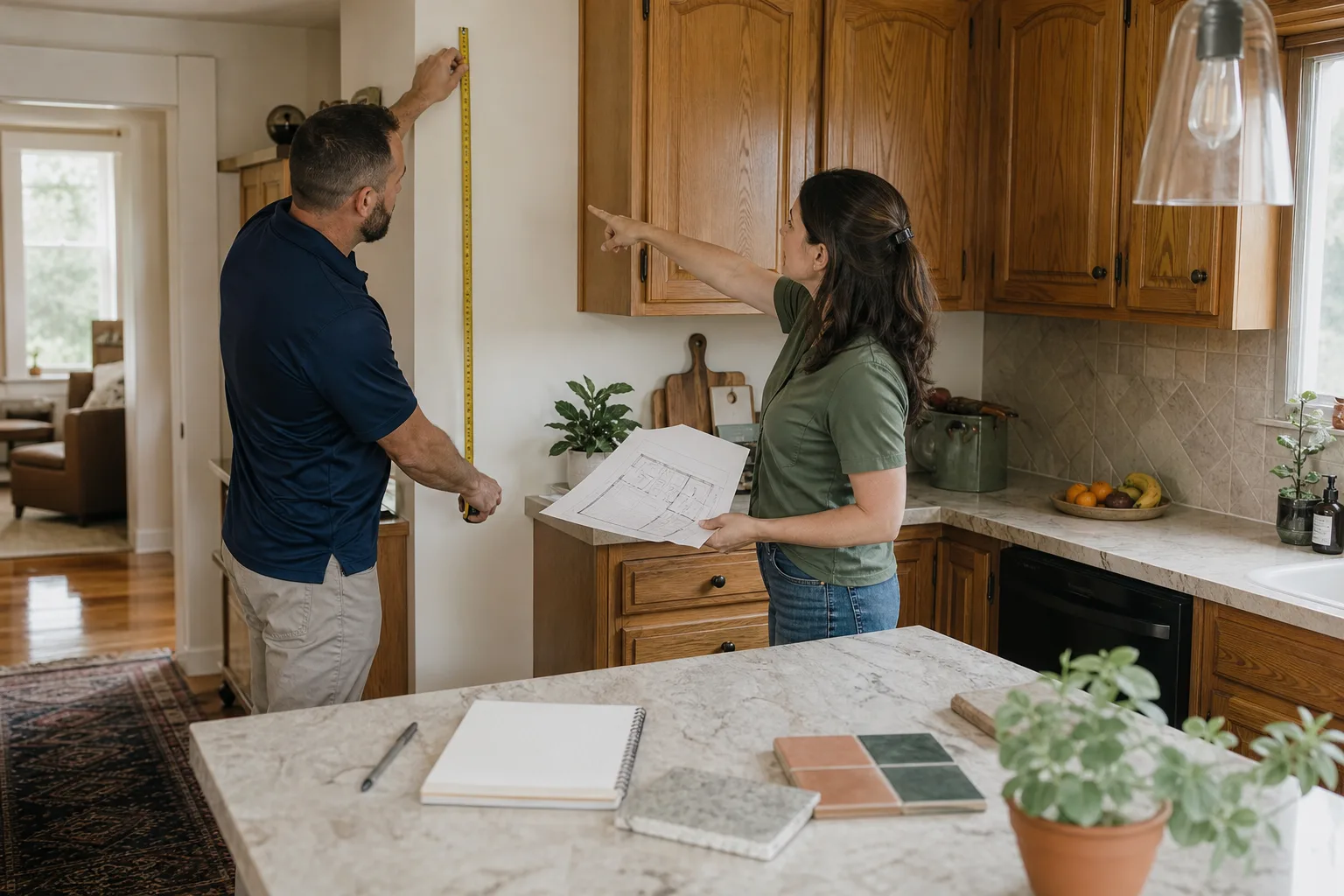
Free written scope consultation - allowances, timeline, and change-order rules on paper before a single trade is scheduled
How to Hire a Construction Contractor in Los Angeles: A Step-by-Step Guide
California’s CSLB license lookup takes about 90 seconds. But fewer than 30 percent of Los Angeles homeowners who check a license also ask for the certificate of insurance naming their property. That document, not the license alone, determines whether a worker injury on your driveway becomes your financial problem. This guide walks through the hiring sequence that protects your home while work is happening, not just the finished result.
Quick Answer
Hiring a construction contractor in Los Angeles means verifying a CSLB license, confirming general liability and workers’ comp certificates that name your address, comparing written scopes that specify material brands, checking references on projects similar to yours, and signing only after all bids name the same products. A written price before work starts is the single most reliable signal that a contractor will not inflate the job after the crew arrives.
Styles & brands we work with




Table of Contents
- The Four Documents to Collect Before Signing
- How to Read a Contractor’s Bid for Red Flags
- Interview Questions That Reveal How a Contractor Treats Your Home
- Written Price Guarantee vs. Good Faith Estimate: What California Law Means
- The Step-by-Step Hiring Sequence
- Los Angeles-Specific Considerations: Climate, Code, and Market
- Hiring When You Have Children, Pets, or a Home Office
- How to Check References Like a Pro
The Four Documents to Collect Before Signing
Every contractor you seriously consider should hand you four documents without hesitation. If any one of them is delayed, incomplete, or explained away, that is the conversation telling you something. In Los Angeles, where the volume of residential work means many crews operate across multiple cities, these four papers separate professional operations from everything else.
- CSLB license – Verify the number at cslb.ca.gov. The name on the license should match the name on the contract. In California, the license must be active and in good standing, not just issued.
- General liability certificate with your address – Ask the contractor’s insurance agent to add your property address as an additional insured. This is a standard request. A contractor who resists is revealing how they handle claims.
- Workers’ compensation certificate – In California, contractors with employees must carry workers’ comp. If a worker is injured on your property and the contractor lacks coverage, the claim can fall to your homeowner’s insurance, and your premiums can rise.
- Written lien waiver policy – Ask how the contractor handles lien waivers from subcontractors and material suppliers. A clear written policy means suppliers cannot place a mechanic’s lien on your home if the contractor fails to pay them.
We have walked Los Angeles homeowners through this document review many times. The paperwork conversation reveals more about a contractor’s operations than any sales pitch. A contractor who has all four documents ready before you ask is running a business that will still be reachable when the job is done.
How to Read a Contractor’s Bid for Red Flags
A bid is a map of how the contractor thinks. You are not reading it for the final number first. You are reading it for whether the contractor is willing to be accountable to specifics before money changes hands. In Los Angeles, where material costs fluctuate and supply chains differ by neighborhood, the bids that deserve your attention are the ones that name products, quantities, and allowances in plain English.
Allowance Line Items
An allowance is a placeholder dollar amount for something the contractor has not priced yet, often fixtures or finishes. Some allowances are normal. But when a bid includes large allowances without a clear process for finalizing the actual price, the final invoice will be higher than the bid. Ask: “What happens if the fixture I choose costs more than the allowance?” A clear answer includes a written change-order process before any additional cost is incurred.
Missing Brand Names
Compare three bids. If one says “kitchen cabinets” and another says “KraftMaid or Wellborn cabinets, model number specified,” the second contractor is bidding on a real product you can research. The first is bidding on a concept. The same applies to countertops (Cambria, Silestone), fixtures (Kohler, Moen, Grohe), and exterior products (James Hardie, GAF). A bid without brand names lets the contractor choose the cheapest available option and keep the difference. Named brands carry manufacturer warranties you can verify independently.
Lump-Sum Labor with No Task Breakdown
A single line for “labor” with a dollar figure and no breakdown tells you nothing about how the contractor values each phase. A responsible bid separates demolition, rough plumbing, electrical, tile setting, painting, and finish work. When you ask for a task breakdown and the contractor cannot produce one, the likelihood of a mid-project surprise increases.
Interview Questions That Reveal How a Contractor Treats Your Home
Most more guides & resources focus on the finished product. We focus on the experience of living in the house while the work happens, because that is what Los Angeles families actually remember. A kitchen remodel takes weeks. The questions below reveal whether a contractor has thought through what those weeks are like for a family with children, pets, and a parent working from home.
- “What do you do to protect floors and furniture before work starts?” A clear answer names specific materials: shoe covers at the door, drop cloths on floors, plastic sheeting over doorways. A vague answer means you will be vacuuming drywall dust out of your couch for a month.
- “What hours will the crew be in the house?” A professional contractor sets work hours and sticks to them. Ask about quiet hours during nap time or school hours. Quiet tools exist for a reason.
- “How do you handle a pet that’s home during construction?” A contractor who has thought this through will mention keeping doors closed, using pet-safe products where there is a choice, and asking before moving a pet’s bed or crate.
- “What does your clean-up routine look like at the end of each day?” The answer should be specific: floors swept, tools stored, debris removed. A photo of the clean-up before the crew leaves is a reasonable request, and a contractor with a process will not hesitate.
- “How do you handle changes to the scope once work begins?” Every remodel discovers something. The question is whether the contractor has a written change-order process. The answer should be “written change order, signed by you, before additional work starts.”
At Elmstead Remodeling home, these questions are answered before the family asks. The Cedarwell Care Promise names the specific behaviors: shoe covers and drop cloths inside the house, a written price before any work starts, a photo of the clean-up before the crew leaves, quiet tools during family rest hours where possible, and pet-safe product choices where available. That level of specificity is what you are listening for in any contractor’s answers.
Written Price Guarantee vs. Good Faith Estimate: What California Law Means
California law gives homeowners specific protections, but those protections depend on what is written down before work begins. A “good faith estimate” is an educated guess. It can change. A written price guarantee, issued as part of the contract, is a commitment with legal weight behind it.
The difference matters in Los Angeles, where remodel costs vary significantly by neighborhood, structural age of the home, and permitting requirements. A contractor offering a written price before any work starts is making a contractual commitment. A contractor offering a good faith estimate is reserving the right to adjust. Neither is inherently wrong, but a family comparing bids needs to know which one they are looking at.
Ask directly: “Is this the price I will pay, or an estimate that can change?” A confident contractor with a clear scope will put it in writing. Here is the test: if the contractor will not commit to a written price after walking the site and reviewing the scope, what exactly are they uncertain about? That uncertainty belongs before the contract, not after the crew arrives.
Our practice as a General Contractor in Los Angeles is a written price before any work starts, every time, on every project. Not because the law demands it in every case, but because a family planning a remodel deserves to know the number before they commit to it.
The Step-by-Step Hiring Sequence
Here is the sequence we recommend to every Los Angeles family we meet. It is simple, it is fast, and it eliminates the two most common failure points: unverified insurance and vague scopes. Follow these steps in order and do not let a contractor rush you past any of them.
- Verify the CSLB license. Go to cslb.ca.gov, enter the license number, and confirm it is active. While you are there, check for any disciplinary actions or complaints. This takes 90 seconds. Do not skip it.
- Confirm insurance certificates name your property. Ask for the general liability certificate with your address added as an additional insured, and the workers’ comp certificate. Call the insurance agent if you have any doubt. A real agent will confirm coverage over the phone.
- Collect three written scopes. Each scope should name specific material brands, include a task breakdown, specify an allowance process where applicable, and state the price in writing. Without brand names, you cannot compare bids apples to apples.
- Check references on a project like yours. If you are planning a bathroom remodel in a 1930s Spanish-style home in Los Feliz, ask for references from bathroom remodels in homes of similar age and construction. A contractor who has only renovated new construction in the Valley is not the same candidate for your plaster walls and 100-year-old plumbing.
- Sign only after all three bids name the same material brands. If one bid says “Kohler fixtures” and another says “fixtures, TBD,” go back and get the second bidder to name brands. This step alone eliminates the most common source of mid-project price disputes.
Los Angeles-Specific Considerations: Climate, Code, and Market
Los Angeles is not one city in construction terms. It is a collection of microclimates, soil types, building ages, and jurisdictional requirements. A contractor who has worked primarily in the South Bay may not be the right fit for a hillside home in Silver Lake. Here is what to know before you hire in Los Angeles specifically.
Seismic Retrofitting and Structural Work
California building codes require seismic considerations for many remodels, particularly in older homes. If your project involves opening walls, moving load-bearing structures, or adding square footage, the contractor should know when a seismic retrofit is required and factor it into the bid. This is not optional knowledge in Los Angeles. Ask: “Does this project trigger any seismic requirements under current code?”
Permitting by Jurisdiction
The City of Los Angeles has its own building department, but neighboring cities like Santa Monica, Beverly Hills, Pasadena, and Burbank have separate permitting processes with different timelines, fees, and inspection requirements. If you live in one of these cities, hire a contractor who pulls permits there regularly. A contractor who is unfamiliar with local inspectors will burn your schedule waiting on corrections.
Climate and Material Selection
Los Angeles is dry year-round, but not uniformly. Coastal homes deal with salt air and marine layer moisture. Inland homes in the Valley face extreme heat. Hillside homes contend with wind and wildfire exposure. Exterior products need to match the microclimate. James Hardie siding, for example, performs differently in Santa Monica fog than in Woodland Hills heat. A contractor who asks where you live before recommending products is doing the job.
The Los Angeles Remodeling Market
Demand in Los Angeles is consistently high, which means good contractors are booked weeks or months out. A contractor who can start immediately may be available for a reason. Ask about current project load and crew availability. The answer should be honest, not urgent. A contractor who pressures you to sign quickly because “the schedule is filling up” is using scarcity rather than substance to close the deal.
For families planning a Bathroom Remodeling in Los Angeles project, the same principles apply. The age of the home, the condition of the subfloor, and the plumbing layout all affect the scope. A written price that accounts for these specifics before work starts is the difference between a predictable project and a renovation that feels like a negotiation.
Hiring When You Have Children, Pets, or a Home Office
This section exists because most hiring guides ignore the lived reality of remodeling a home that is also a family’s daily space. If you have a toddler who naps at 1 p.m., a dog who barks at strangers, or a spouse working from a bedroom that shares a wall with the kitchen, the contractor’s job-site behavior matters as much as the finished tile.
Children
Ask about quiet hours. A contractor who uses loud tools only during designated hours and respects nap schedules is demonstrating that your family’s routine matters. Ask about dust containment. Drywall dust is not just annoying; it is an indoor air quality issue for small lungs. A professional sets up plastic sheeting and uses HEPA vacuums. Ask about safety. Tools, cords, and materials should be stored away from areas children can access. A contractor who leaves a circular saw on the living room floor is not the contractor you want in your home for six weeks.
Pets
Ask about pet-safe products. Low-VOC paints, non-toxic adhesives, and water-based finishes are available, and a contractor who knows the difference is paying attention to your household. Ask about containment. A contractor with a system for keeping doors closed and gates up will not lose your cat into the crawlspace. Ask about communication. The crew should tell you before they open an exterior door or move a pet gate.
Home Office
Ask about the work schedule. A contractor who commits to specific hours and communicates them daily lets a remote worker plan calls and focus time. Ask about daily briefings. A five-minute conversation at the start or end of each day about what happened and what comes next removes uncertainty. Ask about noise. Quiet tools exist, and a contractor who brings them during family rest hours has your household in mind.
For families considering a Kitchen Remodeling in Los Angeles, these questions are not theoretical. The kitchen remodel is the most disruptive project a home can undergo. The family still needs to eat, the kids still need snacks, and the dog still needs to be let out. A contractor’s answers to these questions predict the daily experience of the project.
How to Check References Like a Pro
Most homeowners call one reference, ask “were you happy with the work?” and consider it done. That is a missed opportunity. A reference call is your chance to learn what the contractor’s process actually looks like when the family is not in the sales meeting. Here is how to do it properly.
- Ask for three references from projects completed within the last 12 months. Recent work reflects current crew quality and current project management.
- Ask for references on a project similar to yours. Same room type, similar home age, similar scope. A contractor’s bathroom remodel in a 2005 condo does not tell you how they handle a 1920s bungalow with knob-and-tube wiring.
- Ask the reference these specific questions: Did the price change from the written bid, and if so, why? Did the crew show up when they said they would? Was the site cleaned up daily? How did they handle changes to the scope? Would you hire them again?
- Ask if you can see photos of the work in progress, not just the finished product. Finished photos are curated. Progress photos show whether the crew protected floors, contained dust, and organized materials.
In our experience in Los Angeles, the reference check is where families catch the problems that never show up in a license search. A contractor can have perfect paperwork and a disorganized crew. The reference tells you which one is walking through your door.
Common Mistakes to Avoid
- Skipping the certificate of insurance. Confirming the CSLB license is necessary but insufficient. Without the certificate naming your address, a worker injury can become your homeowner’s insurance claim. Always request it in writing before signing.
- Accepting a bid without brand names. “Cabinets, countertops, fixtures” is not a scope. It is a blank check. Los Angeles homeowners regularly see bids where the original estimate crept upward because the products were never specified. Name the brands or do not sign.
- Hiring on price alone. The lowest bid in Los Angeles is often low because the contractor is underbidding labor or materials and planning to recover the difference through change orders. Compare scopes, not just totals.
- Not asking about clean-up routines. A contractor who cannot describe their daily clean-up process will leave you living in construction dust for the duration of the project. The question takes 30 seconds to ask and reveals more than any portfolio photo.
- Signing before all bids name the same material brands. This is the most common sequencing error we see. Families compare three bids at face value, choose one, and discover after demolition that the chosen contractor’s “included” materials were far below what the family actually wanted. Align brands before you compare prices.
- Assuming permits are included. Some Los Angeles contractors quote a price that excludes permit fees, then add them later as a surprise. Ask explicitly: “Does this price include all permit fees and inspections?” Get the answer in writing.
See the difference
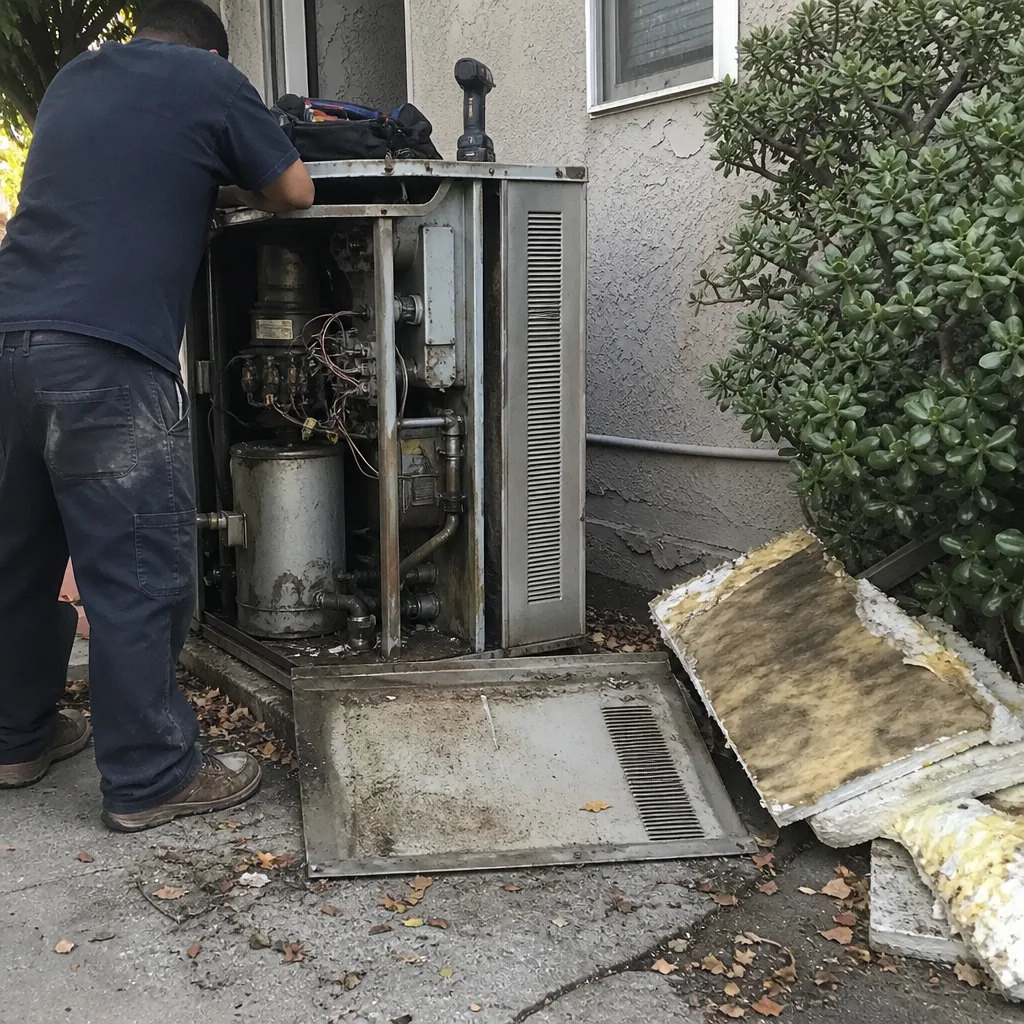 Before
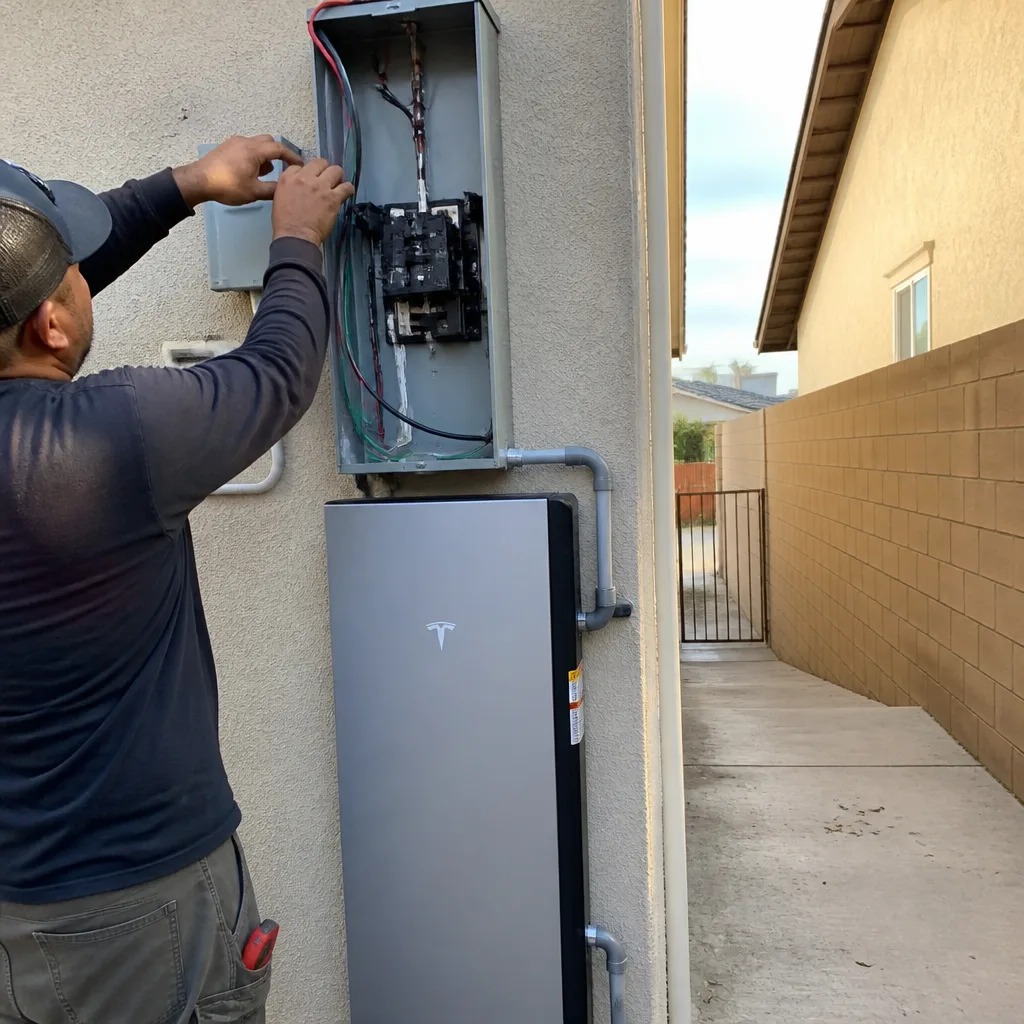 After
After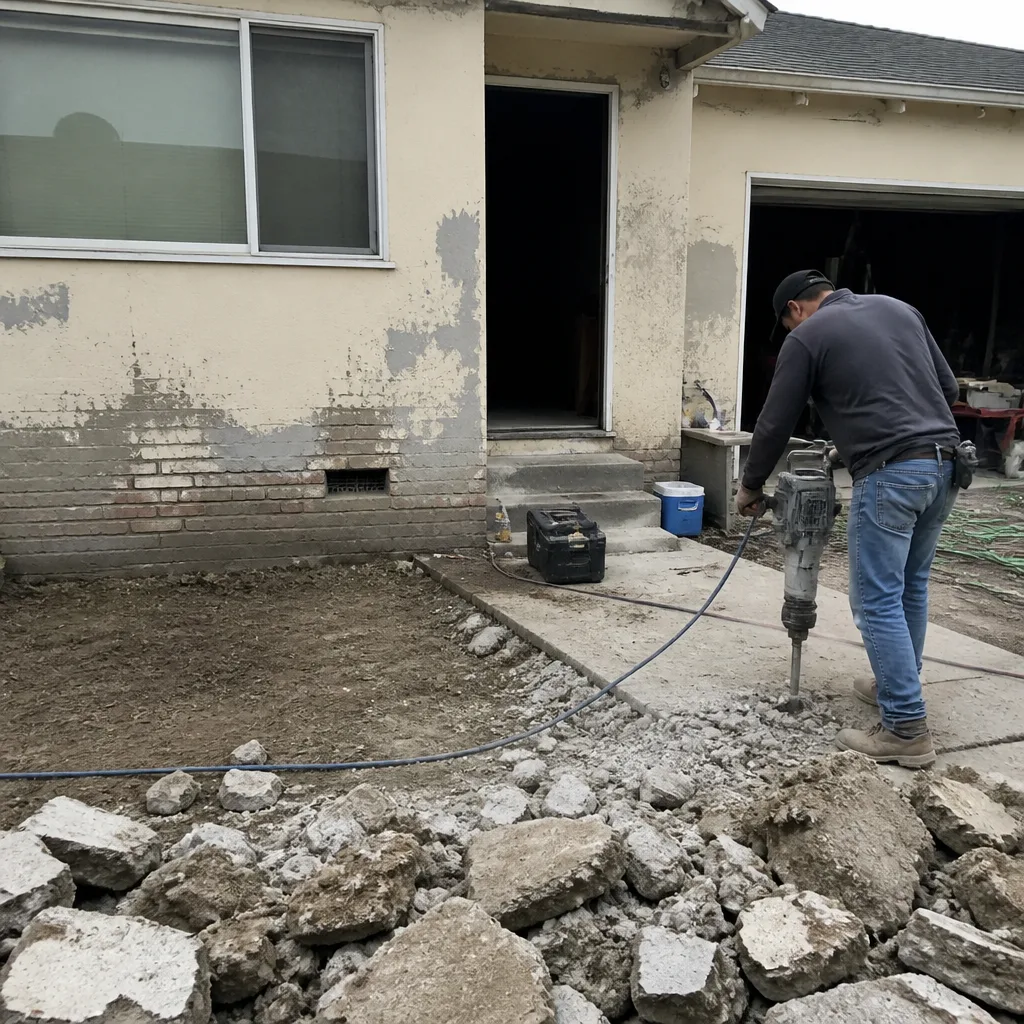 Before
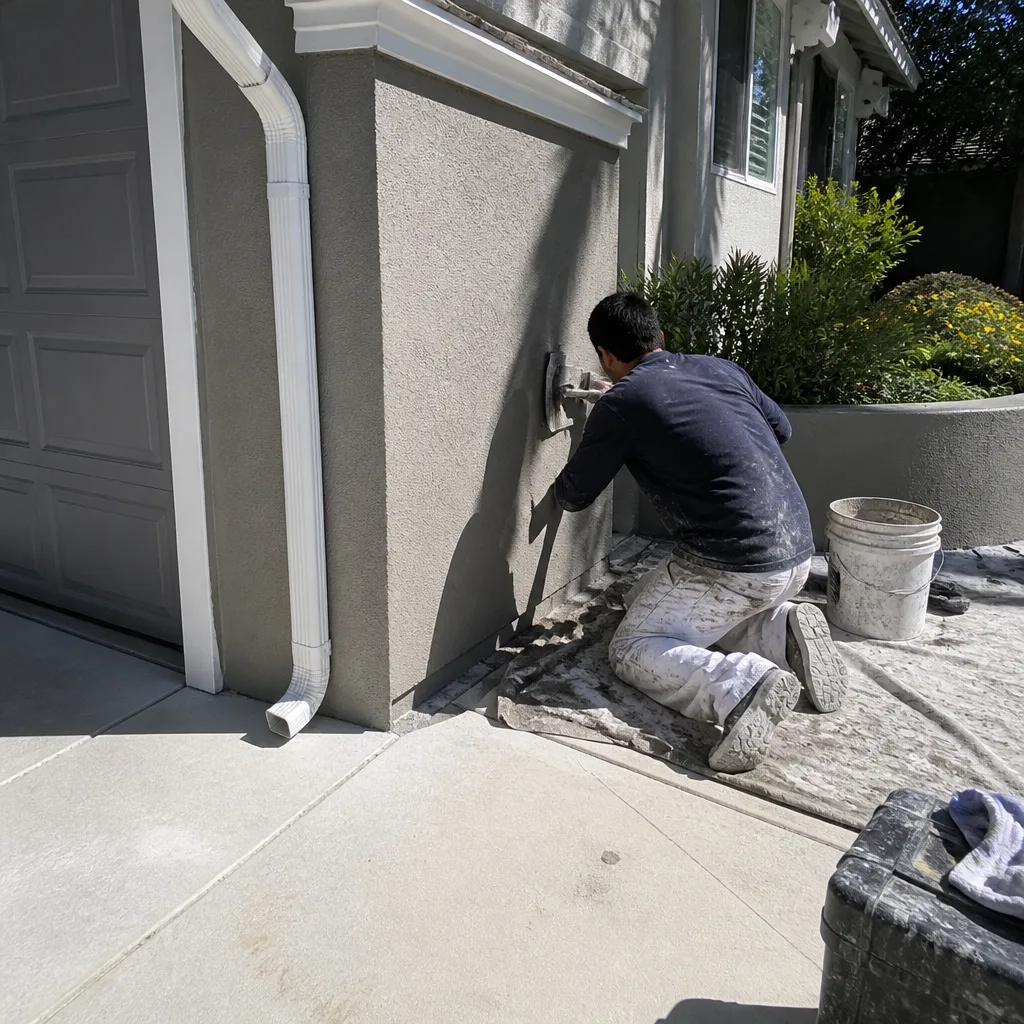 After
After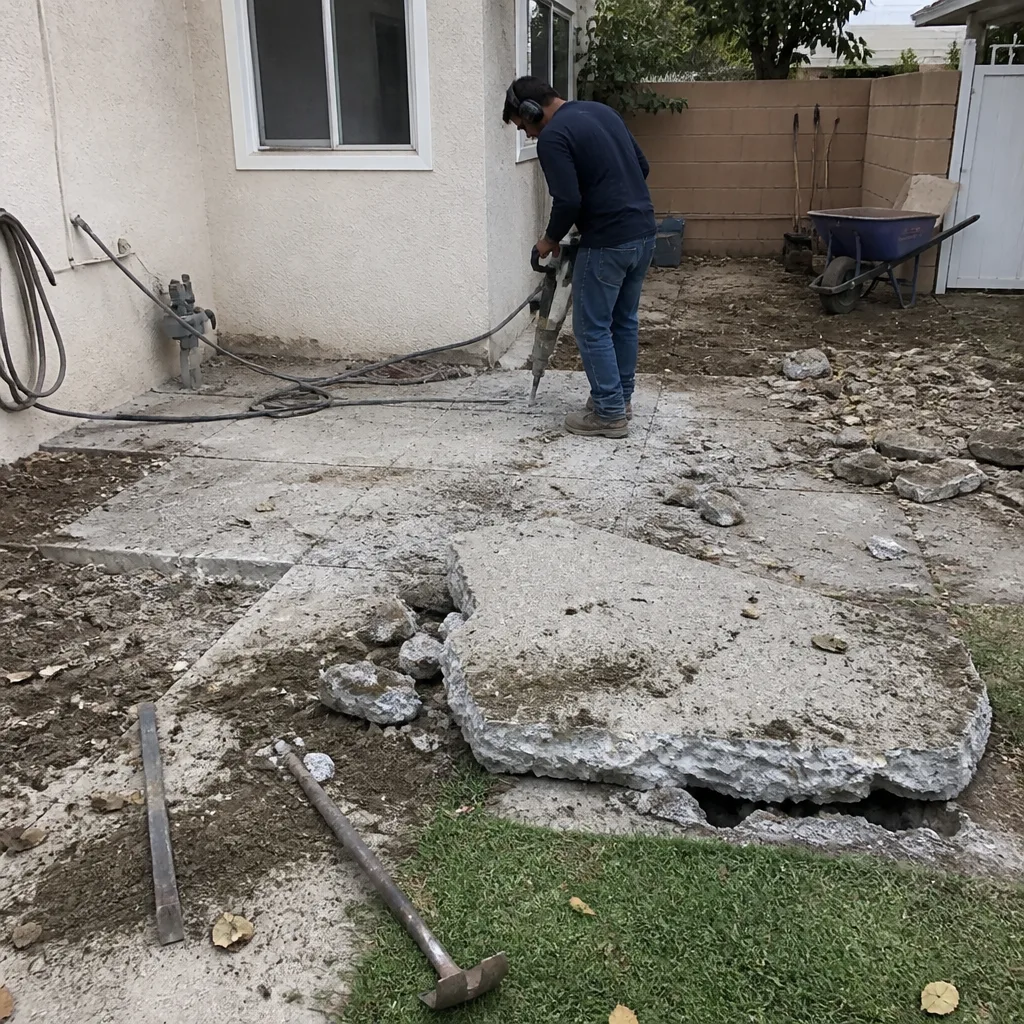 Before
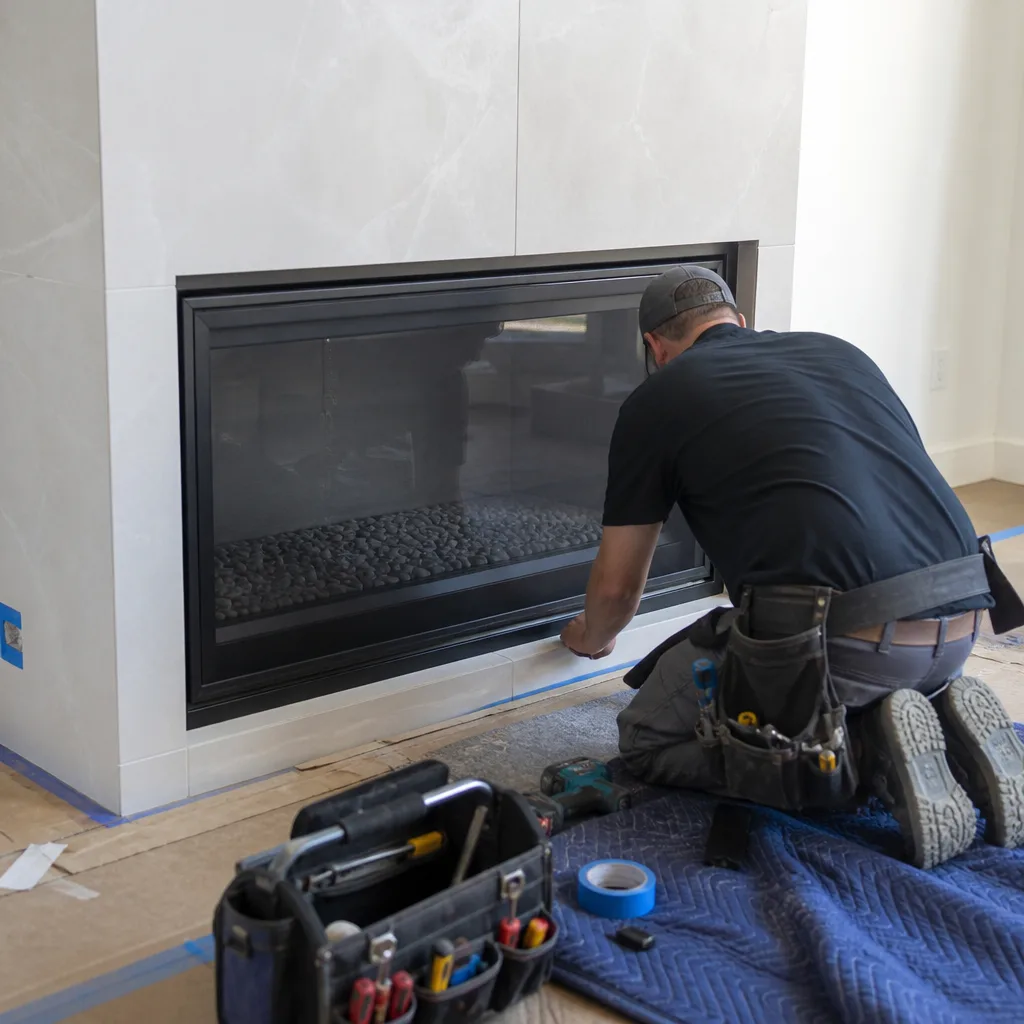 After
AfterWhen to Call a Professional
Some projects are genuinely manageable as owner-coordinated work: painting a bedroom, replacing a faucet, swapping a light fixture. The moment the project involves plumbing movement, electrical rewiring, structural changes, or anything behind the walls, you need a licensed contractor with verified insurance. In Los Angeles, unpermitted work also creates a disclosure problem when you sell the home, and buyers in this market ask. If you are planning a remodel and want a written price before any work starts, Elmstead Remodeling offers free estimates in Los Angeles. Call us at (949) 850-9896 to schedule a walkthrough and get a specific number, not a guess.
Frequently Asked Questions

In Los Angeles, construction contractor rates typically range from $75 to $150 per hour for general labor, with specialized trades like electricians and plumbers billing $150 to $300 per hour. For project-based work, a bathroom remodel in Los Angeles typically runs $18,000 to $40,000, a kitchen remodel $35,000 to $80,000, and a whole-home remodel $150,000 to $400,000 depending on square footage, material brand, and the age of the home. The exact number depends on the scope. Call (949) 850-9896 for a written quote on your specific project.
Most remodels in Los Angeles require a permit if they involve structural changes, plumbing movement, electrical rewiring, or square footage additions. Cosmetic updates like painting and fixture swaps typically do not. The City of Los Angeles and neighboring cities like Santa Monica and Pasadena have different requirements, so confirm with your contractor before work begins. A reputable contractor pulls permits and schedules inspections as part of the project.
A kitchen remodel in Los Angeles typically takes 6 to 12 weeks depending on whether the layout changes, whether structural work is required, and how quickly material lead times resolve; consult our Kitchen Remodeling Troubleshooting: Common Problems and How to Fix Them if delays arise. Custom cabinets ordered from KraftMaid or Wellborn can add 4 to 6 weeks to the schedule. A written timeline should be included in the contract before work starts.
The 365-Day Done Right Promise from Elmstead Remodeling covers every completed project for a full year after the job is done. If something was not done right, we make it right. This is the longest-standing post-project commitment in our service area, and it is stamped on every project we complete.
Go to cslb.ca.gov and enter the contractor’s license number in the “Check a License” tool. The license should be active, in good standing, and registered to the same name that appears on your contract. The state also lists any disciplinary actions, complaints, or bond issues.
It should not, if the contractor provided a written price with a detailed scope before work began. The only legitimate reason for a price change is a written change order that you sign after the contractor discovers an unexpected condition behind the walls. A contractor who cannot commit to a written price before starting is telling you something about how the job will be managed. Ask for the price in writing and hold the contractor to it.
The Bottom Line
Hiring a construction contractor in Los Angeles is not about finding the lowest bid, so first review our Kitchen Remodeling Warning Signs Every Homeowner Should Know. It is about finding the contractor who can prove, in writing, that your home will be protected during the work and that the price will not change once the crew arrives. Verify the CSLB license, confirm the insurance certificates name your property, compare written scopes that name specific material brands, check references on a project like yours, and sign only after all three bids align. Families with children, pets, and home offices should ask the questions that reveal how a contractor manages a lived-in home, not just a finished product. The paperwork takes an afternoon. The protection lasts for the life of the project.
Written by Graham Stein, Owner at Elmstead Remodeling, serving Los Angeles since 2005.