Last updated October 8, 2026


Free written scope consultation - allowances, timeline, and change-order rules on paper before a single trade is scheduled
The Complete General Contractor Guide for Los Angeles Homeowners
The Los Angeles Department of Building and Safety issued over 47,000 residential permits in a single recent year, yet the city’s average permit processing time can stretch six to fourteen weeks, a delay that catches most homeowners off guard when they’re already mid-commitment with a contractor. You’re not just hiring someone to swing a hammer. You’re hiring someone to navigate Title 24 energy code, hillside grading rules, fire zone overlays, and inspection queues that behave differently depending on which Los Angeles neighborhood you live in. This guide maps those specifics so you can hire with clarity instead of hope, and you can find more guides & resources on our blog.
Quick Answer
Hiring a General Contractor services in Los Angeles means verifying a Class B license through the CSLB, getting a written scope of work that names specific products before demo begins, and confirming your contractor pulls LADBS permits on your behalf rather than suggesting you pull them yourself. Expect permit processing alone to add six to fourteen weeks to your timeline, and expect Title 24 energy compliance to shape your window, insulation, and HVAC decisions before any wall comes down. The right contractor will explain all of this before you sign anything.
Styles & brands we work with
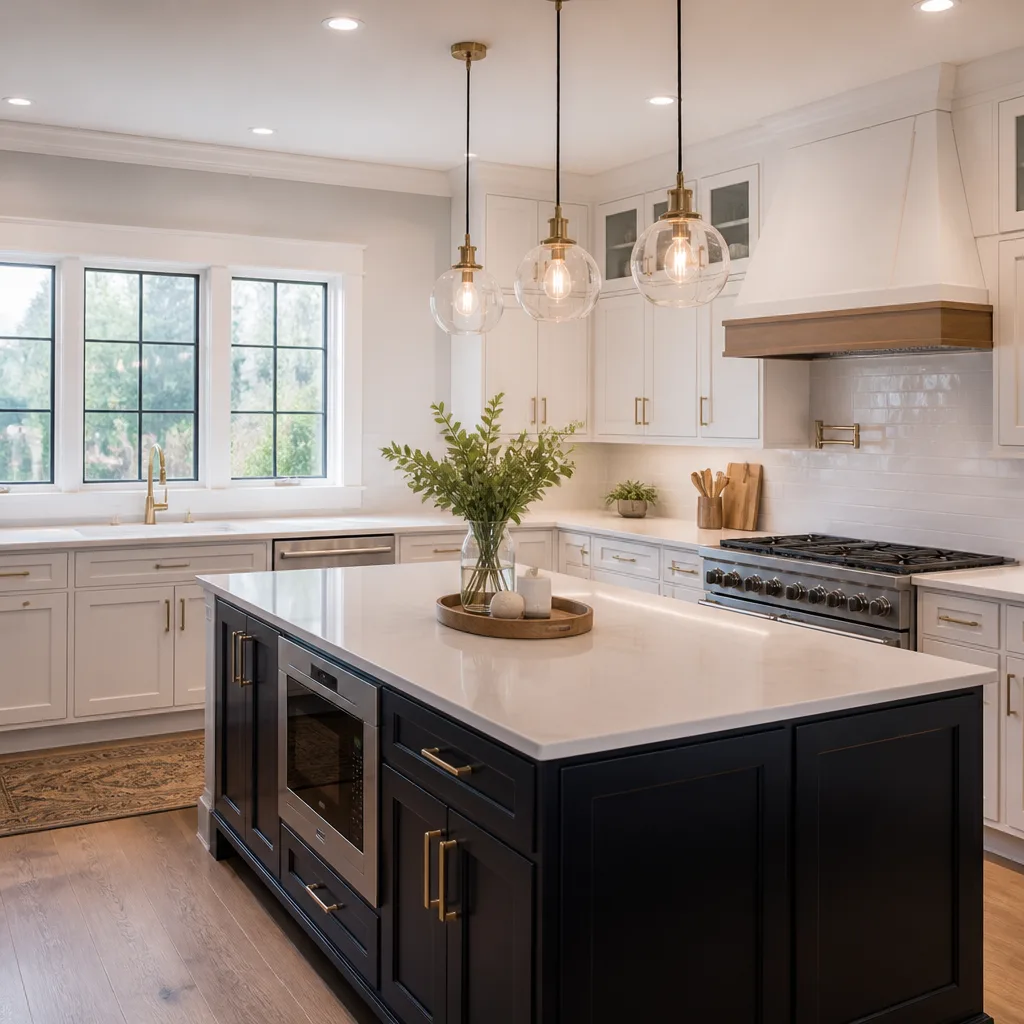
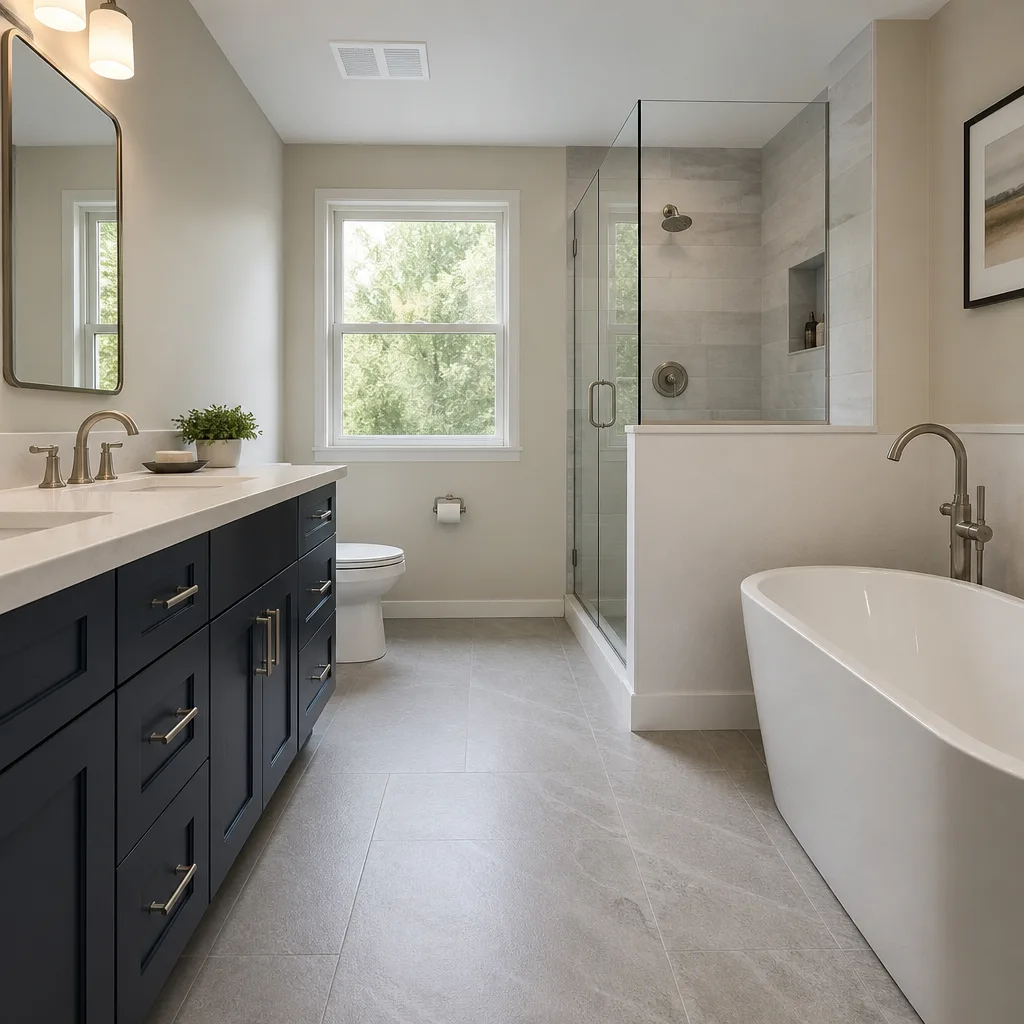
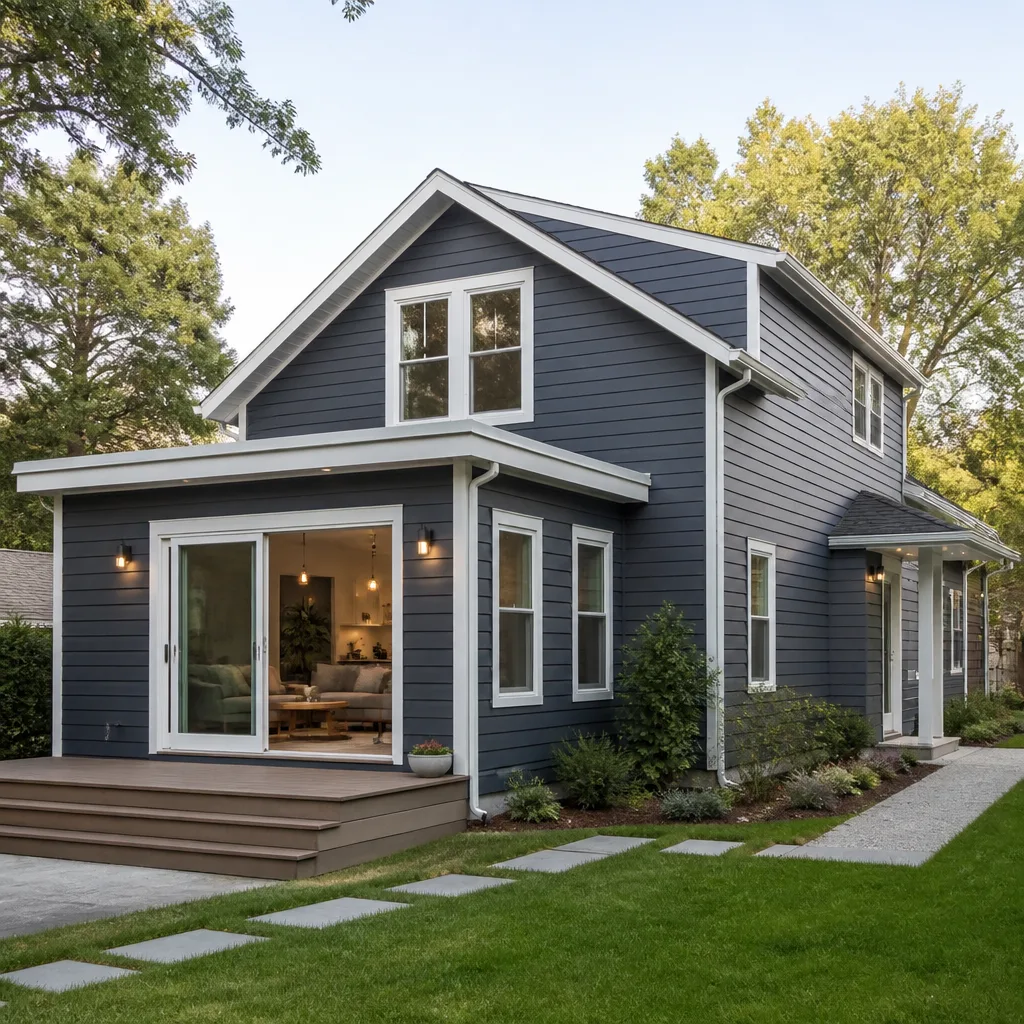
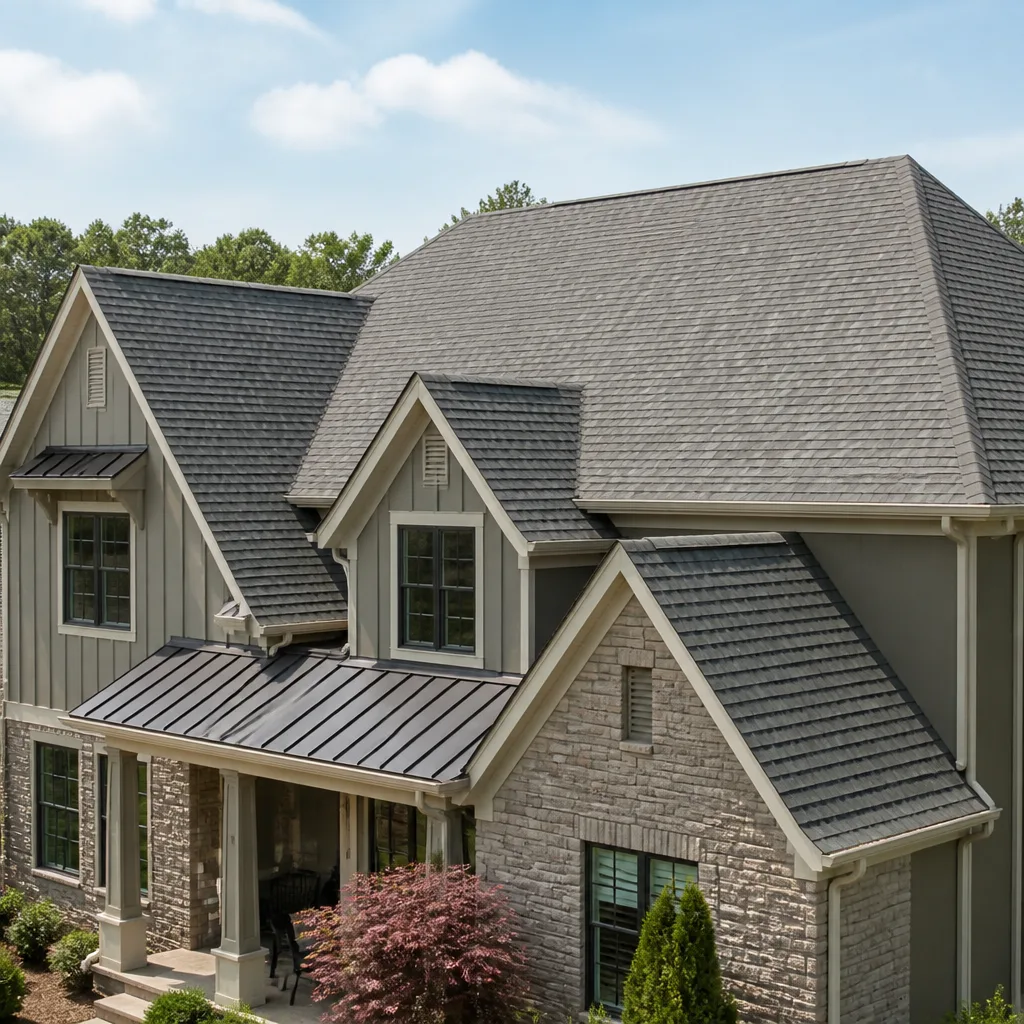
Table of Contents
- How to Verify a Los Angeles Contractor’s License
- LA-Specific Permits Your Contractor Should Pull
- How Title 24 Changes Your Material Choices
- What a Written Scope of Work Must Name
- How to Read an LADBS Permit Status Online
- Protections Families With Kids and Pets Should Expect
- Project Cost Ranges in Los Angeles
- Common Mistakes to Avoid
How to Verify a Los Angeles Contractor’s License
Every general contractor working in Los Angeles must hold a Class B General Building contractor license issued by the California Contractors State License Board (CSLB). That classification covers the framing, structural work, and coordinated subcontractor oversight that most remodels require. Before you invite anyone into your home, go to the CSLB license lookup tool at cslb.ca.gov and search the contractor’s name or license number. What you find matters more than what their website says.
The lookup will show you the license status, issue date, expiration date, any active suspensions, and whether the contractor carries workers’ compensation insurance. A license that is expired, suspended, or carries open complaints is not a red flag you talk yourself past. In a city as busy as Los Angeles, unlicensed activity is common enough that the CSLB runs regular sting operations across the county. You want the contractor whose record is clean before the crew arrives, not the one who explains away a suspension after you’ve paid a deposit.
Here is what to check in the CSLB lookup:
- License classification – confirm it says “B” for General Building, not a specialty classification like “C-54” for tile or “C-36” for plumbing.
- Status – active and current, with no pending disciplinary actions.
- Workers’ comp insurance – if the contractor has employees, this should show as active. If it shows as exempt, ask who covers the crew if someone gets hurt on your property.
- Bond status – California requires a $25,000 contractor bond. The lookup will confirm whether it’s in place.
At Elmstead Remodeling, our license is current and our crews are background-checked and uniformed, which means you know exactly who is walking through your door before you open it.
LA-Specific Permits Your Contractor Should Pull
A general contractor in Los Angeles should be pulling permits on your behalf. When a contractor suggests you pull your own permits, that’s often a strategy to shift liability onto the homeowner and keep the contractor’s name out of the LADBS system. In Los Angeles, the licensed contractor is legally required to pull permits for work they perform. You should never be the permit holder on a remodel.
What gets permitted depends on your neighborhood and your property’s specific overlays. Here are the three most common Los Angeles permit layers that catch homeowners off guard:
- LADBS residential permits – the standard building permit for structural changes, additions, and major remodels. This is the baseline. Your contractor should already have the paperwork started before demo begins.
- Hillside ordinance permits – if your home sits in a designated hillside area, which includes parts of Silver Lake, Echo Park, Mount Washington, and much of the Hollywood Hills, grading and foundation work requires additional review. A contractor who has worked hillside properties before will know this without being told.
- Fire zone overlays – properties in Very High Fire Hazard Severity Zones, common in the Santa Monica Mountains, Bel-Air, and parts of the San Fernando Valley, face additional requirements for roofing materials, exterior siding, and defensible space. James Hardie fiber cement siding, which we install on exterior remodels, is one of the materials that meets fire-resistant requirements in these zones.
Ask your contractor which of these apply to your specific address. If they cannot answer that question for your street, they have not done the pre-construction homework that an experienced Los Angeles general contractor does before pricing the job.
How Title 24 Changes Your Material Choices
California’s Title 24 energy code is not a suggestion. It is a legal requirement that affects every window, insulation decision, and HVAC change you make during a remodel in Los Angeles. The code has been updated repeatedly over the last decade, most recently with requirements around electric-ready panels, solar readiness, and higher-efficiency windows. Your contractor should be working with a Title 24 energy consultant before demo starts, not scrambling to comply after the framing inspection fails.
Here is what Title 24 means in practical terms for Los Angeles homeowners:
- Windows – replacement windows must meet specific U-factor and Solar Heat Gain Coefficient ratings. In Los Angeles’s climate zones, that typically means double-pane, low-E glass. Vinyl frames that meet code are common, but if you’re in a historic district, wood frames may need custom fabrication to match original details while still meeting the energy standard.
- Insulation – exterior walls and attics must exceed minimum R-values that have risen with each code cycle. What passed inspection in 2015 may fail today.
- HVAC – any new or replaced HVAC system must meet higher efficiency ratings, and certain areas of Los Angeles now require heat pump readiness or full heat pump installations depending on the scope.
- Lighting – kitchen and bath remodels trigger lighting efficiency requirements that affect fixture selection. This is one reason we specify fixtures from Kohler, Moen, and Grohe early in the design process: their contemporary lines include Title 24-compliant options that do not force you into industrial-looking bulbs.
A contractor who says “we’ll figure out Title 24 later” is not protecting you. The correct sequence is: energy consultant calculates your compliance path first, then materials get ordered, then demo begins. In our experience, homeowners who follow this order rarely face failed inspections. Homeowners who skip it almost always do.
What a Written Scope of Work Must Name
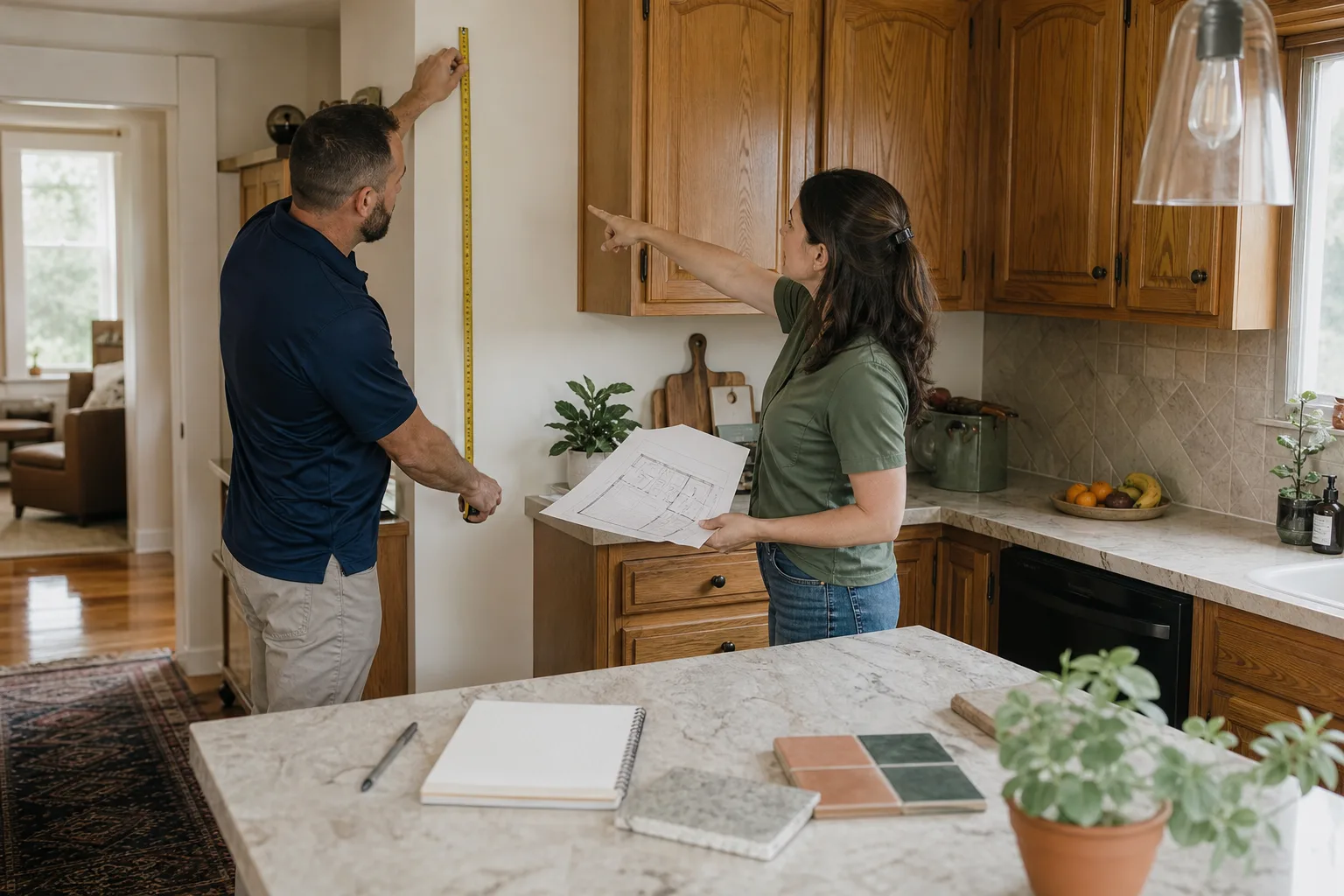
A written price before work starts is non-negotiable on any project we take on, and it should be non-negotiable for you with any contractor. But the number on the page is only as good as the specificity behind it. A written scope of work must name actual products, brands, models where applicable, and quantities. “New cabinets” is not a scope. “KraftMaid maple cabinets, shaker doors, soft-close hinges, in the Painted Linen finish, 22 linear feet” is a scope.
Before you allow a family with children or pets to live through a remodel in Los Angeles, as detailed in The Complete Home Remodeling Guide for Los Angeles Homeowners, the scope should answer these questions in writing:
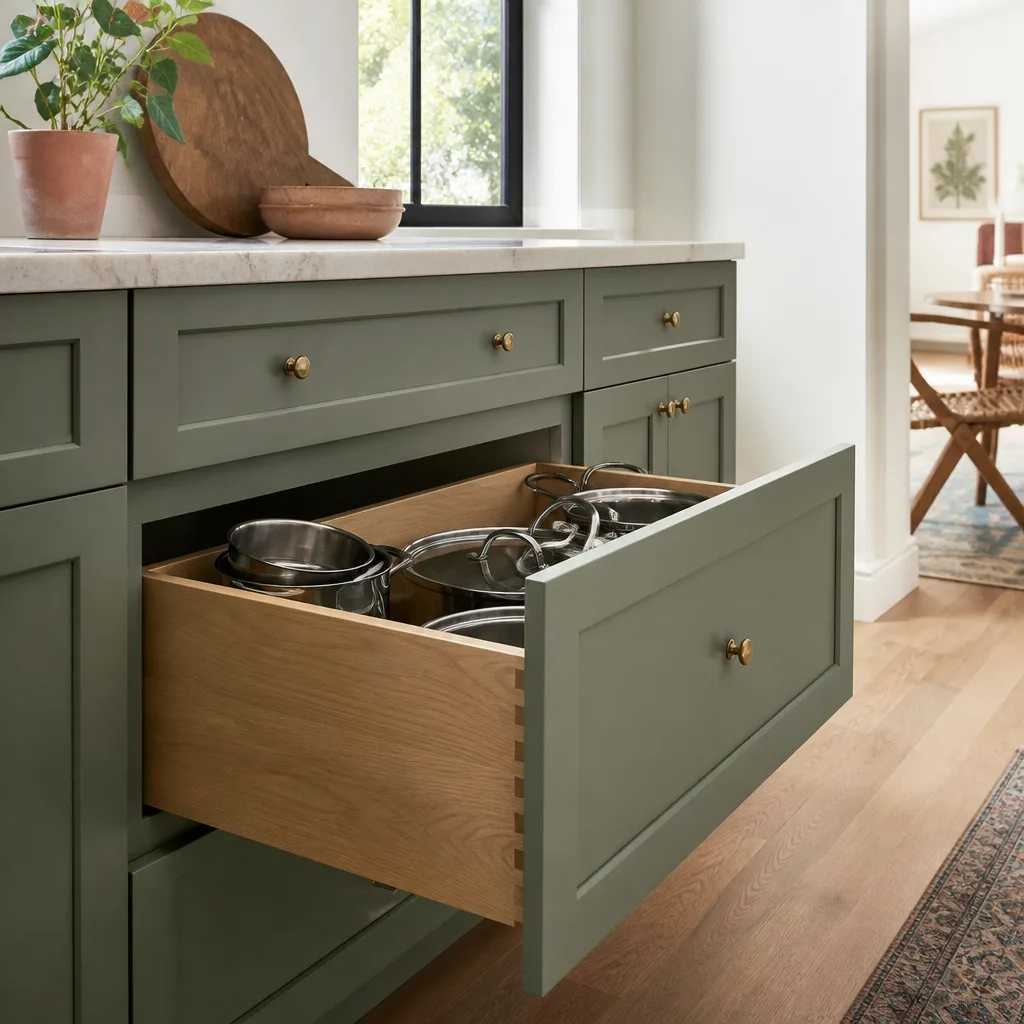
- Which exact cabinet line and finish? We specify KraftMaid and Wellborn, two brands whose warranties are easy to verify independently and that travel with the finished project.
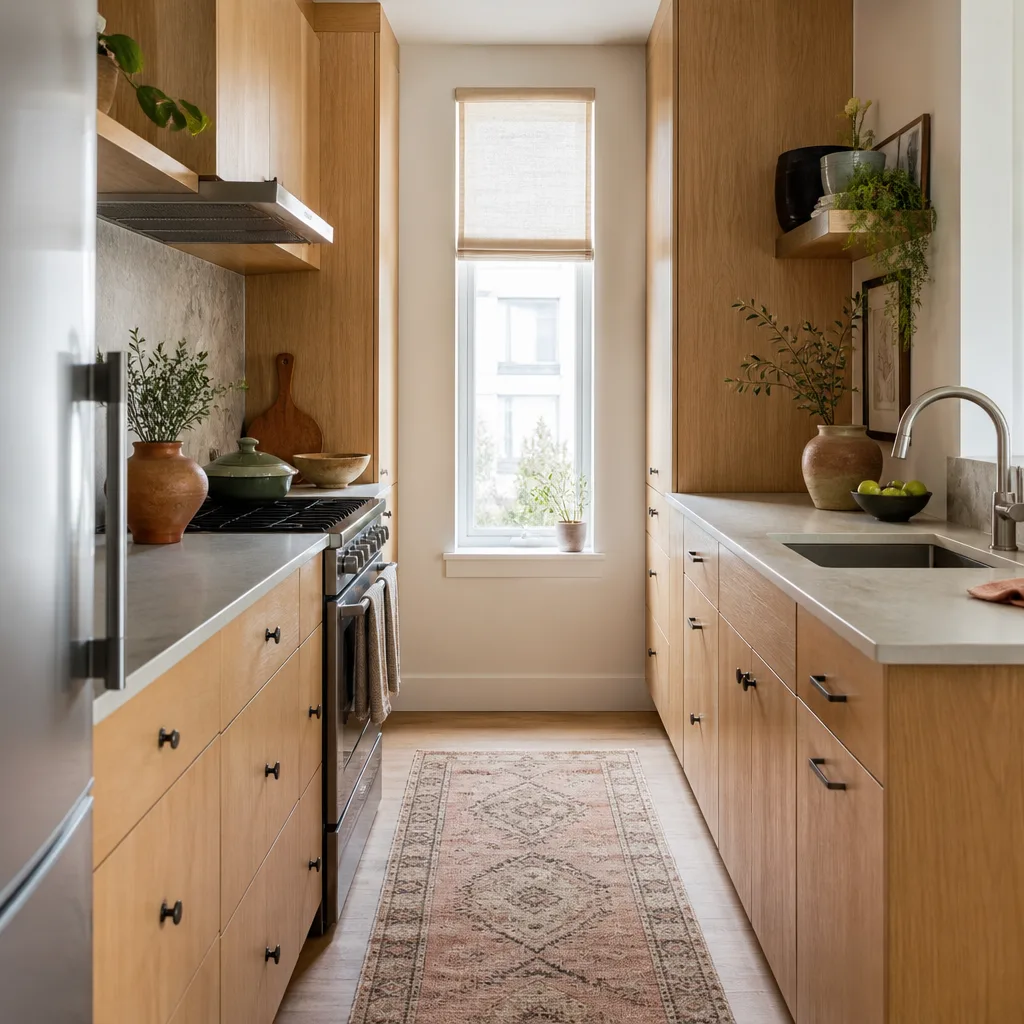
- Which countertop material and which supplier? Cambria, Silestone, and Caesarstone each offer different warranty terms and stain resistance, which matters if you have children doing homework at the island.
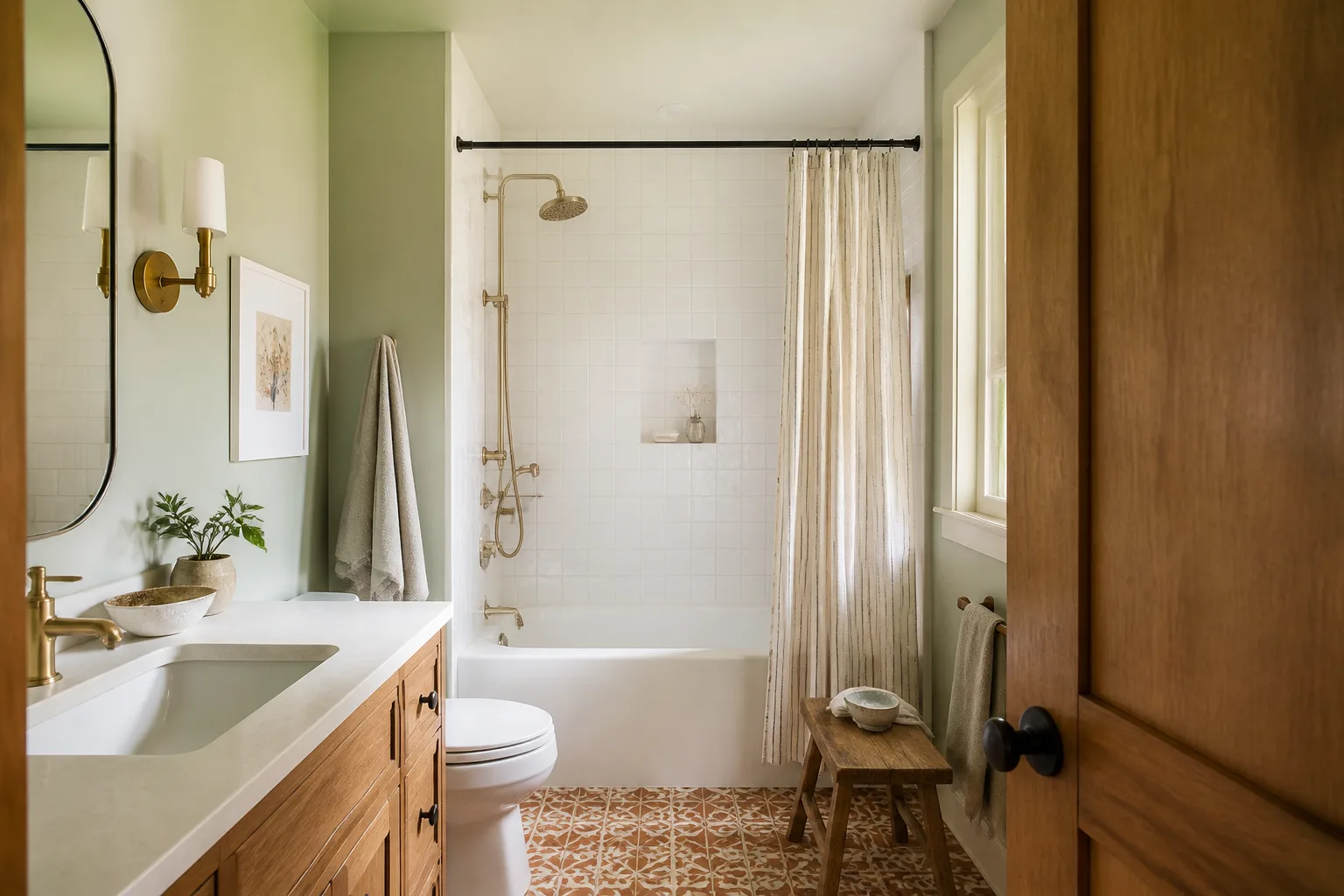
- Which fixtures, by model number? A Kohler faucet and a Moen faucet at the same price point have different valve designs and repair paths. The model number is what lets you verify you got what you paid for.
- Which exterior materials, by name? James Hardie siding and GAF roofing are names you can research before you commit.
When a contractor gives you a scope that says “comparable product” or “builder grade,” that is a blank check for substitution. In a Los Angeles market where material costs fluctuate, substitution without written approval is how a project’s quality quietly erodes. A written scope that names products is what keeps the finished kitchen from having a faucet you did not choose.
How to Read an LADBS Permit Status Online
You do not need to rely solely on a contractor’s word that inspections passed. The Los Angeles Department of Building and Safety has a public permit lookup system where anyone can enter an address and see permit status, inspection history, and any open violations. This is the single most underused tool in Los Angeles home remodeling.
Here is the step-by-step to check your own project:
- Go to the LADBS website and find the “Permit and Inspection Report” search tool.
- Enter your street address and select the permit number for your project. If you do not know the number, search by address and look for the most recent residential permit.
- Click into the permit and review the inspection log. Each inspection type – framing, electrical, plumbing, insulation, final – will show a status of “approved,” “not approved,” or “scheduled.”
- Look for a completed final inspection. A final inspection marked “approved” means LADBS has signed off. Anything less than that means the permit is still open, which matters if you ever sell the home.
In our experience, homeowners who check this once a week during a remodel sleep better than those who wait for a verbal update. You’re not being difficult. You’re confirming what was promised. Bathroom remodels in Los Angeles and kitchen projects both require plumbing and electrical inspections, and the public record will show every pass and every fail. If your contractor discourages you from looking, that is its own piece of information.
Protections Families With Kids and Pets Should Expect
Remodeling a home where children and pets live is a different job than remodeling an empty house. The work is the same. The protections are not. In our specific approach, drawn from the Cedarwell Care Promise that governs every project, those protections are named in the contract rather than implied by the handshake.
Here is what we put in writing before work starts, and what you should expect from any contractor in Los Angeles who says they can work around a family:
- Shoe covers and drop cloths on every visit – not at the end of the job, not on request. On every visit. We want the floors you already have to survive the remodel, because replacing them because we tracked in drywall dust is not part of the plan.
- Quiet tools during rest hours where possible – if your toddler naps from one to three, we schedule the hammering around that window. It is not always possible on every task, but it is always attempted.
- Pet-safe product choices where there is a choice – low-VOC adhesives, water-based finishes, and kids-and-pet-safe sealers when the project allows. We will tell you when it does not allow and why.
- A photo of the clean-up before the crew leaves – every day, not just on the final walkthrough. You get proof the site was left right, not a promise it was.
- Ask before we move or touch anything – a child’s bedroom door stays closed if that is your preference. A dog’s bed gets moved only if you tell us where it should go.
These protections cost the contractor time and attention. That is the point. The families we work with in Los Angeles are not looking for the lowest bid. They are looking for the contractor who treats the home like a home while the work is happening.
Project Cost Ranges in Los Angeles
Here are realistic cost ranges for common residential projects in Los Angeles as of 2025, drawn from The Complete Guide to Construction in Los Angeles. These reflect mid-range material selections, including the named brands we specify, and assume permits are pulled properly and inspections pass on schedule.
| Project Type | Typical Range | What Affects the Price Most |
|---|---|---|
| Bathroom remodel (full, mid-range) | $28,000 – $55,000 | Plumbing relocation, tile choice, waterproofing method (Schluter systems add cost but reduce failure risk), fixture line |
| Kitchen remodel (full, mid-range) | $45,000 – $90,000 | Cabinet line and finish, countertop material, appliance paneling, whether walls move |
| Whole-home remodel | $150,000 – $400,000+ | Square footage, structural changes, Title 24 compliance scope, hillside or fire zone requirements |
| Exterior siding (James Hardie) | $18,000 – $45,000 | Home size, fire zone overlay requirements, access difficulty |
Los Angeles pricing runs higher than national averages because of permit costs, seismic requirements, and the labor market. Some neighborhoods, including hillside communities like Mount Washington and beach-adjacent areas like Playa del Rey, carry additional grading or coastal access costs. A written price given before work starts, which is what we provide on every project, protects you from discovering those costs midway through the job.
Common Mistakes to Avoid
- Signing without a written scope that names actual products. “Kitchen remodel” is not a contract. A contract that names KraftMaid cabinets and a Kohler faucet model is a contract. Insist on the names.
- Pulling your own permits because the contractor suggested it. In Los Angeles, this is the fastest way to end up with the legal and financial liability for a project that was not done correctly. The licensed contractor pulls the permits. Full stop.
- Choosing the lowest bid without comparing scopes. When one Los Angeles contractor bids $22,000 for a bathroom and another bids $38,000, the difference is usually in the products named, the waterproofing method, and the clean-up protocol, not the profit margin. Compare scopes line by line.
- Ignoring Title 24 until inspection time. By the time a framing inspection fails on energy compliance, you have already paid for materials that may need to be swapped. Title 24 is worked into the design phase, not after demo.
- Not checking the LADBS permit status yourself. You have a public tool available to confirm inspections passed. Use it weekly. Contractors who have nothing to hide will not mind.
- Believing the project will be done in two weeks. Los Angeles permit queues add six to fourteen weeks before work even starts. Anyone promising a kitchen remodel in two weeks in this city is not including permit time, which means they are not pulling permits.
- Hiring a contractor whose crew is not background-checked. These are people in your home while your children sleep and your dog watches from the hallway. You have a right to know who they are.
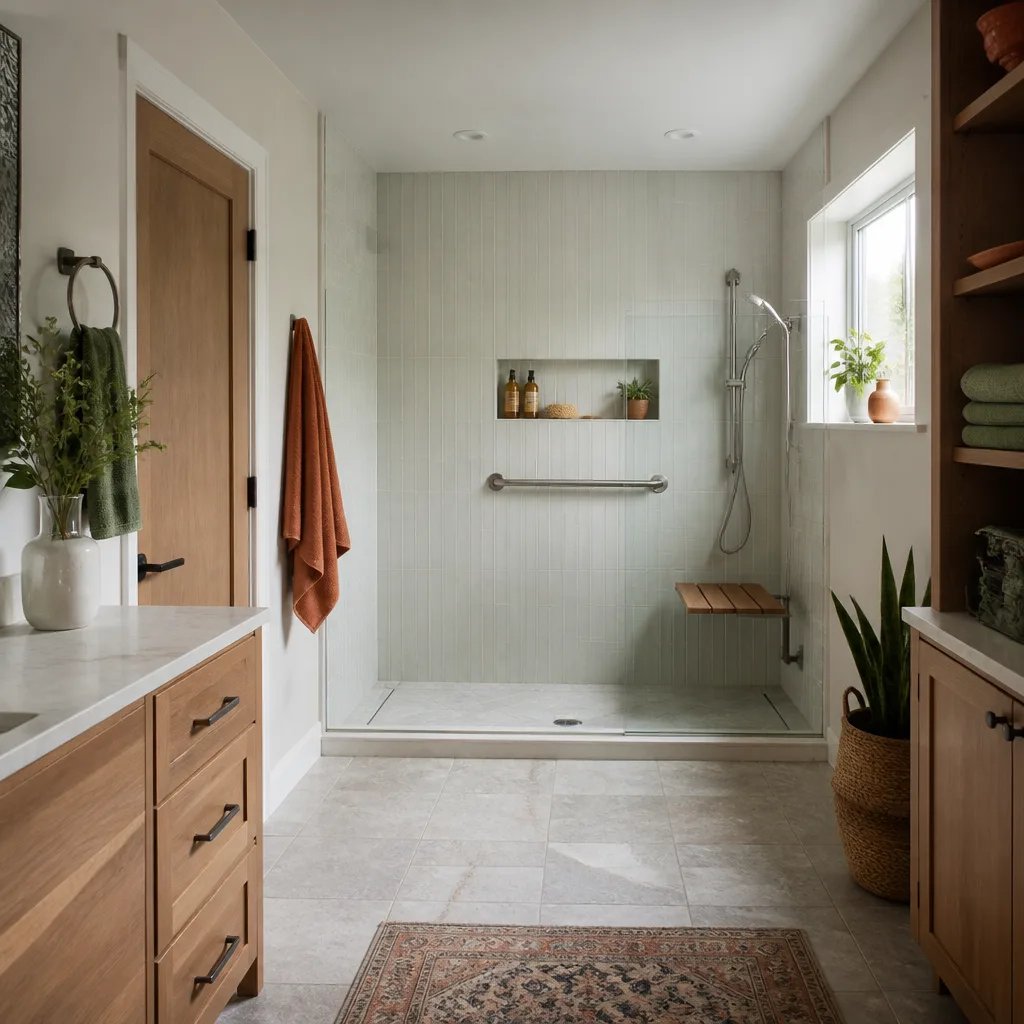
See the difference
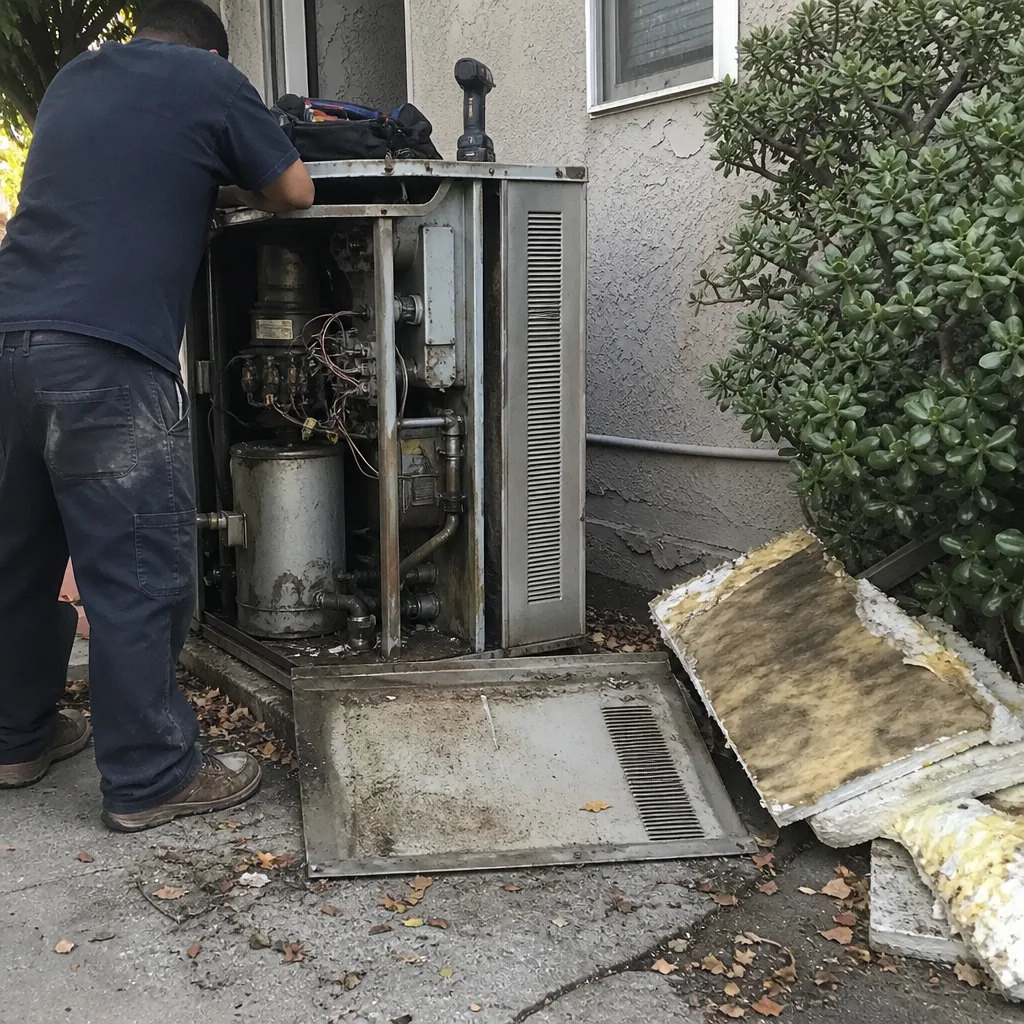 Before
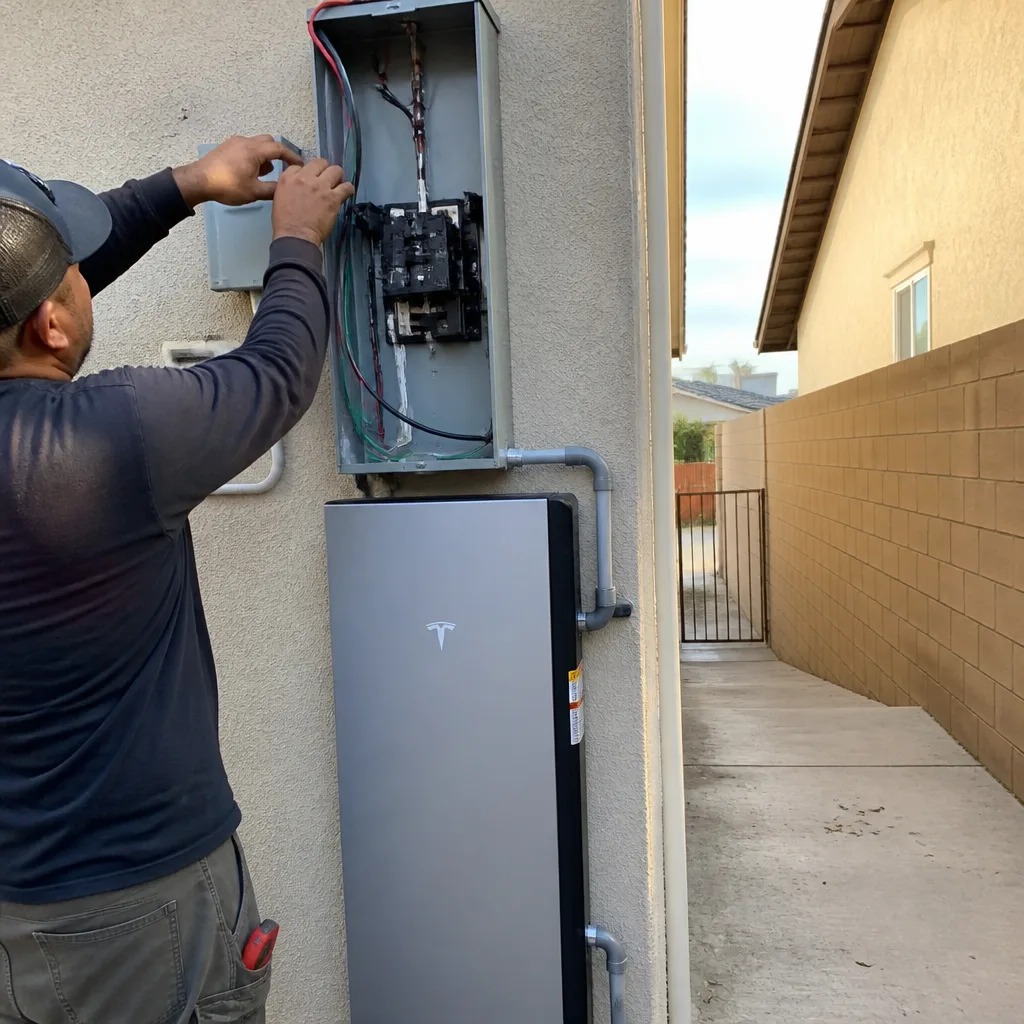 After
After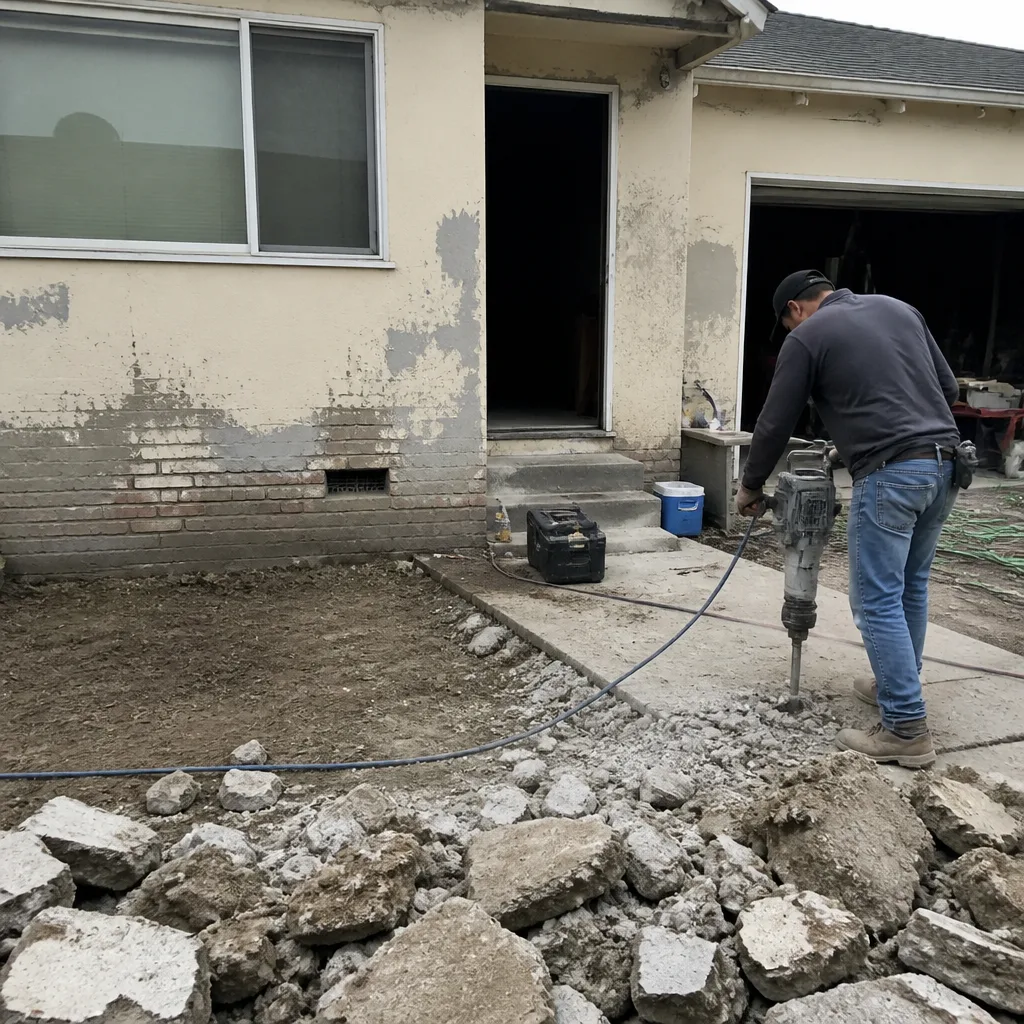 Before
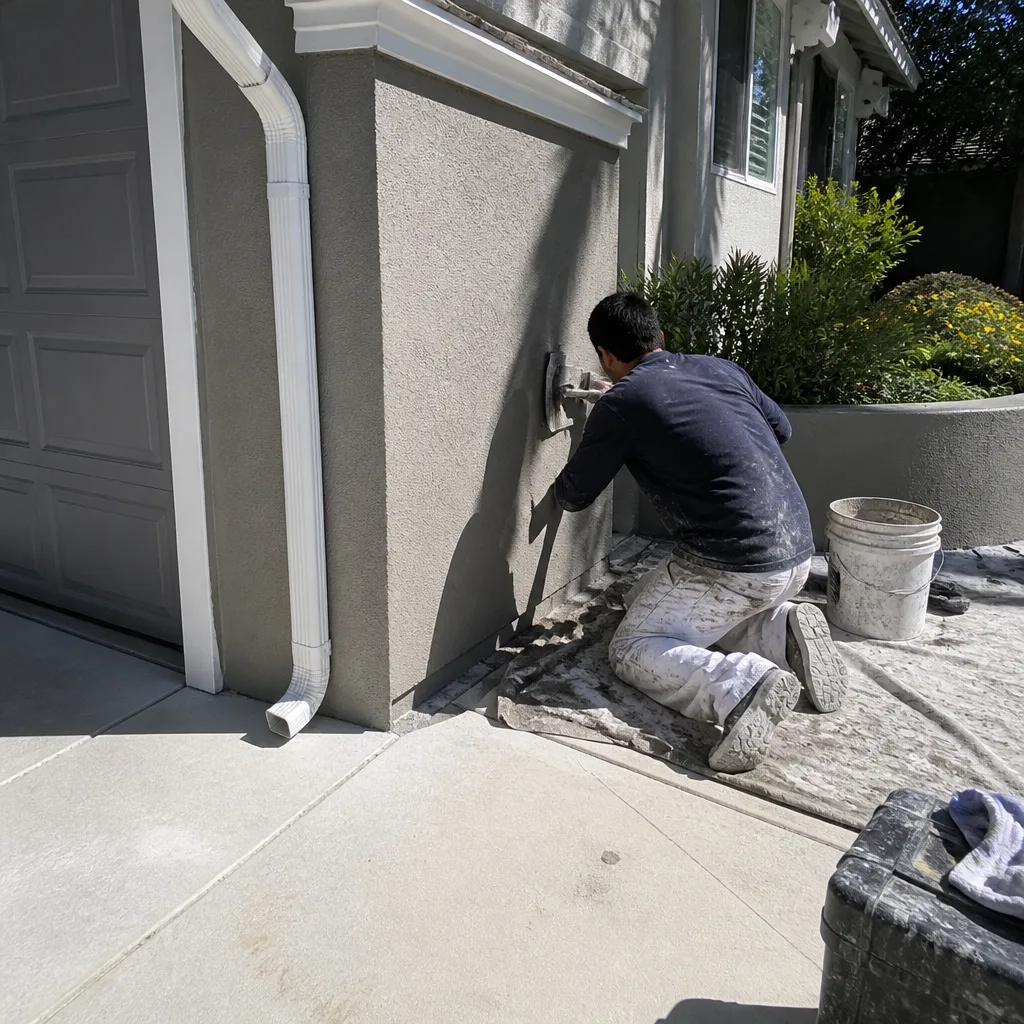 After
After Before
 After
AfterWhen to Call a Professional
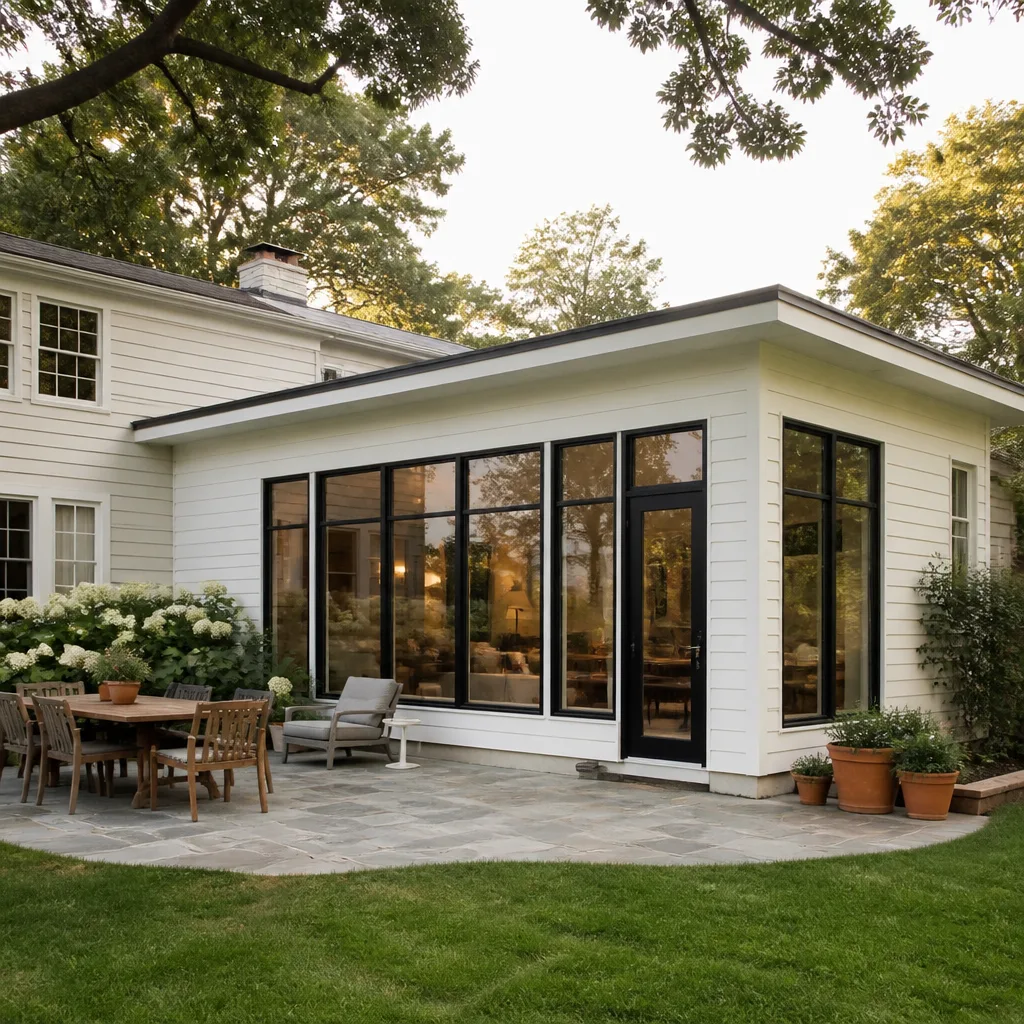
If your project involves moving a wall, changing plumbing or electrical, replacing windows, or altering the exterior envelope of your home, you need a licensed general contractor in Los Angeles. These are not weekend projects. They require permits, inspections, and coordination across trades, and the penalty for getting any of it wrong is an open permit that follows your property title for years.
For families deciding whether now is the time for a kitchen remodel in Los Angeles or a full-home update, the next step is usually a conversation about scope and budget, not a signed contract. Elmstead Remodeling offers free estimates in Los Angeles. Call (949) 850-9896 and you will speak to a live person who can schedule the walkthrough and answer the first round of questions without a sales script.
Frequently Asked Questions
Use the CSLB license lookup tool at cslb.ca.gov and search the contractor’s name or license number. Confirm the classification is “B” for General Building, the status is active, and there are no open disciplinary actions. Do this before you sign anything or pay any deposit.
Average permit processing time in Los Angeles currently runs six to fourteen weeks depending on the scope, the neighborhood, and whether hillside or fire zone overlays apply. Your contractor should be able to tell you which overlays affect your specific address and give you a realistic timeline that includes permit waiting, not one that pretends it does not exist.
No. The licensed general contractor is legally required to pull permits for work they perform. If a contractor suggests you pull your own, that is a signal that they want their name out of the LADBS system, which is not a contractor you want working in your home.
A full mid-range bathroom remodel in Los Angeles typically runs $28,000 to $55,000, depending on plumbing changes, tile selection, and waterproofing method. For an exact quote, call (949) 850-9896 and schedule a free estimate. We will give you a written price before any work starts, no change orders after the crew arrives.
Not if you have a written scope of work that names specific products and a contractor who stands behind that scope. The price changes when the scope was vague from the beginning, because vague scopes let substitutions happen. Ask for product names, model numbers, and quantities in writing before demo begins.
Go to the LADBS permit lookup tool, enter your address, and review the inspection log. Every inspection type will show a status of approved, not approved, or scheduled. A completed final inspection marked approved means the city signed off. Call (949) 850-9896 if you want help understanding what you are looking at.
The Bottom Line
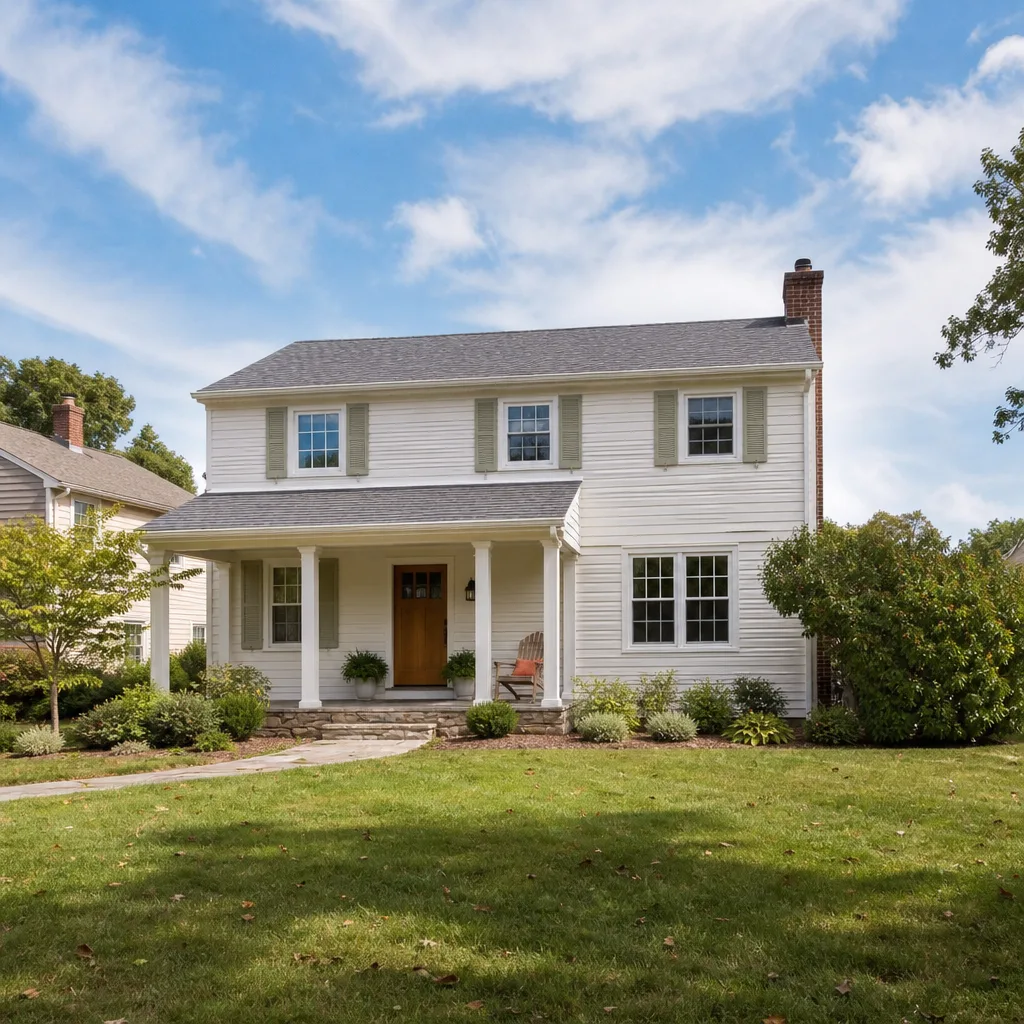
Hiring a general contractor in Los Angeles is a different process than hiring one anywhere else in the country. The CSLB license lookup, LADBS permit queues, Title 24 energy requirements, and hillside and fire zone overlays are the specific realities that shape every remodel in this city. The contractor you choose should be able to name those realities for your address, put specific products in writing before work starts, and protect your floors, your children’s quiet hours, and your pets as part of the job, not as a favor. When all of that is in place, a remodel becomes something you can plan around instead of something you just hope survives.
Written by Graham Stein, Owner at Elmstead Remodeling, serving Los Angeles since 2005.