Last updated October 8, 2026

Free written scope consultation - allowances, timeline, and change-order rules on paper before a single trade is scheduled
The Complete Kitchen Remodeling Guide for Los Angeles Homeowners
California’s Title 24 energy code requires that any permitted kitchen remodel bringing in new lighting use LED fixtures meeting specific efficacy minimums. That single requirement surprises homeowners mid-project more than almost anything else we see, and it can force a fixture return after cabinets are already hung if nobody flagged it during planning. This Kitchen Remodeling guide walks through the Los Angeles-specific variables that generic national guides miss: seismic strapping, LADBS permit triggers, coastal material behavior, and how to vet a contractor through state systems. You’ll finish with a clear picture of what your kitchen remodel in Los Angeles actually involves, what it costs, and how to sequence the work so the family keeps living in the house while it happens.
Quick Answer
A kitchen remodel in Los Angeles typically costs $35,000 to $90,000 for a full renovation, takes 6 to 12 weeks from demo to final inspection, and requires building, electrical, plumbing, and possibly mechanical permits through the Los Angeles Department of Building and Safety. The single most important early step is verifying your contractor’s CSLB license and workers’ comp coverage before signing anything. Elmstead Remodeling writes a fixed price before work starts and includes the 365-Day Done Right Promise on every kitchen project.
Styles & brands we work with
Table of Contents
- Los Angeles Kitchen Remodel Permits: What LADBS Actually Requires
- What a Kitchen Remodel Costs in Los Angeles in 2026
- Seismic Requirements: Cabinet Blocking and Appliance Strapping
- Title 24 Energy Compliance for Los Angeles Kitchens
- Material Decisions for LA’s Climate: Ventilation, UV, and Coastal Air
- HOA and Condo Board Approval Timelines in LA
- How to Vet a Los Angeles Kitchen Remodeling Contractor
Los Angeles Kitchen Remodel Permits: What LADBS Actually Requires
The Los Angeles Department of Building and Safety (LADBS) treats a kitchen remodel as a collection of separate permit types, not one umbrella filing. Knowing which permits your project triggers determines your timeline, your inspection schedule, and whether your contractor is being straight with you. A contractor who says “we don’t need permits for this” on a job that clearly involves moving a sink or adding circuits is asking you to carry the risk if something fails later.
Here is how LADBS breaks it down for a typical Los Angeles kitchen remodel:
- General building permit: Required when you alter walls, change window or door openings, add soffits, or modify any structural element. If you’re knocking down a wall between the kitchen and dining room, this is non-negotiable.
- Electrical permit: Required for any new circuits, panel work, added outlets, or new hardwired fixtures. A kitchen remodel almost always triggers this because current code requires GFCI protection and a minimum number of dedicated circuits that older LA kitchens rarely meet.
- Plumbing permit: Required if you move a sink, relocate a gas line for a range, add a pot filler, or change the dishwasher location. Even relocating a sink 12 inches triggers this.
- Mechanical permit: Required for ventilation changes, including installing or replacing a range hood, moving a duct run, or adding a makeup air unit.
In practice, a full kitchen remodel in Los Angeles files all four permits, or files a building permit with the electrical, plumbing, and mechanical work listed as sub-permits. The fees run roughly $1,500 to $4,000 depending on project valuation and the number of inspections LADBS schedules. Inspections happen at rough-in (after framing and rough electrical/plumbing are visible but before drywall) and at final, after everything is installed. We’ve found that homeowners who understand this sequence are far less surprised when the inspector shows up at what feels like an inconvenient moment mid-project.
What a Kitchen Remodel Costs in Los Angeles in 2026
Los Angeles kitchen remodel pricing runs higher than national averages for three reasons: seismic retrofit requirements, Title 24 compliance labor, and the fact that many LA homes were built before 1980 and need electrical panel upgrades before new circuits can be added. See our Construction Cost Breakdown: The Los Angeles Homeowner’s Reference for 2026 for deeper numbers. A 200-square-foot kitchen in a 1940s Mid-Wilshire bungalow carries different costs than the same footprint in a 2005 Sherman Oaks spec house.
Here are realistic ranges for the Los Angeles market as of early 2026:
- Light refresh (no layout change): $18,000 – $30,000. Cabinet refacing or repainting, new countertops, new fixtures, new sink and faucet, new lighting. No permit-heavy work if the footprint stays identical.
- Mid-range full remodel: $35,000 – $60,000. New semi-custom cabinets, quartz or natural stone countertops, new appliances, modest layout changes, LADBS permits with inspections, Title 24 compliant lighting.
- Full gut renovation with layout change: $65,000 – $90,000+. Walls come down, plumbing and electrical get fully overhauled, custom cabinetry, higher-end appliances, possibly a panel upgrade to 200 amps.
- Luxury kitchen with custom details: $100,000+. Fully custom cabinets, specialty stone, imported fixtures, appliance packages from Sub-Zero/Wolf or similar, structural work.
We write a fixed price before any work starts and that price does not move once the crew arrives unless you change the scope. The 365-Day Done Right Promise covers the completed project, so if something fails within a year of final inspection, we fix it. No change order games, no allowances that mysteriously get exhausted. That’s the Cedarwell Care Promise standard for every kitchen we build in Los Angeles.
Seismic Requirements: Cabinet Blocking and Appliance Strapping
California Residential Code (CRC) has specific requirements for upper cabinet installation and appliance anchoring that many national guides skip entirely. In Los Angeles, this is not optional documentation; LADBS inspectors check for it, and the inspection will fail if blocking is missing or strapping is absent.
- Upper cabinet blocking: CRC requires that wall cabinets be anchored into solid blocking inside the wall, not into drywall anchors. This means opening the wall behind the cabinet run to install 2x blocking at the cabinet hanging height, then re-drywalling. It adds two to three days to the framing/rough-in phase and roughly $1,000 to $2,500 to the budget, depending on run length. A contractor who skips this is creating a hazard in an earthquake: an underseated upper cabinet can shear off the wall.
- Appliance strapping: Free-standing gas ranges must be anchored with an anti-tip bracket into the floor or wall. Water heaters in or near the kitchen (common in older LA homes where the water heater lives in a kitchen closet) must be double-strapped at the top and bottom thirds. The anti-tip bracket is mandatory at final inspection, and the inspector will test it.
- Existing conditions: If your upper cabinets show signs of pulling away, loose fasteners, or previous retrofits that look flimsy, the remodel is the moment to bring everything into compliance. We tell homeowners this directly: the remodel is your opportunity to make overhead storage safe, not just prettier.
In our experience, the blocking conversation is where we earn or lose trust. It’s invisible work that adds cost. But when we explain what an unblocked cabinet does in a 6.0, the question stops being “can we skip it” and becomes “when do you install it.”
Title 24 Energy Compliance for Los Angeles Kitchens
California’s Title 24 Part 6 energy code governs lighting, ventilation, and sometimes envelope changes in any permitted kitchen remodel. The requirements are specific, and they filter into material and fixture selection in ways homeowners don’t expect.
- Lighting: Any new hardwired fixture in a kitchen must be high-efficacy LED. That means a minimum of 40 lumens per watt for most fixtures, or the fixture lives on a mandatory occupancy or vacancy sensor. Recessed cans, under-cabinet strips, pendants over an island – all must comply. If the fixture you ordered is incandescent or low-efficacy halogen, the inspector will flag it at final and you’ll be replacing fixtures.
- Ventilation: Title 24 sets minimum airflow for kitchen exhaust. Local exhaust must move at least 100 CFM intermittently or achieve 5 air changes per hour for continuous operation. A gas range makes this stricter, because combustion byproducts need to leave the house. We specify a hood with at least 400 CFM for any standard 30-inch gas range in an LA kitchen, and a makeup air discussion happens if the home is tightly sealed (common in newer builds and energy retrofits).
- Envelope considerations: If the remodel opens exterior walls or replaces windows, Title 24 triggers insulation and air-sealing requirements for those surfaces in many climate zones. Los Angeles spans several climate zones, so the exact requirement depends on the home’s location.
Failing Title 24 compliance means failing final inspection. A good contractor in Los Angeles knows the code and designs around it from the first plan set. A careless one figures it out when the inspector is standing in the kitchen with a checklist.
Material Decisions for LA’s Climate: Ventilation, UV, and Coastal Air
Los Angeles is not one climate. It’s a patchwork of coastal marine layers, inland valley heat, and hillside sun exposure. Material choices that work in Westchester fail in Woodland Hills. Here’s what actually matters.
Finish durability under UV: Coastal kitchens in Santa Monica and Pacific Palisades get direct morning light with high UV, even through windows. Catalyzed conversion varnish on cabinetry holds up better in those rooms than standard lacquer, which can discolor unevenly over ten years. Inland valley kitchens in Sherman Oaks or Encino deal with heat cycling and low humidity, which means solid wood doors and drawer fronts need proper acclimation before installation or joints will open in the first dry winter.
Grout sealer near the coast: In homes within two miles of the ocean, airborne salt and persistent moisture mean unsealed or poorly sealed grout degrades faster and grows mineral staining. We specify a penetrating sealer on all grout lines in coastal kitchens and we recommend re-sealing annually in beach-adjacent homes. Ten miles inland, you can go three to five years between seals.
Ventilation sizing: LA’s marine layer means outdoor humidity lingers more than people expect. A range hood that’s undersized for a gas range will push moisture and combustion byproducts into the kitchen and adjacent rooms. For a 36-inch pro-style range, we spec 600 CFM minimum with a proper makeup air strategy. The Port of Long Beach supply chain also means lead times for European appliances can run 12 to 20 weeks, so order early.
Countertop selection: Quartz from Cambria or Silestone handles UV better than many natural stones and doesn’t require the annual sealing that marble or granite does. In a bright LA kitchen with big windows, quartz is usually the practical recommendation unless the homeowner specifically wants natural stone and accepts the maintenance.
HOA and Condo Board Approval Timelines in LA
If you live in a condo in downtown Los Angeles, a co-op in Miracle Mile, or an HOA-governed townhome in Playa Vista, your kitchen remodel has an approval step that single-family homeowners skip. The HOA or condo board needs to sign off before LADBS will process permits, and the timeline is not in your contractor’s control.
Here’s the typical sequence for an HOA kitchen remodel in Los Angeles:
- Review your CC&Rs: Check for restrictions on plumbing relocations, structural changes, work hours, and required contractor documentation. Some LA buildings require the contractor to present a CSLB license and an insurance certificate naming the HOA as an additional insured.
- Submit plans to the board or management company: Include the LADBS permit package and a scope-of-work summary. Boards in LA typically meet monthly, so this step can add 30 to 45 days if you miss a meeting cycle.
- Board review and architectural committee sign-off: The committee may request revisions, especially for anything visible from common areas or affecting shared plumbing stacks. Give them what they ask for in writing.
- File permits with LADBS: Only after board approval is in hand. Some buildings require a copy of the board approval as part of the permit application.
Plan for HOA approval to add 4 to 8 weeks to your project before demolition starts. A kitchen remodel in an LA condo also carries work-hour restrictions, often 8am to 5pm weekdays with no weekend work, and elevator scheduling requirements for moving materials. We’ve worked in enough downtown LA and Miracle Mile buildings to know that the building management’s rules are as important as the city’s.
How to Vet a Los Angeles Kitchen Remodeling Contractor
The difference between a kitchen remodel that finishes on the written price and one that spirals almost always comes down to contractor vetting. In Los Angeles, you have better state systems for this than most states offer. Use them.
- Check the CSLB license: Go to cslb.ca.gov and look up the contractor’s license number. Confirm the license is active, the classification matches the work (General Building “B” for most kitchen remodels), and the license hasn’t been suspended. Check the complaint history right on the same page – CSLB publishes disciplinary actions publicly.
- Verify workers’ comp coverage: Ask for a current workers’ compensation certificate and confirm it covers the actual crew who will work in your home. If a contractor has no workers’ comp, an injured worker can file a claim against your homeowner’s insurance. This is not a theoretical risk in Los Angeles.
- Look at the bonding and insurance: A contractor’s liability insurance should be current. Bonding protects you if the contractor fails to complete the job per the contract terms. Both are checkable by calling the carrier directly.
- Ask about subcontractor vetting: In LA, kitchen remodels typically involve licensed plumbing and electrical subcontractors. Ask who they use, and whether those subs are also licensed, insured, and background-checked. At Elmstead Remodeling, everyone who walks through your door is a background-checked, uniformed technician. You know exactly who is in your home because the name on the shirt matches the name on the work order.
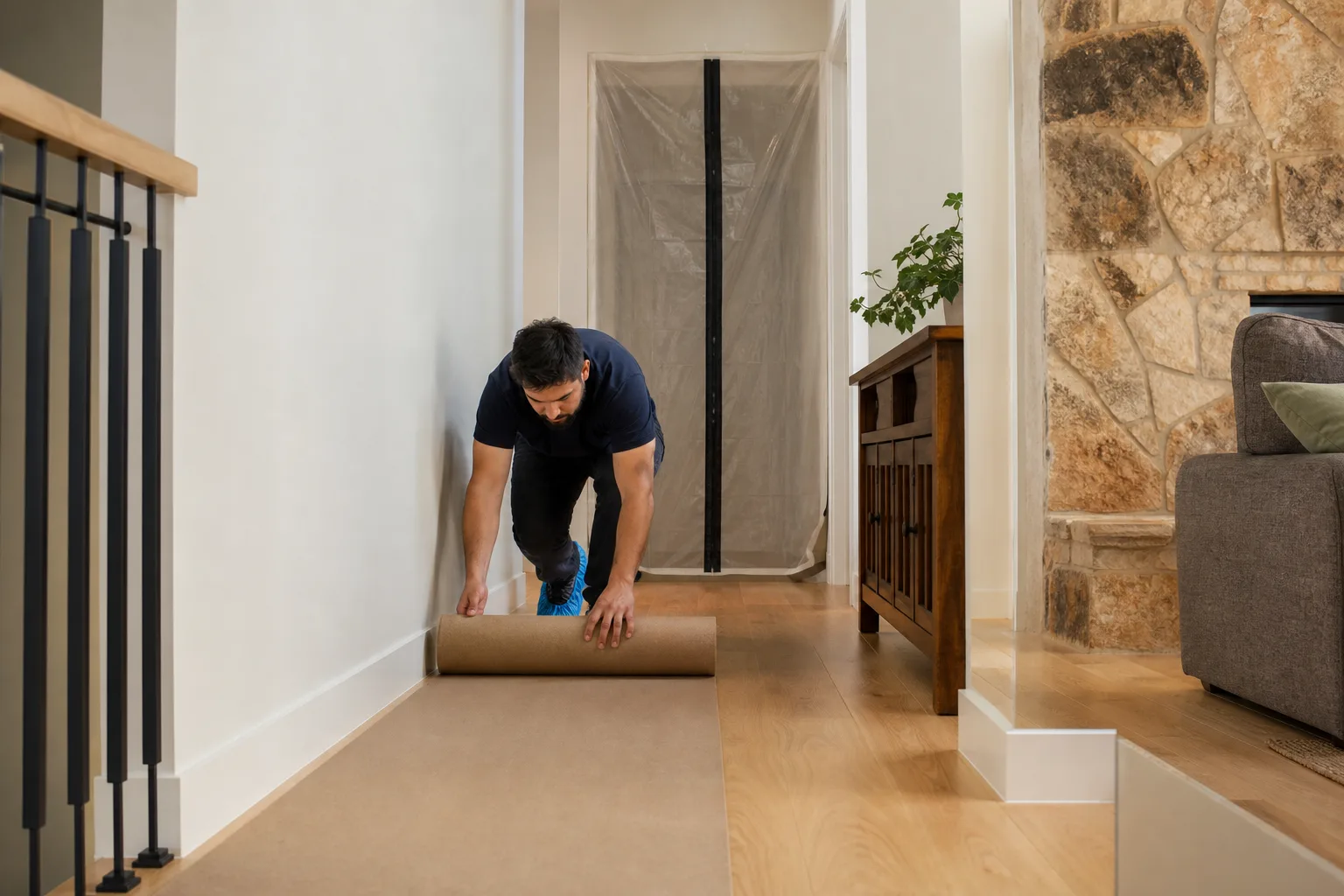
We write a fixed price before any work starts and that price includes the drop cloths, the shoe covers, the quiet tools during nap hours, and the photo of the clean-up we send before the crew leaves. The written price is not an estimate that grows. It’s the price. That’s the Cedarwell Care Promise standard, and it applies to every kitchen remodel we build as a General Contractor in Los Angeles.
Common Mistakes to Avoid
- Ordering light fixtures before confirming Title 24 compliance. Your fixture then arrives, gets installed, and fails inspection. Check the lumen-per-watt rating before you buy, or let your contractor spec the fixtures and trust that they know the code.
- Skipping the LADBS permit because the contractor says it’s “not needed.” If walls move, circuits are added, or plumbing relocates, permits are needed. An unpermitted remodel becomes a disclosure problem when you sell, and it can void some homeowner’s insurance claims.
- Not checking the CSLB license and complaint history before signing. It takes six minutes online and can prevent years of trouble. Do it before the contract, not after.
- Planning around national lead times instead of Port of Long Beach realities. European appliances and some custom materials route through ports and can sit. Order early and have a plan for the temporary kitchen during any gap.
- Choosing the lowest bid for a kitchen remodel in Los Angeles. The low bid usually means someone is cutting labor quality, permit scope, or both. A kitchen is permanently installed; the price difference amortizes over fifteen years.
- Ignoring the HOA timeline for a condo remodel. If you start planning in May and the board meets monthly, ground-breaking in July is optimistic. Start board approval first, then permits.
- Underestimating the family disruption. A kitchen remodel takes your primary cooking space offline for 6 to 12 weeks. Set up a temporary kitchen before demo day, or the first week in the house will be harder than it needs to be.
See the difference
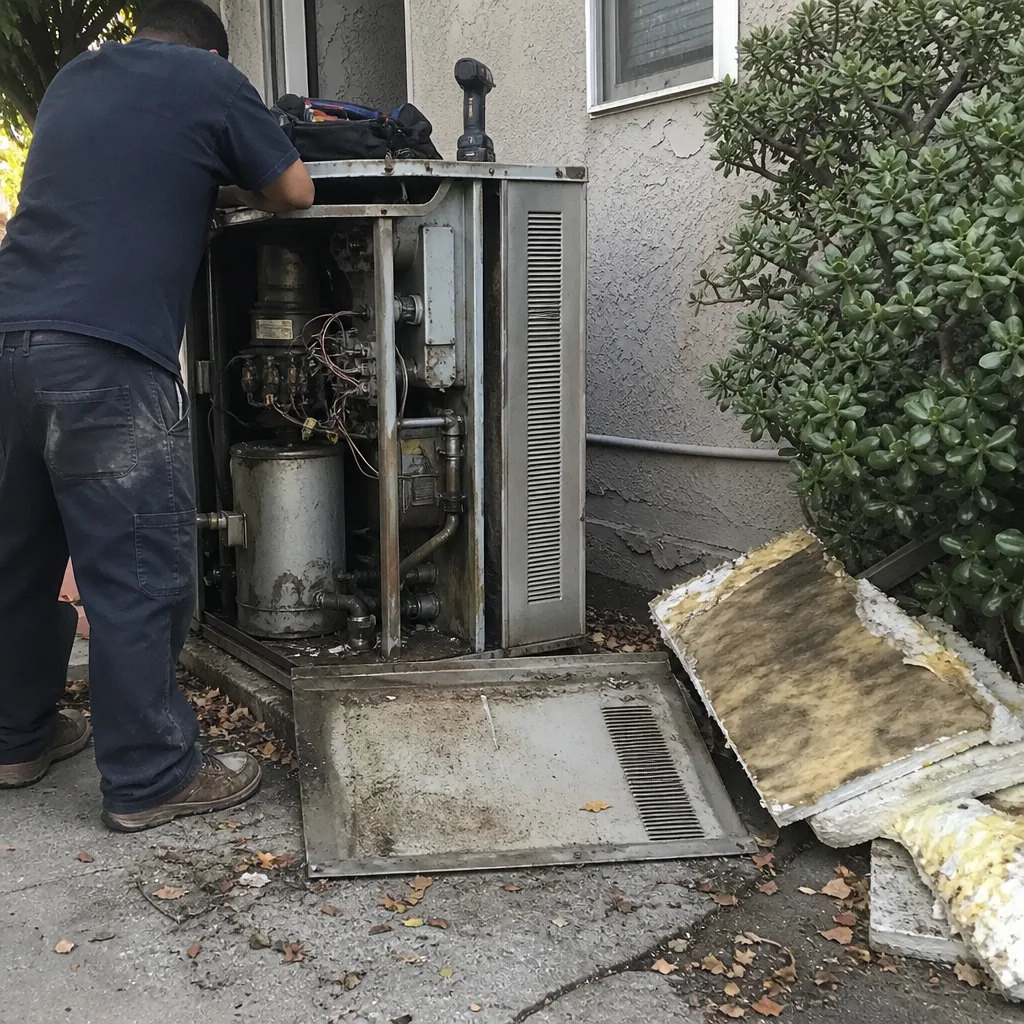 Before
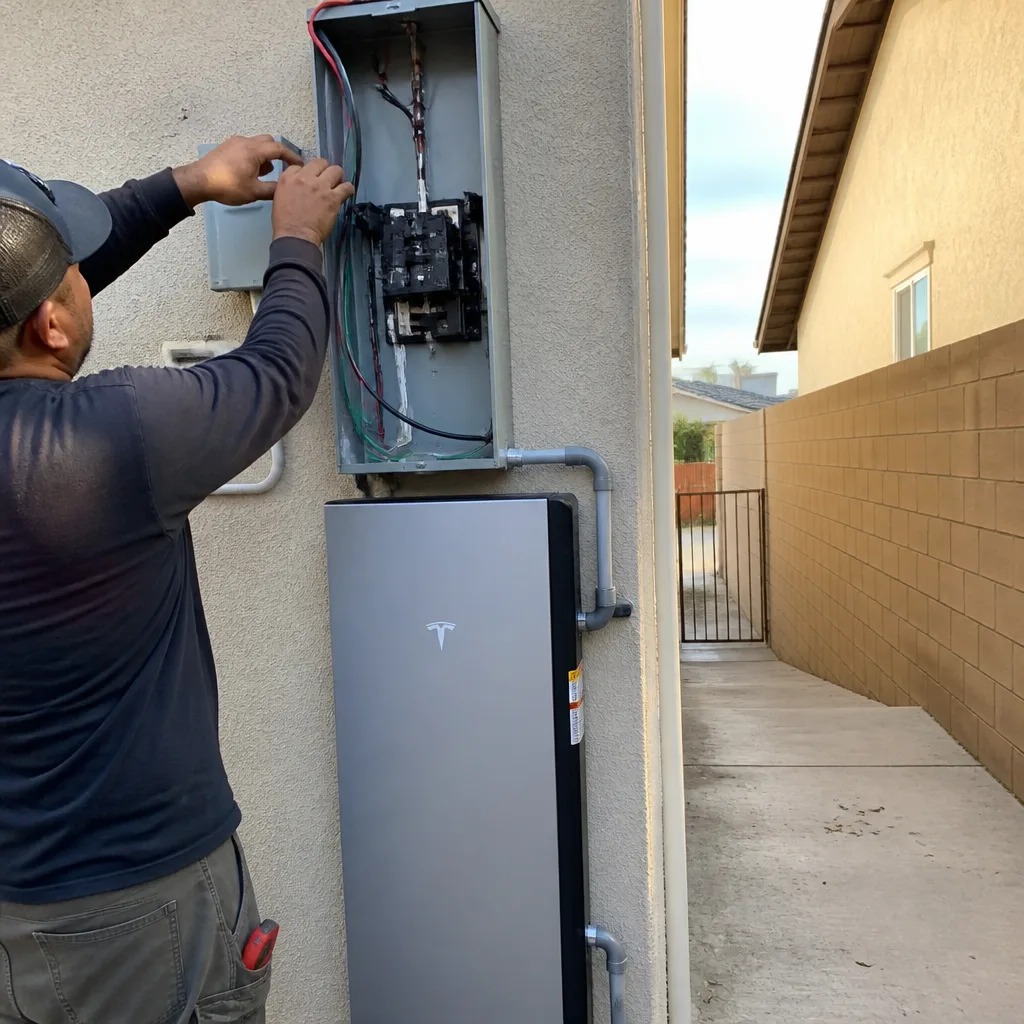 After
After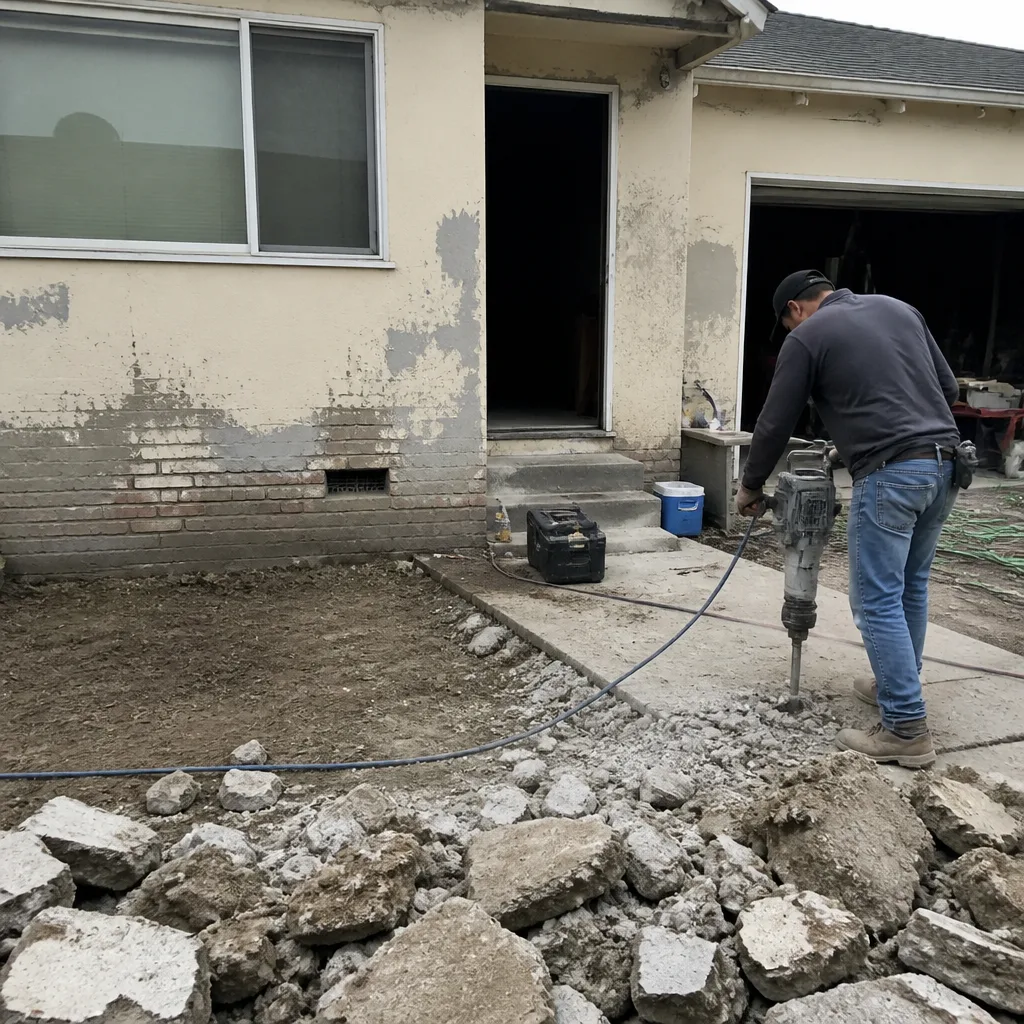 Before
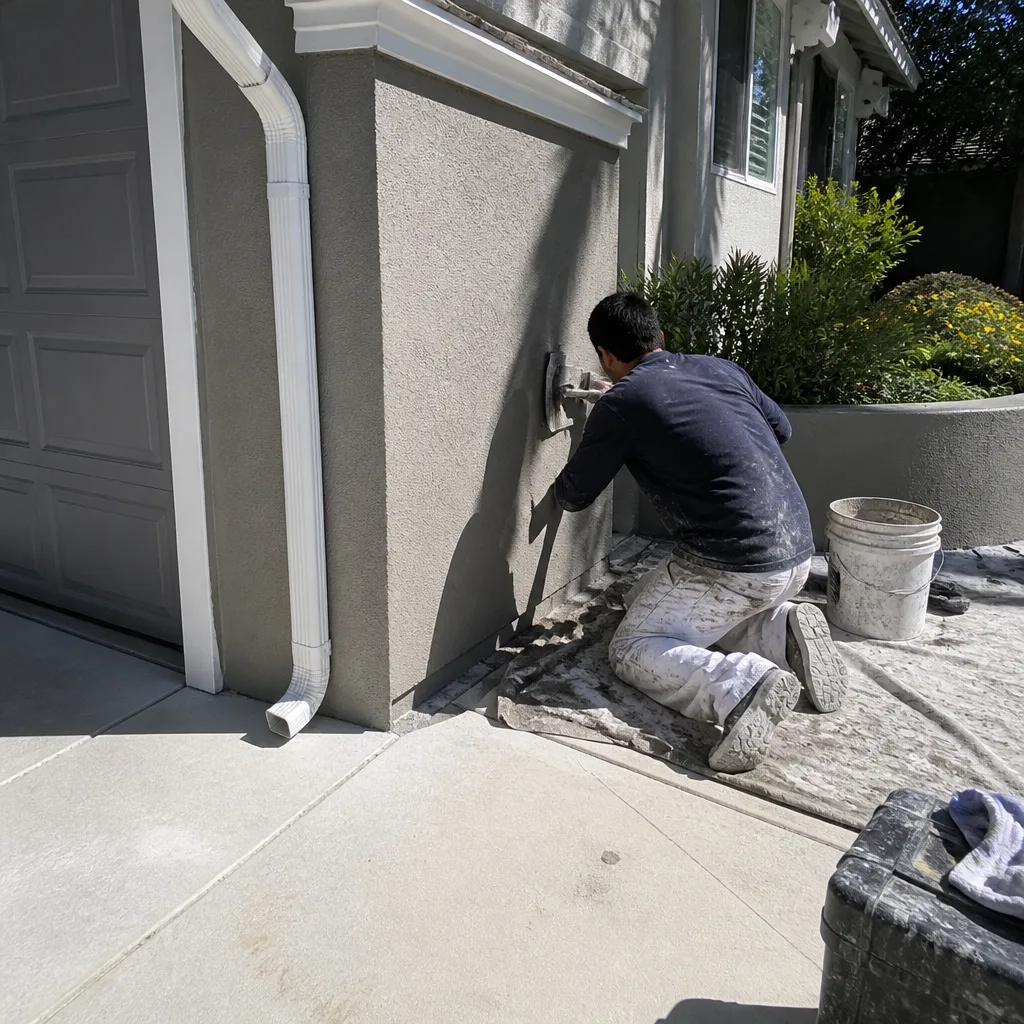 After
After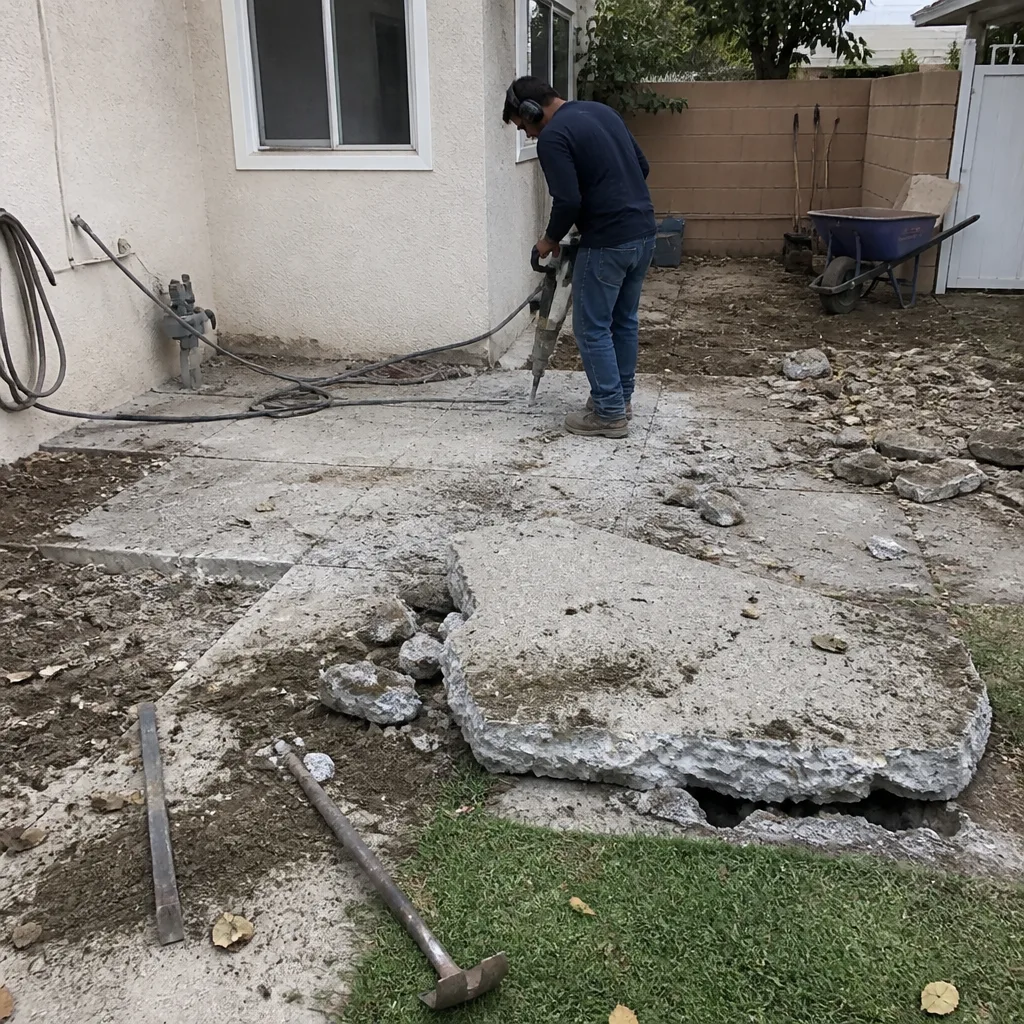 Before
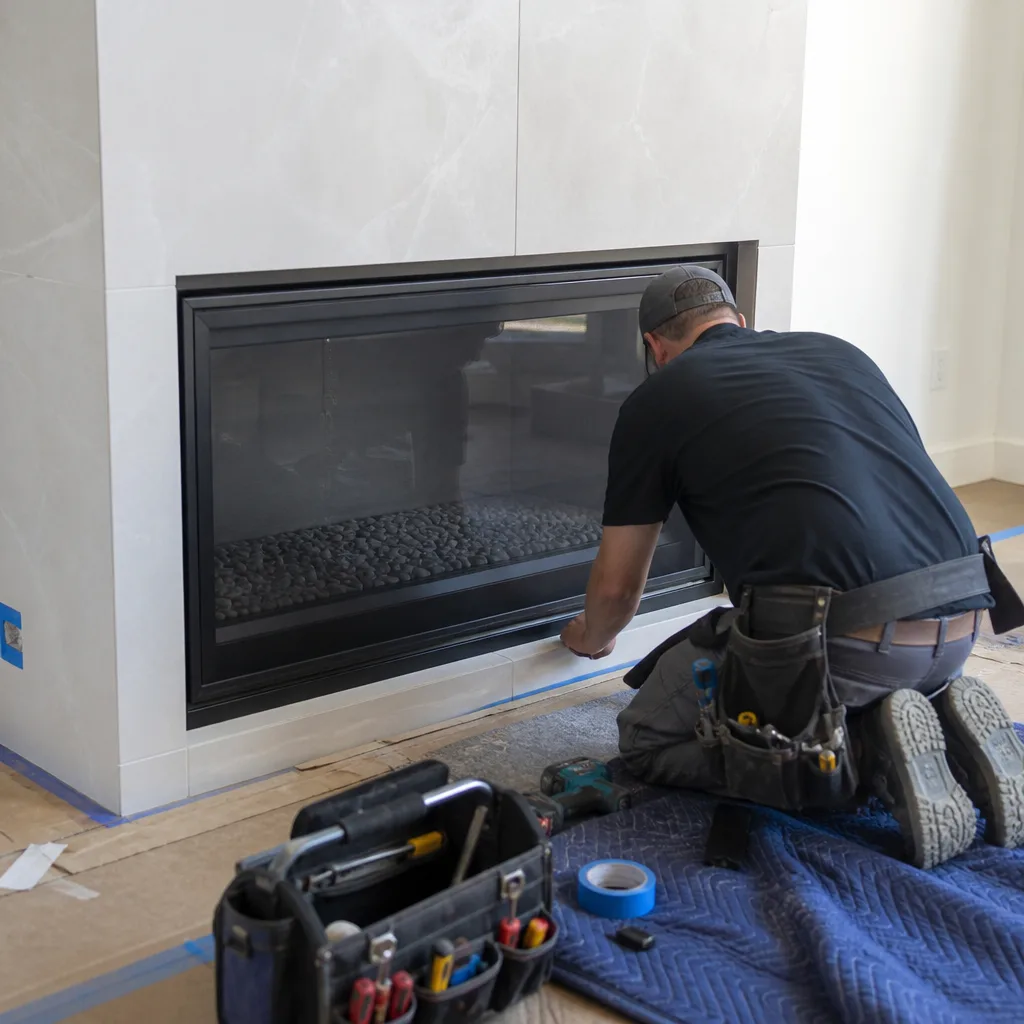 After
AfterWhen to Call a Professional
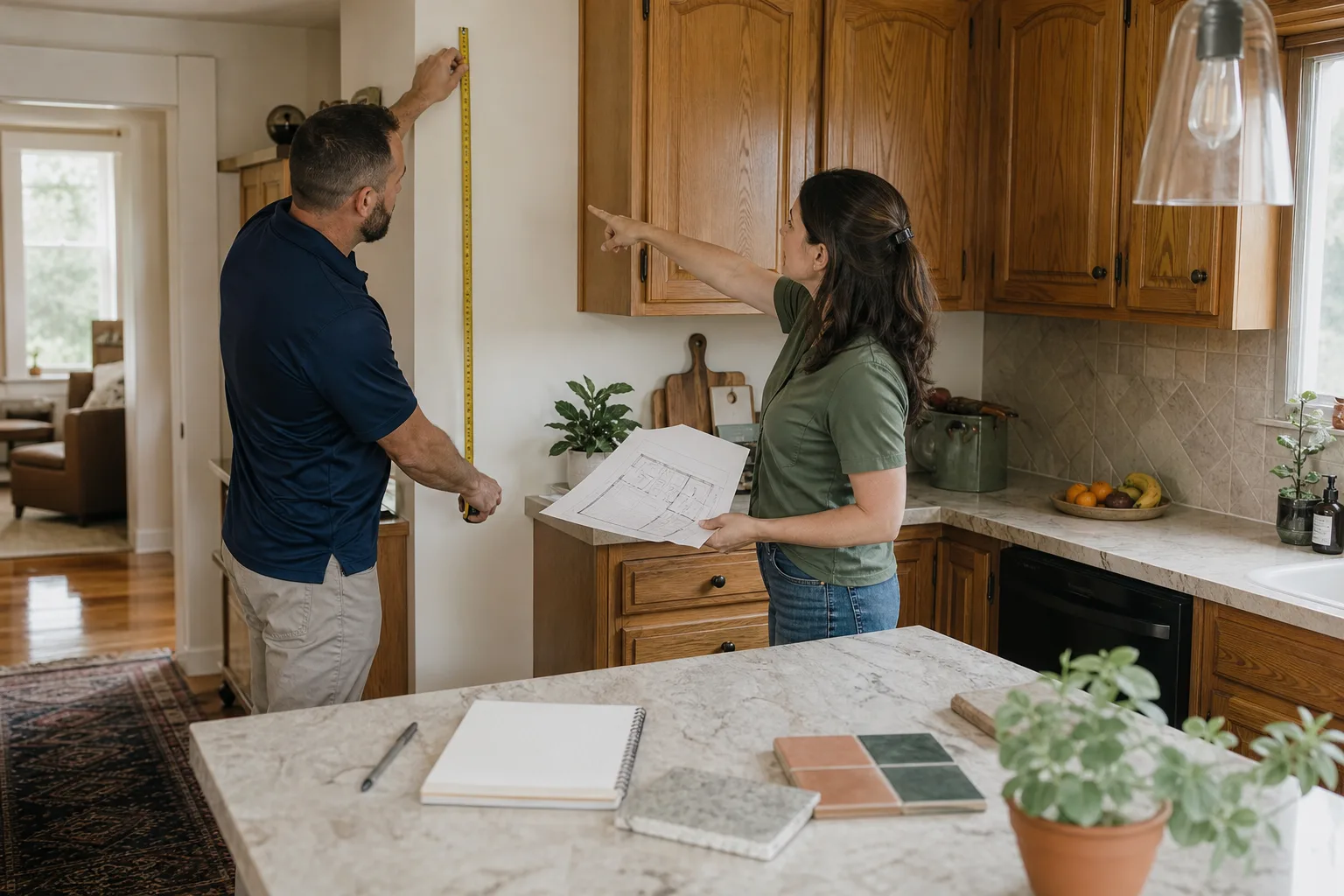
A kitchen remodel that involves any structural change, plumbing relocation, electrical panel work, or Title 24 lighting compliance is not a weekend project. For more guides & resources, explore our blog. If your plan includes moving a sink, adding a gas line, relocating circuits, removing a wall, or installing upper cabinets that need seismic blocking, call a licensed general contractor before you start opening walls. The professional who knows LADBS inspection schedules and Title 24 specifics will keep the project moving through approval and final sign-off. Elmstead Remodeling offers free estimates in Los Angeles – call (949) 850-9896 and the crew will come out, walk the kitchen with you, and write a fixed price before any work starts.
Frequently Asked Questions
A full kitchen remodel in Los Angeles ranges from $35,000 to $90,000 depending on layout changes, cabinet grade, and appliance selection; a light refresh starts around $18,000 and a luxury custom kitchen runs $100,000 plus. We write a fixed price before work starts and that number does not change unless you change the scope, which is how the Cedarwell Care Promise works. Call (949) 850-9896 for an exact written quote after a walkthrough – estimates are free.
Yes, a kitchen remodel in Los Angeles requires an LADBS building permit if you alter walls, plus electrical, plumbing, or mechanical permits if you move circuits, relocate a sink or gas line, or change ventilation. Some light refreshes that keep the exact same footprint and fixtures may only need an electrical permit for lighting changes. A licensed contractor will file the correct permits before work starts.
Title 24 is California’s energy code, and for a kitchen remodel it means new hardwired lighting must be high-efficacy LED meeting minimum lumens-per-watt standards, and kitchen exhaust must meet minimum airflow requirements. Fixtures that don’t comply will fail final inspection. A contractor who designs around Title 24 from the first plan set saves you from reorders and inspection failures.
A full kitchen remodel in Los Angeles takes 6 to 12 weeks from demolition to final LADBS inspection, with HOA approval adding 4 to 8 weeks in condo buildings before permits are even filed. Appliance lead times through Port of Long Beach distribution can push material arrival dates, so order early. Your contractor should give you a schedule in writing before work starts.
Yes, California Residential Code requires upper cabinets to be anchored into solid blocking inside the wall, not into drywall anchors, and free-standing gas ranges need anti-tip brackets installed at final inspection. An LADBS inspector checks for both. A professional remodel is the opportunity to bring existing overhead storage into compliance, not just the new cabinets.
Yes, most families live in the home during a Los Angeles kitchen remodel, but plan a temporary kitchen before day one: a microwave, a small fridge, a folding table for prep, and paper plates get you through the 6 to 12 weeks. The crew should protect the rest of the house with drop cloths and shoe covers on every visit. At Elmstead Remodeling, we send a photo of the clean-up before the crew leaves every day, so you know the house was left right.
The Bottom Line
A kitchen remodel in Los Angeles is a different project than the same remodel in Ohio or Texas. You’re working with LADBS permit sequencing, seismic blocking requirements, Title 24 lighting and ventilation compliance, HOA timelines in condo buildings, and material choices tuned to LA’s split climate of coastal marine air and inland heat. Vet your contractor through the CSLB system, get the permits filed properly, and insist on a fixed written price before any work starts. Elmstead Remodeling’s Elmstead Remodeling home team has built Kitchen Remodeling in Los Angeles projects across the city and handles Bathroom Remodeling in Los Angeles with the same written-price and 365-Day Done Right Promise. Call (949) 850-9896 for a free estimate and a written price on your kitchen, no surprises attached.
Written by Graham Stein, Owner at Elmstead Remodeling, serving Los Angeles since 2005.