Last updated October 8, 2026
Free written scope consultation - allowances, timeline, and change-order rules on paper before a single trade is scheduled
Construction Cost Breakdown: The Los Angeles Homeowner’s Reference for 2026
The kitchen remodel that came in $18,000 over budget in a 2024 Los Angeles homeowner survey didn’t blow the number on cabinets or countertops. It blew it on a $4,200 plumbing relocation, a $3,100 electrical panel upgrade, and a $2,800 permit fee that the original allowance-based bid never mentioned. This guide walks through every major line item in a Los Angeles construction project, names the brand-tier decisions behind each one, and shows where a written price protects your family and where it doesn’t.
Quick Answer
A mid-range kitchen remodel in Los Angeles runs $55,000 to $90,000 in 2026, a bathroom $28,000 to $48,000, and a room addition $180,000 to $320,000. The single biggest driver of cost overrun is the allowance line item, where a contractor writes a placeholder number for tile, fixtures, or cabinets and the final invoice lands wherever the homeowner’s actual selections do. A written, named-brand price before work starts removes most of that exposure.
Styles & brands we work with
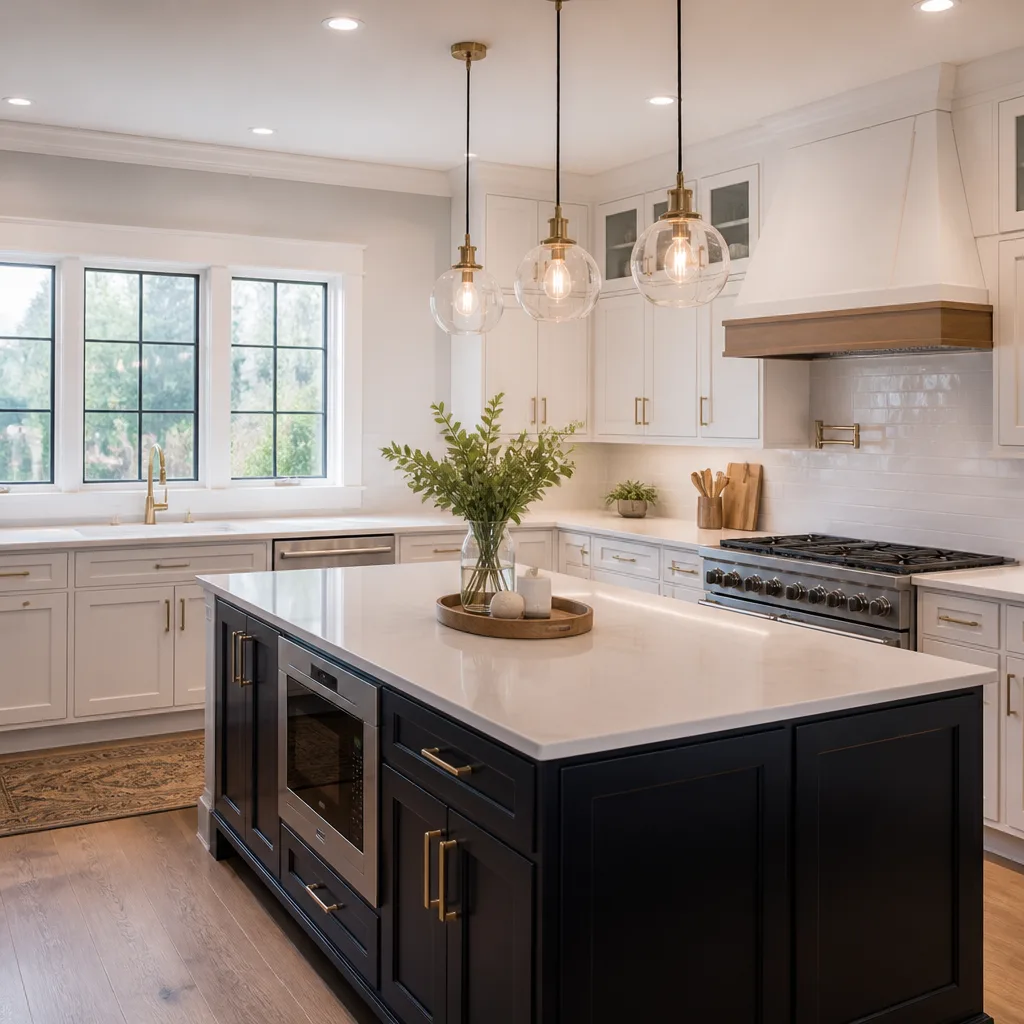
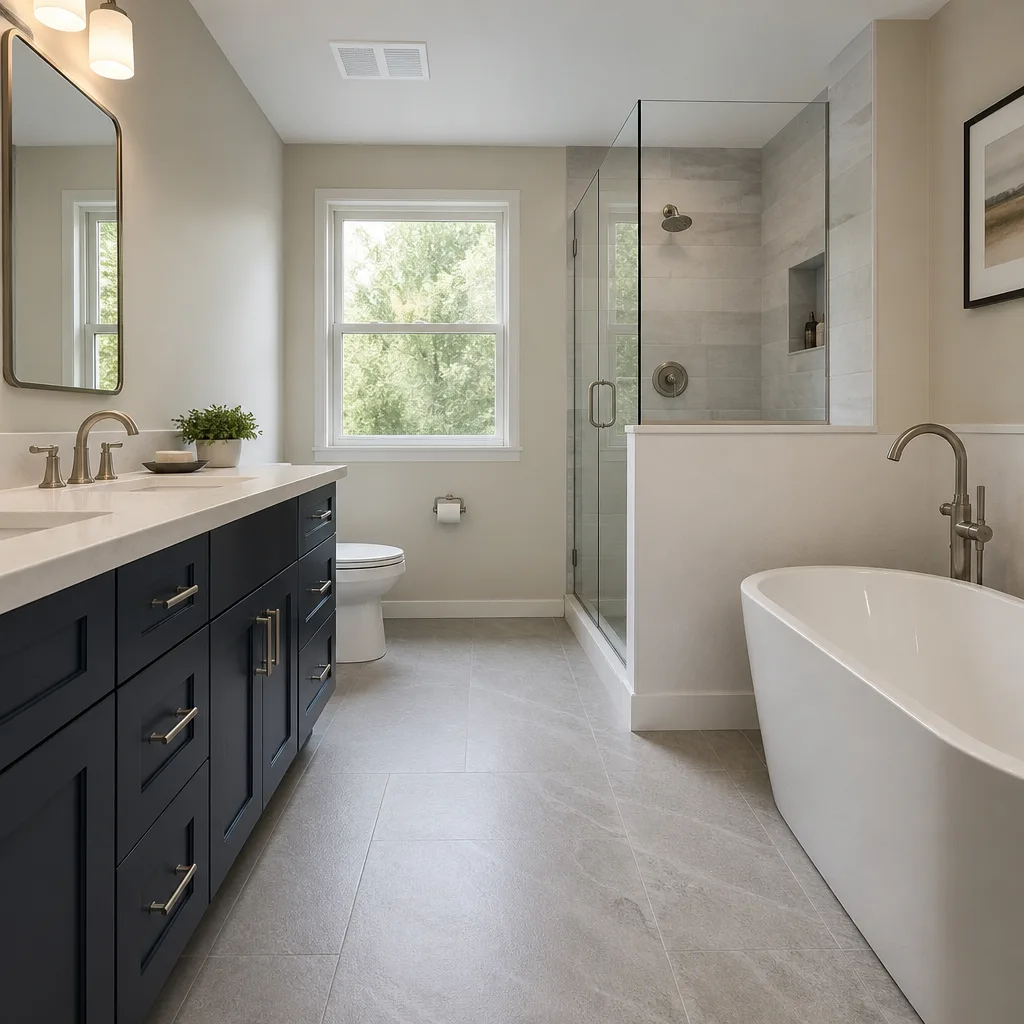
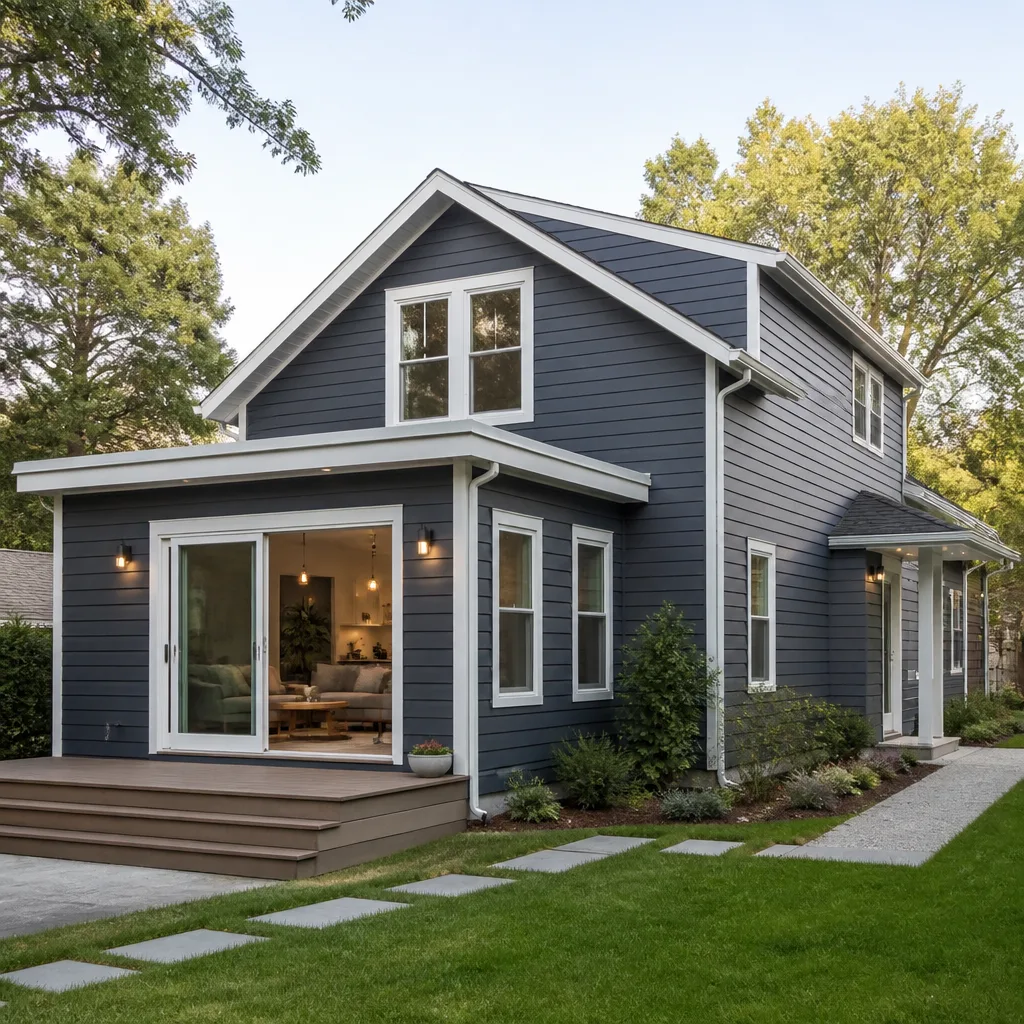
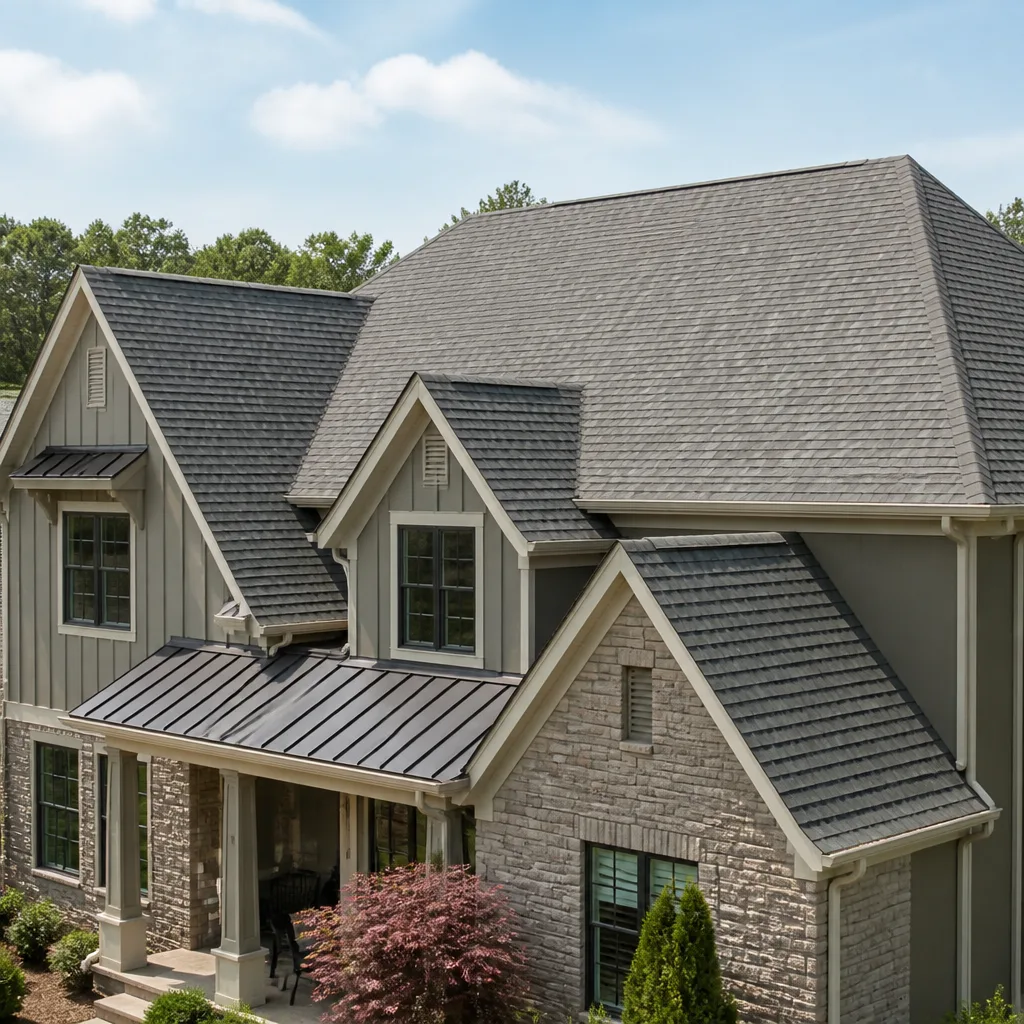
Table of Contents
- The Line-by-Line Breakdown: Where Every Dollar Goes
- The Allowance Trap: What $4,000 for Tile Actually Means
- Fixed vs. Flexible Costs in Los Angeles Construction
- How to Compare Two Bids That Look Identical
- The Brand-Tier Decision: Cabinets, Countertops, and Fixtures
- The Post-Completion Warranty as a Cost-Protection Mechanism
- The Permit Reality in Los Angeles: Fees, Timelines, and Triggers
- The Hidden Costs Nobody Puts on Page One
The Line-by-Line Breakdown: Where Every Dollar Goes
We’re going to walk through a representative Los Angeles kitchen remodel at the $72,000 midpoint, a bathroom at $38,000, and a 400-square-foot addition at $250,000. These are 2026 figures for permitted work with licensed contractors in Los Angeles, not handyman pricing. Labor represents 40 to 55 percent of most projects in this market, and that’s the one number no material selection changes.
Kitchen Remodel: $72,000 Representative Budget
- Cabinetry (semi-custom, KraftMaid or Wellborn tier): $18,000 – $24,000, including delivery and installation
- Countertops (Cambria or Silestone quartz): $6,500 – $9,000 for 45 – 55 square feet, fabricated and installed
- Plumbing relocation and rough-in: $3,500 – $6,500 if the sink or gas line moves from its current position
- Electrical upgrades, including dedicated circuits and under-cabinet lighting: $2,500 – $5,000
- Demolition and debris removal: $2,800 – $4,200
- Flooring (tile or engineered hardwood, installed): $4,000 – $7,000 for a 200-square-foot kitchen
- Permits, inspection coordination, and plan review: $1,800 – $3,200
- Drywall, paint, and finish work: $3,500 – $5,500
- Project management and design coordination: $5,000 – $8,000
Bathroom Remodel: $38,000 Representative Budget
- Shower system and waterproofing (Schluter or equal): $6,000 – $8,500 including tile, pan, and glass
- Vanity cabinetry and countertop: $3,500 – $5,500
- Fixtures (Kohler or Moen tier): $1,800 – $3,000 for shower trim, faucet, and accessories
- Plumbing rough-in and valve replacement: $2,200 – $3,800
- Electrical: lighting, exhaust fan, and GFCI work: $1,200 – $2,200
- Flooring and wall tile installation: $4,500 – $7,000
- Demolition and debris removal: $1,800 – $2,800
- Permits and inspections: $900 – $1,800
Room Addition (400 sq ft): $250,000 Representative Budget
- Foundation and slab work: $18,000 – $28,000
- Framing and structural: $32,000 – $45,000
- Roofing and weatherproofing: $14,000 – $20,000
- Exterior cladding (James Hardie siding): $16,000 – $24,000
- Electrical rough-in and finish: $12,000 – $18,000
- Plumbing rough-in and finish: $8,000 – $14,000
- HVAC extension or mini-split: $9,000 – $15,000
- Insulation, drywall, and paint: $16,000 – $22,000
- Windows and doors: $8,000 – $14,000
- Permits, engineering, and soil reports: $6,000 – $10,000
- General conditions and project management: $20,000 – $32,000
These ranges reflect work done by licensed Los Angeles general contractors who pull permits and carry insurance. Unlicensed work priced far below these numbers almost always excludes something: workers’ compensation coverage, debris hauling, permit fees, or the structural engineering a Los Angeles hillside or soft-story home demands.
The Allowance Trap: What $4,000 for Tile Actually Means
An allowance is a dollar amount the contractor writes into the bid as a placeholder for a material the homeowner hasn’t selected yet. The legal reality is that the allowance is not a price ceiling. It’s an estimate, and the final invoice reflects whatever the homeowner actually chooses, plus the contractor’s markup on the difference. A $4,000 tile allowance in a Los Angeles bathroom bid means the contractor priced a basic porcelain tile at builder-grade pricing. Walk into a tile showroom and choose a 12×24 porcelain in a trending finish, and the material alone can hit $9 per square foot versus the $3 the allowance assumed.
Here’s how to convert allowances into protections before you sign:
- Ask for every allowance to be named by brand and product line. “Allowance for tile” is not a commitment. “Daltile, Keystones collection, 12×24, up to $7/sq ft material cost” is.
- Ask what happens if you choose something under the allowance. Some contracts keep the difference as contractor profit. Others credit it back to you. Get that in writing.
- Ask what the contractor’s markup is on allowance overages. Most charge 15 to 25 percent on top of the material difference. A $2,000 overage becomes $2,400 to $2,500 on your invoice.
- Convert the big allowances into fixed-price commitments before signing. Cabinets, countertops, and fixtures are the three that drive most overruns. If your contractor can’t name the cabinet brand before the contract is signed, delay signing until they can.
At Elmstead Remodeling, every project gets a written price before any work starts, and the cabinet, countertop, and fixture lines in that price name brands like KraftMaid, Wellborn, Cambria, Silestone, Kohler, and Moen. That’s the difference between a bid that protects the contractor and a price that protects the family.
Fixed vs. Flexible Costs in Los Angeles Construction
Some costs in a Los Angeles remodel are set by agencies and physics. Others move with your taste. Knowing which is which tells you where to spend decision energy and where to stop comparing.
Fixed costs that don’t move much, regardless of contractor
- Los Angeles Department of Building and Safety permit fees: calculated from project valuation using a published fee schedule. A kitchen remodel permit typically runs $800 to $1,500 depending on valuation. An addition runs $3,000 to $6,000.
- Soil reports and structural engineering: required for additions in almost every Los Angeles neighborhood, from the expansive clay soils in the Valley to the hillside zones in Silver Lake and Echo Park. $2,500 to $5,000.
- Debris hauling and dump fees: Los Angeles transfer stations charge by weight. A kitchen demo produces 2 to 4 tons. These costs land between $800 and $2,500 for most interior remodels.
- Workers’ compensation insurance: required by California law for any contractor with employees. It’s a percentage of payroll and it’s already baked into every legitimate bid. Unlicensed operators skip it, which is part of why their numbers look so low.
Flexible costs that move with material selection
- Cabinets: stock boxes from a big-box retailer run $120 to $220 per linear foot installed. Semi-custom from KraftMaid or Wellborn runs $300 to $500. Custom shop work starts around $700 and has no ceiling.
- Countertops: laminate lands at $30 to $50 per square foot. Cambria or Silestone quartz runs $90 to $160 installed. Natural stone with bookmatched slabs can exceed $300.
- Fixtures: a builder-grade kitchen faucet costs $90. A Moen or Kohler fixture with a lifetime warranty costs $250 to $600. The difference is $510 on a job, but it’s the difference between replacing a faucet in year three and not thinking about it for twenty.
- Flooring: sheet vinyl at $3 per square foot versus engineered hardwood at $12 to $18 installed. A 200-square-foot kitchen swings $1,800 to $3,600 on this line alone.
The material lines are where a written price matters most, because those are the lines where an allowance-based bid quietly reserves the right to charge more later.
How to Compare Two Bids That Look Identical
Two Los Angeles contractors can hand you bids for the same bathroom remodel that both total $38,000, and one of them is $9,000 cheaper in reality because of what it omits. Here’s what to read, line by line, in the scope-of-work section:
- Demolition and debris removal: Is there a line item? What does it include? Does it name the dump fee, or does it say “by owner”? A missing demo line means you’re paying for it later, either in a change order or in a driveway full of debris.
- Waterproofing method: Does the bathroom scope name the waterproofing system, or does it just say “tile installation”? A 40-square-foot shower that gets a Schluter system with a manufacturer warranty costs $1,500 to $2,500 more than one that gets a paint-on membrane. If the bid doesn’t name it, assume the cheaper version.
- Permits and inspection coordination: Is there a line for permit fees? Is there a line for the contractor’s time pulling and coordinating inspections? If the bid says “permits by owner,” you just inherited a job: filling out LADBS forms, scheduling inspections, and standing in the Century City office during your workday.
- Electrical scope: Does the kitchen bid include dedicated circuits for the microwave and refrigerator, or just “rough in as needed”? Does the bathroom bid include a new exhaust fan with a humidity sensor, or just “replace existing fan”? These items are $800 to $1,500 each when they appear later as change orders.
- Finish materials: Are paint, caulk, grout, trim, and hardware named by brand and color? Or does the scope say “finish materials included”? A bid that names specific products is a bid from a contractor who has already done the thinking. A vague one hasn’t.
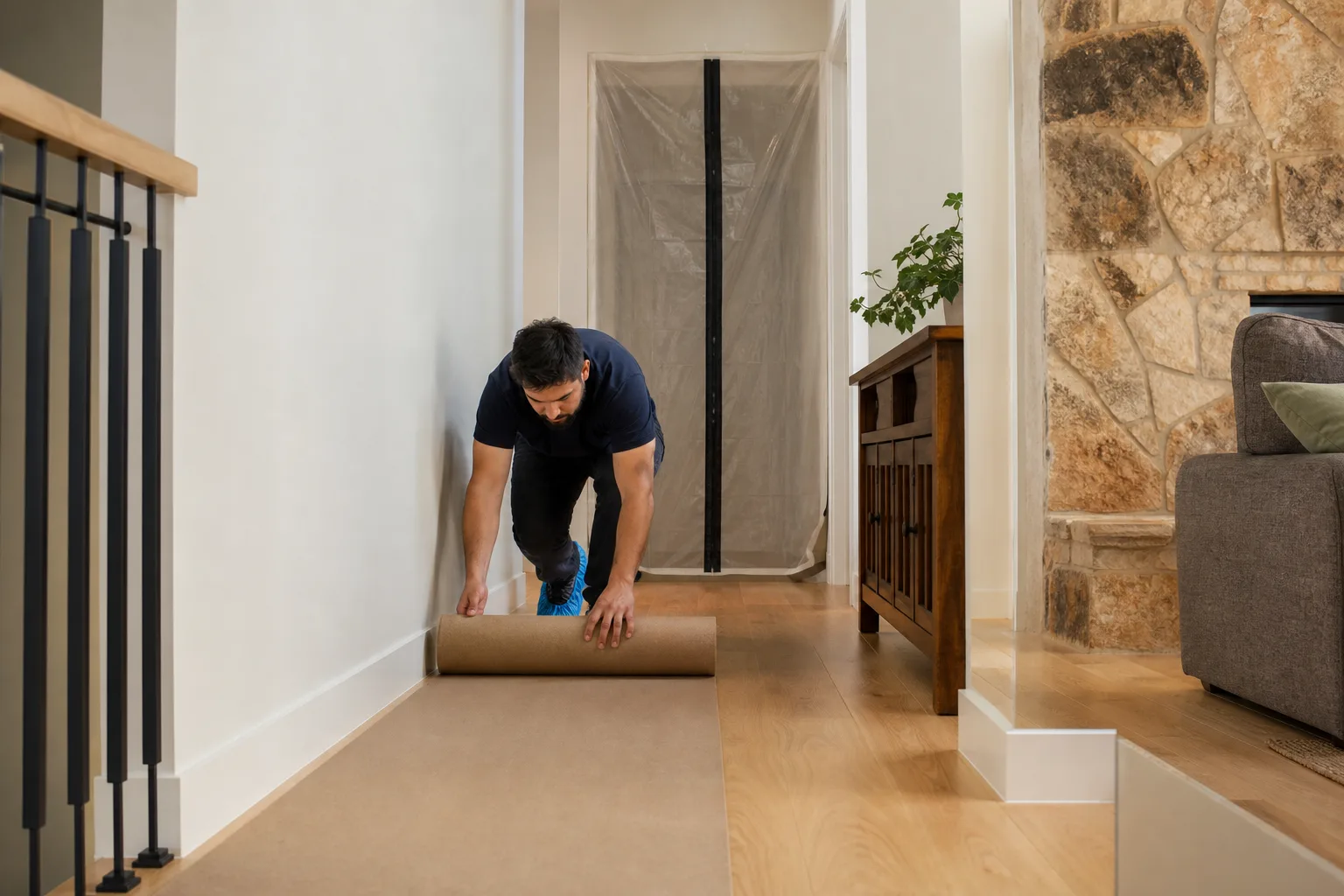
- Cleanup: Does the scope mention how the home is left each day and at the end of the job? Drop cloths, shoe covers, daily debris removal, and a final cleaning pass all take labor hours. A contractor who names them in the bid is pricing a standard of care, not an afterthought.
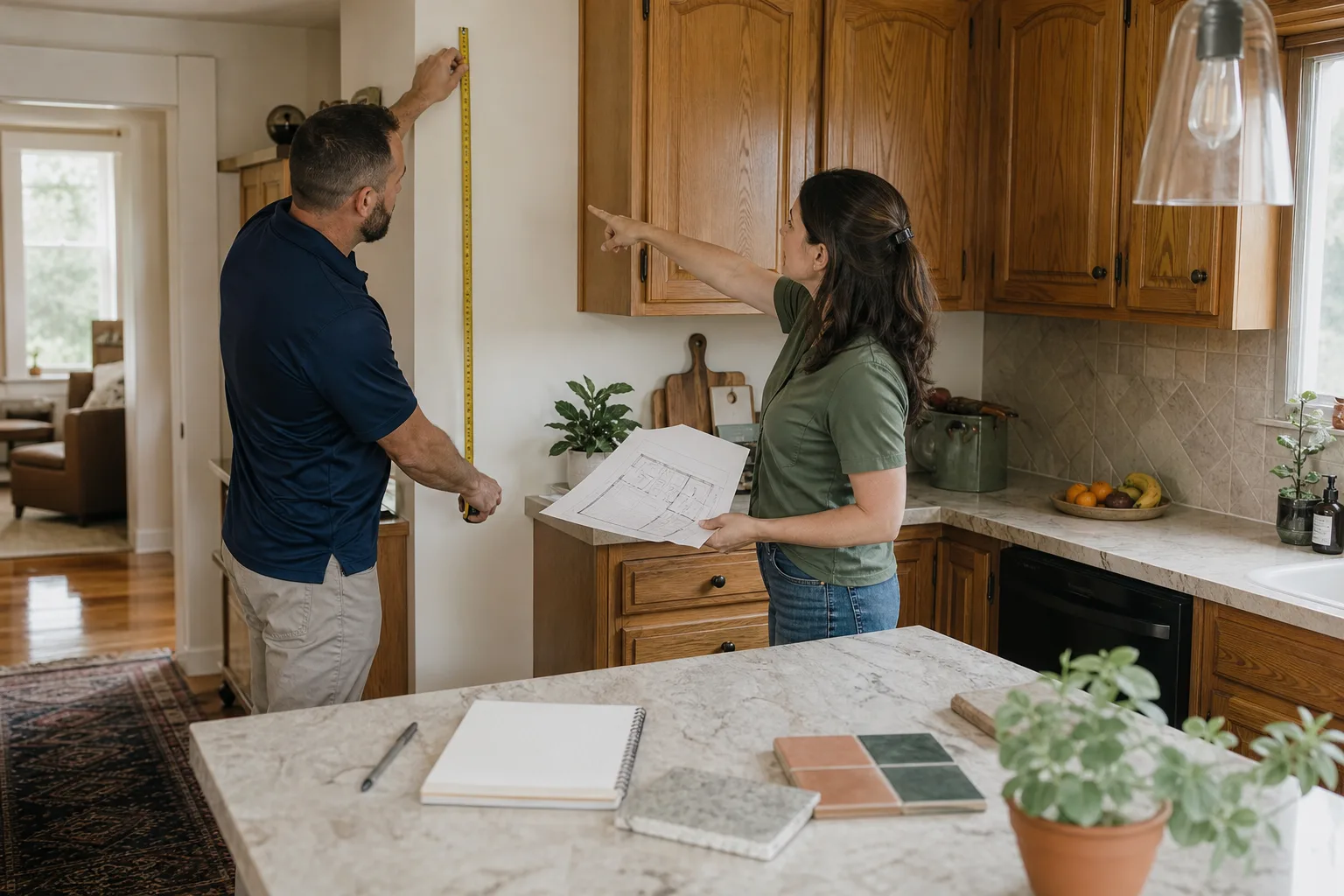
We write the price before work starts and the scope names the products, the protections, and the cleanup standards. When we walk a Los Angeles home for an estimate, we’re looking at the same house, the same code requirements, and the same material costs as every other licensed contractor. The difference is what gets written down.
The Brand-Tier Decision: Cabinets, Countertops, and Fixtures
About 45 percent of a typical Los Angeles kitchen remodel budget sits in three lines: cabinets, countertops, and fixtures. That’s why the brand-tier conversation is the single highest-leverage cost conversation you’ll have. Here’s what each tier actually buys.
Cabinets
- Stock (big-box, RTA): $120 – $220 per linear foot installed. Limited sizes, limited finishes, doors that feel light. Fine for a rental or a flip. Not where most Los Angeles families land for a kitchen they’ll live in for fifteen years.
- Semi-custom (KraftMaid, Wellborn): $300 – $500 per linear foot installed. Dovetail drawer boxes, soft-close hardware, full plywood construction as an option, and finish consistency. Both brands publish their warranties, and both have been manufacturing long enough that the warranty is worth the paper.
- Custom shop: $700 and up. Unlimited sizing, any species, any finish. The right call for odd-shaped Los Angeles kitchens in 1920s Spanish bungalows where nothing is square and nothing is standard.
Countertops
- Laminate: $30 – $50 per square foot. Cheapest, least durable, shows seams and edge wear quickly.
- Quartz (Cambria, Silestone, and equals): $90 – $160 per square foot installed. Non-porous, no sealing required, consistent color and pattern, and manufacturer warranties that run 10 years to lifetime. Cambria is American-mined and fabricated; Silestone offers a broad color range. Both are names you can verify independently.
- Natural stone (marble, quartzite, soapstone): $120 – $300 and up. Beautiful, porous, requires sealing, and will etch and stain under a family’s daily use. Homeowners who bake seriously often choose it anyway, and that’s a legitimate choice, but it’s a maintenance commitment.
Fixtures
Kohler, Moen, and Grohe dominate the Los Angeles mid-to-upper range for a reason: lifetime warranties, replacement parts available for decades, and finish quality that survives hard water. Los Angeles water is moderately hard, and cheap fixtures with plastic internals fail faster here than they do in soft-water markets. The $300 difference between a no-name faucet and a Moen or Kohler is part material, part longevity, part not having to re-open the wall to replace a mixing valve in year four.
Our standard scope names KraftMaid or Wellborn for cabinets, Cambria or Silestone for quartz, and Kohler, Moen, or Grohe for fixtures. These are brands with published warranties that travel with the finished project, which means the protection doesn’t depend on our continued existence. You can verify it yourself.
The Post-Completion Warranty as a Cost-Protection Mechanism
Here’s the risk math most Los Angeles homeowners never run. A contractor’s one-year workmanship warranty is standard in California. After that year, a failed waterproofing system, a cabinet door that’s drifted out of alignment, or a countertop seam that’s opened up is your problem and your money. The one-year mark is also when many contractor phones stop being answered.
A longer, specific, written post-completion promise changes the financial risk profile of the whole project. The 365-Day Done Right Promise that Elmstead Remodeling stamps on every project says this: if it’s not done right, we make it right. A full year of coverage after completion, in writing, covering the work we installed. If a cabinet door binds in month ten, you call the same number you called on day one and someone answers. If a caulk joint fails in month seven, we redo it.
This matters to the cost conversation because the cheapest bid is often cheapest precisely because it prices in the contractor’s exit. A low bid plus a contractor who’s hard to reach after final payment is not a cheaper project. It’s a project with hidden future invoices. The written price before work starts and the written promise after the work is complete are two sides of the same protection.
The Permit Reality in Los Angeles: Fees, Timelines, and Triggers
Los Angeles is one of the most permit-heavy jurisdictions in the country, so understanding Construction Permits, Codes & Inspections in CA: What You Need to Know matters before you start. The Los Angeles Department of Building and Safety (LADBS) requires permits for most work beyond cosmetic finish replacement, and the fee schedule is published and non-negotiable. Here’s what that means in practice.
What requires a permit in Los Angeles
- Kitchen remodels involving any plumbing, electrical, or wall modification: permit required.
- Bathroom remodels involving any plumbing or waterproofing changes: permit required.
- Room additions of any size: permit, plans, and structural engineering required.
- Water heater replacement, panel upgrades, and most electrical work: permit required.
- Roof replacement over a certain square footage: permit required.
What the fees actually cost
- Kitchen or bathroom remodel permit: $800 – $1,800 depending on project valuation
- Addition permit: $3,000 – $6,000 depending on valuation and plan check complexity
- Plan check fees: an additional 50 to 100 percent of the permit fee in many cases
- School fees for additions: Los Angeles Unified School District assesses per-square-foot fees on residential additions, and they can run $4 to $6 per square foot. A 400-square-foot addition carries $1,600 to $2,400 in school fees alone.
What a permit gets you
An inspected project means the plumbing was tested, the electrical was reviewed, the waterproofing met code, and the work is recorded with the city. When you sell the house, the unpermitted bathroom that saved $1,500 in fees becomes a disclosure item and a negotiation chip for the buyer. Los Angeles real estate is competitive, and unpermitted work is one of the first things a sharp buyer’s inspector flags.
Every project Elmstead Remodeling takes on is permitted where Los Angeles requires it. The permit line appears in the written price before any work starts. We don’t ask families to pull their own permits, and we don’t offer a discount to skip them.
The Hidden Costs Nobody Puts on Page One
Beyond the line items, there’s a second layer of costs that Los Angeles homeowners meet mid-project, usually as change orders. Some are legitimate discoveries. Others are omissions waiting to be discovered. Here’s what to look for, and for broader planning help see our Construction Emergency Preparedness Guide for Los Angeles Homes.
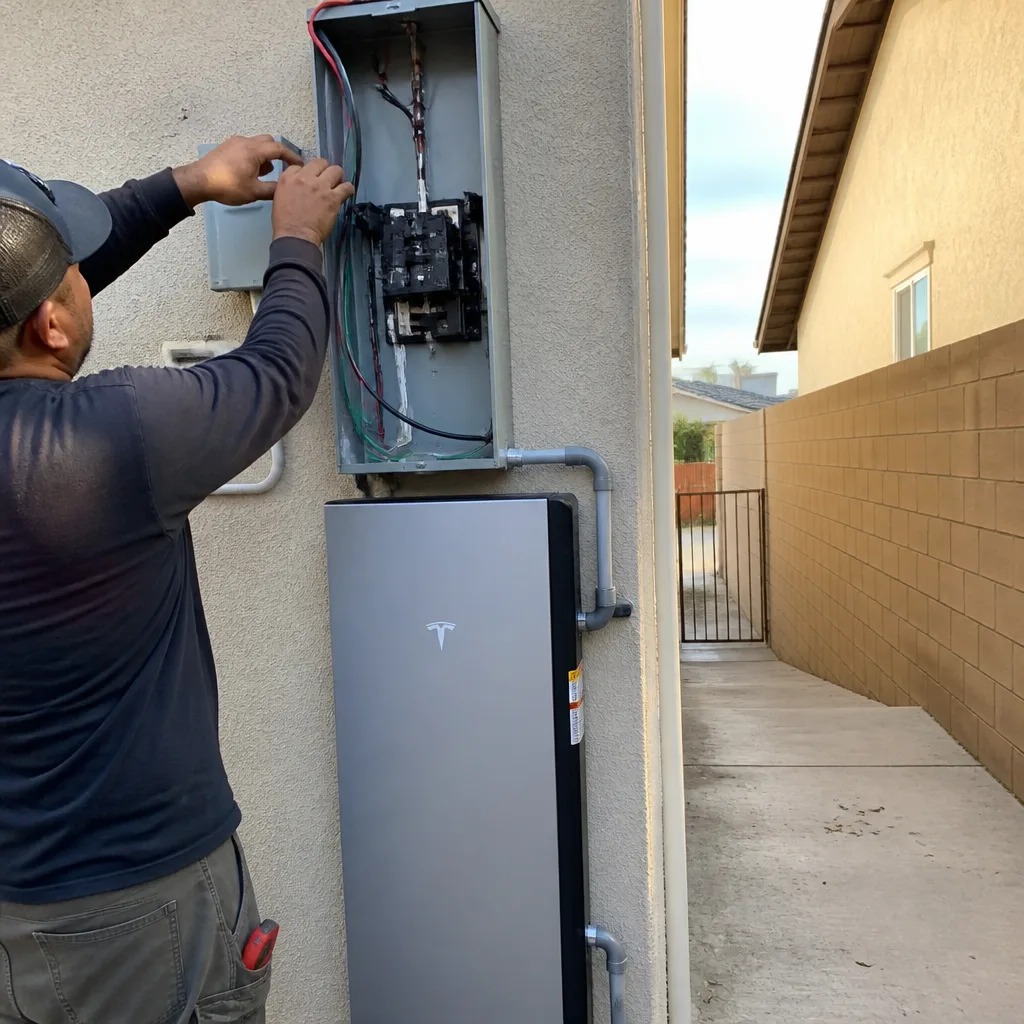
- Panel capacity: Older Los Angeles homes, especially those built before 1980, often have 100-amp panels. A kitchen remodel that adds a wall oven, a microwave, and under-cabinet lighting can push a 100-amp panel past safe capacity. A 200-amp upgrade runs $3,000 to $6,000. A good contractor checks the panel during the estimate and prices it in writing. A vague bid discovers it on day four.
- Plumbing condition: Galvanized supply lines and cast-iron drains are common in Los Angeles homes built before 1960. They’re also at the end of their service life. Once the walls are open, replacing a corroded section is the right call, but it’s a $1,500 to $4,000 call the homeowner should know about before the walls come down, not after.
- Floor deflection: Los Angeles homes on pier-and-post foundations, common in the Beach Cities and older Valley neighborhoods, often have floors that move more than modern tile tolerances allow. Adding a reinforced substrate or leveling the floor before tile is $2,000 to $5,000. An allowance-based bid that said “floor prep as needed” just turned “as needed” into a change order.
- Asbestos and lead: Homes built before 1978 may have lead paint. Homes built before 1980 may have asbestos in flooring, insulation, or drywall compound. Testing runs $500 to $1,500. Abatement, if required, multiplies from there. California law requires proper handling, and the contractor who waves it off is putting your family and their own crew at risk.
- Access logistics: Canyon roads, narrow hillside streets, and Los Angeles parking restrictions all affect the cost of material delivery and debris removal. A crew that can’t park a truck near the house pays more in labor to move materials. A contractor who walks the site before pricing sees this and writes it into the number.
Our approach to hidden costs is to move as many as possible out of “hidden” and into “written” before the contract is signed. We check the panel, we check the plumbing, we walk the access, and we price what we see. Where a legitimate unknown remains, we tell you before we start, not after we’ve opened the wall.
Common Mistakes to Avoid
- Signing a bid with unnamed allowances. “Allowance for cabinets” is a blank check with your signature at the bottom. Convert every major allowance to a named brand and product line before signing, or cap the allowance in writing.
- Skipping the permit to save the fee. The $1,500 you save on a bathroom permit becomes a $10,000 negotiation chip when you sell. Los Angeles buyers and their inspectors know exactly where to look.
- Comparing bids by total price alone. A $38,000 bid with named brands, a named waterproofing system, and a written cleanup standard is not comparable to a $38,000 bid with allowances and vague scope. Compare line by line, not bottom line by bottom line.
- Choosing materials in the showroom without knowing the allowance. The showroom doesn’t know what the contractor priced. Bring the allowance number and the brand tier with you, and ask the showroom to work within it before you fall in love with a slab you can’t afford.
- Not asking about the warranty in writing. “We’ll stand behind our work” means nothing. “The 365-Day Done Right Promise: if it’s not done right, we make it right, in writing, stamped on the contract” means something.
- Ignoring the panel and plumbing until they become emergencies. A kitchen remodel is the cheapest time to upgrade a 100-amp panel, because the walls are open, the electrician is on site, and the cost is a line item, not a standalone project later.
- Hiring on speed of start alone. A contractor who can start next week in Los Angeles can start next week for a reason. Demand has dropped, not every reason is bad, but it’s worth asking why the best-reviewed crews are booked three months out and this one isn’t.
See the difference
 Before
 After
After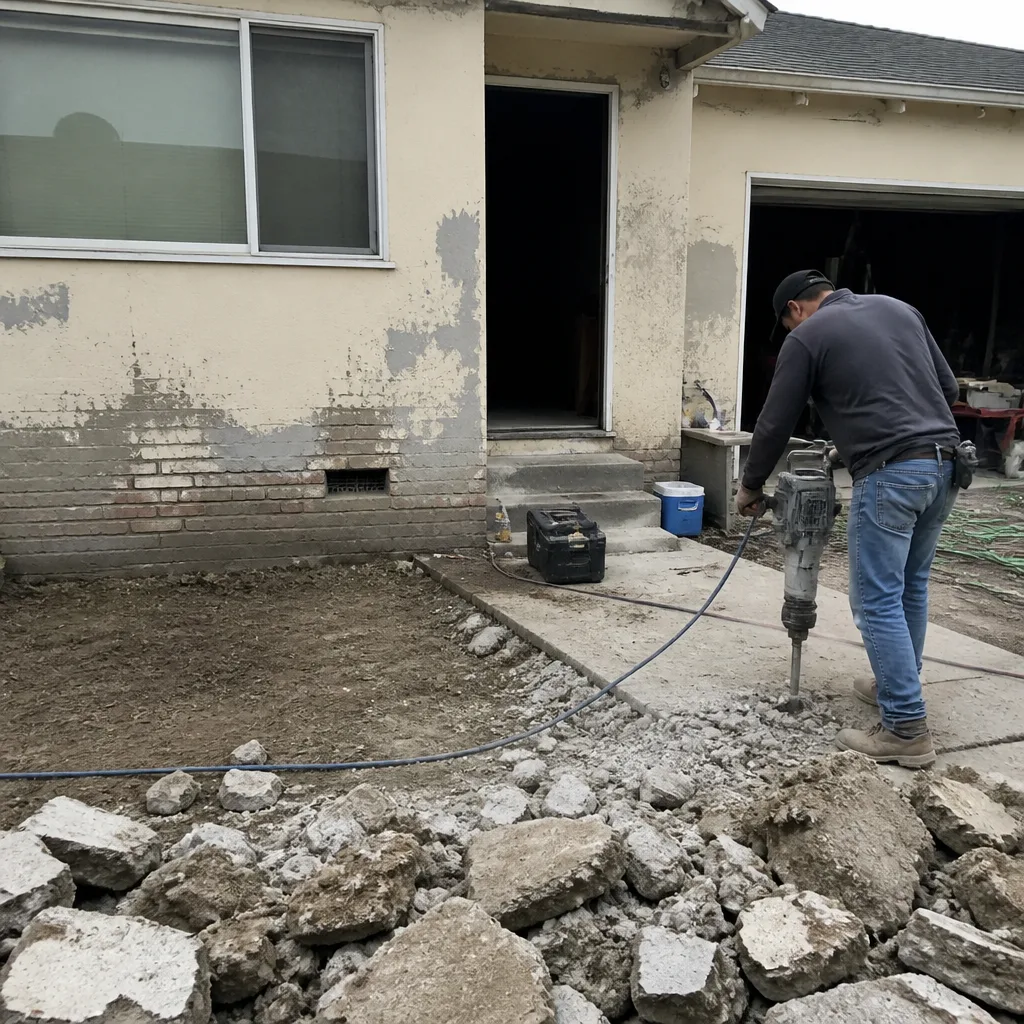 Before
 After
After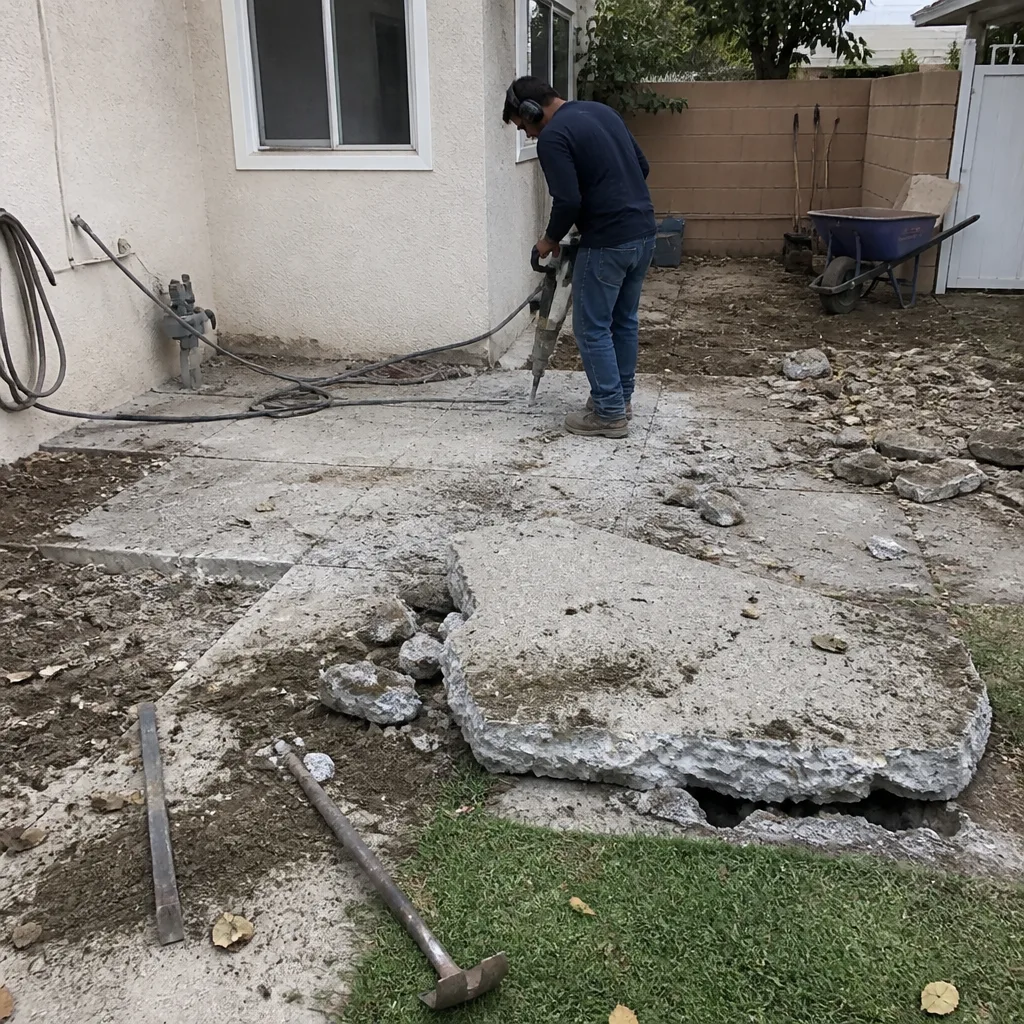 Before
 After
AfterWhen to Call a Professional
You need a licensed contractor, not a handyman, when the work touches plumbing behind walls, electrical wiring, structural framing, permits, or waterproofing. These are the systems where Los Angeles code requirements are strictest and the cost of an error is measured in re-opened walls, water damage, or worse. You need a written price before any work starts when the project involves material selections that could swing thousands of dollars. You need a post-completion warranty in writing when you’re spending enough that a failure in month six would hurt. For any of these, Elmstead Remodeling offers free estimates in Los Angeles. Call (949) 850-9896 and ask for a written price and a walkthrough that names the brands and the scope before you sign anything. Our General Contractor in Los Angeles team handles the full scope, and our Bathroom Remodeling in Los Angeles and Kitchen Remodeling in Los Angeles specialists know exactly where the Los Angeles cost trap doors are.
Frequently Asked Questions
A kitchen remodel in Los Angeles runs $55,000 to $90,000 for a mid-range project with semi-custom cabinets, quartz countertops, and permitted work, and $25,000 to $40,000 for a cosmetic refresh that doesn’t move plumbing or walls. The spread comes from cabinet tier, countertop material, and whether the kitchen footprint changes. Call (949) 850-9896 for a written price on your specific kitchen.
The biggest cause is the allowance line item, where a contractor writes a placeholder number for tile, cabinets, fixtures, or countertops and the final invoice reflects the homeowner’s actual selections. A written price with named brands removes most of this exposure before work starts.
Los Angeles Department of Building and Safety permit fees run $800 to $1,800 for a kitchen or bathroom remodel, $3,000 to $6,000 for an addition, plus plan check fees and, for additions, LAUSD school fees of $4 to $6 per square foot. A written price should include every permit line before you sign.
Not if the lowest bid uses unnamed allowances, omits permits, skips debris removal from the scope, or can’t name the cabinet brand before signing. The cheapest Los Angeles bid is often the most expensive project once change orders start. Compare line by line, and ask what’s not included. Our Construction Warning Signs: A Los Angeles Homeowner’s Reference Guide walks through the red flags in detail.
A post-completion warranty covers defects in workmanship after the job is done, and in California the standard is one year. A longer written promise, like the 365-Day Done Right Promise, means a cabinet door that binds in month ten or a caulk joint that fails in month seven gets fixed without a new invoice. That’s a cost protection, not a marketing line.
A kitchen remodel typically runs 6 to 10 weeks from demo to final inspection, and a bathroom runs 3 to 6 weeks. Permitting adds 2 to 6 weeks before work starts depending on LADBS plan check volume. The schedule should be in the written scope before you sign, and the contractor should name the factors that could move it.
The Bottom Line
Construction costs in Los Angeles depend less on any contractor’s secret efficiency and more on two things: what materials the family chooses and what the written scope actually covers. For more guides & resources on planning your project, explore our blog. The line items that surprise homeowners, from panel upgrades to permit fees to allowance overages, are all knowable before the contract is signed. A contractor who names brands, prices permits, checks the panel and plumbing during the estimate, and puts a written post-completion promise on paper has already done the thinking that prevents the $18,000 surprise. That’s the reference point for every bid you’ll see in 2026.
Written by Graham Stein, Owner at Elmstead Remodeling, serving Los Angeles since 2005.