Last updated October 8, 2026







Free written scope consultation - allowances, timeline, and change-order rules on paper before a single trade is scheduled
Construction Permits, Codes & Inspections in CA: What You Need to Know
An unpermitted bathroom addition adds square footage to a Zillow listing, yet it can void a homeowner’s insurance claim, trigger mandatory disclosure at resale, and require full demolition to satisfy a future buyer’s lender. All of it preventable with a permit that costs a few hundred dollars. For more guides & resources, here is the part most skip: in Los Angeles, the permit is not the point. The inspection record is. That paper trail is the only documented proof that the wiring inside your walls, the framing under your floor, and the plumbing behind your tile were checked by someone whose job is to catch mistakes before they become fires, floods, or structural failures. This guide walks through how California’s permit system actually works, what each inspection phase verifies, which projects genuinely do not need a permit, and what happens when work is done without one. We have pulled permits across Los Angeles for two decades, and we will tell you exactly what those inspectors look for.
Quick Answer
California requires building permits for most structural, electrical, plumbing, and mechanical work, and the specific office that issues yours depends on your street address, not your city name. A permit is not a tax; it is the mechanism that creates an inspection record protecting your insurance coverage, your resale value, and your family’s safety. In Los Angeles, the process runs through LADBS for city addresses, Los Angeles County Building and Safety for unincorporated areas, and separate departments for independent cities like Pasadena, Santa Monica, and Burbank.
Styles & brands we work with



Table of Contents
- Why California Requires Permits at All
- Who Issues Your Permit: LA City, LA County, or Another City
- What Each Inspection Phase Actually Checks
- What California Law Allows Without a Permit
- How to Pull Your Property’s Permit History Online
- The Consequence Chain of Unpermitted Work
- What Permits Cost and How Long They Take in Los Angeles
- Common Mistakes to Avoid
Why California Requires Permits at All
California’s permit system exists because the state sits on some of the most seismically active land in the country. A wall that is framed wrong, a foundation poured without rebar in the right places, or an electrical panel wired past its load capacity behaves differently when the ground shakes. Building codes are written in response to real failures: the 1994 Northridge earthquake rewrote steel moment-frame requirements, and the 2017 Tubbs Fire rewrote exterior cladding standards for wildfire zones. Every code cycle tightens what inspectors look for.
But there is a second reason that matters more to the average Los Angeles homeowner. A permit creates a public record. When you sell your house, the buyer’s lender sends an appraiser who compares the tax assessor’s square footage against what actually exists at the property. If the numbers do not match because a previous owner added a bedroom without a permit, the loan can stall or die. The inspection record is your defense. In our experience remodeling Los Angeles homes, we have seen more deals saved by a clean permit history than by any staging or paint job. The permit is the boring, bureaucratic thing that protects the exciting thing, which is your equity.
Who Issues Your Permit: LA City, LA County, or Another City
Here is the mistake homeowners make constantly: they assume Los Angeles is Los Angeles. It is not that simple. Your address determines which building department has jurisdiction, and the wrong guess costs you a wasted trip or a rejected online application.
There are three main tracks in the Los Angeles area:
- City of Los Angeles addresses go through LADBS (Los Angeles Department of Building and Safety). This covers neighborhoods like Silver Lake, Echo Park, West Adams, Van Nuys, Woodland Hills, and most of the San Fernando Valley. LADBS runs one of the largest municipal permit systems in the country, with online permitting through their ePermit portal and physical plan check at regional offices.
- Unincorporated Los Angeles County addresses go through LA County Building and Safety. These are pockets of county land surrounded by city land, like parts of Altadena, East Los Angeles, Marina del Rey, and sections of the Santa Monica Mountains. The county has its own code amendments and its own inspectors.
- Independent incorporated cities run their own departments. Pasadena, Santa Monica, Burbank, Glendale, Beverly Hills, Culver City, Torrance, Long Beach, and dozens of others each have a building department with its own plan check process, fee schedule, and inspector pool. The California Building Code applies statewide, but each city layers local amendments on top. A window that passes inspection in Los Angeles might need a different wind rating in Santa Monica because of coastal exposure.
How do you confirm which office you pull from? Type your address into the LADBS property search first. If it returns a record, you are in the City of Los Angeles. If it does not, check the LA County Building and Safety property search. If neither returns your address, you are likely in an independent city, and that city’s building department website is your next stop. Your contractor should do this verification before writing a permit line into your contract. We always confirm jurisdiction before quoting any work in Los Angeles, because a Pasadena kitchen remodel and a Los Angeles kitchen remodel can differ in permit costs by 30 percent.
What Each Inspection Phase Actually Checks
Most residential remodels pass through five standard inspection phases. Understanding what each inspector verifies helps you advocate for your own project. You are not just waiting for a stamp; you are watching a trained professional check the things that keep your family safe.
Step-by-Step: Standard Residential Inspection Phases
- Foundation inspection. Called before concrete is poured. The inspector checks the footing depth, rebar placement, anchor bolt spacing, and that the forms match the approved plans. In Los Angeles, seismic anchoring requirements are stricter than in most of the country because of the fault lines running through the basin. If the inspector fails this phase, the concrete cannot be poured until corrections are made.
- Framing inspection. Called after the walls, floors, and roof structure are framed but before insulation and drywall cover anything. The inspector verifies stud spacing, header sizing over doors and windows, shear wall nailing patterns, hold-down hardware, and roof member connections. This is the phase where structural shortcuts get caught, because after drywall goes up, none of this is visible again.
- Rough mechanical inspection. Often split into rough electrical, rough plumbing, and rough mechanical, depending on the scope. The inspector checks wire gauges, circuit loading, junction box accessibility, pipe slope, venting, gas line sizing, and duct connections. Everything is exposed, so problems are visible. On a Los Angeles kitchen remodel, this is typically the phase where the inspector spends the most time.
- Insulation inspection. Called after insulation is installed in exterior walls and ceilings but before drywall. The inspector checks that the R-value matches the plan, that insulation is continuous around outlets and corners, and that required vapor barriers are in place. California’s Title 24 energy code requires specific R-values by climate zone, and Los Angeles spans multiple zones depending on how far inland you are.
- Final inspection. Called when the project is complete. The inspector walks the entire finished space, checking that all fixtures are installed, all receptacles work, all smoke and carbon monoxide detectors are in place, the water heater is strapped for seismic safety, and the work matches the approved scope. This is the inspection that closes the permit file and creates the completion record.
Each phase requires the contractor or homeowner to schedule the inspection through the issuing department’s phone or online system, then have the approved plans and permit card on site when the inspector arrives. A missed inspection resets the timeline, not the fee.
What California Law Allows Without a Permit
California’s building code includes a specific list of work that does not require a permit. The confusion comes when homeowners assume broader exemptions than the code actually grants. Here is what the law actually says.
Work that is generally permit-exempt in California:
- Painting, papering, tiling, and similar finish work on walls and floors
- Replacing cabinet doors, drawer fronts, and hardware on existing cabinets
- Replacing a faucet or a toilet when no plumbing lines are moved
- Replacing a light fixture, switch, or receptacle without changing wiring
- Replacing a patio cover fabric or awning on an existing structure
- Installing carpet, laminate, or floating vinyl flooring
- Replacing a garage door opener
- Landscaping that does not include retaining walls over 4 feet or grading changes
Work homeowners often assume is exempt but is NOT:
- Replacing a water heater (requires a plumbing and electrical permit in most LA County jurisdictions)
- Replacing an electrical panel or upgrading service amperage (requires an electrical permit and often a utility coordination letter)
- Moving a sink, toilet, or shower drain even a few inches (plumbing permit required)
- Removing a wall, even a non-load-bearing one, if it changes egress or room configuration (plan check may be required)
- Adding a window or enlarging an existing opening (structural changes to framing require a permit)
- Installing a new roof where sheathing is replaced (roofing permit required in Los Angeles)
- Any work on gas lines, including moving a gas appliance hookup
The dividing line is simple: if the work changes structure, moves mechanical systems, or alters egress, it likely needs a permit. If it is cosmetic and stays on the surface, it likely does not. When there is any doubt, call the building department and ask. The phone call is free.
How to Pull Your Property’s Permit History Online
Before you buy a house in Los Angeles, before you start a remodel, and before you list your home for sale, pull the permit history. It is free, it is public, and it takes about ten minutes if you know where to look.
Step-by-Step: How to Check Permit History in Los Angeles
- Go to the LADBS website (for City of Los Angeles addresses) and open the “Property Activity Report” search tool. Enter your street number and street name. The report returns every permit filed at that address going back decades, including permits that were issued, completed, expired, or never finaled.
- For unincorporated LA County, use the LA County Building and Safety permit search. The interface is different, but the information is the same: permit number, issue date, type, status, and final sign-off.
- For independent cities, go to that city’s building department website. Pasadena, Santa Monica, Burbank, and Glendale each have their own search tools.
- Read the status column carefully. A permit that says “Issued” but not “Finaled” means the work was started or completed without a final inspection. That is a red flag for a lender. A permit that says “CofO” (Certificate of Occupancy) or “Finaled” means the file was closed properly.
- Compare the permit list to the house you see. If the house has a finished basement, a converted garage, or a second-floor addition, and the permit history shows no corresponding permit, that work was done unpermitted. This is exactly what a title company or buyer’s inspector will find, so it is better to know before you negotiate.
On homes we remodel in Los Angeles, we pull this report before we quote. It tells us what prior work was legal, what needs to be remediated, and what the plan check engineer will flag when we file for the new permit. The gaps in the record tell the story.
The Consequence Chain of Unpermitted Work
Unpermitted work does not stay hidden quietly. It follows a predictable chain of consequences, and each link is worse than the last.
First: insurance. If unpermitted electrical work causes a fire or unpermitted plumbing causes a flood, your homeowner’s insurance company can deny the claim. Insurers routinely pull permit records during major claims. A kitchen fire traced to a junction box that never passed inspection is a reason to deny coverage, and the homeowner is left rebuilding out of pocket.
Second: resale disclosure. California law requires sellers to disclose known material facts about the property, and unpermitted work is a material fact. The standard TDS form includes a section on permits. If you know the garage was converted without a permit and you do not disclose it, the buyer can sue for misrepresentation after closing. In Los Angeles’s competitive market, some sellers gamble on this. It is a bad gamble.
Third: lender appraisal. When the buyer’s lender orders an appraisal, the appraiser compares the legal square footage against what exists. If the house is listed at 2,100 square feet but the county assessor records 1,800 because the extra 300 was never permitted, the appraisal comes in low or the loan stalls entirely. Lenders will not finance square footage that does not legally exist.
Fourth: neighbor complaint. Los Angeles has a dense housing stock, and construction noise travels. If a neighbor files a complaint with LADBS about unpermitted work, the department opens an investigation. The inspector can issue a stop-work order, require the work be exposed for inspection, or require demolition and reconstruction to current code. This is not hypothetical. It happens routinely in neighborhoods like Los Feliz, Mar Vista, and Sherman Oaks, where older homes undergo frequent renovations.
The fix for unpermitted work is a process called legalization or “as-built” permitting. It requires exposing the work, bringing it to current code, and paying the permit fees plus penalties. It is always more expensive than permitting it correctly the first time.
What Permits Cost and How Long They Take in Los Angeles
The fees are lower than most homeowners expect. The timelines are longer. Both vary by jurisdiction and project scope.
Typical permit cost ranges in the City of Los Angeles:
- Bathroom remodel (no layout change): $400 to $900 in permit fees
- Kitchen remodel (no layout change): $600 to $1,800 in permit fees
- Room addition (400 square feet): $2,500 to $5,000 in permit fees, plus plan check
- Electrical panel upgrade: $300 to $700 in permit fees
- Water heater replacement: $150 to $400 in permit fees
- Whole-home remodel: $3,000 to $10,000 in permit fees depending on scope and plan check complexity
Typical timelines in Los Angeles:
- Over-the-counter permits for simple work (water heater, panel, re-roof): same day to one week
- Plan check for a bathroom or kitchen remodel with no structural changes: two to six weeks
- Plan check for an addition or structural remodel: six to sixteen weeks depending on department backlog and revision cycles
- Inspections: scheduled within one to five business days of the request
These numbers move. LADBS has introduced an ePlan online plan check system that has shortened some timelines, but backlogs still happen during peak building seasons. The smartest thing a homeowner can do is build permit time into the project schedule before signing a contract. A contractor who promises a Los Angeles addition will start framing in two weeks is not telling the truth about the permit timeline. We tell our clients the permitting window up front, before they sign anything, and we write the expected schedule into the contract.
Common Mistakes to Avoid
- Assuming “minor” means “permit-exempt.” Moving a sink, cutting a vent hole, or adding a recessed light can require permits in Los Angeles. Minor in inconvenience is not the same as minor in code.
- Using the wrong jurisdiction’s forms. Filing an LADBS application for a Pasadena address wastes two weeks and a filing fee. Confirm jurisdiction first.
- Letting the permit expire. In LA, permits expire if work does not begin within a set period or if inspections lapse. A lapsed permit requires reactivation, which costs money and resets the clock.
- Covering work before the inspection. Drywall over rough electrical means the inspector cannot see the work. The fix is pulling the drywall back off. Always schedule rough inspections before anything gets covered.
- Hiring an unlicensed contractor who says “you do not need a permit.” That sentence is often code for “I am not insured to pull one.” A licensed contractor in California is legally required to pull permits for work that needs them.
- Skipping the final inspection. Some homeowners finish the work and never call for the final. The permit stays open, the record is incomplete, and the next buyer’s lender sees an unclosed file. Call for the final even if it is inconvenient.
- Paying cash without a written scope. In Los Angeles, a handshake agreement for an unpermitted bathroom is the most common way families end up with a leak behind a tile wall and no legal recourse. Get the written price, the written scope, and the permit before work starts.
See the difference
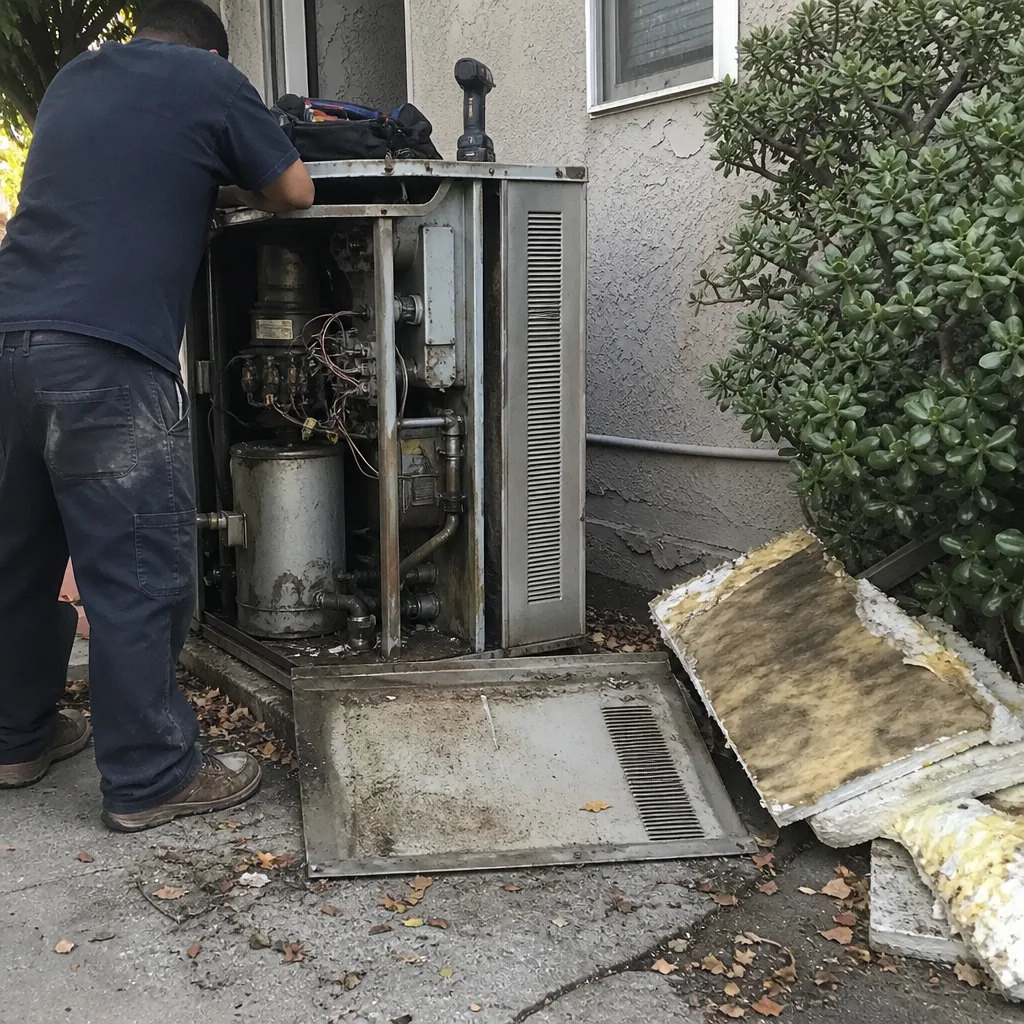 Before
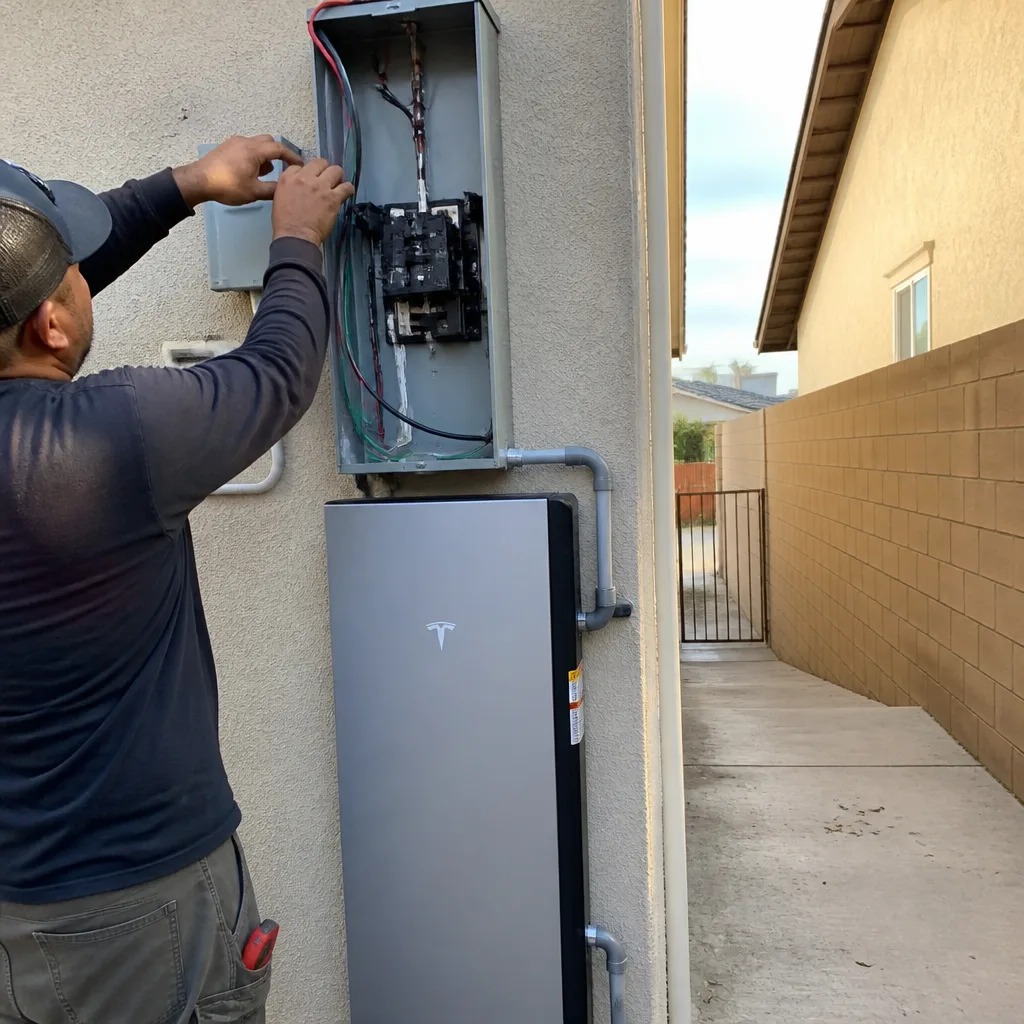 After
After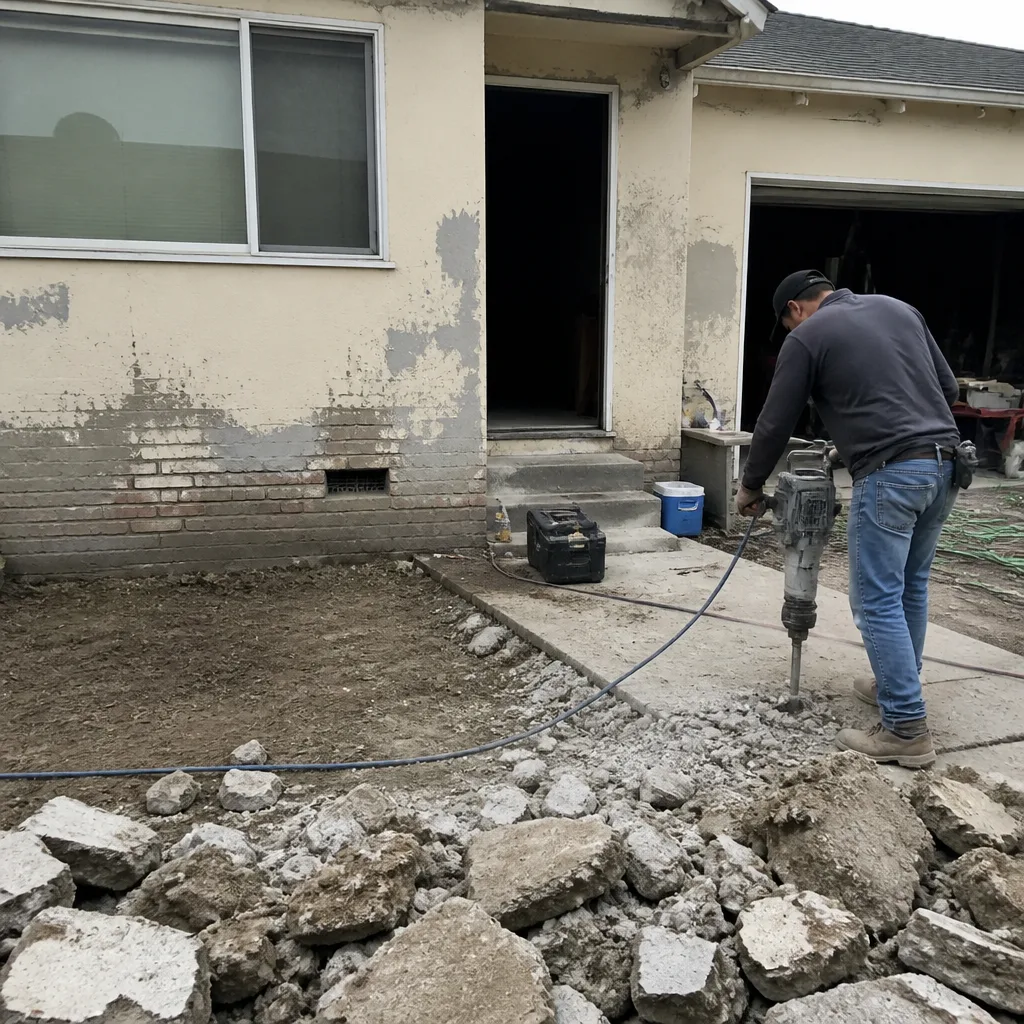 Before
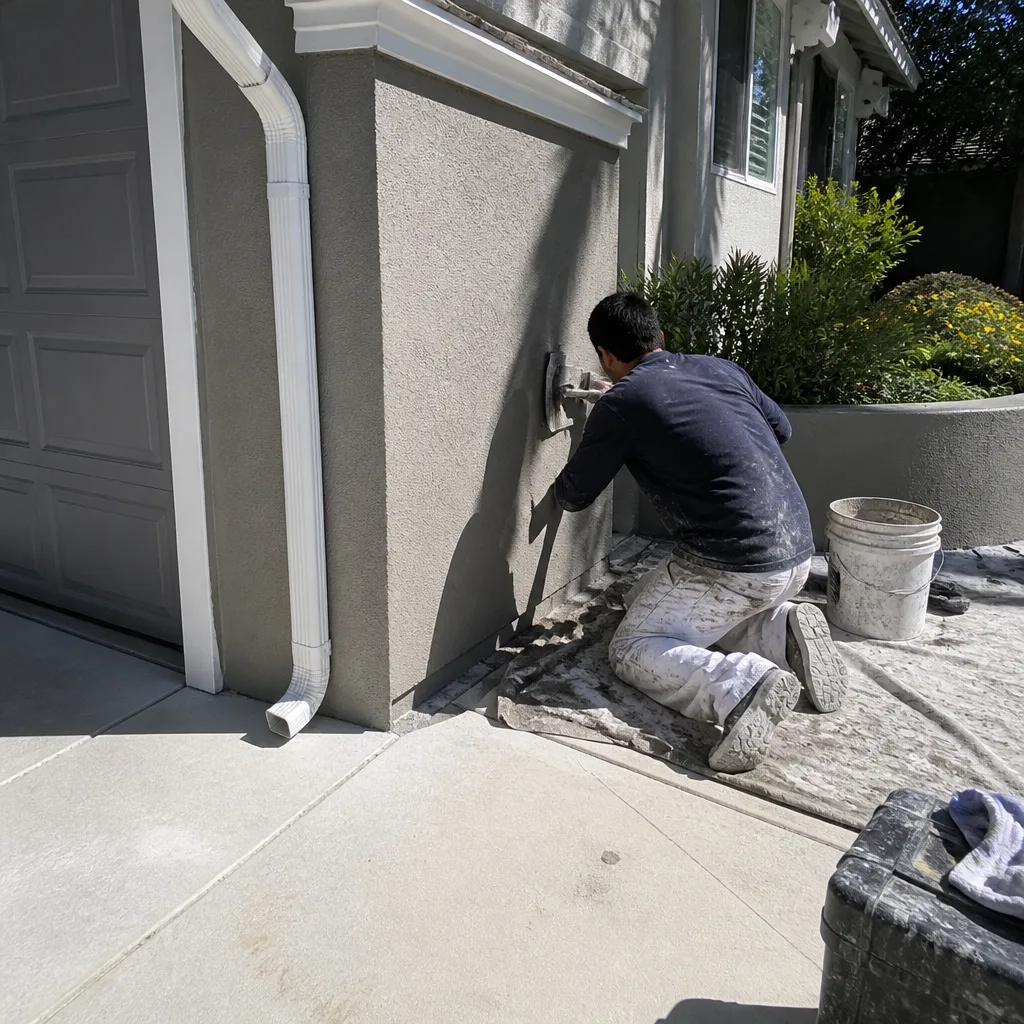 After
After Before
 After
AfterWhen to Call a Professional
You can replace a faucet yourself. You cannot rewire a kitchen, reframe a roof, or move a drain line without a permit and a licensed contractor. The dividing line is not skill; it is legal liability and insurance coverage. If the work touches structure, electrical, plumbing, or gas, and you are not a licensed contractor, call someone who is. A good contractor verifies the jurisdiction, pulls the permit, schedules every inspection, and stands behind the work when the inspector signs off. Elmstead Remodeling offers free estimates in Los Angeles. Call (949) 850-9896 to talk through your project, and we will tell you honestly whether it needs a permit, how long the permitting will take, and what the inspection sequence will look like. This is also a good time to visit the Elmstead Remodeling home page to understand how we approach projects from the first phone call to the final walkthrough.
Frequently Asked Questions
A typical residential building permit in the City of Los Angeles costs between $400 and $5,000 depending on project scope, with kitchen and bathroom remodels falling between $400 and $1,800 and room additions running $2,500 to $5,000. Plan check fees are additional and are calculated as a percentage of the project valuation. Call (949) 850-9896 for an exact quote on your specific project, and we will include the permit line item in your written estimate.
Yes, a California homeowner can pull a permit for work on their own primary residence, but as our DIY vs Professional Construction: The Los Angeles Homeowner’s Decision Guide explains, doing so makes you the general contractor of record, which means you carry the liability if something goes wrong and you are responsible for scheduling every inspection. If you hire workers to do the actual construction, you may also be required to carry workers’ compensation insurance for them. Most Los Angeles homeowners choose to have their contractor pull the permit so the contractor carries the liability.
Yes, unpermitted work can void a homeowner’s insurance claim if the damage is traced to the unpermitted work, and insurers in California routinely check permit records when processing major claims. A fire caused by unpermitted wiring or a flood caused by unpermitted plumbing gives the insurer grounds to deny coverage. Call (949) 850-9896 to discuss bringing past work into compliance before it becomes an insurance issue.
Plan check for a kitchen remodel with no structural changes typically takes two to six weeks in the City of Los Angeles, while structural changes can extend the timeline to eight weeks or more. Simple over-the-counter permits can be issued the same day. At Elmstead Remodeling, we build the permitting window into your project schedule before we write the contract so you never wonder why work has not started. If you are planning a kitchen project, visit our Kitchen Remodeling in Los Angeles page for a full picture of the process.
Yes, garage conversions require a permit in every Los Angeles area jurisdiction, and the work must meet current building, electrical, plumbing, and fire safety codes, including egress requirements for bedrooms. Our DIY vs Professional Bathroom Remodeling: What’s Safe to Do Yourself covers similar code considerations for interior remodels. Unpermitted garage conversions are one of the most common issues we see when pulling permit history on older Los Angeles homes. If you already have an unpermitted conversion, legalization is possible but requires bringing the space to current code.
California law requires you to disclose unpermitted work on the seller disclosure forms, and failure to disclose exposes you to post-sale lawsuits from the buyer for misrepresentation. Lenders may also refuse to finance the square footage, which stalls or kills the sale. The experienced team behind our General Contractor in Los Angeles service can review your permit history before you list and help you decide whether to legalize the work or adjust your asking price.
The Bottom Line

Permits in California are not a tax on your remodel; they are the paperwork that protects your insurance, your resale value, and the people living in your house. The inspection record is the real product, and the final signature on that record is worth more than any design decision you will make. Pull your permit history before you buy, before you remodel, and before you sell. Confirm your jurisdiction before you file. Schedule every inspection before anything gets covered. And when the work is beyond surface finishes, hire a licensed contractor who treats the permit as part of the job, not an afterthought. If you are planning a remodel in Los Angeles and want a contractor who handles permitting from first draft to final sign-off, visit our Bathroom Remodeling in Los Angeles page or call (949) 850-9896 for a free estimate. The written price comes before any work starts, every time.
Written by Graham Stein, Owner at Elmstead Remodeling, serving Los Angeles since 2005.