Last updated October 8, 2026





Free written scope consultation - allowances, timeline, and change-order rules on paper before a single trade is scheduled
DIY vs Professional Construction: The Los Angeles Homeowner’s Decision Guide
California law allows a homeowner to act as their own general contractor and pull their own permits. But it also requires you to disclose that owner-builder status to your homeowner’s insurer, and some policies exclude coverage for losses that occur during owner-performed construction. That clause sits buried in a section of the policy most people never read until they are already standing in a flooded kitchen or a room with the ceiling on the floor. This guide draws the line at the specific tasks where DIY creates downstream liability in Los Angeles, not just aesthetic risk. We will walk through the $500 license threshold, which projects genuinely pencil out for a weekend, which ones expose you to resale disclosure trouble, and what an honest cost comparison actually looks like.
Quick Answer
For a Los Angeles homeowner, the DIY vs Professional General Contractor decision should hinge on three things: whether the work requires a permit, whether your insurer will cover a loss during owner-performed construction, and whether a mistake becomes a resale disclosure obligation. Painting interior walls, replacing a fixture on an existing supply line, and installing non-structural shelving are generally safe DIY territory. Anything touching the electrical panel, any structural change, and any stucco exterior waterproofing belongs with a licensed contractor on record.
Styles & brands we work with
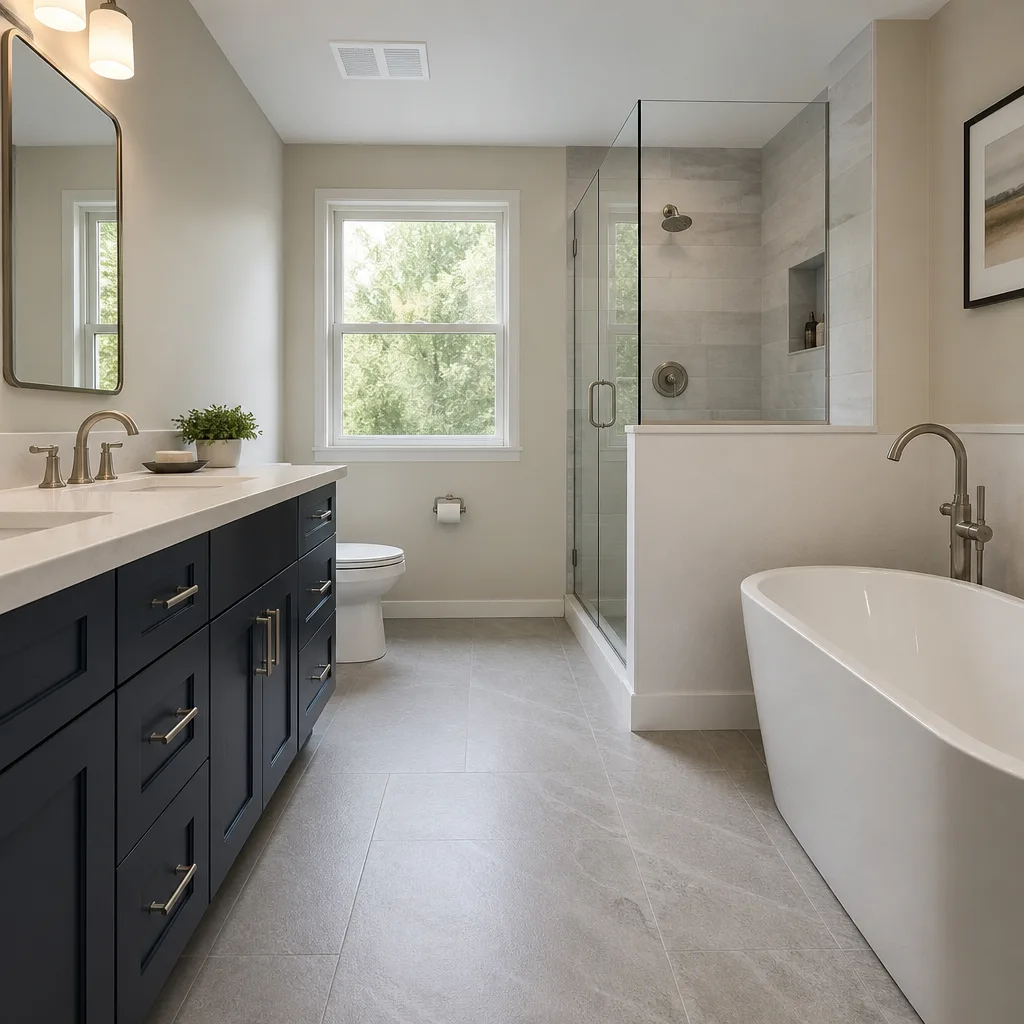
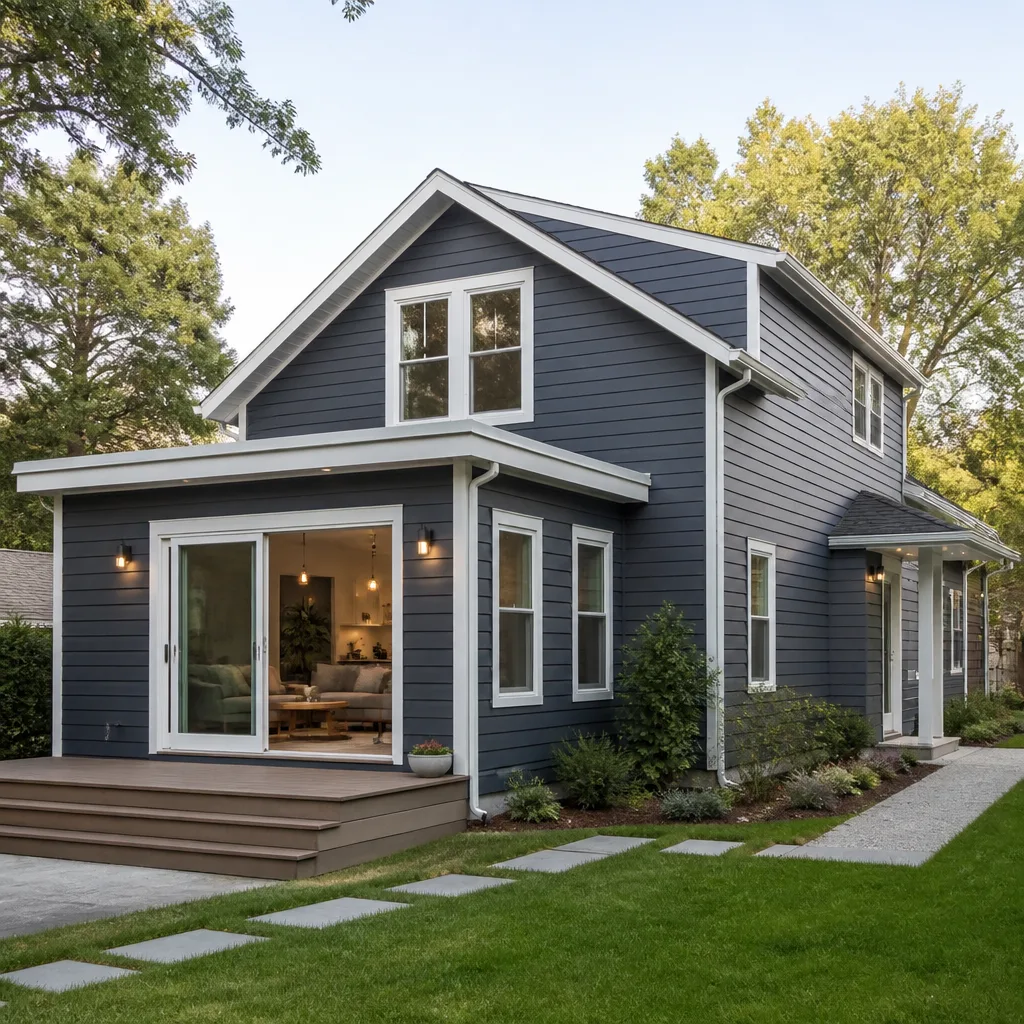

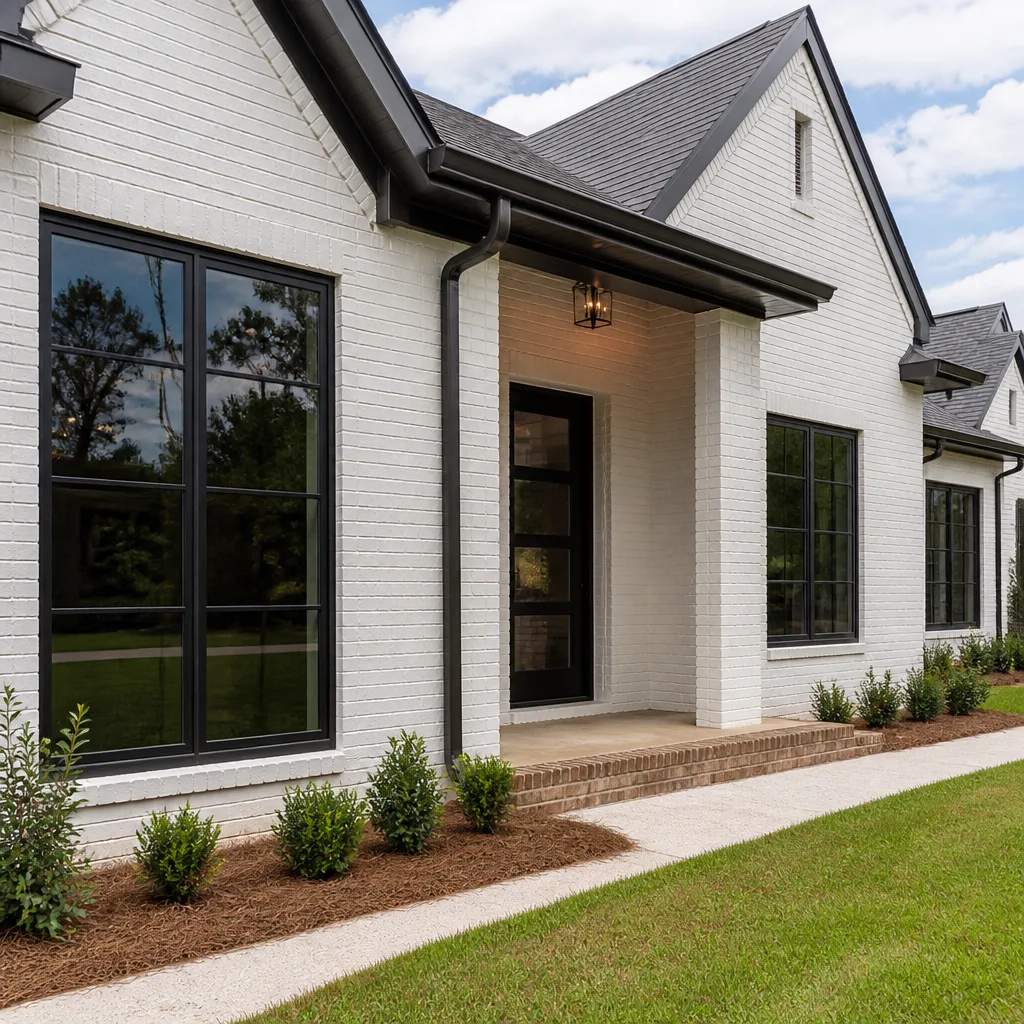
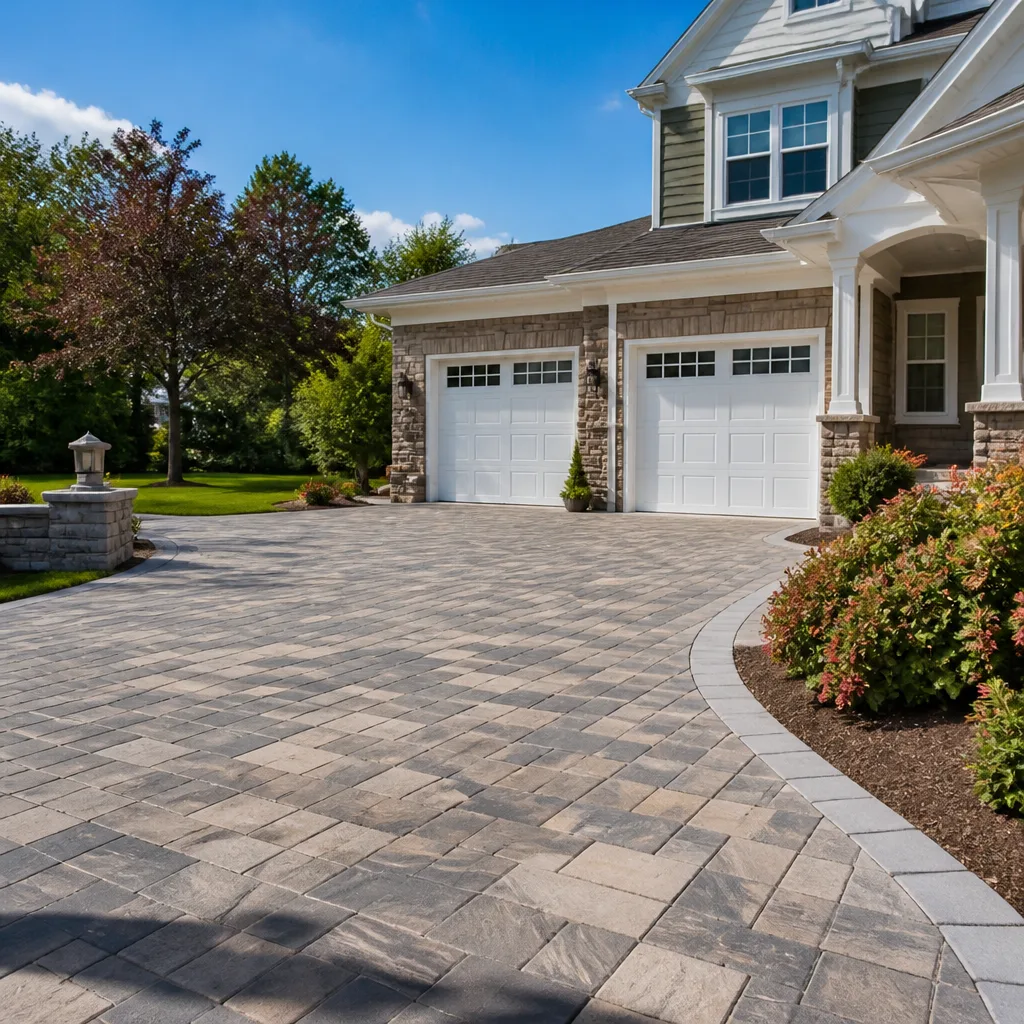
Table of Contents
- The California $500 License Threshold: What It Actually Means
- The Truly DIY-Appropriate Tasks for an LA Home
- Where DIY Creates Downstream Liability in Los Angeles
- What Owner-Builder Status Means for Resale Disclosure
- Homeowner’s Insurance and Owner-Performed Construction
- The Honest Cost Comparison: DIY vs Written Price
- The LA Permit Process for Homeowners: Time and Energy Costs
- Material Selection: Where Los Angeles Climate Changes the Math
The California $500 License Threshold: What It Actually Means
California Business and Professions Code section 7048 requires a licensed contractor for any project where the combined value of labor and materials exceeds $500. That number has not changed in decades, and it is far easier to cross than most Los Angeles homeowners expect. A single day of plumbing work plus the parts to go with it clears $500 without effort. A bathroom faucet replacement, if the shutoff valves are corroded and need replacement too, slips over the line.
What this means in practice: the weekend project that starts as “replace a light fixture” and grows into “move the switch, run new wire, patch the drywall, and while we’re at it, add a second circuit” has crossed from homeowner territory into work that legally requires a licensed contractor. The moment the scope of your project crosses $500 in combined labor and materials, you are required to either hire a licensed contractor or pull an owner-builder permit as a homeowner, which triggers a different set of disclosure and insurance obligations we will cover below.
We see this most often in Los Angeles neighborhoods like Echo Park and Highland Park, where homes from the 1920s and 1930s have accumulated decades of well-intentioned but unpermitted work. A homeowner opens a wall to hang a shelf and finds cloth-wrapped wiring, or a corroded galvanized pipe, and the project grows far beyond the original plan. A licensed General Contractor in Los Angeles prices that growth in writing before the first cut, so you are never watching the budget climb while the wall is open.
The $500 threshold applies to the total project, not each individual task. If you do three $200 tasks over three weekends as part of one continuous project, that is a $600 project. The threshold has been crossed.
Truly DIY-Appropriate Tasks for an LA Home
Honest guidance here matters more than encouragement. There are projects a careful homeowner can complete well, and saying so is not a liability if the boundaries are clear. Here are the tasks we tell Los Angeles homeowners they can genuinely do themselves, with realistic time estimates.
Interior Wall Painting
A single room in a standard Los Angeles home takes a novice two full days: one for prep and cut-in, one for two coats. Materials for a 12-by-12-foot room run roughly $120 to $220 for primer, paint, roller covers, tape, and drop cloths. This is the single best value DIY project, and it requires no permit. What matters most is the prep: cleaning the walls, filling holes, taping edges. Los Angeles homes built before 1978 may have lead paint, and sanding that paint is not a DIY task. If the paint is intact and you are painting over it, you are fine. If you are scraping or sanding down to bare wood, stop and call a professional.
Non-Structural Shelving and Wall Mounts
Installing floating shelves, closet organizers, curtain rods, and television mounts on interior walls is solid DIY territory. The work requires a stud finder, a level, appropriate anchors, and two to four hours depending on the scope. Critical rule for Los Angeles: know what is inside the wall before you drill. Exterior walls carry plumbing and electrical lines, and interior walls carry electrical. A $30 stud finder that detects live AC wiring is the cheapest insurance you will ever buy.
Fixture Replacements on Existing Supply Lines
Replacing a showerhead, a faucet that threads onto existing shutoff valves, a toilet seat, or cabinet hardware are all reasonable DIY projects. The line is this: as long as you are not altering plumbing, not opening walls, and not touching electrical wiring behind the fixture, you are within homeowner scope. A showerhead replacement takes 30 minutes. A kitchen faucet replacement takes two hours if the shutoff valves work and four if they do not. If the valve does not shut off completely, the job has crossed into plumbing work, and failing shutoff valves are common in older Los Angeles homes where hard water has eaten at the valve seats for decades.
Where DIY Creates Downstream Liability in Los Angeles
Skill is rarely the limiting factor. A careful Los Angeles homeowner can learn to hang drywall. The problems that become expensive are the ones you cannot see, and they show up as insurance denials, failed inspections, and disclosure obligations when you sell.
Anything Touching the Electrical Panel
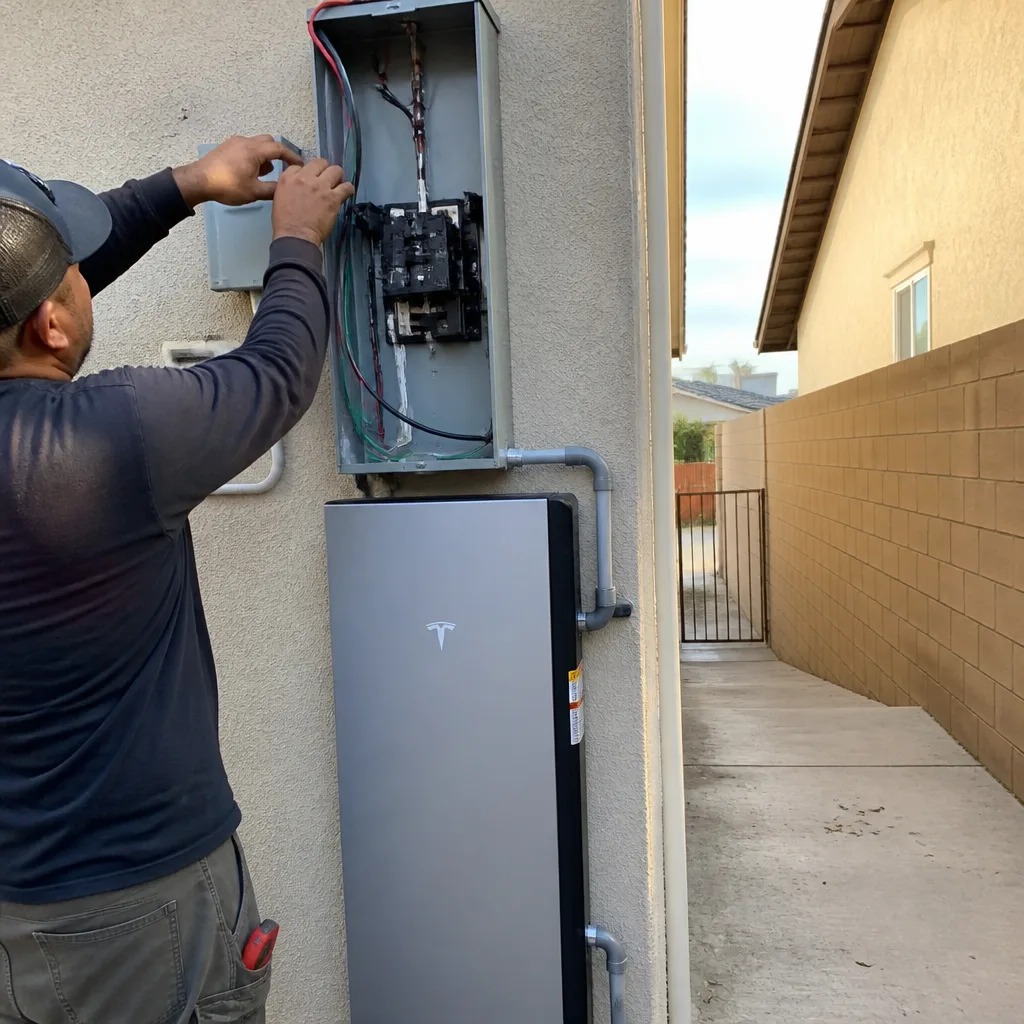
Adding a circuit, replacing a breaker, upgrading a panel, running new wiring, or wiring a new appliance all fall under this heading. The hazard here is not simply shock during installation. It is the slow failure: an overloaded circuit that heats a connection in the wall, or a panel with a brand known to have had failure modes, or aluminum wiring from the 1960s that is still present in some Los Angeles neighborhoods. Homeowner’s insurance policies in California commonly exclude fire claims where unpermitted electrical work is found to be a contributing cause. The Los Angeles Department of Building and Safety keeps permit records, and an insurance investigator will pull them. If the work was never permitted and never inspected, the claim can be denied. We cannot think of a project where the savings justify that exposure. Even installing a ceiling fan, if it requires new wiring rather than a simple swap, crosses into this territory.
Anything Requiring a Structural Permit
Removing a wall, cutting a new window or door opening, adding a bathroom where none existed, converting a garage, or building an addition all require structural permits in Los Angeles. The permit process exists because seismic requirements here are real, and the city’s building code is written around them. An owner-builder can pull these permits, but the plans must still be engineered and stamped, the inspections must still be passed, and the work must still meet current code. The savings from owner-builder status do not come from skipping the engineering, only from not paying a contractor’s markup. What you give up is the contractor’s insurance coverage, their warranty, and their accountability if the work fails inspection or fails after completion.
Exterior Waterproofing on a Stucco-Clad Wall
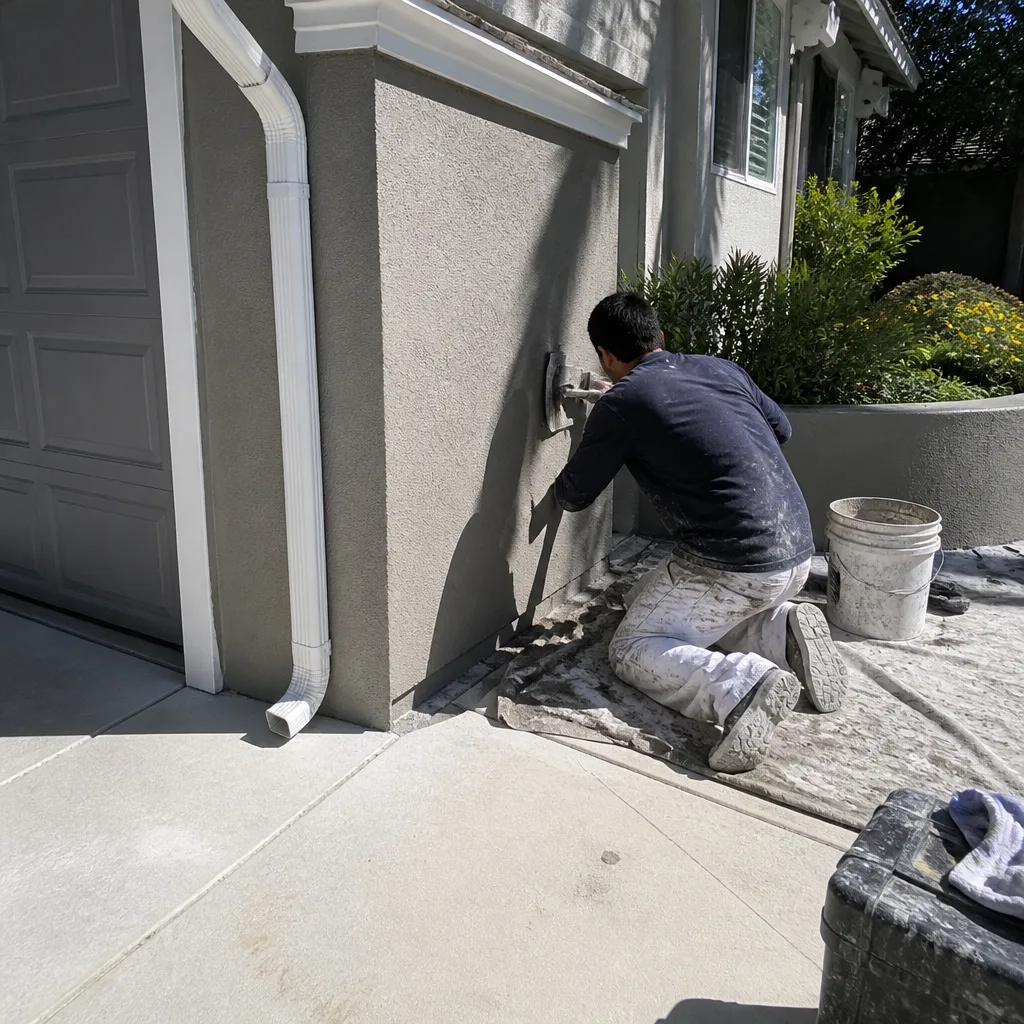
A large share of Los Angeles homes are stucco over wood frame. Stucco handles rain well when it is intact, but any penetration, a new exterior outlet, a new hose bib, a new light fixture, a crack repair that goes to the sheathing, creates a pathway for water. Once water gets behind stucco, it rots the framing and the sheathing, and the repair cost climbs quickly into five figures. The waterproofing detail around a penetration is not a caulk-bead job. It involves flashing, sealant, and sometimes a moisture barrier detail that a licensed contractor installs and warrants. This is one area where the DIY version often looks fine for two years and then becomes a mold and rot problem, and the homeowner discovers that no standard insurance policy covers long-term water intrusion.
What Owner-Builder Status Means for Resale Disclosure
When you pull a permit as an owner-builder in Los Angeles, that status is a matter of public record with the Los Angeles Department of Building and Safety, and it stays attached to the property permanently. When you eventually sell, California Civil Code requires you to disclose all work you performed on the home during your ownership, including owner-builder work, to the buyer on the Real Estate Transfer Disclosure Statement.
This matters for two reasons. First, buyers and their agents read this disclosure and sometimes price the risk of owner-performed work into their offer. Second, and more significantly, if you sell within one year of completing owner-builder work, California law requires you to either provide proof of a Home Improvement Salesperson registration or disclose the work, and the rules become more restrictive for work completed shortly before a sale.
There is also a practical reality: the burden of proving the work was done correctly falls entirely on you. A licensed contractor’s permit history, inspection record, and workmanship warranty transfer value to a buyer. An owner-builder’s work has no warranty behind it on record. For most Los Angeles homeowners, pulling an owner-builder permit for a bathroom remodel or a kitchen renovation saves $10,000 to $30,000 in contractor markup, and costs a meaningful portion of that savings in resale value and buyer confidence later. We see the math work well for homeowners who genuinely have the skill, time, and risk tolerance. We see it go badly for homeowners who underestimated what a bathroom remodel involves.
Homeowner’s Insurance and Owner-Performed Construction
Open your homeowner’s policy. Find the section on construction, renovations, or “vacancy and construction.” Most policies reduce or exclude coverage while a home is under renovation, and many policies narrow coverage further for work performed by the owner rather than a licensed contractor.
Three specific exposures to know:
- Coverage during construction: Many policies exclude or limit coverage for losses that occur during construction, renovation, or repair work, especially if the work involves structural, electrical, or plumbing systems. If you are rewiring a room yourself and a fire starts, the policy may deny the claim because the loss occurred during owner-performed electrical work.
- Liability for injury: If you hire an unlicensed handyman and they are injured on your property, your homeowner’s liability coverage may not respond since the work was performed by an unlicensed worker. If you are doing the work yourself and a friend helps, the friend’s injury can become your liability through your medical payments coverage, but not through workers’ compensation, because there is no workers’ comp policy on a DIY project.
- Disclosure obligation: As we covered above, California law requires you to disclose owner-builder status to your insurer before starting owner-performed construction. Failing to do so gives the insurer grounds to deny a related claim later.
Before any DIY project that touches structure, electrical, plumbing, or waterproofing, call your insurance agent and ask the direct question: “Does my policy cover losses during owner-performed construction work on this house?” Write down the answer, the date, and the name of the person who gave it. We have watched that single phone call save homeowners from six-figure claim denials.
The Honest Cost Comparison: DIY vs Written Price
The honest comparison is not material cost versus contractor quote. The honest comparison is total DIY cost including tools, permit time, your own labor hours, and the probability-weighted cost of a mistake weighed against a fixed written price from a licensed contractor.
Let us run a real Los Angeles example: a small bathroom remodel, roughly 40 square feet, replacing the tub, tile, vanity, and fixtures.
| Cost Category | DIY (Owner-Builder) | Licensed Contractor |
|---|---|---|
| Materials (tile, tub, vanity, fixtures) | $8,000 – $14,000 | $8,000 – $14,000 |
| Tool rental (tile saw, demo tools, misc.) | $600 – $1,200 | Included |
| Permit fees and plan review | $1,200 – $2,500 | $1,200 – $2,500 |
| Labor (your own hours, realistically 150 – 250) | $0 (but 4 – 8 weeks of evenings and weekends) | $12,000 – $22,000 |
| Mistake contingency (waterproofing failure, tile redo, inspection fail) | $2,000 – $8,000 (probability-weighted) | $0 (contractor warranty covers) |
| Realistic total | $11,800 – $25,700 plus your labor | $21,200 – $38,500, written price before work starts |
What the table does not capture: a bathroom remodel done by a homeowner takes four to eight weeks of evenings and weekends. A professional crew finishes the same scope in two to three weeks, and when they leave, there is a photo proving the house was cleaned. In our experience with Bathroom Remodeling in Los Angeles, the homeowners who choose the professional route after running this comparison are usually weighing the value of their own time against the written price, and the warranty, and the simple fact of having the job done by a named crew.
The LA Permit Process for Homeowners: Time and Energy Costs
Pulling a permit in Los Angeles as an owner-builder is legally available but administratively heavy. Here is the step-by-step reality:
- Application and plan review: Submit your plans to the Los Angeles Department of Building and Safety, either through the online portal or in person. For anything beyond cosmetic work, you will need stamped engineering drawings, which typically cost $2,000 to $8,000 depending on the scope.
- Plan check wait times: LA plan check turnaround runs two to six weeks for straightforward residential work. Corrections are common, and each correction cycle adds another one to three weeks.
- Permit issuance and fee payment: Once approved, pay the permit fees, which are based on the valuation of the work. You will pay a portion now and the remainder at final inspection.
- Inspections during the project: You schedule inspections at each phase: rough framing, rough electrical, rough plumbing, insulation, and final. Each inspection requires a window of time when someone, usually you, must be on site. Missed inspections mean rescheduling and project delay.
- Final sign-off: The final inspection closes the permit. Until it passes, the work is not complete on paper, and the permit remains open.
For a full kitchen or bathroom remodel, homeowners should budget 20 to 40 hours of administrative time across the life of the project. A licensed contractor absorbs this process into their project schedule and knows where the friction points are. That administrative labor has real value, and it is rarely counted in DIY cost comparisons.
Material Selection: Where Los Angeles Climate Changes the Math
Los Angeles is a Mediterranean climate with dry summers, wet winters, and a heavy marine layer near the coast. Those conditions drive real material decisions that affect whether a DIY project holds up.
Near coastal neighborhoods like Santa Monica, Pacific Palisades, and Playa del Rey, salt air corrodes exposed metal fixtures quickly. A cheap light fixture or door hardware set will show pitting within two years. In the inland valleys, like Woodland Hills and Sherman Oaks, summer temperatures regularly exceed 100 degrees, and products that fail in heat, low-quality adhesives, cheap vinyl trim, thin-engineered flooring, become obvious fast. The marine layer that rolls through West LA and the South Bay every morning creates persistent moisture that feeds mold inside improperly sealed exterior wall penetrations and around windows that were not flashed correctly.
This is where named-brand materials matter in ways that are easy to verify. A homeowner can look up a James Hardie fiber cement product, a GAF roofing system, or a Schluter waterproofing membrane, read the manufacturer’s spec sheet, and confirm the warranty terms. These products carry warranties that travel with the finished project, and the manufacturer honors them when the product is installed to spec. From our experience with Kitchen Remodeling in Los Angeles, the conversation about materials should start with what performs in this climate, not just what looks good in the showroom. A licensed contractor who installs these products daily will steer you away from a beautiful tile that fails in a wet environment and toward a tile that looks almost as good and lasts 20 years.
Common Mistakes to Avoid
- Skipping the insurance phone call. A five-minute call to your agent before starting an owner-builder project tells you whether your policy covers losses during owner-performed construction. Most people skip it, and the first time they think about it is when a claim is being denied.
- Underestimating the permit timeline. Los Angeles plan check and inspection cycles are not fast. A homeowner who budgets two weekends for permit administration discovers the actual time commitment is measured in weeks.
- Using a handyman for work that requires a license. An unlicensed worker doing electrical, plumbing, or structural work in Los Angeles is a liability on your property, and if they are injured, the consequences land on you. The $500 threshold applies to them too.
- Believing waterproofing is caulk. Exterior penetrations on stucco walls require flashing, not a bead of silicone. A caulked penetration looks sealed for a few years, then rots the framing behind it.
- Not considering resale disclosure. Owner-builder work follows the property. When you sell, you disclose it, and buyers discount for it. That discount should be part of your DIY savings calculation.
- Buying the cheapest materials in the wrong climate. Near the coast, cheap metal corrodes. Inland, cheap adhesives fail. Material selection in Los Angeles is climate-specific, and getting it wrong means redoing the work in three years.
- Not getting a written price before comparing DIY to professional. An estimate that can change is not the same as a written price. When a contractor gives you a written price before work starts, you can compare DIY honestly. When they give you an estimate that can grow, you cannot.
See the difference
 Before
 After
After Before
 After
After Before
 After
AfterWhen to Call a Professional
Call a professional when the work touches the electrical panel, any structural element, a stucco-clad exterior wall, or any plumbing beyond a fixture swap on an existing supply line. Call a professional when the project requires a permit and you do not have the time to manage the plan check and inspection process. Call a professional when the work involves waterproofing anywhere water touches wood. In Los Angeles, the cost of undoing a water damage problem is always more than getting the waterproofing right the first time. Elmstead Remodeling offers free estimates in Los Angeles. Call (949) 850-9896 to schedule a walkthrough, and you will get a written price before any work starts.
Frequently Asked Questions

Yes, California law allows a homeowner to act as an owner-builder and pull their own permits for work on their own residence. You must disclose that status to your insurer and to any future buyer, and the work must still be engineered and inspected to current code. Owner-builder status does not exempt the project from any permit or inspection requirement.
Any project with combined labor and materials over $500 requires a licensed contractor or an owner-builder permit. The threshold applies to the total project, not each task, and it is easy to cross. A weekend plumbing repair that grows into a larger project is exactly the situation where the threshold matters most.
Interior wall painting, non-structural shelving and curtain rod installation, and replacing fixtures on existing supply lines are all appropriate DIY projects for a careful homeowner. The line is clear: no electrical wiring, no structural changes, no waterproofing, and no plumbing beyond a fixture swap.
Owner-builder work is disclosed on the Real Estate Transfer Disclosure Statement when you sell, and the permit record shows your owner-builder status permanently. Buyers often price that risk into their offer. The actual impact depends on the quality and scope of the work, but a licensed contractor’s warranty and permit history transfer more value than a homeowner’s unproven work.
Some policies exclude or limit coverage for losses during owner-performed construction, especially if the work involves electrical, plumbing, or structural systems. Before starting any DIY project beyond cosmetic work, call your agent and ask the direct question. Document the answer.
A small bathroom remodel in Los Angeles typically runs $21,000 to $38,000 from a licensed contractor, with a written price before work starts. A full kitchen remodel ranges $35,000 to $80,000 depending on materials and scope. General contracting projects vary widely. Call (949) 850-9896 for a free estimate and a written price for your specific project.
The Bottom Line
The DIY-versus-hire decision in Los Angeles is a risk calculation dressed up as a skill question. For more guides & resources on navigating remodeling decisions, see our blog. Painting a room and hanging shelves are legitimate homeowner work. Rewiring a circuit, opening a wall, or waterproofing a stucco exterior are not, because the consequences of a mistake are held entirely by you: the insurance claim that gets denied, the inspection that fails, the disclosure that lowers your sale price. The honest math includes your time, the permit process, the probability-weighted mistake cost, and the resale impact, and when you run those numbers with real Los Angeles figures, the written price from a licensed contractor starts to look like the cleaner deal.
Written by Graham Stein, Owner at Elmstead Remodeling, serving Los Angeles since 2005.