Last updated October 8, 2026



Free written scope consultation - allowances, timeline, and change-order rules on paper before a single trade is scheduled
DIY vs Professional General Contractor: What’s Safe to Do Yourself
Painting your own walls is legal and low-risk; moving the wall is not. In Los Angeles, unpermitted structural work can surface during a home sale as a material defect disclosure that costs more to remediate than the original permit would have. This guide draws the line at specific tasks rather than vague categories, so you know exactly where a Saturday project ends and a licensed contractor’s job begins. We’ll walk through permit requirements, insurance gaps, honest skill-level ratings for common DIY work, and how to calculate whether doing it yourself actually saves money. Los Angeles has some of the strictest building codes in California, and the rules here don’t always match what you’ll read on national DIY forums.
Quick Answer
You can safely handle cosmetic tasks like painting, hardware swaps, and non-wet-area tile without a permit or a contractor. Anything that touches structure, plumbing, electrical, or load-bearing walls requires a permit in Los Angeles, and plumbing and electrical work done by an unlicensed person can void your homeowner’s insurance coverage for any resulting damage. The honest line is this: if the task requires a permit, changes the footprint, or carries water or current, hire a licensed general contractor.
Styles & brands we work with
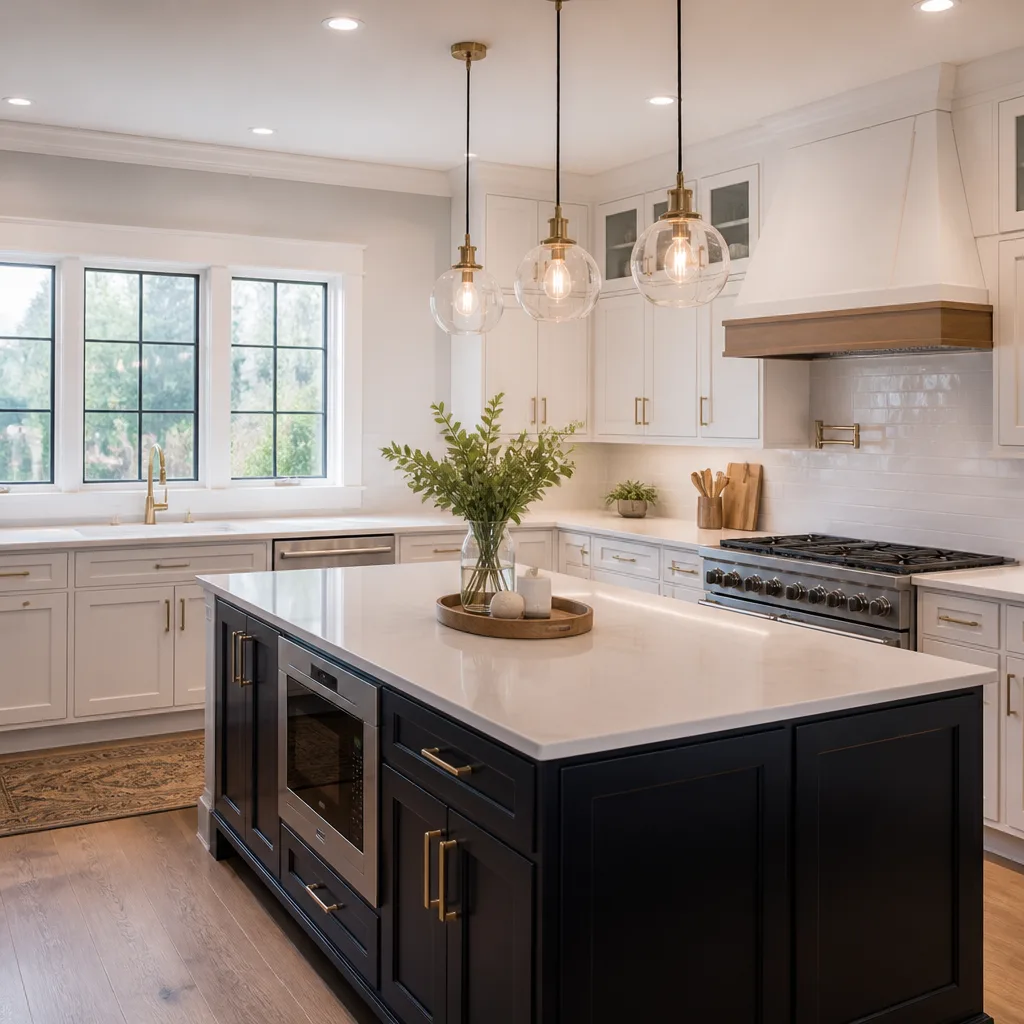
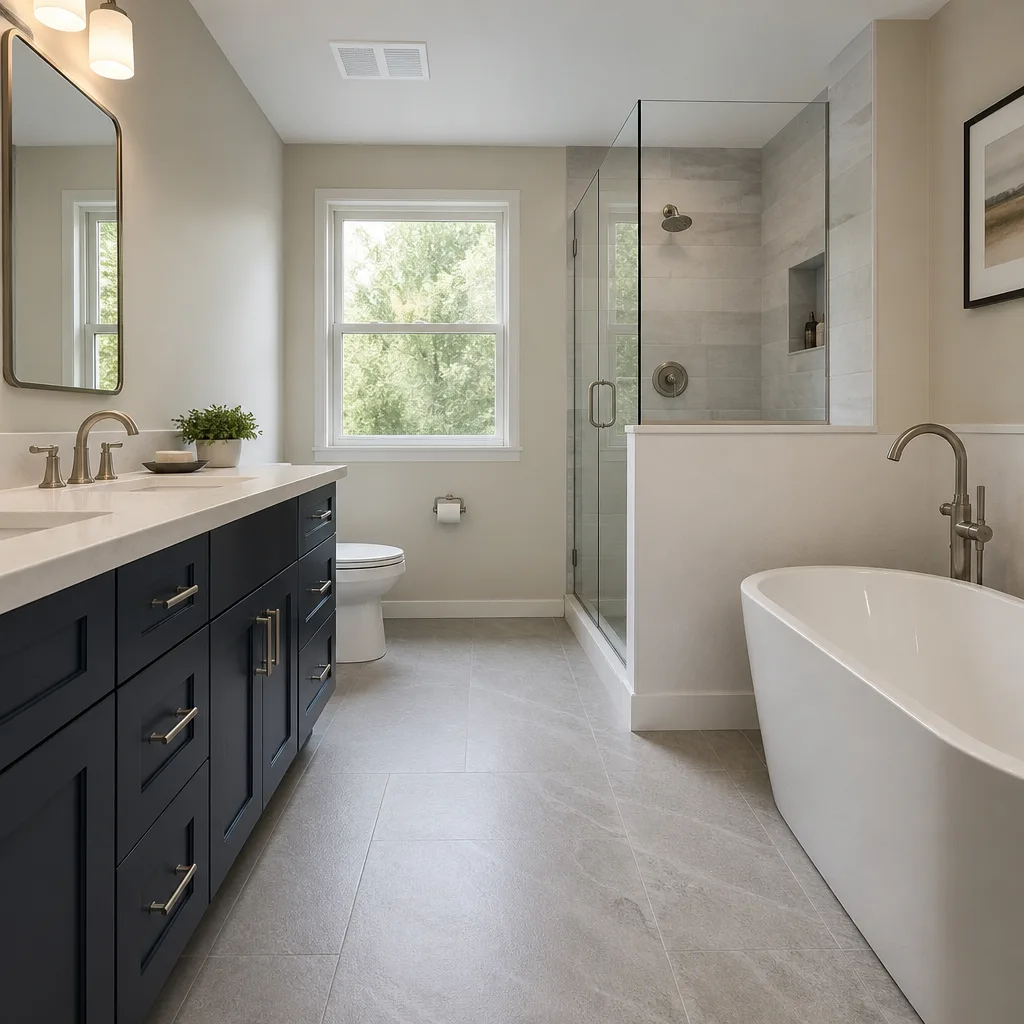



Table of Contents
- The Permit Line: What You Can Legally Do Yourself in Los Angeles
- What’s Genuinely Safe and Cost-Effective to DIY
- Where DIY Mistakes Create Insurance Coverage Gaps
- Owner-Builder Rules and Disclosure Requirements in California
- How to Calculate the Real Cost of DIY
- Task-by-Task Breakdown: DIY or Hire?
- Common Mistakes to Avoid
- When to Call a Professional
- Frequently Asked Questions
The Permit Line: What You Can Legally Do Yourself in Los Angeles
Los Angeles County and the City of Los Angeles enforce the California Building Standards Code, which is among the most detailed in the country. The permit line is the clearest dividing mark between safe DIY and work that belongs with a licensed contractor. Here’s what the code actually allows a homeowner to self-perform under an owner-builder permit, and what it does not.
Under California law, a homeowner who lives in the property may act as an owner-builder and pull permits for work on their own residence. This includes structural framing, window replacement, and certain electrical or plumbing scopes. But the owner-builder permit carries a significant condition: you must do the work yourself or with your own employees, and you cannot hire an unlicensed person to do it for you. You also inherit full legal liability for code compliance, worker injuries, and any defect that surfaces later.
What homeowners cannot legally self-permit in Los Angeles:
- Any work on a property held for resale within one year of completion (owner-builder permits are restricted to owner-occupied primary residences)
- Work involving gas line relocation or new gas service, which requires both a permit and a certified technician
- Main electrical panel upgrades, which the Los Angeles Department of Building and Safety requires a licensed electrical contractor to perform
- Seismic retrofitting that involves foundation bolting, which requires engineering and specific certification in many LA neighborhoods built before 1980
In our experience across Los Angeles, the most common DIY permit mistake is starting with a small cosmetic change and discovering mid-project that a load-bearing wall, water line, or electrical circuit is involved. When that happens, the work must stop, the permit must be pulled, and the partially completed work must be inspected. If it fails inspection, the remediation cost often exceeds what the original contractor bid would have been. The general contractor in Los Angeles you hire matters less for the labor than for the code knowledge that keeps the job from spiraling.
What’s Genuinely Safe and Cost-Effective to DIY
Families can save real money on cosmetic work, and the savings hold up when you count your own labor as free and the learning curve as manageable. Here are the tasks where we consistently tell Los Angeles homeowners to go ahead and try it themselves, with honest skill-level ratings. For deeper guidance on where to draw the line, see our breakdown of DIY vs Professional Home Remodeling: What’s Safe to Do Yourself.
Painting Interior Walls and Ceilings
Skill level: Beginner. This is the most forgiving DIY task in a home. The materials are inexpensive, mistakes are easily corrected, and no permit is required. Budget for quality roller covers, painter’s tape that actually seals, and drop cloths that cover the entire floor, not just the perimeter. In Los Angeles homes built before 1978, test for lead paint before sanding or scraping. The cost difference between DIY and professional painting can be $2,500 to $6,000 on a typical three-bedroom home.
Replacing Cabinet Hardware, Faucet Fixtures, and Light Switch Covers
Skill level: Beginner. Swapping a Moen or Kohler faucet for a newer model is a two-hour job with a basin wrench. Replacing switch covers and cabinet pulls requires a screwdriver and patience. No permit is needed for like-for-like replacement, meaning you are removing an existing fixture and installing a new one in the same location without moving pipes or wires.
Installing a Tile Backsplash in a Non-Wet Area
Skill level: Intermediate. A kitchen backsplash away from the sink and stove is a reasonable DIY project if you rent a tile saw and buy pre-mixed mastic. You’ll need spacers, a level, and patience with layout. What makes this safe is that a backsplash is cosmetic: if a tile is slightly off, the result is imperfect, not unsafe. Wet areas are different. Shower surrounds, tub surrounds, and any tile in a shower requires waterproofing expertise, and a failed DIY shower waterproofing job can rot the framing behind the tile without showing any visible sign for years.
Landscaping, Planter Beds, and Hardscape Edging
Skill level: Beginner to intermediate. Los Angeles homeowners save thousands on landscaping when they do the planting, mulching, and drip-line adjustment themselves. Belgard pavers and retaining wall blocks are designed for homeowner installation on small projects under four feet of height. Above that, retaining walls require permits, engineering, and drainage design. The Los Angeles climate, with its dramatic wet-dry cycles, puts real stress on hardscape, so edging and base preparation matter more here than they do in other parts of the country.
Where DIY Mistakes Create Insurance Coverage Gaps
Most homeowners never think about this until the claim is denied. Here is what California homeowners need to understand before touching a pipe or a wire.
Plumbing work done by an unlicensed person voids coverage for resulting water damage. A standard HO-3 homeowner’s policy covers sudden and accidental water damage from a failed pipe. But if the pipe was modified, relocated, or installed by someone without a valid California contractor’s license, the insurer can deny the claim on the grounds that the loss resulted from unpermitted, unlicensed work. We have seen this play out in Los Angeles more times than we can count: a homeowner re-routes a sink drain on a Sunday, the connection fails six months later, and the insurance adjuster asks one question: who did the work?
Electrical work carries the same risk, with the added danger of fire. A homeowner’s policy covers fire damage, but if the fire marshal’s report points to unpermitted electrical work, the claim can be denied in full. The cost of a DIY panel upgrade gone wrong is not just the rewire: it can be an entire home loss with no coverage. In Los Angeles, where many homes built in the 1950s and 1960s still have original wiring, the risk is higher than in newer housing stock.
Structural work without a permit can void coverage for anything connected to it. If you remove a wall without permits and the ceiling sags a year later, your insurer may deny the claim on the basis that unpermitted structural modification caused or contributed to the failure. Even if the sag is unrelated, the adjuster will flag the unpermitted work and the burden of proof shifts to you.
The pattern is consistent: DIY mistakes in cosmetic areas cost money. DIY mistakes in plumbing, electrical, or structural areas can cost the entire claim. When a task carries water, current, or load, the smart move in Los Angeles is a licensed contractor with the insurance to stand behind the work.
Owner-Builder Rules and Disclosure Requirements in California
California’s owner-builder path is legitimate but heavily regulated, and the disclosure obligations follow you long after the paint dries.
Who can be an owner-builder: You must own the property, occupy it as your primary residence, and intend to continue occupying it after the work is done. You cannot pull an owner-builder permit for a property you plan to sell within one year. Violating this is a misdemeanor under California Business and Professions Code Section 7044.
What you must disclose when you sell: Under California Civil Code Section 1102, sellers must disclose all material facts about the property, including any work done without permits. If you acted as an owner-builder and completed structural, plumbing, or electrical work, you must disclose this to the buyer in writing. The buyer is entitled to know that the work was self-performed and permitted under owner-builder provisions. If the work was unpermitted entirely, that disclosure becomes even more critical because the buyer’s lender may refuse to finance the purchase.
The practical consequence: When we sit down with Los Angeles families planning a major remodel, one of the first questions we ask is whether they see themselves in the house five years from now. If the answer is yes, an owner-builder permit for careful, well-documented work can be a reasonable path for an experienced DIY homeowner. If the answer is maybe or no, every unpermitted structural change becomes a liability at resale. Buyers in Los Angeles are sophisticated, and their inspectors are looking for exactly these issues.
For families weighing whether to tackle a kitchen remodeling in Los Angeles project themselves or hire it out, the owner-builder decision hangs on how long you’ll stay and how confident you are in the documentation. A licensed contractor pulls the permits, passes the inspections, and the paper trail is clean for the next buyer.
How to Calculate the Real Cost of DIY
The honest math on DIY rarely matches the optimistic version we start with. Here is the real formula, built from watching Los Angeles homeowners attempt projects and from bidding the same work professionally.
Step 1: Material cost. Get this from an actual supplier, not a blog post. Los Angeles pricing runs higher than national averages on lumber, tile, and fixtures, and supply chain variability in Southern California is real. A named-brand product like a Kohler faucet or James Hardie siding panel costs the same whether you buy it or we do, but we buy in volume and pass trade pricing through.
Step 2: Tool rental and purchase. A tile saw rents for $40 to $80 per day in Los Angeles. A drywall lift is $35 to $50 per day. If your project takes three weekends, you’re renting each tool for six days. Add consumables: blades, bits, sanding discs, grout floats, caulk, and the inevitable do-over materials.
Step 3: Learning curve waste. This is the number nobody budgets for. If you’ve never tiled before, plan for 15% to 25% material waste on your first tile project from bad cuts, broken pieces, and layout mistakes. On a $1,500 tile order, that’s $225 to $375 in waste alone. If you’ve never hung drywall, the mudding and sanding will take you four times longer than a professional and the result will still show seams.
Step 4: Your time, honestly priced. If you’d otherwise be working, your time has a market rate. If you’d otherwise be with your kids, your time has a different value. Both count. A kitchen remodel that takes a contractor six weeks takes a DIY homeowner nine months of nights and weekends, and the house is in disarray for all of them.
Step 5: Compare against a written bid. Here’s where the decision actually gets made. A written contractor bid includes the materials, the labor, the permits, the inspections, the warranty, and the clean-up. When Elmstead Remodeling provides a written price for a bathroom remodeling in Los Angeles job, the family can compare it directly against their DIY estimate. If your DIY total is within 30% of the contractor bid, hiring is almost always the better financial decision because the contractor carries the liability, the warranty, and the permit paperwork.
Task-by-Task Breakdown: DIY or Hire?
This is the reference table we wish every Los Angeles homeowner had before starting a project. It organizes tasks by permit requirement and risk level, so the decision is made task by task, not category by category.
No Permit Required, Low Risk: Safe to DIY
- Interior painting: No permit, no structural risk, fully reversible.
- Cabinet hardware swaps: No permit, cosmetics only.
- Fixture replacement (faucets, light fixtures, toilets): Like-for-like replacement only. If you’re moving the location of the fixture, it becomes a plumbing or electrical job.
- Non-wet-area backsplash tile: Cosmetic, but tiling skill matters for the result.
- Landscaping and planting: No permit unless grading or drainage changes are involved.
Permit Required, Moderate Risk: Owner-Builder Possible
- Window replacement (same opening size): Requires a permit in Los Angeles. An experienced DIY homeowner can manage this as owner-builder.
- Drywall replacement (non-structural): No permit required for repair, but the finishing quality separates amateur from professional work.
- Flooring installation: No permit for most materials. The skill varies wildly by material: luxury vinyl plank is beginner-friendly; tile on a large floor is intermediate.
Permit Required, High Risk: Hire a Licensed Contractor
- Load-bearing wall removal: Requires engineered plans, permit, and often temporary shoring. This is not a weekend project.
- Electrical panel upgrades or new circuits: Licensed electrical contractor required in Los Angeles. The fire risk from a mistake is not theoretical.
- Plumbing line moves or new plumbing runs: Leaks behind walls destroy framing, flooring, and drywall before you know they exist.
- Structural framing changes, additions, or foundation work: The engineering alone requires a professional.
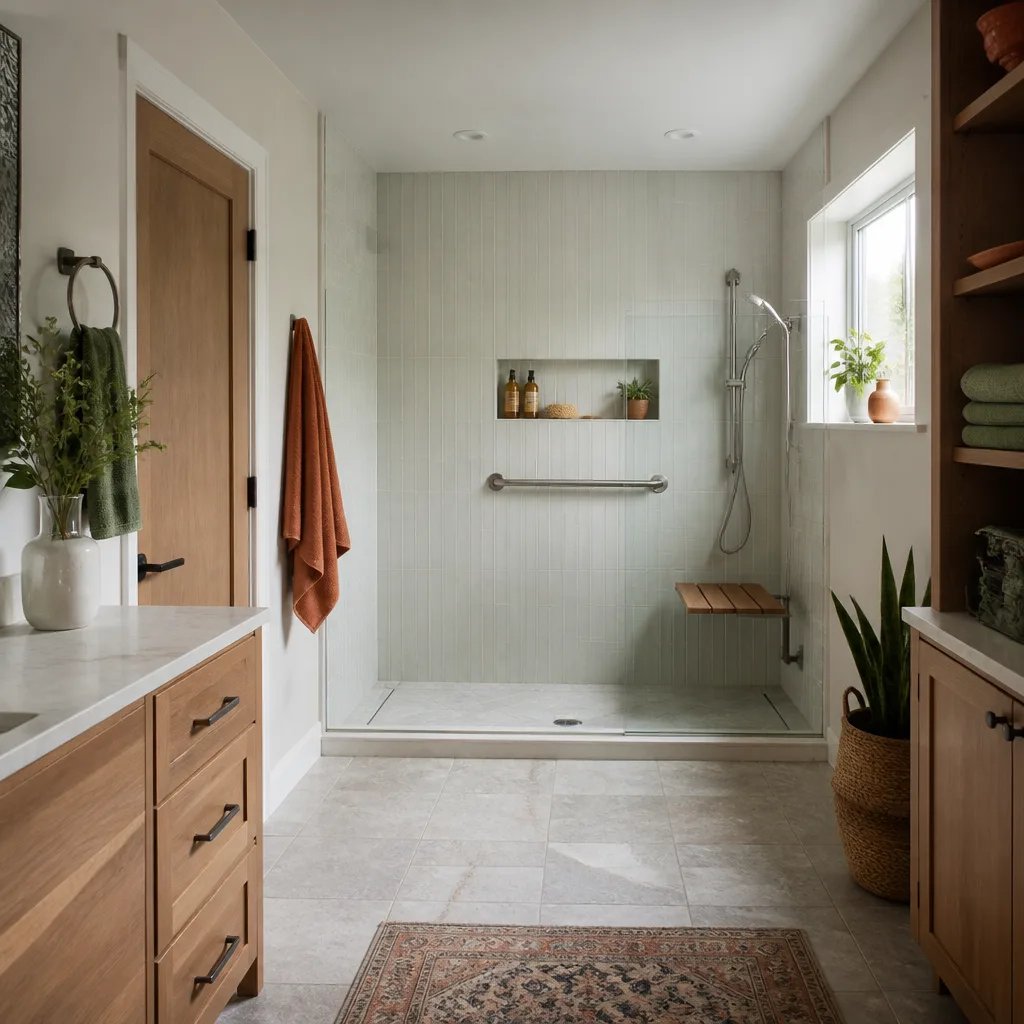
- Shower and wet-area waterproofing: Failed waterproofing can mean full demo and mold remediation. The cost of a professional shower build is insurance against this.
When families in Los Angeles ask us where to draw the line, the answer is consistent: if the task carries water, current, or load, the risk math changes entirely. A gallon of paint is forgiving. A water line is not.
Common Mistakes to Avoid
- Assuming you don’t need a permit because the work is inside. Los Angeles requires permits for interior structural, plumbing, and electrical work regardless of whether it’s visible from the street. Interior work is not exempt from the permit process.
- Changing the scope mid-project. You start with a faucet replacement and end up moving the sink. The moment the location changes, the permit requirement kicks in and your insurance exposure changes with it.
- Using the wrong waterproofing method behind tile. In a shower, the difference between a Schluter system and a generic membrane is the difference between a 20-year shower and a 2-year shower. This is the most common DIY failure we see in Los Angeles bathrooms.
- Underestimating the condition of older LA homes. Houses built before 1980 often have outdated wiring, cast iron drain lines, and framing that does not match modern code. A simple project can uncover problems that require professional work to correct.
- Skipping the owner-builder disclosure when selling. This is a legal requirement, not a courtesy. Failing to disclose unpermitted or owner-builder work can result in a lawsuit after the sale closes.
- Pricing DIY without the waste and tool costs. The napkin math never matches the receipt. You will buy more material than you need, you will rent tools more times than you planned, and you will redo at least one section.
- Working on a gas line without the proper certification. Gas work in Los Angeles requires specific certification beyond a standard contractor’s license. A gas leak is a different order of risk than a water leak, and the consequences of a mistake are not repairable with drywall.
When to Call a Professional
The call to a professional is not an admission that you lack skill. It’s a recognition that some tasks carry consequences too expensive to learn on. Call a licensed contractor when the project requires a structural permit, involves any gas, plumbing, or electrical work beyond like-for-like replacement, touches a wet area, or when you simply don’t want the house torn apart for nine months of weekends. If you’re in Los Angeles and want a written price before any work starts, Elmstead Remodeling home is a good place to begin. We provide free estimates, and the number is (949) 850-9896. A real person answers, and you’ll have a clear number to compare against your DIY math.
Frequently Asked Questions
You can paint, replace cabinet hardware, swap fixtures like-for-like in the same location, install non-wet-area backsplash tile, and do most landscaping without a permit in Los Angeles. The moment the work changes a fixture’s location, involves a pipe or wire behind a wall, or touches anything structural, a permit is required.
Yes, if you own the home, live in it as your primary residence, and do the work yourself or with your own employees. You cannot hire unlicensed workers, and you cannot pull an owner-builder permit for a property you plan to sell within one year. The owner-builder permit also puts full liability for code compliance and worker injuries on you personally.
Generally no. If unlicensed, unpermitted work causes water or fire damage, your insurer can deny the claim on the grounds that the loss resulted from work that should not have been self-performed. The safest path for any plumbing or electrical work in Los Angeles is a licensed contractor whose own liability insurance covers the work. Call (949) 850-9896 for an honest assessment of whether your project should be professional work.
For a typical bathroom remodel, a licensed contractor’s written bid in Los Angeles ranges from roughly $18,000 to $45,000 depending on scope and materials. A DIY version of the same bathroom might cost $8,000 to $15,000 in materials and tools, but it excludes permits, liability, warranty, and your time, and it leaves you holding the risk if waterproofing or plumbing fails. The gap shrinks considerably once you price your time and the learning curve waste accurately.
Yes. California Civil Code requires sellers to disclose material facts including unpermitted or owner-builder work. If the work was structural, plumbing, or electrical, the disclosure is mandatory, and failing to disclose can result in post-sale litigation. A contractor-pulled permit creates a clean paper trail that makes the sale smoother.
Failed shower waterproofing. Homeowners install tile over the wrong substrate or use the wrong membrane, and the leak rots the framing behind the wall for years before anyone notices. The repair costs more than the original professional shower build would have. In a market like Los Angeles where bathrooms are a major resale factor, a professionally waterproofed shower is worth the cost.
The Bottom Line

The DIY-versus-hire decision is not a test of your competence. It’s a calculation of risk, liability, and time. Paint the walls, swap the hardware, plant the garden. When the work carries water, current, or load, the equation changes, and in Los Angeles, the permit requirements and insurance gaps make professional work the financially sound choice for structural, plumbing, and electrical scopes. Get a written price before deciding. Elmstead Remodeling serves Los Angeles with free estimates at (949) 850-9896, and we’ll give you an honest number whether you hire us or not.
Written by Graham Stein, Owner at Elmstead Remodeling, serving Los Angeles since 2005.
See the difference
 Before
 After
After Before
 After
After Before
 After
After