Last updated October 8, 2026







Free written scope consultation - allowances, timeline, and change-order rules on paper before a single trade is scheduled
DIY vs Professional Home Remodeling: What’s Safe to Do Yourself
Most homeowners we talk to in Los Angeles start with the same question: can I do this myself? It’s a fair question. But after nearly two decades of remodeling homes here, we’ve learned the more useful question is different. It’s not about whether you can do the work. It’s about what happens to your family if the work goes wrong. That answer changes completely depending on whether the task touches a permit, a load-bearing element, or a surface your children and pets contact every day. California’s unpermitted work statute is unforgiving. A bathroom addition you tiled yourself but wired without a permit can legally block your home’s sale. And your homeowner’s insurance may deny a claim if that wiring caused the damage. This guide draws the line by consequence, not by difficulty.
Quick Answer
You can safely DIY cosmetic work that fails harmlessly: painting accent walls, swapping cabinet hardware, replacing a faucet cartridge, installing floating shelves on drywall anchors. You should hire a licensed professional for anything structural, anything touching plumbing drains or supply lines, anything electrical behind drywall, and anything requiring a permit where the city requires a licensed contractor’s signature. The consequence of a mistake, not the difficulty of the task, is the line.
Styles & brands we work with







Table of Contents
- The Consequence Ladder: What Actually Happens When DIY Goes Wrong
- Permits in Los Angeles: What the City Actually Requires
- DIY Projects That Void Manufacturer Warranties
- Kids, Pets, and Off-Gassing: The Stakes You Can’t See
- The 6-Question Checklist Before You Pick Up a Hammer
- What’s Actually Safe to DIY: A Realistic List
- What to Hand to a Professional: The Non-Negotiable List
- Common Mistakes to Avoid
- When to Call a Professional
- Frequently Asked Questions
The Consequence Ladder: What Actually Happens When DIY Goes Wrong
Every remodeling task sits somewhere on a ladder. The bottom rungs are cosmetic. The top rungs are structural, legal, or financial. Knowing which rung you’re standing on is the whole game.
Rung 1: Cosmetic Failure (Fixable, Low Cost)
You paint a wall and don’t like the color. You hang a shelf and it’s crooked. You swap a light fixture and the room looks off. The fix costs time and maybe a few hundred dollars. Nothing is damaged. This is the safe zone for DIY. In Los Angeles, where weekend homeowners are always updating older homes in neighborhoods like Eagle Rock or West Adams, this is where most people should start.
Rung 2: Functional Failure (Annoying, Medium Cost)
You replace a faucet and it drips from the connection because the seat wasn’t cleaned properly. You patch drywall and the seam still shows through the paint. The house still works. No one is in danger. But the fix now costs more than the original job would have, because a tradesperson has to undo your work first. We’ve walked into kitchens in Los Angeles where a homeowner’s garbage disposal install ran fine for three months, then leaked inside the cabinet and ruined the cabinet floor. The disposal cost $150. The cabinet repair cost $900.
Rung 3: Structural or System Failure (Dangerous, High Cost)
You remove a wall and a door upstairs starts sticking. You run a new circuit and the breaker trips every time the microwave runs. You move a toilet and the drain line doesn’t slope correctly, so sewage backs up slowly behind the walls for weeks before you smell it. These failures are not fixable with spackle. They require demolition, permits, and licensed tradespeople. And in many cases, your insurance will not cover the repair because the work was unpermitted and unlicensed. That’s the part most DIY guides skip. In Los Angeles, where housing stock includes everything from 1920s bungalows to 2000s tract homes, the age of the house changes what’s safe. A 1925 Spanish home in Highland Park has different framing, different wiring, and different plumbing than a 2015 build in Porter Ranch. General advice online often assumes the newer home. That assumption can be expensive.
Permits in Los Angeles: What the City Actually Requires
Here’s what most homeowners don’t realize about Los Angeles building permits: some permits require a licensed contractor’s signature by law. Not by preference. By code. This is not a gray area.
What Requires a Licensed Contractor’s Signature
- Structural changes: Moving, removing, or cutting into load-bearing walls. Adding beams. Widening wall openings for open-concept kitchens. The city wants an engineer’s stamp and a licensed contractor on the permit.
- Electrical panel work: Adding a subpanel, upgrading a 100-amp panel to 200-amp, moving a panel. Any new circuit that requires a breaker addition.
- Plumbing drain line moves: Relocating a toilet, shower drain, or sink drain. This is different from swapping a faucet. On a permit, you’re moving the pipe beneath the floor.
- HVAC duct work: New runs, reconfiguring registers, adding a return. The city requires a licensed mechanical contractor.
- Seismic work: Foundation bolting, cripple wall bracing in older Los Angeles homes. This is controlled by specific retrofit codes.
What a Homeowner Can Pull an Owner-Builder Permit For
California allows owner-builder permits for some work. But that permission comes with strings. You must live in the home. You must do the work yourself or hire the trades directly. And you carry all the liability. If you sell the home within a year, the state requires you to disclose that owner-builder work. If you never pull the permit and sell later, the buyer’s inspector may find the unpermitted work, and in California’s disclosure-heavy real estate market, that discovery is a legal liability. Los Angeles buyers are unusually savvy about this because of how common flipped homes are here. An unpermitted bathroom addition in a Los Angeles home is not a hidden secret; it’s a ticking disclosure in the closing documents.
What Still Triggers an Inspection Even If You DIY
- Any electrical work beyond replacing a fixture or switch in the same location. Adding recessed lights in a Los Angeles living room? That’s a permit and an inspection.
- Any gas line work, including moving a stove from one wall to another in a kitchen remodel.
- Any window enlargement or new window opening. Egress requirements matter, and the city checks them.
- Any new bathroom or kitchen plumbing location. Moving a sink across a kitchen is not a cosmetic act.
The rule in Los Angeles is simple: if the work would be hidden by drywall after you finish, it probably needs a permit. And if it needs a permit, it probably needs a licensed contractor’s signature.
DIY Projects That Void Manufacturer Warranties
Some of the most expensive DIY mistakes are invisible on day one. You install the product. It looks fine. Then it fails in year three. You call the manufacturer. They ask who installed it. The warranty dies on that call.
James Hardie Siding
James Hardie fiber cement siding carries a 30-year finish warranty. That warranty is conditional. The product must be installed by a contractor who has passed the manufacturer’s certification process. DIY installation voids the finish warranty completely. In Los Angeles, where homes in areas like Sherman Oaks and Studio City get intense sun exposure, the finish warranty matters. If the siding fades or chalks at year eight, a certified install means the manufacturer stands behind the product. A DIY install means you’re repainting on your own dime. That’s not a small number. Repainting a whole home exterior in Los Angeles runs from $8,000 to $20,000 depending on size and prep.
Countertops from Cambria, Silestone, and Caesarstone
Quartz countertop manufacturers run their own fabrication and installation networks. Cambria, for example, does not sell slabs to uncertified fabricators. The warranty applies when a certified fabricator measures, cuts, and installs the slab. A DIY install typically means buying through a different channel, and the manufacturer will not cover seam failure, cracking, or structural issues. Countertops are not a one-person job in any case. A slab of quartz weighs 600 to 900 pounds. The seam work requires specific tools and experience to keep the joint from telegraphing through the polished surface.
Fixtures from Kohler, Moen, Blanco, and Delta
Here’s where DIY gets a little safer. Most of these fixture brands offer homeowner-friendly limited warranties on their products. A Moen cartridge or a Kohler kitchen faucet carries a lifetime limited warranty against leaks and finish defects, regardless of who installs it. The warranty covers the product, not the installation. So if a Delta valve fails, the manufacturer sends a replacement part. But if the connection you made at the shut-off leaks and destroys the cabinet base, the manufacturer will not cover the cabinet, the floor, or the drywall below. The warranty covers the part. It never covers the consequence of a bad install.
Kids, Pets, and Off-Gassing: The Stakes You Can’t See
This is the section most DIY remodeling guides don’t write, but you’ll find more guides & resources on our blog. We’re writing it because it’s the reason many Los Angeles families call us in the first place.
Floor Refinishing and VOC Off-Gassing
DIY floor refinishing typically uses oil-based polyurethane. It’s inexpensive and widely available at home centers. It also off-gasses volatile organic compounds, or VOCs, for weeks. With a professional, you have options. Water-based and low-VOC finishes exist. They cost more and cure differently. In an occupied home, the difference matters. You can’t put a toddler back on a floor that’s still off-gassing. You can’t tell a six-year-old to hold their breath. Professionally applied low-VOC finishes with controlled ventilation are a different product category than a can of poly from the hardware store. The same logic applies to paint. Low-VOC and zero-VOC paints are readily available, but DIY painters often use oil-based primers in older Los Angeles homes because they cover so well. That primer off-gasses for days. A professional can use water-based or low-VOC primers that do the same job without the same exposure window for your family.
Pet-Safe Product Choices
Pets don’t read labels. If you’re regrouting a tile floor, your dog is not going to avoid the wet grout. If you’re re-caulking a tub, your cat is going to walk through it. Professional crews plan for this by using pet-safe products where there’s a choice, closing off rooms, and scheduling work during hours when pets are crated or in another part of the house. That’s not an add-on. That’s just how the job is done when the crew understands that a home is lived in by animals who don’t understand renovation schedules.
Quiet Hours and School Hours
In Los Angeles, many families have a mix of remote work, school-aged kids, and nap schedules. A DIY remodel doesn’t have quiet hours. You work when you have time, which is often evenings and weekends, which is often exactly when the baby sleeps. A professional crew can plan for quiet tools during rest hours where possible. The work still happens. It just happens with a schedule that respects the household.
The 6-Question Checklist Before You Pick Up a Hammer
Use this before starting any remodeling task. Each question maps to a keep-or-hire recommendation.
- Is this load-bearing? If you’re not sure, it’s a hire. Moving a wall in a Los Angeles home without knowing what’s above it is the single most expensive DIY mistake we see. If the wall holds up a roof or an upper floor, the consequence of a wrong guess is structural.
- Does it touch water supply or drain lines? Swapping a faucet is DIY-able. Moving a drain line is not. The difference is the pipe behind the wall. Water supply leaks are visible and fixable. Drain line failures are hidden and usually discovered long after the damage is done.
- Will it be covered by drywall after I finish? If yes, assume it needs a permit and an inspection. You don’t want to be the person who buries a problem behind a tiled wall. In Los Angeles, that problem resurfaces as a disclosure issue when you sell.
- Is the failure consequence cosmetic or structural? If the worst-case scenario is that you repaint a wall, go ahead. If the worst-case scenario is a fire, a flood, or a collapsed ceiling, hire someone.
- Does the product have a manufacturer warranty that requires a certified installer? Check before you buy. James Hardie siding, Cambria countertops, and certain roofing systems all have conditional warranties. Know what you’re giving up.
- Who else in the house is affected by the dust, fumes, noise, and disruption? If the answer is children, pets, or anyone with respiratory sensitivity, plan for low-VOC materials, dust containment, and quiet hours. If you’re not set up for those things, the pro route may be cheaper in the long run than the health cost.
What’s Actually Safe to DIY: A Realistic List
The honest answer is: more than you’d think, if you stay in the cosmetic zone. Here’s what we tell Los Angeles homeowners they can handle without calling anyone.
Painting Interior Walls and Accent Walls
This is the best first DIY project for a reason. The consequence of a mistake is cosmetic. If you don’t like the color, you repaint. If the edge lines are imperfect, you touch them up. Use painter’s tape, drop cloths, and low-VOC paint. Keep the room ventilated. You can’t go too far wrong.
Swapping Cabinet Hardware
Changing knobs and pulls on kitchen or bathroom cabinets changes the look of the room in about two hours. You need a screwdriver, maybe a template for consistent hole placement, and patience. There’s almost no way to cause damage beyond a stripped screw, and that’s fixable.
Replacing a Faucet Cartridge, Not the Whole Faucet
If your faucet drips, the fix is often a $15 cartridge inside the handle, not a $300 new faucet. This is a YouTube-able job. Shut off the water under the sink first. Then disassemble the handle. Take the old cartridge to a hardware store to match it. You’ll be done in an afternoon. This is different from moving the faucet location, which touches the water lines behind the wall.
Installing Floating Shelves on Drywall Anchors
Floating shelves are a good DIY project if you use proper drywall anchors rated for the weight, or better, find studs with a stud finder. In older Los Angeles homes with plaster walls, skip the anchors and use masonry or plaster-specific fasteners. The consequence of a shelf coming down is some damaged drywall and broken dishes, not collapsed framing.
Regrouting a Tile Floor or Backsplash, Not Rebuilding the Substrate
If the tile is still firmly set but the grout is cracked or stained, you can scrape out the old grout and apply new grout with a float. This is tedious but not technically difficult. The danger zone is if the tile itself is loose or the floor flexes when you walk on it. That’s not a regrouting job. That’s a subfloor problem, and it needs a professional.
What to Hand to a Professional: The Non-Negotiable List
This is the list where we stop being encouraging. These are the tasks where the consequence of a mistake is structural, legal, financial, or physical.
Moving or Removing Walls
Load-bearing walls hold up the house. In a Los Angeles earthquake, a wrongly removed wall is not a theoretical problem. The city requires structural engineering and permits for a reason. If the wall runs perpendicular to floor joists above it, or if it’s directly beneath another wall on the floor above, it’s probably load-bearing. But you can’t always tell from looking. Some walls hide posts, beams, or headers inside the drywall. A wrong guess here can crack your foundation or collapse your ceiling. This is the textbook example of a professional job.
Electrical Work Beyond Replacing a Fixture
Adding outlets, running new circuits, installing recessed lights, moving a panel, or upgrading from 100-amp to 200-amp service. All of it needs permits. All of it needs an electrician. In an older Los Angeles home with knob-and-tube or cloth-wrapped wiring, even replacing a fixture can reveal hidden problems that need a licensed electrician. The consequence of a bad connection is a fire in your wall. That’s the entire sentence.
Moving Plumbing Fixtures
Moving a toilet, sink, or shower drain changes the pitch of the drain line. If the pitch is wrong, the pipe doesn’t drain. Waste sits in the line. You may not notice for months because the leak is slow and hidden. When you do notice, the floor joists, subfloor, and drywall below are already wet. In a Los Angeles home with a raised foundation, the crawlspace hides the damage even longer.
Kitchen Remodeling and Bathroom Remodeling
Full kitchen and bathroom remodels combine every risk category at once: plumbing, electrical, structural changes, waterproofing, and product warranties. The shower waterproofing alone is a specialty. A shower that’s not waterproofed correctly leaks into the wall cavities and the floor beneath. By the time the tile looks wet on the surface, the damage is done inside. We’ve seen a single misguided DIY shower pan destroy the ceiling of the room below in a Los Angeles condo. The repair cost exceeded the original remodel budget.
Whole-Home Remodeling and Structural Retrofit
This is not a DIY category. General contracting for whole-home projects means coordinating permits, engineers, city inspectors, multiple trades, and material deliveries. In Los Angeles, where soft-story buildings and older foundations are common, the permit process alone is a full-time job. A general contractor in Los Angeles exists for these projects.
Common Mistakes to Avoid
- Assuming the wall you want to remove is not load-bearing because it’s “small.” Load is not about wall length. It’s about what’s above. A short wall can hold a beam that holds a roof. Check the floor joists above before you touch a stud.
- Using handyman quotes as the baseline for professional work. A handyman without a contractor’s license cannot pull permits in Los Angeles. If the job needs a permit, a handyman quote is not a comparison. It’s a shortcut that becomes your problem when the work is uncovered during a sale.
- Skipping the permit to save time. The Los Angeles Department of Building and Safety is slow, and the temptation to skip is real. But unpermitted work is a disclosure item when you sell, and in a market as litigious as Los Angeles real estate, undisclosed unpermitted work is a lawsuit waiting to happen.
- Ignoring the product warranty terms. Before you buy any big-ticket material, read the warranty. If the product requires certified installation, the warranty is worthless after a DIY install. You paid full price for half the product.
- Underestimating dust and VOC exposure for kids and pets. The health consequence of a dusty remodel or off-gassing finishes is not visible on day one. It shows up as respiratory irritation, allergies, or behavioral changes in a child. Plan for containment before you start, not after.
- Believing a YouTube video makes the job “easy.” YouTube is a useful resource. But the person filming the video is not standing in your specific Los Angeles home, dealing with your specific 1957 framing, your specific asbestos test result, your specific foundation. Videos are reference material, not permits.
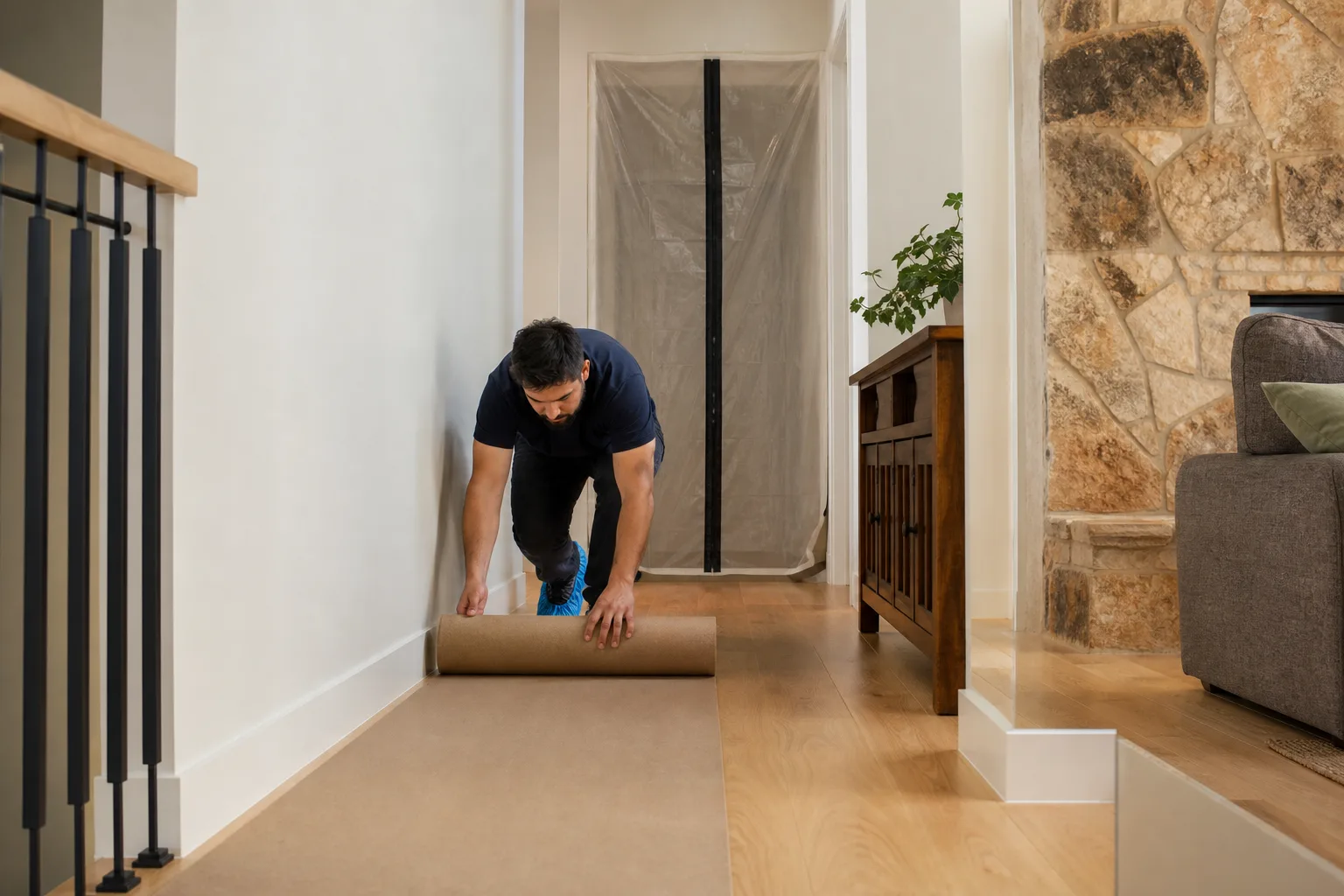
- Skipping the clean-up plan. A remodel generates dust that travels. If you’re doing it yourself, you’ll be living in it. Professional crews bring shoe covers and drop cloths, and a written expectation around clean-up. If you’re DIYing, you need to create that same plan before you start cutting.
When to Call a Professional
Call a professional when the job touches a load-bearing wall, a permit, anything behind drywall, or any surface your family touches daily. Call when the product’s warranty depends on certified installation. Call when the consequence of a mistake is not a repaint but a leak, a fire, a code violation, or a disclosure issue on a future sale. In Los Angeles specifically, call when you’re working on a home older than 1980, because the likelihood of asbestos, lead paint, ungrounded wiring, and cast-iron plumbing rises sharply after that point. If you’re not sure which side of the line your project falls on, a free estimate from a contractor will tell you quickly. Elmstead Remodeling offers free estimates in Los Angeles. Call (949) 850-9896 and ask for a written price before any work starts.
Frequently Asked Questions
A mid-range kitchen remodel in Los Angeles typically runs from $35,000 to $85,000 for a full gut renovation with mid-tier cabinetry, quartz countertops, and new appliances. That range assumes permits, licensed trades, and materials from brands like KraftMaid or Wellborn for cabinets and Cambria, Silestone, or Caesarstone for countertops. Smaller updates with existing layout run less. The difference between a high estimate and a low estimate is almost always scope, not overpricing. Call (949) 850-9896 for an exact quote. Estimates are free.
A full bathroom remodel in Los Angeles typically runs from $18,000 to $45,000, depending on whether you’re moving plumbing fixtures, whether the shower needs a new waterproofing system, and which finishes you choose. Moving a toilet or sink across the room adds real cost because the drain lines have to move beneath the floor and the work requires a permit. Bathroom remodeling in Los Angeles is one of the most common projects we do, and the most common source of DIY regret we correct.
Not with Elmstead Remodeling. We give you a written price before any work starts, every time. That’s not an estimate that grows after the crew arrives. If the scope changes because you add something, we price the change before we do the work. You’ll never see a surprise line item after the job is underway. Call (949) 850-9896 for a free estimate in Los Angeles.
Yes. For any project in Los Angeles that requires a city permit, we pull the permits, schedule the inspections, and make sure the work passes before we call it done. That’s part of the job when you hire a licensed general contractor. If a contractor wants to skip permits, that’s the signal to walk away.
A typical bathroom remodel in Los Angeles takes three to six weeks from start to final inspection. A kitchen remodel usually runs six to twelve weeks, depending on whether you’re changing the layout, moving plumbing, or working in an older home where surprises live behind the walls. The timeline gets shorter when materials are ordered early and permits are applied for before demolition starts.
Every Elmstead Remodeling project carries the 365-Day Done Right Promise. If it’s not done right after the job is complete, we make it right. That’s not a verbal promise. It’s stamped on every project we finish. In practice, it means if something fails in the first year due to our workmanship, we come back and fix it. Call (949) 850-9896 and a live person answers, 24/7, not a voicemail box.
Yes, and we plan for it. Our crews bring shoe covers and drop cloths on every visit, included on every job. We use quiet tools during family rest hours where possible. We ask before we move or touch anything. And before the crew leaves, we take a photo of the clean-up so you can see exactly how the space was left. Families with children and pets are our standard customer, not an edge case.
The Bottom Line
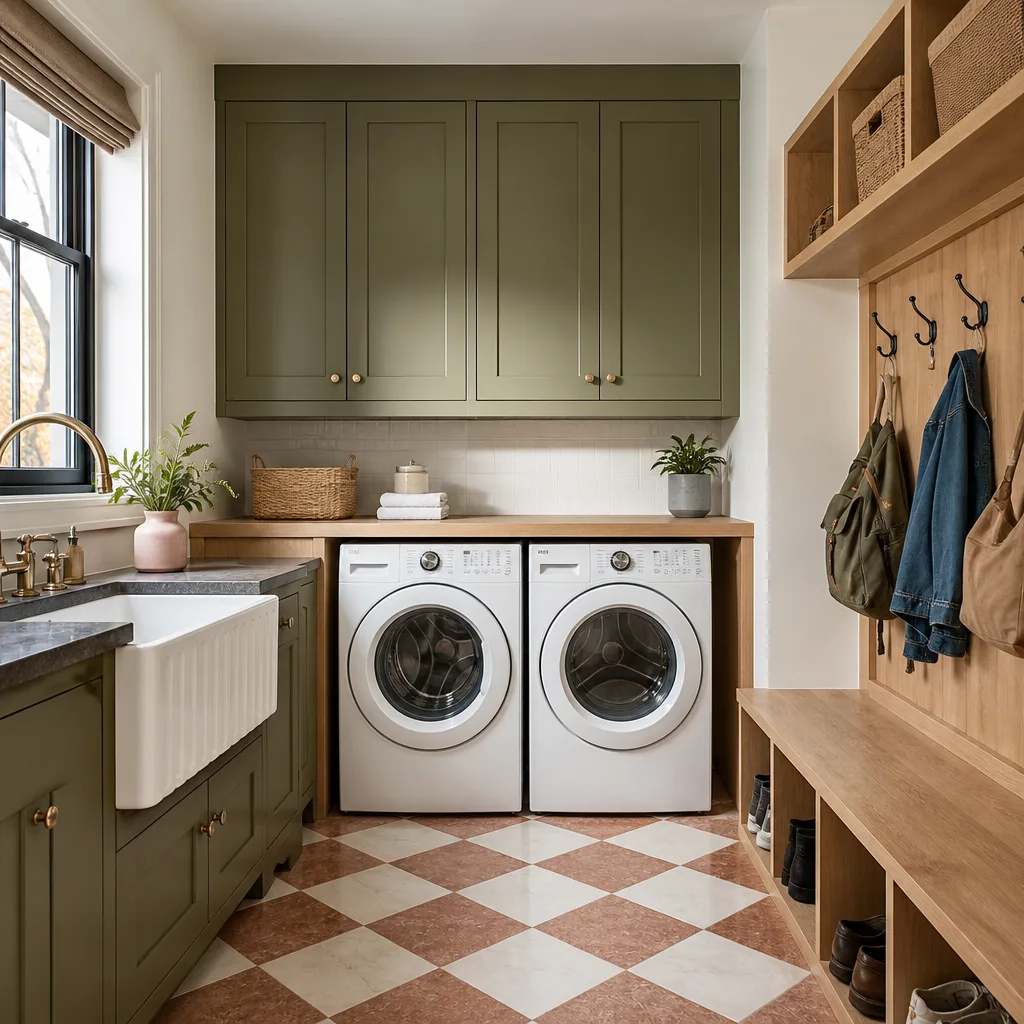
The line between DIY and professional remodeling is drawn by consequence, not by difficulty. Cosmetic work that fails harmlessly is yours to take on. Structural, electrical, plumbing, and permit-triggering work belongs with a licensed contractor, especially in a city like Los Angeles where building codes, disclosure laws, and the age of older homes raise the stakes. And some products, like James Hardie siding and Cambria countertops, lose their manufacturer warranty with a DIY install. When the consequence is a leak, a fire, a code violation, or a blocked home sale, the math changes. Get a written price, ask about the clean-up plan, and keep your family’s health and safety as part of the decision, not an afterthought.
Written by Graham Stein, Owner at Elmstead Remodeling, serving Los Angeles since 2005.
See the difference
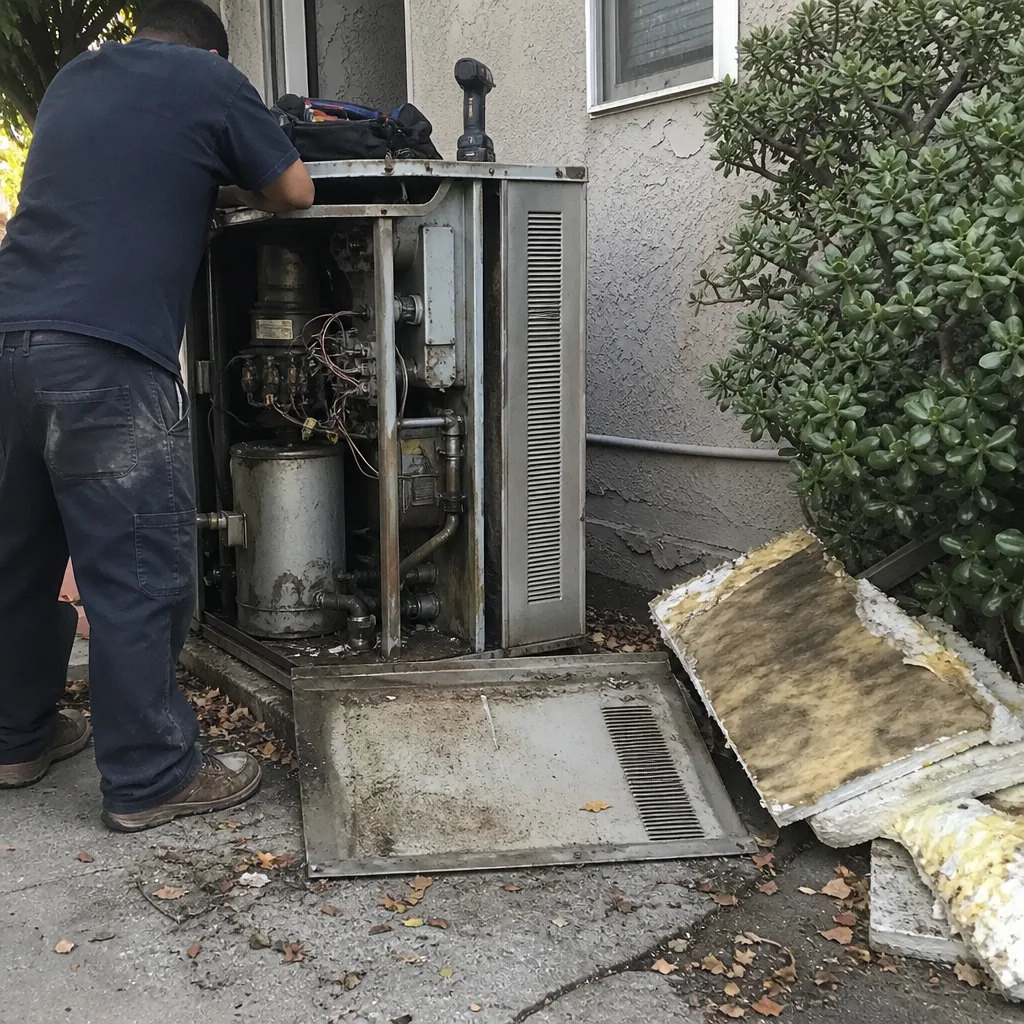 Before
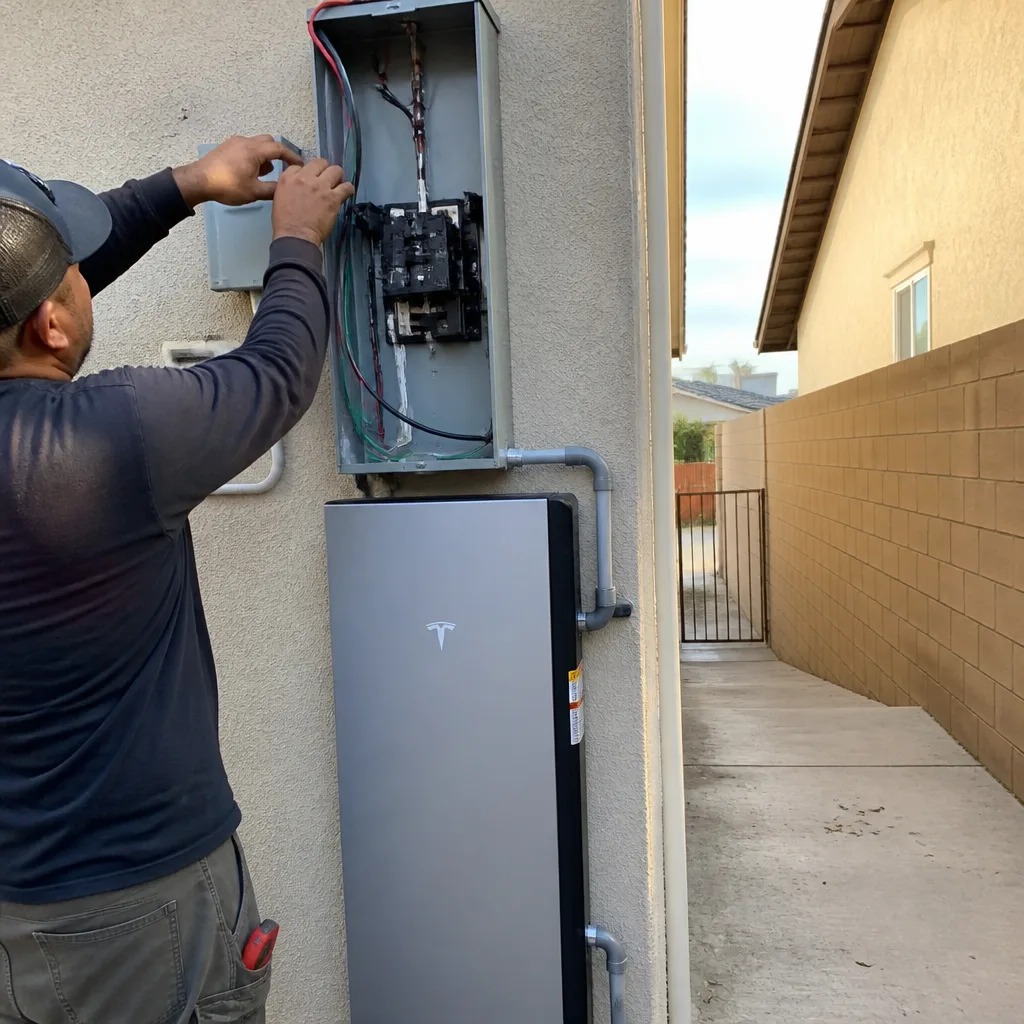 After
After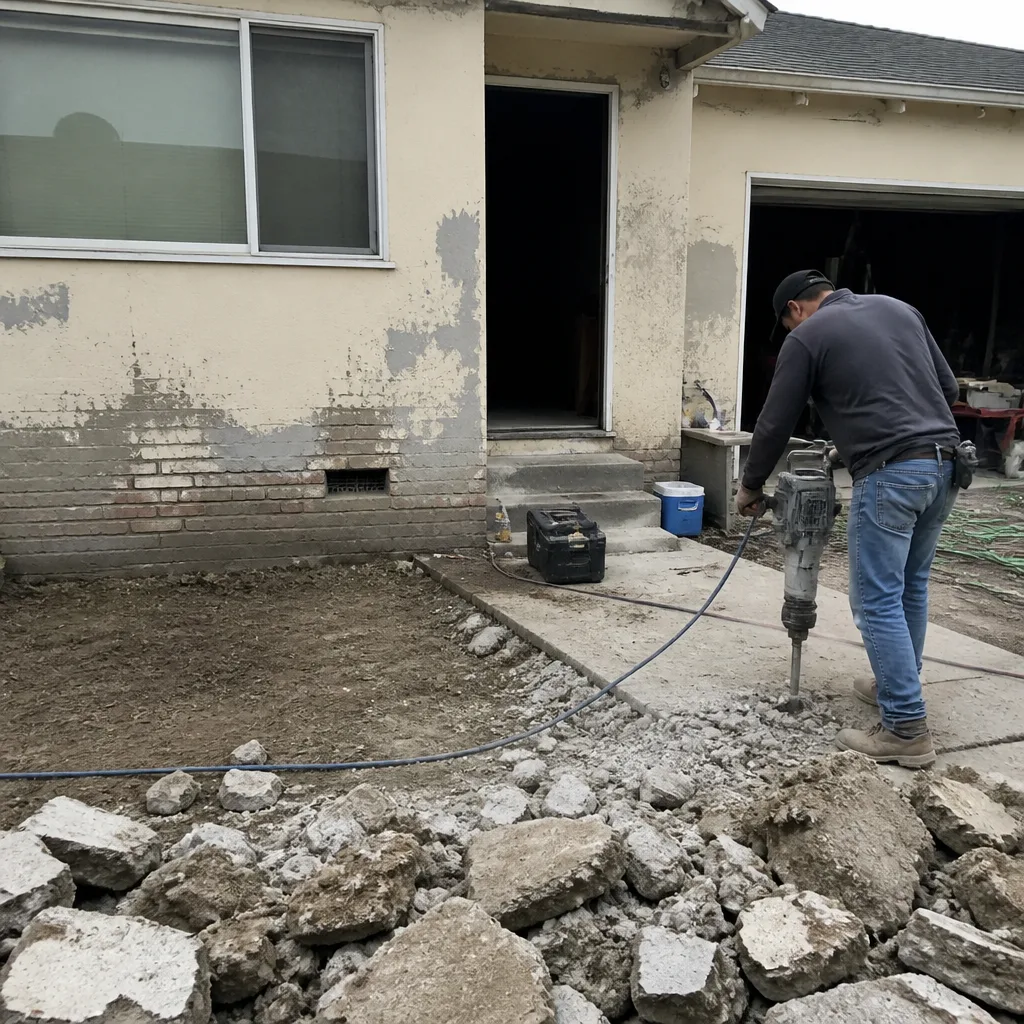 Before
 After
After Before
 After
After