Last updated October 8, 2026

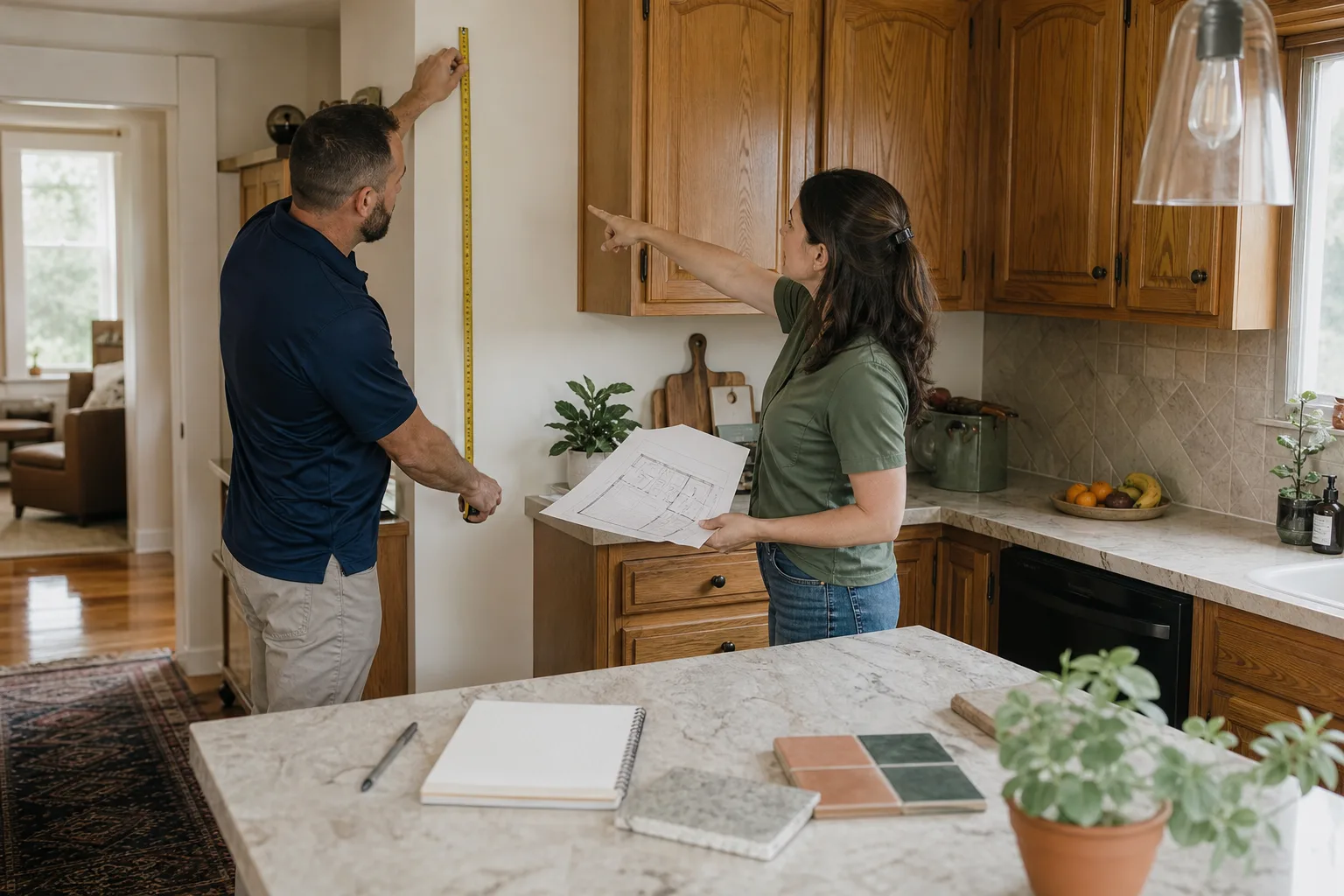
Free written scope consultation - allowances, timeline, and change-order rules on paper before a single trade is scheduled
The Complete Guide to Construction in Los Angeles
Los Angeles sits across three distinct soil zones: expansive clay in the hills, sandy fill near the coast, and alluvial deposits in the valley. Which one your home sits on determines your foundation plan, your permit timeline, and your final cost before anyone has swung a hammer. This guide walks through the six decisions that shape every successful Los Angeles construction project, in the order they should actually be made, so you can plan with the same information a seasoned contractor uses. For more guides & resources, see our blog.
Quick Answer
Construction in Los Angeles succeeds or fails based on the decisions you make before a permit is pulled: understanding your soil and seismic zone, sequencing your plan correctly, choosing a contractor who gives you a written price before work starts, and scheduling around LA’s school-year and wildfire-season rhythms. The most important document in any LA project is a written, itemized scope with named materials, not allowances. Families who follow this sequence avoid the three costly surprises: foundation overruns, permit delays, and scope growth after the crew arrives.
Styles & brands we work with
Table of Contents
- 1. Soil First: Why LA’s Geology Decides Your Budget Before Design Does
- 2. The Sequence: Soils Report, Design, Permits, Contractor (Never the Reverse)
- 3. Los Angeles Jurisdictions: City, County, and How to Tell the Difference
- 4. The Written Scope: Named Materials and the Cost of Allowances
- 5. Scheduling Around LA Families: School-Year and Wildfire-Season Windows
- 6. LA Micro-Geographies: Hillside, Flatland, Coastal, and Valley Builds
- 7. Working With Kids and Pets in the House During Construction
- 8. Warranty Language: What Actually Protects You After the Job Ends
1. Soil First: Why LA’s Geology Decides Your Budget Before Design Does
Any honest Los Angeles construction guide starts underground. The city is not one terrain. Homes in the Hollywood Hills, Studio City, and Bel Air often sit on expansive clay that swells when wet and shrinks when dry, which can move a foundation by inches over a decade. Homes in Venice, Playa del Rey, and Marina del Rey sit on sandy fill that compacts unevenly. Homes in Sherman Oaks, Encino, and Van Nuys sit on alluvial deposits that were carried down from the mountains and carry their own settlement behavior.
This matters for one reason: your foundation plan is written by a geotechnical engineer, not by your architect, and the soils report is the first invoice you will see on any addition, ADU, or whole-home remodel. A hillside home in Los Angeles may require caissons or a deepened foundation that adds $40,000 to $90,000 before framing begins. A valley home on stable alluvium may need nothing more than standard footings. The difference shows up in your very first budget conversation.
In our experience as a Los Angeles remodeling contractor, we have seen homeowners hire a designer first, fall in love with a plan, and only then discover that the foundation work will consume a third of the budget. The sequence matters. The soils report comes first because it is the one piece of information that cannot be designed around later.
For a local reference point, General Contractor in Los Angeles projects that begin with a soils report are consistently the ones that finish closest to their initial written price.
2. The Sequence: Soils Report, Design, Permits, Contractor (Never the Reverse)
The most expensive mistake in Los Angeles construction is hiring a contractor before you know what the city will approve. Contractors price what they see on the drawings. If the drawings are incomplete, the price is incomplete, and you will discover the gap as a change order mid-project. That is how a $180,000 kitchen remodel quietly becomes $240,000. The sequence below prevents that.
- Soils report. A licensed geotechnical engineer tests your lot and writes the foundation recommendation. Cost typically ranges from $3,500 to $7,000 in Los Angeles. You cannot skip this on any structural work.
- Architectural and structural design. Your architect works from the soils report, not from a blank sheet. For kitchen and bathroom remodels, this step may be a drafting package. For additions and ADUs, it is full architectural and structural drawings. Plan for $12,000 to $60,000 depending on scope.
- Permit submission. Your designer submits to the correct Los Angeles jurisdiction (see the next section). Review timelines run 4 to 12 weeks for standard residential work, longer for hillside over-250-square-foot additions, and homes in designated historic zones.
- Contractor selection. Only now, with approved or approvable drawings in hand, do you get written bids that mean something. This is the step where you compare written, itemized scopes, not phone estimates.
Reversing this sequence, hiring the contractor first and designing second, means the contractor is guessing. In Los Angeles, where hillside structural requirements and coastal environmental constraints can change a plan dramatically, a guessed price is not a price. It is a placeholder.
3. Los Angeles Jurisdictions: City, County, and How to Tell the Difference
One of the most confusing parts of construction in Los Angeles is figuring out which permitting body actually governs your address. A family in Silver Lake answers to the City of Los Angeles Department of Building and Safety (LADBS). A family three blocks away in unincorporated East Los Angeles may answer to Los Angeles County Public Works. The permit process, fees, and review timelines differ between the two.
How to check: enter your address into the Los Angeles County Registrar-Recorder’s look-up tool or use the LADBS parcel search. If your address falls within a city boundary (Los Angeles, Santa Monica, Pasadena, Burbank, Glendale, Culver City all have their own building departments), that city’s department handles your permits. If your property is in an unincorporated area (parts of Topanga, parts of the San Fernando Valley, parts of the hills above Studio City), the county handles it.
This distinction changes your timeline. The City of Los Angeles currently runs residential plan checks through LADBS, with walk-in express permits available for smaller interior remodels. County plan check can run longer during wildfire rebuild seasons. Knowing your jurisdiction before you design means your architect submits to the right place the first time, which saves weeks, not days.
For whole-home remodels and additions, permeter complexity grows quickly. Hillside homes often trigger geology and soils review, which pulls in the Department of Building and Safety’s grading division. Coastal homes may trigger California Coastal Commission review depending on the scope. A flatland kitchen remodel in Eagle Rock does not.
4. The Written Scope: Named Materials and the Cost of Allowances
The one document that protects a Los Angeles family through every phase of construction is a written, itemized scope of work with named materials, not allowances. Here is the difference. A line item that says “kitchen faucet allowance: $300” does not tell you what faucet you are getting. It tells you the contractor has left room to substitute whatever keeps his margin intact. A line item that says “Moen Align chrome single-handle pull-down faucet, model 7594C” tells you exactly what will be installed, and lets you look up the price, the finish, and the warranty before you sign.
At Elmstead Remodeling, a Cedarwell company, every project receives a written price before any work starts. That price is built from the named material list, not from allowances. Cabinets from KraftMaid or Wellborn are specified by line and door style. Countertops from Cambria, Silestone, or Caesarstone are specified by color name. Fixtures from Kohler, Moen, or Grohe are specified by model. You can research each product by name, verify its manufacturer warranty travels with the finished project, and compare prices independently before you commit.
This is not a luxury detail. It is the difference between a family that knows what the kitchen will look like and what it will cost, and a family that finds out the day the boxes are opened. For bathroom projects, see Bathroom Remodeling in Los Angeles to see how named materials appear in a real scope.
5. Scheduling Around LA Families: School-Year and Wildfire-Season Windows
Los Angeles families with children and pets do not have the luxury of treating construction as a neutral event. The work happens inside the house where a toddler naps, a second-grader does Zoom school, and a dog sleeps under the dining table. Scheduling well means the project finishes, yes, but it also means the house remains livable while it is under construction.
Two scheduling windows matter in Los Angeles. First, the school year. We plan demo and noisy phases around school hours where possible, using quiet tools during family rest hours and flagging loud days in advance so you can plan around them. Second, wildfire season. June through November in Los Angeles brings red-flag days, power shutoffs in hillside communities, and air-quality constraints that can pause outdoor work. A realistic schedule in Los Angeles accounts for these days up front, not as a surprised phone call.
For a family with a baby and a golden retriever, the practical questions are simple: Which days will be loud? Will the crew be working during nap time? Will there be a dumpster blocking the driveway on school drop-off day? These are not small questions. They are the daily texture of living through a remodel, and a written schedule that names them in advance is part of the plan, not an afterthought.
See Kitchen Remodeling in Los Angeles for how we schedule a kitchen around a family’s actual week.
6. LA Micro-Geographies: Hillside, Flatland, Coastal, and Valley Builds
Los Angeles is not one construction market. It is at least four, and a contractor who treats them identically is the one whose price surprises you later.
- Hillside: Homes in Beachwood Canyon, Mount Washington, or the Encino hills face structural requirements for caissons or anchors, grading review, and sometimes wildlife or vegetation constraints. Foundation work is more expensive here than anywhere else in Los Angeles.
- Flatland: The central flatlands, from Mid-City to West Adams, tend to have straightforward soils and standard foundations. Permit timelines are more predictable. This is where remodeling budgets stretch furthest.
- Coastal: Venice, Playa del Rey, and the beach cities deal with sandy fill, moisture management, and stricter exterior-materials rules. Siding and windows may need corrosion-resistant hardware; James Hardie fiber cement is a common named product in these zones.
- Valley: Sherman Oaks, Encino, and Northridge all sit on alluvial soils that are often build-friendly, but the Valley’s heat makes attic insulation, window glazing, and HVAC sizing a bigger part of the budget than coastal families expect.
For coastal and hillside exteriors, we have specified James Hardie siding, plus windows from PGT and CGI where wind and impact ratings matter. The brand matters because the warranty travels with the finished project, and because a Los Angeles family should be able to verify every named product themselves.
7. Working With Kids and Pets in the House During Construction
Every Los Angeles construction guide should say this plainly: the crew is a guest in your home, and the way they treat your children, your pets, and your floors is part of the job. Not a footnote. The job.
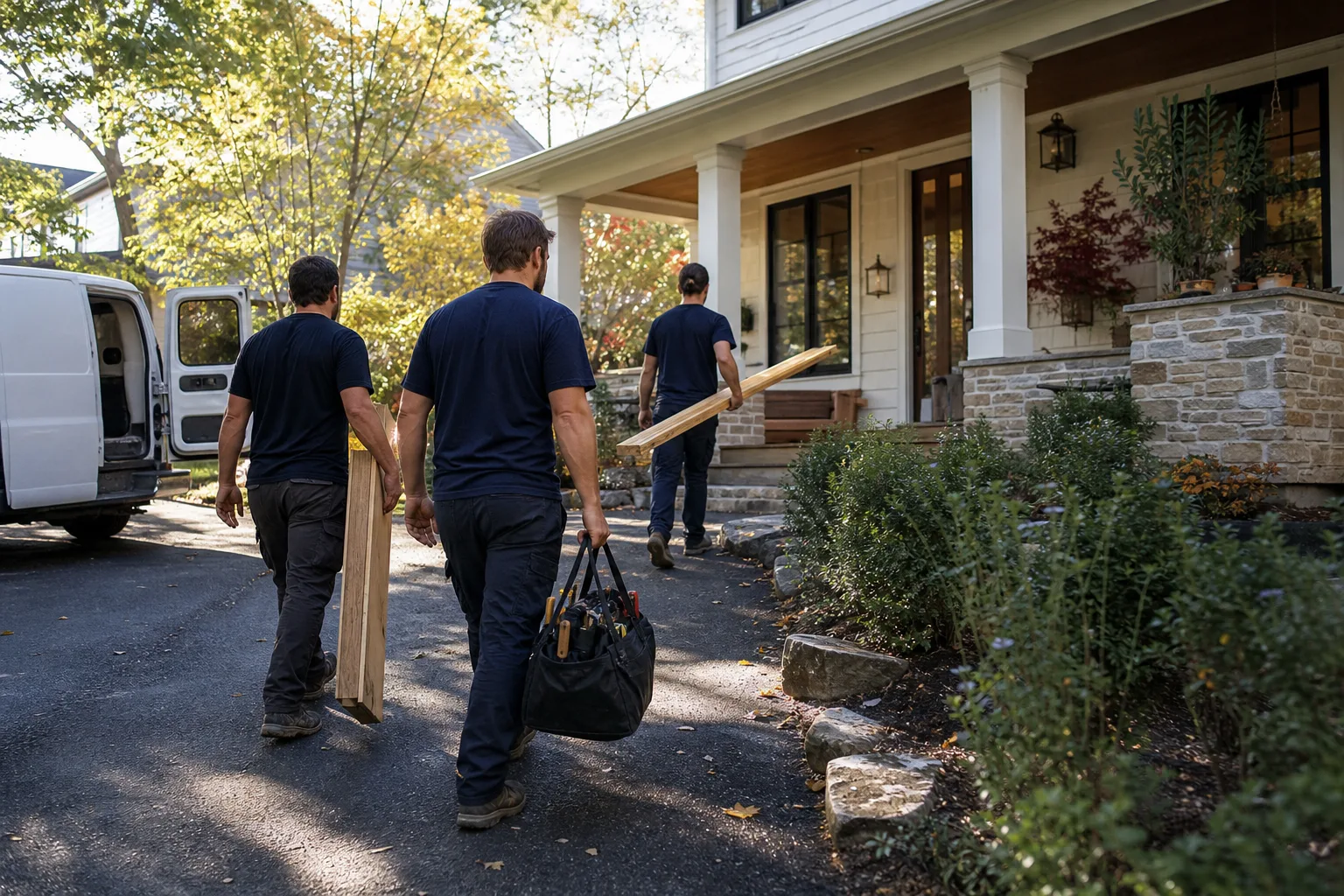
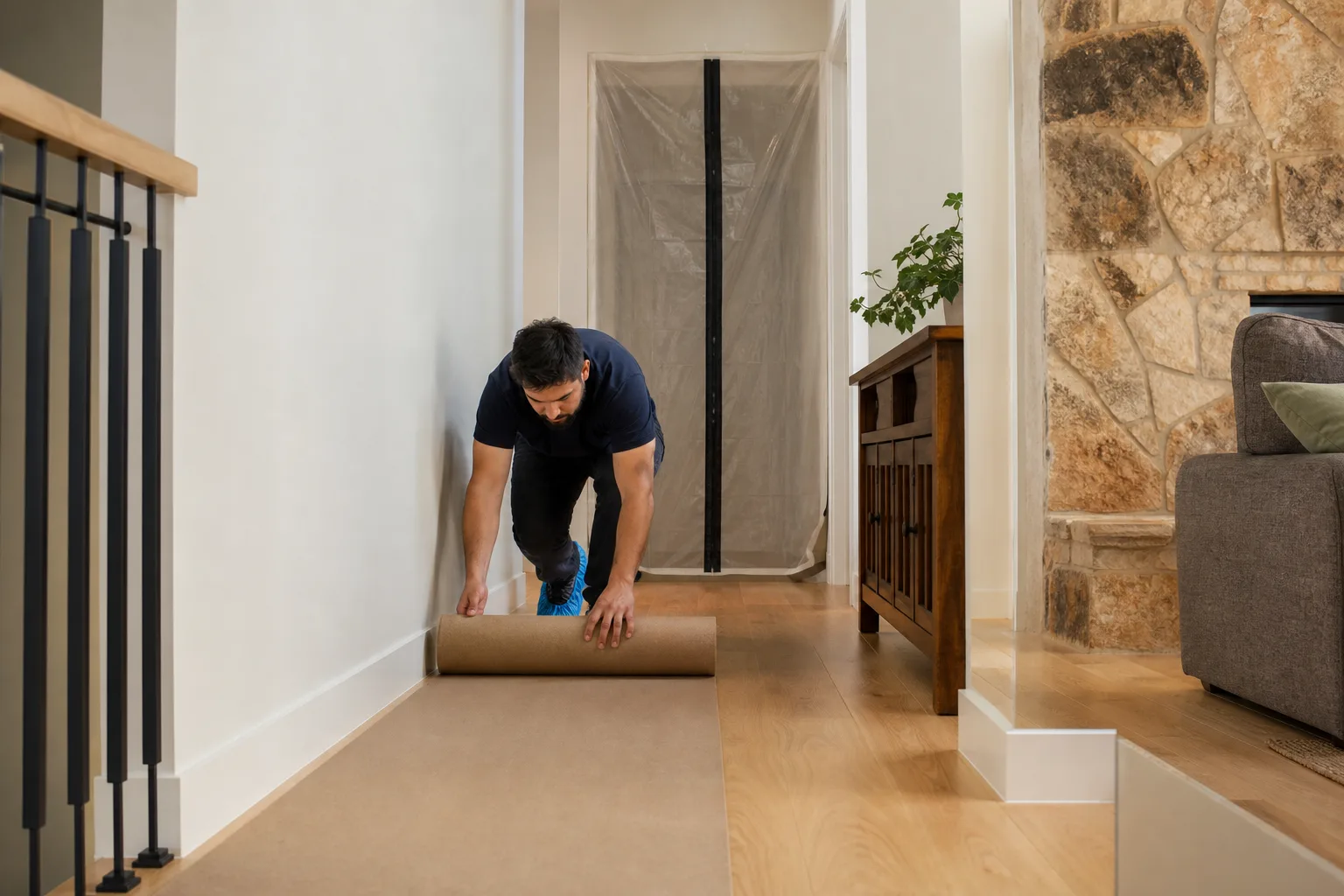
The Cedarwell Care Promise, which governs every Elmstead Remodeling project, is built around four commitments. Clean up like it is our own home, which means shoe covers at the door and drop cloths on the floors on every visit, included in every job, never charged as an add-on. Ask before we move or touch anything, which means the crew checks before relocating a sofa or unplugging a refrigerator. Respect the family’s time and quiet hours, which means quiet tools where possible during nap and school hours. Explain the price before the work, which means the written price is on your counter before the first tool comes off the truck.
Pet-safe product choices where available are part of the plan. We ask about pets during the initial walk-through, not as a courtesy question, but because it changes the products we select. Low-VOC adhesives, sealants that cure quickly, and cleaning products that are safe for animals are choices we make deliberately, not by accident. For a Los Angeles family with a toddler crawling on the floor and a cat walking through the work zone, this is not a small thing.
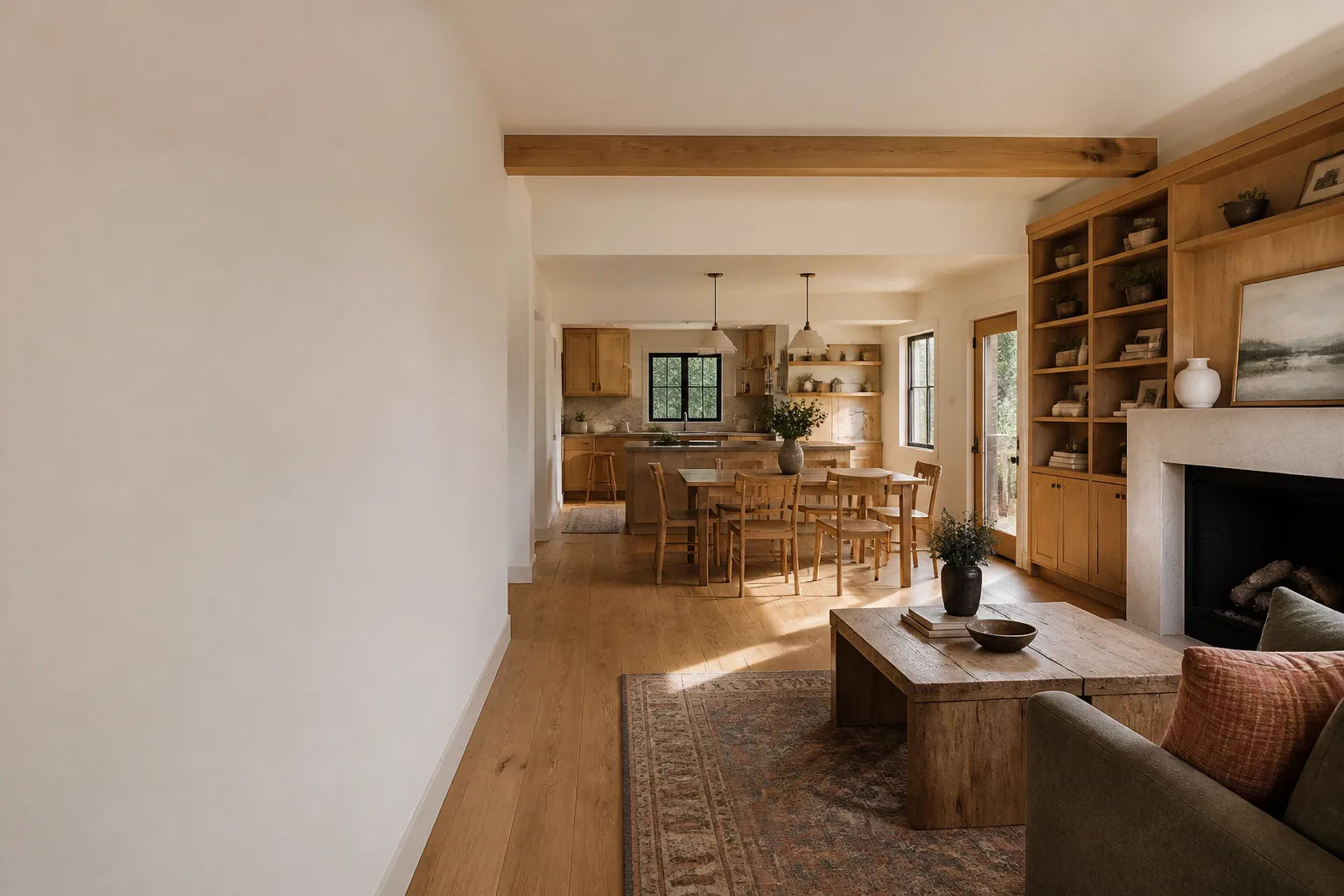
Every completed project also includes a photo of the clean-up before the crew leaves, sent to you as proof the home was left right. That photo is not a marketing gesture. It is the record that the promise was kept.
8. Warranty Language: What Actually Protects You After the Job Ends
Los Angeles contractors talk about warranties in all sorts of ways. The language you hear matters. “We stand behind our work” is a sentiment. “If it is not done right, we make it right, for 365 days after the job is complete” is a warranty you can hold someone to.
Elmstead Remodeling’s 365-Day Done Right Promise is stamped on every project. If it is not done right after the job is complete, we make it right. That is the whole wording. No carve-outs. No “normal wear and tear” asterisks before the first call. The promise runs a full year after completion, which is longer than any cosmetic-callback period we have seen in the Los Angeles market.
Manufacturer warranties are the second layer. Cabinets from KraftMaid and Wellborn carry their own warranty terms, which you can look up by name. Countertops from Cambria, Silestone, and Caesarstone carry surface warranties. Exteriors from James Hardie and GAF carry product and, in some cases, labor warranties through certified installers. The point is that every major product in your project has a name you can research and a warranty you can read before you sign, not after something fails.
The warranty should not be the reason you choose a contractor. But the absence of a written warranty, or language that is vague about what “done right” means, should be the reason you do not.
Common Mistakes to Avoid
- Skipping the soils report to save money. In Los Angeles, on hillside or coastal lots, this is the single most expensive shortcut. Foundation surprises discovered after demo are paid for at change-order rates, not planned rates.
- Hiring a contractor before the drawings are approved. A contractor pricing incomplete drawings is guessing. You are paying for the guess.
- Accepting allowances instead of named materials. An allowance is a blank check. A named material is a product you can research before you sign.
- Ignoring your jurisdiction. Families in unincorporated Los Angeles County have a different permit path than families in city limits. Submit to the wrong one and you lose weeks.
- Treating the schedule as fixed. Los Angeles wildfire season and school-year rhythms change real-world scheduling. A plan that ignores them is not realistic.
- Choosing the lowest bid without comparing scopes. In Los Angeles construction, the lowest bid usually means the most missing line items, not the best deal.
See the difference
 Before
 After
After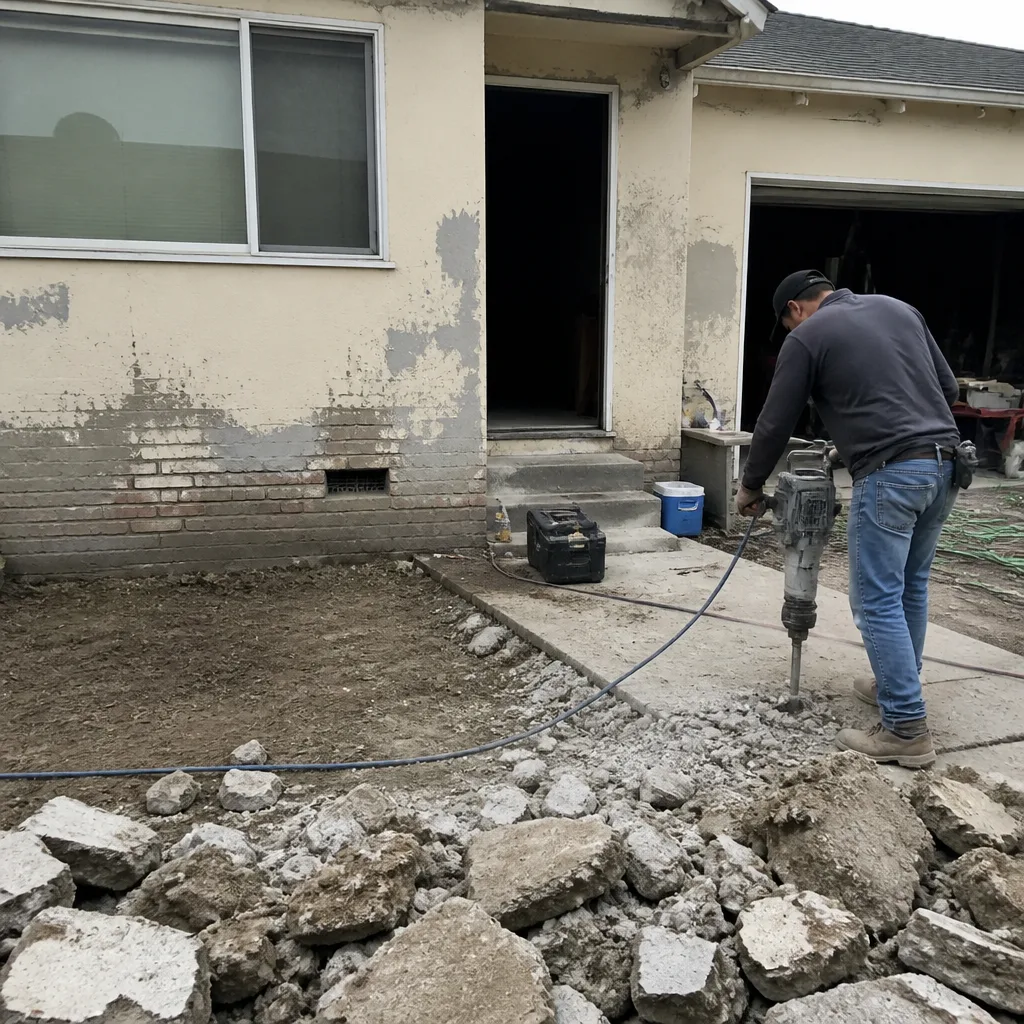 Before
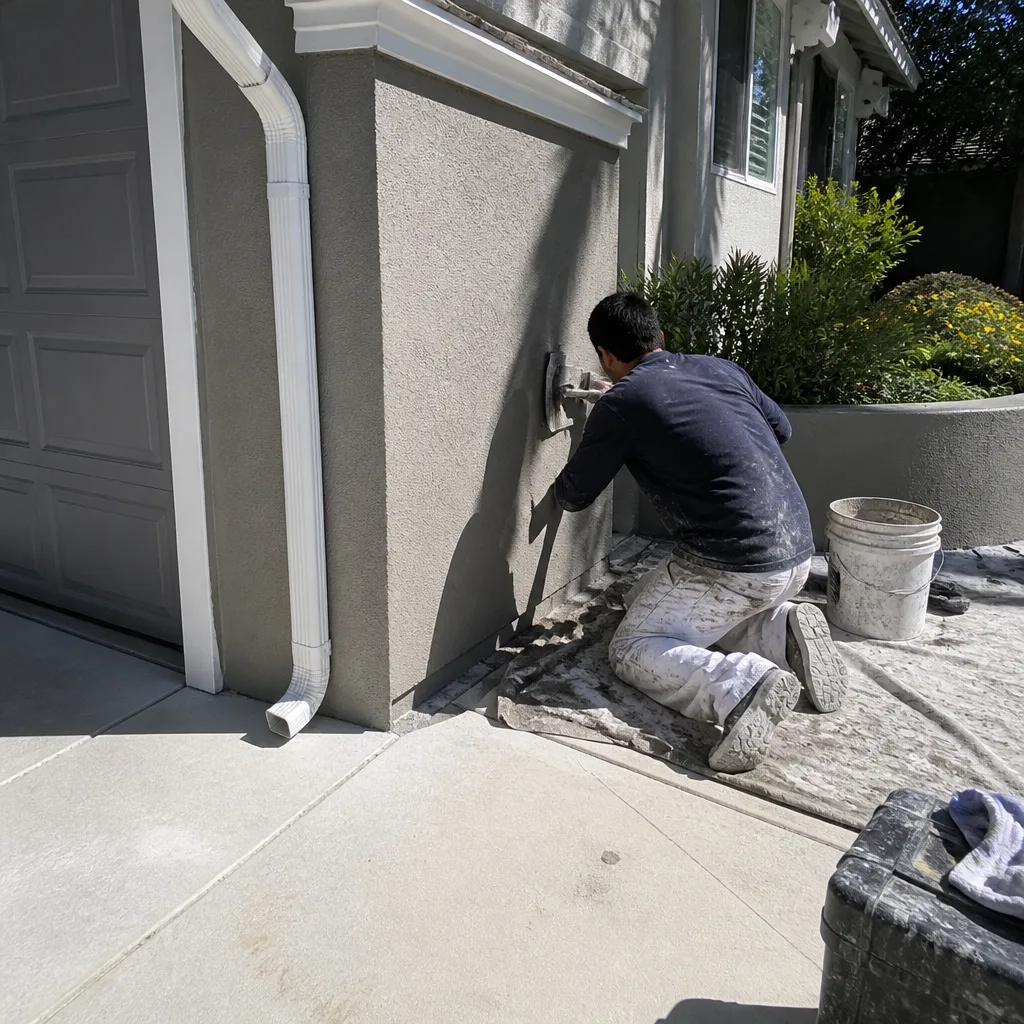 After
After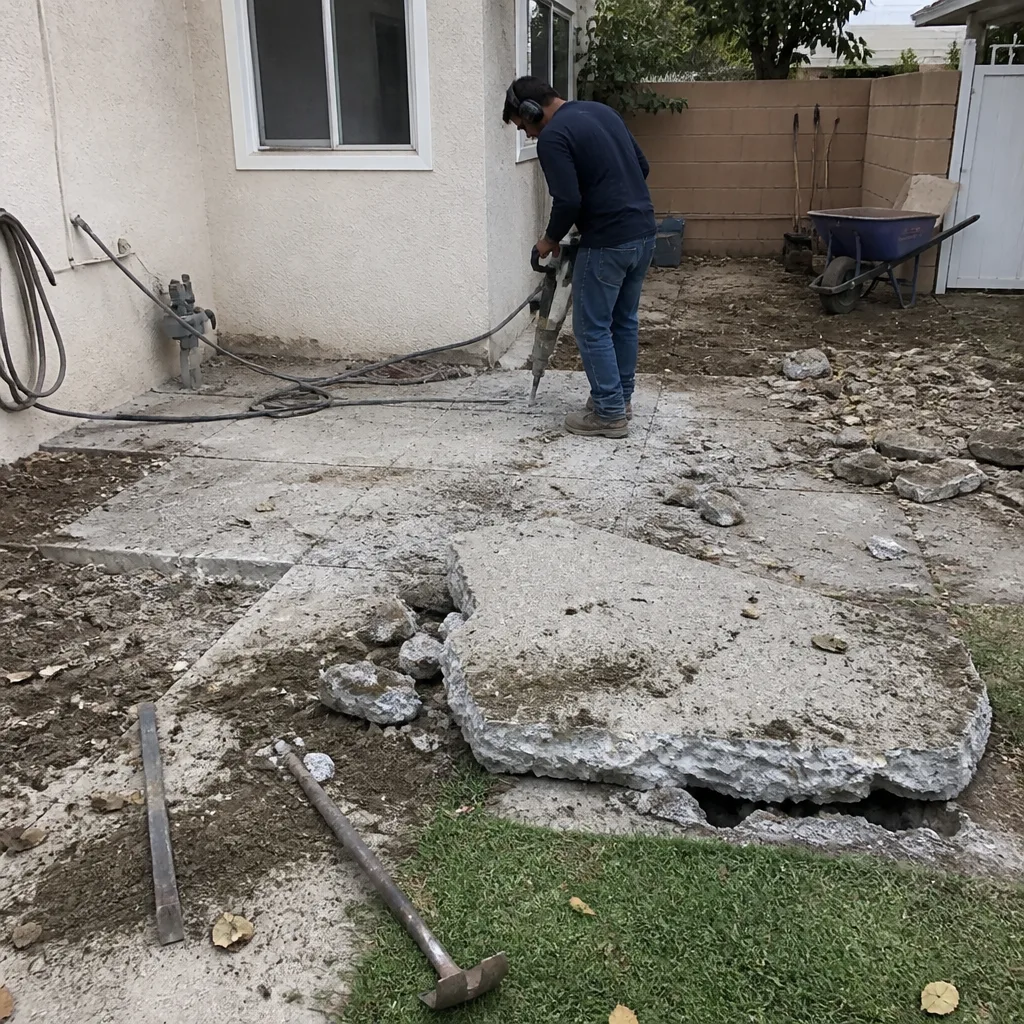 Before
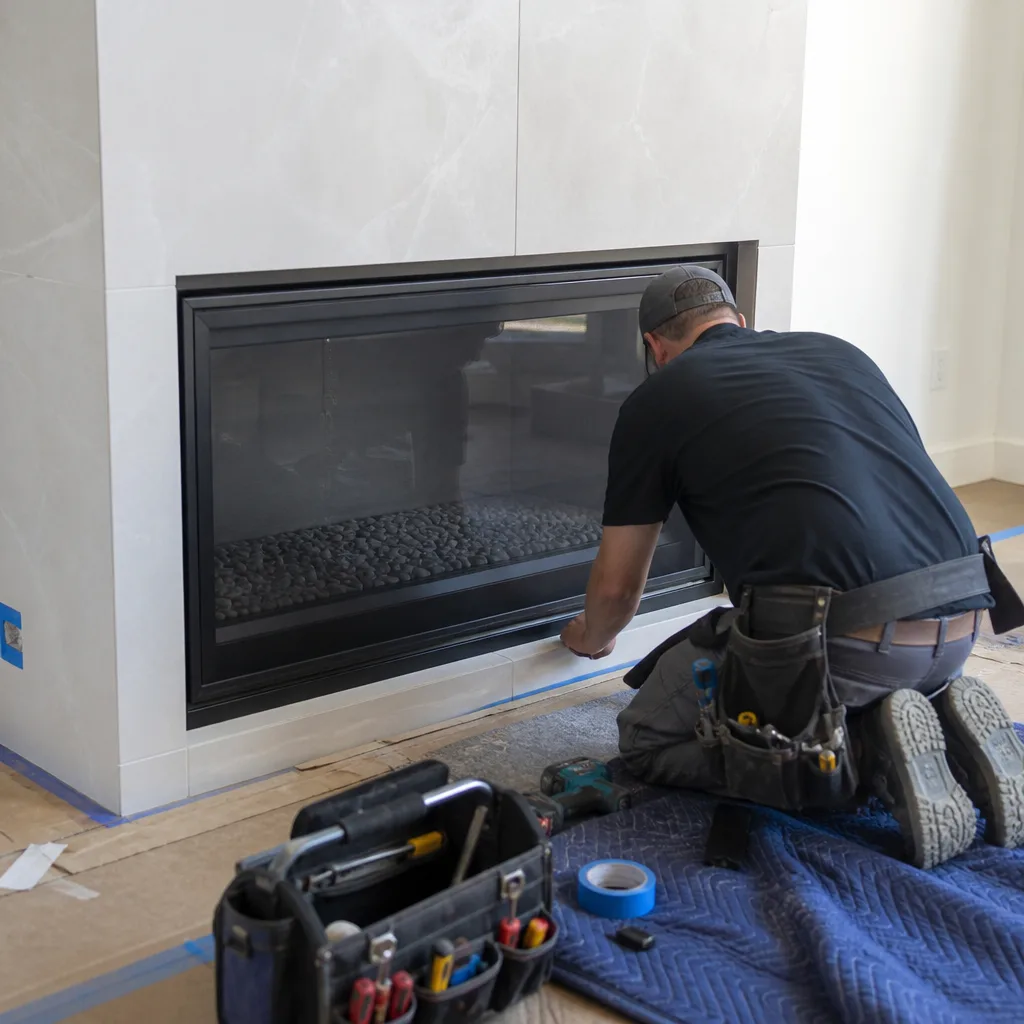 After
AfterWhen to Call a Professional
Call a professional the moment you are considering any project that touches structure, plumbing, electrical, or load-bearing walls. In Los Angeles, that is nearly every remodel beyond painting and flooring. If you are unsure whether your hillside home needs a soils report, if you do not know which jurisdiction your address falls under, or if you have a contractor’s estimate that uses allowances instead of named materials, a professional can sort through it with you in an afternoon. The conversation should be free, and it should leave you with a written answer, not a callback. Elmstead Remodeling offers free estimates in Los Angeles, call (949) 850-9896.
Frequently Asked Questions

A kitchen remodel in Los Angeles typically runs $60,000 to $150,000, a primary bathroom $40,000 to $90,000, and a whole-home remodel $150,000 to $400,000 or more depending on square footage, foundation work, and finish level. For a detailed breakdown, see Construction Cost Breakdown: The Los Angeles Homeowner’s Reference for 2026. The reason the range is wide is that hillside and coastal homes carry structural and materials costs that flatland homes do not. The only way to know your number is a written, itemized scope with named materials, not a phone estimate. Call (949) 850-9896 for a free estimate that names your actual products and your actual price.
Yes, if you are moving plumbing, electrical, or walls. Los Angeles requires permits for any work beyond cosmetic finishes, and unpermitted work can complicate a future sale. The city’s express permit process covers smaller interior remodels, but anything structural goes through full plan check.
A whole-home remodel in Los Angeles typically takes 6 to 12 months from design to move-in, with permits accounting for 1 to 3 months of that. For the full roadmap, see The Complete Home Remodeling Guide for Los Angeles Homeowners. Hillside homes, coastal homes, and projects in historic districts run longer. A written schedule that names the phases, the noise days, and the clean-up timing is part of the plan, not a surprise.
A soils report is a geotechnical engineering study of your lot’s soil behavior. You need one for any addition, ADU, or structural work in Los Angeles. The cost is typically $3,500 to $7,000, and it determines your foundation design. Skipping it is the most common cause of budget overruns in hillside and coastal projects.
Enter your address into the LADBS parcel search or the County Registrar-Recorder’s tool. City addresses fall under LADBS; unincorporated addresses fall under LA County Public Works. The permit process, fees, and review timelines differ, so submit to the right jurisdiction the first time.
It should not, if your contract has a written, itemized scope with named materials. The projects that grow mid-build are the ones priced from allowances and incomplete drawings. At Elmstead Remodeling, the written price is given before any work starts, and that is the price you work from. Call (949) 850-9896 for a written estimate that names the products before the crew arrives.
The Bottom Line
Construction in Los Angeles is won or lost in the six decisions made before the first demo day: the soils report, the design sequence, the jurisdiction, the written scope with named materials, the school-year and wildfire-season schedule, and the warranty language. None of these are visible in a finished kitchen photo, but all of them are visible in a family’s experience of the project. Choose a contractor who gives you a written price before work starts, who names the products by brand, and who puts the clean-up promise in writing. That is the difference between a project that ends and a project that ends well.
Written by Graham Stein, Owner at Elmstead Remodeling, serving Los Angeles since 2005.
Learn more about our approach at the Elmstead Remodeling home page, or call (949) 850-9896 to schedule a free estimate for your Los Angeles project.