Last updated October 8, 2026
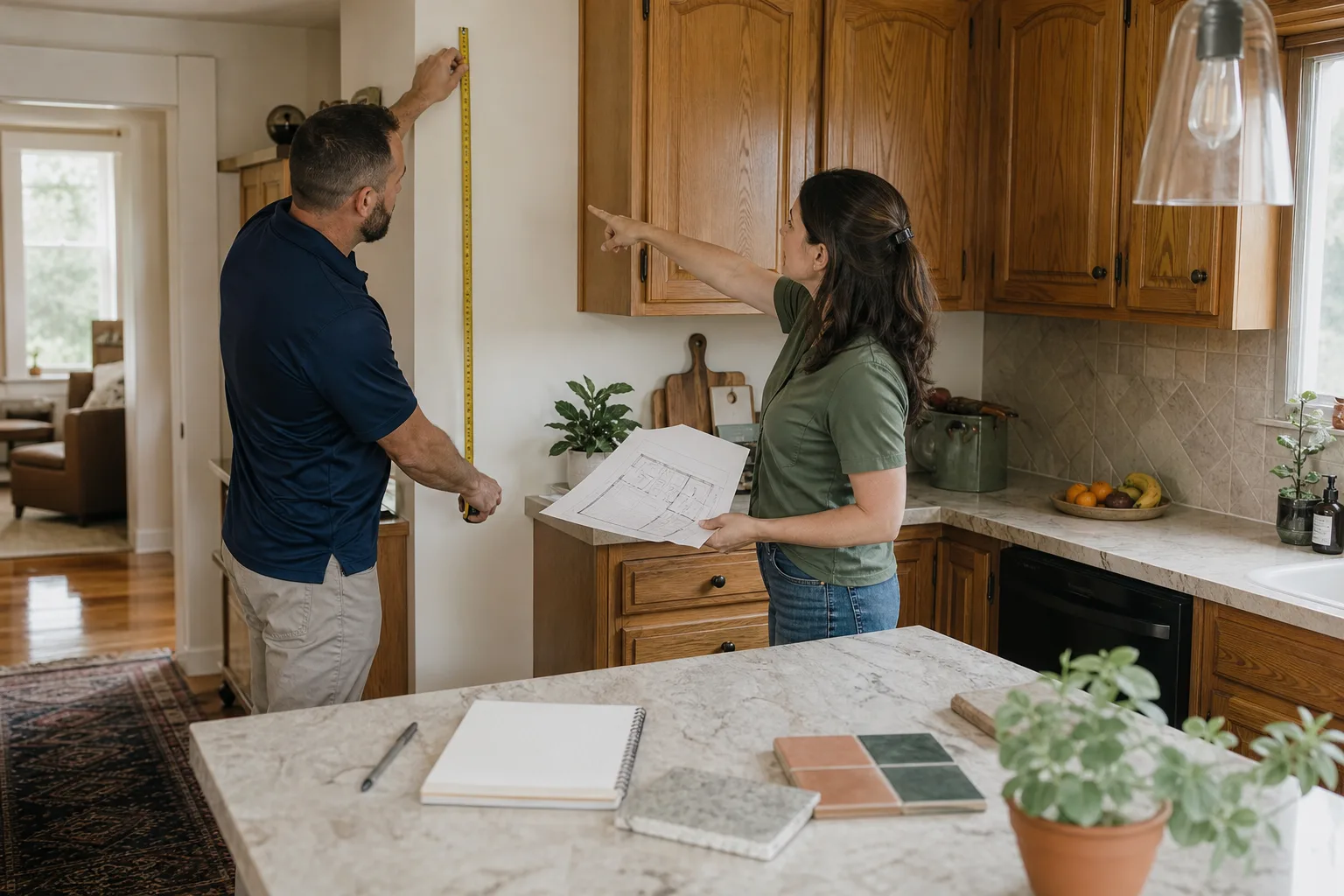
Free written scope consultation - allowances, timeline, and change-order rules on paper before a single trade is scheduled
Choosing the Right Construction Brand: A Buyer’s Guide for Los Angeles
A composite deck board rated for 25 years in the Pacific Northwest may carry a manufacturer’s warranty that voids after five years of Los Angeles UV exposure, and that clause appears in the fine print of three of the six most commonly specified brands in Southern California, according to the manufacturers’ own warranty documents. Most homeowners make a 20-to-40-year material decision in a single afternoon, often based on whatever a contractor happened to have in the truck. This guide walks through how to read brands the way a Los Angeles contractor does: by performance data, warranty geography, and what actually survives our sun, our seismic movement, and our moisture cycling.
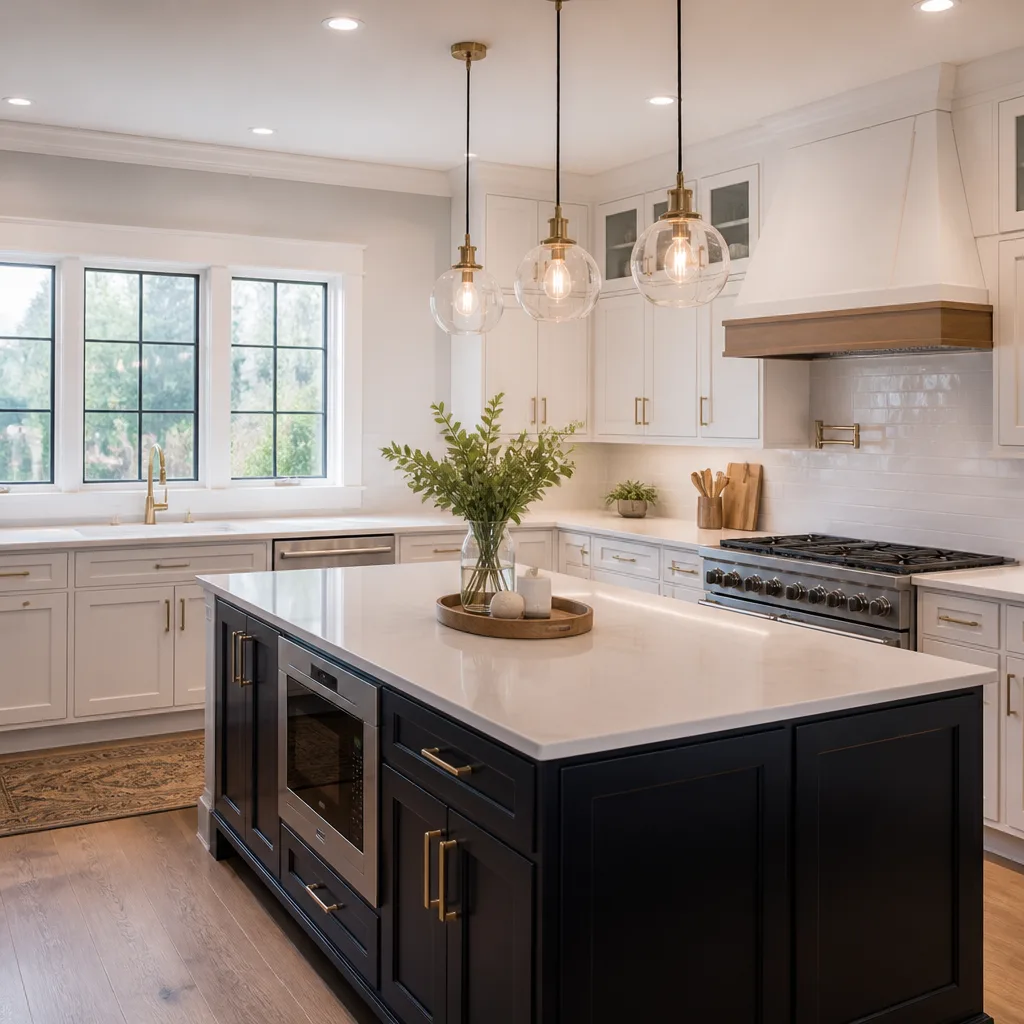
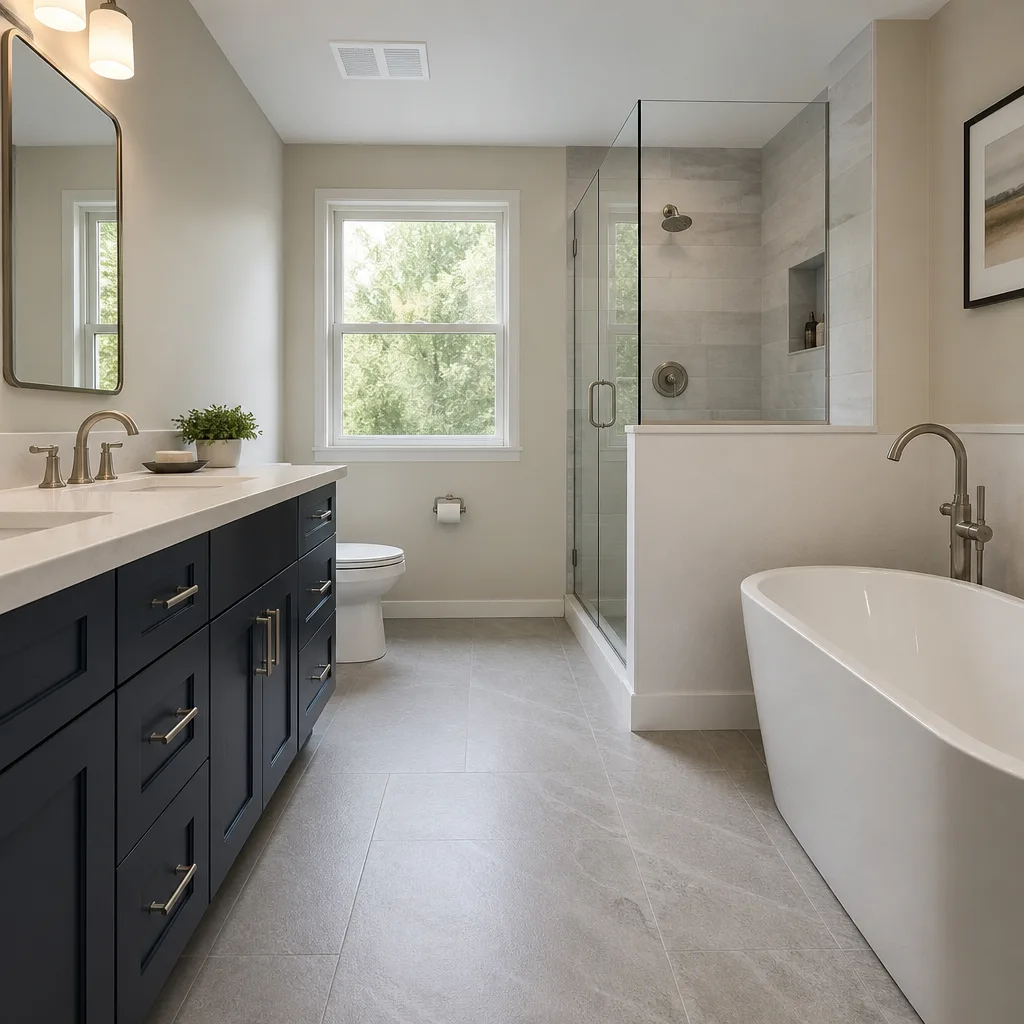
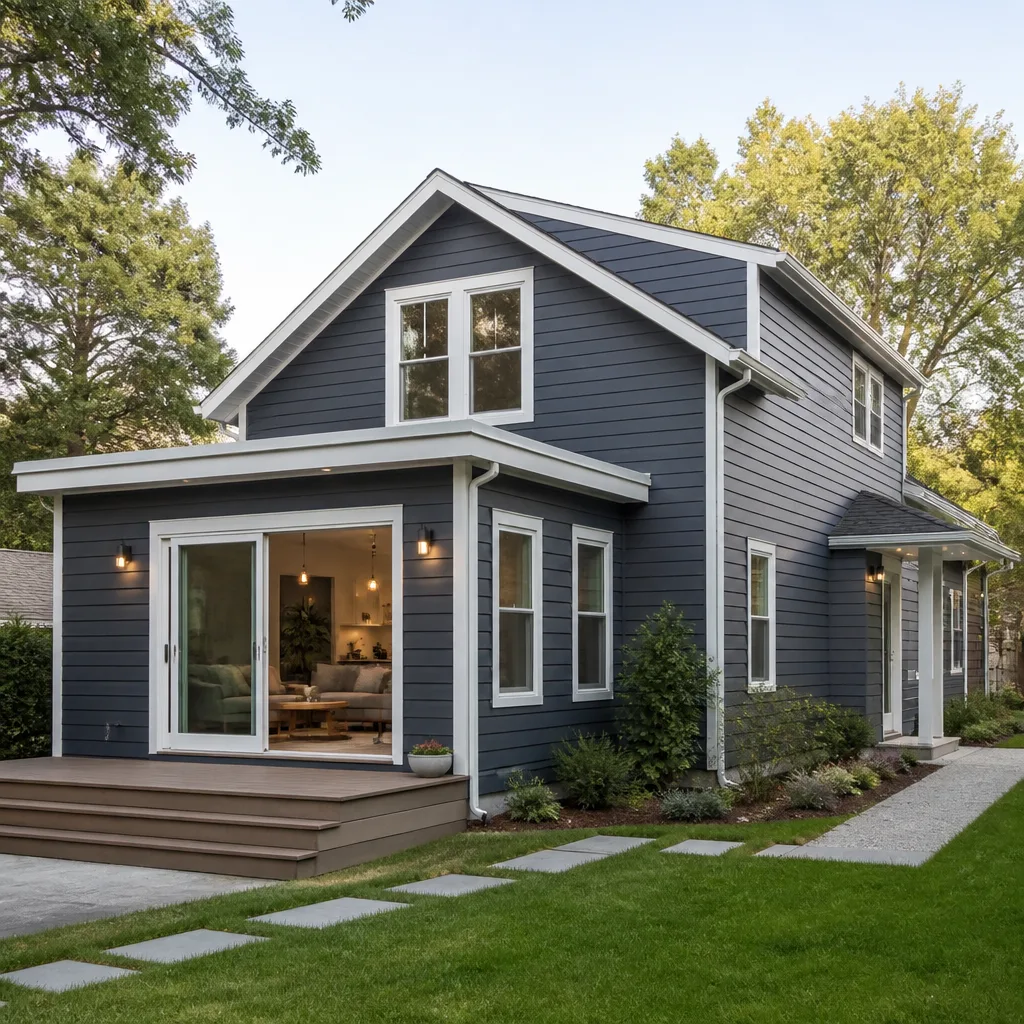
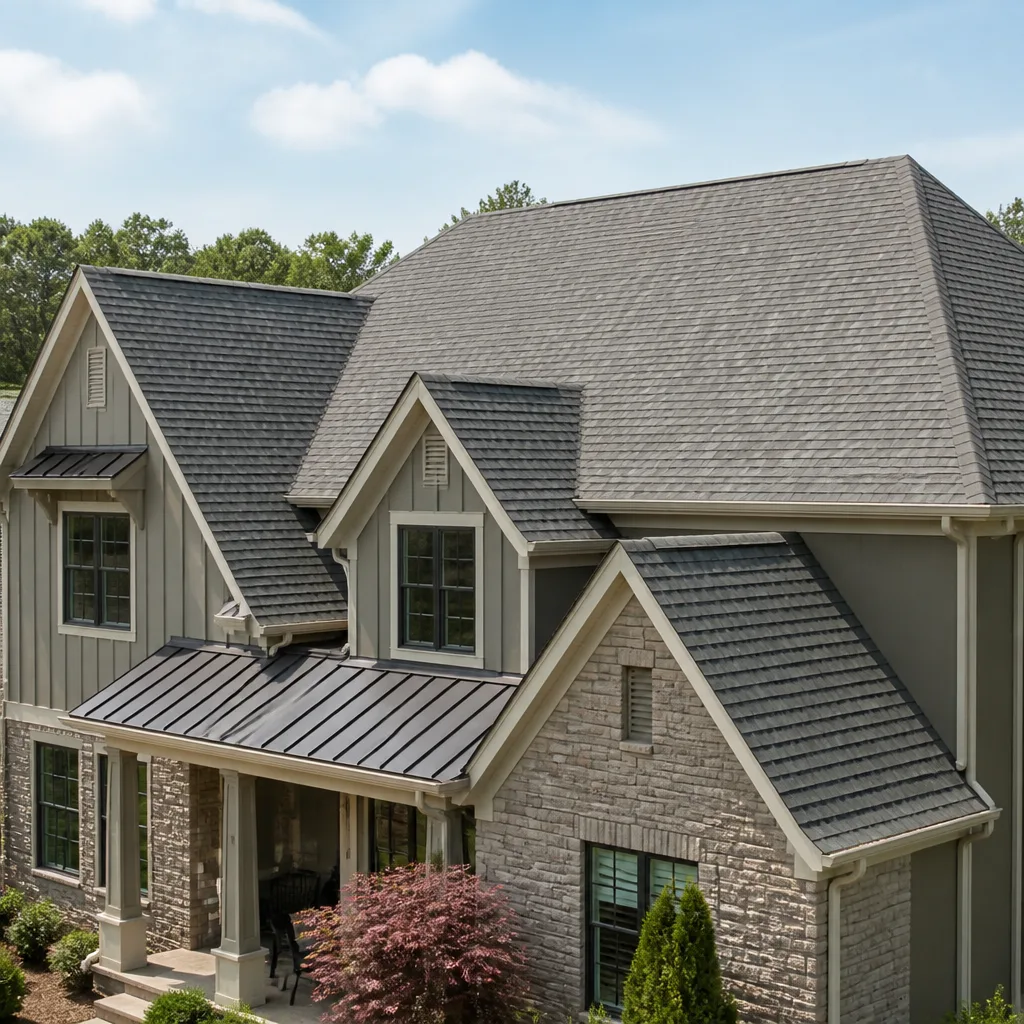
Styles & brands we work with
Quick Answer
The right construction brand for a Los Angeles home is one whose manufacturer’s warranty explicitly covers high-UV, high-thermal-cycling environments, whose materials have documented seismic flexibility where it matters (sealants, cladding, underlayment), and whose name appears in writing on your contractor’s scope of work before any payment changes hands. If a bid says “equivalent materials,” the brand decision is being made for you, typically at the lowest available cost. Ask for named brands in the written price, then verify each brand’s warranty geography yourself.
Table of Contents
- Why Brand Choice Matters More in Los Angeles Than Almost Anywhere Else
- The Four LA Performance Criteria Every Brand Shortlist Should Pass
- Roofing Underlayment: The Brand Decision Hidden Beneath the Shingles
- Exterior Stucco Systems: Seismic Flexibility Is the Filter
- Composite Decking: Reading the Fine Print on UV-Hour Limitations
- Interior Paint: Moisture Cycling and the Bathroom Ceiling Test
- Plumbing Fixtures: Why Brand Name Is a Warranty, Not a Status Symbol
- How to Read a Manufacturer’s Warranty Before It Goes on Your Written Scope
- Common Mistakes to Avoid
- When to Call a Professional
- Frequently Asked Questions
- The Bottom Line
Why Brand Choice Matters More in Los Angeles Than Almost Anywhere Else
Los Angeles sits in a climate band that punishes building materials in ways most national product testing never accounts for. We average over 3,200 hours of sunshine per year, with UV indexes routinely hitting 8 to 11 from May through October. We swing from marine-layer moisture near the coast to triple-digit dry heat in the San Fernando Valley, sometimes within the same week. And we sit on a network of faults that produces constant micro-movement, even between the earthquakes that make the news. These are not abstract concerns. They are the reason a caulk line cracks, a deck board fades to gray, or a stucco seam opens up along a window in year six instead of year twenty.
When our team at Elmstead Remodeling writes a scope of work for a General Contractor in Los Angeles project, we name the brands because we know which ones have done their homework for this climate. A brand that performs beautifully in Seattle or Chicago can fail here, not because it is a bad product, but because it was never engineered for this specific combination of sun, salt air, temperature swings, and ground movement. The brand decision is a performance decision, and Los Angeles is one of the few markets where getting it wrong shows up fast.
Key takeaways:
- LA’s UV index, coastal moisture, and seismic movement create a testing environment most national brands never designed for.
- “Works everywhere” claims in product literature rarely include Southern California performance data.
- A named brand in a written bid means the contractor has already done this filtering work.
The Four LA Performance Criteria Every Brand Shortlist Should Pass
Before comparing brands, you need a filter. These four criteria separate products that will survive a Los Angeles decade from products that will start showing age in year three. We use them on every project we bid, and you can use them when reviewing any contractor’s material list.
- UV resistance rating. Ask for the ASTM G154 rating or the manufacturer’s published UV exposure hours. If the data sheet does not list a UV weathering standard, the brand has not tested for high-sun environments. Composite decking and exterior paint are the two categories where this matters most.
- Thermal expansion coefficient. Los Angeles materials move. A dark stucco wall in Woodland Hills can hit 160 degrees Fahrenheit in August and drop to 55 degrees at night. Materials with high thermal expansion coefficients will crack at joints if the sealant cannot flex with them. Ask for the paired sealant brand, not just the cladding brand.
- Seismic flexibility rating. Sealants, waterproofing membranes, and underlayments need an elongation percentage. A sealant with 25% elongation will tear in a minor quake. One with 500% elongation absorbs the movement. This number is published for every serious brand and is almost never discussed with homeowners.
- Moisture cycling performance. Coastal Los Angeles neighborhoods like Playa del Rey and San Pedro move between damp marine air and dry heat daily. Materials that cannot handle repeated wet-dry cycles will delaminate, rust, or warp. Look for ASTM D559 or equivalent cycling test data.
Any brand that publishes all four numbers is a brand that has engineered for this region. Any brand that does not is a brand that has not.
Roofing Underlayment: The Brand Decision Hidden Beneath the Shingles
Homeowners research shingle brands like GAF with care, and rightly so. But the underlayment beneath those shingles is the material that actually touches your roof deck, and in Los Angeles it has to survive years of extreme heat before the shingles ever get replaced. A low-grade felt underlayment can break down under sustained attic temperatures above 150 degrees Fahrenheit, a condition common in Eagle Rock and Highland Park homes with dark roof colors and limited ventilation.
The brands worth specifying in Southern California use synthetic underlayment with published UV exposure ratings and high-temperature stability data. We specify products that carry a minimum 90-day UV exposure rating, which matters during the gap between tear-off and shingle installation. That gap is when LA’s sun does its damage. A synthetic underlayment from a brand that publishes its temperature threshold typically survives that window without drying out or tearing at the fasteners. Ask your roofer to name the underlayment brand in writing, not just the shingle brand. A roof is only as good as what sits against the plywood.
Exterior Stucco Systems: Seismic Flexibility Is the Filter
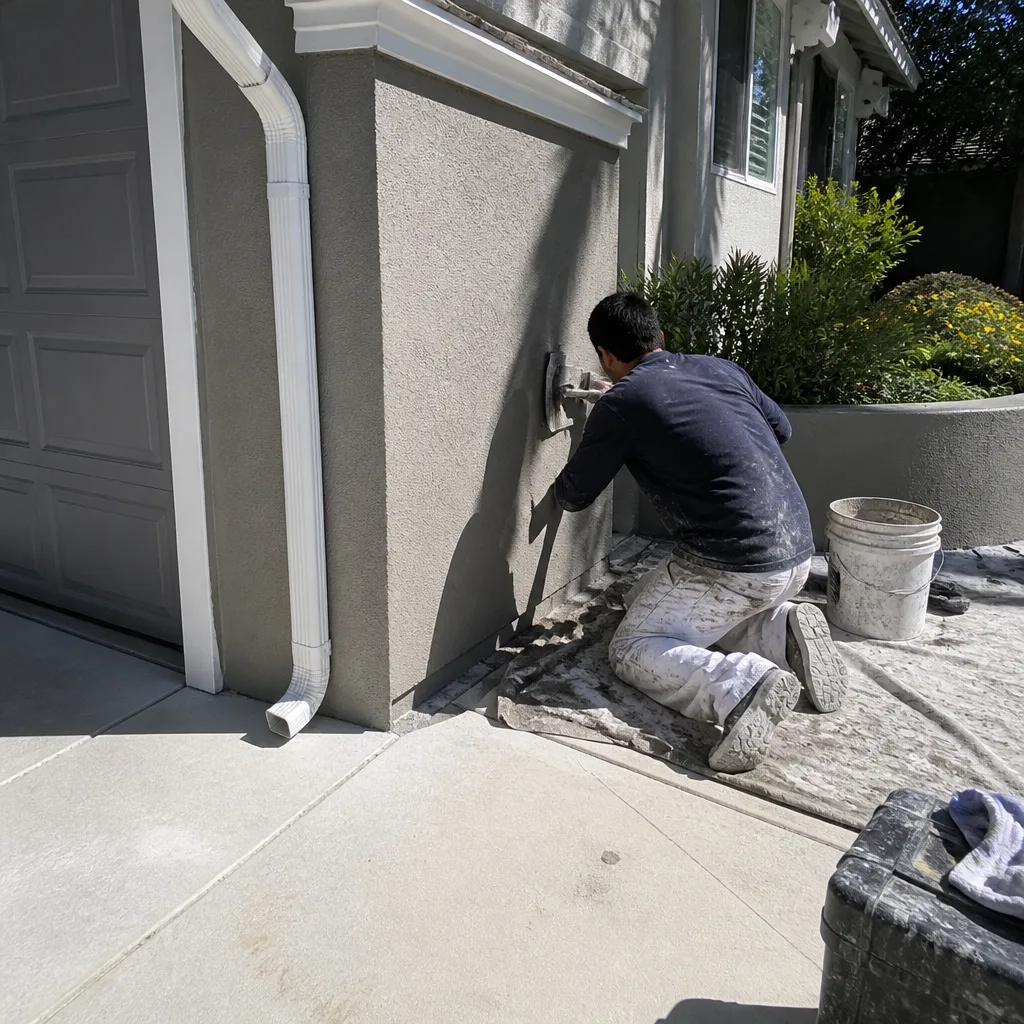
Los Angeles has more stucco exteriors than almost any market in the country, from Spanish-style homes in Mid-City to mid-century boxes in the Valley. Stucco is a system, not a single product, and the brand choice for the system components determines how the home handles seismic movement. A traditional three-coat stucco system from a brand that engineers its base coat, mesh, and finish coat to move together will survive small quakes without cracking. A system assembled from mismatched brands will open up at stress points: window corners, door headers, and where stucco meets wood trim.
When we bid a Bathroom Remodeling in Los Angeles project or a whole-home exterior in Altadena, we specify the stucco system brand alongside the sealant brand, because the two have to work as a pair. A high-elongation sealant from a brand like those we carry allows the stucco to move at control joints without telegraphing cracks through the finish. If your contractor cannot tell you the elongation percentage of the sealant they plan to use, they have not done the seismic homework. In Los Angeles, that homework is not optional.
Composite Decking: Reading the Fine Print on UV-Hour Limitations
Composite decking is where the warranty geography trap shows up most often, and Los Angeles homeowners are the ones who get caught. A composite deck board from a major national brand may carry a 25-year fade and stain warranty that applies in most of the country. But read the fine print. Some brands include a geographic exclusion for desert and high-UV regions, which includes large portions of Southern California. The language is quiet, often buried in a footnote: “Warranty does not apply to installations in areas with an average UV index of 8 or higher.” That describes a Los Angeles summer.
This does not mean composite decking is a bad choice here. It means the brand shortlist for a Los Angeles deck should start with brands that publish UV-hour testing data and do not exclude Southern California from their fade warranty. Boards with higher colorant concentration and capstock density hold up longer under direct sun, and the brands that invest in that engineering say so in their technical sheets. Before a single board is ordered, ask your contractor for the brand’s warranty document and search it for the words “UV index,” “geographic exclusion,” and “sunbelt.” If any of those phrases appears, find out exactly what it covers and what it does not.
Interior Paint: Moisture Cycling and the Bathroom Ceiling Test
Interior paint brand choice seems like a minor decision until a bathroom ceiling in Los Feliz starts peeling in year two. The culprit is not the paint itself in most cases; it is the moisture cycling. A bathroom goes from steamy shower humidity to dry Santa Ana air within hours, and a paint film that cannot handle repeated moisture absorption and release will fail at the substrate line. Better paint brands engineer their bathroom and kitchen formulations with higher moisture resistance, and they publish scrub ratings and moisture cycling data that budget brands do not.
For bedrooms and living spaces, the brand decision matters less. But for kitchens, bathrooms, and laundry rooms, we specify paint brands that list moisture resistance as a primary design feature, not an afterthought. The difference shows up in homes where a family of four runs two showers a day: the ceiling stays intact, and the walls clean up without burning through the paint film. When you review a paint bid in Los Angeles, ask which line within the brand is being specified, not just which brand. A premium brand’s budget line will not perform the same way in a West Hollywood bathroom that steams up twice a day.
Plumbing Fixtures: Why Brand Name Is a Warranty, Not a Status Symbol
Plumbing fixtures are the category where homeowners most often choose a brand for the wrong reason. A faucet is not a fashion accessory; it is a mechanical device that must survive Los Angeles water chemistry. The water in many LA neighborhoods, including parts of the Westside and the Valley, is hard enough to leave calcium deposits that wear down cartridge seals and degrade finishes faster than in most of the country. This is why we specify fixture brands like Kohler, Moen, and Grohe in our Kitchen Remodeling in Los Angeles projects. These brands publish their water chemistry tolerances and build cartridges that handle mineral content better than budget manufacturers.
The brand name also carries the warranty, and in plumbing fixtures, the warranty is the difference between a free replacement cartridge in year five and a $400 service call. Brands with comprehensive lifetime-limited warranties on cartridges and finishes mean that when the hard water eventually takes its toll, the part is replaced without an argument. Ask your contractor to name the fixture brand and the specific line in the written bid. A bid that says “designer faucet” without a brand is leaving the warranty question unanswered, and in a hard-water city, that question is not hypothetical.
How to Read a Manufacturer’s Warranty Before It Goes on Your Written Scope
The single most useful skill a Los Angeles homeowner can develop is reading a manufacturer’s warranty for the clauses that apply specifically to this region. The process takes about fifteen minutes per brand, and it is the difference between a 25-year promise and a five-year reality. Here is the sequence we recommend for every material in your bid.
- Download the full warranty document, not the marketing summary. The summary always says “25-year warranty.” The full document says where it applies.
- Search for the word “UV.” Look for UV-hour limitations, UV-index thresholds, or exclusions for high-sun regions. If the warranty limits UV exposure, find the exact number and compare it to Los Angeles’s average UV index.
- Search for geographic exclusions. The phrases to find: “desert regions,” “southwestern United States,” “areas with average temperatures above,” or specific state exclusions. Some brands exclude Arizona and Nevada but not California; others group Southern California with the desert Southwest.
- Check the labor coverage. A material warranty that covers the product but not the labor to replace it is a partial warranty. The brand should state clearly whether installation labor is included, and for how many years.
- Confirm transferability. If you sell the home, does the warranty transfer to the next owner? The best brands say yes without a fee. Budget brands often require a fee or void the warranty entirely.
This is the filtering work that separates a contractor who protects the family from one who protects the margin. A contractor who names brands in writing has already done this reading and is comfortable with what those warranties actually promise in Los Angeles. A contractor who lists “equivalent materials” has not, and the warranty risk lands on the homeowner.
Common Mistakes to Avoid
- Letting the showroom decide the brand. A beautiful display does not tell you anything about UV performance or moisture cycling. Ask for the technical data sheet before the brand goes on the bid. We have replaced materials that looked stunning in a showroom and failed within three Los Angeles summers.
- Focusing on the finish instead of the substrate. Countertop and tile brands get all the attention, but the waterproofing membrane beneath a shower tile is the material that determines whether the shower leaks in year eight. Ask for the membrane brand and its seismic flexibility rating.
- Accepting “equivalent materials” language. That phrase means the contractor reserves the right to substitute whatever is cheapest at the time of purchase. A written price with named brands is a promise; an “equivalent” clause is a loophole.
- Reading the warranty summary instead of the full document. The summary is a marketing tool. The full document contains the geographic exclusions, the UV-hour limits, and the labor coverage details that determine whether the warranty is worth anything in Los Angeles.
- Choosing a brand for aesthetics in plumbing fixtures. A beautiful faucet that cannot handle hard water will fail fast. The brand’s water chemistry documentation matters more than the finish color.
- Ignoring the sealant brand. In stucco, decking, and exterior trim work, the sealant is the material that absorbs movement. A premium cladding paired with a budget sealant still fails at the joints. We specify the sealant brand alongside every exterior material we install.
- Assuming all locations of a brand are the same quality. Some national brands produce different product lines for different regions. Ask whether the specific product being bid is the same formulation sold in the Southwest or a different SKU than what is sold in wetter climates.
When to Call a Professional
If you are reviewing a bid that lists “equivalent materials” or a scope that names brands you cannot verify, a professional conversation is worth having before you sign. A contractor who does the warranty reading and climate filtering will explain, in plain language, why a specific brand was chosen for a specific Los Angeles condition. If the explanation is not forthcoming, the brand decision has not been thought through. Elmstead Remodeling offers free estimates in Los Angeles, and every bid includes a written price with named brands before any work starts. Call (949) 850-9896 to schedule a free estimate and review the brands against your home’s specific exposure to sun, moisture, and seismic movement.
Frequently Asked Questions
The best brands for Los Angeles are those that publish UV resistance ratings, thermal expansion coefficients, and seismic flexibility data for their products, and whose warranties do not exclude high-UV regions like Southern California. In our experience, the brands that perform well here include those we specify in our own work: KraftMaid and Wellborn cabinets, Cambria and Silestone countertops, Kohler and Moen fixtures, and James Hardie exteriors. The common thread is published performance data and warranty language that holds up in this climate.
Some do and some do not. The answer depends entirely on the fine print. Certain composite decking brands and exterior paint lines include geographic exclusions for high-UV regions, and Southern California sometimes falls inside those exclusions. The only way to know is to download the full warranty document and search for the words “UV index,” “geographic exclusion,” and “sunbelt.” If the warranty limits UV exposure, compare that number to Los Angeles’s average UV index before the brand goes on your written scope. Call (949) 850-9896 if you want help reviewing the brands in your existing bid.
Los Angeles combines three conditions that most national product testing never accounts for: extreme UV exposure, daily thermal cycling between hot and cool temperatures, and constant seismic micro-movement. A material that performs well in a mild, cloudy climate can fade, crack, or delaminate in Los Angeles within a few years. The brand filters that matter here are UV resistance rating, thermal expansion coefficient, seismic flexibility for sealants and cladding, and moisture cycling performance.
Yes, and you should. A bid with named brands is a promise that the materials specified will be the materials installed. A bid with “equivalent materials” language is a statement that the contractor reserves the right to substitute cheaper products at the time of purchase. Ask for the brand name, the product line, and the warranty document for every major material category: roofing underlayment, waterproofing membrane, stucco system, decking, paint, and plumbing fixtures.
The cost premium varies by category and project scope, but it is typically modest in the context of the full project. A bathroom remodel in Los Angeles with named-brand fixtures like Kohler or Moen might run $18,000 to $35,000 depending on size and finish level, while a kitchen remodel with KraftMaid or Wellborn cabinets and Cambria or Silestone countertops typically lands between $45,000 and $85,000. The material brand premium is usually measured in the hundreds or low thousands, not the tens of thousands, and it buys warranty protection that budget materials do not include. Call (949) 850-9896 for an exact quote on your project; estimates are free.
Yes. Every project we bid includes a written price with named brands for cabinets, countertops, fixtures, waterproofing membranes, and all other major material categories before any work begins. We work with KraftMaid, Wellborn, Cambria, Silestone, Kohler, Moen, Grohe, Schluter, and James Hardie, and every brand we specify carries a manufacturer warranty that travels with the finished project and can be verified directly with the manufacturer.
The Bottom Line
A construction brand is a promise, and in Los Angeles the promise is tested harder than almost anywhere else in the country. Sun, seismic movement, and moisture cycling will find the weaknesses in any material within a few years, and the only protection a homeowner has is the warranty language and published performance data that came with the brand. Named brands in a written bid mean the contractor has done the filtering work and is willing to be held to it. Equivalent materials language means the risk lands on the homeowner. Ask for the brand names, read the full warranty documents, and if the answers are not clear, call (949) 850-9896 for a free estimate from a team that writes the brands down before a single tool leaves the truck.
Written by Graham Stein, Owner at Elmstead Remodeling, serving Los Angeles since 2005.
See the difference
 Before
 After
After Before
 After
After Before
 After
After