Last updated October 8, 2026


Free written scope consultation - allowances, timeline, and change-order rules on paper before a single trade is scheduled
How Long Does Kitchen Remodeling Take? Timelines and What to Expect
Most homeowners in Los Angeles hear one number when they ask about a kitchen remodel timeline: six weeks, eight weeks, maybe ten. That number is almost always wrong, and not because contractors are dishonest. It’s wrong because it only describes the middle act of a three-act process. Semi-custom cabinets from most domestic manufacturers carry a 6 – 10 week lead time from order to delivery. So a kitchen remodel that “starts in two weeks” often can’t begin cabinet installation for two months. The project clock should start on order date, not demolition day. This guide explains the three real phases of our Kitchen Remodeling services, what each one involves, and how to plan so your kitchen-out period is measured in weeks, not seasons.
Quick Answer
A kitchen remodel in Los Angeles typically takes 4 to 12 weeks before construction begins (permits, material orders, subcontractor scheduling), 3 to 8 weeks of active construction for a full remodel, and 3 to 10 business days of punch-list work at the end. Cosmetic updates like refacing and new counters can compress the active phase to 1 to 3 weeks. The single biggest timeline anchor is cabinet lead time, not contractor speed.
Styles & brands we work with



Table of Contents
- Phase One: Pre-Construction (4 – 12 Weeks)
- Why Cabinet Lead Times Control Your Start Date
- Phase Two: Active Construction (3 – 8 Weeks)
- Galley Refresh vs. Full Gut-and-Reconfigure
- Los Angeles Permit Inspections: What Actually Happens
- The Kitchen-Out Plan: Living Without a Kitchen
- Phase Three: The Punch List (3 – 10 Business Days)
Phase One: Pre-Construction (4 – 12 Weeks)
Pre-construction is the phase most estimates bury in a footnote. It starts the day you sign a contract and ends the day the first cabinet box is opened in your home. In Los Angeles, this phase runs 4 to 12 weeks depending on three variables: how quickly you finalize selections, how long city permit review takes, and what the cabinet manufacturer’s current production queue looks like.
Here’s what actually happens during this window:
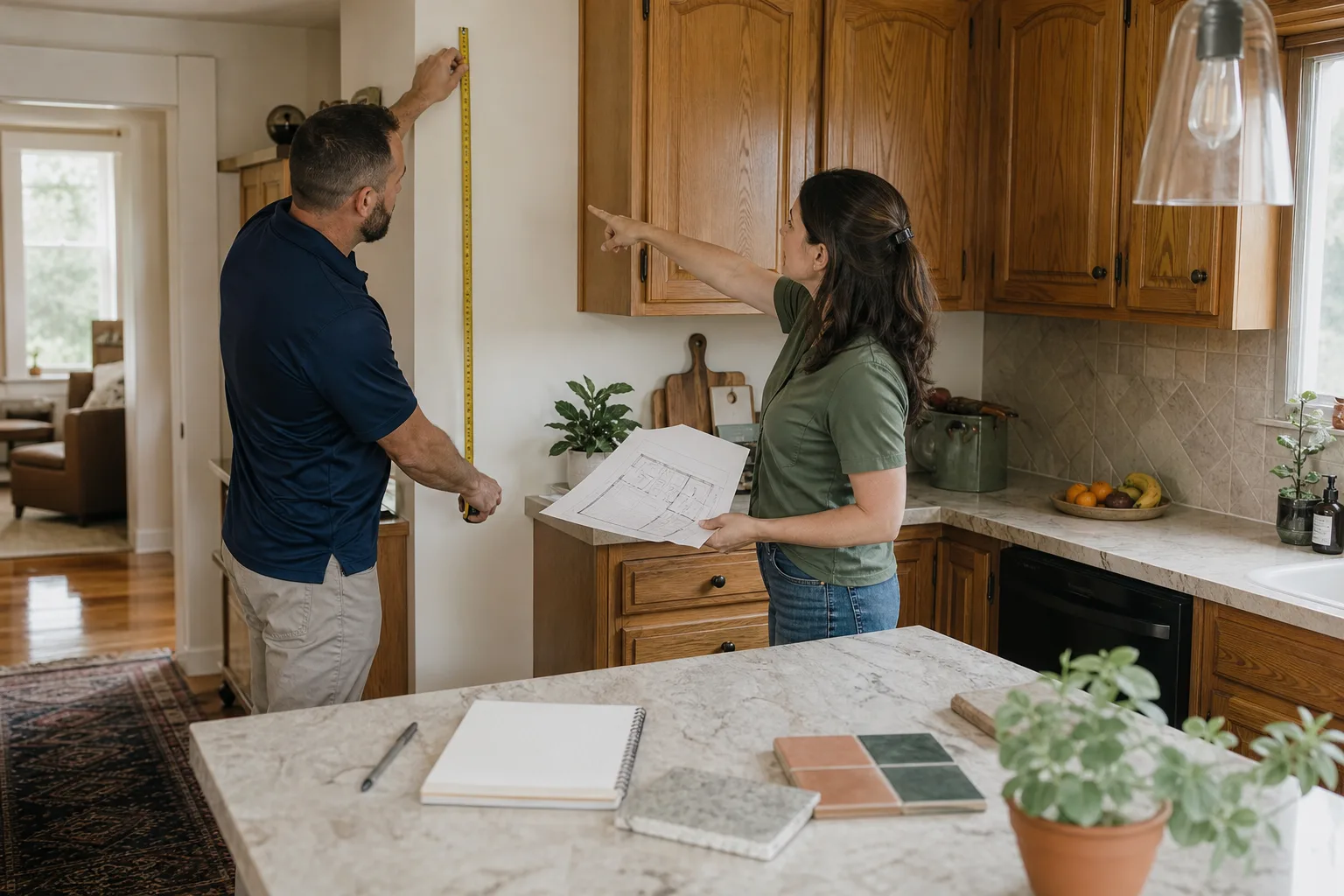
- Selections and measurements (1 – 2 weeks). Cabinet style, door profile, finish, countertop slab, sink configuration, faucet finish, hardware. Every choice has a lead time attached to it.
- Cabinet order placed (day zero for the real clock). KraftMaid and Wellborn, two of the cabinet lines we install, run production queues based on door style and finish. Stock cabinets ship in 2 – 4 weeks. Semi-custom runs 6 – 10 weeks. Custom can run 12+.
- Permit filing with LADBS (1 – 4 weeks depending on scope). If you’re only swapping cabinets and counters in place, you may not need a permit. If you’re moving plumbing, adding gas lines, or altering electrical circuits, you will.
- Countertop template (scheduled after cabinet install, but templated for before). Stone fabricators in the Los Angeles market often run 2 – 3 weeks from template to install. That gets factored into the active construction calendar, not pre-construction.
- Subcontractor schedule lock. Electrician, plumber, drywall, tile setter. Good subs in LA are booked 2 – 6 weeks out. We schedule them against the cabinet delivery date, not the demolition date.
The written price you receive before any work starts should include this phase explicitly. If a contractor hands you a start date without confirming the cabinet order date, you’re being quoted the middle number only.
Why Cabinet Lead Times Control Your Start Date
The single most common timeline surprise in kitchen remodeling is this: demolition happens, the old kitchen is gone, and then everyone waits. The cabinets are the anchor. You cannot template countertops without cabinets installed. You cannot set the sink or the cooktop without the counter. You cannot finish plumbing and electrical trim without the sink and cooktop in place. The entire back half of the project queues behind one delivery.
That is why disciplined contractors sequence the project from the cabinet order date backward and forward. Here is the honest math:
- Cabinet order placed: Week 0
- Cabinets delivered: Week 6 – 10
- Demolition scheduled: 1 week before cabinet delivery
- Cabinet installation: 2 – 5 days after delivery
- Countertop template: day cabinet install completes
- Countertop fabrication: 10 – 14 days
- Countertop install: half day
- Appliance and fixture trim: 2 – 4 days after countertop install
In our experience working in Los Angeles neighborhoods from Silver Lake to Sherman Oaks, the projects that run on schedule are the ones where the homeowner locked in their cabinet selections within the first two weeks of signing. The projects that drift are the ones where finish samples sat on a dining table for a month while production queues moved. If you want your kitchen done by Thanksgiving, follow our Kitchen Remodeling Maintenance Schedule: What to Do and When and count backward from Thanksgiving using the cabinet lead time as your fixed point. Everything else bends around it.
Phase Two: Active Construction (3 – 8 Weeks)
Active construction is what most people picture when they imagine a remodel: the old kitchen coming out, the new one going in. For a full remodel in Los Angeles, this phase runs 3 to 8 weeks. The range is wide because the scope is variable. Here is what a typical week-by-week sequence looks like for a full kitchen remodel:
- Week 1: Demolition and rough-in prep. Old cabinets, counters, flooring, and sometimes drywall come out. Drop cloths go down throughout the travel path. If you are moving plumbing or electrical, the walls get opened to the studs.
- Week 2: Rough electrical and plumbing. New circuits for appliances and lighting, new drain lines for a relocated sink, gas line work if the range is moving. This is the stage that requires LADBS rough-in inspection.
- Week 3: Drywall repair, texture, and paint. Walls close back up. Primer and paint happen before cabinet install so there is no cutting in later.
- Week 4: Cabinet installation. A two-person crew typically sets a full kitchen in 2 – 4 days. Boxes are handled with the same care as furniture because the finish chips if a corner hits a doorframe.
- Week 5: Countertop template and fabrication. The template is a digital scan of the installed cabinets, not a paper drawing. Stone fabricators measure to the 1/16th of an inch. Fabrication runs 10 – 14 days.
- Week 6: Countertop install, sink, and fixture trim. The stone goes in, seams get sealed, and the plumber returns to set the sink, faucet, and dishwasher connections.
- Week 7: Appliance install, backsplash, and final electrical. Cooktop, oven, refrigerator, and range hood go in. Tile backsplash goes up after counters are set so the tile sits on the stone, not behind it.
- Week 8: Final details. Cabinet hardware, toe kicks, touch-up paint, and the first round of the punch list.
This is the phase where daily site cleanliness matters most. Families with children and pets are living in the house while this happens. Shoe covers at the door, drop cloths on the floor, and a photo of the clean-up before the crew leaves each day are not extras. They are the difference between a remodel that disrupts your life and one that ruins it for eight weeks.
Galley Refresh vs. Full Gut-and-Reconfigure
Not every kitchen remodel is eight weeks of active construction. The timeline splits into two broad categories, and it helps to know which one you are actually doing before you start planning dinners around a toaster oven.
A galley or cosmetic refresh means the footprint stays the same. Cabinets get refaced or repainted, counters get replaced in place, appliances swap one-for-one, and the sink stays where the sink already was. No plumbing moves, no walls open, no electrical panel changes. Active construction for this scope runs 1 to 3 weeks. In many Los Angeles condos and older homes with galley kitchens, this is the most common remodel because moving plumbing in a shared wall is expensive and sometimes not permitted by the HOA.
A full gut-and-reconfigure means walls move, plumbing relocates, electrical circuits get added, and the kitchen becomes something it was not before. An island goes in where a wall came out. The sink moves from the window wall to the island. The range shifts to the opposite side of the room. This is a 6 to 12 week active construction project. The extra time comes from structural work, rough-in inspections, drywall matching, flooring repair where old walls stood, and the compounding effect of every trade waiting on the trade before it.
The honest criteria for knowing which one you have: if you are moving a sink, moving a gas line, moving a wall, or adding an island where one did not exist, you are in the longer category. The price difference tracks the time difference. A galley refresh in Los Angeles might run $25,000 to $45,000. A full gut-and-reconfigure with semi-custom cabinets, stone counters, and an island typically runs $65,000 to $120,000 depending on material grade and finish level.
Los Angeles Permit Inspections: What Actually Happens
Los Angeles has its own inspection culture. LADBS inspections are scheduled online, usually within a 2 to 3 day window of when you request them. For a kitchen remodel that moves plumbing or electrical, you will likely have two inspections: a rough-in inspection when the walls are open and the pipes and wires are visible, and a final inspection when the work is complete.
A failed inspection adds 5 to 7 days to your project. Here is why: the inspector issues a correction notice, the contractor schedules the corrective work, the correction gets completed, and a re-inspection gets scheduled. The re-inspection goes to the back of the queue again. Two failed inspections in a row is a two-week delay and, honestly, a sign the contractor is not sequencing their work carefully.
Common reasons LA kitchen inspections fail:
- GFCI protection missing on countertop outlets within 6 feet of a sink edge
- Gas line not pressure-tested before rough-in inspection
- Ventilation ducting for the range hood not meeting minimum CFM or terminating properly
- Electrical circuit for the dishwasher or disposal not on its own dedicated breaker
- Countertop overhang or island clearance not meeting current LADBS code for the space
None of these are exotic. They are routine failures that happen when a crew rushes rough-in to hit a start date. The way to avoid them is to work with a contractor who pulls permits, schedules inspections, and walks with the inspector. When the inspection happens on time and passes on the first visit, the project clock keeps moving.
The Kitchen-Out Plan: Living Without a Kitchen
For 3 to 8 weeks, the room where your family eats is a job site. The kind of contractor you hire shows up most clearly in how they handle this period. A kitchen-out plan is not a luxury. It is a working document that tells you where meals happen, what appliances are safe to run, and what the crew will do every single day to keep dust out of the rest of the house.
Here is what a practical kitchen-out setup looks like in a Los Angeles home:
- Meal prep station. A folding table in the dining room or garage with a cutting board, toaster, and microwave. The microwave needs its own circuit or a 20-amp extension cord rated for appliance loads. Do not run the microwave and a toaster on the same outlet.
- Induction cooktop on a table. A single-burner portable induction unit is safe on a sturdy table with a dedicated 20-amp circuit. It does not produce open flame or combustion gas, which makes it the safest temporary cooking option in a house with children and pets.
- Dishwashing station. A utility sink or a plastic tub system on the patio. Disposable plates and utensils cut the workload, but a dish rack and a basin work fine.
- Trash and recycling containers. Positioned near the prep station, because a kitchen without a trash can becomes a pile of bags in the hallway by day three.
- Daily site protocol. The crew seals the work area with plastic sheeting at the doorways, runs a negative-pressure fan where possible, vacuums the travel path at the end of every day, and takes a photo of the clean-up before leaving. Quiet tools – a lower-RPM saw, a hand saw for trim cuts – happen during nap hours and after school when we know children are home.
This is the part of the job where the Cedarwell Care Promise shows up in behavior, not brochure language. Drop cloths on the floors, shoe covers at the door, and pet-safe product choices where there is a choice. Ask before moving anything. Respect the family’s quiet hours. Explain the price before the work. Those four standards turn an eight-week kitchen-out into a manageable disruption instead of a domestic emergency.
Phase Three: The Punch List (3 – 10 Business Days)
The cabinets are in, the stone is set, the appliances are running. The kitchen looks finished. It is not finished until the punch list is closed. A punch list is the collection of small items that remain after the major work is done: a cabinet door that hangs a half-degree off, a faucet drip, a tile grout line that needs one more pass, a paint touch-up behind the refrigerator.
A well-managed punch list closes in 3 to 10 business days. Here is what that looks like in practice:
- Walkthrough with the project lead. You and the contractor walk the kitchen together, and every item goes on a written list with a responsible party and a completion date.
- Trade returns. Tile setter comes back for grout, electrician for the outlet plate that was missed, cabinet vendor for the replacement hinge.
- Final clean. The construction clean is different from the daily clean. It includes wiping cabinet interiors, cleaning stone, removing protective film, and vacuuming behind toe kicks.
- Final inspection and close-out documents. If permits were pulled, the final LADBS inspection happens now. You receive warranty cards for the named-brand products:Namely KraftMaid cabinetry, Cambria or Silestone stone, and Kohler, Moen, or Grohe fixtures all carry manufacturer warranties that travel with the finished project.
A punch list that drags past two weeks is usually a sign the contractor has moved the crew to the next job and your project is being squeezed into the schedule on weekends. The Elmstead Remodeling 365-Day Done Right Promise is designed specifically for this gap: if something is not done right after the project is complete, we make it right. Not for thirty days. For a full year. It is the longest-standing post-project commitment in our service area, and it covers the punch list items that sometimes reveal themselves weeks after the final walkthrough, like a drawer slide that loosens after daily use or a grout line that settles with the house.
Common Mistakes to Avoid
- Counting from demolition day instead of order date. If the cabinets were ordered the same week you signed the contract, your real clock started then. A contractor who says “we start in two weeks” is telling you about demolition, not about cabinets.
- Changing a selection after the order is placed. A finish change on a semi-custom cabinet order can reset the production queue by 4 to 6 weeks. Lock your selections before the order goes in.
- Assuming the permit process is quick. LADBS reviews can take 1 to 4 weeks depending on scope and current backlog. Moving plumbing or gas lines adds review time.
- Scheduling a concrete slab counter template before cabinets are installed. The template is a digital scan of installed cabinets, not a paper measurement. It cannot happen until the boxes are set.
- Running the microwave and toaster on the same circuit during the kitchen-out period. This trips the breaker daily and turns a minor inconvenience into a household frustration. Use a dedicated 20-amp circuit for the microwave.
- Leaving the punch list open-ended. Walk the job with your contractor and put every remaining item in writing with a completion date. Verbal “we’ll get to it” is how punch lists become six-week sagas.
- Hiring based on the shortest timeline. A contractor who promises a four-week full remodel in Los Angeles is either not pulling permits or not telling you about the cabinet lead time. The honest answer is never the shortest one.
See the difference
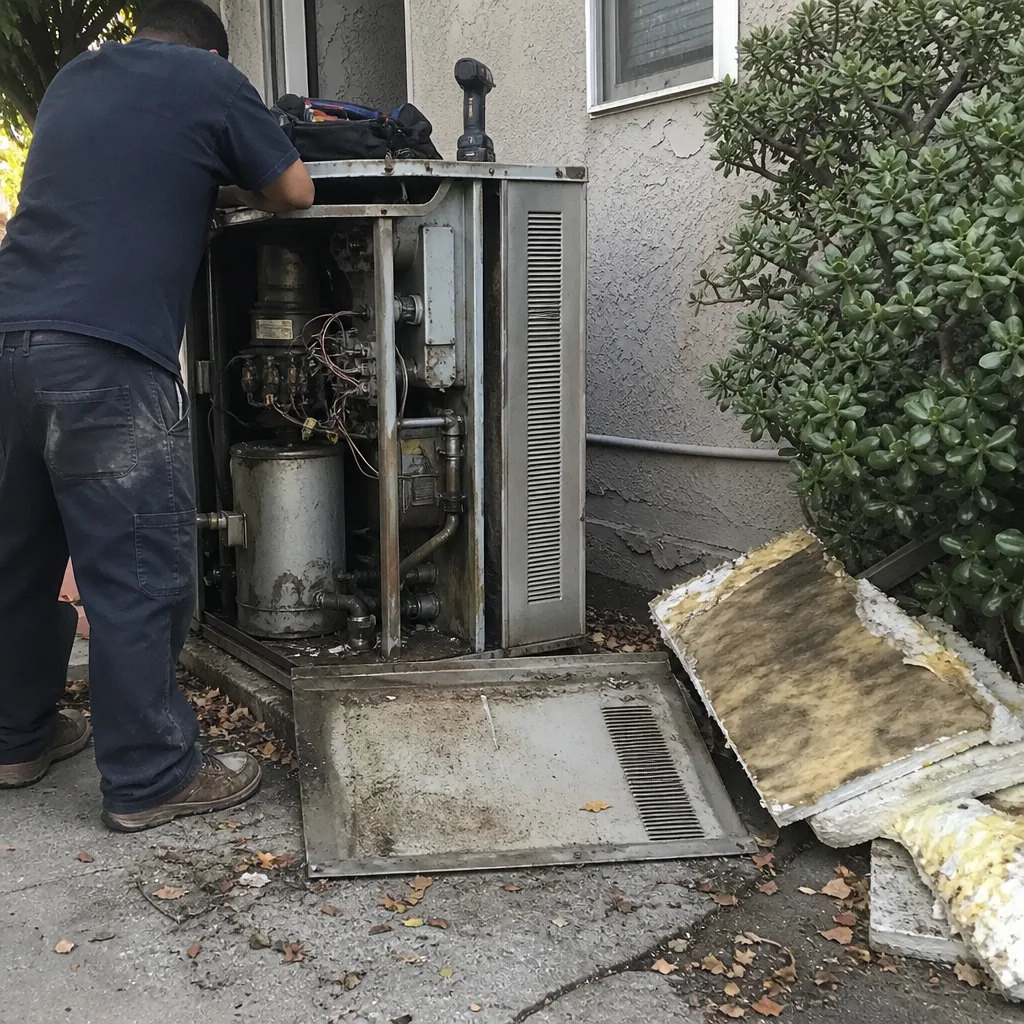 Before
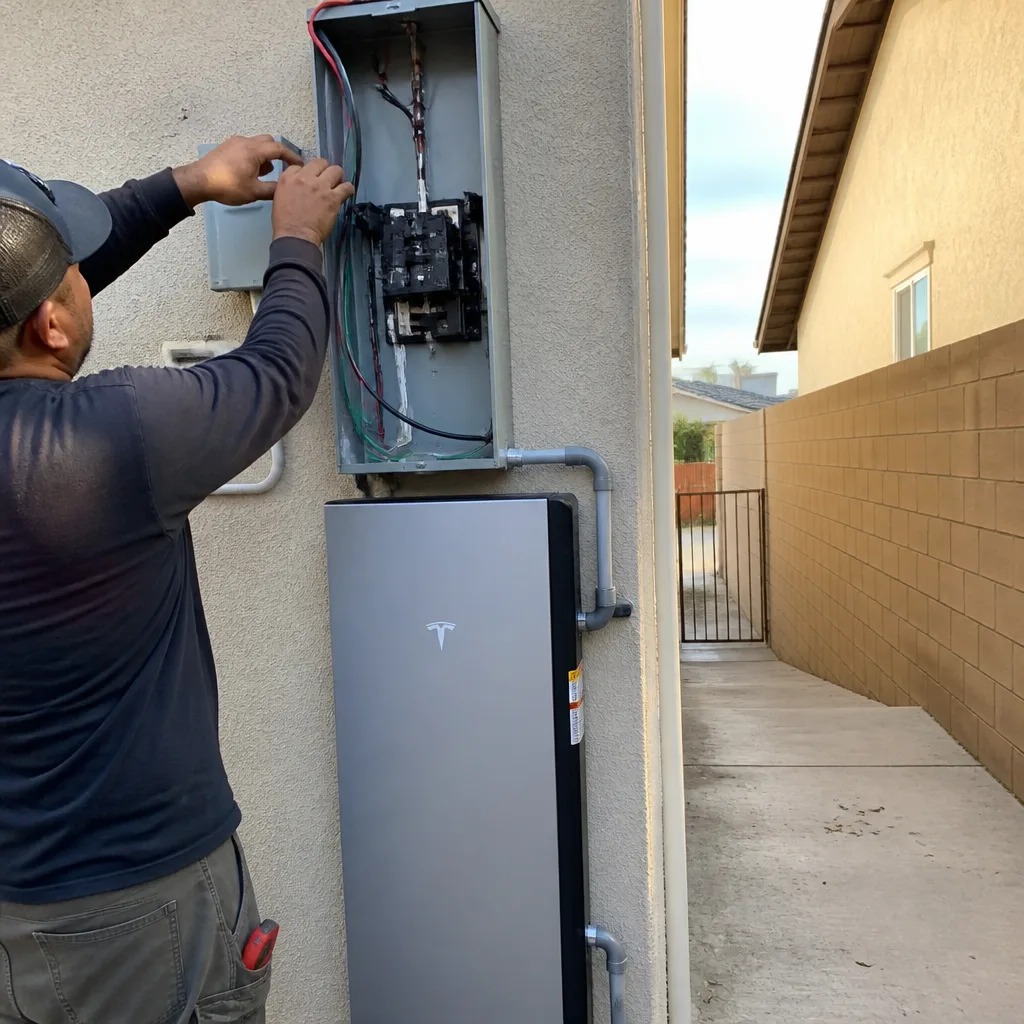 After
After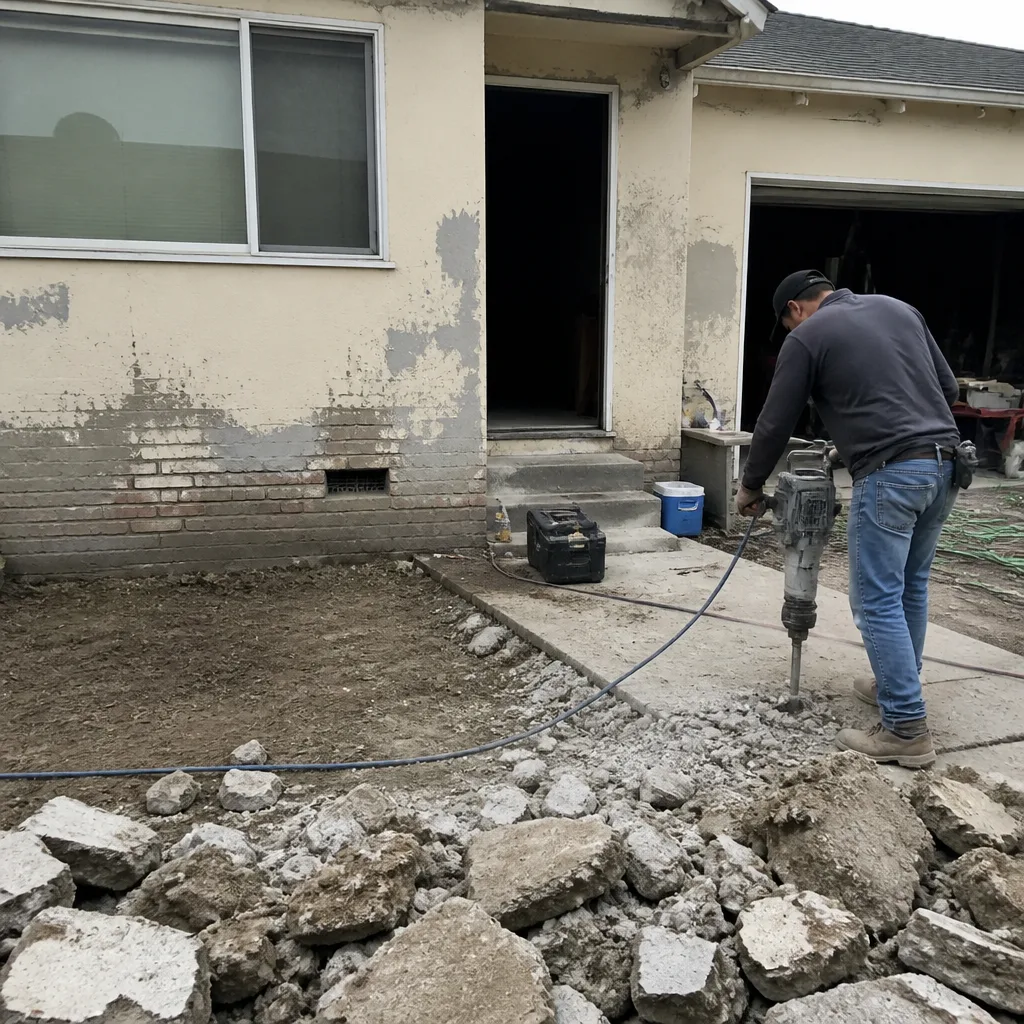 Before
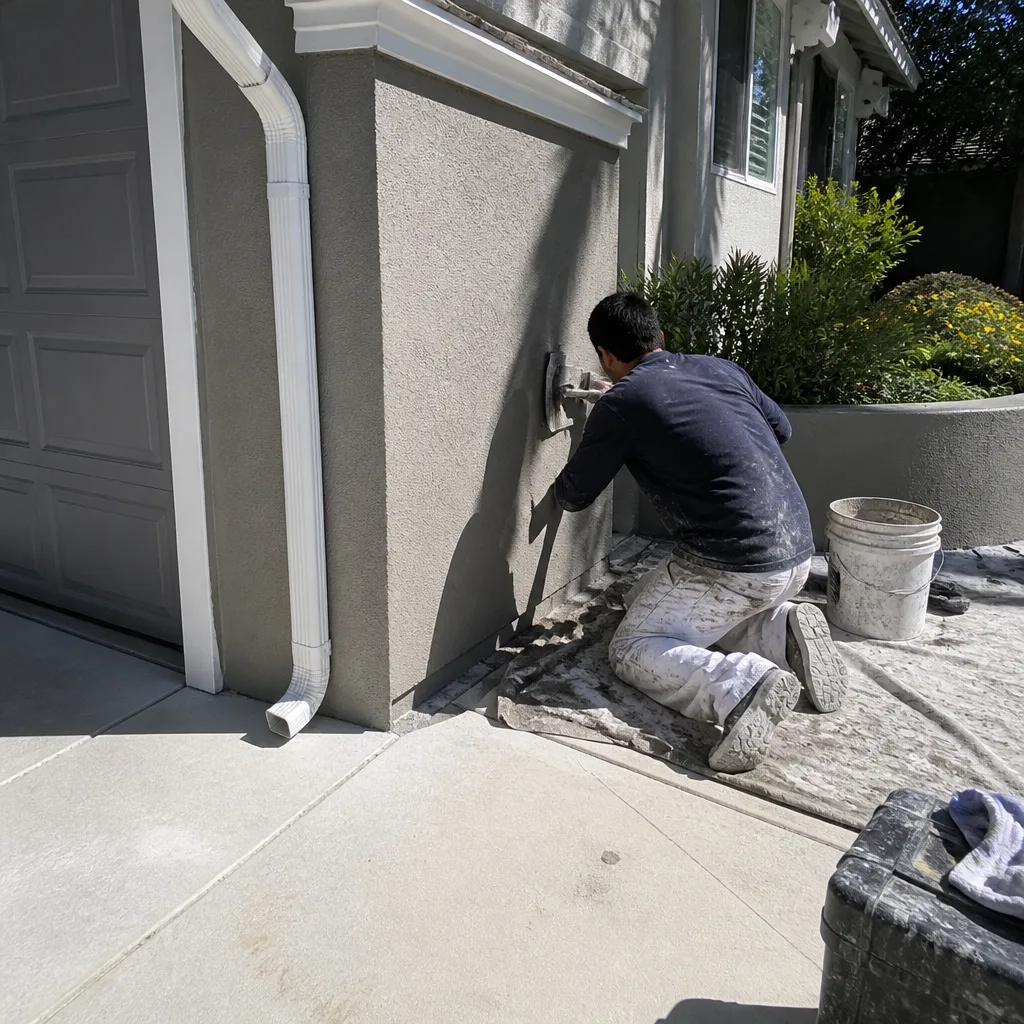 After
After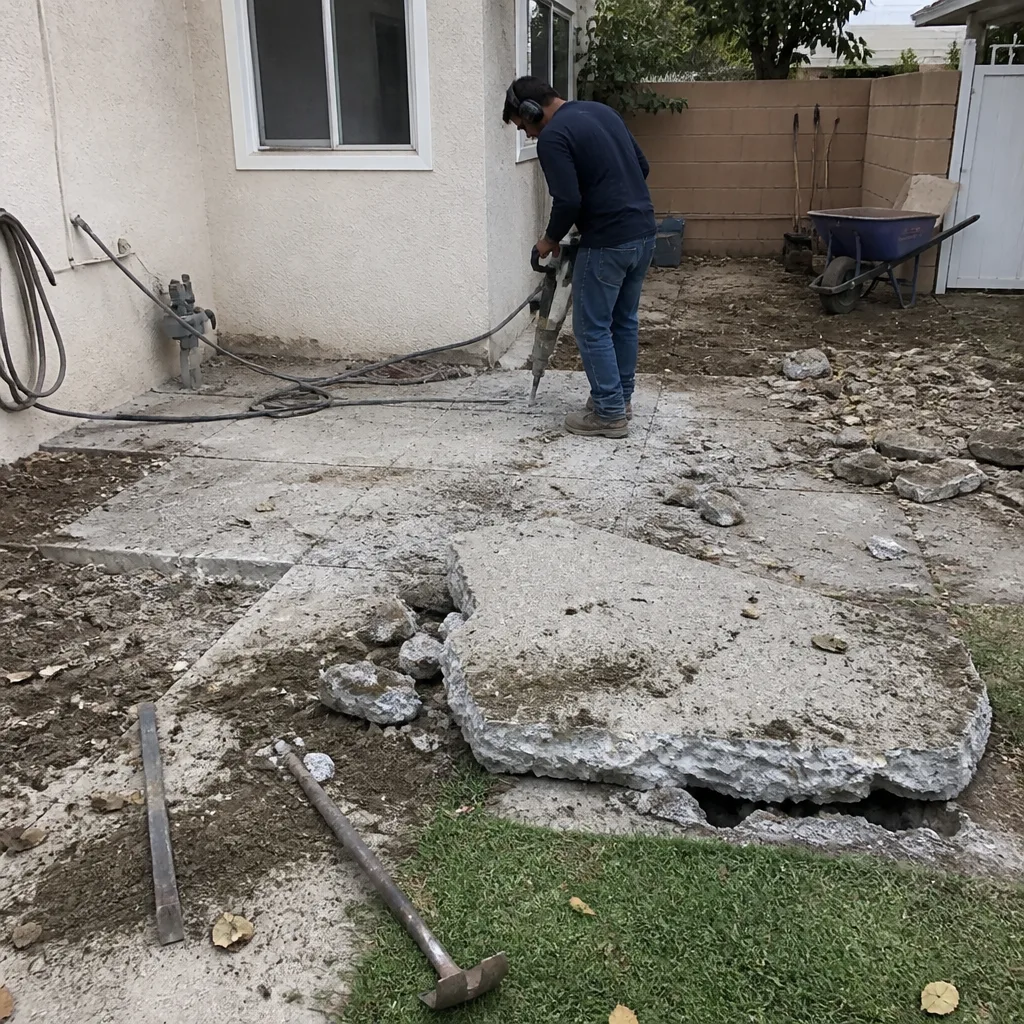 Before
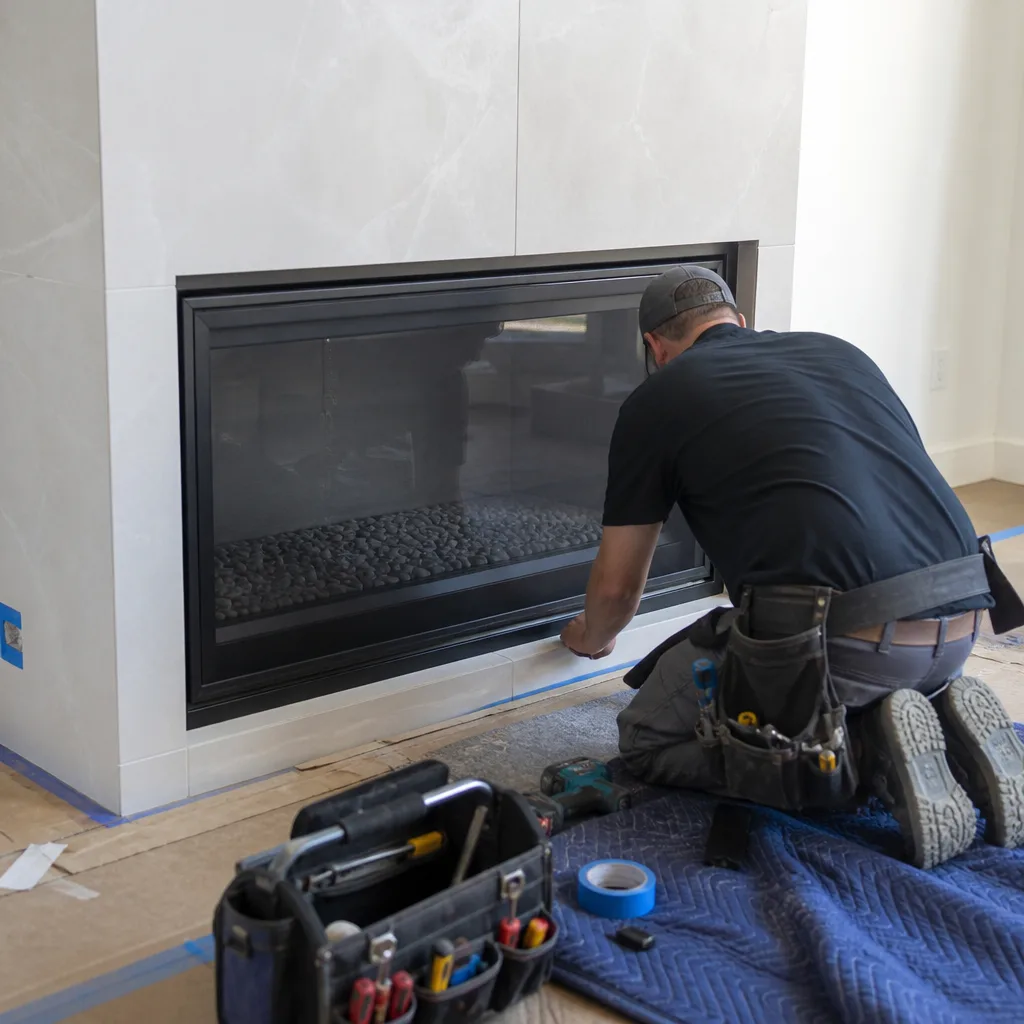 After
AfterWhen to Call a Professional
A kitchen remodel is not a DIY-friendly project, and the timelines above-along with How to Hire a Construction Contractor in Los Angeles: A Step-by-Step Guide-should make that clear. If you are moving plumbing, altering electrical circuits, opening walls, or installing gas appliances, you need a licensed contractor who pulls permits and schedules inspections. If you are refacing cabinets and swapping counters in place, the work is smaller but the attention to detail matters just as much. A cabinet reface that chips at the edges looks worse than the original finish in half the time. If any part of this guide left you with questions about your specific kitchen, call us. Elmstead Remodeling offers free estimates in Los Angeles. We walk the space, give you a written price before any work starts, and map out the real three-phase timeline for your project. Call (949) 850-9896 to schedule yours.
Frequently Asked Questions
A full kitchen remodel in Los Angeles typically takes 4 to 12 weeks of pre-construction (permits, material orders, scheduling) plus 6 to 12 weeks of active construction for a gut-and-reconfigure project, for a total of 10 to 24 weeks from contract signing to final punch list. The cabinet lead time, which runs 6 to 10 weeks from order to delivery for semi-custom lines like KraftMaid and Wellborn, is usually the longest single item. Call (949) 850-9896 and we’ll map out the real timeline for your specific scope.
A galley or cosmetic kitchen refresh in Los Angeles with refaced cabinets and new counters typically runs $25,000 to $45,000, while a full gut-and-reconfigure with semi-custom cabinets, stone counters, and an island runs $65,000 to $120,000 depending on material grade and finish level. The range is wide because the scope is variable, which is exactly why a written price before any work starts matters. Call (949) 850-9896 for an exact quote on your kitchen.
Yes, and most Los Angeles families do, but the experience depends almost entirely on the contractor’s daily site protocol. A clean, safe kitchen-out setup includes a folding-table meal station, a portable induction burner on a dedicated 20-amp circuit, plastic sheeting at the work area doorways, and a daily clean-up with photo documentation before the crew leaves. The disruption is real, but with the right process it stays livable for the full 3 to 8 weeks of active work.
If you are only swapping cabinets and counters in place with no plumbing or electrical changes, you likely do not need a permit in Los Angeles. If you are moving a sink, relocating a gas line, adding circuits, or opening a wall, you do, and the LADBS review and inspection process adds 1 to 4 weeks to pre-construction and requires rough-in and final inspections. A failed inspection adds 5 to 7 days for corrections and re-inspection.
With Elmstead Remodeling, no. You receive a written price before any work starts, every time, on every project. The price you sign is the price you pay unless you change the scope. If you add an outlet or upgrade a finish mid-project, that is a written change order with a new price, agreed before the work happens. No estimates that grow after the crew arrives.
A well-managed punch list closes in 3 to 10 business days, assuming the contractor schedules trade returns promptly and walks the final inspection with you. Items that drag past two weeks usually mean the crew has moved to the next job. The Elmstead Remodeling 365-Day Done Right Promise covers every completed project: if something is not done right, we make it right for a full year after completion.
The Bottom Line
A kitchen remodel timeline is three numbers, not one. Pre-construction runs 4 to 12 weeks, and the cabinet order date is the moment the clock really starts. Active construction runs 3 to 8 weeks for a full remodel, and 1 to 3 weeks for a galley refresh. The punch list takes 3 to 10 business days when it is managed with a written list and a scheduled walkthrough. In Los Angeles, the permit inspection process adds real time, and failed inspections are almost always preventable with careful sequencing. The contractor you choose determines which of these numbers hold. Get a written price, confirm the cabinet order date, and ask about the punch list before you sign anything. You will know the real timeline because it will be written down.
Written by Graham Stein, Owner at Elmstead Remodeling, serving Los Angeles since 2005.